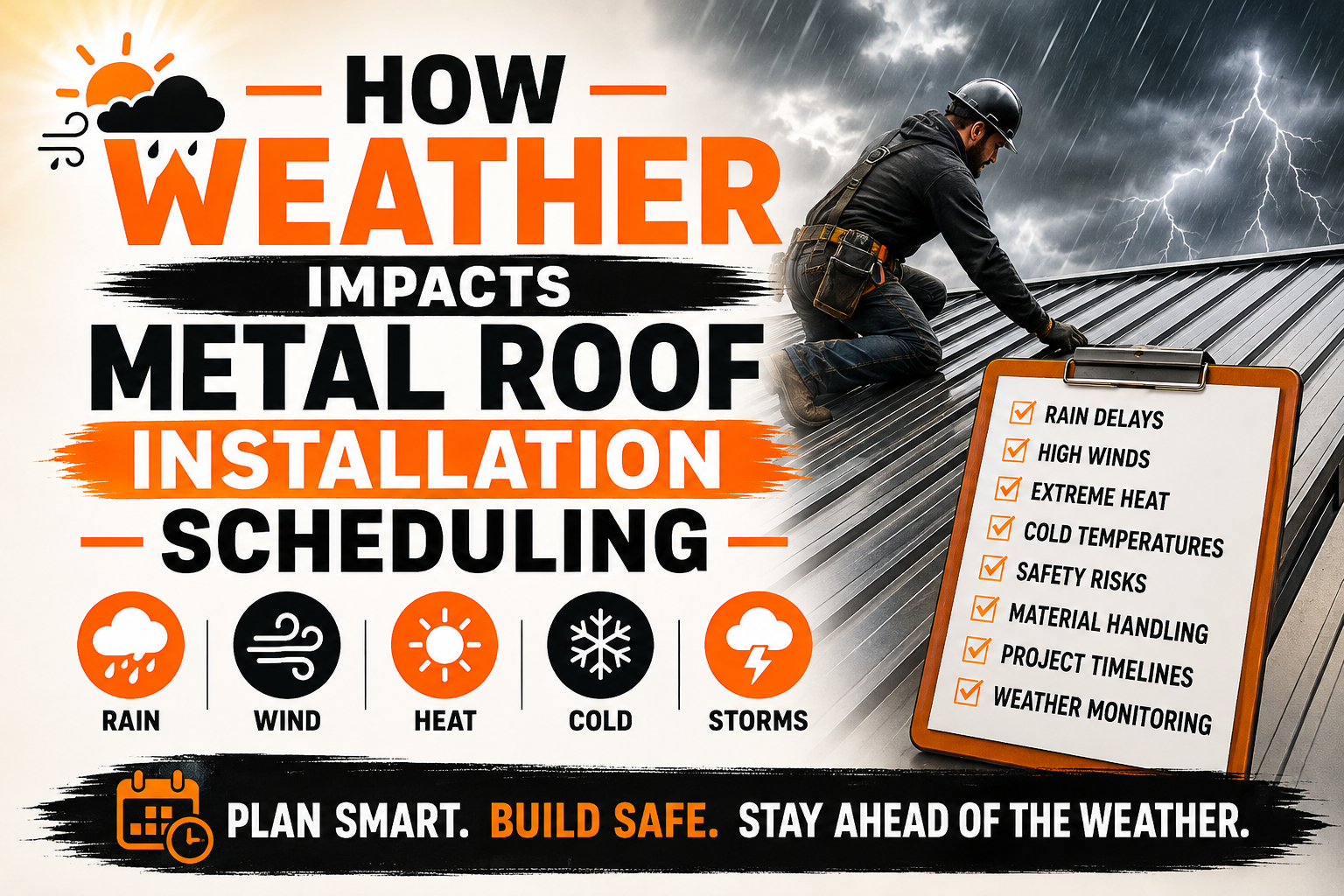
How Weather Impacts Metal Roof Installation Scheduling
Introduction
Weather plays a much bigger role in metal roof installation than many homeowners realize. While selecting quality materials and hiring an experienced contractor are essential parts of a successful roofing project, even the best installation team cannot control the weather. Rain, wind, extreme temperatures, humidity, and seasonal changes all influence when a metal roof can be installed safely and effectively. Scheduling a roofing project without considering these environmental factors can lead to delays, increased costs, and even long term performance issues.
Unlike some home improvement projects that can continue under a variety of weather conditions, roofing requires a stable and safe working environment. Contractors must protect the roof structure, maintain the quality of installation materials, and ensure the safety of everyone working on the project. Poor weather can interfere with each of these responsibilities, making careful scheduling an important part of every metal roof installation.
Many homeowners become frustrated when contractors postpone work because of changing weather forecasts. However, these delays are usually made to protect the quality of the installation rather than inconvenience the customer. Waiting for suitable weather often prevents problems such as trapped moisture, improperly sealed joints, damaged materials, or unsafe working conditions that could compromise the roof’s long term performance.
Understanding how weather affects installation scheduling helps homeowners develop realistic expectations before the project begins. Instead of viewing weather delays as setbacks, they can recognize them as necessary precautions that contribute to a stronger, safer, and more durable roofing system. By learning how different weather conditions influence installation, property owners can communicate more effectively with contractors and better appreciate the planning that goes into a successful roofing project.
This guide explores the relationship between weather and metal roof installation scheduling. It explains how different environmental conditions affect roofing work and why experienced contractors carefully monitor forecasts before beginning or continuing a project.
Why Weather Matters More for Metal Roofing
Every roofing material responds differently to changing weather conditions, but metal roofing requires an especially high level of precision during installation. Unlike asphalt shingles that are installed in many overlapping layers, metal roofing systems rely on carefully aligned panels, properly sealed joints, and accurately positioned fasteners. Small installation errors caused by poor weather can affect the entire roofing system.
Metal panels are often manufactured in long sections that cover significant portions of the roof. While these larger panels improve durability and reduce the number of seams, they also become more difficult to handle when weather conditions are unfavorable. Strong winds, sudden rain, or extreme temperatures can interfere with proper positioning and fastening, making installation considerably more challenging.
Another reason weather matters is the precision required when installing flashing around roof penetrations, valleys, chimneys, skylights, and vents. These areas must remain completely watertight because they experience concentrated water flow during storms. Installing flashing under unsuitable weather conditions may reduce the effectiveness of sealants or make accurate fitting more difficult.
Metal roofing systems are also designed to expand and contract as temperatures change. Professional installers understand how to accommodate this natural movement during installation, but temperature extremes can make achieving precise spacing more difficult. Proper scheduling allows contractors to work under conditions where measurements remain consistent and installation quality remains high.
Safety is equally important. Roofing crews work at elevated heights while handling large sheets of metal that can become hazardous when exposed to strong winds or slippery surfaces. Delaying installation until conditions improve protects workers while reducing the likelihood of mistakes caused by rushing or working in unsafe environments.
For these reasons, weather becomes one of the most important factors influencing both the installation schedule and the long term success of a metal roofing project.
Rain and Moisture Delays
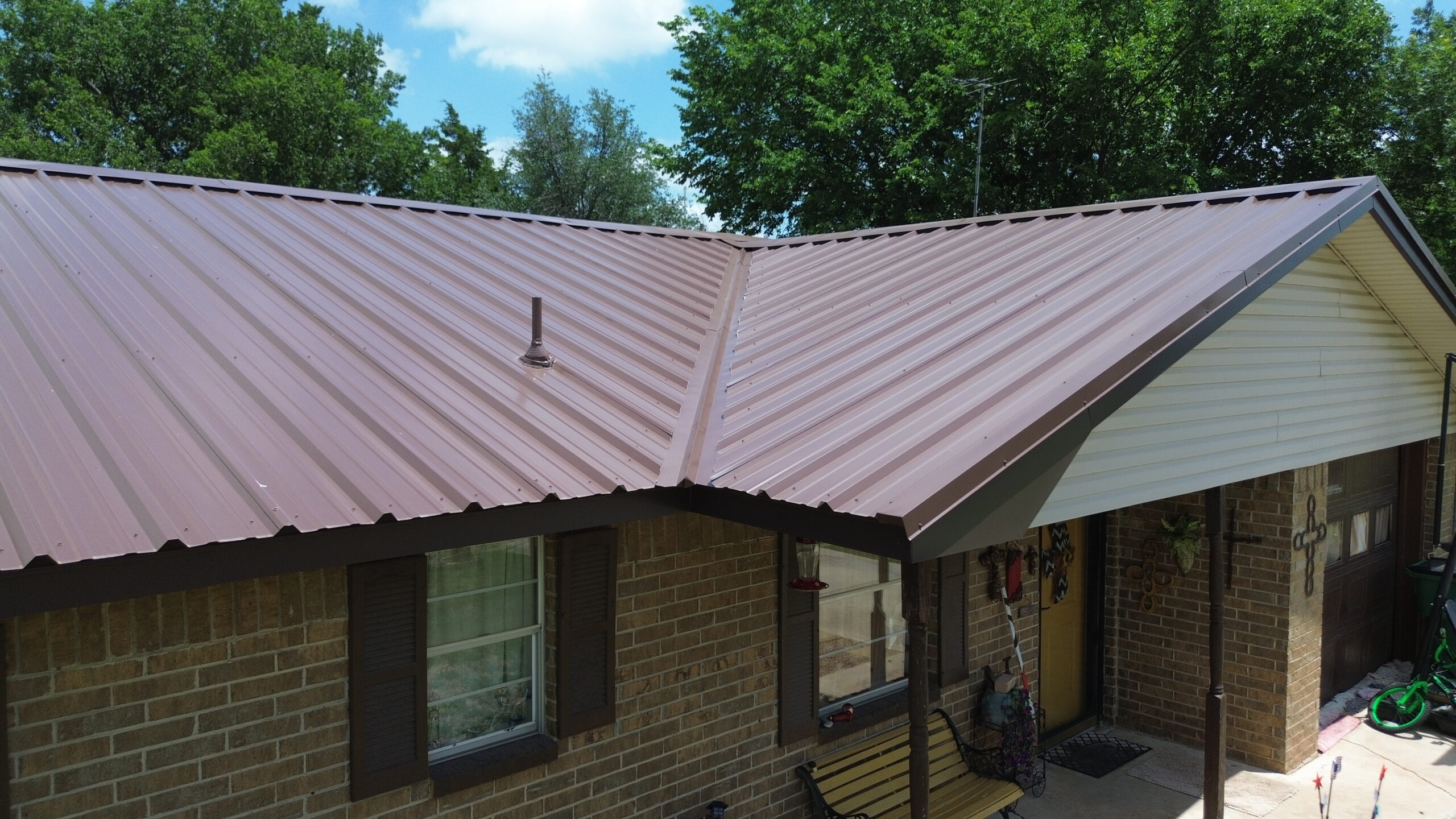
Rain is one of the most common reasons metal roof installation schedules change. Even light rainfall can interrupt roofing work because moisture affects both the installation process and the quality of the finished roofing system. Professional contractors closely monitor weather forecasts to avoid beginning work when rain is expected.
One of the primary concerns is protecting the roof deck. During installation, portions of the existing roofing materials may be removed, temporarily exposing the underlying structure. If rain occurs before the new roofing system is fully installed, moisture can enter the roof deck and insulation, creating conditions that may lead to mold growth, wood deterioration, or structural damage.
Moisture also affects the installation of underlayment. This protective layer serves as a secondary moisture barrier beneath the metal panels, helping prevent water intrusion throughout the roof’s lifespan. Installing underlayment on wet surfaces may reduce adhesion in certain products and increase the possibility of trapped moisture beneath the roofing system.
Rain creates additional safety concerns for roofing crews. Wet metal panels become extremely slippery, increasing the risk of falls and workplace accidents. Maintaining proper footing while carrying large roofing panels becomes much more difficult when surfaces are wet, making safe installation nearly impossible during active rainfall.
Certain roofing accessories and sealants also perform best when applied under dry conditions. Excess moisture may interfere with proper bonding, reducing the effectiveness of weather resistant seals around flashing, fasteners, and roof penetrations. Waiting for dry weather helps ensure these materials perform according to manufacturer specifications.
Even after rain has stopped, contractors may delay installation until the roof has completely dried. Beginning work too soon may trap residual moisture beneath the roofing materials, creating hidden problems that are difficult to detect until years later.
Although weather related delays may extend the project timeline, they ultimately help protect both the building and the investment being made in the new roofing system.
The Impact of Wind on Installation
Wind is another major weather factor that significantly affects metal roof installation scheduling. While mild breezes generally create few problems, stronger winds introduce challenges that influence both worker safety and installation accuracy.
Metal roofing panels are often large, lightweight sections that can catch the wind much like sails. As installers lift and position these panels, unexpected gusts may cause sudden movement that makes precise alignment difficult. Losing control of a panel can damage the material, nearby property, or even injure workers if proper precautions are not taken.
Wind also affects the accuracy of panel placement. Metal roofing requires consistent alignment from one panel to the next in order to create straight seams and maintain proper water drainage. Constant wind movement may interfere with careful positioning, increasing the likelihood of uneven spacing or installation errors.
Fastener installation also becomes more challenging in windy conditions. Installers need steady control while placing screws in the exact locations specified by the manufacturer. Sudden panel movement caused by wind can make achieving this precision much more difficult.
Roofing accessories such as flashing, ridge caps, and trim pieces may also become difficult to handle safely. These smaller components can be blown from the roof before installation is complete, increasing material waste and creating additional hazards around the job site.
Worker safety remains the greatest concern. Roofing already involves elevated work areas where balance and concentration are essential. Strong winds increase the likelihood of slips, falls, and accidental loss of equipment. Professional contractors prioritize safety over project speed, often postponing installation until wind conditions become more manageable.
By carefully monitoring wind forecasts, contractors reduce installation risks while improving the overall quality and appearance of the finished roofing system.
Temperature and Metal Roofing Performance
Temperature has a direct influence on both roofing materials and the installation process. Although metal roofs are designed to withstand a wide range of environmental conditions after installation, extreme temperatures can create challenges while the roofing system is being installed.
During very hot weather, metal panels absorb significant amounts of solar heat. Their surfaces may become extremely warm, making them uncomfortable and potentially hazardous for workers to handle. High temperatures can also increase worker fatigue, reducing productivity and making precision tasks more difficult throughout the day.
Certain roofing products are also affected by excessive heat. Some sealants cure more rapidly under high temperatures, reducing the amount of time installers have to position flashing or complete detailed sealing work. Contractors often adjust their work schedules during hot weather by beginning earlier in the morning when temperatures are lower.
Cold weather introduces a different set of challenges. Metal contracts as temperatures decrease, requiring installers to carefully follow manufacturer recommendations regarding spacing and fastening. Working in freezing conditions also affects worker dexterity, making detailed installation tasks more difficult.
Snow and frost create additional concerns during cold weather installations. Ice on roofing surfaces significantly increases slip hazards, while frozen materials may be more difficult to handle properly. Even when snowfall is not occurring, contractors may delay work until roof surfaces are completely clear and safe.
Moderate temperatures generally provide the best conditions for roofing installation. Comfortable weather allows materials to perform as expected while enabling installers to maintain consistent productivity and attention to detail throughout the project.
Professional contractors continuously monitor temperature forecasts because proper scheduling helps improve both installation efficiency and long term roofing performance.
Humidity and Moisture Considerations
Humidity may not seem as obvious as rain or wind, but it also influences metal roof installation in important ways. High humidity levels increase the amount of moisture present in the air, affecting both roofing materials and the environment beneath the roof.
One concern is condensation. Warm, humid air coming into contact with cooler roofing surfaces can produce moisture that accumulates beneath the metal panels. If installation occurs before surfaces have completely dried, this hidden moisture may become trapped within the roofing system.
Proper ventilation becomes especially important in humid climates. Roof ventilation allows moisture laden air to escape from the attic while promoting healthy airflow throughout the roofing system. Contractors often evaluate ventilation carefully when planning installations in areas that experience consistently high humidity.
Humidity can also influence the performance of certain sealants and adhesives used during installation. Some products require specific environmental conditions to achieve proper bonding and curing. Following manufacturer recommendations helps ensure these materials provide effective long term weather protection.
Material storage also deserves attention in humid conditions. Roofing components should remain dry before installation to prevent unnecessary moisture exposure. Experienced contractors protect materials carefully while waiting for suitable installation conditions.
Although humidity alone does not always delay roofing projects, it becomes an important consideration when combined with other weather factors such as rain, temperature changes, or overnight condensation.
Planning Around Local Weather Forecasts
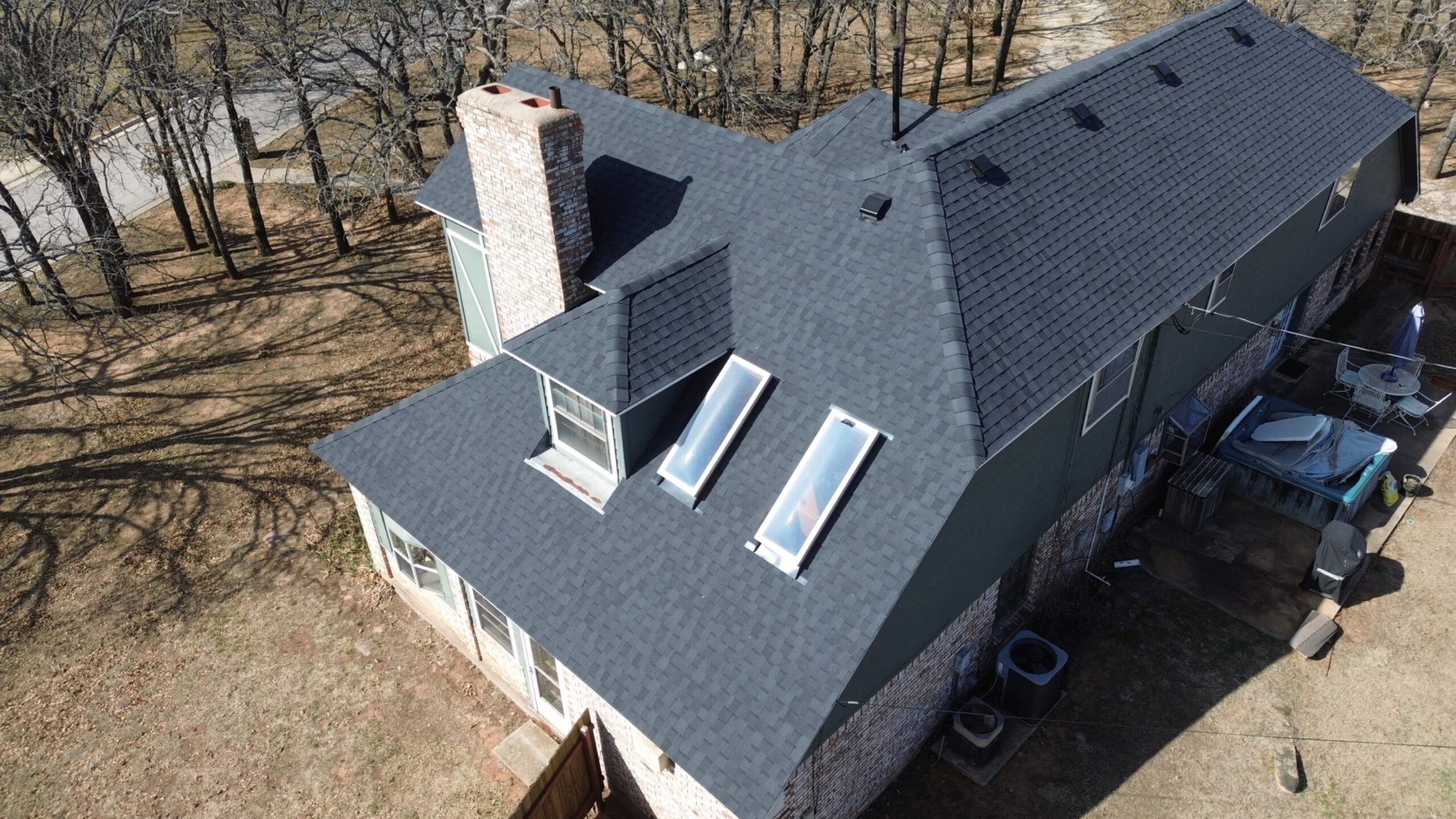
Successful metal roof installation begins long before workers arrive at the job site. Professional roofing contractors devote considerable time to monitoring weather forecasts and planning installation schedules around expected environmental conditions. This preparation helps reduce delays while protecting installation quality.
Modern weather forecasting provides valuable information about approaching storms, wind speeds, temperature changes, humidity levels, and precipitation probabilities. Contractors use these forecasts to determine the safest and most productive days for roofing work. Rather than reacting to changing weather after installation begins, they plan projects to avoid known weather risks whenever possible.
Forecast monitoring also helps contractors organize labor and material deliveries more efficiently. Large metal panels, underlayment, flashing components, and specialized equipment can be delivered when weather conditions are expected to remain favorable. Careful coordination reduces unnecessary material handling while improving overall project efficiency.
Communication with homeowners is another important aspect of weather planning. Experienced contractors explain why schedules may change if forecasts become unfavorable. Keeping property owners informed helps manage expectations while demonstrating that installation quality remains the highest priority throughout the project.
Flexibility is essential because weather forecasts can change unexpectedly. Contractors often build extra time into project schedules to accommodate possible delays caused by rain, wind, or severe weather. Although this approach may slightly extend the overall timeline, it greatly reduces the likelihood of rushed installation under unsafe conditions.
Planning around local weather conditions also allows contractors to protect partially completed roofing systems if unexpected weather develops. Temporary coverings, secure material storage, and organized work sequencing help minimize exposure while waiting for favorable conditions to return.
Spring Installation Considerations
Spring is often viewed as one of the best seasons for roofing projects because temperatures begin to rise after winter and weather conditions generally become more comfortable for outdoor work. However, spring also presents its own scheduling challenges that contractors must carefully manage. While many homeowners prefer to schedule roof replacements during this season, changing weather patterns can create unpredictable delays.
One of the biggest challenges of spring installation is the frequency of rain showers. In many regions, spring weather changes rapidly, with sunny mornings sometimes followed by afternoon storms. Contractors closely monitor forecasts before beginning work because even short periods of rainfall can interrupt installation and expose the roof deck to moisture.
Spring also brings fluctuating temperatures. Cool mornings followed by warmer afternoons can affect material handling and installation timing. Roofing crews often adjust their daily schedules to take advantage of the most favorable weather conditions throughout the day.
Wind is another factor that commonly accompanies spring weather. Seasonal weather systems may produce sudden gusts that make handling large metal panels more difficult. Contractors often delay lifting roofing materials until wind speeds become safe for precise installation.
Despite these challenges, spring remains a popular season because moderate temperatures improve worker comfort and allow roofing materials to perform well during installation. Homeowners who schedule projects early in the season may also benefit from greater contractor availability before peak demand begins.
Proper planning is especially important during spring. Flexible scheduling and regular communication between homeowners and contractors help minimize disruptions while maintaining installation quality throughout the project.
Summer Roofing Challenges
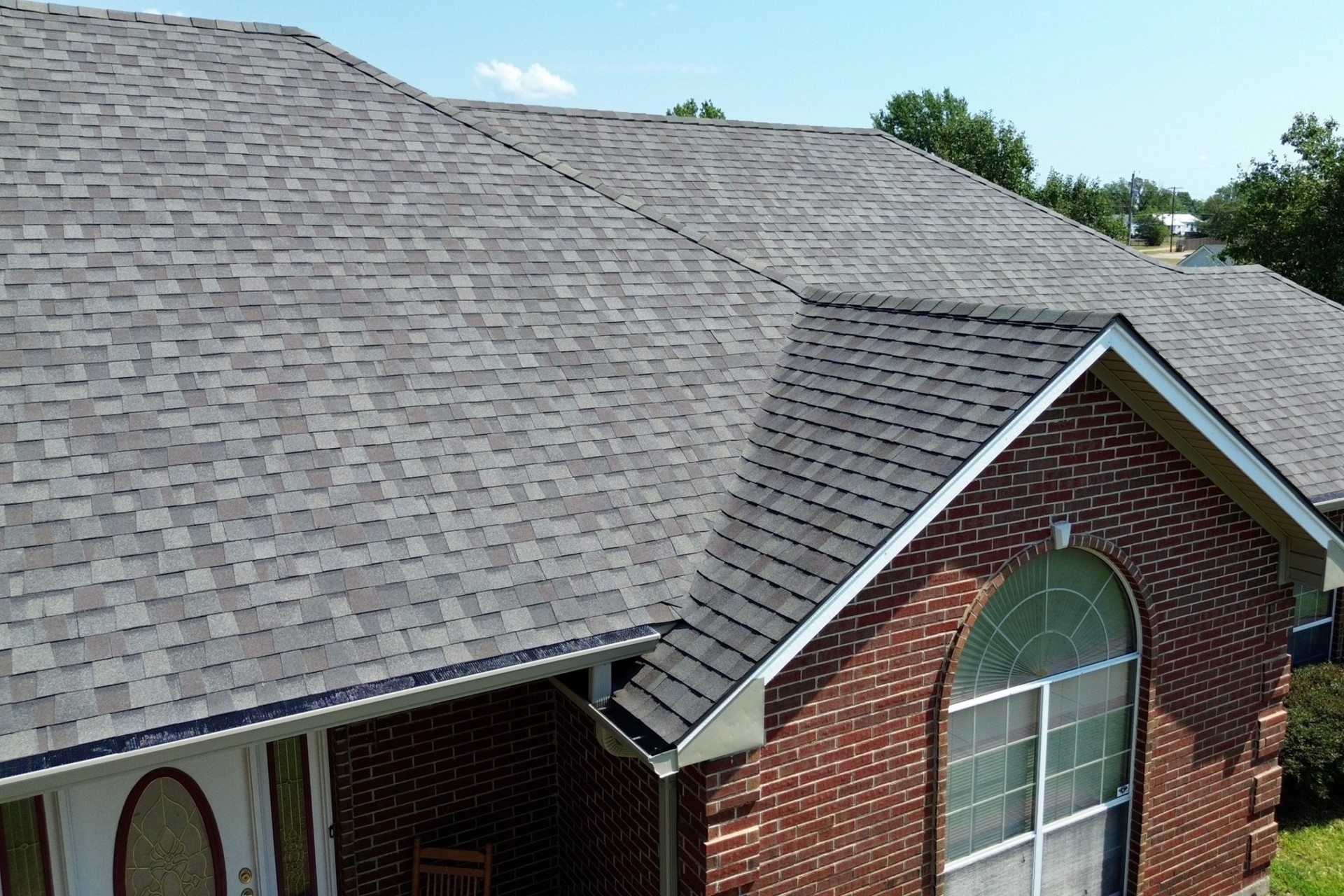
Summer provides longer daylight hours that allow roofing crews to accomplish more work during each day. Extended working hours can improve overall project efficiency and help larger installations progress more quickly. However, summer also introduces several weather related challenges that require careful planning.
Extreme heat is one of the most significant concerns during summer installation. Metal roofing panels absorb sunlight rapidly, causing surface temperatures to become much higher than the surrounding air. Workers handling these panels must use appropriate protective equipment while taking regular breaks to prevent heat related illnesses.
High temperatures also influence certain roofing products. Some sealants cure more quickly in hot weather, reducing the available time for precise placement and adjustments. Contractors often begin work early in the morning to complete detailed installation tasks before temperatures reach their daily peak.
Summer thunderstorms create another scheduling challenge. Afternoon storms can develop with little warning in many areas, bringing heavy rain, lightning, and strong winds. Roofing contractors monitor weather forecasts continuously and may temporarily suspend work if storm conditions approach.
Lightning presents a particularly serious safety concern because metal roofing materials conduct electricity. Working on elevated metal surfaces during electrical storms places workers at unnecessary risk, making project delays essential whenever lightning is expected nearby.
Material storage also becomes more important during hot weather. Roofing panels and accessories should be stored properly to prevent unnecessary exposure to prolonged sunlight before installation. Careful handling helps maintain product quality while reducing the risk of accidental damage.
Although summer remains a busy roofing season, experienced contractors balance productivity with safety by adapting work schedules to changing weather conditions throughout the day.
Autumn Installation Benefits and Limitations
Autumn is widely regarded as one of the most favorable seasons for metal roof installation because it offers a balance of comfortable temperatures and generally stable weather. Moderate conditions improve both worker productivity and material performance, making autumn a preferred choice for many roofing professionals.
Cooler temperatures reduce the physical strain experienced during summer installations while allowing roofing materials to remain easier to handle throughout the day. Sealants, flashing materials, and other installation components often perform consistently under these moderate conditions.
Many homeowners schedule roofing projects during autumn to prepare their homes for winter weather. As a result, roofing contractors frequently experience high demand throughout the season. While weather conditions may be favorable, contractor availability may become more limited, making early scheduling especially important.
Falling leaves present another seasonal challenge. Leaves may accumulate on roof surfaces, creating slippery conditions and trapping moisture if they are not removed regularly during installation. Contractors typically clean the work area frequently to maintain safe and efficient working conditions.
Autumn weather can also become unpredictable as winter approaches. Early cold fronts, increased rainfall, or occasional storms may temporarily interrupt roofing projects. Contractors continue monitoring forecasts carefully even during generally favorable weather periods.
Despite these limitations, autumn remains one of the most reliable seasons for roofing installations because comfortable temperatures support accurate workmanship while reducing weather related complications compared to more extreme seasons.
Winter Installation Challenges
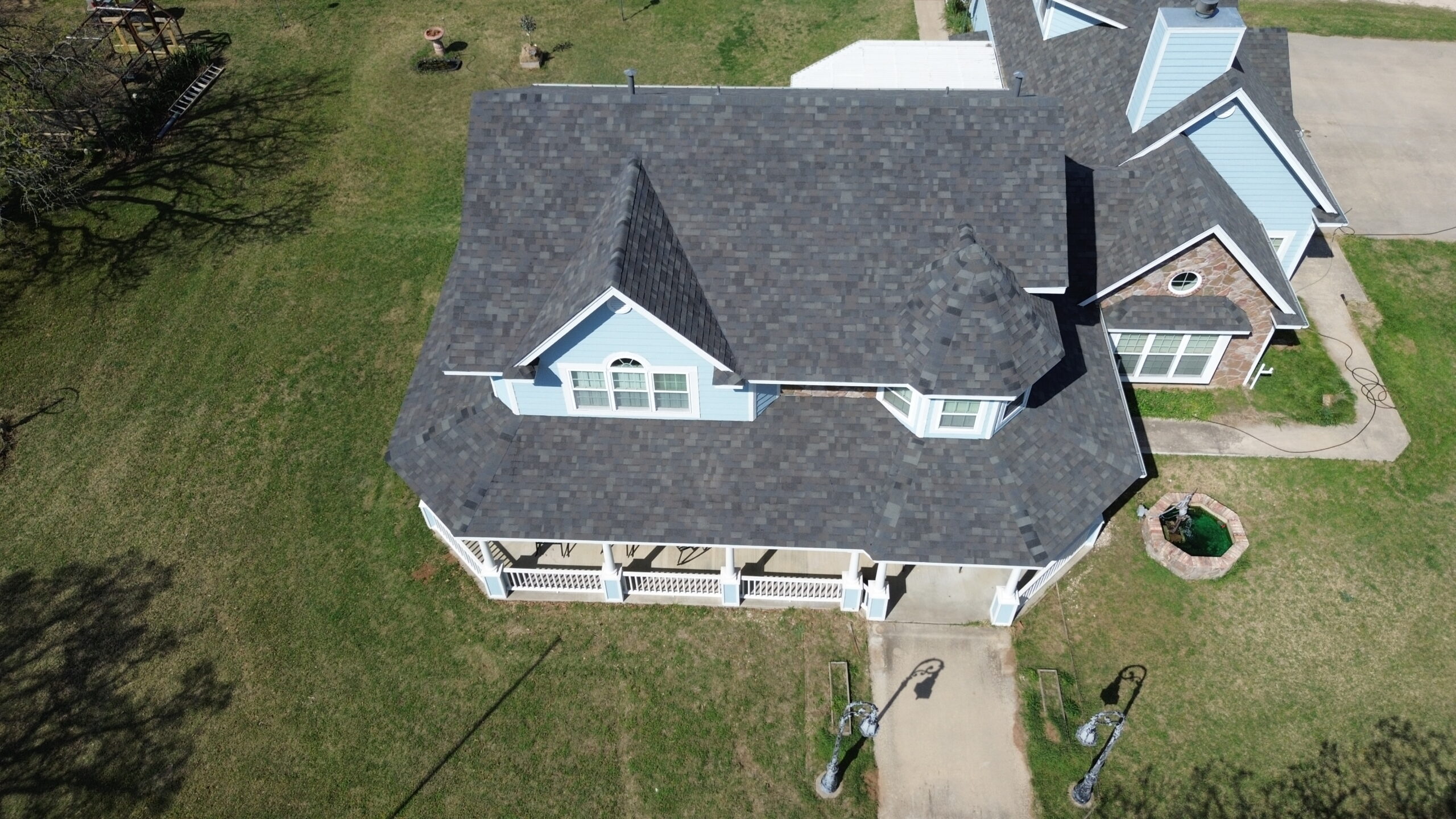
Winter presents the greatest number of weather related obstacles for metal roof installation. Although installation remains possible in many regions, colder conditions require additional planning, specialized techniques, and greater scheduling flexibility to maintain safety and quality.
Snow and ice are among the most obvious concerns. Roofing crews cannot safely work on surfaces covered with snow or ice because the risk of slipping increases significantly. Before installation begins, roof surfaces must be completely cleared and inspected to ensure safe working conditions.
Freezing temperatures affect both workers and roofing materials. Metal contracts in colder weather, requiring installers to follow manufacturer guidelines carefully when positioning panels and fastening systems. Cold weather may also reduce worker dexterity, making detailed installation tasks more challenging.
Shorter daylight hours influence project scheduling as well. With fewer hours of natural light available each day, roofing crews may complete smaller portions of the installation before work must stop. This often extends the total project duration compared with installations performed during spring or summer.
Winter storms can also arrive with limited warning, forcing contractors to secure partially completed roofing systems until conditions improve. Temporary protective coverings help prevent moisture intrusion while installation is paused.
Transportation and material deliveries may also experience delays during severe winter weather. Snow covered roads and icy conditions can slow deliveries of roofing panels, accessories, and equipment, affecting overall project schedules.
Despite these challenges, experienced roofing contractors successfully complete winter installations by monitoring forecasts carefully, adapting work schedules, and following specialized cold weather installation procedures whenever conditions allow.
Unexpected Weather Events
Even the most carefully planned roofing schedule can be disrupted by unexpected weather events. Modern forecasting has improved significantly, but sudden storms, strong winds, hail, and other severe weather conditions may still develop with little warning. Contractors must remain prepared to respond quickly whenever weather conditions change unexpectedly.
Heavy rainfall is one of the most common causes of emergency schedule adjustments. If rain begins during installation, crews immediately secure exposed sections of the roof using temporary waterproof coverings. Protecting the roof deck from moisture becomes the highest priority until work can safely resume.
Strong wind events create similar challenges. Large roofing panels that are safe to handle under calm conditions become hazardous during sudden gusts. Contractors may postpone lifting additional panels until wind speeds decrease, preventing both material damage and workplace accidents.
Hailstorms require special attention because falling hail can damage roofing materials before installation is complete. Contractors often inspect all exposed materials after severe weather to ensure no hidden damage has occurred before continuing the project.
In coastal regions, hurricanes and tropical storms present additional scheduling challenges. Roofing companies closely monitor long range weather forecasts during storm season and may postpone projects several days before severe weather arrives. This precaution allows sufficient time to secure materials and protect partially completed roofs.
Unexpected weather events may temporarily delay progress, but these interruptions ultimately protect both workers and homeowners. Attempting to continue installation during dangerous conditions increases the likelihood of mistakes that could compromise the roof’s long term performance.
How Contractors Build Flexible Installation Schedules
Experienced roofing contractors understand that weather cannot be controlled, which is why flexibility is built into nearly every installation schedule. Rather than promising rigid completion dates regardless of conditions, professional contractors prepare contingency plans that allow projects to continue efficiently while adapting to changing forecasts.
One common strategy involves monitoring weather forecasts several times each day. Contractors evaluate updated predictions regarding rainfall, wind speeds, temperature changes, and severe weather risks before determining whether installation should proceed as planned.
Material deliveries are often scheduled strategically to reduce unnecessary exposure to unfavorable weather. Roofing panels, underlayment, flashing, and accessories may arrive shortly before installation begins rather than remaining exposed at the job site for extended periods.
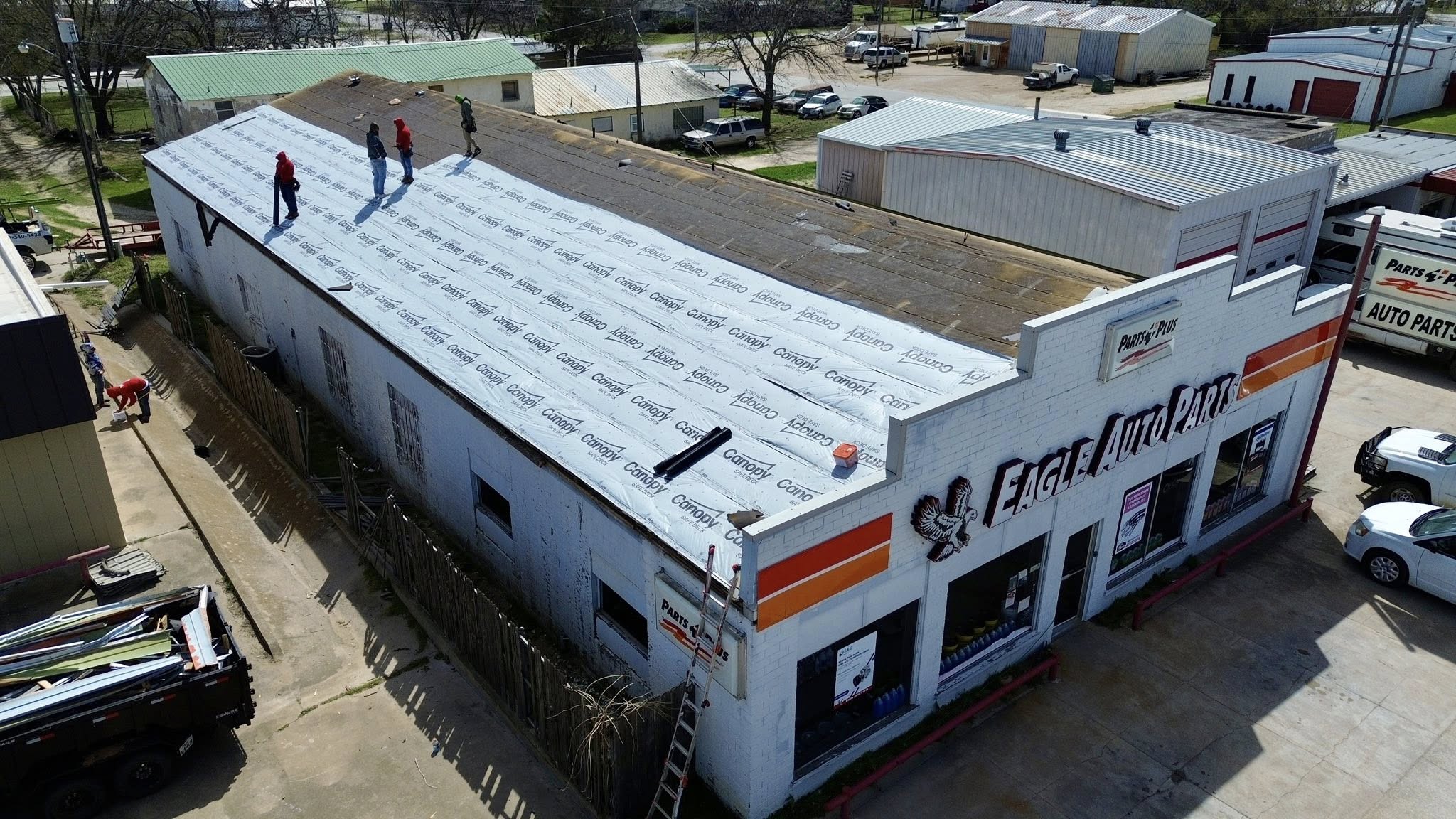
Contractors also organize work so that the roof remains protected whenever installation pauses. Temporary coverings, secure fastening of partially installed panels, and proper storage of unused materials reduce weather related risks during unexpected delays.
Crew scheduling provides another layer of flexibility. When weather conditions improve, contractors may increase crew size or adjust working hours to recover lost time while maintaining installation quality. These adjustments help projects stay on schedule without encouraging rushed workmanship.
Communication plays a major role throughout the scheduling process. Professional contractors keep homeowners informed about weather forecasts, expected delays, revised timelines, and project progress. Clear communication helps reduce uncertainty while maintaining trust throughout the installation.
Building flexibility into roofing schedules reflects professional planning rather than poor organization. Contractors recognize that allowing time for weather related interruptions ultimately produces better installation quality and greater customer satisfaction.
Seasonal Weather Comparison Table
The table below summarizes how each season typically affects metal roof installation scheduling.
| Season | Common Weather Conditions | Installation Advantages | Scheduling Challenges |
|---|---|---|---|
| Spring | Rain showers, moderate temperatures, changing winds | Comfortable working conditions and improving temperatures | Frequent rain delays and unpredictable weather changes |
| Summer | High temperatures, thunderstorms, long daylight hours | Longer working days and faster project progress | Heat stress, lightning, sudden afternoon storms |
| Autumn | Mild temperatures, lower humidity, falling leaves | Excellent installation conditions and consistent material performance | High contractor demand and occasional early storms |
| Winter | Snow, ice, freezing temperatures, shorter days | Reduced contractor demand in some areas | Snow delays, cold weather challenges, limited daylight |
Choosing the Right Time for Installation
Selecting the right time to install a metal roof involves more than simply choosing an available date on the calendar. Homeowners should consider local weather patterns, contractor availability, seasonal demand, and their own project priorities before scheduling installation. A well planned schedule reduces unnecessary delays and allows contractors to complete the project under conditions that support high quality workmanship.
One of the first considerations is the local climate. Every region experiences different seasonal weather patterns, so the ideal installation period varies depending on location. Areas with mild autumn temperatures may offer excellent roofing conditions, while regions with long rainy seasons may require homeowners to schedule projects during drier months. Understanding these local trends helps create a more realistic installation timeline.
Contractor availability also plays an important role. Many roofing companies receive the highest number of requests during spring and autumn because these seasons generally provide favorable weather. Scheduling several weeks or even months in advance gives homeowners a better chance of securing experienced contractors rather than settling for whoever is immediately available.
Property condition should also influence scheduling decisions. If the existing roof shows signs of leaks, structural damage, or missing materials, delaying replacement until the ideal season may not be practical. In these situations, contractors may recommend temporary repairs to protect the building until permanent installation can safely begin.
Large renovation projects require additional coordination. If roofing installation is part of a broader home improvement plan, homeowners should schedule work so that roofing activities align with other construction tasks. Proper sequencing helps avoid unnecessary disruptions and protects newly completed work from weather exposure.
Budget planning is another important factor. Homeowners should account for possible weather related delays when planning temporary accommodations, equipment rentals, or other project expenses. Building flexibility into the budget reduces stress if the installation schedule changes because of unfavorable weather.
Ultimately, the best installation schedule balances weather conditions, contractor expertise, project urgency, and homeowner expectations. Careful planning creates a smoother installation process while reducing the likelihood of rushed decisions that could compromise quality.
Questions to Ask Your Roofing Contractor About Weather Planning
Weather affects every roofing project differently, which makes communication with the contractor extremely important before installation begins. Asking detailed questions allows homeowners to understand how weather related decisions will be handled throughout the project and helps establish realistic expectations from the start.
The following questions provide valuable guidance during pre installation discussions.
- How do you monitor weather forecasts before and during the installation?
- Under what weather conditions will work be postponed?
- How will the roof be protected if unexpected rain occurs during installation?
- What procedures do you follow when strong winds develop while work is in progress?
- How do extreme temperatures affect your installation schedule?
- Will weather related delays change the overall project cost?
- How will you communicate schedule changes if forecasts suddenly change?
- How are roofing materials protected while waiting for suitable weather?
- Do you include extra time in the project schedule for possible weather interruptions?
- What steps do you take to ensure installation quality after weather related delays?
These questions encourage open communication while helping homeowners understand the contractor’s planning process. Professional roofing companies usually welcome these discussions because they demonstrate the homeowner’s interest in quality workmanship rather than simply the fastest possible completion date.
Written documentation of scheduling policies can also be helpful. Some contractors include weather related procedures within their contracts, explaining how delays will be managed and how project timelines may be adjusted if conditions become unsafe. Reviewing these details before work begins helps prevent misunderstandings later.
How Homeowners Can Prepare for Weather Delays
Although contractors manage the technical aspects of weather planning, homeowners also play an important role in preparing for possible schedule changes. A flexible approach helps reduce frustration while supporting the contractor’s efforts to deliver the highest quality installation.
One of the most important steps is maintaining realistic expectations. Roofing projects depend on outdoor conditions that change frequently, making exact completion dates difficult to guarantee. Understanding this reality allows homeowners to approach the project with greater patience if unexpected delays occur.
Homeowners should also prepare the property before installation begins. Vehicles should be moved away from the work area, outdoor furniture should be relocated if necessary, and valuable landscaping should be identified so contractors can take appropriate precautions. Completing these tasks early makes it easier to resume work quickly after weather interruptions.
Communication remains essential throughout the project. Homeowners should keep contact information readily available and remain accessible if the contractor needs to discuss weather related schedule adjustments. Prompt communication allows decisions to be made efficiently without creating unnecessary delays.
Interior preparation can also be helpful. Roofing work sometimes creates vibration inside the home, so securing fragile decorations, valuable items, or loose objects before installation begins helps prevent accidental damage regardless of weather conditions.
Families should also plan daily routines with some flexibility. Children, pets, and household activities may require temporary adjustments depending on when roofing work resumes after a weather delay. Preparing for these possibilities reduces inconvenience during the project.
It is also beneficial to understand that weather delays are usually temporary. Contractors monitor forecasts continuously and often resume work as soon as safe conditions return. Remaining flexible helps maintain a positive working relationship while allowing the installation team to focus on quality rather than rushing to recover lost time.
Common Weather Related Scheduling Mistakes
Some roofing delays become more complicated because of planning mistakes made before installation even begins. Understanding these common scheduling errors helps homeowners make better decisions and reduces unnecessary disruptions throughout the project.
The following mistakes should be avoided whenever possible.
- Assuming the project will continue regardless of weather conditions.
- Scheduling installation during historically severe weather periods without allowing flexibility.
- Waiting until the roof is severely damaged before arranging replacement.
- Choosing the first available contractor without considering experience or weather planning procedures.
- Ignoring local seasonal weather patterns when selecting installation dates.
- Expecting exact completion dates despite changing forecasts.
- Failing to discuss weather related delays before signing the contract.
- Not preparing the property in advance for temporary schedule adjustments.
- Pressuring contractors to continue working during unsafe weather.
- Focusing only on project speed instead of installation quality.
Avoiding these mistakes allows roofing projects to proceed more smoothly even when weather conditions change unexpectedly. Careful planning creates a more positive experience for both homeowners and contractors while protecting the quality of the finished roof.
Why Patience Leads to Better Installation Quality
Homeowners naturally want roofing projects completed as quickly as possible, especially when replacing an aging or damaged roof. However, patience often becomes one of the most valuable contributions a homeowner can make during the installation process. Allowing contractors to wait for suitable weather conditions usually results in better workmanship and improved long term performance.
Working under favorable weather allows installers to focus fully on precision rather than rushing to beat approaching storms or challenging conditions. Accurate panel alignment, consistent fastener placement, proper flashing installation, and careful sealing all require time and concentration. Stable weather provides the environment needed to complete these tasks correctly.
Weather related delays also help protect installation materials. Underlayment, flashing, sealants, and roofing panels perform best when installed under conditions recommended by their manufacturers. Waiting for suitable temperatures and dry surfaces helps these materials achieve their intended durability and weather resistance.
Safety provides another important reason for exercising patience. Roofing crews working on steep surfaces already face significant risks under normal conditions. Rain, high winds, ice, or extreme heat increase those risks considerably. Allowing installation to pause during dangerous weather protects workers while reducing the possibility of mistakes caused by fatigue or unsafe conditions.
Patience also benefits homeowners financially. Correct installation reduces the likelihood of leaks, premature repairs, warranty disputes, and future maintenance expenses. Although weather delays may extend the project timeline slightly, they often prevent much larger costs associated with correcting installation problems later.
Experienced contractors understand that quality always takes priority over speed. Their willingness to delay installation when necessary reflects professionalism rather than inefficiency. Homeowners who recognize this perspective often feel more confident throughout the project and appreciate the long term value of careful scheduling.
The Long Term Benefits of Proper Weather Scheduling
Carefully planned weather scheduling offers advantages that continue long after the installation has been completed. While weather related delays may temporarily extend construction, they contribute directly to the roof’s durability, appearance, and overall performance for many years.
One of the greatest benefits is improved waterproofing. Dry installation conditions allow underlayment, flashing, and sealants to perform according to manufacturer specifications. Proper moisture protection reduces the likelihood of leaks while helping preserve the structural integrity of the roof deck beneath the metal panels.
Correct weather scheduling also supports accurate panel installation. Calm conditions allow contractors to align panels precisely, secure fasteners consistently, and complete detailed finishing work without unnecessary interruptions. These small improvements contribute to a stronger roofing system that performs better under future weather conditions.
Manufacturer warranty protection is another important advantage. Many roofing manufacturers require products to be installed according to specific guidelines that include environmental considerations. Following these recommendations helps preserve warranty coverage while ensuring the roofing system performs as intended.
Energy efficiency also benefits from proper scheduling. Well installed roofing systems combined with correctly positioned ventilation components help regulate indoor temperatures more effectively. Accurate installation minimizes gaps, improves airflow, and enhances the overall efficiency of the building envelope.
Long term maintenance requirements are often reduced as well. Roofs installed under suitable weather conditions generally experience fewer installation related issues such as loose fasteners, failed sealants, or flashing problems. This translates into lower repair costs and greater confidence throughout the roof’s service life.
Property value may also improve because professionally installed metal roofs remain attractive and dependable for decades. Prospective buyers often recognize the value of a roofing system that has been installed carefully using proper construction practices and quality materials.
Most importantly, careful scheduling provides peace of mind. Homeowners can feel confident knowing their roof was installed under conditions that supported the highest standards of workmanship rather than being rushed to meet an unrealistic deadline.
Final Thoughts
Weather influences every stage of a metal roof installation project, from the first planning meeting to the final inspection. Rain, wind, temperature, humidity, and seasonal conditions all affect installation quality, worker safety, material performance, and project scheduling. Understanding these influences allows homeowners to appreciate why experienced contractors place so much emphasis on weather forecasting and flexible scheduling.
Although delays may occasionally feel inconvenient, they are usually made with the long term success of the roofing system in mind. A properly installed metal roof provides decades of reliable protection, making a few extra days of careful planning insignificant compared with the many years of dependable performance that follow.
Homeowners who work closely with experienced contractors, remain flexible during changing weather conditions, and focus on quality rather than speed are far more likely to enjoy a successful roofing project. Weather may influence the schedule, but thoughtful planning ensures it does not compromise the final result.
Conclusion
Weather is one of the most important factors affecting metal roof installation scheduling because it directly influences safety, material performance, workmanship quality, and overall project success. Rain can expose the roof structure to moisture, strong winds make handling large panels hazardous, extreme temperatures affect installation precision, and seasonal conditions determine how efficiently roofing work can progress. Experienced contractors carefully monitor these environmental factors before making scheduling decisions that protect both the installation team and the finished roofing system.
While weather related delays may temporarily extend a project’s timeline, they almost always produce better long term results. Installing roofing materials under suitable conditions improves waterproofing, panel alignment, flashing performance, ventilation, and overall structural reliability. These benefits reduce the likelihood of future repairs while helping preserve manufacturer warranties and extending the roof’s service life.
By understanding how weather impacts installation scheduling, homeowners can set realistic expectations, communicate effectively with their roofing contractor, and make informed decisions throughout the project. Choosing flexibility over rushing the installation ultimately leads to a stronger, safer, and more durable metal roof that continues to protect the property for decades.