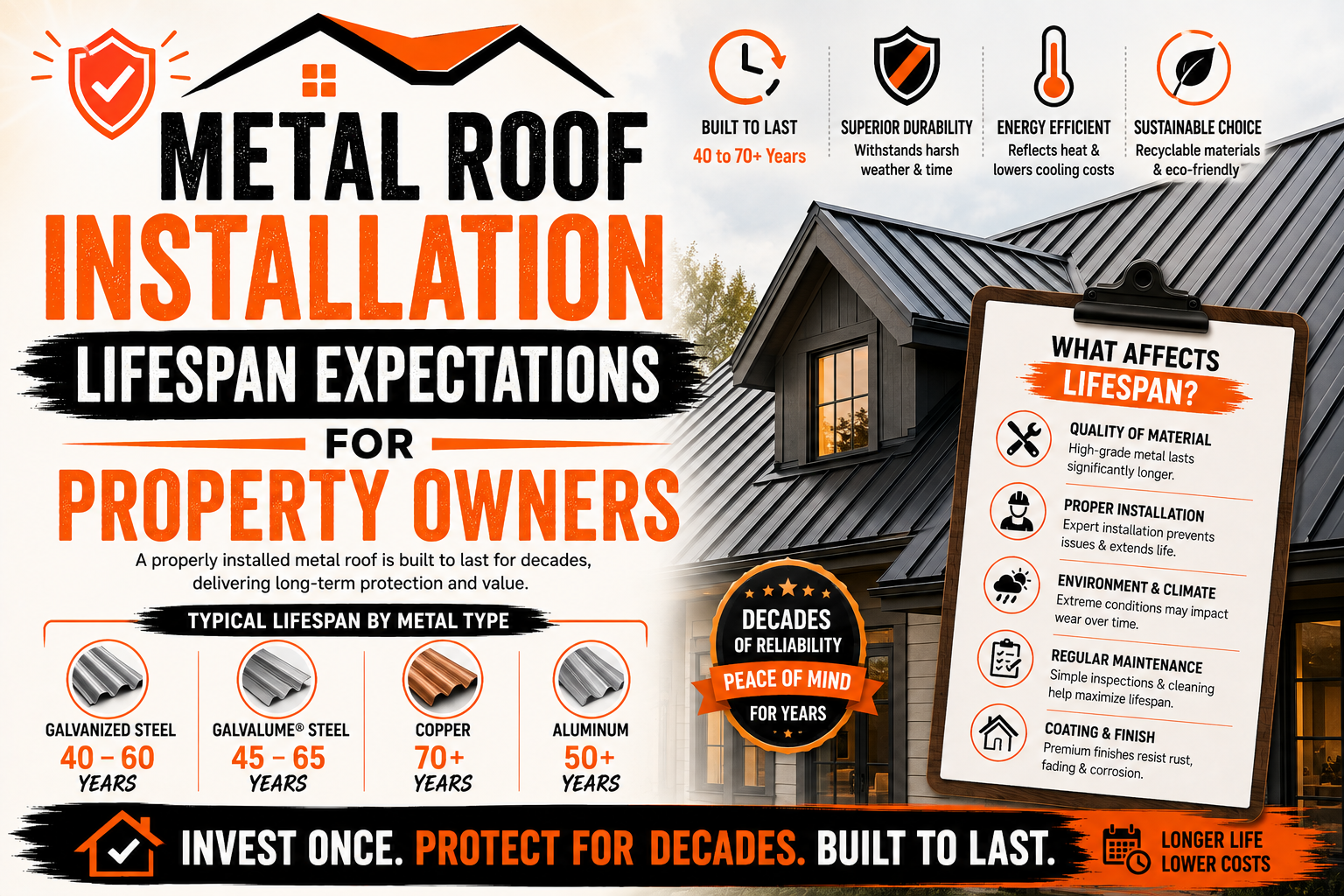
Metal Roof Installation Lifespan Expectations for Property Owners
Introduction
A metal roof is often viewed as one of the longest lasting roofing investments available for residential and commercial properties. Unlike many traditional roofing materials that require replacement after a few decades, a properly installed metal roof can provide reliable protection for several generations. However, its lifespan depends on much more than the metal panels themselves. Installation quality, climate, maintenance, and material selection all play significant roles in determining how long the roof will perform.
Many property owners focus primarily on the purchase price when comparing roofing options. While the initial investment is important, understanding the expected lifespan of the roofing system provides a clearer picture of its long term value. A roof that lasts significantly longer while requiring fewer repairs often proves more economical over time than one with a lower upfront cost.
Installation is one of the most important factors affecting durability. Even premium metal roofing materials cannot reach their expected lifespan if they are installed incorrectly. Poor flashing, inadequate ventilation, improper fastening, or insufficient moisture protection can all reduce the roof’s service life long before the metal panels themselves begin to wear out.
This guide explains the lifespan expectations of metal roof installation, the factors that influence durability, and the steps property owners can take to maximize the life of their investment. In this first part, we will explore why roof lifespan matters, compare different metal roofing materials, examine the role of installation quality, and discuss the preparation required before installation begins.
Why Metal Roof Lifespan Matters
The lifespan of a roof affects far more than the frequency of roof replacement. It influences maintenance costs, property value, energy efficiency, insurance considerations, and the overall cost of owning a building. Understanding how long a roofing system is expected to last helps property owners make informed decisions when planning new construction or replacing an aging roof.
A longer lasting roof generally requires fewer replacement projects during the life of a building. Each roof replacement involves material costs, labor expenses, disposal fees, and potential disruption to daily activities. Choosing a durable roofing system helps reduce these recurring expenses over many decades.
Property value may also benefit from a long lasting roof. Prospective buyers often view a recently installed metal roof as a valuable feature because it reduces the likelihood of major roofing expenses in the near future. A durable roofing system can therefore improve buyer confidence during property sales.
Insurance companies sometimes consider roof condition when determining coverage or premiums. Although policies vary, a well maintained metal roof may present lower long term risk than older or deteriorating roofing materials. Maintaining the roof properly helps preserve both its structural integrity and its value.
Roof lifespan also affects environmental sustainability. Longer lasting roofing systems generate less construction waste because they require replacement less frequently. Many metal roofing products are recyclable as well, further reducing their environmental impact.
Energy efficiency remains another important benefit. A metal roof that continues performing effectively over several decades supports consistent insulation, ventilation, and reflective performance without requiring repeated material replacement.
Ultimately, understanding roof lifespan allows property owners to evaluate roofing projects based on long term value rather than initial purchase price alone.
Average Lifespan of Different Metal Roofing Materials
Not all metal roofing materials provide the same service life. Each material offers unique advantages related to durability, corrosion resistance, maintenance requirements, and environmental conditions. Selecting the right material helps establish realistic expectations for long term performance.
Steel is the most widely used metal roofing material because it offers an excellent balance between affordability and durability. Galvanized and Galvalume steel panels include protective coatings that significantly improve corrosion resistance while maintaining structural strength for many decades.
Aluminum roofing performs especially well in coastal regions where salt exposure accelerates corrosion on other metals. Since aluminum naturally resists rust, it remains an excellent choice for properties located near oceans or other marine environments.
Copper is recognized for its exceptional longevity. Over time, copper develops a natural protective patina that shields the material from further corrosion while creating a distinctive appearance appreciated by many architects and homeowners.
Zinc roofing is another premium option known for its remarkable durability. Small surface scratches often heal naturally through weathering processes, allowing zinc roofing to maintain excellent performance with relatively little maintenance.
Material thickness also affects expected lifespan. Thicker metal panels generally resist denting, deformation, and long term wear better than thinner materials, although they may increase overall project costs.
Factory applied coatings further extend roof life by protecting the metal from ultraviolet radiation, moisture, and environmental pollutants. High quality finishes maintain their appearance while preserving the structural integrity of the roofing panels.
Although manufacturers provide general lifespan estimates, actual performance depends heavily on installation quality, maintenance practices, and local environmental conditions.
Factors That Influence Metal Roof Longevity
The lifespan of a metal roof depends on numerous factors working together rather than any single characteristic. Understanding these influences helps property owners appreciate why two similar roofs may perform very differently over time.
Material quality forms the foundation of long term durability. Higher quality metals, thicker panels, and advanced protective coatings generally provide better resistance to corrosion, weathering, and physical damage than lower grade materials.
Installation quality is equally important. Poorly aligned panels, incorrectly installed flashing, inadequate ventilation, or improper fastening techniques may allow water intrusion or create unnecessary structural stress that shortens roof life.
Climate significantly influences roof performance. Coastal environments expose roofing materials to salt, industrial areas introduce airborne pollutants, and regions with heavy snowfall or frequent hail place additional demands on roofing systems.
Roof design also contributes to longevity. Simple roof layouts with fewer valleys, dormers, and penetrations generally experience fewer opportunities for leaks than highly complex roof structures.
Routine maintenance extends roof life by identifying small issues before they develop into larger problems. Promptly repairing damaged flashing or replacing loose fasteners prevents moisture from reaching structural components beneath the roof.
Ventilation and insulation also affect durability. Balanced attic ventilation reduces moisture accumulation and minimizes temperature extremes that contribute to material expansion and contraction over time.
Finally, workmanship throughout the installation process determines how effectively all these factors work together. A carefully installed roof often outperforms higher priced materials installed without proper attention to detail.
How Installation Quality Affects Roof Lifespan
Installation quality is one of the most influential factors determining whether a metal roof reaches its expected service life. Even the most durable roofing materials cannot compensate for poor workmanship during installation.
The roof deck must provide a stable and level foundation before installation begins. Damaged or uneven decking may create movement beneath the roofing panels, increasing stress on fasteners and flashing over time.
Panel alignment also affects long term performance. Properly aligned panels distribute loads evenly across the roofing system while maintaining consistent water drainage toward gutters and downspouts.
Fastener installation requires careful attention. Roofing screws should be tightened according to manufacturer specifications, allowing sealing washers to compress correctly without being over tightened. Improper fastener installation may eventually allow moisture infiltration.
Flashing around chimneys, skylights, plumbing vents, and roof valleys deserves special attention because these locations experience concentrated water flow. High quality flashing installation significantly reduces the likelihood of leaks developing years after installation.
Ventilation components must also be installed correctly. Effective airflow beneath the roofing system reduces moisture buildup while minimizing thermal stress caused by extreme attic temperatures.
Experienced installers understand manufacturer requirements for panel overlap, fastening patterns, trim installation, and moisture barriers. Following these guidelines helps preserve warranty coverage while maximizing roof lifespan.
Choosing qualified installation professionals often provides greater long term value than attempting to reduce costs through inadequate workmanship. Quality installation protects the investment made in premium roofing materials.
Choosing the Right Metal Roofing System
Selecting the appropriate roofing system is one of the earliest decisions affecting roof longevity. Every roofing style offers different advantages depending on building design, climate conditions, maintenance expectations, and available budget.
Standing seam roofing is widely recognized for its exceptional durability. Concealed fasteners remain protected beneath raised seams, reducing exposure to sunlight, moisture, and temperature fluctuations that gradually affect exposed fastening systems.
Exposed fastener roofing provides a more economical solution while still delivering excellent performance when installed correctly. However, exposed screws generally require periodic inspection because their sealing washers remain exposed to weather throughout the roof’s service life.
Panel profile also influences long term performance. Deeper ribs increase structural strength while improving water drainage across the roof surface. Choosing a panel profile appropriate for local weather conditions helps maximize durability.
Protective coatings deserve careful consideration as well. High performance paint systems resist fading, corrosion, chalking, and ultraviolet degradation while maintaining an attractive appearance for many years.
Color selection may also influence roof performance. Reflective coatings improve energy efficiency while reducing repeated heating and cooling cycles that contribute to material expansion and contraction.
Property owners should also consider manufacturer reputation, product testing, warranty coverage, and local contractor experience when selecting a roofing system. A high quality product installed by experienced professionals typically provides the greatest long term reliability.
The right roofing system balances durability, appearance, maintenance requirements, and expected lifespan according to the property’s specific needs.
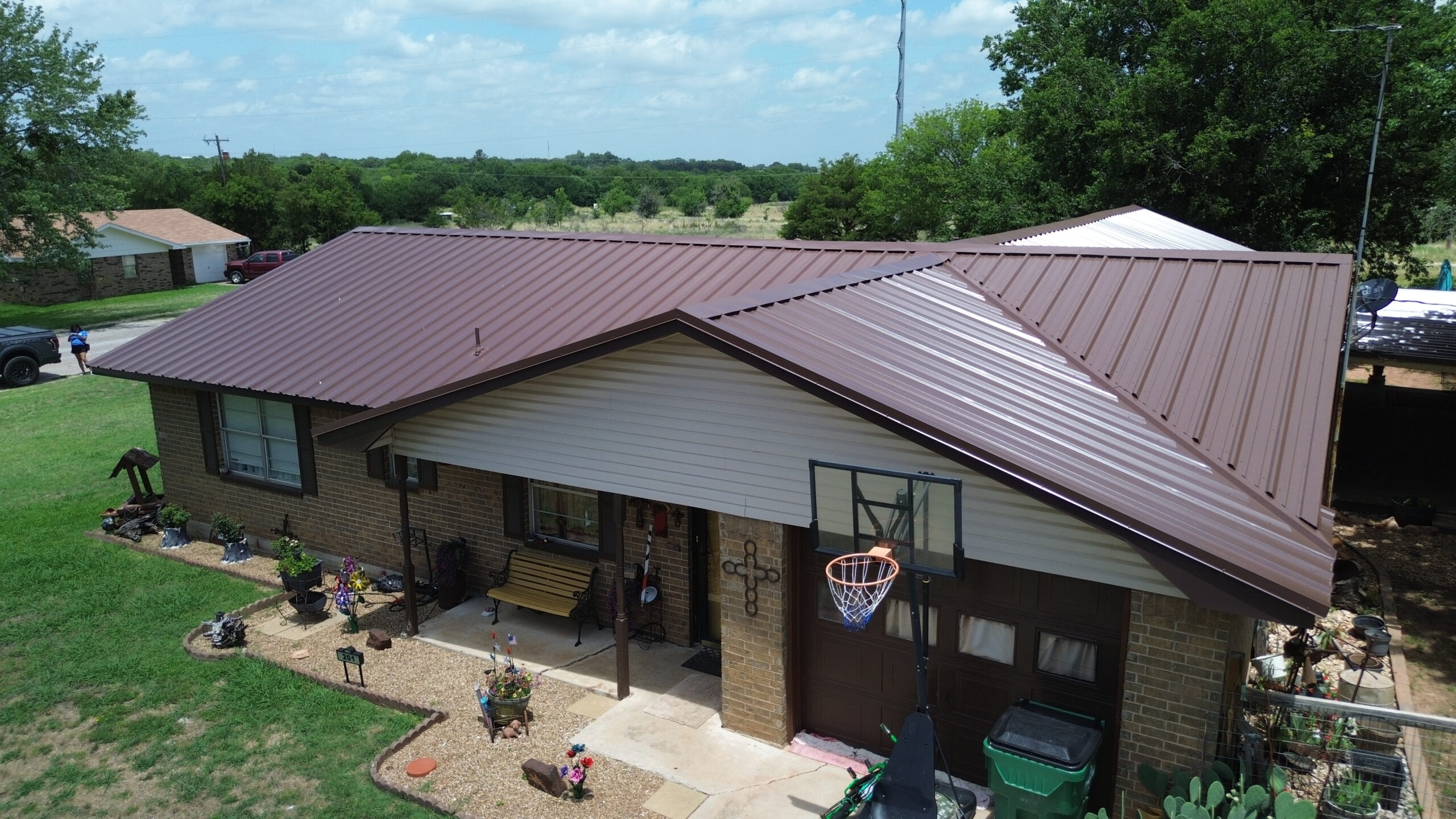
Roof Structure Preparation Before Installation
Long lasting metal roof installation begins with careful preparation of the supporting structure. Installing new roofing materials over damaged or unstable components increases the likelihood of future problems regardless of panel quality.
The roof deck receives a comprehensive inspection before installation begins. Water damage, mold, insect activity, delamination, and structural weakness must all be corrected to provide a stable foundation for the roofing system.
Roof framing is also evaluated carefully. Rafters and trusses should remain structurally sound without excessive sagging or deterioration. Although metal roofing is relatively lightweight, underlying structural issues should always be repaired before installation.
Existing roofing materials may be removed depending on local building codes and project requirements. Removing old materials allows installers to inspect hidden structural components while ensuring a smooth installation surface.
Fascia boards, soffits, and roof edges also require inspection. Damaged edge components may affect trim installation and water drainage if not repaired beforehand.
Roof slope is verified according to manufacturer recommendations. Every roofing system has minimum pitch requirements designed to maintain effective water runoff during heavy rainfall.
Careful preparation reduces unexpected complications during installation while providing the solid foundation necessary for maximum roof lifespan.
Importance of Underlayment and Moisture Protection
Although metal roofing panels provide the primary weather barrier, underlayment and moisture protection systems play equally important roles in determining roof longevity. These hidden components continue protecting the roof structure throughout the entire service life of the roofing system.
Underlayment forms a secondary moisture barrier between the roof deck and the metal panels. If wind driven rain or condensation reaches beneath the roofing material, the underlayment helps prevent water from damaging structural components.
Modern synthetic underlayments generally provide greater durability than traditional felt products. They resist tearing during installation while maintaining excellent moisture protection over many years of service.
Ice and water barriers may also be installed in vulnerable areas such as valleys, roof edges, and around penetrations. These self sealing membranes provide additional protection where water intrusion is most likely to occur.
Proper overlap between underlayment sections remains essential. Incorrect installation may create pathways allowing moisture to reach the roof deck despite the presence of high quality roofing materials.
Sealants and flashing complement the underlayment by protecting roof penetrations and transitions between different roof surfaces. Together, these components create multiple layers of defense against water infiltration.
Moisture protection systems not only preserve structural integrity but also help maintain insulation performance. Dry insulation retains its thermal resistance far more effectively than insulation exposed to repeated moisture.
Investing in high quality underlayment and proper installation significantly contributes to the overall lifespan of a metal roofing system.
Climate and Environmental Impact on Roof Lifespan
Even the most durable metal roof must withstand the environmental conditions surrounding the property every day. Climate influences how quickly roofing materials weather, expand, contract, and respond to moisture throughout their service life.
Coastal environments expose roofing systems to salt laden air that accelerates corrosion on certain metals. Aluminum roofing often performs particularly well in these locations because of its natural resistance to rust.
Regions with frequent snowfall place additional structural loads on roofs during winter. Proper installation and appropriate panel selection help ensure the roofing system safely supports expected snow accumulation.
Areas experiencing high winds require secure fastening systems capable of resisting uplift forces. Manufacturer recommended fastening patterns become especially important under these conditions.
Intense sunlight also affects roofing performance over many years. High quality reflective coatings protect the metal while reducing ultraviolet degradation and repeated heating cycles.
Industrial regions may expose roofs to airborne pollutants that gradually affect protective finishes. Routine cleaning and maintenance help reduce long term environmental damage under these conditions.
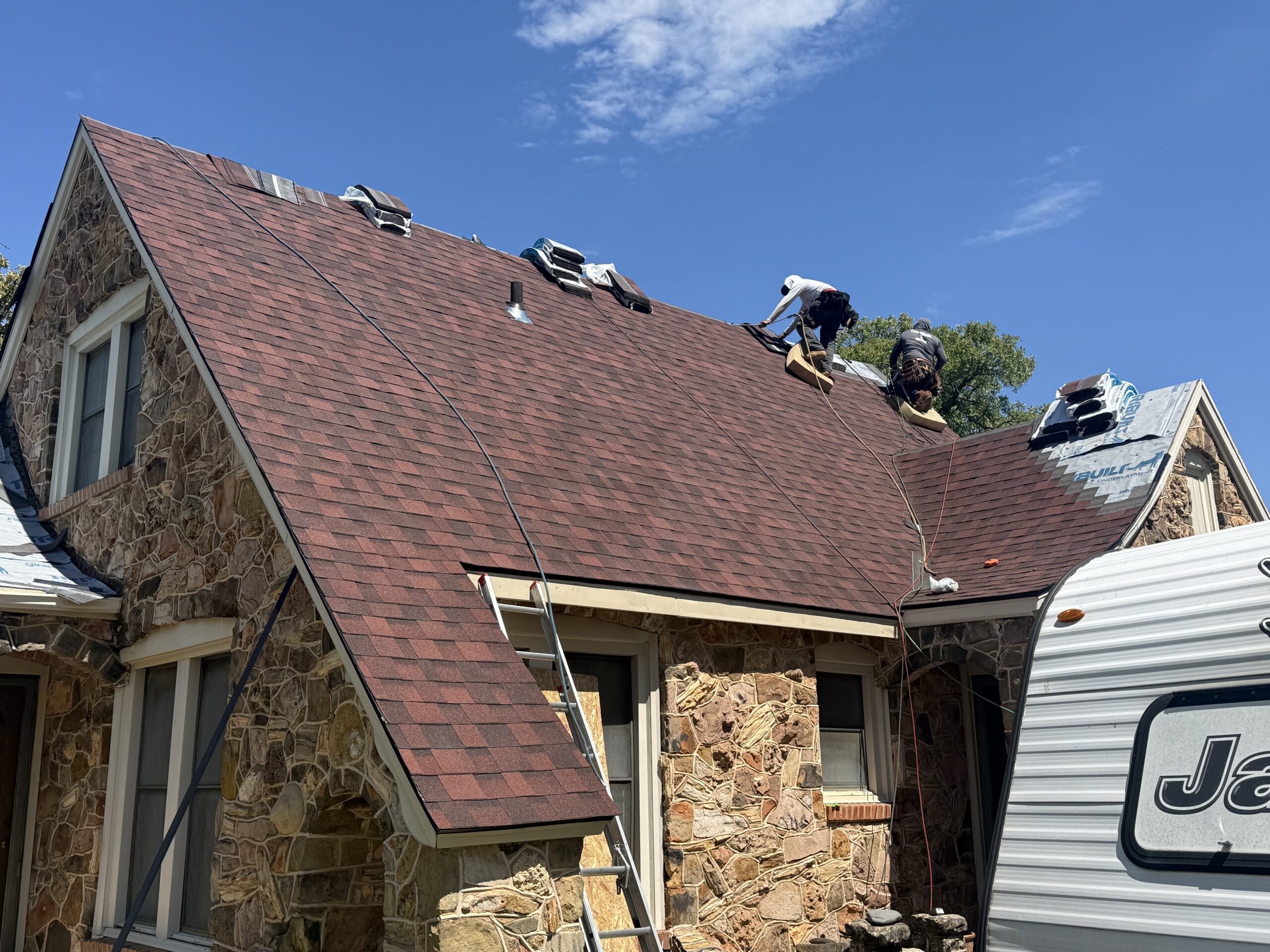
Proper Fastening and Panel Installation
Once the roof structure has been prepared and moisture protection is in place, the way the metal panels are installed becomes one of the biggest factors influencing the roof’s lifespan. Proper fastening keeps the roofing system secure through changing weather conditions while allowing the metal to perform as designed. Even high quality panels can experience premature problems if they are not installed correctly.
Every roofing manufacturer provides detailed fastening guidelines that specify the type of screws, spacing, and installation method required for a particular roofing system. Following these recommendations helps maintain structural strength while preserving manufacturer warranty coverage. Deviating from these specifications may shorten the roof’s expected service life.
Roofing screws should be installed perpendicular to the panel surface. This allows the sealing washer to compress evenly against the metal, creating a watertight seal. Screws driven at an angle may leave small gaps that eventually allow moisture to penetrate beneath the roofing panels.
Over tightening is another common issue that affects longevity. Excessive pressure can deform the rubber washer, reducing its ability to seal effectively over time. Under tightening is equally problematic because loose fasteners allow panel movement and increase the possibility of water intrusion.
Panel alignment also deserves careful attention. Straight panels distribute wind loads evenly while directing rainwater efficiently toward gutters and drainage systems. Misaligned panels may create uneven seams that affect both appearance and weather resistance.
Installers regularly check alignment throughout the project rather than relying solely on the initial measurements. Small corrections made during installation prevent larger issues that become increasingly difficult to repair after additional panels have been installed.
Careful fastening and panel placement provide the structural stability necessary for a roof that performs reliably for several decades.
Flashing, Trim, and Waterproofing for Long Term Performance
Flashing and trim components often receive less attention than the roofing panels themselves, yet they play a vital role in determining the lifespan of a metal roof. Most roof leaks occur around penetrations and transitions rather than across the open roof surface. Proper flashing installation greatly reduces the likelihood of water entering these vulnerable areas.
Roof valleys require specially designed flashing because they collect large volumes of rainwater during storms. Correctly installed valley flashing channels water safely toward the gutters while preventing moisture from reaching the roof deck.
Chimneys, skylights, plumbing vents, and roof mounted equipment each require customized flashing systems. These components create secure transitions between the roofing panels and roof penetrations while maintaining reliable waterproof protection.
Trim pieces contribute to both durability and appearance. Drip edges guide rainwater away from the roof deck, while gable trim protects exposed panel edges from wind driven rain. Ridge caps complete the roofing system by sealing the roof peak while supporting attic ventilation.
Sealants are applied only where recommended by the manufacturer. High quality sealants remain flexible despite changing temperatures, allowing roofing components to expand and contract naturally without cracking.
Proper overlap between flashing sections ensures water flows over each component rather than beneath it. Incorrect overlap direction is one of the most common causes of long term roof leaks.
Regular inspection of flashing and trim helps identify loose sections or damaged sealants before moisture causes structural damage. Protecting these critical areas contributes significantly to extending the roof’s overall lifespan.
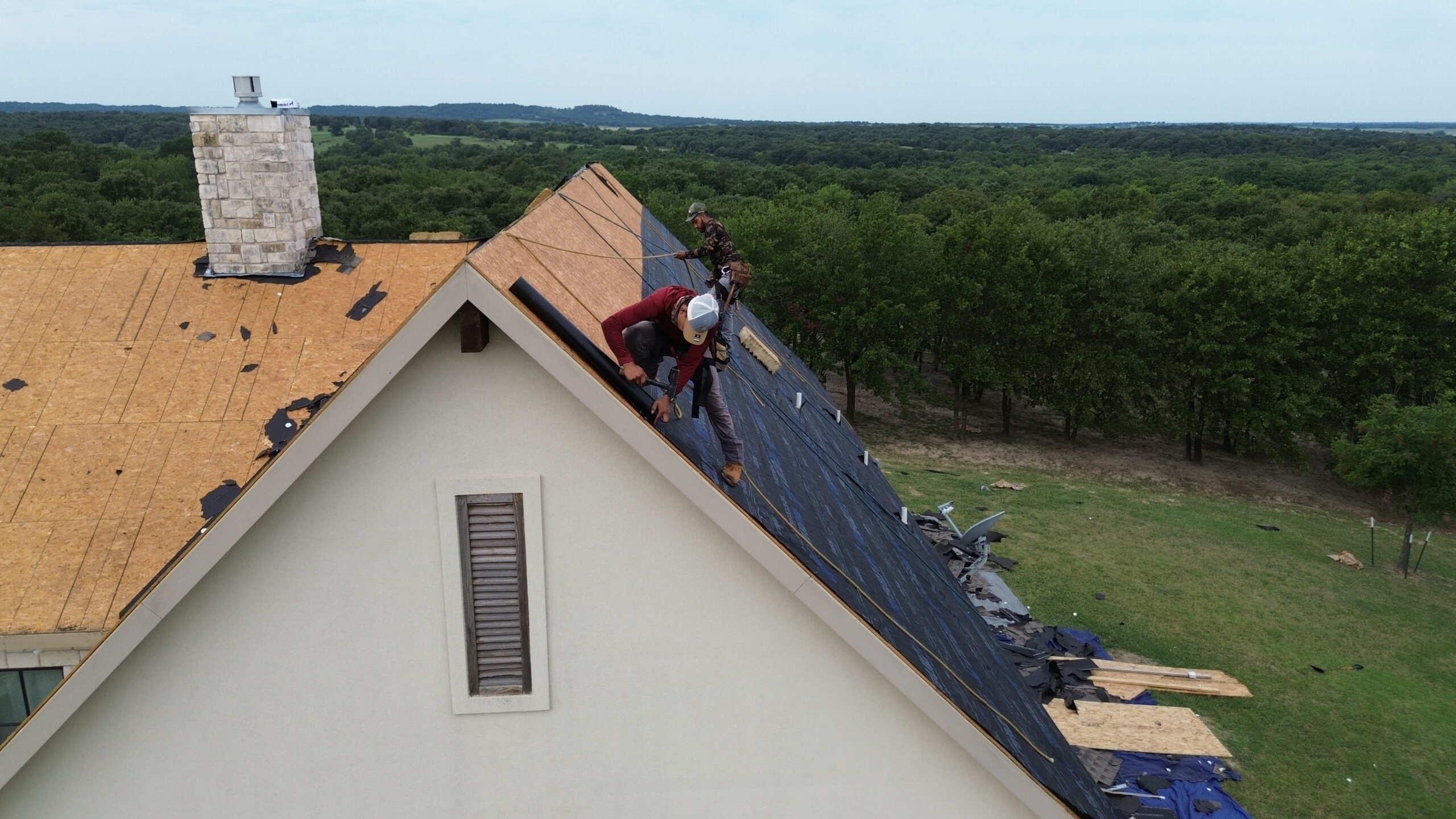
Ventilation and Its Role in Roof Durability
Ventilation is frequently associated with energy efficiency, but it also has a direct impact on roof longevity. A properly ventilated attic reduces moisture accumulation and minimizes extreme temperature fluctuations that gradually affect roofing materials.
Balanced ventilation systems include intake vents near the eaves and exhaust vents along the roof ridge. This arrangement creates continuous airflow beneath the roof, allowing warm, moist air to escape while drawing in cooler outside air.
Without proper ventilation, attic temperatures can become extremely high during summer. Prolonged heat exposure increases thermal stress on roofing components, insulation, and structural framing. Repeated expansion and contraction over many years may reduce the lifespan of various roofing materials.
Winter conditions create different challenges. Moisture produced by everyday household activities naturally rises into the attic. If trapped beneath the roof, condensation may develop on structural components, eventually leading to mold growth, wood deterioration, or reduced insulation performance.
Ventilation also helps maintain more consistent temperatures throughout the roofing system. Stable conditions reduce stress on flashing, sealants, fasteners, and protective coatings that would otherwise experience repeated thermal cycling.
Professional installers evaluate attic ventilation before completing a roofing project. In some situations, additional ridge vents, soffit vents, or other ventilation improvements may be recommended to maximize roof performance.
Although ventilation remains largely hidden after installation, it continues protecting the roof every day throughout its service life.
Standing Seam vs Exposed Fastener Lifespan Comparison
Standing seam and exposed fastener roofing systems both provide excellent durability, but their designs influence long term maintenance requirements and expected lifespan. Understanding these differences helps property owners choose the most suitable roofing system for their needs.
Standing seam roofing uses concealed clips beneath raised seams to secure the panels. Because the primary fasteners remain protected from direct sunlight, rain, and environmental exposure, they generally experience less long term wear than exposed fastening systems.
The concealed clip system also allows controlled thermal movement. Metal naturally expands during warm weather and contracts during cooler temperatures. Standing seam panels accommodate this movement while reducing stress on fasteners and panel connections.
Exposed fastener roofing secures panels directly through the metal surface using specialized roofing screws. Although modern fasteners include durable sealing washers, they remain exposed to weather throughout the roof’s lifespan and should be inspected periodically.
Standing seam roofs generally require less long term maintenance because fewer exposed components are subject to environmental deterioration. This often contributes to a longer overall service life, particularly in regions with harsh weather conditions.
Exposed fastener roofs continue performing very well when maintained properly. Routine inspection and replacement of aging fasteners help preserve weather resistance while extending roof lifespan.
Both systems can provide decades of reliable service when installed correctly. The choice often depends on budget, architectural style, maintenance preferences, and expected long term ownership.
Common Installation Mistakes That Shorten Roof Life
Many premature roofing failures result not from poor quality materials but from avoidable installation mistakes. Understanding these common errors helps property owners recognize the importance of professional workmanship.
One of the most frequent mistakes is improper fastener installation. Screws that are over tightened, under tightened, or installed at incorrect angles may compromise weather resistance while allowing unnecessary panel movement.
Incorrect flashing installation is another major concern. Poorly sealed roof penetrations often become the first locations where leaks develop, allowing moisture to damage the roof deck and insulation beneath the metal panels.
Some installers fail to follow manufacturer recommendations regarding panel spacing or overlap. These seemingly minor deviations may interfere with drainage, increase wind uplift risk, or reduce the roof’s ability to accommodate thermal expansion.
Inadequate ventilation also affects roof longevity. Trapped heat and moisture gradually reduce insulation performance while increasing stress on roofing materials and structural components.
Using incompatible materials creates additional problems. Mixing metals that react chemically with one another may accelerate corrosion under certain environmental conditions.
Walking carelessly across newly installed panels can also cause unnecessary damage. Dents, scratches, or deformation may weaken protective coatings and reduce long term durability.
Choosing experienced roofing professionals greatly reduces the likelihood of these mistakes while improving the roof’s ability to reach its expected lifespan.
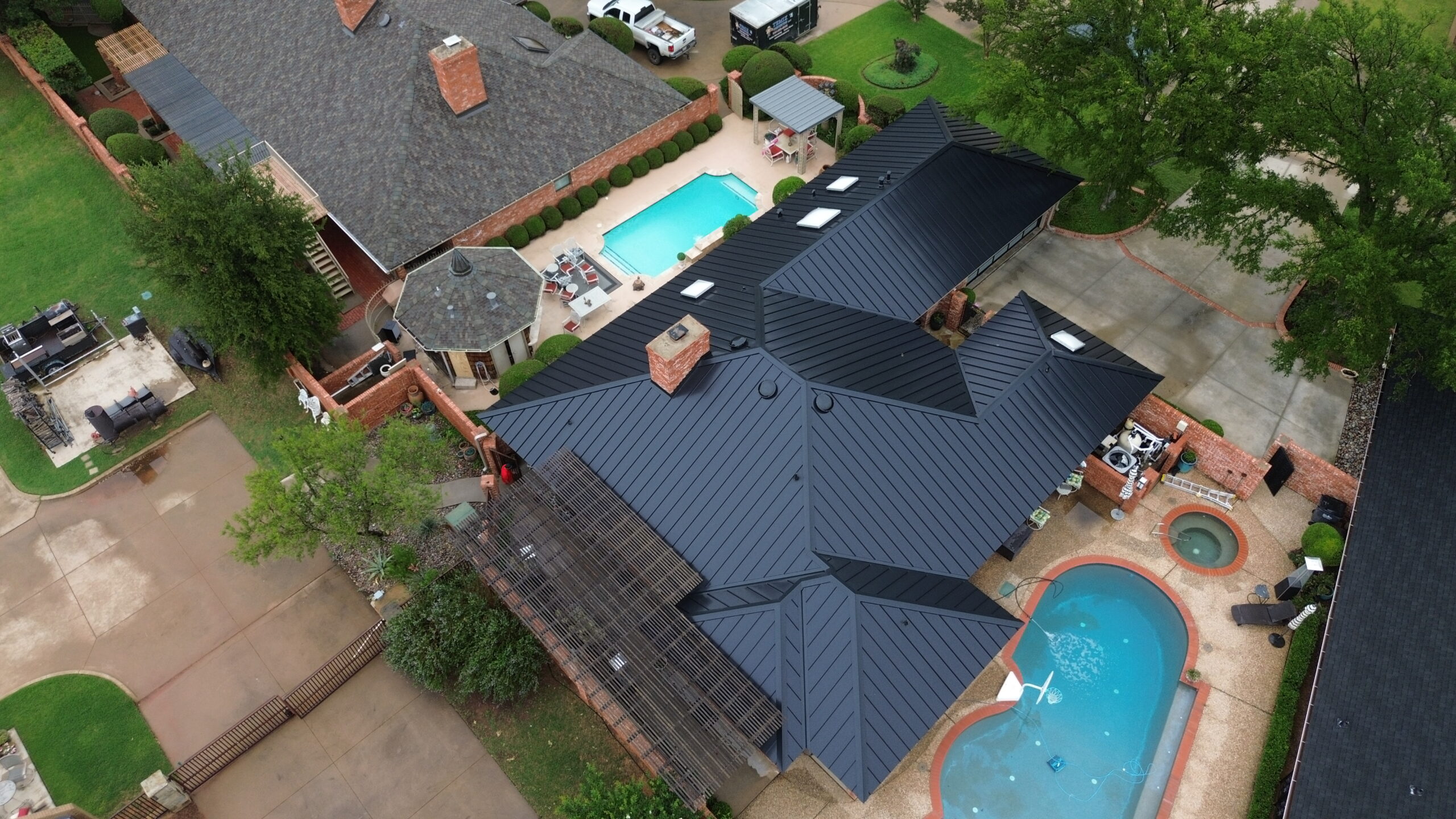
Routine Maintenance to Extend Roof Lifespan
Even though metal roofing requires less maintenance than many traditional roofing materials, regular care remains essential for achieving maximum longevity. Preventive maintenance identifies small issues before they develop into major repairs.
Homeowners should visually inspect the roof at least twice each year. Spring and autumn inspections provide excellent opportunities to evaluate the roof after changing seasonal weather conditions.
Roof surfaces should remain free of leaves, branches, and accumulated debris. Organic material traps moisture against the roofing panels, increasing the possibility of staining or long term surface deterioration.
Gutters and downspouts require regular cleaning as well. Proper drainage prevents water from backing up beneath roofing components while reducing unnecessary moisture exposure along the roof edges.
The following maintenance practices help maximize roof lifespan:
- Remove leaves and debris from the roof surface.
- Clean gutters and downspouts regularly.
- Inspect flashing around chimneys and roof penetrations.
- Check exposed fasteners for signs of loosening.
- Trim nearby tree branches that may damage the roof.
- Schedule periodic professional roof inspections.
Protective coatings should also be monitored during routine inspections. Small scratches should be repaired promptly using manufacturer approved touch up products to prevent corrosion from developing beneath damaged finishes.
Maintaining written records of inspections and repairs helps property owners monitor roof condition over time while providing useful documentation for warranty purposes.
Signs Your Metal Roof Needs Attention
Although metal roofs are exceptionally durable, they should not be ignored entirely. Recognizing early warning signs allows repairs to be completed before more extensive damage develops.
Loose fasteners are among the most common maintenance issues on exposed fastener roofing systems. Periodic inspection ensures screws remain secure while sealing washers continue providing effective moisture protection.
Damaged flashing around chimneys, skylights, and plumbing vents should be addressed immediately. These areas experience concentrated water flow and may develop leaks if flashing becomes loose or deteriorates.
Surface scratches that penetrate protective coatings deserve prompt attention. While minor cosmetic marks generally do not affect performance, deeper scratches exposing bare metal should be repaired before corrosion begins.
Rust stains should also be investigated. Although many modern roofing materials resist corrosion extremely well, isolated rust may indicate coating damage or the presence of metal debris left behind after installation.
Unusual noises during strong winds may indicate loose trim components or fasteners requiring adjustment. Early correction helps prevent additional movement that could eventually damage the roofing system.
Inside the building, water stains on ceilings or attic framing should never be ignored. Investigating these signs quickly helps prevent more extensive structural damage.
Prompt attention to small problems often adds many years to the overall lifespan of the roofing system.
Comparing Metal Roof Lifespans with Other Roofing Materials
Metal roofing consistently ranks among the longest lasting roofing materials available. Comparing its expected service life with other common roofing options helps property owners appreciate its long term value.
| Roofing Material | Typical Lifespan | Maintenance Level | Replacement Frequency |
|---|---|---|---|
| Asphalt Shingles | 15 to 30 years | Moderate | High |
| Wood Shingles | 20 to 30 years | High | Moderate |
| Clay Tiles | 50 to 100 years | Moderate | Low |
| Concrete Tiles | 40 to 60 years | Moderate | Low |
| Steel Metal Roofing | 40 to 70 years | Low | Very Low |
| Copper Roofing | 70 years or more | Very Low | Extremely Low |
Asphalt shingles remain popular because of their affordability, but they generally require replacement much sooner than metal roofing. Multiple replacement projects over the life of a building often increase total ownership costs.
Wood shingles provide natural beauty but require considerably more maintenance due to moisture exposure, insect activity, and weather related deterioration.
Clay and concrete tiles offer impressive longevity, although their substantial weight requires stronger structural support than lightweight metal roofing systems.
Metal roofing combines exceptional durability with relatively low maintenance requirements and excellent energy efficiency. These qualities make it an attractive choice for property owners seeking maximum long term value.
Repair vs Replacement Considerations
Even the most durable metal roof will eventually require attention during its service life. However, not every roofing issue means the entire roof must be replaced. Understanding when a repair is sufficient and when replacement becomes the better option helps property owners protect their investment while avoiding unnecessary expenses.
Minor problems are usually well suited for repairs. Loose fasteners, damaged flashing, worn sealants, or isolated scratches can often be corrected quickly without affecting the remainder of the roofing system. Addressing these issues early prevents them from developing into larger structural problems.
Storm damage is another situation where repairs may be appropriate. A few dented panels or damaged trim pieces can often be replaced individually while preserving the rest of the roof. Professional inspections help determine whether the damage is cosmetic or affects the roof’s structural performance.
Replacement becomes more practical when damage is widespread or when repeated repairs no longer provide reliable protection. Extensive corrosion, significant structural movement, or multiple recurring leaks may indicate that the roofing system has reached the end of its useful service life.
The condition of the roof deck should also influence the decision. If moisture has caused widespread deterioration beneath the roofing panels, replacing only the visible metal may not solve the underlying problem. Structural repairs may be necessary before installing a new roofing system.
Age is another consideration, but it should not be the only deciding factor. A well maintained metal roof may continue performing effectively even after several decades, while a poorly installed roof could require major work much earlier.
Consulting an experienced roofing contractor provides the most accurate assessment. A professional inspection identifies whether repairs can restore full performance or whether replacement offers greater long term value.
Factors That May Reduce Expected Lifespan
Although metal roofing is designed for exceptional durability, certain conditions can reduce its expected lifespan if they are not addressed promptly. Many of these factors are preventable through proper installation and routine maintenance.
Poor workmanship remains one of the leading causes of premature roofing failure. Incorrect panel alignment, inadequate flashing, improper fastener installation, and insufficient ventilation all increase the likelihood of future problems.
Neglected maintenance also shortens roof life. Allowing debris to accumulate, ignoring damaged flashing, or postponing small repairs permits moisture to affect structural components beneath the roofing system.
Extreme environmental conditions place additional stress on roofing materials. Coastal salt exposure, industrial pollution, severe hailstorms, heavy snow loads, and frequent high winds all influence long term performance.
Tree branches rubbing against the roof can gradually damage protective coatings. Even small scratches that expose bare metal should be repaired promptly to reduce the possibility of corrosion.
Poor drainage creates another risk. Clogged gutters or improperly designed drainage systems allow water to remain on the roof longer than intended, increasing moisture exposure around vulnerable areas.
Unauthorized modifications may also reduce roof lifespan. Installing satellite dishes, solar equipment, or rooftop accessories without proper flashing techniques can create unnecessary leak risks.
Regular inspections help identify these issues before they significantly affect the roof’s durability. Early correction often extends the service life by many years.
Cost vs Long Term Value
The initial investment required for a metal roof is often higher than many conventional roofing materials. However, evaluating the roofing system over its entire lifespan provides a much more accurate understanding of its true value.
A longer service life reduces the number of roof replacement projects required during the life of a building. Instead of replacing the roof every few decades, many property owners enjoy reliable protection from a single properly installed metal roofing system.
Maintenance expenses also remain relatively low. Routine inspections, occasional cleaning, and minor repairs generally cost less than the frequent maintenance associated with some traditional roofing materials.
Energy efficiency contributes additional financial value. Reflective coatings, proper ventilation, and compatibility with modern insulation systems often reduce heating and cooling costs throughout the roof’s lifespan.
Insurance savings may also be available depending on local regulations, roofing material, and individual insurance providers. Some companies recognize the durability and weather resistance of metal roofing when evaluating long term risk.
Property resale value represents another important consideration. Buyers frequently appreciate a durable roof that requires minimal maintenance and offers many years of remaining service life. This can make the property more attractive in competitive real estate markets.
When evaluating roofing investments, homeowners should consider the following long term benefits:
- Fewer roof replacements over the building’s lifetime.
- Lower maintenance and repair costs.
- Improved energy efficiency.
- Greater weather resistance.
- Increased property value.
- Better long term financial return.
Considering both initial cost and decades of performance provides a more balanced view of the true value offered by metal roofing.
Warranty Expectations for Metal Roofing
Manufacturer warranties provide additional confidence for property owners investing in a metal roof. Understanding what these warranties typically cover helps homeowners set realistic expectations while protecting their investment.
Most manufacturers provide separate warranties for different components of the roofing system. One warranty may cover the metal panels themselves, while another addresses factory applied paint finishes or protective coatings.
Paint warranties often focus on issues such as fading, chalking, peeling, or loss of adhesion. Modern coating technologies are designed to maintain both appearance and protective performance for many years under normal environmental conditions.
Material warranties generally address manufacturing defects rather than installation errors. This highlights the importance of selecting experienced roofing contractors because improper installation is usually excluded from manufacturer coverage.
Some roofing manufacturers also require installation according to their published guidelines. Failing to follow recommended fastening methods, flashing details, or ventilation requirements may affect warranty eligibility.
Contractors frequently provide separate workmanship warranties covering installation quality. These warranties offer additional protection if problems arise because of installation errors rather than material defects.
Property owners should carefully review all warranty documentation after installation. Keeping receipts, inspection records, and maintenance documentation organized may simplify future warranty claims if they become necessary.
A strong warranty complements quality installation but should never replace routine maintenance and regular inspections.
Tips for Maximizing Metal Roof Lifespan
While no roofing system lasts forever, property owners can significantly extend the life of a metal roof through consistent care and informed maintenance decisions. Small preventive measures often provide substantial long term benefits.
Routine inspections remain the most valuable maintenance practice. Examining the roof twice each year allows homeowners to identify loose fasteners, damaged flashing, or surface wear before these issues become major repairs.
Professional roof inspections every few years provide additional peace of mind. Experienced roofing contractors often recognize developing problems that may not be obvious during routine visual inspections.
The following maintenance practices help maximize roof longevity:
- Remove debris regularly to prevent moisture accumulation.
- Keep gutters and downspouts flowing freely.
- Repair damaged flashing without delay.
- Replace worn sealants when recommended.
- Touch up scratches using approved products.
- Trim nearby trees to reduce physical damage.
Property owners should also avoid unnecessary foot traffic across the roof. Although metal roofing is durable, repeated walking may increase the risk of scratches, dents, or accidental damage to flashing components.
When installing rooftop equipment such as solar panels or satellite antennas, experienced professionals should always follow manufacturer approved attachment methods. Proper installation protects both the roofing system and warranty coverage.
Maintaining detailed service records provides another advantage. Documentation of inspections, repairs, and maintenance demonstrates responsible ownership while supporting future warranty claims or property sales.
Frequently Asked Questions
How long should a properly installed metal roof last?
The lifespan depends on the material, installation quality, climate, and maintenance. Many steel roofs last 40 to 70 years, while copper and zinc roofs may remain in service for considerably longer.
Does regular maintenance really make a difference?
Yes. Routine inspections and timely repairs help prevent small issues from developing into major structural problems that shorten the roof’s lifespan.
Can damaged metal roof panels be replaced individually?
In many situations, yes. Individual panels can often be replaced without removing the entire roofing system, provided the surrounding roof remains in good condition.
Do metal roofs rust over time?
Modern metal roofing products are manufactured with protective coatings that greatly reduce the risk of corrosion. Proper maintenance helps preserve these protective finishes.
Will repainting extend the roof’s lifespan?
Repainting may improve appearance and provide additional surface protection when performed using manufacturer approved products, but it should not replace necessary structural repairs.
How often should a professional inspect a metal roof?
Most experts recommend professional inspections every few years, along with additional evaluations after severe storms or whenever signs of damage become visible.
Conclusion
A properly installed metal roof is one of the longest lasting roofing investments available to property owners. Its ability to provide decades of reliable protection depends not only on the quality of the roofing material but also on careful installation, effective moisture protection, balanced ventilation, and consistent maintenance. Every stage of the roofing process contributes to the system’s long term durability.
Selecting the appropriate roofing material establishes the foundation for long service life, but workmanship ultimately determines how successfully that material performs. Correct panel alignment, secure fastening, properly installed flashing, and quality underlayment work together to protect the building from weather while minimizing unnecessary wear over time.
Routine maintenance remains equally important after installation is complete. Regular inspections, prompt repairs, clean drainage systems, and careful attention to flashing and fasteners help preserve both the roof’s structural integrity and its appearance. These simple maintenance practices often prevent costly repairs while extending the roof’s useful life.
Although the initial investment in a metal roof may be greater than some traditional roofing materials, its exceptional lifespan, low maintenance requirements, energy efficiency, and long term financial value make it a practical choice for many residential and commercial properties. Looking beyond the upfront cost reveals the true value of a roofing system designed to perform reliably for several decades.
For property owners planning a roofing project, understanding realistic lifespan expectations provides the knowledge needed to make confident decisions. Choosing high quality materials, hiring experienced installers, and following a consistent maintenance schedule allows a metal roof to deliver the durability, protection, and value it was designed to provide for many years to come.