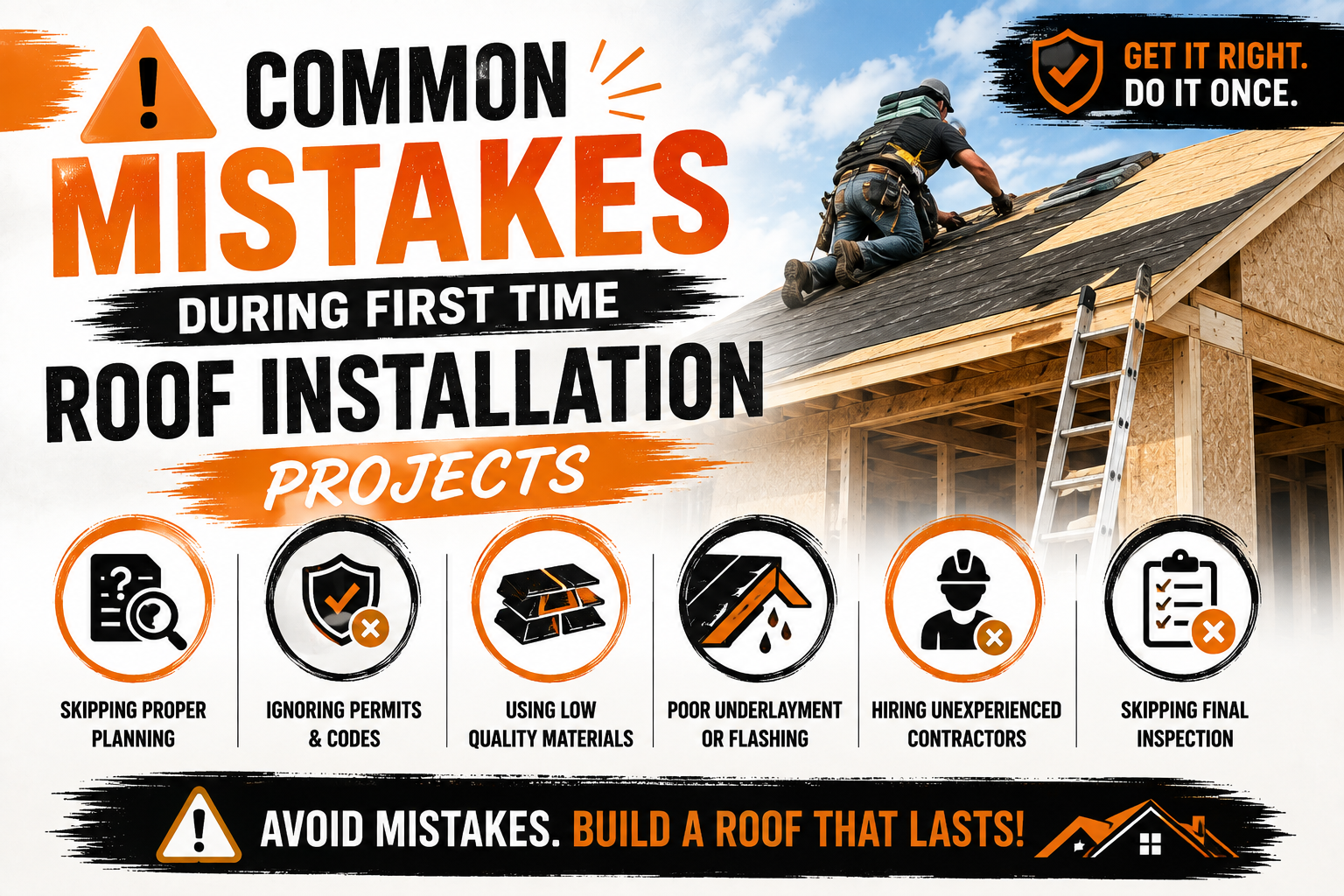
Common Mistakes During First Time Roof Installation Projects
Introduction
Installing a new roof is one of the most important investments a homeowner can make. A properly installed roofing system protects the home from harsh weather, improves energy efficiency, and contributes to the overall value of the property. However, for homeowners managing their first roof installation project, the process can seem overwhelming because it involves many technical steps, materials, and decisions.
Many roofing problems that appear years later actually begin during the installation process. Small mistakes made in planning or construction may not be visible immediately, but they can gradually lead to leaks, structural damage, higher maintenance costs, and a shorter roof lifespan. Understanding these common mistakes before work begins helps homeowners make better decisions throughout the project.
First time roof installation projects often involve more than simply replacing old shingles or installing new roofing materials. Contractors must inspect the roof structure, prepare the deck, install waterproof barriers, provide proper ventilation, and carefully complete every layer according to manufacturer guidelines. Every stage depends on the previous one being completed correctly.
This guide explains the most common mistakes made during first time roof installation projects and shows how they can be avoided. By understanding these issues before construction begins, homeowners can communicate more effectively with contractors, recognize quality workmanship, and increase the likelihood of a successful roofing project that performs reliably for many years.
Why First Time Roof Installation Projects Often Face Challenges
Homeowners replacing a roof for the first time usually have limited experience with the construction process. While researching roofing materials is helpful, many important installation details remain hidden beneath the finished roof. Without understanding how the complete roofing system works, it becomes difficult to evaluate contractor recommendations or recognize potential problems during construction.
Another challenge involves the large number of decisions required before installation even begins. Homeowners must choose roofing materials, compare contractor estimates, review warranties, understand project timelines, and prepare their property for construction. Making these decisions without adequate knowledge sometimes leads to costly mistakes that could have been prevented.
Weather conditions can also complicate first time roofing projects. Rain, strong winds, or excessive heat may delay work or require adjustments to the installation schedule. Homeowners unfamiliar with roofing procedures may become concerned about delays without realizing that waiting for suitable conditions often results in a better quality installation.
Budget limitations frequently create additional pressure. Some homeowners focus primarily on reducing initial costs without considering long term value. Choosing lower quality materials or accepting shortcuts during installation may reduce the upfront price but increase repair and replacement expenses in the future.
Understanding these common challenges allows homeowners to approach the project with realistic expectations. Careful planning and informed decision making create a stronger foundation for a successful roof installation.
Understanding the Complete Roof Installation Process Before Work Begins
One of the biggest mistakes homeowners make is beginning a roofing project without understanding the complete installation process. While contractors manage the technical work, homeowners benefit greatly from knowing the major stages involved. This knowledge improves communication and helps ensure expectations remain realistic throughout the project.
Roof installation begins with a thorough inspection of the existing roof structure. Contractors evaluate the roof deck, flashing, ventilation, gutters, and surrounding components before determining whether repairs are needed. Existing roofing materials are then removed when required so hidden structural conditions can be examined.
Once the roof deck has been inspected and repaired, contractors begin installing protective layers such as underlayment, waterproof membranes, drip edge, and starter strips. Only after these hidden components have been completed does the visible roofing material get installed. Flashing, ridge caps, and ventilation components complete the roofing system before the final inspection takes place.
Homeowners who understand this sequence are less likely to become concerned when the roof appears incomplete during intermediate stages. They also gain a better appreciation for the hidden layers that contribute significantly to long term roof performance.
Taking time to learn the installation process before construction begins allows homeowners to ask informed questions while recognizing the importance of every stage rather than focusing only on the finished appearance.
Mistake of Choosing Roofing Materials Based Only on Appearance
The appearance of a new roof is naturally important because it influences the home’s curb appeal. However, selecting roofing materials based only on color or style is one of the most common mistakes made during first time roofing projects. Attractive materials may not always provide the best performance for a particular climate or home design.
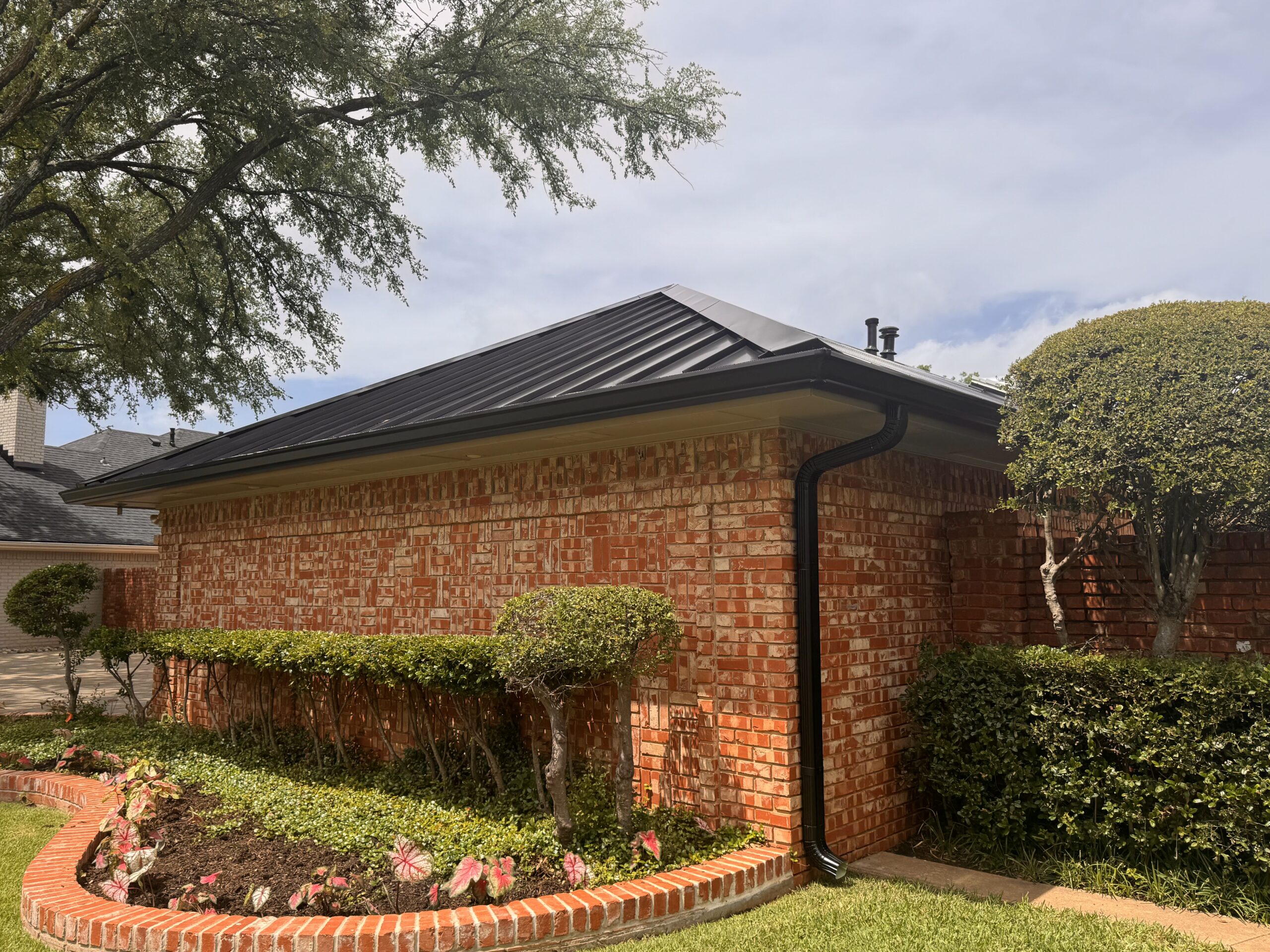
Every roofing material offers different advantages. Asphalt shingles provide affordability and reliable performance, while metal roofing offers exceptional longevity and energy efficiency. Clay tiles and slate create distinctive architectural styles but require stronger structural support because of their additional weight.
Climate should always influence material selection. Homes located in regions with heavy snowfall, frequent rain, strong winds, or intense sunlight require roofing products designed to perform under those conditions. Choosing materials without considering local weather patterns may reduce the roof’s overall lifespan.
Maintenance expectations should also be considered. Some roofing materials require relatively little maintenance, while others benefit from periodic inspection and specialized care. Homeowners should understand these requirements before making a final decision.
Working with an experienced roofing contractor helps ensure that appearance, durability, budget, and long term performance receive equal consideration. A balanced approach usually results in a roofing system that looks attractive while delivering dependable protection for decades.
Hiring a Contractor Based Only on the Lowest Price
Cost plays an important role in every roofing project, but choosing a contractor solely because they submitted the lowest estimate often creates problems later. Roofing prices vary because contractors may use different materials, installation methods, warranty coverage, and labor standards. The least expensive proposal is not always the best overall value.
Some low cost estimates exclude important components such as upgraded underlayment, flashing replacement, ventilation improvements, or disposal of old roofing materials. These omissions may not become obvious until construction has already begun, leading to unexpected additional expenses.
Experienced roofing contractors invest in skilled labor, quality materials, insurance coverage, and ongoing training. These factors contribute to higher workmanship standards while reducing the likelihood of installation errors. Although the initial investment may be greater, professional installation often lowers long term maintenance and repair costs.
Homeowners should compare more than just total project cost when reviewing estimates. Factors worth evaluating include:
- Contractor experience with similar roofing systems.
- Material quality and manufacturer certifications.
- Workmanship warranties.
- Project timeline and communication practices.
- Customer reviews and completed projects.
Selecting a contractor based on overall value rather than the lowest price improves the likelihood of receiving a roofing system that performs reliably for many years.
Failing to Verify Contractor Credentials
Another common mistake involves assuming that every roofing contractor provides the same level of expertise. Professional roofing companies differ significantly in training, certifications, licensing requirements, and insurance coverage. Failing to verify these qualifications may expose homeowners to unnecessary risks during construction.
Licensed contractors generally follow local building regulations while maintaining required business standards. Insurance coverage protects both workers and homeowners should accidents occur during installation. Without proper insurance, homeowners may face unexpected financial responsibilities if injuries or property damage occur.
Manufacturer certifications also deserve attention. Many roofing manufacturers provide specialized training programs that teach approved installation techniques. Contractors completing these programs often gain access to extended warranty options while demonstrating familiarity with current product requirements.
Homeowners should also request references from recent roofing projects. Speaking with previous customers provides valuable insight into communication, workmanship, scheduling, and overall satisfaction. Visiting completed projects when possible offers additional confidence before signing a contract.
Taking time to verify contractor credentials may require additional effort, but it greatly reduces the likelihood of hiring inexperienced installers whose work could lead to expensive future repairs.
Overlooking the Condition of the Roof Deck
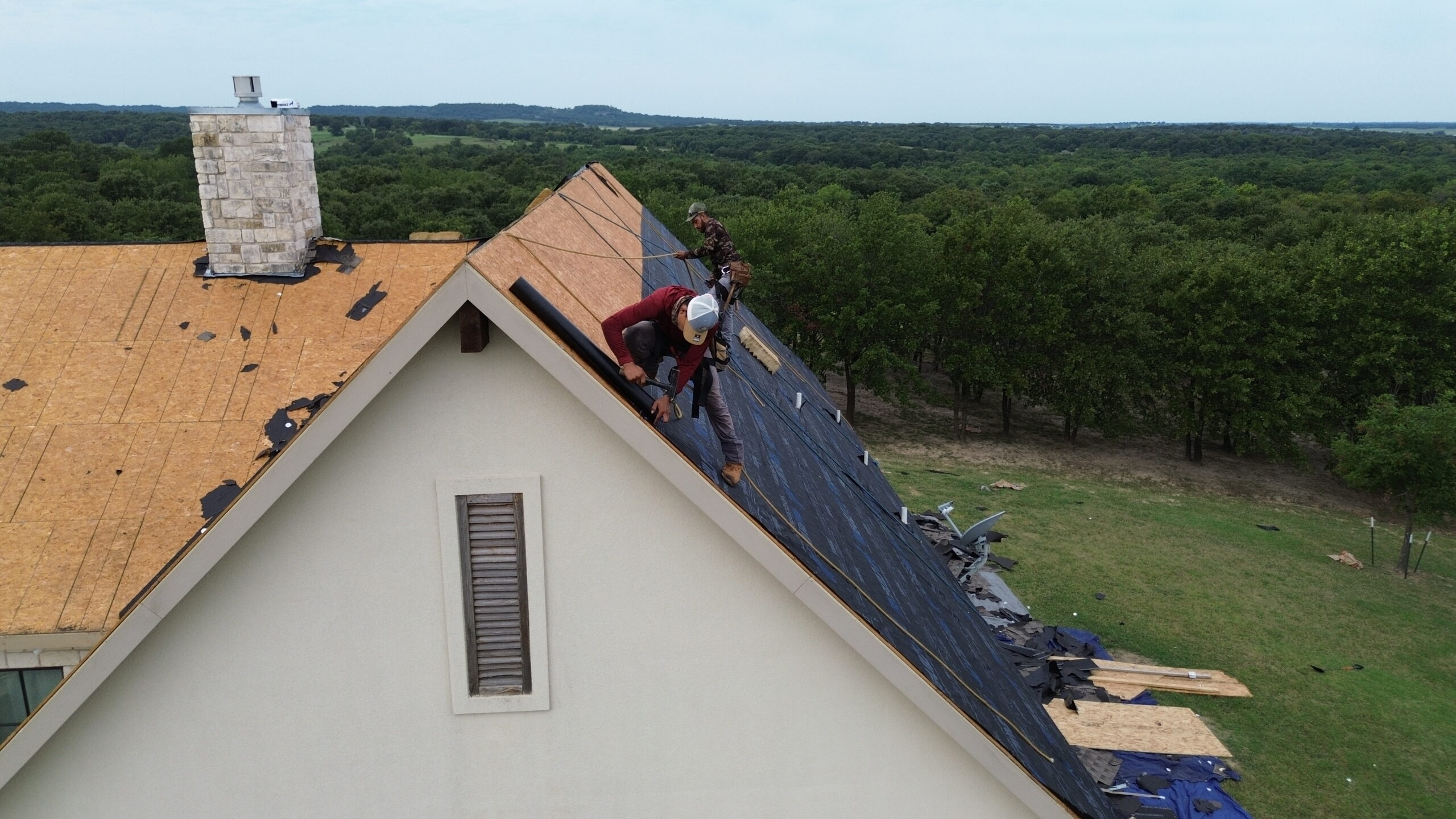
The roof deck serves as the structural foundation for every roofing layer installed above it. Despite its importance, many first time homeowners focus primarily on visible roofing materials while overlooking the condition of the deck beneath. Covering damaged decking with new roofing materials does not solve existing structural problems.
Roof decks may deteriorate because of previous leaks, prolonged moisture exposure, insect activity, or natural aging. Soft areas, rotting wood, loose panels, and structural weakness should all be repaired before installation continues. Failing to address these problems compromises the stability of the entire roofing system.
Professional contractors carefully inspect the roof deck after removing old roofing materials. Any damaged sections are replaced before underlayment and roofing materials are installed. Although these repairs may increase project costs, they prevent much larger structural problems in the future.
Ignoring deck repairs often leads to uneven roof surfaces, poor fastener performance, and reduced wind resistance. Over time, moisture may continue spreading through weakened wood, eventually requiring more extensive reconstruction.
A strong roof always begins with a solid foundation. Investing in roof deck repairs during installation protects every roofing layer that will be installed above it.
Ignoring Local Building Codes and Permit Requirements
Building codes exist to promote safety, structural reliability, and consistent construction standards. Homeowners unfamiliar with roofing projects sometimes assume that contractors automatically manage every regulatory requirement. While reputable contractors typically handle permitting, homeowners should still understand the importance of local code compliance.
Building regulations may specify acceptable roofing materials, fastening methods, ventilation requirements, fire resistance ratings, and structural considerations. These standards help ensure that completed roofing systems perform safely under local environmental conditions.
Skipping required permits can create significant problems later. Municipal inspections may reveal code violations that require costly corrections before a property can be sold or refinanced. Insurance claims may also become more complicated if unapproved construction contributed to roof damage.
Before work begins, homeowners should confirm whether permits are required and who will obtain them. Clear communication prevents misunderstandings while ensuring the roofing project proceeds according to local regulations.
Choosing contractors familiar with regional building codes greatly reduces the likelihood of compliance issues. Their experience helps streamline inspections while ensuring every stage of construction meets required standards.
Poor Planning Before Installation Starts
Many roofing projects experience avoidable difficulties because homeowners underestimate the importance of preparation. Proper planning extends beyond selecting materials and signing a contract. Preparing the property, scheduling work appropriately, and understanding the construction process all contribute to smoother installation.
Vehicles should be moved away from the work area before construction begins. Roofing materials, equipment, and debris removal containers require adequate access around the home. Protecting outdoor furniture, garden decorations, and fragile landscaping also reduces the possibility of accidental damage.
Interior preparation is equally valuable. Vibrations caused by roofing work may affect items stored in the attic or hanging on interior walls. Removing fragile objects and securing valuable belongings helps prevent damage during construction.
Communication with neighbors is another frequently overlooked step. Informing nearby residents about expected noise and project duration demonstrates courtesy while minimizing inconvenience.
Homeowners should also review the project schedule with their contractor before work begins. Understanding expected milestones, weather related delays, and daily work hours helps reduce uncertainty throughout the installation process.
Proper preparation creates a safer and more organized work environment for both contractors and homeowners. Small planning efforts completed before construction begins often prevent unnecessary stress once installation is underway.
The Value of Asking Questions Before Work Begins
Some homeowners hesitate to ask questions because they assume technical decisions should be left entirely to the contractor. While roofing professionals certainly provide expertise, informed homeowners contribute to better communication and more successful projects. Asking thoughtful questions before installation begins helps clarify expectations while building confidence in the chosen contractor.
Topics worth discussing include material selection, ventilation improvements, flashing replacement, cleanup procedures, warranty coverage, and the process for addressing unexpected structural repairs. Understanding these details before construction starts reduces confusion if additional work becomes necessary during the project.
Clear communication also strengthens the working relationship between homeowner and contractor. When expectations are established early, both parties are better prepared to respond to challenges that may arise during installation.
The most successful first time roofing projects are built on preparation, communication, and informed decision making. These principles create a strong foundation for the installation process itself, where careful attention to hidden roofing layers and proper construction techniques becomes even more important.
Incorrect Underlayment Installation
After the roof deck has been inspected and prepared, the underlayment becomes one of the first protective layers installed. Although it remains hidden beneath the finished roofing material, it serves as an essential barrier against moisture. Unfortunately, improper underlayment installation is one of the most common mistakes made during first time roof installation projects.
Some inexperienced installers fail to overlap the underlayment correctly. If the overlap is too small or installed in the wrong direction, rainwater may penetrate beneath the material during severe weather. Even though shingles or other roofing materials cover the surface, improperly installed underlayment leaves the roof vulnerable if water passes through the outer layer.
Another common issue involves wrinkles or loose sections. Underlayment should lie flat across the roof deck so roofing materials can be installed evenly. Raised areas may affect shingle alignment, create uneven surfaces, or allow moisture to collect beneath the roofing system.
Fastener placement is equally important. Too few fasteners may allow movement during windy conditions, while excessive fastening can damage the material. Professional contractors follow manufacturer recommendations carefully to achieve the proper balance between security and performance.
Weather conditions should also be considered during installation. Leaving underlayment exposed for extended periods increases the chance of damage before the finished roofing material is installed. Completing each stage efficiently helps maintain the integrity of the roofing system.
Properly installed underlayment strengthens the entire roof by creating a dependable secondary moisture barrier. Although homeowners rarely see this layer after construction is complete, its performance contributes significantly to the long term durability of the roof.
Skipping Ice and Water Shield in Critical Areas
Many homeowners are unfamiliar with the purpose of ice and water shield because it remains hidden beneath the visible roofing material. As a result, some first time roofing projects overlook this important protective layer in areas where additional waterproofing is needed.
Ice and water shield is a self adhering membrane designed to protect locations that experience greater exposure to moisture. Roof valleys, chimneys, skylights, plumbing vents, and lower roof edges commonly require this additional protection because water naturally collects in these areas.
Some homeowners decline this upgrade in an effort to reduce project costs. Others may not realize that local building codes require waterproof membranes in specific locations. Eliminating this protective layer may save money initially, but it significantly increases the risk of future leaks.
Improper placement creates similar problems. Even when ice and water shield is included, incorrect positioning or insufficient coverage leaves vulnerable areas exposed. Professional contractors carefully integrate this membrane with underlayment and flashing so each layer works together.
This additional waterproof barrier provides valuable protection during severe weather. Its ability to seal around roofing fasteners also helps reduce water infiltration if the outer roofing material becomes damaged over time.
Improper Flashing Installation Around Roof Penetrations
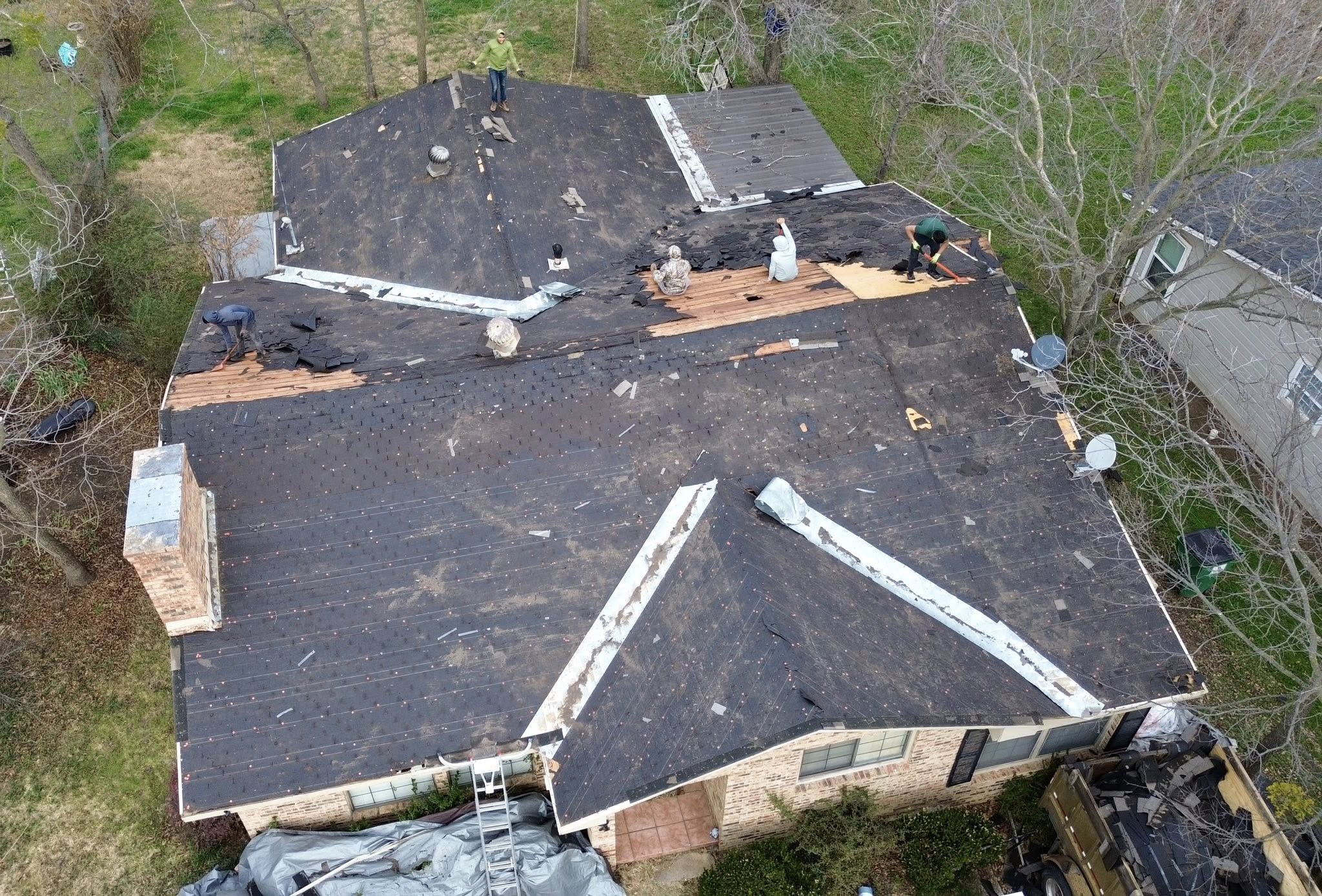
Flashing protects some of the most vulnerable areas of a roofing system. Whenever the roof meets a chimney, skylight, vent pipe, dormer, or vertical wall, flashing directs water away from the opening before it can enter the structure. Improper flashing installation remains one of the leading causes of roof leaks.
A common mistake involves reusing old flashing during roof replacement. Although the existing flashing may appear acceptable, hidden corrosion or damage may already exist. Installing new roofing materials around worn flashing often creates future leak points that require expensive repairs.
Incorrect overlap between flashing pieces is another frequent issue. Flashing must be installed in a sequence that encourages water to flow naturally downhill. Improper overlap allows rainwater to travel beneath the flashing rather than over its surface.
Poor integration with surrounding roofing materials also creates problems. Flashing should work together with underlayment, waterproof membranes, and roofing materials rather than acting as an isolated component. Every overlapping layer contributes to proper water management.
Sealants should never replace correctly installed flashing. While roofing sealants provide additional protection, they cannot compensate for poor flashing installation. Depending entirely on caulking usually results in temporary repairs rather than permanent solutions.
Professional contractors devote considerable attention to flashing because they understand that these small details often determine whether the roofing system remains leak free for decades.
Incorrect Nail Placement and Fastener Problems
Roofing nails may appear simple, but their placement directly influences the strength and durability of the roofing system. Improper fastening remains one of the most common installation mistakes, particularly when inexperienced crews attempt to complete projects quickly.
Nails driven too high fail to secure roofing materials adequately. Over time, shingles may shift, lift during strong winds, or become damaged because they are not properly attached. Nails positioned too low may penetrate exposed portions of roofing materials, increasing the possibility of water infiltration.
Overdriven nails present another problem. Pneumatic nail guns must be adjusted correctly so nail heads remain flush with the roofing material rather than cutting through it. Nails driven too deeply weaken the material instead of securing it.
Underdriven nails create similar concerns. Raised nail heads prevent shingles from lying flat, producing uneven surfaces that interfere with proper sealing. Wind may gradually lift these areas, reducing the roof’s resistance to severe weather.
Using incorrect fastener types can also shorten roof life. Manufacturers specify nail length, diameter, corrosion resistance, and fastening patterns for every roofing product. Following these recommendations helps ensure the roofing system performs as intended.
Attention to proper fastening techniques improves structural integrity while supporting long term weather resistance. Small details at this stage often determine how well the roof withstands years of environmental exposure.
Poor Shingle Alignment and Installation Errors
The visible appearance of a roof depends greatly on accurate shingle alignment. Straight rows, consistent spacing, and proper overlap create an attractive finished surface while supporting effective water drainage. Poor alignment affects both appearance and performance.
Installation should begin with carefully positioned starter strips and accurate layout lines. If the first row is not straight, the error gradually increases as additional rows are installed. By the time installers reach the roof ridge, uneven alignment may become highly noticeable.
Incorrect shingle exposure is another common mistake. Exposure refers to the visible portion of each shingle after overlapping. Excessive exposure leaves more material vulnerable to wind uplift, while insufficient exposure affects appearance and may interfere with proper water shedding.
Mixing shingles from different manufacturing batches without blending them may also create visible color variations across the roof. Professional contractors usually alternate bundles during installation to maintain consistent appearance.
Damaged shingles should never be installed simply because they are already on the roof. Cracked, bent, or otherwise compromised materials may fail prematurely even if surrounding shingles remain in good condition.
Careful layout, regular measurement checks, and attention to detail allow professional contractors to create roofing surfaces that are both visually appealing and structurally reliable.
Inadequate Roof Ventilation
Ventilation is often overlooked because homeowners naturally focus on visible roofing materials. However, poor attic ventilation can reduce the lifespan of the entire roofing system even when every other installation step has been completed correctly.
A balanced ventilation system allows fresh air to enter through intake vents while warm, moist air exits through exhaust vents. This continuous airflow regulates attic temperature and reduces condensation beneath the roof deck.
One common mistake involves installing only exhaust vents without providing sufficient intake ventilation. This imbalance restricts airflow and reduces the effectiveness of the ventilation system. Both intake and exhaust components must work together for proper performance.
Blocked soffit vents also create problems. Insulation or construction debris sometimes obstructs airflow, preventing fresh air from entering the attic. Even a properly designed ventilation system cannot function effectively if intake vents are blocked.
Poor ventilation contributes to several long term issues. Excessive attic heat accelerates the aging of roofing materials, while trapped moisture encourages mold growth, wood deterioration, and reduced insulation performance.
Professional roofing contractors evaluate attic ventilation before installation begins. When improvements are needed, they recommend ventilation upgrades that support the long term health of the roofing system rather than focusing only on exterior materials.
Failing to Install Drip Edge Correctly
Drip edge is a metal flashing installed along roof edges to direct rainwater into gutters and away from wooden roof components. Although relatively small, this component performs an important role in protecting fascia boards, roof decking, and exterior walls from moisture damage.
Some roofing projects omit drip edge entirely, particularly on older homes where previous roofing systems did not include it. Others install it in the wrong sequence, placing it incorrectly relative to the underlayment. Improper installation reduces its ability to guide water safely away from the roof.
Incorrect overlap between drip edge sections may also allow water to reach exposed wood. Professional installers carefully position each section to maintain continuous protection around the roof perimeter.
Proper drip edge installation also helps reduce wind driven rain from reaching vulnerable roof edges. Combined with underlayment and starter strips, it strengthens one of the roofing system’s most exposed areas.
Using Incompatible Roofing Components
Modern roofing systems are designed as complete assemblies rather than individual products. Mixing incompatible materials from different manufacturers or product lines sometimes creates performance issues that are not immediately visible.
For example, certain underlayments are designed specifically for particular roofing materials. Flashing accessories, ridge ventilation systems, and fastening requirements may also differ depending on the selected roofing product. Ignoring these compatibility requirements increases the likelihood of premature failure.
Some homeowners purchase materials independently without understanding these technical relationships. While this approach may appear to reduce costs, it sometimes creates installation challenges that outweigh any initial savings.
Professional contractors typically recommend roofing components that have been tested together. Using compatible materials helps preserve warranties while ensuring the entire roofing system functions as designed.
Common Roofing Installation Mistakes and Their Impact
The following table summarizes several installation mistakes frequently seen during first time roofing projects and explains why avoiding them is so important.
| Installation Mistake | Common Cause | Possible Consequence |
|---|---|---|
| Incorrect underlayment installation | Poor overlap or fastening | Moisture penetration beneath roofing materials |
| Skipping ice and water shield | Cost cutting or lack of knowledge | Higher leak risk in vulnerable areas |
| Improper flashing installation | Incorrect overlap or reused flashing | Water leaks around roof penetrations |
| Incorrect nail placement | Improper installation techniques | Reduced wind resistance and loose shingles |
| Poor ventilation | Insufficient intake or exhaust airflow | Heat buildup, moisture damage, mold growth |
| Uneven shingle alignment | Poor layout during installation | Reduced appearance and water shedding performance |
| Missing or incorrect drip edge | Improper installation sequence | Water damage to roof edges and fascia |
Each of these mistakes may appear minor during installation, but together they significantly affect the durability and performance of the finished roof.
How Professional Contractors Prevent These Errors
Experienced roofing contractors follow a systematic installation process that reduces the likelihood of costly mistakes. Rather than rushing through construction, they inspect every completed stage before moving to the next layer. This quality control approach helps identify issues while they remain easy to correct.
Professional crews carefully review manufacturer installation guidelines before beginning work. They use approved materials, recommended fasteners, and proper installation techniques to ensure compatibility throughout the roofing system. Ongoing training also keeps experienced contractors informed about updated products and industry best practices.
Clear communication within the installation team further improves project quality. Measurements, layout lines, flashing details, and ventilation components are verified throughout construction rather than only during the final inspection. This attention to detail creates a roofing system where every layer performs its intended role.
By avoiding these common installation mistakes, homeowners greatly increase the likelihood of receiving a roof that provides dependable protection for decades. The final stage of the project focuses on post installation practices, inspections, maintenance, and practical steps homeowners can take to ensure their first roofing investment continues delivering reliable performance long after construction has been completed.
Mistakes Made During Final Inspection
Many homeowners assume that once the last shingle has been installed, the roofing project is complete. In reality, the final inspection is one of the most important stages of the entire installation process. Skipping or rushing this step can allow small problems to remain unnoticed until they develop into expensive repairs months or even years later.
A professional final inspection confirms that every roofing component has been installed according to manufacturer recommendations and local building codes. Contractors examine flashing, ridge caps, ventilation systems, roof edges, valleys, and all visible roofing materials before considering the project complete. This careful review helps identify issues that may have been overlooked during installation.
One common mistake is performing only a visual inspection from the ground. While the roof may appear attractive from a distance, important details such as loose fasteners, improperly sealed flashing, or uneven shingle placement cannot be evaluated accurately without a closer examination. Professional inspections involve checking the roof directly rather than relying only on its appearance.
Another mistake involves failing to inspect the attic after installation. The attic provides valuable information about the roof’s performance because it may reveal signs of daylight entering through gaps, inadequate ventilation, or moisture problems. Examining both the exterior and interior provides a more complete assessment of the finished roofing system.
Homeowners should also request documentation of the completed project whenever possible. Warranty information, material specifications, inspection reports, and photographs of completed work provide useful records for future maintenance and potential resale of the property.
A thorough final inspection provides confidence that every roofing layer is functioning properly before the project officially ends.
Ignoring Manufacturer Installation Guidelines
Roofing manufacturers spend years testing their products under different environmental conditions. The installation instructions provided with roofing materials are based on extensive research and are intended to maximize performance, safety, and durability. Ignoring these recommendations is a mistake that can significantly shorten the life of a new roof.
Every roofing product has specific requirements for fastener placement, underlayment compatibility, ventilation, flashing details, and installation sequence. These instructions are designed so each component works together as part of a complete roofing system. Changing one aspect of the installation may affect the performance of several other components.
Some contractors attempt to rely on past experience instead of reviewing updated manufacturer specifications. While experience is valuable, roofing products continue to evolve as new materials and technologies become available. Current installation requirements may differ from older practices that were once considered acceptable.
Warranty protection often depends on following manufacturer guidelines. If roofing materials fail because recommended installation methods were not followed, warranty claims may be denied. Homeowners could then become responsible for repair or replacement costs that might otherwise have been covered.
Professional roofing contractors remain familiar with manufacturer updates and ensure that every installation follows approved procedures. Their attention to these details helps protect both the roofing system and the homeowner’s investment.
Overlooking Weather Conditions During Installation
Weather has a direct impact on roofing installation, yet many first time homeowners underestimate its importance. While delays can be frustrating, attempting to install roofing materials during unsuitable weather often creates more serious problems than waiting for better conditions.
Rain is one of the most obvious concerns. Moisture can damage exposed roof decking, interfere with adhesive products, and create unsafe working conditions for roofing crews. Professional contractors monitor weather forecasts carefully and postpone work when necessary to protect both the roofing system and worker safety.
High temperatures create different challenges. Asphalt shingles may become softer in extreme heat, making them more vulnerable to scuffing or damage during installation. Adhesives may also react differently under excessive temperatures, requiring careful handling according to manufacturer recommendations.
Strong winds increase the difficulty of positioning underlayment, flashing, and roofing materials accurately. Lightweight materials may shift before they are secured, reducing installation quality and increasing safety risks for workers on the roof.
Cold weather also affects certain roofing products. Some materials become less flexible at lower temperatures, making them more susceptible to cracking during handling. Adhesive strips may require additional time or sunlight before sealing properly.
Allowing contractors to adjust the installation schedule according to weather conditions often results in a stronger and more reliable roofing system. Patience during construction usually provides greater long term benefits than rushing to complete the project.
Lack of Proper Cleanup After Installation
Cleanup is often viewed as the final housekeeping task, but it is actually an important part of professional roof installation. Leaving debris around the property creates safety hazards while reducing the overall quality of the completed project.
Roofing projects generate a variety of waste materials including old shingles, nails, packaging, wood scraps, and underlayment remnants. These materials should be collected continuously throughout construction rather than only at the end of the project. Organized cleanup improves job site safety while making the work area easier to manage.
Loose roofing nails deserve particular attention. Nails scattered around driveways, lawns, or walkways create hazards for people, pets, and vehicle tires. Professional contractors typically use magnetic sweepers to collect metal debris before leaving the property.
Gutters should also be inspected and cleaned after installation. Small roofing particles, old granules, and construction debris sometimes accumulate inside gutters during the project. Removing these materials ensures that the drainage system functions properly when the next rainfall occurs.
Homeowners should perform a final walkthrough of the property with the contractor after cleanup has been completed. This review provides an opportunity to confirm that debris has been removed, landscaping has been protected, and the property has been restored to a clean condition.
A professional cleanup reflects the same attention to detail that should be evident throughout every stage of roof installation.
Neglecting Future Roof Maintenance
One of the biggest misconceptions among first time homeowners is believing that a newly installed roof requires no attention for many years. While modern roofing systems are designed for durability, regular maintenance remains essential for maximizing their lifespan.
Seasonal visual inspections help identify small concerns before they become expensive repairs. Missing shingles, damaged flashing, clogged gutters, or fallen tree branches should be addressed promptly to prevent unnecessary stress on the roofing system.
Keeping gutters clean allows rainwater to drain efficiently away from the roof. Overflowing gutters may cause water to back up beneath roofing materials or damage fascia boards and exterior walls. Routine cleaning protects both visible and hidden roofing components.
Tree branches that hang over the roof should be trimmed periodically. Contact between branches and roofing materials may scrape protective surfaces, while falling leaves can trap moisture on the roof. Maintaining adequate clearance helps reduce unnecessary wear.
Professional roof inspections every few years provide additional reassurance. Experienced contractors can identify early signs of deterioration that may not be visible from ground level. Addressing these concerns promptly often extends the life of the entire roofing system.
Preventive maintenance costs far less than repairing major damage caused by neglected roofing issues. Consistent care allows every roofing layer to continue performing as intended.
Essential Questions Homeowners Should Ask Their Roofing Contractor
Clear communication before construction begins helps prevent many of the mistakes discussed throughout this guide. Asking detailed questions allows homeowners to understand exactly how the roofing project will be completed while demonstrating that quality workmanship is expected.
Important questions include:
- Which roofing materials do you recommend for my local climate?
- Will the roof deck be inspected and repaired if necessary?
- What type of underlayment and waterproof membrane will be installed?
- How will flashing be replaced around chimneys, skylights, and roof penetrations?
- How will attic ventilation be evaluated and improved if needed?
- What warranties cover both materials and workmanship?
- How will the property be protected during construction?
- What cleanup procedures will be followed after installation?
These discussions help establish clear expectations before work begins. They also allow homeowners to compare contractors based on quality rather than simply choosing the lowest price.
Practical Checklist to Avoid First Time Roof Installation Mistakes
Successful roofing projects rely on preparation, careful planning, and attention to detail. The following checklist summarizes practical steps homeowners can follow to reduce the likelihood of common installation mistakes.
- Research different roofing materials before making a final selection.
- Hire a licensed, insured, and experienced roofing contractor.
- Review written estimates carefully instead of comparing price alone.
- Confirm permits and local building code requirements.
- Ensure the roof deck will be inspected before installation begins.
- Verify that underlayment, flashing, and waterproof membranes are included.
- Discuss attic ventilation and drainage improvements.
- Allow installation to proceed only under suitable weather conditions.
- Participate in the final inspection before approving project completion.
- Schedule regular maintenance after installation to protect the roofing system.
Following these steps significantly improves the likelihood of a successful roofing project while reducing future repair costs.
Why Quality Installation Is More Important Than Speed
Homeowners naturally want roofing projects completed as quickly as possible, especially when construction disrupts daily routines. However, prioritizing speed over workmanship often results in installation errors that reduce the roof’s long term performance.
Every roofing layer requires careful attention. Underlayment must overlap correctly, flashing must be integrated properly, ventilation components need accurate positioning, and roofing materials require consistent alignment. Rushing any of these stages increases the possibility of mistakes that may remain hidden until severe weather exposes weaknesses.
Experienced contractors maintain an organized workflow without sacrificing quality. They inspect completed work regularly, communicate clearly with homeowners, and correct small issues before continuing to the next stage. This systematic approach produces stronger and more reliable roofing systems.
Allowing adequate time for proper installation also improves safety. Roofing work involves steep surfaces, specialized equipment, and changing weather conditions. Working at a controlled pace helps reduce accidents while maintaining consistent workmanship.
Quality installation should always be viewed as a long term investment rather than simply a construction project. A roof installed with care and precision is far more likely to provide decades of dependable protection.
Conclusion
A first time roof installation project involves far more than selecting attractive roofing materials. Every stage, from planning and contractor selection to installation, inspection, and maintenance, plays a critical role in determining how well the roofing system will perform over the years. Understanding the most common mistakes allows homeowners to approach the project with greater confidence and realistic expectations.
Many roofing problems originate from preventable errors such as poor planning, improper underlayment installation, inadequate flashing, incorrect fastener placement, insufficient ventilation, or rushed workmanship. Although these mistakes may not be immediately visible, they often lead to leaks, structural damage, reduced energy efficiency, and costly repairs if left uncorrected.
Working with experienced roofing professionals, following manufacturer recommendations, and maintaining open communication throughout the project greatly reduces these risks. Homeowners who take the time to understand the roofing process can make informed decisions, evaluate contractor recommendations more effectively, and recognize the importance of every hidden roofing layer.
Regular inspections and ongoing maintenance further protect the investment after installation is complete. Keeping gutters clean, monitoring roof condition after storms, trimming overhanging branches, and scheduling professional inspections help preserve the roofing system for many years. Preventive care allows small issues to be corrected before they become major structural concerns.
Ultimately, a successful first time roof installation is the result of careful preparation, quality materials, skilled workmanship, and long term maintenance. By avoiding the common mistakes discussed throughout this guide, homeowners can enjoy a durable, weather resistant roofing system that protects their home, enhances its value, and provides lasting peace of mind for decades to come.