

What Homeowners Should Know Before Roof Installation Begins
Introduction
A roof installation project is one of the most important investments a homeowner can make. Whether the existing roof has reached the end of its lifespan or has suffered significant storm damage, replacing it protects the home’s structure while improving safety, energy efficiency, and curb appeal. Preparing properly before the project begins helps ensure a smoother experience and better long term results.
Many homeowners focus only on choosing roofing materials, but successful roof installation starts long before the first shingle is removed. Planning the project, understanding the installation process, selecting a qualified contractor, and preparing the property all contribute to a successful outcome. Taking these steps early reduces stress and minimizes unexpected problems during construction.
Roof installation is not simply about replacing old materials with new ones. It involves inspections, structural assessments, permit requirements, scheduling, and coordination between homeowners and roofing professionals. Understanding these aspects allows homeowners to make informed decisions while avoiding costly mistakes.
Every home is different, which means every roofing project has unique requirements. Roof size, architectural design, climate, existing roof condition, and material selection all influence how the installation will proceed. Learning about these factors before work begins makes it easier to understand contractor recommendations throughout the project.
This guide explains everything homeowners should know before roof installation begins. From selecting the right contractor to understanding costs, permits, and material options, these early preparations lay the foundation for a durable roofing system that will protect the home for many years.
Why Preparation Matters Before Roof Installation
Preparation is one of the most overlooked parts of a roofing project, yet it often determines how smoothly the installation progresses. Homeowners who understand the process ahead of time are better prepared to communicate with contractors, manage expectations, and respond to unexpected situations. Proper planning also helps reduce delays that could increase overall project costs.
Roof installation affects more than just the roof itself. Construction activity may temporarily impact driveways, landscaping, outdoor furniture, and daily routines inside the home. Preparing these areas before work begins creates a safer environment for both workers and residents.
Good preparation also allows contractors to work more efficiently. When materials arrive on schedule, access to the property is clear, and homeowners understand the planned timeline, crews can complete their work with fewer interruptions. This efficiency often leads to higher quality installation because workers can focus entirely on the roofing process.
Another benefit of preparation is financial planning. Knowing what costs to expect helps homeowners avoid surprises while making informed decisions about material upgrades, ventilation improvements, or additional repairs that may become necessary. Careful budgeting creates greater confidence throughout the project.
Understanding the Scope of a Roof Installation Project
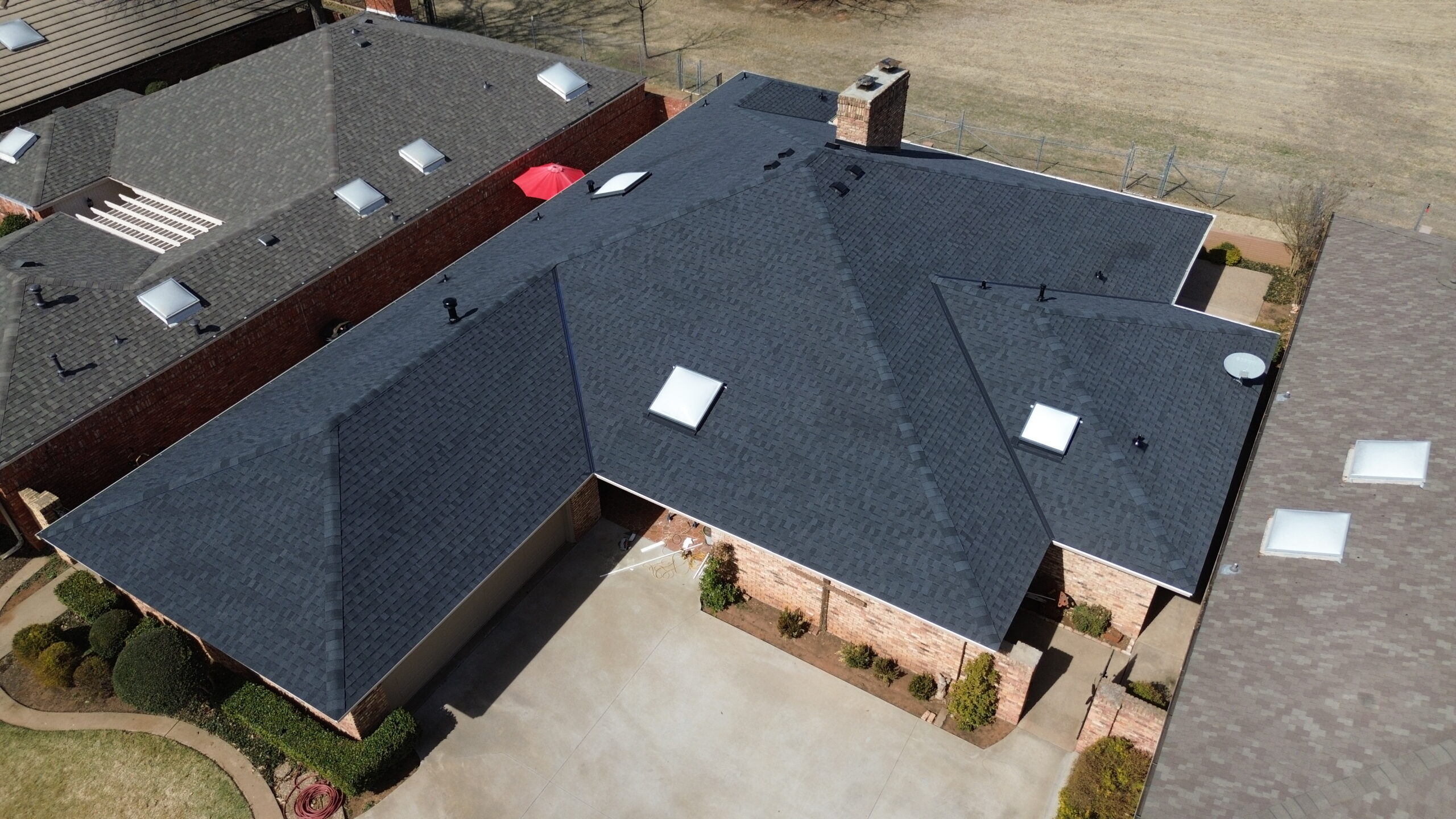
Many homeowners think roof installation only involves replacing shingles, but the project usually includes much more than the visible roofing material. A complete roofing system consists of several components working together to protect the home from weather, regulate temperature, and support structural integrity. Understanding the full scope of the project helps homeowners appreciate why each installation stage is important.
During installation, contractors may replace damaged decking, improve attic ventilation, install moisture barriers, upgrade flashing, and replace ridge caps along with the finished roofing material. Depending on the condition of the existing roof, additional structural repairs may also be required before new materials can be installed safely.
Roof installation projects often involve coordination with local inspectors, material suppliers, and waste removal services. Roofing crews must carefully schedule each phase to ensure materials arrive when needed and inspections occur without delaying construction. These behind the scenes activities are essential for maintaining project quality.
Every roofing project follows a logical sequence where one stage depends on the successful completion of the previous one. Rushing or skipping important steps can reduce the lifespan of the finished roof, making careful planning essential from the very beginning.
Signs It Is Time for a New Roof
Before committing to a roof installation project, homeowners should understand the warning signs that indicate replacement may be necessary. While regular maintenance can extend a roof’s lifespan, every roofing system eventually reaches a point where repairs become less practical than installing a new roof.
One of the most common signs is the age of the existing roof. Asphalt shingle roofs generally last between twenty and thirty years depending on material quality, installation practices, and local weather conditions. Older roofs are more likely to experience repeated problems that become increasingly expensive to repair.
Visible damage is another important indicator. Missing shingles, cracked flashing, sagging roof sections, or widespread granule loss often suggest that the roofing system has deteriorated beyond simple maintenance. These issues may expose the home to moisture damage if left unaddressed.
Interior warning signs should also never be ignored. Water stains on ceilings, damp attic insulation, mold growth, or recurring leaks often indicate roofing problems that require professional evaluation. Addressing these concerns early helps prevent more extensive structural damage.
Storm damage may also justify complete roof replacement. High winds, hail, and falling tree branches can weaken large portions of the roofing system even if the damage is not immediately visible from the ground. Professional inspections help determine whether repairs or full replacement provide the better long term solution.
Choosing the Right Roofing Contractor
Selecting a qualified roofing contractor is one of the most important decisions homeowners make before installation begins. Even the highest quality roofing materials cannot perform as intended if they are installed incorrectly. Experienced contractors combine technical knowledge with proper workmanship to create a roofing system that delivers reliable performance for many years.
Homeowners should begin by researching local roofing companies with established reputations. Reading customer reviews, checking references, and reviewing completed projects provide valuable insight into the contractor’s experience and reliability. Contractors with a consistent history of quality work are often better equipped to manage unexpected challenges during installation.
Licensing and insurance should always be verified before signing any agreement. Proper licensing demonstrates compliance with local regulations, while insurance protects both the homeowner and the contractor if accidents occur during construction. These credentials provide an added level of confidence throughout the project.
Communication is another important factor when selecting a roofing contractor. Reliable professionals explain installation procedures clearly, answer questions patiently, and provide realistic timelines without making unrealistic promises. Open communication helps establish trust before work even begins.
Homeowners should also evaluate the contractor’s familiarity with the selected roofing material. Different roofing systems require specialized installation methods, and experienced installers understand the manufacturer requirements that protect warranty coverage and maximize long term performance.
Questions to Ask Before Signing a Roofing Contract
Before approving a roofing proposal, homeowners should ask questions that clarify both the installation process and the contractor’s responsibilities. Clear communication helps prevent misunderstandings while ensuring everyone shares the same expectations throughout the project.
Some important questions include:
- Is the company licensed and fully insured?
- Who will supervise the roofing crew each day?
- How long is the estimated installation timeline?
- What warranties are included for both materials and workmanship?
- How will unexpected repairs be handled if hidden damage is discovered?
- What cleanup procedures will be followed after installation?
The answers to these questions provide valuable insight into the contractor’s professionalism and planning process. Contractors who communicate openly are generally more likely to maintain strong working relationships with homeowners throughout construction.
Written documentation is equally important. Every agreement should clearly describe project costs, materials, payment schedules, warranty information, and estimated completion dates. Detailed contracts reduce confusion while protecting both parties.
Understanding Roofing Estimates and Project Costs
Roof installation is a significant financial investment, making it important for homeowners to understand how roofing estimates are prepared. A detailed estimate explains not only the total project cost but also the individual components that contribute to the final price. This transparency allows homeowners to compare proposals more effectively.
Several factors influence installation costs, including roof size, slope, material selection, labor requirements, and the condition of the existing roof. Homes with complex roof designs typically require more labor because valleys, dormers, skylights, and steep slopes increase installation complexity.
Material quality also affects pricing. Premium roofing products often cost more initially but may provide longer service life, stronger weather resistance, and improved energy efficiency. Considering long term value rather than only initial cost often results in better financial decisions.
Unexpected repairs can occasionally increase project expenses. If contractors discover damaged roof decking, deteriorated flashing, or structural concerns after removing the old roof, these issues must usually be corrected before installation continues. Discussing this possibility in advance helps homeowners prepare for potential adjustments.
Comparing multiple estimates is a smart practice, but the lowest price should not automatically determine the final decision. Installation quality, contractor experience, warranty coverage, and reputation often provide greater long term value than small differences in project cost.
Selecting the Best Roofing Material for Your Home
Choosing the right roofing material involves balancing appearance, durability, maintenance requirements, and budget. Every roofing product offers unique advantages, making it important to evaluate options based on the home’s design and the local climate rather than price alone.
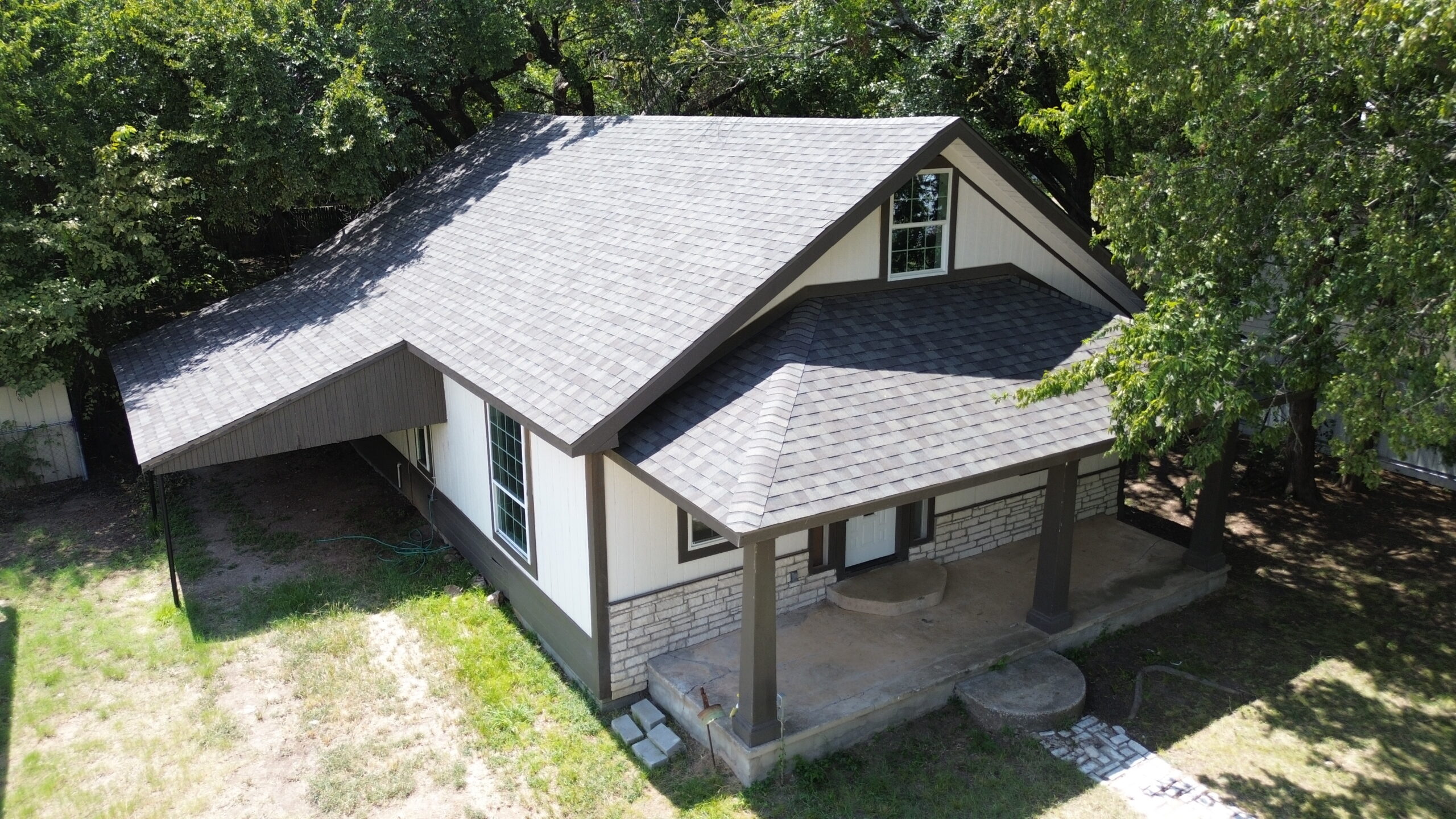
Asphalt shingles remain the most popular residential roofing material because they offer dependable performance at a reasonable cost. They are available in many colors and styles, making it easy for homeowners to match the roof with the home’s architectural design. Modern shingles also provide improved wind resistance and longer manufacturer warranties.
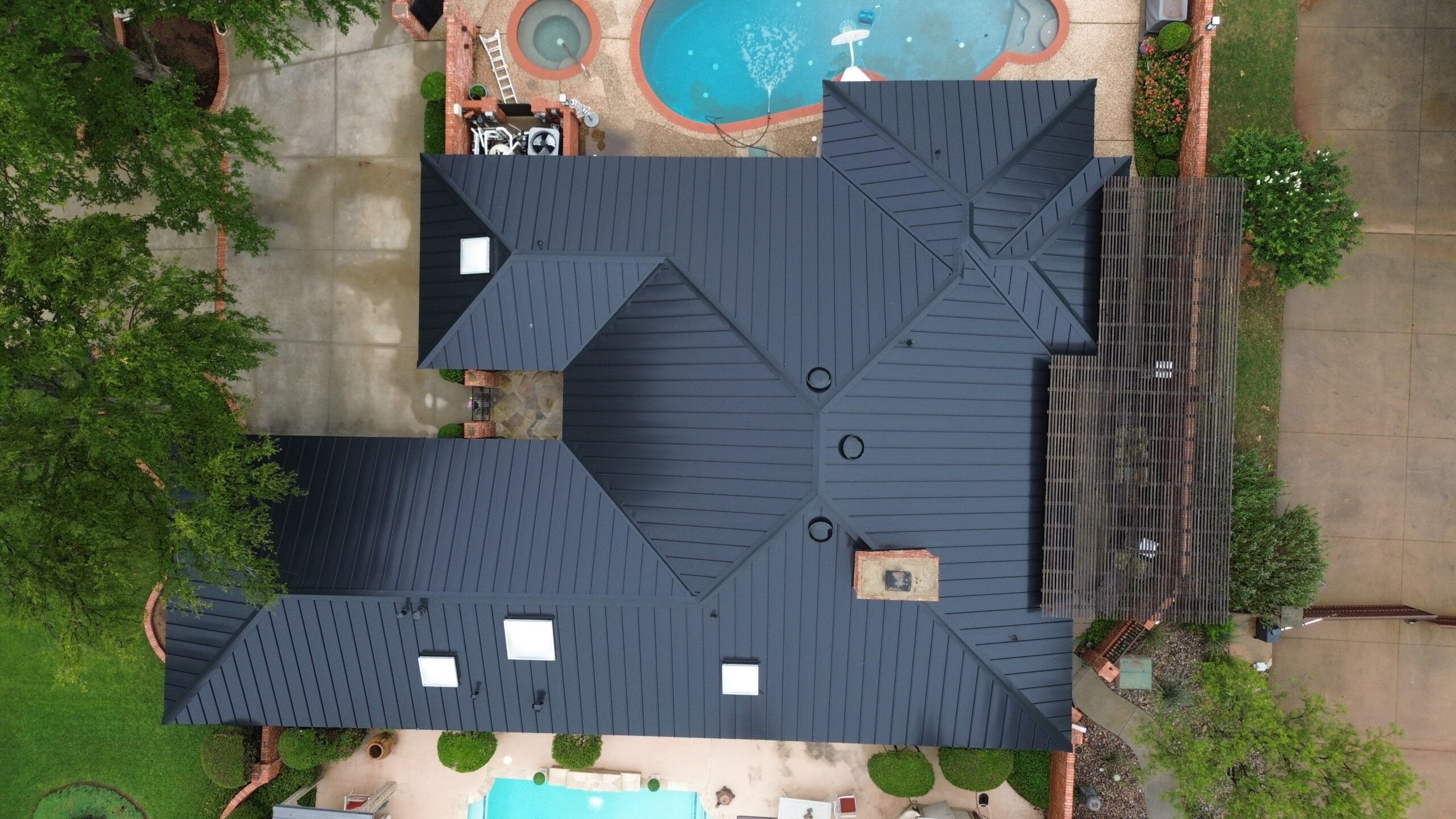
Metal roofing has become increasingly popular because of its exceptional durability and energy efficiency. Its reflective surface helps reduce heat absorption, making it an attractive option for homeowners seeking lower cooling costs. Although the initial investment is higher, many metal roofs last significantly longer than traditional asphalt shingles.
Clay tiles, concrete tiles, wood shakes, and synthetic roofing materials each offer distinctive benefits. Some provide outstanding durability, while others create unique architectural styles or require less maintenance. Understanding these differences helps homeowners choose a roofing system that meets both practical and aesthetic goals.
The contractor can explain which materials perform best in the local environment. Regional weather patterns, average temperatures, wind exposure, and seasonal rainfall all influence how different roofing products perform over time.
Roof Design, Style, and Color Considerations
A new roof has a significant impact on the overall appearance of a home. While durability remains the highest priority, homeowners should also consider how roofing materials complement the property’s architectural style. A well chosen roof enhances curb appeal while increasing long term property value.
Roof color influences more than appearance. Lighter colors generally reflect more sunlight, helping reduce heat absorption during warmer months. Darker colors may create a more traditional appearance but often absorb additional heat depending on local climate conditions.
Architectural style also plays an important role in material selection. Traditional homes may benefit from classic asphalt shingles or wood shakes, while modern designs often pair well with standing seam metal roofing. Choosing materials that complement the home’s architecture creates a balanced and attractive finished appearance.
Neighborhood guidelines or homeowners association requirements may also influence roofing decisions. Some communities have restrictions regarding approved colors, materials, or installation standards. Reviewing these requirements before ordering materials helps prevent unnecessary delays or modifications later.
Checking Local Building Codes and Permit Requirements
Before roof installation begins, homeowners should understand the local regulations that apply to the project. Most municipalities require permits for major roofing work to ensure construction complies with current building codes. These requirements help protect both homeowners and future property owners.
Roofing permits typically verify that materials, structural repairs, ventilation systems, and installation methods meet established safety standards. Building inspectors review completed work at different stages to confirm compliance before the project is officially approved.
In many cases, experienced roofing contractors handle the permit application process on behalf of the homeowner. Even so, homeowners should confirm that all required permits have been obtained before construction begins. This simple step helps avoid unnecessary legal or financial complications.
Building codes may also specify requirements for wind resistance, fire ratings, ventilation, and fastening methods depending on regional weather conditions. Understanding these standards helps homeowners appreciate why contractors sometimes recommend specific installation techniques or material upgrades.
Scheduling the Roof Installation Project
Selecting the right time for roof installation contributes significantly to project success. Weather conditions, contractor availability, and material delivery schedules all influence when construction should begin. Planning ahead gives homeowners greater flexibility while reducing the likelihood of delays.
Many homeowners schedule roofing projects during seasons with mild weather because stable conditions allow contractors to work more efficiently. Heavy rain, snow, or extreme temperatures may interrupt installation and extend the overall project timeline. Flexible scheduling helps minimize these risks.
Contractor availability should also be considered well in advance. Highly experienced roofing companies often have busy schedules, particularly during peak construction seasons. Booking early provides access to preferred installation dates while allowing sufficient time for planning and material selection.
Homeowners should also coordinate roofing work with other renovation projects whenever possible. Completing exterior improvements in the proper sequence helps avoid unnecessary disruptions while improving overall construction efficiency.
Preparing Your Home Before Roof Installation Begins
Once the roofing project has been scheduled, homeowners should begin preparing the property before the installation crew arrives. A little preparation helps protect personal belongings, improves job site safety, and allows contractors to work more efficiently. Taking these steps ahead of time also reduces unnecessary stress during construction.
Start by clearing vehicles from the driveway and nearby parking areas. Roofing contractors often need space for dumpsters, material deliveries, and work vehicles throughout the project. Keeping these areas accessible allows equipment and supplies to be moved safely without damaging personal property.
Outdoor furniture, grills, potted plants, and decorative items should also be relocated away from the work area. Roofing projects generate falling debris as old materials are removed, and protecting outdoor belongings helps prevent accidental damage. If certain items cannot be moved, homeowners can discuss protective coverings with the contractor before work begins.
Inside the home, it is helpful to secure fragile wall decorations and valuable items stored on upper floors. Vibrations from roofing work may cause pictures, mirrors, or decorative objects to shift during installation. A few minutes of preparation can help avoid unnecessary repairs later.
Protecting Your Landscaping and Outdoor Spaces
Landscaping is often one of the biggest concerns homeowners have before roof installation begins. Gardens, flower beds, shrubs, and lawn features may be located directly below the roof edges where construction activity is most concentrated. Protecting these areas helps preserve the appearance of the property throughout the project.
Professional roofing contractors typically place protective coverings over delicate plants before removing old roofing materials. These coverings help reduce the impact of falling debris while allowing workers to safely complete the installation. Homeowners should still point out valuable landscaping features that require extra attention.
Tree branches extending over the roof may need to be trimmed before installation starts. Overhanging branches can interfere with worker movement and increase the chance of roofing materials becoming damaged during construction. Trimming them beforehand creates a safer and more efficient work environment.
Sprinkler systems, landscape lighting, and decorative edging should also be identified before work begins. Informing the contractor about these features helps prevent accidental damage when ladders, scaffolding, or heavy equipment are positioned around the property.
Once the project is complete, homeowners should inspect the landscaping together with the contractor. This final review confirms that protective measures were effective and allows any concerns to be addressed promptly.
Safeguarding Your Attic and Interior Belongings
Although roofing work takes place outside, activity on the roof can affect the interior of the home. Hammering, material removal, and worker movement create vibrations that travel through the roof structure into the attic and upper living spaces. Preparing these areas helps reduce the likelihood of damage.
Items stored in the attic should be covered with protective sheets or tarps before construction begins. Dust and small particles may enter the attic while the old roof is removed, especially if damaged decking is being replaced. Covering stored belongings makes cleanup much easier after the project is finished.
Fragile items displayed on shelves or mounted on walls should also be secured. Decorative glass pieces, collectibles, and hanging artwork may shift slightly because of construction vibrations. Removing especially valuable objects before installation begins provides additional protection.
Homeowners may also notice increased noise inside the home while roofing work is underway. Planning work schedules, children’s activities, or remote meetings around the construction timeline helps minimize disruptions during the installation period.
Pets can also become anxious because of unfamiliar sounds and increased activity around the property. Keeping them indoors in a quiet room or arranging temporary care elsewhere often creates a more comfortable environment for both pets and roofing crews.
Informing Family Members and Neighbors
Roof installation affects not only the homeowner but also everyone living nearby. Informing family members about the project schedule helps everyone prepare for temporary changes in daily routines. Open communication also improves safety during active construction.
Children should understand that the work area is not a safe place to play while roofing crews are present. Construction materials, ladders, and tools create hazards that require careful supervision. Keeping children away from active work zones reduces the risk of accidents.
Neighbors also appreciate advance notice about upcoming roofing work. Construction noise, delivery trucks, and temporary parking changes may affect nearby homes during the project. A simple conversation beforehand demonstrates courtesy and helps maintain positive relationships.
If homeowners share driveways or limited parking areas with neighbors, discussing the construction schedule in advance can prevent unnecessary inconvenience. Good communication allows everyone to plan around temporary disruptions more easily.
Being considerate of others creates a smoother experience throughout the roofing project. Small efforts to communicate early often prevent misunderstandings once construction begins.
Understanding the Roof Installation Process
Many homeowners feel more comfortable during construction when they understand what happens each day. While every roofing project is unique, most installations follow a similar sequence from material delivery through final inspection. Knowing this progression makes it easier to follow the contractor’s updates.
The project usually begins with material delivery and preparation of the work site. Contractors position equipment, protect landscaping, and organize supplies before removing the old roofing materials. Careful preparation improves both safety and efficiency.
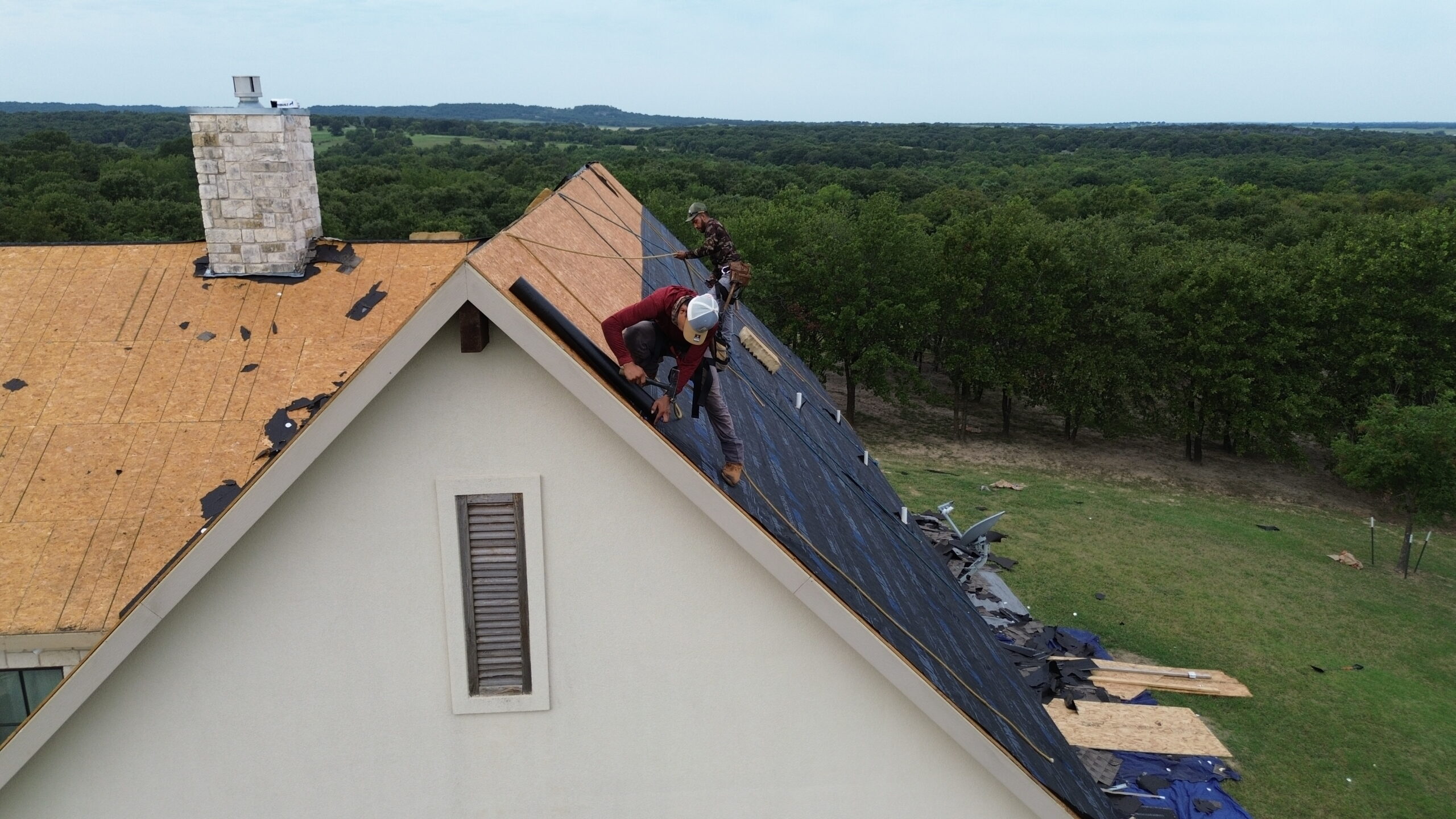
After the existing roof has been removed, the roof deck is carefully inspected for signs of damage. If deteriorated wood or structural problems are discovered, repairs are completed before new materials are installed. This step ensures the new roofing system is supported by a strong and stable foundation.
Once repairs are finished, underlayment, flashing, and roofing materials are installed according to manufacturer specifications. Ventilation components, ridge caps, and finishing details complete the roofing system before the final inspection takes place. Every stage builds upon the quality of the previous one.
Understanding this sequence helps homeowners recognize why certain phases require more time than others. Patience during the installation process contributes to a better long term result.
Roofing Safety Measures Homeowners Should Expect
Professional roofing companies prioritize safety throughout every stage of installation. Roofing work involves heights, heavy materials, specialized equipment, and changing weather conditions that require careful planning. Homeowners should expect to see organized safety procedures from the moment construction begins.
Workers commonly wear protective equipment including safety harnesses, helmets, gloves, and non slip footwear. Roof anchors and fall protection systems are installed whenever necessary to reduce the risk of accidents. These precautions protect workers while allowing them to focus on installation quality.
The work area around the home is also carefully managed. Warning signs, safety barriers, and designated material storage locations help prevent unauthorized access to active construction zones. Homeowners should respect these boundaries until the contractor confirms the area is safe.
Daily cleanup is another important safety practice. Removing loose nails, discarded materials, and construction debris at the end of each workday reduces hazards for both workers and residents. Organized job sites contribute to a more efficient installation process.
Weather monitoring is equally important throughout construction. Roofing crews may temporarily stop work during thunderstorms, strong winds, or other unsafe conditions rather than risking worker safety or compromising installation quality.
Common Challenges That Can Delay Roof Installation
Even well planned roofing projects sometimes experience unexpected delays. Understanding these possibilities helps homeowners remain flexible while recognizing that temporary schedule changes often protect installation quality rather than reduce efficiency.
Weather is one of the most common reasons roofing projects are postponed. Heavy rain, strong winds, or extreme temperatures can make installation unsafe or prevent roofing materials from performing as intended. Waiting for better conditions usually results in a stronger and longer lasting roof.
Material availability can also influence construction schedules. Occasionally, specialized roofing products or custom color selections require additional delivery time. Ordering materials well in advance helps reduce the likelihood of supply related delays.
Hidden structural damage may become visible only after the old roof has been removed. Contractors cannot accurately assess every underlying condition until the roof deck is exposed. Discovering damaged decking or framing may temporarily extend the project while necessary repairs are completed.
Unexpected permit inspections or scheduling conflicts with other construction trades may also affect progress. Experienced contractors coordinate these activities carefully, but some adjustments are unavoidable on larger projects.
Although delays can be frustrating, allowing sufficient time for proper installation is far more beneficial than rushing work that protects the home for decades.
What Happens if Hidden Roof Damage Is Found
One of the biggest concerns homeowners have before roof replacement is the possibility of discovering hidden damage beneath the existing roofing materials. While this situation does not occur on every project, it is common enough that homeowners should understand how contractors typically handle it.
Once the old roof has been removed, contractors inspect the roof deck, framing, and surrounding structural components. They look for signs of water damage, wood rot, mold, insect activity, or weakened structural members. These issues cannot always be identified during the initial exterior inspection.
If damage is discovered, the contractor explains the findings before proceeding with repairs. Homeowners are typically shown photographs or invited to inspect the affected areas themselves. This transparent approach helps everyone understand why additional work may be necessary.
Repairing hidden damage before installing the new roof is essential for long term performance. Covering damaged structural components with new roofing materials would only allow problems to worsen over time. Addressing these issues immediately protects both the investment and the home’s structural integrity.
Although additional repairs may increase project costs, correcting them during installation is generally much less expensive than dealing with major structural damage later. Proper repairs ensure the new roofing system begins with a solid and reliable foundation.
Materials, Equipment, and Delivery Day Expectations
Material delivery is often the first visible sign that the roofing project is about to begin. Roofing products, equipment, and safety supplies usually arrive one or two days before installation starts. Understanding what to expect helps homeowners prepare the property while avoiding unnecessary concerns.
Roofing materials are carefully staged to allow workers easy access throughout the installation. Contractors distribute heavy materials strategically to avoid placing excessive weight in one location. This organized approach also improves worker efficiency once installation begins.
Various types of equipment may be delivered depending on the size and complexity of the project. Ladders, scaffolding, debris containers, magnetic nail sweepers, and material lifts are commonly used to support safe and efficient construction. Each piece of equipment serves a specific purpose during the installation process.
Homeowners should expect increased activity around the property on delivery day. Trucks may temporarily block portions of the driveway while materials are unloaded, and workers may move equipment around the home as they prepare for installation. These activities are generally completed quickly so the roofing crew can begin work on schedule.
Before leaving for the day, contractors usually confirm that materials are secure and protected from weather. This final preparation ensures the project can begin efficiently when the roofing crew arrives to start installation.
What to Expect During the Final Stages of Installation
As the roofing project approaches completion, contractors shift their attention from installing materials to inspecting every component of the roofing system. This stage focuses on confirming that the roof performs as intended while maintaining a clean and professional appearance. Careful finishing work is just as important as the earlier phases of installation.
Roofers complete any remaining ridge caps, flashing details, and ventilation components before conducting a thorough visual inspection. They verify that shingles are properly aligned, fasteners are correctly placed, and all roof penetrations have been sealed. These final adjustments help ensure the roof provides reliable protection against the elements.
Contractors also inspect roof edges, valleys, and drainage areas where water naturally collects during rainfall. These locations receive extra attention because they experience higher levels of wear throughout the roof’s lifespan. Addressing minor concerns before the project is finished reduces the likelihood of future repairs.
Homeowners may notice workers walking the roof several times during the final stage. These inspections allow contractors to evaluate the completed installation from different angles and confirm that every section meets quality standards.
Roof Inspection and Quality Assurance
A final roof inspection is one of the most important parts of the entire installation process. It confirms that every roofing component has been installed correctly and that the completed system complies with manufacturer specifications as well as local building regulations. This inspection provides homeowners with confidence that the investment has been completed properly.
Professional contractors inspect the roof systematically rather than relying on a quick visual review. They examine flashing, ridge caps, shingles, ventilation systems, gutters, and roof penetrations to ensure every component functions together as a complete roofing system. Even small imperfections are corrected before the project is officially completed.
In many locations, local building inspectors also perform an independent inspection before approving the roofing project. Their review verifies that the installation meets applicable building codes and permit requirements. Passing this inspection confirms the work satisfies established construction standards.
Quality assurance extends beyond the roof itself. Contractors often inspect the attic to verify proper ventilation, check for signs of moisture intrusion, and ensure insulation has not been disturbed during construction. These additional inspections contribute to the roof’s long term performance.
Understanding Roofing Warranties
Before the roofing project is considered complete, homeowners should receive documentation explaining the warranties associated with their new roof. Understanding these warranties is important because they define the coverage available if problems arise after installation. Reading the warranty carefully helps homeowners understand both their rights and responsibilities.
Most roofing projects include two different types of warranties. One covers manufacturing defects in the roofing materials, while the other covers workmanship provided by the roofing contractor. Together, these warranties offer protection against qualifying issues that may occur after installation.
Homeowners should ask how long each warranty remains valid and what circumstances could affect coverage. Some warranties require routine maintenance or professional inspections to remain in effect. Following these recommendations helps preserve warranty protection throughout the roof’s service life.
Keeping warranty documents, invoices, inspection reports, and maintenance records in a safe location is equally important. These records may be needed if warranty claims are submitted in the future. Organized documentation also becomes valuable if the home is eventually sold.
Cleaning Up After Roof Installation
A professional roofing project should conclude with a thorough cleanup of the property. Removing construction debris is an essential part of the contractor’s responsibilities because leftover materials can create safety hazards and reduce homeowner satisfaction. A clean property reflects careful workmanship and attention to detail.
Roofing crews collect discarded shingles, underlayment, flashing, packaging materials, and damaged wood before removing equipment from the site. Dumpsters are typically hauled away shortly after the project is completed, restoring normal access to the driveway and surrounding areas. Contractors also inspect nearby landscaping for any remaining debris.
Loose nails receive particular attention during cleanup. Professional roofing companies often use magnetic sweepers to collect nails from driveways, sidewalks, lawns, and flower beds. This extra step helps protect family members, pets, and vehicle tires after construction has finished.
Homeowners should perform a final walkthrough with the contractor before making the last payment. This provides an opportunity to confirm that cleanup has been completed satisfactorily while discussing any remaining questions about the installation.
Common Mistakes Homeowners Should Avoid
Even after a successful roof installation, certain decisions can reduce the lifespan of the new roofing system. Understanding these common mistakes helps homeowners protect their investment while avoiding unnecessary repair costs in the future.
Some of the most common mistakes include:
- Ignoring routine roof inspections after installation.
- Allowing gutters to remain clogged with leaves and debris.
- Walking on the roof unnecessarily, especially after severe weather.
- Delaying repairs when minor problems first appear.
- Hiring unqualified contractors for future maintenance work.
Preventive care is far less expensive than major repairs. Addressing small concerns early helps preserve the condition of the roofing system while extending its overall service life.
Homeowners should also avoid making structural changes that affect roof ventilation without consulting qualified professionals. Even well intended modifications can unintentionally reduce airflow and increase moisture accumulation inside the attic.
Roof Maintenance Tips After Installation
A newly installed roof requires far less maintenance than an aging one, but regular care is still essential. Simple maintenance practices help maximize durability while allowing homeowners to identify developing issues before they become costly repairs. Consistent attention also helps maintain warranty coverage.
Homeowners should visually inspect the roof several times each year, particularly after severe storms. Looking for damaged shingles, loose flashing, blocked gutters, or fallen tree branches provides an early warning of potential concerns. Professional inspections every few years offer additional reassurance.
Routine maintenance tasks include cleaning gutters, removing accumulated debris, trimming overhanging branches, and checking attic ventilation. These small efforts improve drainage while reducing unnecessary stress on roofing materials. Preventive maintenance contributes significantly to long term roof performance.
If repairs ever become necessary, homeowners should use qualified roofing professionals who understand the original installation methods. Proper repairs maintain the integrity of the roofing system while protecting manufacturer warranties.
Roof Installation Checklist for Homeowners
Before considering the project complete, homeowners should verify that every important step has been finished. Reviewing a checklist with the contractor helps ensure nothing has been overlooked and provides confidence in the completed installation.
- Roofing materials match the approved contract.
- Flashing has been installed around all roof penetrations.
- Ridge caps and ventilation systems are complete.
- Gutters and downspouts have been securely installed.
- The property has been cleaned and construction debris removed.
- Warranty documents and maintenance instructions have been provided.
- Final inspections have been completed and approved.
- All questions have been answered before final payment.
Completing this review creates a smooth transition from construction to long term homeownership. It also ensures homeowners understand how to care for the new roof after installation.
Frequently Asked Questions
Homeowners often have similar concerns before and after roof installation. Understanding the answers to these common questions helps set realistic expectations while making the overall experience less stressful.
How long does a typical roof installation take?
Most residential roofing projects are completed within a few days, although larger homes, complex roof designs, or unfavorable weather may extend the schedule. The contractor can provide a more accurate estimate after evaluating the property.
Will I need to leave my home during roof installation?
In most cases, homeowners can remain in the house while roofing work is underway. However, construction noise can be significant, so some families choose to spend part of the day elsewhere if they have young children, pets, or work from home.
What happens if it rains during the project?
Professional roofing contractors monitor weather forecasts closely. If rain is expected before the roof is fully completed, temporary waterproof coverings are installed to protect the home until work can safely resume.
How soon can I inspect my new roof?
A visual inspection from the ground is usually recommended after the project is finished. If a closer inspection is needed, homeowners should arrange it with the roofing contractor rather than walking on the roof themselves.
How often should a new roof be inspected?
Most roofing professionals recommend a visual inspection at least twice a year and after major storms. Periodic professional inspections also help identify minor concerns before they become expensive repairs.
Conclusion
Roof installation is a major home improvement project that requires careful planning long before construction begins. Understanding the process, selecting an experienced contractor, choosing the right materials, and preparing the property all contribute to a successful installation. Homeowners who take time to learn about these early steps are better equipped to make informed decisions throughout the project.
Preparation does not end when the roofing crew arrives. Staying informed during installation, communicating openly with the contractor, and understanding how inspections, warranties, and cleanup are handled help create a smoother experience from start to finish. Every stage plays an important role in ensuring the roof performs reliably for many years.
After installation is complete, regular maintenance and timely inspections help protect the investment while extending the lifespan of the roofing system. Simple tasks such as cleaning gutters, monitoring roof conditions after storms, and addressing minor concerns promptly can prevent larger problems in the future.
Ultimately, a new roof is much more than an exterior upgrade. It is a critical part of the home’s overall structure, providing protection, comfort, energy efficiency, and long term value. By understanding what homeowners should know before roof installation begins, it becomes easier to approach the project with confidence and ensure the finished roof delivers dependable performance through every season.