

Expert Tips for Successful Roof Replacement Planning
Introduction
Planning a roof replacement is one of the most important responsibilities homeowners face when maintaining their property. A roof protects every part of the home beneath it, including the structure, insulation, electrical systems, and personal belongings. Because of its vital role, replacing a roof requires much more than choosing new materials and scheduling a contractor. Proper planning helps homeowners avoid costly mistakes, manage expenses effectively, and achieve a roof that performs reliably for decades.
Many people think roof replacement begins when workers arrive to remove the old shingles. In reality, the process starts weeks or even months earlier with inspections, budgeting, material comparisons, and contractor research. The decisions made during the planning stage often have a greater impact on the project’s success than the installation itself. Careful preparation reduces uncertainty while allowing homeowners to move through each stage with confidence.
Without a structured plan, unexpected problems can quickly become stressful. Hidden structural damage, weather delays, permit requirements, and changing material costs can affect both schedules and budgets. However, homeowners who understand the process before construction begins are far better equipped to make informed decisions when these situations arise.
This guide shares expert tips for successful roof replacement planning, helping homeowners prepare every aspect of the project before installation begins. In this first part, we will explore why planning matters, how to evaluate your current roof, ways to establish clear project goals, methods for creating a realistic budget, and expert advice for selecting roofing materials that provide lasting value.
Why Proper Roof Replacement Planning Matters
Roof replacement is one of the largest investments many homeowners make after purchasing a home. Unlike cosmetic renovations, a new roof directly affects structural protection, energy efficiency, weather resistance, and property value. Because the project involves numerous decisions, careful planning significantly increases the likelihood of long term success.
One of the greatest benefits of planning is reducing uncertainty. When homeowners understand the overall process, they know what to expect before construction begins. This confidence helps eliminate unnecessary anxiety while making communication with contractors much more productive.
Planning also allows sufficient time to compare multiple roofing systems instead of selecting materials based solely on immediate availability. Every roofing material offers unique advantages regarding durability, maintenance requirements, appearance, and cost. Rushed decisions often result in homeowners choosing products that may not be ideal for their specific climate or long term goals.
Financial preparation represents another important advantage. Roof replacement costs extend beyond visible roofing materials. Labor, permits, structural repairs, ventilation improvements, flashing replacement, cleanup, and warranty options all contribute to the total investment. Developing a complete financial plan reduces the likelihood of unexpected expenses disrupting the project.
Project scheduling also becomes much easier through careful planning. Contractors may have busy schedules during peak roofing seasons, while weather conditions can affect installation dates. Homeowners who begin planning early often have greater flexibility when selecting preferred installation times.
Planning further improves communication among everyone involved in the project. Homeowners, contractors, inspectors, suppliers, and insurance representatives all benefit when expectations are clearly established before work begins. Clear communication minimizes misunderstandings and contributes to a smoother overall experience.
Another overlooked benefit is improved decision making under pressure. Unexpected situations occasionally arise during roof replacement, such as discovering damaged roof decking after removing old materials. Homeowners who have already discussed possible scenarios with their contractor can make informed decisions without feeling rushed or overwhelmed.
Ultimately, proper planning transforms roof replacement from a stressful event into a well organized project. Every hour invested in preparation contributes to greater confidence, better workmanship, and stronger long term performance.
Evaluating Your Roof Before Planning a Replacement
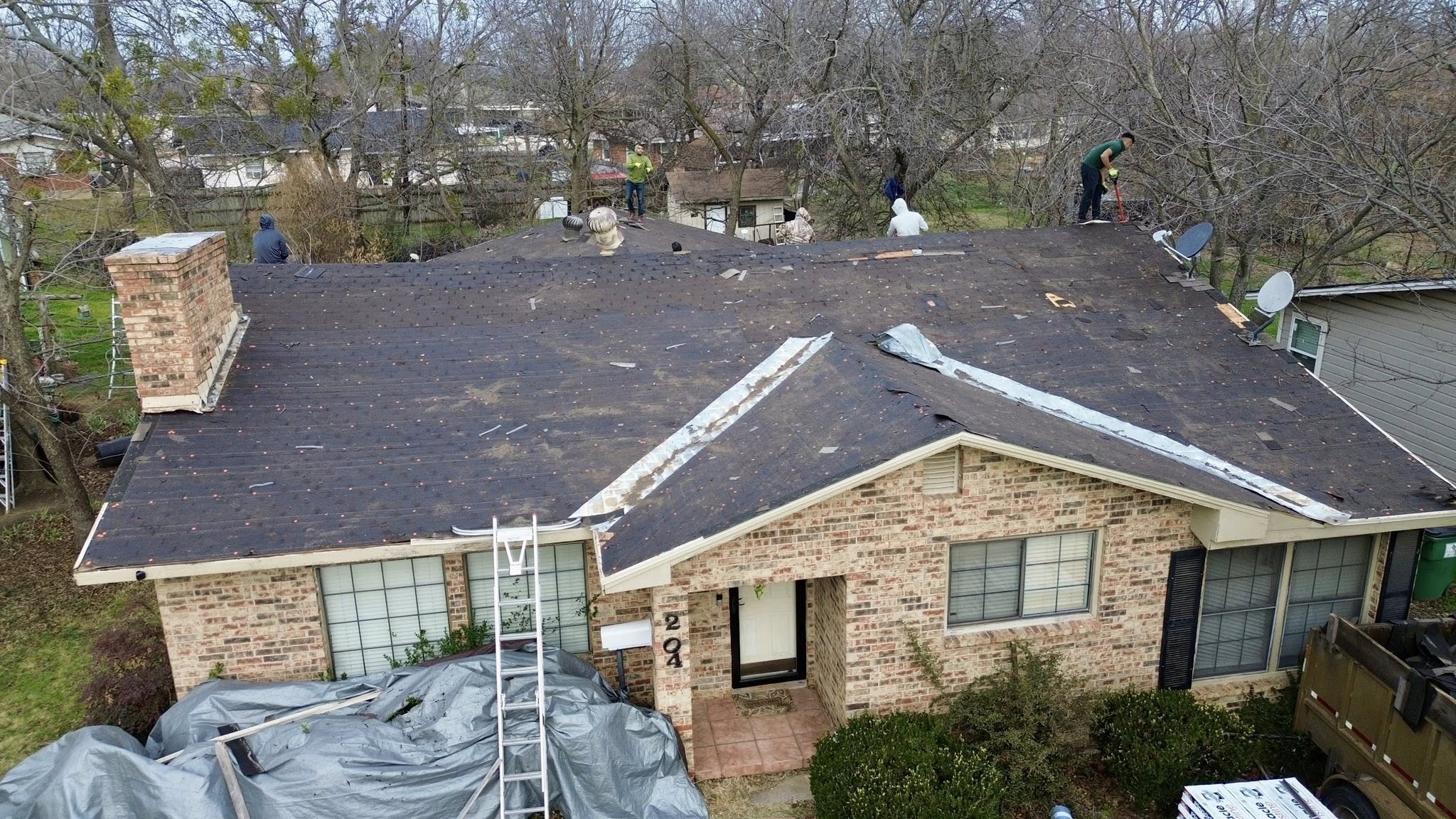
Before developing a replacement plan, homeowners should first understand the current condition of their roof. A thorough evaluation provides valuable information about existing problems while helping determine whether complete replacement is necessary or whether repairs may still be appropriate.
The age of the roof is an excellent starting point. Every roofing material has an expected service life that varies depending on climate, maintenance, installation quality, and environmental conditions. Even well maintained roofs eventually reach a point where replacement becomes more practical than repeated repairs.
Visible exterior damage provides another important indicator. Homeowners should inspect the roof from ground level using binoculars if necessary rather than climbing onto the roof without proper safety equipment. Missing shingles, curling edges, cracked materials, exposed fasteners, damaged flashing, and sagging roof sections all deserve professional evaluation.
Granule loss is another common warning sign for asphalt shingle roofs. Finding excessive roofing granules inside gutters or around downspouts often indicates aging shingles that are gradually losing their protective surface. Although some granule loss is normal over time, heavy accumulation usually signals advanced wear.
Interior inspections are equally valuable. Water stains on ceilings, peeling paint near roof edges, damp attic insulation, mold growth, or musty odors may indicate moisture entering through the roofing system. Since water often travels before becoming visible indoors, professional inspections help locate the true source of leaks.
Storm history should also influence roof evaluations. Homes exposed to repeated hailstorms, hurricanes, high winds, or falling tree branches may experience damage that is not immediately obvious. Even when shingles appear intact from the ground, impacts can reduce their protective capabilities over time.
Homeowners should also examine attic ventilation during the evaluation process. Poor ventilation traps heat and moisture beneath the roof deck, accelerating material deterioration while increasing energy costs. Roof replacement often presents the ideal opportunity to improve ventilation performance.
A professional roofing inspection provides the most complete assessment of roof condition. Experienced contractors evaluate structural integrity, flashing, underlayment, drainage systems, decking, ventilation, and moisture damage while identifying problems homeowners might overlook.
During the inspection, homeowners should ask questions about every recommendation. Understanding why replacement is suggested rather than simply accepting the recommendation helps build confidence in the proposed project scope.
Photographing current roof conditions also creates useful documentation. These images may support insurance claims, contractor discussions, or future comparisons after the new roof has been installed.
A thorough evaluation ensures planning decisions are based on facts rather than assumptions. Knowing exactly what condition the roof is in allows homeowners to prepare accurate budgets, realistic timelines, and appropriate replacement strategies.
Setting Clear Goals for Your Roof Replacement Project
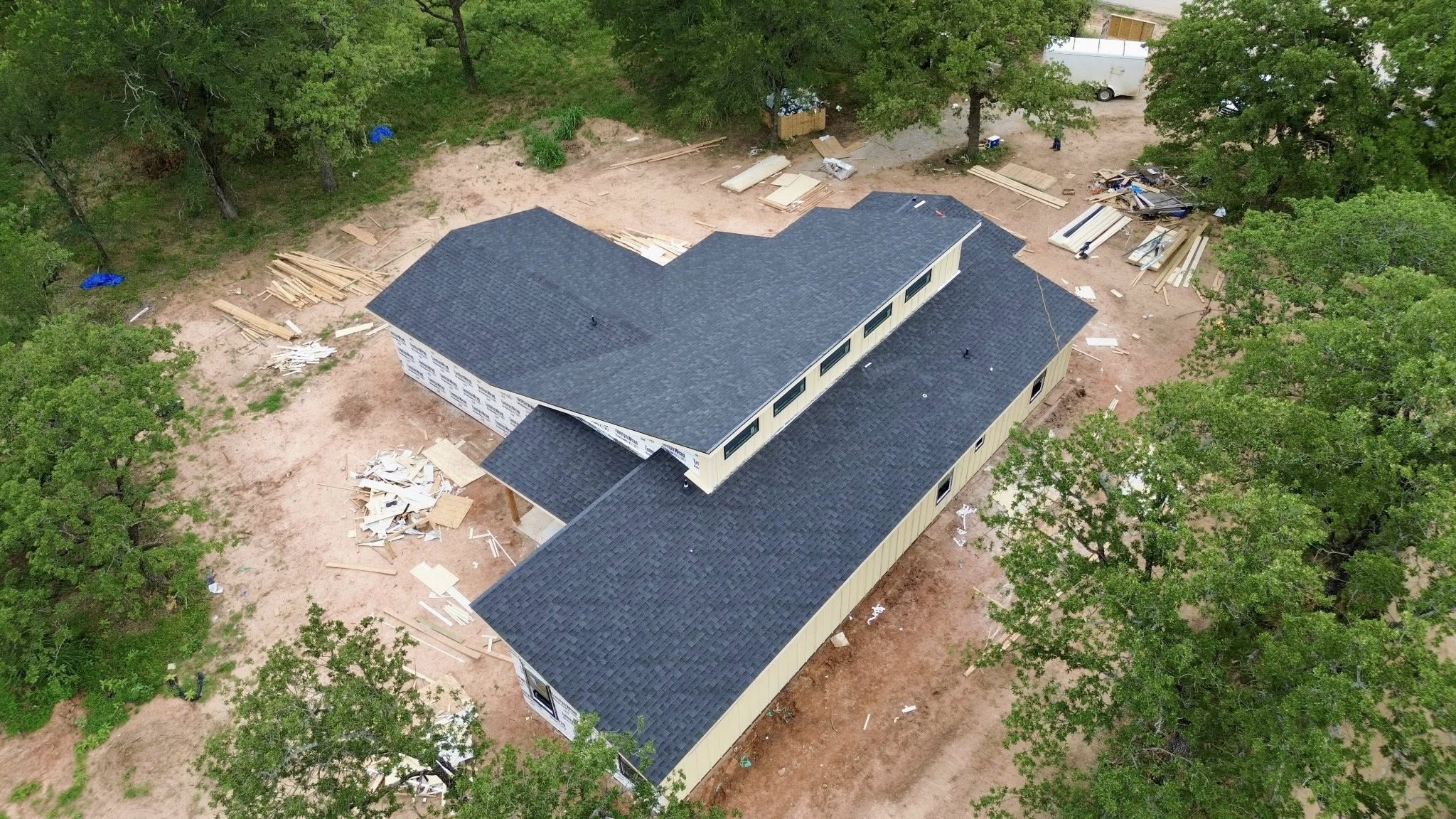
Every successful roof replacement begins with clearly defined objectives. Homeowners who understand their priorities before selecting materials or contractors make more confident decisions throughout the planning process.
Some homeowners focus primarily on durability because they intend to remain in the home for many years. In these situations, investing in premium materials with longer expected lifespans may provide greater value despite higher initial costs. Long term thinking often reduces maintenance expenses while delaying future replacement needs.
Other homeowners may prioritize improving curb appeal before selling the property. A visually attractive roof enhances the home’s appearance while increasing buyer confidence during property showings. Selecting materials that complement the home’s architectural style becomes especially important when resale value is a primary goal.
Energy efficiency has also become a common priority. Modern roofing systems often incorporate improved ventilation, reflective materials, and better insulation strategies that help reduce heating and cooling costs. Homeowners living in regions with extreme temperatures frequently consider energy performance alongside traditional durability factors.
Budget limitations naturally influence project goals as well. Establishing financial boundaries early allows contractors to recommend materials and installation approaches that fit comfortably within available resources. Clear budget discussions prevent unrealistic expectations while simplifying later decisions.
Some homeowners also prioritize environmental sustainability. Recyclable roofing materials, energy efficient products, and long lasting systems reduce environmental impact while minimizing future replacement frequency. Sustainable planning often aligns with long term financial savings as well.
Appearance should not be overlooked during goal setting. Roofing materials are available in numerous colors, textures, and styles that significantly influence the home’s overall visual character. Coordinating roofing selections with siding, trim, windows, and landscaping creates a more balanced exterior design.
Homeowners should also establish realistic expectations regarding project duration. While many residential roof replacements are completed within several days, weather conditions, permit approvals, structural repairs, and material availability may extend the timeline. Accepting this possibility before construction begins reduces frustration if delays occur.
Communication goals deserve similar attention. Homeowners should decide how frequently they would like project updates, who will serve as the primary contact, and how unexpected changes will be discussed. These expectations should be communicated clearly before work begins.
Writing project goals down can be surprisingly helpful. A simple list of priorities provides a useful reference whenever difficult decisions arise during planning. Rather than becoming distracted by marketing claims or emotional reactions, homeowners can evaluate every option according to their original objectives.
Clear goals provide direction throughout the entire replacement process. Every later decision, from material selection to contractor evaluation, becomes easier when measured against clearly defined priorities.
Creating a Realistic Roof Replacement Budget
Financial preparation is one of the most critical components of successful roof replacement planning. While many homeowners focus primarily on contractor estimates, a complete budget considers every expense associated with the project rather than only the visible installation costs.
The first step involves obtaining several detailed estimates from reputable roofing contractors. Each proposal should identify labor charges, material costs, cleanup services, warranty coverage, estimated project duration, and optional upgrades. Comparing detailed estimates helps homeowners understand differences in project scope rather than simply comparing total prices.
Material selection has a significant influence on overall costs. Premium roofing systems generally require larger initial investments but often provide longer service lives, stronger warranties, and reduced maintenance expenses. Choosing the least expensive option may save money initially while increasing long term ownership costs.
Unexpected structural repairs represent another important budgeting consideration. Once the existing roofing materials are removed, contractors sometimes discover deteriorated decking, moisture damage, or weakened framing hidden beneath the old roof. Reserving contingency funds allows these essential repairs to be completed without causing financial strain.
Permit fees should also be included in the overall budget. Although contractors frequently obtain permits on behalf of homeowners, permit costs are usually included somewhere within the project pricing. Understanding these expenses helps create a more accurate financial plan.
Ventilation improvements may also increase project costs but provide significant long term benefits. Upgrading ridge vents, intake vents, or attic airflow systems during roof replacement often improves energy efficiency while extending the lifespan of the new roofing materials.
Cleanup and debris disposal should not be overlooked either. Professional contractors normally include these services within their proposals, but homeowners should verify this before signing any contract. Unexpected disposal charges can otherwise increase final project costs.
The following table summarizes several major budgeting considerations homeowners should evaluate during roof replacement planning.
| Budget Category | Importance | Planning Recommendation |
|---|---|---|
| Roofing Materials | Determines lifespan and appearance | Focus on long term value rather than lowest price |
| Labor | Affects installation quality | Hire experienced professionals |
| Permits | Required for code compliance | Confirm responsibility before work begins |
| Structural Repairs | Hidden damage may be discovered | Maintain contingency savings |
| Ventilation Upgrades | Improves roof performance | Evaluate during replacement |
| Cleanup and Disposal | Completes the project safely | Verify inclusion in the estimate |
| Warranty Coverage | Protects the investment | Compare manufacturer and workmanship warranties |
Homeowners should also consider financing options if necessary. Savings, home improvement loans, contractor financing programs, and insurance coverage for qualifying storm damage all represent possible funding sources depending on individual circumstances.
Budget planning should remain flexible rather than fixed. Small adjustments are common during roof replacement, and maintaining financial flexibility reduces stress when legitimate project changes occur.
Choosing the Best Roofing Material for Long Term Value
Selecting roofing materials is one of the most influential decisions homeowners make during the planning stage. While appearance often receives immediate attention, long term performance depends on balancing durability, maintenance, weather resistance, energy efficiency, and overall ownership costs.
Asphalt shingles remain the most widely used residential roofing material because they offer dependable performance at a relatively affordable price. Available in numerous colors and architectural styles, they suit many different home designs while providing reliable weather protection for decades when properly installed.
Metal roofing has become increasingly popular among homeowners seeking exceptional longevity and energy efficiency. Reflective metal surfaces reduce heat absorption during warm weather, helping lower cooling costs in many climates. Although installation costs are generally higher than asphalt shingles, the extended service life often provides strong long term value.
Clay and concrete tiles offer outstanding durability and distinctive architectural appeal. These materials perform especially well in warmer climates but require adequate structural support because of their weight. Homeowners considering tile roofing should ensure their home’s structure can safely accommodate the additional load.
Wood shakes provide natural beauty and traditional character that many homeowners appreciate. However, they generally require more maintenance than synthetic alternatives and may not be appropriate in regions with strict fire safety requirements or consistently damp climates.
Synthetic roofing materials continue gaining popularity because they replicate the appearance of slate, wood, and tile while offering lower weight and improved impact resistance. Many modern composite products also require less maintenance than the natural materials they imitate.
When comparing roofing materials, homeowners should evaluate several important factors instead of concentrating only on purchase price.
- Expected lifespan.
- Weather resistance in the local climate.
- Maintenance requirements.
- Energy efficiency.
- Warranty protection.
- Compatibility with the home’s architectural design.
- Long term ownership costs.
Experienced roofing contractors can also provide valuable recommendations based on regional installation experience. Materials that perform exceptionally well in one climate may not offer the same benefits in another, making local expertise especially valuable.
Selecting the Right Roofing Contractor
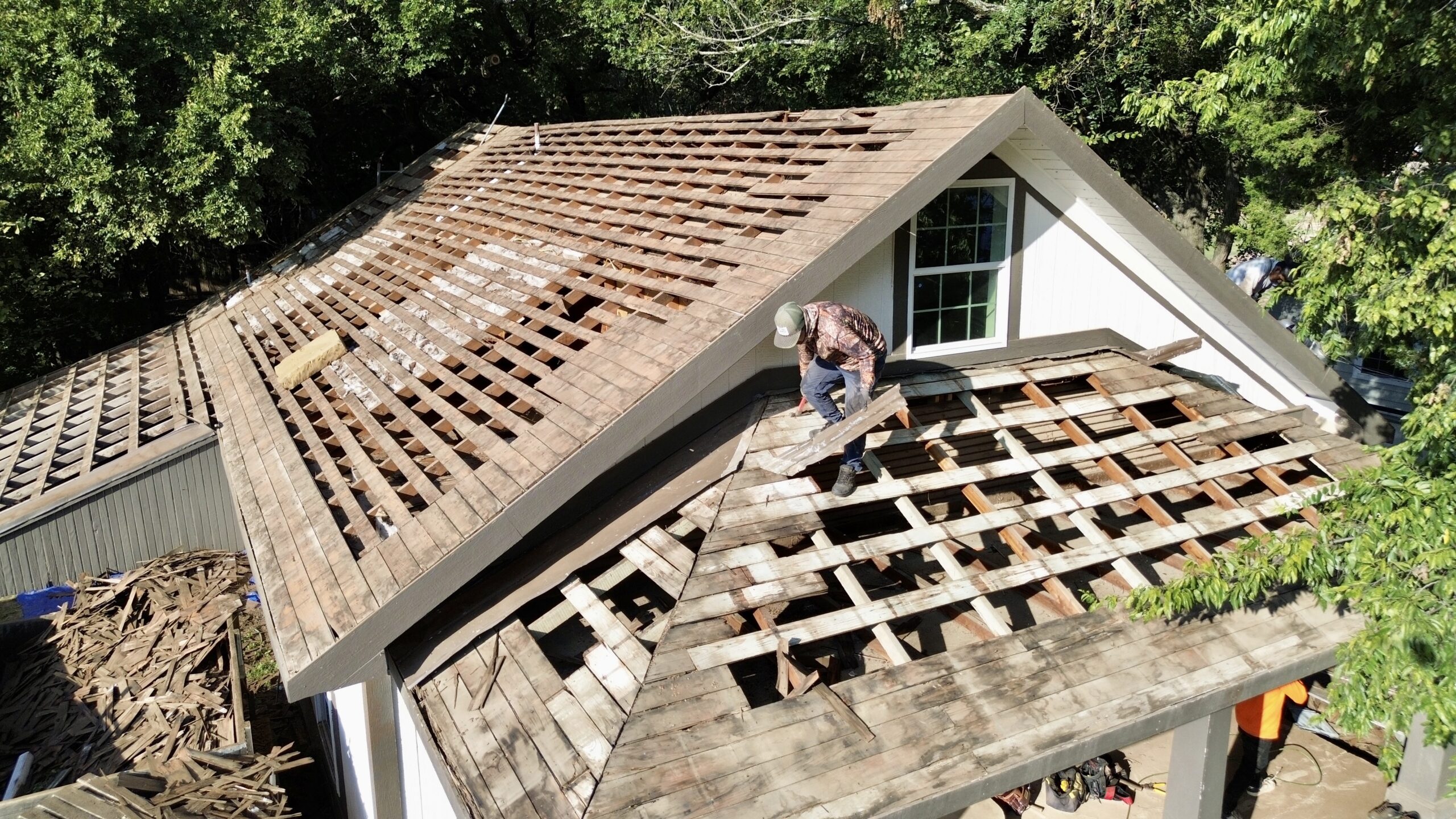
Choosing the right roofing contractor is one of the most important decisions homeowners make during the planning process. Even the best roofing materials cannot deliver their expected performance if they are installed improperly. A qualified contractor brings technical expertise, quality workmanship, effective communication, and project management skills that contribute directly to the success of the replacement.
Many homeowners begin their search by asking friends, relatives, neighbors, or coworkers for recommendations. Personal referrals often provide valuable insight because they come from people who have firsthand experience with a contractor’s professionalism and workmanship. However, referrals should always be supported by additional research rather than accepted without verification.
Online reviews can also help evaluate potential contractors. Instead of focusing on one extremely positive or negative review, homeowners should look for consistent trends across many customer experiences. Repeated comments about reliability, communication, punctuality, and quality workmanship often provide a more accurate picture of the contractor’s overall reputation.
Experience within the local community is another valuable consideration. Contractors who have worked in the same region for many years understand local weather conditions, common roofing challenges, building codes, and permit requirements. Their familiarity with local suppliers and inspectors can also contribute to smoother project coordination.
Licensing should always be verified before signing any agreement. Proper licensing demonstrates that the contractor meets local legal requirements and operates within applicable regulations. Homeowners should also confirm that the contractor carries both liability insurance and workers’ compensation coverage. These protections reduce financial risk if accidents or property damage occur during construction.
Homeowners should ask whether the roofing company uses its own installation crews or hires subcontractors. Both approaches can produce excellent results, but understanding who will actually perform the work provides greater transparency. Knowing who supervises the project each day also simplifies communication if questions arise during construction.
Requesting references from recent projects provides another opportunity to evaluate workmanship. Speaking directly with previous customers allows homeowners to learn about scheduling, cleanliness, communication, and how the contractor handled unexpected challenges during the replacement process.
Professional contractors should also be willing to inspect the roof thoroughly before preparing an estimate. Estimates prepared without examining the existing roof may overlook important structural issues that later increase project costs. A detailed inspection demonstrates professionalism while allowing more accurate planning.
Communication style should never be underestimated. Contractors who answer questions clearly, explain technical concepts patiently, and provide detailed written documentation usually continue demonstrating those qualities throughout the project. Strong communication creates trust while reducing misunderstandings from the earliest planning stages.
Rather than selecting the contractor offering the lowest price, homeowners should evaluate overall value. High quality installation, durable materials, reliable warranties, responsive customer service, and proven experience often justify a slightly larger investment because they contribute to lower maintenance costs and greater long term satisfaction.
Understanding Estimates, Contracts, and Warranties
After identifying several qualified contractors, homeowners should compare written estimates carefully. Many people focus only on the total project price, but successful planning requires understanding exactly what each proposal includes and how those services compare.
A professional estimate should describe every major component of the project. This includes roofing materials, underlayment, flashing replacement, ventilation improvements, labor, debris removal, cleanup procedures, estimated project duration, permit responsibilities, and warranty information. Detailed estimates make comparisons much easier because homeowners can evaluate similar services side by side.
Material specifications deserve particular attention. Contractors should identify manufacturers, product names, colors, and installation methods rather than simply describing materials in general terms. This level of detail helps ensure homeowners receive exactly what they expect when construction begins.
Project timelines should also appear in writing. Although weather and unforeseen repairs can affect scheduling, estimates should provide reasonable expectations regarding project duration and anticipated start dates. Understanding these timelines allows homeowners to prepare their families and daily routines before construction begins.
Contracts transform the estimate into a legally binding agreement. Every important promise made during discussions should appear within the contract rather than relying on verbal conversations. A comprehensive contract protects both the homeowner and the contractor by clearly defining responsibilities and expectations.
Payment schedules deserve careful review before signing. Most reputable roofing companies request a reasonable deposit followed by progress payments or final payment after satisfactory completion. Homeowners should be cautious if a contractor requests the entire payment before work begins because this significantly increases financial risk.
Change order procedures should also be included within the contract. Occasionally, hidden structural damage or other unforeseen conditions require additional work after construction has started. Establishing a written approval process ensures homeowners understand proposed repairs and associated costs before authorizing any changes.
Warranties are another essential part of successful planning. Most roof replacement projects include two primary warranty categories. Manufacturer warranties protect against defects in roofing materials, while workmanship warranties cover installation quality provided by the contractor. Understanding the difference between these warranties helps homeowners know who is responsible if future problems arise.
Warranty lengths vary considerably depending on material selection and contractor policies. Homeowners should review coverage details carefully, including maintenance requirements, exclusions, transferability to future homeowners, and procedures for submitting warranty claims.
Keeping organized copies of contracts, warranties, permits, inspection reports, invoices, and communication records simplifies future maintenance and provides valuable documentation for insurance purposes or eventual property sales.
Planning the Roof Replacement Timeline
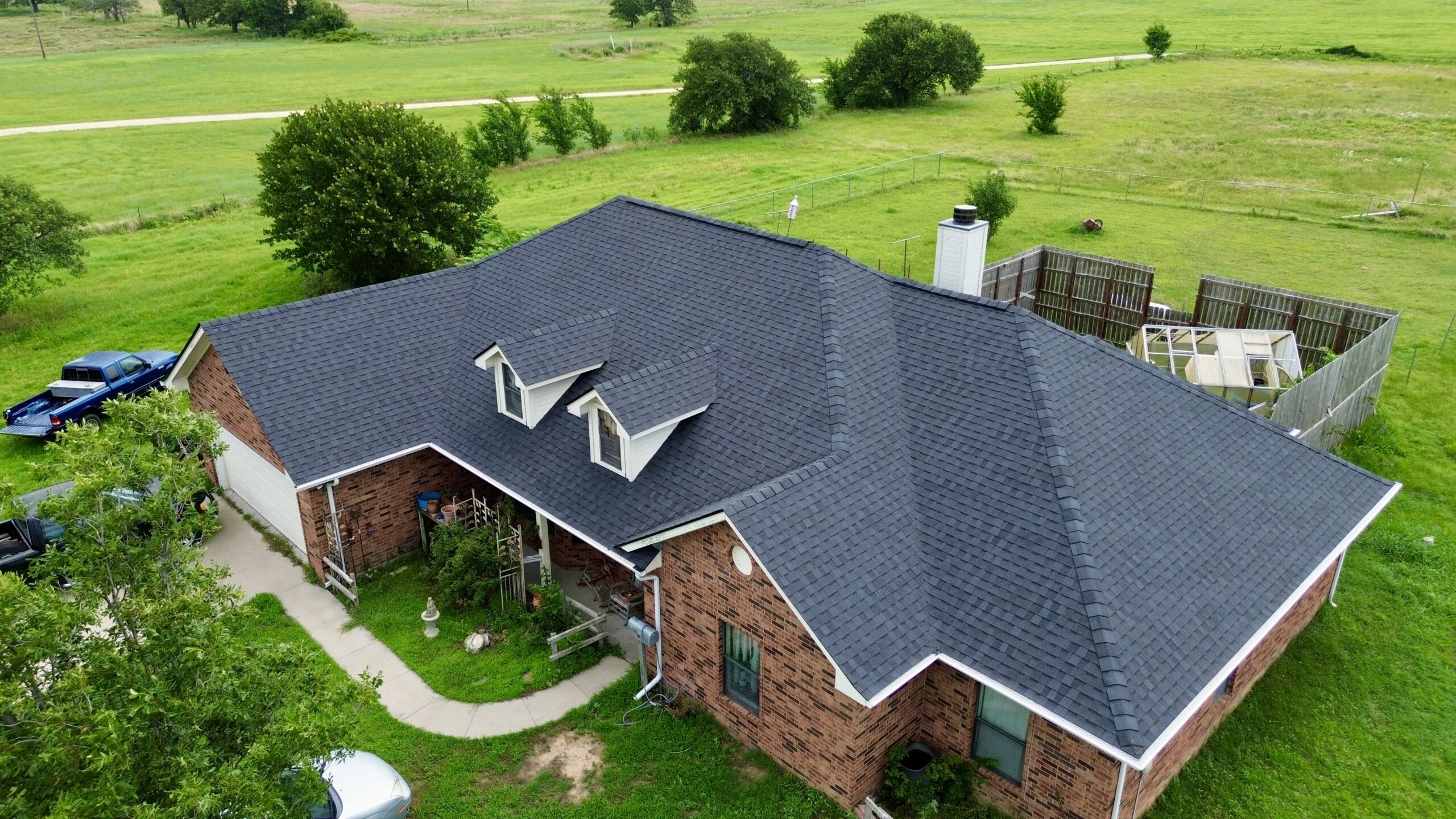
Developing a realistic project timeline helps homeowners prepare for construction while reducing unnecessary stress throughout the replacement process. Although many residential roofs can be completed within a few days, numerous factors influence the overall schedule.
The planning phase should begin several weeks or even months before installation. This period allows sufficient time for inspections, contractor comparisons, material selection, financing arrangements, permit approvals, and scheduling. Rushing through these early decisions often increases the likelihood of costly mistakes later.
Seasonal weather patterns deserve careful consideration when selecting installation dates. Roofing contractors typically experience higher demand during periods of favorable weather, which may affect scheduling availability. Homeowners who begin planning early usually have greater flexibility when choosing convenient installation dates.
Material availability also influences project timelines. Specialty roofing products, custom colors, or premium materials sometimes require longer delivery times than standard products. Confirming product availability before scheduling installation helps prevent unnecessary delays once construction is expected to begin.
Permit approval periods vary depending on local government requirements. Some permits are issued quickly, while others require additional review before construction can start. Experienced contractors usually understand local approval timelines and incorporate them into project scheduling.
Once construction begins, daily progress depends on roof size, complexity, weather conditions, and whether unexpected structural repairs become necessary. While homeowners naturally hope for rapid completion, quality workmanship should always receive greater priority than speed.
Planning temporary adjustments to daily routines also contributes to a smoother experience. Construction noise may affect remote work, online meetings, or children’s study schedules. Families may wish to arrange alternative activities during the busiest installation periods to minimize disruption.
Maintaining flexibility remains one of the most valuable planning strategies. Weather delays, supplier issues, or hidden roof damage occasionally require schedule adjustments despite careful preparation. Homeowners who expect some degree of flexibility generally experience less frustration when unavoidable changes occur.
Regular communication with the project supervisor throughout the timeline helps ensure homeowners remain informed about progress, upcoming activities, and any schedule modifications that become necessary.
Preparing Your Home Before Installation
Preparing the home before roofing crews arrive creates a safer and more efficient working environment while reducing inconvenience for everyone involved. Small preparations completed in advance often prevent larger problems once construction begins.
The driveway should be cleared before material deliveries arrive. Roofing contractors need adequate space for trucks, dumpsters, ladders, equipment, and roofing supplies. Easy access improves efficiency while reducing unnecessary movement around the property.
Outdoor furniture, grills, decorative items, garden ornaments, bicycles, and children’s toys should also be relocated away from the work area. Although contractors typically use protective coverings, moving valuable items provides additional protection from dust and falling debris.
Landscaping deserves attention as well. Flower beds, shrubs, and delicate plants located near roof edges may benefit from temporary coverings after discussing appropriate protection with the contractor. Taking these precautions helps preserve landscaping throughout the construction process.
Inside the home, roof replacement creates vibrations that travel through walls and ceilings. Homeowners should remove or secure fragile wall decorations, mirrors, shelves, and valuable collectibles before installation begins. These simple steps reduce the possibility of accidental damage caused by normal construction activity.
Attic spaces should also be prepared carefully. Dust and small particles may enter while old roofing materials are removed. Covering stored belongings with plastic sheets or protective fabric helps keep them clean until the project has been completed.
Vehicles should be parked away from the house whenever possible during active construction. This protects them from falling debris while providing contractors with additional working space.
Families with pets should prepare well in advance. Loud construction noises often create anxiety for animals, while workers opening gates may increase the risk of pets escaping. Keeping pets indoors in quiet rooms or arranging temporary care elsewhere helps maintain their comfort and safety.
Informing nearby neighbors about the upcoming project is another thoughtful step. Letting them know when construction will occur prepares them for temporary noise, delivery vehicles, and increased activity around the property. Maintaining open communication helps preserve positive neighborhood relationships.
Homeowners should also identify the project’s primary contact person before work begins. Knowing who supervises daily activities makes it easier to discuss questions, approve unexpected repairs, or receive progress updates throughout construction.
Expert Tips for Avoiding Costly Planning Mistakes
Many roofing problems result not from poor installation but from avoidable planning mistakes made before construction even begins. Learning from industry experts allows homeowners to avoid these common errors while improving overall project outcomes.
One of the most frequent mistakes involves delaying replacement until serious leaks appear. Waiting too long often allows moisture to damage insulation, drywall, framing, and electrical systems. Planning replacement before widespread deterioration develops usually reduces overall repair costs.
Another common mistake is selecting a contractor based solely on price. While staying within budget is important, unusually low estimates sometimes indicate reduced material quality, inexperienced labor, incomplete project scopes, or insufficient insurance coverage. Comparing value rather than price generally produces better long term results.
Failing to verify licensing and insurance is another avoidable error. Homeowners who skip these verification steps may expose themselves to unnecessary financial liability if accidents occur during construction. Confirming documentation before signing contracts provides valuable protection.
Some homeowners focus entirely on visible roofing materials while overlooking ventilation improvements. Proper attic ventilation significantly affects roof lifespan, energy efficiency, and moisture control. Ignoring ventilation during replacement often results in avoidable problems later.
Poor communication can also create unnecessary stress. Homeowners should ask questions whenever project details seem unclear rather than making assumptions. Contractors appreciate informed clients because clear communication helps prevent misunderstandings during construction.
Another planning mistake involves neglecting contingency funds. Hidden roof damage occasionally becomes visible only after old materials have been removed. Setting aside additional financial reserves allows essential structural repairs to be completed without delaying the project.
Skipping written documentation is equally risky. Every agreement regarding pricing, materials, timelines, warranties, and cleanup should appear within the contract. Written documentation protects both parties while providing clear expectations throughout the replacement process.
Finally, many homeowners underestimate the importance of routine maintenance after installation. Even the highest quality roof benefits from periodic inspections, gutter cleaning, and prompt attention to minor repairs. Planning for long term maintenance begins before the new roof is even installed.
Managing Project Changes Without Stress
Even the most carefully planned roof replacement projects occasionally require adjustments. Weather conditions, hidden structural damage, material availability, or updated building requirements may influence the original project scope. Preparing for these possibilities allows homeowners to respond calmly rather than feeling overwhelmed.
The first step is accepting that some changes are completely normal during major construction projects. Discovering damaged roof decking or deteriorated flashing after removing old roofing materials does not necessarily indicate poor planning. Many issues simply cannot be identified until the roof has been opened for inspection.
Maintaining open communication with the contractor remains the most effective way to manage unexpected situations. Homeowners should request explanations whenever additional work is recommended. Understanding why repairs are necessary helps build confidence in the decisions being made.
All project modifications should be documented in writing before work proceeds. Written change orders describing the additional work, associated costs, and expected schedule adjustments help prevent misunderstandings while keeping financial records organized.
Financial flexibility also reduces stress when legitimate changes become necessary. Homeowners who establish contingency funds during the planning stage are better prepared to approve important repairs without compromising project quality.
Remaining focused on long term value rather than immediate inconvenience also supports better decision making. Addressing hidden structural concerns during roof replacement is generally more economical than postponing repairs until they create larger problems in the future.
Monitoring the Roof Replacement Process
Once construction begins, many homeowners believe their role is complete until the roofing crew finishes the installation. While experienced contractors manage the technical aspects of the project, homeowners should remain actively involved by monitoring progress, maintaining communication, and ensuring the work aligns with the agreed plan. Staying informed does not mean supervising every detail but rather understanding what is happening at each stage and asking questions whenever clarification is needed.
The first day of installation usually involves preparing the worksite. Roofing materials are delivered, dumpsters are positioned, safety equipment is installed, and protective coverings are placed around landscaping and outdoor features. Homeowners should confirm that the materials delivered match those specified in the contract, including the correct product type, color, and manufacturer.
As the old roofing materials are removed, contractors gain access to the roof deck beneath. This stage often reveals hidden problems such as moisture damage, deteriorated wood, or weakened structural components. If unexpected repairs become necessary, homeowners should expect the contractor to explain the findings clearly before performing additional work.
Communication remains essential throughout installation. Rather than waiting until the project is complete, homeowners should ask for regular progress updates. A brief conversation at the end of each workday provides an opportunity to review completed tasks, discuss the next day’s schedule, and address any concerns before they become larger issues.
Safety should remain a priority during construction. Homeowners should avoid entering active work areas or climbing onto the roof while installation is underway. Roofing crews use specialized equipment and follow established safety procedures that require unobstructed working conditions. Respecting these boundaries helps prevent accidents while allowing the crew to work efficiently.
It is also helpful to observe how the contractor maintains the worksite. Professional crews generally keep materials organized, remove debris regularly, and protect surrounding property throughout the project. A clean and organized work area often reflects careful project management and attention to detail.
Weather conditions may occasionally interrupt installation. Rain, strong winds, or severe storms can temporarily pause construction to protect both workers and the exposed roof structure. Although schedule changes can be inconvenient, quality contractors prioritize safety and proper installation over rushing to meet an original deadline.
Homeowners should also monitor project communication regarding any changes to the original plan. Whether the adjustment involves additional repairs, material substitutions, or schedule modifications, all changes should be explained clearly and documented before work proceeds.
Maintaining realistic expectations throughout construction helps reduce unnecessary stress. Temporary noise, vibrations, and increased activity around the home are normal parts of roof replacement. Keeping the larger goal in mind makes these short term inconveniences much easier to accept.
Final Inspection and Quality Assurance
The final inspection is one of the most important stages of any roof replacement project. Even if the installation appears complete, homeowners should carefully review the finished work before making the final payment. This inspection provides confidence that every part of the roofing system has been installed according to professional standards and the terms of the contract.
Begin by walking around the exterior of the home with the project supervisor. Examine the roof from several viewpoints to ensure the finished appearance is clean, uniform, and consistent. Roofing materials should align properly without noticeable gaps, uneven rows, or visible damage.
Roof valleys deserve particular attention because they handle large amounts of rainwater during storms. Flashing installed in these areas should fit securely and direct water away from vulnerable sections of the roof. Similar attention should be given to chimneys, skylights, plumbing vents, and other roof penetrations where leaks are more likely to develop if installation is not completed correctly.
Inspect the roof edges to confirm that drip edge components are properly installed. These metal pieces help guide water into the gutter system while protecting the roof deck from moisture damage. Although they may seem like small details, properly installed drip edges contribute significantly to the roof’s long term durability.
The attic should also be inspected after installation. Homeowners should look for moisture, damaged insulation, visible daylight entering through unintended openings, or ventilation problems. Any unusual observations should be discussed immediately with the contractor.
Cleanup quality is another important part of the final inspection. Roofing crews should remove debris, leftover materials, and packaging before leaving the property. Magnetic sweepers are commonly used to collect nails from driveways, lawns, and walkways, but homeowners should still perform their own visual inspection to ensure the area is safe.
Ask the contractor to explain the completed roofing system. Understanding the location of ventilation components, flashing, drainage systems, and maintenance recommendations helps homeowners care for the roof properly after installation.
Photographing the completed roof provides valuable documentation. These images establish a record of the roof’s condition immediately after installation and may support future warranty claims or insurance documentation if needed.
Quality assurance also includes confirming that all agreed services were completed. Homeowners should verify that materials match the contract, approved repairs were performed, ventilation improvements were installed when included, and all required inspections have been completed successfully.
Long Term Maintenance After Roof Replacement
A newly installed roof provides excellent protection, but its long term performance depends heavily on regular maintenance. Even the highest quality roofing materials benefit from routine inspections and preventive care that help maximize their expected lifespan.
One of the easiest maintenance habits is performing visual inspections from ground level several times each year. Homeowners should look for missing shingles, damaged flashing, accumulated debris, or clogged gutters. These inspections require very little time but often identify small problems before they become expensive repairs.
Seasonal gutter cleaning remains one of the most effective ways to protect a roofing system. Leaves, branches, and debris can block water flow, allowing moisture to collect beneath roofing materials. Clean gutters direct rainwater safely away from the roof and foundation while reducing the risk of water damage.
Tree maintenance should also become part of routine property care. Branches hanging over the roof may scrape roofing materials during windy weather or break during storms. Keeping branches trimmed reduces debris accumulation while minimizing the risk of impact damage.
Professional roof inspections every one or two years provide additional protection. Roofing specialists can identify subtle issues that homeowners may not notice from the ground. Small repairs completed early often prevent larger structural problems from developing later.
After severe weather events, homeowners should inspect the roof as soon as conditions are safe. High winds, hail, heavy snowfall, or falling branches may damage roofing materials without creating immediate leaks. Prompt inspections help identify storm damage while warranty or insurance coverage remains easier to document.
Ventilation systems also require occasional attention. Intake vents, ridge vents, and other airflow components should remain free of leaves, nests, or other obstructions that restrict ventilation. Proper airflow helps regulate attic temperatures and reduce moisture accumulation throughout the year.
Avoid unnecessary foot traffic on the roof whenever possible. Walking on roofing materials may damage shingles, tiles, or flashing while increasing the risk of personal injury. Professional roofing contractors have the training and safety equipment necessary to inspect roofs safely when direct access is required.
Maintaining detailed records of inspections, repairs, warranties, and contractor visits also benefits homeowners over the long term. Organized documentation simplifies future maintenance planning while increasing buyer confidence if the home is eventually sold.
Expert Roof Replacement Planning Checklist
By following a structured planning process, homeowners can significantly reduce stress while improving the quality of the completed roof replacement. The following checklist summarizes the most important planning and project management steps discussed throughout this guide.
- Schedule a professional roof inspection before making replacement decisions.
- Research multiple experienced roofing contractors.
- Verify contractor licensing and insurance coverage.
- Obtain several detailed written estimates.
- Compare materials based on long term value instead of initial cost.
- Review contracts carefully before signing.
- Understand manufacturer and workmanship warranties.
- Confirm permit and inspection responsibilities.
- Establish a realistic budget with contingency funds.
- Prepare the property before installation begins.
- Protect indoor belongings and outdoor landscaping.
- Maintain regular communication with the project supervisor.
- Review all unexpected repairs before approving additional work.
- Participate in the final inspection.
- Confirm complete cleanup before issuing final payment.
- Store warranties, invoices, permits, and maintenance records safely.
- Schedule regular inspections after installation.
Completing each item on this checklist provides homeowners with a structured approach that minimizes uncertainty and improves overall project success. Rather than making rushed decisions during construction, every important step is addressed in advance through careful planning.
Frequently Asked Questions
How far in advance should I start planning a roof replacement?
It is generally beneficial to begin planning several months before the expected replacement date. Early planning allows time to compare contractors, evaluate materials, arrange financing, obtain permits, and schedule installation during favorable weather conditions.
Is the lowest contractor estimate always the best choice?
Not necessarily. Lower estimates may exclude important services, use lower quality materials, or provide limited warranty coverage. Homeowners should compare overall value, experience, reputation, and workmanship rather than focusing only on price.
Should I replace attic ventilation during roof replacement?
If the existing ventilation system is outdated or inadequate, roof replacement provides an excellent opportunity to improve attic airflow. Proper ventilation supports energy efficiency, reduces moisture buildup, and extends the lifespan of roofing materials.
How can I prepare for unexpected repair costs?
Setting aside a contingency fund before construction begins is one of the best ways to manage unexpected expenses. Hidden structural damage occasionally becomes visible only after the old roof has been removed, making financial flexibility an important part of successful planning.
What documents should I keep after the project is complete?
Homeowners should retain signed contracts, permits, inspection reports, warranty certificates, paid invoices, maintenance records, photographs, and any written change orders. These documents may be valuable for warranty claims, insurance purposes, or future home sales.
How often should I inspect my new roof?
A visual inspection from ground level should be performed several times each year and after major storms. Professional inspections are generally recommended every one to two years to identify developing issues before they become significant problems.
Can proper planning really reduce overall project costs?
Yes. Careful planning helps homeowners compare contractors, choose appropriate materials, prepare realistic budgets, avoid unnecessary delays, and identify potential issues before construction begins. These factors often reduce unexpected expenses while improving project efficiency.
Conclusion
Successful roof replacement begins long before the first roofing material is installed. Careful planning creates the foundation for a project that stays organized, remains within budget, and delivers lasting protection for the home. Every decision made during the planning stage, from evaluating the existing roof and setting clear project goals to selecting qualified contractors and comparing roofing materials, contributes directly to the overall success of the replacement.
Throughout this guide, we have explored the importance of thorough inspections, realistic budgeting, thoughtful material selection, careful contractor evaluation, detailed contracts, and effective communication. We have also examined how homeowners can prepare their property, manage unexpected changes, monitor installation progress, complete a comprehensive final inspection, and maintain the new roof for many years after construction is finished.
One of the most valuable lessons is that successful roof replacement is not achieved through a single decision. Instead, it results from a series of well informed choices made consistently throughout every stage of the project. Homeowners who invest time in preparation often experience fewer surprises, better workmanship, stronger warranty protection, and greater confidence during construction.
Routine maintenance after installation is equally important. Regular inspections, seasonal gutter cleaning, proper ventilation, timely repairs, and organized record keeping help maximize the lifespan of the roofing system while protecting the investment for decades. Small maintenance efforts performed consistently often prevent major repair expenses in the future.
Ultimately, roof replacement is more than installing new shingles or panels. It is an opportunity to strengthen the home’s structure, improve energy efficiency, enhance curb appeal, and increase long term property value. By following expert planning strategies and approaching each stage with preparation and patience, homeowners can transform what might seem like an overwhelming project into a smooth, well managed experience that delivers lasting results and complete peace of mind.