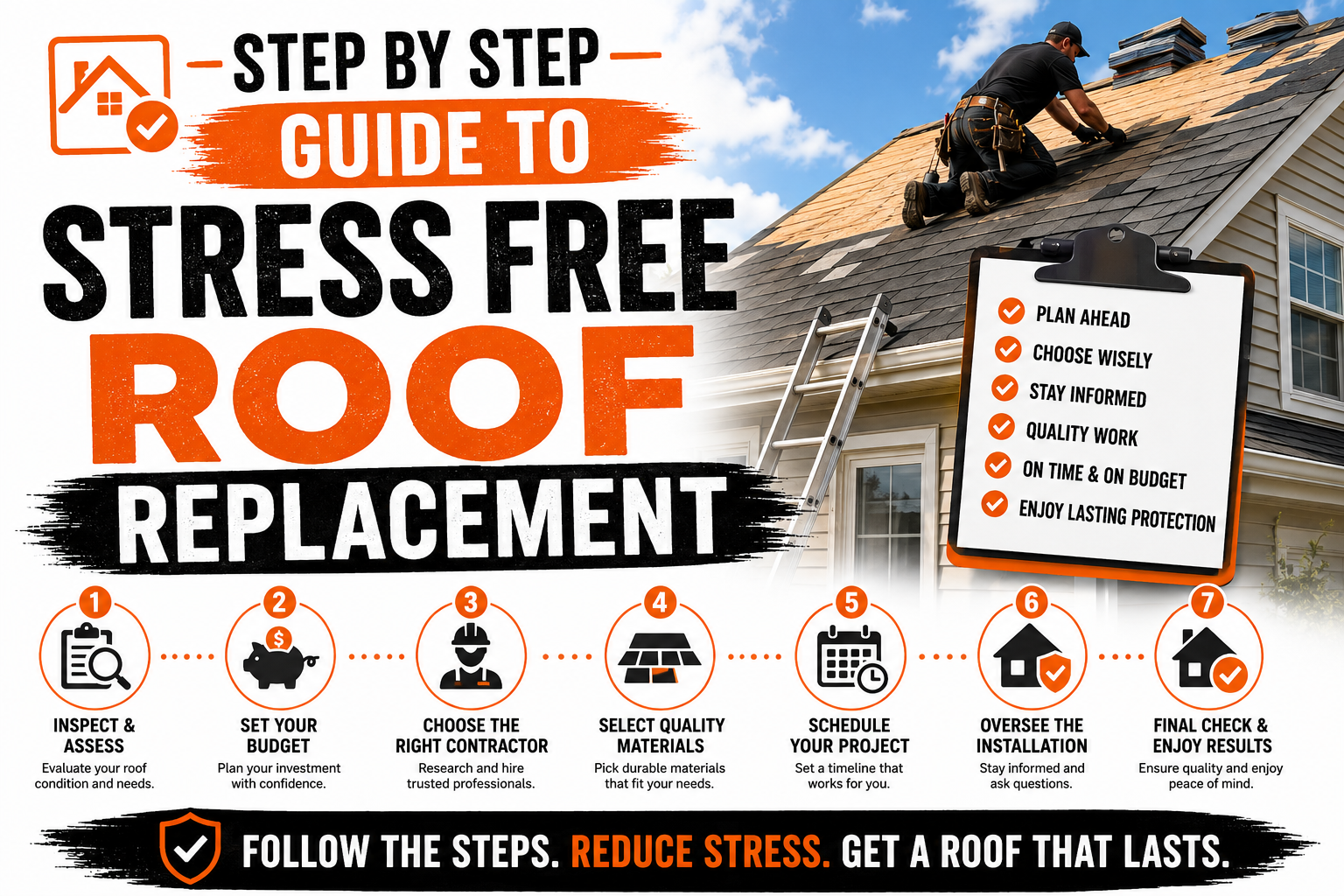
Step by Step Guide to Stress Free Roof Replacement
Introduction
Replacing your roof is one of the biggest home improvement projects you will ever undertake. While it is a necessary investment that protects your home from weather, moisture, and structural damage, the process can seem intimidating for many homeowners. Concerns about costs, finding a trustworthy contractor, unexpected repairs, and construction disruptions often create unnecessary stress before the project even begins.
The good news is that roof replacement does not have to be overwhelming. A well planned project with realistic expectations and informed decision making can transform what feels like a difficult task into a manageable experience. Knowing what to expect at every stage allows homeowners to stay organized, avoid common mistakes, and feel confident throughout the process.
This step by step guide explains how to prepare for roof replacement from the earliest planning stages through material selection and budgeting. By understanding the process before construction starts, you will be better equipped to make informed decisions that protect both your home and your investment.
Why Roof Replacement Can Feel Overwhelming
Many homeowners only replace a roof once or twice during their lifetime. Unlike smaller home repairs, roof replacement involves significant financial planning, multiple decisions, and coordination between contractors, suppliers, and local authorities. The unfamiliar nature of the process often makes it feel more complicated than it actually is.
One of the biggest sources of stress comes from uncertainty. Homeowners frequently wonder whether the roof truly needs replacement, how long the project will take, what it will cost, and whether hidden problems will increase expenses. Without reliable information, these unanswered questions can make the entire experience feel unpredictable.
Construction itself also creates temporary disruptions. Noise from equipment, workers moving around the property, material deliveries, and changes to normal daily routines can affect everyone living in the home. Understanding these temporary inconveniences in advance helps homeowners prepare mentally and practically.
Another common concern involves selecting the right contractor. With numerous roofing companies offering similar services, homeowners often worry about making the wrong decision. Questions about workmanship, warranties, licensing, insurance, and project quality can become overwhelming without a structured approach.
Financial considerations add another layer of pressure. A roof replacement is a significant investment, and homeowners naturally want to ensure they receive long term value for their money. Careful planning reduces this stress by replacing uncertainty with clear expectations and informed decisions.
Benefits of Following a Step by Step Roof Replacement Plan
Approaching roof replacement without a plan often leads to rushed decisions and avoidable mistakes. A structured approach allows homeowners to focus on one stage at a time instead of trying to manage every detail simultaneously.
Planning provides clarity throughout the project. Rather than reacting to unexpected situations, homeowners understand what comes next and how each decision affects the overall outcome. This confidence makes communication with contractors much easier and helps prevent misunderstandings.
A step by step approach also improves budgeting. Instead of concentrating only on installation costs, homeowners consider permits, inspections, material upgrades, ventilation improvements, warranties, and possible repairs before work begins. This broader perspective reduces the likelihood of financial surprises later.
Organization also helps save time. Scheduling inspections, gathering multiple estimates, selecting materials, and preparing the property before construction allows the roofing crew to work more efficiently once installation starts.
Perhaps most importantly, following a structured plan improves the quality of the final result. Every stage receives the attention it deserves, from selecting durable materials to verifying proper installation practices. The result is a roof that performs reliably for many years while providing greater peace of mind.
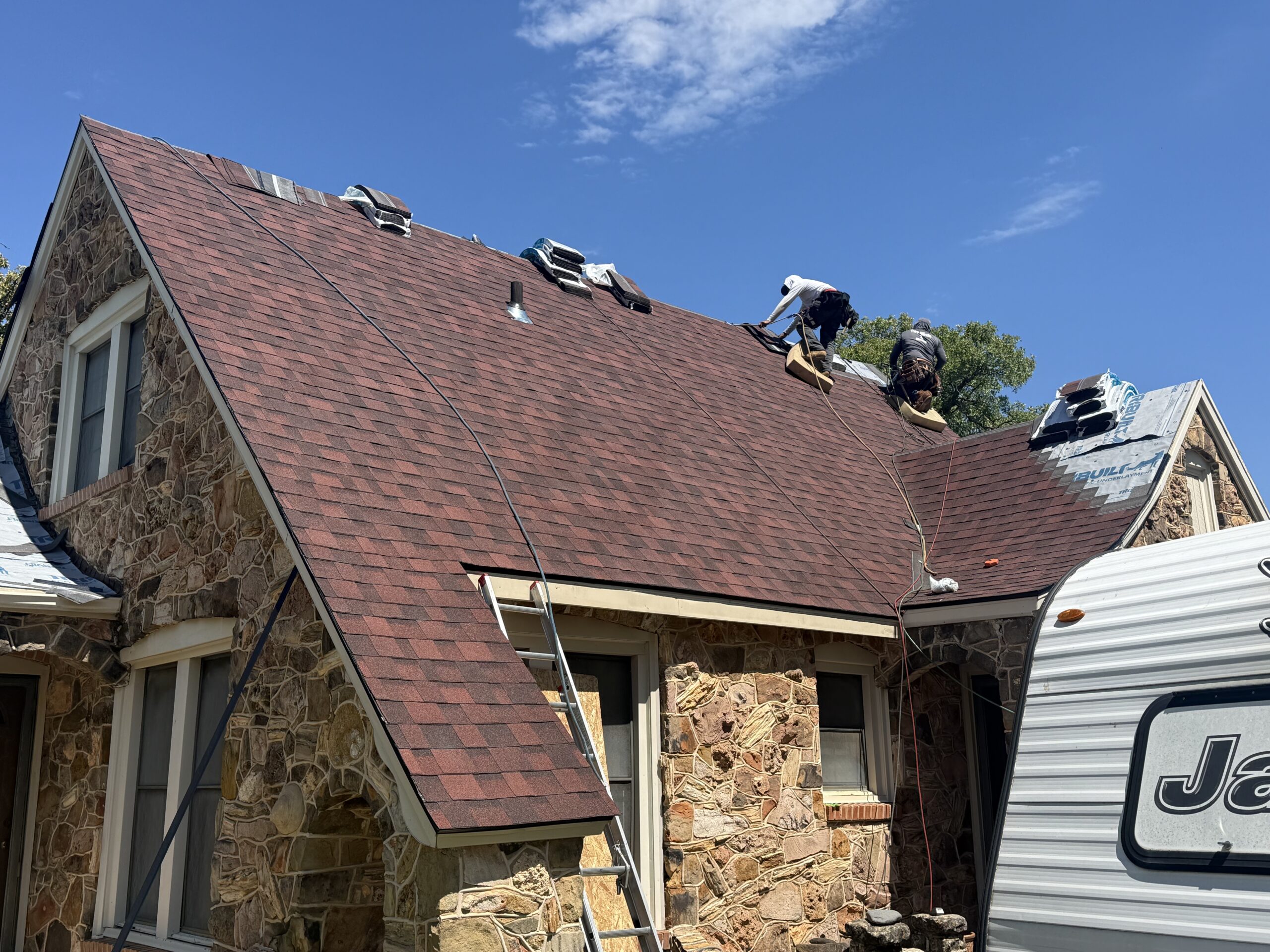
Recognizing the Right Time to Replace Your Roof
Replacing a roof too early can result in unnecessary expense, while waiting too long may allow serious structural damage to develop. Understanding the warning signs helps homeowners choose the right time to begin planning a replacement.
Age remains one of the strongest indicators. Every roofing material has an expected service life, and even well maintained roofs eventually reach the point where replacement becomes more practical than repeated repairs. If the roof is approaching the end of its expected lifespan, scheduling an inspection is a wise first step.
Visible damage also deserves careful attention. Missing shingles, cracked tiles, curling edges, loose flashing, or widespread granule loss often indicate that the roof’s protective layer has weakened. While isolated damage can sometimes be repaired, extensive deterioration usually suggests replacement is the better long term solution.
Interior warning signs should never be ignored. Water stains on ceilings, peeling paint near roof lines, damp attic insulation, or mold growth may indicate moisture entering through the roofing system. These symptoms often point to larger problems hidden beneath the surface.
Storm damage is another common reason homeowners replace their roofs. High winds, hail, falling branches, and severe weather can compromise roofing materials even when damage appears minor from the ground. A professional inspection after major storms helps determine whether repairs or replacement are the most appropriate solution.
Rising energy bills can also signal roofing problems. Aging materials, damaged insulation, or inadequate attic ventilation may allow excessive heat transfer between the attic and living spaces. A new roofing system designed with modern ventilation practices often improves overall energy efficiency.
Instead of waiting for multiple leaks to develop, homeowners should monitor their roofs regularly and address concerns before they become emergencies. Early planning allows greater flexibility in choosing contractors, scheduling work, and comparing material options.
Setting Goals and Expectations for the Project
Every successful roof replacement begins with clearly defined objectives. Homeowners who understand their priorities make better decisions throughout the project and are less likely to experience disappointment after installation is complete.
Some homeowners prioritize durability because they intend to remain in the home for many years. Others focus on improving curb appeal before selling the property. Some seek greater energy efficiency, while others need to complete the project within a specific financial limit. Identifying these priorities early guides every later decision.
Expectations regarding project timelines should also remain realistic. Although many residential roof replacements are completed within a few days, weather conditions, permit approvals, material availability, and unexpected structural repairs may extend the schedule. Allowing flexibility helps reduce unnecessary frustration if delays occur.
Communication expectations should also be established before construction begins. Homeowners should know who will supervise the project, how progress updates will be provided, and how unexpected repairs will be discussed. Clear communication builds trust while reducing confusion throughout installation.
It is equally important to understand that construction creates temporary inconvenience. Noise, vibrations, equipment movement, and limited driveway access are normal parts of the process. Preparing mentally for these short term disruptions makes them much easier to manage.
Homeowners should also define what success looks like before work begins. This may include receiving quality workmanship, staying within budget, completing the project on time, improving home appearance, or obtaining strong warranty protection. Having measurable expectations allows the completed project to be evaluated more objectively.
Planning Your Roof Replacement Budget
Budget preparation is one of the most important steps in creating a stress free roof replacement experience. A realistic financial plan allows homeowners to make informed decisions without feeling pressured when construction begins.
The first step involves obtaining several detailed estimates from reputable roofing contractors. These proposals should explain labor costs, material selections, cleanup procedures, warranty coverage, and any optional upgrades. Comparing complete estimates provides a more accurate picture than focusing solely on the lowest price.
Homeowners should also prepare for unexpected expenses. Once the existing roof is removed, contractors may discover deteriorated decking, damaged flashing, or moisture related structural issues that were impossible to identify beforehand. Setting aside contingency funds helps address these repairs without disrupting the project.
Financing options should be explored before construction begins if necessary. Depending on individual circumstances, homeowners may choose savings, home improvement loans, financing offered by roofing companies, or insurance assistance when replacement results from covered storm damage.
Budget planning should also consider future value rather than immediate cost alone. Investing in durable materials, experienced installers, and quality ventilation may increase initial expenses but often reduces maintenance costs over the life of the roof.
The following table highlights common budget considerations homeowners should evaluate before beginning roof replacement.
| Budget Item | Why It Matters | Planning Recommendation |
|---|---|---|
| Roofing Materials | Affects lifespan and appearance | Balance quality with long term value |
| Labor Costs | Determines installation quality | Prioritize experienced professionals |
| Permits | Required in many areas | Confirm who obtains them |
| Structural Repairs | Hidden issues may be discovered | Reserve contingency funds |
| Ventilation Improvements | Supports roof longevity | Upgrade if necessary during replacement |
| Cleanup and Disposal | Removes construction debris | Verify it is included in the estimate |
| Warranty Coverage | Protects your investment | Compare manufacturer and workmanship warranties |
Preparing a flexible budget helps homeowners respond confidently if project conditions change. Financial preparation reduces stress because important decisions can be made based on long term value rather than short term pressure.
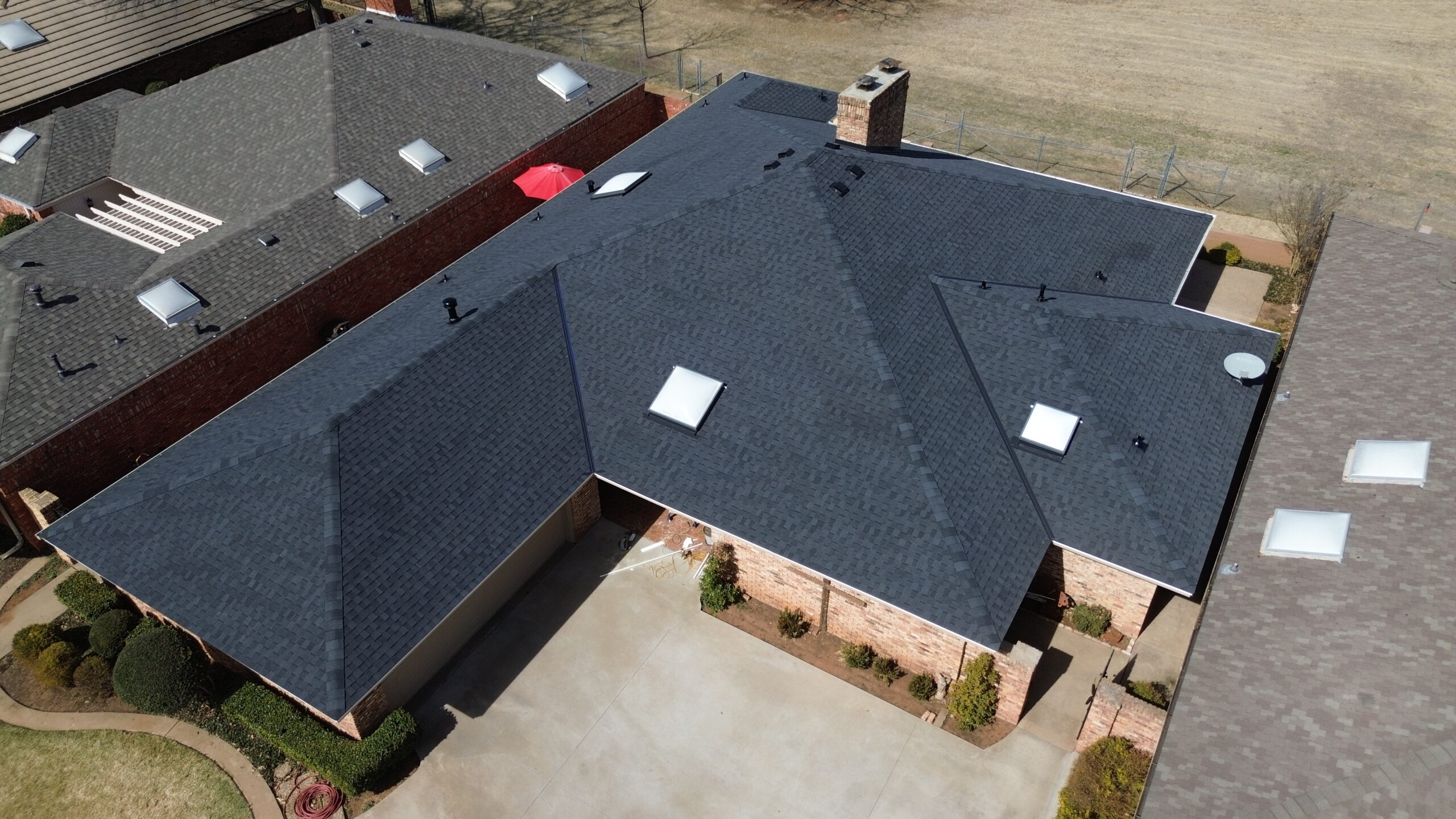
Choosing the Best Roofing Material for Your Home
Selecting roofing materials is about much more than appearance. Every material offers different strengths regarding durability, maintenance, weather resistance, energy efficiency, and overall cost. Understanding these differences allows homeowners to choose products that best match their goals.
Asphalt shingles remain the most popular residential roofing material because they provide reliable performance at a reasonable cost. Available in numerous colors and architectural styles, they suit a wide variety of homes while offering relatively straightforward installation and maintenance.
Metal roofing has gained popularity for homeowners seeking exceptional longevity and improved energy efficiency. Its reflective surface helps reduce heat absorption during warm weather, while its durability allows it to withstand many challenging environmental conditions. Although installation costs are generally higher, the longer service life often offsets the initial investment.
Clay and concrete tiles provide distinctive appearance along with outstanding durability. These materials perform particularly well in warmer climates but require adequate structural support because of their weight. Homeowners considering tile roofing should ensure their home’s structure can safely support the additional load.
Wood shakes offer natural beauty and traditional character that appeal to many homeowners. However, they typically require more maintenance than modern alternatives and may not be suitable in areas with strict fire safety regulations or consistently high moisture levels.
Synthetic roofing materials continue to evolve as manufacturers develop products that replicate the appearance of slate, wood, and tile while reducing weight and maintenance requirements. Many composite options also provide impressive resistance to impact, moisture, and fading.
When comparing roofing materials, homeowners should evaluate several important factors rather than focusing only on purchase price.
- Expected lifespan.
- Performance in the local climate.
- Maintenance requirements.
- Energy efficiency.
- Warranty coverage.
- Architectural compatibility with the home.
- Long term ownership costs.
Consulting experienced roofing professionals can also provide valuable insight into which materials perform best under local weather conditions. Recommendations based on regional installation experience often prove more useful than general product descriptions alone.
By the end of this planning stage, homeowners have established realistic expectations, recognized when replacement is necessary, prepared an appropriate budget, and selected roofing materials that align with their goals. In the next part of this guide, we will explore how to choose the right contractor, understand permits and contracts, prepare your home for installation, follow the complete roof replacement process step by step, overcome common project challenges, and keep the replacement on schedule and within budget.
Finding and Hiring the Right Roofing Contractor
Choosing the right roofing contractor is one of the most important decisions you will make during the entire roof replacement process. Even the highest quality roofing materials cannot deliver their expected lifespan if they are installed incorrectly. A skilled contractor not only performs quality work but also communicates clearly, follows local building regulations, and manages the project professionally from beginning to end.
Many homeowners begin by searching online or asking friends, family members, and neighbors for recommendations. Personal referrals are often valuable because they come from people who have already experienced the contractor’s workmanship and customer service. However, referrals should still be followed by independent research to verify credentials and recent customer reviews.
Experience is another factor that deserves careful consideration. Contractors who have worked in the local area for many years are generally familiar with regional weather conditions, common roofing challenges, and local building code requirements. This knowledge allows them to recommend roofing systems that perform well in your specific climate rather than offering generic solutions.
Licensing and insurance should always be verified before signing any agreement. Proper licensing demonstrates that the contractor meets local legal requirements, while liability insurance and workers’ compensation coverage help protect both homeowners and employees if an accident occurs during construction. Never assume these documents are current without requesting proof.
Reading customer reviews can provide useful insight into communication, punctuality, workmanship, and problem resolution. Instead of focusing on one extremely positive or negative review, look for consistent patterns across many customer experiences. Reliable contractors usually maintain strong reputations over time rather than relying on a few exceptional reviews.
Obtaining multiple written estimates is equally important. Comparing proposals allows homeowners to understand differences in pricing, materials, warranties, project timelines, and included services. A professional estimate should clearly describe the work to be completed instead of providing only a single total price.
Communication style also matters more than many homeowners realize. Contractors who answer questions patiently, explain recommendations clearly, and provide detailed documentation often continue that same level of professionalism throughout the project. Good communication builds trust and reduces misunderstandings before construction even begins.
It is also worth asking whether the company uses its own employees or subcontractors for installation. Both approaches can produce excellent results when managed properly, but homeowners should understand who will actually be working on the property each day. Knowing who is responsible for supervision helps simplify communication if concerns arise during installation.
Rather than automatically selecting the lowest estimate, homeowners should evaluate overall value. Higher quality workmanship, stronger warranties, premium materials, and responsive customer service often justify a slightly larger investment because they reduce future maintenance costs and increase confidence in the finished roof.
Understanding Roof Inspections, Permits, and Contracts
Before construction begins, several administrative steps help ensure the roof replacement proceeds smoothly. Roof inspections, permit approvals, and carefully reviewed contracts provide the legal and technical foundation for a successful project.
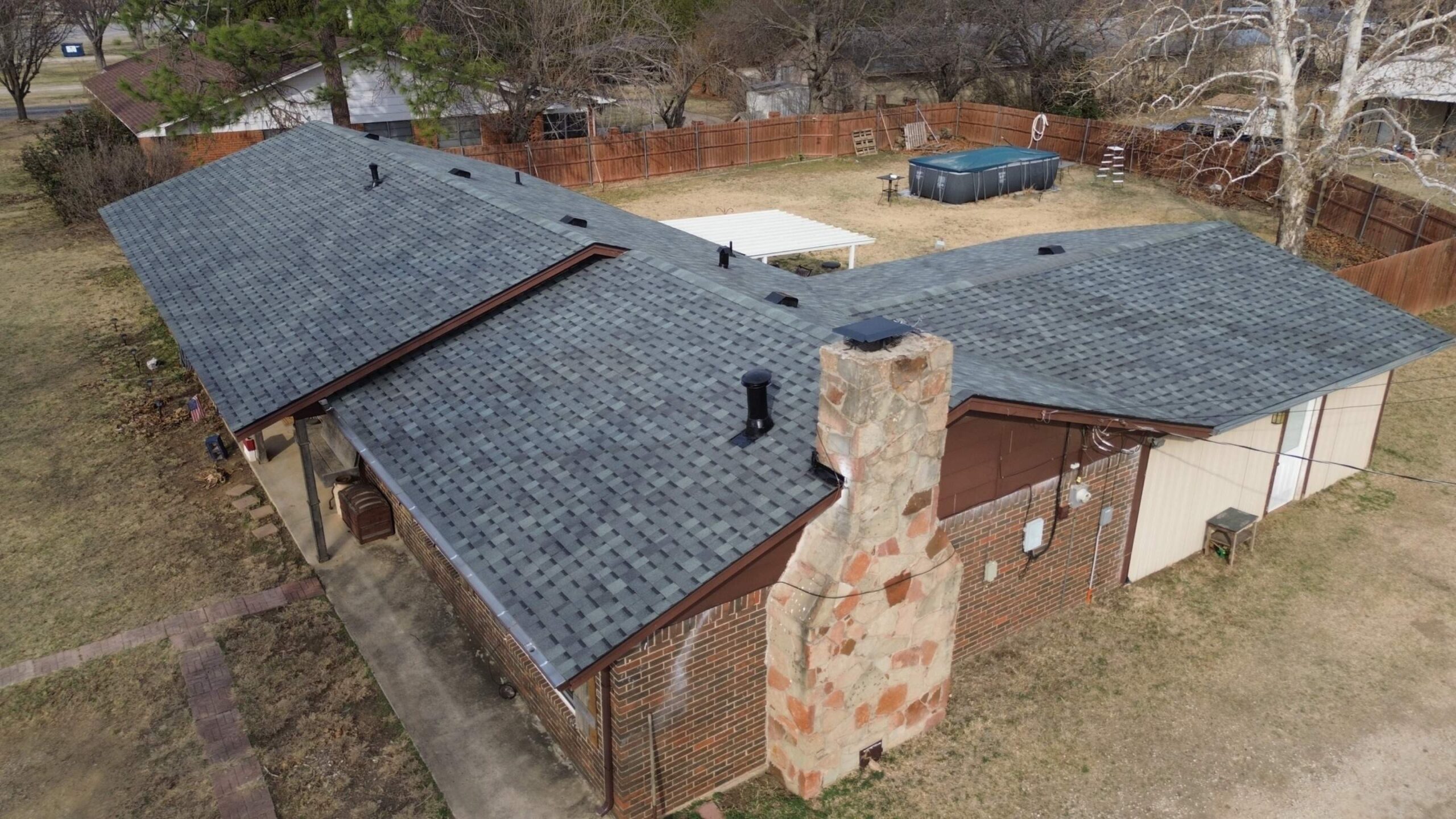
A professional roof inspection confirms the condition of the existing roofing system and identifies visible as well as hidden concerns. During this inspection, contractors evaluate shingles, flashing, ventilation, roof decking, gutters, and structural components. The inspection findings help determine whether complete replacement is necessary and whether additional repairs should be included in the project scope.
Some homeowners are surprised when contractors recommend replacing damaged roof decking beneath the shingles. Although these repairs increase project costs, replacing weakened decking provides a solid foundation for the new roofing system and prevents structural issues from developing later. Addressing hidden problems during replacement is generally far less expensive than repairing them after the new roof has already been installed.
Permit requirements vary depending on local regulations. Many municipalities require permits before roof replacement begins to ensure construction complies with applicable safety standards and building codes. In most cases, experienced roofing contractors handle permit applications, but homeowners should verify this responsibility before work starts.
Building inspections performed during or after installation help confirm that the completed roof meets local code requirements. Passing these inspections provides valuable documentation for insurance purposes and future property sales. It also reassures homeowners that important installation standards have been followed.
The contract deserves careful review before any work begins. Every significant detail should appear in writing rather than relying on verbal discussions. A comprehensive roofing contract typically includes project scope, material specifications, estimated completion timeline, payment schedule, warranty information, cleanup responsibilities, and procedures for handling unexpected repairs.
Homeowners should read every section carefully and ask questions whenever language seems unclear. Professional contractors expect clients to review contracts thoroughly and should willingly explain every provision before signatures are exchanged.
Payment schedules should also receive careful attention. Reputable contractors generally request a reasonable deposit before work begins, followed by progress payments or final payment after project completion. Homeowners should avoid paying the full project cost before construction starts, as this removes an important layer of financial protection.
Keeping copies of contracts, inspection reports, permits, warranties, and invoices in one organized location simplifies future maintenance, warranty claims, and potential home sales.
Preparing Your Home Before Construction Begins
Proper preparation before installation day makes the entire roof replacement experience more organized and significantly less stressful. While contractors handle the technical aspects of roofing, homeowners also play an important role in preparing the property for construction.
The driveway should be cleared before material deliveries arrive. Roofing crews typically require space for trucks, dumpsters, equipment, and stacks of roofing materials. Easy access allows workers to move efficiently while reducing unnecessary delays throughout the project.
Outdoor furniture, grills, children’s toys, garden decorations, and potted plants should also be relocated away from the house. Even when contractors use protective coverings, falling debris and construction dust may damage items positioned too close to the work area.
Landscaping deserves attention as well. Shrubs, flower beds, and delicate plants located directly beneath roof edges may benefit from temporary protective coverings. Discussing landscaping concerns with the contractor beforehand allows additional protective measures to be arranged if necessary.
Inside the home, roof replacement creates vibrations that travel throughout the structure. Pictures, mirrors, shelves, decorative items, and fragile collectibles should be secured or temporarily removed, particularly on upper floors. Although these vibrations are normal, preparing fragile items reduces the risk of accidental damage.
The attic should also be prepared before work begins. Dust and small debris sometimes enter while old roofing materials are removed. Covering stored belongings with plastic sheets or drop cloths helps protect them until installation has been completed.
Vehicles should be parked away from the immediate work area whenever possible. This protects them from falling debris while providing contractors with easier access for equipment and material deliveries.
Families with pets should also prepare in advance. Roofing projects involve loud noises, unfamiliar workers, and gates opening frequently throughout the day. Keeping pets indoors in quiet areas or arranging temporary accommodations helps reduce stress for both pets and homeowners.
It is also considerate to inform nearby neighbors about the upcoming project. Letting them know construction dates allows them to prepare for temporary noise, increased activity, and delivery vehicles. Good communication often prevents unnecessary complaints while maintaining positive neighborhood relationships.
Preparing emergency contact information is another useful step. Homeowners should know who will supervise the project daily and how to reach that individual if questions or concerns arise while work is underway.
Step by Step Roof Replacement Process
Understanding each stage of installation helps homeowners feel more comfortable throughout construction. Although every project differs slightly depending on roof design and weather conditions, most residential roof replacements follow a similar sequence.
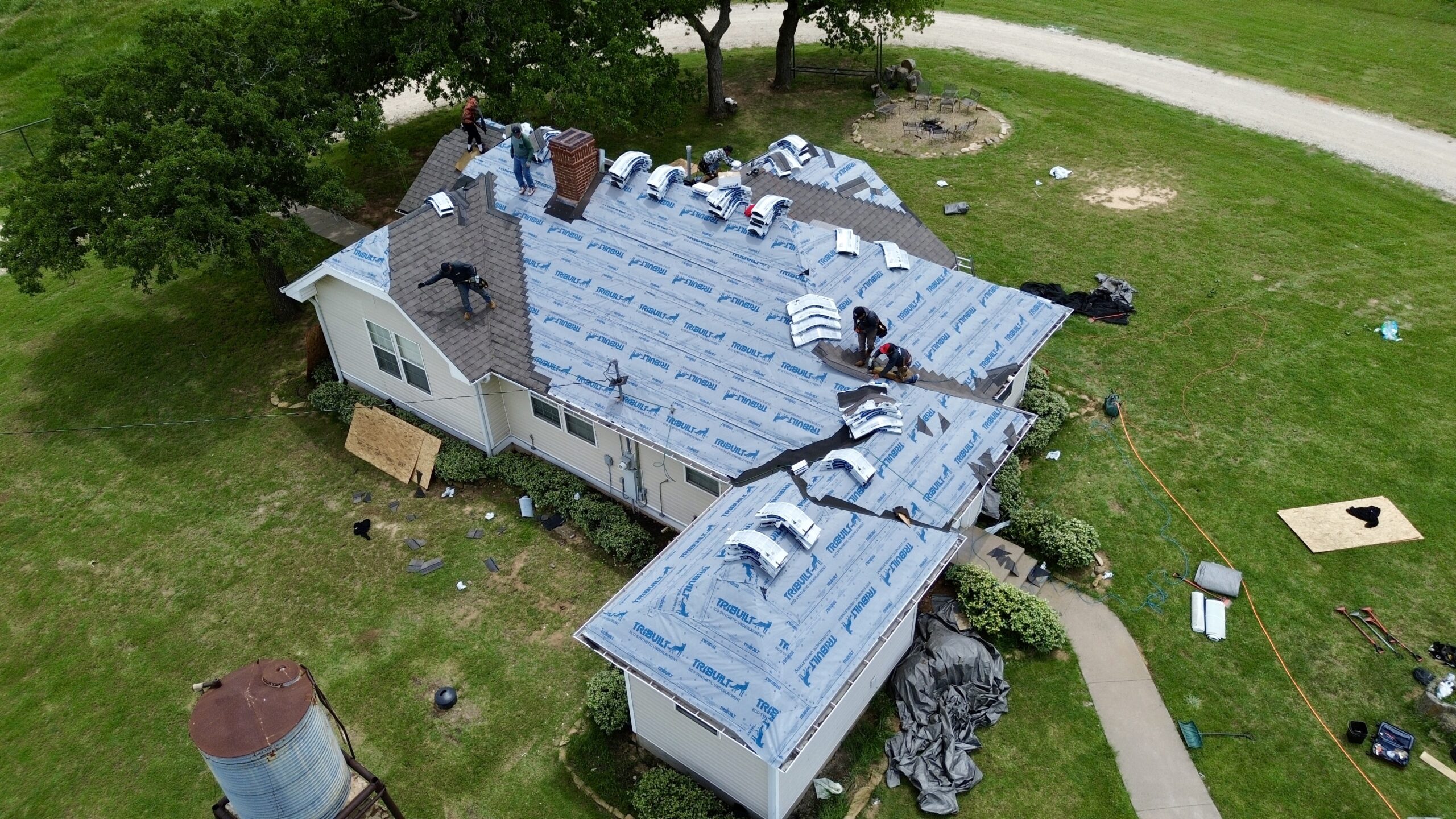
- Material delivery and site preparationRoofing materials are delivered before installation begins. Contractors position dumpsters, safety equipment, ladders, and protective coverings around the property. Landscaping and nearby structures are protected before any roofing materials are removed.
- Removal of existing roofing materialsOld shingles, underlayment, flashing, and roofing accessories are carefully removed. Contractors expose the roof deck so they can evaluate its structural condition before installing new materials.
- Inspection of the roof deckOnce the roof deck is exposed, contractors inspect it for moisture damage, rot, soft areas, or structural deterioration. Any damaged sections are repaired or replaced before installation continues.
- Installation of protective underlaymentHigh quality underlayment creates an important moisture barrier beneath the visible roofing materials. Ice and water shields may also be installed in vulnerable locations such as valleys, roof edges, and around penetrations.
- Installation of flashing and ventilation componentsFlashing is installed around chimneys, skylights, plumbing vents, and roof valleys to direct water away from vulnerable areas. Ridge vents, intake vents, or other ventilation components are installed according to the roof design.
- Installation of new roofing materialsThe selected roofing materials are installed following manufacturer guidelines and industry best practices. Proper fastening, alignment, and spacing are essential for long term performance.
- Cleanup and debris removalContractors remove leftover materials, collect nails using magnetic equipment, and dispose of construction debris responsibly. Gutters are cleaned, and surrounding landscaping is inspected for remaining debris.
- Final inspectionThe contractor performs a final quality inspection before reviewing the completed project with the homeowner. Any remaining concerns are addressed before project completion.
Knowing this sequence allows homeowners to understand daily progress rather than worrying that something unexpected is happening during construction.
How to Handle Common Challenges During Replacement
Even well planned roof replacement projects occasionally encounter unexpected situations. Preparing for these possibilities helps homeowners remain calm and make informed decisions if adjustments become necessary.
Weather is one of the most common causes of project delays. Rain, strong winds, lightning, or extreme temperatures may temporarily stop construction for safety reasons. Although delays can be frustrating, experienced contractors prioritize protecting both workers and the exposed roof structure over maintaining the original schedule.
Hidden structural damage is another possibility. Once the old roofing materials have been removed, contractors may discover deteriorated decking, damaged framing, or moisture related problems that were impossible to detect during the initial inspection. While these repairs increase costs, completing them before installing the new roof protects the long term integrity of the home.
Material availability can also affect scheduling. Occasionally, certain roofing products become temporarily unavailable due to manufacturing or transportation delays. Discussing acceptable alternatives with the contractor beforehand allows decisions to be made more efficiently if substitutions become necessary.
Communication challenges sometimes arise during construction as well. Homeowners should feel comfortable asking questions whenever project details seem unclear. Regular updates from the project supervisor help ensure everyone remains informed about progress, schedule changes, and any additional work that may become necessary.
Unexpected noise and temporary disruptions should also be anticipated. Roofing work involves hammering, equipment operation, material movement, and worker activity throughout the day. Planning alternative work arrangements or adjusting daily schedules can make construction much less stressful.
Financial surprises are another concern for many homeowners. Establishing a contingency fund before construction begins provides flexibility if hidden repairs become necessary. Having funds available allows important structural work to be completed properly rather than postponed due to budget limitations.
Keeping the Project on Schedule and Within Budget
Maintaining control over both the project schedule and budget requires active participation from homeowners as well as contractors. Although roofing professionals manage installation, homeowners who remain engaged throughout the process often experience smoother projects and better overall results.
Communication remains the most important factor. Regular conversations with the project supervisor allow homeowners to stay informed about daily progress, weather delays, material deliveries, and any newly discovered repair needs. Addressing questions immediately prevents small misunderstandings from becoming larger problems later.
Documenting approved changes also helps maintain budget control. If unexpected repairs or material upgrades become necessary, homeowners should request written estimates before authorizing additional work. This creates clear records while preventing confusion regarding final project costs.
Avoiding unnecessary changes after construction begins is another effective strategy. Last minute decisions to switch materials, alter roof features, or add unrelated improvements often increase expenses and extend project timelines. Completing planning before installation starts keeps the project moving efficiently.
Homeowners should also monitor material deliveries to ensure the products specified in the contract are being installed. Verifying product labels and discussing any discrepancies immediately allows corrections before installation progresses too far.
Weather cannot be controlled, but flexible scheduling helps reduce frustration when delays occur. Understanding that roofing crews prioritize safety and quality over speed allows homeowners to remain patient during unavoidable interruptions.
Keeping organized records throughout the project also contributes to long term success. Contracts, permits, inspection reports, warranties, receipts, photographs, and communication records provide valuable documentation if questions arise later regarding maintenance or warranty coverage.
Finally, homeowners should resist the temptation to rush the project simply to finish sooner. A carefully installed roof that follows proper procedures provides far greater long term value than one completed quickly with compromised workmanship. Quality installation, careful inspections, and clear communication ultimately create the stress free roof replacement experience every homeowner hopes to achieve.
Final Roof Inspection and Quality Checks
The installation of a new roof is an exciting milestone, but the project should not be considered complete until a thorough final inspection has been performed. This inspection allows homeowners and contractors to verify that every aspect of the roofing system has been installed correctly and that the finished product meets both manufacturer standards and the expectations established before construction began.
Many homeowners assume that once the last shingle is installed, there is nothing left to review. In reality, the final inspection is one of the most valuable steps in the entire replacement process because it provides an opportunity to identify and correct any minor concerns before the contractor leaves the property. Addressing these items immediately is much easier than scheduling additional service visits later.
Begin the inspection by walking around the home’s exterior with the project supervisor. View the roof from several angles and look for a consistent appearance across every section. Shingles should be evenly aligned, metal panels should appear straight, and ridge caps should follow clean, uniform lines. Small visual inconsistencies may not always indicate serious problems, but they deserve clarification before the project is officially completed.
Pay close attention to roof valleys, chimneys, skylights, plumbing vents, and other roof penetrations. These areas are naturally more vulnerable to leaks because they interrupt the continuous roofing surface. Flashing should fit securely around each feature and should not show gaps, lifted edges, or loose fasteners. Proper flashing installation is one of the most important factors in preventing future water intrusion.
The roof edges should also be examined carefully. Drip edge components should appear secure and properly aligned, helping guide rainwater into the gutter system instead of allowing moisture to reach the roof decking. These small components often receive less attention from homeowners, yet they play an essential role in protecting the structure over many years.
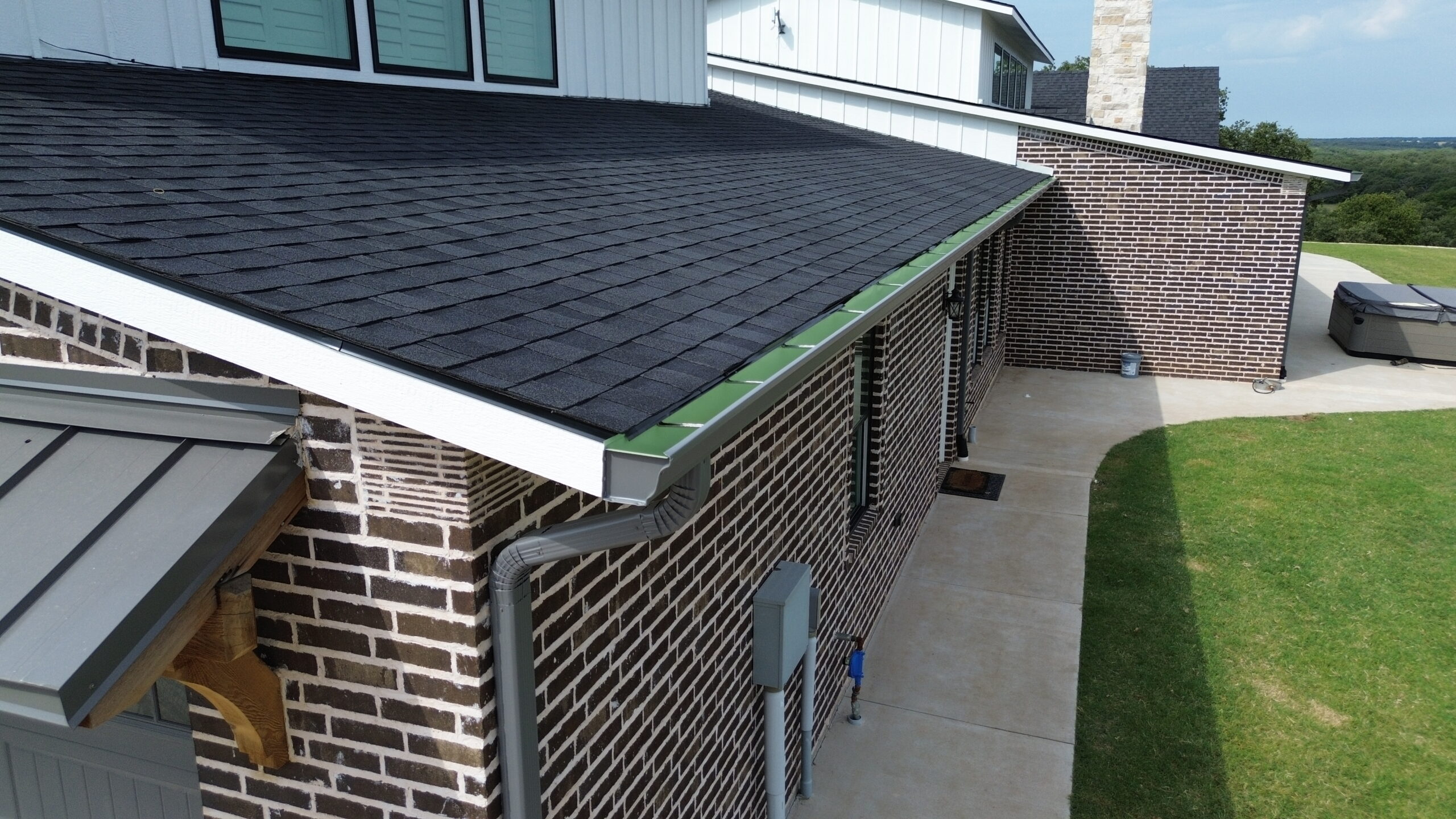
After examining the roof itself, inspect the gutters and downspouts. Roofing debris should be completely removed, allowing rainwater to flow freely during future storms. Gutters should not contain excessive granules, broken shingles, discarded fasteners, or other construction materials that could restrict drainage.
The attic should also be inspected once construction has finished. Homeowners should look for signs of daylight entering through unintended openings, damp insulation, moisture stains, or visible damage to ventilation systems. Although contractors typically inspect these areas themselves, a homeowner review provides additional confidence that the project has been completed properly.
Take this opportunity to ask questions about any aspect of the installation process. Experienced contractors appreciate homeowners who want to understand their new roofing system. They should willingly explain maintenance recommendations, ventilation features, warranty requirements, and any specific characteristics of the chosen roofing materials.
Documenting the finished roof with photographs is another valuable step. Images taken immediately after installation create a visual record of the roof’s original condition and may become useful for future warranty claims, insurance documentation, or maintenance comparisons.
Post Installation Cleanup and What to Verify
Cleanup is far more important than simply making the property look neat after construction. A properly cleaned job site reflects professionalism while helping protect homeowners, children, pets, vehicles, and landscaping from hazards that may remain after installation.
Most professional roofing contractors include cleanup as part of their standard service. However, homeowners should still verify that every area around the property has been inspected thoroughly before considering the project complete.
The yard should be examined carefully for nails, screws, roofing scraps, packaging materials, and small pieces of flashing. Contractors typically use powerful magnetic tools to collect metal debris, but homeowners should still perform a visual inspection around driveways, sidewalks, gardens, and play areas. Even a small number of overlooked nails can create safety risks or damage vehicle tires.
Outdoor furniture and decorative items that were moved before construction can now be returned to their original locations. Before replacing them, inspect nearby surfaces for scratches, dents, or debris that may require cleaning. Most projects finish without property damage, but confirming this before the crew departs allows any concerns to be addressed immediately.
Windows, siding, and exterior walls should also receive a quick inspection. Construction dust is normal after roof replacement, but significant dents, broken glass, or damaged trim should be discussed with the contractor before final payment is issued.
Walkways and driveways should be completely clear of construction materials. Dumpsters, equipment, and temporary barriers should be removed unless additional work has been scheduled. The property should appear clean, organized, and ready for normal daily activities.
Inside the home, homeowners may notice a small amount of dust in attic spaces or upper rooms due to vibrations during installation. A light cleaning is generally all that is required. Stored items covered before construction can now be uncovered and returned to their usual arrangement.
Homeowners should also verify that all agreed services listed in the contract have been completed. This includes installation of the selected roofing materials, flashing replacement, ventilation improvements, cleanup, disposal of old roofing materials, and any additional repairs approved during construction.
Before making the final payment, request copies of all necessary documentation. These documents typically include warranty certificates, paid invoices, permit approvals, inspection reports, maintenance recommendations, and proof that the project has been completed according to the contract.
Completing these final verification steps ensures homeowners receive the full value of the roofing project while reducing the likelihood of future misunderstandings.
Roof Maintenance Tips After Replacement
A new roof represents a long term investment rather than a maintenance free solution. Although today’s roofing systems are designed to last for decades, regular care significantly extends their service life while reducing the likelihood of expensive repairs.
One of the simplest maintenance habits involves performing routine visual inspections from ground level several times each year. Homeowners should look for displaced shingles, damaged flashing, clogged gutters, fallen branches, or debris accumulation after storms. These inspections require only a few minutes but often identify small concerns before they become major problems.
Seasonal gutter cleaning remains one of the most valuable maintenance tasks. Gutters filled with leaves, twigs, and debris prevent rainwater from draining properly, allowing water to back up beneath roofing materials. Clean gutters help protect both the roof and the home’s foundation by directing water safely away from the structure.
Tree maintenance should also become part of routine home care. Branches hanging over the roof create several potential problems. They may scrape roofing materials during windy conditions, drop leaves that trap moisture, or break during storms and cause impact damage. Trimming branches before they create problems helps preserve the roof’s appearance and structural integrity.
Professional roof inspections every one or two years provide another valuable layer of protection. Experienced roofing professionals can identify developing issues that homeowners may overlook from the ground. Early detection often allows minor repairs to be completed before widespread damage develops.
After severe weather, additional inspections are recommended even if no obvious damage is visible. Hail, high winds, heavy snowfall, or falling tree limbs may affect roofing materials without immediately causing interior leaks. Prompt inspections help identify storm damage while insurance reporting deadlines are still active if coverage becomes necessary.
Homeowners should also avoid walking on the roof unnecessarily. Foot traffic can damage certain roofing materials, particularly tile, slate, and older asphalt shingles. Whenever inspections or repairs require roof access, qualified professionals have the proper safety equipment and experience to perform the work correctly.
Ventilation should not be forgotten after installation. Intake and exhaust vents should remain free from leaves, nests, or debris that could restrict airflow. Proper ventilation continues protecting the roof from excessive heat and moisture throughout its lifespan.
Recording all maintenance activities also provides long term benefits. Keeping a maintenance log that includes inspection dates, repair invoices, photographs, and contractor visits creates valuable documentation for warranty claims and future property sales.
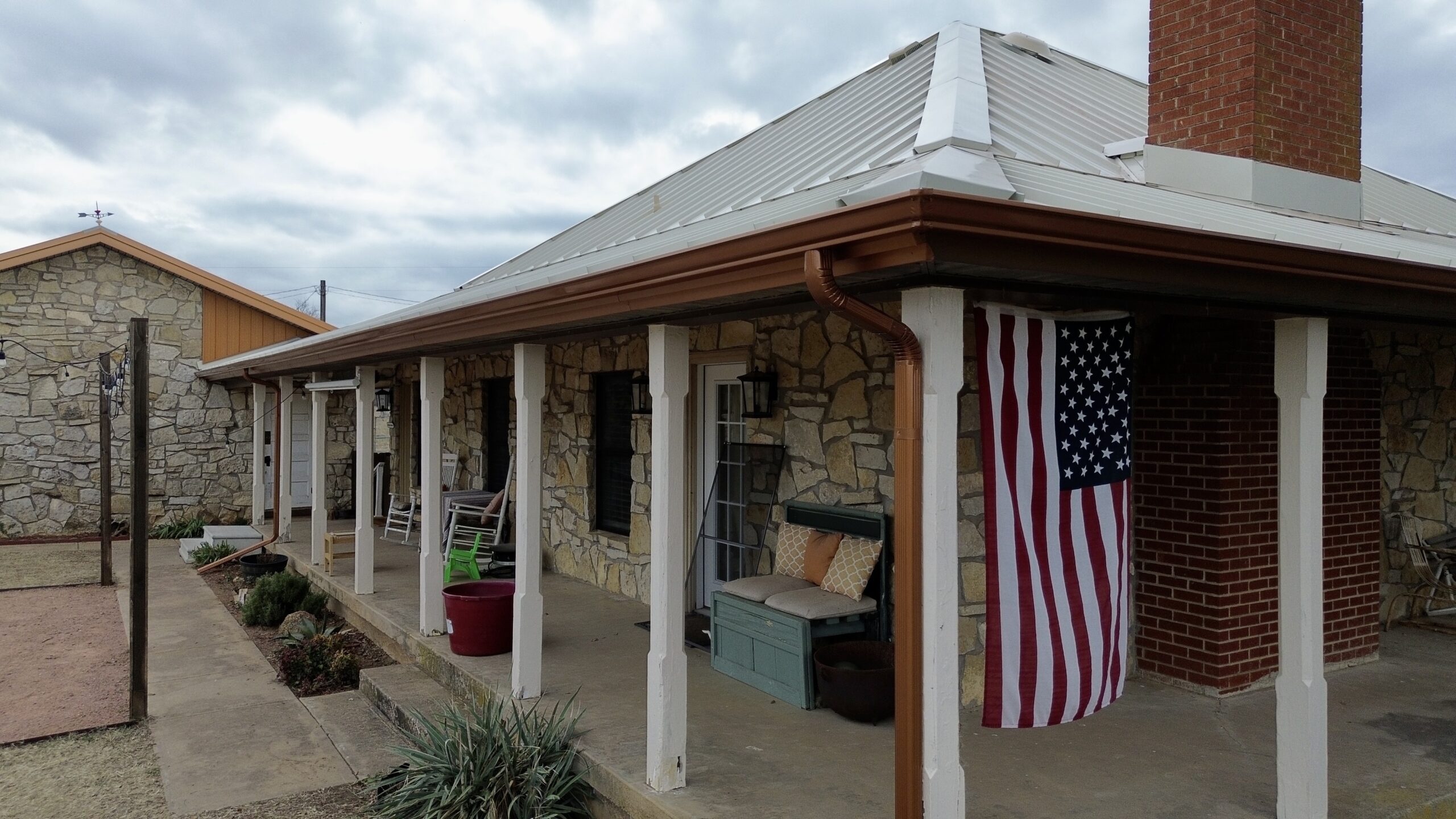
Stress Free Roof Replacement Checklist
By the time installation has been completed, homeowners have invested significant time and resources into protecting their property. The following checklist summarizes the most important tasks that contribute to a successful roof replacement from beginning to end.
- Schedule a professional roof inspection before making replacement decisions.
- Obtain multiple written estimates from reputable contractors.
- Verify contractor licensing, insurance, and local experience.
- Review contracts carefully before signing.
- Confirm permit responsibilities before construction begins.
- Establish a realistic project budget with contingency funds.
- Choose roofing materials appropriate for the local climate.
- Prepare the property before installation day.
- Protect fragile indoor items and outdoor landscaping.
- Inform neighbors about upcoming construction.
- Monitor project progress through regular communication.
- Approve unexpected repairs in writing before additional work begins.
- Participate in the final roof inspection with the contractor.
- Confirm complete cleanup before issuing final payment.
- Organize warranties, permits, invoices, and maintenance records.
- Schedule regular inspections to protect the new roof for years to come.
Following this checklist provides homeowners with a practical roadmap that simplifies every stage of roof replacement. Rather than feeling overwhelmed by dozens of separate decisions, each task becomes part of a clear and manageable process.
Conclusion
Roof replacement may initially appear to be one of the most challenging home improvement projects, but it becomes far more manageable when approached through careful planning and a clear step by step strategy. Every stage of the process, from recognizing the need for replacement and selecting the right contractor to preparing the property and completing the final inspection, contributes to a successful outcome.
Taking time to establish realistic expectations, compare roofing materials, understand contracts, and maintain open communication throughout construction helps eliminate much of the uncertainty that causes homeowners unnecessary stress. Rather than reacting to unexpected situations, informed homeowners are prepared to make confident decisions that protect both their property and their financial investment.
The work does not end when installation is complete. Routine inspections, seasonal maintenance, proper ventilation, organized warranty documentation, and prompt attention to minor concerns all help maximize the lifespan of the new roof. These simple habits preserve the quality of the installation while reducing the likelihood of expensive repairs in the future.
A roof is much more than the outer covering of a home. It protects the structure, supports energy efficiency, safeguards personal belongings, and contributes significantly to overall property value. Investing time in careful planning and following each step of the replacement process ensures that this important component performs reliably for many years.
By following the guidance outlined throughout this complete series, homeowners can approach roof replacement with confidence instead of uncertainty. Careful preparation, informed decisions, professional workmanship, and consistent maintenance create the foundation for a durable roofing system that delivers lasting protection, improved comfort, and true peace of mind long after the construction crew has finished its work.