
Complete Homeowner Checklist for Roof Replacement Success
Introduction
Replacing a roof is one of the most significant investments a homeowner will make. A new roof protects the structure of the home, improves energy efficiency, enhances curb appeal, and increases property value. However, achieving these benefits depends on more than simply choosing new shingles. Proper planning, informed decisions, and careful preparation are essential for a successful roof replacement project.
Many homeowners focus only on the installation itself while overlooking important steps that happen before the first shingle is removed. Budget planning, contractor selection, material comparison, and understanding the overall process all contribute to a smoother experience. Taking the time to prepare reduces unexpected expenses, prevents delays, and ensures the finished roof performs well for decades.
This comprehensive homeowner checklist will guide you through every stage of roof replacement. In this first part, you will learn how to determine whether your roof truly needs replacement, create an effective project plan, establish a realistic budget, compare roofing materials, and confidently choose a qualified roofing contractor.
Understanding Why Roof Replacement Requires Careful Planning
A roof replacement is not simply another home improvement project. It protects every component beneath it, including the attic, insulation, walls, ceilings, and valuable belongings. Poor planning can lead to unnecessary expenses, project delays, or long term maintenance issues that could have been avoided.
Every home has different roofing needs depending on its age, architectural style, climate, and previous maintenance history. A replacement project that works well for one property may not be the best solution for another. Careful planning allows homeowners to make decisions based on their specific circumstances rather than rushing into costly choices.
Planning also provides enough time to compare estimates, review warranties, evaluate contractors, and select materials that balance durability with affordability. Instead of making last minute decisions, homeowners can approach the project with confidence and realistic expectations.
Another important benefit of planning is minimizing disruptions. Roof replacement affects daily routines, parking arrangements, outdoor spaces, and even interior rooms during active construction. Preparing in advance helps families manage these temporary inconveniences more effectively while ensuring the project progresses smoothly.
Proper preparation also improves communication between homeowners and contractors. When expectations, timelines, and responsibilities are clearly discussed before work begins, misunderstandings become far less likely. This creates a stronger working relationship throughout the project.
Signs That It Is Time for a Roof Replacement
Many homeowners struggle to determine whether they need simple repairs or a complete replacement. While small problems can often be repaired, widespread deterioration usually indicates that installing a new roof is the more practical long term solution.
The age of the roof is often the first consideration. Different roofing materials have different life expectancies, and even a well maintained roof eventually reaches the end of its service life. Waiting too long can increase the risk of water damage and structural deterioration.
Visible damage provides another important warning sign. Missing shingles, cracked materials, curling edges, loose flashing, or damaged valleys often indicate that the roof’s protective barrier has weakened significantly.
Water leaks inside the home should never be ignored. Even small ceiling stains may indicate larger problems hidden beneath the roofing system. Moisture can travel considerable distances before becoming visible indoors, making professional inspections especially valuable.
Homeowners should also pay attention to their energy bills. An aging roof with poor ventilation or deteriorating insulation may contribute to higher heating and cooling costs throughout the year. Replacing the roof often improves overall energy efficiency when modern materials and ventilation systems are installed together.
The following signs commonly suggest that replacement may be more beneficial than repeated repairs:
- Multiple leaks appearing in different areas of the roof.
- Widespread missing, curling, or cracked shingles.
- Noticeable sagging along the roof deck.
- Significant storm damage affecting large sections.
- Moss growth accompanied by trapped moisture.
- Granule loss collecting inside gutters.
- Roof age approaching or exceeding its expected lifespan.
While individual symptoms may not always require full replacement, several of these issues occurring together usually indicate that investing in a new roof will provide better long term value.
Creating a Complete Roof Replacement Plan
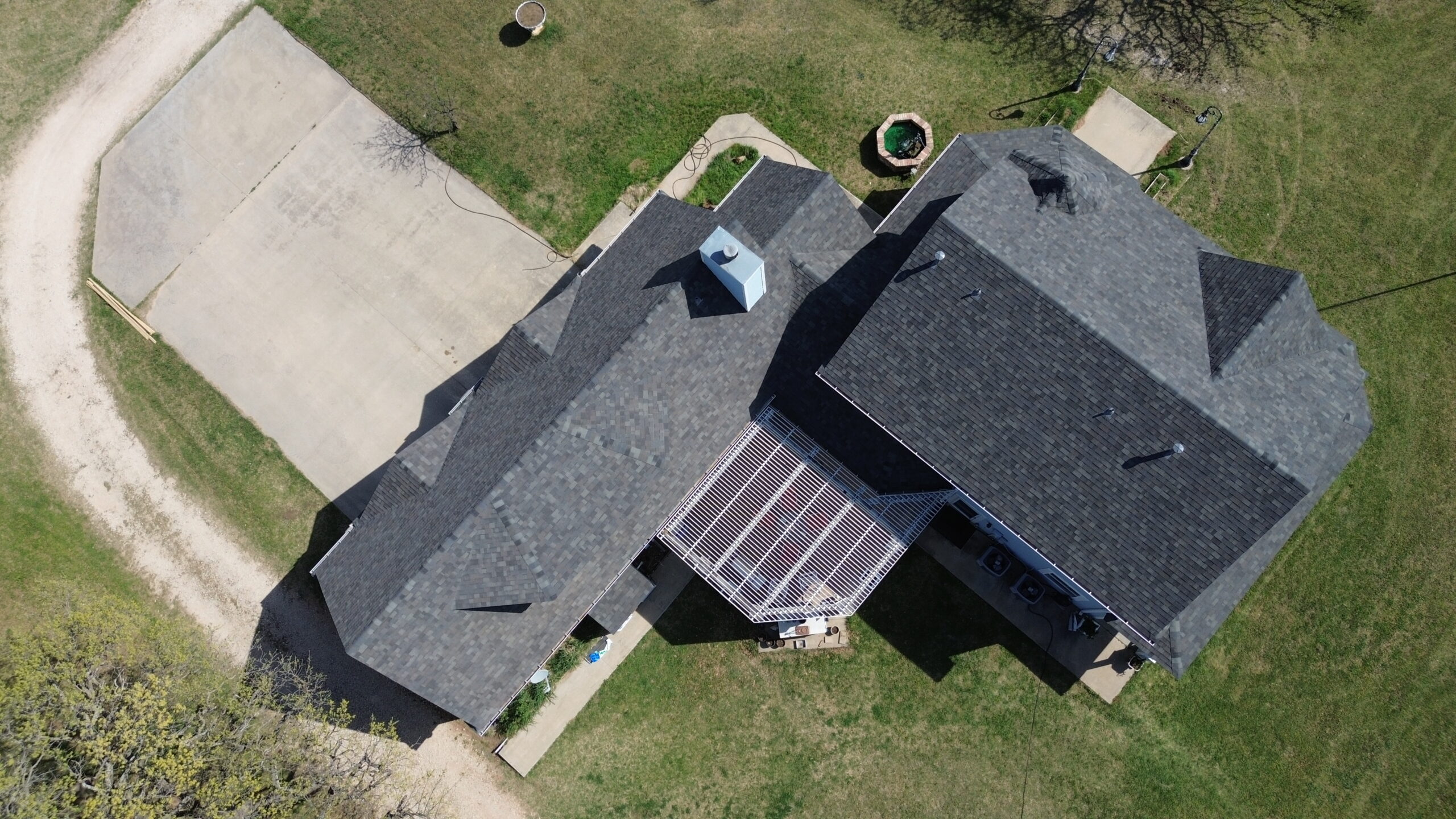
Successful roof replacement begins long before contractors arrive with equipment. Developing a clear project plan helps homeowners stay organized while reducing stress throughout the entire process.
The first step is scheduling a professional roof inspection. An experienced contractor can identify visible and hidden issues that homeowners may overlook. The inspection report provides valuable information about structural conditions, ventilation, flashing, decking, and drainage systems.
Once the roof’s condition is understood, homeowners should define their project goals. Some prioritize maximum durability, while others focus on energy efficiency, appearance, resale value, or staying within a specific budget. Establishing these priorities makes later decisions much easier.
It is also helpful to decide whether additional improvements should be completed during replacement. Since the roof will already be removed, this may be an ideal opportunity to upgrade attic ventilation, replace damaged decking, improve insulation, or install new gutters if necessary.
Creating a realistic timeline is equally important. Weather conditions, contractor availability, permit approvals, and material deliveries can all influence scheduling. Allowing flexibility reduces frustration if unexpected delays occur.
Homeowners should also prepare important project documents before construction begins. These may include inspection reports, contractor estimates, warranty information, insurance paperwork, permits, and signed contracts. Keeping everything organized makes communication much easier if questions arise later.
Good planning also involves discussing the project with everyone living in the home. Family members should understand when construction will occur, which areas may have limited access, and how daily routines might temporarily change during installation.
Setting a Realistic Budget for the Project
Budget planning is one of the most important parts of roof replacement. Many homeowners focus only on the contractor’s estimate without considering additional expenses that may arise during construction.
A well prepared budget begins by researching average roofing costs in the local market. Prices vary depending on roof size, complexity, material selection, labor rates, and regional building requirements. Gathering several estimates provides a better understanding of expected costs.
Unexpected repairs should always be anticipated. Once old roofing materials are removed, contractors may discover damaged decking, deteriorated flashing, water damaged framing, or ventilation problems that were previously hidden. Setting aside a contingency fund helps manage these surprises without disrupting the project.
Financing options may also be worth exploring. Some homeowners pay directly from savings, while others choose financing programs, home improvement loans, or insurance coverage if replacement results from qualifying storm damage.
Instead of choosing the lowest estimate automatically, homeowners should evaluate overall value. Higher quality workmanship, stronger warranties, and premium materials often justify a slightly larger investment because they reduce future maintenance expenses.
The table below summarizes common budget considerations before beginning a roof replacement project.
| Budget Category | Why It Matters | Planning Tip |
|---|---|---|
| Roofing Materials | Determines durability and appearance | Compare lifespan with total cost |
| Labor Costs | Skilled installation ensures quality | Choose experience over lowest bid |
| Permits | Required in many locations | Verify responsibility before work begins |
| Deck Repairs | Hidden damage may be discovered | Reserve contingency funds |
| Ventilation Upgrades | Improves roof lifespan | Include during replacement if needed |
| Cleanup and Disposal | Removes old roofing debris | Confirm contractor includes this service |
| Warranty Coverage | Protects future investment | Review both manufacturer and workmanship warranties |
Budget planning should remain flexible rather than fixed. Homeowners who prepare for possible adjustments are generally better equipped to handle unexpected discoveries without sacrificing project quality.
Comparing Roofing Material Options
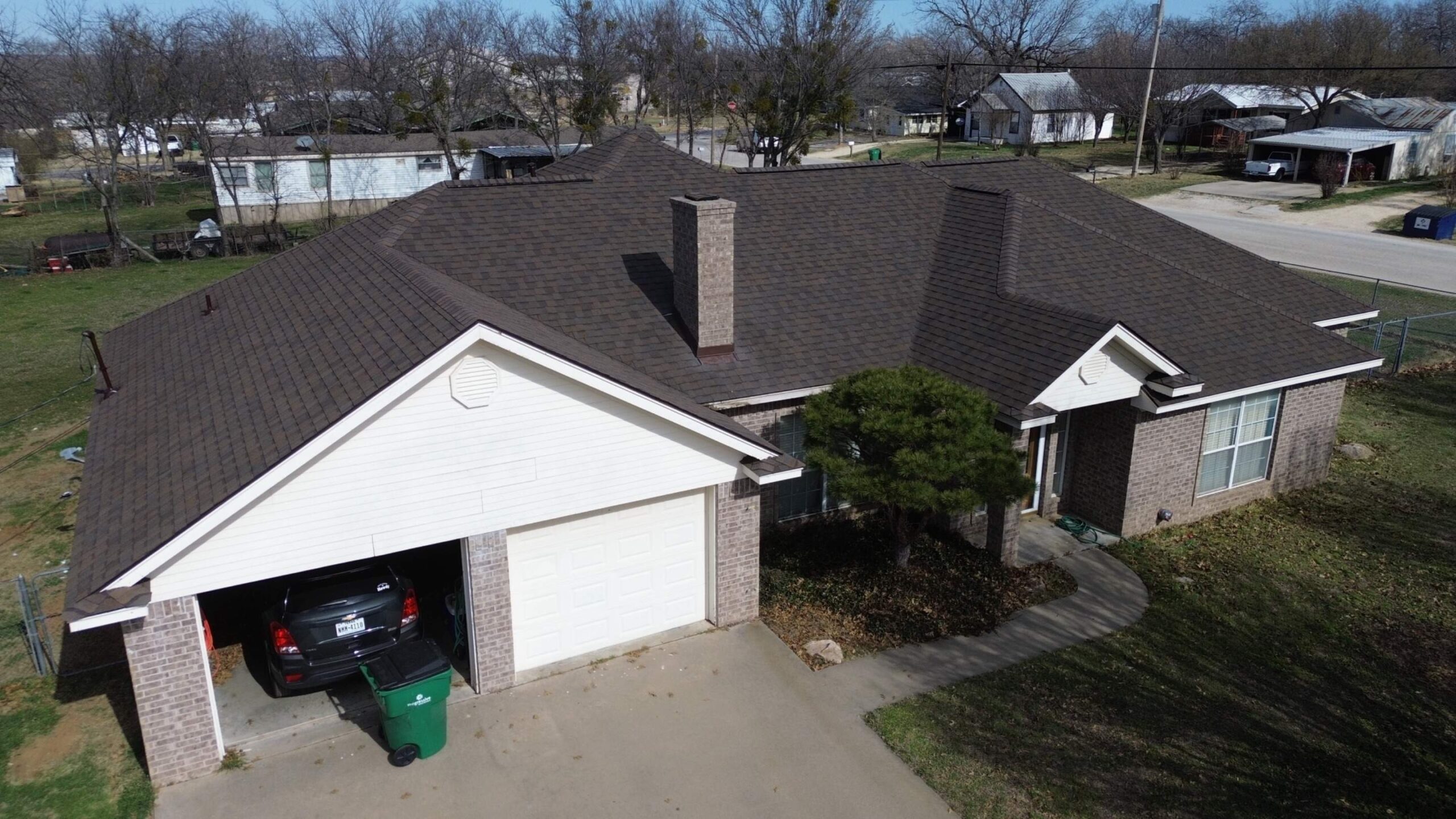
Selecting roofing materials involves much more than choosing a color. Different materials vary significantly in durability, maintenance requirements, energy efficiency, weather resistance, and installation costs.
Asphalt shingles remain the most common residential roofing material because they offer a balance between affordability and reliable performance. They are available in many colors and styles, making them suitable for a wide variety of homes.
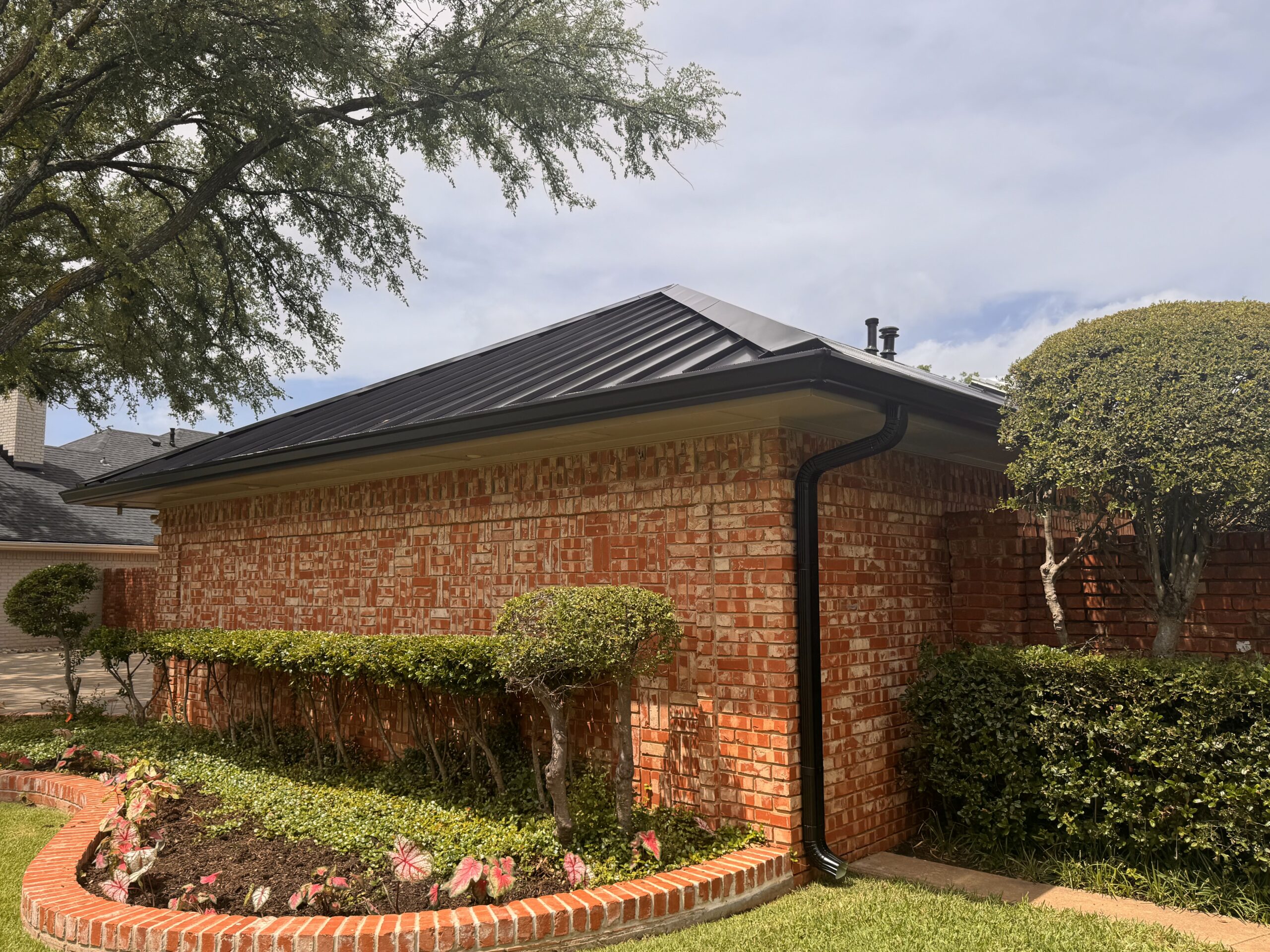
Metal roofing has become increasingly popular due to its exceptional longevity and energy efficiency. It reflects solar heat effectively and performs well in areas experiencing severe weather. Although initial costs are higher, many homeowners appreciate its long service life.
Tile roofs provide impressive durability and distinctive appearance. They perform particularly well in warm climates but require adequate structural support because of their heavier weight. Professional installation is essential to ensure long term performance.
Wood shakes offer natural beauty and traditional charm. However, they require more maintenance than many modern alternatives and may not be suitable in regions with strict fire safety requirements.
Synthetic roofing products continue gaining popularity because they imitate premium materials while offering lower weight and improved durability. Many modern composite products resist moisture, impact damage, and fading more effectively than older materials.
Homeowners should evaluate roofing materials using several factors rather than focusing only on purchase price. Important considerations include expected lifespan, maintenance needs, local climate, warranty coverage, energy performance, and neighborhood architectural style.
Speaking with experienced contractors can also help homeowners understand which materials perform best under local weather conditions. Recommendations based on regional experience often prove more valuable than general online comparisons.
Choosing the Right Roofing Contractor
Even the highest quality roofing materials cannot compensate for poor installation. Selecting a skilled contractor is one of the most important decisions homeowners make during the replacement process.
Research should begin by identifying contractors with established local reputations. Companies that have served the community for many years often have proven experience with local weather conditions, permitting requirements, and building codes.
Licensing and insurance should always be verified before signing any agreement. Proper licensing demonstrates compliance with local regulations, while adequate insurance protects both homeowners and workers if accidents occur during construction.
Reading customer reviews provides valuable insight into communication, reliability, workmanship, and project management. Rather than focusing on individual opinions, homeowners should look for consistent patterns across multiple reviews.
Obtaining multiple written estimates allows meaningful comparisons. Estimates should clearly explain materials, labor, warranties, cleanup procedures, estimated completion dates, payment schedules, and any optional upgrades. Detailed proposals generally indicate a more organized and professional contractor.
Communication is equally important throughout the selection process. Contractors who answer questions patiently, explain recommendations clearly, and provide complete documentation often demonstrate the professionalism homeowners want during major projects.
Homeowners should also ask whether the company uses its own installation crews or subcontractors. Understanding who will actually perform the work helps avoid confusion once construction begins.
Essential Questions Every Homeowner Should Ask Before Signing a Contract
Before committing to a roofing contractor, homeowners should gather enough information to make an informed decision. Asking thoughtful questions reduces uncertainty while helping establish clear expectations from the beginning.
Important questions include:
- How long has your company been installing residential roofs?
- Are you fully licensed and insured for this type of work?
- What manufacturer warranties and workmanship warranties are included?
- Who will supervise the project each day?
- How will unexpected repairs be communicated and approved?
- What steps will you take to protect landscaping and property?
- What is included in cleanup after installation is complete?
- What weather conditions could delay the project?
The answers to these questions reveal far more than simple qualifications. They also demonstrate how openly the contractor communicates, handles challenges, and prioritizes customer satisfaction.
Reviewing every contract carefully is equally important before signing. Homeowners should verify that all agreed details appear in writing, including materials, project scope, payment schedule, warranties, estimated timeline, and cleanup responsibilities. A clear contract protects both parties and reduces misunderstandings throughout the project.
Asking detailed questions may feel time consuming, but it often prevents costly surprises later. The goal is not only to hire a contractor but also to build confidence that the project will be completed professionally, safely, and according to expectations.
Preparing Your Home Before Roof Replacement Begins
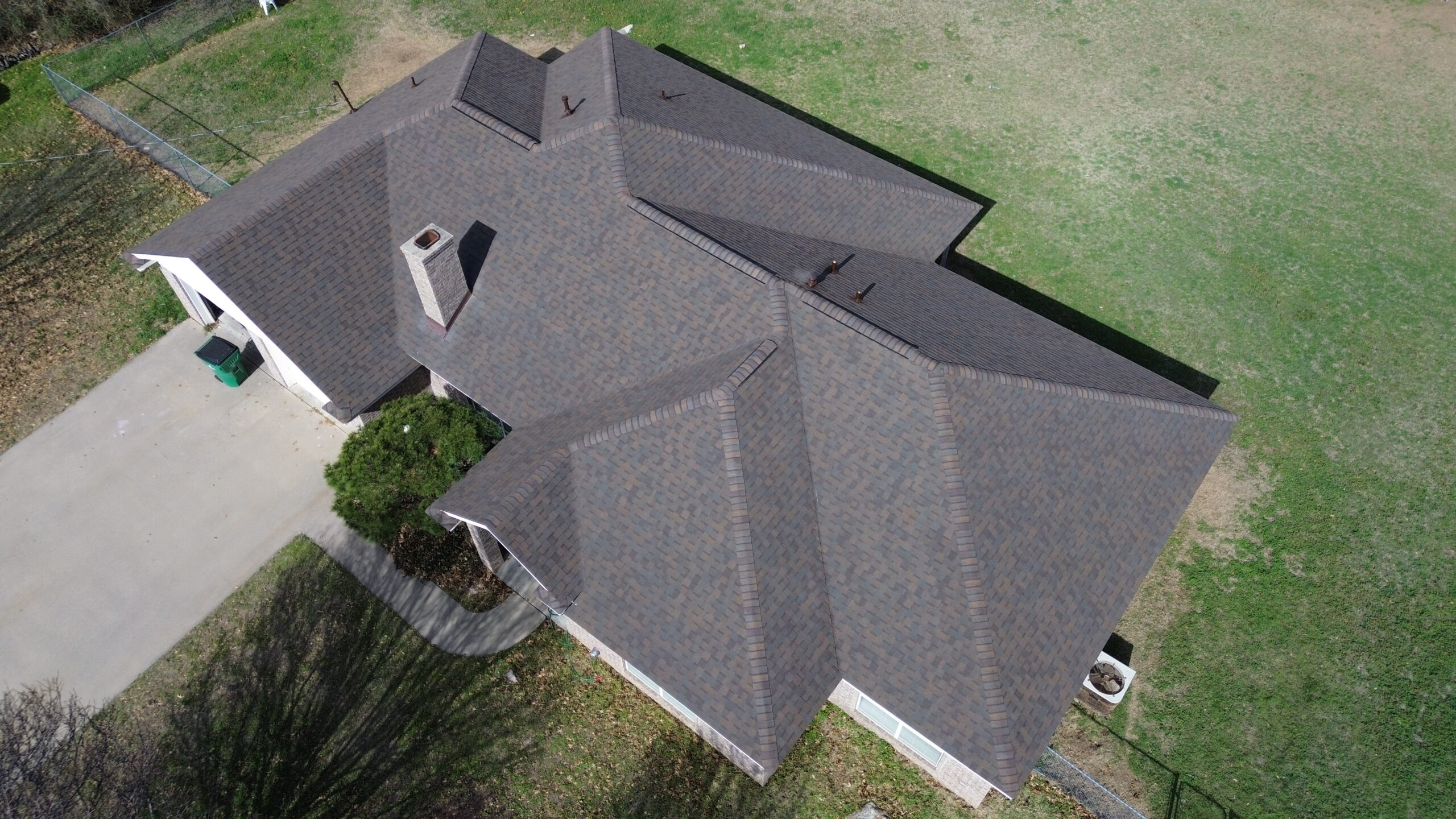
Once the contractor has been selected and the project is scheduled, preparation shifts from planning to action. Many homeowners assume the roofing crew will handle everything, but a successful project also depends on how well the property is prepared before work begins. Taking a few preventive steps helps protect belongings, reduces disruptions, and allows the installation team to work more efficiently.
Start by clearing the driveway and any nearby parking areas. Roofing crews typically require space for trucks, dumpsters, material deliveries, and equipment. Providing easy access allows workers to move materials safely while reducing delays caused by blocked pathways.
Outdoor furniture, grills, decorative items, and potted plants should also be relocated away from the work area. Although contractors take precautions, falling debris and dust can damage items placed too close to the house. Moving them beforehand provides additional protection and makes cleanup easier after the project is complete.
Homeowners should also pay attention to landscaping. Trees with low hanging branches may need trimming if they interfere with roof access or material delivery. Delicate flower beds and shrubs near the home can often be protected with temporary coverings after discussing the plan with the contractor.
Inside the home, vibrations from hammering and equipment are completely normal during roof replacement. Pictures, mirrors, shelves, and fragile decorative items should be secured or temporarily removed, especially from upper floors. Even securely mounted wall decorations can shift slightly during construction.
The attic deserves special attention as well. Dust and small debris may enter through gaps while the old roofing system is removed. Covering stored belongings with plastic sheets or drop cloths helps keep them clean until installation is complete.
Communication with neighbors is another thoughtful step. Informing nearby homeowners about the project gives them advance notice of temporary noise, additional vehicles, and increased activity around the property. A simple conversation can help avoid misunderstandings during construction.
Understanding Permits, Inspections, and Local Building Codes
Roof replacement involves more than removing old shingles and installing new materials. Many municipalities require permits and inspections to ensure construction meets local building regulations. Understanding these requirements before work begins helps prevent unnecessary delays and legal complications.
Permit requirements vary depending on location, the scope of work, and the type of roofing system being installed. In many cases, the roofing contractor handles permit applications, but homeowners should confirm this responsibility before signing the contract. Assuming someone else is handling permits without verification can lead to unexpected project delays.
Building codes exist to protect homeowners by ensuring roofs meet structural and safety standards. These regulations often address areas such as roof decking, underlayment, flashing installation, ventilation requirements, and wind resistance. Compliance helps improve both safety and long term roof performance.
Inspections are commonly performed during or after installation. Local inspectors verify that the roofing work complies with applicable codes before approving the completed project. Passing inspections also provides valuable documentation for future property sales and insurance purposes.
Homeowners should keep copies of all permits, inspection reports, and approval documents with their warranty paperwork. These records may become valuable if questions arise years later regarding installation quality or code compliance.
Some homeowners associations may also have architectural guidelines governing roofing colors, materials, or appearance. Reviewing these requirements before ordering materials helps avoid costly changes after work has already begun.
Protecting Your Family, Pets, and Property During Construction
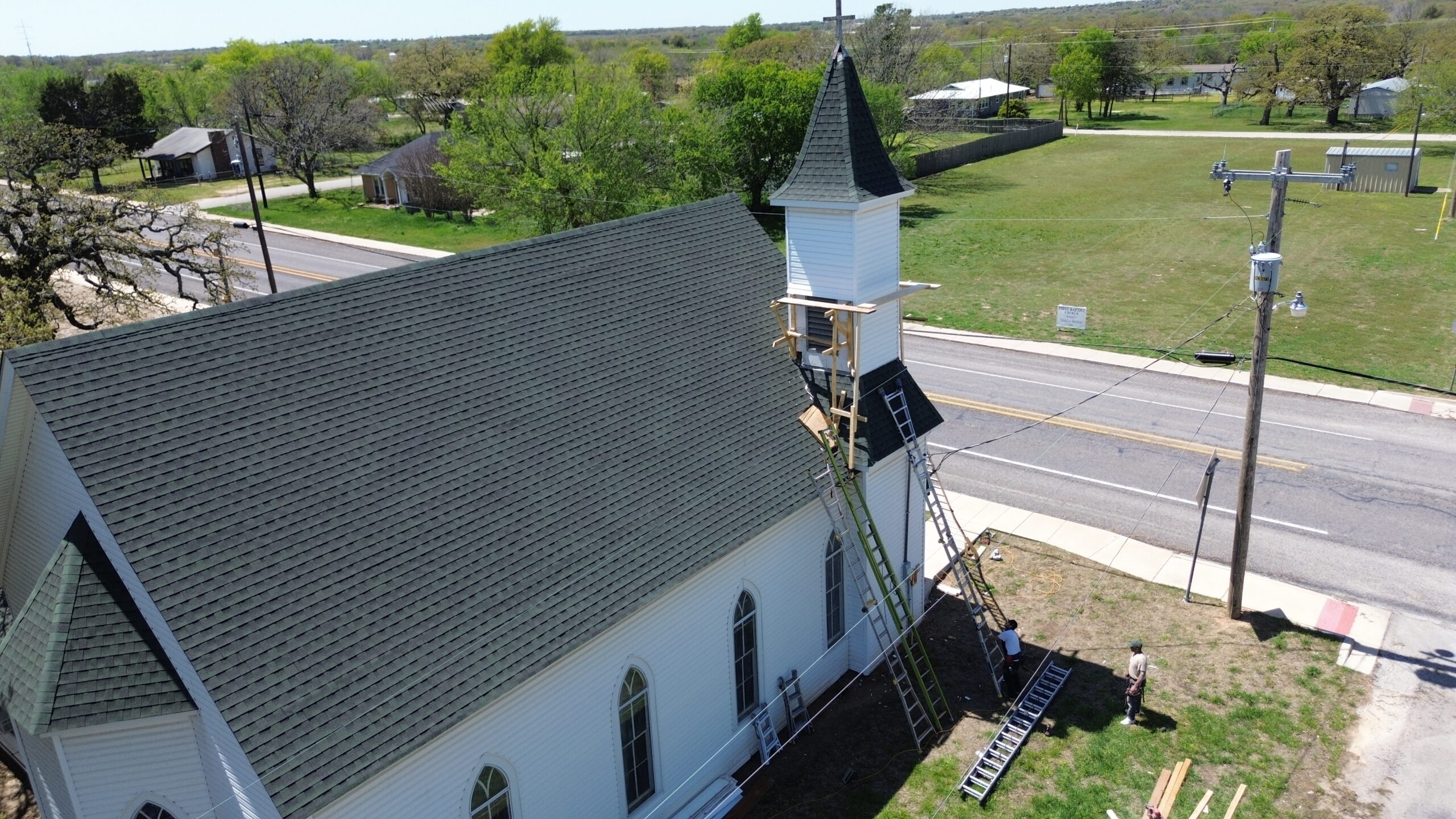
Roof replacement is an active construction project involving heavy materials, ladders, power tools, and continuous movement around the property. Keeping everyone safe requires preparation before the first workday begins.
Children should understand that the work area is off limits throughout the project. Construction zones contain nails, debris, sharp tools, and falling materials that create unnecessary hazards. Explaining these risks beforehand encourages safer behavior while crews are working.
Pets often become stressed by unfamiliar noises and constant activity. Many homeowners choose to keep pets indoors in quiet rooms or temporarily arrange alternative accommodations during the loudest phases of construction. This reduces anxiety while preventing accidental escapes when workers frequently open gates.
Vehicles should be parked away from the immediate work zone whenever possible. Falling debris, nails, or construction materials could potentially damage vehicles parked directly beside the house. Moving vehicles also gives contractors easier access for loading and unloading materials.
Contractors typically use tarps and protective coverings to collect debris, but homeowners should still inspect the yard carefully after each workday. This simple habit helps identify stray nails or small materials before children or pets return to outdoor spaces.
Interior comfort should also be considered. Roofing work generates significant noise throughout the day, making remote work, online meetings, or naps more difficult than usual. Planning alternative workspaces or adjusting schedules can make construction days less disruptive.
Maintaining clear communication with the project supervisor further improves safety. Homeowners should know who to contact if concerns arise and understand which areas should remain inaccessible during different stages of installation.
Roof Replacement Timeline and What to Expect Each Day
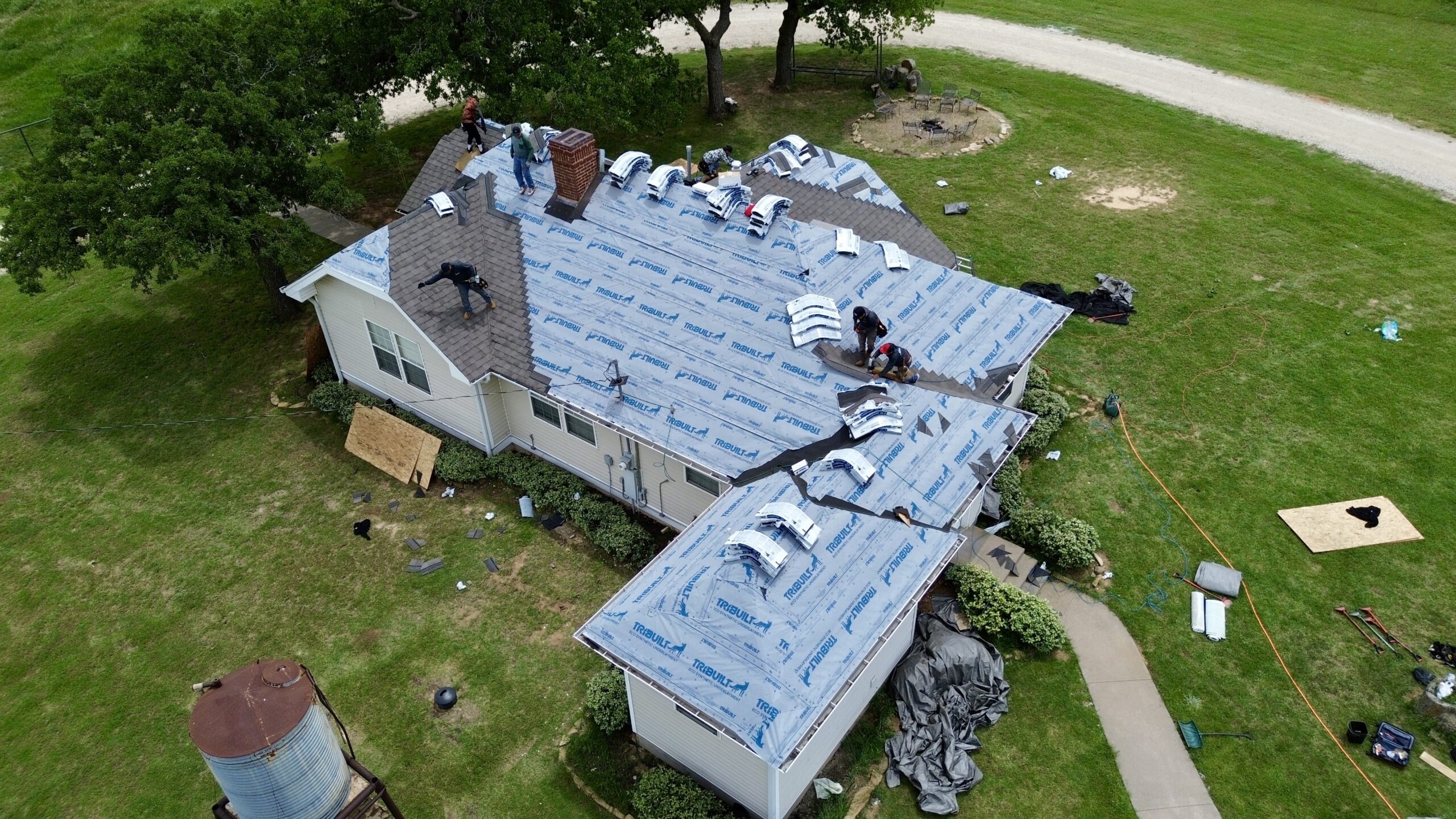
Although every roofing project differs, most follow a predictable sequence of events. Understanding the general timeline helps homeowners know what to expect and reduces unnecessary concerns as work progresses.
Weather, roof complexity, material availability, and unexpected repairs all influence project duration. While many residential roofs can be completed within several days, larger or more complicated homes may require additional time.
The general sequence usually follows these stages:
- Material delivery and site preparation. Roofing materials arrive, protective coverings are placed around the property, and equipment is positioned for safe access.
- Removal of the existing roof. Old shingles, underlayment, flashing, and damaged components are removed while the roof deck is exposed for inspection.
- Deck inspection and repairs. Contractors examine the roof decking for rot, moisture damage, or structural concerns before installing new materials.
- Installation of underlayment and flashing. Protective barriers and flashing systems are installed to improve water resistance around vulnerable roof areas.
- Installation of new roofing materials. Shingles, metal panels, tiles, or other selected materials are installed according to manufacturer specifications.
- Final inspection and cleanup. Debris is removed, magnetic tools collect nails, the roof is inspected for quality, and the property is cleaned before project completion.
While this sequence remains fairly consistent, homeowners should expect occasional adjustments due to weather or unforeseen repairs. Open communication with the contractor helps ensure everyone remains informed if the schedule changes.
Common Roof Replacement Mistakes Homeowners Should Avoid
Even well planned projects can encounter problems if homeowners make avoidable mistakes during the replacement process. Understanding these common issues helps protect both the investment and the long term performance of the new roof.
One of the most frequent mistakes is selecting a contractor based solely on the lowest price. While saving money is important, unusually low bids sometimes indicate lower quality materials, inexperienced labor, incomplete project scopes, or insufficient insurance coverage. Comparing overall value generally produces better long term results than comparing prices alone.
Another common mistake involves focusing only on roofing materials while overlooking installation quality. Even premium products perform poorly if flashing, ventilation, or fastening methods are installed incorrectly. Proper workmanship remains just as important as material selection.
Some homeowners also neglect attic ventilation during replacement. Poor ventilation traps heat and moisture, accelerating shingle deterioration while increasing energy costs. Addressing ventilation improvements during roof replacement is often more practical than upgrading later.
Ignoring small structural issues discovered during installation can create expensive problems in the future. Although repairing damaged decking or framing increases immediate costs, postponing necessary repairs may lead to larger structural failures after the new roof is installed.
Communication problems can also create unnecessary frustration. Homeowners should ask questions whenever project details seem unclear rather than making assumptions. Regular discussions with the contractor help ensure everyone understands expectations throughout construction.
Waiting until active leaks appear before replacing an aging roof is another costly mistake. Water damage often spreads beyond the visible leak, affecting insulation, drywall, framing, and electrical systems before homeowners recognize the extent of the problem.
Managing Unexpected Costs and Project Changes
Even the most carefully planned roof replacement projects occasionally encounter unexpected developments. Preparing for these possibilities allows homeowners to respond calmly instead of making rushed decisions under pressure.
Hidden roof deck damage is among the most common surprises. Once old roofing materials are removed, contractors sometimes discover deteriorated wood caused by years of unnoticed moisture intrusion. These repairs must usually be completed before new roofing materials can be installed safely.
Flashing around chimneys, skylights, vents, and valleys may also require replacement if corrosion or improper installation is discovered. Although these repairs increase costs, replacing worn flashing helps prevent future leaks and extends the lifespan of the new roof.
Material availability occasionally changes due to manufacturing delays or supply chain disruptions. If the originally selected product becomes temporarily unavailable, homeowners should discuss alternative options that offer comparable quality, appearance, and warranty protection rather than making hurried substitutions.
Weather represents another factor beyond anyone’s control. Heavy rain, strong winds, or severe storms may temporarily pause construction for safety reasons. While delays can be inconvenient, protecting workers and preventing moisture intrusion into the exposed roof structure should always remain the highest priority.
To manage project changes effectively, homeowners should establish a clear approval process before construction begins. Any additional work outside the original agreement should be explained thoroughly, documented in writing, and approved before the contractor proceeds. This approach reduces misunderstandings while keeping the budget under control.
Maintaining a contingency fund of approximately ten to fifteen percent of the overall project budget often provides enough flexibility to handle unexpected discoveries without creating financial stress. Homeowners who prepare for possible adjustments generally complete their roof replacement with greater confidence and fewer surprises.
Final Roof Inspection and Quality Checklist
As the roofing crew completes installation, homeowners should avoid assuming that every detail has been addressed automatically. A thorough final inspection provides an opportunity to verify that the completed roof meets expectations and that all agreed upon work has been finished properly. This final review also allows homeowners to ask questions before making the last payment.
Begin by walking around the exterior of the home with the project supervisor. The roof should appear consistent in color, alignment, and overall appearance. Shingles or roofing panels should lie evenly without obvious gaps, lifted edges, or irregular patterns that may indicate installation issues.
Flashing around chimneys, skylights, vents, and roof valleys deserves careful attention because these locations are especially vulnerable to water intrusion. Properly installed flashing should fit securely and blend neatly with the surrounding roofing materials without visible damage or loose sections.
Homeowners should also inspect gutters and downspouts. Construction debris should be removed completely, allowing rainwater to flow freely. Gutters should not contain excessive granules, nails, or leftover roofing materials once cleanup has been completed.
The attic should also be examined after installation. Daylight should not be visible through the roof deck except where designed ventilation openings exist. Homeowners should also look for signs of moisture, loose insulation, or damaged ventilation components that may require additional attention.
Do not hesitate to ask the contractor to explain any area that appears unusual. Experienced professionals expect questions during the final inspection and should willingly explain installation details, maintenance recommendations, and warranty coverage.
Roof Ventilation, Insulation, and Long Term Performance
A new roof performs best when every supporting component works together as a complete system. Roofing materials receive most of the attention, but ventilation and insulation play equally important roles in determining how long the roof will last.
Proper attic ventilation allows fresh air to circulate continuously beneath the roof deck. During summer, ventilation removes trapped heat that can prematurely age roofing materials. During colder months, it helps reduce moisture accumulation that could otherwise contribute to mold, wood rot, and insulation damage.
Balanced ventilation usually includes intake vents near the roof’s lower edges and exhaust vents closer to the ridge. Together, these components create natural airflow that improves overall roof performance without requiring mechanical equipment.
Insulation works alongside ventilation by reducing heat transfer between the living space and the attic. Adequate insulation helps maintain comfortable indoor temperatures throughout the year while reducing heating and cooling expenses. When insulation and ventilation function together properly, homeowners often notice improved energy efficiency after roof replacement.
Poor ventilation creates several avoidable problems. Excessive attic temperatures may shorten shingle lifespan, while trapped moisture encourages mold growth and structural deterioration. Addressing these issues during roof replacement is generally far easier than attempting upgrades years later.
Homeowners should also understand that ventilation systems require occasional inspection. Leaves, nests, or other obstructions can reduce airflow over time. Including ventilation checks in routine roof maintenance helps preserve the performance of the entire roofing system.
Roof Maintenance After Replacement
Installing a new roof does not eliminate the need for future maintenance. Although modern roofing materials are designed for long service lives, regular inspections and preventive care help maximize that investment while reducing the likelihood of unexpected repairs.
One of the simplest maintenance habits involves conducting visual inspections from ground level several times each year. Homeowners should look for missing shingles, displaced flashing, clogged gutters, or debris that may have accumulated after storms. Identifying small concerns early often prevents more expensive damage later.
Seasonal gutter cleaning also contributes significantly to roof health. Gutters filled with leaves or debris restrict water flow, increasing the risk of water backing beneath roofing materials. Clean drainage systems help direct rainwater safely away from both the roof and foundation.
Tree branches hanging over the roof should be trimmed regularly. Overhanging limbs can scrape roofing materials during windy conditions while also increasing the amount of leaves, twigs, and moisture that collect on the roof surface. Maintaining adequate clearance reduces unnecessary wear.
Following severe weather events, homeowners should perform another careful inspection. High winds, hail, or falling branches may damage roofing materials even when problems are not immediately visible from the ground. Scheduling a professional inspection after significant storms provides additional peace of mind.
Avoid unnecessary foot traffic on the roof whenever possible. Walking directly on roofing materials can cause damage, particularly to tile, slate, or older asphalt shingles. Professional contractors have the proper equipment and experience to inspect roofs safely without creating additional problems.
Maintaining accurate records also supports future maintenance. Keeping inspection reports, repair invoices, warranty documents, and photographs creates a useful history that may simplify future service visits or insurance claims.
Complete Homeowner Roof Replacement Success Checklist
After completing the planning, installation, and inspection stages, homeowners can use the following checklist to confirm that every major aspect of the project has been addressed successfully.
- Confirm the roof replacement was completed according to the signed contract.
- Verify all permits and inspections have been finalized.
- Review both manufacturer and workmanship warranties.
- Ensure damaged decking and flashing were repaired where necessary.
- Check that attic ventilation functions properly.
- Confirm gutters and downspouts were cleaned after installation.
- Inspect landscaping for leftover debris or roofing materials.
- Verify magnetic cleanup removed nails from the yard and driveway.
- Store contracts, inspection reports, warranties, and receipts in a safe location.
- Schedule routine roof inspections as part of ongoing home maintenance.
Completing this checklist helps homeowners feel confident that no important detail has been overlooked. It also creates an organized starting point for maintaining the roof throughout its lifespan.
Warranty Documentation and Future Record Keeping
A roof replacement represents a significant financial investment, making warranty protection an essential part of the overall project. Unfortunately, many homeowners file warranty paperwork away without fully understanding what is covered or how claims are handled.
Most roofing projects include two primary types of warranties. Manufacturer warranties cover defects in roofing materials, while workmanship warranties protect against installation related issues performed by the contractor. Understanding the difference helps homeowners know who to contact if problems arise in the future.
Warranty terms vary depending on the manufacturer, roofing material, and contractor. Homeowners should read these documents carefully rather than assuming every issue will automatically be covered. Certain warranties require regular maintenance or prohibit unauthorized repairs that could void coverage.
Keeping organized records makes future warranty claims much easier. Important documents should include the signed contract, paid invoices, permit approvals, inspection reports, warranty certificates, maintenance records, and photographs taken before, during, and after installation.
Digital copies provide additional protection against lost paperwork. Scanning documents and storing them securely on cloud storage or external drives ensures they remain accessible even years after the project has been completed.
If the home is eventually sold, providing complete roofing documentation to the new owner demonstrates responsible maintenance and may increase buyer confidence. Well organized records often become an added selling point because they verify the quality and age of the roofing system.
Frequently Asked Questions About Roof Replacement
How long does a residential roof replacement usually take?
Most residential roof replacements are completed within one to several days, depending on roof size, complexity, weather conditions, and whether hidden structural repairs are required. Larger homes or specialty roofing materials may require additional time.
Should I stay at home during roof replacement?
Many homeowners remain at home throughout the project, although construction noise can be significant. Families with young children, elderly residents, pets, or individuals working remotely may prefer spending part of the day elsewhere during the busiest construction periods.
Will my homeowner’s insurance pay for roof replacement?
Insurance coverage depends on the cause of the damage and the specific policy. Roof damage resulting from covered events such as severe storms may qualify for insurance benefits, while normal aging and gradual wear are generally considered homeowner responsibilities.
How often should a new roof be inspected?
A professional inspection every one to two years is recommended, along with additional inspections after severe storms. Regular inspections allow small concerns to be identified before they develop into larger repair projects.
Can new shingles be installed over existing shingles?
Although building codes sometimes allow overlay installations, complete removal of old roofing materials is generally considered the better long term approach. Removing the existing roof allows contractors to inspect the decking, identify hidden damage, and install the new roofing system on a solid foundation.
What factors influence the lifespan of a new roof?
Several factors affect roof longevity, including installation quality, material selection, ventilation, climate, routine maintenance, storm exposure, and prompt repair of minor issues. Proper care significantly increases the likelihood of achieving the manufacturer’s expected service life.
Conclusion
A successful roof replacement begins long before construction starts and continues well after the final shingle has been installed. Careful planning, realistic budgeting, thoughtful material selection, and hiring an experienced contractor establish the foundation for a project that delivers lasting value and dependable protection.
Preparing the property, understanding permits, protecting family members during construction, and maintaining clear communication throughout installation help reduce stress while preventing avoidable problems. After installation, performing a careful inspection, maintaining proper ventilation, following routine maintenance practices, and organizing warranty documentation ensure the new roof continues performing as intended for many years.
By following this complete homeowner checklist, you can approach roof replacement with confidence instead of uncertainty. Every stage of the process becomes more manageable when supported by informed decisions and careful preparation. A well installed and properly maintained roof not only safeguards your home against the elements but also strengthens its long term value, improves energy efficiency, and provides lasting peace of mind for years to come.