
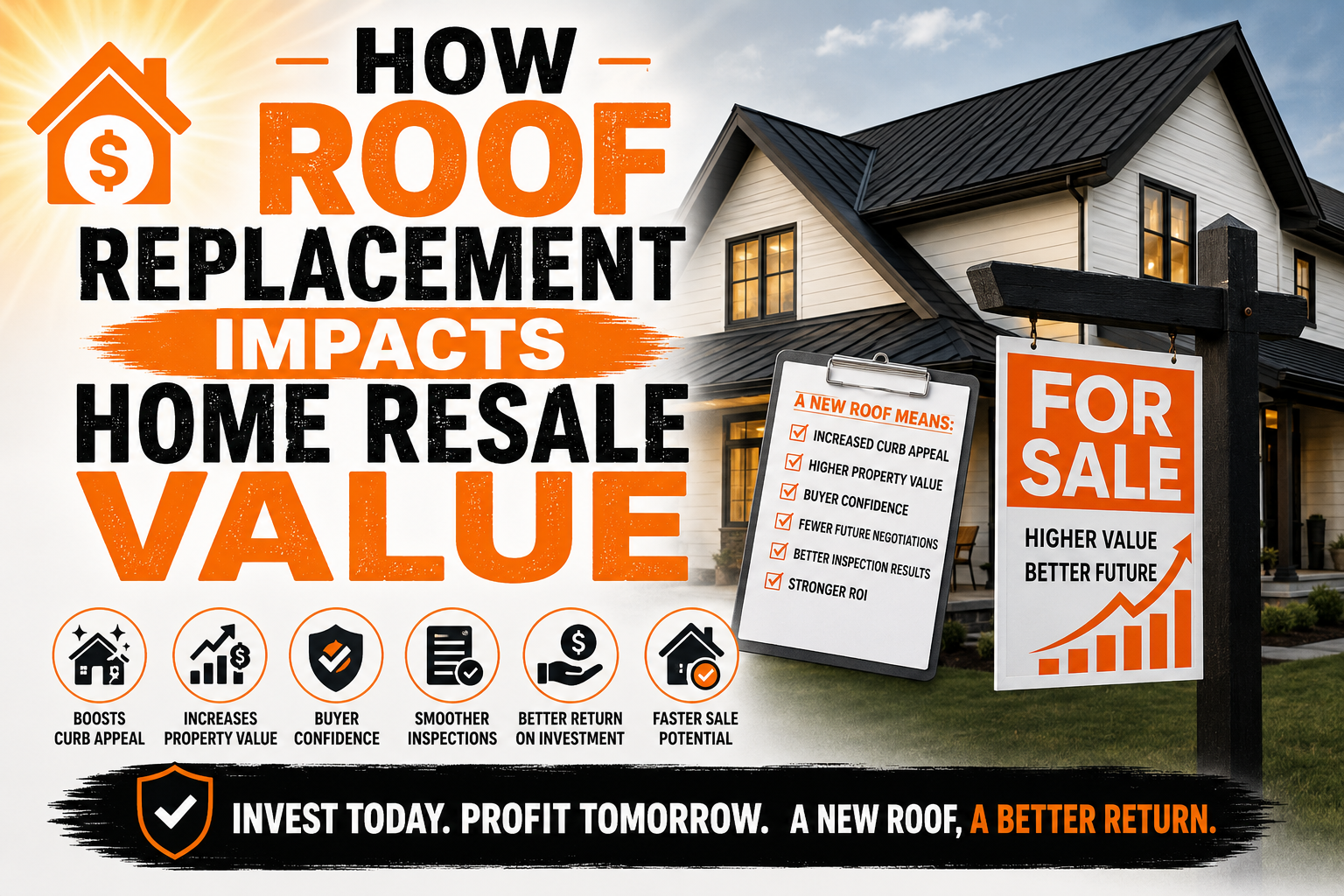
How Roof Replacement Impacts Home Resale Value
Introduction
Selling a home involves much more than placing a listing online and waiting for offers. Buyers evaluate every aspect of a property, from its structural condition to its appearance, maintenance history, and future repair needs. Among all exterior features, the roof plays one of the most important roles because it protects the entire structure. A roof that is old, damaged, or nearing the end of its lifespan can influence how buyers perceive the value of a property long before they step inside.
Roof replacement is often viewed as a major home improvement project because it requires a significant financial investment. However, replacing an aging roof before selling can provide benefits that extend beyond improving the home’s appearance. A new roof demonstrates responsible maintenance, reduces concerns about immediate repair costs, and gives buyers greater confidence in the overall condition of the property. These advantages can contribute to stronger offers, smoother negotiations, and a more competitive position in the housing market.
Today’s buyers also pay close attention to long term ownership costs. Many want homes that require minimal repairs after purchase, especially when financing, moving expenses, and furnishing costs already place pressure on their budgets. A newly replaced roof eliminates one of the largest maintenance concerns they might otherwise face, making the property more attractive compared with similar homes that still have aging roofing systems.
The relationship between roof replacement and resale value is not always measured solely by the amount spent on installation. Instead, its impact is often reflected through buyer confidence, marketability, inspection results, insurance approval, and the speed at which a property sells. Understanding these factors helps homeowners decide whether replacing a roof before listing their property is a worthwhile investment.
This article explores how roof replacement influences home resale value from multiple perspectives. It examines buyer expectations, property valuation, financial considerations, and practical strategies that help homeowners maximize the return on one of the most significant improvements they can make before selling.
Why Roof Condition Matters in the Real Estate Market
A home’s roof serves as one of its most important structural components. While buyers may notice interior finishes such as flooring, kitchens, or bathrooms during a showing, the roof often forms their first impression before they even enter the property. Its visible condition immediately influences expectations about how well the rest of the home has been maintained.
Real estate professionals frequently observe that buyers associate roof condition with overall property care. If shingles appear damaged, missing, or heavily weathered, potential buyers may assume other hidden maintenance issues also exist. Even when interior spaces are well maintained, an aging roof can create doubt that affects purchasing decisions.
The real estate market has become increasingly competitive, especially in areas where buyers have multiple properties to compare. Homes requiring major repairs often struggle against similar listings that appear move in ready. Since roof replacement represents one of the largest maintenance expenses a homeowner may encounter, buyers naturally consider its condition when evaluating competing properties.
Home inspections also reinforce the importance of roofing condition. Professional inspectors carefully examine roofing materials, flashing, ventilation, drainage systems, and visible structural components. Any significant concerns identified during the inspection report may lead buyers to request repairs, negotiate lower prices, or reconsider the purchase entirely.
Mortgage lenders and insurance companies may also evaluate roof condition during the transaction process. If the roof appears to have reached the end of its service life, additional inspections or repairs could become necessary before financing or insurance coverage is approved. These extra requirements may delay closing or complicate negotiations between buyers and sellers.
For these reasons, roof condition influences far more than appearance alone. It affects buyer perception, financing, insurance, inspection outcomes, and the overall confidence that supports successful real estate transactions.
First Impressions and Curb Appeal
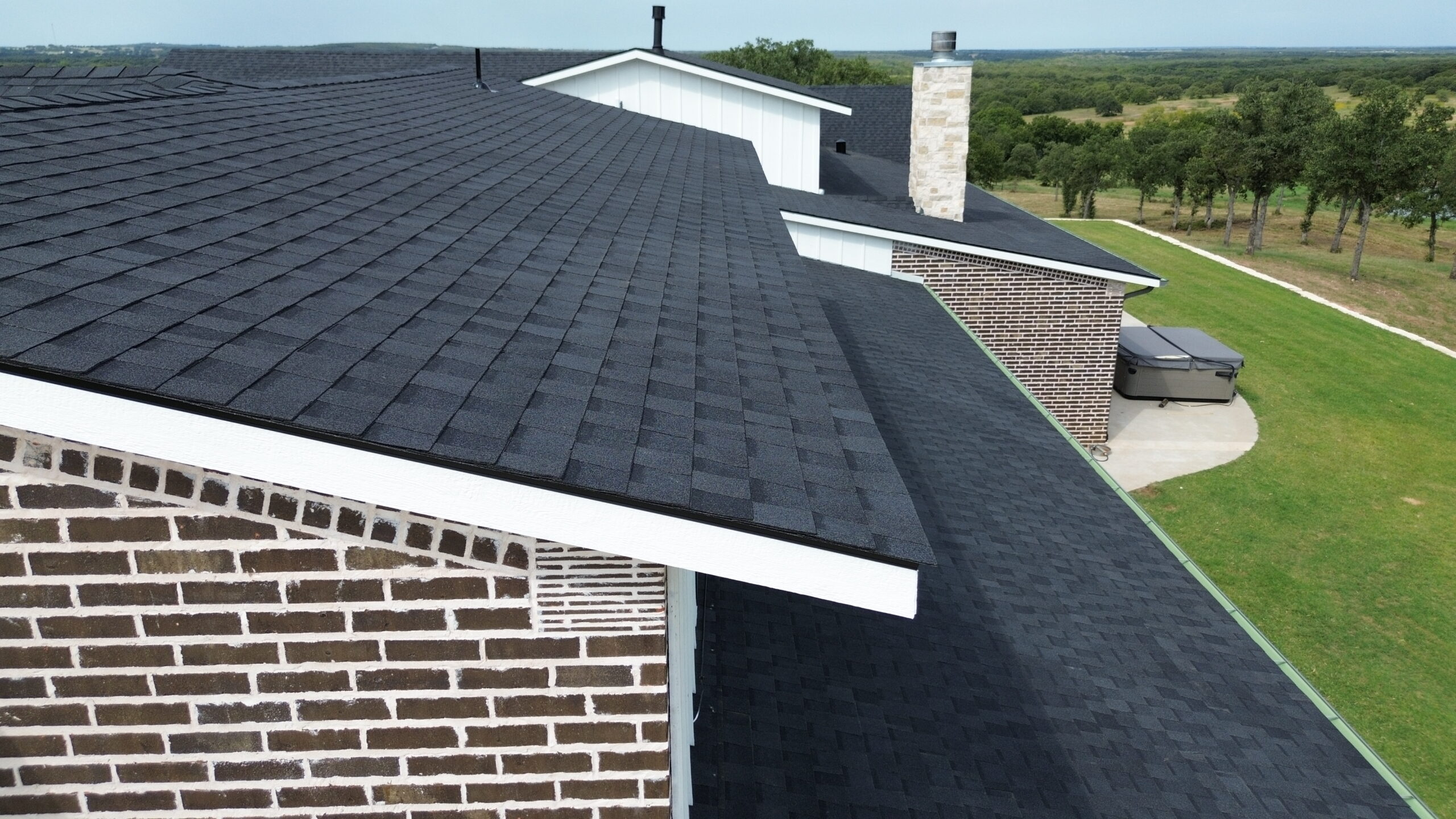
Curb appeal has a powerful influence on how buyers respond to a property during their first visit. Before anyone evaluates room layouts or interior upgrades, they form opinions based on the home’s exterior appearance. The roof occupies a large portion of that visual impression, making its condition especially important during the selling process.
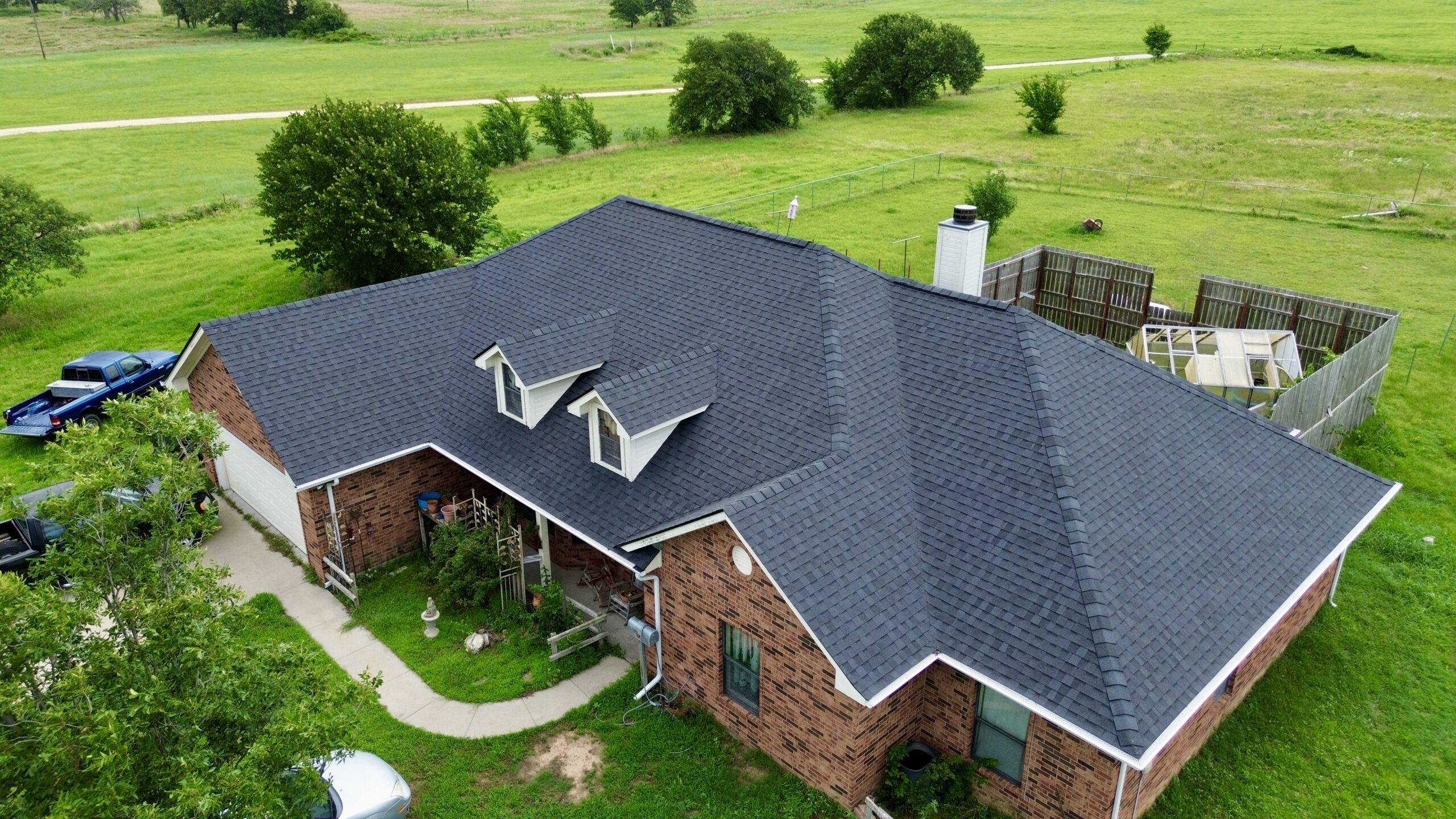
A newly replaced roof immediately communicates that the property has received recent attention and investment. Clean roofing materials, consistent color, straight roof lines, and properly installed flashing contribute to a polished appearance that enhances the home’s overall presentation. Buyers often associate this visual quality with careful ownership and responsible maintenance practices.
An older roof may create the opposite impression even if it continues functioning adequately. Curling shingles, faded surfaces, discoloration, moss growth, or visible repairs can make the home appear older than it actually is. These cosmetic concerns sometimes influence buyer emotions before any detailed evaluation of the property’s true condition begins.
Landscaping, exterior paint, windows, and roofing all work together to create curb appeal. A newly landscaped yard may lose some of its impact if it is paired with a roof showing obvious signs of deterioration. Likewise, modern exterior renovations often appear more complete when accompanied by roofing materials that complement the home’s updated design.
Neighborhood comparisons also affect buyer expectations. When nearby homes feature newer roofing systems while one property has an aging roof, buyers may view that home less favorably. Maintaining an exterior appearance consistent with surrounding properties helps preserve competitiveness within the local housing market.
Strong curb appeal encourages buyers to continue exploring the property with a positive mindset. While appearance alone does not determine resale value, it often establishes the confidence that influences every subsequent stage of the home buying process.
Buyer Confidence Begins with the Roof
Purchasing a home is one of the largest financial decisions most people will ever make. Buyers naturally look for evidence that the property has been maintained carefully because unexpected repairs after closing can create significant financial strain. The roof plays a central role in building this confidence since it protects every major component beneath it.
When buyers learn that the roof has recently been replaced, many immediately recognize one less major expense they are likely to face in the near future. Instead of budgeting for an expensive roofing project shortly after moving in, they can focus on personalizing the home or addressing smaller maintenance items according to their own preferences.
Confidence also increases because a new roof reduces uncertainty. Older roofs often raise questions about hidden leaks, moisture damage, attic ventilation, insulation performance, and structural wear. Even if no visible problems exist, buyers may worry that expensive repairs could emerge later. A professionally installed replacement helps reduce many of these concerns.
Documentation further strengthens buyer confidence. Homeowners who provide roofing warranties, contractor invoices, maintenance records, and material specifications demonstrate transparency throughout the transaction. Buyers appreciate knowing when the roof was installed, what materials were used, and whether warranty protection transfers to future owners.
Trust also develops during the inspection process. Inspectors are less likely to identify significant roofing deficiencies when the roof has been replaced recently using modern installation standards. Fewer inspection concerns generally create smoother negotiations while reducing the likelihood of unexpected repair requests before closing.
Ultimately, buyer confidence extends beyond the roof itself. A well maintained roofing system suggests that homeowners have likely cared for other important aspects of the property as well. This positive perception often influences purchasing decisions even when buyers cannot personally evaluate every hidden structural component.
How Roof Age Influences Property Value
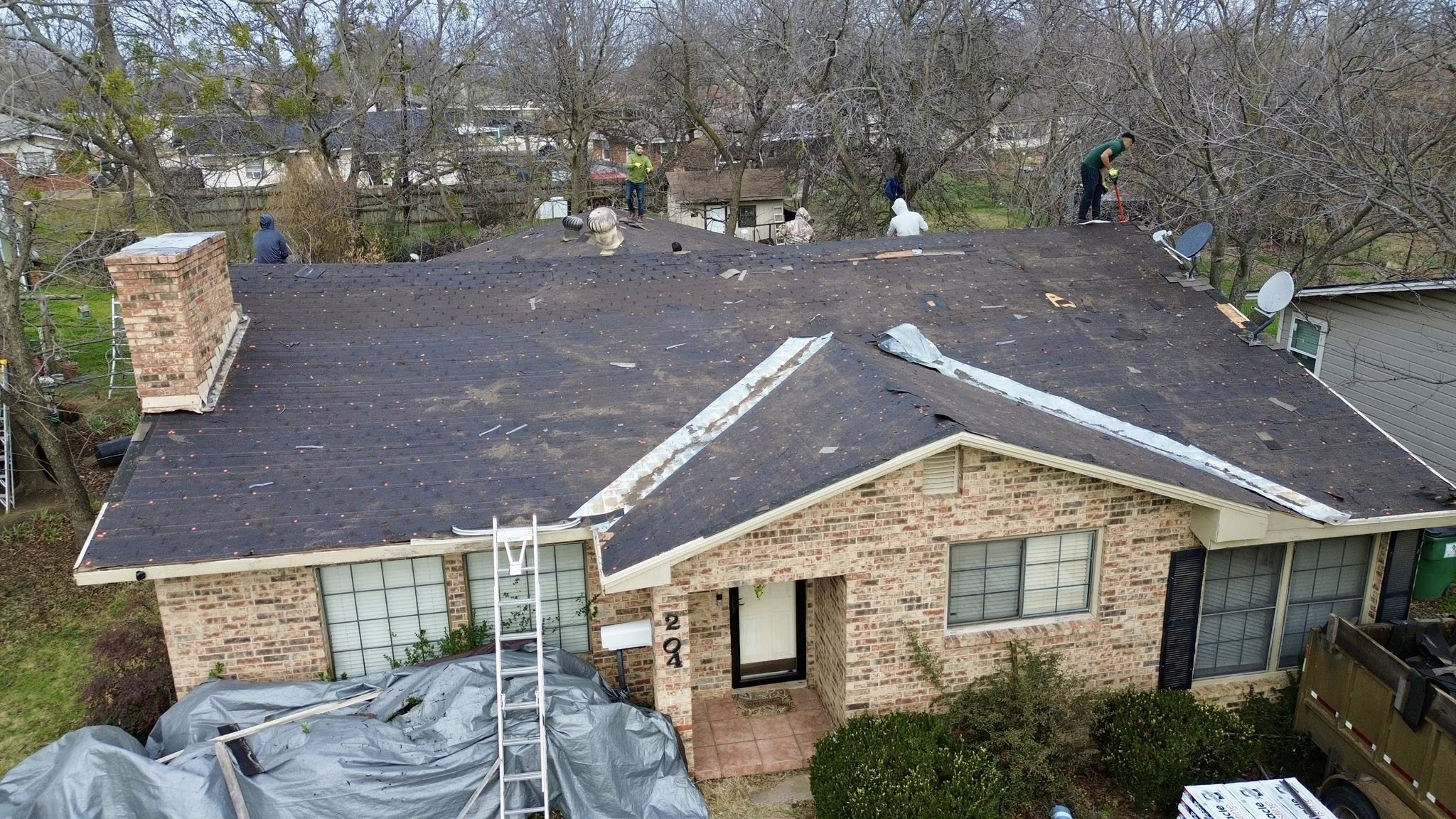
Roof age is one of the first questions buyers, inspectors, insurance providers, and real estate professionals commonly ask during a property transaction. While the exact lifespan of a roof depends on materials, installation quality, maintenance, and climate, every roofing system gradually approaches the point where replacement becomes necessary.
As a roof ages, buyers often begin estimating future replacement costs while considering their purchase offer. If they believe roof replacement will be required within only a few years, they may reduce their offer to compensate for the anticipated expense. In competitive markets, they may instead choose another property with fewer immediate maintenance concerns.
Age also influences appraisal discussions, although appraisers consider many factors beyond roofing alone. A relatively new roof contributes positively because it reduces deferred maintenance and supports the overall condition rating assigned to the property. While a new roof may not increase appraised value by its full installation cost, it can strengthen the property’s overall market position.
Insurance companies sometimes pay close attention to roof age as well. Older roofs may qualify for limited coverage or higher premiums depending on insurer policies and local weather risks. Buyers who discover insurance challenges during the purchasing process may reconsider the transaction or negotiate adjustments with the seller.
Material lifespan also affects buyer expectations. Asphalt shingles, metal roofing, tile, slate, and synthetic materials all have different expected service lives. Buyers familiar with these differences often evaluate remaining roof lifespan alongside other major systems such as heating, cooling, and plumbing when estimating future ownership expenses.
Replacing an aging roof before it reaches obvious failure allows homeowners to present the property as well maintained rather than approaching the end of a major maintenance cycle. This timing often supports stronger buyer interest while reducing concerns about immediate repair obligations.
Signs That Indicate Roof Replacement Before Selling
Not every home requires roof replacement before entering the market. However, certain conditions strongly suggest that replacing the roof may improve marketability while preventing complications during inspections or negotiations.
Visible deterioration is one of the clearest indicators. Missing shingles, cracked roofing materials, sagging sections, damaged flashing, excessive granule loss, or repeated leak repairs often signal that replacement deserves serious consideration. Buyers typically notice these issues quickly, particularly during exterior walkthroughs or professional inspections.
Water stains inside the home may also indicate roofing problems. Even if previous leaks have been repaired, discoloration on ceilings or attic framing can create concern that moisture issues remain unresolved. Replacing the roof while correcting underlying damage helps reassure potential buyers that the problem has been addressed properly.
Repeated repair history is another factor worth considering. If homeowners continue investing in temporary repairs every year, complete replacement may provide greater long term value than continuing to patch isolated problems. Buyers generally prefer permanent solutions over roofs requiring ongoing maintenance shortly after purchase.
Storm damage can also influence replacement decisions. Hail, wind, falling tree branches, or severe weather may compromise roofing materials even when damage appears limited from ground level. Professional inspections following major storms help determine whether repair or full replacement offers the better long term solution before listing the property.
Homeowners should also evaluate neighborhood standards. If surrounding homes have recently updated roofing systems while one property retains an aging roof, replacing it may improve competitiveness within the local market. Buyers often compare similar properties closely, making exterior improvements increasingly important.
The decision should ultimately balance roof condition, local market expectations, and the homeowner’s selling goals. Addressing major roofing concerns before listing often simplifies the selling process while reducing uncertainty for everyone involved.
Understanding Buyer Expectations for Roofing
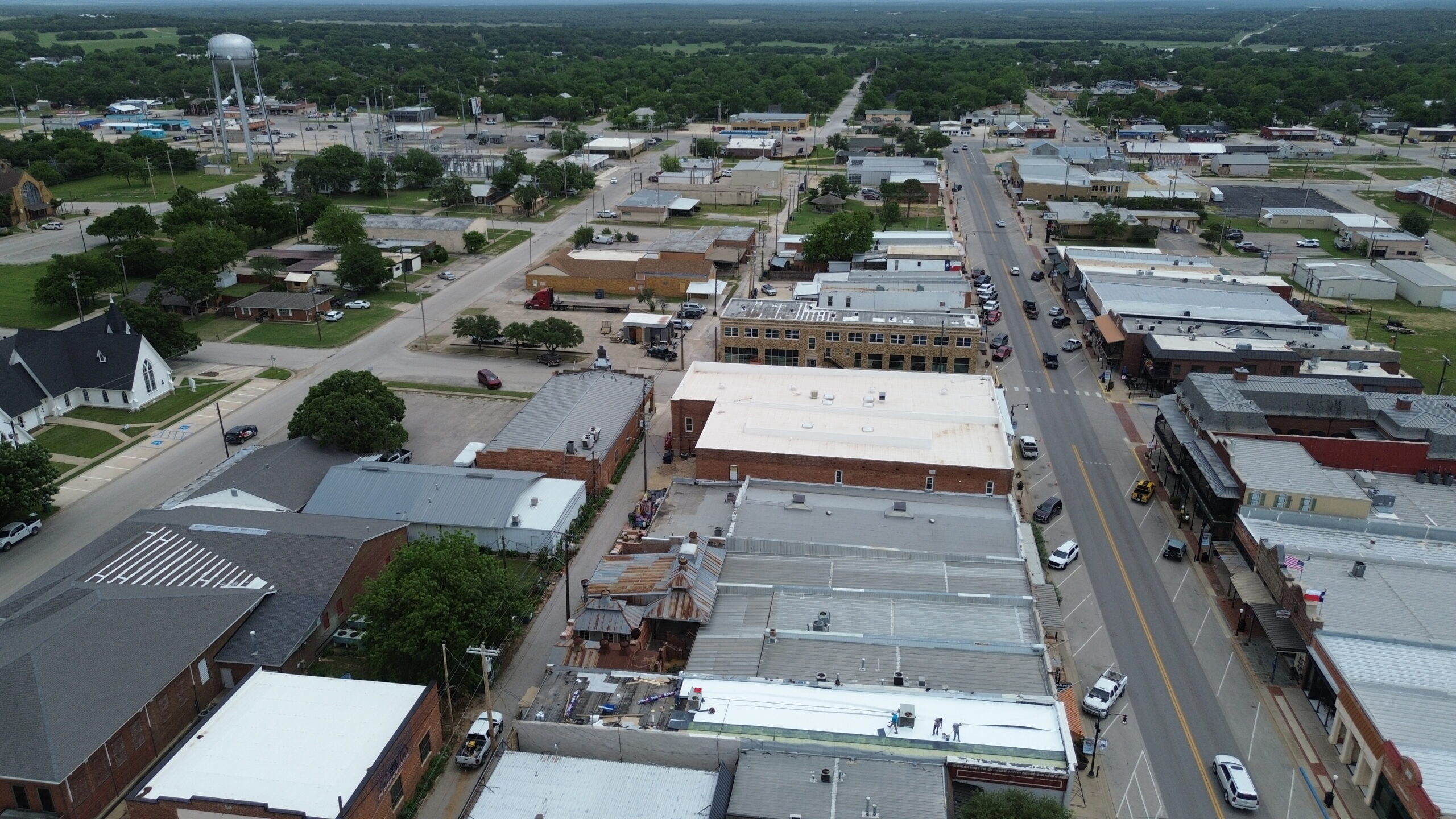
Modern homebuyers are generally well informed about property maintenance and long term ownership costs. Online resources, inspection reports, and advice from real estate professionals encourage buyers to evaluate roofing condition carefully before making purchase decisions. As a result, expectations regarding roof quality have become higher than in previous decades.
Most buyers prefer homes that require minimal immediate maintenance after closing. While cosmetic updates such as paint colors or landscaping can often wait, major structural improvements like roof replacement represent significant expenses that many buyers hope to avoid. A recently replaced roof therefore becomes an attractive feature because it removes one of the largest maintenance concerns from their future budget.
Buyers also expect roofing systems to comply with modern installation practices. Proper ventilation, quality flashing, effective drainage, and durable materials all contribute to confidence that the roof will perform reliably for many years. Even buyers without technical roofing knowledge often recognize the value of recent professional installation supported by documentation and warranties.
Energy efficiency has become another growing expectation. Homebuyers increasingly appreciate roofing systems that contribute to better insulation, improved ventilation, and lower heating or cooling costs. While the roof alone does not determine household energy efficiency, it plays an important role in maintaining comfortable indoor temperatures throughout the year.
Transparency is equally important during the selling process. Buyers value honest information regarding roof age, maintenance history, warranties, and previous repairs. Providing clear documentation allows them to make informed decisions while reducing uncertainty that could otherwise delay negotiations or affect purchase offers.
Meeting these expectations helps create a positive buying experience that benefits both sellers and purchasers. A well maintained or newly replaced roof demonstrates responsible ownership, strengthens buyer confidence, and positions the property more favorably within a competitive real estate market.
Financial Benefits of Roof Replacement Before Listing
Replacing a roof before putting a home on the market is a decision that involves careful financial consideration. While the project requires a substantial investment, the benefits often extend beyond the possibility of increasing the asking price. A new roof can improve the home’s marketability, reduce negotiation challenges, and help attract buyers who are willing to pay closer to the listed value.
One of the most noticeable financial advantages is the ability to minimize price reductions during negotiations. Buyers frequently use an aging roof as leverage to request credits or lower purchase prices because they anticipate replacing it after moving in. By installing a new roof before listing, homeowners remove one of the largest potential bargaining points from the transaction.
A newer roof can also help reduce the amount of time a property remains on the market. Homes that require fewer immediate repairs often generate stronger buyer interest, leading to more showings and, in some cases, multiple offers. Although every real estate market behaves differently, properties that appear move in ready generally appeal to a broader range of buyers.
Repair expenses can also be controlled more effectively when homeowners replace the roof on their own schedule rather than responding to inspection demands. Planning the project before listing allows time to compare contractors, evaluate materials, and complete the work without the pressure of an approaching closing date.
Another financial consideration involves preserving other home improvements. Sellers who have invested in kitchen renovations, updated flooring, or modern landscaping may find that an aging roof overshadows those upgrades. Replacing the roof helps ensure buyers appreciate the full value of the home’s other improvements instead of focusing primarily on deferred maintenance.
Although roof replacement does not always return its full installation cost in direct resale value, it often contributes indirectly through stronger buyer confidence, fewer transaction delays, and improved overall market competitiveness.
How Appraisers Evaluate Roofing Condition
Professional appraisers evaluate many aspects of a property when estimating its market value, and the roof is one of the structural components they carefully observe. While an appraisal considers location, size, comparable sales, and overall property condition, roofing quality contributes to the home’s general maintenance rating.
Appraisers typically look for visible signs of deterioration such as damaged shingles, sagging roof lines, missing materials, or evidence of previous water intrusion. These observations help determine whether the roof reflects normal wear or whether significant maintenance issues exist that could influence market value.
The age of the roof also receives attention during the appraisal process. A recently replaced roof generally supports the perception that the property has been maintained responsibly. Although a new roof alone rarely increases the appraised value by the exact amount spent on installation, it reduces concerns about deferred maintenance that might otherwise lower the property’s condition assessment.
Documentation can further support the evaluation. Providing invoices, warranty information, contractor certifications, and installation dates helps confirm the quality and timing of the replacement. This information gives appraisers additional confidence when describing the property’s overall condition within their report.
Regional climate also influences how roofing condition is interpreted. In areas frequently affected by hail, hurricanes, heavy snowfall, or intense sunlight, roofing quality becomes especially important because environmental exposure accelerates material wear. A recently replaced roof may therefore carry greater significance in locations where severe weather regularly affects residential properties.
Ultimately, appraisers evaluate the roof as one component within the property’s overall condition. A strong roofing system complements other well maintained features, helping create a positive impression that supports the home’s market value.
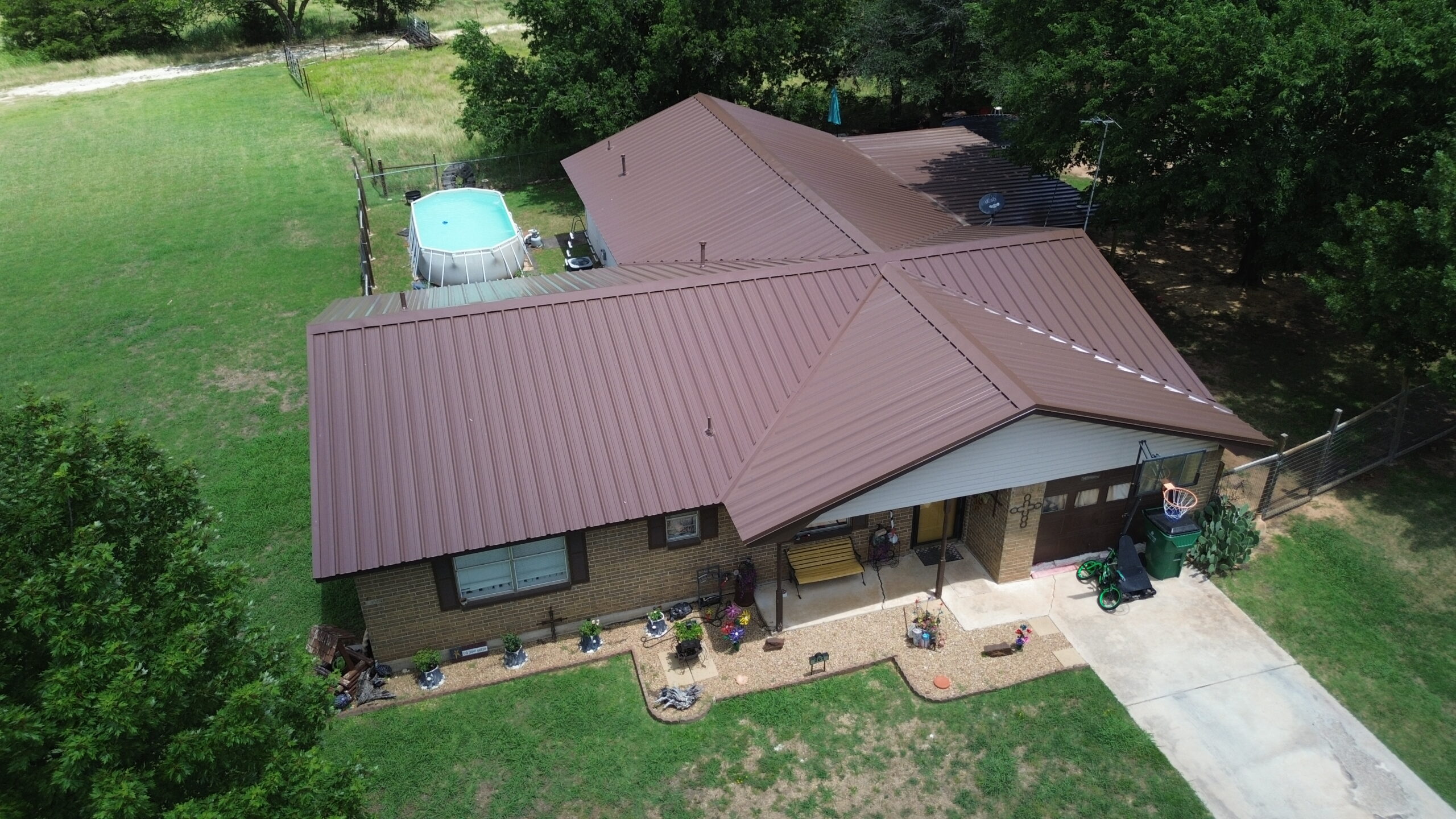
The Role of Roofing Materials in Home Value
The type of roofing material installed during replacement can influence buyer perception as well as the home’s long term appeal. Different materials offer varying levels of durability, maintenance requirements, appearance, and expected lifespan. Buyers often consider these characteristics when comparing similar properties within the same neighborhood.
Asphalt shingles remain one of the most common residential roofing materials because they provide a practical balance between affordability and performance. Modern architectural shingles offer improved durability and appearance compared with older designs, making them attractive for many homeowners preparing to sell.
Metal roofing has gained popularity due to its long lifespan, weather resistance, and relatively low maintenance requirements. Buyers who value durability and energy efficiency often view metal roofing as a premium feature that may reduce future maintenance expenses. In regions with severe weather, this perception can strengthen buyer confidence even further.
Tile and slate roofing systems are frequently associated with luxury homes because of their distinctive appearance and exceptional longevity. While these materials generally require greater initial investment, they can enhance the architectural character of certain properties and appeal to buyers seeking premium construction.
Synthetic roofing materials have also become increasingly common. Designed to replicate the appearance of natural materials while reducing weight and maintenance needs, these products offer homeowners additional flexibility during replacement projects. Buyers may appreciate the combination of modern technology and attractive design when evaluating long term ownership costs.
Selecting roofing materials that complement the home’s architectural style is equally important. An attractive, professionally installed roof enhances curb appeal while helping the property blend naturally with surrounding homes. Appearance and functionality work together to strengthen overall buyer interest.
Energy Efficiency and Modern Roofing Features
Energy efficiency has become an increasingly important factor in residential real estate. Buyers recognize that utility costs continue throughout homeownership, making features that improve efficiency more attractive during the purchasing process. Roof replacement provides an excellent opportunity to incorporate modern technologies that support better energy performance.
Reflective roofing materials reduce the amount of solar heat absorbed by the roof surface during warm weather. Lower roof temperatures help decrease heat transfer into attic spaces, reducing the workload placed on air conditioning systems. Buyers often appreciate improvements that contribute to greater indoor comfort and lower operating costs.
Improved attic ventilation is another important consideration. Proper airflow helps regulate temperature while reducing moisture accumulation beneath the roof. During replacement, contractors frequently upgrade ridge vents, soffit vents, or other ventilation components to improve overall system performance.
Additional insulation may also be installed during roof replacement if existing insulation no longer meets modern efficiency standards. Better insulation helps maintain stable indoor temperatures throughout the year while reducing unnecessary heating and cooling expenses.
Some homeowners choose to install roofing systems designed to support future solar panel installations. Even if solar panels are not added immediately, buyers interested in renewable energy may value knowing that the roof has been prepared for future upgrades.
Modern roofing materials also tend to provide improved weather resistance compared with older products. Enhanced manufacturing techniques produce shingles and panels that better withstand wind, ultraviolet exposure, and temperature fluctuations. Buyers often associate these improvements with reduced maintenance needs over the coming decades.
Energy efficient roofing features may not always produce dramatic increases in selling price, but they contribute to the home’s overall attractiveness by reducing future ownership costs and demonstrating thoughtful property improvements.
Insurance and Mortgage Considerations
Roof condition influences more than buyer perception during a home sale. Insurance providers and mortgage lenders often evaluate roofing quality because it directly affects the property’s structural integrity and financial risk.
Insurance companies may request information regarding roof age, materials, and condition before issuing or renewing homeowners insurance policies. Older roofs sometimes result in higher premiums, reduced coverage options, or additional inspections depending on the insurer’s guidelines and the property’s location. Replacing the roof before listing may simplify the buyer’s insurance application process while reducing unexpected complications.
Mortgage lenders also have an interest in roofing condition because the home serves as collateral for the loan. If inspections reveal severe roof deterioration, lenders may require repairs or replacement before approving financing. These requirements can delay closing and create additional negotiations between buyers and sellers.
A newly replaced roof reduces uncertainty for all parties involved. Buyers gain confidence that major structural repairs are unlikely in the near future, insurers evaluate a lower level of immediate risk, and lenders recognize that the property’s condition supports long term value.
Weather related insurance concerns have become increasingly important in regions exposed to hurricanes, hailstorms, wildfires, or heavy snowfall. Modern roofing materials often meet updated building standards designed to improve resilience against these environmental hazards. Buyers may therefore benefit from improved insurance opportunities after purchasing a home with a recently replaced roof.
Providing documentation is especially valuable during this stage of the transaction. Installation records, warranty information, material specifications, and contractor certifications help demonstrate that the roofing project was completed professionally and according to applicable standards.
Although insurance and lending policies vary, addressing roofing concerns before listing generally helps reduce obstacles that might otherwise delay or complicate the sale.
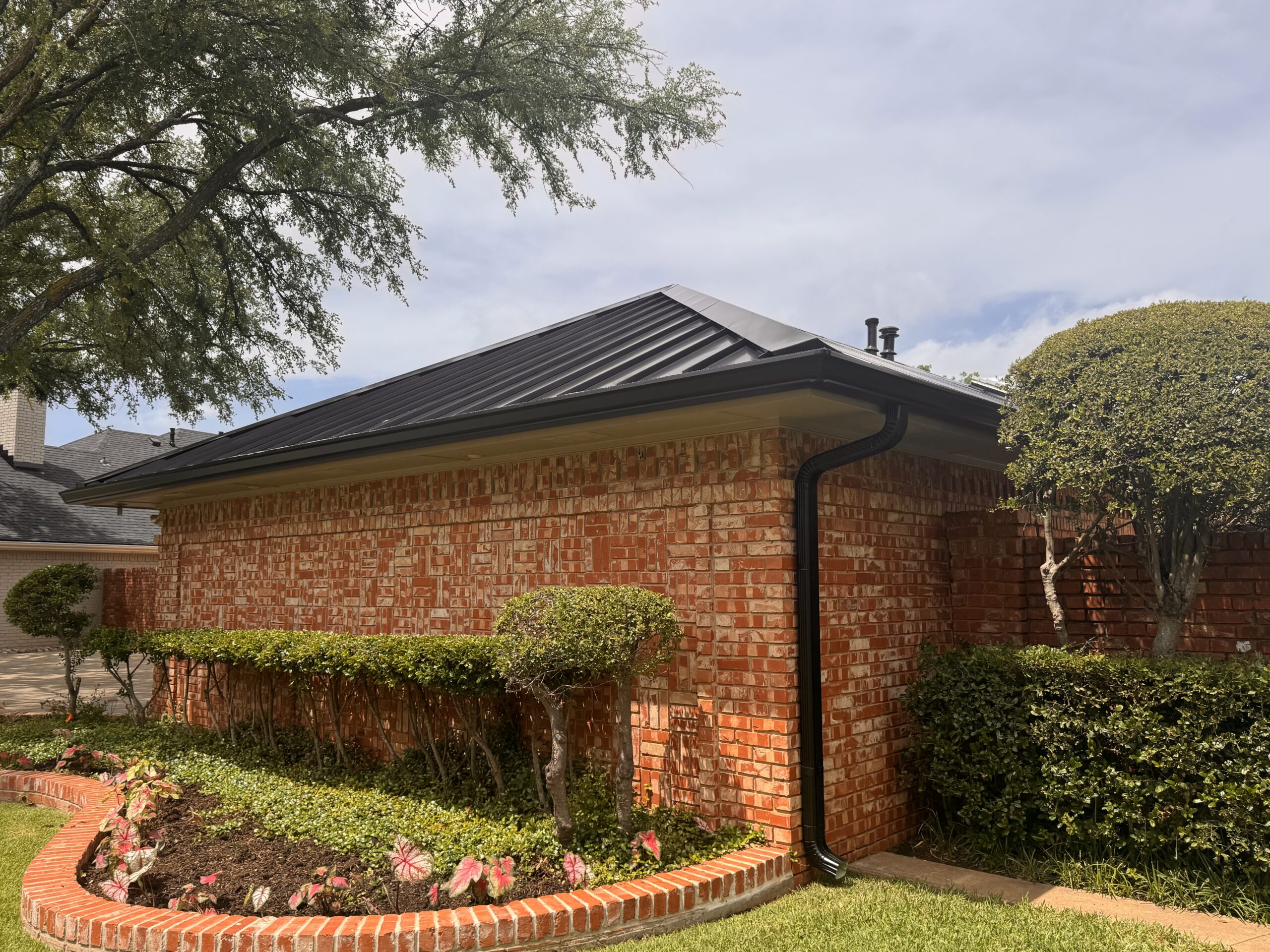
Comparing Homes with Old Roofs and New Roofs
The condition of the roof often creates noticeable differences between similar homes competing within the same real estate market. Buyers naturally compare properties based on appearance, maintenance requirements, and anticipated ownership costs before deciding which home best meets their needs.
| Feature | Home with an Older Roof | Home with a Newly Replaced Roof |
|---|---|---|
| Buyer Confidence | May be reduced due to future repair concerns | Generally higher because major maintenance has already been completed |
| Negotiation Position | Buyers often request price reductions | Sellers usually have stronger negotiating leverage |
| Inspection Results | Greater chance of repair recommendations | Fewer roofing related inspection concerns |
| Insurance Approval | May require additional review | Often easier to insure depending on policy requirements |
| Energy Efficiency | May rely on older materials and ventilation | Can include modern efficient roofing technologies |
| Curb Appeal | Weathered appearance may reduce interest | Fresh appearance improves exterior presentation |
| Marketability | May appeal to fewer buyers | Often attracts a broader range of interested buyers |
The comparison demonstrates that roof replacement influences more than appearance alone. It affects buyer confidence, financial negotiations, inspection outcomes, and overall market competitiveness throughout the selling process.
Every property is unique, and replacement is not always necessary before selling. However, when an aging roof becomes a major concern, completing the project before listing often creates a more favorable position within the marketplace.
Common Misconceptions About Roof Replacement and Resale
Many homeowners assume that spending a large amount on roof replacement will automatically increase their home’s selling price by the same amount. In reality, resale value depends on many factors including location, market demand, property condition, and buyer expectations. A new roof contributes to value, but it should be viewed as one important improvement within the overall property rather than the sole factor determining price.
Another common misconception is that buyers are willing to overlook roofing problems if the home’s interior has been renovated. While updated kitchens and bathrooms certainly attract attention, buyers still recognize that roof replacement represents a major future expense. Structural concerns often outweigh cosmetic improvements during purchasing decisions.
Some homeowners believe that small repairs are always sufficient instead of full replacement. Although repairs can be appropriate for isolated issues, repeated patchwork on an aging roof may not eliminate buyer concerns. Professional inspections help determine whether repairs or replacement provide the better long term solution before listing the property.
There is also a belief that buyers never ask about roof warranties or maintenance history. In practice, many buyers appreciate detailed documentation because it demonstrates responsible ownership and provides reassurance regarding the quality of recent improvements.
Finally, some sellers postpone roof replacement because they assume the next owner can simply handle the project. While this approach may work in certain situations, it often reduces buyer interest, strengthens negotiation demands, and limits the property’s appeal compared with similar homes that require fewer immediate repairs.
Understanding these misconceptions helps homeowners make more informed decisions based on practical market conditions rather than assumptions. A roof replacement should be evaluated as part of a comprehensive strategy for preparing the home for sale, supporting both buyer confidence and long term property value.
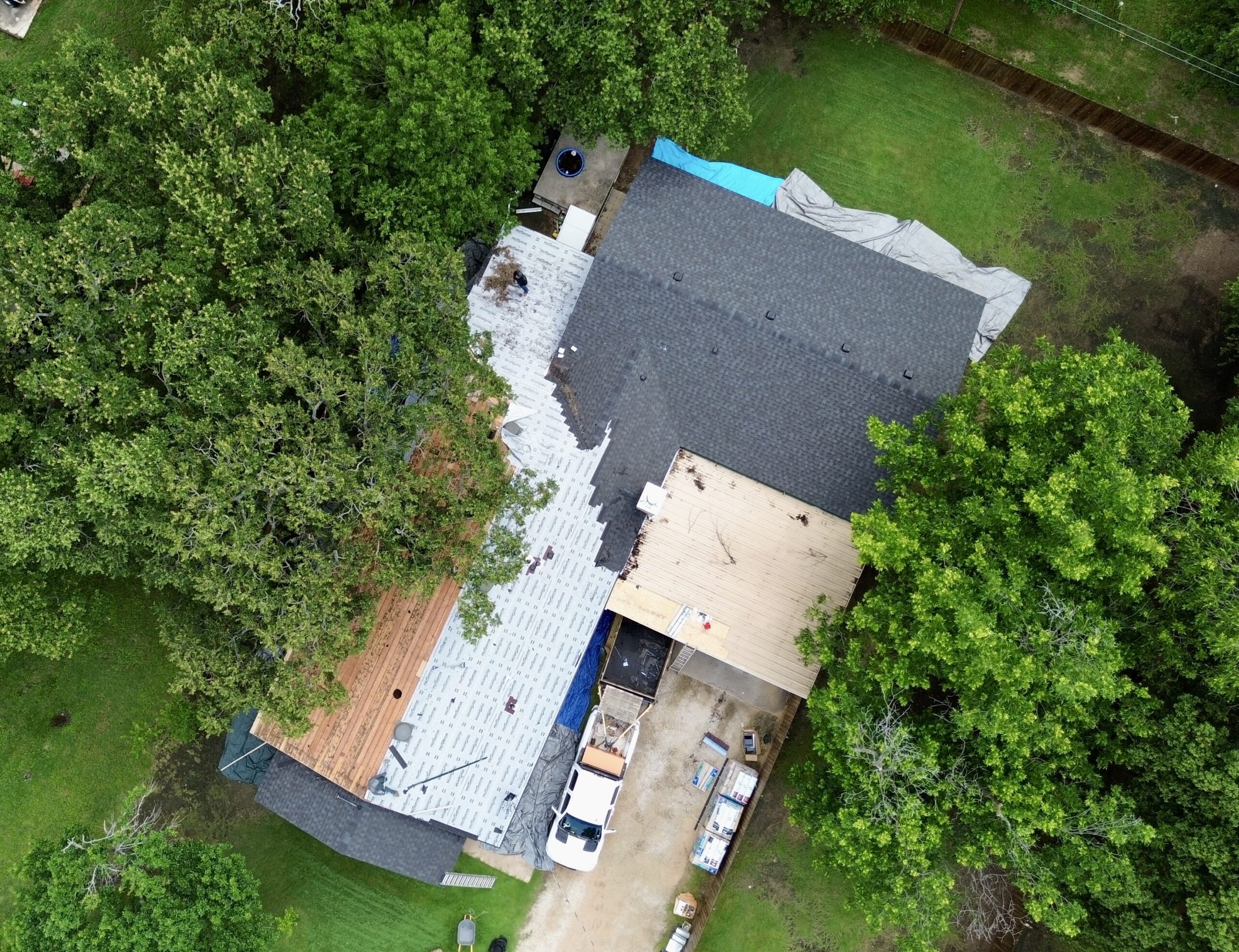
Choosing the Right Roofing System Before Selling
Selecting the right roofing system before listing a home involves more than choosing the least expensive option or the material with the longest advertised lifespan. Homeowners should consider how the new roof fits the property’s architectural style, neighborhood expectations, local climate, and the preferences of potential buyers. A well chosen roofing system enhances both appearance and functionality, helping the home make a positive impression from the moment buyers arrive.
Durability should remain one of the primary considerations during the selection process. Buyers appreciate roofing materials that are known for reliable performance and low maintenance because these features reduce future ownership concerns. While premium materials may appeal to certain buyers, they should also align with the value range of comparable homes in the surrounding area.
Color selection also influences resale appeal. Neutral roofing colors such as gray, black, brown, and earth tones generally complement a wider variety of exterior finishes and landscaping designs. Choosing timeless colors instead of highly distinctive shades increases the likelihood that buyers will find the home’s exterior attractive.
Homeowners should also evaluate local weather conditions before selecting roofing materials. Areas exposed to high winds, heavy rainfall, hail, or intense sunlight often benefit from materials specifically designed to withstand those environmental challenges. Demonstrating that the roof was chosen with local conditions in mind provides additional reassurance to prospective buyers.
Professional installation is equally important as material selection. Even the highest quality roofing products can underperform if installed incorrectly. Hiring an experienced contractor who follows manufacturer guidelines ensures that the new roof delivers both reliable performance and a professional appearance that supports resale value.
Balancing Replacement Cost with Return on Investment
One of the most common questions homeowners ask before replacing a roof is whether the investment will be recovered during the sale of the property. The answer depends on several factors, including housing market conditions, the age of the existing roof, the quality of the replacement, and buyer expectations within the neighborhood.
A roof replacement should not be viewed solely as a strategy for increasing the selling price. Instead, it should be considered an investment that improves the property’s overall competitiveness. Homes with recently replaced roofs often experience stronger buyer interest because they present fewer immediate maintenance concerns, making them more attractive than comparable properties with aging roofing systems.
The return on investment is frequently realized through indirect financial benefits. Sellers may receive stronger offers, experience fewer repair requests after inspections, and complete transactions more quickly than homes requiring significant roof work. These advantages can reduce carrying costs associated with extended time on the market while minimizing stressful negotiations.
Market conditions also influence financial outcomes. In competitive markets with limited housing inventory, buyers may be willing to overlook certain roofing concerns. However, when buyers have many properties to choose from, homes requiring major repairs often struggle to compete against move in ready alternatives.
The scope of replacement should match the home’s overall value. Installing an extremely expensive roofing system on a modestly priced property may not produce proportional financial returns. Likewise, choosing the lowest quality materials simply to reduce installation costs could negatively affect buyer confidence.
Careful planning allows homeowners to balance quality, durability, appearance, and budget while making improvements that support the property’s long term value as well as its immediate market appeal.
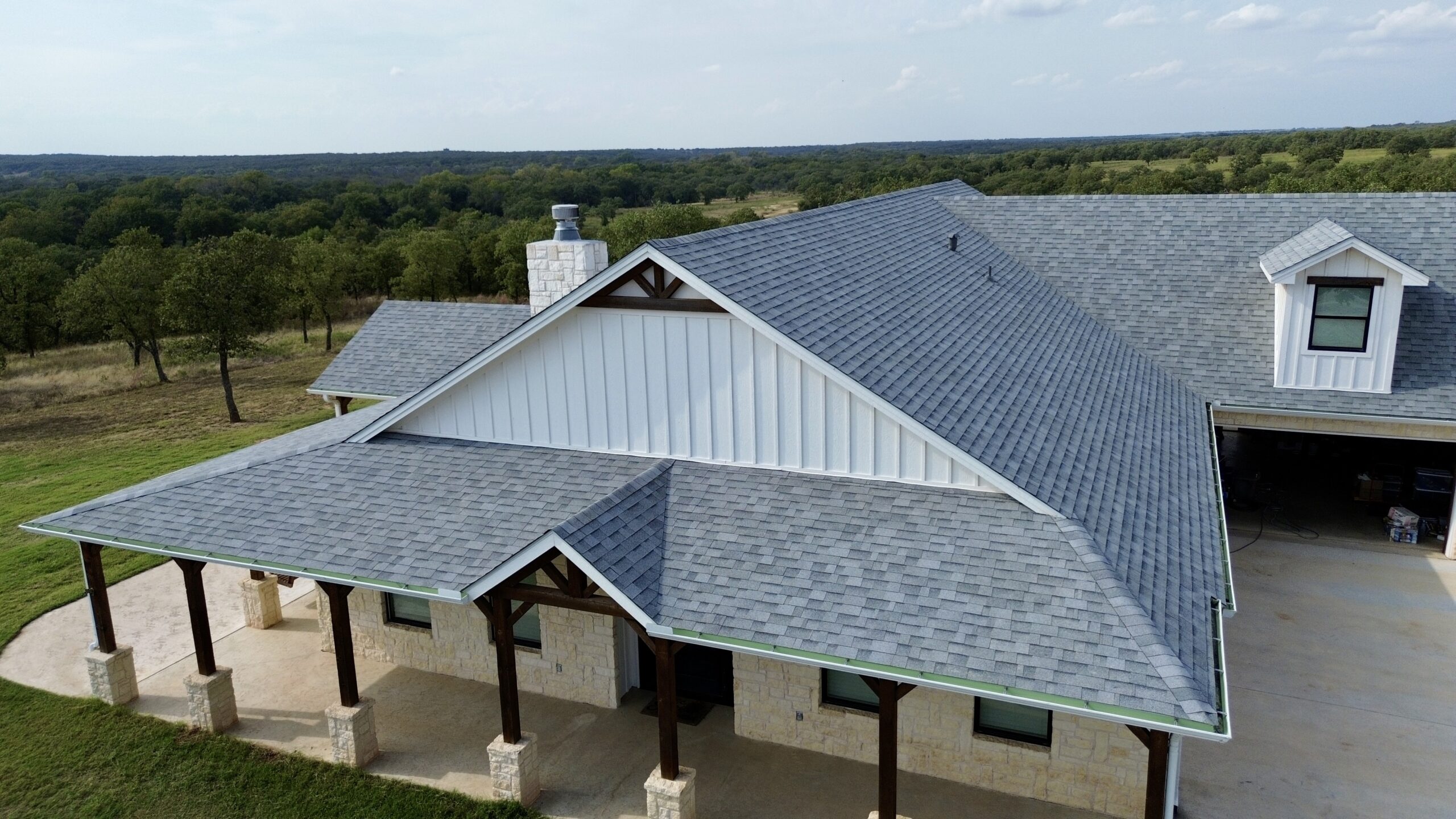
Mistakes to Avoid During Roof Replacement
Replacing a roof before selling creates valuable opportunities, but certain mistakes can reduce the effectiveness of the investment. Avoiding these common errors helps ensure the replacement contributes positively to the home’s resale potential.
One frequent mistake is choosing roofing materials based solely on the lowest price. While controlling costs is important, inferior materials may not provide the durability or appearance buyers expect. A poor quality roof can raise questions about other maintenance decisions throughout the property.
Another mistake involves hiring contractors without verifying their qualifications. Improper installation can result in visible defects, warranty issues, and future repairs that undermine buyer confidence. Selecting licensed and experienced professionals helps ensure the roofing system performs as intended.
Some homeowners also overlook the importance of ventilation when replacing the roof. Installing new shingles without correcting inadequate attic ventilation may shorten material lifespan and reduce energy efficiency. Buyers and inspectors increasingly recognize the importance of proper airflow within modern roofing systems.
Failing to keep documentation is another avoidable error. Receipts, warranty information, material specifications, and contractor details provide valuable evidence that the replacement was completed professionally. These records help answer buyer questions while strengthening confidence during negotiations.
Timing can also affect results. Waiting until the property is already under contract before replacing the roof often creates scheduling challenges and unnecessary pressure. Completing the project before listing allows sufficient time for inspections, cleanup, and marketing photographs that showcase the home’s improved exterior.
By avoiding these mistakes, homeowners maximize both the practical and financial benefits of roof replacement while creating a smoother selling experience.
Marketing a Home with a Newly Replaced Roof
A newly replaced roof becomes a valuable selling feature when it is presented effectively throughout the marketing process. Rather than mentioning it briefly, homeowners and real estate professionals should highlight the replacement as one of the property’s significant improvements because it addresses a major concern many buyers have before purchasing a home.
High quality exterior photographs are an excellent starting point. Clean roofing materials, straight roof lines, and attractive architectural details improve the home’s visual appeal in online listings, where buyers often decide whether to schedule a showing. A fresh roof enhances these images by making the property appear well maintained and move in ready.
Property descriptions should clearly mention the roof replacement along with relevant details such as the installation year, roofing material, transferable warranties, or other notable features. Buyers appreciate knowing that one of the home’s most expensive structural components has already been updated.
During property showings, sellers or real estate agents can answer questions by providing documentation related to the roofing project. Installation records and warranty information demonstrate transparency while reinforcing confidence in the quality of the improvement.
The roof should also be viewed as part of the home’s overall presentation. Fresh landscaping, clean gutters, pressure washed walkways, and well maintained exterior paint complement the new roof and create a cohesive appearance that strengthens curb appeal.
Marketing should emphasize practical benefits rather than focusing only on aesthetics. Buyers value reduced maintenance costs, improved weather protection, modern materials, and peace of mind just as much as they appreciate the home’s refreshed appearance.
Tips for Homeowners Planning to Sell
Preparing a home for sale involves balancing improvements with realistic financial expectations. Homeowners considering roof replacement can improve their results by following a structured approach that focuses on both quality and buyer confidence.
The following steps help maximize the value of a roofing investment before listing the property:
- Schedule a professional roof inspection before making replacement decisions.
- Replace the roof only if its condition justifies the investment or local market expectations support the improvement.
- Select roofing materials that complement the home’s design and neighborhood standards.
- Hire experienced contractors with strong reputations and proper licensing where required.
- Keep all warranties, invoices, and installation records organized for potential buyers.
- Complete the project before listing the property to avoid delays during negotiations.
- Highlight the new roof in marketing materials, online listings, and property showings.
- Continue maintaining the roof and surrounding exterior until the home is sold.
Following these steps helps homeowners present the property professionally while demonstrating responsible ownership throughout the selling process.
Long Term Value Beyond the Sale
Although roof replacement is often discussed in the context of selling a home, its benefits extend beyond the immediate transaction. A high quality roofing system continues protecting the structure regardless of whether the current owner remains in the home or transfers ownership to someone else.
For homeowners who decide to delay selling after replacing the roof, they continue benefiting from improved weather protection, reduced maintenance concerns, and potentially greater energy efficiency. Instead of viewing the replacement solely as a selling expense, it becomes a long term investment in the property’s overall condition.
Buyers also benefit from the decision because they inherit a home with one less major maintenance responsibility. This creates a positive ownership experience from the beginning while reducing the likelihood of unexpected roofing expenses shortly after purchase.
Communities may benefit indirectly as well. Well maintained homes contribute to neighborhood appearance and help preserve surrounding property values. When homeowners invest in major structural improvements, they support the long term attractiveness of the entire area.
Additional long term advantages include:
- Reduced likelihood of costly roofing repairs during the early years of ownership.
- Improved protection against weather related damage.
- Greater confidence for future buyers if the property is sold again later.
- Better compatibility with modern insulation and ventilation systems.
- Enhanced exterior appearance that remains attractive for many years.
- Increased peace of mind through manufacturer and installation warranties.
These lasting advantages demonstrate that roof replacement provides value well beyond the day the property changes ownership.
Conclusion
Roof replacement is one of the most significant improvements a homeowner can make before selling a property because it influences both appearance and buyer confidence. While a new roof does not automatically increase a home’s selling price by the exact amount invested, it often strengthens the property’s overall market position by reducing concerns about future maintenance, improving curb appeal, and supporting smoother negotiations.
Throughout the selling process, the condition of the roof affects inspections, insurance considerations, financing, buyer perception, and the home’s ability to compete with similar listings. A professionally installed replacement demonstrates responsible ownership and reassures buyers that one of the home’s most important structural components has already been addressed.
The greatest value of roof replacement lies in its ability to remove uncertainty. Buyers appreciate homes that require fewer immediate repairs, while sellers benefit from stronger offers, fewer inspection related complications, and a more efficient transaction. When combined with quality materials, skilled installation, and proper documentation, a new roof becomes a meaningful selling advantage rather than simply another home improvement project.
Every property and housing market is different, so the decision to replace a roof should be based on its condition, local buyer expectations, and overall selling strategy. By carefully evaluating these factors and planning improvements thoughtfully, homeowners can maximize both the practical and financial benefits of roof replacement while creating a more attractive, competitive, and valuable property for future buyers.