
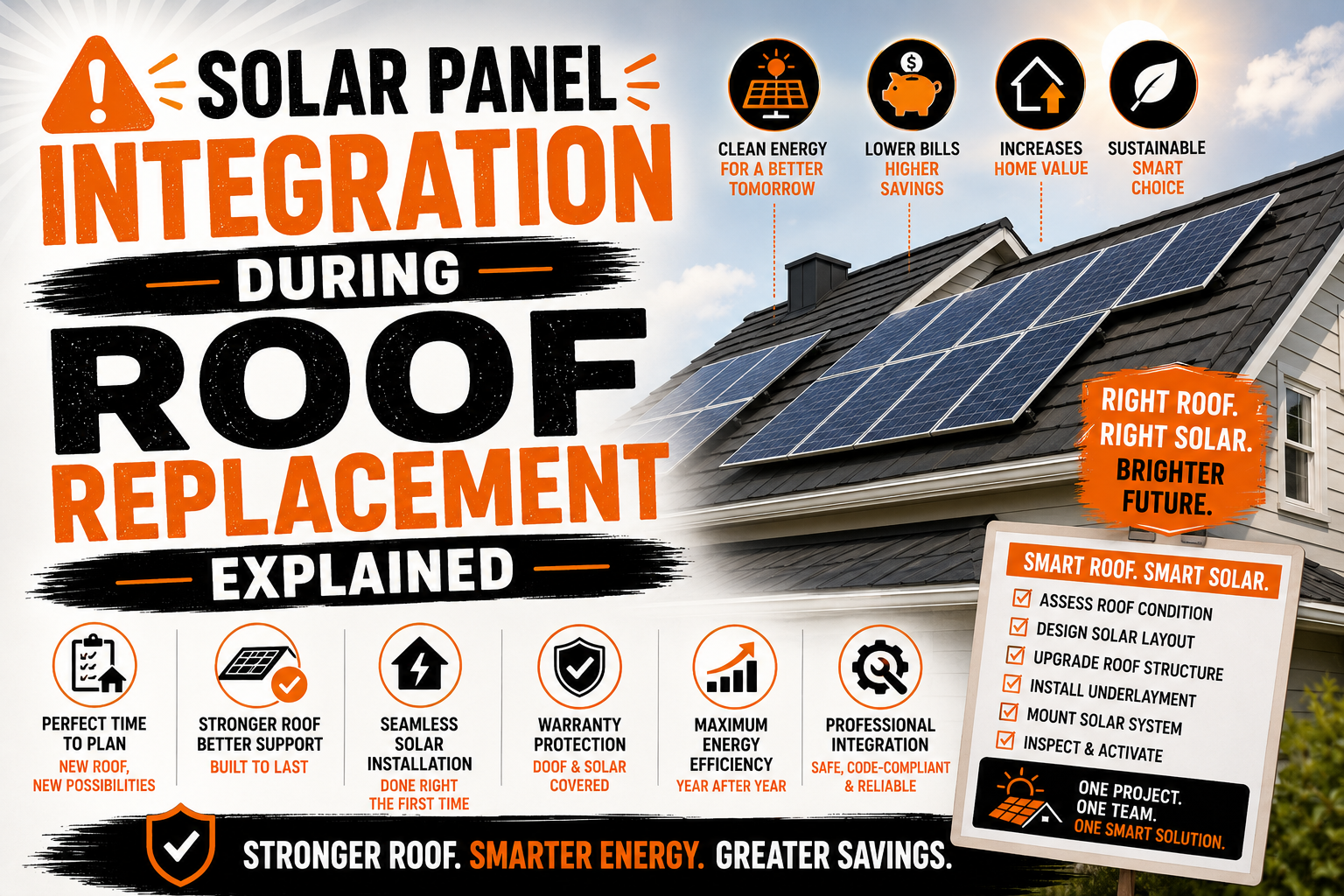
Solar Panel Integration During Roof Replacement Explained
Introduction
Solar energy has become an increasingly popular choice for property owners seeking lower electricity costs, improved energy independence, and more sustainable homes. As solar technology continues to advance, many homeowners are choosing to install photovoltaic panels as part of larger home improvement projects. One of the most practical opportunities for solar installation occurs during roof replacement, when both systems can be planned and completed together.
A roof and a solar panel system are closely connected because the panels rely on the roof as their primary support structure. Installing solar panels on an aging roof that may soon require replacement can create unnecessary complications. If the roof reaches the end of its service life a few years after the panels are installed, the entire solar array usually needs to be removed before roofing work can begin. This additional labor increases costs and extends project timelines.
Combining roof replacement with solar panel integration eliminates many of these challenges. Property owners can strengthen the roofing structure, improve insulation and ventilation, select roofing materials compatible with solar equipment, and prepare electrical systems before the panels are installed. Completing both projects together creates a coordinated approach that improves efficiency while reducing future disruption.
Modern roofing systems also provide an excellent foundation for solar technology. New roofing materials offer greater durability, stronger weather resistance, and longer service life than many older roofs. Installing solar panels on a newly replaced roof allows both systems to age together, reducing the likelihood of costly modifications in the future.
Planning a combined roofing and solar project requires careful evaluation of roof condition, structural capacity, roofing materials, panel placement, electrical requirements, and long-term maintenance needs. Understanding these factors helps homeowners make informed decisions while maximizing the value of both investments.
This guide explores how solar panel integration works during roof replacement and explains why careful planning can improve energy production, extend roof lifespan, reduce future expenses, and provide dependable performance for many years.
Why Roof Replacement Is the Best Time to Install Solar Panels
Many homeowners consider solar panels only after replacing their roof or after noticing rising electricity bills. While solar panels can be installed on an existing roof, integrating them during roof replacement often provides significant practical and financial advantages.
One of the biggest benefits is avoiding duplicate labor. Installing solar panels on an older roof that later requires replacement means the panels must be removed, stored safely, and reinstalled after roofing work is complete. This process increases labor costs and extends the overall project timeline. Completing both projects together eliminates the need for future panel removal associated with roof replacement.
A new roof also provides greater confidence in long-term performance. Modern roofing systems are designed to remain in service for several decades, allowing solar panels to operate throughout much of their expected lifespan without interruption. Property owners gain peace of mind knowing that both systems are beginning their service lives simultaneously.
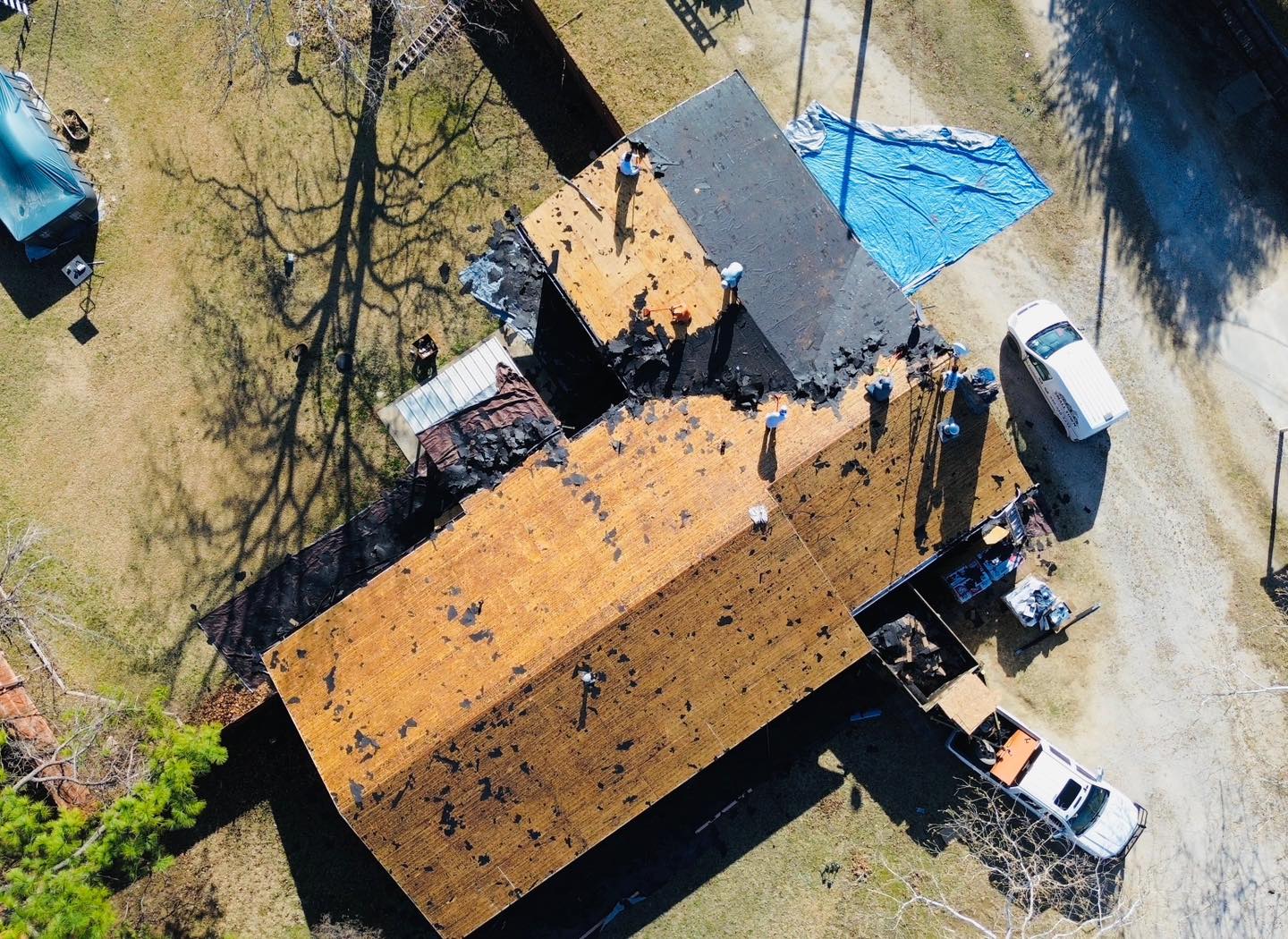
Roof replacement also creates opportunities for structural improvements. Contractors can inspect roof decking, framing, and support systems before solar equipment is installed. Any necessary repairs or reinforcements can be completed more efficiently while the existing roofing materials have already been removed.
Planning both projects together also improves overall design. Roofing contractors and solar professionals can coordinate panel placement, roof penetrations, flashing details, and mounting locations before installation begins. This integrated approach reduces unnecessary roof penetrations while improving weather protection.
Another advantage involves upgrading insulation and ventilation during roof replacement. These improvements support better indoor comfort while reducing attic temperatures that may influence the overall efficiency of solar equipment. Although solar panels primarily generate electricity, the roofing system beneath them continues influencing building energy performance.
Property owners also benefit from simplified project scheduling. Instead of arranging two major construction projects at different times, one coordinated project minimizes disruption while improving communication among contractors.
For these reasons, many professionals recommend evaluating solar installation whenever roof replacement becomes necessary. Planning both improvements together often produces stronger long-term results than completing them separately.
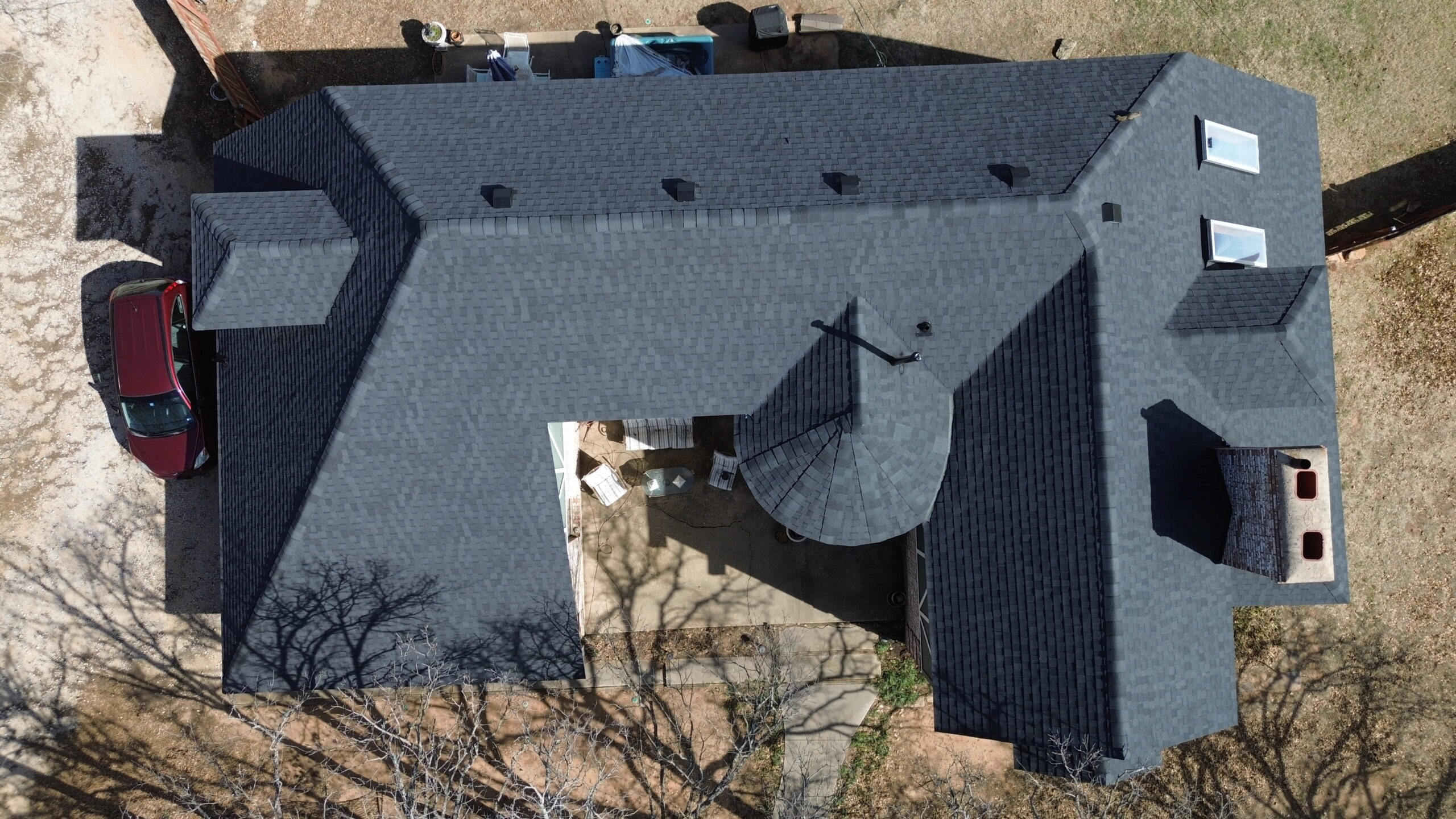
Understanding How Solar Panels Integrate With Roofing Systems
Solar panel integration involves much more than attaching panels to the roof surface. A properly designed system becomes part of the overall roofing assembly while preserving structural integrity, weather resistance, and long-term roof performance.
The roof serves as the structural foundation supporting the solar array. Mounting hardware transfers panel weight and wind forces safely into the building’s framing while maintaining waterproof protection. Proper installation ensures that the roofing system continues performing effectively despite the additional equipment installed above it.
Specialized mounting systems secure the solar panels without compromising roof performance. Mounts are attached to structural framing beneath the roofing materials rather than relying only on surface attachment. Flashing and waterproof sealing methods protect these mounting locations from moisture intrusion throughout the system’s lifespan.
Roofing materials remain an important part of the integrated system. Panels are typically installed above shingles, metal roofing, tile, or other roofing products while allowing sufficient airflow beneath the panels. This spacing helps regulate temperatures around both the roofing materials and the solar equipment.
Electrical components are carefully incorporated into the overall design as well. Wiring is routed through protected pathways that minimize roof penetrations while maintaining weather resistance. Proper planning allows electrical connections to remain accessible for future maintenance without interfering with roofing performance.
Panel placement must also consider roof drainage. Solar equipment should never obstruct water flow toward gutters or roof valleys. Careful layout planning preserves efficient drainage while maintaining full weather protection during heavy rainfall.
Maintenance accessibility represents another important consideration. Roofing professionals and solar technicians both require safe access for future inspections and repairs. Panel spacing and layout should therefore allow maintenance activities without creating unnecessary risks or damaging roofing materials.
Successful integration depends on viewing the roof and solar system as complementary components rather than independent installations. Careful coordination between roofing and solar professionals ensures that both systems function efficiently while supporting one another throughout their service lives.
Evaluating Roof Condition Before Solar Installation
The condition of the existing roof plays a major role in determining whether solar panels should be installed immediately or whether roof replacement should occur first. Installing solar equipment on a roof nearing the end of its service life often creates avoidable future expenses.
Professional roof inspections provide the most accurate assessment of roof condition. Contractors evaluate roofing materials, flashing, underlayment, roof decking, drainage systems, and structural components to determine whether the roof can reliably support solar equipment for many years.
Roof age is one of the first considerations. Even if the roof currently appears functional, materials approaching the end of their expected lifespan may require replacement relatively soon. Installing solar panels on such a roof may result in additional costs when replacement eventually becomes necessary.
Visible signs of deterioration also deserve careful attention. Missing shingles, cracked tiles, rusted flashing, repeated leaks, sagging roof sections, or widespread granule loss indicate that replacement planning should be considered before solar installation proceeds.
Structural evaluation is equally important. Solar panels add permanent weight to the roof, making it essential to confirm that framing, decking, and supporting components remain in sound condition. Older buildings may occasionally require structural reinforcement before supporting modern solar systems.
Attic inspections provide valuable information regarding hidden roof conditions. Moisture damage, mold, deteriorated insulation, or inadequate ventilation may indicate roofing issues requiring correction before solar installation begins. Addressing these concerns during roof replacement improves both roof durability and long-term solar performance.
Property owners should also review maintenance history. Frequent repairs, recurring leaks, or unresolved roofing problems suggest that investing in a new roof before solar installation may provide greater long-term value than continuing to repair an aging system.
Thorough roof evaluation ensures that solar panels are installed on a reliable foundation capable of supporting decades of dependable operation.
Choosing Roofing Materials Compatible With Solar Panels
Roof replacement provides an opportunity to select materials that perform well alongside solar technology. While solar panels can be installed on many roofing types, certain materials offer practical advantages regarding durability, maintenance, and installation efficiency.
Asphalt shingles remain one of the most common roofing materials used with residential solar systems. Their widespread use, moderate cost, and relatively straightforward installation make them compatible with many solar mounting methods. New asphalt roofs also provide sufficient service life to support long-term solar operation.
Metal roofing has become increasingly popular for solar integration. Its exceptional durability often matches or exceeds the expected lifespan of many solar systems, reducing the likelihood of future roof replacement beneath the panels. Certain standing seam metal roofs also allow specialized mounting methods that minimize roof penetrations.
Concrete and clay tile roofs can also support solar installations, although specialized mounting techniques are typically required. Because tiles may crack if handled improperly, experienced installers use mounting systems specifically designed for these roofing materials.
Composite roofing products provide another compatible option. Many modern composite materials combine durability with reduced maintenance requirements while supporting various solar mounting systems.
Roof color may also influence planning. Although panel performance depends primarily on sunlight exposure rather than roof color, selecting roofing materials with good energy performance contributes to improved building efficiency alongside solar electricity generation.
Durability should remain a primary consideration. Since removing solar panels for premature roof replacement increases project costs, selecting long-lasting roofing materials helps maximize the value of both investments.
Property owners should discuss roofing material compatibility with both roofing contractors and solar professionals before making final decisions. Coordinated planning helps ensure that the selected roofing system supports efficient solar installation while providing dependable weather protection.
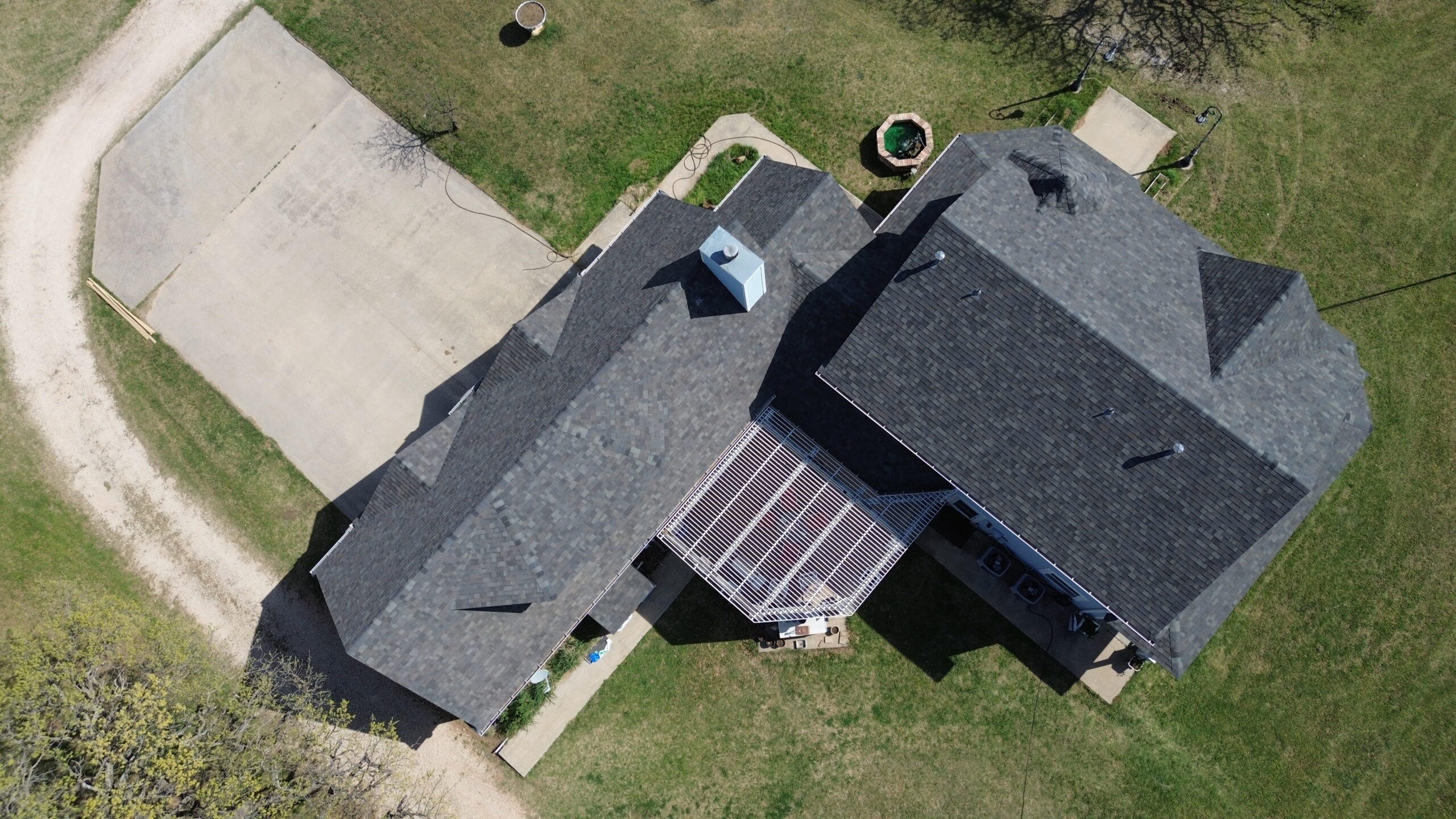
Structural Considerations Before Solar Panel Integration
Solar panels introduce additional weight and wind loads that the roofing structure must safely support throughout many years of operation. Evaluating structural capacity before installation protects both the building and the solar investment.
Although individual solar panels are relatively lightweight, complete residential systems consist of multiple panels, mounting rails, fasteners, and electrical components distributed across the roof. Combined loads must remain within the structural design limits of the building.
Roof framing should therefore receive careful inspection before replacement begins. Rafters, trusses, roof decking, and supporting connections should all be evaluated for signs of deterioration, moisture damage, insect activity, or previous structural modifications.
Older homes occasionally require reinforcement before solar installation. Additional framing, improved fastener connections, or localized structural repairs may be recommended depending on building age and existing roof condition.
Wind resistance also deserves attention. Solar panels increase the surface area exposed to wind forces, particularly during severe storms. Properly engineered mounting systems distribute these forces safely into the building structure while maintaining long-term stability.
Snow loads may influence structural planning in colder climates. Roofing structures supporting both snow accumulation and solar equipment must satisfy local building requirements while maintaining adequate safety margins.
Roof replacement provides the ideal opportunity to complete any required structural improvements because roofing materials have already been removed, allowing easier access to framing components. Completing reinforcement before solar installation simplifies construction while avoiding future disruptions.
Professional structural evaluation ensures that the completed roofing and solar system performs safely under expected environmental conditions throughout its service life.
Planning a Combined Roof Replacement and Solar Project
Careful planning is essential when combining roof replacement with solar panel installation. Coordinating both projects from the beginning allows contractors to optimize scheduling, material selection, structural improvements, and electrical preparation while minimizing unnecessary work.
The planning process should begin with comprehensive roof and structural inspections. Understanding the existing roof’s condition provides the foundation for every subsequent decision regarding replacement scope, material selection, and solar integration.
Project goals should also be clearly defined. Some homeowners prioritize reducing electricity costs, while others focus on increasing energy independence, preparing for future battery storage, or improving environmental sustainability. Establishing these priorities helps guide both roofing and solar decisions.
Communication between roofing contractors and solar installers is equally important. Coordinated planning allows mounting locations, flashing details, electrical pathways, ventilation improvements, and roofing materials to be designed together rather than independently.
Budget planning should include both immediate project costs and long-term savings. Although combining roof replacement with solar installation requires greater initial investment, completing both projects simultaneously often reduces labor duplication while avoiding future panel removal costs associated with later roof replacement.
Scheduling also benefits from coordination. Completing roofing work before solar installation protects new roofing materials while allowing installers to work on a stable, fully completed roof. This sequence generally improves installation quality while reducing project delays.
Finally, homeowners should review warranties for both roofing materials and solar equipment. Understanding how each warranty applies to the integrated system helps protect the investment while ensuring that future maintenance or repairs can be completed efficiently.
Thoughtful planning transforms roof replacement into an ideal opportunity for solar integration. Rather than viewing these as separate home improvement projects, combining them creates a coordinated system that improves structural performance, energy production, long-term durability, and overall property value.
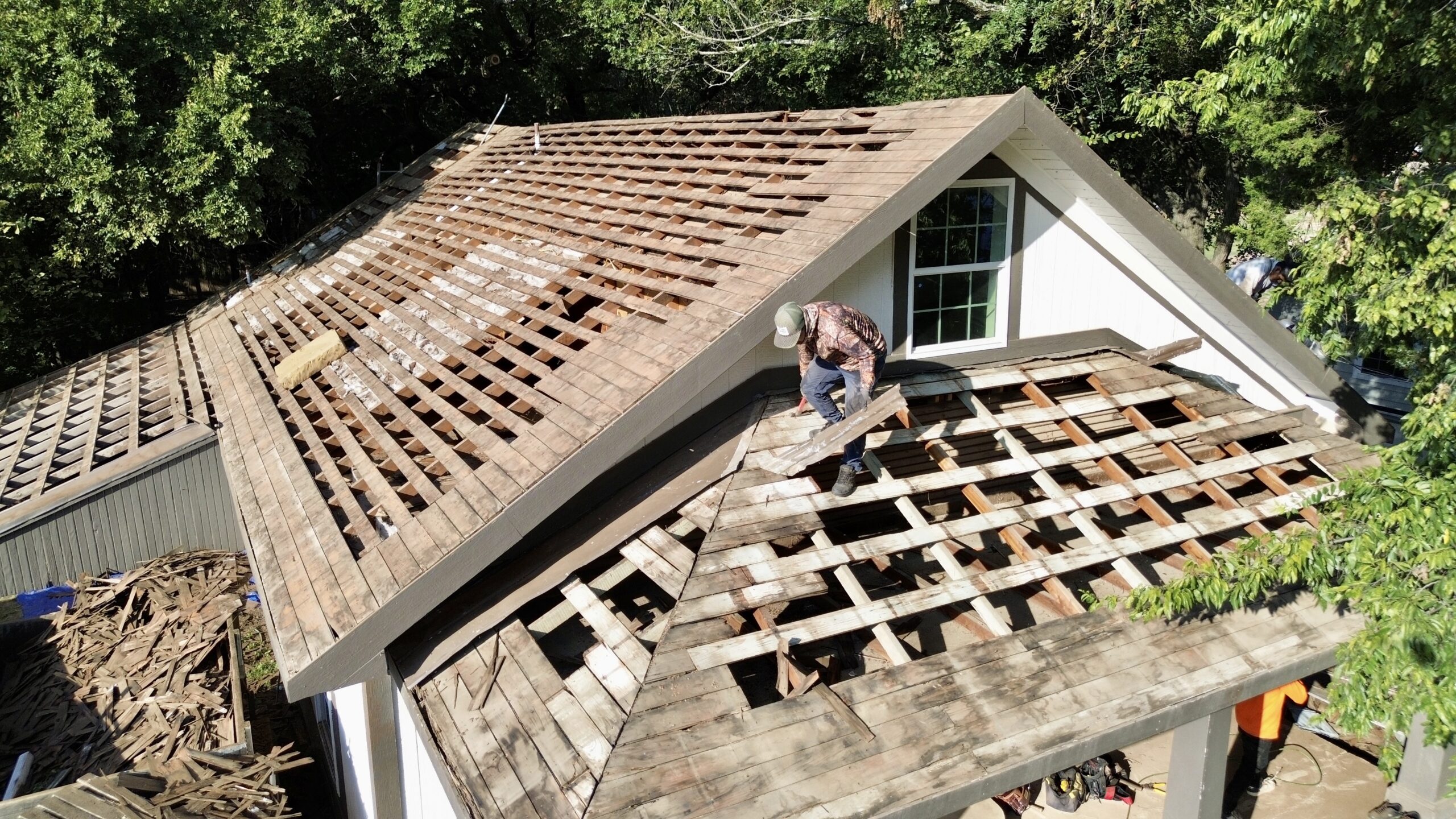
Roof Designs That Work Best With Solar Panels
Not every roof performs the same when supporting a solar energy system. Roof shape, slope, orientation, and available surface area all influence how efficiently solar panels generate electricity. Understanding these design factors during roof replacement allows property owners to maximize both roofing performance and solar energy production.
Simple roof designs generally provide the greatest flexibility for solar installation. Large, uninterrupted roof sections allow installers to position multiple panels together without obstacles reducing available space. Fewer roof penetrations, dormers, or intersecting roof planes also simplify installation while reducing mounting complexity.
Roof orientation plays an important role in solar performance. Roof sections receiving consistent sunlight throughout the day typically produce more electricity than shaded areas. During project planning, roofing contractors and solar professionals evaluate the property’s roof orientation to determine the most suitable panel locations.
Roof slope also affects energy production. Different roof angles receive varying amounts of sunlight throughout the year depending on geographic location and seasonal changes. Although solar mounting systems can often compensate for less-than-ideal roof slopes, evaluating roof pitch during replacement allows installers to optimize panel positioning more effectively.
Shading should receive careful attention as well. Nearby trees, chimneys, neighboring buildings, or other structures may reduce sunlight reaching certain roof sections. Even partial shading during parts of the day can influence overall system performance. Identifying these conditions before installation allows property owners to consider tree trimming or alternative panel layouts.
Roof accessibility is another practical consideration. Solar panels require occasional inspections and maintenance throughout their lifespan. Roof designs allowing safe access around the solar array improve future servicing while reducing the likelihood of accidental damage during maintenance.
Drainage patterns should also remain unobstructed after panel installation. Proper panel spacing ensures that rainwater continues flowing naturally toward gutters and drainage systems without creating standing water or debris accumulation.
Roof replacement provides an ideal opportunity to evaluate all of these design factors together. Instead of adapting solar panels to an existing roof without modifications, property owners can optimize the roofing system for long-term solar performance before installation begins.
Solar Mounting Systems Used During Roof Replacement
The mounting system forms the structural connection between the solar panels and the roof. Although the panels generate electricity, the mounting hardware ensures that the entire solar array remains securely attached while protecting the roofing system from weather and structural stress.
Most residential solar installations use rail-based mounting systems. Metal rails are securely attached to the roof’s structural framing beneath the roofing materials. Solar panels are then fastened to these rails, distributing their weight evenly while maintaining long-term stability.
Roof replacement provides easier access for installing mounting hardware correctly. Since new roofing materials are being installed, flashing and waterproof seals can be integrated carefully around each mounting location before the project is completed. This coordinated approach improves long-term weather resistance while reducing the likelihood of future leaks.
Standing seam metal roofs often support specialized clamp-based mounting systems. Instead of requiring numerous roof penetrations, these systems attach directly to the raised seams of the metal roof. Reducing roof penetrations simplifies waterproofing while preserving the roof’s protective performance.
Tile roofs require different mounting methods because the roofing material itself is more fragile. Specialized mounting brackets allow panels to be supported securely while minimizing stress on individual tiles. Experienced installers carefully adapt mounting hardware to prevent cracking or unnecessary damage during installation.
Proper flashing remains essential regardless of the mounting system selected. Flashing surrounds roof penetrations and directs water away from attachment points, preventing moisture from entering the roofing system. High-quality flashing combined with professional installation preserves long-term roof integrity.
Mounting systems must also resist environmental forces. Wind uplift, snow loads, and temperature-related expansion place continuous stress on both the roof and the solar array. Engineering calculations ensure that mounting hardware safely transfers these loads into the building’s structural framework.
Choosing the correct mounting system during roof replacement allows roofing and solar professionals to coordinate installation methods while protecting both the roof and the solar equipment throughout their service lives.
Electrical and Energy Planning for Solar Integration
Solar panel integration involves more than installing panels on the roof. A complete solar energy system includes electrical equipment that converts, manages, and distributes the electricity generated by the panels. Planning these components during roof replacement simplifies installation while supporting long-term energy performance.
The planning process begins by evaluating the property’s electricity consumption. Understanding household energy usage helps determine the appropriate system size while ensuring that the solar installation aligns with the owner’s long-term energy goals.
Electrical pathways should be planned before construction begins. Wiring connecting rooftop panels to inverters and electrical panels should follow protected routes that minimize roof penetrations while maintaining accessibility for future maintenance. Coordinating these pathways during roof replacement improves both appearance and weather protection.
The location of inverters also deserves careful consideration. Inverters convert direct current generated by solar panels into alternating current used by household electrical systems. Selecting suitable locations with adequate ventilation supports reliable long-term operation while simplifying maintenance.
Future expansion should also be considered. Some homeowners intend to install battery storage systems, electric vehicle charging equipment, or additional solar panels later. Planning for these possibilities during roof replacement often reduces future modification costs while making system expansion easier.
Electrical safety remains a priority throughout the design process. Qualified professionals ensure that wiring, disconnect switches, grounding systems, and protective devices comply with local electrical regulations while providing dependable operation under varying weather conditions.
Roof replacement also creates opportunities to improve attic organization for electrical pathways. Proper routing reduces clutter while protecting wiring from unnecessary exposure or physical damage. Organized electrical layouts simplify future inspections and repairs.
By coordinating roofing work with electrical planning, homeowners create a solar energy system that performs efficiently while maintaining the structural integrity and weather resistance of the new roof.
Cost Benefits of Combining Roof Replacement With Solar Installation
Combining roof replacement with solar panel installation often provides financial advantages that extend beyond the immediate construction project. Although the initial investment may be larger because both improvements occur simultaneously, completing them together frequently reduces long-term expenses while improving overall value.
One of the most significant cost benefits involves avoiding future panel removal. Installing solar panels on an older roof that later requires replacement usually means paying to remove and reinstall the entire solar array. Completing roof replacement first eliminates this duplicate labor while allowing both systems to begin their service lives together.
Coordinated project scheduling also improves efficiency. Roofing contractors and solar installers can organize their work according to a single construction timeline, reducing delays and minimizing repeated site preparation. Completing both projects during one construction period often lowers overall labor requirements.
Property owners may also reduce indirect expenses associated with construction. Temporary equipment, site access, deliveries, and project management activities frequently become more efficient when roofing and solar work are combined rather than completed separately.
Long-term maintenance planning also becomes simpler. Since both systems are installed together, inspections, maintenance schedules, and future replacement planning become easier to coordinate. This organized approach helps reduce unnecessary service visits while improving long-term asset management.
Improved energy efficiency further contributes to financial value. New roofing materials, upgraded insulation, improved ventilation, and solar electricity generation work together to reduce household energy consumption. Lower utility expenses continue providing savings throughout the lifespan of both systems.
Property value may also increase. Many buyers recognize the advantages of a recently replaced roof combined with an integrated solar energy system. Knowing that both systems are relatively new reduces concerns about future replacement costs while improving the property’s overall market appeal.
Although every project differs, combining roof replacement with solar installation frequently provides stronger long-term financial returns than completing the projects independently.
Comparing Separate Projects and Combined Installation
Many property owners wonder whether it is better to replace the roof first and install solar panels later or complete both projects simultaneously. Comparing these approaches highlights the practical advantages of coordinated planning.
| Planning Factor | Separate Roof and Solar Projects | Combined Roof Replacement and Solar Installation |
|---|---|---|
| Construction scheduling | Two separate projects | One coordinated project |
| Labor efficiency | Repeated setup and site preparation | Shared project planning and scheduling |
| Future panel removal | May be required if roof ages | Generally avoided |
| Structural evaluation | Completed separately | Coordinated during one project |
| Roof penetrations | May require later modifications | Planned during roof installation |
| Long-term planning | Independent maintenance schedules | Unified maintenance and replacement planning |
This comparison demonstrates that combining both projects often reduces duplication while improving overall coordination. Rather than treating roofing and solar installation as unrelated improvements, integrated planning allows both systems to support one another throughout their service lives.
Coordinated installation also improves communication among contractors. Roofing professionals understand where solar mounting hardware will be located, while solar installers work with a completed roofing system specifically prepared for panel integration. This collaboration reduces unnecessary adjustments during construction.
Working With Roofing and Solar Installation Professionals
Successful solar integration depends heavily on cooperation between qualified roofing contractors and experienced solar installers. Since both systems influence one another, coordinated planning and communication are essential throughout every stage of the project.
The process typically begins with separate evaluations by roofing and solar professionals. Roofing contractors assess structural condition, roof materials, ventilation, drainage, and weather protection, while solar specialists evaluate sunlight exposure, roof orientation, electrical requirements, and expected energy production.
Sharing information between both teams improves project planning. Roofing contractors can identify structural improvements that support solar equipment, while solar installers recommend panel layouts that complement the new roofing system. Working together allows both systems to be designed as one integrated solution rather than independent installations.
Clear communication with property owners is equally important. Contractors should explain roofing material options, mounting methods, electrical requirements, maintenance expectations, warranties, and estimated project timelines. Homeowners who understand each stage of the project are better prepared to make informed decisions.
Professional experience also contributes to installation quality. Roofing contractors understand weatherproofing, flashing, drainage, and structural performance, while solar specialists ensure that electrical systems and mounting hardware meet industry standards. Combining this expertise results in a roofing system capable of supporting reliable solar operation for decades.
Documentation should remain organized throughout the project. Roofing warranties, solar equipment warranties, inspection reports, structural evaluations, electrical drawings, maintenance recommendations, and installation records all provide valuable information for future service and warranty support.
Long-term relationships with qualified professionals also provide ongoing benefits after installation. Routine roof inspections, solar system maintenance, electrical evaluations, and performance monitoring help preserve both systems while identifying developing issues before they become significant problems.
Ultimately, successful solar panel integration requires collaboration rather than separate decision-making. By working with experienced roofing and solar professionals from the earliest planning stages, property owners create a durable roofing system and an efficient solar energy installation that operate together seamlessly, delivering dependable weather protection, reliable electricity generation, and lasting value for many years.
Complete Solar Integration Checklist for Property Owners
Planning a roof replacement and solar panel installation together requires careful organization. Since both systems are expected to perform reliably for decades, every stage of planning should be completed before construction begins. A detailed checklist helps property owners stay organized while reducing the likelihood of costly mistakes or project delays.
Before moving forward with the project, every property owner should confirm the following:
- Arrange a professional roof inspection to determine whether replacement should occur before solar installation.
- Verify that the roof structure can safely support the additional weight of the solar system.
- Select roofing materials that are compatible with long-term solar panel installation.
- Evaluate roof orientation and available sunlight exposure throughout the year.
- Review household energy consumption to determine the appropriate solar system size.
- Coordinate planning between the roofing contractor and the solar installation company.
- Confirm electrical panel capacity and identify any required upgrades.
- Understand local building permits, inspection requirements, and utility connection procedures.
- Review manufacturer warranties for both the roofing system and the solar equipment.
- Establish a maintenance plan covering both the roof and the solar panels after installation.
Completing this checklist before construction begins creates a strong foundation for the entire project. Instead of solving problems during installation, contractors can focus on completing work according to an organized plan.
The checklist also improves communication among everyone involved. Roofing contractors understand where mounting hardware will be installed, solar professionals know the specifications of the new roofing system, and homeowners remain informed about project expectations from beginning to end.
Property owners should continue updating the checklist throughout the planning process. Inspection findings, contractor recommendations, and project modifications may require adjustments before construction begins. Keeping every important detail organized helps ensure that the completed roofing and solar systems function together efficiently.
Step-by-Step Process for Combining Roof Replacement and Solar Installation
Although every property presents unique requirements, following a structured process simplifies project management while improving overall results. Completing each stage in the proper sequence reduces delays and allows both roofing and solar systems to be installed efficiently.
The following process provides a practical project roadmap:
- Schedule professional roof and structural inspections to evaluate the existing roof and determine whether replacement should occur before solar installation.
- Meet with solar professionals to assess sunlight exposure, roof orientation, energy goals, and expected system size.
- Establish a realistic budget covering roofing materials, structural improvements, solar equipment, electrical work, and contingency expenses.
- Select roofing materials designed to provide long-term durability and compatibility with solar mounting systems.
- Finalize panel layout, mounting locations, electrical pathways, and ventilation improvements before construction begins.
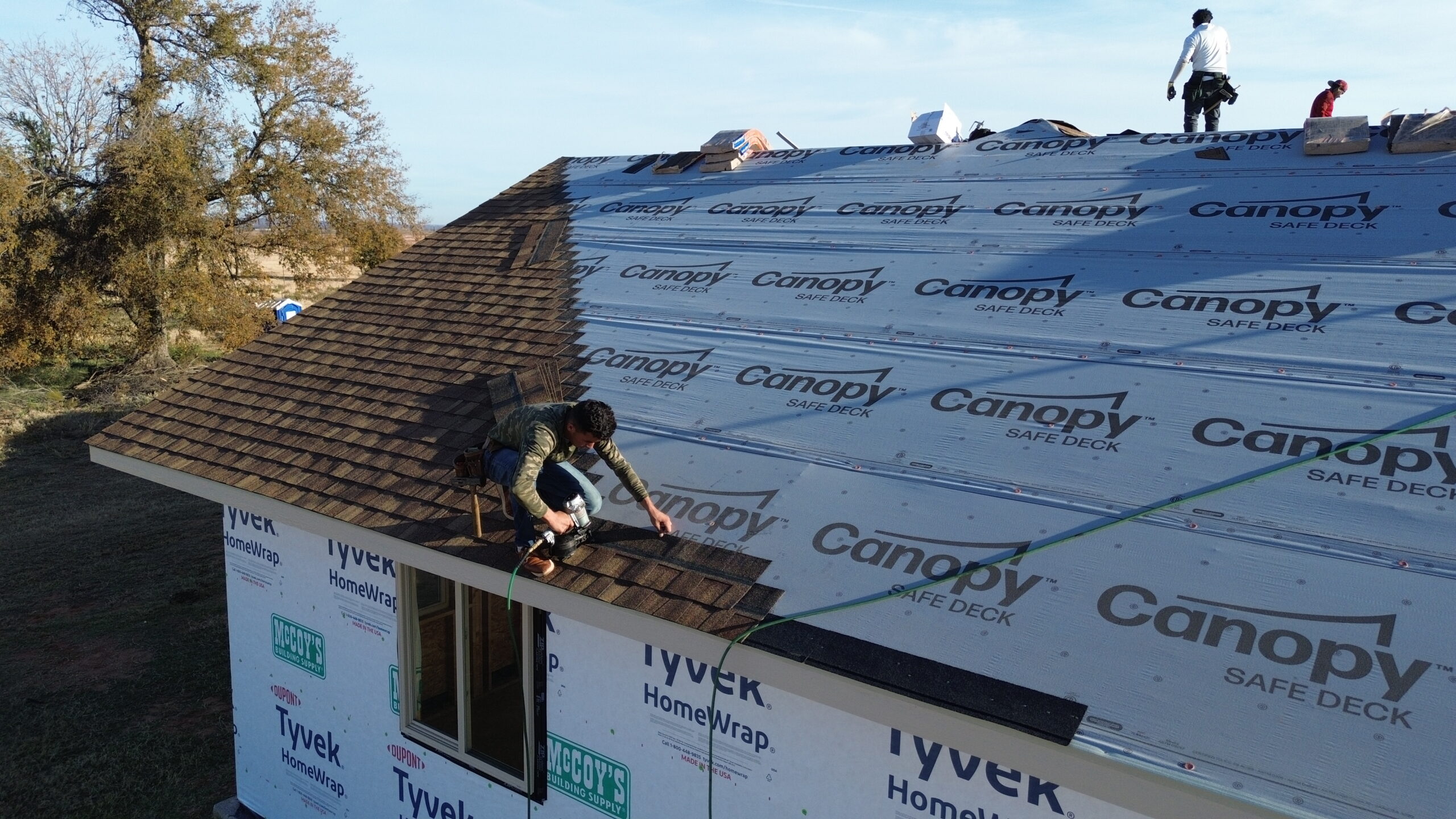
- Complete roof replacement, including structural repairs, insulation upgrades, flashing installation, and waterproofing.
- Install the solar mounting system, electrical components, and solar panels after the new roof has been completed.
- Conduct final inspections, verify system performance, collect warranty documentation, and establish future maintenance schedules.
Following this sequence allows each stage of construction to support the next. Roofing work is completed before solar equipment is installed, reducing unnecessary handling of solar components while protecting the integrity of the new roofing system.
The timeline should also remain flexible. Weather delays, material availability, permitting requirements, or structural discoveries may occasionally require scheduling adjustments. Property owners who anticipate these possibilities generally experience smoother projects with fewer unexpected disruptions.
After installation is complete, long-term planning should continue. Regular roof inspections, solar performance monitoring, and preventive maintenance help protect both investments throughout their service lives.
Common Mistakes to Avoid During Solar Roof Planning
Combining roof replacement with solar panel installation offers many advantages, but careful planning is essential to avoid mistakes that reduce performance or increase long-term costs. Understanding these common planning errors helps property owners make better decisions before construction begins.
One of the most common mistakes is installing solar panels on an aging roof. Even if the roof currently appears functional, replacing it only a few years later usually requires removing and reinstalling the entire solar array. Completing roof replacement first eliminates this unnecessary expense while allowing both systems to begin their service lives together.
Another frequent mistake is failing to evaluate structural capacity. Solar panels add permanent weight to the roof, and older structures may occasionally require reinforcement before installation. Ignoring structural assessments increases the risk of future problems while complicating installation.
Some homeowners also focus entirely on panel placement while overlooking roofing improvements. Upgrading insulation, ventilation, flashing, and underlayment during roof replacement contributes to better overall building performance while supporting long-term roof durability beneath the solar panels.
Choosing contractors independently without encouraging communication between them is another planning error. Roofing contractors and solar installers should coordinate mounting locations, flashing details, electrical pathways, and project scheduling from the beginning. Lack of communication may result in unnecessary roof penetrations or repeated work.
Another mistake involves underestimating future maintenance needs. Solar panels require occasional inspections and cleaning, while the roof beneath them still requires periodic evaluation. Panel layout should allow safe access for maintenance personnel without increasing the risk of roof damage.
Ignoring local building regulations may also delay projects. Permit requirements, electrical inspections, utility approvals, and structural standards vary by location. Confirming these requirements before construction begins prevents unnecessary interruptions.
Some property owners also install systems based only on current electricity usage without considering future energy needs. Planned additions such as electric vehicles, battery storage, home expansions, or increased household occupancy may influence ideal system size. Thinking ahead allows the solar installation to remain effective as household energy demands change.
Avoiding these common mistakes allows homeowners to maximize the value of both the roofing project and the solar investment while reducing future maintenance concerns.
Maintaining a Roof With Integrated Solar Panels
After installation is complete, both the roof and the solar energy system require regular attention to maintain their performance. Although solar panels generally require relatively little maintenance, the roofing system beneath them continues protecting the home from weather throughout every season.
Routine roof inspections remain essential even after solar installation. Roofing professionals should periodically examine flashing, drainage systems, roofing materials, and areas surrounding panel mounts to confirm that the roof continues performing as intended. Early detection of minor issues prevents more significant repairs later.
Solar panels also benefit from periodic inspections. Dirt, leaves, pollen, bird droppings, and other debris gradually accumulate on panel surfaces, reducing the amount of sunlight reaching the photovoltaic cells. Cleaning schedules depend on local environmental conditions, but keeping panels reasonably clean helps maintain energy production.
Mounting hardware should also be inspected regularly. Fasteners, brackets, rails, and flashing remain exposed to changing weather conditions throughout the year. Confirming that mounting systems remain secure helps protect both the solar array and the roofing structure.
Drainage systems require ongoing attention as well. Gutters and roof valleys should remain free of debris to prevent water from backing up beneath roofing materials. Proper drainage protects both the roof and the solar mounting system from unnecessary moisture exposure.
Tree maintenance contributes to long-term system performance. Trimming overhanging branches reduces shading while preventing falling limbs from damaging roofing materials or solar panels during storms. Less shade also helps maximize electricity production throughout the day.
Monitoring energy production provides another useful maintenance tool. Unexpected decreases in electrical output may indicate panel contamination, shading changes, equipment issues, or electrical faults requiring professional evaluation. Many modern solar systems include monitoring software that simplifies this process.
Keeping detailed maintenance records benefits both systems. Inspection reports, cleaning schedules, repair documentation, warranty information, and performance data create a complete history that supports future maintenance while simplifying warranty claims if necessary.
Consistent maintenance ensures that the roof continues protecting the building while the solar panels continue generating electricity efficiently throughout their expected lifespan.
Long-Term Benefits of Combining Roof Replacement With Solar Energy
Combining roof replacement with solar panel integration provides advantages that extend well beyond the completion of construction. Because both systems are designed to remain in service for many years, coordinated planning creates lasting financial, structural, and environmental benefits.
One of the most significant long-term advantages is reduced maintenance complexity. Since the roof and solar system begin their service lives together, replacement planning becomes much simpler in the future. Property owners avoid the inconvenience and expense of removing solar panels prematurely because the roof beneath them has already reached the end of its lifespan.
Improved energy efficiency represents another important benefit. New roofing materials, upgraded insulation, better ventilation, and solar electricity generation work together to reduce household energy consumption. The roofing system minimizes energy loss while the solar panels generate renewable electricity, creating complementary improvements in overall building performance.
Financial savings continue throughout the lifespan of both systems. Lower utility costs, reduced maintenance duplication, and fewer future construction disruptions contribute to stronger long-term value. Although initial project costs may be higher, many homeowners appreciate the combined financial benefits achieved over many years.
Property value may also increase. Homes featuring both a recently replaced roof and an integrated solar energy system are often attractive to buyers because they represent major improvements already completed. Buyers may value the reduced likelihood of immediate roofing expenses while benefiting from ongoing energy savings.
Environmental benefits should not be overlooked. Generating renewable electricity while improving the building’s energy efficiency reduces reliance on conventional energy sources. Combined with durable roofing materials designed for long service life, this approach supports more sustainable property ownership.
Perhaps the greatest long-term advantage is peace of mind. Knowing that both the roof and the solar system were planned together, installed correctly, and designed to function as one integrated system provides confidence during changing weather conditions while supporting dependable performance year after year.
Conclusion
Integrating solar panels during roof replacement is one of the most practical and cost-effective ways to improve a property’s long-term performance. Rather than treating roofing and solar installation as separate projects, combining them allows property owners to strengthen the roof, improve energy efficiency, simplify construction, and avoid unnecessary future expenses associated with removing and reinstalling solar equipment.
Successful integration begins with careful planning. Professional roof inspections, structural evaluations, thoughtful material selection, coordinated electrical design, and clear communication between roofing contractors and solar installers all contribute to a durable and efficient final result. Every component, from the roof structure and mounting hardware to insulation and ventilation, plays an important role in supporting long-term system performance.
The benefits extend far beyond the installation process. Lower electricity costs, improved indoor energy efficiency, reduced maintenance duplication, stronger property value, and enhanced environmental sustainability all contribute to the long-term return on investment. When both systems are designed to work together, homeowners gain a reliable roofing system and a renewable energy source that can perform efficiently for decades.
Ongoing maintenance remains essential after installation. Regular inspections, proper drainage, panel cleaning, monitoring system performance, and maintaining accurate service records help preserve both the roof and the solar array throughout their service lives. Preventive care ensures that each system continues supporting the other while minimizing future repair needs.
Ultimately, combining roof replacement with solar panel integration transforms a necessary home improvement project into a long-term investment in energy efficiency, structural durability, and financial savings. By planning both systems together and working with experienced professionals, property owners create a home that is better prepared for the future while enjoying dependable protection and clean energy generation for many years to come.