How Climate Exposure Shortens Roof Replacement Cycles
Introduction
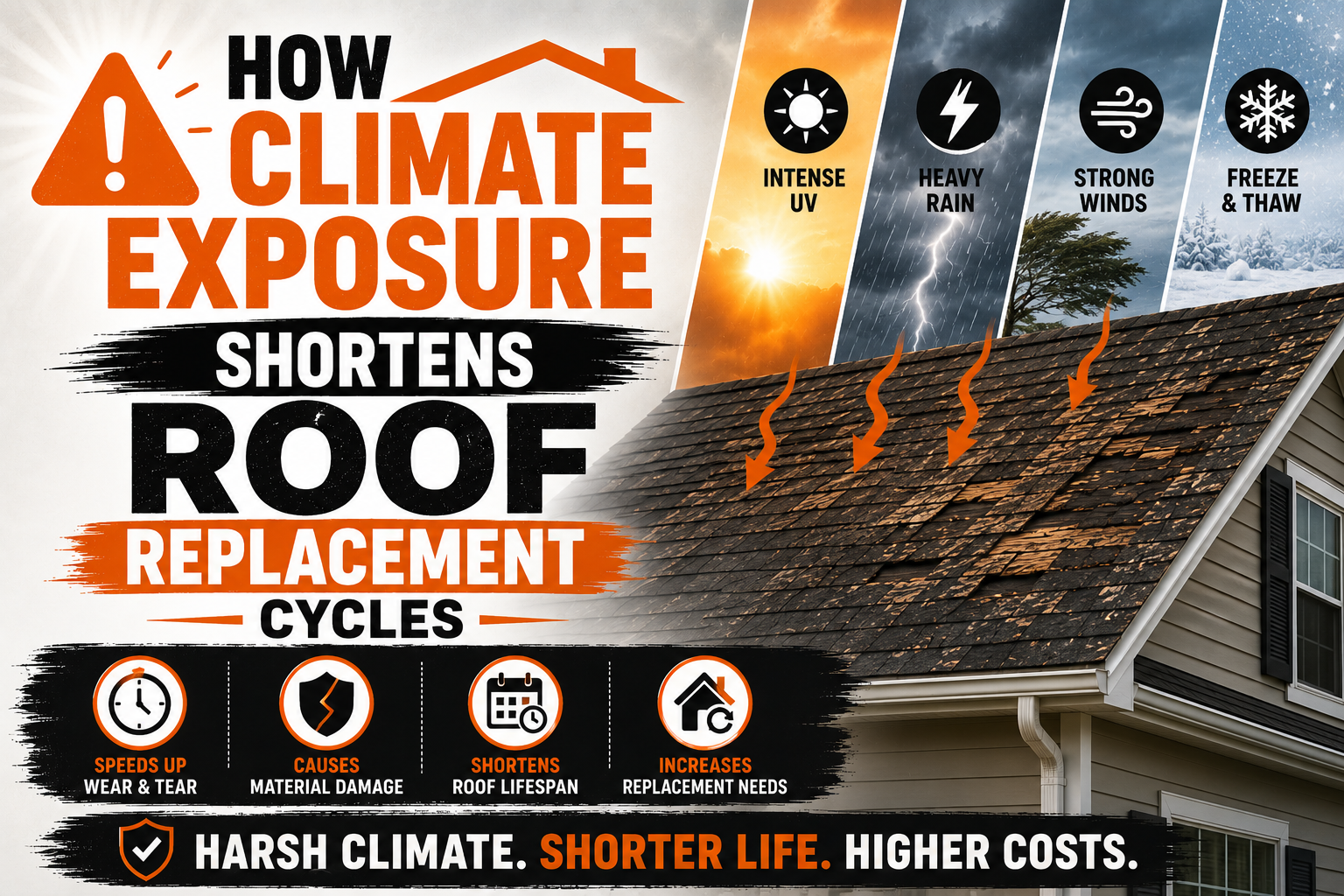
A residential roof is designed to withstand years of exposure to the elements, but no roofing system is immune to the effects of climate. Every day, roofs face sunlight, rain, wind, temperature fluctuations, and seasonal weather patterns that gradually weaken their materials. While proper installation and regular maintenance can extend a roof’s service life, the surrounding climate often determines how quickly deterioration occurs and when replacement becomes necessary.
Many homeowners assume that roofing materials will last exactly as long as the manufacturer’s estimated lifespan. In reality, those estimates are often based on ideal conditions. A roof installed in a region with moderate temperatures and limited storms may remain in excellent condition for decades, while the same roofing system installed in a harsh climate could require replacement much sooner.
Climate exposure affects every part of the roofing system, not just the visible shingles or tiles. Flashing, underlayment, sealants, ventilation systems, gutters, and structural decking all respond differently to changing weather conditions. Over time, these components experience repeated stress that gradually reduces their ability to protect the home.
Understanding how climate influences roof aging helps homeowners make informed maintenance decisions, recognize warning signs earlier, and prepare for future replacement before serious damage develops. This article explores how different weather conditions accelerate roof deterioration and why environmental exposure plays such a significant role in shortening roof replacement cycles.
Understanding Climate Exposure and Roofing Performance
Climate exposure refers to the continuous impact that weather conditions have on a roofing system throughout its lifespan. Unlike isolated storm damage, climate exposure is a gradual process that occurs every day. Small changes accumulate over months and years until roofing materials begin showing noticeable signs of wear.
Every climate presents unique challenges. Homes located in sunny regions experience prolonged ultraviolet radiation and extreme heat, while colder climates expose roofs to snow, ice, and repeated freeze thaw cycles. Coastal areas introduce high humidity and salt laden air, whereas regions with frequent storms subject roofs to heavy rain and strong winds.
The roofing system responds to these conditions by constantly expanding, contracting, drying, absorbing moisture, and resisting physical impacts. Although modern roofing materials are engineered to withstand these stresses, repeated exposure gradually weakens their protective properties.
A roof rarely fails because of a single weather event alone. Instead, years of environmental stress slowly reduce the effectiveness of roofing materials until even a relatively minor storm can expose hidden weaknesses. This cumulative process explains why roofs of similar age often perform very differently depending on their local climate.
Homeowners who understand climate exposure recognize that maintenance schedules should reflect local weather conditions rather than relying solely on the roof’s age. A proactive approach allows small issues to be corrected before environmental stress turns them into expensive repairs.
Why Climate Has Such a Strong Influence on Roof Lifespan
Roofing materials are constantly interacting with their environment. Every sunrise, rainfall, gust of wind, and seasonal temperature change contributes to the aging process. While these effects may appear insignificant on any single day, they become substantial over many years.
The rate of deterioration depends on several environmental factors working together rather than one isolated condition. For example, high temperatures alone may not cause severe damage, but when combined with intense sunlight, low humidity, and repeated thermal expansion, roofing materials age much faster.
Similarly, moisture becomes far more damaging when drainage problems prevent surfaces from drying properly. Water that remains trapped beneath roofing materials encourages wood deterioration, mold growth, and corrosion while reducing the effectiveness of protective barriers.
Another important consideration is weather frequency. A roof exposed to occasional storms experiences less cumulative stress than one subjected to frequent heavy rainfall or recurring high winds throughout the year. Even moderate weather conditions can shorten roof lifespan when they occur consistently over decades.
These combined environmental influences explain why homeowners should consider regional climate when selecting roofing materials, planning maintenance, and estimating replacement timelines.
How Roofing Materials Respond to Environmental Stress
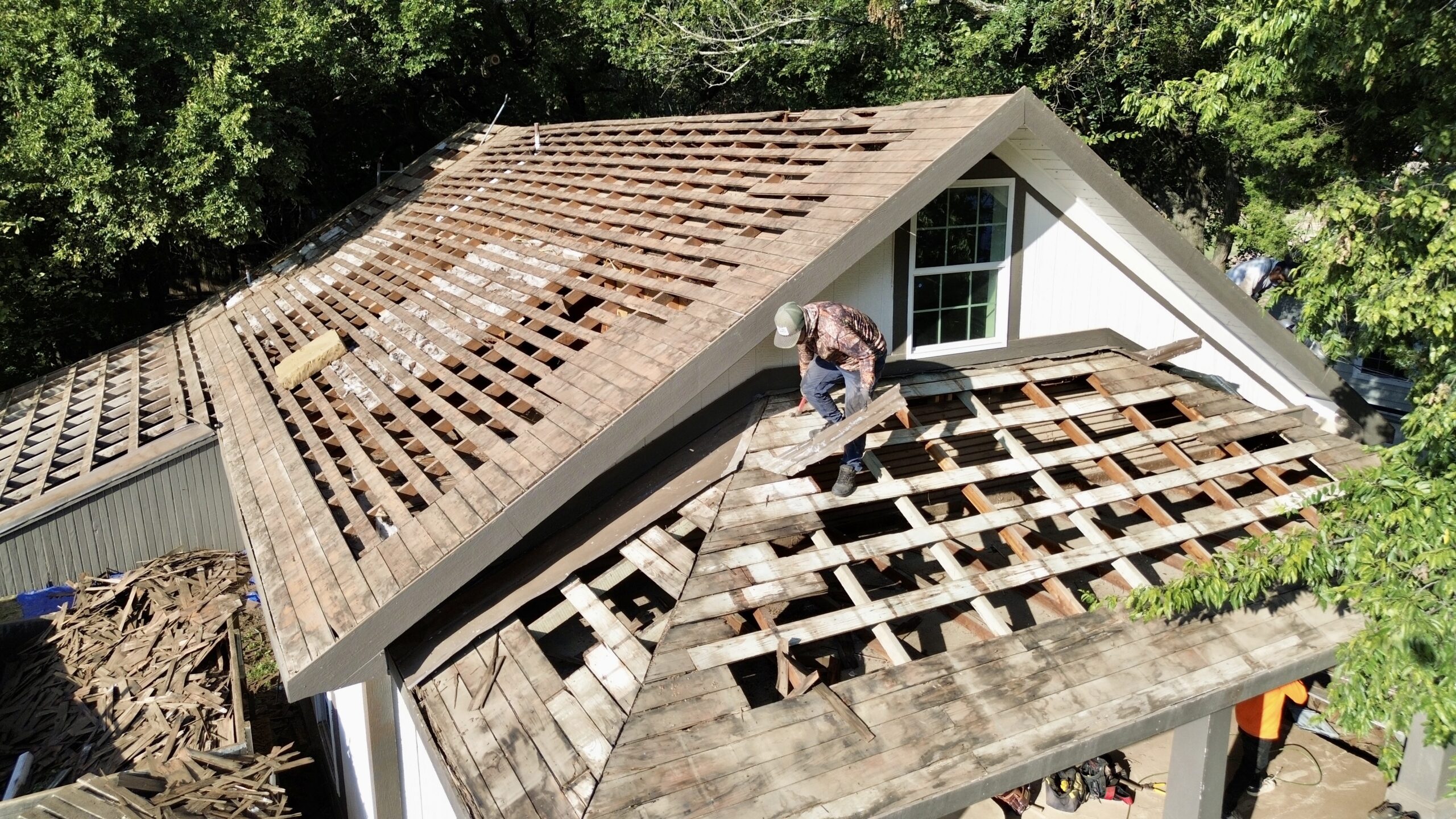
Different roofing materials react differently to changing weather conditions. Although manufacturers design products to withstand years of exposure, every material has strengths and limitations depending on the surrounding environment.
Asphalt shingles gradually lose protective granules under prolonged sunlight and repeated rainfall. These granules shield the underlying asphalt from ultraviolet radiation, so their gradual loss increases vulnerability to weathering over time.
Metal roofing performs well against many weather conditions but still experiences thermal movement as temperatures rise and fall. Expansion and contraction place repeated stress on fasteners and connection points, making periodic inspections important throughout the roof’s lifespan.
Clay and concrete tiles resist ultraviolet radiation effectively but may crack if subjected to severe impact or repeated freeze thaw cycles. Individual damaged tiles should be replaced promptly to prevent moisture from reaching the underlayment beneath.
Wood shingles and shakes naturally expand and contract as moisture levels change. Without proper ventilation and maintenance, they may retain excessive moisture that encourages fungal growth, splitting, or decay.
Although these materials differ significantly, they all depend on proper installation, drainage, ventilation, and routine maintenance to perform as expected under local climate conditions.
Sunlight and Ultraviolet Radiation
Among all environmental influences, sunlight is one of the most persistent factors affecting residential roofing systems. Unlike storms that occur occasionally, ultraviolet radiation reaches the roof almost every day throughout the year.
Ultraviolet rays gradually break down the chemical structure of many roofing materials. Asphalt shingles become less flexible as protective oils slowly diminish, making them more susceptible to cracking during temperature changes. Surface colors may also fade over time as pigments deteriorate under continuous sunlight.
Heat generated by direct sunlight further increases stress on the roofing system. Dark colored roofing materials absorb more solar energy, causing surface temperatures to rise significantly during hot afternoons. Elevated temperatures accelerate aging while increasing expansion throughout the roof.
Attic temperatures also rise when excessive heat transfers through the roofing system. Without adequate ventilation, trapped heat places additional strain on insulation, decking, and supporting structural components.
Although ultraviolet damage develops gradually, it contributes significantly to shortened roof replacement cycles in regions with consistently high levels of solar exposure.
Early Signs of UV Related Roof Damage
Because ultraviolet deterioration occurs slowly, homeowners often overlook its earliest warning signs. Identifying these changes before they become severe allows maintenance to begin while roofing materials still retain much of their protective capability.
Some common indicators include:
- Fading or uneven roof coloration.
- Dry or brittle shingles.
- Curling edges on asphalt shingles.
- Surface cracking.
- Gradual loss of protective granules.
- Sealants becoming hard or cracked around flashing.
These symptoms do not necessarily indicate immediate replacement. However, they demonstrate that environmental exposure has begun reducing the roof’s protective performance.
Regular inspections become increasingly valuable in sunny climates because gradual deterioration is easier to manage when identified early.
Temperature Fluctuations and Thermal Expansion
Temperature changes affect roofing systems even when weather appears calm. During warm daylight hours, roofing materials absorb heat and expand slightly. As temperatures drop overnight, those same materials contract again.
This daily movement may appear insignificant, yet it occurs thousands of times throughout the roof’s service life. Every expansion and contraction cycle places small amounts of stress on joints, fasteners, flashing, and sealants.
Seasonal temperature differences increase this effect even further. Regions with hot summers and cold winters expose roofing systems to much greater thermal movement than areas with stable year round temperatures.
Over time, repeated movement weakens connection points throughout the roofing system. Sealants gradually lose elasticity, flashing may shift slightly, and fasteners experience ongoing stress that reduces their long term effectiveness.
Although roofing products are engineered to tolerate thermal expansion, continuous movement inevitably contributes to material aging and increases future maintenance requirements.
Long Term Effects of Thermal Stress
Thermal stress influences much more than the visible roofing surface. Many supporting components also respond to repeated expansion and contraction.
Roof decking expands slightly as temperatures rise before contracting again during cooler periods. Structural framing undergoes similar movement, although usually within safe design limits. Over many years, these natural changes may contribute to minor gaps or movement around roof penetrations.
Flashing installed around chimneys, skylights, and plumbing vents experiences repeated movement because different building materials expand at different rates. Metal flashing may shift slightly while surrounding masonry or wood framing responds differently to temperature changes.
Sealants are especially vulnerable because they must remain flexible while maintaining watertight seals. As sealants age, thermal stress gradually reduces their elasticity, increasing the likelihood of cracking and moisture infiltration.
These cumulative effects rarely produce immediate failure. Instead, they slowly reduce the roofing system’s resilience, making regular maintenance increasingly important as the roof ages.
Moisture Exposure and Rainfall
Water is essential for life, but it remains one of the greatest long term challenges for residential roofing systems. A properly installed roof is designed to shed rain efficiently, yet years of repeated moisture exposure inevitably influence material performance.
Rain itself does not usually damage healthy roofing materials. Problems develop when water remains trapped on the roof, drainage becomes restricted, or moisture penetrates beneath protective layers.
Standing water increases the amount of time roofing materials remain saturated. Prolonged moisture exposure encourages biological growth while gradually weakening certain materials. Although sloped residential roofs usually drain efficiently, blocked gutters or poorly designed valleys may create localized areas where water accumulates.
Repeated wetting and drying cycles also influence roofing materials differently depending on climate. Constant rainfall combined with high humidity allows surfaces to remain damp for extended periods, increasing opportunities for moss, algae, and mildew growth.
Proper drainage therefore plays an essential role in maximizing roof lifespan. Gutters, downspouts, flashing, and roof valleys must all function together to direct water safely away from vulnerable structural components.
Moisture Related Problems That Accelerate Roof Aging
Persistent moisture affects more than the visible roofing surface. Once water begins entering hidden areas, deterioration may spread gradually throughout the roofing system.
Common moisture related problems include:
- Wood decking absorbing excess moisture and weakening over time.
- Mold and mildew developing beneath roofing materials.
- Insulation losing effectiveness after becoming damp.
- Corrosion affecting metal fasteners and flashing.
- Interior ceiling stains caused by slow roof leaks.
- Structural framing experiencing prolonged moisture exposure.
These issues often begin long before homeowners notice visible leaks inside the home. Regular roof inspections therefore remain one of the most effective methods for identifying moisture problems before significant structural damage develops.
Snow, Ice, and Freeze Thaw Cycles
Cold climates present a unique set of challenges that can significantly shorten the lifespan of residential roofing systems. While snow resting on a roof may appear harmless, the combination of freezing temperatures, melting snow, and repeated freeze thaw cycles places continuous stress on roofing materials. These conditions gradually weaken the roof and increase the likelihood of repairs or early replacement.
Freeze thaw cycles occur when temperatures rise above freezing during the day and fall below freezing at night. Water enters small cracks or gaps in roofing materials while temperatures are warm. As temperatures drop, the trapped water freezes and expands, placing pressure on surrounding materials. This repeated expansion slowly enlarges cracks that were once too small to cause concern.
Over multiple winters, these tiny defects become larger openings that allow even more moisture to enter the roofing system. Eventually, flashing, shingles, tiles, and sealants begin showing noticeable deterioration. Although the process is gradual, it can dramatically reduce the expected lifespan of a roof in colder regions.
Proper attic insulation and ventilation play an important role in minimizing freeze thaw damage. Stable roof temperatures reduce uneven snow melting and help protect roofing materials from excessive stress throughout the winter season.
Ice Dams and Their Effect on Roofs
One of the most damaging winter related roofing problems is the formation of ice dams. These develop when heat escaping from the attic warms the upper portion of the roof, causing snow to melt. As the melted water flows downward toward colder roof edges, it refreezes and forms a ridge of ice.
Once an ice dam develops, additional melting snow cannot drain properly. Water begins backing up behind the ice and may eventually seep beneath shingles or other roofing materials. Since most roofing systems are designed to shed moving water rather than hold standing water, prolonged exposure increases the likelihood of leaks.
Ice dams also add unnecessary weight along roof edges while placing stress on gutters and fascia boards. Repeated winter seasons with severe ice dam formation often accelerate deterioration of multiple roofing components simultaneously.
Preventing ice dams involves improving attic insulation, maintaining proper ventilation, and ensuring that warm indoor air does not escape into the attic. These measures help create more consistent roof temperatures, reducing uneven snow melting.
Heavy Snow Loads and Structural Stress
Snow accumulation affects roofing systems differently depending on climate, roof design, and snowfall frequency. Fresh snow may appear light, but as additional snow accumulates or becomes saturated with moisture, its weight increases substantially.
Most residential roofs are engineered to support expected local snow loads. However, repeated heavy winters still contribute to gradual structural fatigue over many years. Supporting members experience ongoing pressure, while roofing materials remain exposed to moisture for extended periods.
Roof valleys deserve particular attention because drifting snow often accumulates more heavily in these areas. If drainage becomes restricted during melting periods, moisture exposure increases and accelerates aging beneath the roofing surface.
Homeowners should avoid unnecessary concern during normal snowfall, but exceptionally heavy accumulations deserve careful observation. Removing excessive snow safely, when recommended by professionals, may reduce stress on older roofing systems.
Wind Damage and Storm Exposure
Wind is another climate factor capable of shortening roof replacement cycles. Unlike gradual sunlight exposure, wind can produce both immediate damage and long term wear depending on its strength and frequency.
Strong winds create uplift forces that pull against roofing materials. Shingle edges are particularly vulnerable because repeated lifting weakens adhesive bonds and fastening systems. Even if shingles remain attached after a storm, repeated movement gradually reduces their ability to resist future wind events.
Metal roofing panels also respond to wind pressure. Although properly installed systems are highly durable, loose fasteners or aging sealants may become more noticeable after years of exposure to repeated storms.
Wind rarely acts alone. It often carries branches, leaves, gravel, and other debris that strike roofing surfaces with considerable force. These impacts may create small defects that are difficult to recognize immediately but gradually expand through continued weather exposure.
Homes located in areas with frequent storms often require more regular inspections because repeated wind events accelerate wear even when no obvious damage is visible from the ground.
Hidden Damage After Severe Storms
Not every storm leaves dramatic evidence of roof damage. Some of the most significant problems remain hidden beneath the roofing surface, developing slowly after weather conditions have returned to normal.
Shingles may appear intact while sustaining weakened seals or partially lifted edges. Flashing can shift slightly without becoming visibly detached. Sealants may develop tiny cracks that eventually allow moisture infiltration during future rainfall.
For this reason, post storm inspections are valuable even when damage appears minimal. Professional evaluations often identify developing issues before they become interior leaks or structural concerns.
Delaying inspections allows small defects to remain exposed to additional weather. Over time, repeated rain, sunlight, and temperature changes enlarge these weaknesses until repairs become more extensive.
Routine storm assessments therefore support longer roof lifespans by interrupting the gradual progression of climate related deterioration.
Hail Damage and Surface Deterioration
Hailstorms affect roofing materials differently depending on hail size, impact speed, and roofing material type. While large hailstones may create obvious fractures, smaller hail can produce subtle damage that gradually reduces roof performance.
Asphalt shingles often lose protective granules following repeated hail impacts. These granules shield the asphalt beneath from ultraviolet radiation, so their loss accelerates future weathering.
Metal roofing may develop dents that primarily affect appearance, although severe impacts can occasionally damage protective coatings or seams. Tile roofing systems may experience cracked or broken individual tiles requiring prompt replacement to maintain waterproof performance.
Because hail damage is not always immediately visible, inspections after significant storms help determine whether repairs are necessary. Addressing localized damage promptly prevents moisture from reaching underlying structural components.
Repeated hail exposure contributes to shorter replacement cycles because cumulative impacts gradually reduce the protective capabilities of roofing materials.
Coastal and Humid Climate Challenges
Homes located near coastlines or in consistently humid regions face environmental conditions that differ significantly from dry inland climates. Constant moisture exposure combines with salt laden air to create challenges that accelerate roof aging.
Salt particles carried by coastal winds gradually settle on roofing materials. Over time, these deposits encourage corrosion on exposed metal components, including flashing, fasteners, gutters, and certain roofing panels. Although corrosion develops slowly, it reduces the durability of affected components if maintenance is neglected.
Humidity creates additional concerns by slowing the drying process after rainfall or morning dew. Roofing surfaces remain damp longer, increasing opportunities for biological growth and moisture related deterioration.
The combination of moisture and warmth provides favorable conditions for moss, algae, mildew, and fungal growth. While some growth is primarily cosmetic, persistent biological activity traps additional moisture against roofing materials, increasing long term deterioration.
Regular cleaning and proper ventilation help reduce these climate related challenges while preserving the roofing system’s performance.
The Importance of Ventilation in Humid Climates
Ventilation becomes especially important where humidity remains consistently high throughout the year. Without adequate airflow, warm moist air accumulates within attic spaces, creating conditions that encourage condensation beneath the roof.
Condensation often develops when humid air contacts cooler structural surfaces. Although the moisture originates inside the attic rather than from rainfall, its effects can be equally damaging over time.
Proper ventilation helps remove excess heat and humidity before condensation develops. Intake vents near roof edges work together with exhaust vents along the ridge to promote continuous airflow throughout the attic.
Balanced ventilation supports healthier roofing materials while reducing stress on insulation, structural framing, and roof decking. It also contributes to improved indoor comfort by reducing excessive attic temperatures during warmer months.
Because ventilation influences multiple aspects of roof performance, it remains an essential part of climate specific maintenance planning.
Comparing Roofing Materials in Different Climates
Not every roofing material performs equally well under every environmental condition. Selecting materials that match local climate improves long term durability and often delays future replacement.
| Roofing Material | Hot Sunny Climates | Cold Snowy Climates | Humid Coastal Areas | Wind Resistance |
|---|---|---|---|---|
| Asphalt Shingles | Moderate | Good | Moderate | Good |
| Metal Roofing | Excellent | Excellent | Very Good with protective coatings | Excellent |
| Clay Tiles | Excellent | Moderate | Good | Good |
| Concrete Tiles | Very Good | Good | Good | Good |
| Slate Roofing | Excellent | Excellent | Very Good | Excellent |
| Wood Shingles | Moderate | Moderate | Requires high maintenance | Moderate |
The table demonstrates that no roofing material is universally superior. Climate, maintenance expectations, installation quality, and homeowner priorities should all influence material selection.
Choosing materials appropriate for local weather conditions often provides greater long term value than selecting products based solely on appearance or initial installation cost.
Signs Climate Is Accelerating Roof Aging
Climate related deterioration often develops gradually, making early recognition especially valuable. Homeowners who understand these warning signs can schedule maintenance before widespread damage occurs.
Exterior indicators include fading surfaces, curling shingles, cracked sealants, loose flashing, excessive granule loss, moss accumulation, rust on metal components, and persistent debris buildup in roof valleys.
Interior warning signs may include ceiling stains, peeling paint, damp insulation, musty odors, increased attic humidity, or visible mold growth near roof framing. Although these symptoms originate inside the home, they frequently reflect developing roofing problems caused by prolonged environmental exposure.
Recurring repairs also deserve attention. If the same section of the roof repeatedly develops leaks or weather related damage, climate conditions may be accelerating deterioration beyond normal expectations.
Professional inspections become increasingly valuable as roofs age because subtle climate related changes are easier to identify before they evolve into structural problems.
When Repairs May No Longer Be Enough
Throughout much of a roof’s lifespan, maintenance and repairs effectively restore performance after normal weather exposure. Eventually, however, environmental stress reaches a point where isolated repairs provide only temporary improvement.
Widespread material deterioration, repeated storm damage, recurring leaks, and aging support components often indicate that the roofing system is approaching the end of its practical service life. Continuing to repair isolated defects may become less economical than planning a complete replacement.
Making this decision requires evaluating the roof as a complete system rather than focusing only on visible surface damage. Roofing materials, flashing, underlayment, decking, ventilation, and drainage all contribute to long term performance.
Climate Specific Maintenance Strategies
Every climate presents unique challenges for residential roofing systems, which means maintenance should never follow a one size fits all approach. A roof located in a hot desert region requires different care than one exposed to heavy snowfall or coastal humidity. Adapting maintenance routines to local weather conditions helps slow deterioration and extends the time before replacement becomes necessary.
One of the most effective strategies is establishing a consistent inspection schedule. Instead of waiting until visible damage appears, homeowners should evaluate the roofing system throughout the year, paying close attention after seasons that place the greatest stress on the roof. Routine inspections identify minor defects before changing weather conditions enlarge them into costly structural problems.
Cleaning also plays a significant role in climate specific maintenance. Leaves, branches, dirt, and other debris trap moisture against roofing materials, increasing the likelihood of mold growth and premature deterioration. Removing debris regularly allows rainwater to drain properly while reducing unnecessary moisture exposure.
Climate aware maintenance also includes monitoring surrounding vegetation. Trees provide valuable shade during hot weather, but branches that touch the roof may scrape protective surfaces or fall during storms. Keeping branches trimmed reduces both physical damage and debris accumulation throughout the year.
By tailoring maintenance practices to regional conditions, homeowners improve the roof’s ability to withstand environmental stress over many years. Preventive care remains one of the most cost effective ways to delay replacement and preserve structural integrity.
Seasonal Inspection Recommendations
Every season introduces different weather conditions, making year round inspections an important part of roof care. Rather than performing identical inspections each time, homeowners should focus on the challenges most likely to occur during each season.
Spring inspections often concentrate on identifying damage left behind by winter weather. Melted snow, heavy rainfall, and strong seasonal winds may have loosened flashing, damaged shingles, or blocked drainage systems. Detecting these issues early prevents additional deterioration during the warmer months.
Summer inspections focus more heavily on heat related concerns. High temperatures may accelerate shingle aging, dry out sealants, or reveal areas where attic ventilation requires improvement. This season also provides an opportunity to remove debris that accumulated during spring storms.
Autumn maintenance prepares the roof for colder weather. Falling leaves should be cleared from gutters and roof valleys before heavy rainfall or snowfall begins. Proper drainage becomes especially important as temperatures decrease.
Winter inspections should generally be limited to visual observations from the ground unless professional assistance is required. Homeowners should monitor snow accumulation, ice formation, and signs of interior leaks rather than attempting to walk on icy roofing surfaces.
Following a seasonal inspection routine allows homeowners to address climate related concerns throughout the year instead of reacting only after serious damage develops.
Improving Roof Ventilation
Ventilation is often overlooked because most of its components remain hidden inside the attic. Despite being out of sight, proper airflow has a direct impact on roof longevity in nearly every climate.
During hot weather, ventilation allows excess heat to escape before attic temperatures become excessive. Lower attic temperatures reduce stress on roofing materials while improving overall energy efficiency inside the home.
In colder climates, ventilation helps maintain consistent roof temperatures by reducing heat buildup beneath the roof deck. Stable temperatures decrease uneven snow melting and lower the likelihood of ice dam formation.
Ventilation also controls moisture generated inside the home. Everyday activities such as cooking, bathing, and laundry release humidity that naturally rises toward the attic. Without proper airflow, this moisture condenses on cooler structural surfaces and gradually contributes to wood deterioration, insulation damage, and mold growth.
Balanced ventilation depends on both intake and exhaust airflow. Fresh air enters through lower roof vents while warmer air exits through ridge or roof vents. This continuous circulation creates healthier conditions for both roofing materials and structural components.
Because ventilation affects temperature, moisture, and energy efficiency simultaneously, it remains one of the most valuable long term investments in roof performance.
Protecting Drainage Systems from Climate Damage
Water management is one of the most important responsibilities of any residential roofing system. Even the highest quality roofing materials cannot perform effectively if rainwater remains trapped on the roof.
Gutters and downspouts should remain clear throughout the year so water flows away from both the roof and the home’s foundation. Clogged drainage systems increase the likelihood of standing water, overflowing gutters, and moisture infiltration beneath roofing materials.
Roof valleys deserve additional attention because they collect runoff from multiple roof sections. Leaves, pine needles, and other debris frequently accumulate in these areas, restricting water flow during heavy rainfall.
Downspouts should also direct water safely away from the home’s foundation. Poor drainage near the building increases soil moisture and may indirectly affect structural stability over time.
Homeowners should inspect drainage systems after major storms because branches, wind blown debris, or heavy rainfall can quickly create blockages. Routine cleaning requires relatively little effort yet significantly reduces the long term impact of climate related moisture exposure.
Choosing Roofing Materials Based on Climate
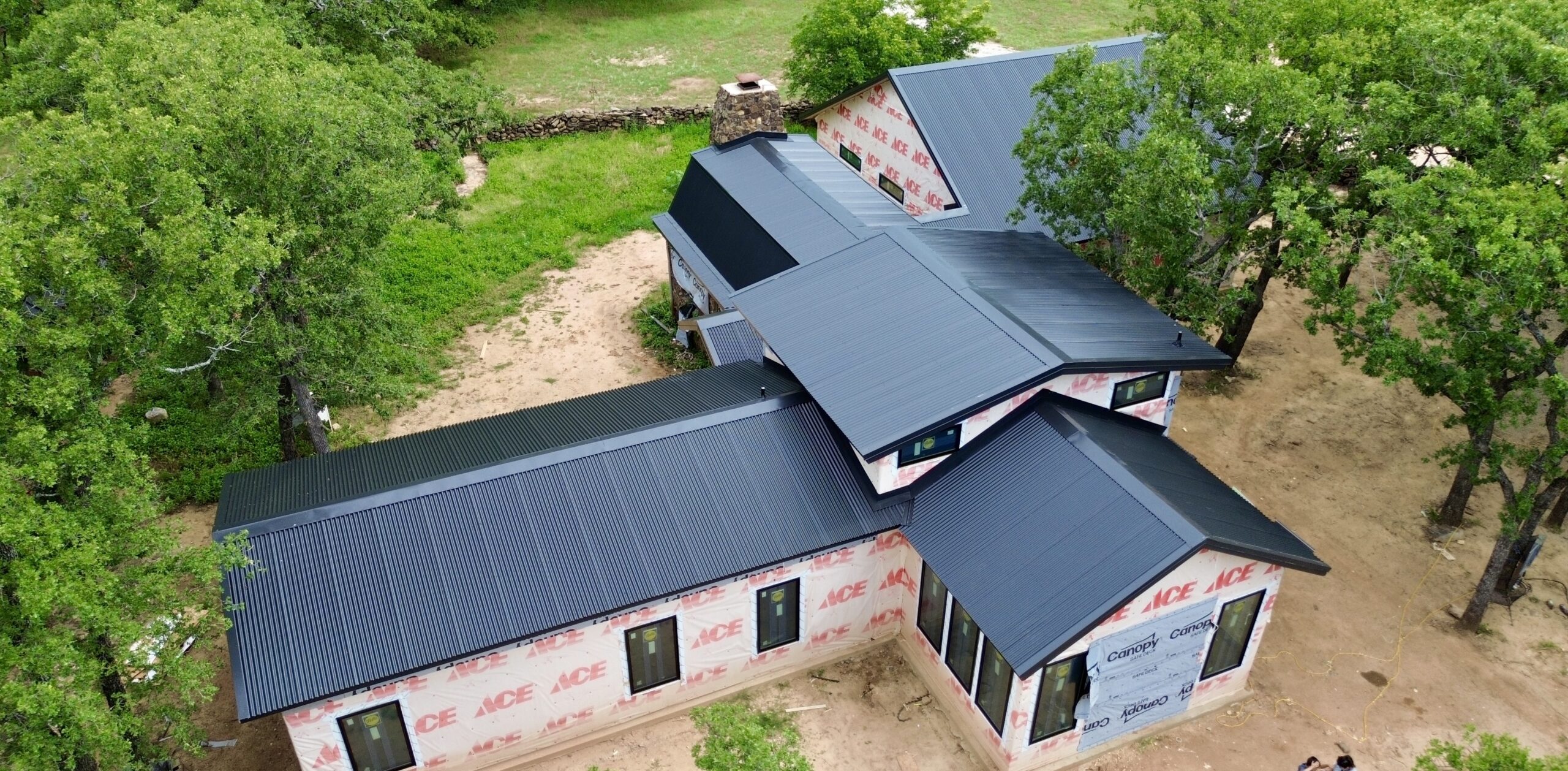
Selecting appropriate roofing materials is one of the most effective ways to reduce the impact of environmental exposure. While appearance and cost remain important considerations, climate compatibility often determines how well a roof performs throughout its service life.
Homes located in regions with intense sunlight generally benefit from roofing materials that resist ultraviolet radiation and reflect heat effectively. Materials capable of reducing heat absorption experience less thermal stress while contributing to improved indoor comfort.
Cold climates require materials capable of withstanding repeated freeze thaw cycles without becoming brittle or allowing excessive moisture penetration. Roofing systems should also support efficient snow shedding while maintaining reliable waterproof performance.
Coastal properties benefit from materials resistant to corrosion and prolonged humidity. Protective coatings on metal roofing and durable flashing materials become especially valuable where salt laden air accelerates corrosion.
Areas frequently affected by high winds or severe storms should prioritize roofing systems designed to resist uplift and impact damage. Strong fastening systems and durable construction improve performance during challenging weather conditions.
Material selection should therefore reflect local environmental conditions rather than relying solely on appearance or initial installation costs. Long term durability often depends more on climate compatibility than on the material itself.
Energy Efficiency and Climate Adaptation
Modern roofing systems contribute to more than weather protection. They also influence energy consumption by helping regulate indoor temperatures throughout the year.
Reflective roofing materials reduce heat absorption during summer by directing more solar radiation away from the home. Lower roof temperatures reduce attic heat buildup and lessen the demand placed on air conditioning systems.
Insulation works together with the roofing system by slowing heat transfer between indoor and outdoor environments. Proper insulation keeps homes warmer during winter while reducing unwanted heat gain during summer.
Ventilation completes this balance by allowing excess heat and moisture to escape naturally. Together, roofing materials, insulation, and ventilation create an integrated system that improves comfort while reducing environmental stress on roofing components.
Energy efficient roofing systems may also experience slower aging because lower operating temperatures reduce thermal expansion and material fatigue. Although climate exposure cannot be eliminated completely, thoughtful design helps reduce its long term effects.
Planning Roof Replacement Around Climate Risks
Eventually every residential roof reaches the point where replacement becomes the most practical solution. Climate conditions should influence not only material selection but also the timing of the replacement project.
Scheduling replacement before severe weather seasons provides several advantages. Contractors generally work more efficiently under favorable weather conditions, and newly installed roofing systems have time to settle before facing extreme environmental exposure.
Waiting until an emergency develops often limits material choices and increases project urgency. Unexpected leaks during storm seasons may require temporary repairs until weather conditions improve enough for safe replacement.
Long term planning allows homeowners to compare products carefully, evaluate contractor experience, and establish realistic budgets without unnecessary pressure. Preparing several years before anticipated replacement also provides greater financial flexibility.
Climate awareness therefore improves not only roof maintenance but also replacement planning. Anticipating environmental risks reduces the likelihood of emergency situations that increase both stress and costs.
Budgeting for Long Term Roof Performance
Roof replacement represents one of the largest maintenance investments most homeowners will make. Creating a long term financial plan reduces the impact of this expense while encouraging proactive decision making.
Instead of waiting until replacement becomes unavoidable, homeowners can gradually prepare by monitoring roof condition and estimating future costs based on local market conditions. Periodic inspections provide valuable information about remaining service life, allowing replacement funds to be accumulated over time.
Budgeting should also consider ongoing maintenance expenses. Routine inspections, gutter cleaning, flashing repairs, and minor maintenance activities represent relatively small investments compared with complete roof replacement. Spending modest amounts on preventive care often delays major expenditures by extending roof lifespan.
Choosing durable materials may involve higher installation costs but lower lifetime maintenance requirements. Evaluating total ownership costs rather than initial price alone provides a more accurate understanding of long term value.
A planned financial strategy helps homeowners replace roofs under favorable conditions instead of making hurried decisions during emergencies caused by severe weather.
Building Climate Resilience Through Preventive Care
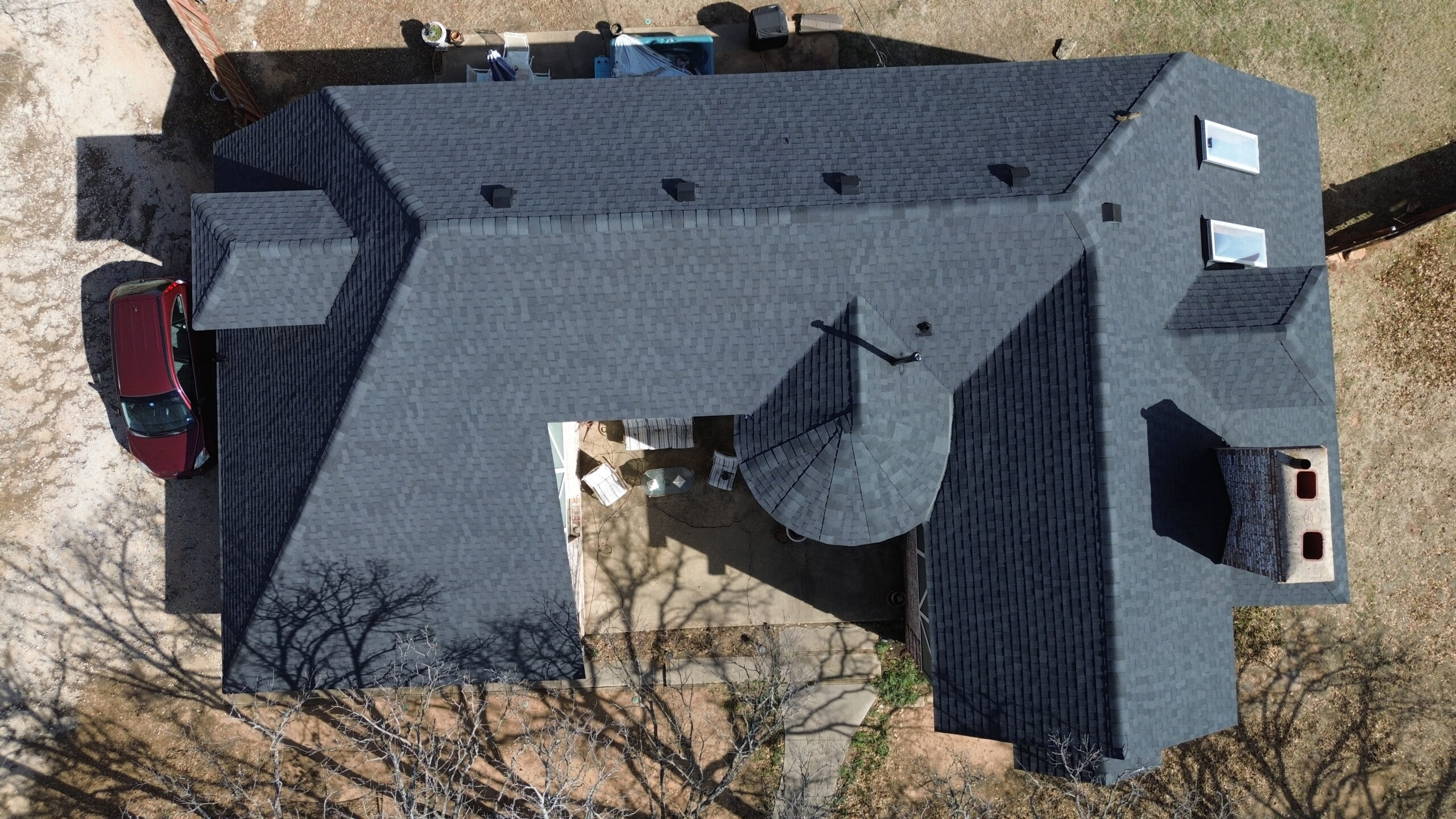
Climate exposure cannot be avoided, but its effects can often be managed successfully through preventive care. Small maintenance efforts performed consistently throughout the roof’s lifespan produce significant long term benefits.
Homeowners should maintain detailed records of inspections, repairs, storm damage, and maintenance activities. These records help identify recurring problems while providing useful information during future professional evaluations.
Developing a relationship with experienced roofing professionals also supports long term planning. Regular inspections performed by knowledgeable contractors increase the likelihood of detecting hidden issues before they become expensive structural concerns.
Education plays an important role as well. Homeowners who understand how local climate affects roofing materials are better prepared to recognize warning signs, schedule maintenance promptly, and make informed replacement decisions.
Rather than viewing maintenance as an occasional obligation, it should become an ongoing strategy for protecting one of the home’s most valuable structural systems.
Frequently Asked Questions About Climate and Roof Replacement Cycles
Does climate really affect how often a roof needs replacement?
Yes. Continuous exposure to sunlight, moisture, temperature fluctuations, wind, snow, and humidity gradually weakens roofing materials. Roofs located in harsh climates often require replacement sooner than identical roofs installed under milder conditions.
Which climate is generally the hardest on residential roofs?
There is no single answer because every climate creates different challenges. Hot sunny regions accelerate ultraviolet deterioration, cold climates produce freeze thaw damage, humid regions encourage moisture related deterioration, and storm prone areas increase wind and impact damage.
Can regular maintenance overcome harsh climate conditions?
Maintenance cannot eliminate climate exposure, but it can significantly reduce its impact. Prompt repairs, proper drainage, adequate ventilation, and routine inspections help roofing systems perform closer to their expected lifespan.
How often should roofs be professionally inspected?
Most residential roofs benefit from professional inspections every few years. Older roofs or homes located in regions with severe weather may require more frequent evaluations, particularly after major storms.
Does replacing a roof with better materials guarantee a longer lifespan?
Improved materials often enhance durability, but installation quality, ventilation, maintenance, and local climate remain equally important. Even premium roofing products require proper care to achieve their full service life.
Conclusion
Climate exposure is one of the most influential factors affecting the lifespan of residential roofing systems. Day after day, sunlight, rain, snow, wind, humidity, and changing temperatures gradually weaken roofing materials, eventually shortening replacement cycles even when no major storms occur. Understanding these long term environmental effects helps homeowners appreciate why roofs age differently in different regions.
The impact of climate extends beyond visible roofing materials. Flashing, underlayment, ventilation systems, gutters, decking, and structural components all respond to continuous weather exposure. When these elements are inspected regularly and maintained properly, the roofing system remains stronger and more resilient despite challenging environmental conditions.
Preventive maintenance remains the most effective strategy for slowing climate related deterioration. Seasonal inspections, proper ventilation, efficient drainage, debris removal, timely repairs, and climate appropriate roofing materials all contribute to extending roof lifespan and reducing unexpected repair costs. Small maintenance efforts performed consistently often provide far greater value than waiting until serious damage appears.
Although no roofing system lasts forever, homeowners who understand the relationship between climate and roof performance are better prepared to protect their investment. By combining informed material selection, proactive maintenance, and thoughtful replacement planning, it is possible to reduce the effects of environmental exposure, maximize roof longevity, and maintain a safe, durable, and energy efficient home for many years.