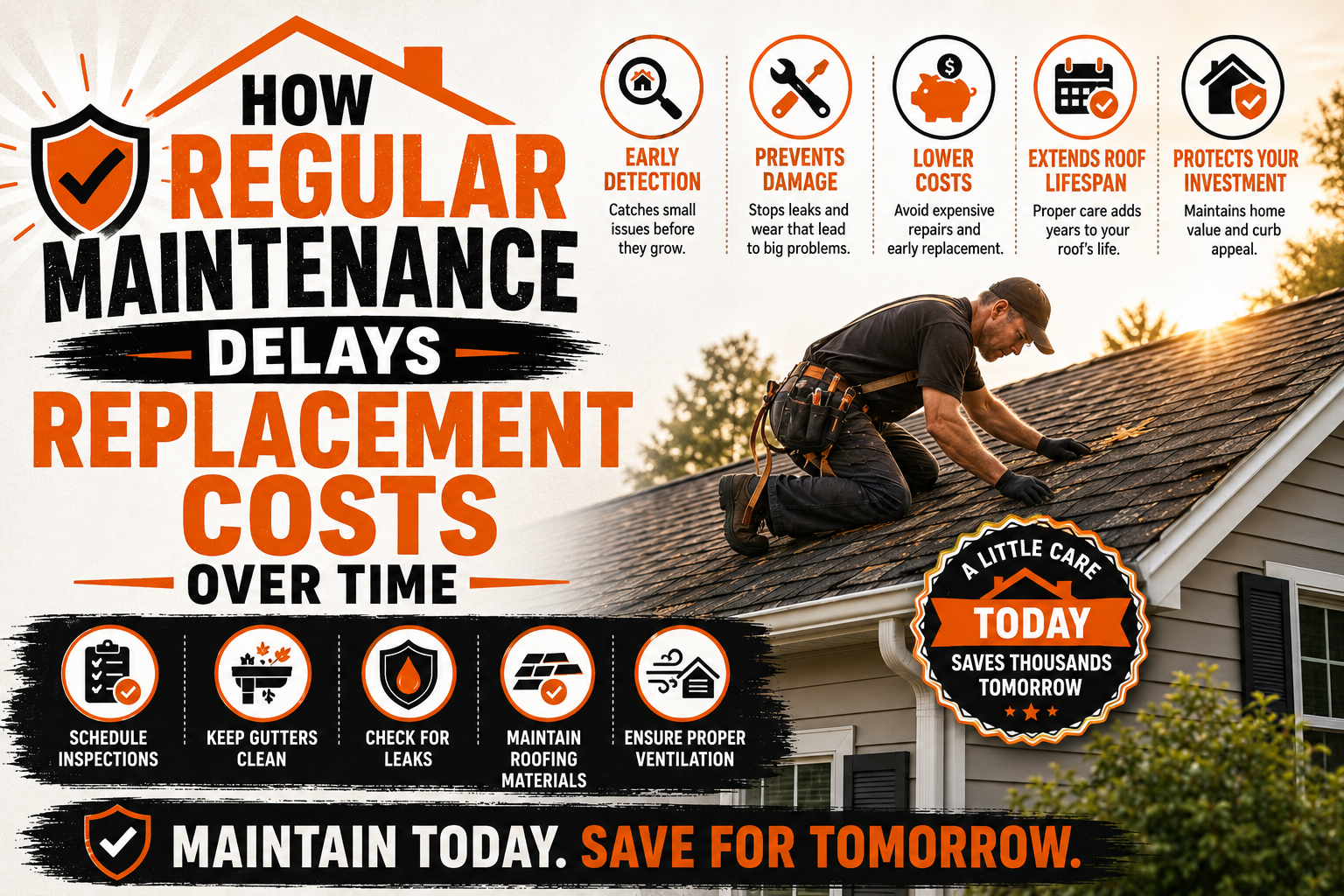
How Regular Maintenance Delays Replacement Costs Over Time
Introduction
A roof is one of the most important structural components of any home. It protects the building from rain, wind, sunlight, snow, and changing weather conditions while helping maintain a comfortable indoor environment. Because the roof is constantly exposed to the elements, gradual wear is inevitable. However, the speed at which a roof deteriorates depends largely on how well it is maintained throughout its lifespan.
Many homeowners mistakenly believe that roof maintenance is only necessary when a leak appears or visible damage becomes obvious. In reality, roofing problems often begin long before they can be seen from the ground or noticed inside the home. Small defects such as loose shingles, deteriorating sealants, or clogged gutters can slowly develop into major structural issues if they remain unaddressed. By the time significant damage becomes visible, repair costs may have increased substantially, and the roof may be much closer to requiring full replacement.
Regular maintenance helps interrupt this cycle of deterioration. Routine inspections, preventive repairs, and timely cleaning preserve the condition of roofing materials while reducing the likelihood of widespread damage. Instead of allowing minor issues to spread throughout the roofing system, maintenance keeps problems manageable and significantly extends the roof’s useful life.
Delaying roof replacement is not simply about postponing a large expense. It is about protecting the overall value of the property, reducing long-term ownership costs, and ensuring that the roof continues performing effectively for as many years as possible. Understanding how maintenance influences replacement timing helps homeowners make smarter decisions that provide lasting financial and structural benefits.
Why Regular Roof Maintenance Is a Smart Financial Investment
Many homeowners view roof maintenance as an optional expense rather than a necessary investment. While inspections and small repairs require periodic spending, these costs are generally modest compared with the financial burden of premature roof replacement. Investing in maintenance today often prevents significantly larger expenses in the future.
Routine maintenance allows roofing professionals to identify developing issues before they become extensive problems. Replacing a few damaged shingles or resealing flashing around a vent typically requires minimal labor and materials. If those same issues remain unresolved, water intrusion may eventually damage roof decking, insulation, ceilings, and structural framing, resulting in much higher repair costs.
Maintenance also reduces the likelihood of emergency repairs. Roofing emergencies frequently occur during severe weather, when contractor availability may be limited and repair costs may increase because of urgent demand. Planned maintenance helps identify vulnerabilities before storms expose them, allowing repairs to be completed under more favorable conditions.
Another financial benefit involves preserving manufacturer warranties. Many roofing warranties require reasonable maintenance throughout the roof’s service life. Neglecting recommended inspections or repairs may affect warranty coverage, leaving homeowners responsible for costs that might otherwise have been partially covered.
Regular maintenance also supports better budgeting. Predictable maintenance expenses spread throughout the year are generally easier to manage than sudden replacement costs caused by unexpected roof failure. This financial stability allows homeowners to plan ahead while avoiding unnecessary stress.
Most importantly, maintenance helps maximize the value of the original roofing investment. Every additional year of reliable roof performance delays the substantial expense of replacement, improving the overall return on the homeowner’s investment.
Understanding the Relationship Between Maintenance and Roof Lifespan
Every roofing material is designed with an expected service life, but reaching that lifespan depends heavily on consistent care. Roofs exposed to identical weather conditions may perform very differently depending on the quality of maintenance they receive throughout the years.
Roof deterioration is usually gradual rather than sudden. Sunlight slowly weakens protective surfaces, rain tests waterproof barriers, wind places stress on fasteners, and temperature changes cause roofing materials to expand and contract repeatedly. These natural aging processes cannot be prevented, but proper maintenance slows their effects considerably.
Routine inspections identify problems while they remain localized. A damaged shingle, cracked sealant, or loose flashing may affect only a small section of the roof initially. Correcting these issues promptly prevents neighboring materials from becoming damaged, allowing the remainder of the roof to continue functioning normally.
Maintenance also protects the hidden layers beneath the visible roofing materials. Underlayment, roof decking, insulation, and structural framing all depend on the outer roofing system to remain dry. Preventing water intrusion helps preserve these underlying components, extending the lifespan of the entire roofing assembly rather than just its surface.
Ventilation maintenance contributes to roof longevity as well. Proper attic airflow reduces heat buildup during summer while minimizing moisture accumulation during colder months. Balanced ventilation reduces unnecessary stress on roofing materials, improving their long-term performance.
The cumulative effect of consistent maintenance becomes significant over time. While a single inspection may seem minor, years of preventive care often allow roofs to remain functional well beyond the lifespan achieved by neglected roofing systems.
Common Maintenance Tasks That Prevent Expensive Damage
Roof maintenance involves a combination of inspections, cleaning, and minor repairs that work together to preserve the roofing system. Although each task may appear relatively simple, their combined effect substantially reduces long-term deterioration.
One of the most important maintenance activities is inspecting roofing materials for signs of damage. Missing shingles, cracked tiles, loose fasteners, and deteriorated flashing should be addressed promptly before water reaches underlying structural components.
Cleaning gutters and downspouts is equally important. Leaves, branches, and debris restrict water flow, causing rainwater to back up beneath roofing materials or overflow near the home’s foundation. Maintaining proper drainage reduces moisture-related damage while protecting multiple parts of the property.
Roof surfaces should also be kept reasonably free of accumulated debris. Organic material retains moisture against roofing materials, encouraging mold growth and accelerating deterioration. Regular cleaning allows roofing surfaces to dry more efficiently after rainfall.
Attic inspections provide valuable insight into roof performance. Signs of moisture, mold, condensation, or insufficient ventilation often reveal developing roofing issues before they become visible from outside the home. Addressing these concerns early helps prevent more extensive structural damage.
Sealants around roof penetrations require periodic evaluation as well. Chimneys, skylights, plumbing vents, and exhaust vents all rely on watertight seals that gradually deteriorate because of weather exposure. Replacing aging sealants is a relatively inexpensive maintenance task that prevents costly leaks.
Tree maintenance should not be overlooked. Overhanging branches may scrape roofing materials during windy conditions while depositing leaves that trap moisture. Trimming nearby trees reduces these risks while improving overall roof safety.
Together, these maintenance activities create a comprehensive approach that protects the roofing system while reducing the likelihood of expensive future repairs.
How Small Repairs Reduce Long Term Roofing Expenses
Many homeowners postpone minor roof repairs because the damage appears insignificant or does not immediately affect daily life. Unfortunately, roofing systems rarely remain unchanged once damage begins. Small defects gradually expand until they affect multiple components, increasing both repair complexity and overall expense.
Consider a single missing shingle following a windstorm. Replacing that shingle soon after the damage occurs usually requires minimal labor and material costs. If the repair is delayed, however, the exposed underlayment begins receiving direct sunlight and repeated moisture exposure. Over time, the underlayment weakens and allows water to reach the roof decking beneath.
As moisture spreads, wooden decking absorbs water and gradually loses structural strength. Saturated insulation becomes less effective, increasing heating and cooling costs throughout the home. Interior ceilings may develop stains, paint begins peeling, and mold growth becomes more likely.
Eventually, what began as a minor repair may require replacing decking, insulation, drywall, and large sections of roofing materials. The total cost increases far beyond what would have been required to replace a single damaged shingle.
The same pattern applies to many roofing issues. Loose flashing, cracked sealants, damaged vents, and clogged gutters may appear minor individually, but each creates opportunities for progressive deterioration if left unresolved.
Timely repairs interrupt this progression before widespread damage occurs. By investing relatively small amounts in preventive repairs, homeowners preserve the structural integrity of the roof while delaying the much larger expense of complete replacement.
Small repairs also reduce disruption to daily life. Brief maintenance visits are generally completed quickly with minimal inconvenience, whereas extensive roof reconstruction may require several days of work along with interior repairs and cleanup.
Early Detection and Its Impact on Replacement Timing
One of the greatest advantages of regular maintenance is the ability to identify roofing problems before they become severe. Early detection allows homeowners to correct issues while they remain manageable, extending roof lifespan and delaying replacement by many years.
Professional roofing inspections often reveal problems that cannot be seen from the ground. Hairline cracks, deteriorating flashing, loose fasteners, worn sealants, hidden moisture, and early underlayment damage may all develop without producing obvious exterior symptoms. Discovering these issues early creates opportunities for simple corrective action.
Routine inspections also establish a clear understanding of the roof’s overall condition. Instead of reacting to isolated problems, homeowners gain valuable information about gradual aging patterns, allowing them to plan future maintenance and eventual replacement more effectively.
Another important advantage of early detection is preserving structural integrity. Moisture-related damage often progresses silently within attic spaces, insulation, and roof decking. Identifying leaks before structural deterioration develops significantly reduces future repair costs while maintaining the strength of the entire roofing system.
Seasonal inspections further improve early detection efforts. Roofs experience different stresses throughout the year, including summer heat, heavy rainfall, snow, ice, and high winds. Evaluating roof condition before and after demanding weather seasons helps identify new damage while it remains localized.
Early detection also supports better financial planning. Rather than facing unexpected emergency replacement, homeowners receive advance warning that allows them to budget gradually, compare contractor proposals, research materials, and schedule replacement at the most appropriate time.
Perhaps most importantly, identifying problems early reduces uncertainty. Knowing the actual condition of the roof provides confidence during severe weather while allowing homeowners to make informed decisions based on professional assessments rather than guesswork.
Building a Consistent Roof Maintenance Routine
Successful roof maintenance depends on consistency rather than occasional attention. A structured maintenance routine allows homeowners to monitor roof condition regularly while addressing small issues before they become major concerns.
Scheduling professional inspections twice each year provides a strong foundation for preventive maintenance. Spring inspections evaluate potential winter damage, while fall inspections prepare the roof for colder weather and seasonal storms. These routine evaluations create a continuous understanding of the roof’s condition throughout the year.
Homeowners should also perform simple visual observations after major weather events. Looking for missing shingles, damaged gutters, fallen tree limbs, or visible debris from the ground helps identify obvious issues that may require professional attention. Safety should always remain the priority, and roof surfaces should never be accessed without proper equipment and training.
Maintaining written records further strengthens long-term maintenance efforts. Inspection reports, repair invoices, photographs, warranty information, and contractor recommendations provide valuable documentation that tracks the roof’s history over time. These records help identify recurring issues while supporting insurance claims or future property sales.
Preventive maintenance should also become part of broader home care routines. Cleaning gutters, trimming nearby trees, monitoring attic ventilation, and checking ceilings for signs of moisture all contribute to preserving roof performance. These simple habits require relatively little time but provide significant long-term benefits.
Ultimately, consistency is what allows maintenance to delay replacement costs. A roof that receives regular attention experiences fewer unexpected failures, lower repair expenses, and slower overall deterioration. By treating maintenance as an ongoing responsibility rather than an occasional reaction to problems, homeowners protect both their roof and their investment for many years before replacement becomes necessary.
The Financial Benefits of Preventive Roof Maintenance
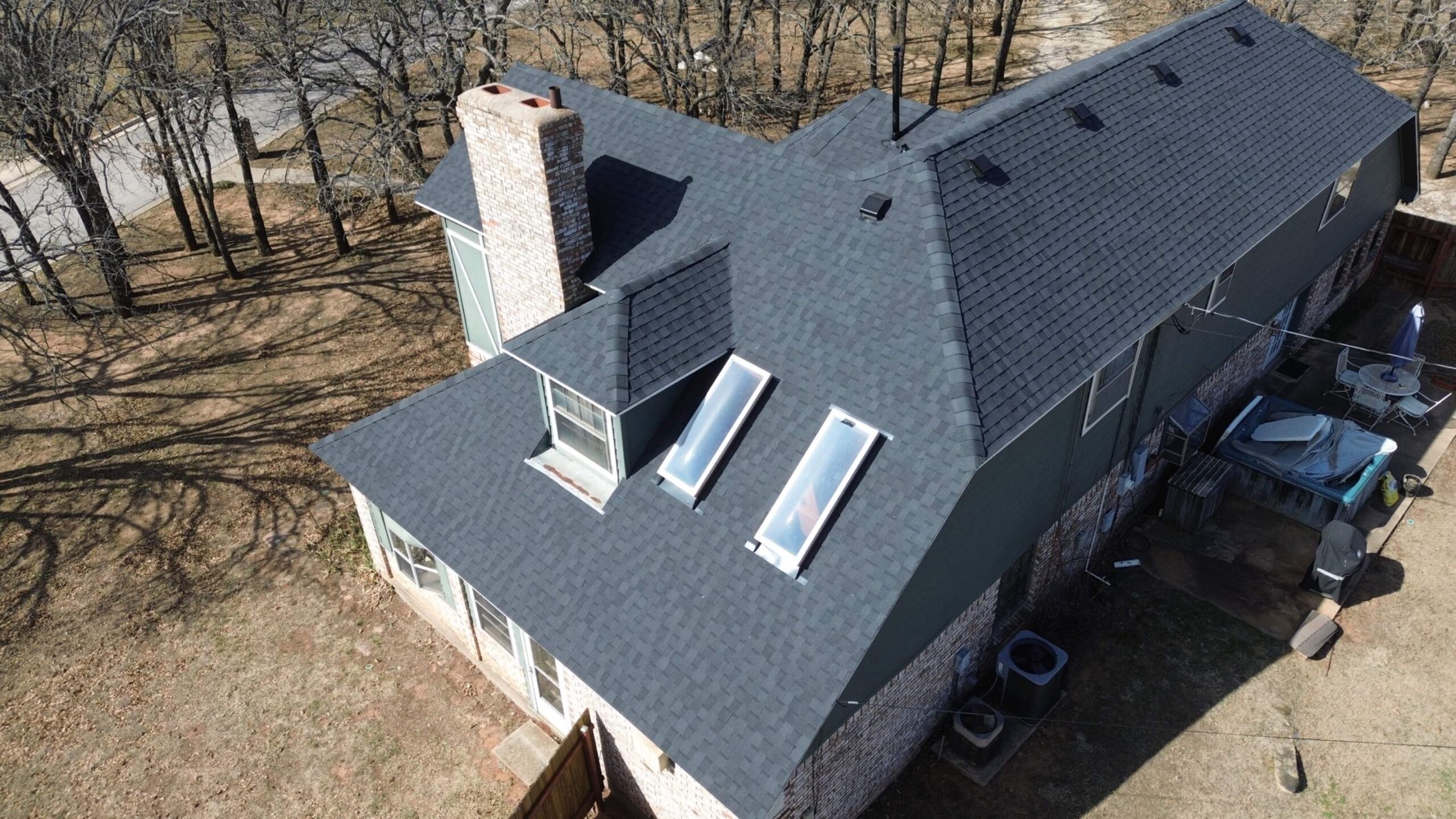
Preventive roof maintenance is one of the most cost-effective investments a homeowner can make. Although inspections and minor repairs require regular spending, these expenses are small compared with the cost of replacing an entire roof years earlier than expected. Every maintenance visit helps preserve roofing materials, prevent structural deterioration, and delay major capital expenses.
One of the biggest financial advantages of preventive maintenance is reducing the number of emergency repairs. Emergency roofing work often occurs after severe storms or unexpected leaks, leaving homeowners with limited time to compare contractors or obtain multiple estimates. Urgent projects may also require temporary protective measures, increasing overall costs. Routine maintenance greatly reduces the likelihood of these stressful and expensive situations.
Maintenance also protects other parts of the home from secondary damage. A neglected roof leak may eventually affect ceilings, insulation, drywall, flooring, electrical wiring, and even furniture or personal belongings. Repairing these additional components often costs far more than correcting the original roofing issue. Preventing water intrusion therefore protects the entire property rather than only the roof itself.
Insurance considerations provide another financial benefit. Insurance companies generally distinguish between sudden accidental damage and deterioration caused by long-term neglect. Maintaining inspection records and completing recommended repairs demonstrates responsible ownership, which may simplify claim discussions following storm damage. While policy coverage varies, proper maintenance supports stronger documentation of the roof’s condition before unexpected events occur.
Preventive maintenance also contributes to stable household budgeting. Small maintenance expenses can be planned months in advance, making them easier to manage financially. In contrast, an unexpected roof replacement often requires immediate access to substantial funds, placing unnecessary pressure on household finances.
Perhaps the greatest financial benefit is maximizing the useful life of the existing roof. Every additional year that the roof performs reliably delays replacement costs while improving the return on the homeowner’s original investment. Extending roof lifespan by several years can result in considerable long-term savings.
How Weather Protection Improves Roof Longevity
Weather is the primary factor affecting roof performance throughout its service life. Every day, roofing materials protect the home from sunlight, rainfall, wind, temperature changes, and seasonal storms. Regular maintenance ensures that the roof continues performing effectively despite these constant environmental challenges.
Ultraviolet radiation gradually weakens roofing materials over time. Asphalt shingles slowly lose protective granules, sealants become brittle, and certain materials begin cracking after years of direct sunlight. Maintenance inspections identify these aging signs before they develop into significant structural problems.
Heavy rainfall places continuous demands on drainage systems. Gutters, downspouts, roof valleys, and flashing must work together to direct water safely away from the home. Leaves, debris, or damaged drainage components allow water to accumulate, increasing the likelihood of leaks and moisture-related deterioration. Routine cleaning keeps these systems functioning efficiently throughout the year.
Wind exposure also affects long-term roof performance. Strong winds gradually loosen shingles, flashing, ridge caps, and fasteners. While this damage may not be immediately visible, regular inspections detect loose components before storms remove them completely. Preventive repairs maintain the roof’s ability to resist future wind events.
Temperature fluctuations create additional stress through repeated expansion and contraction of roofing materials. During hot weather, roofing components expand slightly, while cooler temperatures cause them to contract. Over many years, this movement places strain on joints, fasteners, and sealants. Routine maintenance addresses these gradual changes before they compromise the roof’s waterproof barrier.
Snow and ice create unique challenges in colder climates. Ice dams, excessive snow loads, and repeated freeze and thaw cycles accelerate deterioration when drainage or ventilation problems exist. Proper maintenance helps ensure that insulation, ventilation, and drainage systems continue functioning together to reduce these seasonal risks.
Although weather exposure cannot be avoided, maintenance allows roofing systems to withstand environmental stress more effectively. The result is slower deterioration, fewer repairs, and a significantly longer service life.
Preventing Structural Damage Through Routine Maintenance
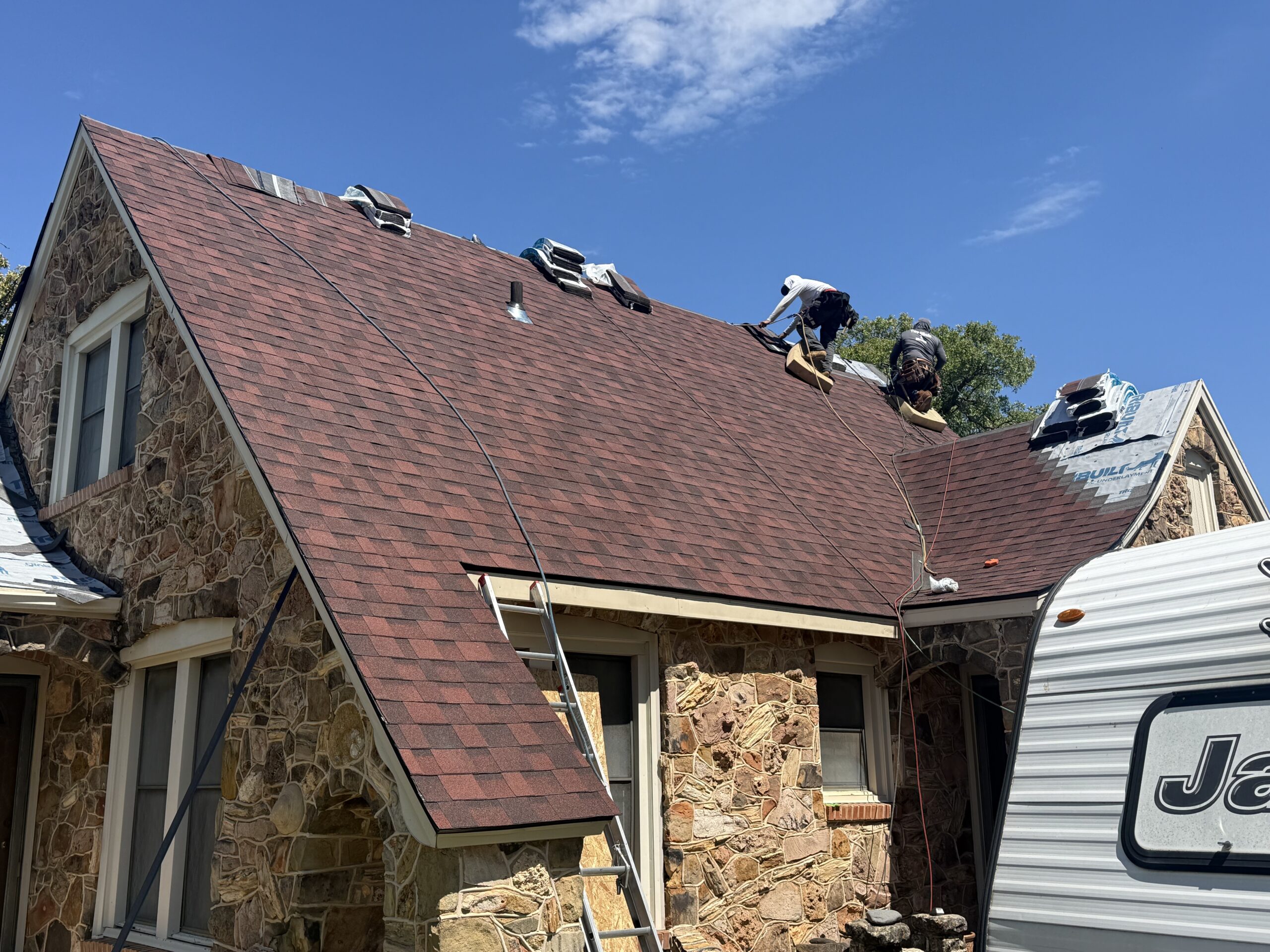
The visible roofing materials represent only one part of a much larger structural system. Beneath shingles, tiles, or metal panels are layers of underlayment, roof decking, insulation, framing, and ventilation components that all depend on one another for proper performance. Routine maintenance protects each of these elements by preventing damage before it spreads.
Water intrusion is the greatest threat to structural integrity. A small opening in the roof allows moisture to enter gradually, often without obvious interior symptoms. As water reaches roof decking, wood begins absorbing moisture and slowly loses strength. Continued exposure eventually leads to rot, warping, and reduced structural stability.
Insulation is another important component affected by neglected maintenance. Dry insulation effectively regulates indoor temperatures, but saturated insulation loses much of its thermal performance. Reduced insulation efficiency increases heating and cooling costs while creating conditions that encourage mold development.
Structural framing also becomes vulnerable when moisture remains trapped for extended periods. Wooden rafters and trusses exposed to persistent dampness may experience fungal decay that weakens their load-bearing capacity. Preventing leaks through routine maintenance preserves these essential structural elements.
Routine maintenance also protects attic spaces. Proper ventilation reduces condensation that might otherwise accumulate beneath the roof. Excess moisture inside the attic contributes to mold growth, wood deterioration, and declining indoor air quality. Regular inspections ensure that ventilation openings remain clear and continue functioning as intended.
Another advantage of preventive maintenance is identifying structural movement before it becomes severe. Slight roof sagging, loose decking, or shifting flashing may indicate underlying issues requiring professional evaluation. Correcting these problems early often prevents more extensive reconstruction in the future.
Protecting structural components ultimately extends the life of the entire roofing system. Instead of focusing solely on surface materials, maintenance preserves the hidden framework that supports long-term roof performance.
Maintenance Strategies for Different Roofing Materials
Different roofing materials respond differently to weather, aging, and maintenance practices. Understanding these differences helps homeowners develop maintenance routines that maximize the lifespan of their specific roofing system.
Asphalt shingles require regular inspection for curling, cracking, granule loss, and wind damage. Damaged shingles should be replaced promptly to prevent water from reaching the underlayment. Gutters should also be cleaned regularly because accumulated granules may indicate advanced shingle wear.
Metal roofs generally require less maintenance but still benefit from periodic inspections. Fasteners should be checked for looseness, protective coatings monitored for wear, and sealants evaluated around joints and penetrations. Addressing small issues early prevents corrosion from spreading across larger sections of the roof.
Clay and concrete tile roofs should be inspected for cracked, displaced, or broken tiles following severe weather. Although the tiles themselves often last many decades, damaged underlayment beneath the tiles may require attention much sooner. Walking directly on tile roofs should be avoided because unnecessary foot traffic may crack otherwise sound tiles.
Wood shake roofs demand more consistent maintenance because natural materials respond continuously to moisture and sunlight. Periodic cleaning removes organic debris, while inspections identify early signs of decay, insect activity, or excessive weathering. Proper ventilation also plays a significant role in preserving wood roofing systems.
Flat roofs require careful attention to drainage. Standing water places continuous stress on waterproof membranes while increasing the likelihood of leaks. Regular removal of debris and prompt repair of membrane damage help preserve long-term performance.
Although maintenance requirements differ among roofing materials, one principle remains consistent. Prompt attention to minor issues significantly delays deterioration while reducing the likelihood of premature replacement.
Comparing Maintained Roofs and Neglected Roofs
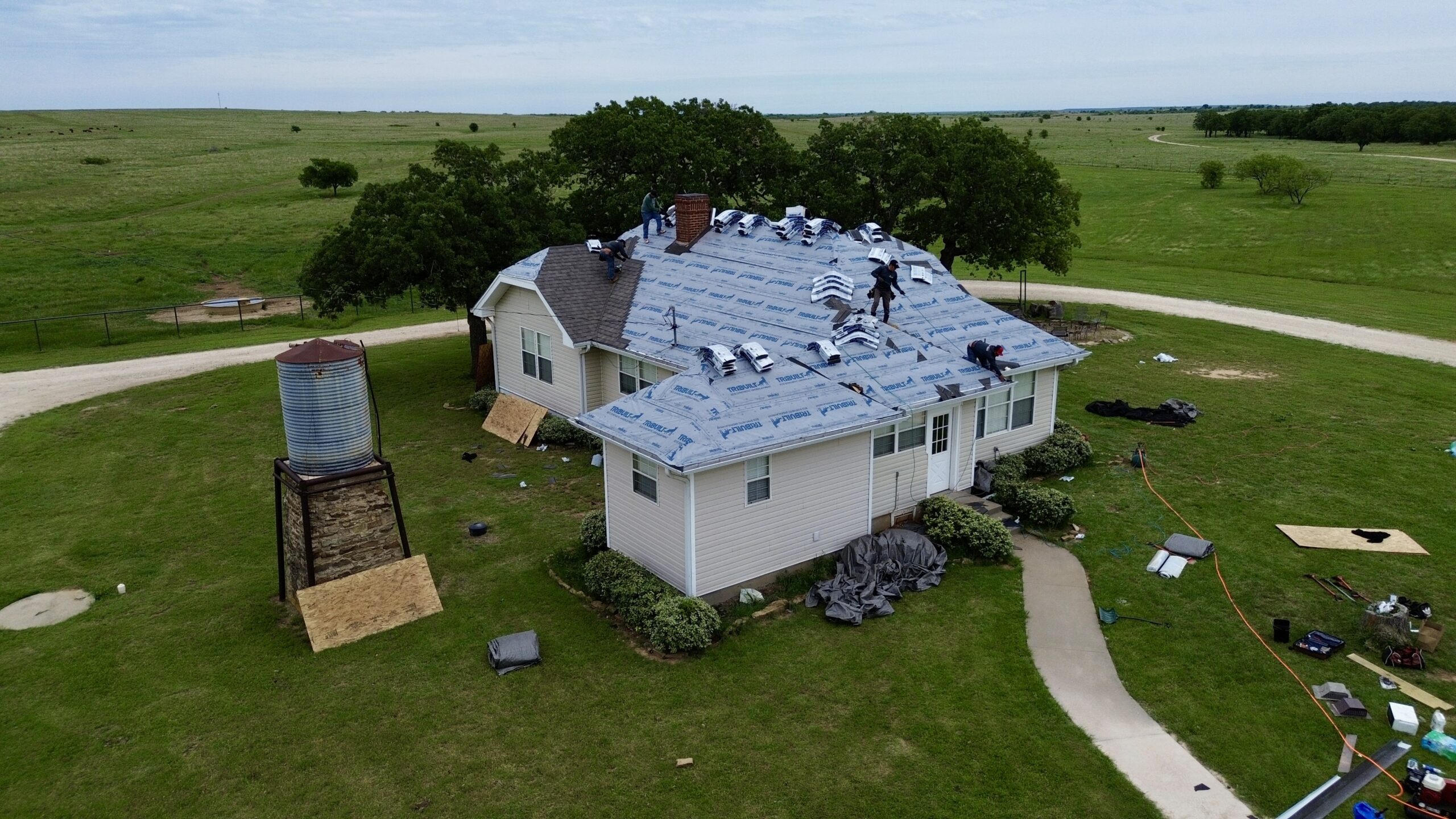
The long-term performance of a roof depends less on its age alone and more on how consistently it has been maintained throughout its service life. Two roofs installed at the same time may differ dramatically in condition years later if one receives regular maintenance while the other is largely ignored.
The following comparison illustrates these differences.
| Roofing Factor | Regularly Maintained Roof | Neglected Roof |
|---|---|---|
| Roof lifespan | Often reaches or exceeds expected service life | Frequently shortened |
| Repair frequency | Small, planned repairs | Larger, emergency repairs |
| Water protection | Strong moisture resistance | Increased leak risk |
| Structural condition | Better preserved | Greater chance of hidden damage |
| Energy efficiency | Consistent insulation performance | Higher heating and cooling costs |
| Replacement timing | Delayed through preventive care | Often required much sooner |
This comparison demonstrates that maintenance influences far more than appearance. It affects structural integrity, operating costs, energy performance, and the overall value of the roofing investment.
Homeowners sometimes assume that maintenance offers only cosmetic benefits because many repairs are relatively small. In reality, each maintenance activity contributes to preserving the entire roofing system while delaying replacement costs over many years.
Working With Roofing Professionals to Extend Roof Life
Professional roofing contractors play an essential role in long-term roof maintenance. While homeowners can safely observe certain conditions from the ground, experienced roofing professionals possess the knowledge and equipment necessary to identify developing issues that may not be immediately visible.
Professional inspections provide a comprehensive evaluation of roofing materials, flashing, drainage systems, ventilation, roof penetrations, and structural components. Small concerns such as deteriorating sealants, hidden moisture intrusion, or loose fasteners may appear insignificant individually but collectively reveal important information about the roof’s condition.
Roofing professionals also help homeowners prioritize repairs. Not every maintenance recommendation requires immediate attention, and experienced contractors can distinguish between routine maintenance, repairs that should be scheduled soon, and issues requiring urgent action. This guidance allows homeowners to budget effectively while addressing the most important concerns first.
Technology has further improved roof inspections in recent years. Moisture detection equipment, thermal imaging, and drone inspections provide additional insight into roof condition without requiring unnecessary disruption. These tools help identify hidden damage before widespread deterioration develops.
Maintaining a long-term relationship with a trusted roofing contractor offers additional benefits. Contractors familiar with the property’s maintenance history can monitor gradual aging patterns, recommend appropriate repair schedules, and provide more accurate estimates regarding the roof’s remaining service life. Consistent professional oversight supports better planning while reducing uncertainty about future replacement needs.
Homeowners should also retain inspection reports, maintenance records, repair invoices, and warranty documentation. These records help contractors track changes over time while providing valuable information during insurance claims or future property sales.
Regular communication with qualified roofing professionals transforms maintenance from a reactive process into a proactive strategy. Instead of waiting for visible problems to appear, homeowners receive ongoing guidance that preserves roof performance while delaying replacement costs for as long as practical.
In the final part of this guide, we will examine how to establish a realistic long-term maintenance budget, the daily and seasonal habits that protect roofing systems, the steps homeowners should take when roofing problems appear, and how to recognize the point where continued maintenance is no longer sufficient and roof replacement becomes the most practical long-term solution.
Creating a Long Term Roof Maintenance Budget
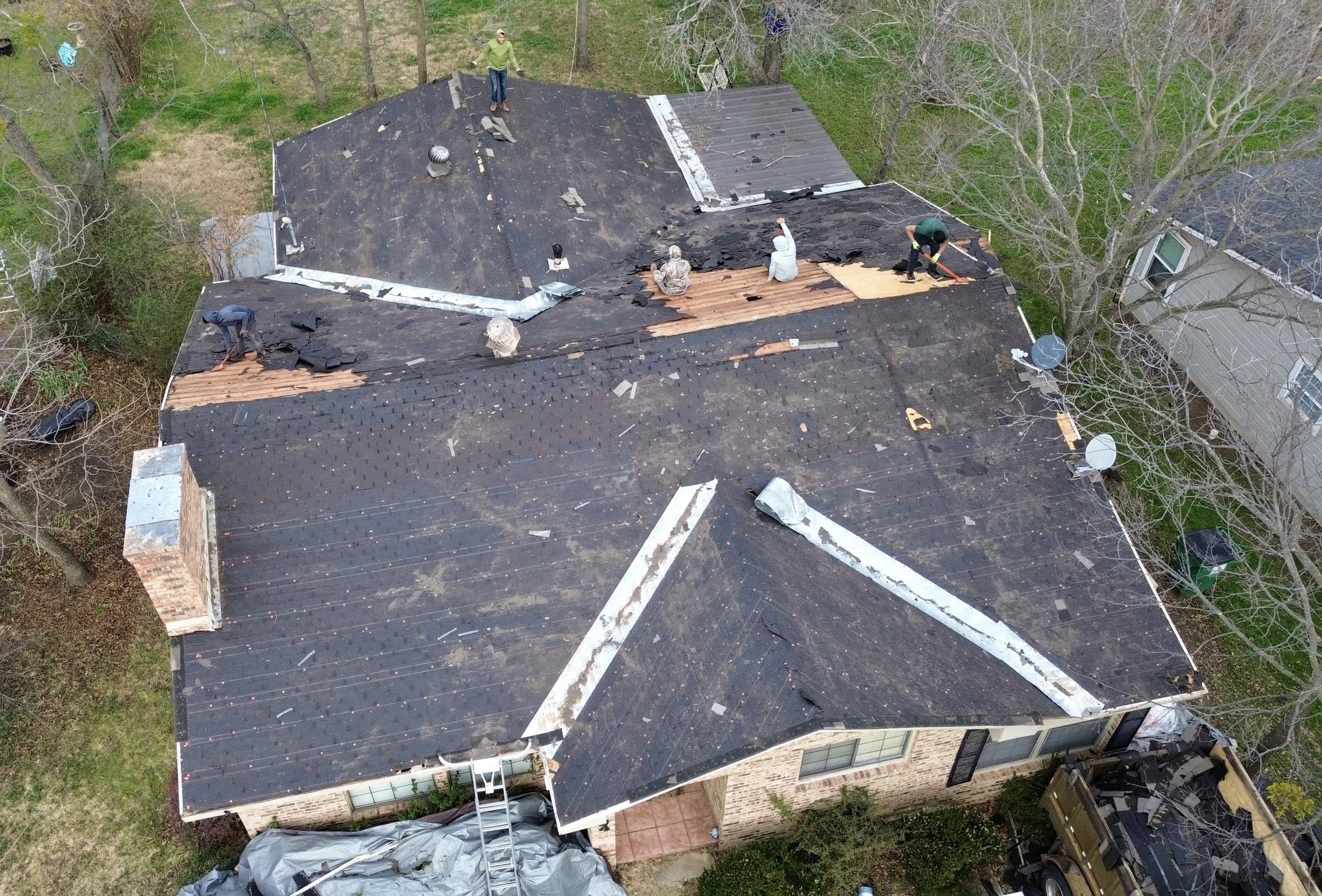
A well-planned maintenance budget is one of the most effective tools for delaying roof replacement costs. Many homeowners understand the importance of maintaining their roofs but fail to allocate money specifically for inspections and minor repairs. As a result, maintenance is often postponed whenever other household expenses arise. Unfortunately, delaying relatively inexpensive maintenance frequently leads to much larger repair bills later.
Creating a dedicated roofing budget helps ensure that maintenance becomes a routine part of home ownership rather than an occasional expense. Instead of waiting until problems appear, homeowners can reserve funds each month or each year for inspections, gutter cleaning, minor repairs, and preventive services. Small, consistent contributions are usually much easier to manage than paying for emergency repairs or an unexpected roof replacement.
The budget should also account for the roof’s age. A newer roof generally requires fewer repairs, but annual inspections should still be included to establish a maintenance history and detect installation issues early. As the roof ages, maintenance expenses may gradually increase because weather exposure naturally causes materials to wear over time. Planning for these changes helps homeowners avoid financial surprises.
Another important consideration is inflation. Roofing materials and labor costs rarely remain constant over many years. Setting aside funds based only on today’s prices may leave homeowners unprepared when future maintenance or replacement becomes necessary. Reviewing the maintenance budget annually allows adjustments that reflect changing construction costs.
Emergency reserves should also form part of the overall roofing budget. Even well-maintained roofs may experience unexpected storm damage or accidental impacts. Having emergency funds available allows homeowners to arrange immediate repairs without disrupting other financial priorities.
A maintenance budget should be viewed as a long-term investment rather than an additional expense. Every dollar spent preserving the roof’s condition contributes toward extending its lifespan, protecting the home’s structure, and delaying the substantial cost of full replacement.
Essential Maintenance Habits Every Homeowner Should Follow
Consistent maintenance habits play a major role in preserving roof performance throughout its service life. While professional inspections remain essential, homeowners can support long-term roof health by following simple preventive practices throughout the year.
The following habits help maximize roof lifespan:
- Inspect the roof visually from the ground after major storms.
- Clean gutters and downspouts regularly to ensure proper drainage.
- Remove leaves, branches, and debris that trap moisture on the roof.
- Watch for water stains on ceilings or walls inside the home.
- Check attic spaces periodically for condensation, mold, or unusual odors.
- Trim tree branches that hang over the roof to reduce impact damage.
- Arrange professional roof inspections at least twice each year.
- Complete recommended repairs promptly rather than postponing them.
Each of these habits requires relatively little effort compared with the time and expense involved in repairing widespread roofing damage. Together they create a preventive maintenance routine that helps homeowners identify problems before they become costly structural concerns.
Consistency is far more important than performing occasional major maintenance projects. A roof that receives regular attention throughout the year generally experiences fewer unexpected failures and maintains its protective performance much longer than one that receives attention only after visible damage appears.
Homeowners should also understand the importance of safety during maintenance. Climbing onto the roof without proper training or equipment increases the risk of injury and may unintentionally damage roofing materials. Most close inspections and repairs should be left to qualified roofing professionals.
Another valuable habit is keeping maintenance records organized. Inspection reports, repair invoices, warranty information, contractor recommendations, and photographs create a useful history that helps monitor roof condition over time. These records also support insurance claims and provide reassurance to future homebuyers.
Developing these habits early in the roof’s lifespan creates lasting benefits. Rather than reacting to emergencies, homeowners establish a routine that supports predictable maintenance costs and extends the roof’s useful life for many years.
Steps for Responding to Roofing Problems Before They Escalate
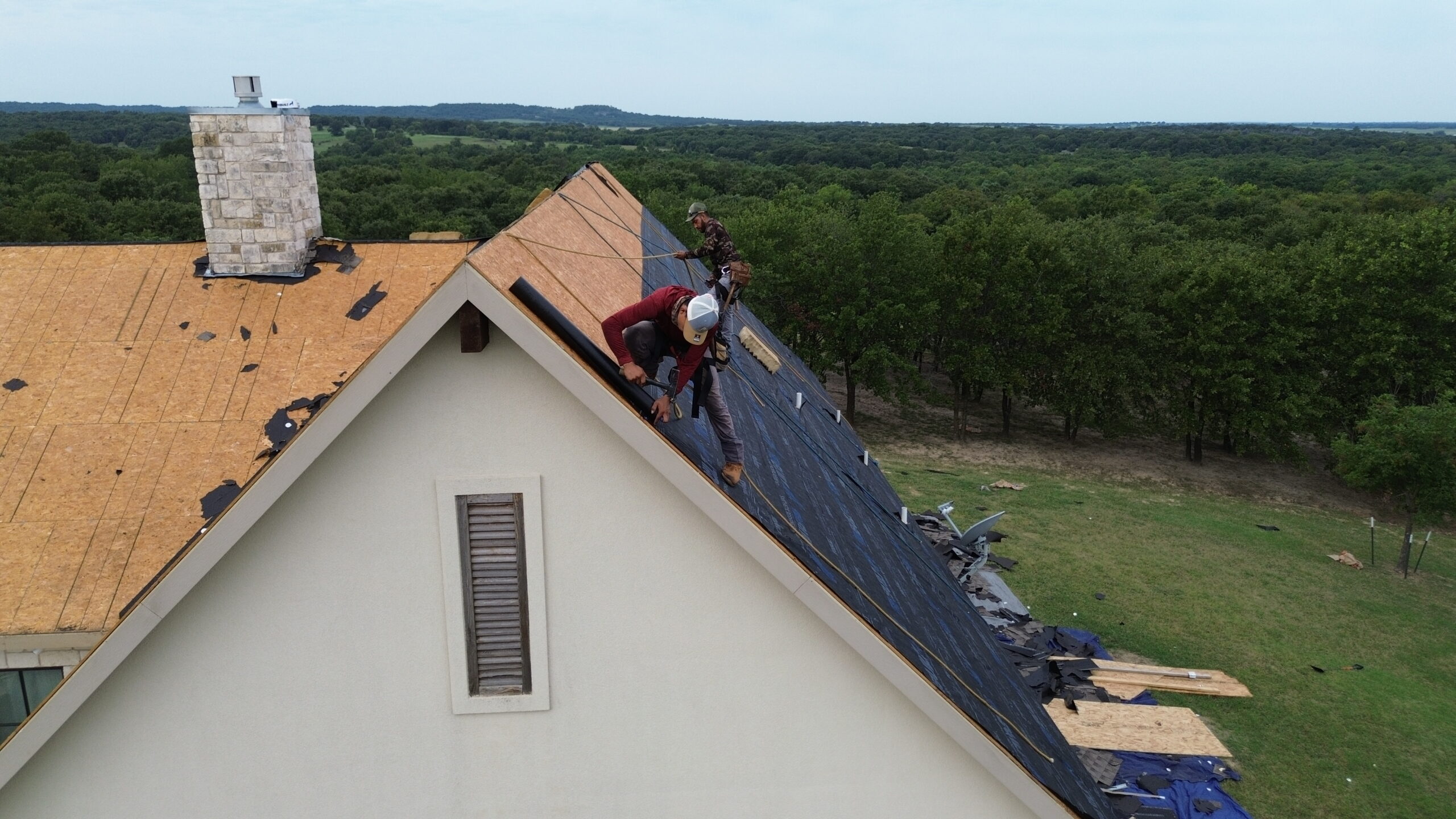
Even with consistent maintenance, roofing problems occasionally develop because of aging, severe weather, or unexpected impacts. Responding quickly and methodically helps prevent small issues from becoming expensive replacement projects.
The following response plan provides a practical approach:
- Perform a safe visual inspection from ground level to identify obvious signs of damage without climbing onto the roof.
- Take photographs of visible damage to document the roof’s condition before repairs begin.
- Protect the home’s interior if active leaks are present by moving valuable belongings away from affected areas.
- Contact a qualified roofing professional to arrange a detailed inspection as soon as possible.
- Review the inspection findings carefully and discuss available repair options before authorizing work.
- Complete recommended repairs promptly rather than relying on temporary patches for extended periods.
- Schedule a follow-up inspection if significant repairs were completed to confirm that the roofing system is performing properly.
Following these steps helps homeowners remain organized during stressful situations while reducing the likelihood of overlooking developing problems.
One common mistake is attempting extensive repairs without professional assistance. Although temporary protective measures may sometimes be necessary, permanent roofing repairs often require specialized knowledge, safety equipment, and installation techniques. Improper repairs may create additional problems while increasing long-term costs.
Another mistake is assuming that the absence of interior leaks means the roof has not been damaged. Storms can loosen flashing, lift shingles, or create small openings that remain unnoticed until heavy rainfall occurs weeks or months later. Prompt professional evaluation after severe weather helps identify these hidden issues early.
Quick response also reduces moisture-related damage. Water spreads rapidly through insulation, wood framing, drywall, and flooring. Acting promptly limits structural deterioration while preserving indoor air quality by reducing the likelihood of mold growth.
Every roofing problem should therefore be viewed as an opportunity for preventive action. Addressing concerns early protects the roof’s remaining lifespan while delaying the need for replacement.
Knowing When Maintenance Is No Longer Enough
Although regular maintenance significantly extends roof lifespan, every roofing system eventually reaches a point where repairs become less practical than replacement. Recognizing this transition helps homeowners avoid investing repeatedly in temporary solutions that provide only short-term benefits.
Roof age is often the first consideration. As roofing materials approach or exceed their expected service life, natural aging affects multiple components simultaneously. Even if individual repairs remain possible, widespread material fatigue gradually reduces the roof’s overall reliability.
Repair frequency provides another valuable indicator. Occasional repairs are expected throughout a roof’s lifespan, but repeated leaks appearing in different areas often suggest that deterioration is becoming widespread. Continuing to repair isolated problems may no longer represent the most economical long-term approach.
Visible deterioration across large portions of the roof should also receive careful attention. Extensive granule loss, curling shingles, cracked tiles, rusted flashing, sagging roof sections, or repeated membrane failures indicate that roofing materials may no longer provide dependable protection.
Structural damage beneath the roof further changes the repair decision. Water-damaged decking, deteriorated framing, saturated insulation, or widespread mold growth often require substantial reconstruction before new roofing materials can be installed. At this stage, replacement frequently offers greater long-term value than continuing isolated repairs.
Energy performance may also decline as roofing systems age. Older materials often provide less effective weather protection and ventilation support than modern roofing systems. Rising heating and cooling costs sometimes indicate that roof replacement could improve overall building efficiency while reducing future operating expenses.
Professional inspections remain essential when evaluating these factors. Experienced roofing contractors can distinguish between problems that remain economically repairable and situations where replacement provides the better investment. Their recommendations help homeowners avoid unnecessary spending while planning confidently for the future.
Accepting that every roof eventually reaches the end of its useful life is an important part of responsible home ownership. Maintenance delays replacement for many years, but it cannot prevent natural aging indefinitely.
Protecting Your Home Through Ongoing Roof Care
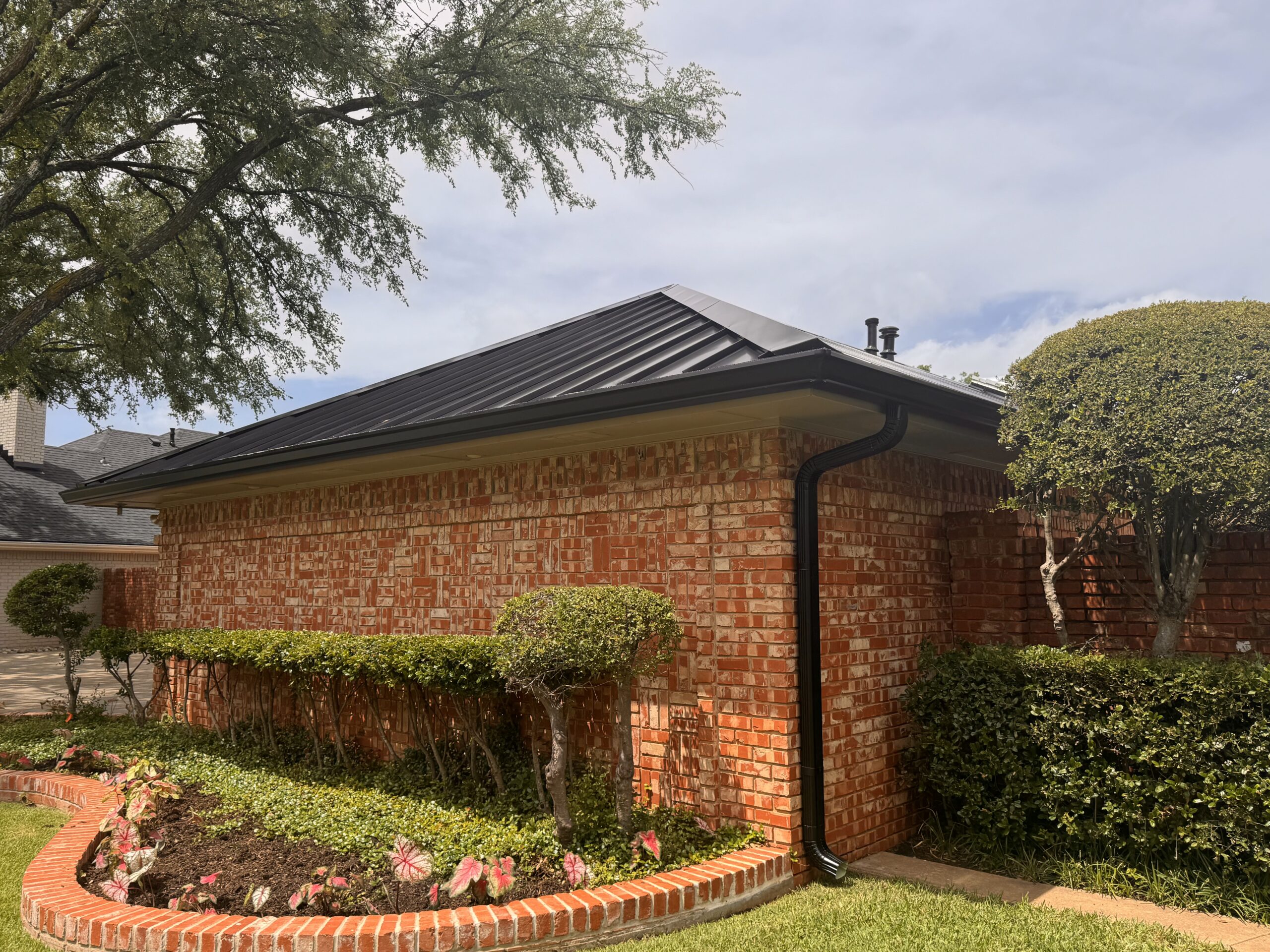
Roof maintenance protects much more than roofing materials. It safeguards nearly every major component of the home by preserving the building’s primary defense against weather. Ongoing care therefore contributes to the long-term performance of the entire property.
A properly maintained roof protects structural framing from moisture damage. Dry framing retains its strength, reducing the likelihood of expensive structural repairs while maintaining the home’s overall stability. Preventing water intrusion also preserves insulation performance, supporting more consistent indoor temperatures throughout the year.
Interior finishes benefit significantly from roof maintenance as well. Ceilings, walls, flooring, paint, and decorative finishes remain in better condition when moisture is prevented from entering the home. Protecting these interior components avoids additional repair expenses that often accompany neglected roof leaks.
Electrical and mechanical systems also remain safer when the roof performs effectively. Water infiltration near wiring, lighting fixtures, heating equipment, or ventilation systems creates unnecessary risks that routine maintenance helps prevent. Keeping the roof watertight protects these important household systems while reducing future maintenance needs.
Roof maintenance also contributes to stronger property value. Prospective buyers often consider roof condition one of the most important aspects of a home’s overall maintenance history. A documented record of inspections and repairs demonstrates responsible ownership while increasing buyer confidence during property transactions.
Environmental benefits should not be overlooked either. Extending roof lifespan reduces the frequency of material replacement, lowering construction waste while making better use of existing resources. Well-maintained roofs also support improved energy efficiency, contributing to lower overall energy consumption.
Finally, consistent roof care provides peace of mind. Homeowners gain confidence knowing that their roof has been inspected regularly, repaired promptly, and maintained according to professional recommendations. This confidence becomes especially valuable during severe weather, when a well-maintained roof is more likely to perform as intended.
Conclusion
Regular roof maintenance is one of the most effective ways to delay replacement costs over time. Although every roof will eventually require replacement, consistent inspections, preventive repairs, routine cleaning, and prompt attention to developing problems significantly extend the lifespan of roofing materials. Rather than allowing minor defects to evolve into widespread structural damage, maintenance preserves the roof’s ability to protect the home year after year.
The financial benefits of maintenance are equally important. Small, planned expenses for inspections and repairs are far easier to manage than emergency reconstruction projects or premature roof replacement. Preventive care also protects insulation, structural framing, ceilings, electrical systems, and interior finishes, reducing the likelihood of costly secondary damage that often accompanies neglected roofing problems.
Long-term success depends on developing consistent maintenance habits. Scheduling professional inspections, maintaining proper drainage, monitoring attic conditions, documenting repairs, and responding quickly to roofing concerns all contribute to extending roof life while preserving property value. Homeowners who follow these practices gain greater control over replacement timing and avoid many of the unexpected expenses associated with roof neglect.
At the same time, it is important to recognize when maintenance has reached its practical limits. As roofing materials naturally age, replacement eventually becomes the most reliable and cost-effective solution. Understanding this transition allows homeowners to prepare financially, choose quality materials, and schedule replacement before major structural damage develops.
Ultimately, regular maintenance is not simply about repairing roofs. It is about protecting an entire home, preserving long-term financial value, and ensuring that one of the property’s most important structural systems continues performing reliably for as many years as possible. A proactive maintenance strategy transforms roof ownership from a cycle of expensive emergencies into a predictable process of care, helping homeowners delay replacement costs while maximizing the life and performance of their roofing investment.