

How Roof Pitch Impacts Replacement Complexity and Cost
Introduction
When homeowners plan a roof replacement, they often focus on choosing new roofing materials, selecting a contractor, and estimating the overall project cost. While these factors are certainly important, one aspect that has a major influence on every stage of the replacement process is the roof pitch. The slope of a roof affects everything from labor requirements and installation methods to safety procedures and material usage. Understanding how roof pitch influences a replacement project helps homeowners make better decisions and develop realistic expectations before work begins.
Many people assume that replacing one roof is much like replacing another, but roofing professionals know that every project presents unique challenges. A roof with a gentle slope requires different techniques than one with a steep incline. The amount of time needed, the equipment used, and even the number of workers assigned to the project often depend on the roof’s pitch.
Roof pitch also affects the long term performance of the roofing system. Water drainage, snow accumulation, ventilation, and the suitability of different roofing materials are all influenced by the roof’s angle. A roof designed for one type of material may not perform properly if another material is installed without considering the slope.
Another reason roof pitch deserves attention is because it directly impacts project costs. Steeper roofs generally require additional safety equipment, slower installation speeds, specialized tools, and greater labor effort. Even moderate changes in roof pitch can influence contractor estimates because of the extra time and resources involved.
This guide explains how roof pitch affects roof replacement complexity and cost. It begins by exploring what roof pitch means, how it is measured, why it matters during replacement, and how roofing professionals evaluate roof slope before recommending materials or preparing project estimates.
What Roof Pitch Means in Roofing
Roof pitch refers to the steepness or slope of a roof. Rather than describing the roof using degrees, the roofing industry commonly expresses pitch as the amount the roof rises vertically for every 12 inches of horizontal distance. This measurement provides a simple and consistent way to compare different roof designs.
For example, a roof with a pitch of 6:12 rises six inches for every twelve inches of horizontal run. Likewise, a roof with a pitch of 10:12 rises ten inches over the same horizontal distance, making it significantly steeper. The larger the first number, the steeper the roof becomes.
Roof pitch is much more than an architectural feature. It influences how effectively rainwater drains from the roof, how much snow may accumulate during winter, and how the structure responds to wind loads. These factors directly affect roofing material selection and installation methods.
The slope of a roof also determines how accessible it is during construction. Workers can move much more easily across a low slope roof than a steep one. As the pitch increases, roofing becomes more physically demanding, requiring additional safety measures and slower working speeds.
Architects often select roof pitch based on local climate, building style, and structural requirements. Homes in regions with frequent snowfall commonly feature steeper roofs that encourage snow to slide off naturally. In contrast, buildings located in warmer climates may use lower slopes because heavy snow loads are less of a concern.
Although homeowners rarely think about roof pitch until repairs or replacement become necessary, it remains one of the defining characteristics of the entire roofing system. Every major decision made during replacement is influenced in some way by the roof’s slope.
How Roof Pitch Is Measured
Accurately measuring roof pitch is an important step before planning any replacement project. Roofing contractors rely on precise measurements because pitch affects material quantities, installation techniques, labor estimates, and safety planning.
The traditional method involves measuring the roof’s vertical rise over a twelve inch horizontal distance. Contractors may perform this measurement directly on the roof using a level and tape measure or calculate it from attic measurements when roof access is limited.
Digital technology has made pitch measurement even more accurate. Many roofing companies now use electronic angle finders, laser measuring devices, drones, and specialized software to calculate roof slopes without requiring extensive manual measurements. These tools improve efficiency while reducing the need for unnecessary roof access during inspections.
Roof pitch may also be expressed as an angle measured in degrees, particularly by engineers or architects. Although roofing contractors generally use the rise over run method, both measurement systems describe the same roof slope. Understanding the relationship between them helps professionals communicate across different construction disciplines.
Accurate measurements become especially important when ordering roofing materials. Incorrect pitch calculations can affect estimates for shingles, underlayment, flashing, ventilation components, and safety equipment. Even small measurement errors may result in additional material orders or project delays.
Contractors also evaluate whether different sections of the same roof have varying pitches. Complex homes often include multiple roof sections connected by valleys, dormers, or intersecting rooflines. Each section may require separate measurements because installation procedures and material requirements can differ.
By beginning every project with careful measurements, roofing professionals create more accurate replacement plans while minimizing unexpected complications during construction.
Common Roof Pitch Categories and Their Characteristics
Although every roof has its own unique slope, most residential roofs fall into several broad pitch categories. Understanding these classifications helps homeowners appreciate why replacement methods vary from one project to another.
Low slope roofs have relatively gentle inclines that allow workers to move across the surface more easily. These roofs require careful attention to waterproofing because water drains more slowly than on steeper designs. Material selection becomes especially important since some roofing products perform better on low slopes than others.
Medium pitch roofs are among the most common in residential construction. They provide a practical balance between efficient water drainage, attractive appearance, and manageable installation conditions. Many asphalt shingle roofs fall within this category because the slope supports reliable water runoff without creating excessive installation challenges.
Steep slope roofs create a distinctive architectural appearance while offering excellent water and snow drainage. Their greater incline reduces the amount of standing moisture on the roof surface but increases installation complexity. Roofing crews typically require additional safety equipment and spend more time securing themselves while working.
Very steep roofs present the greatest construction challenges. Specialized equipment such as roof brackets, harness systems, scaffolding, or aerial lifts may become necessary to complete replacement safely. Worker movement slows considerably, increasing labor time and project costs.
Climate often influences which roof pitch categories are most common in different regions. Areas receiving heavy rainfall or snowfall frequently feature steeper roofs because they shed precipitation more effectively. Drier climates may support lower slopes without experiencing the same drainage concerns.
Understanding these categories helps explain why contractors cannot simply apply the same replacement methods to every roof. Each pitch creates unique working conditions that influence project planning from beginning to end.
Why Roof Pitch Matters During Roof Replacement
Roof pitch affects nearly every aspect of a replacement project, making it one of the first characteristics contractors evaluate during inspections. From estimating labor requirements to selecting materials, the roof’s slope influences countless decisions throughout the project.
One of the most immediate effects involves worker safety. As roof pitch increases, maintaining secure footing becomes more difficult. Contractors must install additional fall protection systems, work more carefully, and move across the roof at slower speeds. These precautions improve safety but naturally increase labor time.
Material handling also becomes more complicated on steeper roofs. Carrying bundles of shingles, rolls of underlayment, or heavy tools up a steep incline requires greater physical effort and additional planning. Crews often transport smaller loads to maintain safe working conditions.
Installation quality is closely connected to roof pitch as well. Some roofing products require minimum slope requirements to function correctly. Installing unsuitable materials on an improperly pitched roof may reduce weather resistance and shorten the roof’s service life.
Roof pitch also affects scheduling. Steep roofs generally require more working hours than low slope roofs of similar size because every task takes longer to complete safely. Unexpected weather interruptions may further extend project timelines since wet surfaces become significantly more hazardous on steeper slopes.
Cost estimates reflect all of these factors. Contractors consider labor, equipment, safety requirements, material waste, and project duration when preparing bids. Roof pitch influences each of these variables, making it a significant contributor to the total replacement cost.
For homeowners, understanding the relationship between roof pitch and project complexity provides valuable context when reviewing contractor proposals. Differences in pricing often reflect legitimate structural and safety considerations rather than simple variations between companies.
How Roof Pitch Affects Roofing Material Selection
Not every roofing material performs equally well on every roof pitch. Manufacturers design products to function within specific slope ranges, ensuring they provide adequate water protection and long term durability under expected weather conditions.
Asphalt shingles remain one of the most versatile roofing materials because they perform well across a wide range of residential roof pitches. However, even asphalt shingles generally require minimum slope recommendations to ensure rainwater drains effectively rather than backing up beneath the roofing material.
Metal roofing offers excellent performance on many roof pitches due to its ability to shed water efficiently. On steeper roofs, metal panels often allow rain and snow to slide off quickly, reducing moisture retention and minimizing the likelihood of long term water related damage.
Tile and slate roofing systems typically perform best on moderate to steep roof pitches. Their overlapping installation design depends on gravity to direct water downward across the roof surface. Installing these materials on slopes below manufacturer recommendations may increase the risk of leaks.
Low slope roofs frequently require specialized roofing systems designed to create continuous waterproof barriers. These materials differ significantly from standard shingles because slower water drainage demands greater protection against standing moisture and wind driven rain.
Roof pitch also influences fastener placement, flashing installation, and underlayment selection. Steeper roofs may require enhanced fastening techniques to resist gravity and wind forces, while lower slopes often require additional waterproofing beneath the primary roofing material.
Selecting compatible materials ensures the completed roof performs according to manufacturer specifications while maintaining warranty protection. Professional contractors evaluate both roof pitch and local climate before recommending the most suitable roofing products.
Safety Challenges Associated with Different Roof Slopes
Safety remains one of the most important considerations during any roof replacement project, and roof pitch has a direct impact on the level of risk involved. As the roof becomes steeper, workers face greater challenges maintaining balance, transporting materials, and completing detailed installation tasks.
Low slope roofs generally allow roofing crews to move more freely while carrying tools and materials. Although safety precautions remain essential, the likelihood of slipping is lower than on steeper surfaces under normal weather conditions.
Medium pitch roofs introduce additional safety considerations. Workers often begin using personal fall protection equipment, particularly near roof edges or when weather conditions reduce traction. Maintaining proper footing becomes increasingly important as the roof angle increases.
Steep roofs require significantly more comprehensive safety planning. Roofing crews frequently wear full body harnesses connected to secure anchor points throughout the project. Roof brackets, walk boards, and temporary platforms may also be installed to create stable working surfaces.
Weather conditions have an even greater impact on steep roofs. Rain, frost, high winds, or loose roofing granules can quickly reduce traction, making surfaces much more hazardous. Contractors may temporarily suspend work until conditions improve to protect both workers and property.
Material handling also presents unique risks. Heavy roofing materials must be lifted, transported, and positioned carefully to prevent sliding or accidental falls. Crews coordinate their movements closely to maintain safe working conditions while protecting newly installed roofing components.
Professional roofing companies invest heavily in safety training because proper procedures reduce injuries while improving overall project quality. Although these precautions increase project complexity, they remain essential for ensuring successful roof replacement on roofs of every pitch.
How Roofing Professionals Assess Roof Pitch Before Replacement
Before preparing an estimate or recommending replacement options, roofing professionals perform a detailed evaluation of the roof’s pitch and overall condition. This assessment provides the information needed to plan labor, materials, equipment, and project scheduling accurately.
The inspection usually begins with exterior observations. Contractors examine the roof’s overall shape, identify different roof sections, and note areas where the pitch changes. Complex roofs often contain multiple slopes that require separate planning during replacement.
Precise measurements are then collected using manual tools or digital equipment. These measurements allow contractors to calculate roof area accurately while determining which roofing materials meet manufacturer requirements for each section of the roof.
Inspectors also evaluate accessibility. Trees, nearby buildings, landscaping, and driveway space influence how materials and equipment will reach the roof. Steeper roofs may require cranes, material lifts, or additional scaffolding depending on site conditions.
Structural observations form another important part of the assessment. Contractors inspect roof decking, framing, ventilation, flashing, and drainage components to identify issues that could affect installation. Existing structural concerns may require repairs before new roofing materials can be installed safely.
Finally, roofing professionals combine roof pitch measurements with local weather conditions, building codes, and homeowner preferences to develop a replacement plan tailored to the property’s specific needs. This comprehensive evaluation allows contractors to provide accurate estimates while ensuring the completed roof delivers reliable performance, long term durability, and safe installation practices.
Why Steeper Roofs Require More Labor
Roof pitch has a direct influence on the amount of labor required for a replacement project. While two homes may have the same roof size and use identical roofing materials, the steeper roof will almost always require more time, greater physical effort, and additional safety procedures. These factors increase labor hours, making roof pitch one of the primary reasons replacement costs vary between properties.
On a low slope roof, workers can move across the surface relatively quickly while carrying materials and tools. Tasks such as removing old shingles, installing underlayment, and fastening new roofing materials can often be completed efficiently because movement is less restricted.
As the roof becomes steeper, every task requires more caution. Roofing crews must carefully position themselves before lifting materials, using tools, or installing shingles. Workers often secure themselves with harnesses, reducing their mobility but significantly improving safety.
Material transportation also becomes more demanding. Instead of carrying multiple bundles of shingles at once, workers may transport smaller loads to maintain balance and reduce fatigue. This means more trips across the roof, increasing overall labor time.
Communication between crew members becomes increasingly important on steep roofs. Workers frequently coordinate movements when lifting heavy materials or passing equipment because sudden shifts in weight may create safety hazards. These coordinated procedures improve workplace safety but naturally slow project progress.
Installing detailed roofing components such as flashing, ridge caps, valley protection, and ventilation systems also requires greater precision on steep slopes. Workers often spend additional time securing themselves before completing these smaller but essential installation tasks.
The physical demands placed on roofing crews should not be underestimated. Working on steep surfaces requires greater balance, endurance, and concentration throughout the day. Because fatigue develops more quickly, contractors schedule work carefully to maintain both productivity and safety.
Labor estimates therefore reflect much more than the roof’s square footage. They account for the additional effort required to complete every stage of the replacement while maintaining professional installation standards and protecting worker safety.
Equipment and Safety Requirements for High Pitch Roofs
Safety equipment becomes increasingly important as roof pitch increases. Roofing contractors invest in specialized equipment that allows crews to work securely while maintaining the quality of installation. Although these safety measures add to project costs, they are essential for protecting workers and preventing accidents.
Personal fall protection systems are among the most important safety requirements. Roofers working on steep slopes typically wear full body harnesses connected to secure roof anchors using adjustable lifelines. These systems reduce the risk of serious injuries should a worker lose footing.
Roof brackets are commonly installed on steep roofs to create stable platforms. Wooden planks placed across these brackets provide secure walking surfaces where workers can stand while installing shingles or flashing. These temporary platforms improve efficiency while reducing physical strain.
Scaffolding may also be required for certain projects. It provides safe access around the building and creates convenient staging areas for materials and tools. Homes with multiple stories often require more extensive scaffolding than single story structures.
Mechanical lifting equipment becomes valuable on roofs where manually carrying heavy materials would increase safety risks. Cranes, boom lifts, and material hoists allow roofing supplies to reach elevated work areas without requiring workers to carry excessive loads up ladders.
Temporary roof anchors must be carefully positioned before work begins. These anchors serve as attachment points for safety harnesses and remain in place until replacement is complete. Proper installation ensures workers remain protected throughout every stage of construction.
Contractors also use protective coverings around the property to prevent damage from falling debris. Tarps shield landscaping, while plywood barriers may protect windows, outdoor equipment, and walkways from roofing materials removed during demolition.
Weather monitoring forms another important part of safety planning. High winds, rain, frost, or extreme heat may require work to pause temporarily because steep roof surfaces become much more hazardous under adverse conditions.
Although homeowners may notice higher costs associated with these safety measures, they represent essential investments that support both project quality and worker wellbeing.
Material Usage Differences Across Roof Pitches
Roof pitch influences not only labor but also the amount and type of materials required for a replacement project. The steeper the roof becomes, the more surface area it generally contains compared to the home’s horizontal footprint. This difference directly affects material quantities and overall project costs.
Many homeowners assume their roof area matches the size of their house, but this is rarely the case. A steep roof covers a larger actual surface because of its incline. As a result, more shingles, underlayment, fasteners, and flashing materials are needed to complete the installation.
Fastener requirements may also vary depending on roof slope. Steeper roofs often require enhanced fastening methods to ensure roofing materials remain securely attached during strong winds or severe weather. Additional fasteners increase both material usage and installation time.
Underlayment selection may change as well. Contractors frequently recommend upgraded moisture barriers or ice and water protection in areas where roof design or local climate increases the likelihood of water infiltration. These additional protective layers contribute to better long term performance.
Roof accessories should also be considered. Ridge caps, starter strips, ventilation components, drip edge, and flashing quantities often increase with roof complexity and pitch. Complex rooflines with numerous intersections generally require more accessory materials than simple designs.
Packaging and material transportation become additional considerations. Larger material quantities require more delivery coordination and on site storage planning. On steep roofs, materials may need to be staged in multiple locations to minimize unnecessary movement during installation.
Accurate measurements are therefore essential before ordering supplies. Contractors carefully calculate roof dimensions, slope, waste factors, and accessory requirements to ensure sufficient materials are available while minimizing unnecessary surplus.
Understanding how pitch influences material usage helps homeowners recognize why two homes of similar size may receive significantly different replacement estimates.
Waste Factors Caused by Roof Design and Pitch
Material waste is a normal part of every roofing project, but roof pitch often increases the amount of waste generated during replacement. The relationship between roof slope, roof shape, and material cutting requirements plays an important role in determining final project costs.
Simple rectangular roofs generally produce less waste because roofing materials can be installed using longer, uninterrupted rows. Fewer cuts are required, allowing contractors to use materials more efficiently throughout the project.
Steeper roofs frequently feature more complex architectural designs that include valleys, hips, dormers, skylights, and intersecting roof sections. Every additional feature requires precise cutting and fitting, producing offcuts that cannot always be reused elsewhere on the roof.
Certain roofing materials generate more waste than others. Large roofing panels often require careful trimming around roof penetrations, while individual shingles may allow greater flexibility when working around irregular shapes. Contractors consider these differences when estimating project costs.
Material handling also contributes to waste prevention. Roofing crews working on steep slopes must carefully secure materials to prevent accidental sliding or damage before installation. Protective handling procedures reduce losses but require additional time and planning.
Manufacturers often recommend ordering additional material beyond calculated roof area to account for cutting losses, future repairs, and unexpected installation adjustments. The amount of extra material varies depending on roof complexity and pitch.
Experienced contractors carefully plan installation sequences to minimize unnecessary waste. By arranging material layouts strategically, they maximize usable pieces while reducing discarded sections. Efficient planning benefits both project budgets and environmental sustainability.
Although waste represents an unavoidable aspect of roofing replacement, professional planning helps keep material losses within reasonable limits while maintaining high installation quality.
How Roof Pitch Influences Installation Time
Roof replacement schedules depend on many variables, but roof pitch consistently remains one of the most significant influences on installation time. Every increase in slope affects how quickly workers can complete both major and detailed construction tasks.
Removing existing roofing materials takes longer on steep roofs because workers must carefully maintain secure footing while lifting heavy debris. Rather than stripping large sections quickly, crews often remove roofing materials in smaller controlled areas to maintain stability.
Installing underlayment also becomes more time consuming. Workers must align protective layers accurately while preventing materials from shifting before fastening. Wind conditions further increase the challenge because loose materials can move unexpectedly on steep surfaces.
Shingle installation requires slower, more deliberate movement. Each row must remain properly aligned while workers carefully position themselves before using fastening tools. These additional steps improve installation accuracy but naturally extend project duration.
Flashing installation around chimneys, skylights, roof valleys, and wall intersections demands careful craftsmanship regardless of roof pitch. However, completing these detailed tasks on steep roofs requires additional safety preparation before each section is installed.
Weather interruptions may have a greater impact as well. Steep roofs become slippery much more quickly during rain or frost, meaning work often pauses sooner than it would on lower slope roofs. Contractors prioritize safety rather than attempting to maintain unrealistic schedules.
Inspection procedures also require additional time because supervisors carefully examine completed work before crews progress to the next section. Quality control remains especially important on steep roofs where correcting installation errors later may become more difficult.
Although longer installation periods increase labor costs, they also allow contractors to maintain workmanship standards that contribute to long term roof performance.
Weather Related Challenges During Replacement
Weather affects every roofing project, but roof pitch often determines how severely changing conditions influence construction schedules and installation quality. Roofing contractors carefully monitor forecasts throughout replacement projects to protect both workers and the unfinished roof.
Rain presents one of the most immediate concerns. Wet roofing surfaces become slippery, particularly on steeper slopes where maintaining secure footing already requires significant attention. Contractors frequently suspend work during rainfall to prevent accidents and protect exposed roof decking.
Wind creates additional challenges by affecting both worker safety and material handling. Large roofing materials such as underlayment or metal panels may become difficult to control during installation. Strong gusts also increase the risk of loose materials moving unexpectedly across steep roof surfaces.
High temperatures introduce another set of concerns. Roofing materials exposed to intense sunlight may become softer and more difficult to handle, while workers experience greater physical fatigue under demanding conditions. Contractors often adjust work schedules during extremely hot weather to maintain productivity and safety.
Cold weather affects installation differently. Some roofing materials become less flexible at lower temperatures, requiring more careful handling to prevent cracking or breakage. Frost may also reduce traction on steep roofs, delaying work until surfaces become safe.
Snow and ice create the greatest seasonal challenges. Roofing replacement is generally postponed until conditions improve because safe installation becomes extremely difficult when roof surfaces remain covered with frozen precipitation.
Experienced contractors develop contingency plans for weather delays before projects begin. Flexible scheduling helps ensure replacement progresses safely without compromising installation quality or exposing the home to unnecessary weather related risks.
Cost Factors Directly Affected by Roof Pitch
Many homeowners are surprised to learn how many individual cost components are influenced by roof pitch. Although roofing material prices often receive the most attention, labor and project complexity frequently contribute just as much to the final estimate.
Labor costs typically represent the largest variable. As roof pitch increases, workers require more time to complete each task safely and accurately. Longer project durations naturally increase labor expenses.
Safety equipment contributes additional costs. Harness systems, roof anchors, scaffolding, roof brackets, and specialized lifting equipment all represent necessary investments that protect workers during construction.
Material quantities also increase because steeper roofs contain greater surface area than their horizontal footprint suggests. Additional shingles, underlayment, flashing, ridge caps, and fasteners contribute to higher material costs.
Transportation and logistics should also be considered. Delivering materials, positioning equipment, and removing demolition debris become more complicated on difficult roof designs or properties with limited access.
Insurance costs for contractors may also reflect project risk. Roofing companies often consider roof pitch when estimating project complexity because steeper roofs generally involve greater occupational hazards.
Cleanup efforts may require additional labor as well. Removing roofing debris safely from steep roofs often takes longer than similar work on lower slopes.
Together, these individual factors explain why roof pitch has such a noticeable effect on replacement estimates even when homeowners choose identical roofing materials.
| Roof Pitch Category | Replacement Complexity | Labor Requirement | Safety Measures | Relative Project Cost |
|---|---|---|---|---|
| Low Pitch | Lower | Standard | Basic fall protection | Lower |
| Moderate Pitch | Moderate | Increased | Harnesses and additional precautions | Moderate |
| Steep Pitch | High | Significantly higher | Full fall protection, roof brackets, scaffolding | Higher |
| Very Steep Pitch | Very High | Maximum | Specialized equipment and advanced safety planning | Highest |
Common Mistakes Homeowners Make When Comparing Quotes
Roof replacement estimates often vary, and homeowners sometimes assume the lowest proposal automatically represents the best value. However, roof pitch makes direct price comparisons more complicated because contractors may approach the same project differently.
One common mistake is comparing total prices without reviewing the scope of work. Some estimates include upgraded safety equipment, premium underlayment, detailed flashing replacement, and comprehensive cleanup, while others may exclude these important items.
Another mistake involves overlooking labor assumptions. Contractors with extensive experience replacing steep roofs may allocate more workers or additional installation time than companies unfamiliar with complex roof designs. Although this increases the estimate, it may also improve project quality and safety.
Ignoring warranty coverage can also create problems. Higher quality installation practices supported by experienced crews often result in stronger workmanship warranties that provide greater long term value.
Homeowners should also avoid selecting contractors solely because they promise unusually short completion times. Steep roofs require careful installation, and unrealistic schedules may encourage rushed workmanship that increases future maintenance needs.
Evaluating contractor experience, licensing, insurance, references, safety procedures, and material quality provides a much more reliable basis for comparison than price alone.
Contractor Planning for Different Roof Slopes
Successful roof replacement begins long before the first shingle is removed. Roofing contractors develop detailed project plans that account for roof pitch, structural conditions, weather forecasts, crew size, material deliveries, and safety requirements.
For low slope roofs, planning often focuses on waterproofing details and efficient material movement across the roof surface. Work can usually progress steadily because worker mobility is relatively unrestricted.
Steeper roofs require much more extensive preparation. Contractors determine anchor locations, scaffold placement, material staging areas, and emergency safety procedures before construction begins. Every stage is carefully coordinated to reduce unnecessary movement and improve productivity.
Crew assignments may also vary depending on roof pitch. Highly experienced workers are often assigned to the steepest sections, while supervisors monitor installation quality and safety throughout the project.
Material deliveries are scheduled carefully to ensure roofing supplies arrive when needed without overcrowding the job site. On steep roofs, contractors frequently stage materials in phases to reduce handling risks and maintain organized work areas.
Communication with homeowners is another important planning element. Contractors explain expected timelines, weather related delays, property access requirements, and daily progress so homeowners understand how roof pitch influences the overall replacement process.
Thorough planning allows roofing professionals to complete complex replacement projects safely, efficiently, and with the level of craftsmanship required for long lasting roof performance.
Choosing the Right Roofing Materials for Different Roof Pitches
Selecting roofing materials involves much more than appearance and budget. The slope of the roof determines how effectively different materials shed water, resist weather, and perform over their expected lifespan. During a roof replacement, contractors evaluate the existing roof pitch before recommending products because using an unsuitable material can reduce durability and increase the likelihood of future problems.
Asphalt shingles remain one of the most popular choices because they perform well on many residential roof pitches. Their layered installation creates effective water shedding on moderate and steeper slopes while offering homeowners a wide range of colors and styles. However, manufacturers typically specify minimum pitch requirements to ensure water drains properly beneath the overlapping shingles.
Metal roofing performs exceptionally well on many roof pitches due to its smooth surface and excellent drainage characteristics. Rain, snow, and debris slide off more easily than on many other roofing materials, making metal roofing a strong option for regions that experience heavy rainfall or snowfall. Modern metal roofing systems are also available in numerous profiles that complement both traditional and contemporary homes.
Clay and concrete tiles provide outstanding durability but require careful consideration because of their weight. Roof framing must be capable of supporting these heavier materials, and the roof pitch must allow proper water drainage between overlapping tiles. Contractors often recommend structural evaluations before installing tile roofing on homes that previously used lighter materials.
Slate roofing offers exceptional longevity but also requires appropriate roof slopes and strong structural support. Its individual stone pieces depend on gravity and overlapping installation methods to direct water safely off the roof. Proper installation by experienced professionals is essential for achieving the expected lifespan.
Low slope roofs often require specialized membrane roofing systems rather than conventional shingles. These materials create continuous waterproof surfaces that provide reliable protection where water drains more slowly than on steeper roofs.
By matching roofing materials to the roof’s pitch, homeowners improve weather resistance, maintain manufacturer warranty eligibility, and maximize the lifespan of their investment.
Building Code and Manufacturer Requirements
Roof replacement projects must satisfy both local building codes and manufacturer installation requirements. Roof pitch plays an important role in meeting these standards because many regulations and product specifications vary according to roof slope.
Building codes establish minimum requirements for structural performance, drainage, wind resistance, fastening methods, ventilation, and weather protection. These standards help ensure that replacement roofs perform safely under local environmental conditions. Contractors must follow these requirements regardless of whether the replacement uses the same roofing materials as the original roof.
Manufacturers also publish detailed installation instructions for every roofing product. These instructions specify the minimum roof pitch suitable for the material, recommended underlayment types, fastening patterns, flashing details, and ventilation requirements. Following these guidelines helps roofing systems perform as intended throughout their expected service life.
Steeper roofs may require additional fastening methods because gravity and wind place greater stress on roofing materials. Similarly, lower slope roofs often require enhanced waterproofing beneath the primary roofing material to compensate for slower water drainage.
Roof inspections conducted during and after installation help verify compliance with approved plans. Inspectors evaluate structural integrity, flashing installation, ventilation, drainage, and fastening methods before approving the completed project.
Ignoring code requirements or manufacturer recommendations may create serious consequences. Improper installation can reduce roof performance, increase maintenance needs, void warranties, and potentially require expensive corrective work later.
Working with qualified roofing professionals ensures replacement projects comply with current standards while providing homeowners with confidence that the roof has been installed according to recognized best practices.
Long Term Maintenance Based on Roof Pitch
Every roof benefits from regular maintenance, but the roof’s pitch influences both the type and frequency of care required after replacement. Understanding these maintenance needs helps homeowners protect their investment and extend the lifespan of the roofing system.
Low slope roofs often require more frequent inspections because leaves, branches, and debris are more likely to remain on the roof surface. Standing debris can slow water drainage, increasing the risk of moisture retention and premature deterioration if not removed regularly.
Moderate pitch roofs generally experience fewer drainage issues because rainfall naturally washes away much of the loose debris. However, homeowners should still inspect gutters, flashing, and roof penetrations annually to identify developing problems before they become major repairs.
Steep roofs usually shed water and debris efficiently, but they create different maintenance challenges. Their height and slope make inspections more difficult for homeowners, making professional inspections the safest and most practical option.
After severe storms, every roof should be inspected regardless of pitch. High winds, hail, or falling tree branches can damage shingles, flashing, or structural components even when problems are not immediately visible from the ground.
Gutter maintenance remains important for every roof. Blocked gutters interfere with proper drainage, allowing water to back up beneath roofing materials or overflow near the foundation. Regular cleaning helps maintain the effectiveness of the entire drainage system.
Preventive maintenance is generally less expensive than emergency repairs. Scheduling periodic professional inspections allows contractors to identify loose shingles, damaged flashing, ventilation issues, or drainage problems before they develop into more extensive roof damage.
How Roof Pitch Affects Energy Efficiency and Drainage
Roof pitch contributes to the overall energy performance of a home by influencing how the roof interacts with sunlight, ventilation, insulation, and water drainage. Although insulation and ventilation receive much of the attention, the roof’s slope also plays an important supporting role.
Steeper roofs often provide larger attic spaces that allow better airflow when properly ventilated. Improved air circulation helps reduce heat buildup during summer while controlling moisture throughout the year. These conditions support insulation performance and reduce unnecessary strain on heating and cooling systems.
Roof orientation combined with pitch also affects solar heat gain. Different roof slopes receive varying amounts of direct sunlight throughout the day, influencing attic temperatures and indoor comfort. Homes designed with energy efficiency in mind often consider both orientation and roof pitch during planning.
Water drainage represents another major advantage of steeper roofs. Rainwater flows quickly toward gutters, reducing the amount of time moisture remains on the roof surface. Faster drainage lowers the likelihood of standing water, algae growth, and moisture related deterioration.
Lower slope roofs require greater attention to waterproofing because rainwater moves more slowly across the surface. Specialized underlayments and drainage systems compensate for these conditions, ensuring long term weather protection despite reduced roof angle.
Snow accumulation also varies with roof pitch. Steeper roofs generally encourage snow to slide off more readily, reducing structural loads during winter. Lower slope roofs may retain snow longer, requiring roofing systems designed to support additional seasonal weight.
Properly designed roofs balance energy performance, drainage, and structural strength according to local climate conditions. During replacement, contractors evaluate these factors to ensure the completed roofing system performs efficiently throughout every season.
When Roof Pitch Modifications May Be Considered
Most roof replacement projects maintain the home’s existing roof pitch because changing the slope involves major structural modifications. However, certain situations may justify considering pitch adjustments as part of a larger renovation.
Extensive structural damage is one circumstance where redesign becomes practical. If roof framing requires complete replacement, homeowners may choose to modify the roof’s appearance or improve drainage by adjusting the slope during reconstruction.
Major home additions sometimes require blending new roof sections with existing structures. Architects and engineers carefully design these transitions to maintain structural integrity while creating an attractive and functional roofline.
Persistent drainage problems may also prompt consideration of pitch modifications. Homes experiencing repeated water ponding on low slope roofs occasionally benefit from structural redesign that improves runoff and reduces long term maintenance concerns.
Attic conversions represent another situation where roof pitch may change. Creating additional living space sometimes requires raising portions of the roof to provide adequate ceiling height while maintaining proper structural support.
Despite these possibilities, roof pitch modifications involve significant engineering, permitting, and construction costs. Supporting walls, roof framing, insulation, ventilation, and exterior finishes often require substantial changes to accommodate the new design.
Because of the complexity involved, contractors generally recommend maintaining the existing roof pitch unless there is a compelling structural or architectural reason to modify it.
Mistakes to Avoid During High and Low Pitch Roof Replacements
Avoiding common mistakes helps ensure roof replacement projects provide long lasting value regardless of roof pitch. Many problems arise not from the roofing materials themselves but from decisions made before or during installation.
One common mistake is selecting roofing materials based only on appearance without confirming compatibility with the roof’s slope. Products designed for steeper roofs may perform poorly when installed on lower pitches, increasing the risk of leaks and premature deterioration.
Another mistake involves underestimating the importance of experienced contractors. High pitch roofs require specialized skills, safety procedures, and installation techniques that differ significantly from lower slope projects. Choosing a contractor without relevant experience may compromise workmanship quality.
Some homeowners focus exclusively on the lowest project estimate while overlooking differences in materials, warranties, or safety planning. Comparing proposals carefully helps identify what each contractor includes rather than relying on price alone.
Ignoring ventilation upgrades during replacement is another missed opportunity. Proper ventilation complements every roof pitch by reducing heat buildup, controlling moisture, and supporting long term roofing performance.
Delaying replacement after significant deterioration also increases costs. Damaged roofing materials may allow water to affect decking, insulation, and structural framing, creating additional repairs beyond the roofing system itself.
Finally, neglecting routine maintenance after installation reduces the lifespan of even the highest quality roofing system. Regular inspections remain essential for identifying developing concerns before they require extensive repairs.
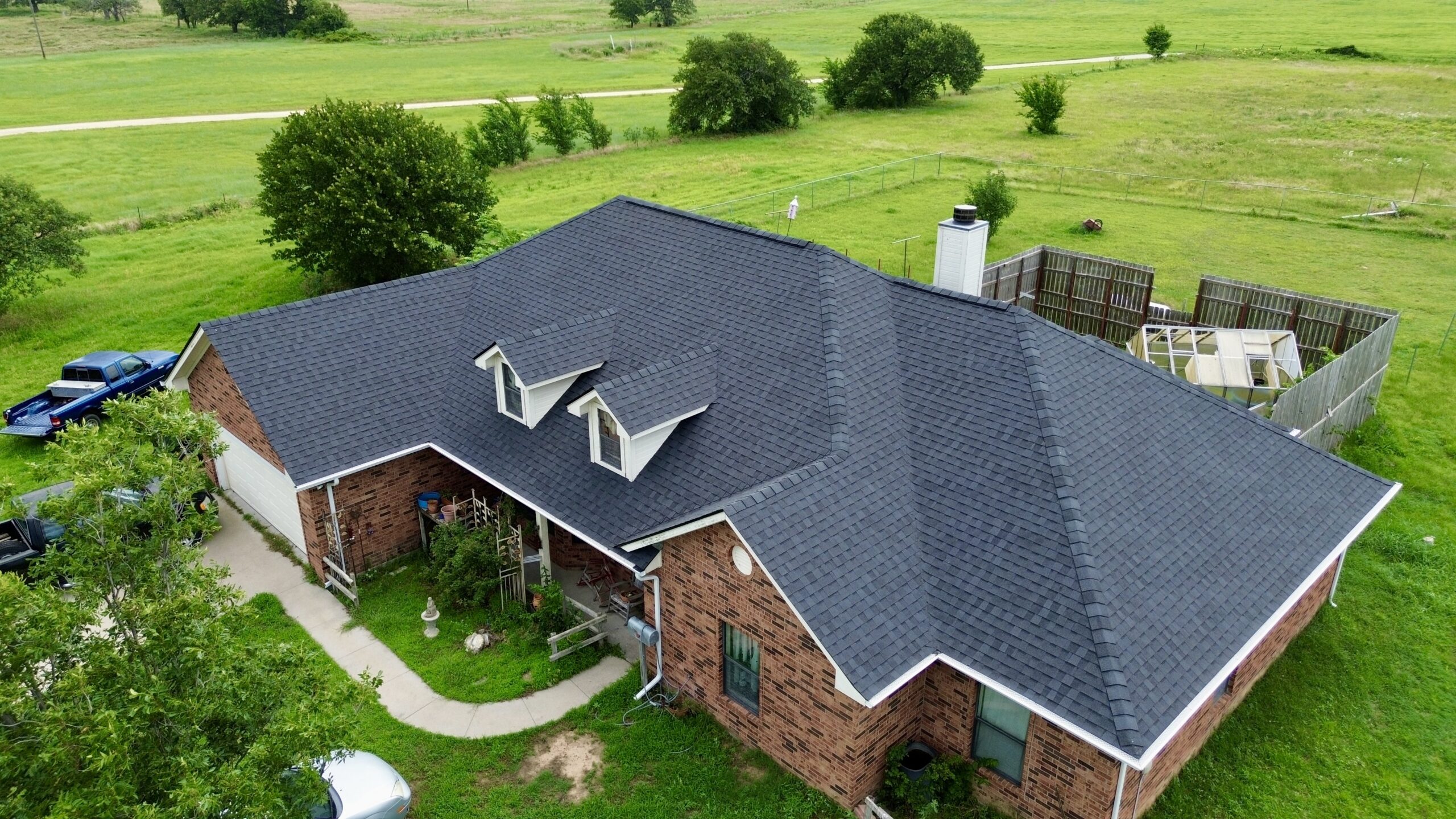
Preparing for a Roof Replacement Based on Roof Pitch
Proper preparation allows homeowners to understand how roof pitch influences scheduling, budgeting, and construction activities before work begins. Planning ahead also improves communication with contractors throughout the project.
The following steps can help homeowners prepare effectively:
- Schedule a professional roof inspection to determine the exact roof pitch and overall structural condition.
- Request detailed written estimates that clearly explain labor, materials, safety equipment, and cleanup procedures.
- Ask contractors how roof pitch affects project duration and installation methods.
- Verify that the proposed roofing materials are appropriate for the existing roof slope.
- Review permit requirements and inspection schedules before construction begins.
- Prepare the property by moving vehicles, outdoor furniture, and fragile landscaping away from work areas.
- Discuss weather contingency plans and communication procedures with the contractor before the project starts.
- Keep all warranty documents, inspection reports, and contractor information for future maintenance and potential resale purposes.
Careful preparation reduces misunderstandings, improves project organization, and helps homeowners feel more confident throughout the roof replacement process.
Frequently Asked Questions
Does a steeper roof always cost more to replace?
In most cases, yes. Steeper roofs generally require more labor, additional safety equipment, specialized installation techniques, and longer project timelines, all of which contribute to higher replacement costs.
Can any roofing material be installed on every roof pitch?
No. Roofing manufacturers specify minimum and sometimes maximum roof pitch requirements for their products. Choosing materials compatible with the roof’s slope is essential for proper performance and warranty protection.
Does roof pitch affect how long a replacement takes?
Yes. Steeper roofs typically require slower installation because workers must use additional safety measures and move more carefully throughout the project. Complex roof designs may further increase installation time.
Is a steep roof better than a low slope roof?
Neither is universally better. Steep roofs usually provide excellent drainage and architectural appeal, while low slope roofs may be more economical to construct and maintain in certain situations. The best choice depends on climate, building design, and homeowner preferences.
Should homeowners measure roof pitch themselves?
While basic measurements are possible, professional contractors use specialized tools and experience to obtain accurate results. Precise measurements are important because they influence material estimates, safety planning, and installation recommendations.
Conclusion
Roof pitch is one of the most influential factors affecting the complexity, duration, and cost of a roof replacement project. From determining labor requirements and safety procedures to influencing material selection and drainage performance, the roof’s slope shapes nearly every stage of the replacement process.
Steeper roofs generally require more planning, specialized equipment, additional labor, and careful installation techniques. Lower slope roofs, while often easier to access, demand greater attention to waterproofing and drainage to ensure reliable long term performance. Understanding these differences helps homeowners evaluate contractor estimates more accurately and appreciate why replacement costs vary from one property to another.
Choosing roofing materials that match the roof’s pitch, complying with building codes and manufacturer requirements, and working with experienced roofing professionals all contribute to a successful replacement. Regular maintenance after installation further protects the investment by helping identify developing issues before they become costly repairs.
By understanding how roof pitch impacts replacement complexity and cost, homeowners can make informed decisions, establish realistic project expectations, and ensure their new roof delivers dependable protection, structural performance, and lasting value for many years.