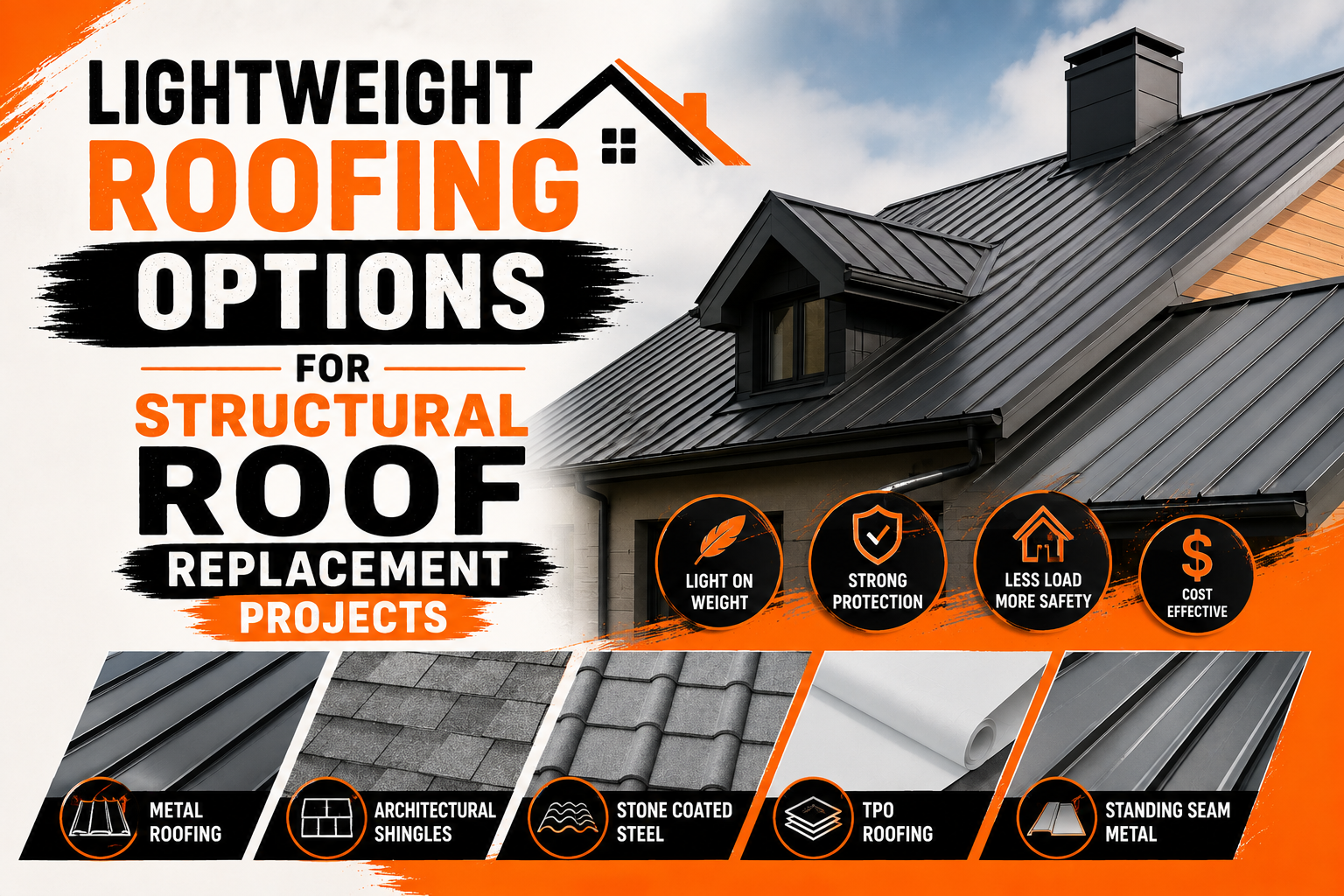
Lightweight Roofing Options for Structural Roof Replacement Projects
Introduction
Roof replacement projects often involve much more than removing old roofing materials and installing new ones. In many cases, the structural capacity of the building becomes an important consideration, especially when the existing roof framing has aged or when homeowners want to upgrade to a different roofing system. One of the most effective ways to reduce structural stress while maintaining excellent protection is by choosing lightweight roofing materials.
Every roof transfers its weight to the building’s structural framework. Rafters, trusses, walls, and foundations all work together to support the roofing system throughout its lifespan. When roofing materials are unnecessarily heavy, they place additional loads on these structural components, increasing stress over time. Lightweight roofing options help minimize this load while still providing durability, weather resistance, and attractive appearance.
Modern roofing technology has expanded the range of lightweight materials available for replacement projects. Homeowners are no longer limited to a few basic choices. Today’s market includes advanced asphalt shingles, metal roofing, synthetic slate, composite roofing, lightweight polymer products, and other innovative materials designed to combine strength with reduced weight.
Lightweight roofing can be particularly valuable when replacing roofs on older homes. Many older structures were designed according to building standards that differ from modern construction practices. Installing lighter roofing materials often allows homeowners to improve performance without requiring extensive structural reinforcement that increases project costs.
Weight reduction also provides advantages beyond structural safety. Lighter roofing materials are often easier to transport, handle, and install, helping contractors complete projects more efficiently. Reduced installation complexity may lower labor costs while minimizing disruption during construction.
Selecting lightweight roofing materials does not mean sacrificing quality or longevity. Many modern lightweight products are engineered to withstand severe weather, resist moisture, improve energy efficiency, and provide decades of dependable service. Understanding the available options helps homeowners make informed decisions that balance structural protection with long term performance.
This guide explores the most effective lightweight roofing options for structural roof replacement projects. From understanding roof loads to comparing popular materials, each section explains how reducing roof weight can improve durability, simplify installation, and protect the building for many years.
Why Roof Weight Matters During Replacement Projects
Roof weight influences every structural component beneath the roofing system. Although roofs appear stationary, they continuously transfer loads through the building’s framework while also supporting additional weight from rain, snow, maintenance workers, and temporary equipment. Selecting roofing materials with appropriate weight helps preserve the structural integrity of the entire building.
Every structure is designed to support a specific amount of weight. Engineers calculate these loads during construction based on anticipated roofing materials, weather conditions, and local building codes. When replacement materials significantly exceed the original design weight, additional structural evaluation may become necessary before installation can safely proceed.
Older homes deserve particular attention because decades of service may have affected framing strength. Moisture damage, insect activity, previous repairs, or natural aging can reduce the load carrying capacity of rafters and roof decking. Lightweight roofing materials often provide an effective solution by minimizing additional stress without compromising weather protection.
Weight also influences roof movement over time. Heavier roofing systems create greater downward force on structural members, increasing the potential for gradual sagging or deflection if framing becomes weakened. Reducing roof weight helps limit these long term structural stresses while supporting better overall stability.
Construction efficiency represents another practical benefit. Lightweight roofing materials are easier for installation crews to move across the job site and position on the roof. Faster handling improves productivity while reducing physical strain on workers during installation.
Building renovations sometimes involve adding insulation, solar panels, skylights, or ventilation equipment during roof replacement. Selecting lightweight roofing materials helps offset the weight of these additional improvements, maintaining a better balance between structural capacity and building upgrades.
Considering roof weight from the beginning allows homeowners to protect their property’s structural health while creating greater flexibility for future improvements and maintenance.
Understanding Structural Load and Roofing Systems
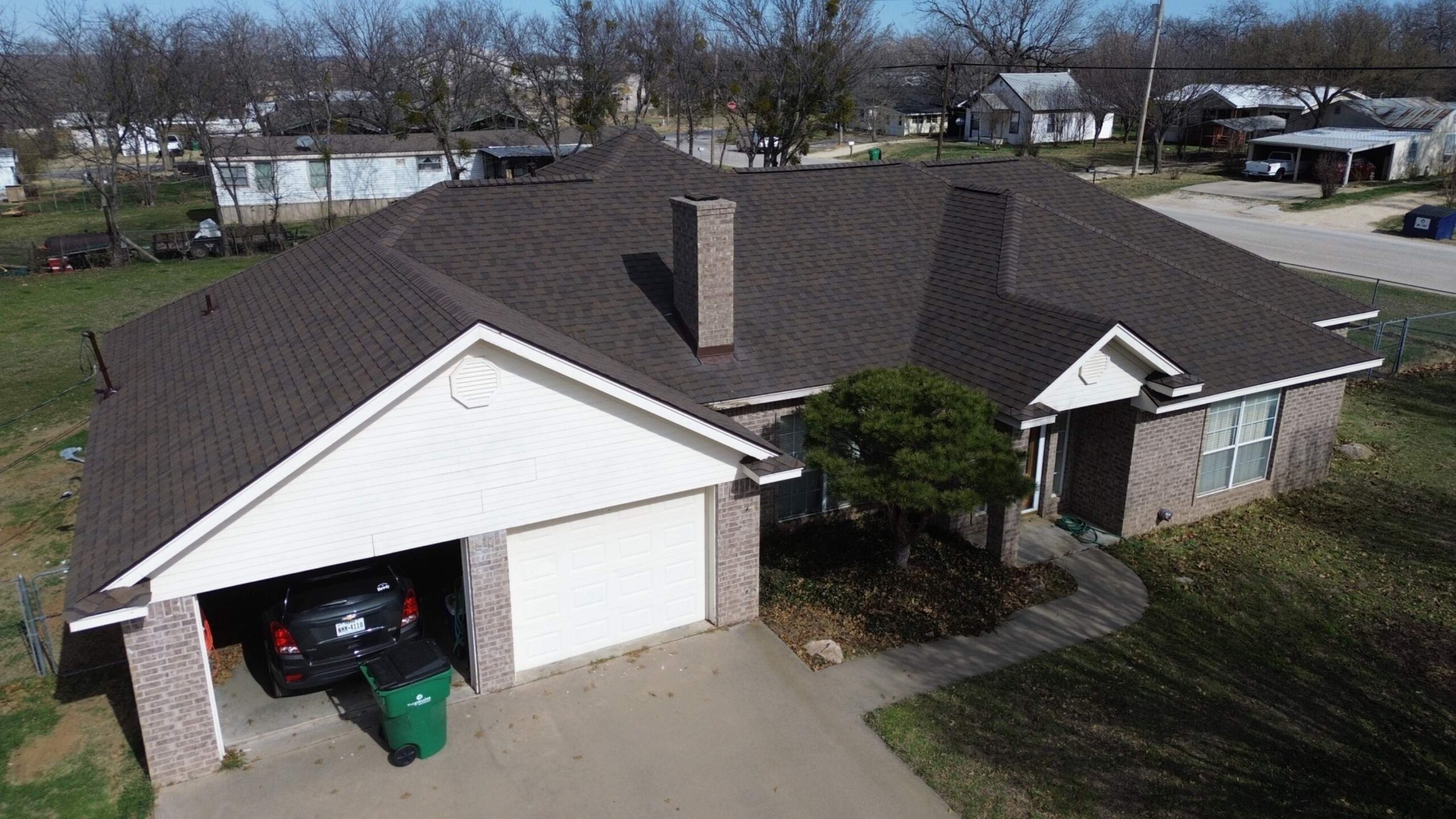
Every roofing system contributes to the total structural load carried by a building. Understanding how these loads affect the roof helps homeowners appreciate why lightweight roofing materials have become increasingly popular for replacement projects.
Structural load consists of several different categories that work together throughout the life of the building. Permanent loads include roofing materials, roof decking, insulation, underlayment, flashing, and other components that remain in place continuously. Temporary loads include snow, rainwater, maintenance personnel, construction equipment, and occasional wind forces acting upon the roof.
Roof framing distributes these combined loads through rafters or trusses into the building’s walls and foundation. Every component works together as an integrated structural system. If one part experiences excessive stress, the performance of the entire roof may eventually be affected.
Modern building codes establish minimum structural requirements that account for regional weather conditions. Homes located in snowy climates often require stronger framing than those in warmer regions because of additional seasonal loads. Similarly, hurricane prone areas may require reinforced roof connections to resist uplift forces created by strong winds.
Roof replacement presents an opportunity to evaluate the condition of the existing structural system. Contractors inspect roof decking, rafters, trusses, and supporting connections to identify deterioration that may require repair before new materials are installed. Addressing these issues early helps ensure the replacement roof performs as intended.
Lightweight roofing materials reduce permanent structural loads without sacrificing weather protection. Lower dead loads provide greater flexibility for future renovations while reducing long term stress on structural components. This benefit becomes especially valuable when working with older homes or buildings where structural modifications would otherwise be necessary.
Understanding structural load helps homeowners recognize that roofing materials affect much more than appearance. Every roofing choice influences the long term health and stability of the building itself.
Benefits of Choosing Lightweight Roofing Materials
Lightweight roofing materials provide numerous advantages beyond simply reducing roof weight. Modern products combine structural efficiency with excellent durability, attractive appearance, and dependable weather protection, making them suitable for many residential and commercial replacement projects.
One of the greatest benefits is reduced stress on the building’s structural framework. Lighter roofing materials place less constant pressure on rafters, trusses, walls, and foundations. This reduction helps preserve structural integrity while minimizing the likelihood of long term sagging or excessive deflection.
Installation often becomes more efficient as well. Roofing crews can transport, position, and secure lighter materials more easily than heavier alternatives. Faster handling improves productivity while reducing installation time on many projects.
Lightweight roofing may also reduce project costs when structural reinforcement would otherwise be required. Instead of strengthening existing framing to support heavier roofing products, homeowners can often select lighter materials that remain within the building’s original design capacity. This approach may simplify construction while lowering overall expenses.
Many lightweight roofing materials also offer excellent resistance to weather, fire, insects, and moisture. Modern engineering allows manufacturers to achieve impressive durability despite lower product weight. Homeowners therefore gain structural benefits without sacrificing long term performance.
Transportation advantages should not be overlooked. Lightweight roofing materials generally require less effort to deliver, unload, and distribute across the roof during installation. These logistical improvements contribute to smoother project management and reduced physical demands on installation crews.
Environmental sustainability has become another important advantage. Some lightweight roofing products incorporate recycled materials while requiring less energy to transport because of their lower weight. Reduced transportation demands contribute to improved overall project efficiency.
Property owners also appreciate the design flexibility available with many lightweight products. Modern materials successfully replicate the appearance of slate, wood shakes, or tile while eliminating much of the structural weight associated with those traditional materials.
For many replacement projects, lightweight roofing provides an excellent balance between structural protection, installation efficiency, long term durability, and attractive architectural design.
Factors to Consider Before Selecting Lightweight Roofing
Although lightweight roofing offers many benefits, selecting the most appropriate material requires careful evaluation of several important factors. Every property has unique structural characteristics, climate conditions, and performance expectations that influence which roofing system will provide the greatest long term value.
Climate remains one of the most important considerations. Roofing materials should be selected according to local weather patterns, including sunlight, rainfall, snow, humidity, wind, and seasonal temperature changes. Lightweight products are available for virtually every climate, but performance varies depending on the material and installation method.
Roof slope also influences material compatibility. Steep roofs accommodate many different lightweight products, while low slope roofs often require specialized membrane systems or materials specifically designed for slower water drainage. Selecting products intended for the roof’s pitch improves waterproof performance and durability.
Expected lifespan represents another important factor. Some lightweight roofing materials are designed for moderate service life, while others remain functional for several decades with relatively little maintenance. Comparing lifespan alongside installation cost helps homeowners evaluate long term value rather than focusing only on initial expenses.
Appearance also deserves careful consideration. Roofing materials occupy a significant portion of the building’s exterior, influencing overall architectural character. Fortunately, lightweight products are now available in styles that resemble traditional shingles, slate, wood, or tile without the associated structural weight.
Maintenance expectations should match the homeowner’s preferences. Some roofing systems require only routine inspections, while others benefit from more regular cleaning or occasional repairs. Selecting materials that fit expected maintenance levels contributes to greater long term satisfaction.
Before making a final decision, homeowners should evaluate:
- Structural capacity of the existing roof framing
- Local climate and weather conditions
- Roof pitch and drainage design
- Budget and long term ownership costs
- Desired appearance and architectural style
- Maintenance requirements
- Energy efficiency goals
Considering these factors together helps ensure the selected lightweight roofing material provides dependable performance while meeting both structural and aesthetic objectives.
Asphalt Shingles as a Lightweight Roofing Solution
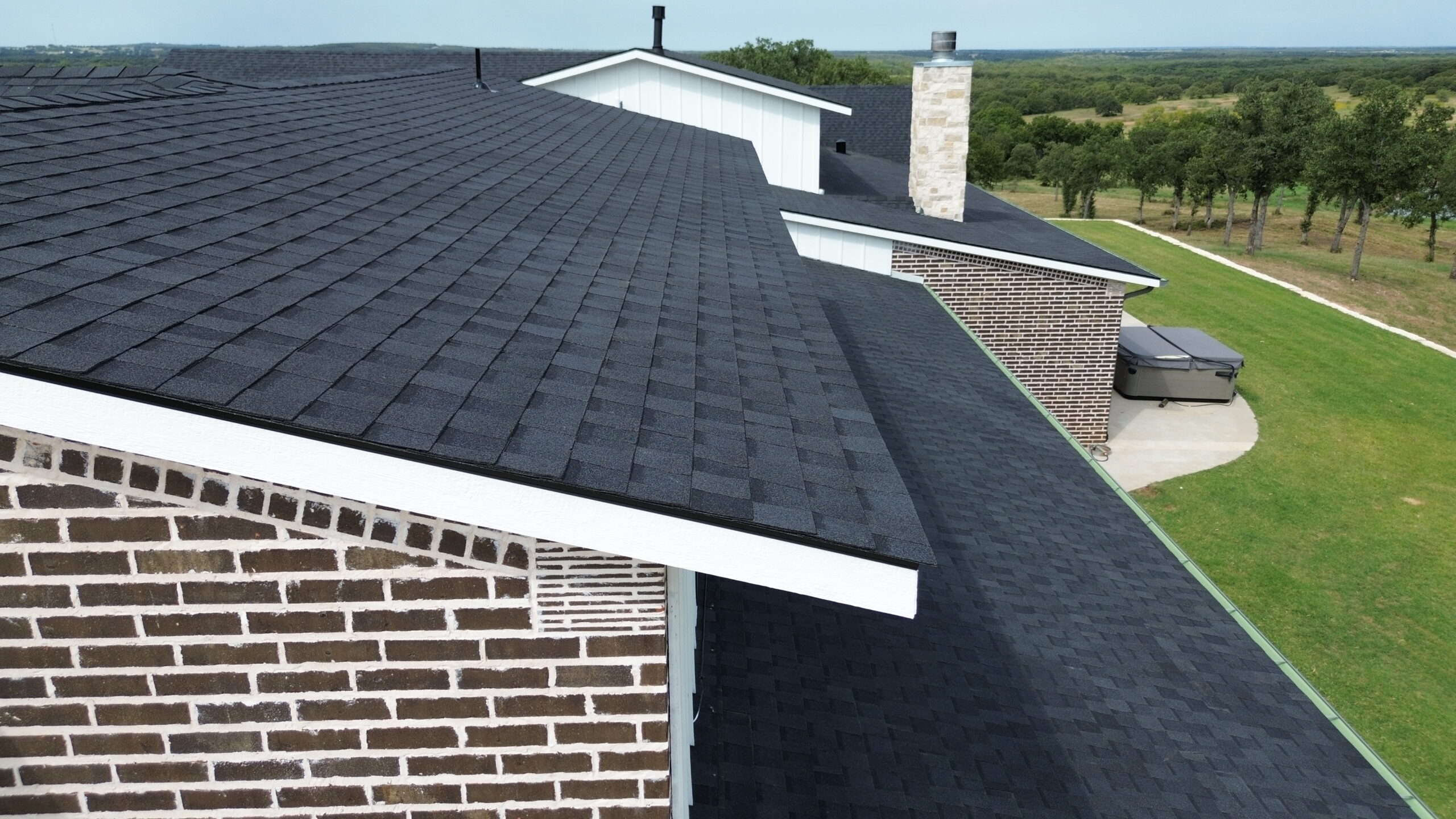
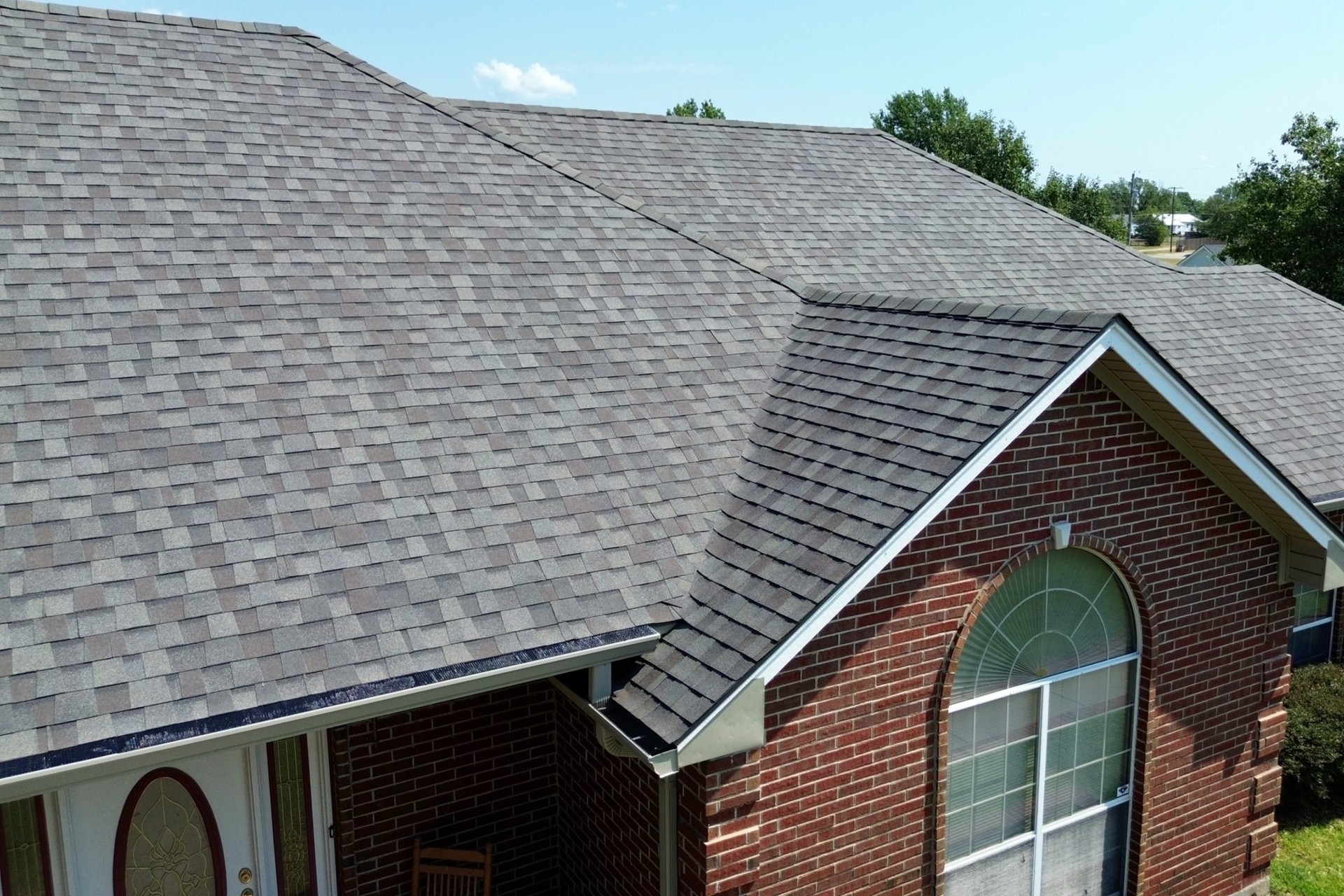
Asphalt shingles remain one of the most widely used roofing materials because they provide an excellent balance between affordability, durability, and relatively low weight. Their versatility makes them suitable for a broad range of residential roof replacement projects where structural efficiency is important.
Modern asphalt shingles have evolved considerably through improvements in manufacturing technology. Advanced reinforcement materials, stronger adhesive systems, and enhanced protective granules provide greater weather resistance while maintaining manageable product weight. These improvements allow asphalt shingles to perform reliably across many different climate conditions.
One significant advantage is compatibility with most residential structures. Because asphalt shingles are considerably lighter than clay tile, concrete tile, or natural slate, they generally do not require structural reinforcement before installation. This simplifies many replacement projects while reducing construction costs.
Asphalt shingles are also available in numerous colors, profiles, and architectural styles. Homeowners can achieve a traditional appearance or choose dimensional designs that create greater visual depth without significantly increasing roof weight.
Installation remains relatively straightforward because most roofing contractors have extensive experience working with asphalt shingles. Well established installation practices contribute to dependable performance while helping projects proceed efficiently.
Maintenance requirements are generally modest. Routine inspections allow damaged shingles, flashing, or sealants to be repaired before more significant issues develop. Proper attic ventilation further supports shingle longevity by reducing excessive heat buildup beneath the roof deck.
For homeowners seeking an economical lightweight roofing solution with broad design flexibility, asphalt shingles continue to represent one of the most practical choices available for structural roof replacement projects.
Metal Roofing for Lightweight Structural Performance
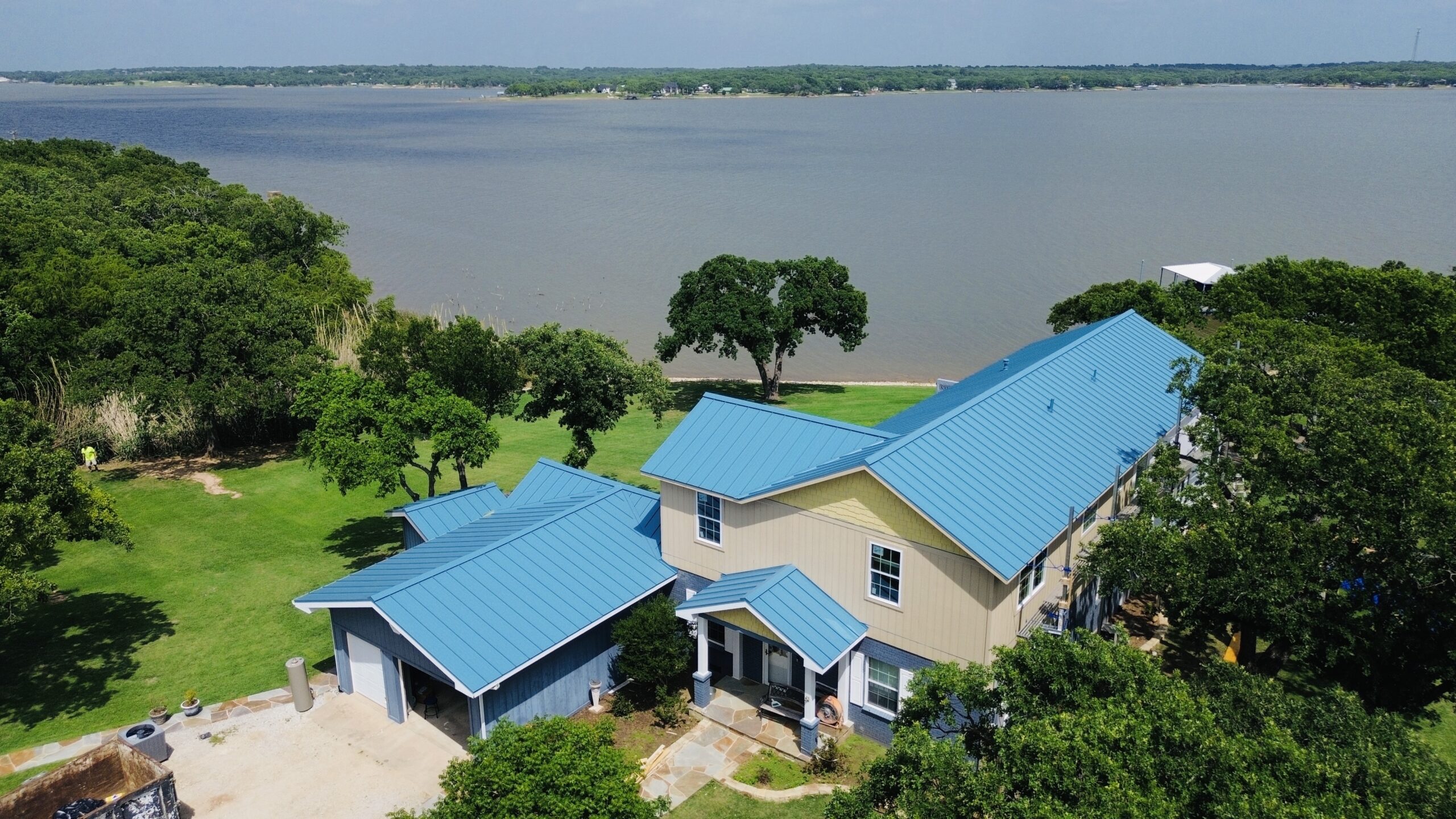
Metal roofing has become one of the leading lightweight roofing options because it combines exceptional structural efficiency with impressive durability and weather resistance. Modern manufacturing techniques allow metal roofing systems to provide outstanding performance while placing minimal weight on the building’s structural framework.
Compared with many traditional roofing materials, metal panels weigh considerably less while maintaining excellent strength. This reduced weight helps preserve existing roof framing and often eliminates the need for costly structural upgrades during replacement projects.
Durability remains one of metal roofing’s greatest advantages. Properly installed systems resist fire, moisture, insects, strong winds, and prolonged ultraviolet exposure while maintaining their structural integrity for many decades. Their long service life contributes to excellent overall value despite higher initial installation costs.
Metal roofing also supports improved energy efficiency. Reflective surface coatings reduce solar heat absorption, helping lower attic temperatures during warm weather. Combined with appropriate insulation and ventilation, metal roofs contribute to improved indoor comfort while reducing cooling demands.
Standing seam metal roofing has become especially popular because concealed fastening systems improve both appearance and weather resistance. These systems also accommodate natural thermal expansion and contraction without compromising waterproof performance.
Another important benefit involves compatibility with future building improvements. Lightweight metal roofing allows homeowners greater flexibility when adding solar panels, upgraded insulation, or rooftop equipment because the roofing material itself contributes relatively little permanent structural load.
Although professional installation remains essential for achieving maximum performance, metal roofing continues to grow in popularity because it successfully combines lightweight construction, excellent durability, modern appearance, and dependable long term weather protection.
For homeowners seeking a roofing system that minimizes structural stress while maximizing lifespan and energy efficiency, metal roofing remains one of the strongest choices available for complete roof replacement projects.
Synthetic Roofing Materials That Reduce Structural Stress
Synthetic roofing materials have become one of the fastest growing choices for homeowners seeking lightweight alternatives to traditional roofing systems. Designed to replicate the appearance of slate, wood shakes, or clay tiles, these products offer impressive durability while placing significantly less weight on the building’s structure. They provide an attractive solution for replacement projects where structural capacity is an important consideration.
Most synthetic roofing products are manufactured using engineered polymers, recycled plastics, rubber compounds, or advanced composite materials. These materials allow manufacturers to create roofing products that closely resemble natural materials while eliminating much of the weight associated with stone or concrete roofing.
One major advantage is reduced structural loading. Lightweight synthetic roofing places less stress on rafters, trusses, and roof decking, making it suitable for both older homes and buildings where structural modifications would be expensive or unnecessary. This reduction in permanent load helps preserve the building’s structural integrity over the long term.
Synthetic roofing also provides excellent resistance to moisture, insects, and ultraviolet exposure. Unlike natural wood, many composite products do not rot or support insect activity. Their resistance to weather related deterioration contributes to longer service life with relatively modest maintenance requirements.
Many manufacturers also design synthetic roofing materials with impact resistance in mind. These products often perform well during hailstorms and resist cracking better than some heavier traditional materials. Their flexibility allows them to absorb impact energy while maintaining structural performance.
Environmental sustainability is another attractive feature. Numerous manufacturers incorporate recycled materials into production, reducing waste while creating durable roofing products capable of serving for many years. Combined with lower transportation weight, these materials contribute to more environmentally responsible construction.
For homeowners seeking the appearance of premium roofing materials without the structural challenges associated with excessive weight, synthetic roofing provides an excellent combination of aesthetics, durability, and structural efficiency.
Lightweight Composite Roofing Systems
Composite roofing systems combine multiple engineered materials to achieve a balance between strength, durability, appearance, and reduced weight. Rather than relying on a single raw material, manufacturers blend carefully selected components that work together to improve overall roofing performance.
Composite roofing products are available in numerous styles that imitate natural slate, cedar shakes, traditional shingles, and clay tiles. Their consistent manufacturing process produces uniform dimensions and appearance while simplifying installation compared to many natural materials.
One important benefit is excellent strength despite relatively low weight. Advanced composite materials distribute structural loads efficiently while resisting cracking, warping, and weather related deterioration. This allows homeowners to achieve premium architectural designs without placing unnecessary stress on the roof structure.
Many composite roofing systems also include ultraviolet stabilizers and protective coatings that improve long term weather resistance. These features help preserve color, reduce fading, and protect the roofing surface from prolonged sun exposure. As a result, composite roofs often maintain their appearance longer than some conventional materials.
Moisture resistance further enhances long term performance. Composite materials generally absorb very little water, reducing the risk of freeze thaw damage, mold growth, or moisture related deterioration. This characteristic makes them suitable for a wide range of climate conditions.
Installation efficiency represents another practical advantage. Lightweight composite roofing requires less effort to transport and position during construction, allowing roofing crews to complete projects more efficiently. Reduced handling demands also contribute to improved workplace safety.
Although composite roofing often costs more than standard asphalt shingles, many homeowners appreciate the combination of structural efficiency, attractive appearance, and extended durability. For replacement projects requiring lightweight performance with premium visual appeal, composite roofing remains an increasingly popular option.
Rubber and Polymer Roofing Options
Rubber and polymer roofing products represent another category of lightweight materials designed to provide dependable protection while minimizing structural load. Advances in material science have transformed these products into durable roofing solutions suitable for many residential and commercial applications.
Rubber roofing products are commonly manufactured using recycled rubber compounds combined with reinforcing materials that improve strength and flexibility. Polymer roofing systems use engineered plastics specifically formulated to withstand weather exposure while maintaining structural stability over many years.
One of the greatest advantages of rubber and polymer roofing is flexibility. These materials tolerate repeated expansion and contraction caused by changing temperatures without cracking or losing waterproof performance. Their flexibility also contributes to good impact resistance during hailstorms and other severe weather events.
Low weight remains another important benefit. Rubber and polymer roofing materials place minimal permanent load on the building while providing reliable weather protection. This characteristic makes them particularly attractive for older structures where reducing roof weight is a priority.
Moisture resistance also contributes to long term durability. Unlike some traditional materials, rubber and polymer roofing products resist water absorption and remain stable in humid environments. Proper installation creates effective waterproof barriers that protect roof decking and structural components beneath the roofing surface.
Maintenance requirements are generally modest. Routine inspections help identify damaged flashing, drainage issues, or isolated repairs before they affect overall roof performance. Regular maintenance extends service life while preserving the waterproof integrity of the roofing system.
Modern rubber and polymer roofing products continue improving as manufacturers introduce stronger formulations, better protective coatings, and enhanced appearance options. Their combination of lightweight construction and dependable weather resistance makes them valuable choices for many replacement projects.
Lightweight Roofing for Low Slope and Flat Roofs
Low slope and flat roofs require specialized roofing systems because water drains differently than it does on steep roofs. Instead of relying on overlapping shingles or tiles, these roofing systems use continuous waterproof membranes that protect the building while maintaining relatively low structural weight.
Modern membrane roofing products provide excellent waterproof performance without adding significant permanent load to the building. Their lightweight construction makes them especially suitable for commercial buildings, garages, additions, apartment complexes, and contemporary residential designs.
One important advantage of lightweight membrane roofing is installation efficiency. Large membrane sections cover broad roof areas quickly, reducing the number of seams while simplifying construction. Fewer seams often contribute to improved waterproof reliability when installation follows manufacturer recommendations.
Flexibility also enhances performance. Membrane roofing accommodates slight structural movement and thermal expansion without compromising waterproof protection. This characteristic helps preserve roofing performance despite changing weather conditions throughout the year.
Many membrane roofing systems incorporate reflective surfaces that reduce solar heat absorption. Lower roof temperatures improve indoor comfort while decreasing cooling demands during warmer months. Combined with proper insulation, reflective membranes contribute to improved building energy efficiency.
Drainage remains particularly important on low slope roofs. Even slight slopes are carefully designed to direct water toward drains, gutters, or scuppers. Keeping these drainage pathways free from debris prevents standing water that could shorten membrane lifespan or increase maintenance requirements.
Routine inspections remain essential because membrane punctures, flashing deterioration, or blocked drainage systems may not be immediately visible from ground level. Preventive maintenance helps maximize service life while preserving structural protection.
For buildings requiring low slope roofing, lightweight membrane systems provide dependable weather resistance while minimizing structural loading and supporting long term performance.
Energy Efficiency and Lightweight Roofing Materials
Reducing roof weight does not require sacrificing energy efficiency. In fact, many modern lightweight roofing materials are specifically engineered to improve thermal performance while reducing structural stress. Combining these benefits allows homeowners to create roofing systems that protect both the building and long term operating costs.
Reflective roofing surfaces represent one of the most effective energy saving features available in lightweight roofing. By reflecting more solar radiation, these materials reduce roof surface temperatures and limit heat transfer into attic spaces. Lower attic temperatures improve indoor comfort while reducing air conditioning demands during warm weather.
Metal roofing demonstrates this advantage particularly well. High performance reflective coatings reduce solar heat absorption while maintaining the lightweight characteristics that make metal roofing attractive for structural replacement projects. Many synthetic roofing products also incorporate reflective pigments that improve thermal performance.
Insulation continues to play a major role in overall roofing efficiency. During roof replacement, homeowners often upgrade insulation beneath lightweight roofing materials to further improve energy performance. Effective insulation slows heat movement while reducing heating and cooling costs throughout the year.
Proper ventilation works together with lightweight roofing materials by removing excess heat and moisture from attic spaces. Balanced airflow protects insulation, reduces roofing temperatures, and extends the lifespan of roofing materials by minimizing thermal stress.
Some lightweight roofing systems also support future solar panel installation more easily than heavier alternatives. Because the roofing material itself contributes less structural weight, greater capacity may remain available for renewable energy equipment without requiring extensive structural reinforcement.
Energy efficient lightweight roofing provides benefits beyond lower utility bills. Improved temperature regulation contributes to greater occupant comfort while reducing wear on heating and cooling equipment. These combined advantages increase the long term value of the roofing investment.
Comparing Popular Lightweight Roofing Materials
Every lightweight roofing material offers a different combination of structural efficiency, durability, appearance, and maintenance requirements. Comparing these characteristics helps homeowners select products that best match their property’s structural needs and long term goals.
The following table provides a general comparison of several popular lightweight roofing options.
| Roofing Material | Relative Weight | Durability | Maintenance | Best Application |
|---|---|---|---|---|
| Asphalt Shingles | Light | Good | Low | Most residential homes |
| Metal Roofing | Very Light | Excellent | Low | Residential and commercial buildings |
| Synthetic Slate | Light | Excellent | Low | Premium residential homes |
| Composite Roofing | Light | Very Good | Low | Homes seeking traditional appearance |
| Rubber Roofing | Very Light | Very Good | Low to Moderate | Low slope residential roofs |
| Polymer Roofing | Very Light | Very Good | Low | Residential and commercial applications |
| Membrane Roofing Systems | Very Light | Excellent | Moderate | Flat and low slope roofs |
While this comparison provides useful guidance, selecting the right roofing material requires evaluating more than weight alone. Climate conditions, architectural style, structural capacity, expected lifespan, maintenance preferences, and installation quality all influence long term performance.
Consulting experienced roofing professionals allows homeowners to compare these factors together and choose lightweight roofing systems that provide dependable structural protection while meeting aesthetic and financial objectives.
Balancing Weight, Durability, and Long Term Value
Selecting the lightest roofing material is not always the best decision. While reducing structural load offers important advantages, homeowners should also consider durability, weather resistance, maintenance requirements, and expected service life. The ideal roofing system balances all of these factors to provide dependable protection while preserving the building’s structural integrity.
A lightweight roof that requires frequent repairs or early replacement may ultimately cost more than a slightly heavier product with a significantly longer lifespan. Looking beyond installation costs helps homeowners understand the complete value of their roofing investment. Long term ownership costs often include maintenance, repairs, energy efficiency, and eventual replacement expenses.
Climate should always influence the balance between weight and durability. Roofing materials that perform exceptionally well in local weather conditions typically provide better long term value than products chosen only because they are lightweight. Heat, snow, rain, humidity, wind, and hail all affect roofing performance throughout its lifespan.
Appearance is another important consideration. Modern lightweight roofing products are available in designs that resemble natural slate, cedar shakes, clay tiles, and architectural shingles. Homeowners no longer need to choose between attractive appearance and reduced structural weight because many lightweight materials successfully provide both.
Maintenance expectations also vary among roofing systems. Some lightweight materials require little more than periodic inspections, while others may need occasional cleaning or specialized repairs. Choosing a roofing system that matches the homeowner’s maintenance preferences contributes to greater satisfaction over the years.
Energy efficiency should also be considered when evaluating long term value. Reflective lightweight roofing materials, combined with proper insulation and ventilation, help reduce heating and cooling demands throughout the year. Lower utility costs can significantly improve the overall financial value of the roof over its service life.
Rather than focusing on one characteristic alone, homeowners should evaluate how weight, durability, energy performance, maintenance, and appearance work together. This balanced approach leads to roofing systems that provide dependable protection and lasting value.
Common Mistakes When Choosing Lightweight Roofing Materials
Lightweight roofing offers many benefits, but poor planning can reduce those advantages. Avoiding common mistakes helps homeowners select roofing materials that perform reliably while protecting the building’s structural framework.
One frequent mistake is assuming every lightweight roofing material provides the same level of durability. Although many products are engineered for long service life, performance varies depending on manufacturing quality, climate suitability, and installation methods. Comparing product specifications helps identify materials that best meet the property’s needs.
Another mistake involves selecting roofing materials based only on appearance. Modern lightweight roofing products successfully imitate premium materials, but appearance should never be the only consideration. Climate compatibility, expected lifespan, maintenance requirements, and warranty coverage should all be evaluated before making a final decision.
Ignoring local weather conditions can also reduce roofing performance. Lightweight materials should still be capable of resisting regional climate challenges such as heavy rain, snow, strong winds, hail, or prolonged ultraviolet exposure. Climate appropriate selection remains just as important as reducing roof weight.
Some homeowners overlook the importance of professional installation. Even high quality lightweight roofing materials cannot perform properly if flashing, underlayment, ventilation, or fastening systems are incorrectly installed. Installation quality directly influences weather resistance and long term durability.
Another common mistake is failing to inspect the existing roof structure before replacement begins. Lightweight materials reduce permanent loads, but damaged decking, deteriorated rafters, or weakened structural components should still be repaired before installation. Ignoring these problems may compromise the performance of the new roofing system.
Maintenance is sometimes underestimated because lightweight materials are often marketed as low maintenance products. Although many require relatively little upkeep, periodic inspections remain essential for identifying damaged flashing, blocked gutters, or minor weather related issues before they become expensive repairs.
Avoiding these common mistakes helps homeowners maximize the structural, financial, and performance benefits of lightweight roofing throughout its expected lifespan.
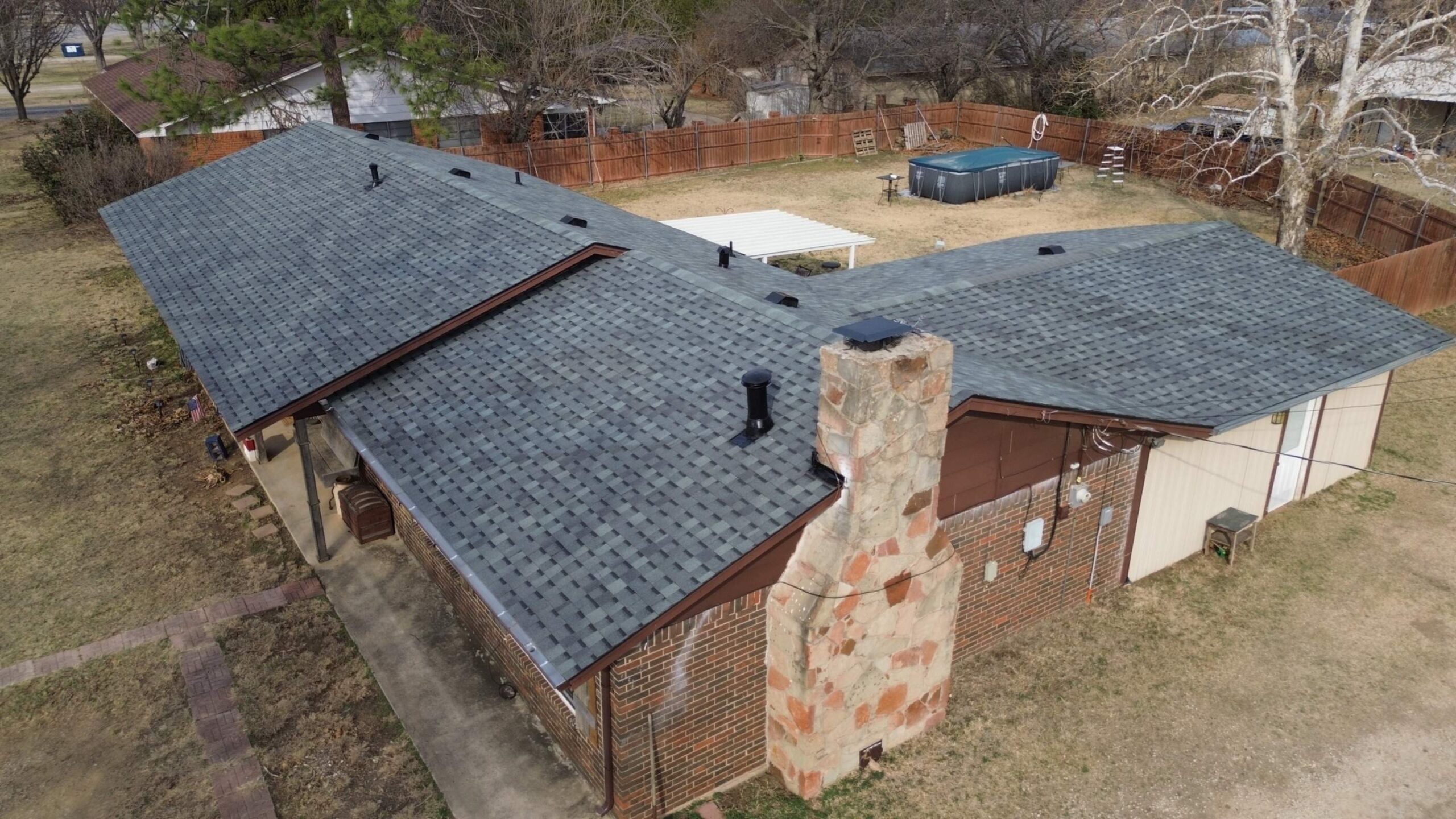
Questions to Ask Before Selecting a Lightweight Roofing System
Choosing the right lightweight roofing material becomes easier when homeowners ask practical questions during the planning stage. These discussions help compare available options while ensuring the selected roofing system meets both structural and long term performance goals.
Before making a final decision, consider asking the following questions:
- Is my home’s existing structure suitable for the roofing material I am considering?
- Which lightweight roofing materials perform best in my local climate?
- What lifespan can I realistically expect from each roofing option?
- How much maintenance will the roofing system require over time?
- Does the roofing material improve energy efficiency and indoor comfort?
- Will the roofing system support future additions such as solar panels?
- What warranty protection covers both materials and installation?
- Which roofing option provides the best long term value rather than simply the lowest installation cost?
These questions encourage homeowners to compare roofing systems based on practical performance rather than marketing claims alone. Clear answers also improve communication with contractors while supporting informed decision making throughout the replacement project.
Working with a Structural Engineer and Roofing Contractor
Successful structural roof replacement projects often involve cooperation between roofing contractors and structural professionals. While many replacement projects can be completed without major structural modifications, buildings with aging framing, previous damage, or unusual roofing designs may benefit from additional evaluation.
A structural engineer can determine whether the existing roof framing safely supports the planned roofing system. This assessment becomes particularly valuable for older homes, buildings undergoing significant renovation, or projects involving changes to roof design. Professional calculations provide confidence that the new roofing system will perform safely throughout its lifespan.
Roofing contractors contribute practical expertise regarding material selection, installation methods, ventilation improvements, flashing details, and weather protection. Their experience allows homeowners to compare lightweight roofing products according to climate conditions, architectural style, maintenance expectations, and long term performance.
Communication between all parties helps identify potential concerns before construction begins. Structural repairs, decking replacement, insulation upgrades, ventilation improvements, and drainage modifications can all be coordinated as part of a comprehensive roof replacement plan.
Qualified contractors also understand manufacturer installation requirements. Proper fastening methods, underlayment selection, flashing installation, and expansion allowances all influence the long term durability of lightweight roofing systems. Careful attention to these details helps preserve warranty coverage while maximizing weather resistance.
After installation, homeowners should continue scheduling periodic inspections to ensure the roofing system remains in excellent condition. Routine maintenance protects both the lightweight roofing materials and the supporting structure beneath them, extending service life while minimizing repair costs.
Working with experienced professionals ensures that structural considerations, roofing materials, and installation quality all work together to create a dependable and efficient roofing system.
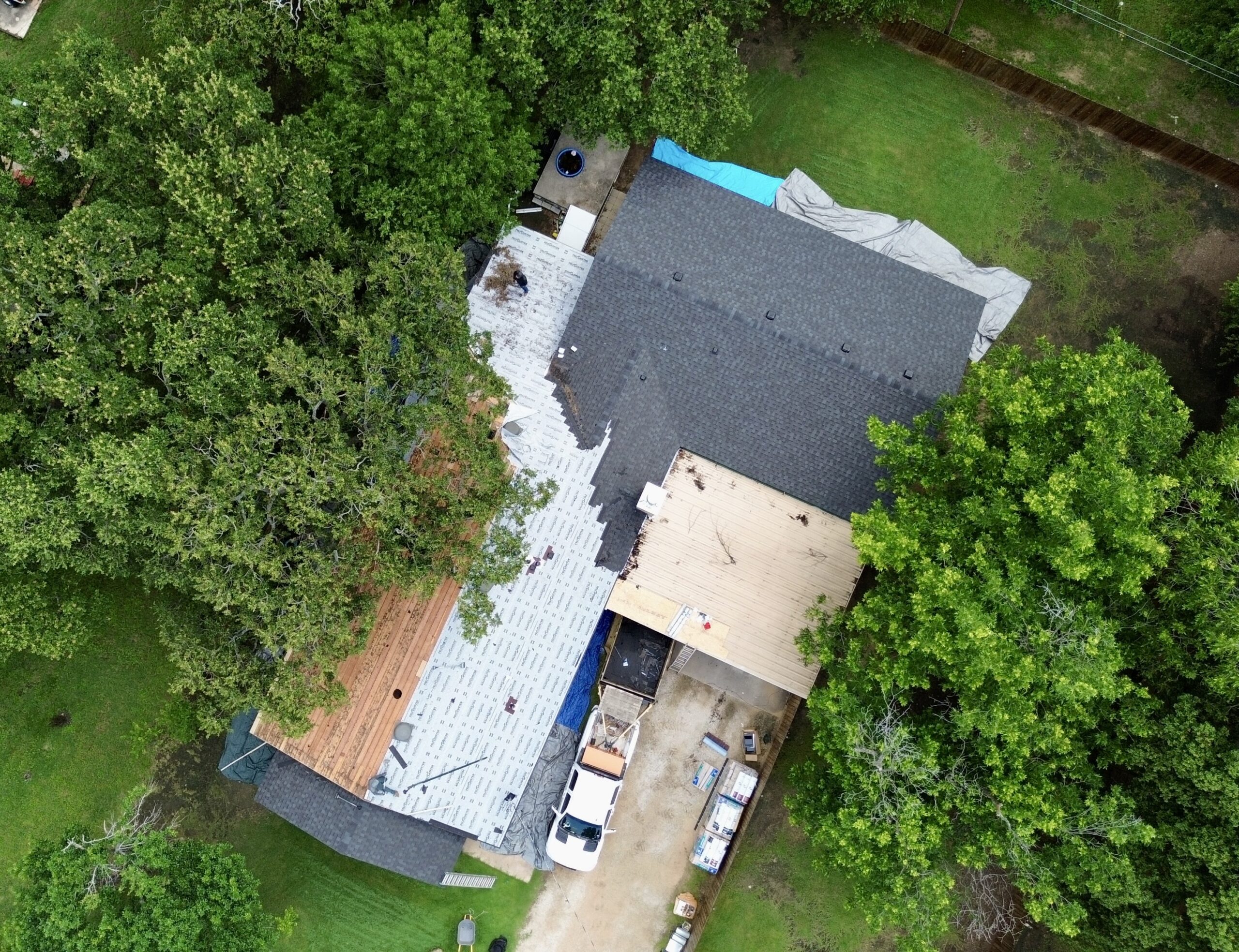
Future Trends in Lightweight Roofing Technology
Roofing technology continues advancing as manufacturers develop lighter, stronger, and more sustainable products for residential and commercial construction. These innovations focus on improving structural efficiency without compromising durability, weather resistance, or architectural appearance.
Advanced composite materials continue to evolve through improved engineering and manufacturing techniques. New material formulations provide greater strength while reducing product weight even further. These improvements allow homeowners to enjoy premium roofing styles with less structural impact than ever before.
Reflective coatings are also becoming more effective. Modern surface technologies improve solar reflectance while maintaining a broad selection of colors and finishes. Lower roof temperatures contribute to better energy efficiency while reducing thermal stress on roofing materials throughout the year.
Manufacturers are increasingly incorporating recycled materials into lightweight roofing products. Using recycled polymers, rubber, and composite materials supports sustainable construction while maintaining excellent structural performance. These environmentally responsible products continue gaining popularity as homeowners seek greener building solutions.
Integrated solar roofing technology represents another exciting development. Rather than installing separate solar panels above existing roofing materials, some manufacturers now produce lightweight roofing systems capable of generating electricity while serving as the primary weather barrier. These products combine energy production with structural efficiency in a single roofing system.
Smart roofing technologies are also emerging. Sensors embedded within roofing systems may monitor temperature, moisture, movement, and weather exposure in real time. Early detection of developing problems allows maintenance to be performed before significant damage occurs, extending roof lifespan and reducing repair costs.
As research continues, lightweight roofing systems are expected to become even stronger, more energy efficient, and more environmentally sustainable. These innovations will provide homeowners with additional options that improve both structural performance and long term property value.
Conclusion
Lightweight roofing materials have transformed the way homeowners approach structural roof replacement projects. By reducing permanent roof loads while maintaining excellent durability and weather protection, these modern roofing systems help preserve the structural integrity of buildings without sacrificing appearance or long term performance.
Today’s lightweight roofing options include advanced asphalt shingles, metal roofing, synthetic slate, composite products, rubber roofing, polymer systems, and specialized membrane roofing for flat roofs. Each material offers unique advantages depending on climate, architectural style, structural requirements, maintenance expectations, and budget. Understanding these differences allows homeowners to choose roofing systems that best match their property’s specific needs.
Successful roof replacement involves more than selecting the lightest material available. Structural capacity, local weather conditions, expected lifespan, energy efficiency, installation quality, and future maintenance should all be considered together. A balanced approach results in a roofing system that performs reliably while delivering excellent long term value.
Working with qualified roofing contractors and, when necessary, structural engineers further improves project outcomes by ensuring the selected materials are appropriate for the building and installed according to industry best practices. Their expertise helps homeowners avoid common mistakes while maximizing the benefits of lightweight roofing technology.
As roofing materials continue to evolve, lightweight systems will become even more efficient, durable, and environmentally responsible. Choosing a modern lightweight roofing solution during a structural replacement project not only protects the building today but also supports lower maintenance costs, improved energy performance, and dependable structural protection for many years to come.