
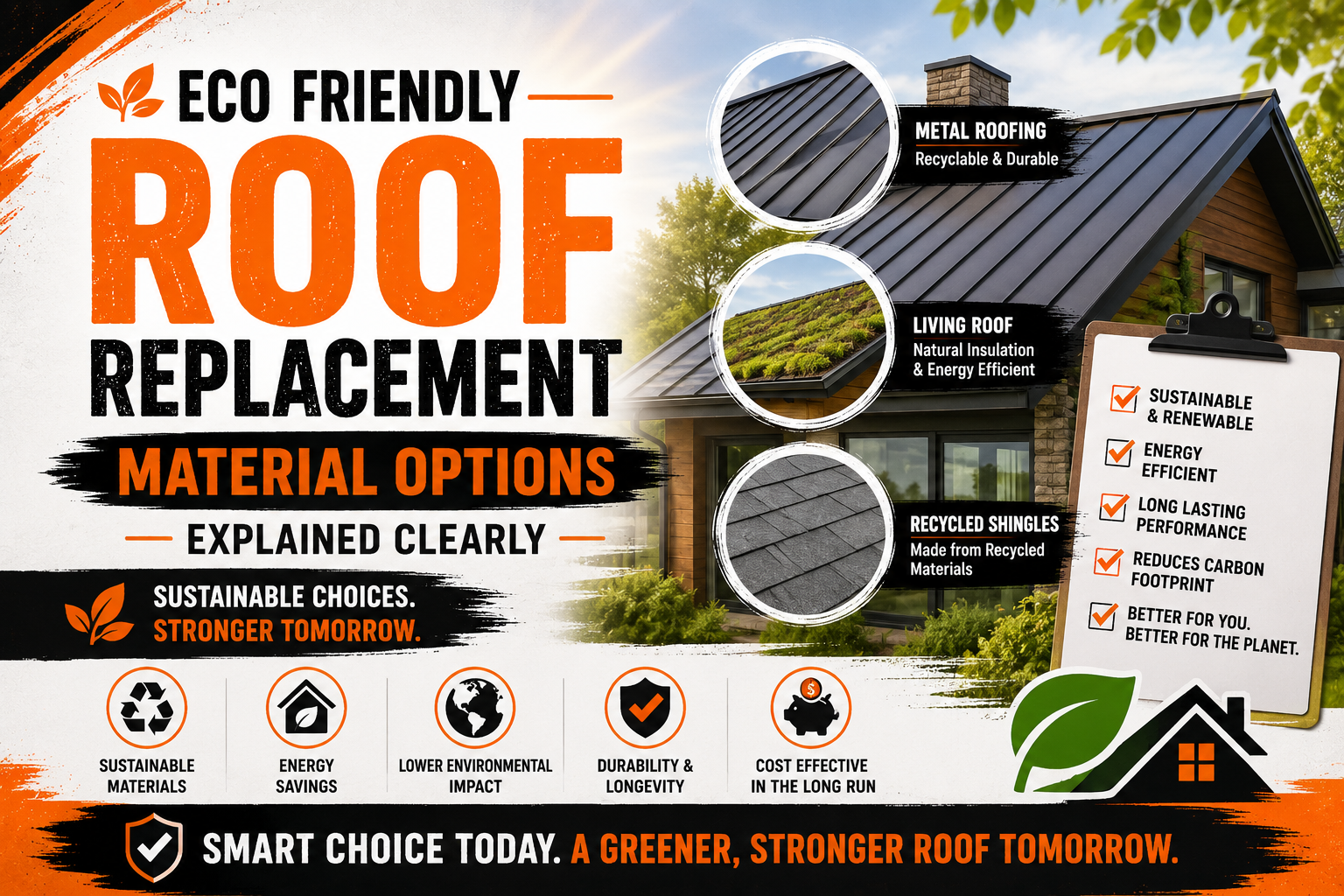
Eco Friendly Roof Replacement Material Options Explained Clearly
Introduction
Replacing a roof is a major investment that affects not only the appearance and durability of a home but also its environmental impact. As homeowners become more aware of sustainability and energy conservation, eco friendly roofing materials have gained significant attention. These materials are designed to reduce waste, improve energy efficiency, last longer, and minimize the use of natural resources without sacrificing performance or aesthetics.
Traditional roofing materials have protected homes for decades, but many require large amounts of raw materials, consume significant energy during manufacturing, or contribute to landfill waste when replaced. Eco friendly alternatives aim to address these concerns by using recycled content, renewable resources, or manufacturing processes that reduce environmental impact. Many sustainable roofing options also provide excellent durability, allowing homeowners to replace their roofs less frequently.
Choosing an environmentally responsible roofing material is about more than simply selecting a product labeled as green. Homeowners should understand how each material is manufactured, how long it lasts, whether it can be recycled, and how it performs under local climate conditions. A roofing system that lasts for many decades while improving energy efficiency may have a much smaller environmental footprint than a cheaper material that requires frequent replacement.
Another important consideration is the long-term value of sustainable roofing. While some eco friendly materials require a higher initial investment, they often reduce maintenance costs, improve indoor comfort, and lower energy bills throughout their lifespan. These long-term benefits can make environmentally responsible roofing a practical financial decision as well as an environmentally conscious one.
This guide explains the most popular eco friendly roof replacement materials in clear and simple language. It explores how these materials contribute to sustainability, what benefits they offer, and which factors homeowners should evaluate before choosing the best roofing solution for their property.
What Makes a Roofing Material Eco Friendly?
The phrase “eco friendly” is widely used, but not every roofing material promoted as environmentally responsible offers the same level of sustainability. Several characteristics determine whether a roofing product truly reduces its environmental impact throughout its life cycle.
One of the most important factors is the use of recycled or renewable materials. Roofing products manufactured from recycled metal, reclaimed rubber, recycled plastic, or responsibly harvested wood reduce demand for newly extracted raw materials. This helps conserve natural resources while reducing manufacturing waste.
Durability also contributes significantly to sustainability. A roof that lasts for fifty years generally creates less environmental impact than one requiring replacement every twenty years. Fewer replacements mean fewer materials are manufactured, transported, and disposed of over the life of the home.
Energy efficiency represents another essential characteristic. Roofing materials that reflect sunlight or improve insulation reduce heating and cooling demands inside the home. Lower energy consumption decreases greenhouse gas emissions associated with electricity production while reducing monthly utility costs.
Recyclability at the end of the roof’s service life is equally important. Some roofing materials can be recycled into new construction products instead of being sent to landfills. This supports a circular economy in which valuable materials remain in use rather than becoming waste.
The manufacturing process itself also affects sustainability. Companies that reduce energy consumption, lower emissions, minimize water use, and control pollution during production contribute to more environmentally responsible products. Homeowners increasingly consider these factors when comparing roofing options.
Transportation impacts should not be overlooked either. Roofing materials manufactured closer to the installation site often require less fuel for shipping, reducing their overall carbon footprint. While transportation is only one part of the equation, it contributes to the complete environmental assessment.
An eco friendly roof typically offers several of these characteristics simultaneously rather than excelling in only one area. The overall environmental benefit depends on how the material performs throughout manufacturing, installation, daily use, maintenance, and eventual replacement.
Why Sustainable Roof Replacement Is Becoming More Important
Interest in sustainable roofing has grown steadily over the past decade as homeowners recognize the connection between building materials and environmental responsibility. Climate concerns, rising energy costs, and increasing awareness of resource conservation have encouraged many property owners to explore greener construction options.
Buildings consume significant amounts of energy throughout their lifetime. The roof plays a major role in regulating indoor temperatures because it receives direct sunlight throughout the day. Roofing materials that reduce heat absorption or improve insulation help lower energy demand, making homes more comfortable while decreasing utility expenses.
Construction waste also represents a growing environmental challenge. Millions of roofing materials are removed from homes each year during replacement projects. When these materials cannot be recycled, they occupy valuable landfill space and require additional natural resources to manufacture replacement products.
Sustainable roofing addresses these concerns by promoting longer-lasting materials and encouraging recycling whenever possible. Reducing the frequency of roof replacement decreases waste generation while conserving resources used in manufacturing new products.
Government programs and green building certifications have also encouraged environmentally responsible construction practices. Many homeowners now seek roofing materials that contribute to sustainable building standards or improve overall home energy performance.
Improved manufacturing technology has expanded the availability of eco friendly roofing products as well. Today’s sustainable materials often provide attractive designs, excellent durability, and competitive performance compared to traditional roofing systems. Homeowners no longer need to sacrifice appearance or reliability in order to make environmentally conscious decisions.
Growing public awareness has also influenced homebuyers. Energy-efficient homes with durable, sustainable roofing systems are increasingly viewed as attractive investments because they offer lower operating costs and reduced environmental impact. Installing an eco friendly roof may therefore contribute to improved property value in addition to environmental benefits.
Key Factors to Consider When Choosing an Eco Friendly Roof
Selecting an environmentally responsible roofing material requires balancing sustainability with practical performance. Every home has unique structural requirements, climate conditions, and budget considerations that influence which roofing option provides the greatest overall value.
Climate compatibility should be evaluated first. A roofing material that performs exceptionally well in one region may not be the best choice elsewhere. Local weather conditions, including rainfall, snowfall, wind exposure, humidity, and temperature extremes, all influence roofing performance and longevity.
Expected lifespan is another critical consideration. Longer-lasting roofing materials generally reduce environmental impact because they require fewer replacements over time. Although some durable materials cost more initially, they often produce less waste throughout the life of the home.
Energy performance deserves careful attention as well. Reflective roofing materials reduce solar heat absorption, while certain roofing systems improve insulation through their design. Better energy performance lowers household energy consumption and contributes to reduced environmental impact.
Maintenance requirements vary considerably between roofing materials. Some sustainable roofs require very little ongoing attention, while others need periodic inspections or specialized care. Understanding these responsibilities helps homeowners choose materials that match their maintenance preferences.
Homeowners should also consider the following factors before making a decision.
- Recycled or renewable material content
- Expected service life
- Local climate suitability
- Energy efficiency performance
- Recyclability after replacement
- Maintenance requirements
- Structural compatibility with the home
Budget remains an important factor, but focusing only on purchase price may lead to misleading comparisons. Long-term ownership costs, including maintenance, repairs, energy savings, and replacement frequency, often provide a more accurate picture of overall value.
Aesthetic compatibility should also be considered. Eco friendly roofing materials are available in many colors, textures, and profiles that complement traditional, modern, and historic architectural styles. Homeowners no longer need to compromise appearance when selecting sustainable roofing products.
Finally, installation quality significantly influences long-term performance. Even the most environmentally responsible roofing material cannot deliver its full benefits if it is installed incorrectly. Working with experienced contractors helps ensure the roofing system performs efficiently throughout its expected lifespan.
Recycled Metal Roofing
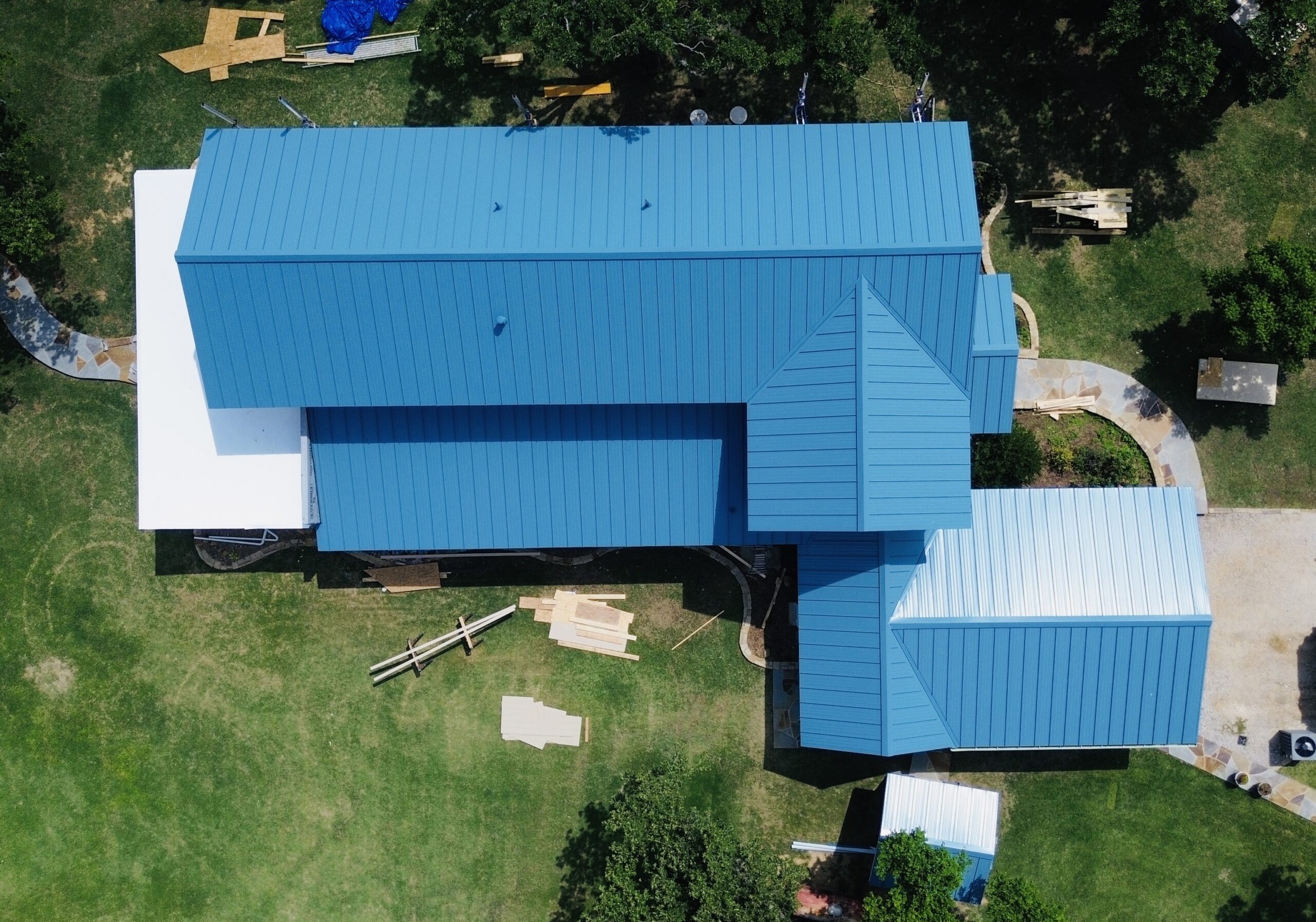
Recycled metal roofing has become one of the most popular environmentally friendly roofing options available today. Many metal roofing products contain a significant percentage of recycled steel or aluminum, reducing demand for newly mined raw materials while maintaining excellent structural performance.
One of the greatest environmental advantages of metal roofing is its exceptional longevity. Properly installed metal roofs often remain functional for several decades, reducing the frequency of roof replacement and minimizing construction waste. This extended lifespan helps offset the environmental impact associated with manufacturing.
Metal roofing also supports energy efficiency. Many products include reflective finishes that reduce solar heat absorption during warm weather. By reflecting a portion of the sun’s energy away from the roof surface, these coatings help lower cooling demands and improve indoor comfort.
Another important benefit is recyclability. Unlike many traditional roofing materials, metal panels are typically recyclable when they eventually reach the end of their service life. Instead of occupying landfill space, the metal can often be processed into new construction products or other manufactured goods.
Modern manufacturing has expanded the design possibilities for metal roofing. Homeowners can choose from standing seam panels, metal shingles, and profiles that resemble slate, wood shakes, or traditional tiles. This variety allows metal roofing to complement many different architectural styles.
Metal roofing also performs well under demanding weather conditions. It resists fire, insects, rot, and many forms of moisture damage that affect organic roofing materials. These characteristics contribute to its long lifespan while reducing maintenance requirements.
Although the initial installation cost is generally higher than some traditional roofing materials, the combination of durability, recyclability, and energy efficiency makes recycled metal roofing one of the strongest long-term sustainable choices for residential roof replacement.
Recycled Asphalt Shingles
Traditional asphalt shingles have sometimes been criticized for their environmental impact because they are replaced more frequently than certain premium roofing materials. However, advances in manufacturing have led to the development of recycled asphalt shingles that improve sustainability while maintaining familiar appearance and performance.
Many recycled asphalt shingles incorporate reclaimed roofing materials, recycled industrial waste, or recovered construction materials into the manufacturing process. By reusing existing materials, manufacturers reduce the demand for virgin raw materials while diverting waste from landfills.
Modern recycled shingles are designed to provide durability comparable to conventional asphalt products. Improvements in manufacturing techniques have enhanced resistance to weather, moisture, and ultraviolet exposure while preserving the installation methods familiar to roofing contractors.
One advantage of recycled asphalt shingles is their accessibility. Since asphalt roofing remains one of the most common residential roofing systems, homeowners can often choose recycled products without significantly changing their preferred roof appearance or installation process.
Some recycling programs also recover old asphalt shingles removed during roof replacement projects. These materials may be processed for use in road construction, paving materials, or new roofing products depending on local recycling facilities. While recycling availability varies by region, these programs help reduce landfill waste associated with roof replacement.
Recycled asphalt shingles generally remain among the more affordable eco friendly roofing options. Homeowners seeking a balance between sustainability and budget often find them an attractive alternative to standard asphalt products.
Although recycled asphalt shingles typically have shorter lifespans than metal or tile roofing, improvements in product quality continue increasing their durability. When combined with responsible recycling programs and proper installation, they represent a meaningful step toward more sustainable residential roofing.
Clay and Concrete Tile Roofing
Clay and concrete tile roofing has been valued for centuries because of its remarkable durability and timeless appearance. From a sustainability perspective, tile roofing offers several important environmental advantages that extend well beyond its attractive design.
One of the greatest strengths of tile roofing is its exceptionally long service life. Properly installed clay or concrete tiles often remain functional for many decades, reducing the need for repeated roof replacements. Fewer replacement cycles mean fewer raw materials are consumed and less construction waste is generated throughout the life of the building.
Clay tiles are manufactured from natural earth materials that are shaped and fired at high temperatures. Concrete tiles are produced using cement, sand, and water to create strong, weather-resistant roofing units. Both materials rely primarily on abundant natural resources rather than petroleum-based products.
Tile roofing also contributes to improved energy efficiency. The natural air space beneath individual tiles allows heat to dissipate more effectively, reducing heat transfer into the home during warm weather. This ventilation effect may help lower cooling demands in regions with hot climates.
Fire resistance provides another environmental benefit by improving overall building resilience. Tile roofs do not burn like some organic roofing materials, helping reduce the risk of fire-related property loss and the environmental impact associated with rebuilding after major damage.
Concrete and clay tiles require relatively little maintenance throughout their lifespan. Occasional inspections and replacement of damaged individual tiles are generally sufficient to maintain long-term performance. This durability helps reduce the consumption of replacement materials over time.
Although tile roofing requires more energy during manufacturing than some lighter roofing products, its exceptional longevity often offsets much of that environmental impact over the course of its service life. For homeowners planning to remain in their homes for many years, tile roofing represents one of the most durable and sustainable roofing investments available.
Wood Shingles and Wood Shakes from Sustainable Sources
Wood roofing provides a natural appearance that many homeowners appreciate, particularly on traditional, rustic, or historic homes. When responsibly sourced, wood shingles and wood shakes can also represent an environmentally responsible roofing choice.
The sustainability of wood roofing depends largely on where the lumber originates. Products certified by responsible forestry organizations come from forests managed to maintain biodiversity, encourage replanting, and protect natural ecosystems. Sustainable harvesting ensures that new trees replace those that are removed, supporting long-term forest health.
Wood is a renewable resource, making it different from roofing materials that rely heavily on nonrenewable raw materials. During growth, trees also absorb carbon dioxide from the atmosphere, helping offset some emissions associated with manufacturing and transportation.
Wood roofing offers natural insulation properties that help moderate indoor temperatures throughout the year. Although performance varies depending on installation methods and climate, wood generally provides better thermal resistance than some conventional roofing materials.
Proper maintenance is essential for maximizing the lifespan of wood roofing. Regular inspections, moisture control, and appropriate treatments help protect against decay, insects, and weather-related deterioration. Responsible maintenance extends service life while reducing the need for premature replacement.
Modern treatments have improved the fire resistance and durability of many wood roofing products without significantly affecting their natural appearance. Homeowners considering wood roofing should verify that the selected products comply with local building codes and fire safety requirements.
Wood shingles and wood shakes may not be suitable for every climate, particularly areas with consistently high humidity or elevated wildfire risk. However, when responsibly harvested and properly maintained, they remain a renewable roofing option that combines natural beauty with meaningful environmental benefits.
Slate Roofing as a Sustainable Choice
Slate roofing has been used for centuries and continues to be regarded as one of the most durable and environmentally responsible roofing materials available. Formed naturally over millions of years, slate is a dense metamorphic stone that requires relatively little processing before it becomes a roofing product. Its natural composition and remarkable longevity make it an attractive option for homeowners seeking a roof that combines performance with sustainability.
One of the primary environmental advantages of slate roofing is its exceptionally long lifespan. A properly installed slate roof can remain functional for a century or more with routine maintenance. Because replacement is rarely needed during the lifetime of many homeowners, fewer materials are manufactured, transported, and disposed of compared to roofing systems that require more frequent replacement.
The durability of slate also contributes to waste reduction. Roofing materials that fail prematurely create significant amounts of construction debris that often end up in landfills. Since slate lasts for decades longer than many alternative materials, it helps reduce the overall volume of roofing waste generated over time.
Natural stone does not contain synthetic chemicals or petroleum-based ingredients commonly found in certain manufactured roofing products. This means slate does not release harmful substances as it ages under normal conditions. Its natural composition also makes it resistant to many environmental factors that shorten the lifespan of other roofing materials.
Another benefit is slate’s excellent resistance to fire, moisture, insects, and extreme weather. Unlike organic materials, slate does not rot, warp, or become vulnerable to insect damage. These characteristics reduce repair needs while helping preserve the roof’s structural integrity for many years.
Slate also performs well in changing weather conditions. It tolerates repeated freeze and thaw cycles, heavy rainfall, and prolonged sunlight without experiencing significant deterioration. This dependable performance makes it suitable for many climates where durability is a priority.
From an aesthetic perspective, slate offers timeless appeal that complements both historic and modern homes. Natural variations in texture and color create an elegant appearance that remains attractive throughout the roof’s long service life. Since appearance changes very little over time, homeowners can enjoy lasting curb appeal without frequent maintenance.
There are, however, practical considerations associated with slate roofing. Natural stone is considerably heavier than asphalt shingles or many metal roofing systems. Before installation, contractors must confirm that the home’s structural framing is capable of safely supporting the additional weight. In some cases, reinforcement may be required before installation can proceed.
Installation also requires specialized knowledge because slate must be handled carefully to avoid cracking. Experienced roofing professionals understand the proper fastening techniques and layout methods needed to preserve the material’s durability. Although installation costs are generally higher than many other roofing options, the extended lifespan often provides exceptional long-term value.
For homeowners planning to remain in their homes for many decades, slate represents one of the most sustainable roofing choices available. Its combination of longevity, natural composition, minimal maintenance, and resistance to environmental damage significantly reduces its lifetime environmental impact.
Composite and Synthetic Eco Friendly Roofing Materials
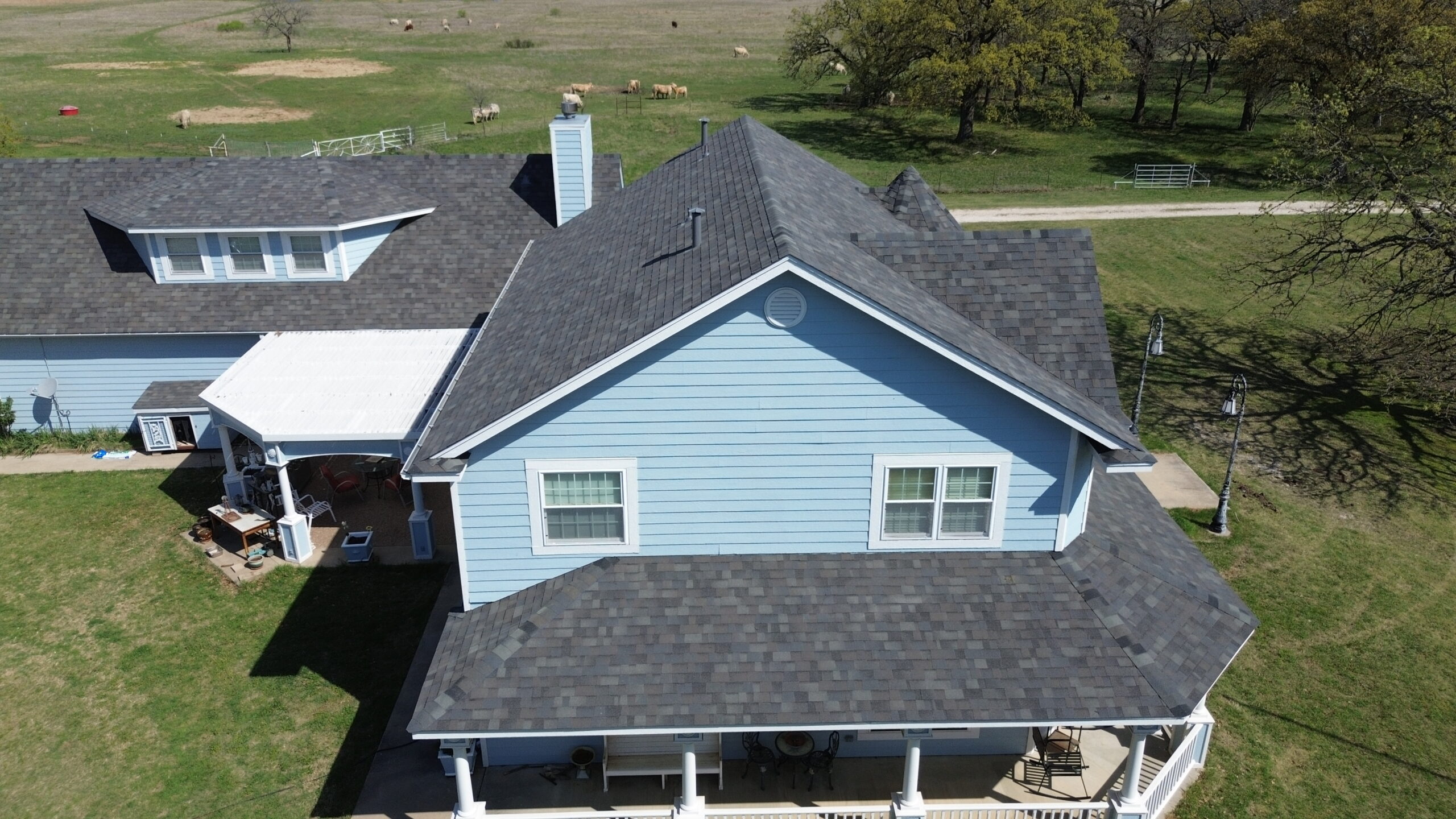
Advances in manufacturing technology have introduced a new generation of composite and synthetic roofing materials that combine sustainability with impressive durability. These products are designed to replicate the appearance of traditional roofing materials while reducing environmental impact through recycled content and longer service life.
Many composite roofing products are manufactured using recycled plastics, reclaimed rubber, recycled wood fibers, or combinations of multiple recycled materials. Instead of allowing these materials to enter landfills, manufacturers transform them into durable roofing products suitable for residential applications.
One of the greatest advantages of composite roofing is design flexibility. Manufacturers produce synthetic shingles that closely resemble slate, cedar shakes, clay tiles, or traditional asphalt shingles. Homeowners can achieve the desired architectural appearance while selecting materials that support environmental conservation.
Composite roofing products are engineered to resist many forms of weather-related damage. Unlike natural wood, synthetic materials are generally not susceptible to insect damage, decay, or moisture absorption. They also resist cracking and splitting better than some traditional roofing materials, helping extend their service life.
Another important environmental advantage is reduced resource consumption. Producing roofing materials from recycled products decreases demand for newly extracted raw materials. This contributes to resource conservation while encouraging recycling programs that recover valuable materials from consumer and industrial waste.
Weight is another benefit offered by many composite roofing systems. Synthetic slate or tile often provides the appearance of natural stone while weighing considerably less. This allows homeowners to enjoy premium architectural styles without requiring extensive structural reinforcement.
Maintenance requirements are generally modest. Composite roofing typically requires routine inspections and occasional cleaning to remove debris. Since the materials resist moisture and biological growth more effectively than some natural products, homeowners often experience fewer maintenance concerns over the life of the roof.
Many manufacturers also design composite roofing systems with ultraviolet resistance to reduce fading and deterioration caused by prolonged sun exposure. Improved color stability helps preserve the roof’s appearance while maintaining structural performance for many years.
Although composite roofing generally costs more than basic asphalt shingles, it often provides better durability and lower maintenance expenses. Homeowners seeking an environmentally responsible alternative that balances performance, appearance, and sustainability frequently consider composite roofing an attractive option.
As recycling technology continues advancing, manufacturers are expected to increase the percentage of recycled content used in roofing products. This ongoing innovation further strengthens the environmental benefits of composite roofing while expanding the range of available styles and performance characteristics.
Green Roof Systems
Green roofs represent one of the most innovative approaches to sustainable roofing. Rather than covering a building solely with conventional roofing materials, green roof systems incorporate living vegetation planted above specially designed waterproofing and drainage layers. These systems create functional green spaces while providing numerous environmental benefits.
A green roof consists of several carefully engineered components. Waterproof membranes protect the building from moisture, drainage layers manage excess water, growing media support plant growth, and selected vegetation creates the visible landscape. Every layer performs an important role in ensuring long-term performance.
One of the most significant environmental advantages of green roofs is their ability to improve urban environments. Plants absorb carbon dioxide while releasing oxygen, contributing to improved air quality. Vegetation also captures airborne dust and pollutants, helping create cleaner surrounding environments.
Green roofs provide excellent natural insulation. During warm weather, vegetation shades the roof surface and reduces heat absorption. During cooler seasons, the growing layers provide additional insulation that helps reduce heat loss from the building. These combined effects can improve energy efficiency throughout the year.
Stormwater management is another major benefit. Conventional roofs allow rainwater to flow rapidly into drainage systems, increasing runoff during heavy storms. Green roofs absorb and temporarily retain rainfall, reducing pressure on municipal drainage infrastructure while slowing water discharge.
Urban heat islands have become a growing concern in densely developed cities where concrete and asphalt surfaces absorb large amounts of solar heat. Green roofs help reduce surrounding temperatures by replacing heat-absorbing surfaces with living vegetation that cools the environment through natural evaporation.
Biodiversity also benefits from green roofing systems. Properly designed roofs create habitats for birds, butterflies, bees, and other beneficial insects that contribute to healthy ecosystems. Even relatively small rooftop gardens can support local wildlife within urban areas.
Green roofs can also improve the lifespan of underlying roofing materials. Vegetation protects waterproof membranes from direct sunlight, ultraviolet radiation, and extreme temperature fluctuations. By reducing environmental stress, the roofing system beneath the plants often lasts considerably longer than an exposed conventional roof.
Despite these advantages, green roofs require careful planning and professional installation. Structural capacity must be evaluated because the combined weight of soil, vegetation, and retained water can be substantial. Irrigation, drainage, and plant selection must also be designed appropriately to ensure healthy long-term performance.
Maintenance requirements depend largely on the type of vegetation selected. Extensive green roofs featuring low-maintenance plants generally require less care than intensive systems containing shrubs, gardens, or small trees. Regular inspections remain essential for maintaining drainage systems and healthy plant growth.
Although green roofs involve higher installation costs than many conventional roofing systems, their environmental benefits, energy savings, and contribution to sustainable urban development continue attracting interest from homeowners and commercial property owners alike.
Cool Roofing Materials and Reflective Roof Coatings
Cool roofing technology focuses on reducing heat absorption by reflecting more sunlight away from the building. These roofing systems improve energy efficiency without necessarily changing the underlying roofing material, making them one of the most accessible sustainable roofing strategies available.
Traditional dark-colored roofs absorb significant amounts of solar radiation throughout the day. This heat transfers into the attic and living spaces below, increasing cooling demands during warm weather. Cool roofing materials minimize this effect through reflective surfaces specifically designed to reduce solar heat gain.
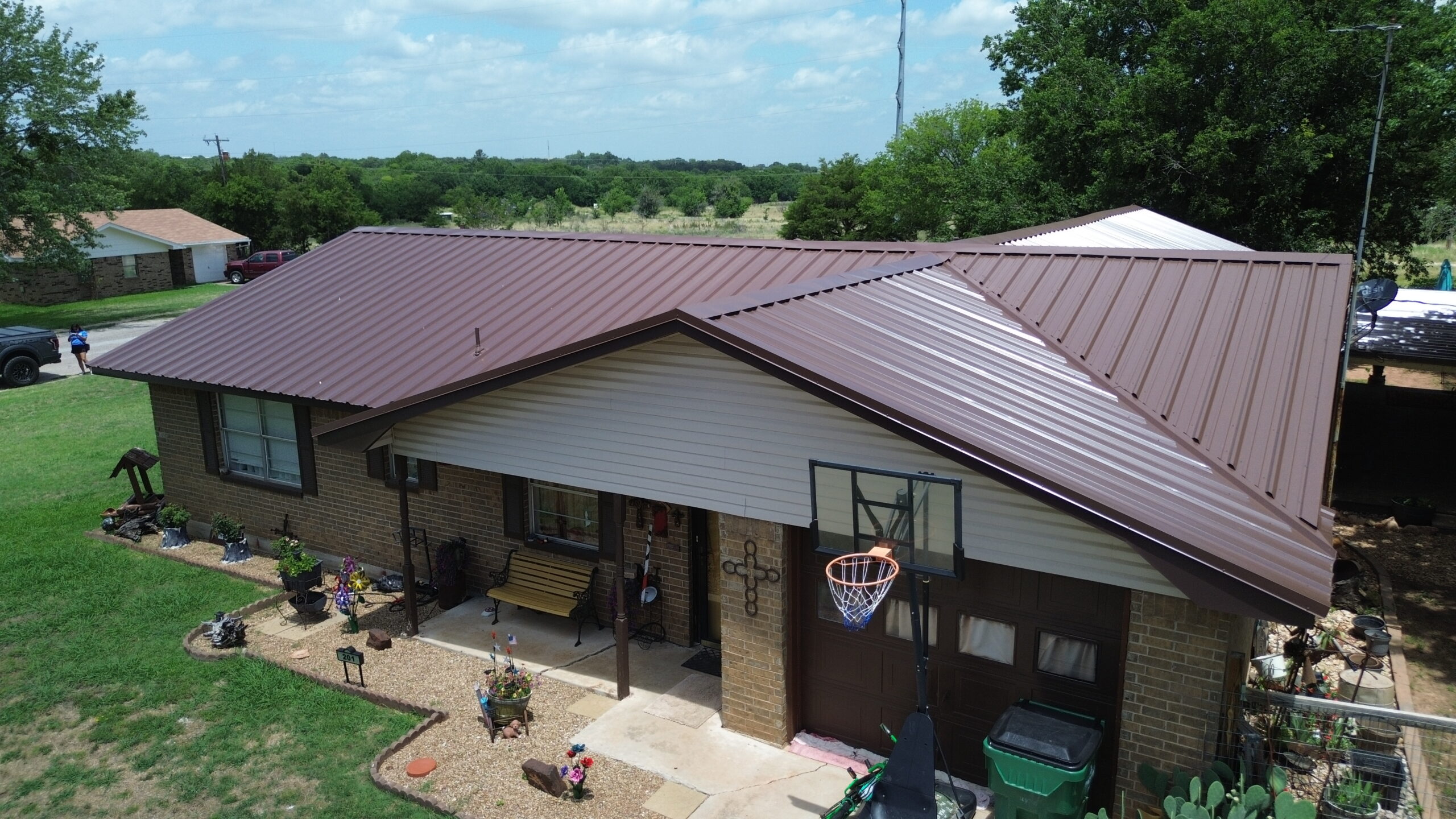
Reflective metal roofing remains one of the most effective cool roofing options. Factory-applied coatings reflect a large portion of incoming sunlight while maintaining attractive colors and finishes. This combination of durability and energy efficiency makes reflective metal roofing popular in many climates.
Reflective asphalt shingles have also become increasingly common. Manufacturers incorporate specially designed reflective granules that reduce surface temperatures compared to conventional shingles. Homeowners who prefer the familiar appearance of asphalt roofing can often improve energy performance by selecting these products.
Tile roofing naturally performs well as a cool roofing material because of both its reflective surface options and the air circulation beneath individual tiles. Light-colored tiles further improve solar reflectance while contributing to lower indoor temperatures.
Reflective roof coatings provide another sustainable solution. These coatings can often be applied to existing roofing systems, extending roof life while improving energy efficiency. Instead of replacing an otherwise functional roof, homeowners may improve performance through professionally applied reflective coatings.
Lower roof temperatures contribute to several environmental benefits. Buildings require less energy for air conditioning, reducing electricity consumption and greenhouse gas emissions associated with power generation. Lower operating temperatures also reduce thermal stress on roofing materials, helping extend their service life.
Cool roofing systems contribute to improved indoor comfort during hot weather by reducing heat transfer into living spaces. Homeowners often notice more consistent indoor temperatures while relying less heavily on cooling equipment.
Regional climate plays an important role when evaluating cool roofing. Homes located in consistently warm climates generally experience greater energy savings than those in colder regions where winter heat retention is more important. Nevertheless, many homeowners benefit from improved summer comfort regardless of location.
The growing availability of cool roofing products has expanded homeowner choices considerably. Today, sustainable energy-efficient roofs are available in numerous colors, materials, and architectural styles, allowing environmentally responsible decisions without sacrificing curb appeal.
Comparing Environmental Impact of Different Roofing Materials
Every roofing material influences the environment differently throughout its life cycle. Manufacturing, transportation, installation, maintenance, expected lifespan, and end-of-life disposal all contribute to the overall environmental footprint of a roofing system. Comparing these characteristics helps homeowners make informed decisions based on more than marketing claims.
Some roofing materials perform exceptionally well because of their long lifespan. Others rely on recycled content to reduce demand for virgin raw materials. Certain products emphasize energy efficiency by lowering household energy consumption, while others prioritize recyclability after replacement.
The most sustainable roofing material often depends on the homeowner’s priorities and local conditions. A roof that performs exceptionally in one climate may not provide the same environmental benefits elsewhere. Looking at the complete life cycle rather than one individual characteristic provides the most balanced evaluation.
Table: Eco Friendly Roofing Material Comparison
| Roofing Material | Recycled Content | Expected Lifespan | Energy Efficiency | Recyclable After Use | Overall Sustainability |
|---|---|---|---|---|---|
| Recycled Metal | High | Very Long | Excellent | Yes | Excellent |
| Recycled Asphalt Shingles | Moderate | Moderate | Good | Sometimes | Good |
| Clay Tile | Low | Very Long | High | Limited | Excellent |
| Concrete Tile | Moderate | Very Long | High | Limited | Very Good |
| Slate | Natural Material | Extremely Long | Good | Reusable | Excellent |
| Composite Roofing | High | Long | Good | Sometimes | Very Good |
| Green Roof | Varies | Long | Excellent | Varies | Excellent |
| Cool Roofing Systems | Varies | Long | Excellent | Depends on Material | Very Good |
This comparison provides a general overview rather than absolute rankings. Product quality, manufacturing methods, installation practices, and maintenance all influence the long-term sustainability of individual roofing systems.
Energy Efficiency and Long-Term Cost Savings
One of the greatest advantages of eco friendly roofing extends beyond environmental protection. Many sustainable roofing materials reduce long-term household operating costs through improved energy efficiency, lower maintenance requirements, and longer service life.
Energy-efficient roofs help regulate indoor temperatures by reducing heat transfer through the building envelope. During warmer months, reflective roofing materials decrease solar heat absorption, allowing cooling systems to operate more efficiently. This reduction in energy demand can lower monthly utility expenses while improving indoor comfort.
Long-lasting roofing materials also contribute to financial savings by reducing replacement frequency. Although premium roofing systems often require larger initial investments, homeowners may avoid multiple replacement projects that would otherwise occur over several decades.
Maintenance expenses also vary between roofing materials. Durable products that resist moisture, insects, fire, and weather-related deterioration generally require fewer repairs throughout their lifespan. Lower maintenance needs translate into reduced ownership costs while minimizing the environmental impact associated with replacement materials.
Energy efficiency can also increase property value. Many buyers appreciate homes equipped with sustainable features that promise lower operating expenses and improved long-term durability. A well-designed eco friendly roofing system therefore contributes to both environmental responsibility and market appeal.
Another important consideration is resilience. Sustainable roofing materials that withstand severe weather reduce repair costs following storms while minimizing disruption for homeowners. Stronger roofs also decrease the environmental impact associated with rebuilding after weather-related damage.
When evaluating sustainable roofing options, homeowners should consider the complete financial picture rather than only installation costs. Initial investment, expected lifespan, maintenance expenses, utility savings, and future replacement costs together determine the true value of an environmentally responsible roofing system.
Choosing the Right Eco Friendly Roof for Your Home
Selecting an eco friendly roofing material is not simply about choosing the product with the highest recycled content or the longest lifespan. The best roofing system is one that matches the home’s structure, local climate, budget, maintenance expectations, and long-term ownership plans. Evaluating these factors together helps homeowners choose a roofing solution that delivers both environmental and practical benefits.
Climate should be one of the first considerations. Homes located in hot, sunny regions often benefit from reflective metal roofing, cool roofing systems, or light-colored tile roofs that reduce heat absorption. In colder climates, insulation performance and snow-shedding ability may become more important than maximum solar reflectivity.
The structural design of the home also plays a major role. Lightweight roofing materials such as recycled metal or composite shingles can usually be installed without significant structural changes. Heavier materials like slate or clay tile may require engineering evaluations to ensure the roof framing can safely support the additional weight.
Budget should be viewed from a long-term perspective rather than focusing only on the initial installation cost. A roofing material that costs more today but lasts twice as long while reducing energy bills may provide better overall value than a less expensive option requiring earlier replacement.
Maintenance expectations should also influence the decision. Some homeowners prefer roofing materials that require only occasional inspections, while others are comfortable performing regular maintenance. Choosing a roofing system that matches these expectations improves long-term satisfaction.
Architectural style is another important consideration. Every roofing material creates a different visual impression, and selecting one that complements the home’s design enhances curb appeal. Modern homes often pair well with standing seam metal roofing, while Mediterranean-inspired homes naturally suit clay tile roofing.
Homeowners interested in maximizing sustainability should also research local recycling programs and available roofing products. Selecting materials that can be recycled both during manufacturing and after replacement further reduces environmental impact.
Working with an experienced roofing contractor remains one of the most valuable steps in the selection process. Professional guidance helps homeowners compare available options while ensuring the chosen roofing material is appropriate for the home’s specific structural and environmental conditions.
Common Misconceptions About Sustainable Roofing
As environmentally responsible construction becomes more popular, several misconceptions about eco friendly roofing continue to influence homeowner decisions. Understanding the facts helps separate marketing claims from practical reality.
One common misconception is that environmentally friendly roofing materials are always significantly more expensive. While certain premium products require higher initial investments, many sustainable roofing options provide long-term savings through reduced maintenance, lower energy consumption, and extended service life. Looking only at installation costs often overlooks these financial benefits.
Another misunderstanding is that sustainable roofing always sacrifices appearance. Modern manufacturing has greatly expanded design possibilities, allowing eco friendly roofing materials to resemble slate, wood shakes, traditional shingles, or clay tiles. Homeowners can now choose environmentally responsible products without compromising architectural style.
Some people believe recycled roofing materials are lower in quality than products manufactured entirely from new raw materials. In reality, many recycled roofing products are engineered to meet the same performance standards as conventional materials. Advances in manufacturing have allowed recycled content to improve sustainability while maintaining excellent durability.
Another misconception is that only newly constructed homes can benefit from sustainable roofing. Existing homes can also gain significant environmental advantages through roof replacement projects using recycled materials, reflective coatings, or energy-efficient roofing systems. Homeowners do not need to build a new house to improve environmental performance.
Some homeowners assume green roofs are suitable for every property. Although living roofs provide many environmental benefits, they require appropriate structural support, specialized waterproofing, and ongoing maintenance. They represent one sustainable option rather than a universal solution.
There is also a belief that all eco friendly roofing materials are completely maintenance free. While many sustainable roofing systems require less maintenance than traditional alternatives, every roof benefits from regular inspections, gutter cleaning, and prompt repair of minor problems. Preventive maintenance remains important regardless of the roofing material selected.
Finally, some people assume the roofing material alone determines environmental performance. In reality, installation quality, attic ventilation, insulation, drainage, and ongoing maintenance all influence how efficiently the roofing system performs throughout its lifespan.
Questions to Ask Before Selecting an Eco Friendly Roofing Material
Making an informed roofing decision becomes much easier when homeowners ask detailed questions before beginning the replacement project. These conversations help clarify expectations while ensuring the selected roofing material aligns with long-term goals.
Important questions include:
- Which eco friendly roofing materials perform best in my local climate?
- Does my home’s structure support every roofing option I am considering?
- How much recycled content does each roofing product contain?
- What is the expected lifespan of each material under local weather conditions?
- Can the roofing material be recycled after it eventually reaches the end of its service life?
- How will the new roof affect heating and cooling costs?
- What maintenance will be required over the coming years?
- Are there manufacturer warranties covering both materials and performance?
- Will the roofing system comply with current local building codes?
- What experience does the contractor have installing sustainable roofing systems?
These questions encourage meaningful discussions between homeowners and roofing professionals. Rather than selecting materials based solely on advertisements or appearance, homeowners gain a better understanding of long-term performance and environmental benefits.
Numbered Checklist for Comparing Sustainable Roof Replacement Options
Comparing several roofing materials can become challenging because each offers different strengths. The following checklist provides a structured approach that helps homeowners evaluate every important factor before making a final decision.
- Determine the total project budget, including possible structural modifications.
- Evaluate local climate conditions and expected weather exposure.
- Confirm the home’s structure can safely support the selected roofing material.
- Compare the expected lifespan of each roofing option.
- Review recycled content and manufacturing sustainability.
- Consider the material’s energy efficiency and potential utility savings.
- Evaluate maintenance requirements over the roof’s lifetime.
- Verify whether the roofing material can be recycled after replacement.
- Review manufacturer warranties and contractor workmanship guarantees.
- Choose a qualified contractor experienced with sustainable roofing installation.
Following this checklist helps homeowners compare roofing systems using consistent criteria rather than focusing on only one characteristic. A balanced evaluation often leads to better long-term decisions.
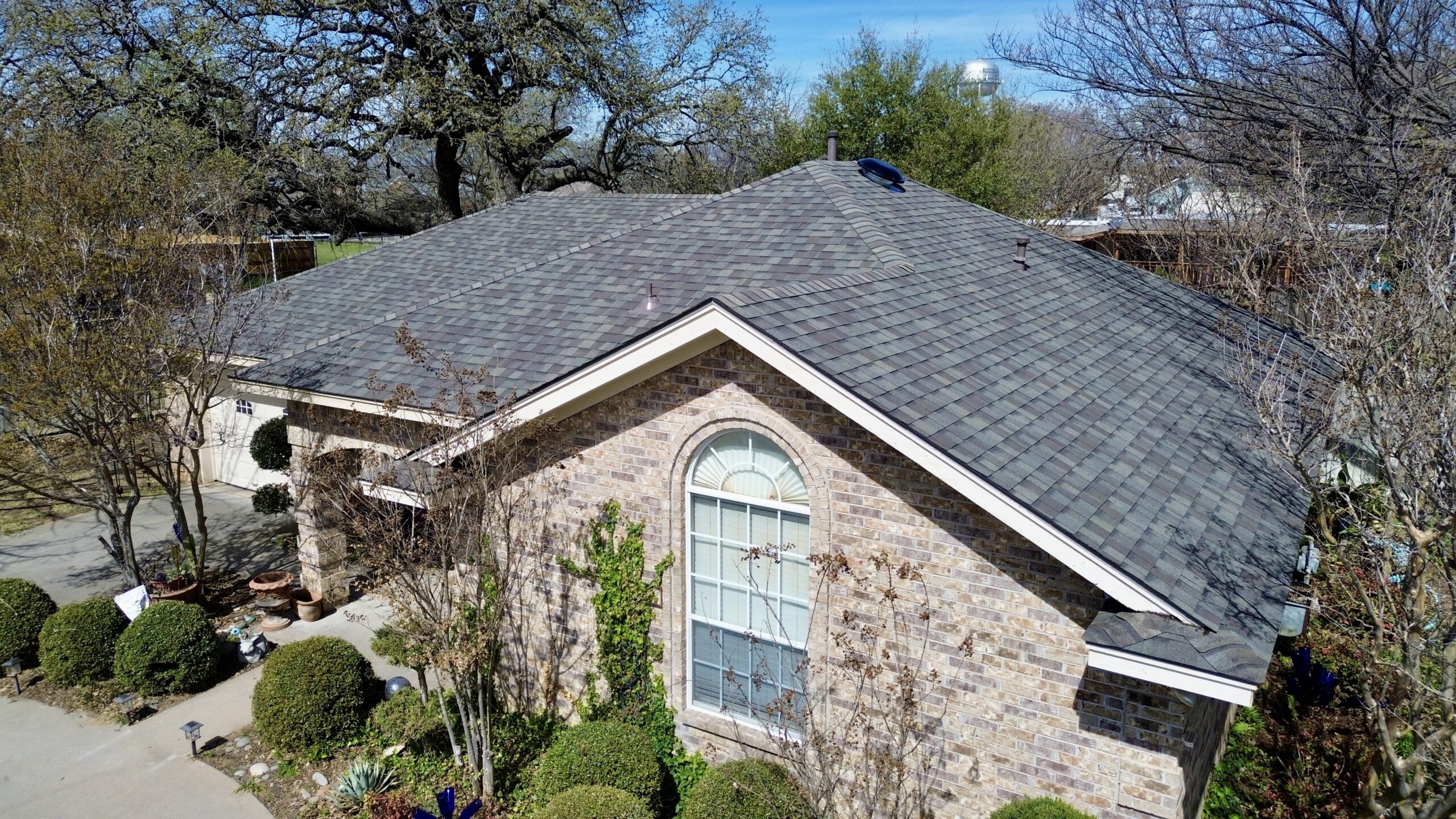
Maintaining an Eco Friendly Roof for Maximum Lifespan
Even the most environmentally responsible roofing material requires proper maintenance to achieve its full expected lifespan. Regular care not only protects the homeowner’s investment but also strengthens the environmental benefits of sustainable roofing by delaying replacement and reducing material waste.
Routine inspections remain one of the most effective maintenance practices. Homeowners should inspect the roof periodically for loose materials, damaged flashing, blocked drainage systems, and signs of weather-related wear. Identifying small problems early usually prevents larger repairs that consume additional materials and labor.
Keeping gutters and downspouts clean is equally important. Proper drainage prevents water from collecting on the roof surface, reducing the risk of moisture damage that can shorten the lifespan of many roofing materials. Efficient water management also protects the home’s foundation and landscaping.
Tree maintenance supports roof preservation as well. Overhanging branches can scrape roofing materials, drop leaves that trap moisture, or break during storms. Regular trimming reduces these risks while allowing more sunlight to dry the roof after rainfall.
Attic ventilation should also be inspected periodically. Proper airflow reduces heat buildup during summer and limits condensation during cooler months. Balanced ventilation helps preserve both the roofing material and the structural roof deck beneath it.
Homeowners should avoid unnecessary foot traffic on the roof whenever possible. Some materials, particularly clay tiles and slate, can crack if walked on improperly. When roof access is necessary, qualified professionals understand how to move safely without causing damage.
Cleaning methods should always match the roofing material. Harsh chemicals or high-pressure washing may damage certain roofing products even though they appear durable. Following manufacturer recommendations helps preserve both appearance and structural performance.
Prompt repairs remain essential for maximizing roof life. Small cracks, loose fasteners, damaged flashing, or isolated leaks should be corrected before they allow moisture to reach the underlying roof structure. Early intervention reduces repair costs while extending the service life of the roofing system.
Maintaining documentation of inspections, repairs, and warranties is also beneficial. Organized records help homeowners monitor roof performance, simplify warranty claims when necessary, and provide useful information if the property is sold in the future.
Consistent maintenance supports sustainability because every additional year of roof service reduces the need for replacement materials, transportation, manufacturing, and construction waste. Extending roof lifespan remains one of the most effective ways to reduce the environmental impact of residential roofing.
Conclusion
Eco friendly roof replacement is about much more than selecting a product with a green label. Truly sustainable roofing combines responsible manufacturing, efficient energy performance, long service life, reduced maintenance, and environmentally conscious disposal or recycling at the end of the roof’s useful life. Understanding these characteristics allows homeowners to make informed decisions that benefit both their property and the environment.
Throughout this guide, we explored a wide range of sustainable roofing options, including recycled metal roofing, recycled asphalt shingles, clay and concrete tiles, responsibly sourced wood roofing, natural slate, composite materials, green roof systems, and cool roofing technologies. Each material offers unique environmental advantages while meeting different architectural, structural, and budget requirements.
We also examined the factors that determine whether a roofing material is truly eco friendly, including recycled content, durability, recyclability, manufacturing practices, energy efficiency, and maintenance needs. No single roofing material is the perfect solution for every home, which is why evaluating local climate, structural compatibility, long-term ownership plans, and maintenance expectations is essential before making a final decision.
An environmentally responsible roof also depends on proper installation and ongoing care. Even the most sustainable roofing material cannot perform effectively without quality workmanship, adequate ventilation, efficient drainage, and regular maintenance. Investing in professional installation and preventive care helps maximize both roof lifespan and environmental benefits.
As technology continues advancing, sustainable roofing materials will likely become even more efficient, durable, and accessible. Improved recycling methods, innovative manufacturing processes, and enhanced energy-saving designs are already expanding the choices available to homeowners seeking environmentally responsible construction solutions.
Ultimately, an eco friendly roof represents an investment in both the future of the home and the environment. By selecting durable materials, reducing energy consumption, minimizing construction waste, and maintaining the roofing system properly, homeowners can enjoy lasting protection while contributing to a more sustainable built environment. A thoughtfully chosen eco friendly roof delivers benefits that extend far beyond the roof itself, supporting lower operating costs, improved comfort, greater property value, and responsible stewardship of natural resources for many years to come.