
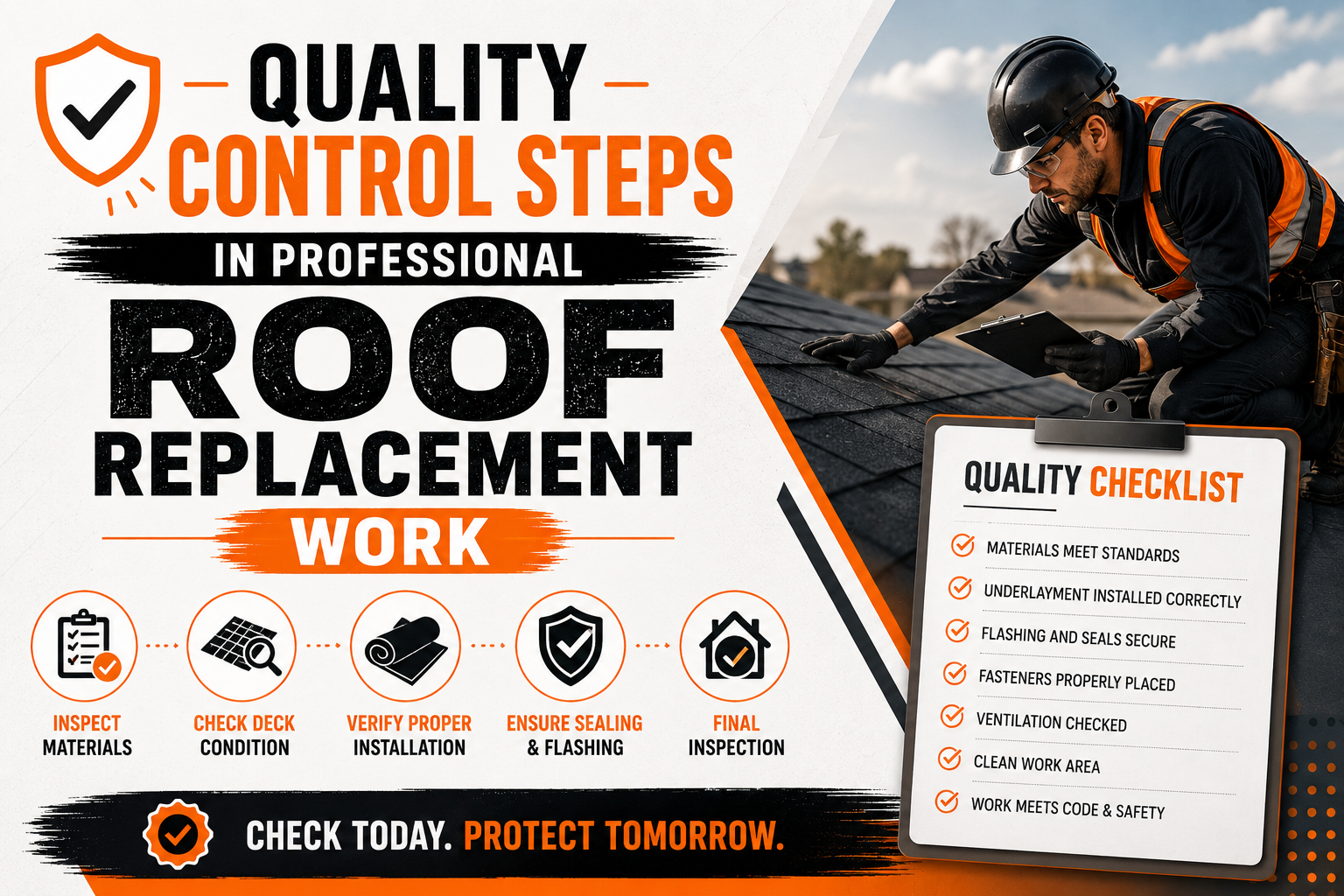
Quality Control Steps in Professional Roof Replacement Work
Introduction
A roof replacement is one of the largest investments many homeowners make in maintaining their property. While selecting high-quality roofing materials is important, the overall success of the project depends just as much on the quality of the installation itself. Even premium shingles, metal panels, or tiles cannot perform as intended if they are installed without proper inspection, careful workmanship, and consistent quality control throughout the construction process.
Quality control refers to the systematic procedures roofing contractors follow to ensure every stage of the roof replacement meets professional standards. Rather than waiting until the roof is finished to inspect the work, experienced contractors perform quality checks before, during, and after installation. This continuous approach helps identify small issues early, allowing corrections to be made before they become larger and more expensive problems.
Modern roofing systems consist of several interconnected components including the roof deck, underlayment, waterproof membranes, flashing, ventilation, fasteners, and exterior roofing materials. Every layer contributes to the roof’s overall performance, making it essential that each component is installed correctly before the next stage begins.
Quality control also supports compliance with local building codes and manufacturer installation requirements. Many roofing manufacturers require approved installation methods before warranty coverage becomes effective. Following these standards protects the homeowner’s investment while ensuring the roof performs according to its designed specifications.
Professional quality control benefits homeowners in many ways. It improves weather resistance, extends roof lifespan, reduces future repair costs, enhances energy efficiency, and increases confidence that the roof has been installed correctly from the very beginning.
Contractors who prioritize quality control also maintain better communication throughout the project. Regular inspections, documented progress, and clear explanations allow homeowners to understand how the roof replacement is progressing while providing reassurance that important details are receiving proper attention.
This guide explains the quality control procedures commonly followed during professional roof replacement projects. Understanding these steps helps homeowners recognize the value of careful planning, systematic inspections, and skilled workmanship in creating a durable and dependable roofing system.
Why Quality Control Is Essential in Roof Replacement
Quality control is much more than a final inspection after the roofing materials have been installed. It is a continuous process that begins before construction starts and continues until the completed roof has been thoroughly evaluated. Every inspection performed during the project helps ensure that the finished roofing system meets professional standards for durability, safety, and long-term performance.
One of the primary goals of quality control is preventing installation errors. Small mistakes made during roof replacement may remain hidden beneath the finished roofing materials, only becoming noticeable years later when leaks or structural problems develop. Identifying these issues early allows contractors to correct them before installation continues.
Quality control also protects the structural integrity of the roof. Inspecting the roof deck, underlayment, flashing, and fastening systems throughout construction helps ensure that every layer provides proper support for the roofing materials above it.
Weather resistance is another important reason for maintaining strict quality standards. Proper installation of waterproof barriers, flashing, valleys, and roof penetrations reduces the likelihood of future leaks while improving the roof’s ability to withstand severe weather conditions.
Manufacturer warranties often depend on correct installation procedures. Roofing products are tested using specific installation methods, and failure to follow these guidelines may affect warranty eligibility. Regular quality inspections help verify that installation complies with manufacturer recommendations.
Consistent quality control also improves project efficiency. Detecting minor issues immediately prevents larger sections of completed work from requiring removal and reinstallation later. This saves both time and materials while maintaining construction schedules.
Homeowners benefit from greater peace of mind as well. Knowing that the roofing contractor performs systematic inspections throughout the project increases confidence that the replacement roof will deliver reliable long-term performance.
Ultimately, quality control protects everyone involved. Contractors maintain professional standards, homeowners receive greater value from their investment, and the completed roofing system performs more effectively throughout its expected lifespan.
Planning and Material Verification Before Installation
Effective quality control begins well before workers climb onto the roof. Careful planning and material verification help ensure that every component required for the project is available, compatible, and suitable for the specific roofing system being installed.
The planning process starts by reviewing the roof replacement proposal, construction schedule, and material specifications. Contractors verify that the selected roofing products match the homeowner’s approved choices while ensuring compatibility between underlayment, flashing, ventilation components, and roofing materials.
Roof measurements are confirmed before material delivery. Accurate measurements reduce the likelihood of material shortages or unnecessary excess while supporting efficient installation throughout the project.
When roofing materials arrive, contractors inspect them carefully before installation begins. Packaging should remain intact, and products should show no signs of manufacturing defects, shipping damage, or moisture exposure that could affect performance.
Material labels are also reviewed to verify that products match the specifications outlined in the project plan. Roofing shingles, synthetic underlayment, waterproof membranes, flashing components, fasteners, and ventilation products should all meet the requirements established before construction.
Proper storage is another important quality control consideration. Roofing materials should remain dry, organized, and protected from unnecessary exposure to weather before installation. Incorrect storage may affect product performance even before construction begins.
Contractors also verify that specialized materials required for unique roof features have been delivered. Chimneys, skylights, valleys, dormers, and complex roof designs often require additional flashing or waterproofing products that should be available before installation starts.
Building permits and inspection requirements are reviewed during this stage as well. Confirming compliance before construction begins helps avoid delays while ensuring the project satisfies applicable building regulations.
Careful planning reduces uncertainty throughout the roof replacement process while creating a strong foundation for consistent quality during every stage of installation.
Inspecting the Roof Deck Before Roofing Begins
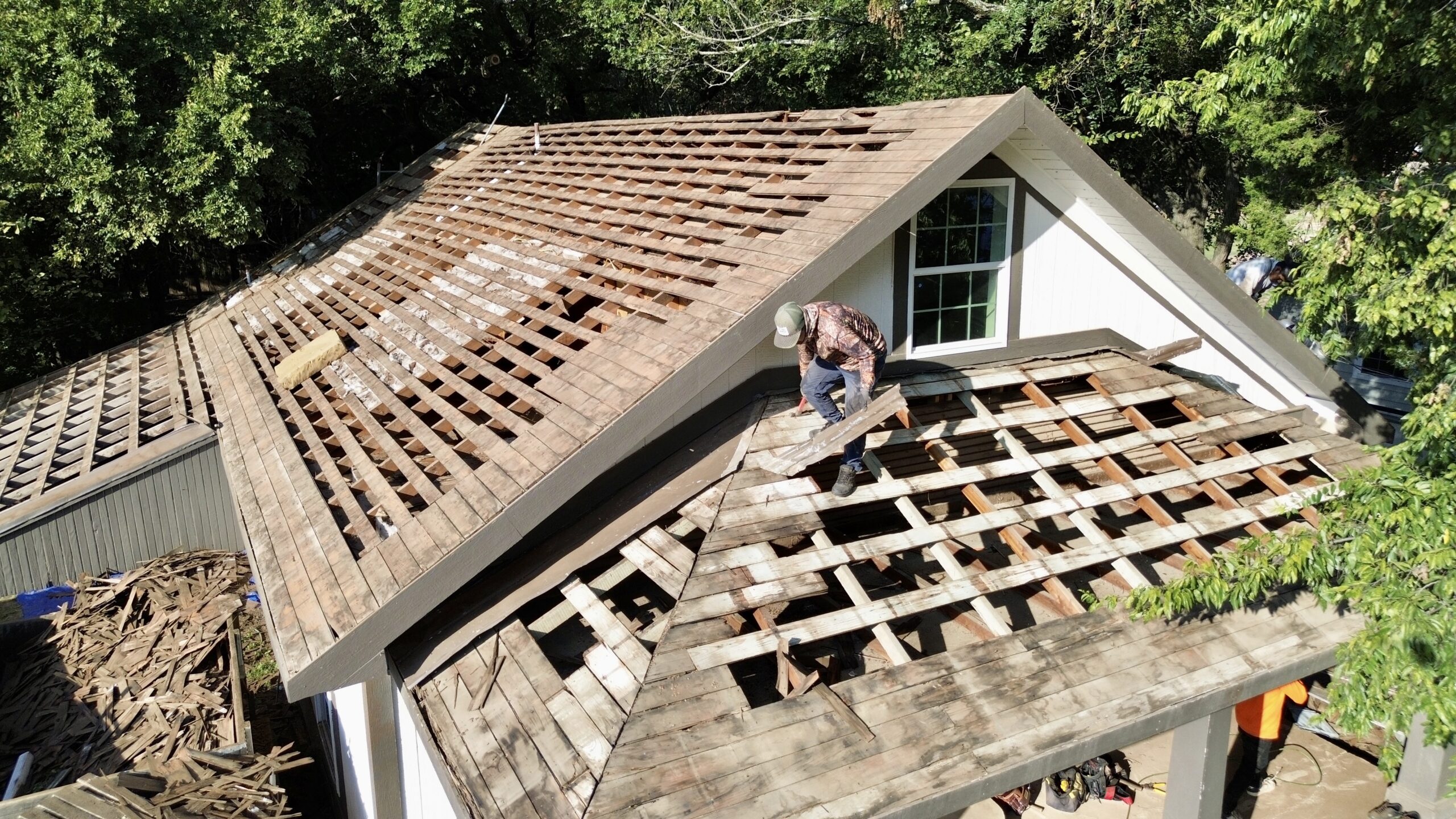
One of the most important quality control steps occurs immediately after the old roofing materials have been removed. With the roof deck fully exposed, contractors have an opportunity to evaluate the structural foundation that will support the entire new roofing system.
The inspection begins with a visual examination of the roof deck. Contractors look for signs of moisture damage, wood rot, mold, cracked panels, loose fasteners, soft areas, or previous repairs that may affect installation quality.
Every section of the roof receives careful attention because hidden damage is not always limited to areas where leaks were previously observed. Water often travels beneath roofing materials before reaching the roof deck, making thorough inspection essential.
Roof decking should remain solid, flat, and securely attached to the framing. Loose or uneven panels may affect roofing appearance while reducing the effectiveness of roofing fasteners during installation.
Structural framing visible from above or through attic access points is also evaluated when necessary. Rafters, trusses, and supporting members should remain stable without signs of excessive movement or deterioration.
If damaged decking is identified, repairs are completed before installation continues. Replacing compromised sections ensures that the new roofing system rests on a dependable structural foundation capable of supporting long-term performance.
The roof surface is cleaned thoroughly after repairs have been completed. Nails, wood fragments, dust, and construction debris are removed to create a smooth surface for underlayment installation.
Moisture levels are also considered before proceeding. Underlayment should never be installed over wet decking because trapped moisture may reduce roof performance while increasing the risk of mold or wood deterioration.
Inspecting the roof deck before roofing begins provides one final opportunity to identify structural concerns before they become concealed beneath the completed roofing system.
Quality Checks During Underlayment and Flashing Installation
Once the roof deck has passed inspection, quality control continues during installation of the underlayment and flashing. These hidden components play an essential role in protecting the roof from moisture, making careful installation just as important as the visible roofing materials.
Contractors begin by verifying that the roof deck is clean, dry, and structurally sound before applying any protective materials. A properly prepared surface allows the underlayment to perform effectively throughout the roof’s lifespan.
Waterproof membranes installed along roof edges, valleys, chimneys, skylights, and plumbing vents receive careful inspection during placement. These products should adhere smoothly without wrinkles, gaps, or trapped air pockets that could reduce waterproofing performance.
Primary roof underlayment is installed beginning at the lower edge of the roof before progressing upward. Contractors check alignment continuously to ensure that each course overlaps correctly while directing moisture safely toward the roof edge.
Fasteners securing the underlayment are inspected as installation progresses. Proper spacing helps hold the material securely while minimizing unnecessary penetrations through the protective layer.
Roof flashing receives particularly close attention because many roof leaks originate where different roof surfaces meet. Flashing around chimneys, skylights, roof valleys, dormers, plumbing vents, and wall intersections should fit securely while integrating correctly with both the underlayment and future roofing materials.
Roof valleys are reviewed carefully because they carry large amounts of water during storms. Proper waterproofing and flashing installation help ensure these areas continue performing effectively throughout the life of the roof.
Supervisors often inspect completed sections before allowing roofing material installation to begin. Correcting any underlayment or flashing issues immediately prevents more extensive rework later in the project.
Consistent quality checks during these hidden installation stages create a stronger and more reliable roofing system that supports long-term weather resistance.
Ensuring Proper Roofing Material Preparation
Before shingles, metal panels, tiles, or other roofing materials are installed, contractors perform several additional quality control procedures to ensure that the visible roofing system can be installed efficiently and correctly.
The first step involves verifying that all roofing materials match the approved specifications. Product type, color, style, manufacturer, and quantity should all correspond to the project requirements established before construction began.
Contractors inspect roofing materials for manufacturing defects before installation. Broken shingles, bent metal panels, cracked tiles, damaged packaging, or other visible defects are removed before they become part of the roofing system.
Material staging across the roof is also reviewed. Roofing materials should be distributed evenly rather than concentrated in one location. Proper weight distribution reduces unnecessary stress on the roof structure while improving worker access during installation.
Weather conditions remain another important consideration. Roofing materials should only be installed within the temperature ranges recommended by the manufacturer whenever possible. Proper weather conditions support better sealing, fastening, and long-term product performance.
Fasteners are verified before installation begins. Contractors confirm that the correct nails, screws, or specialty fasteners recommended by the roofing manufacturer will be used throughout the project.
Roof penetrations and flashing details are reviewed one final time before visible roofing materials begin covering these critical areas. Confirming proper preparation reduces the likelihood of hidden installation issues later.
The following quality control checklist is commonly completed before roofing material installation:
- Confirm roofing materials match project specifications.
- Inspect products for visible damage.
- Verify correct fasteners are available.
- Review underlayment and flashing installation.
- Confirm proper material staging across the roof.
- Check weather conditions for installation.
- Perform final supervisor inspection before roofing begins.
Completing these preparation steps ensures that the visible roofing installation begins on a properly prepared foundation with verified materials and carefully inspected supporting components. In the next part, we will examine the quality control procedures followed during active roof installation, including monitoring installation accuracy, inspecting fasteners, evaluating flashing and roof penetrations, maintaining workmanship consistency, documenting daily progress, correcting installation issues, and completing the final quality inspection before project completion.
Monitoring Roofing Material Installation Accuracy
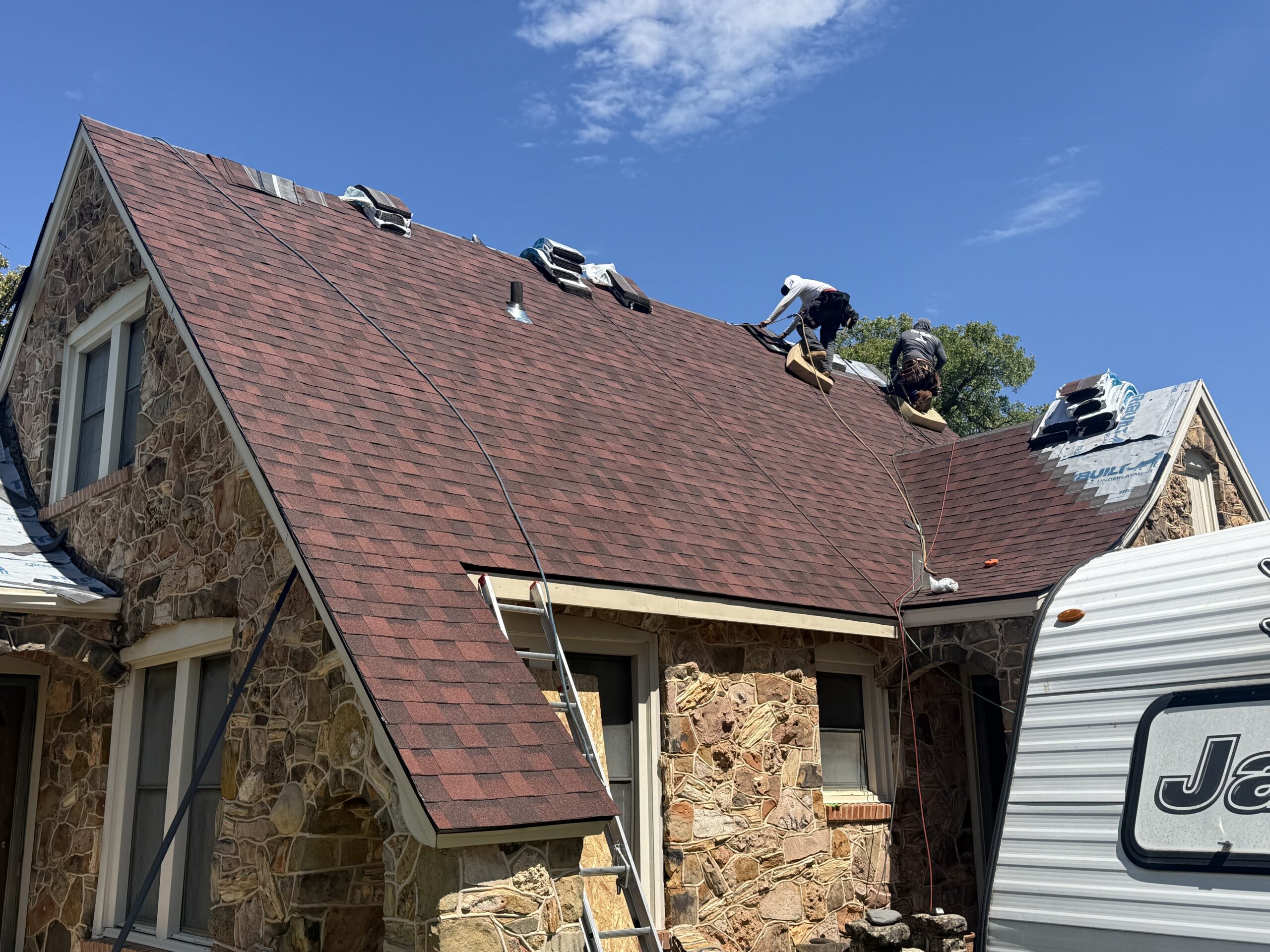
Once roofing materials begin covering the roof, quality control becomes a continuous process rather than an occasional inspection. Professional roofing contractors monitor installation throughout the workday to ensure every section meets manufacturer specifications, industry standards, and the project’s quality expectations. Identifying installation issues early prevents expensive corrections after larger portions of the roof have already been completed.
Installation usually begins at the lower edge of the roof and progresses upward toward the ridge. Supervisors regularly verify that roofing materials are aligned correctly before additional rows are installed. Maintaining straight courses not only improves the appearance of the roof but also ensures proper water drainage and weather resistance.
Contractors check the spacing between roofing materials as installation progresses. Consistent spacing helps create a uniform finished appearance while allowing roofing components to function together as designed.
Pattern consistency is another important quality checkpoint. Roofing materials should follow the layout recommended by the manufacturer, particularly around roof valleys, hips, ridges, and roof transitions. Incorrect patterns may reduce weather resistance while affecting the roof’s visual appeal.
Roof edges receive close attention because proper alignment at the perimeter influences the appearance of the entire roof. Even small alignment errors become more noticeable as installation continues, making early correction essential.
Contractors also inspect roofing materials for damage during installation. Occasionally, shingles or panels may become cracked, scratched, bent, or otherwise damaged while being transported across the roof. Defective pieces are replaced immediately rather than left in place.
Material color consistency is reviewed throughout the project as well. Roofing products from different manufacturing batches should blend naturally across the roof surface without creating obvious visual differences.
Weather conditions continue influencing installation quality. If strong winds, heavy rain, or excessive temperatures develop, supervisors may temporarily suspend work to avoid compromising installation accuracy.
Routine monitoring throughout installation helps maintain consistent workmanship while ensuring the completed roof meets both structural and visual quality expectations.
Verifying Fastener Placement and Attachment Methods
Fasteners play a vital role in roof performance because they secure every component of the roofing system to the roof deck. Even high-quality roofing materials may fail prematurely if nails or screws are installed incorrectly. For this reason, verifying fastener placement is one of the most important quality control procedures during roof replacement.
Roofing manufacturers specify exact fastening locations for their products. Contractors follow these recommendations carefully to ensure each roofing material receives the support necessary to resist wind, weather, and normal thermal movement throughout its lifespan.
Supervisors inspect nail placement regularly during installation. Nails positioned too high, too low, or outside designated fastening zones may reduce wind resistance while affecting warranty coverage.
Fastener depth is equally important. Nails should be driven securely without cutting through the roofing material or remaining partially raised above the surface. Incorrect depth may weaken attachment while creating opportunities for water intrusion.
Fastener spacing is monitored continuously. Using too few fasteners may reduce structural stability, while excessive fastening creates unnecessary penetrations through roofing materials and underlayment.
Contractors also verify that approved fasteners are being used. Roofing systems often require specific nail lengths, corrosion-resistant coatings, or specialized screws depending on the roofing material and roof design.
Roof ridges, valleys, hips, and roof edges often require different fastening techniques than standard roof sections. These areas experience greater weather exposure and therefore receive additional inspection during installation.
Fasteners securing flashing, ridge vents, drip edges, and other roofing accessories are reviewed separately because these components contribute significantly to overall roof performance.
Random spot inspections throughout the workday help verify consistent fastening practices across the entire roof rather than only at isolated locations.
Careful fastener inspection ensures that the roofing system remains securely attached while providing dependable performance during severe weather conditions.
Inspecting Roof Valleys, Flashing, and Roof Penetrations
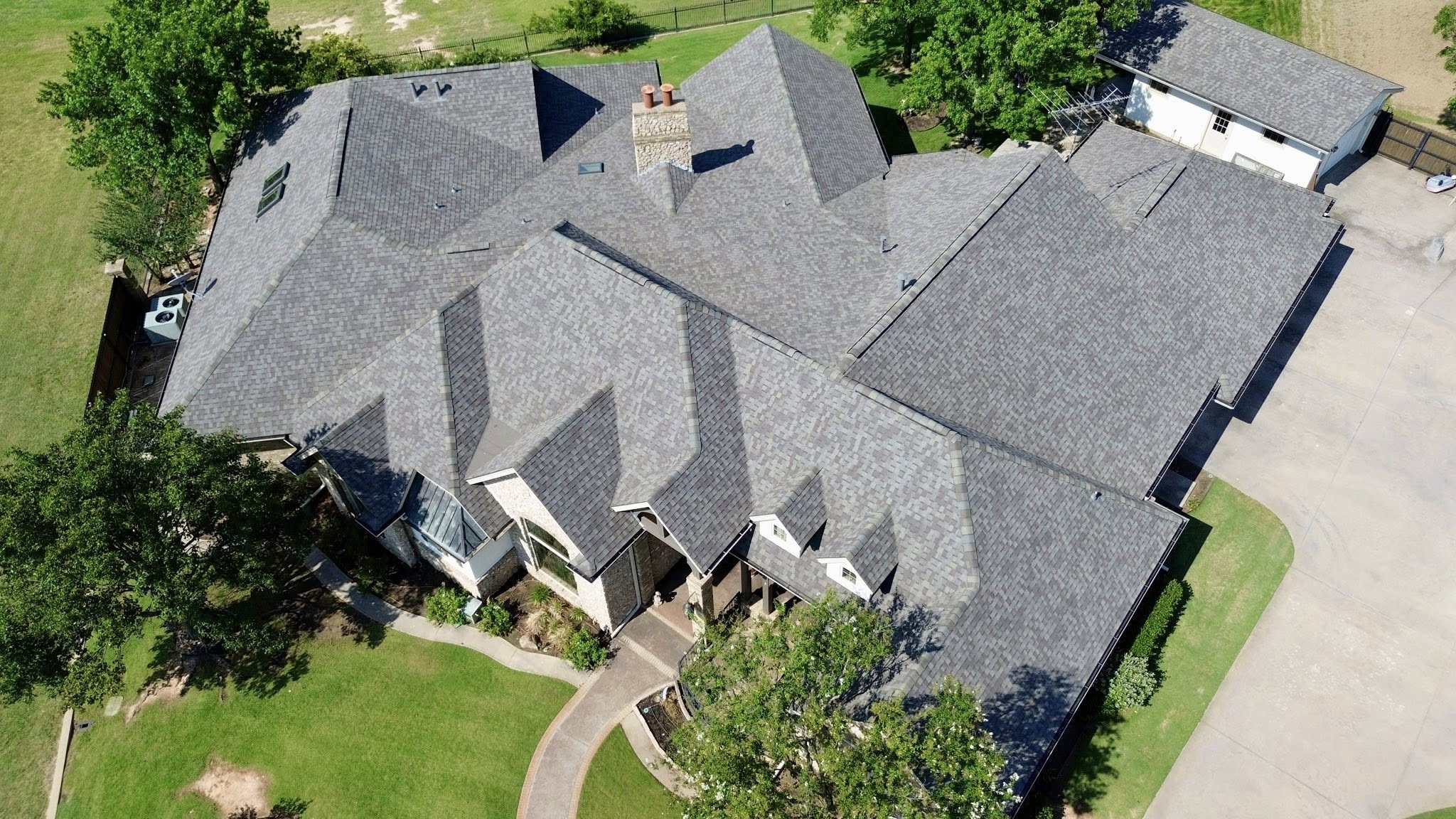
Although roof valleys, flashing, and penetrations occupy only a small portion of the roof surface, they are among the most important areas inspected during quality control. Many roof leaks originate at these transition points, making careful evaluation essential before the project is completed.
Roof valleys receive particular attention because they channel large volumes of rainwater during storms. Contractors inspect valley alignment, waterproof membranes, flashing placement, and roofing material integration to ensure efficient drainage without exposing vulnerable areas.
Flashing surrounding chimneys should fit securely while directing water away from roof intersections. Supervisors verify that flashing components overlap correctly and remain integrated with both the underlayment and roofing material.
Skylights represent another important inspection point. Roofing materials should fit closely around skylight flashing while maintaining adequate waterproof protection without restricting natural expansion and contraction.
Plumbing vent boots are examined carefully as well. These protective components should remain securely attached while sealing tightly around vent pipes to prevent moisture from entering beneath the roof surface.
Wall intersections require additional quality checks because water flowing down vertical surfaces must be redirected safely onto the roof. Step flashing and counter flashing should work together to maintain continuous waterproof protection.
Roof-to-wall transitions, dormers, and other architectural features are inspected for proper flashing overlap and secure attachment. Even small installation errors in these locations may eventually lead to moisture intrusion.
Contractors also verify that sealants are used only where recommended by the manufacturer. While sealants provide additional protection in selected locations, they should never replace properly installed flashing components.
Waterproof membranes beneath flashing are reviewed whenever visible to ensure that multiple protective layers continue working together effectively.
By carefully inspecting every roof penetration and transition, contractors greatly reduce the possibility of future leaks while improving the long-term durability of the completed roofing system.
Maintaining Consistent Workmanship Across the Roof
Professional roof replacement is measured not only by structural performance but also by the consistency of workmanship throughout the entire project. Quality control helps ensure that every section of the roof receives the same level of attention regardless of roof complexity or project duration.
Supervisors inspect completed work continuously rather than waiting until the project has finished. This allows small inconsistencies to be corrected before they affect larger sections of the roof.
Visual appearance remains an important consideration. Roofing materials should maintain straight alignment, uniform spacing, and consistent exposure across every roof slope. A professionally installed roof demonstrates careful attention to detail from every viewing angle.
Complex roof features often require additional inspection because installation becomes more challenging around valleys, dormers, hips, chimneys, and intersecting roof planes. Contractors verify that workmanship remains consistent even in these difficult areas.
Different members of the roofing crew should also follow the same installation standards. Supervisors monitor workmanship regularly to ensure that quality remains uniform regardless of which crew member completes a particular section.
Material handling contributes to consistent workmanship as well. Roofing products should be transported carefully across the roof to avoid unnecessary damage before installation.
Housekeeping also influences work quality. Keeping the roof surface organized reduces distractions while allowing installers to focus more effectively on accurate placement of roofing materials.
Lighting conditions occasionally affect visual inspections. Supervisors may review completed work from multiple angles throughout the day to identify alignment issues or installation irregularities that become more noticeable under changing sunlight.
Maintaining consistent workmanship throughout construction creates a finished roof that performs reliably while presenting a clean, professional appearance that enhances the home’s overall curb appeal.
Daily Site Inspections and Progress Documentation
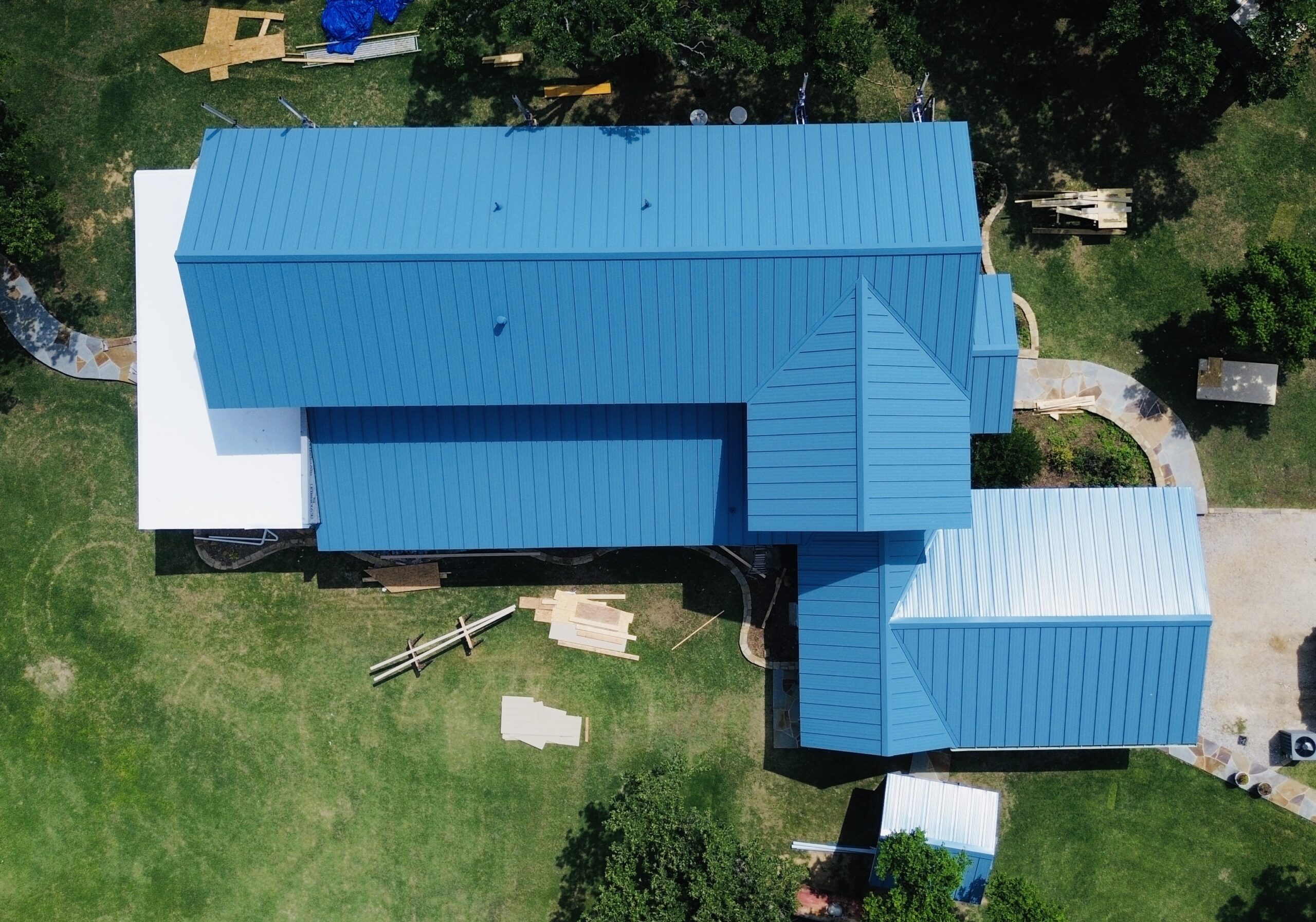
Quality control extends beyond roofing installation itself. Professional contractors conduct daily site inspections and maintain detailed project documentation to verify progress, identify concerns, and communicate effectively with homeowners throughout construction.
Each workday typically begins with an inspection of completed work from the previous day. Supervisors verify that overnight weather has not affected roofing materials while ensuring that temporary coverings remain secure if the project is still underway.
Roof surfaces are examined for loose materials, exposed underlayment, incomplete flashing, or other conditions requiring attention before installation resumes.
Contractors often document project progress using photographs. These images provide valuable records of concealed roofing components such as roof decking repairs, underlayment installation, waterproof membranes, and flashing before they become hidden beneath finished roofing materials.
Written inspection notes may also be prepared throughout the project. These records describe completed work, identified concerns, corrective actions, weather conditions, and any unexpected structural repairs discovered during construction.
Homeowners benefit from regular project updates as well. Contractors explain completed milestones, discuss any changes to the construction schedule, and answer questions regarding upcoming installation activities.
Safety inspections remain part of daily quality control. Supervisors verify that ladders, fall protection equipment, power tools, and work areas continue meeting established safety standards throughout construction.
Material inventories may also be reviewed daily to ensure sufficient roofing products remain available without unnecessary waste or delays.
Comprehensive documentation supports transparency while providing valuable records for future warranty questions, maintenance planning, or property sales.
Correcting Installation Issues Before Completion
One of the greatest advantages of continuous quality control is the opportunity to correct installation issues before the project is finished. Addressing concerns immediately prevents minor problems from developing into larger defects that may affect roof performance for many years.
When supervisors identify an installation issue, work typically pauses in the affected area until the problem has been evaluated. Corrective action begins before additional roofing materials cover the location.
Misaligned shingles or roofing panels are among the most common corrections. Rather than accepting slight visual inconsistencies, contractors remove and reinstall affected materials to restore proper alignment.
Improper fastener placement is also corrected promptly. Nails driven outside approved fastening zones or at incorrect depths are replaced according to manufacturer recommendations before installation continues.
Flashing adjustments occasionally become necessary as well. If flashing components do not integrate properly with surrounding roofing materials, they are repositioned or replaced before hidden waterproofing becomes inaccessible.
Damaged roofing materials identified during installation are removed immediately rather than repaired cosmetically. Using undamaged materials throughout the roof supports better long-term durability.
Supervisors verify every completed correction before authorizing work to continue. This additional inspection ensures that the repaired section now meets established quality standards.
The following quality control actions commonly occur before project completion:
- Correct roofing material alignment where necessary.
- Replace improperly installed fasteners.
- Repair or replace damaged roofing materials.
- Reinspect flashing and roof penetrations.
- Confirm proper roof ventilation installation.
- Verify waterproofing around vulnerable areas.
- Approve completed corrections before continuing work.
Correcting installation issues during construction is far more efficient than attempting repairs after the roof has been completed. This commitment to continuous improvement ensures that every stage of the roof replacement contributes to a durable, weather-resistant, and professionally installed roofing system. In the final part, we will examine the comprehensive final roof inspection, common quality control mistakes to avoid, documentation and warranties, homeowner walkthroughs, maintaining roof quality after installation, the long-term benefits of professional quality control, and conclude the guide on quality control steps in professional roof replacement work.
Comprehensive Final Roof Quality Inspection
The final quality inspection is the last opportunity to verify that every component of the roof replacement has been installed correctly before the project is officially completed. Unlike routine inspections performed throughout construction, this evaluation examines the roofing system as a complete assembly to ensure that every layer works together as intended.
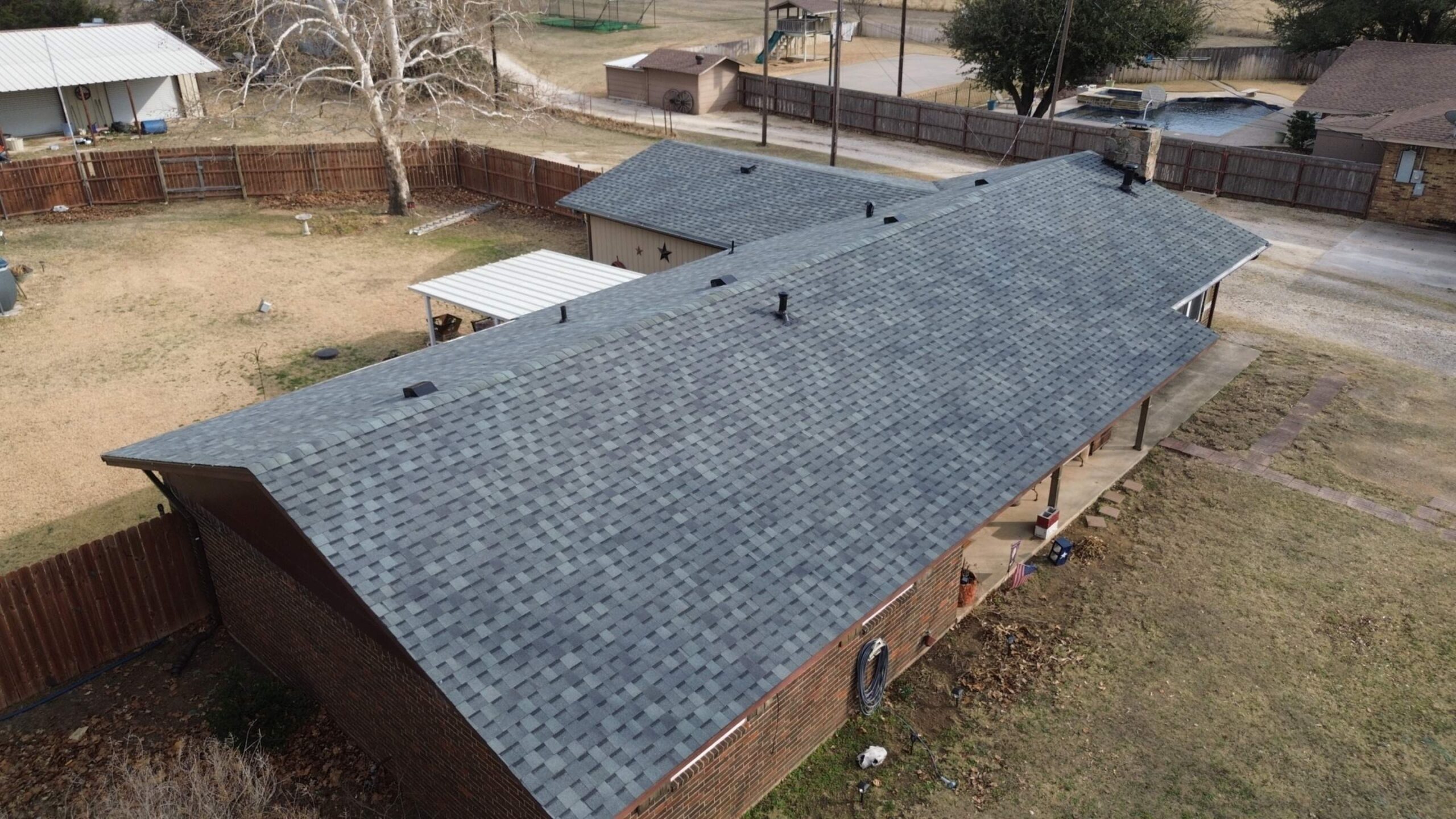
The inspection typically begins with a detailed examination of the roof surface. Contractors verify that shingles, metal panels, tiles, or other roofing materials are properly aligned, securely fastened, and free from visible defects. The finished roof should present a consistent appearance without uneven rows, damaged materials, or exposed fasteners.
Roof ridges, hips, valleys, and roof edges receive additional attention because these areas experience greater weather exposure. Inspectors confirm that ridge caps are installed securely, valleys remain unobstructed, and roof edges provide proper water drainage.
Flashing is examined carefully around chimneys, skylights, plumbing vents, dormers, and wall intersections. Every flashing component should remain tightly integrated with the surrounding roofing material while maintaining continuous waterproof protection.
Roof penetrations are also inspected for proper sealing. Plumbing vent boots, attic vents, exhaust vents, and other roof openings should fit securely without gaps that could allow water intrusion.
Ventilation systems are reviewed during the final inspection as well. Ridge vents, soffit vents, and other airflow components should remain unobstructed while providing balanced attic ventilation according to the roofing design.
Contractors also inspect gutters and downspouts to ensure that roofing debris has not affected drainage. Proper water flow away from the home is an important part of the overall roofing system.
Ground-level inspections complement the rooftop evaluation. The property is checked for nails, loose materials, packaging, and other construction debris before project completion.
Many contractors also photograph the completed roof from multiple angles. These images document installation quality while providing useful references for future maintenance or warranty purposes.
A comprehensive final inspection confirms that the roof replacement meets professional quality standards while giving homeowners confidence that their new roofing system is ready to provide long-term protection.
Common Quality Control Mistakes to Avoid
Even experienced roofing contractors understand that maintaining consistent quality requires constant attention. Small oversights during construction may eventually affect roof performance if they are not identified and corrected before project completion.
One of the most common mistakes is rushing the installation to meet an aggressive project schedule. Speed should never replace careful workmanship because minor installation errors often become much more expensive to repair later.
Another frequent mistake is skipping intermediate inspections. Waiting until the roof is completely finished before checking workmanship may allow hidden defects beneath the roofing materials to remain undetected.
Improper flashing installation is another quality concern. Flashing that is incorrectly positioned, loosely attached, or poorly integrated with surrounding materials increases the likelihood of future leaks even when the roofing materials themselves have been installed correctly.
Failing to inspect the roof deck thoroughly before installation also reduces overall roof quality. Hidden moisture damage or weakened decking should always be repaired before new roofing materials are applied.
Using incorrect fasteners or inconsistent fastening patterns may reduce wind resistance while affecting manufacturer warranty coverage. Contractors should follow approved fastening methods throughout every stage of installation.
Ignoring weather conditions is another avoidable mistake. Installing roofing materials during unsuitable weather may affect adhesion, fastening, or material performance depending on the roofing product being used.
Poor housekeeping can also influence quality. Construction debris left on the roof may interfere with installation while increasing the possibility of accidental material damage.
Some contractors fail to communicate inspection findings with homeowners. Regular updates regarding project progress, discovered issues, and completed corrections improve transparency while building homeowner confidence.
Avoiding these common mistakes helps ensure that quality control remains effective throughout the roof replacement process rather than becoming a simple checklist completed at the end of the project.
Documentation, Warranties, and Homeowner Walkthrough
Quality control does not end when the final roofing material has been installed. Proper documentation, warranty review, and homeowner education represent important final steps that protect the long-term value of the roof replacement.
Professional contractors prepare detailed project documentation after construction has been completed. These records often include material specifications, installation dates, inspection reports, photographs, warranty information, and recommendations for future maintenance.
Manufacturer warranties should be reviewed carefully with the homeowner. These warranties generally cover defects in roofing materials, provided the products were installed according to approved procedures. Understanding warranty coverage helps homeowners know what protection is available in the future.
Workmanship warranties supplied by the roofing contractor are equally important. These warranties address installation-related issues rather than manufacturing defects and provide additional assurance regarding the quality of the completed work.
Homeowners should receive copies of all relevant documentation before the project officially concludes. Keeping these records organized simplifies future maintenance, warranty claims, insurance discussions, and property sales.
A final walkthrough is typically conducted with the homeowner. During this meeting, the contractor explains the completed work, identifies important roof features, reviews maintenance recommendations, and answers any remaining questions.
The walkthrough also provides an opportunity for homeowners to inspect the finished roof from the ground while discussing any concerns before final project acceptance.
Building permits and inspection approvals should also be provided where applicable. These documents demonstrate that the roof replacement complied with local building requirements throughout construction.
Clear communication and complete documentation ensure that homeowners fully understand both the completed roofing system and their responsibilities for preserving its long-term performance.
Maintaining Roof Quality After Installation
Although quality control during construction is essential, maintaining the roof properly after installation helps preserve that quality throughout its service life. Regular maintenance protects the roofing system while reducing the likelihood of premature deterioration.
Professional roof inspections should be scheduled at least twice each year. Spring and autumn inspections help identify minor issues before they develop into larger repairs while verifying that the roofing system continues performing as expected.
After severe storms, homeowners should perform visual inspections from the ground whenever possible. Missing shingles, damaged flashing, fallen branches, or other visible problems should be reported to a qualified roofing contractor promptly.
Keeping gutters and downspouts clean also helps maintain roof quality. Proper drainage prevents water from backing up beneath roofing materials while protecting roof edges and the home’s foundation.
Tree branches extending over the roof should be trimmed regularly. Reducing debris accumulation and minimizing the risk of falling limbs helps preserve both roofing materials and flashing components.
Homeowners should avoid unnecessary roof access whenever possible. Walking on roofing materials without proper training may damage shingles or other roofing products while increasing personal safety risks.
Attic inspections provide another valuable maintenance opportunity. Signs of moisture, mold, unusual odors, or daylight entering through the roof should be investigated promptly to prevent hidden damage from spreading.
Small repairs should never be postponed. Addressing minor roofing concerns early generally costs much less than repairing extensive water damage caused by delayed maintenance.
Following a consistent maintenance routine allows homeowners to preserve the quality established during installation while extending the overall lifespan of the roofing system.
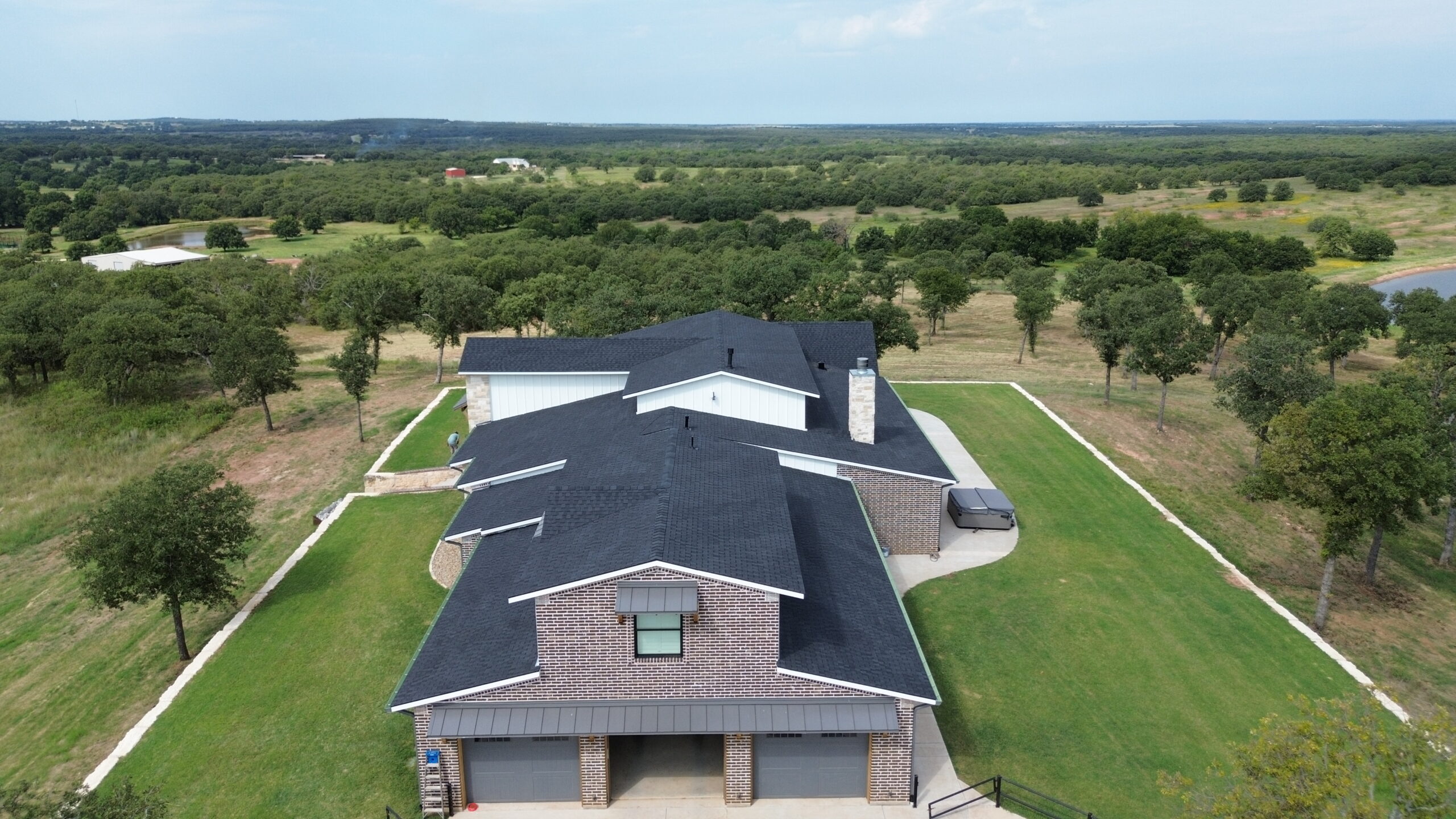
Long Term Benefits of Professional Quality Control
Professional quality control provides lasting value that extends far beyond the construction period. Every inspection, verification, and correction performed during roof replacement contributes to improved performance throughout the roof’s entire service life.
The most obvious benefit is increased roof durability. Roofing systems installed according to professional quality standards generally resist weather, moisture, and environmental stress more effectively than roofs constructed without consistent oversight.
Reduced maintenance costs also contribute significant long-term value. Identifying and correcting installation issues during construction decreases the likelihood of leaks, structural damage, and premature repairs after project completion.
Improved weather resistance is another important advantage. Carefully installed underlayment, flashing, waterproof membranes, ventilation systems, and roofing materials work together to provide dependable protection against rain, wind, snow, and changing temperatures.
Homeowners also benefit from stronger manufacturer warranty protection. Roofing products installed according to approved procedures are more likely to remain eligible for warranty coverage throughout the specified warranty period.
Property value often improves as well. A professionally installed roof supported by documented quality control provides confidence for future buyers while demonstrating responsible home maintenance.
Energy efficiency may also improve because proper installation supports effective ventilation, insulation performance, and moisture management throughout the roofing system.
The following table summarizes several long-term advantages of professional quality control:
| Quality Control Practice | Long Term Benefit |
|---|---|
| Roof Deck Inspection | Strong structural foundation |
| Underlayment Verification | Better moisture protection |
| Fastener Inspection | Improved wind resistance |
| Flashing Quality Checks | Reduced leak potential |
| Final Roof Inspection | Higher installation reliability |
| Regular Documentation | Easier future maintenance |
Investing in professional quality control creates value throughout the life of the roof while reducing future uncertainty regarding installation quality and structural performance.
Conclusion
Quality control is one of the defining characteristics of a professional roof replacement. While quality roofing materials are essential, they can only deliver their full performance when every stage of installation is completed carefully and inspected thoroughly. Continuous quality control transforms individual roofing components into a complete, dependable roofing system.
Throughout this guide, we explored the importance of planning, material verification, roof deck inspections, underlayment installation, flashing evaluation, roofing material preparation, fastening inspections, and continuous workmanship monitoring. Each of these steps contributes to building a roof that performs reliably under changing weather conditions.
We also examined daily inspections, project documentation, corrective actions, final quality evaluations, homeowner walkthroughs, warranty documentation, and ongoing maintenance practices. Together, these procedures ensure that the completed roof meets professional standards while providing homeowners with confidence in the finished product.
One of the most valuable lessons is that quality control should never be viewed as a single inspection at the end of construction. Instead, it is an ongoing process that begins before installation starts and continues through every phase of the project until final completion.
Professional roofing contractors understand that careful inspections, accurate installation techniques, clear communication, and prompt correction of minor issues create stronger, longer-lasting roofing systems. These practices reduce future repair costs, improve weather resistance, enhance property value, and maximize the homeowner’s return on investment.
Ultimately, choosing a contractor who prioritizes quality control is one of the best decisions a homeowner can make during a roof replacement project. A roof built with consistent attention to detail, verified workmanship, and comprehensive inspections provides dependable protection, long-term durability, and peace of mind for many years to come.