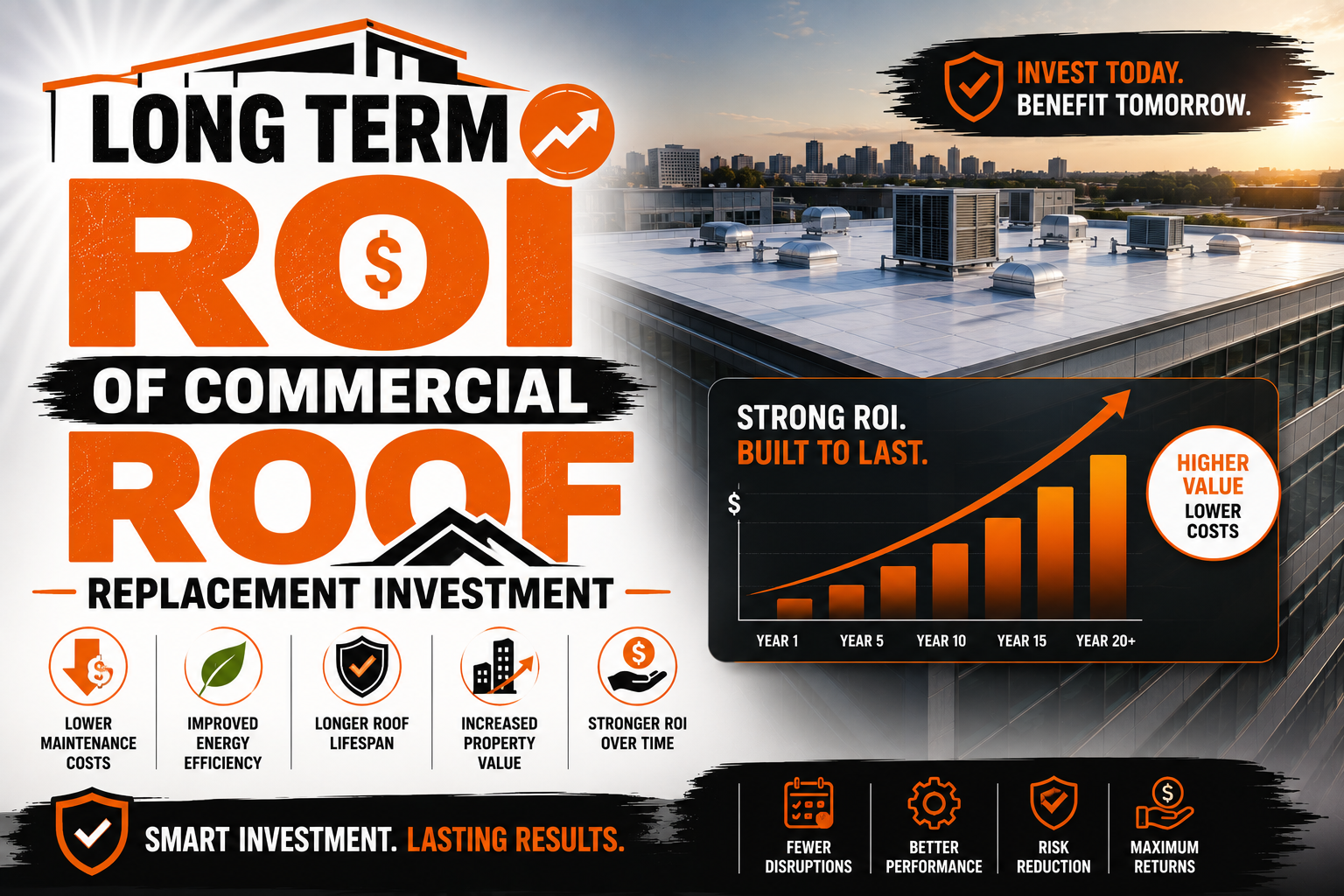
Long Term ROI of Commercial Roof Replacement Investment
Introduction
Commercial roof replacement is one of the largest capital investments many property owners will make during the life of a building. While the upfront cost can be significant, the value of a new roofing system extends far beyond simply protecting the structure from weather. A properly planned and professionally installed commercial roof delivers financial, operational, and environmental benefits that continue for decades, making it a long-term investment rather than a short-term expense.
Many building owners initially focus on installation costs when planning a roof replacement project. However, the true financial impact of a commercial roof becomes clear only when considering its entire service life. Energy savings, lower maintenance costs, reduced repair expenses, increased property value, improved tenant satisfaction, and enhanced building protection all contribute to the overall return on investment (ROI).
Modern commercial roofing systems have evolved significantly in recent years. Advances in insulation technology, reflective roofing materials, waterproofing systems, and installation methods allow today’s roofs to perform more efficiently than older systems. These improvements reduce operating expenses while extending the lifespan of the roofing assembly.
Commercial roof replacement also creates opportunities to improve building performance in ways that directly affect profitability. Better insulation reduces heating and cooling costs, durable materials minimize maintenance requirements, and improved drainage systems help prevent costly water damage. Together, these benefits create measurable financial returns over many years.
Evaluating roof replacement solely on its initial price often leads to poor investment decisions. A roofing system with a higher installation cost may ultimately provide greater financial value through longer service life, lower maintenance requirements, and improved energy efficiency. Understanding lifecycle costs is therefore essential when assessing roofing investments.
This guide explains how commercial roof replacement generates long-term return on investment. By understanding the financial and operational benefits associated with modern roofing systems, property owners and facility managers can make informed decisions that maximize value while protecting one of their organization’s most important physical assets.
What Return on Investment Means in Commercial Roofing
Return on investment is a financial measurement used to evaluate whether the benefits generated by an investment justify its overall cost. In commercial roofing, ROI extends well beyond immediate installation expenses and includes every financial impact associated with the roofing system throughout its service life.
Unlike many building improvements, a commercial roof affects nearly every aspect of property performance. It protects structural components, improves energy efficiency, reduces maintenance demands, supports occupant comfort, and helps preserve valuable business assets. These combined benefits contribute to the roof’s long-term financial value.
One of the primary contributors to roofing ROI is operational cost reduction. Efficient roofing systems lower heating and cooling expenses by improving insulation and reducing unwanted heat transfer. These energy savings accumulate year after year, often representing a substantial portion of the roof’s overall return.
Maintenance savings also influence ROI. Older roofing systems frequently require repeated repairs, emergency leak response, and ongoing maintenance. Replacing an aging roof with a durable modern system reduces these recurring expenses while allowing maintenance teams to focus on other facility priorities.
Avoided losses are another important component of roofing ROI. Water intrusion can damage inventory, equipment, electronics, interior finishes, and business operations. Preventing these costly disruptions contributes significant financial value even though such savings may not appear directly in maintenance budgets.
Commercial roof replacement may also improve property valuation. Buyers, investors, and financial institutions generally view buildings with recently installed roofing systems as lower-risk investments. This can increase marketability while supporting stronger resale values.
Insurance considerations may further improve financial returns. Buildings with modern, code-compliant roofing systems often demonstrate improved resilience against severe weather, potentially reducing long-term insurance risks or claim-related expenses.
Because roofing benefits continue throughout the system’s lifespan, ROI should always be evaluated using long-term financial performance rather than short-term installation costs alone.
Why Commercial Roof Replacement Is a Long Term Investment
Unlike routine maintenance projects, commercial roof replacement represents a capital improvement designed to provide value for decades. A professionally installed roofing system becomes an essential component of the building’s infrastructure while supporting reliable operation throughout its expected service life.
Most commercial roofing systems are designed to remain in service for twenty to forty years or longer, depending on material selection, installation quality, environmental conditions, and maintenance practices. During this period, the roof continuously protects the building from rain, wind, sunlight, temperature fluctuations, and other environmental challenges.
The financial benefits of roof replacement increase over time. While installation costs occur once, energy savings, maintenance reductions, and improved operational efficiency continue every year. These ongoing savings gradually offset the initial investment while generating measurable financial returns.
Commercial roof replacement also helps avoid escalating repair costs associated with aging roofing systems. As roofs deteriorate, maintenance becomes more frequent, leaks become more difficult to repair, and structural damage becomes increasingly likely. Replacing the roof before widespread failure occurs prevents many of these expenses.
Business continuity provides another long-term financial advantage. Reliable roofing systems reduce interruptions caused by emergency repairs, interior water damage, equipment failures, or temporary facility closures. Maintaining uninterrupted operations protects revenue while improving customer confidence.
Modern roofing materials also provide greater durability than many older systems. Improved membranes, stronger fastening methods, advanced waterproofing technologies, and better insulation contribute to longer service life while reducing long-term ownership costs.
Commercial buildings frequently undergo multiple renovations throughout their lifespan. Installing a high-quality roofing system creates a stable foundation for future improvements, including HVAC upgrades, rooftop equipment installation, solar energy systems, or sustainability initiatives.
Viewing roof replacement as a long-term investment encourages property owners to prioritize durability, lifecycle value, and operational performance rather than focusing exclusively on installation costs.
Factors That Influence Roofing ROI
The return on investment generated by a commercial roof depends on numerous technical, financial, and operational factors. Understanding these variables helps property owners maximize long-term value while selecting the roofing system best suited to their facility.
Roofing material selection has one of the greatest impacts on ROI. Different roofing systems vary in lifespan, maintenance requirements, energy efficiency, weather resistance, and repair costs. Materials providing greater durability often produce stronger financial returns despite higher initial installation expenses.
Installation quality significantly influences long-term performance. Even premium roofing materials may fail prematurely if improperly installed. Experienced commercial roofing contractors help ensure that the roofing system performs according to manufacturer specifications throughout its intended lifespan.
Climate conditions also affect financial performance. Buildings located in regions with intense sunlight often benefit from reflective roofing systems that reduce cooling expenses, while colder climates emphasize insulation performance and resistance to snow accumulation.
Building occupancy patterns should also be considered. Facilities operating continuously, such as hospitals, manufacturing plants, or data centers, often experience greater financial benefits from highly reliable roofing systems because operational disruptions can be extremely costly.
Roof size influences investment value as well. Larger commercial roofs create greater opportunities for energy savings while also increasing the financial consequences of maintenance inefficiencies or water intrusion.
Preventive maintenance practices directly affect ROI. Regular inspections, drainage cleaning, minor repairs, and manufacturer-recommended maintenance help maximize roof lifespan while reducing unexpected repair costs.
Local building codes and energy regulations may require insulation upgrades or improved roofing assemblies during replacement projects. Although these improvements may increase initial costs, they often generate substantial energy savings over time.
Future building plans also influence investment decisions. Property owners anticipating rooftop solar installations, HVAC upgrades, or facility expansions should select roofing systems compatible with these long-term objectives.
Carefully evaluating these factors allows organizations to select roofing systems that maximize financial performance throughout the roof’s operational life.
Evaluating Existing Roof Performance Before Replacement
Understanding the condition of the current roofing system is essential when estimating the potential return on investment from replacement. A thorough assessment identifies performance deficiencies while helping property owners quantify the financial benefits of installing a new roof.
Professional roof inspections evaluate membrane condition, flashing integrity, insulation performance, drainage systems, structural components, rooftop equipment, and signs of moisture intrusion. These findings provide valuable information for replacement planning.
Recurring leaks often indicate declining roof performance. Frequent repairs increase maintenance costs while creating risks for interior damage, mold growth, equipment failures, and business interruptions. Measuring these recurring expenses helps establish a financial baseline for evaluating replacement benefits.
Energy performance should also be reviewed carefully. Rising heating and cooling expenses may suggest deteriorated insulation, excessive air leakage, or poor thermal performance. Utility records often provide useful information when comparing current operating costs with projected savings after replacement.
Roof age remains another important consideration. Older roofing systems approaching the end of their expected lifespan frequently require increasingly expensive maintenance while offering declining reliability. Replacing the roof before widespread failure often generates stronger financial returns than delaying the project.
Drainage performance should also be evaluated. Standing water, blocked drains, deteriorated flashing, or damaged gutters accelerate roof deterioration while increasing repair costs. Correcting these issues during replacement improves long-term performance.
Facility managers should review historical maintenance records as well. Tracking repair frequency, emergency service calls, warranty claims, and maintenance expenses helps quantify the ongoing costs associated with the existing roof.
Building occupants may also provide valuable feedback. Complaints regarding temperature variations, water leaks, ceiling damage, or indoor comfort often indicate roofing deficiencies affecting overall building performance.
A comprehensive evaluation establishes the foundation for comparing current roofing costs with the expected long-term benefits of replacement, allowing more accurate ROI calculations.
Building a Strategy for Maximizing Roofing ROI
Achieving the highest possible return on investment requires more than selecting quality roofing materials. Successful commercial roof replacement begins with a comprehensive strategy that considers long-term financial performance, operational goals, and future building needs.
The first step is identifying project objectives. Some organizations prioritize reducing energy expenses, while others focus on extending roof lifespan, minimizing maintenance, improving sustainability, or increasing property value. Clearly defined goals guide material selection and project planning.
Lifecycle cost analysis should become a central part of decision-making. Rather than comparing installation prices alone, property owners should evaluate expected maintenance costs, repair frequency, warranty coverage, energy savings, and replacement intervals for each roofing system under consideration.
Working with experienced roofing consultants, architects, structural engineers, and commercial roofing contractors improves investment decisions. These professionals help identify roofing systems that balance cost, durability, performance, and regulatory compliance.
Property owners should also evaluate manufacturer warranties carefully. Strong warranty coverage reduces financial risk while providing greater confidence in long-term roofing performance. Understanding warranty requirements helps preserve coverage throughout the roof’s service life.
Future building improvements should be incorporated into replacement planning whenever possible. Designing the roof to accommodate solar panels, additional rooftop equipment, or sustainability initiatives avoids unnecessary modifications later.
Long-term maintenance planning further strengthens ROI. Establishing preventive inspection schedules, budgeting for routine maintenance, and documenting roof performance help maximize lifespan while protecting the investment.
The following practices support stronger long-term roofing returns:
- Establish clear financial and operational objectives.
- Compare roofing systems using lifecycle cost analysis.
- Select durable materials appropriate for local conditions.
- Hire experienced commercial roofing professionals.
- Prioritize quality installation over short-term cost savings.
- Implement a preventive maintenance program.
- Plan for future building improvements during roof design.
A well-developed investment strategy ensures that commercial roof replacement delivers measurable financial value throughout its service life. In the next part, we will examine how energy efficiency, reduced maintenance, improved building protection, higher property value, tenant satisfaction, and roofing material selection contribute to maximizing the long-term return on commercial roof replacement investment.
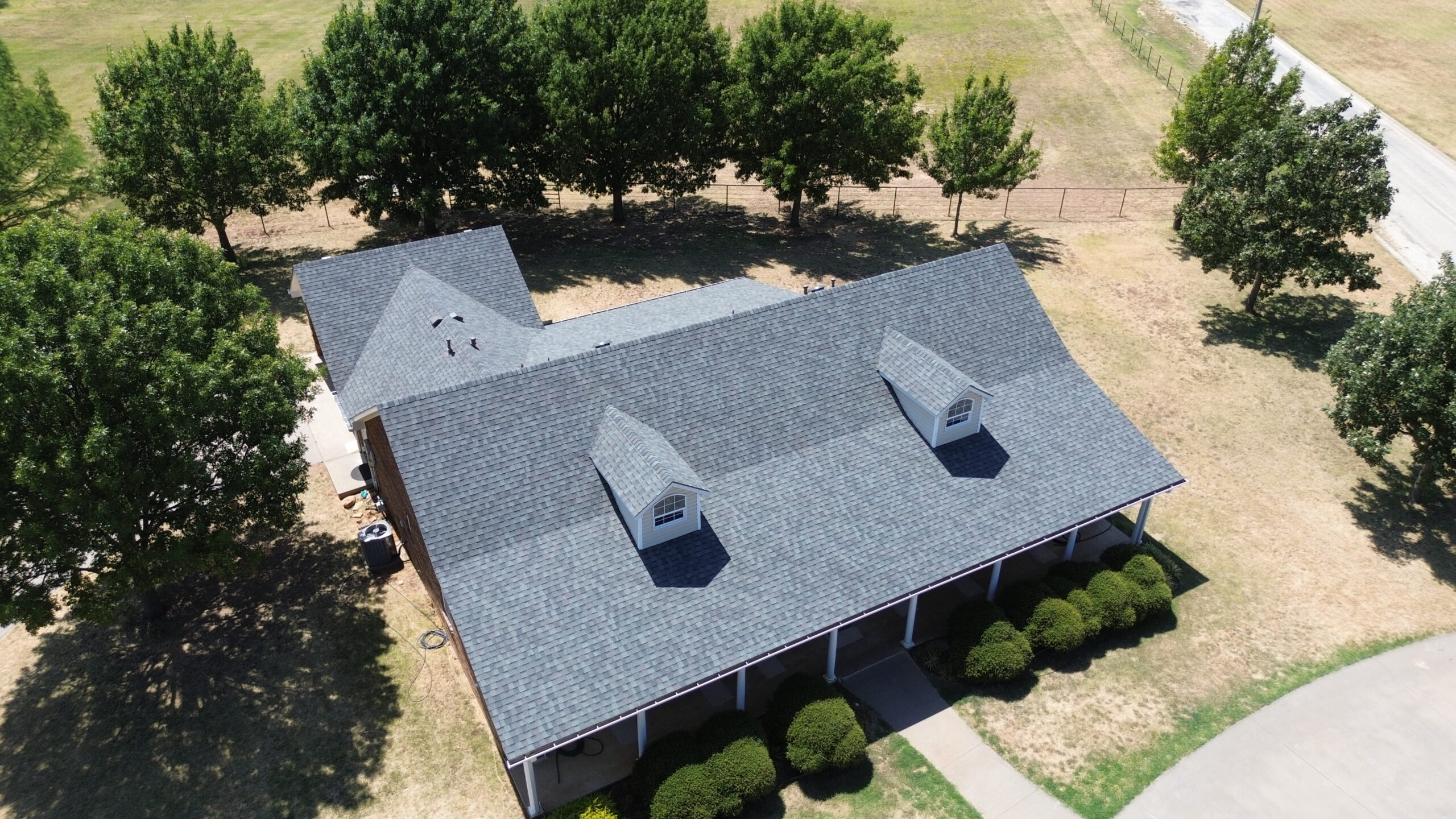
Energy Efficiency and Utility Cost Savings
Energy efficiency is one of the most significant contributors to the long-term return on investment of a commercial roof replacement. While energy savings may not always be immediately visible after installation, they continue to accumulate every month throughout the roof’s lifespan. Over twenty to thirty years, these savings often represent one of the largest financial benefits generated by the roofing investment.
Older commercial roofs frequently contain deteriorated insulation, damaged vapor barriers, air leaks, and roofing materials that absorb large amounts of solar heat. As these systems age, they become less effective at regulating indoor temperatures, forcing heating and cooling equipment to operate longer and consume more energy. Replacing the roof provides an opportunity to correct these inefficiencies.
Modern commercial roofing systems are designed with energy performance as a major priority. High-performance insulation, reflective roofing membranes, improved waterproofing assemblies, and better air sealing work together to reduce heat transfer between the building interior and the outdoor environment. This creates a more stable indoor temperature while lowering energy demand.
Reflective roofing systems are especially valuable for commercial buildings located in warmer climates. Light-colored roofing membranes reflect a significant portion of incoming solar radiation instead of absorbing it. Lower roof surface temperatures reduce heat entering the building, decreasing air conditioning requirements during hot weather.
Improved insulation provides year-round benefits regardless of climate. During summer, insulation slows heat entering the building from above. During winter, it reduces heat escaping through the roof. This balanced thermal performance helps HVAC systems maintain comfortable indoor conditions using less energy.
Modern roofing assemblies also minimize unwanted air leakage. Proper sealing around roof penetrations, expansion joints, skylights, and mechanical equipment prevents conditioned air from escaping while reducing moisture intrusion into the insulation system.
Commercial buildings with large roof areas experience particularly noticeable energy improvements because the roof represents one of the largest surfaces exposed to outdoor temperatures. Even modest improvements in thermal performance can produce substantial reductions in annual utility expenses across large facilities.
Energy-efficient roofing also reduces stress on HVAC equipment. Heating and cooling systems cycle less frequently when indoor temperatures remain more stable. Reduced operating hours may extend HVAC equipment life while lowering maintenance costs and delaying expensive equipment replacement.
Many commercial property owners monitor utility expenses before and after roof replacement to evaluate performance improvements. Comparing historical energy consumption provides measurable evidence of the financial value generated by the new roofing system.
Energy efficiency improvements often continue providing value throughout the roof’s service life without requiring significant additional investment. Unlike many cost-saving measures that diminish over time, properly installed insulation and reflective roofing materials continue supporting lower operating expenses for decades.
When evaluating long-term ROI, energy savings should always be included alongside maintenance and repair reductions. The cumulative effect of lower monthly utility costs can significantly improve the overall financial return generated by a commercial roof replacement.
Reduced Maintenance and Repair Expenses
One of the most immediate financial benefits following commercial roof replacement is the reduction in maintenance and repair costs. Aging roofs often require continuous attention as materials deteriorate, flashing weakens, sealants fail, and leaks become increasingly common. Replacing the entire roofing system eliminates many of these recurring problems while creating a more predictable maintenance program.
Older commercial roofs frequently develop small issues that gradually become major repairs if left unresolved. Cracked membranes, loose seams, damaged flashing, blocked drainage systems, and deteriorated insulation all contribute to increasing maintenance demands. Facility managers often spend considerable time responding to emergency repairs instead of focusing on preventive maintenance.
A newly installed roofing system significantly reduces the frequency of emergency service calls. Modern roofing materials provide improved waterproofing performance, stronger weather resistance, and better overall durability than many older roofing assemblies. This allows maintenance teams to shift their focus from reactive repairs to planned inspections and preventive care.
Preventive maintenance remains important even after replacement, but the nature of maintenance changes considerably. Rather than addressing widespread deterioration, maintenance activities generally involve routine inspections, cleaning drainage systems, checking flashing, and repairing isolated damage caused by unusual weather or accidental impact.
Lower maintenance requirements also improve budgeting accuracy. Emergency roof repairs often occur unexpectedly and require immediate funding. Planned maintenance programs allow organizations to forecast annual roofing expenses more effectively, improving long-term financial planning.
Another financial advantage comes from reduced labor costs. Maintenance personnel spend fewer hours responding to roof-related issues, allowing facility management teams to allocate resources toward other building improvements or operational priorities.
Roof replacement also decreases the likelihood of interior damage caused by water intrusion. Leaks frequently damage ceilings, flooring, drywall, electrical systems, furniture, inventory, machinery, and computer equipment. Preventing these losses produces financial benefits that extend far beyond roofing maintenance alone.
Warranty coverage further contributes to maintenance savings. Modern commercial roofing systems often include manufacturer warranties that protect against material defects while providing repair support under specified conditions. Following recommended maintenance procedures helps preserve this valuable protection throughout the warranty period.
Improved roofing technology also enhances long-term reliability. Better membrane materials, advanced adhesives, stronger fastening systems, and improved waterproofing details reduce the number of maintenance issues that typically develop as roofing systems age.
Property owners should recognize that maintenance savings accumulate gradually over many years. Although annual reductions may appear modest initially, the cumulative financial impact over the roof’s entire lifespan contributes significantly to overall return on investment.
Organizations that combine high-quality roof replacement with consistent preventive maintenance generally experience the lowest long-term ownership costs while maximizing roofing performance.
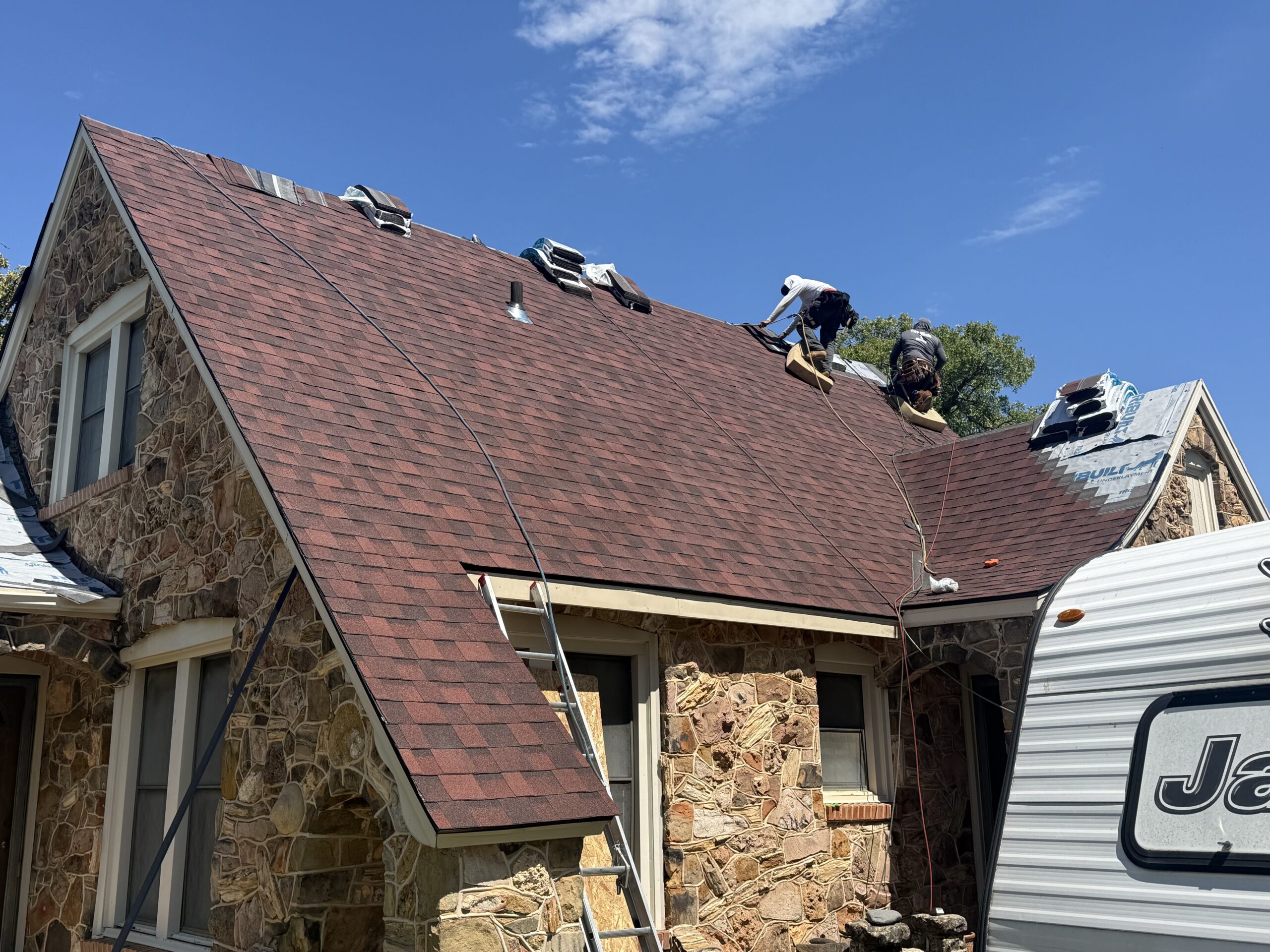
Improved Building Protection and Asset Preservation
The primary purpose of every commercial roofing system is protecting the building and everything inside it. While this function may appear obvious, its contribution to long-term return on investment is often underestimated. A reliable roof preserves valuable physical assets while preventing financial losses that can greatly exceed the cost of the roofing system itself.
Water intrusion remains one of the most expensive problems associated with aging commercial roofs. Even relatively small leaks can damage insulation, ceiling systems, wall finishes, flooring materials, electrical equipment, inventory, manufacturing equipment, and sensitive electronic systems. Repairing these secondary damages often costs considerably more than repairing the roof itself.
Replacing an aging roof significantly reduces the risk of moisture entering the building envelope. Modern waterproofing systems provide stronger protection against rainfall, snow, ice, and wind-driven moisture while maintaining their effectiveness under changing weather conditions.
Protecting structural components is another important financial benefit. Roof leaks that continue over extended periods may damage steel framing, wood supports, concrete decking, and other structural elements. Correcting structural deterioration is considerably more expensive than preventing it through effective roof replacement.
Insulation protection also affects long-term building performance. Wet insulation loses much of its thermal effectiveness while increasing structural loading and encouraging mold development. A properly installed roofing system keeps insulation dry, preserving both energy efficiency and structural integrity.
Commercial roof replacement also protects business assets stored inside the building. Warehouses, retail facilities, manufacturing plants, healthcare institutions, schools, and office buildings all contain valuable equipment, inventory, furnishings, and technology that depend upon reliable weather protection.
Business continuity represents another important financial consideration. Roof failures may require temporary closures, interrupted manufacturing operations, employee relocation, or damaged customer facilities. These indirect costs can quickly exceed direct roofing repair expenses.
Improved indoor environmental quality further supports long-term ROI. Moisture intrusion may contribute to mold growth, unpleasant odors, ceiling staining, and poor indoor air quality. Preventing these conditions creates healthier environments for employees, customers, and building occupants.
Building appearance also benefits from reliable roofing performance. Water stains, ceiling damage, and visible roof deterioration create negative impressions among tenants, customers, and visitors. Maintaining a well-protected building enhances professional image while supporting long-term property value.
Protecting assets extends beyond physical building components. Reliable roofing safeguards business operations, customer relationships, employee productivity, and organizational reputation. These benefits, although sometimes difficult to quantify, contribute meaningful value throughout the roof’s service life.
Asset preservation remains one of the strongest arguments for proactive commercial roof replacement. Preventing expensive damage before it occurs often produces greater financial returns than waiting until major failures require emergency intervention.
Increased Property Value and Marketability
Commercial roof replacement not only reduces operating costs but also increases the overall value and attractiveness of the property. Buyers, investors, lenders, and tenants recognize that a recently replaced roof represents a significant improvement that reduces future financial risk.
A modern roofing system enhances building condition by eliminating one of the most common concerns identified during commercial property inspections. Prospective buyers often view an aging roof as a major upcoming expense that affects purchase decisions and property valuation.
Replacing the roof before selling a commercial property may increase market competitiveness. Buildings with reliable roofing systems typically attract greater buyer interest because future maintenance requirements are lower and immediate capital improvements are less likely to be necessary.
Property appraisers also consider building condition when determining market value. Although roof replacement alone does not always increase value by its full installation cost, it contributes positively by extending the useful life of the building while reducing anticipated maintenance expenses.
Leasing opportunities may also improve following roof replacement. Businesses seeking commercial space generally prefer buildings requiring minimal maintenance and offering dependable operating conditions. A new roof provides confidence that tenants are less likely to experience leaks or weather-related disruptions.
Commercial property owners often compete with neighboring buildings for tenants. Investing in modern roofing demonstrates a commitment to facility quality while improving the overall perception of the property in the local market.
Financing opportunities may also become more favorable. Lenders frequently evaluate building condition before approving commercial financing or refinancing. A recently replaced roof may strengthen the property’s financial profile by reducing foreseeable maintenance liabilities.
Insurance companies likewise recognize the value of newer roofing systems. Improved resistance to weather damage, stronger construction methods, and compliance with current building codes contribute to lower long-term risk exposure.
Building appearance also plays a role in marketability. Clean, modern roofing materials improve curb appeal while signaling that the property has been properly maintained. Positive first impressions often influence leasing decisions and investor confidence.
The financial benefits of increased property value extend beyond immediate resale opportunities. Stronger market positioning, higher occupancy rates, improved tenant retention, and enhanced investment appeal all contribute to long-term financial performance.
Commercial roof replacement therefore serves as both a protective improvement and a strategic investment that strengthens the property’s overall market position while supporting higher long-term returns.
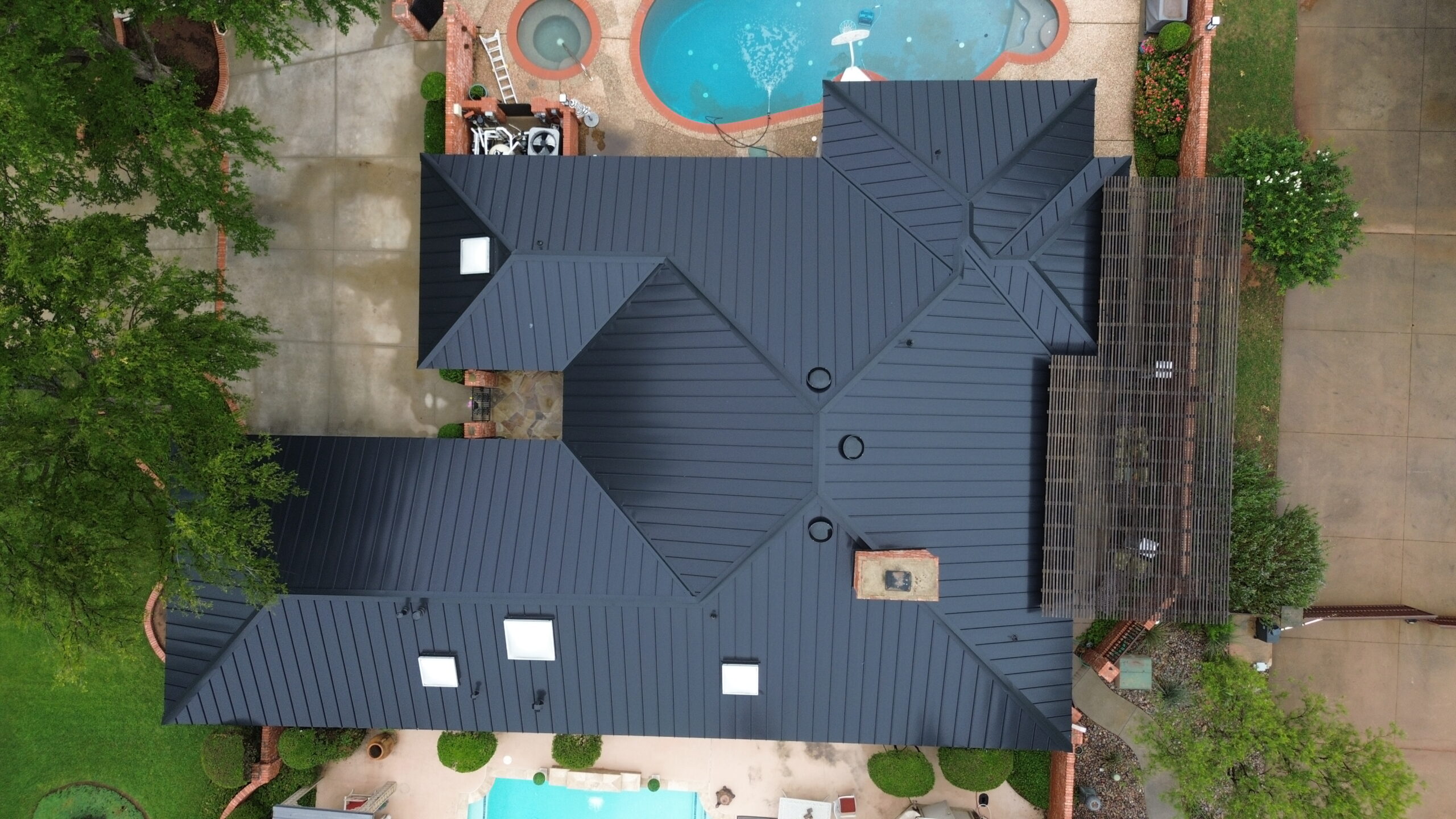
Tenant Satisfaction and Business Continuity Benefits
Commercial buildings generate value only when they successfully support the activities taking place inside them. Whether the property serves office tenants, retailers, healthcare providers, educational institutions, or manufacturers, uninterrupted operations are essential for maintaining revenue and customer confidence. A dependable roofing system plays a critical role in achieving this objective.
Roof leaks and emergency repairs create significant inconvenience for building occupants. Water intrusion may interrupt meetings, damage inventory, restrict access to workspaces, or require temporary relocation of employees and customers. Preventing these disruptions helps maintain normal business operations while reducing financial losses.
Tenant satisfaction also influences long-term property performance. Commercial tenants expect reliable building infrastructure that supports comfortable working conditions throughout the year. Consistent indoor temperatures, dry workspaces, and dependable building protection contribute to higher tenant satisfaction and improved lease renewals.
Employee productivity may also improve within well-maintained buildings. Comfortable indoor environments, fewer maintenance disruptions, and reduced concerns regarding leaks or equipment failures create more stable working conditions.
Retail businesses particularly benefit from uninterrupted operations because customer experience directly affects revenue. Roof failures occurring during business hours may reduce customer traffic while damaging merchandise and affecting brand reputation.
Healthcare facilities, schools, hotels, and data centers face even greater operational risks when roofing systems fail. In these environments, maintaining continuous service is often essential, making reliable roofing an important contributor to organizational success.
Property managers also benefit from fewer tenant complaints and maintenance requests. Lower administrative workload allows management teams to focus on strategic improvements rather than responding to emergency building issues.
Business continuity has measurable financial value even when it is difficult to calculate precisely. Avoiding operational interruptions protects revenue, strengthens customer relationships, improves tenant retention, and enhances the overall reputation of the commercial property.
These operational advantages significantly strengthen the long-term return on investment generated by commercial roof replacement, making reliability just as important as direct financial savings.
Comparing Roofing Materials Based on Long Term Value
Selecting the right roofing material is one of the most important decisions affecting long-term return on investment. While initial installation costs vary between roofing systems, evaluating their overall lifecycle performance provides a much more accurate measure of value.
Different commercial roofing materials offer unique combinations of durability, maintenance requirements, energy efficiency, repair costs, and expected service life. Property owners should compare these characteristics rather than focusing solely on purchase price.
The table below summarizes the long-term value considerations for several common commercial roofing systems:
| Roofing Material | Typical Lifespan | Maintenance Level | Energy Efficiency | Long-Term ROI Potential |
|---|---|---|---|---|
| TPO Membrane | 20 to 30 years | Low | Excellent | High |
| PVC Membrane | 20 to 30+ years | Low | Excellent | High |
| EPDM Rubber | 25 to 35 years | Low to Moderate | Good | High |
| Metal Roofing | 40 to 60+ years | Very Low | Excellent | Very High |
| Modified Bitumen | 20 to 30 years | Moderate | Good | Moderate to High |
| Built-Up Roofing (BUR) | 20 to 30 years | Moderate | Good | Moderate to High |
Metal roofing often provides one of the strongest long-term returns because of its exceptional lifespan and minimal maintenance requirements. Although installation costs may be higher, the extended service life frequently offsets the additional investment.
Single-ply membrane systems such as TPO and PVC offer an excellent balance between affordability, energy efficiency, and durability. Their reflective surfaces contribute to lower cooling costs while requiring relatively little maintenance.
EPDM remains a dependable option for many commercial buildings due to its weather resistance and long service life. Modified bitumen and built-up roofing continue to provide reliable performance where durability and layered waterproofing are priorities.
The best roofing material depends on climate, building use, maintenance capabilities, budget, and long-term ownership objectives. Selecting materials based on lifecycle value rather than initial cost alone produces stronger financial returns over the roof’s operational life.
In the final part, we will explore how to calculate lifecycle costs and return on investment, common mistakes that reduce roofing ROI, preventive maintenance strategies, working with roofing professionals to maximize investment value, future sustainability planning, and conclude the guide on the long-term ROI of commercial roof replacement investment.
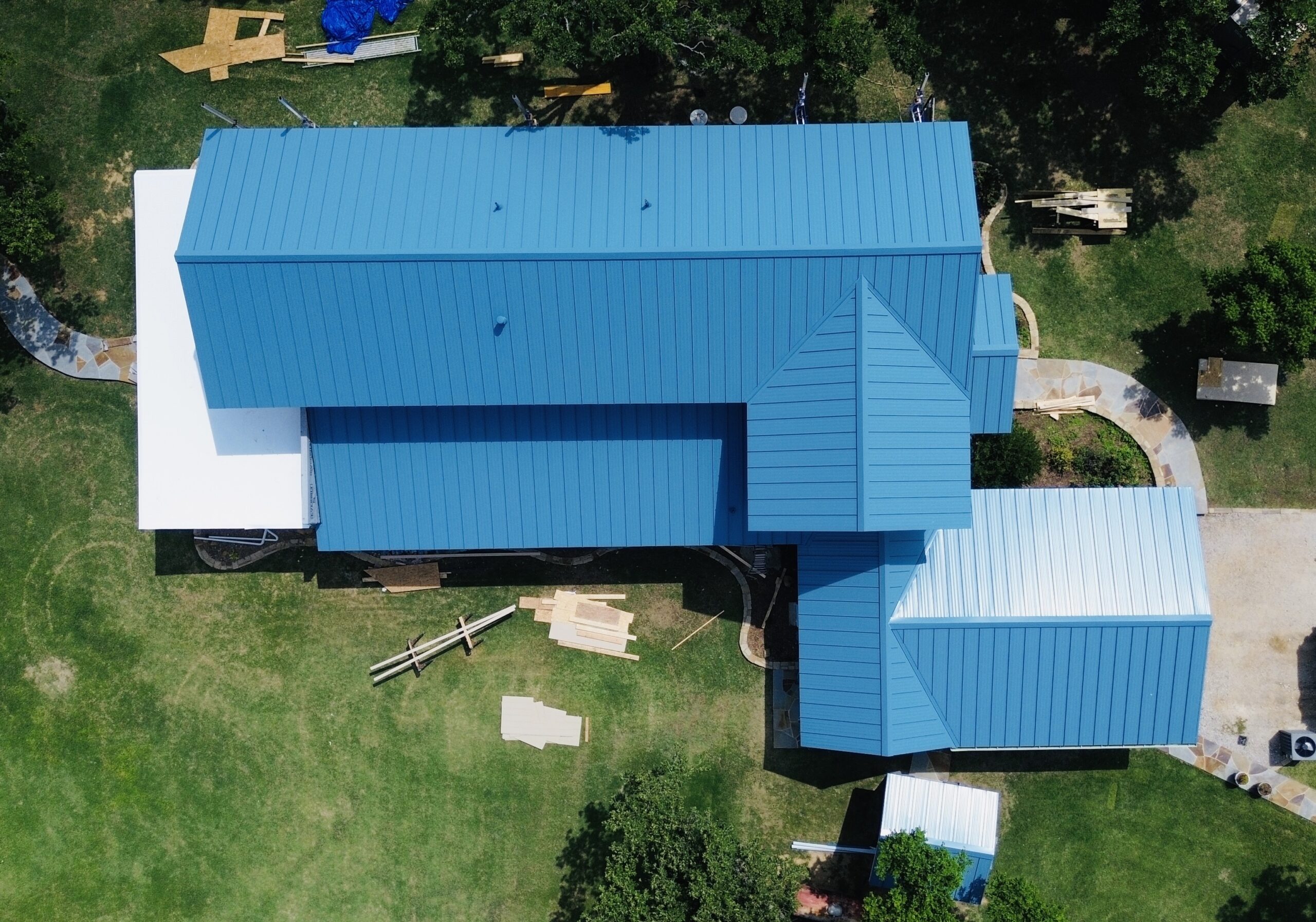
Calculating Lifecycle Costs and Return on Investment
Understanding the long-term financial value of a commercial roof replacement requires more than comparing installation prices. Property owners should evaluate the total lifecycle cost of the roofing system, which includes every expense and financial benefit that occurs throughout its service life. This approach provides a much clearer picture of the true return on investment.
Lifecycle cost analysis begins with the initial project expenses. These include roof removal, disposal of existing materials, structural repairs if needed, insulation upgrades, roofing materials, labor, permits, and project management. While these costs represent the largest immediate investment, they are only one component of the roof’s overall financial performance.
The next consideration is operating costs. Modern roofing systems generally reduce energy consumption by improving insulation and minimizing unwanted heat transfer. Annual utility savings should be estimated using historical energy records and projected building performance after installation.
Maintenance expenses must also be included in the calculation. Every roofing system requires inspections and preventive maintenance, but the frequency and cost vary depending on the roofing material. Durable systems that require fewer repairs contribute to lower lifecycle costs.
Repair expenses represent another important factor. Older roofs often require emergency leak repairs, flashing replacement, seam repairs, and drainage corrections. Installing a new roof significantly reduces these unexpected costs while creating a more predictable maintenance budget.
Expected service life directly affects ROI calculations. A roofing system lasting forty years generally produces greater value than one requiring replacement after twenty years, even if the longer-lasting system costs more initially.
Residual value should also be considered. A commercial property with a relatively new roof often maintains stronger resale value because future buyers anticipate fewer capital expenditures.
Business continuity contributes financial value as well. Preventing roof failures avoids operational interruptions, damaged inventory, employee downtime, and customer inconvenience. Although these savings may not appear directly in accounting records, they significantly improve long-term profitability.
The following table summarizes major lifecycle cost components:
| Lifecycle Factor | Financial Impact | Contribution to ROI |
|---|---|---|
| Installation Cost | Initial investment | Starting project expense |
| Energy Savings | Lower utility bills | Continuous annual savings |
| Maintenance Costs | Routine upkeep | Predictable operating expenses |
| Repair Costs | Emergency repairs | Reduced unexpected spending |
| Roof Lifespan | Replacement frequency | Longer investment value |
| Property Value | Market attractiveness | Higher resale potential |
| Business Protection | Prevented operational losses | Long-term financial stability |
Evaluating all these components together provides a realistic understanding of the financial return generated by commercial roof replacement.
Common Mistakes That Reduce Roofing ROI
Even a high-quality commercial roofing system may fail to deliver its full financial value if poor decisions are made during planning, installation, or maintenance. Understanding these common mistakes helps property owners protect their investment while maximizing long-term returns.
One of the most frequent mistakes is selecting roofing materials based solely on the lowest installation price. Lower-cost systems may require more maintenance, have shorter service lives, or provide lower energy efficiency. Initial savings often disappear through higher operating costs over time.
Another common mistake is delaying roof replacement after the existing roof has reached the end of its useful life. Continued repairs may appear less expensive in the short term, but repeated maintenance, emergency service calls, and interior damage frequently cost far more than planned replacement.
Ignoring preventive maintenance also reduces ROI. Some property owners assume a new roof requires no attention for many years. Without regular inspections and maintenance, small issues can develop into major repairs that shorten roof lifespan and increase ownership costs.
Hiring inexperienced roofing contractors presents another significant risk. Improper installation may lead to leaks, poor drainage, premature material failure, warranty disputes, and reduced energy performance. Choosing qualified commercial roofing professionals protects both the installation quality and long-term investment.
Overlooking building-specific requirements can also affect financial performance. Roofing systems should match the building’s climate, occupancy, structural design, and operational needs. Selecting materials without considering these factors may reduce overall efficiency and durability.
Some organizations neglect to evaluate manufacturer warranties carefully. Failing to follow required maintenance procedures or using incompatible repair materials may void warranty protection, increasing future repair expenses.
Poor drainage maintenance remains another common issue. Blocked drains and standing water accelerate roof deterioration while increasing structural loading. Regular drainage inspections help prevent these avoidable problems.
Finally, failing to plan for future building improvements may reduce ROI. Rooftop equipment additions, solar panel installations, or building expansions become more expensive if the original roof replacement did not consider future needs.
Avoiding these mistakes allows commercial roofing investments to perform as intended while maximizing long-term financial returns.
Preventive Maintenance for Higher Long Term Returns
Preventive maintenance is one of the most cost-effective methods for increasing the return on investment from a commercial roof replacement. While modern roofing systems are highly durable, regular maintenance ensures that they continue performing efficiently throughout their expected service life.
Routine inspections should be conducted at least twice each year, typically during spring and autumn. Additional inspections following severe storms, heavy snowfall, or unusually strong winds help identify weather-related damage before it becomes more serious.
Inspectors should evaluate roofing membranes, flashing, roof penetrations, expansion joints, sealants, drainage systems, and rooftop equipment supports. Identifying minor issues early allows inexpensive repairs before widespread deterioration develops.
Cleaning roof drains and gutters remains one of the simplest yet most valuable maintenance activities. Debris accumulation restricts water flow, increasing the risk of ponding water that accelerates material deterioration and places additional stress on the building structure.
Tree branches, leaves, dirt, and other debris should also be removed from the roof surface regularly. Clean roofs dry more efficiently after rainfall while reducing opportunities for moisture-related damage.
Maintenance personnel should inspect rooftop mechanical equipment carefully. HVAC servicing, communication equipment installation, and other maintenance activities can accidentally damage roofing materials if proper protective procedures are not followed.
Minor repairs should never be postponed unnecessarily. Small punctures, loose flashing, damaged sealants, or isolated membrane defects are generally inexpensive to repair when identified early. Delaying these repairs often results in much larger maintenance costs later.
Accurate maintenance documentation supports long-term asset management. Inspection reports, repair records, photographs, warranty information, and contractor recommendations help facility managers monitor roof performance while planning future maintenance budgets.
A comprehensive maintenance program typically includes:
- Semiannual professional roof inspections.
- Post-storm condition assessments.
- Drain and gutter cleaning.
- Inspection of flashing and roof penetrations.
- Prompt repair of minor damage.
- Documentation of all maintenance activities.
- Review of warranty compliance requirements.
Consistent preventive maintenance protects roofing performance, extends service life, and maximizes the financial return generated by the replacement investment.
Working with Roofing Professionals to Maximize Investment
The expertise of roofing professionals has a direct impact on the long-term return generated by commercial roof replacement. Experienced consultants, contractors, engineers, and manufacturers help property owners make informed decisions that improve both roof performance and financial value.
Roofing consultants provide objective evaluations of existing roof conditions while recommending replacement strategies that align with operational goals and budget requirements. Their technical knowledge helps organizations avoid costly mistakes during project planning.
Structural engineers verify that proposed roofing systems comply with building requirements while safely supporting insulation, rooftop equipment, and environmental loads. Their assessments reduce long-term structural risks while supporting code compliance.
Commercial roofing contractors contribute practical experience regarding material selection, installation methods, scheduling, quality control, and project management. Selecting contractors with proven commercial roofing experience greatly improves installation quality.
Manufacturers also play an important role by providing technical documentation, installation guidance, product testing information, and warranty support. Following manufacturer recommendations helps preserve warranty coverage while maximizing product performance.
Communication among all project participants remains essential throughout construction. Property owners, consultants, engineers, contractors, suppliers, and inspectors should coordinate regularly to address technical questions and resolve potential issues before they affect project quality.
Professional quality control inspections performed during installation help identify deficiencies early. Correcting installation problems before project completion prevents premature roof failure while improving long-term durability.
Training maintenance personnel also contributes to investment protection. Facility staff should understand approved roof access procedures, inspection practices, and maintenance responsibilities to prevent accidental damage after installation.
Working with qualified roofing professionals throughout the project creates stronger long-term financial returns by improving installation quality, reducing future repair costs, and extending roof service life.
Planning Future Improvements and Sustainability Goals
Commercial roof replacement should be viewed not only as a current building improvement but also as an opportunity to prepare the property for future operational needs. Planning ahead increases the long-term value of the roofing investment while reducing future renovation costs.
Many organizations now incorporate sustainability objectives into facility management strategies. Roof replacement provides an ideal opportunity to improve energy efficiency through better insulation, reflective roofing materials, and environmentally responsible construction practices.
Solar-ready roofing has become increasingly popular. Designing the roofing system to accommodate future photovoltaic installations allows organizations to adopt renewable energy technologies without extensive structural modifications later.
Green roofing systems may also support long-term sustainability goals where appropriate. Vegetative roofs improve stormwater management, reduce urban heat island effects, enhance insulation, and contribute to environmental certifications.
Future HVAC upgrades should also be considered during roof replacement planning. Proper coordination between roofing systems and mechanical equipment simplifies future installations while protecting waterproofing performance.
Smart building technologies are becoming more common in commercial facilities. Roof monitoring systems, moisture detection sensors, and energy performance monitoring tools allow facility managers to evaluate roof condition continuously while identifying maintenance needs earlier.
Climate resilience should also influence long-term planning. Roofing systems designed to withstand stronger storms, higher temperatures, and changing weather conditions are better positioned to deliver consistent financial returns throughout their service life.
Organizations pursuing environmental certifications or corporate sustainability initiatives benefit from roofing systems that support reduced energy consumption, recyclable materials, and efficient resource management.
Planning for future improvements ensures that today’s roofing investment continues generating value as building technologies, operational requirements, and environmental priorities evolve.
Conclusion
Commercial roof replacement is far more than a construction project. It is a long-term investment that influences building performance, operational efficiency, financial stability, and property value for decades. Evaluating this investment through the lens of lifecycle costs rather than initial installation expenses allows property owners to make better strategic decisions.
Throughout this guide, we examined the many factors that contribute to the long-term return on investment of commercial roof replacement. We explored how energy efficiency, reduced maintenance, improved asset protection, higher property value, tenant satisfaction, and reliable business operations create measurable financial benefits throughout the roof’s lifespan.
We also discussed the importance of lifecycle cost analysis, avoiding common investment mistakes, implementing preventive maintenance programs, collaborating with experienced roofing professionals, and preparing for future sustainability initiatives. Each of these factors plays a significant role in maximizing the value generated by the roofing system.
Perhaps the most important lesson is that the least expensive roofing option is not always the most profitable over time. Durable materials, professional installation, regular maintenance, and thoughtful long-term planning consistently produce stronger financial returns than short-term cost savings alone.
Commercial property owners who invest in high-quality roofing systems gain more than weather protection. They benefit from lower operating costs, fewer unexpected repairs, increased building reliability, improved occupant satisfaction, enhanced market value, and stronger protection for valuable business assets.
Ultimately, the long-term ROI of commercial roof replacement is measured not only by dollars saved but also by the confidence that comes from knowing the building is protected by a dependable, energy-efficient, and professionally designed roofing system. By treating roof replacement as a strategic investment rather than a necessary expense, organizations can strengthen financial performance while ensuring reliable building operation for many years to come.