
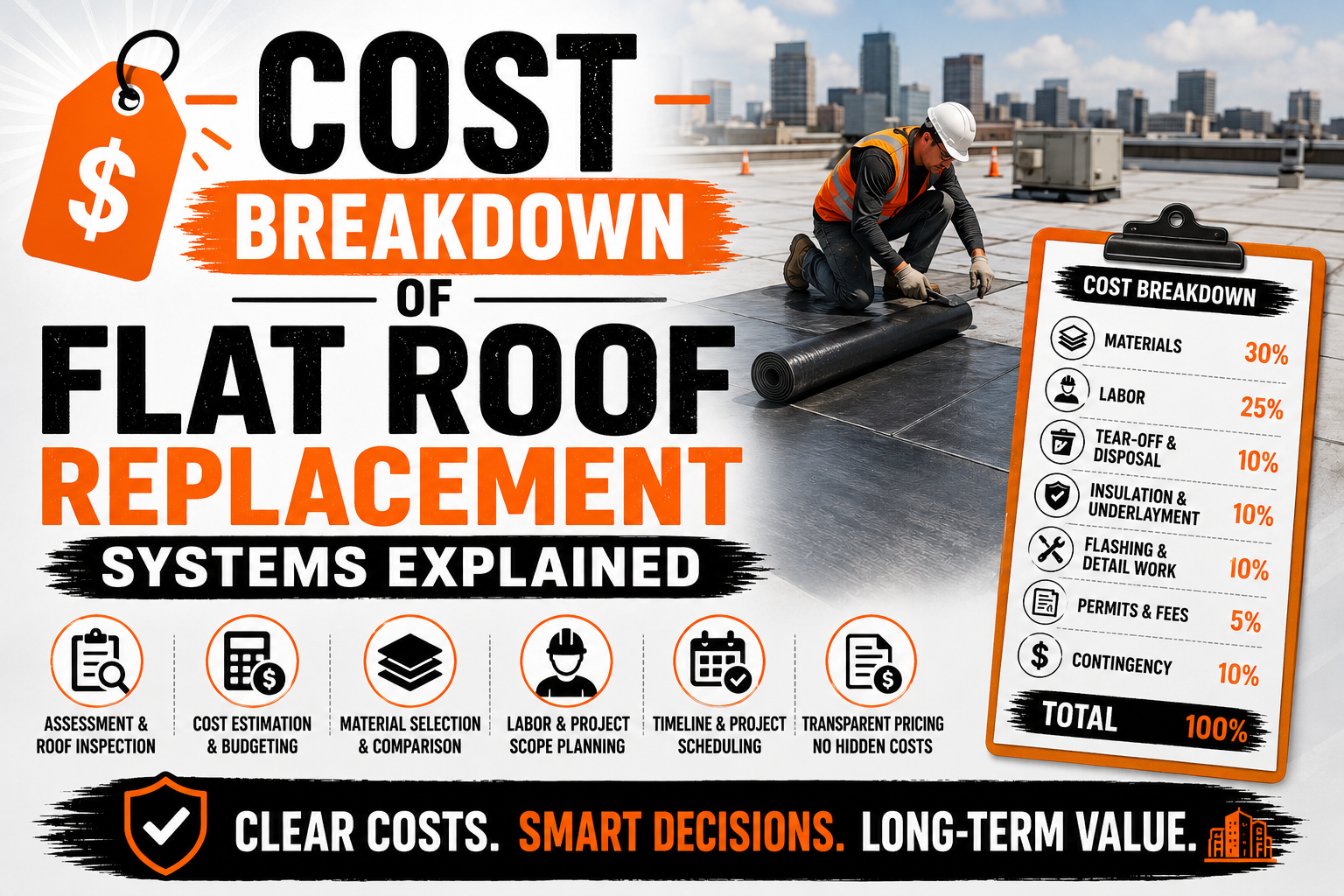
Cost Breakdown of Flat Roof Replacement Systems Explained
Introduction
Replacing a flat roof is one of the most significant investments that residential and commercial property owners make during the life of a building. A new roofing system protects the structure from weather damage, improves energy efficiency, enhances property value, and reduces ongoing repair expenses. However, many owners are surprised by the wide range of prices they receive when requesting roofing estimates. Understanding what contributes to these costs helps property owners make informed decisions and prepare realistic budgets.
Flat roof replacement is not simply the cost of purchasing roofing materials. The total project includes inspections, labor, demolition, waste disposal, insulation, waterproofing, structural repairs, drainage improvements, permits, safety equipment, and quality control. Each of these elements contributes to the final project cost, making it important to evaluate the entire roofing system rather than focusing only on material prices.
Every building is unique, which means no two flat roof replacement projects cost exactly the same. Roof size, accessibility, building height, existing roof condition, local labor rates, weather conditions, and material selection all influence the final investment. Even two buildings with identical square footage may require different budgets if one has extensive structural damage or complex rooftop equipment.
Careful financial planning allows property owners to avoid unexpected expenses during construction. By understanding where roofing costs originate, owners can compare contractor proposals more effectively, identify valuable upgrades, and recognize areas where investing slightly more today may reduce maintenance and operating costs in the future.
This guide explains every major factor that influences flat roof replacement costs. In this first part, the focus is on understanding why prices vary, how different roofing materials compare, and how property owners can prepare accurate budgets before construction begins.
Why Flat Roof Replacement Costs Vary
One of the most common questions property owners ask is why roofing estimates differ so much between contractors. While pricing differences may seem confusing, they usually reflect variations in project scope, roofing materials, labor requirements, warranty coverage, and building conditions rather than arbitrary pricing.
The condition of the existing roof has a major impact on replacement costs. A roof that requires only membrane removal may cost considerably less than one with extensive water damage, deteriorated insulation, or structural deck repairs. Hidden problems often become visible only after demolition begins, which is why experienced contractors include contingency planning in their estimates.
Material selection also creates significant price differences. Some roofing systems require specialized installation methods, premium insulation, or advanced waterproofing components that increase both material and labor expenses. Higher quality systems generally have greater initial costs but may provide longer service life and lower maintenance expenses.
Building complexity is another important consideration. Roofs containing numerous HVAC units, skylights, vents, parapet walls, solar panels, or communication equipment require additional flashing, waterproofing, and labor. Every roof penetration increases installation time while requiring careful detailing to maintain watertight performance.
Regional market conditions also influence pricing. Labor availability, transportation costs, local building regulations, climate conditions, and material demand vary from one location to another. These differences contribute to the variation seen in roofing estimates across different regions.
Rather than searching for the lowest price, property owners should evaluate the overall value offered by each proposal. Understanding exactly what is included helps prevent misunderstandings and ensures that the completed roofing system meets long term performance expectations.
Main Factors That Influence Total Replacement Cost
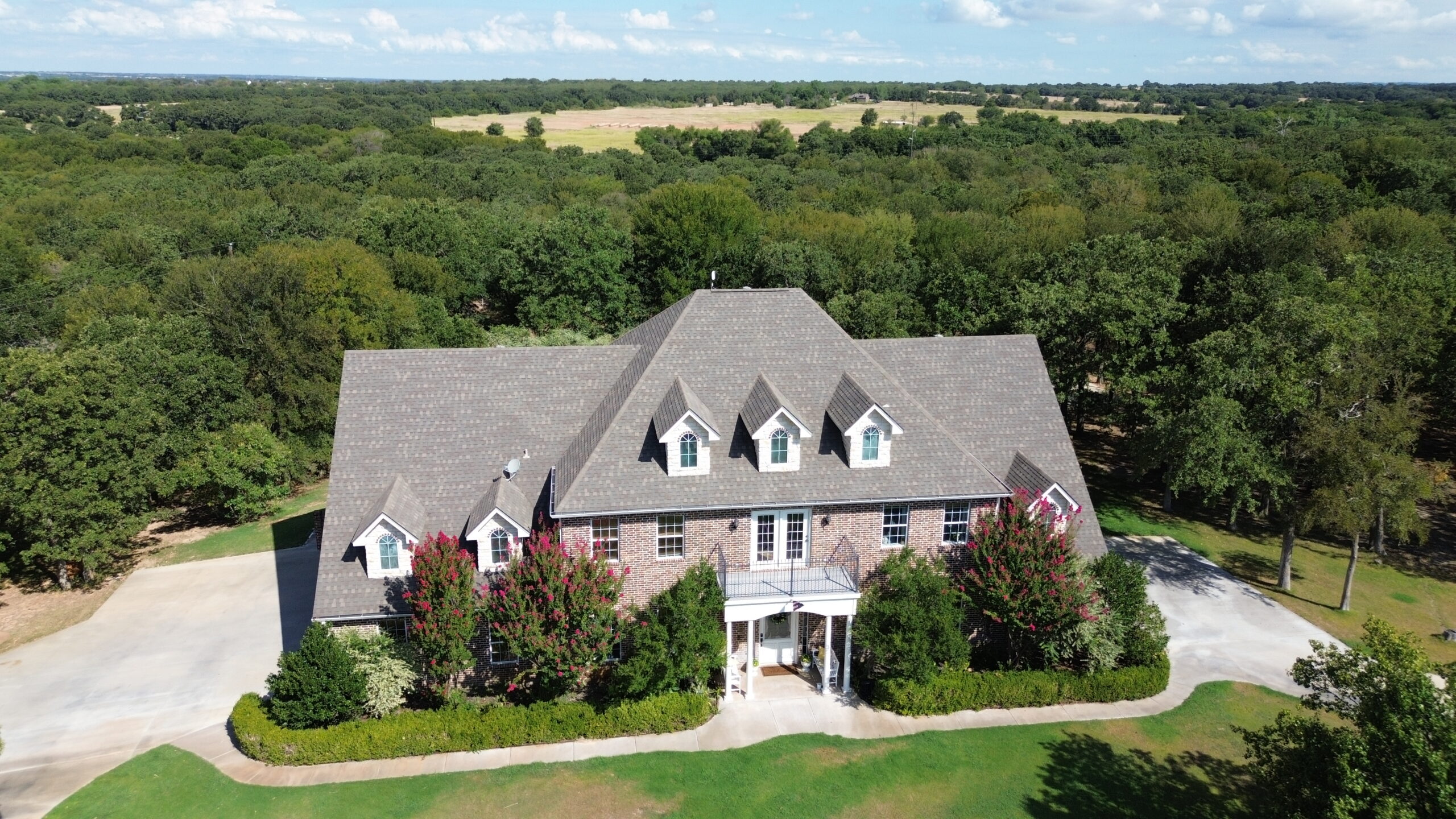
Several major factors determine the final cost of a flat roof replacement project. Evaluating these variables before construction begins allows owners to develop realistic financial expectations while comparing contractor proposals more effectively.
Roof size remains one of the largest cost drivers. Larger roofs naturally require more roofing materials, insulation, adhesives, fasteners, labor hours, and waste disposal. However, the relationship is not always perfectly proportional because larger projects may also benefit from certain economies of scale.
Roof design also affects installation complexity. Simple roof layouts with few penetrations generally require less labor than buildings with multiple elevations, rooftop equipment, drainage systems, and architectural features. Complex roof configurations increase installation time while requiring more specialized waterproofing details.
Existing roof condition significantly influences replacement costs. Water damaged insulation, deteriorated decking, structural repairs, and multiple roofing layers all increase demolition and reconstruction expenses. Thorough inspections help identify many of these issues before construction begins.
Material selection contributes to both initial cost and long term value. Premium roofing systems may require higher installation budgets but often provide greater durability, improved energy efficiency, and lower maintenance costs over several decades. Looking beyond initial expenses provides a more complete understanding of overall project value.
Project scheduling may also influence costs. Emergency replacements often require accelerated construction, temporary weather protection, or overtime labor, increasing overall project expenses. Planning replacement before roof failure allows owners greater flexibility when scheduling construction.
Material Costs for Different Flat Roofing Systems
Roofing materials represent one of the largest portions of any flat roof replacement budget. Every roofing system offers different levels of durability, waterproofing performance, maintenance requirements, and expected service life, making material selection an important financial decision.
EPDM roofing is widely recognized for providing dependable weather resistance at a competitive cost. Its flexibility allows it to perform well under changing temperatures while requiring relatively straightforward installation procedures. Many property owners select EPDM because it balances affordability with reliable long term performance.
TPO roofing has become increasingly popular due to its reflective surface and energy saving potential. Although installation costs may be slightly higher than some alternatives, improved energy efficiency can help reduce cooling expenses throughout the roof’s lifespan. Heat welded seams also contribute to dependable waterproofing.
PVC roofing generally involves higher material costs than several other flat roofing systems. However, its exceptional resistance to chemicals, grease, fire, and ultraviolet exposure makes it a valuable option for restaurants, manufacturing facilities, and commercial buildings with demanding operating conditions.
Modified bitumen roofing combines multiple protective layers that improve puncture resistance and durability. This system is often selected for buildings where maintenance personnel regularly access the roof because it performs well under moderate foot traffic.
Built up roofing continues to serve many commercial buildings requiring long lasting waterproofing systems. Although installation may involve more labor and materials than single ply membranes, its layered construction provides exceptional durability for demanding environments.
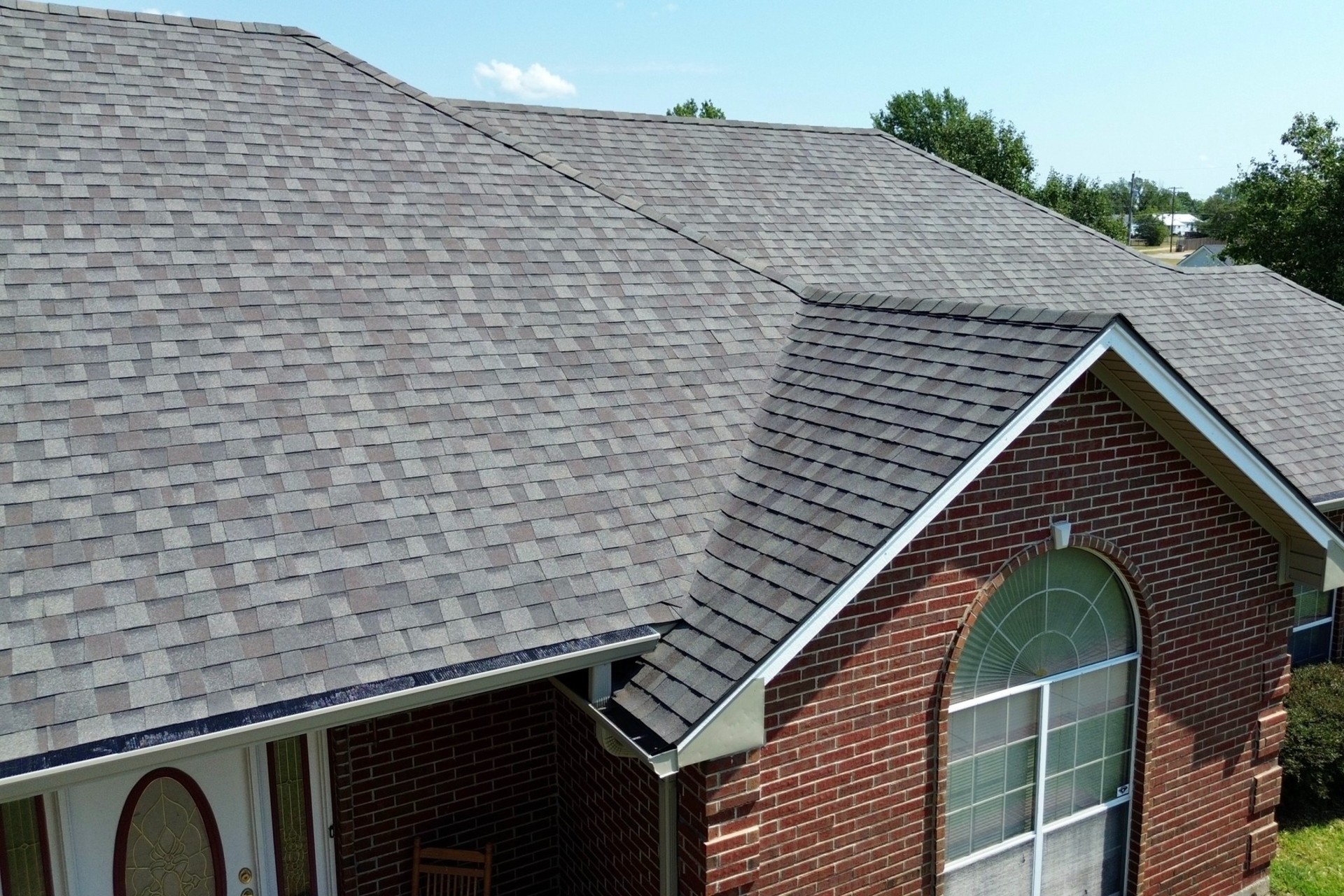
Material selection should always consider the complete lifecycle of the roof. Maintenance requirements, repair costs, expected lifespan, warranty coverage, and energy efficiency all contribute to the true financial value of a roofing system.
Labor Costs and Installation Complexity
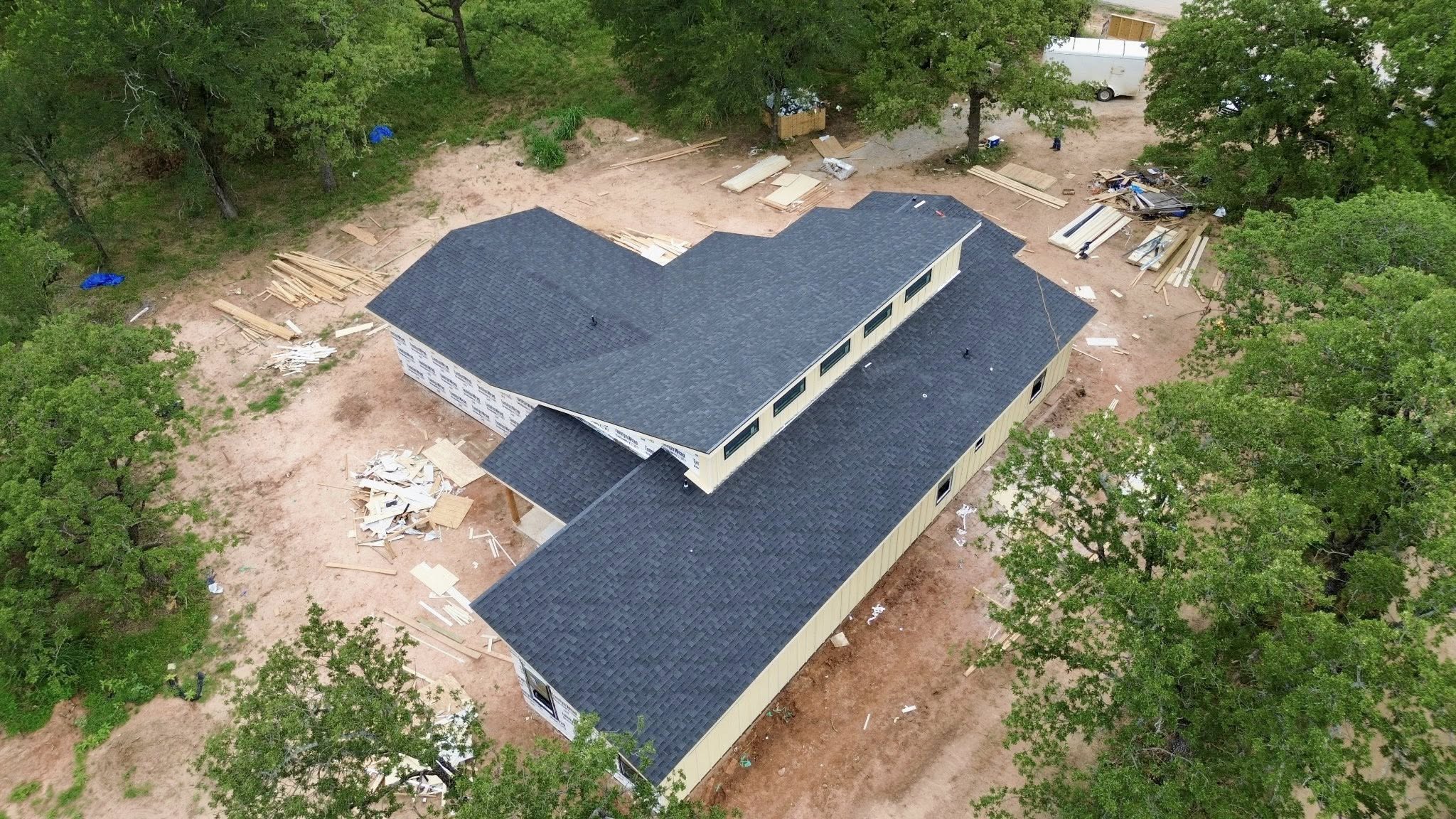
Labor expenses represent another major portion of flat roof replacement costs because successful installation depends on skilled workmanship rather than materials alone. Experienced roofing crews ensure that every component functions together as a complete waterproofing system.
The amount of labor required depends largely on roof complexity. Large open roof areas can often be installed more efficiently than roofs containing numerous penetrations, multiple elevations, or extensive flashing details. Every additional installation step increases labor hours and project duration.
Specialized roofing systems may also require certified installers. Certain manufacturers require trained contractors to maintain warranty eligibility, which may increase labor costs while providing greater confidence in installation quality. Proper training helps ensure that materials perform according to manufacturer specifications.
Weather conditions influence labor efficiency as well. Rain, high winds, extreme temperatures, or unexpected storms may temporarily suspend construction activities. Longer project durations naturally increase labor related expenses while requiring additional scheduling coordination.
Safety requirements contribute to installation costs on many projects. Buildings with greater height, limited access, or challenging site conditions often require additional fall protection systems, lifting equipment, and safety personnel. These measures protect workers while supporting efficient project completion.
Although labor represents a substantial portion of the roofing budget, reducing labor costs by selecting inexperienced contractors often increases long term expenses. Quality installation remains one of the most important factors affecting roof performance and lifespan.
Roof Size, Accessibility, and Building Design Considerations
The physical characteristics of a building directly influence replacement costs because they affect both material requirements and installation efficiency. Understanding these factors helps explain why similarly sized roofs may receive different project estimates.
Roof size determines the quantity of membranes, insulation, adhesives, fasteners, flashing, and drainage components required during installation. Larger roofs also generate more demolition waste that must be transported and disposed of according to local regulations.
Accessibility significantly affects labor productivity. Buildings with limited equipment access, narrow surrounding spaces, or restricted loading areas require additional planning when transporting roofing materials to the roof surface. Cranes, lifts, or specialized equipment may become necessary for certain projects.
Building height also influences installation procedures. High rise structures require additional safety measures, material handling equipment, and weather considerations compared with low rise buildings. These factors contribute to increased labor and equipment expenses.
Architectural design further affects replacement costs. Roofs with multiple levels, parapet walls, skylights, roof terraces, mechanical equipment, or decorative features require more detailed waterproofing work than simple roof layouts. Every transition point increases both installation time and material usage.
Owners should discuss these building characteristics with roofing contractors during the estimating process. Accurate project evaluation produces more realistic budgets while reducing the likelihood of unexpected adjustments during construction.
Hidden Costs Property Owners Often Overlook
Many roofing budgets focus primarily on visible construction expenses while overlooking several important cost categories that frequently appear during replacement projects. Understanding these hidden costs helps owners prepare more accurate financial plans.
Structural repairs represent one of the most common unexpected expenses. Once existing roofing materials are removed, contractors may discover deteriorated decking, corroded steel, damaged insulation, or moisture related structural problems that require immediate correction before installation continues.
Permit fees and inspection costs also contribute to the overall project budget. Local building departments often require permits, code compliance inspections, and documentation before replacement work can proceed. These administrative requirements vary depending on local regulations.
Waste disposal expenses are frequently underestimated. Removing old roofing materials generates substantial debris that must be transported, recycled when possible, or disposed of according to environmental regulations. Disposal costs depend on roofing material type and project size.
Temporary weather protection may become necessary if unexpected rainfall occurs during construction. Protective coverings, emergency waterproofing materials, and schedule adjustments help protect exposed roof sections while increasing short term project costs.
Additional expenses may also arise from upgrading insulation to meet current building codes. Older roofs sometimes require insulation improvements during replacement even if insulation replacement was not originally planned. These upgrades improve long term energy performance while affecting the initial budget.
Recognizing these potential costs early allows property owners to establish contingency funds rather than facing unexpected financial pressure during construction.
Flat Roof Replacement Cost Comparison by Roofing Material
| Roofing Material | Initial Cost Level | Expected Lifespan | Long Term Value |
|---|---|---|---|
| EPDM | Moderate | 25 to 35 years | Excellent balance of cost and durability |
| TPO | Moderate | 20 to 30 years | Strong energy efficiency and reliable performance |
| PVC | Higher | 25 to 35 years | Excellent durability and chemical resistance |
| Modified Bitumen | Moderate to High | 20 to 30 years | Strong resistance to punctures and foot traffic |
| Built Up Roofing | Higher | 25 to 40 years | Outstanding long term durability |
Planning a Realistic Roof Replacement Budget
Developing an accurate budget begins with understanding the full scope of the replacement project rather than relying on average roofing prices. Every building has unique requirements that should be reflected in financial planning.
Professional roof inspections provide the information needed to prepare realistic budgets. Contractors evaluate roofing materials, insulation condition, structural integrity, drainage performance, flashing details, and rooftop equipment before preparing detailed estimates. This assessment reduces uncertainty while improving cost accuracy.
Property owners should also include contingency funding within the overall budget. Hidden structural damage, additional insulation replacement, or drainage improvements may become necessary once demolition begins. Setting aside a reserve helps prevent project delays if unexpected conditions are discovered.
Budget planning should consider future operating costs alongside installation expenses. Investing in higher quality insulation, improved drainage, or longer lasting roofing materials may reduce maintenance and energy costs throughout the roof’s service life. Looking beyond initial pricing provides a more complete understanding of project value.
Comparing multiple contractor proposals also improves budgeting decisions. Rather than selecting the lowest estimate automatically, owners should review the scope of work, warranty coverage, included materials, inspection procedures, and installation methods before making a final decision.
Getting Accurate Roofing Estimates
Accurate roofing estimates provide the foundation for successful project planning. The more information contractors receive during the evaluation process, the more reliable their proposals become. Thorough estimates also reduce misunderstandings once construction begins.
Contractors typically begin by inspecting the existing roof to measure dimensions, evaluate material condition, assess drainage performance, and identify visible structural concerns. Photographs, moisture detection tools, and maintenance records help create a complete picture of the roof’s current condition.
A detailed estimate should clearly explain what work is included. Material specifications, insulation upgrades, demolition procedures, flashing replacement, waste disposal, warranty coverage, project scheduling, and cleanup responsibilities should all be identified within the proposal. Clear documentation allows owners to compare estimates based on actual project scope rather than price alone.
Property owners should also ask questions about assumptions made during the estimating process. Clarifying how contractors will handle hidden structural damage, weather delays, or code related upgrades helps avoid confusion after construction begins. Open communication creates realistic expectations for both parties.
Accurate estimates are more than pricing documents. They represent comprehensive project plans that outline the work required to deliver a durable and reliable roofing system. In the next part of this guide, we will examine each individual cost component in greater detail, including demolition, insulation, structural repairs, waterproofing, permits, and the unexpected expenses that often influence the final project budget.
Roof Inspection and Assessment Costs
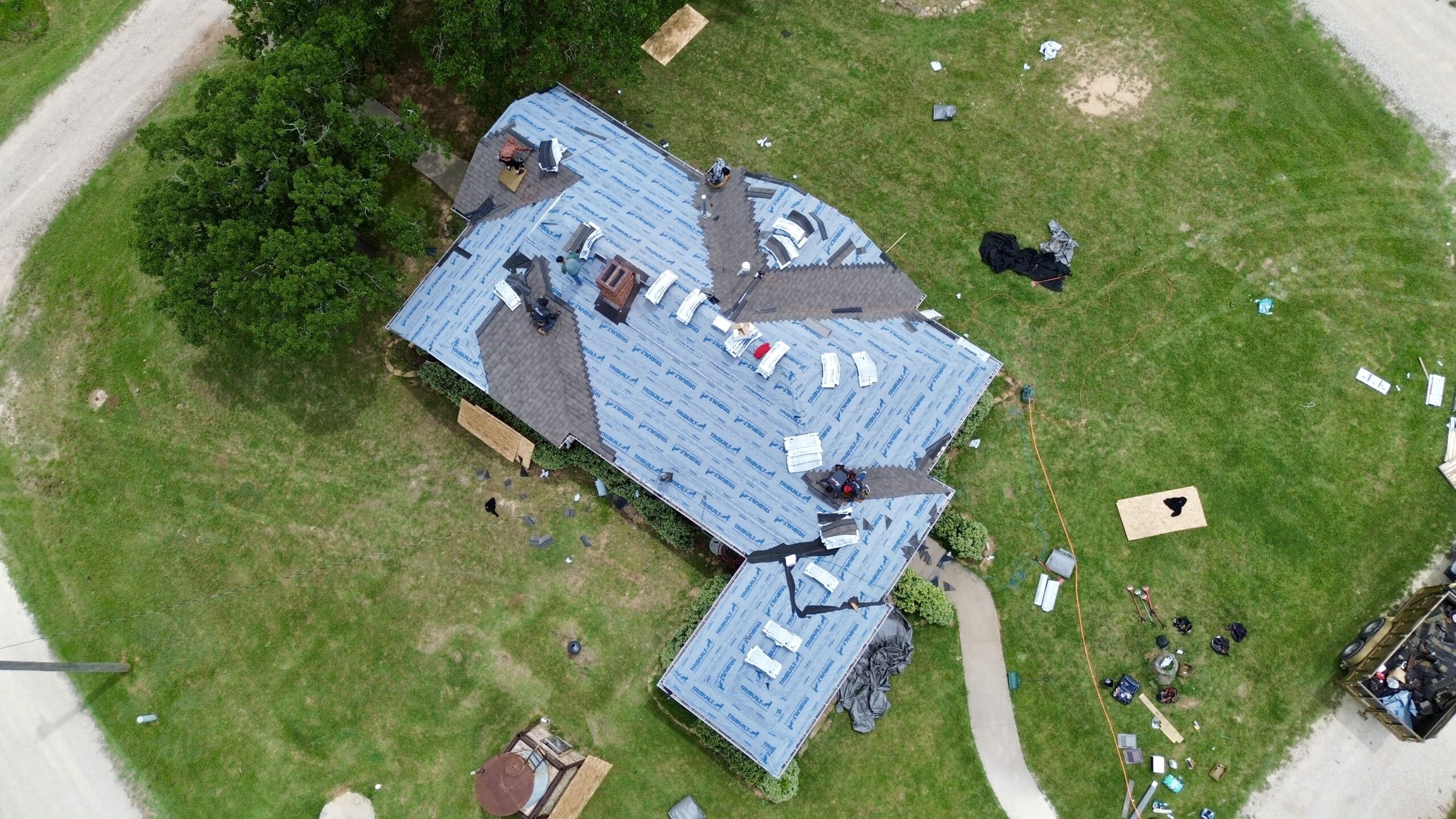
Every successful flat roof replacement begins with a detailed inspection and assessment. Although some property owners focus primarily on installation expenses, the inspection phase plays a critical role in determining the total project cost. Accurate evaluations reduce uncertainty while helping contractors prepare realistic estimates based on the roof’s actual condition.
Professional roof inspections typically include measuring the roof area, examining the existing membrane, evaluating flashing, checking drainage systems, and inspecting roof penetrations. Contractors also assess insulation performance and structural stability to identify conditions that may affect installation. These findings help define the scope of work before construction begins.
Advanced inspection methods may be recommended for older roofs or buildings with a history of leaks. Infrared scanning, electronic moisture detection, and core sampling can reveal trapped moisture beneath roofing materials without unnecessary demolition. Although these services increase initial assessment costs, they often prevent much larger unexpected expenses during construction.
Inspection reports also provide valuable documentation for budgeting and contractor comparisons. Property owners gain a clear understanding of current roof conditions while identifying repairs that should be completed during replacement. This information supports better financial planning and more informed decision making.
Investing in a thorough inspection may seem like an additional expense, but it often saves money by reducing uncertainty. Identifying hidden issues before construction begins allows owners to prepare realistic budgets while minimizing costly surprises later in the project.
Removing and Disposing of the Existing Roof
Demolition represents one of the first major construction expenses during flat roof replacement. Before new materials can be installed, the existing roofing system must usually be removed so contractors can inspect the structural deck and prepare a stable foundation for the new roof.
Removal costs vary depending on the number of existing roofing layers. Buildings that have undergone multiple reroofing projects may contain several layers of membranes, insulation, adhesives, and protective materials. Additional layers increase labor requirements, waste volume, and disposal expenses.
Material type also influences demolition costs. Some roofing systems are easier to remove than others because of differences in attachment methods, membrane construction, or adhesive strength. Contractors evaluate these conditions during the inspection process when preparing project estimates.
Waste disposal should not be overlooked when budgeting for demolition. Roofing debris must be transported safely and disposed of according to local environmental regulations. Disposal costs depend on project size, material type, landfill fees, and recycling opportunities available within the region.
Efficient demolition planning also helps reduce project delays. Contractors often remove roofing materials in sections rather than exposing the entire roof at once. This phased approach protects the building from unexpected weather while allowing installation to follow closely behind demolition.
Although demolition is only the beginning of the replacement process, it creates the foundation for every remaining stage of construction. Careful removal protects the roof deck while preparing the building for successful installation.
Structural Repairs and Roof Deck Replacement
Once old roofing materials have been removed, contractors gain full access to the roof deck and supporting structure. This stage often reveals conditions that were impossible to identify during surface inspections, making structural repairs one of the most unpredictable cost components.
Moisture intrusion frequently affects roof decking beneath damaged roofing systems. Wood may develop rot, steel components may corrode, and concrete surfaces may deteriorate after years of water exposure. These damaged sections must be repaired or replaced before installation continues.
Structural reinforcement may also be necessary if building owners plan to install heavier roofing systems or additional rooftop equipment. Solar panels, upgraded HVAC systems, or other mechanical equipment increase roof loading, requiring engineers to verify that the structure can safely support the additional weight.
Fastener replacement is another common repair activity. Loose, corroded, or damaged fasteners reduce structural stability and affect the attachment of new roofing materials. Replacing defective fasteners strengthens the roofing assembly while improving long term performance.
Although structural repairs increase project costs, they should never be viewed as optional. Installing new roofing materials over a weakened deck significantly increases the risk of premature roof failure. Addressing structural concerns during replacement protects the investment while supporting the expected lifespan of the new roof.
Property owners should include contingency funding within their budgets because structural conditions cannot always be predicted before demolition begins. Financial preparation allows necessary repairs to proceed without interrupting construction.
Insulation and Waterproofing Costs
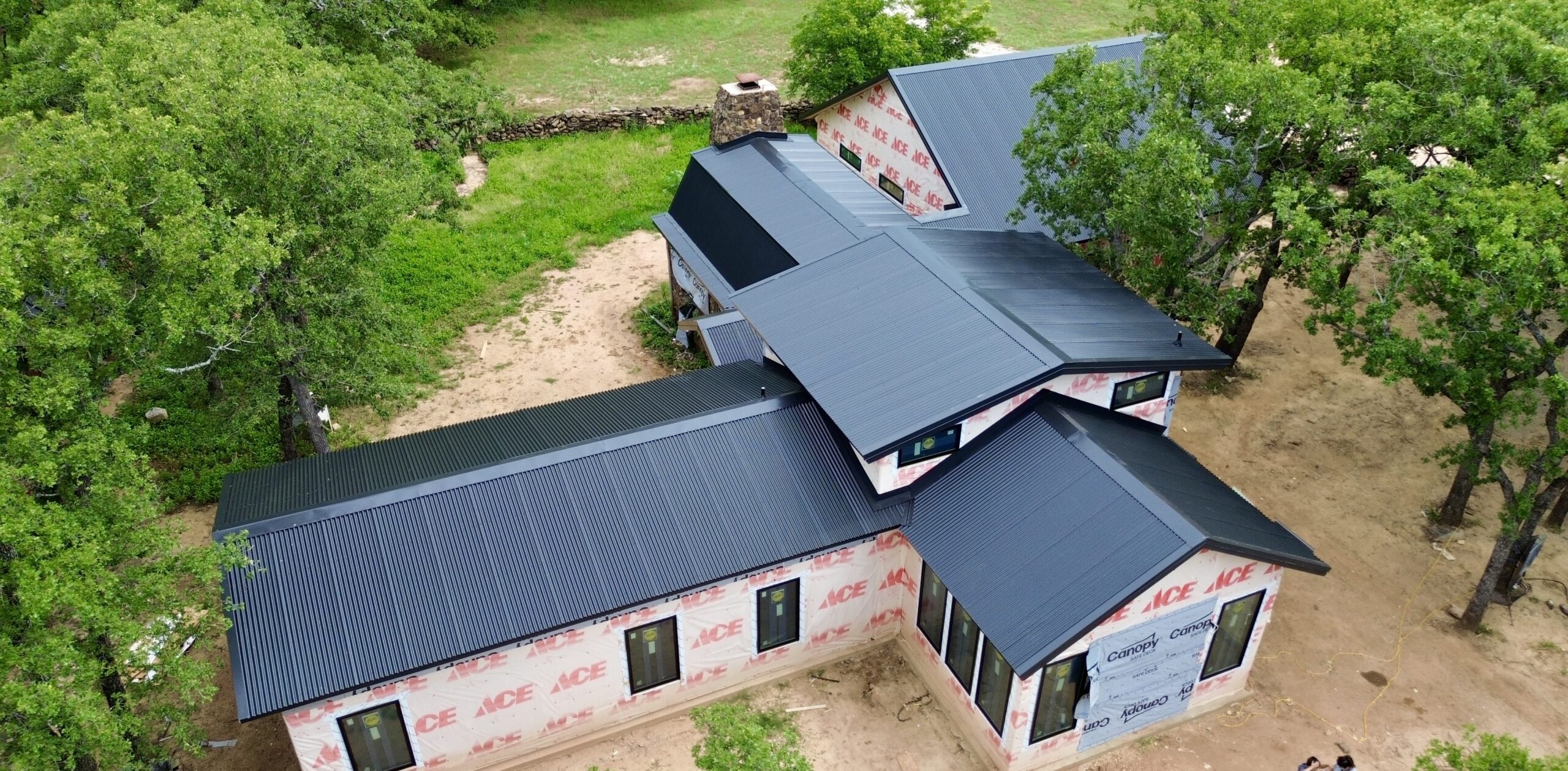
Modern flat roofing systems rely heavily on insulation and waterproofing layers to improve building performance. These components influence energy efficiency, moisture protection, and long term operating costs, making them an important part of the replacement budget.
Insulation expenses depend on the type, thickness, and performance requirements of the selected roofing system. Higher insulation values generally increase material costs but often reduce heating and cooling expenses throughout the roof’s lifespan. Many property owners view improved insulation as a long term investment rather than an added expense.
Tapered insulation may also be installed to improve drainage. Instead of relying solely on the structural slope of the roof, tapered insulation directs water toward drains and scuppers, reducing the likelihood of standing water. Although tapered systems require additional planning and materials, they contribute to better roof performance.
Waterproofing layers protect the building from moisture infiltration. Membranes, vapor barriers, sealants, and flashing systems work together to create a continuous weather resistant envelope. Selecting compatible waterproofing components is essential for maintaining reliable protection over many years.
Installation quality directly affects the value of these materials. Proper attachment, seam construction, and moisture barrier placement ensure that insulation and waterproofing systems perform according to manufacturer specifications. Skilled installation helps maximize both durability and energy efficiency.
While insulation and waterproofing increase initial project costs, they also contribute to lower operating expenses and fewer repairs throughout the life of the roof.
Roofing Material Installation Expenses
Installing the new roofing system represents one of the largest portions of the overall replacement budget. Material costs alone do not reflect the complete expense because installation involves specialized labor, equipment, quality control, and manufacturer approved procedures.
Each roofing system requires different installation methods. Some membranes are mechanically fastened, while others are fully adhered or heat welded. These techniques influence labor requirements as well as the time needed to complete the project. Roofing systems with more complex installation procedures generally involve higher labor expenses.
Roof layout also affects installation costs. Buildings with numerous penetrations, equipment supports, expansion joints, and parapet walls require additional detailing compared with simple roof designs. Every transition point demands careful waterproofing to maintain long term performance.
Contractors also allocate time for continuous quality inspections throughout installation. Supervisors verify membrane alignment, seam integrity, flashing placement, insulation attachment, and drainage performance before each phase progresses. Although quality control requires additional labor, it significantly improves installation reliability.
Weather conditions may influence installation expenses as well. Rain delays, high winds, or extreme temperatures sometimes require temporary weather protection or schedule adjustments. Experienced contractors account for these possibilities when preparing project timelines.
Investing in professional installation provides long term value by reducing the likelihood of premature repairs. Proper workmanship allows roofing materials to perform according to their intended design while supporting manufacturer warranty requirements.
Flashing, Drainage, and Roof Penetration Costs
Many property owners underestimate the importance of roofing details when reviewing project budgets. While the roof membrane receives most of the attention, flashing, drainage components, and roof penetrations play equally important roles in maintaining waterproof performance.
Flashing protects areas where the roof transitions to walls, equipment supports, parapets, skylights, and other rooftop structures. These locations experience greater movement than open roof surfaces, requiring flexible waterproofing solutions that accommodate expansion and contraction.
Drainage systems also contribute significantly to replacement costs. Roof drains, scuppers, gutters, overflow drains, and downspouts must function together to remove water efficiently. Damaged or outdated drainage components are often replaced during roof replacement to improve long term performance.
Roof penetrations require specialized flashing accessories designed for pipes, vents, electrical conduits, and HVAC supports. Proper installation prevents water intrusion while allowing rooftop equipment to operate without affecting waterproofing performance.
Edge metal and termination details further strengthen the roofing system by protecting roof perimeters from wind uplift and weather exposure. Although these components represent a relatively small percentage of the overall budget, they contribute substantially to roof durability.
Ignoring these finishing details in an effort to reduce costs often results in higher maintenance expenses later. Properly installed flashing and drainage systems provide excellent long term value by reducing leak potential.
Permit, Safety, and Project Management Expenses
Beyond construction materials and labor, several administrative and operational costs contribute to the overall project budget. These expenses support legal compliance, worker safety, and efficient project coordination throughout the replacement process.
Building permits are commonly required before commercial or residential roof replacement begins. Permit costs vary according to local regulations, building size, and project complexity. Inspections conducted by local authorities help verify compliance with applicable building codes and safety standards.
Safety requirements also contribute to project costs. Contractors provide fall protection systems, personal protective equipment, warning barriers, and other safety measures that protect workers throughout construction. High rise buildings or sites with limited access may require additional safety equipment and specialized lifting systems.
Project management represents another essential cost category. Coordinating material deliveries, scheduling labor, monitoring installation quality, communicating with building owners, and managing subcontractors all require experienced supervision. Effective management helps keep projects on schedule while reducing costly delays.
Insurance coverage also forms part of responsible project planning. Professional roofing contractors maintain liability insurance and worker protection policies that reduce financial risk for both the contractor and the property owner.
Although administrative and safety expenses may appear indirect, they support efficient construction while protecting everyone involved in the replacement project.
Unexpected Costs During Roof Replacement
Even well planned roofing projects occasionally encounter unforeseen conditions that affect the final budget. Preparing for these possibilities helps property owners manage construction more confidently.
Some of the most common unexpected costs include:
- Hidden moisture trapped beneath the existing roofing system.
- Structural deck repairs discovered after demolition.
- Additional insulation required to meet current building codes.
- Drainage improvements needed to eliminate standing water.
- Weather related delays requiring temporary roof protection.
- Replacement of damaged flashing around rooftop equipment.
Including contingency funding within the project budget allows these issues to be addressed without interrupting construction. Financial flexibility helps maintain installation quality while avoiding rushed decisions driven by unexpected expenses.
Ways to Control Project Costs Without Sacrificing Quality
Reducing roofing expenses does not always require selecting the least expensive materials. Many cost saving opportunities come from careful planning, informed decision making, and efficient project management rather than lowering construction standards.
Scheduling replacement before major roof failure often reduces total project costs. Planned projects allow contractors to work under more favorable conditions while minimizing emergency labor charges and temporary repairs. Early planning also provides more time to compare proposals and select appropriate materials.
Obtaining multiple detailed estimates helps owners evaluate value rather than price alone. Comparing material specifications, warranty coverage, installation methods, and included services provides a clearer understanding of what each proposal offers. The lowest estimate may not always deliver the best long term performance.
Investing in quality materials that match the building’s needs can also reduce lifetime costs. Durable membranes, improved insulation, and efficient drainage systems often require higher initial investment but lower maintenance expenses over several decades. Looking at lifecycle value supports better financial decisions.
Finally, maintaining the new roof properly after installation protects the investment. Routine inspections, preventive maintenance, and timely repairs extend roof lifespan while reducing the need for expensive corrective work. Careful maintenance ensures that every dollar invested during replacement continues providing value for many years.
Understanding each individual cost component allows property owners to prepare more accurate budgets while recognizing the true value of professional roofing services. In the final part of this guide, we will explore how to maximize the return on a flat roof replacement investment by comparing lifetime costs, evaluating warranties, identifying long term savings opportunities, and developing smart budgeting strategies for future roofing projects.
Choosing the Right Roofing System for Long Term Value
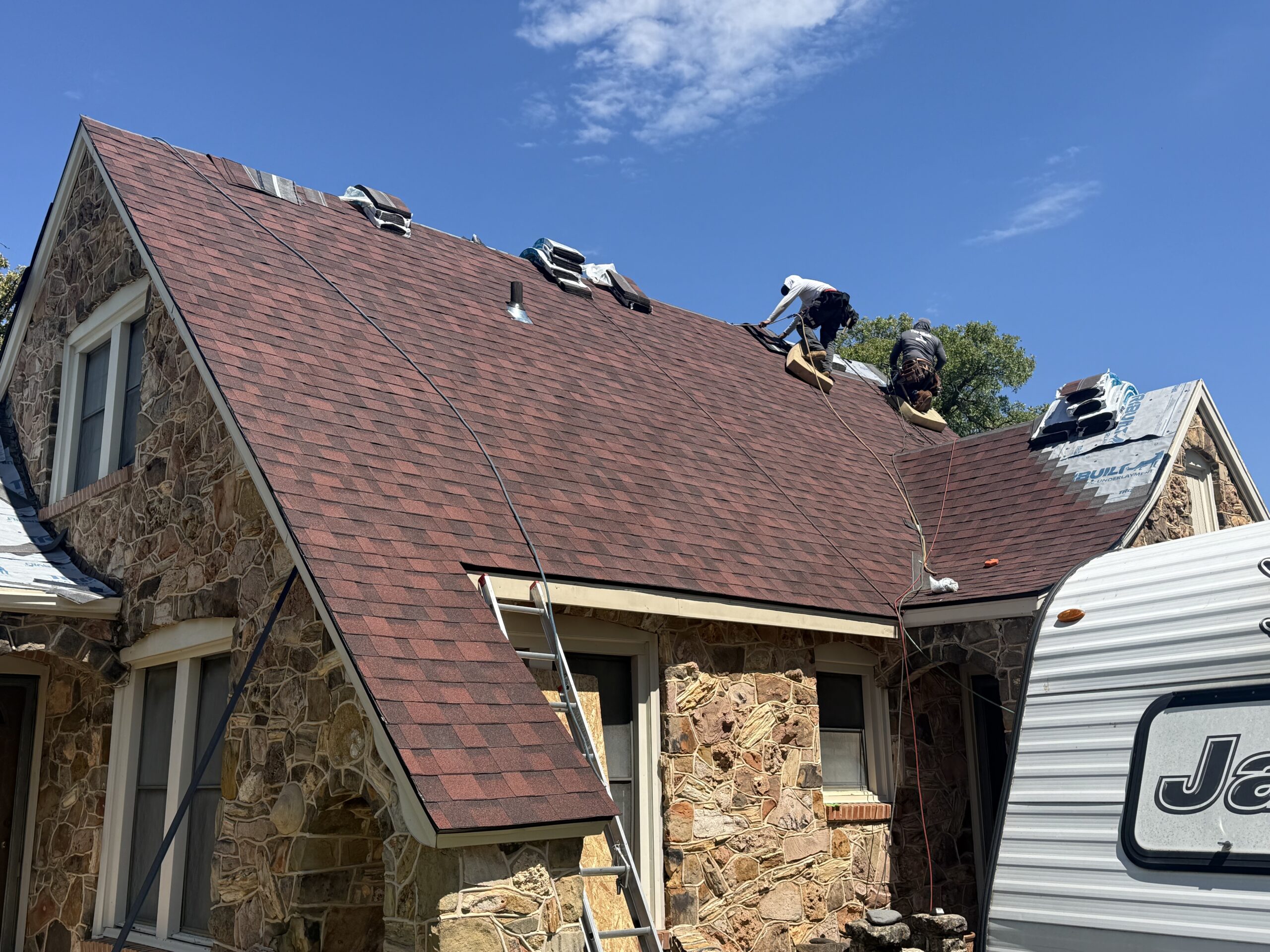
Selecting a flat roofing system should involve much more than comparing initial installation prices. While staying within budget is important, the lowest priced option does not always provide the greatest value over the life of the roof. Property owners should evaluate each roofing system based on durability, maintenance requirements, energy efficiency, and expected service life.
Every building has unique operational needs. A warehouse may prioritize durability and low maintenance, while a restaurant may require roofing materials that resist grease and chemical exposure. Office buildings often benefit from reflective roofing systems that improve energy efficiency and reduce cooling costs during warmer months.
Climate also influences long term value. Roofing systems that perform exceptionally well in one region may not be the most practical choice in another. Buildings exposed to intense sunlight, frequent storms, heavy snowfall, or large temperature changes require materials designed to withstand those specific environmental conditions.
Maintenance expectations should be considered before selecting a roofing system. Some materials require relatively simple maintenance routines, while others may need more frequent inspections or specialized repair procedures. Choosing a roofing system that matches available maintenance resources helps control long term operating expenses.
Future building plans are another important consideration. Owners planning rooftop equipment upgrades, solar panel installations, or building expansions should select roofing systems that can accommodate these modifications without requiring major reconstruction. Thinking ahead helps maximize the value of the initial investment.
Comparing Initial Cost Versus Lifetime Cost
One of the most effective ways to evaluate roofing investments is by comparing lifetime cost rather than focusing only on installation expenses. A roofing system with a higher purchase price may ultimately cost less over several decades if it requires fewer repairs and lasts significantly longer.
Initial cost includes demolition, materials, labor, permits, insulation, waterproofing, and installation. These expenses are immediately visible during the replacement project, making them the primary focus for many property owners. However, they represent only part of the total financial picture.
Lifetime cost includes maintenance, inspections, repairs, energy consumption, and eventual replacement. Roofing systems that reduce heating and cooling expenses or require fewer repairs often provide substantial financial benefits throughout their service life. These savings accumulate gradually but can significantly influence the overall value of the investment.
Frequent repairs should also be considered when evaluating costs. Choosing inexpensive materials that require regular maintenance may increase long term expenses beyond the savings achieved during installation. Reliable roofing systems generally provide more predictable ownership costs.
Service life plays a major role in lifetime value. A roof that lasts thirty five years instead of twenty five years delays future replacement expenses while improving the return on the original investment. Extending roof lifespan through quality materials and proper installation provides measurable financial advantages.
Evaluating roofing systems from a long term perspective allows owners to make decisions based on total value rather than initial pricing alone.
Understanding Roof Warranties and Maintenance Costs
Roof warranties provide valuable protection, but they should be understood as one part of a complete roofing investment rather than a substitute for quality installation or regular maintenance. Reviewing warranty terms carefully helps property owners understand both the protection offered and the responsibilities required.
Manufacturer warranties generally cover defects related to roofing materials under specified conditions. Some warranties provide protection for membranes only, while others include broader system coverage when approved installation methods are followed. Understanding these differences helps owners compare roofing proposals more effectively.
Contractor workmanship warranties focus on installation quality. These warranties address issues resulting from installation errors rather than material defects. Working with experienced contractors who stand behind their workmanship provides additional confidence in the completed project.
Maintenance requirements often influence warranty validity. Many manufacturers require documented inspections, routine maintenance, and prompt repairs throughout the roof’s lifespan. Neglecting these responsibilities may affect warranty coverage if future problems develop.
Maintenance expenses should also be included when evaluating overall roofing costs. Scheduling inspections, cleaning drainage systems, replacing worn sealants, and repairing minor damage require ongoing investment. However, these relatively small expenses often prevent much larger repair costs later.
Combining strong warranty coverage with consistent maintenance provides the greatest opportunity for achieving reliable long term roof performance.
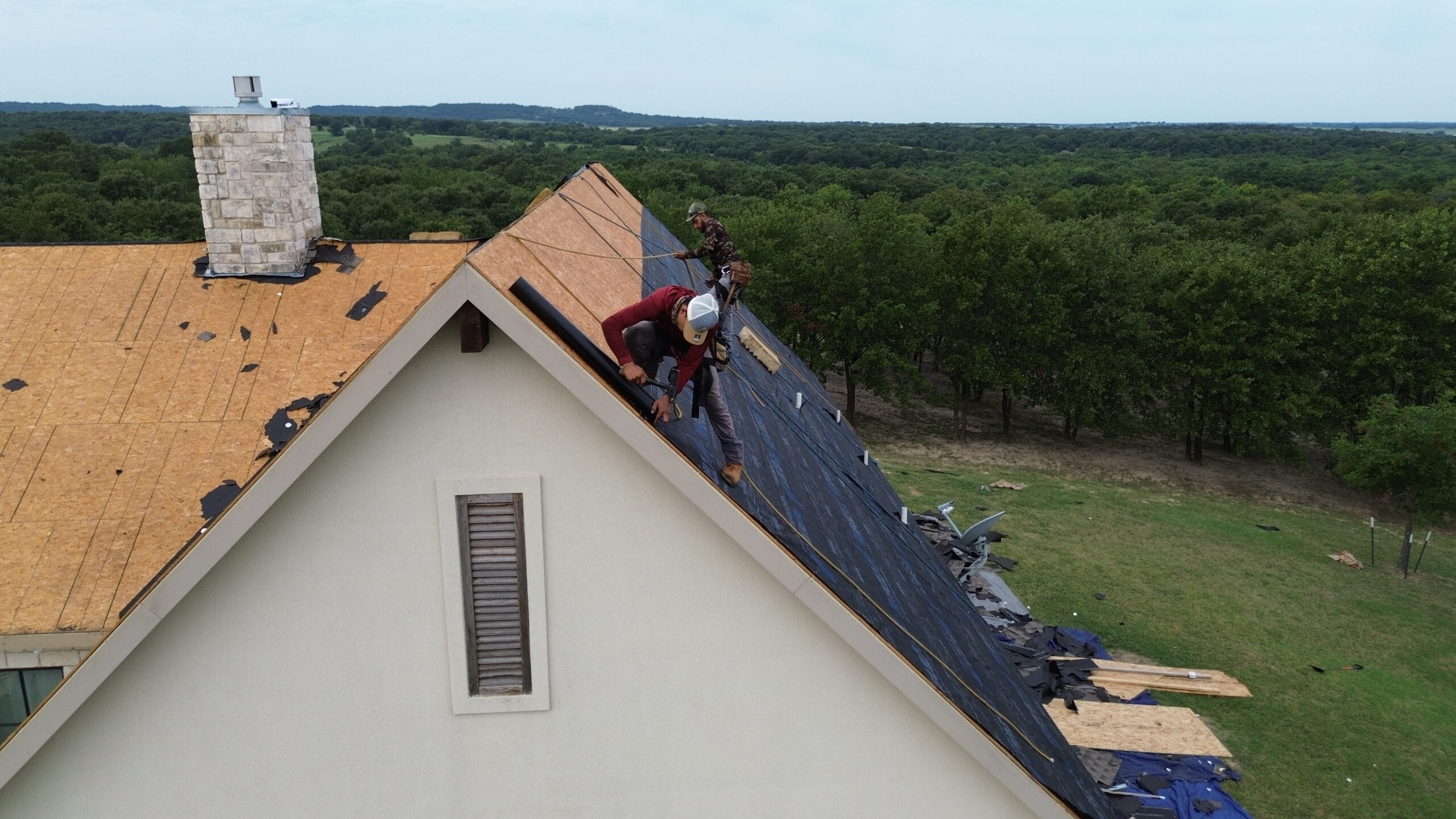
Cost Saving Opportunities During Roof Replacement
Replacing a flat roof presents several opportunities to improve building performance while controlling long term expenses. Careful planning allows property owners to combine necessary upgrades with the replacement project, reducing future construction costs.
Improving insulation during roof replacement is one of the most common cost saving opportunities. Since the roof assembly is already being rebuilt, upgrading insulation often requires much less additional labor than completing the same work separately at a later date. Better insulation improves energy efficiency while lowering heating and cooling expenses.
Drainage improvements also provide long term financial benefits. Installing tapered insulation, replacing outdated drains, or improving gutter systems reduces the risk of standing water and future membrane damage. These improvements help extend roof lifespan while lowering maintenance requirements.
Coordinating rooftop equipment upgrades during replacement can also reduce future expenses. Installing new HVAC supports, replacing damaged curbs, or preparing for future solar panel installations during roofing work minimizes the need for later modifications that could disturb the completed roofing system.
Property owners may also benefit from scheduling projects during periods of favorable weather. Stable conditions often improve installation efficiency while reducing delays caused by rain or extreme temperatures. Better scheduling contributes to smoother project management and more predictable costs.
These opportunities demonstrate that roof replacement is not only about replacing worn materials. It is also an opportunity to improve overall building performance while maximizing the value of the investment.
When Paying More Delivers Better Long Term Results
Although staying within budget is important, there are situations where investing more during roof replacement produces significant long term benefits. Understanding where additional spending creates value helps property owners allocate resources wisely.
Higher quality roofing materials generally offer improved durability, stronger waterproofing performance, and longer expected service lives. While initial costs increase, reduced maintenance and delayed replacement often improve the overall financial return.
Professional installation also deserves careful consideration. Experienced roofing contractors follow manufacturer specifications, perform thorough quality inspections, and use proper installation techniques that help maximize roof performance. Choosing qualified professionals often prevents expensive repairs caused by poor workmanship.
Enhanced insulation is another worthwhile investment for many buildings. Improved thermal performance reduces energy consumption while increasing indoor comfort throughout the year. Utility savings continue for decades, making insulation upgrades financially attractive in many situations.
Advanced drainage systems may also justify additional investment. Proper water management reduces ponding, protects roofing materials, and lowers maintenance requirements. Improving drainage during replacement often prevents recurring problems that would otherwise require future repairs.
Investing strategically rather than simply spending more produces the best results. Additional funds should focus on improvements that extend roof lifespan, improve efficiency, reduce maintenance, or strengthen long term building performance.
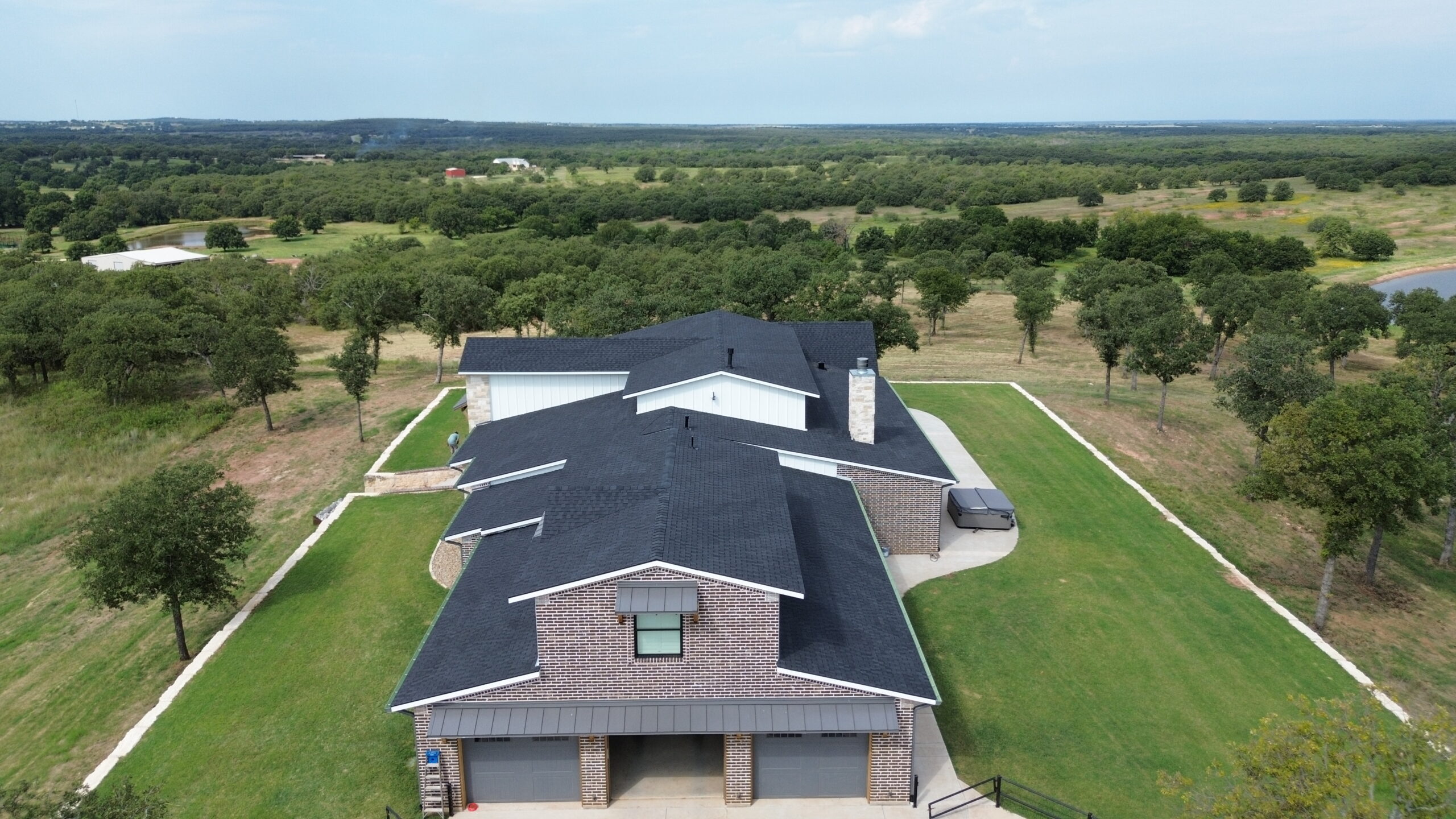
Best Practices for Budgeting a Flat Roof Replacement
Developing a realistic budget helps property owners complete roof replacement projects without unnecessary financial stress. Following proven budgeting practices improves planning while reducing the likelihood of unexpected expenses.
- Begin with a comprehensive professional roof inspection before requesting estimates.
- Compare multiple detailed proposals instead of selecting based only on price.
- Include contingency funding for hidden structural repairs or unforeseen conditions.
- Evaluate roofing materials based on lifetime value rather than initial cost alone.
- Budget for future inspections and preventive maintenance after installation.
- Review warranty terms carefully before signing construction contracts.
- Coordinate additional building improvements during roof replacement whenever practical.
- Keep complete project documentation for future maintenance and warranty support.
Following these budgeting practices creates a balanced financial plan that supports both successful installation and long term roof ownership. Careful preparation reduces uncertainty while helping owners make informed investment decisions.
Frequently Asked Questions
| Question | Answer |
|---|---|
| What usually represents the largest portion of roof replacement cost? | Roofing materials and professional labor typically account for the largest share of the overall project budget. |
| Why do roofing estimates sometimes vary significantly? | Differences in material quality, project scope, labor requirements, warranty coverage, and existing roof condition often explain pricing variations. |
| Should I always choose the lowest estimate? | Not necessarily. The proposal should be evaluated based on included work, installation quality, materials, warranties, and contractor experience rather than price alone. |
| Is contingency funding necessary? | Yes. Hidden structural damage or additional repairs may be discovered after demolition, making contingency funds an important part of project planning. |
| Can better insulation reduce long term costs? | Yes. Improved insulation often lowers heating and cooling expenses while enhancing overall building energy efficiency. |
Conclusion
Flat roof replacement involves far more than purchasing roofing materials and hiring an installation crew. Every project includes inspections, demolition, structural evaluation, insulation, waterproofing, drainage improvements, labor, permits, safety measures, and quality control. Understanding these individual cost components helps property owners develop realistic budgets while making informed decisions throughout the replacement process.
Looking beyond the initial price provides a clearer picture of the true value of a roofing investment. Durable materials, skilled installation, improved insulation, effective drainage, and consistent maintenance often reduce lifetime ownership costs by lowering repair frequency, improving energy efficiency, and extending roof lifespan. Evaluating projects from a long term perspective leads to stronger financial outcomes.
Successful budgeting also depends on preparation. Comprehensive roof inspections, detailed contractor proposals, contingency planning, and careful review of warranty requirements reduce uncertainty while helping owners avoid unexpected expenses during construction. Comparing proposals based on overall value rather than the lowest price supports better project results.
Ultimately, the best flat roof replacement investment is one that balances upfront costs with long term performance. By selecting appropriate roofing materials, working with qualified professionals, planning for ongoing maintenance, and focusing on lifetime value, property owners can protect their buildings, control future expenses, and maximize the return on their roofing investment for decades to come.