
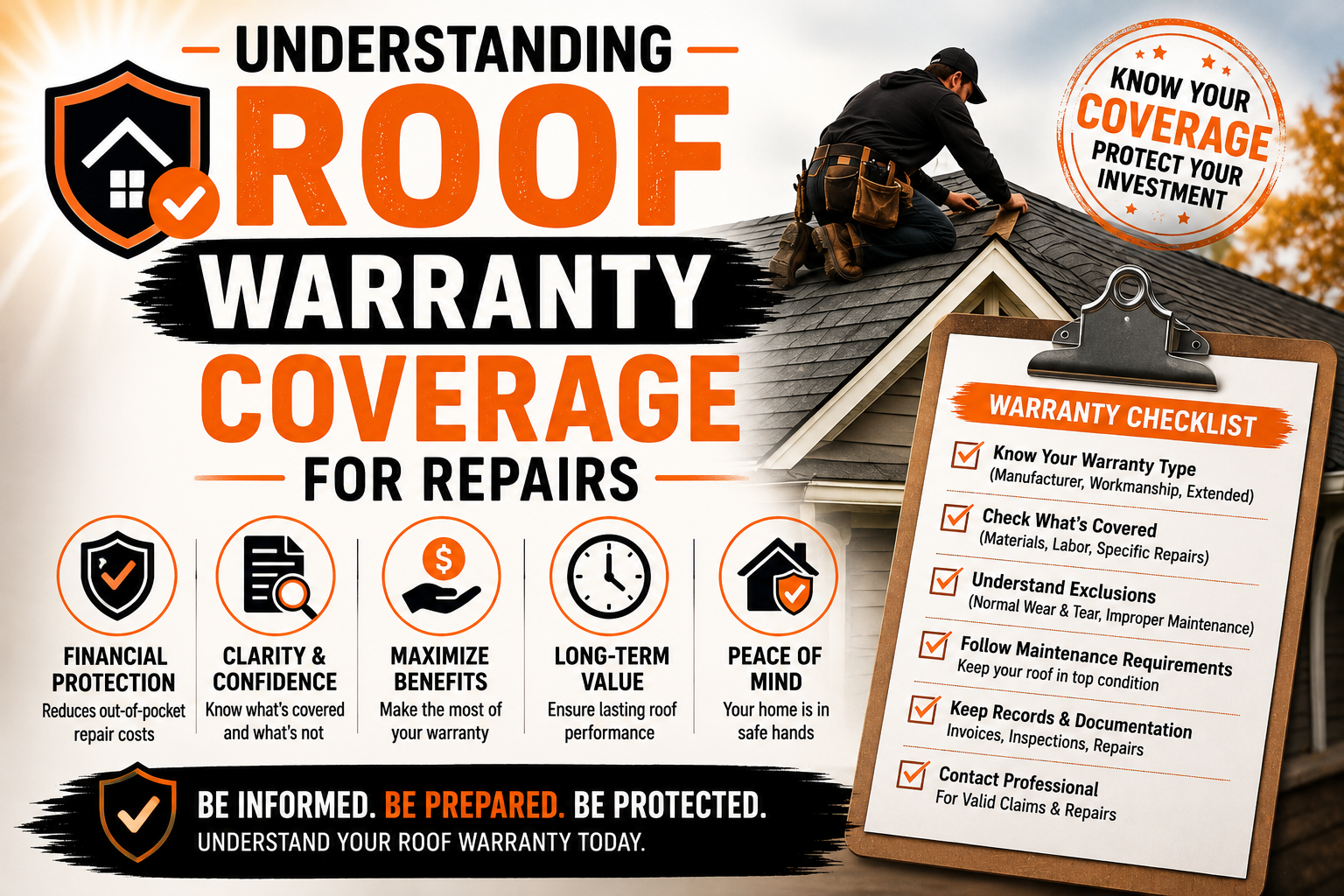
Understanding Roof Warranty Coverage for Repairs
Introduction
A roof is one of the most significant investments a homeowner makes, providing protection against weather while preserving the structural integrity and value of the entire property. Because roofing systems are expected to perform reliably for many years, warranties play an important role in protecting homeowners from certain defects in materials or workmanship. However, many homeowners misunderstand what roof warranties actually cover, especially when repairs become necessary after damage or normal wear.
Some homeowners assume that every roofing problem is automatically covered under warranty, while others never review their warranty documents until an issue develops. Unfortunately, these misconceptions often lead to confusion, unexpected repair expenses, and missed opportunities to receive warranty support. Understanding warranty coverage before problems arise helps homeowners make informed decisions about maintenance, repairs, and contractor selection.
Roof warranties are not all the same. Coverage varies depending on the manufacturer, roofing materials, contractor, installation methods, and warranty type. Some warranties protect against manufacturing defects, while others focus on installation quality. Certain warranties also include additional protection when specific products and installation procedures are used together as a complete roofing system.
Repairs performed incorrectly can also affect warranty protection. Using incompatible materials, hiring unqualified contractors, or failing to maintain the roof according to warranty requirements may reduce or even void certain types of coverage. Proper maintenance and documentation therefore become just as important as the warranty itself.
Understanding roof warranty coverage allows homeowners to plan repairs more effectively while protecting their long-term investment. Knowing what is covered, what is excluded, and what responsibilities remain with the homeowner helps reduce financial uncertainty and ensures roofing systems continue performing as intended.
This guide explains how roof warranties work, the different types of coverage available, the factors that influence warranty protection, and the steps homeowners can take to preserve warranty eligibility throughout the life of their roof.
What a Roof Warranty Is and Why It Matters
A roof warranty is a written agreement that outlines specific protections related to roofing materials, installation workmanship, or both. It defines the responsibilities of manufacturers and contractors while explaining the conditions under which certain repairs or replacements may be provided if covered problems occur.
Roof warranties exist because roofing systems are expected to withstand years of exposure to rain, wind, sunlight, snow, and changing temperatures. Although quality materials are designed for long-term durability, manufacturing defects or installation errors occasionally occur. Warranty coverage provides homeowners with additional confidence that qualifying problems will be addressed according to the warranty terms.
A warranty also establishes clear expectations between homeowners and roofing professionals. Rather than relying solely on verbal assurances, homeowners receive documented information explaining what is covered, how claims should be submitted, and which responsibilities remain with the property owner.
One of the greatest benefits of a roof warranty is financial protection. If covered defects develop within the warranty period, homeowners may avoid paying the full cost of certain repairs or replacement materials. The level of protection varies depending on the warranty type, but understanding these details helps homeowners prepare for future maintenance decisions.
Roof warranties also encourage quality workmanship. Contractors who provide workmanship warranties demonstrate confidence in their installation practices while giving homeowners additional assurance regarding the completed project. Manufacturers similarly support their products by providing warranties against qualifying material defects.
However, warranties should never be viewed as substitutes for regular maintenance. Most warranties expect homeowners to inspect, maintain, and repair their roofs responsibly throughout the warranty period. Preventive maintenance remains essential for preserving both roof performance and warranty eligibility.
Understanding the purpose of roof warranties helps homeowners appreciate their value while recognizing the importance of meeting ongoing maintenance responsibilities.
Understanding the Different Types of Roof Warranties
Roof warranty coverage generally falls into several categories, each protecting different aspects of the roofing system. Understanding these distinctions allows homeowners to know where protection applies when repairs become necessary.
Manufacturer warranties are among the most common forms of roof protection. These warranties typically cover defects in the roofing materials themselves rather than problems resulting from installation errors or external damage. If roofing products fail because of manufacturing defects during the warranty period, replacement materials may be provided according to the warranty terms.
Workmanship warranties are provided by roofing contractors and focus on installation quality. These warranties protect homeowners if roofing problems result from improper installation techniques rather than defective materials. Coverage periods vary depending on the contractor and the specific agreement.
Some roofing systems also include enhanced or system warranties. These warranties may provide broader protection when multiple components from the same manufacturer are installed together according to approved installation methods. Roofing materials, underlayment, flashing, ventilation products, and accessories often function as part of an integrated system under these programs.
Extended warranty options may also be available for certain roofing products. Homeowners sometimes choose additional warranty coverage during installation to increase the duration or scope of protection beyond standard manufacturer offerings.
Limited warranties represent another common category. These warranties provide protection under specific conditions while excluding certain types of damage or homeowner responsibilities. Reading these limitations carefully helps avoid misunderstandings later.
Each warranty type serves a different purpose, making it important for homeowners to understand which protection applies to materials, installation, maintenance responsibilities, and future repairs.
What Roof Repair Warranties Typically Cover
Although warranty coverage varies considerably, many roof repair warranties focus on protecting homeowners from specific problems involving roofing materials or workmanship rather than every possible source of roof damage. Understanding typical coverage helps homeowners develop realistic expectations when repairs become necessary.
Material defect coverage is one of the most common warranty benefits. Manufacturers generally warrant that roofing products meet expected quality standards and perform as intended under normal conditions. If qualifying manufacturing defects develop, replacement materials may be provided according to warranty terms.
Workmanship warranties commonly cover installation-related problems. If leaks or other roofing issues result directly from improper installation techniques, the contractor may perform corrective repairs within the workmanship warranty period. Coverage depends on the specific agreement between the contractor and homeowner.
Some warranties also include coverage for certain roofing accessories when installed as part of an approved roofing system. Flashing components, ventilation products, underlayment, starter strips, ridge materials, and waterproof barriers may receive protection under qualifying system warranties.
Certain enhanced warranties provide broader protection than standard coverage. These programs may include both materials and labor for qualifying repairs, although eligibility usually depends on approved installation practices and participation by authorized contractors.
Many warranties also specify repair procedures. Homeowners may be required to notify manufacturers or contractors before arranging independent repairs if they wish to preserve warranty eligibility. Following these procedures helps ensure claims are evaluated according to warranty requirements.
It is important to remember that warranty coverage generally applies only to qualifying defects described in the warranty documentation. Damage caused by storms, accidents, neglect, or improper maintenance often falls outside standard warranty protection.
Understanding what warranties typically cover helps homeowners distinguish between covered repairs and maintenance responsibilities they must manage independently.
Common Terms Found in Roof Warranty Documents
Roof warranty documents often contain technical terms that homeowners may overlook or misunderstand. Becoming familiar with these common terms makes it easier to interpret warranty coverage accurately before repairs become necessary.
Coverage period refers to the length of time during which specific warranty protections remain active. Different portions of the warranty may have different coverage periods depending on whether materials, workmanship, or system components are involved.
Warranty exclusions describe situations where coverage does not apply. Common exclusions may include damage caused by severe weather, improper maintenance, unauthorized repairs, structural movement, or normal aging beyond expected performance standards.
Transferability explains whether warranty protection can transfer to future property owners if the home is sold. Some warranties allow limited transfer within specified time periods, while others remain valid only for the original purchaser.
Registration requirements appear in certain warranties. Some manufacturers require homeowners or contractors to register warranty information after installation to activate coverage. Missing registration deadlines may affect eligibility for certain warranty benefits.
Authorized contractor requirements specify whether repairs or installations must be completed by approved roofing professionals to maintain warranty protection. Using unauthorized installers may affect certain enhanced warranty programs.
Maintenance obligations describe the homeowner’s responsibility to perform reasonable inspections, cleaning, and preventive maintenance throughout the warranty period. Failing to maintain the roof appropriately may affect future warranty claims.
Claim procedures explain how homeowners should report qualifying problems, submit documentation, arrange inspections, and request warranty consideration. Following these procedures carefully improves the likelihood of efficient claim processing.
Understanding these common warranty terms helps homeowners avoid confusion while ensuring they meet important responsibilities associated with maintaining warranty protection.
Factors That Influence Roof Warranty Coverage
Several important factors determine the level of protection provided by a roof warranty. Understanding these influences helps homeowners recognize why coverage differs between roofing projects and why certain repairs may qualify while others do not.
The roofing material itself is one of the primary considerations. Asphalt shingles, metal roofing, clay tiles, slate, wood shakes, and synthetic materials all have different warranty structures because each product performs differently under long-term weather exposure.
Installation quality significantly influences warranty eligibility. Manufacturers generally expect roofing products to be installed according to approved guidelines. Incorrect installation methods may reduce or eliminate warranty protection if roofing problems develop because installation requirements were not followed.
Contractor qualifications also affect certain warranty programs. Some manufacturers offer enhanced warranties only when installation is completed by contractors meeting specific certification or authorization requirements. These programs often provide broader coverage than standard warranties.
Routine maintenance represents another important factor. Homeowners are typically responsible for maintaining gutters, removing debris, addressing minor repairs promptly, and arranging inspections when appropriate. Neglected maintenance may contribute to damage excluded from warranty protection.
Roof modifications can also influence coverage. Installing additional equipment, making structural alterations, or performing unauthorized repairs may affect warranty eligibility depending on the specific warranty terms.
Environmental conditions occasionally influence warranty expectations as well. Roofs exposed to unusual weather events, coastal environments, industrial pollutants, or other challenging conditions may experience different performance considerations according to manufacturer documentation.
Considering these factors together helps homeowners understand that warranty protection depends not only on the warranty itself but also on ongoing installation quality and responsible roof care.
Why Reading Warranty Details Before Repairs Is Important
Many homeowners store warranty documents after roof installation and rarely review them until a problem develops. Unfortunately, waiting until repairs become necessary may result in missed opportunities to preserve warranty protection or follow required claim procedures.
Reading warranty details before arranging repairs helps homeowners determine whether the problem may already qualify for warranty consideration. If repairs begin without notifying the manufacturer or contractor when required, certain warranty rights may be affected depending on the agreement.
Warranty documents also explain approved repair methods. Some warranties specify that repairs should be completed using compatible materials or by qualified contractors to maintain ongoing coverage. Understanding these requirements before work begins helps prevent unintended warranty issues.
Homeowners also benefit from knowing what documentation will be needed. Inspection reports, photographs, invoices, maintenance records, and contractor information often support warranty claims. Gathering this information before repairs simplifies the overall process.
Reviewing warranty limitations is equally valuable. Understanding which situations are excluded from coverage prevents unrealistic expectations while allowing homeowners to budget appropriately for maintenance responsibilities that remain outside warranty protection.
Warranty details may also identify recommended maintenance schedules, inspection intervals, or homeowner responsibilities that help preserve coverage throughout the roof’s lifespan. Following these recommendations supports both roof performance and future warranty eligibility.
Taking time to understand warranty documents before repairs begin allows homeowners to make informed decisions while protecting the valuable coverage already associated with their roofing system.
Keeping Proper Documentation for Warranty Protection
Accurate documentation plays a critical role in preserving roof warranty coverage because it provides evidence of proper installation, responsible maintenance, and the roof’s condition over time. Organized records simplify future warranty claims while supporting long-term maintenance planning.
The original warranty documents should be stored in a secure location where they remain easily accessible whenever questions arise. These documents outline coverage details, exclusions, claim procedures, and homeowner responsibilities throughout the warranty period.
Installation records are equally important. Contracts, invoices, product information, contractor certifications, and installation dates establish when the roof was completed and identify the specific materials used during construction. This information frequently becomes necessary during warranty evaluations.
Inspection reports help demonstrate ongoing roof maintenance. Professional evaluations completed periodically throughout the roof’s lifespan provide valuable documentation showing that developing problems were addressed responsibly rather than neglected over time.
Repair invoices should also be retained carefully. Records describing completed maintenance, replacement materials, contractor recommendations, and repair dates establish a clear maintenance history supporting future warranty discussions.
Photographs provide additional evidence by documenting roof condition before and after repairs. Visual records help demonstrate changes over time while supporting both warranty claims and insurance discussions if weather-related damage occurs.
Maintaining organized documentation therefore benefits homeowners throughout the life of the roof. Proper records strengthen warranty protection, simplify repair planning, support insurance claims, and provide valuable information whenever maintenance decisions become necessary.
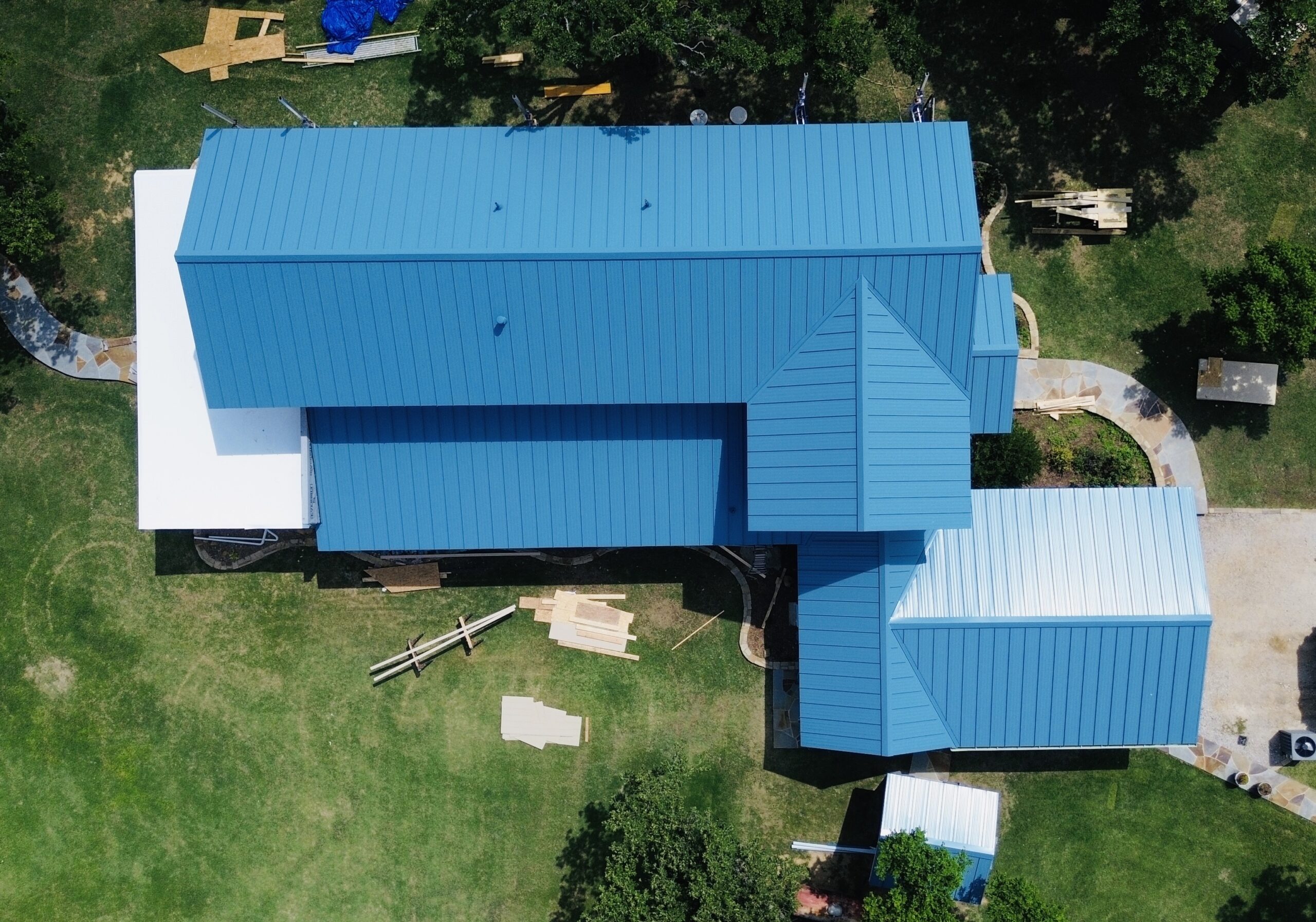
Manufacturer Warranties Versus Workmanship Warranties
One of the most important aspects of understanding roof warranty coverage is recognizing the difference between manufacturer warranties and workmanship warranties. Although both provide valuable protection, they cover different parts of the roofing system and apply under different circumstances.
Manufacturer warranties primarily protect against defects in the roofing materials themselves. These warranties are offered by the company that produces the shingles, metal panels, tiles, underlayment, or other roofing components. If a roofing product fails because of a manufacturing defect during the warranty period, the manufacturer may provide replacement materials or other remedies according to the warranty terms.
Workmanship warranties, on the other hand, are provided by the roofing contractor who installs the roof or performs the repair. These warranties cover problems that result from improper installation rather than defective materials. If flashing is installed incorrectly, shingles are improperly fastened, or installation errors lead to leaks, the workmanship warranty may cover the necessary corrective work.
These two warranties often work together but should not be confused with one another. A roofing problem caused by defective materials may fall under the manufacturer’s responsibility, while an identical leak caused by incorrect installation may instead be covered under the contractor’s workmanship warranty.
Coverage periods also vary. Manufacturer warranties often remain in effect for many years depending on the roofing product, while workmanship warranties may differ significantly from one contractor to another. Some contractors provide limited coverage for a few years, while others offer much longer workmanship guarantees.
Understanding which warranty applies to a particular repair helps homeowners contact the appropriate party, follow the correct claim procedures, and avoid unnecessary repair expenses.
Repairs That Are Commonly Covered Under Roof Warranties
Roof warranties typically cover specific types of repairs related to qualifying material defects or installation issues. While exact coverage depends on the warranty agreement, understanding the most common covered repairs helps homeowners know when warranty protection may apply.
Material-related repairs often involve roofing products that fail because of manufacturing defects. Examples may include shingles that deteriorate prematurely under normal conditions, roofing components that do not perform according to manufacturer specifications, or other qualifying product failures described in the warranty documentation.
Workmanship warranties frequently cover repairs involving installation errors. If improperly installed flashing allows water intrusion or incorrect fastening methods cause roofing materials to loosen under normal weather conditions, the contractor may be responsible for correcting those problems during the warranty period.
Some enhanced roofing system warranties provide broader repair coverage when all major roofing components are installed as part of an approved system. These warranties may include protection for underlayment, starter strips, ridge components, ventilation products, flashing accessories, and other integrated roofing materials.
Certain warranties also include labor coverage for qualifying repairs. Depending on the agreement, homeowners may receive assistance not only with replacement materials but also with labor required to correct covered defects. This additional protection varies considerably between warranty programs.
Homeowners should remember that warranty coverage generally applies only to problems specifically identified within the warranty terms. Damage caused by storms, falling trees, improper maintenance, accidental impacts, or unauthorized alterations usually requires separate consideration through insurance or homeowner-funded repairs rather than warranty protection.
Reviewing warranty documents carefully helps determine whether a specific repair qualifies before arranging corrective work.
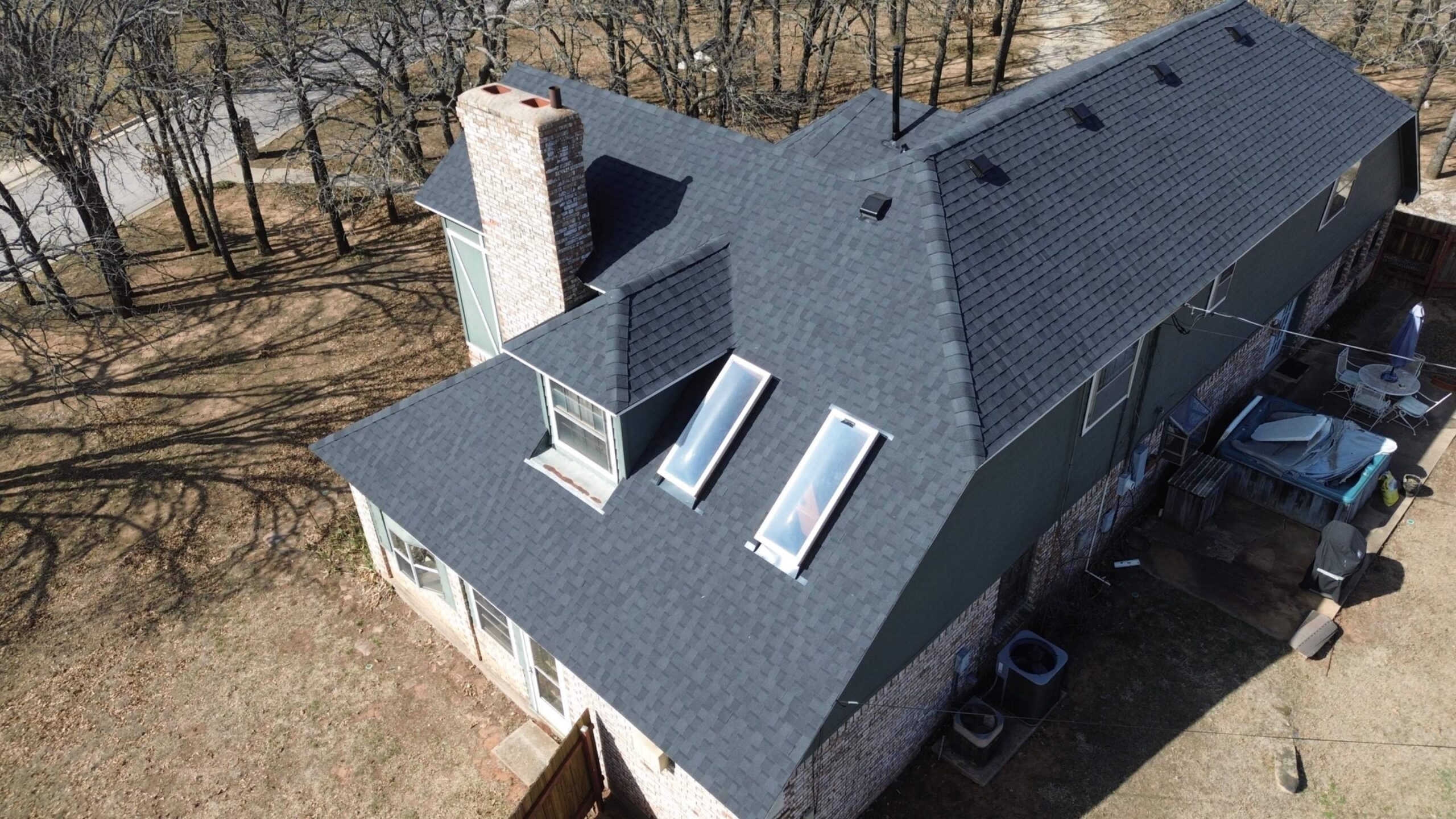
Situations That May Void Roof Warranty Coverage
Roof warranties provide valuable protection, but they also include conditions that homeowners must follow to maintain eligibility. Certain actions or circumstances may reduce or void warranty coverage, making it essential to understand these requirements before repairs become necessary.
Improper installation is one of the most common reasons warranty protection may be affected. If roofing materials are not installed according to manufacturer instructions, later problems related to incorrect installation may fall outside warranty coverage. This is one reason many homeowners choose qualified roofing professionals familiar with approved installation methods.
Unauthorized repairs may also create warranty concerns. Some warranties require homeowners to notify the manufacturer or contractor before arranging repairs involving covered components. Performing independent repairs without following required procedures could affect future warranty claims depending on the warranty terms.
Using incompatible roofing materials represents another potential issue. Installing products not approved for use with the existing roofing system may reduce waterproof performance while affecting warranty eligibility. Roofing systems are designed to function as complete assemblies, making compatibility important for both performance and coverage.
Neglected maintenance frequently appears among warranty exclusions as well. Failing to clean gutters, remove debris, repair obvious damage, or arrange reasonable inspections may allow preventable deterioration to develop. Damage resulting from prolonged neglect is commonly excluded from warranty protection.
Structural modifications sometimes influence coverage. Adding rooftop equipment, changing roof structures, or making alterations without considering warranty requirements may affect protection depending on the specific warranty agreement.
Natural disasters and accidental damage also deserve attention. Most roof warranties cover product or installation defects rather than damage caused by storms, fire, earthquakes, or similar external events. These situations are often addressed through homeowners insurance rather than manufacturer or workmanship warranties.
Understanding these situations helps homeowners preserve warranty protection while avoiding actions that could unintentionally affect future coverage.
Table: Common Roof Warranty Types and What They Cover
The following table provides a general comparison of common roof warranty types and the protection they typically provide.
| Warranty Type | Primary Coverage | Typical Responsibility |
|---|---|---|
| Manufacturer warranty | Defects in roofing materials | Roofing material manufacturer |
| Workmanship warranty | Installation errors and workmanship defects | Roofing contractor |
| System warranty | Approved roofing system components working together | Manufacturer, subject to warranty terms |
| Extended warranty | Expanded coverage period or broader protection | Manufacturer or authorized contractor, depending on the program |
| Limited warranty | Specific protections with defined exclusions and conditions | Varies according to warranty agreement |
Although these categories provide general guidance, homeowners should always review their own warranty documentation because coverage details differ among manufacturers, contractors, and roofing products.
How Roof Age Affects Warranty Protection
Roof age naturally influences warranty coverage because roofing systems change over time and many warranties adjust their level of protection throughout the coverage period. Understanding how age affects warranty benefits helps homeowners plan maintenance and repairs more effectively.
Newly installed roofs generally receive the strongest warranty protection because both roofing materials and workmanship remain relatively recent. During the early years, qualifying defects are often easier to identify, and roofing components continue performing under normal expected conditions.
As the roof ages, normal weathering becomes increasingly important. Sunlight, rain, wind, temperature fluctuations, and environmental exposure gradually affect roofing materials. Many warranties distinguish between normal aging and actual manufacturing defects, making professional inspections valuable when evaluating older roofs.
Some warranties also reduce coverage over time according to their written terms. While exact provisions vary, certain warranty programs may provide different remedies depending on how long the roofing system has been installed. Reviewing these details helps homeowners understand how protection changes during the roof’s lifespan.
Maintenance becomes even more important as the roof grows older. Routine inspections, prompt repairs, and proper documentation demonstrate responsible ownership while reducing the likelihood that preventable deterioration will complicate future warranty discussions.
Roof modifications completed years after installation should also be approached carefully. Adding solar panels, satellite equipment, skylights, or other rooftop installations may affect certain warranty conditions if installation procedures do not follow manufacturer recommendations.
Understanding the relationship between roof age and warranty coverage allows homeowners to manage maintenance proactively while preserving available protection for as long as possible.
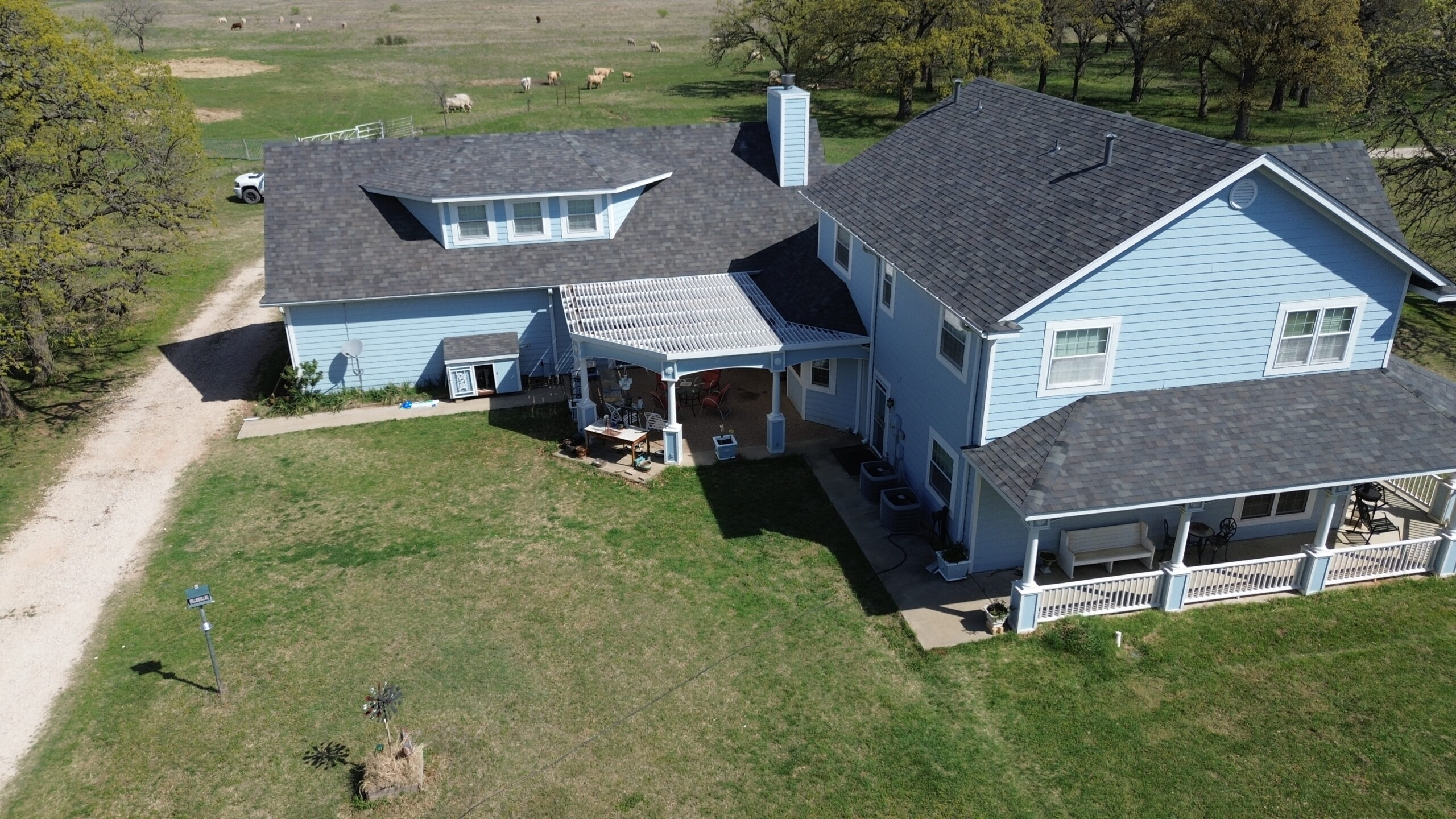
The Importance of Professional Repairs for Warranty Compliance
Professional roof repairs often play a significant role in maintaining warranty compliance because many roofing warranties require repairs to follow approved installation methods and use compatible materials. Choosing qualified contractors helps ensure repairs support rather than compromise existing warranty protection.
Experienced roofing professionals understand manufacturer installation requirements and recommended repair techniques. They know how roofing components work together as a complete system and can select materials that remain compatible with the existing roof. This attention to detail reduces the likelihood of repair methods affecting future warranty eligibility.
Professional contractors also document their work carefully. Inspection reports, photographs, invoices, and repair summaries create valuable records demonstrating that maintenance was performed responsibly. These documents may become important if warranty questions arise later.
Accurate diagnosis provides another important advantage. Roofing professionals identify the true source of leaks or other problems rather than simply repairing visible symptoms. Correct diagnosis prevents repeated repairs while ensuring covered defects receive appropriate attention.
Contractors familiar with warranty procedures may also assist homeowners when qualifying repairs involve manufacturer or workmanship coverage. They understand documentation requirements, inspection procedures, and communication processes that support efficient warranty claims.
Quality workmanship further protects long-term roof performance. Proper flashing installation, secure fastening, waterproof sealing, and thorough inspections help ensure repairs remain durable while preserving both roof integrity and warranty compliance.
Selecting experienced professionals therefore provides value beyond repair quality alone by helping homeowners maintain the warranty protection already associated with their roofing investment.
How to File a Roof Warranty Claim Successfully
Submitting a roof warranty claim requires preparation, organization, and careful attention to the procedures outlined in the warranty documentation. Following the correct process improves the likelihood of an efficient evaluation while reducing unnecessary delays.
The first step is reviewing the warranty documents carefully. Homeowners should confirm that the roofing problem appears to fall within the stated coverage and identify any specific claim requirements or deadlines described in the agreement.
Next, the issue should be documented thoroughly. Photographs of the damaged area, written descriptions of the problem, inspection reports, and maintenance records help establish the roof’s condition while supporting the warranty request. Detailed documentation provides valuable information during the evaluation process.
Installation records should also be gathered. Original contracts, invoices, product information, warranty registration documents, and repair history help verify that the roofing system qualifies under the warranty terms. Having these records available often simplifies claim processing.
If the warranty requires notification before repairs begin, homeowners should contact the appropriate manufacturer or contractor as soon as possible. Beginning major repairs without following required notification procedures may affect certain warranty rights depending on the agreement.
Professional inspections may also be requested during the claims process. Manufacturers or contractors sometimes evaluate the roof directly to determine whether the problem resulted from qualifying material defects, installation issues, normal aging, or external damage.
Throughout the process, homeowners should maintain copies of all correspondence, inspection reports, repair recommendations, invoices, and photographs. Organized documentation supports future communication while providing a complete record of the claim.
Understanding the proper claim process helps homeowners protect their warranty rights while ensuring roofing concerns receive careful evaluation according to the warranty agreement.
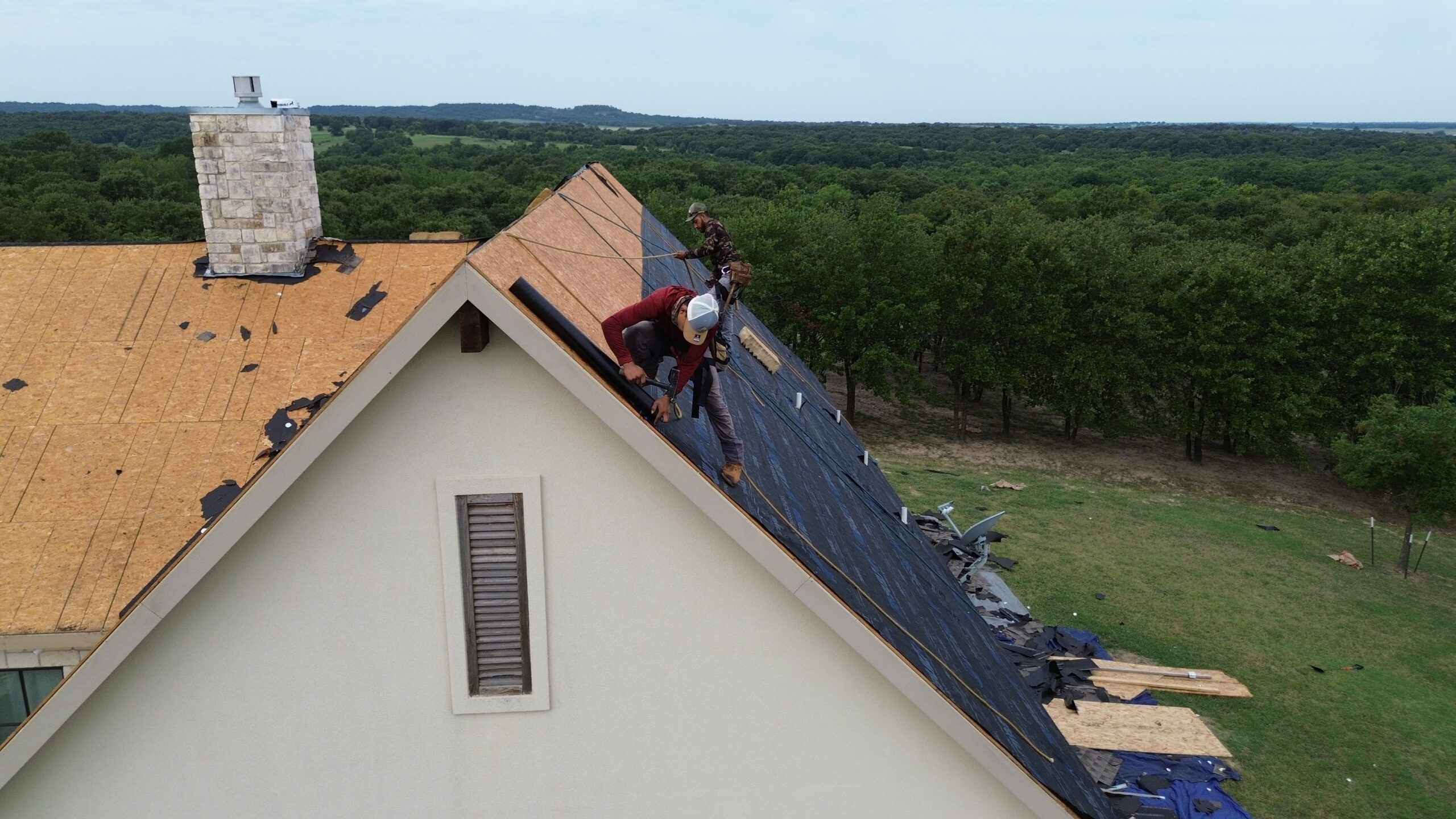
Common Roof Warranty Mistakes Homeowners Should Avoid
Many homeowners purchase a new roof with warranty protection but unintentionally reduce or lose that protection because they misunderstand how roof warranties work. Avoiding these common mistakes helps preserve coverage while preventing unnecessary repair expenses in the future.
One of the most common mistakes is assuming the warranty covers every type of roof damage. Roof warranties generally protect against specific material defects or workmanship issues, not every problem that may occur during the roof’s lifespan. Damage caused by storms, fallen trees, poor maintenance, accidental impacts, or natural aging is often handled differently depending on the warranty terms or insurance policy.
Another frequent mistake is failing to read the warranty documents after installation. Many homeowners store warranty paperwork without reviewing important details such as exclusions, maintenance requirements, claim procedures, and coverage limitations. Understanding these requirements early helps avoid confusion if repairs become necessary later.
Ignoring regular roof maintenance is another error that can create warranty complications. Manufacturers and contractors often expect homeowners to perform reasonable maintenance throughout the warranty period. Neglecting gutters, allowing debris to accumulate, or postponing obvious repairs may contribute to damage that falls outside warranty protection.
Hiring contractors who are unfamiliar with the roofing system can also create problems. Repairs completed with incompatible materials or improper installation methods may affect warranty eligibility depending on the warranty conditions. Choosing experienced roofing professionals helps maintain both roof performance and warranty compliance.
Finally, poor record keeping often complicates warranty claims. Missing invoices, inspection reports, photographs, or warranty registration documents may delay the evaluation process or make it more difficult to verify coverage.
Understanding these common mistakes allows homeowners to preserve valuable warranty protection while reducing future financial risks.
Insurance Versus Roof Warranty Coverage
Although insurance and roof warranties both provide financial protection, they serve very different purposes. Understanding the distinction helps homeowners know where to seek assistance when roof repairs become necessary.
A roof warranty generally focuses on problems involving roofing materials or installation workmanship. If qualifying defects develop because of manufacturing issues or installation errors, warranty coverage may help with repairs or replacement according to the written agreement. The warranty applies only under specific conditions and does not replace routine maintenance responsibilities.
Homeowners insurance, by contrast, typically addresses sudden and unexpected damage caused by covered events. Severe storms, hail, strong winds, fallen trees, fire, or other accidental incidents may qualify for insurance coverage depending on the policy terms. Insurance is designed to help restore damage caused by unexpected events rather than defects in roofing products or workmanship.
These two forms of protection often complement one another. For example, a roof leak resulting from defective flashing installation may fall under a workmanship warranty, while damage caused by a windstorm may be addressed through insurance if covered by the policy. Determining the true cause of the problem is therefore an important first step.
Professional inspections frequently help distinguish between warranty-related concerns and insurance claims. Contractors evaluate whether the damage resulted from installation issues, manufacturing defects, normal aging, or external events before recommending the appropriate course of action.
Homeowners should also maintain organized records for both warranty and insurance purposes. Inspection reports, repair invoices, photographs, and maintenance documentation support both warranty discussions and insurance claims when necessary.
Understanding how warranties and insurance work together allows homeowners to respond more effectively when roofing problems occur.
Long Term Benefits of Understanding Your Roof Warranty
Learning how a roof warranty works provides benefits that extend well beyond the initial installation or repair project. Homeowners who understand their warranty are generally better prepared to maintain their roofing system, plan repairs, and protect their financial investment over the long term.
One of the greatest benefits is improved decision making. When homeowners know what their warranty covers, they can respond appropriately if roofing problems develop. Instead of immediately paying for repairs, they can first determine whether warranty protection may apply.
Understanding warranty requirements also encourages better maintenance habits. Many warranties require homeowners to perform reasonable inspections, maintain proper drainage, and address minor repairs promptly. Following these recommendations not only preserves warranty eligibility but also extends the overall lifespan of the roof.
Financial planning becomes easier as well. Knowing which repairs may qualify under warranty allows homeowners to budget more accurately for routine maintenance while avoiding unexpected costs whenever possible. This creates greater confidence when planning long-term home maintenance expenses.
Warranty knowledge also supports better contractor selection. Homeowners who understand warranty requirements are more likely to hire qualified professionals familiar with approved repair methods and compatible roofing materials. Proper workmanship reduces future maintenance needs while preserving warranty protection.
Another important benefit involves property value. Homes with documented maintenance histories and active transferable warranties may provide additional confidence to prospective buyers. Organized records demonstrate responsible ownership and may simplify future property transactions.
Taking time to understand warranty coverage therefore contributes to stronger roof performance, better financial planning, and greater peace of mind throughout the roof’s service life.
Building a Roof Maintenance Plan That Protects Warranty Coverage
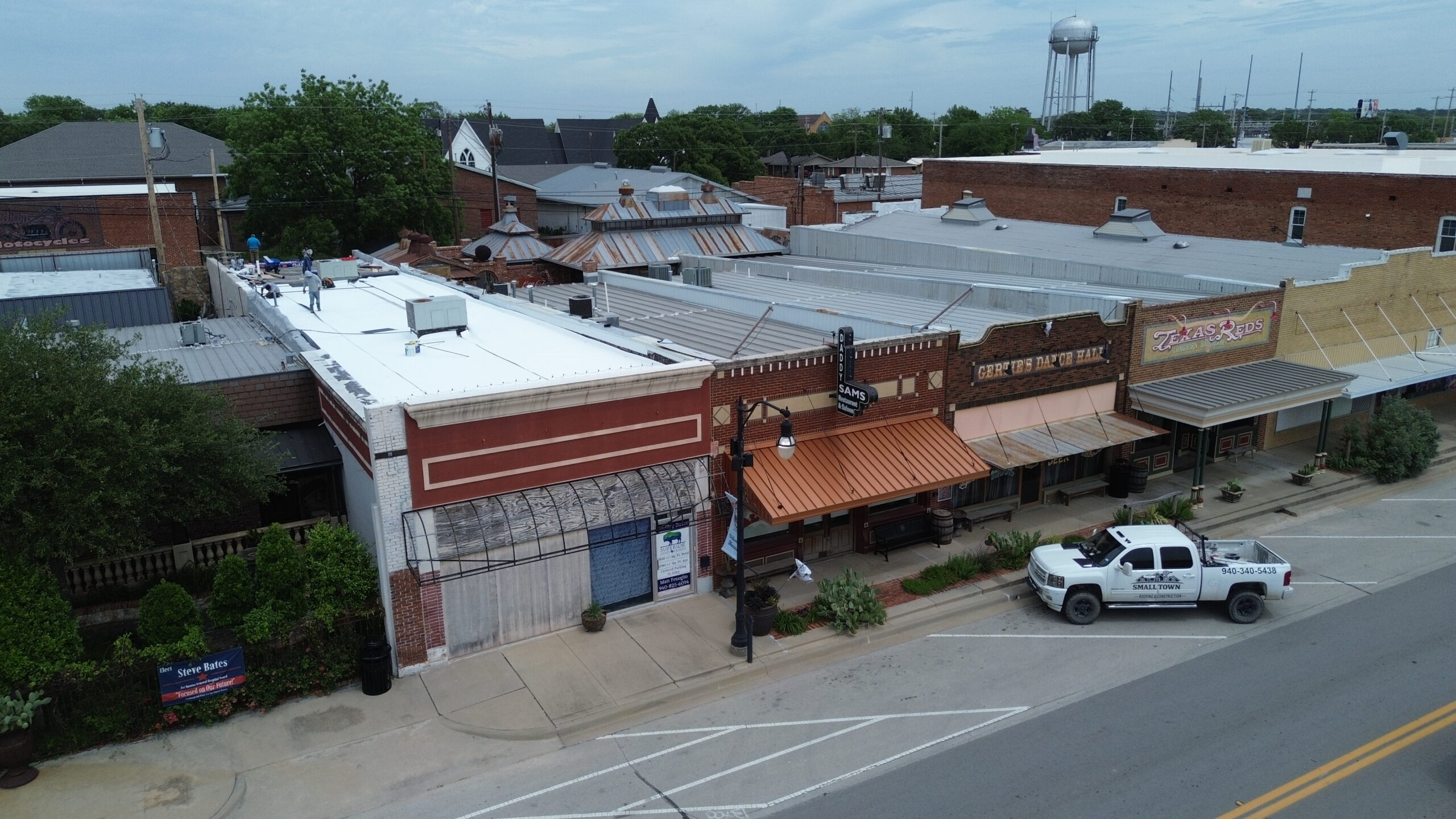
Maintaining warranty protection requires more than storing warranty documents in a safe place. Homeowners should develop a structured maintenance plan that keeps the roof in good condition while satisfying any maintenance responsibilities described in the warranty agreement.
The first step is scheduling regular professional inspections. Annual inspections, along with additional evaluations after severe storms, allow contractors to identify developing issues before they become significant problems. Inspection reports also create valuable documentation supporting future warranty discussions.
Routine homeowner observations should complement professional inspections. Checking gutters, looking for missing shingles, watching for ceiling stains, and monitoring attic conditions help identify potential roofing concerns between scheduled maintenance visits.
Cleaning gutters and roof valleys is another important part of the maintenance plan. Proper drainage prevents standing water from affecting roofing materials while reducing the likelihood of moisture intrusion that could accelerate deterioration.
Prompt repairs also help preserve warranty protection. Addressing damaged flashing, loose shingles, or deteriorated sealants quickly prevents small issues from spreading into larger structural problems that may complicate future warranty claims.
Maintaining organized records strengthens the maintenance plan as well. Warranty documents, inspection reports, invoices, contractor recommendations, repair photographs, and maintenance schedules provide a complete history of roof care throughout the warranty period.
Reviewing the warranty periodically is equally valuable because homeowners remain familiar with coverage requirements, exclusions, and claim procedures. Keeping these details in mind makes future maintenance decisions more informed and more effective.
A structured maintenance plan protects both the roof itself and the warranty associated with it, creating long-term value for homeowners.
Practical Tips for Maintaining Warranty Eligibility
Following consistent maintenance practices helps preserve warranty protection throughout the life of the roof.
- Read the complete warranty document soon after installation and keep it in a secure location.
- Register the warranty if registration is required by the manufacturer or contractor.
- Schedule professional roof inspections at least once a year and after severe weather events.
- Repair damaged shingles, flashing, or sealants promptly before additional deterioration develops.
- Keep gutters, downspouts, and roof valleys clean to maintain proper drainage.
- Use qualified roofing professionals and compatible materials for all repairs.
- Maintain organized records of inspections, repairs, warranties, invoices, and photographs.
- Follow all maintenance recommendations described in the warranty agreement.
These simple practices help homeowners protect their warranty while improving the long-term performance of the roofing system.
Steps to Protect Your Roof Warranty Throughout Its Lifespan
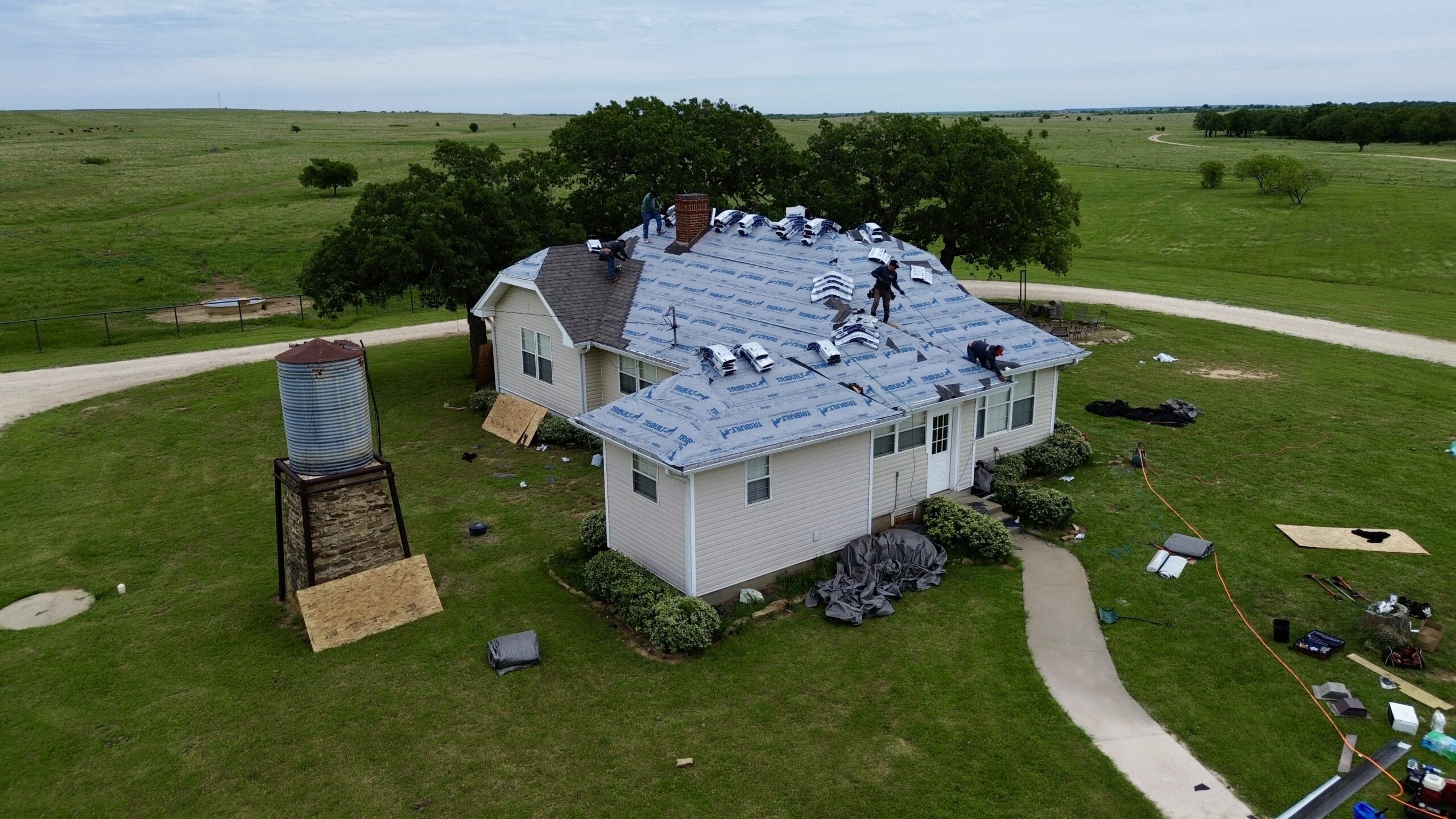
A proactive approach helps ensure warranty coverage remains available when needed.
- Read and understand every section of the roof warranty immediately after installation.
- Complete any required warranty registration within the specified timeframe.
- Keep copies of installation contracts, invoices, warranty documents, and product information.
- Arrange regular professional roof inspections and retain all inspection reports.
- Perform routine maintenance such as cleaning gutters and removing roof debris throughout the year.
- Address minor roofing problems immediately using approved materials and qualified contractors.
- Document all maintenance and repairs with photographs, invoices, and written records.
- Review warranty requirements periodically and follow the proper claim procedures whenever covered issues develop.
Following these steps helps homeowners preserve warranty eligibility while supporting long-term roof performance.
Conclusion
Roof warranties provide valuable financial protection, but they are most effective when homeowners fully understand how they work and what responsibilities accompany them. Whether the warranty covers roofing materials, installation workmanship, or an entire roofing system, understanding the terms before repairs become necessary helps homeowners make informed maintenance decisions while avoiding unnecessary expenses. A warranty should be viewed as an important part of a long-term roof care strategy rather than a replacement for routine maintenance.
Different warranties provide different levels of protection, making it essential to distinguish between manufacturer warranties, workmanship warranties, system warranties, and extended coverage options. Knowing which warranty applies to a particular roofing issue helps homeowners contact the appropriate party, follow the correct claim procedures, and protect their rights throughout the repair process.
Proper maintenance also plays a critical role in preserving warranty eligibility. Regular inspections, prompt repairs, clean drainage systems, organized documentation, and qualified roofing professionals all contribute to maintaining both roof performance and warranty protection. Neglecting maintenance, using incompatible materials, or performing unauthorized repairs may reduce or void valuable coverage that could otherwise help with qualifying repairs.
Understanding the relationship between roof warranties and homeowners insurance further strengthens financial preparedness. While warranties generally address material defects and workmanship concerns, insurance typically responds to sudden damage caused by covered events such as storms or falling trees. Together, these forms of protection provide a more complete approach to managing roofing risks throughout the roof’s lifespan.
Ultimately, homeowners who take time to understand their roof warranty place themselves in a stronger position to protect one of their home’s most valuable assets. By reading warranty documents carefully, following maintenance requirements, keeping accurate records, and working with experienced roofing professionals, homeowners can maximize warranty benefits, reduce long-term repair costs, extend the life of their roofing system, and enjoy greater confidence that their investment will continue providing dependable protection for many years to come.