How Roof Age Affects Repair Frequency and Severity
Introduction
Every roof is designed to provide reliable protection for many years, but no roofing system lasts forever. Continuous exposure to sunlight, rain, wind, snow, changing temperatures, and environmental pollutants gradually affects roofing materials regardless of their original quality. As a roof ages, its ability to withstand these conditions slowly declines, leading to more frequent repairs and an increased likelihood of severe damage. Understanding how roof age influences maintenance needs helps homeowners make informed decisions that protect both their property and their long-term finances.
Many homeowners focus on visible roof damage without considering the overall age of the roofing system. While replacing a few damaged shingles may solve an immediate problem, an older roof may have multiple aging components approaching the end of their service life. Flashing, underlayment, sealants, fasteners, and ventilation systems all deteriorate over time, even if the roof appears relatively sound from the ground.
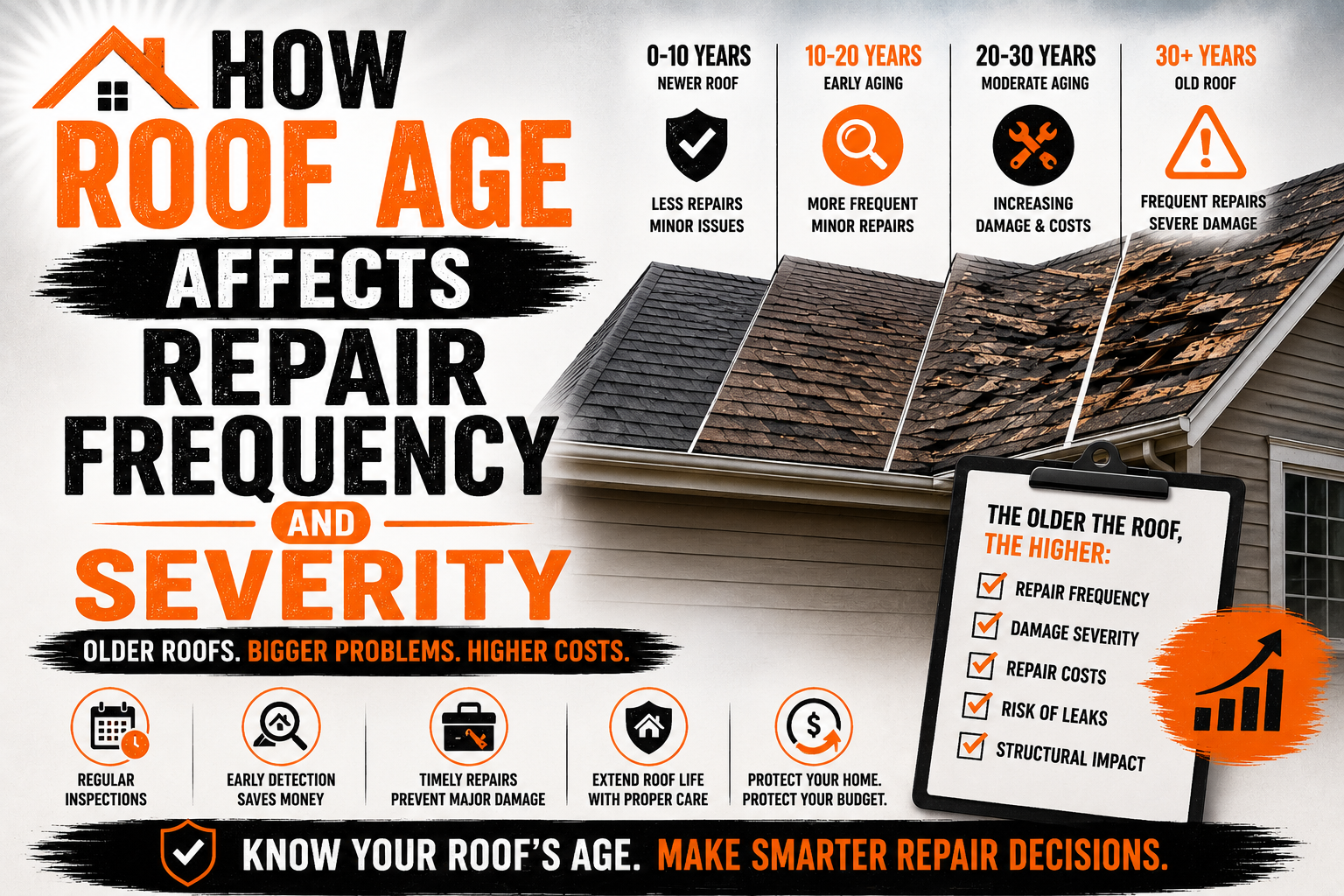
The relationship between roof age and repair frequency is gradual rather than sudden. Newer roofs typically require only routine inspections and minor maintenance. As materials continue aging, repairs become more common because years of weather exposure weaken protective layers and increase the likelihood of leaks. Eventually, older roofs may experience recurring problems that require more extensive restoration efforts.
Repair severity also changes with age. Minor damage on a newer roof often remains localized because surrounding materials remain in good condition. On an older roof, however, the same issue may spread more quickly as aging materials lose flexibility, waterproofing ability, and structural strength. As a result, repair projects frequently become larger, more complex, and more expensive.
Recognizing how roof age affects maintenance requirements allows homeowners to develop realistic inspection schedules, prepare financially for future repairs, and determine when ongoing maintenance remains practical compared with larger restoration projects. A proactive approach helps maximize the lifespan of the roof while minimizing long-term ownership costs.
This guide explains how aging affects roof performance, why repair frequency increases over time, and the maintenance strategies homeowners can use to preserve older roofing systems as effectively as possible.
Understanding How Roof Age Influences Performance
Roof performance naturally changes throughout the lifespan of the roofing system. While new roofs provide strong weather resistance and dependable waterproof protection, gradual aging affects every roofing component, reducing its ability to perform under changing environmental conditions.
The aging process begins immediately after installation because roofing materials are continuously exposed to natural weathering. Sunlight gradually breaks down protective coatings, rain introduces repeated moisture exposure, wind places stress on fasteners and flashing, and temperature fluctuations cause materials to expand and contract throughout the year. These effects accumulate slowly but steadily over time.
During the early years of a roof’s lifespan, maintenance needs generally remain limited because most materials retain their original strength and flexibility. Minor repairs usually involve isolated storm damage or routine maintenance rather than widespread deterioration.
As the roof reaches middle age, signs of wear become more noticeable. Shingles may begin losing protective granules, flashing sealants become less effective, and repeated weather exposure gradually weakens waterproof barriers. Although the roof continues functioning well, inspections often identify maintenance needs more frequently than during its early years.
Older roofs experience greater performance changes because multiple components age simultaneously. Roofing materials become increasingly brittle, flashing may loosen, underlayment begins deteriorating, and sealants lose elasticity. These combined effects increase both repair frequency and the likelihood that relatively small problems will develop into more extensive damage.
Performance also varies according to roofing material, installation quality, maintenance history, and local climate. Roofs that receive regular inspections and timely repairs generally maintain better overall performance throughout their lifespan than systems neglected for many years.
Understanding how roof performance evolves with age allows homeowners to anticipate maintenance needs rather than waiting until significant problems appear.
Why Roofs Become More Vulnerable as They Age
Roofs become increasingly vulnerable over time because every component experiences gradual wear from continuous environmental exposure. Although roofing materials are designed for durability, years of weather gradually reduce their ability to resist moisture, temperature changes, and physical stress.
Ultraviolet radiation is one of the primary causes of roofing deterioration. Continuous exposure to sunlight gradually breaks down protective coatings and accelerates material aging. Asphalt shingles slowly lose flexibility, sealants become brittle, and many roofing materials become more susceptible to cracking as ultraviolet exposure accumulates over the years.
Temperature fluctuations also contribute significantly to roof aging. Roofing materials expand during warm weather and contract when temperatures fall. These repeated expansion and contraction cycles gradually weaken joints, fasteners, flashing connections, and sealants. As materials lose flexibility, they become more likely to crack or separate during future weather events.
Moisture creates another long-term challenge. Rain, humidity, snow, and condensation expose roofing materials to repeated wetting and drying cycles. Over time, water contributes to corrosion of metal components, deterioration of wood-based materials, and gradual weakening of waterproof barriers beneath the visible roof surface.
Wind adds another source of stress throughout the roof’s lifespan. Even moderate winds repeatedly lift and press roofing materials against the underlying structure. Although individual weather events may not cause immediate damage, years of wind exposure gradually loosen fasteners and weaken adhesive bonds.
Natural aging also affects the supporting components beneath the roofing materials. Underlayment, flashing, ventilation systems, and roof decking all experience gradual deterioration that may remain hidden until inspections reveal developing problems.
As these aging processes continue simultaneously, the roof becomes less capable of resisting future weather conditions. This increasing vulnerability explains why older roofs generally require more frequent inspections and repairs than newer roofing systems.
Common Signs of Aging Roofs
Recognizing the early signs of roof aging helps homeowners arrange maintenance before problems become severe. Many aging-related issues develop gradually, making regular observations and professional inspections essential for preserving roof performance.
Granule loss is one of the most common signs of aging asphalt shingles. Protective granules gradually wear away because of sunlight, rain, and normal weather exposure. Homeowners often notice these granules accumulating inside gutters or downspouts during routine cleaning. Reduced granule coverage leaves shingles more vulnerable to ultraviolet damage and weather-related deterioration.
Curling or cracked shingles also indicate advancing roof age. As shingles lose flexibility, edges may begin lifting or cracking under repeated temperature changes. These openings allow moisture to penetrate beneath the roofing materials, increasing the likelihood of leaks.
Deteriorating flashing deserves careful attention as well. Flashing protects vulnerable roof intersections around chimneys, skylights, vents, and valleys. Aging sealants, corrosion, or loose flashing create potential leak pathways that often become more common as roofs grow older.
Interior warning signs frequently accompany aging roofs. Ceiling stains, damp attic insulation, musty odors, mold growth, or visible daylight entering through roof components may all indicate developing moisture intrusion requiring professional evaluation.
Sagging roof sections represent a more serious indicator of long-term deterioration. Structural movement may suggest moisture damage affecting roof decking or supporting components beneath the roofing materials. Prompt inspection is essential whenever structural changes become visible.
Homeowners should also monitor recurring repairs. If similar roofing problems continue appearing despite previous maintenance, the roof’s overall age may be contributing to increasingly widespread deterioration.
Recognizing these warning signs early allows repairs to remain more manageable while extending the useful life of the roofing system.
How Roof Age Increases Repair Frequency
The frequency of roof repairs naturally increases as roofing materials age because multiple components gradually approach the end of their expected service life. While newer roofs often require only occasional maintenance, older roofing systems generally demand more regular attention to preserve their performance.
New roofs benefit from strong waterproof barriers, flexible materials, and secure fastening systems. Repairs during this stage usually result from isolated storm damage, accidental impacts, or minor manufacturing defects rather than widespread aging. Routine inspections often reveal few significant concerns.
As the roof enters its middle years, repair frequency begins increasing gradually. Flashing sealants may require replacement, individual shingles become more susceptible to weather damage, and drainage components need closer monitoring. Although repairs remain relatively straightforward, they occur more regularly than during the roof’s early life.
Older roofs often experience multiple maintenance needs simultaneously. Aging shingles, deteriorated flashing, weakened underlayment, loose fasteners, and declining sealants combine to create more frequent repair opportunities. Even relatively minor weather events may expose weaknesses that remained unnoticed previously.
Repair frequency also increases because older materials recover less effectively from environmental stress. New shingles typically withstand repeated wind and temperature changes with minimal damage, whereas aging materials become increasingly brittle and vulnerable to cracking or displacement.
Preventive maintenance becomes especially valuable as roofs age. Regular inspections identify developing concerns before they expand into larger structural problems, reducing both repair frequency and long-term maintenance expenses.
Understanding this gradual increase in repair needs helps homeowners prepare financially while establishing maintenance schedules appropriate for the roof’s stage of life.
Factors That Affect How Quickly a Roof Ages
Although every roof experiences gradual aging, several important factors determine how rapidly deterioration occurs. Understanding these influences helps homeowners make maintenance decisions that maximize roof lifespan while reducing repair frequency.
Roofing material is one of the most significant factors. Asphalt shingles, metal roofing, clay tiles, slate, wood shakes, and synthetic products all have different expected service lives and maintenance requirements. More durable materials generally age more slowly, although they may involve higher installation costs.
Climate also plays a major role in determining aging speed. Regions with intense sunlight, frequent storms, high humidity, heavy snowfall, or strong winds place greater demands on roofing materials than areas with milder weather conditions. Continuous environmental stress accelerates natural deterioration.
Installation quality influences roof longevity from the beginning. Properly installed roofing systems maintain waterproof protection more effectively while resisting weather-related damage for longer periods. Poor installation may create weaknesses that accelerate aging throughout the roof’s lifespan.
Routine maintenance significantly affects aging as well. Roofs receiving regular inspections, prompt repairs, gutter cleaning, and preventive care generally remain in better condition than roofs maintained only after major problems appear. Consistent maintenance slows deterioration while extending service life.
Ventilation also contributes to roof longevity. Balanced attic airflow reduces excessive heat and moisture accumulation beneath the roof, preserving both roofing materials and structural components. Poor ventilation accelerates aging by exposing materials to unnecessary thermal stress and humidity.
Tree coverage, airborne pollutants, nearby vegetation, and roof slope further influence aging rates. Homes surrounded by large trees may experience greater debris accumulation and moisture retention, while steep roofs often drain water more effectively than flatter designs.
Considering these factors together helps homeowners understand why roofs of similar age may require very different levels of maintenance.
The Importance of Regular Roof Inspections for Older Roofs
As roofs age, professional inspections become increasingly valuable because they identify developing problems before they progress into expensive structural damage. Inspection frequency should generally increase as roofing materials approach the later stages of their expected lifespan.
Older roofs often develop hidden deterioration that remains invisible during routine observations from the ground. Moisture beneath shingles, deteriorating flashing, weakened underlayment, or early roof decking damage frequently require professional evaluation to identify accurately.
Regular inspections also help distinguish between normal aging and problems requiring immediate repair. Contractors can determine whether observed wear represents expected material aging or whether active leaks, structural concerns, or safety issues require prompt attention.
Seasonal inspections become particularly important for aging roofs. Evaluating roof condition before and after severe weather allows contractors to identify storm damage while ensuring existing weaknesses have not worsened. Timely repairs completed after inspections help preserve remaining roof life.
Inspection records also provide valuable long-term documentation. Reports, photographs, and maintenance recommendations help homeowners monitor changes over time while supporting future repair planning and insurance claims if necessary.
Professional evaluations further assist financial planning by identifying repairs likely to become necessary in the near future. Homeowners can budget gradually for maintenance rather than responding only after emergency situations arise.
Regular inspections therefore become one of the most valuable maintenance tools available for preserving older roofs while minimizing long-term repair costs.
Building a Maintenance Strategy Based on Roof Age
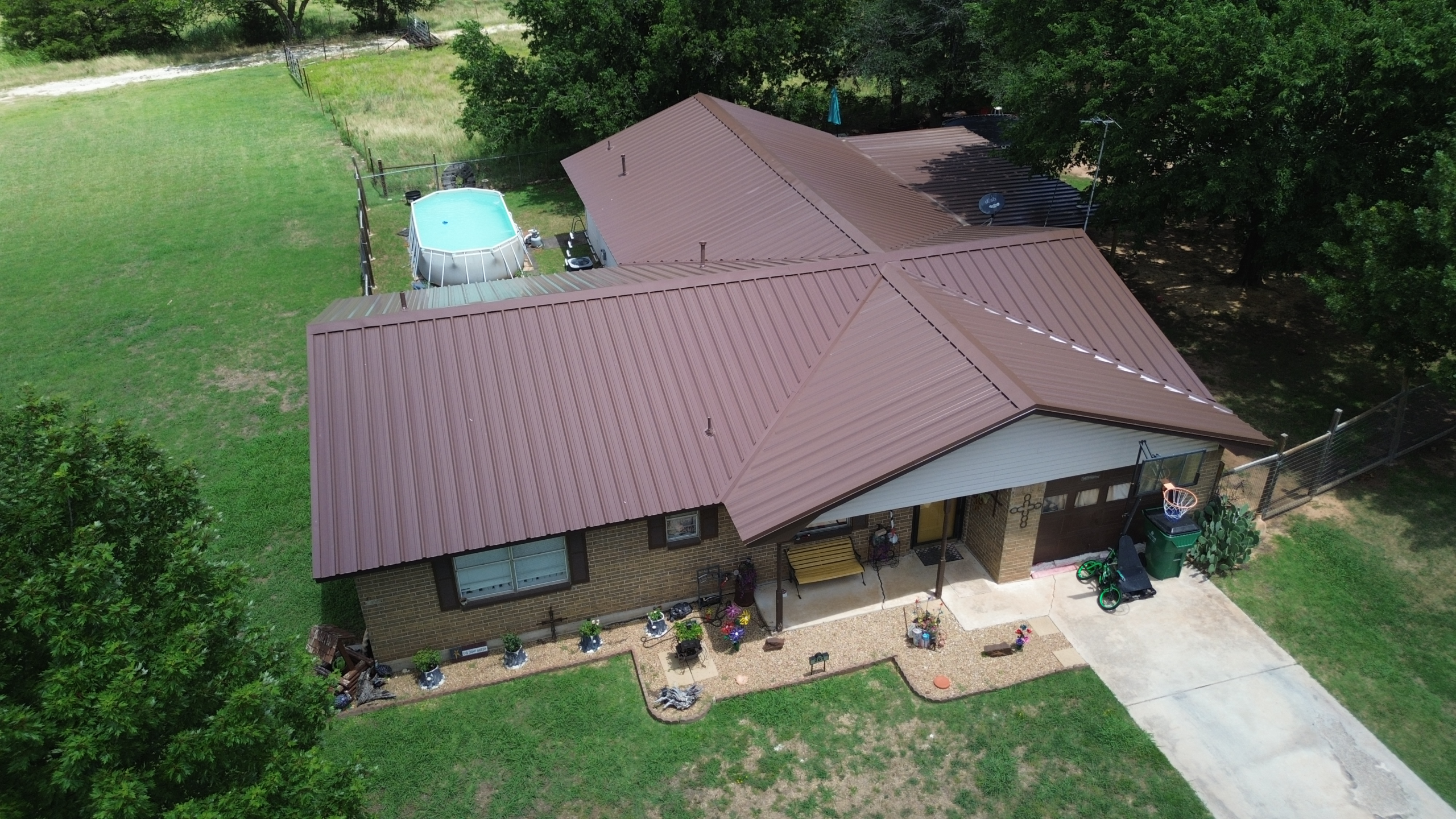
An effective roof maintenance strategy should evolve as the roofing system grows older. Maintenance schedules appropriate for a new roof may no longer provide sufficient protection once aging materials begin requiring more frequent attention.
The foundation of an age-based maintenance strategy is regular inspection. Newer roofs may require annual evaluations, while older systems often benefit from inspections before major seasonal weather changes as well as after severe storms. Increased monitoring allows small defects to be corrected before widespread deterioration occurs.
Routine maintenance activities should also become more consistent over time. Cleaning gutters, removing roof debris, trimming overhanging branches, checking attic conditions, and inspecting flashing help preserve aging roofing materials while reducing unnecessary stress.
Financial planning forms another essential part of the maintenance strategy. Setting aside dedicated savings for future repairs allows homeowners to address developing issues promptly without depending entirely on emergency funding. As the roof ages, maintenance budgets should gradually increase to reflect changing repair needs.
Maintaining organized documentation strengthens long-term planning. Inspection reports, repair invoices, warranty information, contractor recommendations, and photographs create a detailed maintenance history that supports future decision making and property value.
Homeowners should also remain flexible when adjusting maintenance priorities. As inspections reveal changing roof conditions, maintenance strategies should evolve accordingly to address the most important repair needs while extending the roof’s remaining service life.
A maintenance strategy based on roof age transforms roofing care into a proactive process that protects the home, reduces long-term costs, and helps homeowners make informed decisions throughout the lifespan of their roofing system.
Roof Repair Needs During the Early Years
A newly installed roof typically requires very little repair work because the roofing materials, flashing, underlayment, and waterproof barriers are all in excellent condition. During the first several years, maintenance focuses primarily on inspections, cleaning, and addressing isolated problems caused by unexpected weather events rather than age-related deterioration. Although repairs are generally infrequent during this stage, regular maintenance remains important because early attention helps preserve the roof’s long-term performance.
Most repairs during the early years result from external causes rather than natural aging. Strong winds may loosen a few shingles, hail can create isolated impact damage, or falling tree branches may affect a small section of the roof. Because the surrounding materials remain in good condition, these repairs are usually localized and relatively inexpensive.
Routine inspections also provide an opportunity to verify that the roof continues performing as intended. Contractors check flashing around chimneys and vents, inspect gutters and drainage systems, and confirm that sealants remain intact. Small adjustments completed during these inspections help prevent minor concerns from developing into larger maintenance issues.
The structural components beneath the roof also remain strong during the early years. Roof decking, insulation, and framing are generally unaffected by moisture or prolonged weather exposure, allowing contractors to complete repairs without extensive reconstruction. This reduces both labor requirements and material costs.
Another advantage of newer roofs is greater material compatibility. Replacement shingles, flashing, and accessories are typically easy to match because the roof has not experienced significant fading or weather-related changes. Repairs blend more effectively with the surrounding roofing system while maintaining consistent performance.
Although major repairs are uncommon during this period, establishing good maintenance habits early creates a strong foundation for extending the roof’s lifespan and reducing future repair frequency.
Repair Frequency for Mid Life Roofing Systems
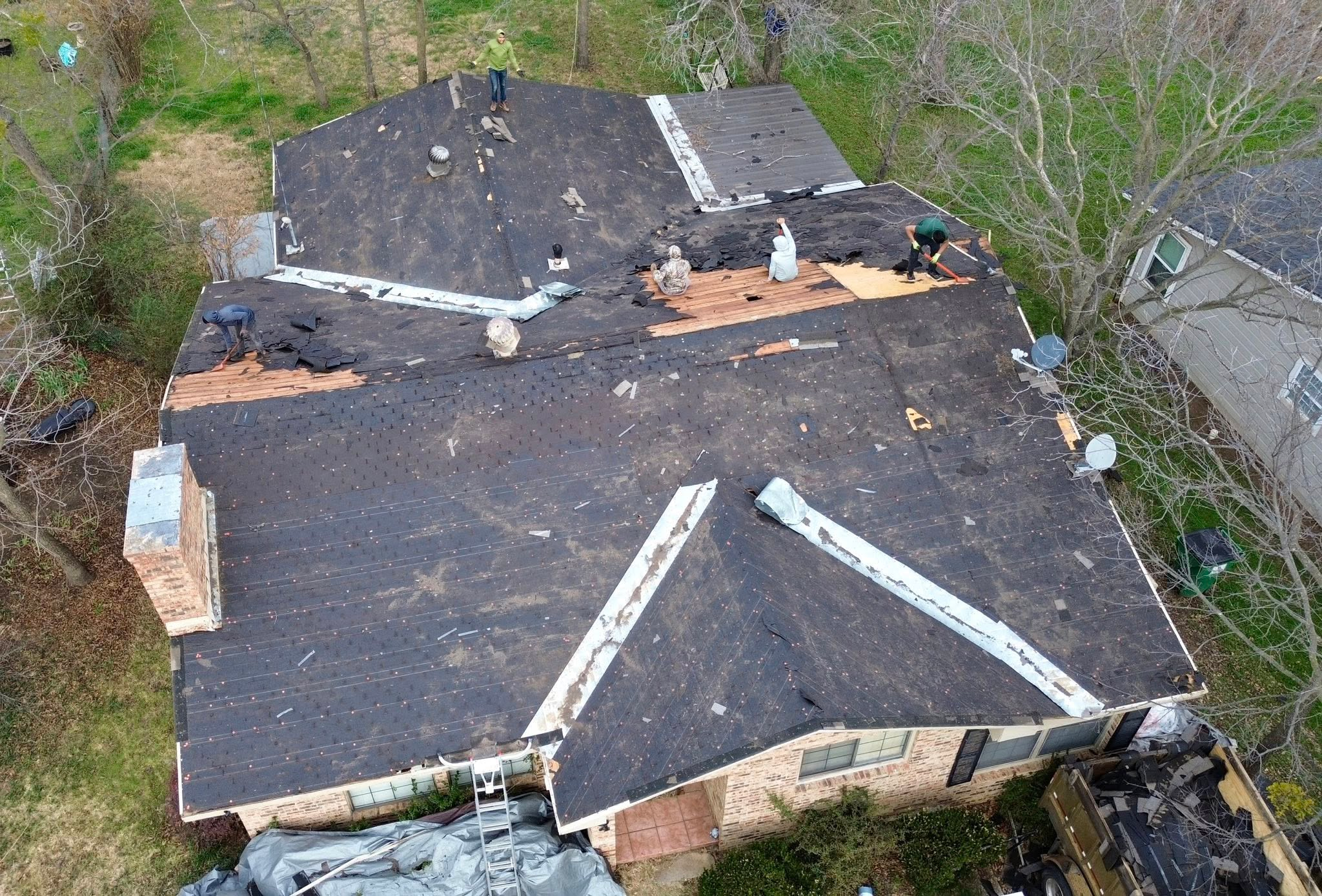
As roofs enter the middle stage of their service life, repair needs gradually become more common. Years of exposure to changing weather conditions begin affecting roofing materials, making routine inspections increasingly valuable for identifying developing issues before they become severe.
During this stage, shingles may begin showing signs of wear such as granule loss, minor cracking, or slight curling. While the roof generally continues providing reliable protection, these changes indicate that the materials are becoming more vulnerable to future weather events. Prompt repairs help preserve the roof’s remaining lifespan while preventing moisture from reaching underlying structural components.
Flashing also receives greater attention during the middle years. Sealants around chimneys, skylights, roof vents, and valleys gradually lose flexibility after years of temperature changes and ultraviolet exposure. Replacing deteriorated sealants or repairing flashing prevents leaks that commonly develop as roofing systems age.
Drainage maintenance becomes increasingly important as well. Gutters and downspouts should remain free of debris to ensure rainwater flows away efficiently. Poor drainage accelerates roof aging by allowing moisture to remain in contact with roofing materials for extended periods.
Professional inspections during this stage often reveal isolated moisture concerns beneath the roofing surface. Addressing these issues promptly usually requires limited repairs rather than extensive structural restoration. Preventive maintenance therefore provides substantial long-term financial benefits.
Although repair frequency increases during the middle years, most problems remain manageable when inspections occur regularly. Homeowners who respond quickly to maintenance recommendations often delay more expensive repairs while extending the useful life of the roofing system.
Common Problems Found in Older Roofs
Older roofs experience more complex maintenance challenges because multiple roofing components age simultaneously. Materials that have provided decades of reliable service gradually lose flexibility, waterproofing capability, and structural strength, increasing both the frequency and severity of repairs.
One of the most common concerns is widespread shingle deterioration. Aging shingles become brittle, crack more easily, lose protective granules, and may curl along their edges. These conditions reduce the roof’s resistance to wind and moisture while increasing the likelihood of recurring leaks.
Flashing problems also become more frequent. Metal flashing may corrode, while sealants deteriorate after years of weather exposure. Loose flashing around roof penetrations creates vulnerable areas where water can enter beneath the roofing materials, often affecting insulation and roof decking.
Roof decking deserves careful attention on older roofs because prolonged moisture exposure may gradually weaken wood components. Contractors frequently inspect decking during repairs to determine whether structural reinforcement or replacement is necessary before installing new roofing materials.
Ventilation issues may also become more noticeable as roofs age. Poor attic airflow allows excessive heat and moisture to accumulate beneath the roof, accelerating material deterioration while reducing insulation effectiveness. Improving ventilation often forms part of comprehensive repair projects involving older roofing systems.
Recurring leaks represent another characteristic of aging roofs. Even when individual repairs are completed successfully, surrounding materials approaching the end of their service life may continue developing new maintenance concerns. This pattern often leads homeowners to evaluate whether continued repairs remain the most practical long-term solution.
Recognizing these common age-related problems allows homeowners to plan maintenance proactively while avoiding unexpected structural damage and escalating repair costs.
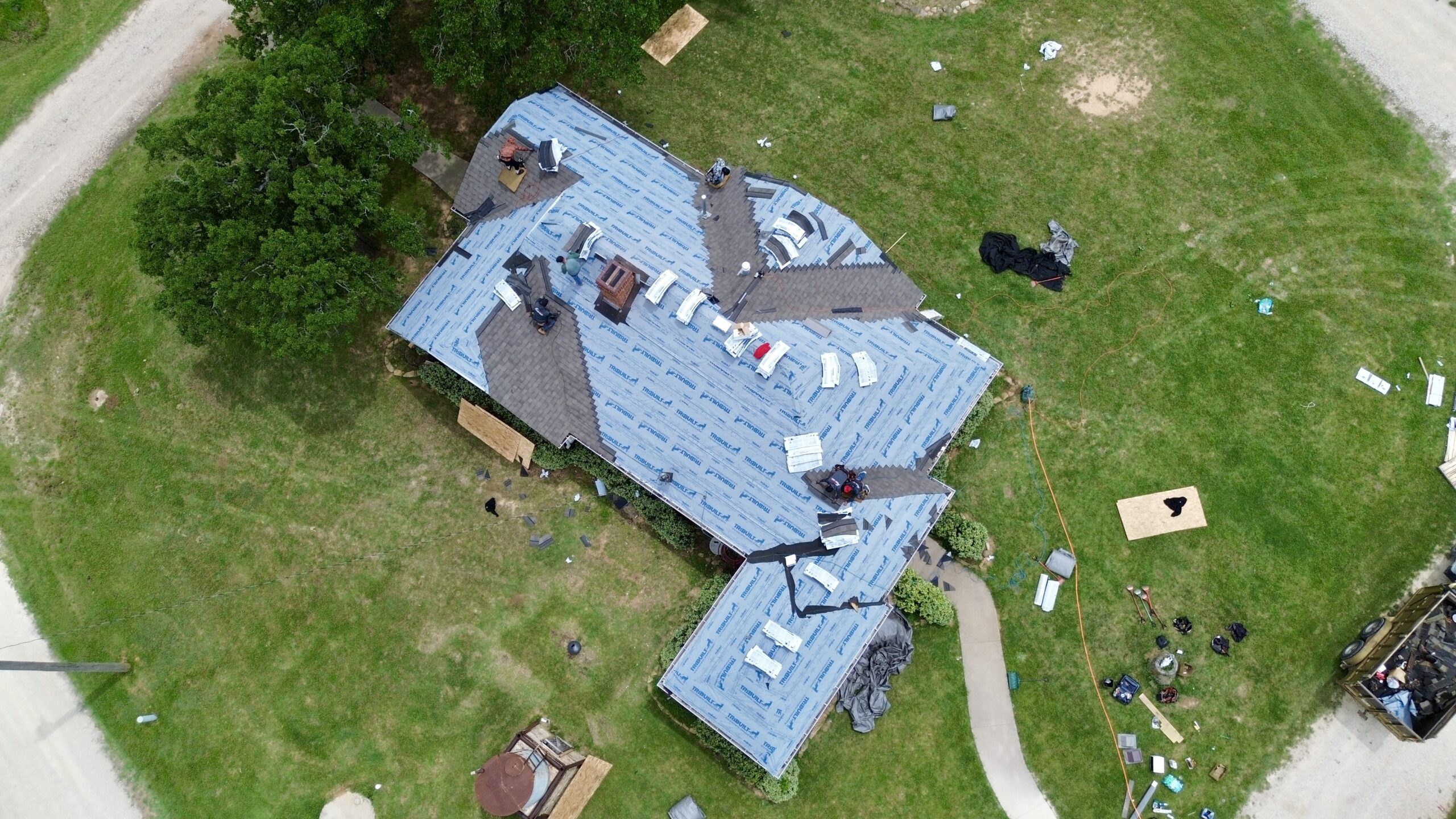
Table: Roof Age Compared With Typical Repair Frequency and Damage Severity
Roof maintenance requirements change steadily as roofing systems age. The following comparison illustrates how repair frequency and damage severity generally increase throughout the lifespan of a roof.
| Roof Age Stage | Typical Roof Condition | Repair Frequency | Damage Severity |
|---|---|---|---|
| Early years | Roofing materials remain in excellent condition with minimal wear | Low | Mostly minor storm damage or routine maintenance |
| Mid life | Visible aging begins, including granule loss, flashing wear, and sealant deterioration | Moderate | Small to moderate repairs with occasional moisture concerns |
| Older roof | Multiple components show signs of aging and weather exposure | High | Moderate to major repairs affecting several roofing layers |
| Near end of service life | Widespread material deterioration and recurring maintenance issues | Very high | Increased likelihood of structural damage and extensive restoration |
This comparison demonstrates that repair needs generally become more frequent and more complex as the roof ages. Regular inspections help slow this progression by identifying developing issues before they become severe.
How Roofing Materials Influence Aging and Repair Costs
The type of roofing material installed on a home significantly influences how quickly the roof ages, how often repairs become necessary, and the overall cost of maintaining the roofing system throughout its lifespan. Although every material eventually experiences wear, each ages differently and requires its own maintenance approach.
Asphalt shingles are among the most common residential roofing materials because they offer a balance between affordability and durability. During their early years, repair needs are usually minimal, but as shingles age, granule loss, cracking, and curling gradually increase maintenance requirements. Individual repairs generally remain cost effective because replacement materials are widely available.
Metal roofing often requires fewer repairs because it resists many forms of weather-related damage. However, aging metal roofs may eventually develop loose fasteners, worn sealants, or localized corrosion depending on environmental conditions. Although repair frequency is generally lower, specialized repair techniques may increase labor costs.
Clay and concrete tiles age more slowly than many other roofing materials, but individual tiles may crack because of impact damage or movement over time. Replacing damaged tiles requires careful handling to prevent disturbing adjacent sections of the roof, making repairs more specialized.
Slate roofing provides exceptional longevity but requires experienced craftsmanship when repairs become necessary. Individual slate replacement demands precision, and matching older slate materials may become increasingly challenging as the roof ages. Although repair frequency remains relatively low, repair costs are often higher because of the expertise involved.
Wood shake roofs require more regular maintenance because natural materials remain vulnerable to moisture, insects, and weathering. Aging wood may split, warp, or deteriorate, requiring periodic replacement of affected sections to maintain waterproof protection.
Synthetic roofing materials combine durability with relatively low maintenance requirements. Their aging characteristics vary according to product type, but many provide consistent performance while requiring fewer repairs than traditional materials.
Selecting roofing materials with long-term maintenance in mind allows homeowners to better anticipate repair frequency and budget more effectively over the life of the roof.
The Financial Impact of Aging Roofs
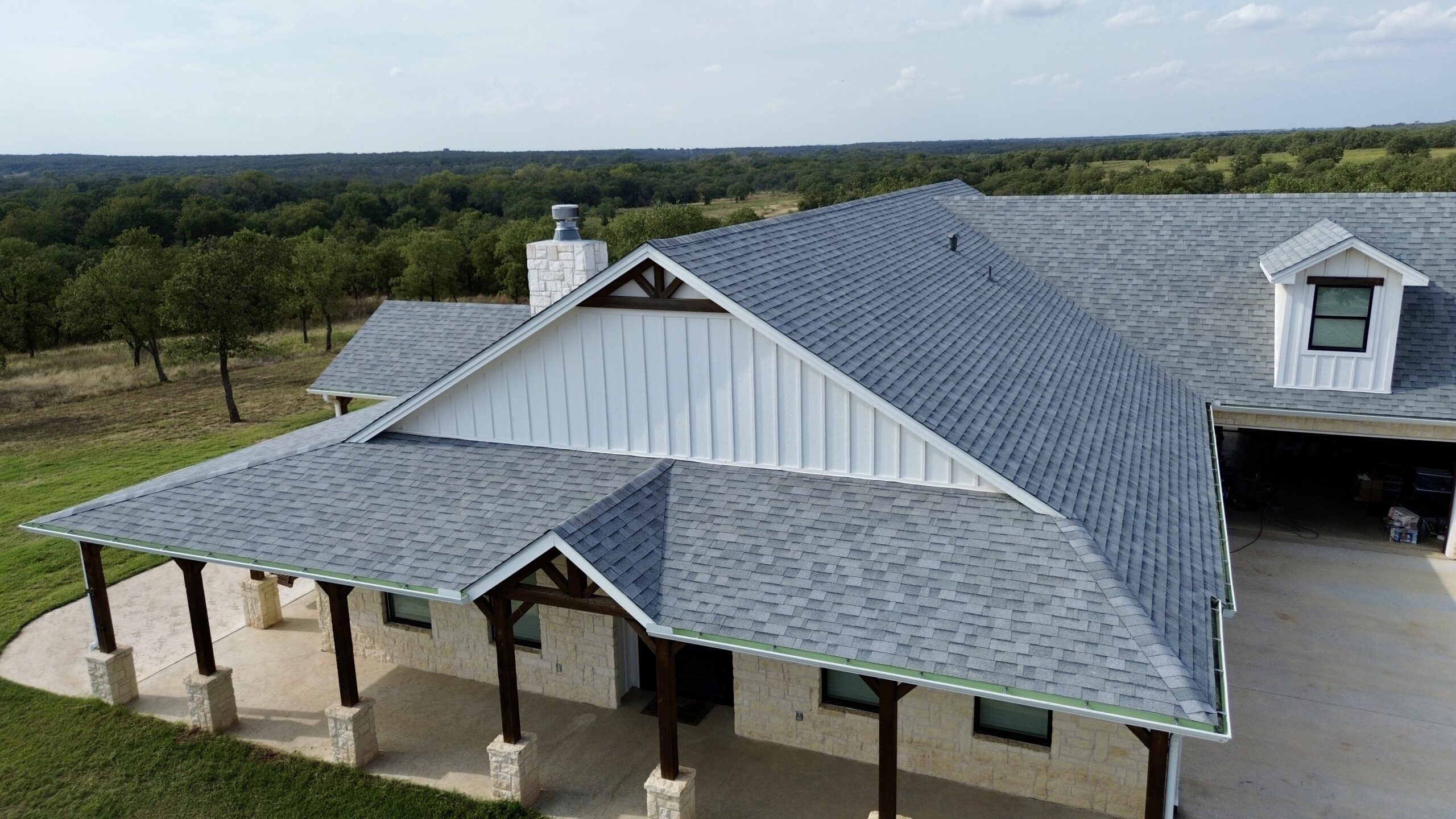
As roofs grow older, maintenance expenses naturally increase because repairs become more frequent and often involve larger sections of the roofing system. Understanding these financial trends helps homeowners prepare for changing maintenance needs while avoiding unexpected repair costs.
Minor repairs remain relatively affordable during the early years because damage is usually isolated and surrounding materials remain structurally sound. Contractors can often replace individual shingles, repair flashing, or reseal roof penetrations without disturbing large portions of the roof.
As the roof ages, repair costs gradually increase because additional components begin requiring attention simultaneously. Flashing, sealants, underlayment, gutters, ventilation systems, and roofing materials may all require maintenance within relatively short periods. Although each repair may remain manageable individually, combined maintenance costs become more substantial.
Older roofs also present a greater likelihood of hidden structural damage. Moisture entering through aging materials may affect roof decking, insulation, and framing before becoming visible inside the home. Structural repairs involve significantly greater labor and material expenses than replacing surface roofing materials alone.
Emergency repairs become more common as well. Aging roofs are generally less capable of withstanding severe weather, increasing the probability of storm-related maintenance following heavy rain, strong winds, or snowfall. Emergency service often involves higher costs because repairs require immediate scheduling.
Budget planning therefore becomes increasingly important throughout the later stages of the roof’s lifespan. Homeowners who anticipate rising maintenance needs can gradually build financial reserves while avoiding unnecessary reliance on emergency financing.
Viewed over the full lifespan of the roofing system, proactive maintenance consistently remains less expensive than allowing aging-related damage to progress unchecked.
When Repairs Become More Cost Effective Than Waiting
As roofs age, homeowners often question whether it is better to repair developing problems immediately or postpone maintenance until larger work becomes necessary. In most situations, timely repairs remain the more cost-effective option because they prevent damage from spreading into additional roofing components.
Early repairs usually involve replacing limited sections of roofing materials while preserving the surrounding system. Contractors can address damaged shingles, flashing, or sealants before moisture reaches the roof decking or structural framing. These targeted repairs generally require fewer materials, less labor, and shorter project timelines.
Waiting often increases repair complexity because aging materials continue deteriorating. Water entering through a small opening gradually weakens underlayment, insulation, decking, and interior finishes. By the time visible leaks appear inside the home, restoration frequently involves multiple building components rather than only the roofing surface.
Prompt repairs also help preserve energy efficiency. Damaged roofing systems allow conditioned indoor air to escape while reducing insulation performance through moisture exposure. Correcting these problems early lowers heating and cooling costs while preventing additional deterioration.
Another financial advantage involves extending roof lifespan. Consistent maintenance delays major restoration work by preserving the performance of existing roofing materials. Even relatively modest repairs completed promptly may postpone larger projects for several years, creating meaningful long-term savings.
There are situations, however, where recurring repairs become increasingly frequent despite consistent maintenance. When inspections reveal widespread aging across multiple roofing components, homeowners may begin evaluating broader restoration options. Until that point, timely repairs generally provide the greatest financial value by protecting the roof and reducing the likelihood of severe structural damage.
When Roof Age Makes Replacement a Better Option Than Repairs
Every roof eventually reaches a point where repairs become less practical than replacing the roofing system. While timely maintenance can extend a roof’s lifespan considerably, continued aging eventually affects enough components that repeated repairs no longer provide the best long-term value. Knowing when this transition occurs helps homeowners make financially responsible decisions while maintaining the safety of their property.
One of the clearest indicators is recurring repair frequency. If the roof requires multiple repairs within a short period, it may suggest that aging materials throughout the system are approaching the end of their useful life. Although each repair may solve an immediate problem, additional issues often develop because neighboring materials have experienced similar levels of wear.
Widespread deterioration is another important consideration. Extensive granule loss, curling shingles, cracked flashing, deteriorated sealants, and moisture-damaged underlayment indicate that the roof’s protective system has weakened beyond isolated repair. Replacing individual components may provide only temporary improvement when the overall roofing system continues aging.
Structural damage also influences the decision. If moisture has affected roof decking, rafters, insulation, or other supporting components, repair projects become increasingly complex and expensive. In these situations, a more comprehensive solution may provide better long-term reliability while reducing future maintenance needs.
The availability of replacement materials should also be considered. Older roofing products may no longer be manufactured, making it difficult to match existing materials during repairs. Differences in appearance, performance, or installation methods may reduce both visual consistency and repair effectiveness.
Homeowners should evaluate long-term costs rather than focusing solely on immediate repair expenses. If repeated repairs over the coming years are expected to approach the cost of a new roofing system, investing in a replacement often provides greater financial value through improved durability, lower maintenance requirements, and enhanced energy efficiency.
Making this decision with the guidance of an experienced roofing contractor helps ensure that repairs continue only when they remain the most economical and practical option.
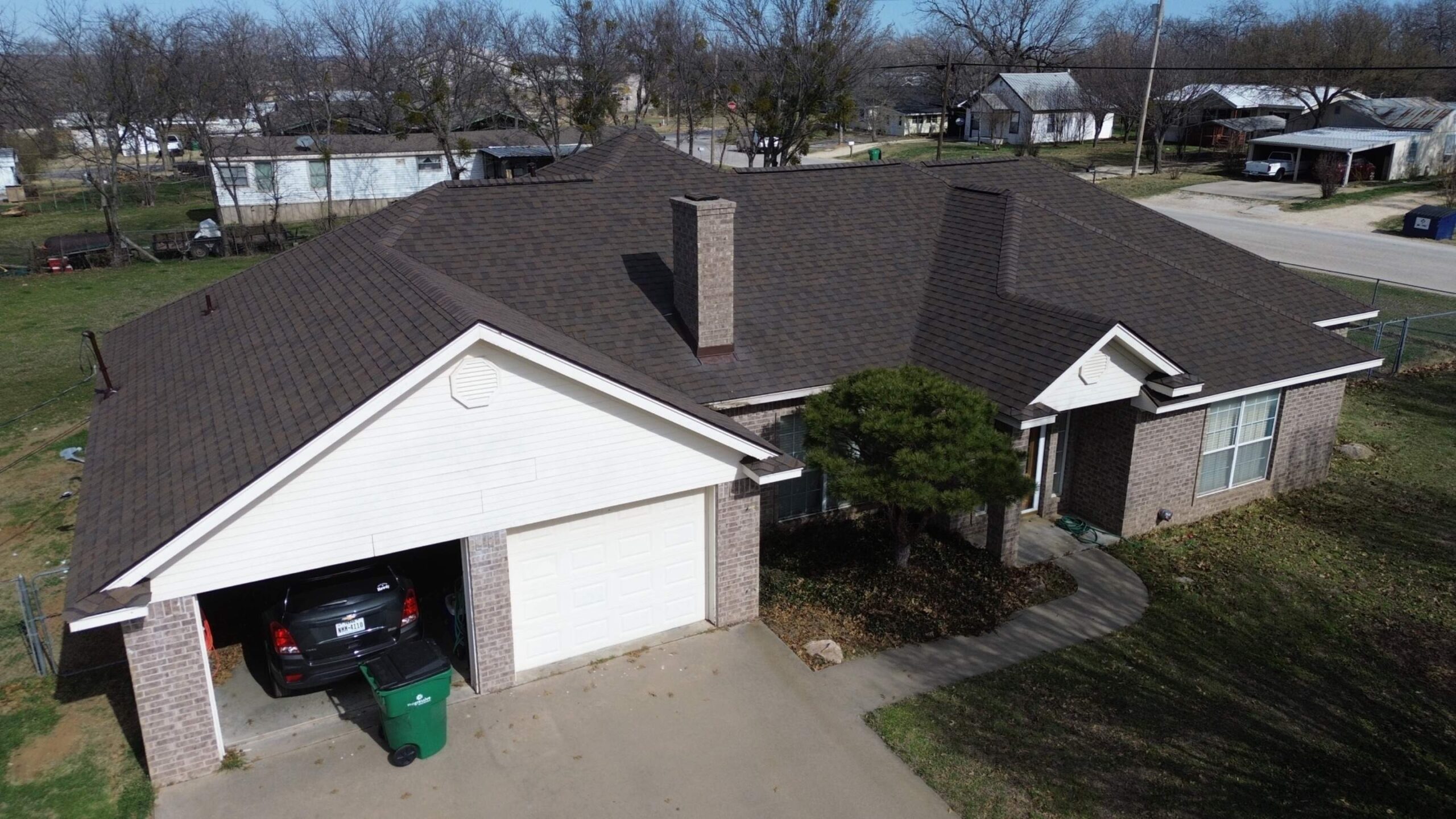
Insurance Considerations for Older Roofs
Roof age plays an important role in insurance planning because older roofing systems generally present greater maintenance risks than newer installations. Understanding how insurance relates to aging roofs helps homeowners protect both their property and their financial investment.
Insurance policies commonly distinguish between sudden accidental damage and deterioration caused by normal aging or deferred maintenance. Damage resulting from storms, hail, or falling trees may be covered according to policy terms, while repairs required because of gradual material wear typically remain the homeowner’s responsibility.
Maintaining thorough inspection records becomes increasingly valuable as roofs age. Professional inspection reports, repair invoices, photographs, and maintenance documentation demonstrate that the roof has received consistent care throughout its service life. These records help establish the roof’s condition before covered weather events occur.
Routine inspections also allow homeowners to address maintenance concerns before they contribute to larger structural problems. Prompt repairs reduce the likelihood that insurance claims become more complicated because of additional damage resulting from prolonged neglect.
Older roofs often benefit from inspections before and after severe weather seasons. These evaluations identify storm-related damage while distinguishing it from pre-existing age-related deterioration. Accurate documentation supports both maintenance planning and future insurance discussions.
Homeowners should review their insurance policies periodically as the roof ages to understand any changes in coverage, deductibles, or maintenance expectations. Maintaining communication with insurance providers helps ensure the roof continues receiving appropriate financial protection.
Combining regular maintenance with organized documentation strengthens both roof performance and insurance preparedness throughout the later stages of the roof’s lifespan.
Common Maintenance Mistakes That Shorten Roof Lifespan
Even high-quality roofing systems may experience unnecessary deterioration if routine maintenance is neglected. Avoiding common maintenance mistakes helps homeowners extend roof lifespan while reducing repair frequency and long-term ownership costs.
One of the most common mistakes is postponing repairs after discovering minor damage. Small problems such as loose shingles, damaged flashing, or deteriorated sealants often appear manageable, yet they allow moisture to enter beneath the roofing materials. Water intrusion gradually affects roof decking, insulation, and structural framing, creating repairs that are far more expensive than the original maintenance would have been.
Ignoring routine inspections is another frequent error. Many roofing problems remain hidden until significant damage has already developed. Annual inspections, combined with evaluations after severe storms, allow contractors to identify aging components before they require major restoration.
Poor gutter maintenance also shortens roof lifespan. Blocked gutters and downspouts prevent water from draining properly, increasing moisture exposure along roof edges and beneath shingles. Regular cleaning preserves effective drainage while protecting roofing materials from unnecessary deterioration.
Allowing tree branches to remain in contact with the roof creates additional problems. Branches scrape roofing materials during windy conditions, while falling leaves trap moisture and encourage mold growth. Routine tree maintenance reduces both physical damage and debris accumulation.
Attempting complex repairs without proper experience may also reduce roof lifespan. Incorrect installation techniques can create hidden weaknesses that lead to recurring leaks or structural concerns. Professional workmanship provides more reliable long-term performance while preserving manufacturer recommendations.
Consistent preventive maintenance remains one of the most effective ways to maximize roof longevity and minimize repair expenses throughout the life of the roofing system.
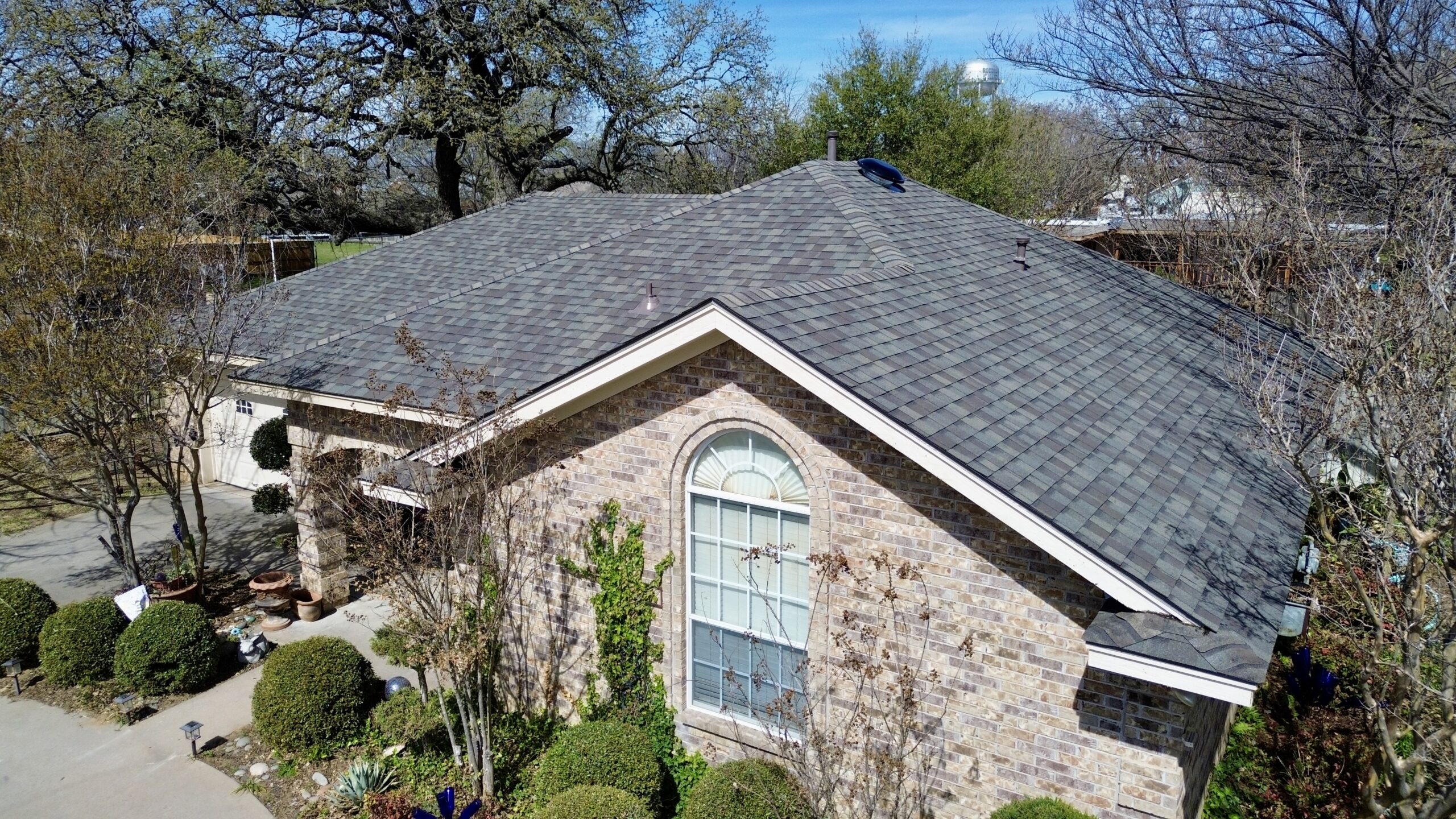
Budgeting for Repairs as Your Roof Ages
Financial planning becomes increasingly important as roofs move through the later stages of their lifespan. Because repair frequency naturally increases with age, homeowners who prepare in advance are better equipped to maintain their roofing systems without unexpected financial pressure.
A dedicated roof maintenance fund provides the foundation for effective budgeting. Setting aside a modest amount each month allows homeowners to cover inspections, preventive maintenance, and routine repairs without relying entirely on emergency financing. Gradual savings also make larger repair projects easier to manage as the roof continues aging.
Inspection costs should be viewed as part of the annual maintenance budget rather than unexpected expenses. Professional evaluations identify developing concerns before they become structural problems, allowing repairs to remain more affordable. The cost of regular inspections is often far lower than the expense of repairing widespread water damage.
Homeowners should also anticipate increasing maintenance needs as roofing materials approach the end of their expected service life. Older roofs may require more frequent flashing repairs, shingle replacement, sealant renewal, or drainage improvements. Adjusting maintenance budgets accordingly helps prevent financial surprises.
Keeping organized maintenance records also supports effective budgeting. Inspection reports and repair histories reveal patterns that help homeowners anticipate future maintenance requirements. Contractors can often estimate upcoming repair needs based on the roof’s condition, allowing gradual financial preparation rather than emergency spending.
Planning for future maintenance does not necessarily mean expecting immediate replacement. Instead, thoughtful budgeting provides flexibility to perform necessary repairs promptly while preserving the roof’s remaining lifespan as efficiently as possible.
Practical Ways to Extend the Life of an Aging Roof
Homeowners can significantly reduce repair frequency and delay major restoration by following consistent maintenance practices.
- Schedule professional roof inspections every year and after severe weather events.
- Replace damaged shingles, flashing, and sealants as soon as problems are identified.
- Keep gutters, downspouts, and roof valleys clean to maintain proper drainage.
- Trim overhanging tree branches to reduce debris buildup and storm-related damage.
- Inspect the attic regularly for moisture, mold, or ventilation problems.
- Address small leaks immediately before they affect insulation or structural components.
- Maintain complete records of inspections, repairs, warranties, and contractor recommendations.
- Set aside dedicated savings for future maintenance and age-related repairs.
These preventive measures help aging roofs perform more reliably while reducing long-term maintenance expenses.
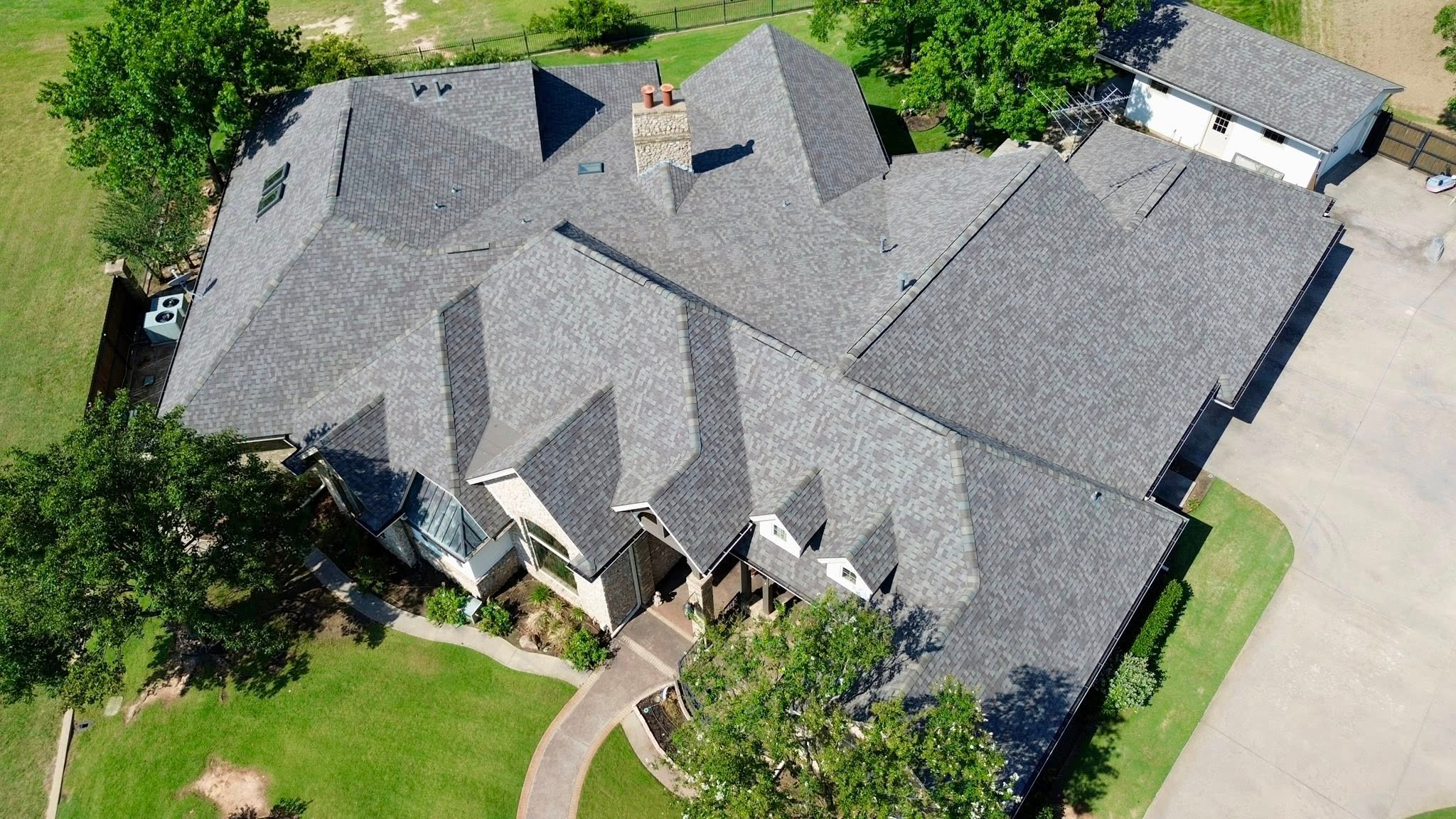
Steps to Create an Age Based Roof Maintenance Plan
A structured maintenance plan allows homeowners to adapt their roof care as the roofing system grows older.
- Determine the approximate age of the roof and review previous maintenance records.
- Schedule a professional inspection to evaluate the current condition of all roofing components.
- Increase inspection frequency as the roof approaches the later years of its expected service life.
- Prioritize repairs that prevent moisture intrusion, including flashing, shingles, sealants, and drainage systems.
- Create a dedicated maintenance budget that reflects the roof’s age and anticipated repair needs.
- Perform seasonal maintenance such as gutter cleaning, debris removal, and tree trimming consistently throughout the year.
- Keep detailed documentation of every inspection, repair, and contractor recommendation for future reference.
- Review the maintenance plan annually and adjust repair priorities based on inspection findings and the roof’s overall condition.
Following these steps allows homeowners to manage aging roofs proactively while reducing repair severity and extending the useful life of the roofing system.
Conclusion
Roof age has a direct influence on both the frequency and severity of repairs because every roofing system gradually experiences wear from years of exposure to sunlight, rain, wind, temperature fluctuations, and seasonal weather. While newer roofs generally require only routine maintenance and occasional minor repairs, aging roofs naturally become more vulnerable as shingles, flashing, sealants, underlayment, and structural components begin to deteriorate. Understanding this progression allows homeowners to plan maintenance more effectively while avoiding unnecessary financial surprises.
Regular inspections become increasingly valuable as roofs age because they identify developing issues before they become widespread structural problems. Small repairs completed promptly help preserve waterproof protection, maintain energy efficiency, and prevent moisture from spreading into roof decking, insulation, ceilings, and interior finishes. These preventive efforts significantly reduce long-term ownership costs while extending the roof’s service life.
The type of roofing material, installation quality, local climate, ventilation, and maintenance history all influence how quickly a roof ages. Although these factors vary from one property to another, consistent maintenance remains the most effective way to slow deterioration regardless of the roofing material. Homeowners who combine routine inspections with timely repairs often experience fewer emergencies and lower lifetime repair expenses than those who postpone maintenance.
Financial planning also becomes more important as roofs mature. Establishing a maintenance budget, keeping organized repair records, and preparing for gradually increasing repair needs allow homeowners to address problems promptly without relying on emergency funding. When recurring repairs become more frequent or widespread deterioration affects multiple roofing components, evaluating broader restoration options with a qualified contractor helps ensure long-term financial decisions remain practical.
Ultimately, roof age should not be viewed simply as a measure of time but as an important guide for maintenance planning. By understanding how aging affects repair frequency and severity, scheduling regular inspections, responding quickly to developing issues, and maintaining a proactive approach to roof care, homeowners can maximize the lifespan of their roofing system while protecting the safety, value, and long-term performance of their home.