
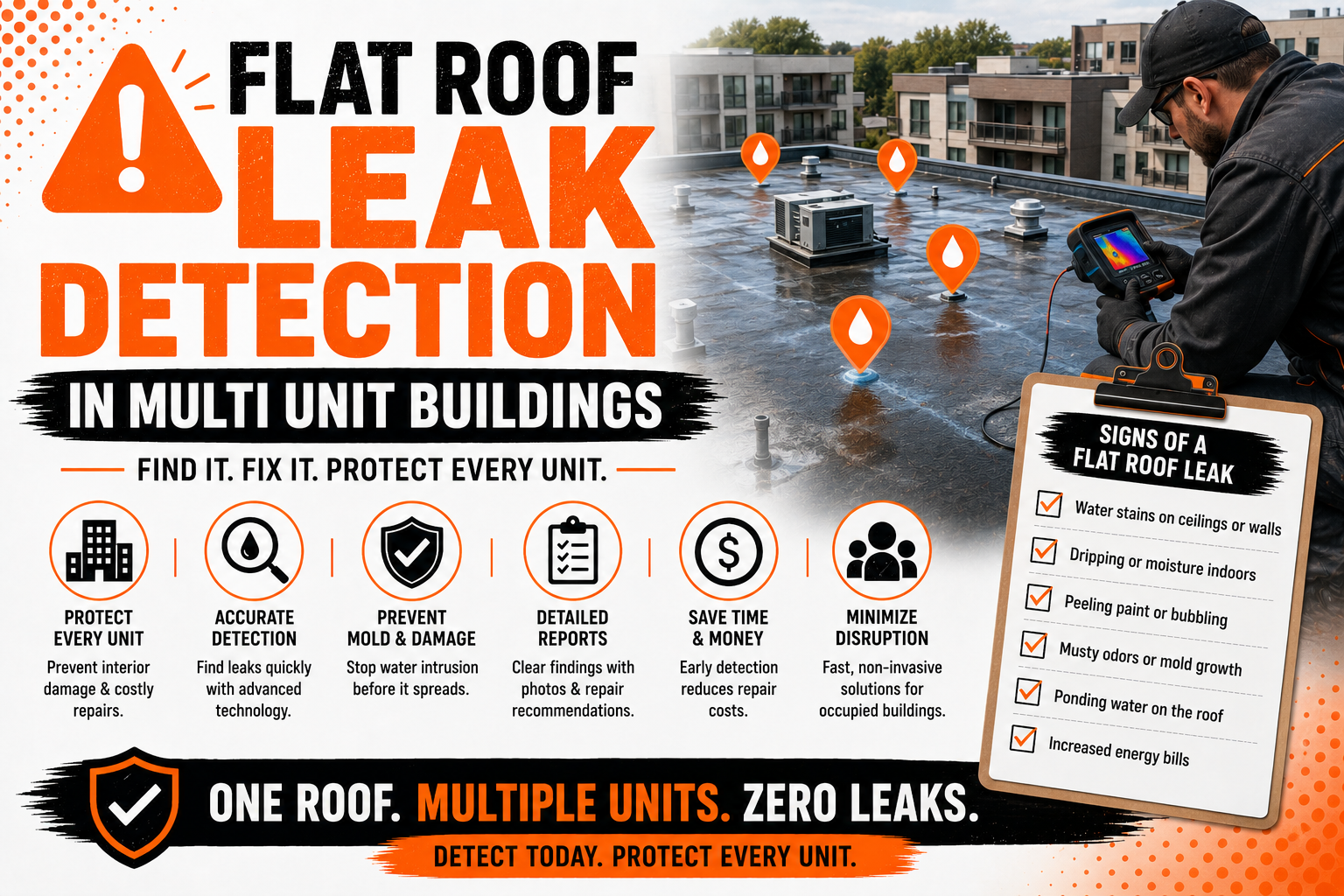
Flat Roof Leak Detection in Multi Unit Buildings
Introduction
Flat roofs are widely used on apartment buildings, condominiums, townhome complexes, mixed use developments, and other multi unit properties because they provide efficient use of space and accommodate rooftop equipment such as HVAC systems, ventilation units, and communication infrastructure. While these roofing systems are designed for long term durability, detecting leaks in multi unit buildings is often far more challenging than in single family homes.
A roof leak in a multi unit property rarely affects only one area. Water can travel beneath the roofing membrane, move through insulation, follow structural components, and eventually appear inside a unit that is located several meters away from the actual point of entry. This makes identifying the true source of a leak much more complex than simply repairing the area directly above the visible water damage.
Property managers and building owners also face additional challenges because leaks can impact multiple residents simultaneously. Water intrusion may damage ceilings, walls, flooring, electrical systems, and personal belongings while disrupting the daily lives of tenants or homeowners. Delays in identifying the source often allow moisture to spread further, increasing repair costs and extending restoration time.
Unlike sudden storm damage that produces immediate and obvious problems, many flat roof leaks develop gradually. Small membrane punctures, deteriorated seams, damaged flashing, clogged drains, or aging sealants may allow water to enter slowly over weeks or months before visible symptoms appear inside the building. By the time a ceiling stain becomes noticeable, moisture may have already affected insulation and structural materials.
Successful leak detection depends on understanding how flat roofing systems behave, recognizing early warning signs, and using systematic inspection methods rather than relying on guesswork. Modern leak detection technologies have also made it possible to locate hidden moisture more accurately while minimizing unnecessary damage to the roofing system.
This guide explains why leak detection in multi unit buildings presents unique challenges, explores the most common sources of roof leaks, and discusses the warning signs that property managers and residents should never ignore. It also lays the groundwork for understanding advanced inspection methods and repair strategies covered later in the article.
Why Leak Detection Is More Challenging in Multi Unit Buildings
Finding the source of a roof leak in a multi unit building is rarely straightforward. Unlike a small residential structure where water often enters and appears in roughly the same location, larger buildings contain numerous pathways that allow moisture to travel before it becomes visible.
Flat roofs cover extensive surface areas that include expansion joints, rooftop equipment, drainage systems, parapet walls, skylights, vents, and multiple flashing transitions. Each of these components has the potential to become a point of water entry if maintenance is neglected or materials begin to age.
Once water penetrates the roofing membrane, gravity is no longer the only force influencing its movement. Moisture can travel horizontally across insulation layers, follow steel beams, move along concrete slabs, or run beside pipes and electrical conduits before reaching an interior ceiling. As a result, the location of the interior leak often has little connection to the actual roofing defect.
Building design further complicates leak detection. Multi story apartment buildings frequently contain shared walls, interconnected utility spaces, suspended ceilings, and mechanical rooms that create additional pathways for moisture migration. A leak originating above one unit may eventually appear several units away depending on the building layout.
Weather conditions also influence leak behavior. Wind driven rain may force water beneath flashing in one area while remaining undetectable during lighter rainfall. Similarly, snow accumulation followed by melting may expose weaknesses that remain hidden throughout the rest of the year.
Another challenge involves occupancy. Property managers often receive leak reports from multiple residents at different times, making it difficult to determine whether each complaint relates to the same roofing problem or separate issues. Accurate documentation becomes essential for identifying patterns and narrowing the search area.
Roof access may also be limited in occupied buildings. Maintenance teams must coordinate inspections carefully to avoid disrupting residents while ensuring that all affected areas are examined thoroughly. This coordination often requires communication between roofing contractors, property managers, maintenance staff, and occupants.
Because of these complexities, professional leak detection follows a structured process rather than relying solely on visible water stains. Careful investigation helps identify the original source of moisture before repairs begin, reducing the likelihood of recurring leaks.
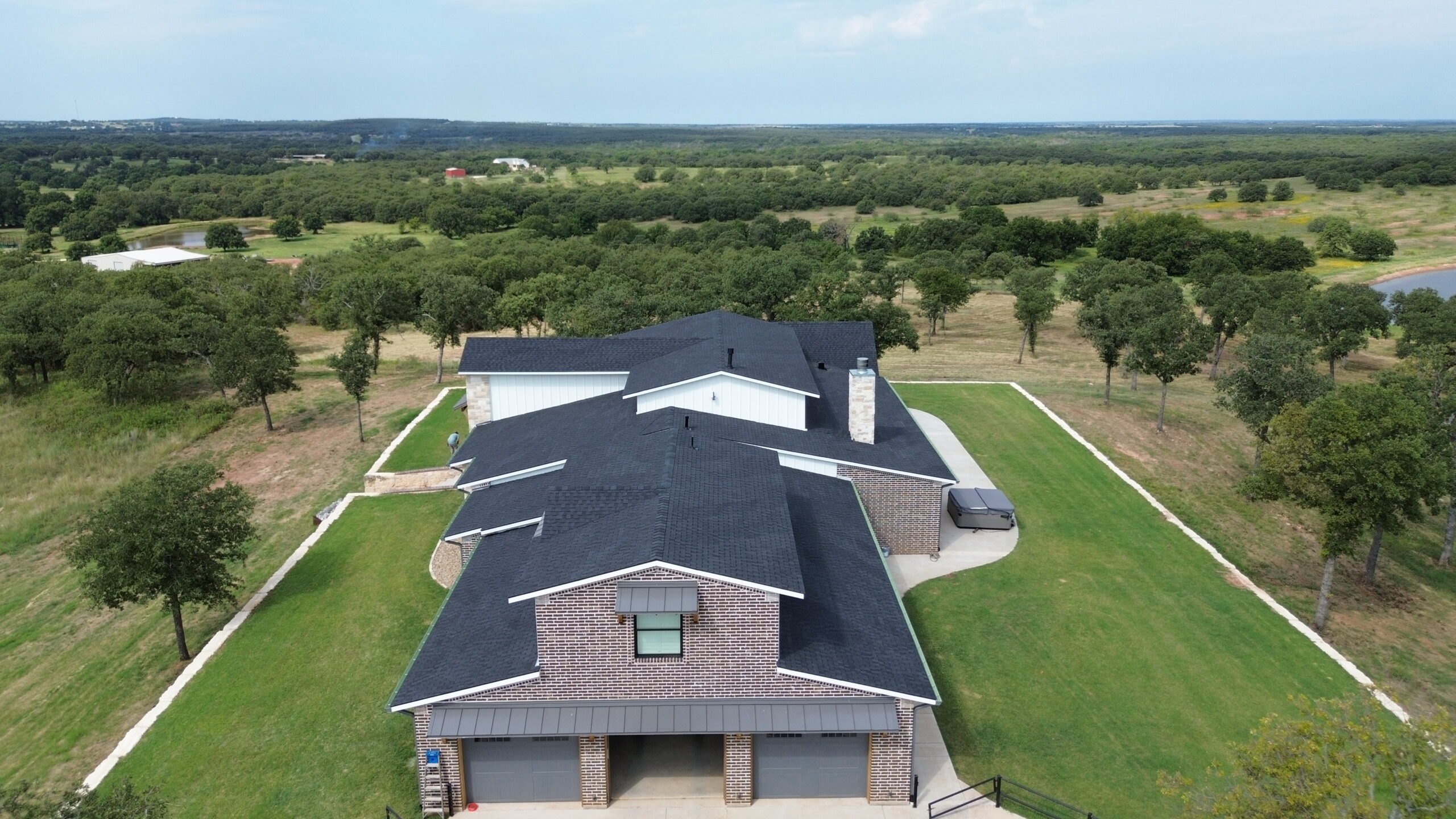
How Flat Roof Leaks Travel Before Becoming Visible
One of the most misunderstood aspects of flat roof leaks is the way water moves after entering the roofing system. Many people assume that a ceiling stain appears directly beneath the damaged section of the roof. In reality, water often travels considerable distances before becoming visible indoors.
When moisture enters through a small opening in the roofing membrane, it usually spreads across the insulation before reaching the interior of the building. Insulation materials can temporarily absorb water, allowing moisture to migrate slowly beneath the membrane while remaining hidden from view.
Structural components also influence the direction of water movement. Steel beams, concrete slabs, roof decking, and support members may channel water horizontally until it reaches a low point where it eventually drips into the occupied space below. This explains why the visible leak often appears far from the actual roof defect.
Roof slope also affects moisture movement. Although flat roofs are designed with slight slopes to promote drainage, water entering beneath the membrane may follow completely different pathways than rainwater flowing across the roof surface. Hidden moisture often travels toward structural joints or insulation gaps before reaching the building interior.
Mechanical systems create additional routes for water migration. Pipes, conduits, ductwork, and cable trays frequently extend throughout the building, allowing moisture to follow these components into distant locations. This can make leak detection especially difficult in large apartment complexes and commercial residential buildings.
Moisture may also remain trapped for extended periods before becoming visible. During dry weather, absorbed water can remain inside insulation without producing obvious interior symptoms. Heavy rainfall or changing temperatures may later cause the trapped moisture to reach interior ceilings, creating the impression that the leak developed suddenly.
Several factors influence how far water may travel beneath a flat roof:
- Roof slope and drainage design.
- Type and condition of insulation.
- Structural layout of the building.
- Presence of mechanical and electrical systems.
- Duration and intensity of rainfall.
- Existing damage within the roofing assembly.
Understanding these hidden water pathways helps explain why professional leak detection focuses on tracing moisture back to its original entry point rather than repairing only the location where interior damage becomes visible.
Common Sources of Flat Roof Leaks in Multi Unit Properties
Flat roof leaks can originate from many different locations, but certain roofing components are more vulnerable because they experience continuous exposure to weather, movement, and normal aging. Recognizing these common sources helps property managers prioritize inspections and preventive maintenance.
Roof membrane damage remains one of the leading causes of leaks. Small punctures created by foot traffic, falling debris, maintenance activities, or weather events may initially appear insignificant but can allow water to penetrate beneath the roofing system during rainfall.
Seams between roofing membrane sections also deserve close attention. Over time, repeated expansion and contraction caused by changing temperatures may weaken seam connections, allowing moisture to enter through small openings that gradually increase in size.
Flashing around rooftop penetrations represents another common source of water intrusion. Pipes, vents, HVAC equipment, skylights, and communication installations all require carefully sealed flashing systems. As these materials age or shift, gaps may develop that compromise waterproof protection.
Drainage problems frequently contribute to roof leaks as well. Blocked drains, clogged scuppers, or inadequate roof slope allow water to remain on the roof longer than intended. Prolonged ponding increases stress on roofing materials and exposes small defects that might otherwise remain harmless.
Parapet walls and coping systems also require regular inspection. Cracked masonry, deteriorated sealants, or damaged flashing along wall transitions may allow water to enter behind the roofing membrane before spreading into interior spaces.
Expansion joints are another area that experiences continual movement. These specialized roof components accommodate structural expansion and contraction, but aging materials or damaged seals can eventually create pathways for moisture infiltration.
Improper repairs completed in the past sometimes become future leak sources. Temporary patching materials, incompatible products, or poor workmanship may provide short term protection while allowing hidden deterioration to continue beneath the surface.
Because leaks often result from multiple contributing factors rather than a single defect, comprehensive inspections evaluate the entire roofing system instead of focusing exclusively on the most obvious areas.
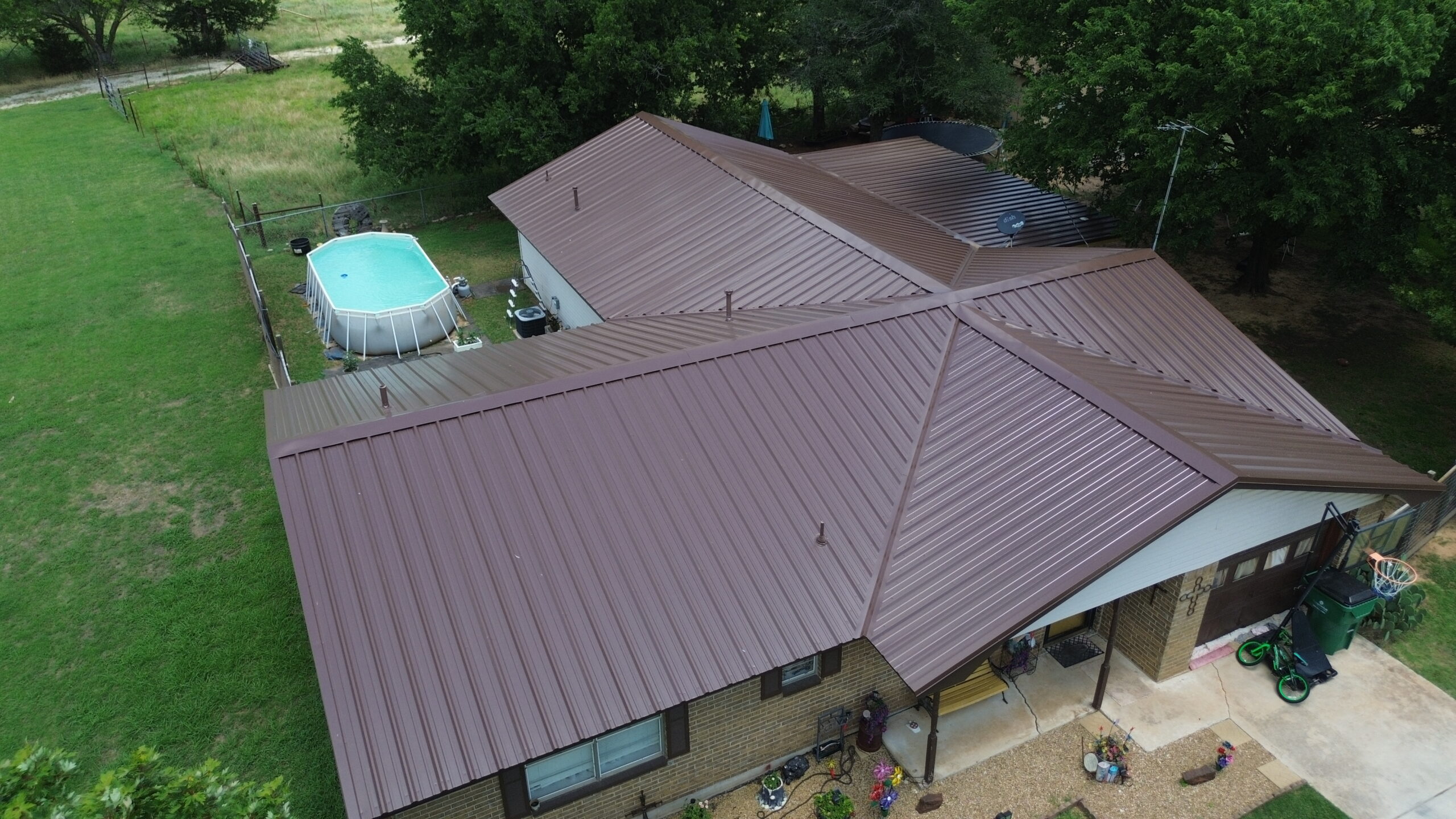
Early Warning Signs Residents and Property Managers Should Watch For
Early leak detection greatly reduces repair costs and limits the extent of interior damage. Fortunately, many warning signs appear before major water intrusion occurs, giving property managers and residents valuable opportunities to report problems promptly.
Ceiling stains remain one of the most recognizable indicators of roof leakage. Even small discoloration should be investigated because water often spreads widely before becoming visible. A stain that appears dry today may indicate ongoing moisture movement within the roofing system.
Peeling paint or bubbling wall finishes also suggest hidden moisture. As water accumulates behind painted surfaces, adhesion weakens and visible defects begin to develop. These symptoms commonly appear around ceilings, upper walls, and areas near exterior building edges.
Unusual odors may provide another early clue. Persistent damp or musty smells often indicate moisture trapped inside insulation, drywall, or ceiling cavities. These odors sometimes appear before visible water damage becomes noticeable.
Residents should also pay attention to unexplained increases in indoor humidity. Moisture entering through the roof may affect indoor air quality while creating conditions favorable for mold growth if left unresolved.
Other warning signs include:
- Water stains surrounding light fixtures.
- Dripping sounds during or after rainfall.
- Soft or sagging ceiling materials.
- Mold growth near ceilings or upper walls.
- Damp insulation discovered during maintenance.
- Recurring leaks in the same location after previous repairs.
Property managers should encourage residents to report even minor signs of water intrusion immediately. Early reporting allows maintenance teams to begin investigations before moisture spreads to additional units or causes structural damage.
Documentation is equally important. Recording the location, time, weather conditions, and appearance of every reported leak helps identify recurring patterns that may point toward the true source of the problem.
Environmental and Building Factors That Increase Leak Risk
Flat roofs remain exposed to changing environmental conditions throughout the year, and several external factors increase the likelihood of water intrusion in multi unit buildings. Understanding these influences allows property managers to schedule inspections more effectively and prioritize preventive maintenance.
Heavy rainfall naturally increases leak risk by exposing every roofing component to prolonged moisture. Small defects that remain unnoticed during dry weather often become apparent during extended storms when water has more time to penetrate vulnerable areas.
Strong winds create additional challenges by driving rain beneath flashing, parapet caps, and roofing seams. Wind uplift also places repeated stress on roofing membranes, increasing the possibility of gradual seam separation over time.
Temperature fluctuations contribute to roof movement throughout the year. Daily expansion during warm weather followed by nighttime contraction gradually affects seams, flashing, and sealants. Seasonal weather changes amplify these stresses, particularly in regions with significant temperature variation.
Snow and ice create their own set of concerns. Accumulated snow adds weight to the roof, while repeated freeze thaw cycles may enlarge small cracks or openings that allow water to enter beneath the membrane once melting begins.
Building age also influences leak potential. Older roofing systems naturally experience material aging, reduced flexibility, and gradual deterioration of waterproof components. Even well maintained roofs require closer monitoring as they approach the later stages of their expected service life.
Maintenance practices play an equally important role. Roofs that receive regular inspections, prompt repairs, and routine cleaning generally experience fewer serious leaks than those maintained only after problems become visible.
Environmental exposure rarely causes leaks by itself. Instead, weather conditions interact with aging materials, structural movement, drainage performance, and maintenance history to influence the overall condition of the roofing system. Recognizing these combined factors helps property owners develop more effective inspection schedules while reducing the likelihood of unexpected water intrusion.
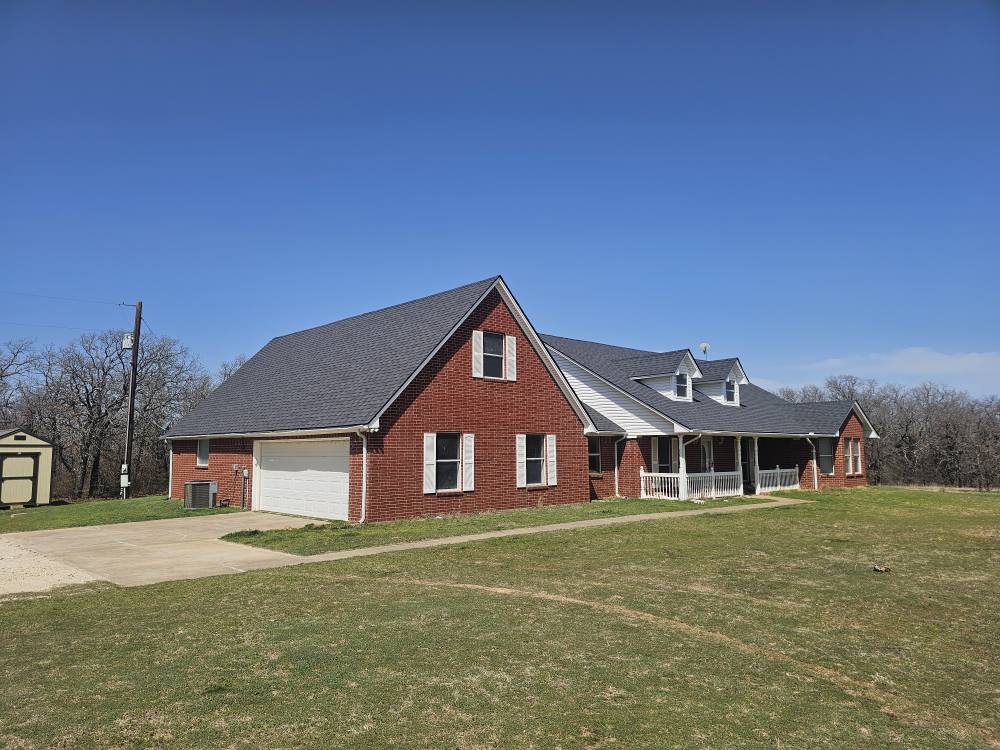
Inspection Methods Used to Detect Flat Roof Leaks
Accurate leak detection begins with a structured inspection rather than immediate repairs. In multi unit buildings, roofing professionals must identify not only where water appears inside the building but also where it first entered the roofing system. This process requires careful observation, documentation, and the use of specialized inspection techniques.
The investigation usually starts with interviews and maintenance records. Property managers often collect information from residents regarding when leaks occur, which rooms are affected, and whether the problem appears only during heavy rain or under specific weather conditions. These details help narrow the search area before roof access begins.
Interior inspections are equally important. Roofing professionals examine ceiling stains, peeling paint, damp drywall, mold growth, and other signs of moisture to determine possible water travel patterns. Although these symptoms rarely identify the exact roof defect, they provide valuable clues about the direction moisture may have taken.
Once on the roof, inspectors carefully evaluate the entire roofing system rather than focusing only on the area directly above the reported leak. Roof membranes, seams, flashing, drains, expansion joints, rooftop equipment, and parapet walls all receive close attention because leaks frequently originate in these vulnerable locations.
Visual inspections also include searching for punctures, membrane wrinkles, open seams, deteriorated sealants, ponding water, and evidence of previous repairs. Even small defects can allow water to enter beneath the membrane, making thorough examination essential.
Roofing professionals often compare interior observations with rooftop conditions to identify likely moisture pathways. This step helps eliminate unnecessary repairs by concentrating efforts on areas most likely connected to the reported leak.
Weather conditions may also influence inspection timing. Some defects become more visible immediately after rainfall, while others are easier to identify when the roof surface is completely dry. Experienced inspectors select appropriate inspection methods based on current weather and the building’s leak history.
Careful documentation remains an important part of every inspection. Photographs, diagrams, moisture readings, and written observations provide a record that supports repair planning and future maintenance decisions.
Modern Leak Detection Technologies for Multi Unit Buildings
Visual inspections provide valuable information, but modern technology has significantly improved the accuracy of flat roof leak detection. Advanced equipment allows roofing professionals to locate hidden moisture without unnecessarily removing large sections of the roofing membrane.
Infrared thermography is one of the most widely used technologies for flat roof inspections. This method detects temperature differences across the roof surface that may indicate trapped moisture beneath the membrane. Wet insulation retains heat differently than dry insulation, creating thermal patterns that specialized cameras can identify.
Electronic leak detection has also become an effective solution for locating waterproofing failures. This technique uses controlled electrical testing to identify openings in the roofing membrane where water may be entering. Because it pinpoints defects with high accuracy, unnecessary roof removal is often minimized.
Moisture meters provide another valuable inspection tool. These devices measure moisture levels within roofing materials, helping inspectors determine whether water has spread beneath the membrane. Comparing readings from multiple locations allows contractors to estimate the extent of hidden moisture.
Core sampling may occasionally be required when more detailed evaluation is necessary. Small sections of the roofing assembly are carefully removed to inspect insulation, roof decking, and membrane condition directly. Although more invasive than electronic testing, core samples provide precise information about hidden damage.
Drone inspections have also become increasingly common for large residential complexes. High resolution aerial imagery allows inspectors to document roof conditions efficiently while identifying visible defects across extensive roof surfaces. Drones improve inspection safety by reducing the need for unnecessary foot traffic on vulnerable roofing materials.
Water testing may be used when other methods cannot confirm the source of a leak. Controlled amounts of water are applied systematically to selected roof areas while inspectors monitor the building interior. This approach requires patience because water often travels slowly beneath flat roofing systems before becoming visible.
Each technology offers unique advantages, and many professional inspections combine several methods to improve accuracy. Selecting the appropriate approach depends on the roofing material, building size, leak history, and accessibility of the affected areas.
Challenges of Finding the Exact Leak Source
Locating the true source of a flat roof leak is often much more difficult than finding the location where water appears inside the building. Multi unit properties present additional complexities because water can travel through numerous hidden pathways before becoming visible.
One of the greatest challenges is horizontal water movement. After penetrating the roofing membrane, moisture frequently spreads across insulation layers rather than flowing directly downward. As a result, the ceiling stain observed by a resident may be several meters away from the original roof defect.
Multiple leaks can also occur simultaneously. Older roofing systems may contain several areas of deterioration, allowing water to enter through different locations during the same storm. Determining which defect is responsible for each interior leak requires careful investigation rather than assumptions.
Previous repair work sometimes complicates the inspection process. Older patches may conceal underlying deterioration, while temporary repairs completed during emergencies may no longer provide reliable waterproof protection. Inspectors must evaluate these repaired areas carefully to determine whether they remain effective.
Weather patterns influence leak behavior as well. Some leaks occur only during wind driven rain, while others appear after prolonged rainfall or melting snow. A roof that seems dry during one inspection may still contain defects that become active under different weather conditions.
Mechanical equipment installed on rooftops creates additional inspection challenges. HVAC systems, satellite equipment, solar panels, and ventilation units often limit access to sections of the roofing membrane where defects may be hidden. Inspectors must examine these areas carefully without damaging surrounding equipment.
Building renovations completed over many years may introduce unexpected complications. New rooftop penetrations, utility upgrades, and structural modifications sometimes alter drainage patterns or create additional opportunities for water intrusion.
Communication is another important factor. Residents may report leaks at different times or describe symptoms differently, making it difficult for property managers to recognize that multiple complaints may originate from the same roofing problem. Maintaining detailed maintenance records helps establish patterns that support more accurate investigations.
Because of these challenges, successful leak detection depends on systematic analysis rather than isolated observations. Patience and careful documentation often make the difference between a permanent repair and repeated unsuccessful maintenance efforts.
Preventive Maintenance Strategies for Apartment and Condominium Roofs
Preventive maintenance remains the most effective way to reduce roof leaks in multi unit buildings. Regular inspections and timely repairs allow property managers to address developing problems before they affect residents or require extensive restoration work.
Scheduled roof inspections should occur at least twice each year. Spring inspections identify damage that may have developed during winter, while autumn inspections prepare the roof for colder weather and increased rainfall. Additional evaluations following severe storms provide further protection.
Cleaning the roof is another essential maintenance activity. Leaves, branches, dirt, and debris can block drains and create areas where water remains on the roof longer than intended. Removing these materials improves drainage while making inspections more effective.
Drainage systems deserve particular attention because standing water increases the likelihood of leaks. Roof drains, scuppers, gutters, and downspouts should remain free from obstructions throughout the year. Proper drainage reduces moisture exposure and helps preserve roofing materials.
Roof penetrations require routine examination as well. Flashing surrounding HVAC equipment, plumbing vents, skylights, and electrical installations should be inspected for cracks, loose sealants, or signs of movement. Small repairs completed early often prevent much larger problems later.
Property managers should also establish clear procedures for reporting roof related concerns. Encouraging residents to notify management immediately after noticing stains, damp ceilings, or unusual odors allows maintenance teams to begin investigations before moisture spreads further.
Professional maintenance programs often include photographic documentation, inspection reports, and repair recommendations. These records provide valuable historical information that supports long term budgeting and helps identify recurring issues before they become major failures.
Preventive maintenance also extends the overall lifespan of the roofing system. Consistent care reduces emergency repairs, protects interior spaces, and provides greater confidence that the building will remain weather resistant throughout changing seasons.
Best Practices for Coordinating Leak Investigations With Residents
Leak investigations in occupied buildings require careful planning because inspections often involve access to private residences, common areas, and rooftop equipment. Clear communication between property managers, residents, and roofing professionals helps ensure that the investigation proceeds efficiently while minimizing inconvenience.
Residents should receive advance notice whenever interior inspections are required. Explaining the purpose of the inspection and providing estimated arrival times helps reduce uncertainty while improving access to affected units.
Property managers should encourage residents to report as much information as possible. Useful details include when the leak first appeared, whether it occurs during every rainfall, how the moisture spreads, and whether the problem has changed over time. Photographs taken during active leaks can also provide valuable evidence.
Inspection findings should be documented carefully throughout the investigation. Recording moisture locations, ceiling conditions, roof observations, and weather conditions helps contractors compare information from multiple units and identify likely connections between reported problems.
Temporary protective measures may also be necessary while the investigation is underway. Water collection containers, protective coverings, or temporary sealing of active leaks help reduce interior damage until permanent repairs can be completed safely.
After the inspection, property managers should keep residents informed about repair schedules and expected completion times. Regular updates improve communication and help residents understand the steps being taken to resolve the issue.
Coordinated communication also supports insurance documentation when required. Accurate records of inspections, resident reports, repair recommendations, and completed work provide valuable information if insurance claims become necessary.
Successful leak investigations depend as much on organization and communication as they do on technical expertise. A well coordinated process improves efficiency while helping property owners resolve roofing problems more effectively.
Flat Roof Inspection Checklist for Property Managers
Routine observations performed by property managers complement professional inspections and help identify developing roofing problems before they become major leaks. While technical repairs should always be completed by qualified roofing contractors, regular monitoring supports effective preventive maintenance.
The following checklist provides a practical framework for routine roof evaluations.
- Inspect roof membranes for punctures, cracks, or visible damage.
- Examine seams for lifting, separation, or deterioration.
- Check flashing around vents, HVAC equipment, skylights, and walls.
- Remove debris from drains, gutters, and drainage channels.
- Look for standing water after rainfall.
- Inspect parapet walls and coping for cracks or damaged sealants.
- Document all reported interior leaks with photographs and written notes.
- Schedule professional inspection whenever new roof defects are identified.
Maintaining detailed inspection records allows property managers to compare roof conditions over time and identify recurring maintenance needs. Combined with regular professional evaluations, this proactive approach greatly improves the chances of detecting leaks early while minimizing repair costs and protecting residents from unnecessary disruption.
Repair Options After Leak Detection
Once the source of a flat roof leak has been accurately identified, selecting the correct repair method becomes the next priority. The repair approach depends on the type of roofing material, the extent of the damage, and whether moisture has affected the insulation or structural components beneath the membrane. Addressing the underlying cause rather than only the visible symptoms is essential for preventing future leaks.
Minor membrane punctures can often be repaired without replacing large sections of the roof. Roofing professionals typically clean the damaged area thoroughly before applying manufacturer approved patching materials that restore the waterproof barrier. Using compatible repair products ensures the patch performs consistently under changing weather conditions.
Separated seams require specialized repair techniques based on the roofing system. EPDM roofs may require new seam tape or adhesive, while TPO and PVC systems are commonly repaired using heat welding to recreate a strong waterproof bond. Proper preparation of the membrane surface is essential for achieving a durable repair.
Flashing repairs are also common after leak detection. Damaged flashing around rooftop equipment, vents, skylights, and parapet walls may be resealed, reinforced, or replaced depending on its condition. Because flashing connects different roofing components, restoring these areas helps prevent water from entering through roof transitions.
Blocked or damaged drainage systems should be repaired at the same time as membrane defects. Cleaning drains, correcting drainage issues, or replacing damaged drain components reduces standing water and minimizes future stress on the roofing system.
When inspections reveal wet insulation beneath the membrane, additional restoration may be necessary. Saturated insulation should generally be removed because it loses thermal efficiency and can contribute to mold growth. Replacing damaged insulation before restoring the membrane helps return the roofing system to its intended performance.
Temporary repairs may sometimes be used immediately after severe weather to reduce active leaks until permanent work can be completed safely. However, temporary measures should never replace comprehensive repairs that address the actual source of water intrusion.
Professional quality control after repairs is equally important. Follow up inspections verify that repaired areas remain watertight and allow contractors to confirm that no additional defects have been overlooked during the restoration process.
When Localized Repairs Are Sufficient and When Roof Replacement Is Necessary
Not every roof leak requires a complete roof replacement. In many cases, localized repairs provide an effective solution when damage is discovered early and the overall roofing system remains in good condition. Determining the most appropriate approach requires evaluating both the visible damage and the remaining service life of the roof.
Localized repairs are generally appropriate when the leak originates from a limited area such as a small membrane puncture, an isolated seam separation, damaged flashing, or a single roof penetration. If surrounding materials remain structurally sound and moisture has not spread extensively, targeted repairs often restore the roof’s waterproof performance successfully.
The age of the roofing system plays an important role in this decision. A relatively new roof with isolated damage is usually an excellent candidate for repair because the remaining materials still have many years of expected service life. Investing in quality repairs helps preserve that remaining lifespan.
Older roofs require a broader evaluation. Even if one leak can be repaired successfully, widespread material aging may increase the likelihood of additional failures in the near future. Repeated emergency repairs across multiple roof sections often indicate that replacement should be considered.
The extent of hidden moisture is another key factor. If water has saturated large areas of insulation or damaged structural components, the repair scope becomes significantly larger. Extensive moisture damage may reduce the long term value of isolated repairs if the surrounding roofing system continues to deteriorate.
Maintenance history also provides valuable guidance. Roofs that have required frequent leak repairs over several years may no longer offer reliable long term performance. Reviewing inspection records helps property owners determine whether recurring leaks result from isolated defects or widespread roofing deterioration.
Future building plans should also be considered. Multi unit properties planning major renovations, rooftop equipment upgrades, or solar panel installations may benefit from coordinating these projects with a planned roof replacement rather than investing repeatedly in temporary repairs.
A professional roof assessment provides the information needed to compare repair costs with replacement costs. This evaluation helps property owners choose the most practical long term solution while avoiding unnecessary expenses.
Cost Factors That Affect Leak Detection and Repair Projects
The cost of leak detection and roof repairs varies considerably because every multi unit building presents unique conditions. Factors such as roof size, accessibility, roofing material, and the extent of water damage all influence the overall project cost.
Building size is one of the most obvious considerations. Larger roofs contain more membrane seams, flashing details, rooftop equipment, and drainage systems that require inspection. Detecting leaks across extensive roof areas often requires additional time and specialized equipment.
The complexity of the building layout also affects project costs. Multi story apartment buildings with numerous rooftop installations, multiple roof levels, or difficult access points generally require more labor than smaller residential properties. Additional safety measures may also increase the scope of the work.
Leak detection technology influences overall expenses as well. Infrared thermography, electronic leak detection, drone inspections, and moisture surveys provide highly accurate results but require specialized equipment and trained personnel. Although these methods involve additional inspection costs, they often reduce unnecessary repairs by locating the exact source of moisture.
The extent of hidden water damage significantly affects repair costs. Moisture confined to a small section of the membrane usually requires less work than water that has spread throughout insulation or structural components. Delayed repairs often increase restoration costs because moisture continues moving beneath the roofing system.
Emergency response may also increase expenses. Repairs performed immediately after severe storms or during active leaks frequently require temporary waterproofing measures before permanent restoration begins. Planned maintenance projects are generally more efficient and less costly than emergency work.
Roofing material type influences repair costs because different systems require specific repair products and installation techniques. Using compatible materials and qualified contractors helps ensure reliable long term performance while protecting any remaining warranty coverage.
Although repair costs vary widely, early leak detection consistently provides financial advantages. Identifying problems before significant interior damage occurs helps reduce restoration expenses while minimizing disruption for building occupants.
Comparison Table of Common Leak Sources, Symptoms, and Recommended Solutions
| Leak Source | Common Symptoms | Potential Risk | Recommended Solution |
|---|---|---|---|
| Membrane puncture | Ceiling stains after rainfall | Water entering insulation | Patch damaged membrane with compatible repair materials |
| Open or deteriorated seams | Recurring leaks along roof sections | Moisture spreading beneath membrane | Reseal or heat weld affected seams |
| Damaged flashing | Water around vents, skylights, or walls | Continued leakage around penetrations | Replace or repair flashing and sealants |
| Blocked roof drains | Standing water and slow drainage | Accelerated membrane deterioration | Clean or repair drainage components |
| Parapet wall defects | Moisture near exterior walls | Hidden water infiltration | Repair flashing, masonry, and sealants |
The table demonstrates that similar interior symptoms can originate from different roofing defects. Accurate leak detection focuses on identifying the true source before repairs begin, ensuring the chosen solution addresses the underlying problem rather than only the visible damage.
Frequently Asked Questions
Why is it difficult to find roof leaks in multi unit buildings?
Water often travels beneath the roofing membrane and follows insulation, structural members, or utility systems before becoming visible. This means the interior leak location may be far from the actual point where water entered the roof.
How often should flat roofs on apartment buildings be inspected?
Most roofing professionals recommend inspections at least twice each year, typically during the spring and fall. Additional inspections after severe storms help identify damage before leaks become widespread.
Can one roof leak affect multiple apartments?
Yes. Water can spread beneath the roofing system and travel through the building before appearing indoors. A single roof defect may eventually affect several units depending on the building layout and moisture pathway.
Is infrared leak detection better than a visual inspection?
Infrared technology is an excellent complement to visual inspections because it helps identify hidden moisture beneath the roofing membrane. However, the most accurate evaluations usually combine multiple inspection methods rather than relying on one technique alone.
Should a small ceiling stain be reported immediately?
Yes. Even a minor stain may indicate ongoing water intrusion. Reporting the issue early allows property managers to begin leak detection before moisture spreads and causes more extensive damage.
Can preventive maintenance reduce roof leaks?
Regular inspections, cleaning, prompt repairs, and proper drainage maintenance significantly reduce the likelihood of roof leaks. Preventive maintenance also extends roof lifespan while lowering long term repair costs.
Conclusion
Flat roof leak detection in multi unit buildings requires a systematic approach because water rarely follows a direct path from the roof to the interior. Large roof areas, complex building layouts, shared structural components, and multiple rooftop penetrations all contribute to the challenge of locating the true source of a leak. Understanding how water travels beneath the roofing system is essential for achieving accurate diagnosis and effective repairs.
Early recognition of warning signs such as ceiling stains, damp odors, peeling paint, recurring leaks, or visible membrane defects allows property managers to respond before moisture causes significant structural damage. Prompt reporting by residents combined with organized maintenance records provides valuable information that supports faster and more accurate leak investigations.
Modern leak detection technologies have greatly improved the ability to locate hidden moisture without unnecessary disruption to the roofing system. Infrared thermography, electronic leak detection, moisture surveys, drone inspections, and professional visual assessments each contribute valuable information when used as part of a comprehensive inspection process.
Preventive maintenance remains the most reliable strategy for reducing leak related problems in apartment buildings and condominium complexes. Routine inspections, regular cleaning, proper drainage maintenance, timely repairs, and careful monitoring of flashing, seams, and roof penetrations help preserve the waterproof integrity of the roofing system throughout its service life.
When leaks are identified, selecting the appropriate repair strategy is just as important as locating the source. Minor defects can often be corrected with localized repairs, while widespread deterioration or repeated failures may indicate that partial restoration or complete roof replacement offers better long term value. Professional evaluations help property owners make informed decisions based on the actual condition of the roofing system.
Flat roofs protect some of the most valuable assets within a multi unit property, including residents, equipment, and building infrastructure. By combining accurate leak detection, proactive maintenance, modern inspection technologies, and timely repairs, property owners and managers can minimize disruption, reduce repair costs, extend roof lifespan, and maintain a safe, dry, and comfortable environment for everyone living or working within the building.