
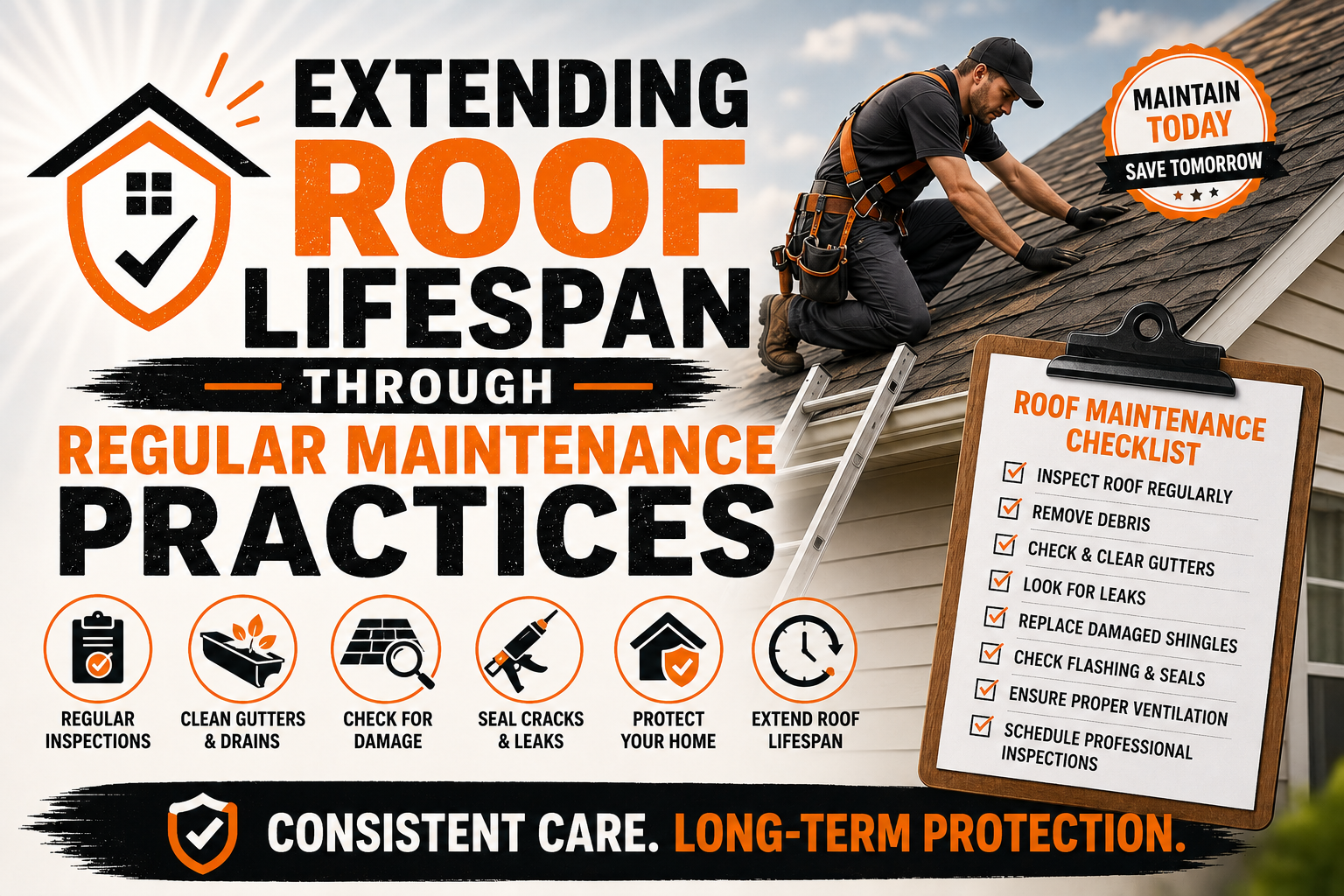
Extending Roof Lifespan Through Regular Maintenance Practices
Introduction
A roof is one of the most valuable investments in any home, providing protection from weather, improving energy efficiency, and contributing to the overall structural integrity of the building. Every day, it withstands constant exposure to sunlight, rain, wind, snow, temperature fluctuations, and airborne debris. Despite its critical role, the roof is often one of the most neglected parts of a property until a noticeable problem appears.
Many homeowners assume that a roof requires attention only when it begins leaking or shows visible signs of damage. In reality, roofing systems deteriorate gradually, and the earliest warning signs often go unnoticed. Small issues such as loose shingles, deteriorating sealants, clogged gutters, or minor flashing damage can develop into expensive structural repairs if they are ignored for too long.
The lifespan of a roof is not determined solely by the quality of the roofing materials. Installation quality, environmental conditions, ventilation, drainage, and ongoing maintenance all play equally important roles. Two homes with identical roofing systems can experience very different outcomes depending on how consistently they are maintained throughout the years.
Regular maintenance is the key to maximizing roof longevity. Simple inspections, routine cleaning, timely repairs, and preventive care reduce unnecessary wear while helping every component of the roofing system perform as intended. These practices not only delay the need for a full roof replacement but also minimize emergency repair costs and improve overall home protection.
Extending the life of a roof is not about performing complicated repairs every few months. Instead, it involves developing consistent maintenance habits that address small concerns before they become major problems. Preventive maintenance helps preserve roofing materials, improve weather resistance, and protect the home’s interior from costly water damage.
This guide explains how regular maintenance practices contribute to a longer lasting roof. By understanding what causes premature roof deterioration and learning how to identify early warning signs, homeowners can make informed decisions that protect both their roof and their investment for many years.
Why Roof Lifespan Depends on Ongoing Maintenance
Every roofing system has an expected service life, but reaching that lifespan depends heavily on consistent care. Even the highest quality roofing materials gradually deteriorate when maintenance is neglected, while properly maintained roofs often continue performing well beyond their average life expectancy.
A roof functions as a complete protective system rather than a collection of individual materials. Shingles, flashing, gutters, underlayment, ventilation, insulation, and drainage components all work together to keep water out while maintaining stable indoor conditions. If one component begins to fail, the performance of the entire system is affected.
Routine maintenance allows homeowners to detect developing issues before they spread to surrounding areas. Replacing a damaged shingle or resealing flashing requires relatively little effort compared to repairing roof decking, insulation, drywall, and framing after water has entered the home.
Weather exposure also makes regular maintenance essential. Strong winds may loosen shingles, heavy rain can expose drainage weaknesses, and temperature changes gradually wear down sealants and flashing. Periodic inspections identify these issues before repeated weather cycles make them worse.
Maintenance also protects the roof from hidden deterioration. Moisture trapped beneath roofing materials, blocked attic ventilation, and clogged gutters often cause damage that remains invisible until interior leaks develop. Consistent inspections help reveal these problems while repairs remain manageable.
A well maintained roof ages gradually and predictably. Instead of experiencing sudden failures, it continues providing reliable protection while requiring only routine repairs throughout much of its lifespan.

Factors That Affect the Lifespan of a Roof
Many variables influence how long a roof will last. Some factors cannot be controlled, such as regional climate, while others depend entirely on maintenance decisions made by the homeowner.
The quality of roofing materials plays an important role. Premium shingles, metal roofing, slate, and tile generally provide longer service lives than lower cost materials when installed correctly. However, even durable roofing products require regular maintenance to achieve their maximum lifespan.
Installation quality is equally important. Incorrect flashing placement, poor ventilation design, improper fastener installation, or inadequate underlayment create weaknesses that may shorten roof life regardless of material quality.
Climate also has a significant impact. Homes located in areas with intense sunlight experience greater ultraviolet exposure, while regions with frequent snow, hail, hurricanes, or heavy rainfall place additional stress on roofing materials throughout the year.
Tree coverage influences roof performance as well. Overhanging branches scrape shingles during windy weather, while leaves and organic debris retain moisture that encourages moss and algae growth.
Attic ventilation and insulation contribute to roof longevity by regulating temperature and moisture. Poor ventilation accelerates shingle aging, while inadequate insulation increases heat transfer that can contribute to ice dams during winter.
Routine maintenance remains the most controllable factor affecting roof lifespan. Homeowners who inspect, clean, and repair their roofs consistently often avoid many of the problems that shorten roof life prematurely.
Common Causes of Premature Roof Deterioration
Roofs naturally age over time, but many fail years earlier than expected because preventable conditions accelerate deterioration. Understanding these causes allows homeowners to focus maintenance efforts where they provide the greatest benefit.
Weather remains one of the leading contributors to roof wear. Continuous exposure to sunlight gradually weakens roofing materials through ultraviolet radiation, while repeated heating and cooling cycles cause expansion and contraction that stresses shingles and flashing.
Heavy rainfall introduces another challenge. Water that drains efficiently causes little concern, but standing water created by clogged gutters or blocked roof valleys increases moisture exposure and encourages leaks.
Strong winds gradually loosen shingles, flashing, and fasteners. Flying debris carried by storms may also scratch roofing materials or create small punctures that allow moisture to enter.
Snow and ice contribute seasonal stress by increasing roof loads and creating freeze thaw cycles. Water entering tiny cracks expands when frozen, enlarging openings that become more vulnerable during future storms.
Biological growth also shortens roof lifespan. Moss retains moisture against roofing materials, while algae and lichen gradually weaken protective surfaces when allowed to spread unchecked.
Poor maintenance often combines several of these factors. Small issues ignored for months or years allow weather related damage to progress much further than necessary, reducing the roof’s overall service life.
How Small Roofing Problems Become Major Damage
Most expensive roof repairs begin with relatively minor issues that were left unresolved. Roofing systems are exposed continuously to changing weather conditions, making even small defects progressively worse over time.
A single cracked shingle may initially appear harmless because no water enters the home immediately. However, repeated rainfall gradually allows moisture beneath the damaged area, where it begins affecting the underlayment and roof decking.
Loose flashing around chimneys or roof vents creates another common example. Tiny gaps permit water to enter slowly, often remaining hidden inside the roof structure for months before stains appear on interior ceilings.
Clogged gutters create similar problems by preventing proper drainage. Overflowing water repeatedly wets roof edges, fascia boards, and siding, increasing the likelihood of wood rot and moisture infiltration.
Moisture trapped inside the roofing system affects more than roofing materials alone. Wet insulation loses its thermal efficiency, while wooden framing becomes vulnerable to mold, decay, and structural weakening.
The longer these issues remain unaddressed, the more building components require repair. What began as a simple maintenance task may eventually involve replacing insulation, drywall, framing, flooring, and roofing materials simultaneously.
Preventive maintenance interrupts this progression by identifying problems early, allowing repairs to remain localized instead of spreading throughout the structure.
The Benefits of Preventive Roof Maintenance
Preventive maintenance offers numerous advantages that extend beyond extending roof lifespan. A consistently maintained roof performs more efficiently, protects the home more effectively, and reduces long term ownership costs.
One of the greatest benefits is delaying roof replacement. By correcting small issues before they spread, homeowners often gain several additional years from their existing roofing system.
Routine maintenance also improves weather resistance. Secure shingles, properly sealed flashing, clean gutters, and effective drainage enable the roof to withstand storms more successfully than neglected roofing systems.
Energy efficiency frequently improves through preventive maintenance. Roof inspections often reveal ventilation problems, damaged insulation, or air leaks that increase heating and cooling expenses.
Another important benefit is protecting indoor air quality. Preventing moisture intrusion reduces the likelihood of mold growth inside attics, ceilings, and wall cavities where hidden moisture can create unhealthy living conditions.
Preventive maintenance also simplifies budgeting. Instead of facing unpredictable emergency repairs, homeowners can plan for routine inspections and small repairs throughout the year.
Additional advantages include:
- Longer service life for roofing materials.
- Reduced risk of interior water damage.
- Improved energy efficiency.
- Lower long term repair expenses.
- Greater protection during severe weather.
- Increased property value.
- Better overall structural preservation.
These benefits demonstrate why preventive maintenance should be viewed as a long term investment rather than an optional expense.
Early Warning Signs Your Roof Needs Attention
One of the most valuable aspects of routine maintenance is recognizing warning signs before serious damage develops. Roofs often provide clear indications that maintenance is needed if homeowners know what to look for.
Missing, curled, or cracked shingles are among the earliest signs of roof deterioration. These damaged areas expose underlying materials to moisture and should be repaired promptly.
Granules collecting inside gutters often indicate aging asphalt shingles. As protective granules wear away, shingles become more susceptible to weather damage and ultraviolet exposure.
Dark streaks, moss, or green patches suggest excessive moisture retention. Biological growth not only affects appearance but also contributes to gradual roofing material deterioration.
Damaged flashing around chimneys, skylights, dormers, and roof vents frequently creates entry points for water during heavy rain. Small gaps or loose flashing should be repaired before leaks occur.
Inside the home, water stains on ceilings, peeling paint, damp attic insulation, condensation on roof decking, and musty odors all indicate potential roofing problems requiring immediate investigation.
Homeowners should also observe gutters, soffits, fascia boards, and roof edges regularly because these areas often reveal developing maintenance concerns before widespread damage occurs.
Key Roof Components That Require Regular Care
A roof performs effectively only when every component remains in good condition. Preventive maintenance should include careful inspection of all major roofing elements rather than focusing solely on shingles.
Shingles serve as the primary weather barrier and require routine evaluation for cracking, curling, missing sections, loose fasteners, and surface wear.
Flashing protects joints where different roof surfaces meet. Chimneys, skylights, valleys, and plumbing vents all rely on properly installed flashing to prevent water intrusion.
Gutters and downspouts manage roof drainage by directing water safely away from the structure. Blockages, loose brackets, and damaged sections reduce drainage efficiency while increasing moisture exposure.
Roof sealants surrounding penetrations gradually deteriorate with age. Periodic inspection ensures these protective barriers continue preventing leaks during storms.
Attic ventilation and insulation regulate temperature and moisture beneath the roof. Healthy airflow reduces condensation while supporting better roofing performance throughout every season.
Soffits, fascia boards, roof vents, and roof decking also deserve regular attention because deterioration affecting these components often remains hidden until significant structural damage develops.
Building a Long Term Roof Maintenance Routine
Extending roof lifespan requires more than occasional inspections after severe weather. Long term success depends on establishing a consistent maintenance routine that becomes part of normal homeownership.
The first step is scheduling inspections at regular intervals rather than waiting for visible problems. Spring and fall inspections allow homeowners to evaluate seasonal weather damage while preparing the roof for changing conditions.
Maintenance records provide another valuable tool. Documenting inspection dates, photographs, completed repairs, and contractor recommendations helps track roof condition over many years while simplifying future maintenance decisions.
Homeowners should also respond quickly whenever minor issues are discovered. Delaying small repairs often eliminates the financial advantages of preventive maintenance because damage continues spreading with every storm.
Developing relationships with experienced roofing professionals further strengthens a maintenance plan. Routine professional inspections complement homeowner observations by identifying hidden issues that may otherwise go unnoticed.
Most importantly, roof maintenance should be viewed as an ongoing investment rather than an occasional project. Consistent care preserves roofing materials, improves weather resistance, protects the home’s structural integrity, and maximizes the lifespan of one of the property’s most valuable assets.
Seasonal Roof Inspection Best Practices
Seasonal inspections are one of the most effective ways to extend the lifespan of a roof because they help identify developing problems before they become expensive repairs. Every season presents unique weather conditions that affect roofing materials differently. Inspecting the roof throughout the year allows homeowners to address seasonal wear before it accelerates into permanent damage.
Spring inspections should focus on evaluating damage caused by winter weather. Snow, ice, freezing temperatures, and strong winds may loosen shingles, damage flashing, or create drainage problems that need prompt attention. Cleaning debris left behind during winter also prepares the roof for spring rain.
Summer provides the best opportunity for detailed maintenance because warm, dry weather allows repairs to be completed more efficiently. This is an ideal time to replace damaged shingles, inspect roof penetrations, improve attic ventilation, and complete any preventive repairs discovered earlier in the year.
Fall inspections prepare the roof for winter by ensuring gutters are clean, flashing remains secure, and roofing materials are in good condition. Tree branches should also be trimmed to reduce the amount of leaves and debris that accumulate during the colder months.
Winter inspections should generally be limited to visual observations from the ground and inside the attic. Homeowners should monitor snow accumulation, ice dams, unusual icicle formation, and signs of moisture without walking on slippery roof surfaces.
Developing a seasonal inspection routine ensures that roofing issues are discovered early while maintenance remains simple and affordable. Consistent inspections also help homeowners understand how their roof responds to changing weather conditions throughout the year.
Maintaining Shingles, Flashing, and Roof Sealants
Shingles provide the first layer of protection against rain, wind, sunlight, and other environmental conditions. Their condition directly influences the overall performance of the roofing system, making regular inspection and maintenance essential for maximizing roof lifespan.
Damaged shingles should be replaced as soon as they are discovered. Cracked, curled, missing, or loose shingles expose the underlayment to moisture and ultraviolet radiation, allowing deterioration to spread beneath the visible roofing surface.
Flashing deserves equal attention because it protects areas where water is most likely to enter the roof. Chimneys, skylights, dormers, roof valleys, and plumbing vents all rely on properly installed flashing to remain watertight.
Over time, flashing may separate from roofing materials or develop corrosion that weakens its ability to direct water away from vulnerable joints. Small gaps often remain unnoticed until water stains appear inside the home.
Roof sealants naturally deteriorate with age due to repeated exposure to sunlight, temperature fluctuations, and moisture. Sealants around roof penetrations should be inspected regularly for cracking, shrinking, or separation and replaced whenever necessary.
Prompt maintenance of these components prevents water intrusion while preserving the integrity of the entire roofing system. Small repairs performed early help avoid much larger restoration projects later.
Keeping Gutters and Downspouts Clean
An efficient drainage system is essential for extending roof lifespan. Gutters and downspouts direct rainwater and melting snow away from the roof, protecting roofing materials as well as the home’s foundation, siding, and landscaping.
Leaves, twigs, pine needles, and other debris gradually accumulate inside gutters throughout the year. During heavy rainfall, clogged gutters overflow, allowing water to back up beneath shingles or spill over roof edges where it repeatedly wets fascia boards and soffits.
Downspouts should also be inspected carefully because blockages anywhere in the drainage system reduce its overall effectiveness. Standing water inside gutters accelerates corrosion, weakens fasteners, and increases the likelihood of leaks near roof edges.
Cleaning gutters at least twice each year significantly improves drainage performance. Homes surrounded by mature trees may require additional cleaning during autumn when falling leaves accumulate more rapidly.
While cleaning gutters, homeowners should also inspect for loose brackets, leaking joints, sagging sections, and damaged end caps. Small repairs completed during routine maintenance help preserve the entire drainage system.
Proper drainage reduces moisture exposure across the roof, helping roofing materials dry more quickly after storms while minimizing the conditions that encourage rot, mold, and structural deterioration.
Preventing Moisture Damage Through Proper Drainage
Moisture is responsible for many of the roofing problems that shorten roof lifespan. Although roofs are designed to shed water efficiently, drainage problems allow moisture to remain in contact with roofing materials much longer than intended.
Roof valleys require particular attention because they naturally collect large volumes of rainwater during storms. Leaves, branches, and organic debris often accumulate in these areas, slowing water flow and increasing the likelihood of standing water.
Flat and low slope roofs require additional monitoring because water drains more slowly than on steeper roof designs. Roof drains, scuppers, and drainage channels should remain free from obstructions throughout the year.
Standing water gradually weakens roofing materials by increasing moisture absorption and accelerating the breakdown of protective surfaces. Even durable roofing systems experience reduced service life when drainage problems persist.
Downspout discharge locations should also be evaluated regularly. Water should flow away from the home’s foundation rather than collecting near exterior walls where moisture may eventually affect structural components.
Maintaining proper drainage protects every part of the roofing system while reducing the likelihood of leaks, mold growth, insulation damage, and premature roof aging.
The Role of Attic Ventilation and Insulation
Many roofing problems originate beneath the roof rather than on its surface. Attic ventilation and insulation work together to regulate temperature and moisture, creating conditions that help roofing materials perform more efficiently throughout the year.
Proper insulation limits heat transfer from living spaces into the attic. During winter, this reduces the likelihood of snow melting unevenly and forming ice dams along roof edges. During summer, insulation also helps maintain comfortable indoor temperatures while lowering cooling costs.
Ventilation complements insulation by allowing fresh air to circulate continuously through the attic. Balanced airflow removes excess heat and moisture before condensation develops on roof decking or framing members.
Without sufficient ventilation, warm humid air becomes trapped beneath the roof. Moisture accumulates on wooden framing, insulation, and roof decking, increasing the risk of mold growth, wood rot, and structural deterioration.
Attic inspections should include evaluating insulation coverage, checking for blocked soffit vents, inspecting ridge vents, and looking for signs of condensation or moisture staining.
When insulation and ventilation function together properly, they protect roofing materials from hidden moisture while improving energy efficiency and extending roof lifespan.
Managing Moss, Algae, and Organic Debris
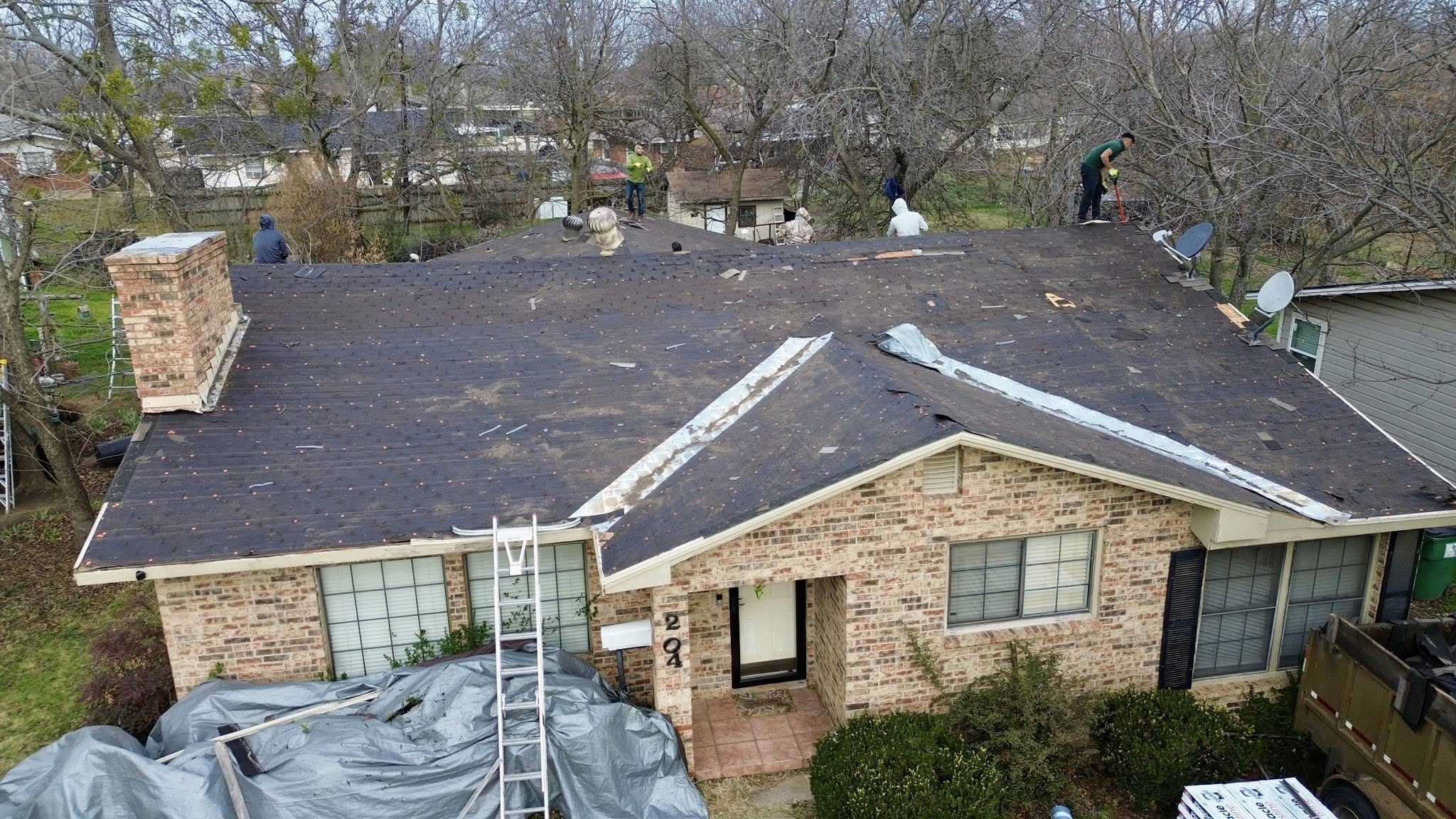
Organic growth may seem like a cosmetic concern, but it can significantly reduce the service life of roofing materials if left untreated. Moss, algae, lichen, leaves, and other debris retain moisture against the roof surface, accelerating deterioration over time.
Moss is especially damaging because it absorbs and holds large amounts of water. As it spreads, it gradually lifts shingle edges, creating opportunities for rainwater to penetrate beneath the roofing material.
Algae commonly appear as black or dark green streaks across asphalt shingles. While algae do not immediately damage roofing materials, they indicate excessive moisture that encourages faster aging.
Leaves, pine needles, and branches create similar conditions by trapping water and blocking natural drainage. Organic debris also accumulates inside gutters and roof valleys where it restricts water flow.
Routine roof cleaning helps remove these materials before they become problematic. Homeowners should avoid pressure washing because excessive water pressure may remove protective granules from shingles or damage roofing surfaces.
Improving sunlight exposure through regular tree trimming also helps roofs dry more quickly after rainfall. Faster drying reduces biological growth while preserving the condition of roofing materials.
Professional Roof Maintenance Versus DIY Care
Homeowners play an important role in extending roof lifespan, but professional maintenance provides additional expertise that complements routine personal inspections. Combining both approaches offers the greatest long term benefits.
Many maintenance tasks are appropriate for homeowners. Visual inspections from the ground, attic evaluations, gutter cleaning, debris removal, and monitoring roof performance after storms all contribute to effective preventive care.
However, certain repairs should always be left to qualified roofing professionals. Walking on steep roofs, replacing flashing, repairing structural damage, locating hidden leaks, and evaluating roof decking require specialized training and equipment.
Professional roofing contractors recognize subtle signs of deterioration that homeowners may overlook. Their experience allows them to identify developing issues before they become expensive structural problems.
The following comparison highlights the strengths of each approach.
| Maintenance Task | Homeowner | Professional |
|---|---|---|
| Ground level roof inspection | Yes | Yes |
| Attic inspection | Yes | Yes |
| Gutter cleaning | Yes | Yes |
| Minor debris removal | Yes | Yes |
| Flashing replacement | No | Yes |
| Leak diagnosis | Limited | Yes |
| Structural assessment | No | Yes |
| Comprehensive roof inspection | Limited | Yes |
A combination of routine homeowner care and periodic professional inspections creates the strongest maintenance strategy. This balanced approach improves early problem detection while ensuring repairs are completed according to industry standards.
Seasonal Roof Maintenance Schedule
Creating a structured maintenance schedule helps homeowners remain consistent throughout the year. Rather than reacting to roofing problems after they occur, planned maintenance ensures every major component receives attention before significant deterioration develops.
The following seasonal schedule provides a practical framework for extending roof lifespan through regular maintenance.
| Season | Maintenance Tasks | Primary Benefit |
|---|---|---|
| Spring | Inspect winter damage, clean gutters, examine flashing, replace damaged shingles | Restores roof performance after harsh winter conditions. |
| Summer | Complete repairs, inspect attic ventilation, improve insulation, reseal roof penetrations | Strengthens roof performance during ideal repair conditions. |
| Fall | Remove leaves, trim nearby trees, clean gutters, inspect roof components | Prepares the roof for snow, ice, and severe winter weather. |
| Winter | Monitor snow accumulation, watch for leaks, inspect attic for moisture | Identifies developing issues while protecting the roof during cold weather. |
Following a consistent maintenance schedule reduces the likelihood of unexpected roofing emergencies while helping materials age more gradually. Regular inspections also provide valuable opportunities to evaluate previous repairs and determine whether additional maintenance is needed before weather conditions change.
Homeowners who maintain detailed records of inspections, repairs, photographs, and contractor recommendations often find it easier to plan future maintenance and budget for eventual roof replacement. A well organized maintenance routine not only extends roof lifespan but also improves energy efficiency, enhances weather resistance, and protects the entire home from avoidable structural damage.
Common Maintenance Mistakes That Shorten Roof Life
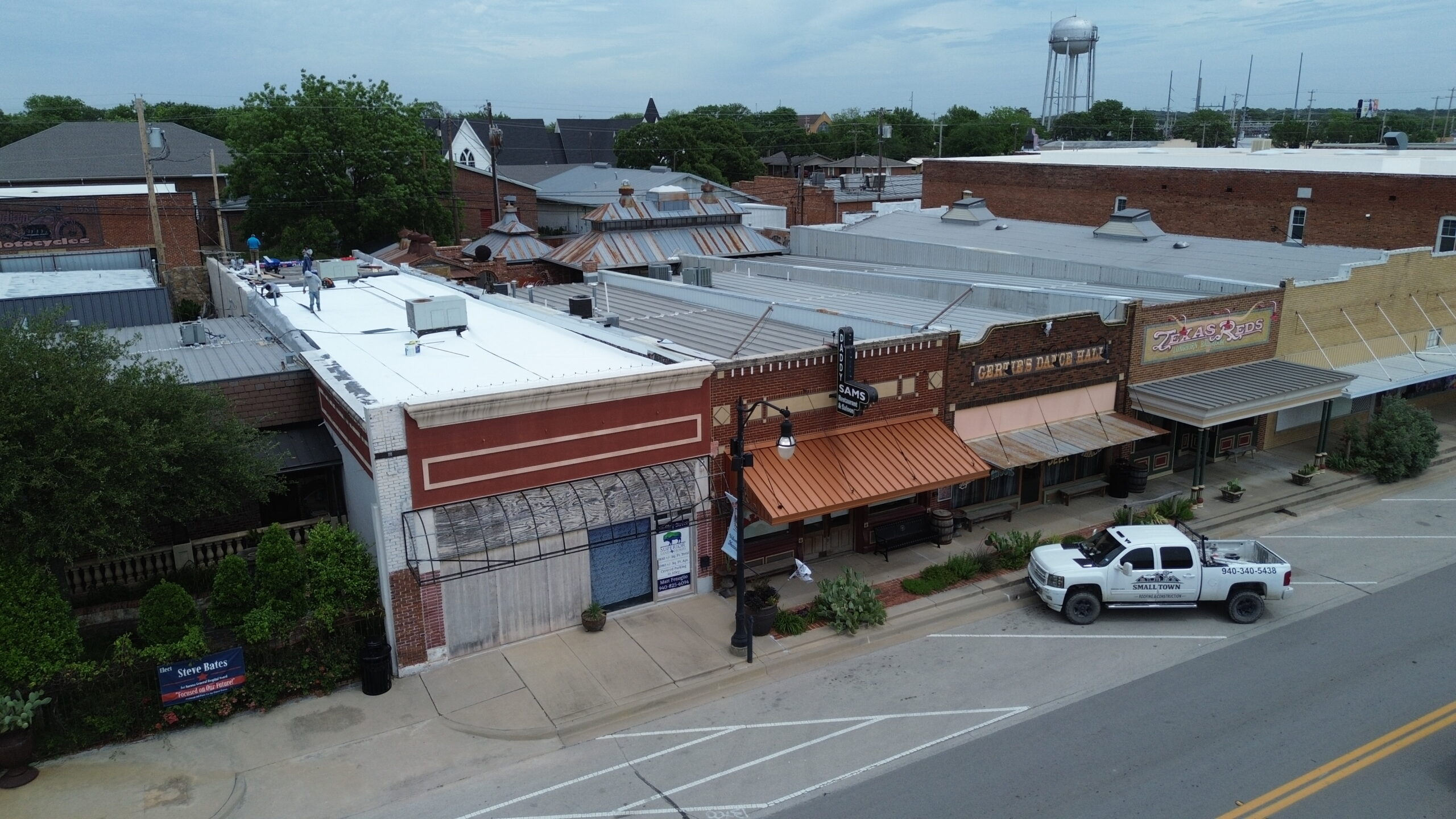
Even the highest quality roofing materials cannot reach their full lifespan if routine maintenance is neglected. In many cases, roofs fail prematurely not because of severe weather alone but because small maintenance mistakes are repeated over many years. Understanding these common errors allows homeowners to protect their investment and avoid unnecessary repair costs.
One of the most frequent mistakes is waiting for visible leaks before taking action. Water damage often begins long before stains appear on ceilings or walls. Moisture can travel through insulation, roof decking, and wooden framing while remaining hidden, allowing structural damage to develop gradually.
Another common mistake is ignoring small repairs. A cracked shingle, loose flashing, or damaged sealant may appear insignificant, but continuous exposure to rain, wind, and sunlight causes these defects to expand. Minor repairs that could have been completed quickly often become major restoration projects when postponed.
Failing to clean gutters regularly also shortens roof lifespan. Blocked gutters prevent proper drainage, causing water to overflow onto roof edges and fascia boards. Repeated moisture exposure eventually leads to wood rot, mold growth, and damage to roofing materials.
Walking on the roof unnecessarily is another avoidable mistake. Excessive foot traffic can loosen shingles, remove protective granules, crack roofing materials, and damage flashing. Homeowners should limit roof access whenever possible and rely on professional contractors for inspections that require walking on the roof.
Ignoring nearby trees creates additional maintenance problems. Overhanging branches scrape roofing materials during windy weather, while leaves, pine needles, and twigs trap moisture that encourages moss and algae growth.
Improper attic maintenance also affects roof longevity. Blocked vents, insufficient insulation, and poor airflow create excessive heat and moisture beneath the roof deck, accelerating deterioration from the inside.
Preventive maintenance succeeds because it addresses these issues before they have an opportunity to compromise the roofing system. Avoiding these common mistakes significantly improves long term roof performance.
When to Hire a Professional Roofing Contractor
Routine homeowner maintenance plays an important role in preserving roof health, but some situations require professional knowledge and specialized equipment. Recognizing when expert assistance is needed helps prevent further damage while ensuring repairs are completed safely and correctly.
Water stains appearing inside the home should always be investigated by a qualified roofing contractor. The visible stain is rarely located directly beneath the source of the leak because water often travels along structural framing before becoming noticeable.
Storm damage is another situation that deserves professional evaluation. Strong winds, hail, falling branches, and flying debris can loosen roofing materials or damage flashing even when no immediate leaks are visible.
Recurring roof leaks often indicate that previous repairs addressed only the symptoms rather than the underlying problem. Experienced contractors evaluate the entire roofing system to identify drainage issues, ventilation problems, flashing failures, or hidden structural damage contributing to repeated leaks.
Older roofs also benefit from periodic professional inspections. As roofing materials approach the end of their expected lifespan, contractors can recommend maintenance strategies that maximize remaining service life while helping homeowners prepare for eventual replacement.
Professional roof inspections frequently include detailed evaluations of attic ventilation, insulation, flashing, gutters, sealants, and structural components. These comprehensive assessments provide valuable information that homeowners may not be able to identify during routine visual inspections.
Hiring experienced roofing professionals for complex repairs protects both the roof and homeowner safety. Proper installation techniques and quality workmanship contribute directly to extending roof lifespan.
Cost of Routine Maintenance Versus Early Roof Replacement
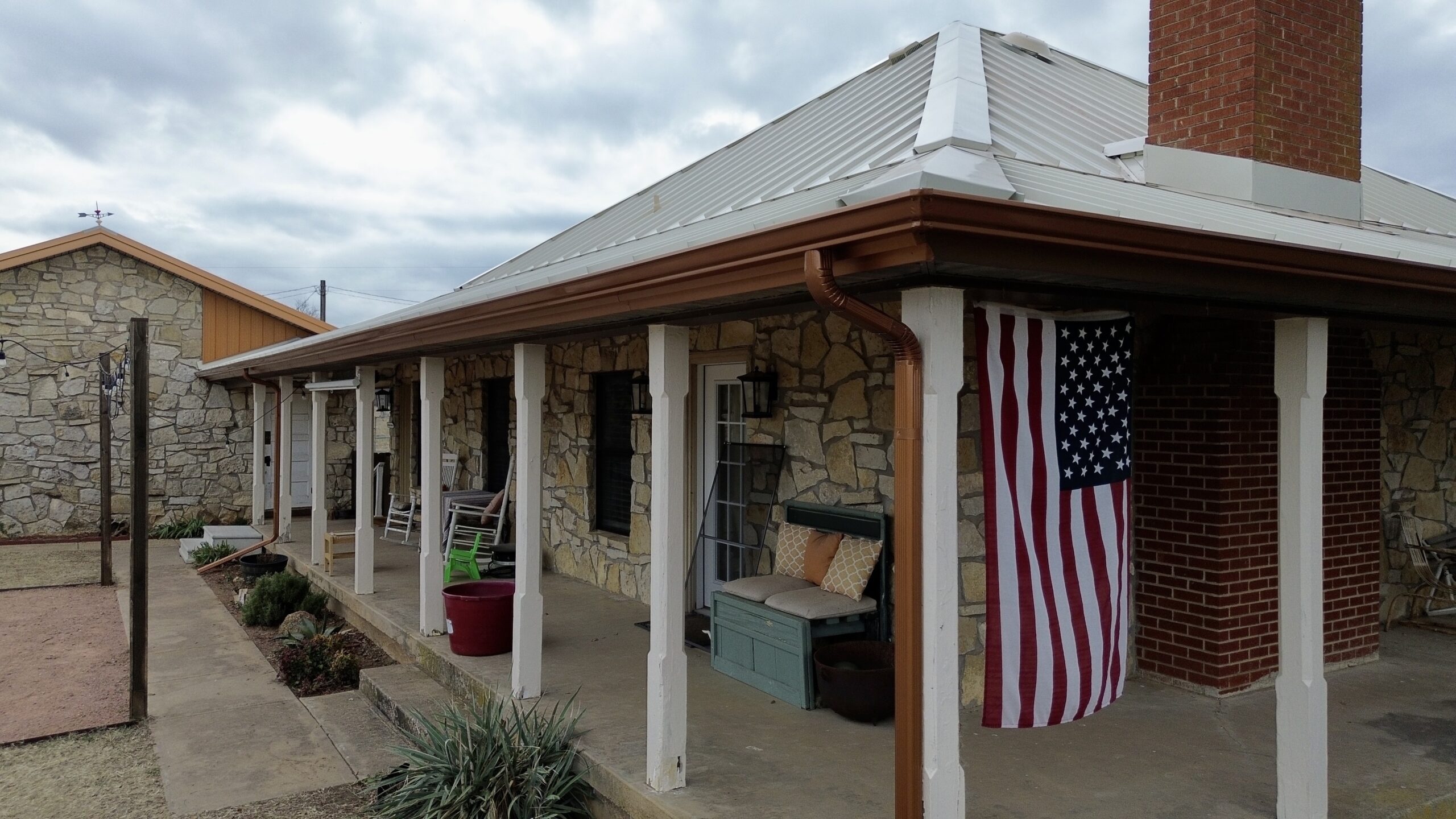
Some homeowners hesitate to invest in preventive maintenance because they view it as an unnecessary expense. However, comparing maintenance costs with the cost of premature roof replacement clearly demonstrates the financial advantages of regular care.
Routine maintenance generally involves predictable, manageable expenses such as inspections, gutter cleaning, replacing damaged shingles, resealing flashing, and trimming nearby trees. These services help preserve roofing materials before extensive deterioration develops.
When maintenance is neglected, repair costs increase rapidly because damage often spreads beyond the roof itself. Water entering through damaged roofing materials affects insulation, drywall, framing, flooring, paint, and sometimes electrical systems.
Premature roof replacement is considerably more expensive than maintaining an existing roof properly. Replacing a roof years earlier than necessary represents a significant financial burden that could often have been delayed through consistent preventive care.
Emergency repairs also tend to cost more than planned maintenance. Contractors responding after storms or during severe weather frequently face limited access, temporary protective measures, and urgent scheduling demands that increase overall repair costs.
The following comparison highlights the difference between routine maintenance and premature roof replacement.
| Routine Maintenance | Costs Associated With Early Roof Replacement |
|---|---|
| Annual roof inspection | Complete roof replacement |
| Gutter cleaning | Roof decking replacement |
| Flashing repairs | Interior ceiling repairs |
| Replacing damaged shingles | Wet insulation replacement |
| Tree trimming | Mold remediation |
| Roof cleaning | Structural framing repairs |
| Seasonal maintenance | Emergency water damage restoration |
Although every home is different, preventive maintenance consistently provides the most cost effective approach to long term roof ownership. Small annual investments protect roofing materials while delaying one of the largest home maintenance expenses.
Frequently Asked Questions About Roof Maintenance
Many homeowners have similar concerns about extending roof lifespan. Understanding these common questions helps establish realistic maintenance expectations while encouraging proactive care.
How often should a roof be professionally inspected?
Most roofing professionals recommend scheduling a comprehensive inspection at least once each year. Additional inspections after severe storms are also beneficial because hidden damage may not be immediately visible.
Does cleaning the roof really extend its lifespan?
Yes. Removing leaves, moss, algae, and other debris reduces moisture retention while allowing roofing materials to dry more quickly after rain. Cleaner roofing surfaces generally experience slower deterioration.
Can replacing a few shingles prevent larger repairs?
Absolutely. Replacing damaged shingles promptly prevents moisture from reaching underlayment and roof decking, reducing the likelihood of structural damage and interior leaks.
Is attic maintenance really part of roof maintenance?
Yes. Proper insulation and ventilation regulate temperature and moisture beneath the roof, helping roofing materials perform more efficiently while reducing condensation and ice dam formation.
How do I know when maintenance is no longer enough?
When repairs become frequent, widespread deterioration develops, or roofing materials approach the end of their expected lifespan, a professional inspection can determine whether replacement offers better long term value than continued repairs.
Annual Roof Maintenance Checklist
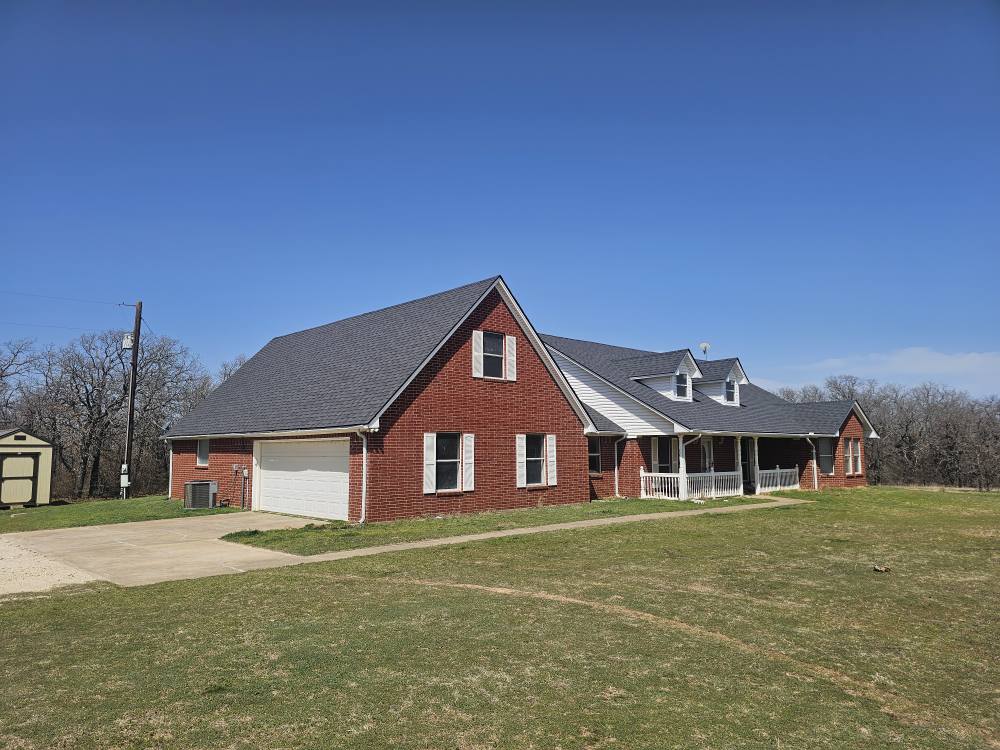
A consistent yearly maintenance routine greatly improves the likelihood of achieving the maximum lifespan from a roofing system. Organized maintenance also reduces the chances of overlooking important inspection tasks.
The following checklist provides a practical guide for annual roof care.
- Schedule a professional roof inspection once each year.
- Inspect the roof after severe storms or high winds.
- Clean gutters and downspouts during spring and fall.
- Replace damaged or missing shingles promptly.
- Examine flashing around chimneys, skylights, and roof vents.
- Remove leaves, branches, and organic debris from roof surfaces.
- Trim tree branches growing near the roof.
- Check attic insulation and ventilation for moisture problems.
- Monitor the roof for moss, algae, or standing water.
- Maintain records of inspections, repairs, and maintenance activities.
Following this checklist creates a structured maintenance routine that protects roofing materials while helping homeowners identify developing problems before they require expensive repairs.
Creating a Lifetime Roof Care Plan
Extending roof lifespan requires more than completing occasional maintenance tasks. Long term success depends on developing a roof care plan that remains consistent throughout the life of the roofing system.
Begin by establishing seasonal inspection dates and treating them as part of regular home maintenance. Performing inspections at the same time each year helps ensure they are not forgotten while making it easier to compare roof conditions over time.
Keep detailed maintenance records that include inspection reports, photographs, contractor recommendations, repair invoices, and warranty information. These records help identify recurring issues while providing valuable documentation if warranty claims become necessary.
Budgeting for preventive maintenance is another important element of long term planning. Setting aside funds for annual inspections and minor repairs prevents homeowners from postponing maintenance because of unexpected expenses.
As the roof ages, inspections may become more frequent. Older roofing materials often require closer monitoring because normal wear gradually increases the likelihood of developing maintenance concerns.
Building relationships with experienced roofing professionals also supports a successful maintenance strategy. Contractors familiar with the roof’s history can provide more accurate recommendations while helping homeowners make informed decisions about repairs and future replacement planning.
A lifetime roof care plan transforms maintenance from a reactive process into a proactive investment. Consistent attention keeps roofing materials in better condition, preserves structural integrity, and maximizes the return on one of the home’s most important assets.
Conclusion
A roof is designed to provide reliable protection for many years, but achieving its full lifespan depends on far more than the quality of the roofing materials alone. Regular maintenance plays a critical role in preserving every component of the roofing system, from shingles and flashing to gutters, ventilation, insulation, and drainage. When these elements are inspected and maintained consistently, they work together to protect the home from weather related damage while aging more gradually.
Preventive maintenance allows homeowners to identify and correct small issues before they develop into expensive structural repairs. Replacing a damaged shingle, cleaning gutters, resealing flashing, trimming nearby trees, or improving attic ventilation may seem like simple tasks, but together they significantly reduce the risk of leaks, moisture intrusion, mold growth, and premature roof deterioration. These routine efforts not only extend the service life of the roof but also improve energy efficiency and help preserve the home’s overall value.
Consistency is the foundation of effective roof care. Seasonal inspections, organized maintenance records, prompt repairs, and periodic professional evaluations create a proactive approach that minimizes unexpected problems and reduces long term ownership costs. Instead of reacting to emergencies, homeowners gain the confidence of knowing their roof is prepared to withstand changing weather conditions throughout the year.
Extending roof lifespan through regular maintenance is one of the smartest investments a homeowner can make. By adopting preventive maintenance practices, responding quickly to early warning signs, and treating roof care as an ongoing responsibility rather than an occasional project, homeowners can maximize the durability, performance, and value of their roofing system while avoiding many of the costly repairs that result from years of neglect.