
How Gutter Cleaning Prevents Roof Water Damage Issues
Introduction
Gutters are often overlooked during routine home maintenance, yet they perform one of the most important functions in protecting a roofing system. Every time it rains, gutters collect water flowing from the roof and direct it safely away from the home. When this drainage process works properly, the roof, walls, foundation, and landscaping remain protected from excessive moisture. When gutters become clogged, however, water can quickly accumulate and begin damaging multiple parts of the property.
Many homeowners assume that gutters only protect the foundation, but they are equally important for preserving the health of the roof. Overflowing gutters can force water beneath shingles, soak roof decking, damage fascia boards, and create moisture problems inside the attic. These issues often develop gradually, making them difficult to notice until repairs become expensive.
Roof water damage rarely starts with a major failure. In many cases, it begins with leaves, twigs, dirt, and other debris collecting inside the gutters. As water flow becomes restricted, rainwater backs up instead of draining efficiently. This standing water places continuous stress on roofing materials and creates opportunities for moisture to enter areas that are normally protected.
Regular gutter cleaning is one of the simplest and most cost-effective ways to prevent roof water damage. Removing debris allows rainwater to flow freely through the drainage system, reducing the likelihood of leaks, wood rot, mold growth, and structural deterioration. A small amount of preventive maintenance can often save homeowners from thousands of dollars in future repair costs.
In this guide, we will explore how gutter cleaning protects roofing systems, explain the relationship between gutters and roof health, examine the warning signs of blocked gutters, and discuss why consistent maintenance is essential for preventing long-term water damage.
Understanding the Connection Between Gutters and Roof Protection
A roofing system is designed to work as a complete water management system rather than as a collection of separate components. Shingles, flashing, roof decking, gutters, and downspouts all work together to move rainwater safely away from the home. If any one of these components fails, the entire drainage process becomes less effective.
Gutters form the final stage of this system by collecting rainwater after it flows down the roof surface. Instead of allowing water to pour directly off the roof edges, gutters channel it into downspouts where it can be safely discharged away from the home’s exterior.
Without properly functioning gutters, large volumes of water repeatedly contact roof edges, fascia boards, soffits, siding, windows, and the foundation. Continuous exposure to moisture gradually weakens building materials and increases the likelihood of water intrusion throughout the structure.
The connection between gutters and roof protection becomes especially important during heavy rainfall. A typical residential roof can collect hundreds of gallons of rainwater during a single storm. Gutters must transport this water quickly and efficiently to prevent accumulation along vulnerable roof areas.
Even small gutter blockages interrupt this process. As debris restricts water flow, rainwater begins pooling inside the gutter instead of draining through the downspouts. Eventually, water overflows or backs up beneath roofing materials where it can damage roof decking and structural components.
Understanding this relationship helps explain why gutter maintenance should be viewed as roof maintenance. Keeping gutters clean protects far more than the drainage system itself. It safeguards nearly every component connected to the roof.
How Gutters Direct Water Away from the Roof
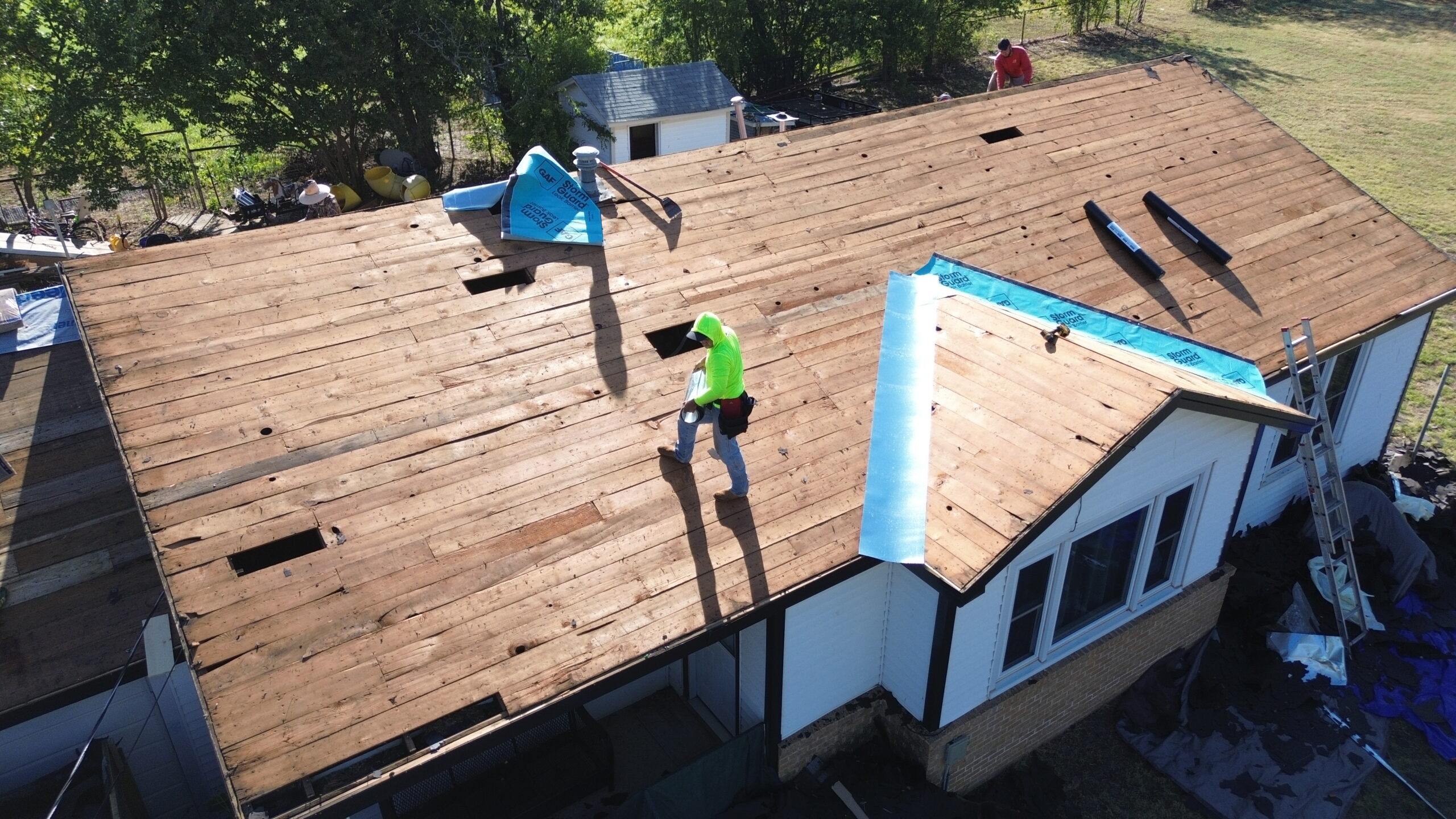
The primary purpose of a gutter system is to manage rainwater efficiently. Although gutters appear simple, their design follows basic drainage principles that allow large amounts of water to move safely away from the home within a short period.
Rainwater first lands on the roof surface before flowing downward along the slope of the roofing materials. Gravity naturally directs this water toward the roof edges where gutters capture the runoff before it reaches the ground.
Once inside the gutters, water travels along gently sloped channels toward strategically placed downspouts. The slight angle built into the gutter system ensures that water continues moving rather than remaining stagnant inside the channels.
Downspouts complete the drainage process by carrying water vertically from the gutters to ground level. Extensions or underground drainage systems often direct this water farther away from the home’s foundation to reduce erosion and moisture accumulation around the building.
When every component functions properly, rainwater spends very little time in contact with the roof. This rapid drainage minimizes moisture exposure while reducing opportunities for water to enter beneath roofing materials or collect around structural components.
Proper gutter capacity also plays an important role. Gutters must be appropriately sized for the roof area they serve so they can handle expected rainfall without overflowing during heavy storms. Oversized roofs connected to undersized gutters may experience drainage problems even when the gutters remain completely clean.
Regular cleaning preserves the efficiency of this drainage system. Removing debris allows water to continue following its intended path instead of becoming trapped within clogged sections of the gutter.
What Happens When Gutters Become Clogged
Clogged gutters disrupt the normal flow of rainwater and create conditions that increase the risk of roof damage. Instead of directing water away from the building, blocked gutters trap moisture against roofing materials and surrounding structural components.
Leaves, twigs, seeds, dirt, roof granules, bird nests, and other debris gradually accumulate inside the gutter channels. As this material builds up, it reduces the available space for water to flow through the system.
During rainfall, water begins collecting behind the blockage rather than moving toward the downspouts. As the volume of trapped water increases, several problems may develop simultaneously.
Overflow is one of the first visible signs. Instead of exiting through the downspouts, water spills over the front and back edges of the gutters. Overflowing water repeatedly wets fascia boards, soffits, siding, and landscaping while increasing moisture exposure around the roof perimeter.
Backflow presents an even greater concern. When gutters remain completely full, water may flow backward beneath the first row of shingles. This hidden moisture often reaches roof decking where prolonged exposure can weaken wood components and encourage mold growth.
Standing water also adds unnecessary weight to the gutter system. Combined with saturated debris, this additional load places stress on gutter brackets and fasteners. Over time, gutters may begin sagging, separating from the roof edge, or pulling away from the house entirely.
Clogged gutters also create favorable conditions for insects, birds, rodents, and plant growth. These additional problems further reduce drainage efficiency while increasing maintenance requirements.
Without regular cleaning, minor blockages gradually develop into widespread drainage failures that affect both the roof and the rest of the home.
Common Causes of Gutter Blockages
Gutter blockages develop gradually through the accumulation of both natural and man-made debris. Understanding these common causes helps homeowners recognize why routine cleaning remains necessary even when gutters appear functional from the ground.
Fallen leaves represent the most familiar source of gutter clogs. Deciduous trees shed large amounts of foliage during autumn, filling gutters with material that quickly traps additional debris during future storms.
Small twigs and broken branches often accompany falling leaves, particularly after windy weather. These larger pieces create partial blockages that capture smaller debris while restricting water movement through the gutter system.
Roof granules from aging asphalt shingles also contribute to gutter buildup. As shingles weather over time, protective granules gradually wash into the gutters where they mix with dirt and organic material to form dense sediment.
Pollen, dust, and airborne soil accumulate surprisingly quickly throughout the year. Although each individual particle is small, repeated exposure gradually creates a layer of fine debris that reduces drainage capacity.
Birds occasionally build nests inside gutters, especially near downspout openings or sheltered roof corners. These nests block water flow while attracting additional leaves and organic material.
Seeds carried by wind may begin growing when trapped within moist debris. Small plants and weeds establish root systems that make gutter cleaning increasingly difficult if maintenance is delayed for extended periods.
The most common sources of gutter blockages include:
- Fallen leaves and pine needles
- Small branches and twigs
- Roof granules from aging shingles
- Dirt, dust, and airborne debris
- Bird nests and animal activity
- Moss and algae growth
- Windblown seeds and small plants
Recognizing these common causes helps homeowners understand why gutter cleaning remains necessary throughout the year rather than only during autumn.
Early Warning Signs That Gutters Need Cleaning
Many gutter problems provide visible warning signs before serious roof damage occurs. Learning to recognize these indicators allows homeowners to schedule cleaning before drainage issues begin affecting the roofing system.
Overflowing water during rainfall is one of the clearest signs that gutters require attention. Water spilling over the sides instead of flowing through the downspouts usually indicates that debris is restricting normal drainage.
Sagging gutters often suggest that accumulated debris and standing water have become excessively heavy. As gutter fasteners experience continuous stress, sections of the system may begin pulling away from the fascia boards.
Plants growing inside the gutters provide another obvious indication that maintenance has been neglected. Seeds trapped within damp organic debris often germinate, creating root systems that further obstruct water flow.
Water stains on fascia boards or exterior walls may indicate repeated overflow. Continuous exposure to moisture gradually discolors painted surfaces while increasing the likelihood of wood deterioration.
Downspouts that release little or no water during heavy rain also deserve attention. Reduced discharge often indicates blockages somewhere within the gutter or downspout system.
Homeowners may also notice increased insect activity around clogged gutters. Mosquitoes, ants, birds, and rodents are attracted to standing water and accumulated organic material that remain undisturbed for long periods.
Interior warning signs occasionally appear as well. Moisture stains near roof edges, damp attic insulation, or mold growth along exterior walls may indicate that overflowing gutters have begun affecting the roofing system.
Responding promptly to these warning signs significantly reduces the likelihood of expensive roof repairs caused by prolonged water exposure.
How Overflowing Gutters Begin Damaging the Roof
Roof water damage caused by clogged gutters rarely occurs immediately after a single storm. Instead, damage usually develops gradually as repeated overflow exposes roofing components to continuous moisture over weeks or months.
The first area often affected is the roof edge. When gutters cannot drain properly, water remains in prolonged contact with fascia boards and the lower edge of the roof. This constant moisture gradually weakens protective finishes while encouraging wood rot.
As overflow continues, water may begin entering beneath shingles through small gaps created by wind, aging, or normal roof movement. Once beneath the roofing materials, moisture reaches underlayment and roof decking where it becomes much more difficult to detect.
Roof decking absorbs water over time, reducing its structural strength and increasing the likelihood of warping, swelling, and decay. Moisture trapped within the roof assembly also creates favorable conditions for mold growth and fungal activity.
Winter conditions introduce additional concerns. Overflowing gutters contribute to ice dam formation when trapped water freezes along roof edges. As melting snow refreezes, expanding ice forces water beneath shingles where additional moisture damage may occur inside the attic.
Persistent overflow also affects gutter attachment points. Water-soaked fascia boards gradually lose strength, making it more difficult for fasteners to support the weight of the gutter system during future storms.
Because this deterioration develops slowly, homeowners often remain unaware of the problem until interior leaks, ceiling stains, or visible structural damage appear. By that stage, repairs frequently extend beyond simple gutter cleaning and involve multiple roofing components.
In the next part of this guide, we will examine the specific types of roof water damage caused by clogged gutters, explain how poor drainage affects fascia boards, soffits, roof decking, attic insulation, and moisture control, compare clean gutters with clogged gutters in a detailed table, discuss seasonal gutter maintenance practices, and explain how often homeowners should clean their gutters to keep their roofing systems protected.
Types of Roof Water Damage Caused by Dirty Gutters
When gutters remain clogged for extended periods, the resulting water buildup affects much more than the drainage system itself. Roof water damage develops in several forms depending on where the trapped moisture travels and how long it remains in contact with building materials.
One of the most common problems is roof edge deterioration. Overflowing water repeatedly wets the lower sections of the roof, gradually weakening shingles, underlayment, and roof decking. Over time, these materials lose their ability to prevent moisture intrusion during heavy rainfall.
Wood rot is another serious concern. Fascia boards, roof decking, and structural framing absorb moisture when exposed continuously to overflowing gutters. As the wood remains damp, fungal growth begins breaking down the fibers, reducing structural strength and increasing repair costs.
Moisture intrusion beneath roofing materials frequently leads to hidden attic problems. Water entering beneath shingles may soak insulation, stain ceilings, damage drywall, and encourage mold growth before homeowners notice visible leaks inside the living space.
Repeated exposure to moisture also affects roofing fasteners. Nails, screws, and metal connectors may corrode over time, reducing their holding strength and making roofing materials more vulnerable to future storm damage.
In colder climates, clogged gutters contribute directly to ice dam formation. As trapped water freezes near roof edges, expanding ice prevents melting snow from draining properly. Water then backs up beneath shingles, increasing the likelihood of interior leaks during winter.
Even roofing materials that remain structurally sound may experience premature aging when exposed to continuous moisture. Constant wetting and drying cycles accelerate material deterioration while shortening the expected service life of the roofing system.
How Gutter Problems Affect Fascia, Soffits, and Roof Decking
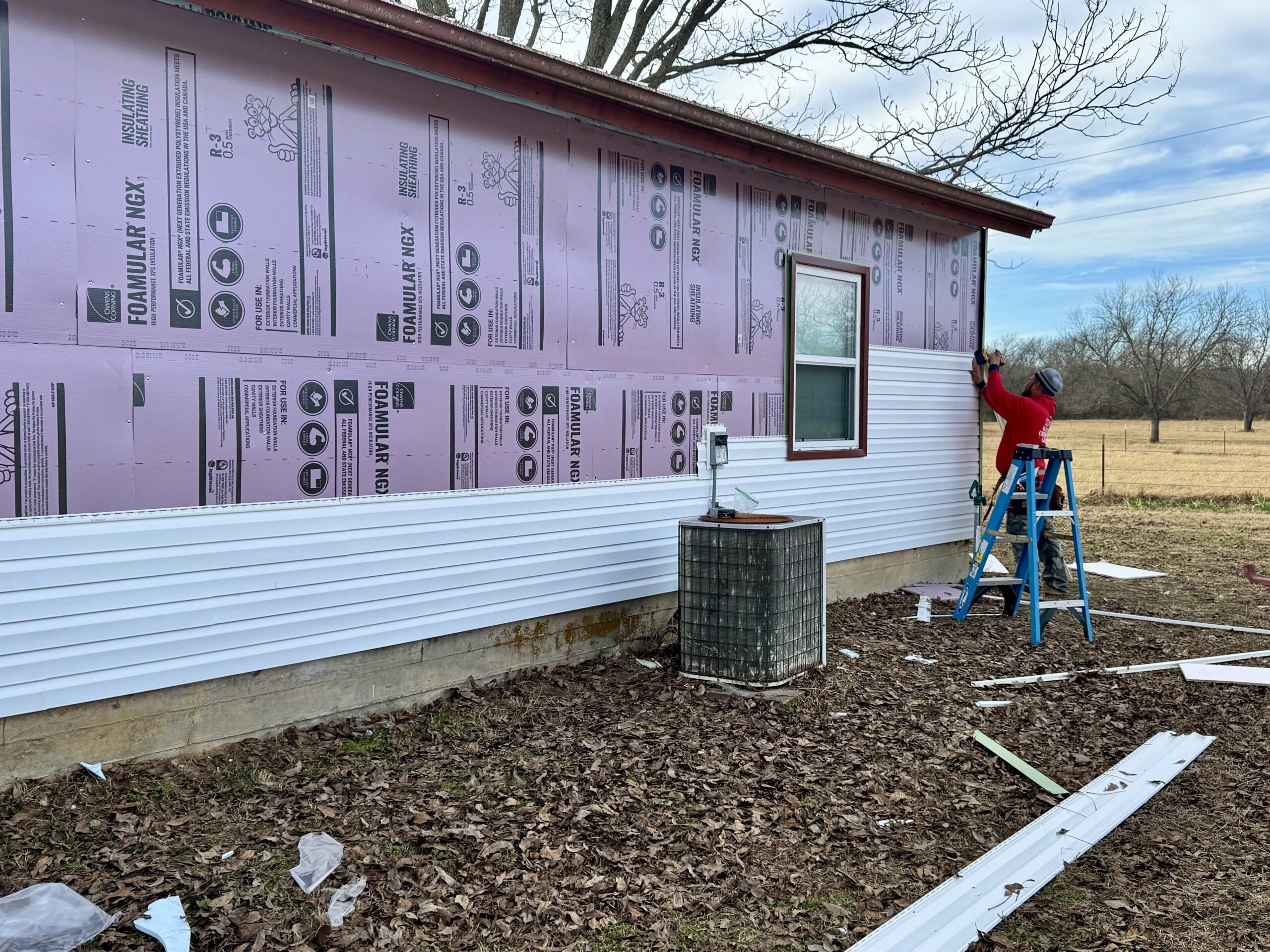
Fascia boards, soffits, and roof decking form the structural connection between the roof and the gutter system. Because these components sit directly behind or beneath the gutters, they are often the first parts of the roof affected when drainage problems develop.
Fascia boards provide the mounting surface that supports the gutters. When overflowing water repeatedly saturates these boards, paint begins peeling, protective coatings deteriorate, and moisture penetrates the wood. Continuous exposure eventually leads to wood rot, making it difficult for the fascia to support the weight of the gutter system.
Soffits also experience increased moisture exposure during gutter overflow. Water running behind the gutters may soak soffit panels, allowing moisture to enter attic ventilation openings or damage the underside of the roof overhang. Poor ventilation caused by damaged soffits may further contribute to attic humidity and condensation.
Roof decking faces perhaps the greatest long-term risk. Water forced beneath shingles by overflowing gutters reaches the wooden deck supporting the roofing materials. Unlike surface water that dries relatively quickly, trapped moisture within the decking often remains unnoticed while slowly weakening the structure.
As roof decking absorbs water, it may swell, warp, or lose structural integrity. Nails holding roofing materials become less secure, increasing the risk of additional weather damage during strong winds or severe storms.
Once wood deterioration begins, repairs often involve replacing multiple interconnected roofing components rather than addressing only the clogged gutters. What started as a simple maintenance issue may eventually require significant carpentry and roofing work.
Regular gutter cleaning interrupts this cycle by restoring proper drainage before moisture reaches vulnerable structural materials.
Impact of Poor Gutter Maintenance on Attic Moisture and Insulation
Many homeowners are surprised to learn that clogged gutters can eventually affect areas far beyond the roof exterior. As water enters beneath roofing materials, moisture often spreads into attic spaces where it damages insulation, framing, and ventilation systems.
Wet insulation is one of the most common consequences. Insulation performs effectively only when it remains dry. Once saturated, it loses much of its ability to resist heat transfer, reducing energy efficiency and increasing heating and cooling costs throughout the year.
Moisture inside the attic also creates favorable conditions for mold and mildew growth. Organic building materials such as wooden framing and paper-backed insulation provide ideal surfaces for mold development when combined with elevated humidity levels.
Prolonged attic moisture affects structural framing as well. Rafters, trusses, and roof decking exposed to repeated moisture may gradually weaken, creating long-term structural concerns that extend beyond cosmetic water stains.
Poor attic ventilation often worsens these problems. Moisture entering through the roof becomes trapped when airflow remains inadequate, increasing humidity levels and slowing the drying process after rainfall.
Electrical components located within the attic may also be affected. Water exposure around wiring, junction boxes, or lighting fixtures increases the importance of identifying roof leaks promptly before additional hazards develop.
Because attic damage frequently remains hidden for long periods, homeowners may not discover these problems until energy bills increase, mold becomes visible, or ceiling stains begin appearing inside living spaces.
Routine gutter cleaning significantly reduces the likelihood of moisture entering the attic by ensuring that rainwater follows its intended drainage path away from the roofing system.
Comparing Clean Gutters vs Clogged Gutters
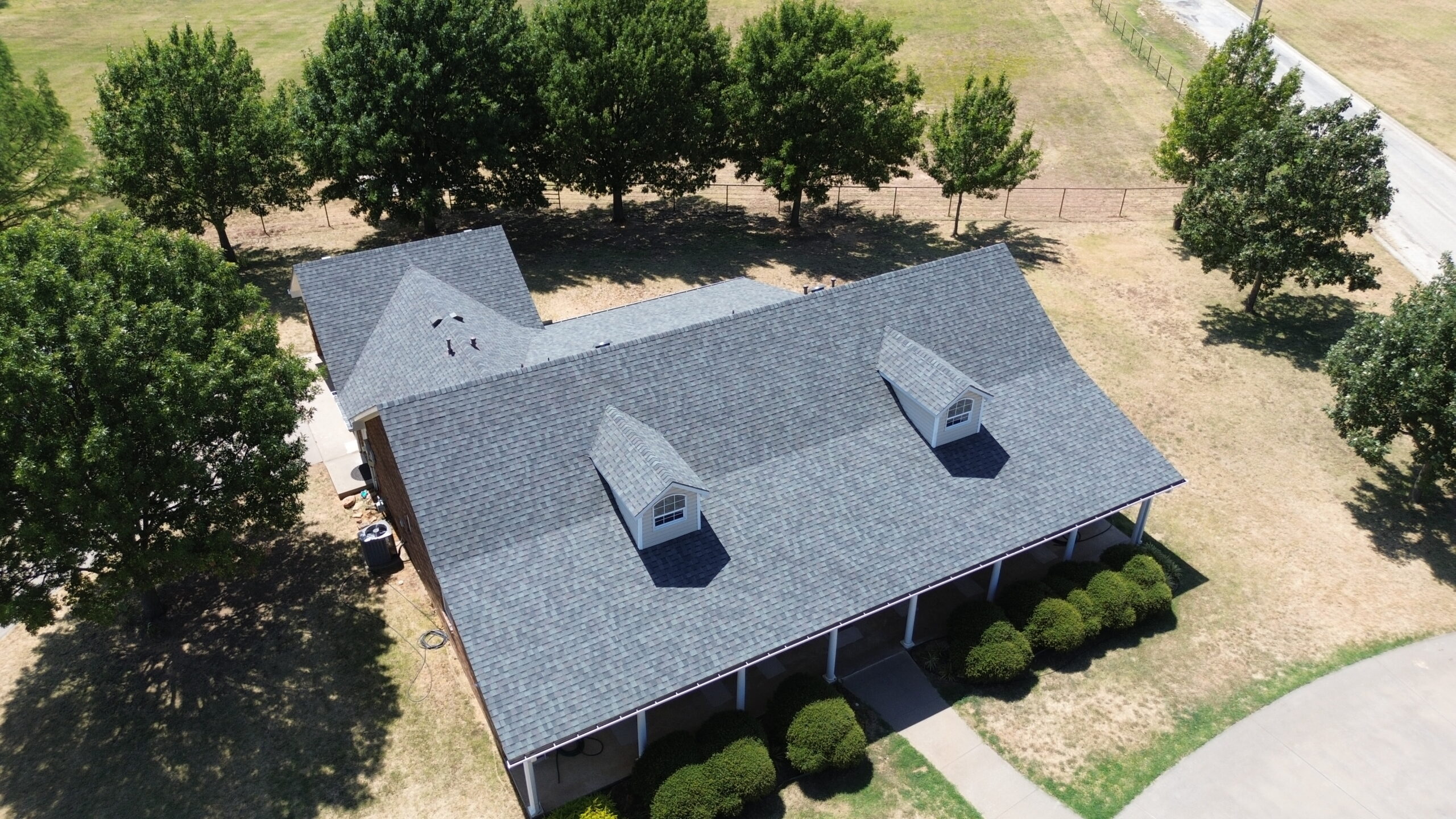
The condition of a gutter system has a direct influence on the performance of the entire roofing system. Comparing properly maintained gutters with neglected gutters clearly illustrates why regular cleaning remains such an important part of home maintenance.
| Feature | Clean Gutters | Clogged Gutters |
|---|---|---|
| Water Flow | Water drains efficiently through downspouts | Water pools and overflows |
| Roof Protection | Roof edges remain dry and protected | Water backs up beneath roofing materials |
| Fascia and Soffits | Minimal moisture exposure | Increased risk of wood rot and deterioration |
| Attic Condition | Lower chance of moisture intrusion | Greater risk of damp insulation and mold |
| Gutter Structure | Maintains proper alignment and support | Heavy debris causes sagging and loose fasteners |
| Long-Term Maintenance | Lower repair costs and longer roof lifespan | Increased likelihood of expensive roof repairs |
This comparison demonstrates that routine gutter cleaning provides benefits far beyond improving appearance. Efficient drainage protects nearly every component connected to the roofing system while reducing maintenance costs over time.
Even a relatively small blockage can begin altering water flow during heavy rainfall. Preventive cleaning therefore remains much more effective than waiting until major drainage failures occur.
Seasonal Gutter Cleaning Best Practices
Gutter maintenance should follow the changing seasons because different weather conditions introduce different types of debris and drainage challenges. Adjusting cleaning routines throughout the year helps maintain consistent roof protection regardless of the climate.
Spring cleaning focuses on removing debris left behind after winter storms. Twigs, seed pods, roof granules, and accumulated dirt should be cleared before heavy spring rains test the drainage system. This is also an excellent time to inspect gutters for damage caused by snow or ice.
Summer maintenance generally involves lighter cleaning, although storms may deposit branches, leaves, or roofing debris that restrict water flow. Homeowners should also inspect gutter fasteners, joints, and sealants after periods of severe weather.
Fall typically requires the most frequent gutter maintenance because deciduous trees shed large amounts of leaves over several weeks. Waiting until all leaves have fallen before cleaning may allow significant blockages to develop during autumn rainstorms.
Winter maintenance emphasizes observation rather than extensive cleaning. Homeowners should monitor gutters for ice accumulation, frozen downspouts, and signs of developing ice dams while avoiding unnecessary work on icy roofs.
Seasonal inspections also provide opportunities to identify small gutter problems before they become major repairs. Loose brackets, separated joints, rust, or sagging sections can often be corrected quickly when discovered early.
Maintaining gutters consistently throughout the year reduces the workload associated with each cleaning while improving the overall reliability of the drainage system.

How Often Should Homeowners Clean Their Gutters?
The ideal gutter cleaning schedule depends on several factors, including local climate, surrounding trees, roof design, and weather patterns. While some homes require only two cleanings each year, others benefit from more frequent maintenance.
For most residential properties, cleaning gutters during spring and fall provides an effective maintenance routine. Spring cleaning removes debris accumulated during winter, while fall cleaning prepares the drainage system for seasonal storms and freezing weather.
Homes surrounded by mature trees often require additional attention. Properties with large oak, maple, pine, or sycamore trees may need gutter inspections every few months because leaves, needles, and small branches accumulate much more quickly.
Regions experiencing frequent storms may also benefit from additional inspections. High winds often carry branches, roof debris, and other materials into gutters even outside the traditional leaf-fall season.
Homeowners should not rely solely on a fixed calendar schedule. Visual observations after major storms help identify unexpected blockages before they create drainage problems.
The following maintenance schedule provides a practical starting point for most homes:
- Perform a complete gutter cleaning during spring after winter weather has ended.
- Clean gutters again during late fall after most leaves have fallen.
- Inspect gutters after severe storms involving high winds or heavy rainfall.
- Check downspouts regularly to ensure water flows freely during rain.
- Increase cleaning frequency if large trees surround the property.
- Schedule professional inspections if recurring blockages or drainage problems develop.
Ultimately, the goal is not simply to clean gutters on specific dates but to ensure that water always has a clear path away from the roof. Consistent maintenance significantly reduces the likelihood of moisture-related roof damage while extending the lifespan of both the gutter system and the roofing materials.
In the final part of this guide, we will compare DIY gutter cleaning with professional gutter cleaning, discuss additional maintenance practices that protect both gutters and roofing systems, examine common mistakes homeowners should avoid during gutter cleaning, explain the long-term benefits of regular maintenance, answer frequently asked questions, and conclude with the key reasons why clean gutters are essential for preventing roof water damage.
DIY Gutter Cleaning vs Professional Gutter Cleaning
Many homeowners choose to clean their gutters themselves, while others prefer hiring professionals to complete the work. Both approaches have advantages, but the right choice depends on the home’s design, the condition of the gutter system, and the homeowner’s experience and comfort with ladder work.
DIY gutter cleaning is often suitable for single-story homes with easily accessible gutters. Homeowners can remove leaves, twigs, and other debris while visually checking for obvious signs of wear such as loose brackets, leaking joints, or sagging sections. This approach can reduce maintenance costs when performed safely and consistently.
Professional gutter cleaning becomes more valuable for multi-story homes, steep rooflines, or properties surrounded by large trees where gutters collect debris quickly. Professionals have the equipment needed to access difficult areas safely while performing a more comprehensive inspection of the entire drainage system.
Another benefit of professional service is the ability to identify developing roofing problems during the cleaning process. Experienced technicians often notice damaged flashing, deteriorated fascia boards, roof edge wear, or gutter alignment issues that homeowners may overlook.
Professional cleaning also includes flushing downspouts to verify proper water flow. Simply removing visible debris from the gutters may not eliminate hidden blockages inside the downspouts, making this additional step important for restoring full drainage performance.
Regardless of who performs the cleaning, safety should always remain the highest priority. Stable ladders, appropriate protective equipment, and avoiding work during wet or windy weather help reduce the risk of accidents while maintaining the gutter system.

Additional Maintenance That Protects Both Gutters and the Roof
Keeping gutters clean is only one part of protecting the roofing system. Several additional maintenance practices work alongside gutter cleaning to improve water management and reduce the likelihood of roof damage throughout the year.
Regular roof inspections help identify damaged shingles, loose flashing, deteriorated sealants, and other defects before they allow water to enter the roof assembly. Addressing these issues early reduces the amount of moisture reaching gutters and surrounding roof components.
Trimming nearby tree branches also contributes to better roof protection. Overhanging limbs drop leaves, twigs, and seeds directly into the gutters while increasing the risk of branch damage during storms. Maintaining adequate clearance helps reduce debris accumulation and protects roofing materials.
Checking gutter alignment is equally important. Gutters should maintain a slight slope toward the downspouts so water drains efficiently after every rainfall. Sections that begin sagging or pulling away from the fascia should be repaired promptly to restore proper water flow.
Inspecting downspout extensions ensures that discharged water travels safely away from the home’s foundation. Extensions that become disconnected or damaged allow water to collect near the building, increasing moisture-related problems around both the roof and foundation.
Homeowners should also examine gutter joints and fasteners during routine maintenance. Small leaks at seams or loose mounting brackets often develop gradually and become easier to repair when identified early.
Combining these maintenance practices with regular gutter cleaning creates a more reliable drainage system that protects the roof throughout every season.
Common Gutter Cleaning Mistakes Homeowners Should Avoid
Although gutter cleaning appears straightforward, several common mistakes reduce its effectiveness or create unnecessary risks. Avoiding these errors helps homeowners maintain a safer and more efficient drainage system.
One of the most frequent mistakes is cleaning only the visible sections of the gutters while ignoring the downspouts. Water cannot flow properly if hidden blockages remain inside the vertical drainage pipes, even when the gutter channels appear completely clean.
Another mistake involves postponing cleaning until gutters become completely blocked. Allowing debris to accumulate over long periods increases the weight placed on the gutter system while making removal more difficult and time-consuming.
Some homeowners use sharp metal tools that scratch protective gutter coatings or damage roofing materials near the roof edge. Plastic scoops and soft brushes generally remove debris effectively while reducing the risk of accidental damage.
Ignoring small gutter problems during cleaning is another common oversight. Loose brackets, leaking joints, rust spots, and separated sections often worsen over time if left unrepaired, eventually affecting the performance of the entire drainage system.
Working during unsafe weather conditions should also be avoided. Wet ladders, slippery roof edges, strong winds, and thunderstorms significantly increase the likelihood of accidents and should postpone maintenance until safer conditions return.
Finally, many homeowners assume that installing gutter guards eliminates the need for maintenance. While gutter guards reduce the amount of debris entering the system, they still require periodic inspection and cleaning to maintain effective water flow.

Long-Term Benefits of Regular Gutter Cleaning
Consistent gutter maintenance provides benefits that extend well beyond preventing temporary drainage problems. Over the long term, clean gutters contribute to a healthier roofing system, lower maintenance expenses, and improved protection for the entire home.
One of the most significant advantages is extending roof lifespan. By preventing water from backing up beneath shingles and around roof edges, regular gutter cleaning reduces unnecessary moisture exposure that accelerates roofing material deterioration.
Structural components also remain better protected. Dry fascia boards, soffits, roof decking, and attic framing experience less moisture-related damage, reducing the likelihood of wood rot, mold growth, and structural repairs.
Energy efficiency may improve as well. Preventing roof leaks helps keep attic insulation dry, allowing it to maintain its intended thermal performance throughout the year. Dry insulation supports more consistent indoor temperatures while reducing heating and cooling costs.
Routine gutter cleaning also lowers long-term repair expenses. Addressing debris before it creates drainage failures is considerably less expensive than replacing damaged roofing materials, repairing interior ceilings, or restoring water-damaged structural components.
Property appearance benefits from proper maintenance too. Clean gutters reduce staining on exterior walls, prevent vegetation from growing within the drainage system, and help maintain the home’s overall curb appeal.
Homeowners also gain greater confidence during severe weather. Knowing that rainwater can flow freely through the gutter system reduces concerns about overflowing gutters, roof leaks, and water damage during heavy storms.
The cumulative effect of regular maintenance is a roofing system that performs more reliably while requiring fewer major repairs over its lifetime.
Frequently Asked Questions
How often should gutters be cleaned to protect the roof?
Most homes benefit from gutter cleaning at least twice each year, typically during spring and late fall. Properties surrounded by large trees or exposed to frequent storms may require more frequent inspections and cleaning.
Can clogged gutters really cause roof leaks?
Yes. When gutters become blocked, water may back up beneath shingles and around roof edges. Repeated moisture exposure can eventually damage underlayment, roof decking, and other roofing components, leading to leaks.
Are gutter guards enough to eliminate gutter cleaning?
No. Gutter guards reduce the amount of debris entering the gutters, but they do not prevent all buildup. Periodic inspection and maintenance remain necessary to ensure proper drainage.
What are the first signs that gutters are affecting the roof?
Common warning signs include overflowing gutters during rain, water stains on fascia boards, sagging gutters, peeling exterior paint, damp attic insulation, ceiling stains near roof edges, and visible mold caused by excess moisture.
Should I inspect the roof every time I clean the gutters?
Yes. Gutter cleaning provides an excellent opportunity to check nearby roofing components for loose shingles, damaged flashing, deteriorated sealants, and other visible issues that may require professional attention.
Conclusion
Gutters play a much greater role in roof protection than many homeowners realize. They are an essential part of the home’s water management system, directing rainwater safely away from roofing materials and preventing excess moisture from reaching vulnerable structural components. When gutters remain clean and functional, they help protect shingles, fascia boards, soffits, roof decking, attic insulation, and the home’s overall structural integrity.
Neglected gutters, however, can quickly become the starting point for serious roof water damage. Clogged channels, blocked downspouts, standing water, and repeated overflow create conditions that allow moisture to penetrate beneath roofing materials, accelerate wood rot, encourage mold growth, and shorten the lifespan of the entire roofing system. Many of these problems develop gradually, making preventive maintenance far more effective than waiting for visible leaks to appear.
Regular gutter cleaning is one of the simplest and most cost-effective maintenance tasks homeowners can perform. Combined with seasonal roof inspections, proper tree trimming, timely repairs, and routine drainage system checks, it significantly reduces the likelihood of expensive water damage while preserving the long-term performance of the roof.
Whether maintenance is completed by the homeowner or a qualified professional, consistency is the key to success. Keeping gutters free from debris, ensuring downspouts remain clear, and addressing small drainage issues promptly help maintain efficient water flow throughout every season. By treating gutter cleaning as an essential part of roof maintenance rather than an occasional household chore, homeowners can protect their investment, reduce repair costs, and enjoy a safer, longer-lasting roofing system for many years to come.