
What to Do When Roof Starts Collapsing Suddenly
Introduction
A roof is one of the strongest parts of any home, but it is not indestructible. Years of exposure to heavy rain, strong winds, snow, fallen trees, poor construction, or neglected maintenance can gradually weaken the entire roofing system until it reaches a breaking point. In some cases, the warning signs appear over weeks or months, while in others, the collapse can happen with little notice.
When a roof begins collapsing, every second matters. Your first priority should never be saving furniture, electronics, or personal belongings. The safety of everyone inside the home comes before everything else because a partially collapsed roof can quickly become a complete structural failure.
Many homeowners panic when they hear loud cracking sounds or notice parts of the ceiling sagging. Panic often leads to poor decisions, such as running into unsafe areas or trying to inspect the damage from inside the house. Understanding the correct steps before an emergency happens can significantly reduce the risk of injury.
Roof collapses are more common than many people realize. Severe weather events, aging structures, water intrusion, overloaded roofs, and hidden structural damage contribute to thousands of emergency roofing incidents every year. Even homes that appear perfectly normal from the outside may have serious structural weaknesses hidden beneath the roofing materials.
Knowing how to respond can make the difference between a controlled evacuation and a dangerous situation. This guide explains what homeowners should do the moment they suspect their roof is beginning to fail, how professionals respond, and what steps help prevent future emergencies.
By understanding the warning signs, acting quickly, and avoiding common mistakes, you can protect your family while minimizing further property damage. Although every roof collapse is different, the principles of safety remain the same regardless of the cause.
Recognizing the Warning Signs Before a Roof Collapse
Roof collapses rarely happen without warning. In many cases, the structure provides subtle clues that something is wrong long before the roofing system fails completely. Homeowners who recognize these warning signs early have a much better chance of preventing a catastrophic collapse.
One of the earliest indicators is a ceiling that begins to sag. This often means moisture has weakened structural components or that excessive weight is placing stress on the framing underneath. Even a small sag should never be ignored because it can worsen rapidly.
Cracking sounds coming from the attic or ceiling deserve immediate attention. Wood under excessive stress may produce popping or snapping noises as it begins to shift. These sounds may occur during heavy rain, strong winds, or after prolonged snow accumulation.
Doors and windows that suddenly become difficult to open or close may indicate structural movement. When roof framing shifts, the walls supporting it can also move slightly, causing frames to become misaligned.
Large cracks developing along ceilings or upper walls may signal that the building is experiencing structural stress. While not every crack points to a collapsing roof, rapidly growing cracks should always be evaluated immediately.
Water stains that continue expanding across ceilings often indicate prolonged moisture intrusion. Water can slowly weaken wooden rafters, roof decking, insulation, and ceiling materials until they no longer support the weight above them.
Visible roof sagging from outside the home is another serious warning sign. A roofline should appear relatively straight unless specifically designed otherwise. Any noticeable dip or depression could indicate failing structural supports.
A musty smell inside the attic sometimes points to long-term moisture damage. Rotting wood loses much of its original strength, making it unable to support roofing materials during storms or under heavy loads.
Nails popping through drywall ceilings may indicate movement within the framing system. As structural members shift, fasteners may loosen and begin protruding through finished surfaces.
After severe storms, homeowners should inspect their property from a safe distance. Missing shingles, damaged flashing, fallen tree limbs, or obvious structural damage should never be dismissed as cosmetic issues.
The following warning signs deserve immediate attention because they may indicate a roof is approaching structural failure:
- Noticeable ceiling sagging or bulging
- Loud cracking or popping sounds
- Large water stains spreading across ceilings
- Roofline appearing uneven from outside
- Interior walls developing new structural cracks
- Doors or windows suddenly sticking
- Visible broken rafters inside the attic
- Significant roof movement during high winds
These warning signs do not always mean a collapse is inevitable, but they should never be ignored. A prompt professional inspection can often identify the underlying problem before it becomes a life-threatening emergency.
Why Roofs Suddenly Fail
Many homeowners assume roof collapses happen only because of old age. While aging materials certainly contribute, structural failures usually result from several issues developing over time rather than a single cause.
Water damage remains one of the leading reasons roofs fail. Even small leaks that continue for months can weaken wooden framing, rust metal connectors, and damage roof decking. Because much of this deterioration occurs inside the structure, homeowners often remain unaware until significant damage has already occurred.
Heavy snow accumulation creates another major hazard in colder climates. Roofs are designed to support certain loads, but unusually heavy snowfall or ice buildup can exceed those limits. Wet snow is especially dangerous because it weighs considerably more than dry snow.
Strong storms frequently expose existing structural weaknesses. High winds can loosen roofing materials, while heavy rainfall allows water to penetrate damaged areas. Over time, repeated weather exposure compounds the damage.
Improper construction practices also increase collapse risks. Inadequate framing, poor-quality materials, missing structural connectors, or shortcuts taken during installation may leave the roof vulnerable during severe weather conditions.
Long-term neglect is another contributing factor. Small roofing issues often appear inexpensive to repair, causing homeowners to postpone maintenance. Unfortunately, minor leaks can develop into widespread structural deterioration that requires major reconstruction.
Fire damage weakens wooden structural members even when flames never reach the roof itself. Heat can significantly reduce the strength of rafters and trusses, leaving them unable to support normal loads.
Large fallen tree limbs create concentrated impact forces that damage both roofing materials and the structural framing beneath them. Even if the roof does not collapse immediately, hidden damage may continue worsening over time.
Poor attic ventilation indirectly contributes to roof deterioration. Excess moisture trapped inside the attic accelerates wood rot and encourages mold growth, both of which gradually reduce structural integrity.
Pest infestations also play a role in some structural failures. Termites, carpenter ants, rodents, and other pests may damage wooden framing over many years before visible symptoms appear.
The table below summarizes some of the most common causes of sudden roof collapse and their potential impact.
| Cause | How It Weakens the Roof | Relative Risk |
|---|---|---|
| Long-term water leaks | Rots framing and roof decking | Very High |
| Heavy snow or ice | Overloads structural supports | Very High |
| Fallen trees | Causes immediate structural damage | Very High |
| Aging roof materials | Gradual deterioration of components | High |
| Poor construction | Weak structural connections | High |
| Fire damage | Reduces wood strength | High |
| Severe windstorms | Loosens roofing system | Moderate to High |
| Lack of maintenance | Allows small problems to worsen | High |
| Pest damage | Weakens wooden framing | Moderate |
Most roof collapses occur because several of these conditions exist simultaneously. For example, an aging roof with hidden water damage may withstand normal weather for years but fail during an intense storm because the weakened framing can no longer support additional stress.
Understanding these causes helps homeowners recognize why routine inspections and maintenance are so valuable. Identifying problems early often costs far less than dealing with a full structural collapse.
Immediate Actions to Take When Your Roof Starts Collapsing
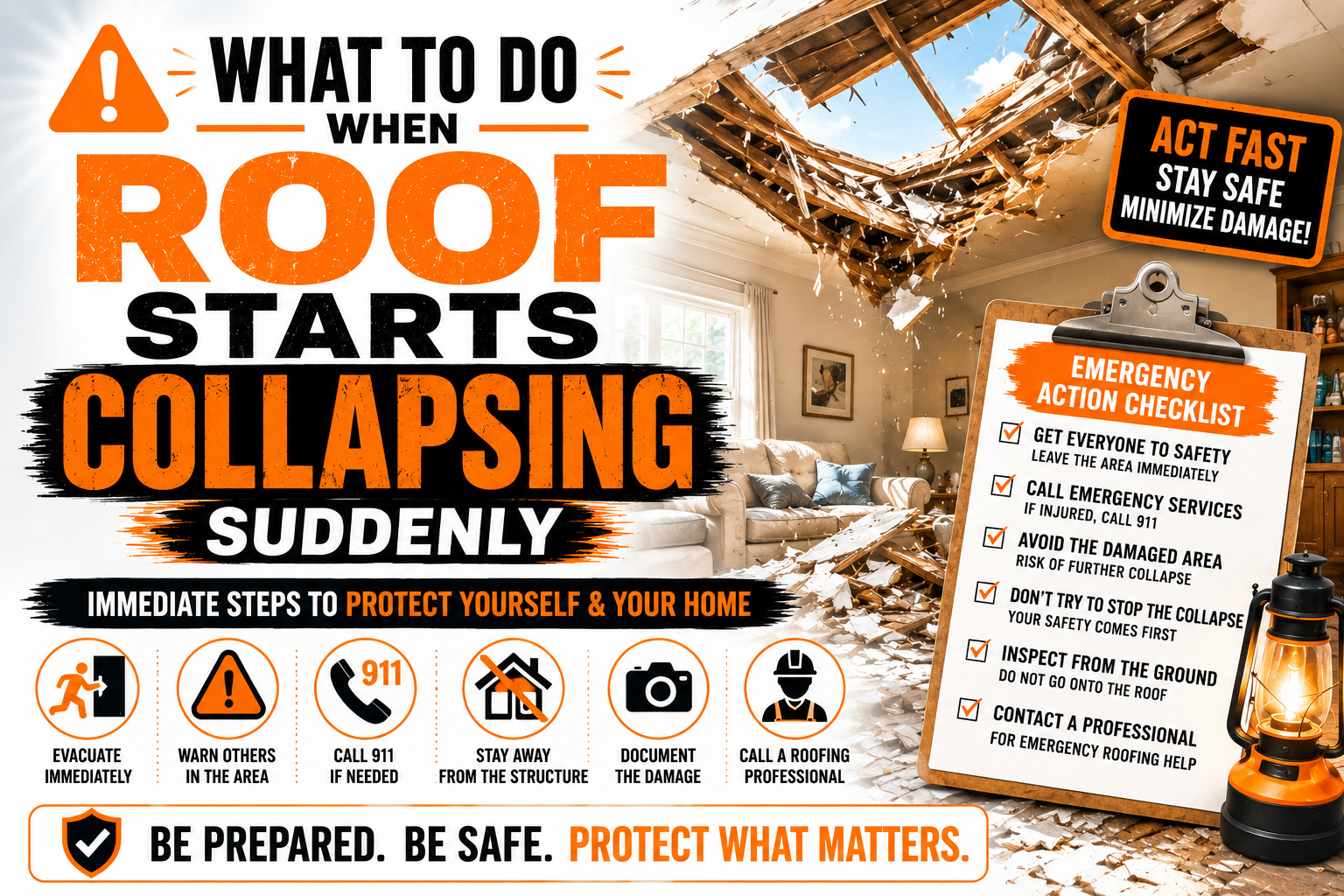
The moment you suspect your roof is collapsing, your focus should shift entirely toward safety. Property can usually be repaired or replaced, but injuries caused by structural failures may have lifelong consequences.
Stay as calm as possible while quickly assessing your surroundings. Panic often causes people to make rushed decisions that place them in greater danger. Taking a few seconds to think clearly can improve everyone’s chances of evacuating safely.
If you hear loud cracking sounds or notice the ceiling beginning to sink, move away from that area immediately. Do not stand beneath sagging ceilings or attempt to investigate the damage from underneath.
Warn everyone else inside the house as quickly as possible. Children, elderly family members, and guests may not recognize the danger, making clear communication extremely important during an emergency.
Leave the building using the safest available exit. If one exit is blocked or located beneath the damaged section of the roof, use another route if possible.
Avoid running through rooms where the ceiling appears unstable. Falling drywall, insulation, wooden beams, or roofing materials can cause serious injuries even before the roof fully collapses.
Once everyone is outside, move a safe distance away from the building. Roof collapses can continue after the initial failure as structural loads redistribute throughout the house.
After reaching safety, call emergency services if there is significant structural damage or anyone is injured. Emergency responders can assess immediate hazards and determine whether the building remains safe to approach.
Do not re-enter the house for personal belongings unless emergency responders or qualified structural professionals declare it safe. Many secondary collapses occur because weakened structures continue shifting after the first failure.
If safe to do so from outside, keep others away from the property until professionals arrive. Curious neighbors or family members may unknowingly enter dangerous areas.
During this stressful situation, remember these priorities in order:
- Protect human life.
- Evacuate everyone safely.
- Contact emergency services if necessary.
- Keep everyone away from the damaged structure.
- Notify your insurance company after reaching safety.
- Arrange for a professional structural inspection before re-entering.
Following these priorities helps reduce confusion during an emergency. When people know exactly what to do, they are less likely to make decisions that increase the danger.
How to Evacuate Your Home Safely During a Roof Emergency
A safe evacuation depends on remaining aware of your surroundings while moving quickly. The objective is to exit the building without passing beneath unstable sections whenever possible.
If the roof damage is localized, identify an exit located away from the affected area. Walking beneath sagging ceilings or visibly damaged framing increases the risk of injury from falling debris.
Assist anyone who may need help during the evacuation. Young children, older adults, and individuals with disabilities may require additional support to move safely through the house.
Avoid using elevators if you live in a multi-story residential building. Stairways generally provide a safer escape route during structural emergencies unless they have also been compromised.
Keep pets with you whenever possible, but never delay your evacuation by searching extensively for frightened animals hiding inside the home. Emergency responders can sometimes assist once the situation has been stabilized.
After reaching the designated meeting location outside, perform a quick headcount to ensure everyone has exited safely. Knowing immediately whether someone remains inside helps emergency responders make informed decisions.
If power lines have fallen onto the house or nearby structures, maintain a greater distance from the property. Downed electrical lines create additional hazards beyond the structural damage itself.
Remain patient while waiting for emergency personnel. Even if the damage appears minor from outside, structural failures often involve hidden risks that require professional evaluation before anyone returns inside.
The actions taken during the first few minutes after a roof begins collapsing often determine whether the emergency ends safely or results in preventable injuries. Remaining calm, thinking clearly, and prioritizing personal safety give everyone the best chance of avoiding harm.
Common Mistakes Homeowners Make in the First Few Minutes
The first few minutes after noticing signs of a collapsing roof are often filled with confusion and fear. Unfortunately, many homeowners instinctively make decisions that increase the risk of injury instead of improving their safety. Understanding these common mistakes beforehand can help you respond more effectively during a real emergency.
One of the biggest mistakes is trying to determine the exact source of the problem before leaving the house. People often head into the attic or walk beneath a sagging ceiling to investigate unusual sounds. If the structure is already failing, those extra moments spent inspecting the damage can place them directly beneath collapsing materials.
Another frequent mistake is attempting to save valuable belongings before evacuating. Furniture, family photographs, electronics, jewelry, and important documents may feel irreplaceable, but no possession is worth risking serious injury. Once structural failure begins, conditions can change within seconds, leaving very little time to escape.
Some homeowners assume that if only a small portion of the ceiling has started to sag, the rest of the house must still be safe. In reality, structural loads often shift after one section fails, placing unexpected stress on surrounding walls and roof supports. What appears to be a localized problem can quickly spread to other areas of the home.
People also underestimate the danger of falling debris. Even if the roof itself has not collapsed, pieces of drywall, insulation, lighting fixtures, wooden framing, or roofing materials may fall without warning. Standing beneath damaged sections while making phone calls or collecting belongings exposes occupants to unnecessary risk.
Another mistake involves re-entering the home after the initial collapse appears to have stopped. Many homeowners believe the danger has passed once the loud noises end, but weakened structural members can continue moving long after the first failure. Secondary collapses are common because damaged framing is no longer capable of supporting normal loads.
Avoiding these mistakes allows you to focus on the only objective that truly matters during the first stage of the emergency, which is getting everyone safely out of the building. Once the structure has been professionally evaluated, there will be time to address property damage, insurance claims, and repairs in a much safer environment.
Protecting Your Family After Leaving the Home
Once everyone has safely evacuated, the emergency is not over. A damaged roof can continue collapsing for hours as weakened structural components shift under their own weight. Your focus should remain on keeping everyone safe while allowing emergency responders and roofing professionals to handle the structure.
Move to a location that is well away from the home and any falling debris. If weather conditions are severe, seek temporary shelter in a neighbor’s house, your vehicle if parked safely away from the structure, or another secure location until help arrives.
Avoid standing directly across from the damaged section of the house. Roofing materials, bricks, broken glass, gutters, and tree limbs can continue falling long after the initial collapse, creating hazards even outside the building.
If someone has been injured, provide basic first aid only if it is safe to do so. Do not move a seriously injured person unless they face an immediate danger such as fire, electrical hazards, or another structural collapse.
Keep children close and explain the situation calmly. Young family members may become frightened or attempt to return inside to retrieve pets or personal belongings, so maintaining supervision is essential throughout the emergency.
If everyone is safe, begin contacting close relatives or trusted friends. Let them know what happened and where your family is staying so they can assist if temporary housing or transportation becomes necessary.
Pets often become stressed during structural emergencies. Keep dogs on a leash and cats secured in carriers whenever possible to prevent them from running back toward the damaged home.
While waiting for professional assistance, gather information that may be useful later. Taking notes about when the collapse began, what warning signs you noticed, and the weather conditions at the time can help both insurance representatives and structural inspectors understand the sequence of events.
What to Do While Waiting for Emergency Services
Waiting for emergency responders can feel frustrating, especially when you want answers immediately. However, using this time wisely helps ensure the situation remains under control while reducing additional risks.
Stay outside the danger zone unless emergency personnel specifically instruct otherwise. Even if you believe part of the house remains stable, hidden structural damage may exist behind walls or beneath roofing materials.
If you smell natural gas or hear a hissing sound, move even farther away and report it immediately to emergency services. Gas leaks combined with damaged electrical systems can create an extremely dangerous environment.
Avoid turning utilities on or off unless instructed by qualified personnel. Damaged wiring, broken pipes, or compromised electrical panels may present hazards that are not immediately visible.
If weather permits, begin documenting the damage from a safe distance. Photographs and videos taken without entering the structure can become valuable when filing insurance claims or working with contractors later.
Try to remain available when responders arrive. They may ask important questions about how the collapse occurred, whether anyone remains inside, and what warning signs were present before the incident.
Do not allow neighbors or curious bystanders to enter the property. Although many people simply want to help, an unstable structure can quickly become dangerous for anyone who enters without proper safety equipment.
If local authorities establish a safety perimeter, respect all restrictions. These boundaries exist to protect both homeowners and emergency personnel while they evaluate the building’s stability.
Understanding Different Types of Roof Collapse Damage
Not every roof collapse looks the same. The type of structural failure often depends on the cause of the damage, the roof design, the construction materials, and the amount of weight the structure was supporting when it failed.
A partial roof collapse affects only one section of the roofing system. This may occur after a large tree branch falls onto the roof, when a localized water leak weakens a specific area, or when one section experiences excessive loading. Although less severe than a total collapse, partial failures should still be treated as major structural emergencies.
A progressive collapse begins with one structural component failing before the damage spreads to surrounding areas. As the roof loses support in one location, additional framing members become overloaded and begin failing one after another. This chain reaction can transform a relatively small problem into widespread structural damage.
A complete roof collapse occurs when the majority of the roofing system loses its ability to support itself. Entire sections of the roof may fall into the home, causing extensive damage to ceilings, walls, electrical systems, plumbing, and personal property.
Some collapses develop slowly over several hours, giving homeowners enough time to recognize warning signs and evacuate. Others happen within seconds following an impact, severe storm, or sudden structural failure, leaving very little time to react.
Flat roofs experience different stresses than sloped roofs. Water pooling on flat surfaces increases weight dramatically during prolonged rainfall, while sloped roofs typically shed water more efficiently but remain vulnerable to wind uplift and fallen trees.
Commercial buildings also face different risks than residential homes. Large open spaces often rely on long roof spans that require specialized structural support, making regular inspections especially important in warehouses, schools, retail buildings, and industrial facilities.
Understanding the type of collapse helps professionals determine the safest stabilization methods and the most appropriate repair strategy. It also provides valuable information during insurance assessments and engineering evaluations.
How Weather Can Make a Roof Collapse Worse
Weather often plays a major role in both causing roof collapses and making existing damage more severe. Even after the initial structural failure, changing weather conditions can significantly complicate emergency response efforts.
Heavy rainfall is particularly dangerous because water quickly enters the exposed structure. Soaked insulation, drywall, flooring, furniture, and electrical systems increase repair costs while creating additional safety hazards. Water also adds weight to already weakened structural components, increasing the likelihood of further collapse.
Strong winds can lift loose roofing materials and place additional stress on damaged framing. Sections of the roof that initially remained intact may begin separating from the structure if wind speeds increase after the collapse.
Lightning presents another concern during severe storms. Emergency responders may temporarily delay certain operations until weather conditions improve, especially when working around damaged structures and exposed electrical systems.
Snow and ice create unique challenges during winter emergencies. Accumulated snow continues placing pressure on weakened roof sections, while melting ice allows additional water to penetrate damaged areas. Repeated freezing and thawing further weaken already compromised materials.
Extreme heat also affects damaged roofs. High temperatures can cause certain materials to expand, soften, or deteriorate more quickly, particularly when waterproof barriers have already been compromised by the collapse.
Because weather conditions can change rapidly, emergency roof stabilization often becomes a race against time. The faster professionals secure the damaged structure, the greater the chance of limiting additional property damage.
Working With Insurance After Structural Roof Damage
Once everyone is safe and emergency responders have addressed immediate hazards, contacting your insurance company should become one of your next priorities. Prompt reporting allows the claims process to begin while evidence remains fresh.
Before making temporary repairs, document as much visible damage as possible from safe locations. Wide-angle photographs showing the overall condition of the home, along with close-up images of damaged areas, provide valuable documentation for adjusters.
Keep receipts for any emergency expenses related to the incident. Temporary lodging, emergency roof tarping, debris removal, and other approved mitigation measures may qualify for reimbursement depending on your insurance policy.
Avoid throwing away damaged materials unless they present an immediate safety hazard. Roofing materials, broken structural components, and damaged interior items may help support your claim during the inspection process.
When speaking with your insurance representative, provide factual information about what happened. Explain the sequence of events, describe any warning signs you noticed, and answer questions honestly without speculating about causes you cannot verify.
You may be asked to work with an insurance adjuster who will inspect the property. The adjuster’s role is to document the extent of the damage and evaluate how the policy applies to the loss.
Professional roofing contractors often assist homeowners by identifying structural damage that may not be immediately obvious. Their findings can help ensure repairs address the full scope of the problem rather than only visible surface damage.
Review any repair estimates carefully before authorizing work. Understanding what is included helps prevent misunderstandings and ensures the restoration plan addresses both structural integrity and long-term durability.
What Professional Roof Inspectors Look For
After a roof collapse or near-collapse, professional inspectors perform a comprehensive structural evaluation rather than focusing only on the visible damage. Their objective is to determine whether the building can be safely repaired or whether more extensive reconstruction is necessary.
Inspectors begin by examining the overall stability of the structure. They look for signs that exterior walls have shifted, load-bearing components have moved, or the foundation has been affected by the collapse.
The roofing system itself receives close attention. Damaged rafters, roof trusses, decking, underlayment, flashing, and remaining roofing materials are carefully evaluated to determine how much of the original structure can still be used safely.
Moisture damage is another major concern. Inspectors search for water intrusion inside insulation, wall cavities, ceiling materials, and structural framing because hidden moisture often continues causing deterioration long after the visible damage has been repaired.
Electrical and mechanical systems are also evaluated. A collapsing roof may damage wiring, HVAC equipment, ventilation systems, plumbing vents, or other essential building components that require repair before the home can be safely occupied again.
Structural engineers may become involved when the damage is especially severe. Their analysis helps determine whether the remaining portions of the building can safely support a repaired roof or whether additional reinforcement will be required.
Modern inspection tools make the evaluation process much more thorough than a simple visual assessment. Moisture meters, thermal imaging cameras, drones, laser measuring equipment, and structural monitoring devices help professionals identify hidden problems that could otherwise go unnoticed.
The table below summarizes the primary areas professionals inspect following a roof collapse.
| Inspection Area | What Professionals Evaluate | Why It Matters |
|---|---|---|
| Roof framing | Rafters, trusses, beams, connectors | Determines structural stability |
| Roof decking | Broken, warped, or weakened panels | Supports new roofing materials |
| Exterior walls | Cracks, shifting, bowing | Indicates structural movement |
| Ceilings and attic | Water damage, sagging, insulation | Reveals hidden deterioration |
| Foundation | Settlement or structural movement | Confirms building stability |
| Electrical system | Damaged wiring and fixtures | Prevents fire and shock hazards |
| Plumbing and HVAC | Vent damage and mechanical systems | Ensures safe operation after repairs |
| Moisture intrusion | Hidden leaks and trapped water | Prevents mold and future structural damage |
A detailed inspection forms the foundation of every successful repair project. Rather than simply replacing damaged roofing materials, professionals work to restore the home’s structural integrity so it can safely withstand future weather conditions and daily use.
Emergency Roof Stabilization and Temporary Protection
After emergency responders confirm that the property is safe to approach, the next priority is preventing additional damage. A collapsed or partially collapsed roof leaves the home vulnerable to weather, debris, wildlife, and further structural deterioration. Temporary stabilization helps preserve as much of the structure as possible until permanent repairs can begin.
Professional roofing contractors usually start by evaluating which parts of the roof remain stable. They identify areas that can safely support temporary protection while avoiding sections that could collapse under additional weight. Every stabilization plan is based on the condition of the structure rather than a one-size-fits-all approach.
One of the most common emergency measures is installing heavy-duty waterproof tarps. These tarps are securely fastened over exposed sections to reduce water intrusion during rain. Proper installation is important because loose tarps can become dangerous in high winds and may cause even more damage if they detach.
Contractors may also install temporary bracing inside the home. Wooden or steel supports help carry the weight of weakened roof sections until permanent structural repairs are completed. These supports are carefully positioned to distribute loads safely without placing unnecessary stress on damaged framing.
Debris removal is another important part of stabilization. Broken roofing materials, damaged insulation, shattered drywall, and fallen structural members are cleared carefully to create a safer working environment. Professionals avoid removing load-bearing components until replacement supports are installed.
If the collapse exposed electrical wiring, licensed electricians may disconnect damaged circuits before repair work begins. Water combined with damaged electrical systems creates significant safety hazards that should never be ignored.
Temporary fencing is often placed around heavily damaged homes. Restricting access helps prevent injuries while contractors, engineers, and insurance representatives complete their assessments. Even homeowners should avoid entering restricted areas unless specifically authorized.
Although temporary stabilization protects the property, it is not intended to replace permanent repairs. Delaying restoration for an extended period can allow moisture, mold, pests, and additional structural damage to develop, increasing both repair costs and safety risks.
Repair or Replacement: How Professionals Make the Decision
One of the first questions homeowners ask after a roof collapse is whether the roof can be repaired or must be completely replaced. The answer depends on several factors, including the extent of structural damage, the age of the roof, local building codes, and the overall condition of the home.
Minor collapses that affect only a small section of the roofing system may be repairable if the surrounding framing remains structurally sound. In these situations, contractors replace damaged rafters, decking, underlayment, and roofing materials while reinforcing affected areas as needed.
Extensive structural failures often require a complete roof replacement. When multiple trusses, beams, or load-bearing supports have been compromised, replacing isolated sections may not restore the home’s long-term structural integrity.
The age of the existing roof also influences the decision. If the roof was already approaching the end of its expected service life, replacing the entire system often provides better long-term value than investing in major repairs on aging materials.
Current building codes may require upgrades during reconstruction. Even if part of the original roof survived the collapse, repairs must usually meet modern structural and safety standards. These requirements help improve the building’s resistance to future storms and other structural stresses.
Insurance coverage may also affect the repair strategy. Depending on the policy and the cause of the collapse, insurance may cover repairs, full replacement, temporary housing, debris removal, and emergency mitigation measures. Homeowners should carefully review their policy and discuss available options with both the insurance adjuster and their contractor.
Professional engineers frequently participate in major reconstruction projects. Their calculations ensure that repaired or replaced structural components safely support the expected loads for many years to come.
Choosing between repair and replacement should never be based solely on initial cost. A properly designed solution focuses on safety, durability, code compliance, and long-term performance rather than simply restoring the roof’s appearance.
Preventing Future Roof Collapse Through Regular Maintenance
While not every roof collapse can be prevented, many structural failures develop because small problems are ignored for months or even years. Regular maintenance gives homeowners the opportunity to identify these issues before they become emergencies.
Routine roof inspections remain one of the most effective preventive measures. A professional inspection can identify damaged shingles, deteriorating flashing, weakened decking, moisture intrusion, and structural concerns that may not be visible from the ground.
Cleaning gutters and downspouts helps water flow away from the roof as intended. When drainage systems become clogged, standing water may accumulate and gradually damage roofing materials and structural framing.
Tree maintenance is equally important. Overhanging branches can scrape roofing materials during storms, while large dead limbs increase the risk of impact damage during high winds.
Attic inspections provide valuable information about the condition of the roofing system from below. Signs such as daylight entering through the roof, damp insulation, mold growth, or water stains often indicate developing problems that deserve immediate attention.
Proper attic ventilation also contributes to roof longevity. Good airflow helps regulate temperature and moisture levels, reducing the likelihood of wood rot, mold growth, and premature deterioration of roofing materials.
Homeowners should also pay attention to interior warning signs. Ceiling stains, peeling paint, cracked drywall, and unusual odors may all indicate hidden roof leaks that require investigation before structural damage occurs.
After severe weather, a visual inspection from the ground can help identify obvious concerns such as missing shingles, damaged flashing, or fallen tree branches. However, homeowners should never climb onto a damaged roof themselves because weakened surfaces may not support their weight safely.
Investing in timely maintenance almost always costs less than recovering from a major structural failure. Addressing small repairs promptly extends the life of the roof while reducing the likelihood of expensive emergency restoration projects.
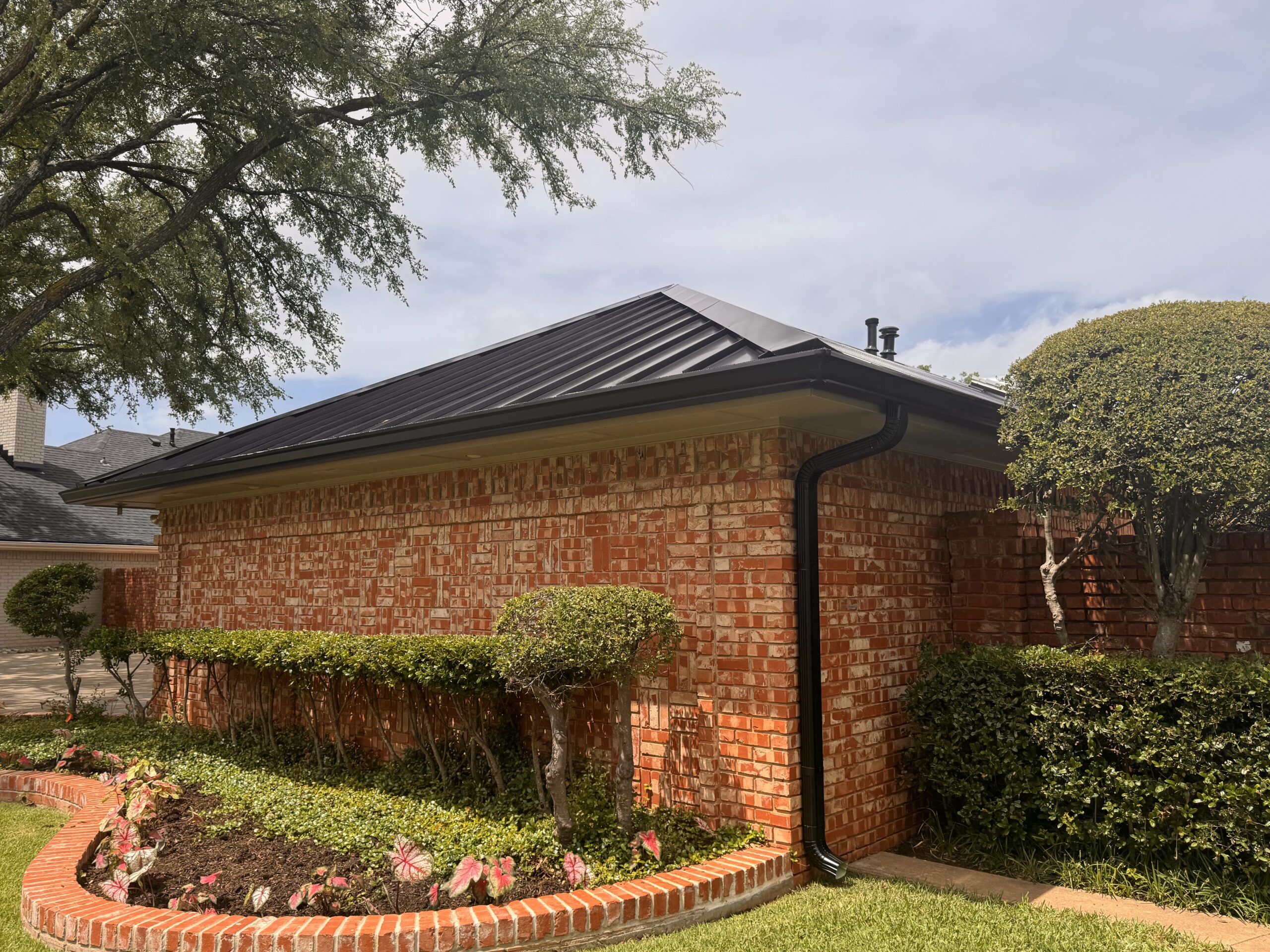
Essential Roof Safety Checklist
Emergency situations become much easier to manage when homeowners already know the correct response. Reviewing the following checklist periodically helps ensure everyone in the household understands the basic safety priorities.
- Watch for warning signs such as sagging ceilings, loud cracking sounds, or spreading water stains.
- Leave the building immediately if structural failure appears possible.
- Help children, elderly family members, and pets evacuate safely.
- Stay well away from the damaged structure after exiting.
- Contact emergency services if anyone is injured or the building appears unstable.
- Notify your insurance company after reaching a safe location.
- Arrange for professional structural and roofing inspections.
- Do not re-enter the property until qualified professionals declare it safe.
Keeping these steps in mind before an emergency occurs allows homeowners to react more confidently during stressful situations.
Frequently Asked Questions
Can I stay inside if only a small part of the roof is damaged?
It is safest to leave the home if you suspect structural damage. A small visible failure may indicate more extensive hidden damage that could worsen without warning.
What should I do if my roof starts collapsing during a storm?
Evacuate immediately using the safest available exit and move to a secure location away from the structure. Contact emergency services if the damage is severe or anyone has been injured.
Should I climb onto my roof to inspect the damage?
No. A damaged roof may be unstable even if it appears intact from the outside. Roof inspections following structural damage should always be performed by qualified professionals using appropriate safety equipment.
Will homeowners insurance cover a roof collapse?
Coverage depends on your policy and the cause of the collapse. Damage resulting from covered events such as storms may be included, while issues caused by long-term neglect may not be covered.
How long does roof collapse restoration usually take?
Repair timelines vary depending on the severity of the damage, weather conditions, permit requirements, material availability, and the complexity of structural repairs. Minor repairs may take days, while major reconstruction projects can require several weeks or longer.
Can hidden water damage cause a roof to collapse?
Yes. Long-term leaks can weaken roof decking, rafters, trusses, and other structural components. Because this deterioration often develops out of sight, regular inspections are important for early detection.
Conclusion
A roof collapse is one of the most serious emergencies a homeowner can experience, but knowing how to respond can greatly reduce the risk of injury and additional property damage. Recognizing early warning signs, evacuating immediately, staying away from unstable structures, and contacting qualified professionals are the most important actions you can take when a roof begins to fail.
Throughout this guide, we explored the causes of sudden roof collapses, the warning signs that should never be ignored, the safest evacuation procedures, the role of emergency responders, insurance considerations, professional inspections, stabilization methods, and long-term prevention strategies. Each step builds upon the previous one, creating a complete response plan that prioritizes safety above all else.
Although roof collapses are often unexpected, they are not always unavoidable. Routine inspections, timely repairs, proper drainage, attic ventilation, and regular maintenance help identify developing structural problems before they become dangerous emergencies. Preventive care not only extends the life of your roof but also protects your family and your investment.
If you ever notice sagging ceilings, loud cracking sounds, severe water damage, or visible roof movement, treat the situation seriously. Acting quickly, remaining calm, and relying on experienced roofing and structural professionals can make a significant difference in both the outcome of the emergency and the success of the recovery process.
Your home is designed to protect the people inside it, but when the roof itself becomes the source of danger, informed decisions become your greatest protection. Preparing today and responding wisely during an emergency can help ensure that everyone reaches safety while giving your home the best possible chance of a successful restoration.