
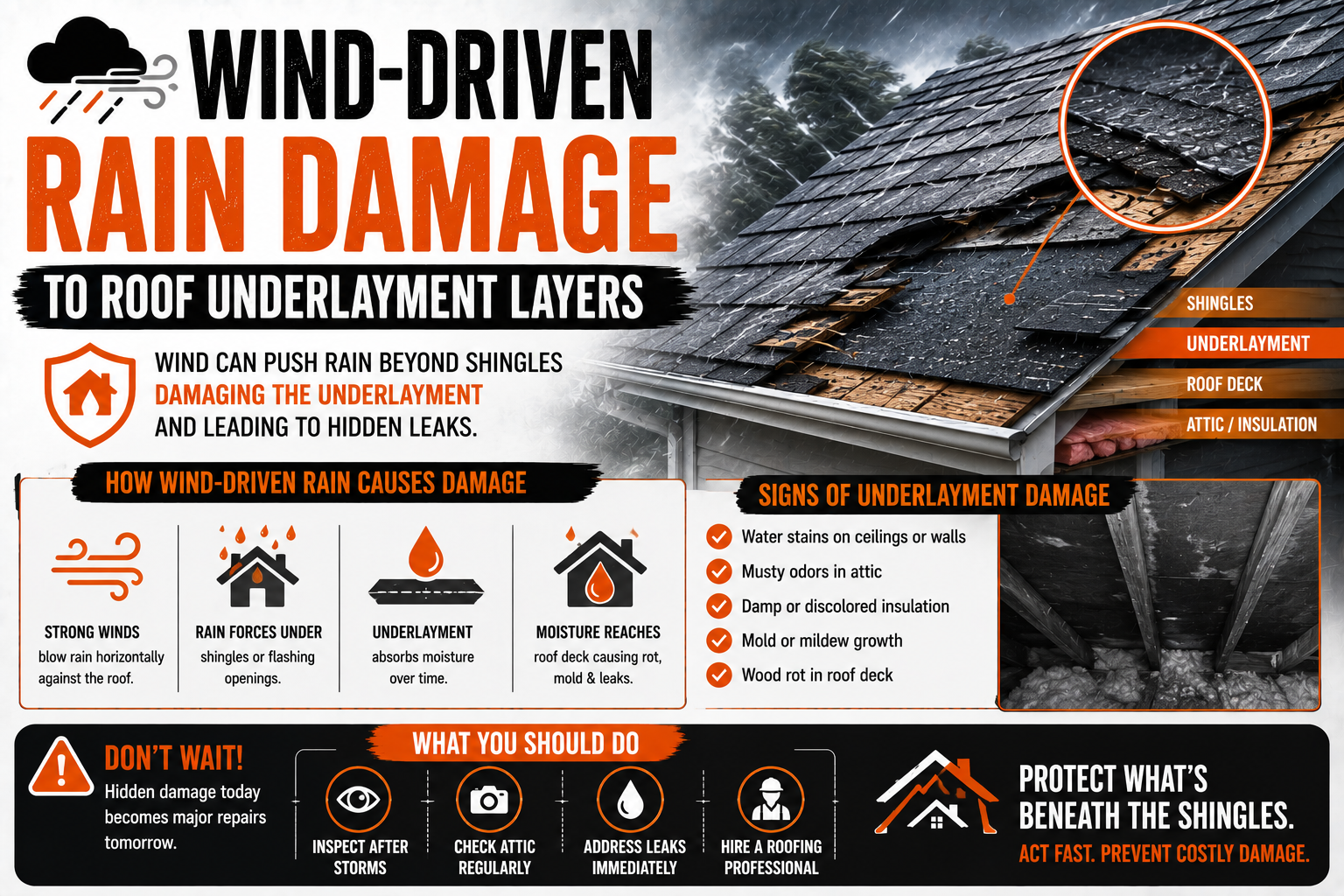
Wind Driven Rain Damage to Roof Underlayment Layers
Introduction
Not all roof leaks begin with missing shingles or visible storm damage. In many cases, the real problem develops beneath the roofing material where wind driven rain slowly penetrates the roof system and damages the underlayment. Because this protective layer remains hidden from view, homeowners often discover the problem only after water stains appear on ceilings, mold begins to develop, or structural components show signs of deterioration.
Wind driven rain differs significantly from ordinary rainfall. Strong winds force water beneath shingles, tiles, or metal panels by pushing it upward and sideways rather than allowing it to flow naturally down the roof. This powerful combination of wind and rain can overwhelm even well designed roofing systems, especially during hurricanes, tropical storms, severe thunderstorms, and prolonged periods of intense weather.
Roof underlayment serves as the secondary barrier between the roofing material and the structural deck. While shingles, tiles, and metal panels provide the first line of defense, the underlayment is responsible for preventing water that slips past the outer covering from reaching the roof decking. When this hidden layer becomes saturated or damaged, moisture can spread rapidly throughout the roofing system.
Unlike visible roof damage, underlayment problems usually progress unnoticed for weeks or even months. Water trapped beneath the roof covering gradually weakens wooden decking, insulation, rafters, and interior finishes. By the time homeowners notice a leak inside the house, the damage often extends far beyond the original entry point.
Modern roofing systems are designed to resist challenging weather conditions, but no roof is completely immune to prolonged wind driven rain. Improper installation, aging materials, damaged flashing, clogged drainage systems, and storm related impacts all increase the likelihood that water will bypass the roof covering and reach the underlayment. Understanding these vulnerabilities helps homeowners recognize risks before extensive repairs become necessary.
The effects of underlayment damage extend beyond structural concerns. Persistent moisture encourages mold growth, reduces insulation efficiency, weakens fasteners, and shortens the lifespan of roofing materials. Moisture trapped beneath the roof covering may also remain undetected long enough to create conditions that require extensive restoration rather than simple repairs.
Recognizing how wind driven rain damages roof underlayment layers allows homeowners to respond more effectively after severe weather. Early inspections, prompt repairs, and preventive maintenance help preserve the roof’s protective performance while reducing long term repair costs.
This guide explains how wind driven rain affects roof underlayment, explores the weather conditions that create the greatest risks, identifies early warning signs of hidden moisture damage, and highlights why prompt detection is essential for protecting the entire roofing system.
Understanding Wind Driven Rain and How It Differs From Normal Rainfall
Rain normally falls downward under the influence of gravity, allowing roofing systems to direct water safely toward gutters and drainage systems. Roof designs, shingle overlaps, flashing, and drainage components all rely on this predictable flow to protect the home from moisture intrusion.
Wind driven rain behaves very differently because strong winds change the direction and force of falling water. Instead of flowing straight down the roof, rain is pushed sideways, upward, or beneath roofing materials. This unusual movement allows moisture to reach areas that remain dry during ordinary rainfall.
The intensity of wind driven rain depends on both rainfall volume and wind speed. Moderate rainfall accompanied by strong winds can sometimes produce more severe roof intrusion than heavier rainfall occurring under calm conditions. Wind pressure forces water through small openings that would otherwise remain harmless.
Roof slope also influences how wind driven rain behaves. Steeper roofs generally shed water more effectively during ordinary weather, but strong winds can still drive moisture beneath roofing materials if uplift forces separate shingles or tiles. Low slope roofs may experience prolonged water exposure because drainage occurs more slowly.
The direction of the wind relative to the roof surface is another important factor. Certain roof slopes receive direct wind pressure during storms, increasing the likelihood that rain will be forced beneath roofing materials. Roof valleys, intersections, dormers, and roof edges often experience the greatest stress under these conditions.
Repeated exposure to wind driven rain gradually increases the risk of hidden damage. Even when individual storms do not produce noticeable leaks, small amounts of moisture entering the roofing system over time can eventually compromise the underlayment and surrounding structural components.
The Role of Roof Underlayment in Protecting a Home
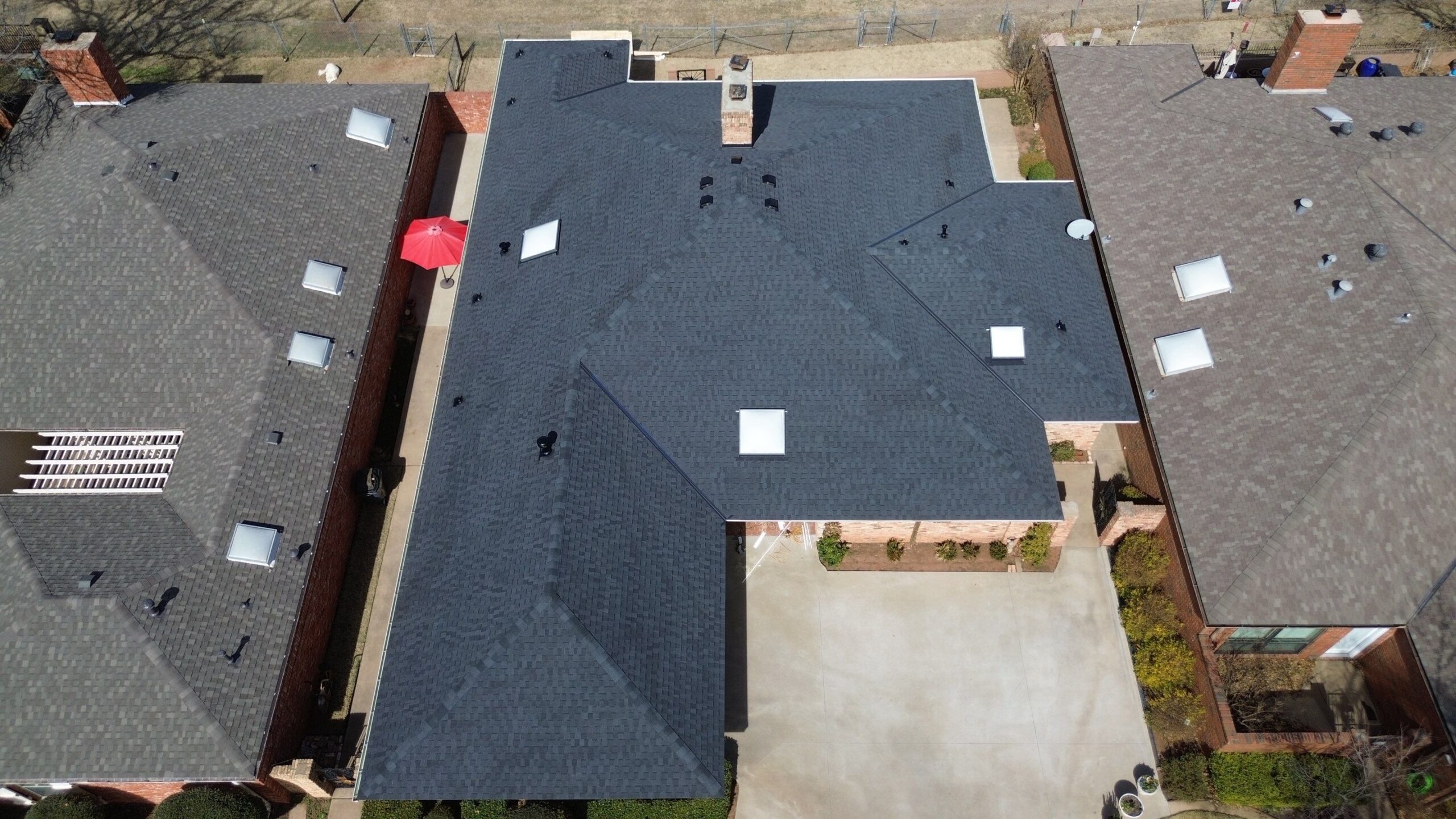
Roof underlayment is one of the most important yet least visible components of a roofing system. Positioned between the roof covering and the roof decking, it provides a secondary moisture barrier designed to protect the home if water penetrates the outer roofing material.
The primary roofing material serves as the first defense against weather, but no roof covering creates a completely waterproof seal under every condition. Wind driven rain, damaged shingles, lifted flashing, or minor installation imperfections may allow small amounts of moisture to pass through the outer surface. The underlayment helps stop that moisture before it reaches the structural deck.
Underlayment also provides temporary weather protection during roof construction or replacement. If unexpected rain occurs before the final roofing materials are installed, the underlayment helps prevent immediate water intrusion into the building. This temporary function demonstrates its importance as a continuous moisture barrier.
Beyond water resistance, underlayment contributes to overall roof durability. It helps reduce direct contact between roofing materials and the wooden deck while providing an additional protective layer against dust, debris, and minor air infiltration. These benefits improve the long term performance of the entire roofing system.
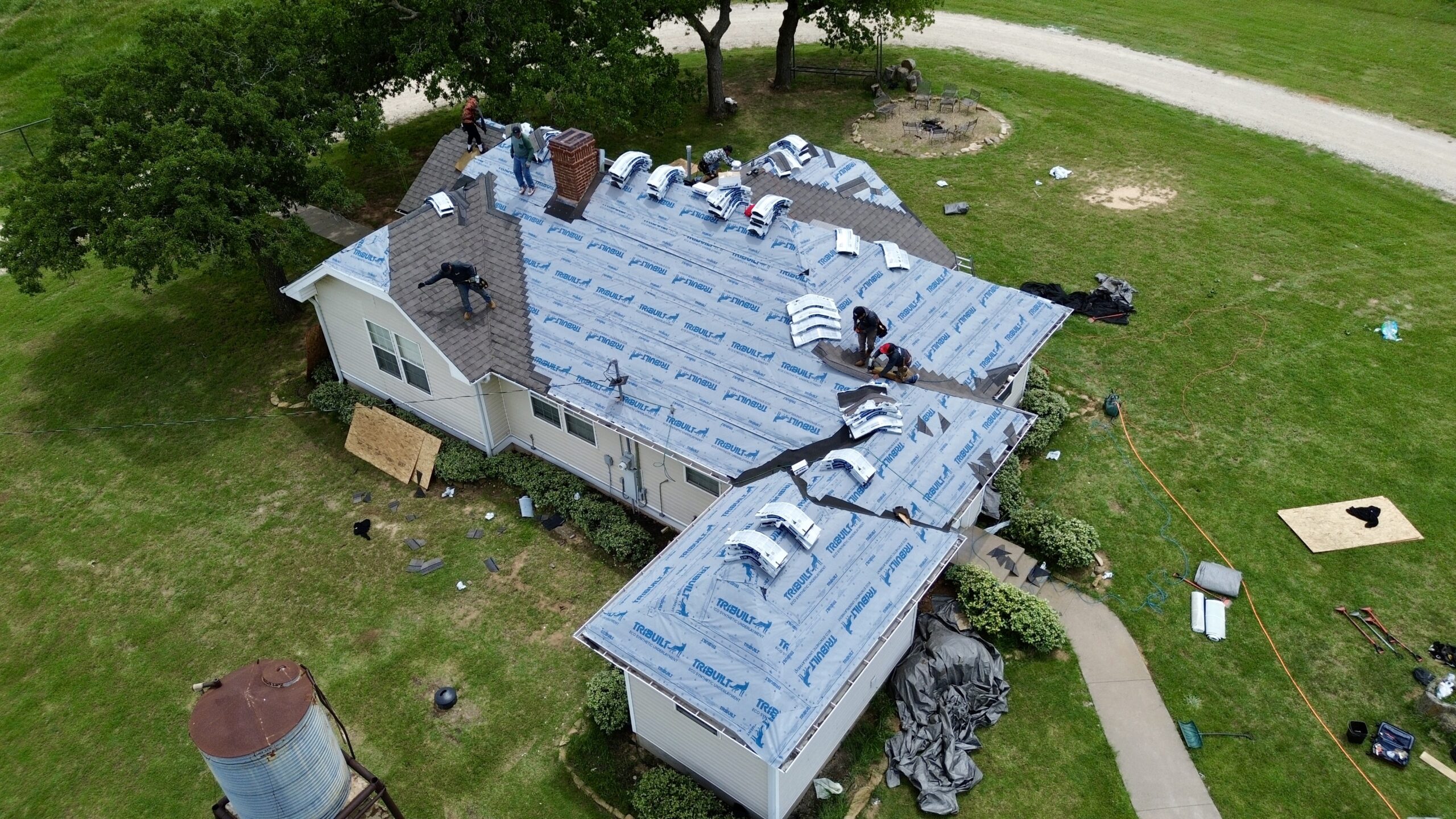
Modern roofing systems commonly use asphalt saturated felt, synthetic underlayment, or specialized waterproof membranes depending on climate conditions and roof design. Each material offers different levels of water resistance, durability, flexibility, and tear strength, but all share the same fundamental purpose of protecting the roof structure from hidden moisture.
When the underlayment becomes damaged, the roof loses much of its secondary defense against water intrusion. Moisture reaching the roof deck can spread quickly beneath the roofing materials, affecting areas far larger than the original point of entry.
How Wind Driven Rain Penetrates Roofing Systems
Wind driven rain rarely enters through one large opening. Instead, it often exploits numerous small weaknesses throughout the roofing system that may remain harmless during ordinary weather conditions. Understanding these entry paths helps explain why hidden underlayment damage develops even when the roof appears intact.
Shingle overlaps represent one common entry point. Roofing shingles are designed to shed water flowing downward, but strong winds can lift their edges slightly while forcing rain upward beneath overlapping sections. Once water passes beneath the shingles, it reaches the underlayment almost immediately.
Roof flashing also plays a critical role in preventing moisture intrusion. Flashing protects roof valleys, chimneys, skylights, plumbing vents, and wall intersections where roofing materials change direction. If flashing becomes loose, bent, or improperly sealed, wind driven rain can bypass these protective joints and enter the roof system.
Fastener penetrations create another potential pathway. Nails and screws securing roofing materials remain protected under normal conditions, but aging sealants, material movement, or storm damage may expose these penetrations to wind driven moisture. Water entering through small fastener openings often travels beneath the roof covering before becoming visible indoors.
Roof ridges and hips experience significant wind exposure during severe storms. Powerful gusts may lift ridge caps or create temporary gaps that allow rain to enter the roofing system. Although these openings often close after the storm, moisture may already have reached the underlayment.
Roof edges are especially vulnerable because wind pressure commonly increases along these areas. Improperly secured drip edges, damaged fascia components, or missing edge protection allow wind driven rain to enter beneath roofing materials more easily than during calm weather.
Once water reaches the underlayment, it may continue moving horizontally before reaching the roof deck. This movement often explains why interior leaks appear several feet away from the actual location where water first entered the roof.
Common Weather Conditions That Increase Wind Driven Rain Damage
Certain weather conditions create much greater risks for roof underlayment than ordinary rainfall. Understanding these situations allows homeowners to recognize when professional inspections become especially important.
Hurricanes produce some of the most severe wind driven rain conditions. Sustained high winds combined with prolonged heavy rainfall expose roofing systems to continuous moisture under extreme pressure. Even well maintained roofs may experience water intrusion when storms persist for many hours.
Tropical storms create similar challenges, although wind speeds may be lower than those experienced during hurricanes. Continuous rainfall combined with strong gusts often allows moisture to penetrate beneath roofing materials, particularly around flashing and roof penetrations.
Severe thunderstorms frequently generate powerful wind bursts capable of lifting shingles and driving rain beneath the roof covering. These storms may also produce hail and airborne debris that further weaken roofing materials before additional rainfall enters the damaged areas.
Nor’easters and powerful winter storms present another significant concern in colder regions. Wind driven rain, freezing rain, melting snow, and repeated freeze thaw cycles create prolonged moisture exposure that increases the likelihood of underlayment deterioration.
Heavy rainfall accompanied by rapidly changing wind directions creates especially challenging conditions. As winds shift during the storm, different roof slopes become exposed to direct rain pressure, allowing moisture to enter from multiple directions.
Homes located near open coastlines, lakes, or wide open terrain often experience stronger wind effects than properties protected by surrounding buildings or dense tree cover. Reduced wind barriers allow storms to strike roofing systems with greater intensity.
Repeated storms occurring over a short period can also increase damage. Roofing materials that become weakened during one storm may perform less effectively during the next, allowing progressively greater amounts of moisture to reach the underlayment.
Early Signs of Underlayment Damage After Severe Storms
Because roof underlayment remains hidden beneath the roofing material, homeowners usually notice secondary symptoms rather than the damage itself. Recognizing these warning signs early helps prevent more extensive structural deterioration.
Ceiling stains are among the most common indicators of hidden underlayment damage. Small yellow or brown discolorations often appear after heavy rainfall, suggesting that moisture has already traveled through the roofing system before reaching the interior ceiling surface.
Attic inspections frequently reveal problems before living areas show visible leaks. Damp insulation, darkened roof decking, water droplets on framing members, or musty odors all indicate that moisture may be entering through compromised underlayment.
Peeling paint near upper walls or ceilings can also signal hidden roof moisture. As water gradually enters building materials, finishes begin separating from underlying surfaces because of prolonged dampness.
Homeowners may notice unexplained increases in indoor humidity following severe storms. Moisture entering the attic affects insulation and ventilation, allowing excess humidity to spread into living spaces even before visible leaks develop.
Mold growth provides another important warning sign. Persistent damp conditions beneath damaged underlayment create an ideal environment for mold development, particularly in attic spaces where moisture may remain trapped for extended periods.
Roofing materials themselves sometimes display subtle changes after underlayment damage occurs. Curling shingles, loose fasteners, discolored roof sections, or recurring moisture around flashing may indicate that water has been moving beneath the roof covering for some time.
Why Early Detection Is Critical
Identifying underlayment damage shortly after a storm significantly reduces the likelihood of widespread structural deterioration. While the initial moisture intrusion may appear minor, continued exposure quickly affects surrounding roofing components that are far more expensive to repair than the underlayment itself.
Roof decking is usually the first structural component affected once water bypasses the underlayment. Wooden decking absorbs moisture gradually, weakening its strength while creating favorable conditions for wood rot and fungal growth. Early intervention helps preserve these structural elements before replacement becomes necessary.
Insulation also deteriorates rapidly when exposed to moisture. Wet insulation loses much of its ability to regulate indoor temperatures, increasing energy costs while creating conditions that support mold growth. Replacing saturated insulation often becomes necessary if moisture remains trapped for extended periods.
Early detection also supports more effective insurance documentation. Professional inspections performed soon after severe weather help establish a clear connection between the storm and the resulting roof damage. Inspection reports, photographs, and moisture assessments provide valuable evidence if an insurance claim becomes necessary.
Finally, prompt identification allows homeowners to complete targeted repairs before small problems expand into major restoration projects. Repairing damaged flashing, replacing compromised underlayment sections, and correcting moisture entry points early helps extend the overall lifespan of the roofing system while protecting the home’s structural integrity for years to come.
How Wind Driven Rain Damages Different Types of Roof Underlayment
Not all roof underlayment materials respond to wind driven rain in the same way. Their ability to resist moisture depends on material composition, installation quality, age, and the severity of the weather event. Understanding these differences helps homeowners appreciate why some roofs perform better than others during prolonged storms.
Traditional asphalt saturated felt underlayment has been used for decades and provides dependable secondary moisture protection under normal conditions. However, repeated exposure to wind driven rain can reduce its effectiveness if water enters beneath the roofing material for extended periods. The material may absorb moisture, wrinkle, or lose strength over time, making it less capable of protecting the roof deck.
Synthetic underlayment generally offers greater resistance to moisture than traditional felt products. Manufactured from advanced polymers, these materials are designed to repel water rather than absorb it. Their improved tear strength and durability also help them withstand the stresses created by strong winds and prolonged storm exposure.
Self adhering waterproof membranes provide the highest level of moisture protection in vulnerable roof areas. These membranes bond directly to the roof deck, creating a continuous barrier that helps prevent water from traveling beneath the underlayment. They are commonly installed in roof valleys, around penetrations, and along roof edges where wind driven rain is most likely to enter.
The condition of the underlayment before the storm also influences its performance. Older materials that have experienced years of heat, ultraviolet exposure, and seasonal expansion become less flexible and more vulnerable to damage. Even high quality products gradually lose some of their protective properties as they age.
Installation quality is equally important. Proper overlaps, securely fastened sections, and correctly sealed joints help maintain the integrity of the moisture barrier during severe weather. Improper installation may leave small openings that allow wind driven rain to bypass the underlayment more easily.
Repeated storm exposure can produce cumulative effects regardless of the material type. Although the first storm may not create noticeable damage, each additional event places further stress on the roofing system until hidden moisture problems eventually develop.
Hidden Structural Problems Caused by Underlayment Moisture
Once wind driven rain reaches the underlayment, the resulting damage often extends well beyond the immediate area of water intrusion. Moisture can travel through multiple roofing components before any visible signs appear inside the home, making early detection especially important.
Roof decking is one of the first structural elements affected. Continuous moisture exposure allows wooden decking to absorb water, reducing its strength and stability over time. As the wood weakens, it may begin to soften, warp, or develop areas of decay that compromise the roof’s structural performance.
Roof framing components also become vulnerable when moisture persists. Rafters, trusses, blocking, and support members may gradually absorb water, leading to wood deterioration and reducing their ability to support the roof effectively. While this process develops slowly, prolonged exposure significantly increases repair costs.
Insulation suffers substantial performance loss after becoming wet. Moist insulation no longer provides the same thermal resistance, causing heating and cooling systems to work harder throughout the year. Higher energy consumption often becomes one of the earliest indirect consequences of hidden roof moisture.
Persistent moisture also creates favorable conditions for mold and mildew growth. Attic spaces with limited ventilation allow damp conditions to remain for extended periods, encouraging biological growth that affects indoor air quality and may require specialized remediation.
Metal roofing components are not immune to moisture related deterioration. Nails, screws, flashing, brackets, and other fasteners may corrode after repeated exposure to trapped moisture beneath the roofing system. Corrosion gradually weakens these connections, reducing their ability to secure roofing materials during future storms.
Interior finishes eventually begin showing signs of damage as well. Ceiling stains, peeling paint, warped drywall, damaged flooring, and weakened trim often appear only after moisture has already traveled through multiple structural layers. By this stage, the original point of water entry may be difficult to locate without professional inspection.
Areas of the Roof Most Vulnerable to Wind Driven Rain
Although every roof experiences weather exposure, certain sections are naturally more susceptible to wind driven rain because of their design, orientation, or construction details. Understanding these vulnerable locations helps homeowners appreciate why professional inspections examine the entire roofing system rather than only obvious damage.
Roof valleys are among the most exposed areas because they collect large volumes of water during heavy rainfall. Wind can force water beneath roofing materials along these intersections, increasing stress on both the roof covering and the underlayment below. Proper valley flashing and waterproof membranes are especially important in these locations.
Roof edges also experience significant wind pressure. Strong gusts often create uplift forces that slightly separate roofing materials, allowing rain to penetrate beneath shingles or metal panels. Once water reaches the underlayment at the roof edge, it can travel farther into the roofing system than many homeowners expect.
Flashing around chimneys, skylights, plumbing vents, and roof mounted equipment represents another common entry point. These transitions interrupt the continuous roof surface, making proper sealing essential for preventing moisture intrusion during severe weather.
Dormers and roof to wall intersections are similarly vulnerable because multiple building components meet in relatively small areas. Wind driven rain may exploit even minor installation imperfections around these transitions, allowing hidden moisture to reach the underlayment.
Roof ridges and hips also deserve careful attention after storms. High wind pressure affects these elevated sections more intensely than lower roof areas, occasionally lifting ridge caps enough for rain to enter beneath the roofing system.
Low slope roof sections generally experience slower drainage than steeper surfaces. Water remains on these areas longer after rainfall, increasing the opportunity for wind to push moisture beneath roofing materials and into the underlayment.
Comparing Different Roof Underlayment Materials Against Wind Driven Rain
Different underlayment products offer varying levels of resistance to moisture, tearing, and prolonged weather exposure. Selecting the appropriate material plays an important role in improving long term roof performance, particularly in regions that experience severe storms.
| Roof Underlayment Material | Moisture Resistance | Durability During Severe Storms | Typical Performance Against Wind Driven Rain |
|---|---|---|---|
| Asphalt Saturated Felt | Moderate | Good under normal conditions | Effective but may absorb moisture during prolonged exposure |
| Synthetic Underlayment | High | Very high | Excellent resistance to water penetration and tearing |
| Self Adhering Waterproof Membrane | Very High | Excellent | Provides superior protection in vulnerable roof areas |
| Rubberized Asphalt Membrane | Very High | Excellent | Forms a strong waterproof seal around critical roof sections |
| High Performance Hybrid Underlayment | High | Excellent | Combines durability, flexibility, and improved moisture protection |
No underlayment completely eliminates the risk of moisture intrusion if the roof covering becomes severely damaged. However, selecting high quality materials and ensuring proper installation significantly improve the roof’s ability to withstand prolonged wind driven rain.
Common Inspection Mistakes That Miss Underlayment Damage
Because roof underlayment remains hidden beneath the finished roofing surface, identifying moisture damage requires more than a quick visual inspection. Certain inspection mistakes frequently allow problems to remain unnoticed until more extensive deterioration develops.
One common mistake is assuming that the absence of missing shingles means the roof escaped storm damage. Wind driven rain often enters through small openings around flashing, fasteners, or lifted shingle edges without producing obvious exterior damage. Hidden moisture may already be affecting the underlayment despite the roof appearing intact.
Another mistake involves inspecting only the exterior roof surface. Valuable information often exists inside the attic where damp insulation, stained decking, moisture on framing members, or mold growth provide early evidence of hidden water intrusion. Ignoring these interior signs limits the effectiveness of the inspection.
Some homeowners perform inspections only immediately after the storm. Moisture damage sometimes develops gradually, becoming more noticeable after several rainfall events or changing weather conditions. Follow up inspections help identify issues that were not visible during the initial assessment.
Focusing exclusively on visible leak locations can also create problems. Water entering through one section of the roof may travel several feet before appearing inside the home. The visible ceiling stain rarely indicates the actual point where moisture first penetrated the roofing system.
Attempting to inspect the roof without proper safety precautions represents another concern. Storm damaged roofs may contain weakened decking, loose materials, or slippery surfaces that increase the risk of falls. Safety should always take priority over immediate inspection efforts.
Perhaps the most significant mistake is delaying a professional roof assessment after severe weather. Roofing specialists possess the experience and equipment needed to identify subtle forms of moisture intrusion that homeowners are unlikely to detect during routine observations.
Professional Inspection Methods for Detecting Hidden Moisture
Professional roof inspections provide a much more comprehensive evaluation than simple visual observations. Roofing specialists use systematic inspection methods that identify hidden moisture before it causes extensive structural damage, allowing homeowners to address problems while repairs remain relatively straightforward.
The inspection typically begins with a detailed examination of the exterior roof surface. Contractors inspect shingles, metal panels, tiles, flashing, roof penetrations, valleys, gutters, and roof edges for signs of storm damage that may allow wind driven rain to enter the roofing system. Even minor defects receive careful attention because small openings often lead to significant hidden moisture problems.
Attic inspections follow the exterior evaluation. Contractors examine roof decking, rafters, trusses, insulation, ventilation systems, and structural framing for dampness, discoloration, mold growth, wood deterioration, or daylight entering through the roof. These observations often reveal moisture intrusion long before leaks become visible inside the home’s living areas.
Moisture meters provide valuable information by measuring the moisture content of building materials. Elevated readings within decking, framing, or insulation help identify hidden water intrusion that cannot be detected through visual inspection alone. This allows contractors to define the affected area more accurately before recommending repairs.
Thermal imaging technology is another effective diagnostic tool. Moisture retained within roofing materials changes their temperature characteristics, allowing thermal cameras to identify suspicious areas beneath the finished roof covering. Although thermal imaging does not show the underlayment directly, it highlights locations where further investigation may be necessary.
Detailed photographic documentation forms an important part of the inspection process. Images of damaged roofing components, moisture affected structural elements, and diagnostic findings provide valuable records for homeowners, contractors, and insurance companies. These photographs also assist with repair planning by illustrating the extent of hidden damage.
After completing the inspection, roofing professionals prepare recommendations based on the overall condition of the roofing system rather than isolated symptoms. Their repair strategy addresses the source of moisture intrusion, the condition of the underlayment, and any structural damage that has already developed. This comprehensive approach helps restore the roof’s ability to resist future wind driven rain while reducing the likelihood of recurring moisture problems.
Repairing Storm Damaged Roof Underlayment
Once wind driven rain has damaged the roof underlayment, repairs should begin as soon as practical to prevent additional moisture from spreading through the roofing system. Delaying restoration allows water to continue affecting structural components, making future repairs more extensive and costly. The appropriate repair method depends on the extent of the damage and whether surrounding roofing materials remain in good condition.
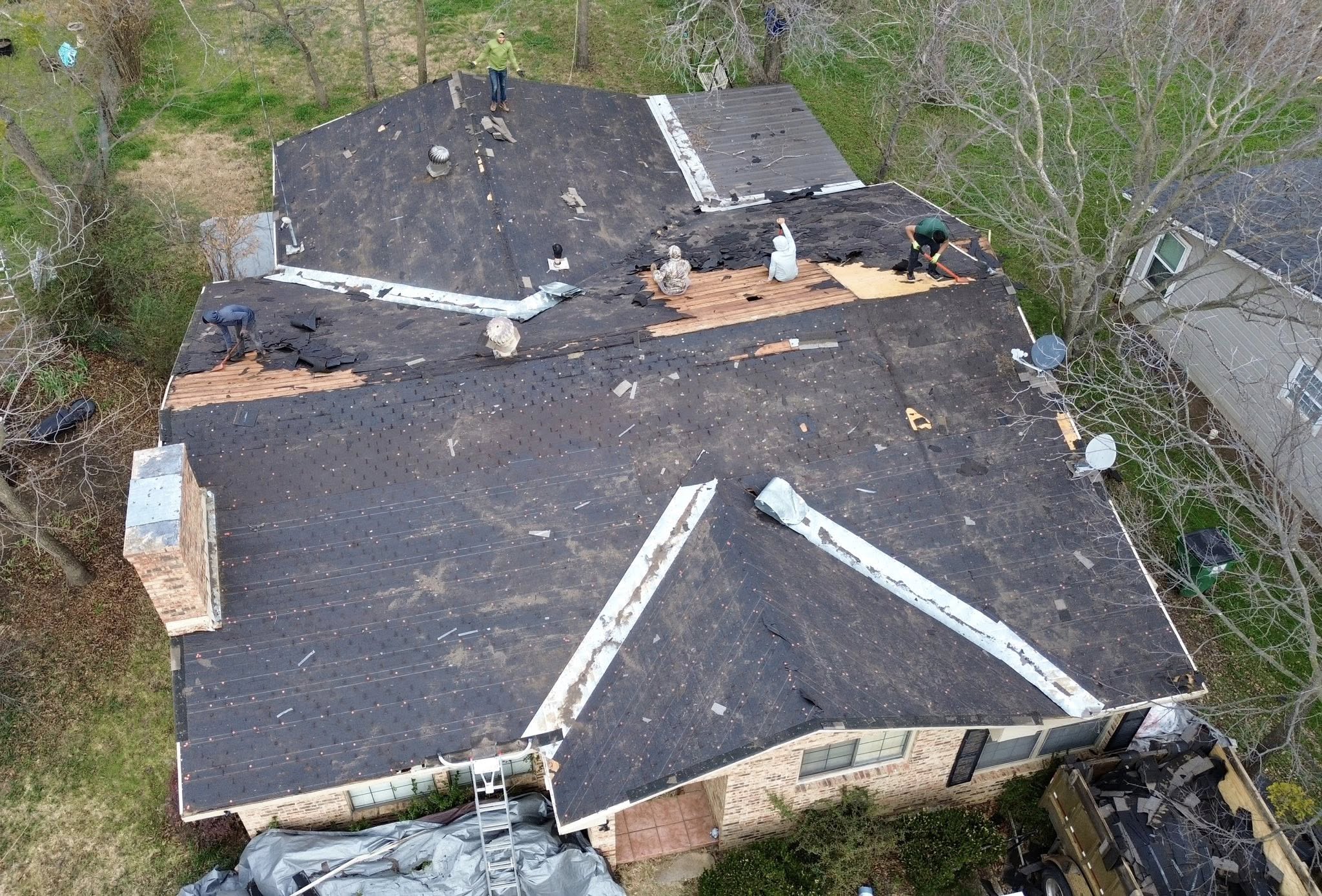
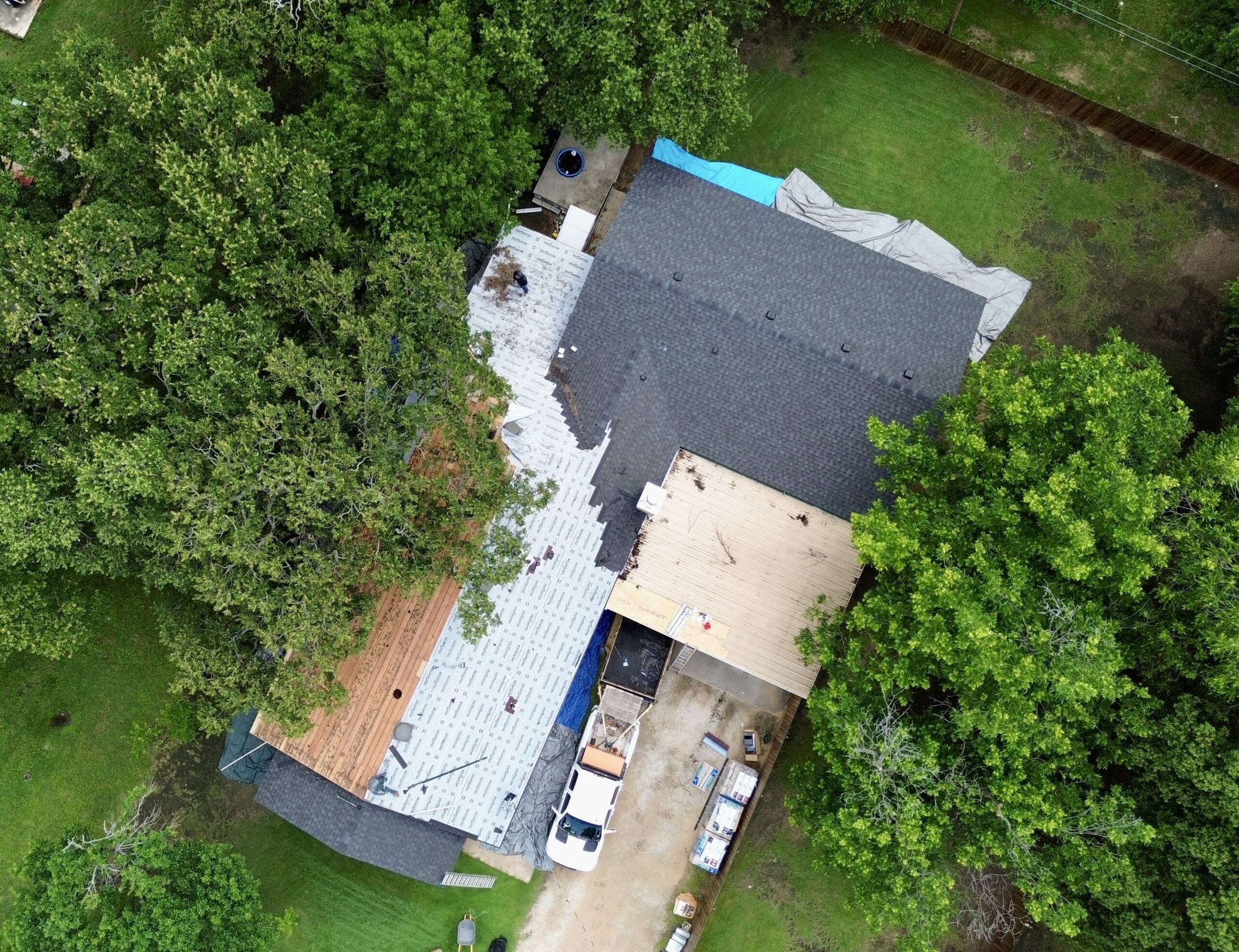
The repair process usually begins by removing the damaged roofing materials above the affected area. Shingles, tiles, or metal panels are carefully lifted to expose the underlayment without causing unnecessary damage to nearby sections of the roof. This step allows contractors to inspect hidden components that cannot be evaluated from the surface alone.
Once the underlayment is exposed, the roof decking receives a detailed inspection. Contractors check for moisture damage, soft spots, wood rot, mold growth, loose fasteners, and structural weakening. Any compromised decking should be repaired or replaced before new underlayment is installed to ensure a stable foundation for the roofing system.
Damaged underlayment is then removed and replaced with new material that matches the roofing system’s performance requirements. Contractors ensure proper overlap, fastening, and sealing so the new moisture barrier functions effectively during future storms. Careful installation is essential because even small gaps can allow wind driven rain to penetrate the roofing system again.
Flashing around chimneys, skylights, valleys, roof vents, and wall intersections should also be inspected during repairs. Storms that damage the underlayment often affect flashing at the same time, and failing to address these areas may allow moisture to bypass the new underlayment.
After the underlayment has been replaced, the roofing materials are reinstalled or replaced where necessary. Proper alignment, fastening, and sealing restore the roof’s primary weather barrier while ensuring the new underlayment remains fully protected beneath the surface.
A final inspection confirms that every repaired section meets current roofing standards. This quality check helps verify that the roof is once again prepared to resist wind driven rain without allowing hidden moisture intrusion.
Preventing Wind Driven Rain Damage in Future Storms
Although severe weather cannot be prevented, homeowners can significantly reduce the likelihood of underlayment damage by maintaining a strong and properly functioning roofing system. Preventive measures help improve weather resistance while reducing the long term cost of roof ownership.
Regular roof inspections remain one of the most effective forms of prevention. Identifying loose shingles, deteriorated flashing, worn sealants, damaged vents, or small roofing defects before storm season allows repairs to be completed before severe weather exploits these weaknesses.
Roof maintenance should also include cleaning gutters and downspouts regularly. Efficient drainage prevents water from backing up beneath roofing materials while reducing prolonged moisture exposure around roof edges. Proper drainage becomes especially important during storms that produce heavy rainfall over extended periods.
Tree maintenance contributes to roof protection as well. Trimming branches that extend over the roof reduces the risk of falling limbs, clogged gutters, and impact damage that may create openings for wind driven rain. Healthy trees are also less likely to shed large branches during severe weather.
Homeowners should pay attention to flashing and roof penetrations because these areas experience frequent moisture exposure. Routine inspections help identify cracked sealants, loose flashing, or deteriorated caulking before they become entry points for wind driven rain.
Attic ventilation also supports long term roof performance. Balanced airflow helps remove excess humidity while reducing condensation that can compound moisture problems after storms. Proper ventilation works together with the underlayment to maintain a healthier roofing system throughout the year.
When roof replacement eventually becomes necessary, selecting high quality roofing materials and advanced synthetic underlayment can improve resistance to future storms. Modern roofing systems are often designed with enhanced wind and water protection that exceeds the performance of many older materials.
Preventive maintenance should become a routine part of homeownership rather than a response to visible damage. Small maintenance tasks completed consistently help preserve the roof’s ability to protect the home through many years of changing weather.
Essential Steps to Take After Suspected Underlayment Damage
If you suspect that wind driven rain has damaged your roof underlayment, following a structured response helps limit further deterioration while supporting effective repairs.
- Inspect the home safely from the ground and look for obvious signs of roof damage after the storm.
- Check ceilings and attic spaces for water stains, damp insulation, moldy odors, or visible moisture.
- Photograph all exterior and interior signs of damage before temporary repairs are made whenever it is safe to do so.
- Arrange a professional roof inspection to determine whether the underlayment or structural components have been affected.
- Install temporary protection if active leaks are present to reduce additional water intrusion until permanent repairs can begin.
- Keep detailed records of inspection reports, repair estimates, photographs, and receipts if an insurance claim may be necessary.
- Complete recommended repairs promptly to prevent moisture from spreading into additional structural components.
Following these steps allows homeowners to address hidden moisture problems before they become more serious. A timely response also improves repair planning and helps preserve the overall condition of the roofing system.
Long Term Roof Maintenance Practices That Protect Underlayment
Maintaining the roofing system throughout the year helps reduce the likelihood that wind driven rain will reach the underlayment. Consistent maintenance also extends the useful life of roofing materials while supporting better storm performance.
- Schedule professional roof inspections before and after severe storm seasons.
- Clean gutters and downspouts regularly to maintain efficient roof drainage.
- Replace damaged shingles, flashing, and sealants as soon as defects are discovered.
- Trim nearby trees to reduce debris accumulation and impact risks.
- Inspect attic spaces periodically for moisture, mold, or insulation problems.
- Keep maintenance records and repair documentation for future reference.
These simple maintenance practices reduce the chance of hidden water intrusion while helping homeowners identify developing problems at an early stage. Consistent attention to the roof often prevents expensive structural repairs later.
Insurance Considerations for Wind Driven Rain Roof Damage
Wind driven rain damage may be covered under many homeowners insurance policies when it results directly from a covered storm event. However, successful claims often depend on timely documentation, professional inspections, and demonstrating that the damage was sudden rather than the result of long term neglect.
Homeowners should begin documenting the property as soon as conditions are safe after the storm. Photographs of damaged roofing materials, flashing, gutters, interior water stains, attic moisture, and storm debris provide valuable evidence supporting the claim. Even if the underlayment itself cannot be seen, documenting related damage helps establish the overall impact of the storm.
Professional roof inspections provide another important source of documentation. Contractors can identify hidden underlayment damage, explain how wind driven rain entered the roofing system, and prepare detailed reports describing the extent of structural deterioration. These reports often assist insurance adjusters during claim evaluations.
Prompt reporting is also important because insurance policies frequently include time limits for reporting storm damage. Delaying the claim may make it more difficult to connect hidden moisture problems with the original weather event, particularly if additional storms occur before the inspection.
Temporary measures to prevent further damage should also be documented carefully. Emergency tarping, water removal, and other reasonable mitigation efforts demonstrate responsible property maintenance while helping reduce additional losses. Receipts for emergency materials and services should be retained as part of the claim documentation.
Because insurance policies vary, homeowners should review their individual coverage to understand deductibles, exclusions, and documentation requirements. Maintaining organized records throughout the repair process simplifies communication with both the roofing contractor and the insurance company.
When Roof Replacement Is the Better Long Term Solution
While many underlayment problems can be repaired successfully, some situations justify replacing the entire roofing system. The decision depends on the condition of the roof as a whole rather than the underlayment alone.
Older roofs approaching the end of their expected lifespan often contain multiple areas of wear beyond the storm damage. Replacing only sections of underlayment beneath aging roofing materials may provide limited long term value if additional repairs are likely in the near future.
Extensive moisture intrusion also influences the decision. If wind driven rain has affected large portions of the roof decking, insulation, flashing, and structural framing, comprehensive restoration may require removing substantial sections of the existing roof. In these situations, complete replacement often provides a more practical and durable solution.
Repeated storm exposure can gradually weaken roofing systems even when repairs have been completed after previous weather events. Multiple episodes of hidden moisture intrusion reduce the remaining service life of roofing materials, making future repairs less cost effective over time.
Modern roofing systems also offer significant performance improvements. Advanced synthetic underlayment, enhanced flashing systems, improved fastening methods, and high wind rated roofing materials provide greater protection against future wind driven rain than many older roofing installations.
Energy efficiency may improve as well during roof replacement. Updated ventilation systems, improved insulation, and modern roofing materials help regulate indoor temperatures more effectively while reducing heating and cooling costs throughout the year.
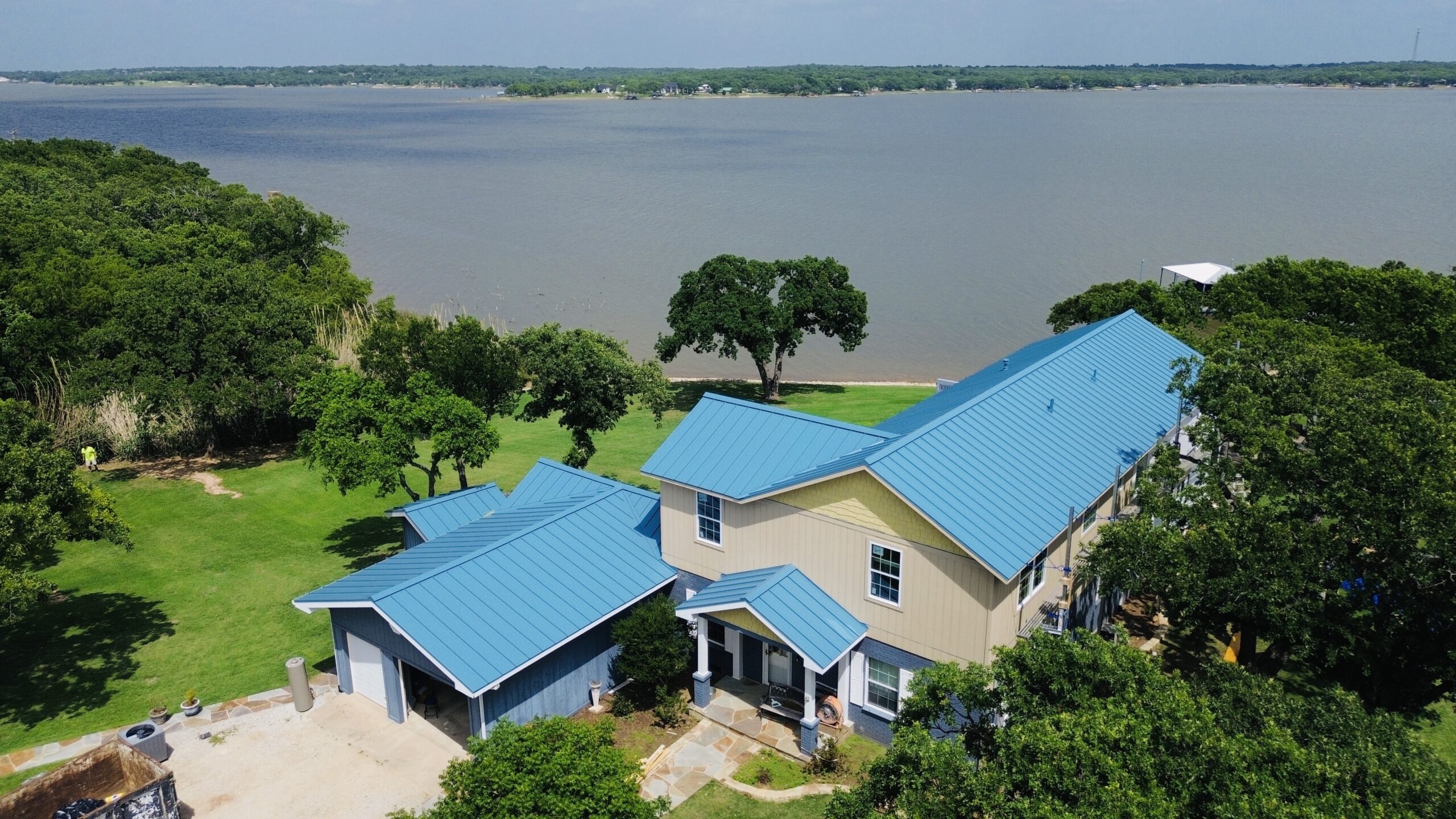
A professional roof evaluation provides the information needed to compare repair costs with replacement benefits. Contractors consider structural condition, remaining roof lifespan, storm history, and future maintenance requirements before recommending the most appropriate long term solution.
Conclusion
Wind driven rain represents one of the most challenging forms of storm related roof damage because it often bypasses the visible roofing materials and attacks the underlayment hidden beneath the surface. Once moisture reaches this secondary protective layer, it can spread through roof decking, insulation, framing, and interior finishes long before obvious leaks appear inside the home. By the time visible symptoms develop, hidden structural deterioration may already be well underway.
Understanding how wind driven rain penetrates roofing systems helps homeowners recognize why underlayment damage should never be overlooked. Vulnerable areas such as roof valleys, flashing, roof edges, and penetrations require careful attention after severe weather because they frequently become the first entry points for moisture. Early inspections and prompt repairs greatly reduce the likelihood of extensive structural damage and expensive restoration projects.
Routine maintenance remains one of the most effective ways to protect roof underlayment from future storms. Regular inspections, proper drainage, tree maintenance, quality flashing repairs, and timely replacement of worn roofing materials strengthen the roof’s overall ability to resist wind driven rain. Investing in preventive care often costs far less than repairing widespread moisture damage after repeated storms.
By understanding wind driven rain damage to roof underlayment layers and responding quickly after severe weather, homeowners can preserve the structural integrity of their roofing system, improve long term durability, and protect their homes from hidden moisture problems that might otherwise remain unnoticed until significant damage has already occurred.