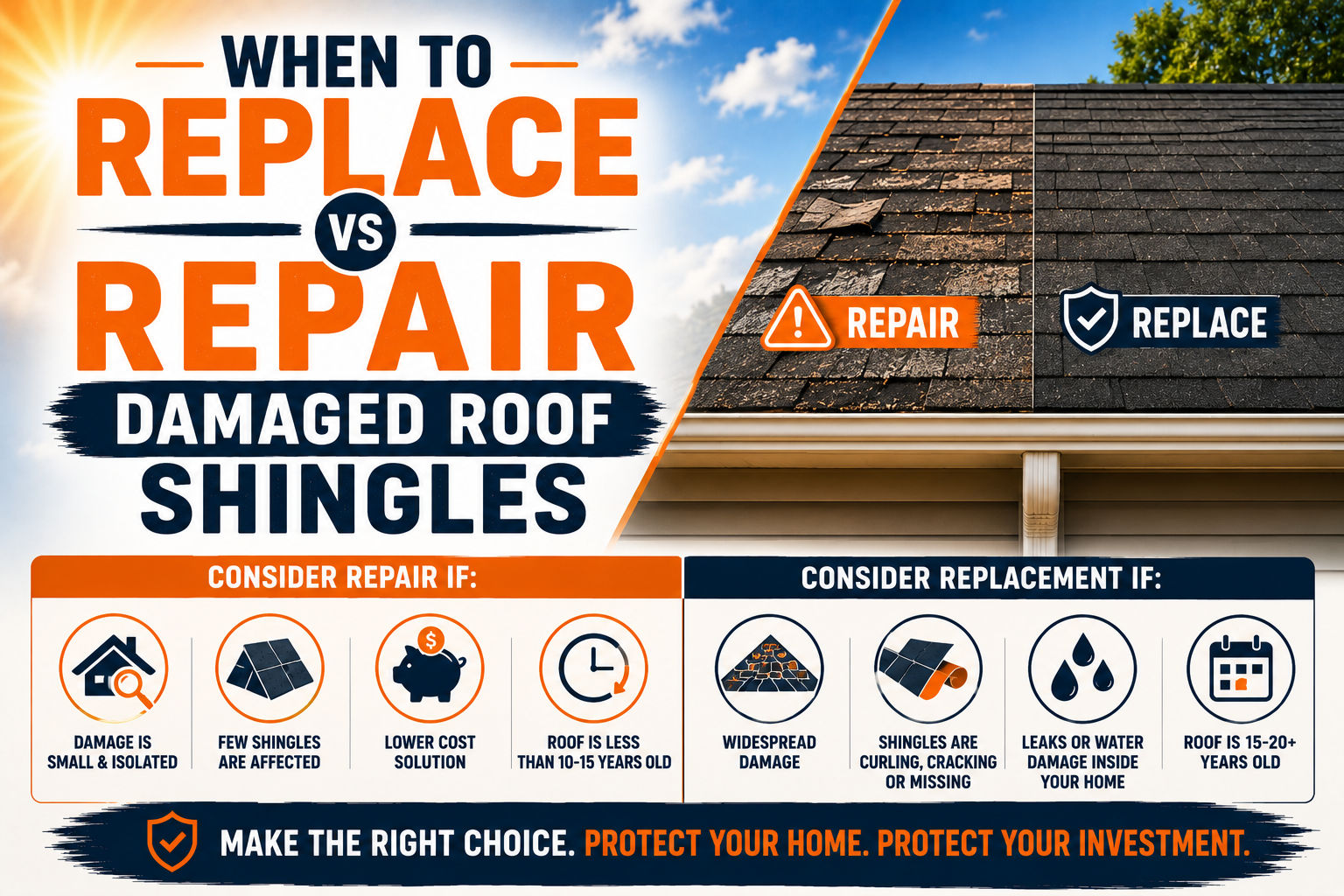
When to Replace vs Repair Damaged Roof Shingles
Introduction
Your roof is one of the most important parts of your home because it provides continuous protection against rain, wind, snow, sunlight, and changing weather conditions. While every roofing component contributes to its performance, roof shingles are the first line of defense against the elements. They create a protective barrier that keeps moisture out while helping preserve the structural integrity of the entire building.
Over time, roof shingles naturally experience wear and tear. Constant exposure to harsh weather, temperature fluctuations, ultraviolet rays, falling debris, and aging materials gradually reduces their effectiveness. Even a small amount of damage can eventually lead to leaks, mold growth, insulation problems, and costly structural repairs if left unaddressed.
One of the biggest challenges homeowners face is deciding whether damaged shingles should be repaired or whether the entire roof should be replaced. This decision is not always straightforward because several factors influence the best course of action. The age of the roof, the extent of the damage, repair costs, future maintenance needs, and long term value all play important roles.
Repairing damaged shingles can often restore a roof that is otherwise in good condition. However, there are situations where repeated repairs only delay the inevitable, making roof replacement the more practical and cost effective solution. Understanding the difference can save thousands of dollars while protecting your property for years to come.
This guide explains how roof shingles become damaged, how to recognize warning signs early, and when repairs are usually sufficient. It also lays the foundation for understanding when replacement becomes the better investment, helping homeowners make informed decisions that balance safety, performance, and long term costs.
Why Roof Shingles Are Essential for Home Protection
Roof shingles do much more than improve a home’s appearance. Their primary purpose is to create a durable protective layer that directs water away from the roof deck and prevents moisture from entering the structure.
Each shingle overlaps the one below it, creating a system that sheds rainwater efficiently. This layered design helps prevent water from reaching vulnerable components beneath the roofing surface, even during heavy rainfall.
Shingles also help protect the roof from wind, hail, sunlight, and fluctuating temperatures. High quality roofing materials reduce weather related wear while supporting the overall strength and stability of the roofing system.
Another important function is protecting the roof deck. Without properly functioning shingles, moisture can quickly penetrate the underlying wood, causing rot, mold, and structural deterioration. What begins as a few damaged shingles can eventually affect large sections of the roof if not addressed promptly.
Modern shingles also contribute to energy efficiency. Many products are designed to reflect heat or improve ventilation performance, helping maintain comfortable indoor temperatures while reducing energy consumption.
Because shingles perform so many important functions, keeping them in good condition is essential for preserving both the roof and the home beneath it.
How Roof Shingles Deteriorate Over Time
Roof shingles are constantly exposed to environmental conditions throughout the year. Although they are designed for durability, every roofing material has a limited lifespan.
Ultraviolet radiation from the sun gradually breaks down protective compounds within shingles. As this process continues, shingles become less flexible and more susceptible to cracking.
Temperature changes create repeated cycles of expansion and contraction. During hot weather, roofing materials expand, while colder temperatures cause contraction. Over many years, these movements place stress on shingles and fastening systems.
Rain and snow contribute additional wear by exposing shingles to continuous moisture. Water that repeatedly enters small cracks may expand when frozen, making existing damage worse.
Wind also affects roof longevity. Strong gusts can lift shingle edges, loosen fasteners, or remove shingles entirely. Even moderate winds gradually weaken roofing materials over time.
Biological growth such as moss, algae, and lichen may retain moisture against the roof surface. This prolonged dampness accelerates deterioration and shortens the useful life of many roofing systems.
Normal aging is unavoidable, but proper maintenance can significantly slow deterioration and extend the lifespan of roof shingles.
Common Causes of Roof Shingle Damage
Roof shingles can become damaged for many different reasons. Some causes develop gradually over many years, while others occur suddenly during severe weather events.
Storm damage is one of the most common causes. High winds can loosen or remove shingles, hail may crack their surfaces, and falling tree branches can create immediate structural damage.
Improper installation also contributes to premature failure. Incorrect nail placement, inadequate ventilation, or poor alignment may reduce the roof’s ability to withstand environmental stress.
Poor attic ventilation creates another common problem. Excessive heat and trapped moisture beneath the roof accelerate shingle aging and may lead to curling or buckling.
Moisture intrusion caused by clogged gutters or poor drainage can expose shingles to standing water. Prolonged moisture weakens roofing materials and increases the likelihood of leaks.
Walking on the roof improperly can also damage shingles. Excessive foot traffic may crack aging shingles or dislodge protective granules, reducing their ability to resist weather.
Natural aging remains one of the leading causes of deterioration. Even well maintained roofs eventually reach the end of their expected service life.
Different Types of Roof Shingles and Their Lifespan
Not every roofing material ages at the same rate. Understanding the characteristics of different shingle types helps homeowners evaluate whether repair or replacement is the more appropriate solution.
Asphalt Shingles
Asphalt shingles are the most widely used residential roofing material because they offer an excellent balance of affordability, durability, and performance.
Most standard asphalt shingles provide a service life of approximately 20 to 30 years under normal conditions. Climate, installation quality, ventilation, and maintenance all influence their longevity.
Minor damage to asphalt shingles can often be repaired if the surrounding roof remains in good condition. However, extensive deterioration near the end of their lifespan may justify complete replacement.
Architectural Shingles
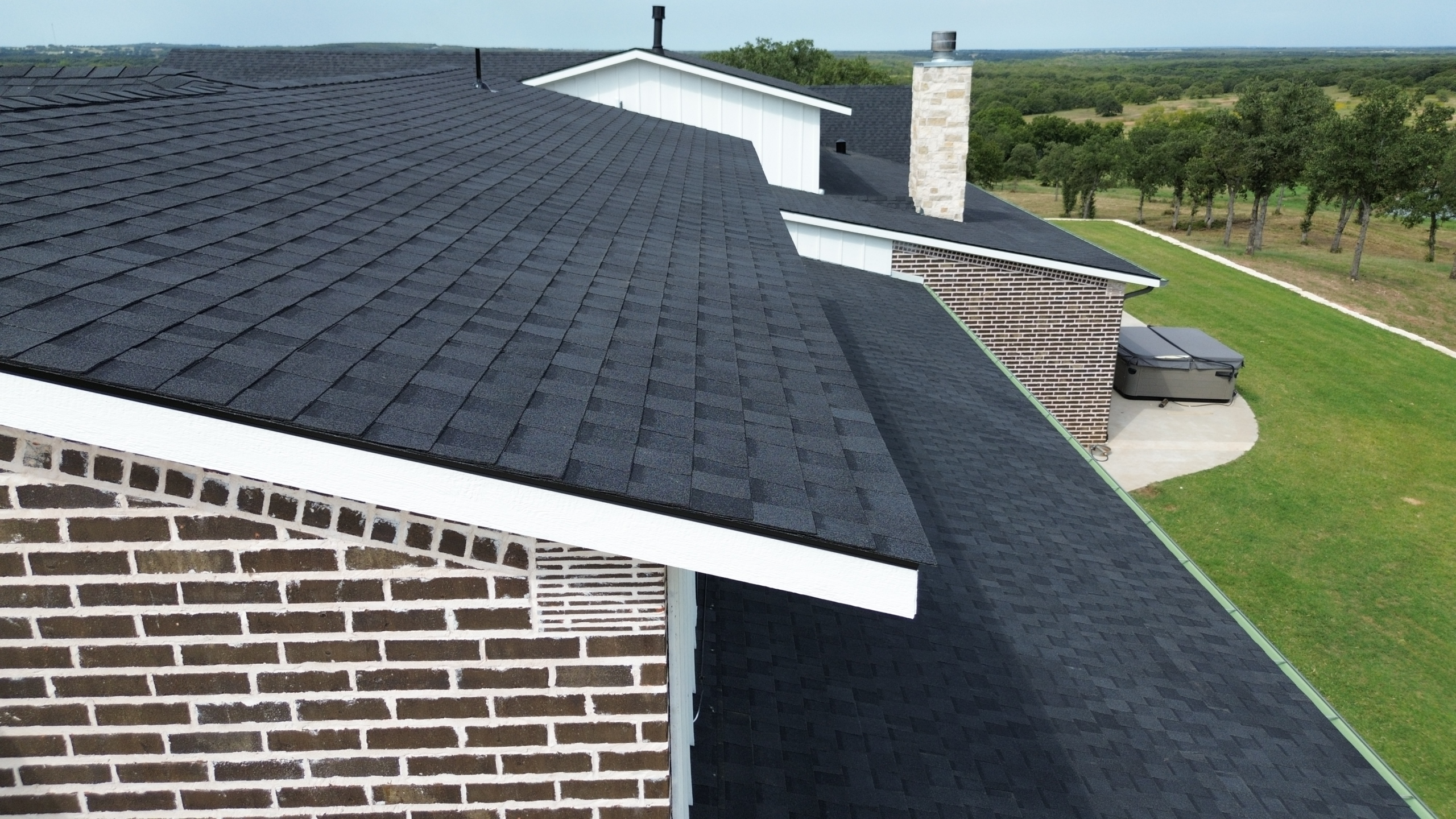
Architectural shingles are thicker and more durable than traditional asphalt shingles. Their layered construction improves resistance to wind and weather while creating a more attractive appearance.
These shingles commonly last between 30 and 50 years when properly maintained. Their increased durability often allows homeowners to perform localized repairs rather than replacing the entire roof after isolated damage.
Because of their longer lifespan, architectural shingles generally provide greater long term value despite their higher initial cost.
Wood Shingles
Wood shingles offer a distinctive natural appearance that many homeowners appreciate. Cedar is among the most commonly used wood species because of its natural resistance to insects and decay.
With proper maintenance, wood shingles may last several decades. However, they require regular inspections to identify moisture damage, rot, insect activity, and weather related deterioration.
Individual wood shingles can often be replaced as needed, but widespread deterioration may eventually require complete roof replacement.
Metal and Composite Roofing Shingles
Metal and composite shingles have become increasingly popular because of their exceptional durability and resistance to weather.
Many metal roofing systems can remain functional for 40 to 70 years, while premium composite shingles also offer impressive longevity.
Although these materials require fewer repairs than traditional shingles, severe storm damage or improper installation can still create situations where repair or replacement becomes necessary.
Early Warning Signs of Damaged Roof Shingles
Recognizing roofing problems early gives homeowners the opportunity to perform repairs before more serious damage develops.
One of the first visible signs is curling shingles. As shingles age, their edges may begin lifting away from the roof surface, reducing their ability to shed water effectively.
Cracks are another common warning sign. Even small fractures allow moisture to penetrate protective layers and may worsen during freeze and thaw cycles.
Missing shingles should always be addressed promptly. Exposed roof decking becomes vulnerable to water intrusion, increasing the likelihood of leaks.
Granule accumulation in gutters often indicates that asphalt shingles are deteriorating. As protective granules disappear, shingles become more susceptible to ultraviolet damage and weathering.
Discoloration, dark streaks, or patches of moss may also suggest underlying moisture problems that require further investigation.
Inside the home, water stains on ceilings, peeling paint, damp attic insulation, or musty odors may indicate roof damage even when exterior problems are difficult to see.
Early identification allows homeowners to choose repairs before conditions become severe enough to require complete replacement.
How to Inspect Roof Shingles Safely
Routine roof inspections play an important role in identifying damage before it becomes expensive to repair. However, safety should always remain the highest priority.
Many roof conditions can be evaluated from ground level using binoculars. This allows homeowners to identify missing shingles, obvious storm damage, sagging roof sections, and debris accumulation without climbing onto the roof.
If attic access is available, inspecting the underside of the roof can reveal early signs of leaks. Water stains, damp insulation, mold growth, and daylight entering through roof openings all deserve further evaluation.
After severe storms, homeowners should perform a visual inspection as soon as conditions are safe. Prompt identification of damage helps prevent additional water intrusion.
When climbing onto a roof becomes necessary, proper safety equipment should always be used. Steep slopes, wet surfaces, and damaged roofing materials significantly increase fall risks.
In many situations, hiring a qualified roofing professional is the safest and most reliable option. Experienced inspectors can identify subtle problems that homeowners may overlook while reducing the risk of injury.
Types of Roof Shingle Damage
Different forms of shingle damage require different repair strategies. Understanding the specific type of damage helps determine whether localized repairs are sufficient or whether replacement should be considered.
Cracked Shingles
Cracks often develop because of aging, impact damage, or repeated temperature changes. Small cracks may initially appear harmless, but they create openings that allow water to penetrate beneath the roofing surface.
If only a few shingles are affected and the surrounding roof remains in good condition, replacing the damaged shingles is often an effective solution. However, widespread cracking usually indicates that roofing materials are approaching the end of their useful life.
Prompt attention prevents minor cracks from expanding into larger structural problems.
Curled or Buckled Shingles
Curling occurs when shingle edges begin lifting away from the roof surface. Buckling refers to visible distortion or waviness that develops across roofing materials.
These conditions commonly result from aging, poor ventilation, improper installation, or prolonged moisture exposure. Curled shingles cannot effectively direct water away from the roof, increasing leak risks.
A small isolated area may be repairable if the underlying cause is corrected. Extensive curling across large roof sections often suggests that replacement will provide a more dependable long term solution.
Missing Shingles
Missing shingles leave the roof deck directly exposed to rain, sunlight, and environmental conditions. Even one missing shingle creates a vulnerable area where water intrusion can begin.
Storms are among the most common causes of missing shingles, although aging fasteners and deteriorated adhesive strips may also contribute.
If the damage is localized and matching replacement shingles are available, repairs are usually straightforward. Larger areas of missing shingles may indicate broader roof failure that requires more comprehensive evaluation.
Granule Loss
Asphalt shingles are coated with mineral granules that protect them from ultraviolet radiation and weather related wear. Over time, these granules naturally loosen and wash away.
Some granule loss is expected as shingles age. However, excessive accumulation in gutters or large exposed areas on the roof suggests accelerated deterioration.
Once protective granules disappear, shingles age much more rapidly. Repair may be practical for isolated damage, but widespread granule loss often signals that replacement is approaching.
Storm and Hail Damage
Storms can produce several types of roof damage at the same time. High winds may remove shingles, hail can create impact fractures, and flying debris may puncture roofing materials.
Not all storm damage is immediately obvious. Small impact marks can weaken shingles without creating visible leaks until months later.
Following severe weather, a professional inspection can determine whether repairs will restore roof performance or whether replacement offers the more reliable long term solution.
When Roof Shingle Repairs Are Usually Enough
Not every damaged roof requires complete replacement. In many situations, timely repairs can restore roof performance while extending its remaining service life.
Repairs are generally appropriate when damage is limited to a small section of the roof. Replacing several missing or cracked shingles is often far less expensive than replacing the entire roofing system.
A relatively new roof usually benefits from repairs because the surrounding shingles still have many years of expected service life remaining. Localized damage caused by storms or falling branches can often be corrected successfully.
Repairs also make sense when the roof deck, flashing, ventilation, and underlying structure remain in good condition. Addressing isolated issues early prevents them from spreading into larger problems.
Another factor is cost effectiveness. If repair expenses represent only a small fraction of replacement costs and the roof is otherwise structurally sound, repairing damaged shingles can provide excellent value.
The key is acting quickly. Delaying necessary repairs allows moisture to enter beneath damaged shingles, increasing the likelihood that a simple repair will eventually become a much larger roofing project.
Situations Where Roof Repairs Are No Longer Effective
While repairs can resolve many roofing problems, there comes a point when they are no longer the most practical solution. Repeatedly fixing isolated issues may provide temporary relief, but it often fails to address the underlying condition of an aging or deteriorating roof.
One of the clearest indicators is frequent repair work. If new leaks continue appearing every year or after every major storm, the roofing system may have reached the stage where isolated repairs no longer provide lasting protection.
Extensive shingle deterioration is another warning sign. When damage affects multiple areas across different roof slopes, replacing a few shingles will not restore the overall strength of the roofing system.
Water intrusion beneath the shingles can also reduce the effectiveness of repairs. Once moisture reaches the roof deck or supporting structure, simply replacing damaged shingles may leave hidden problems unresolved.
Matching replacement shingles may become difficult as well. Older roofing products are sometimes discontinued, making repaired areas noticeably different from the rest of the roof. While appearance is not the most important factor, inconsistent materials may also perform differently as the roof continues to age.
Homeowners should also consider the long term cost of repeated repairs. Spending money on multiple service visits over several years can eventually exceed the cost of installing a new roof that provides decades of reliable protection.
The Impact of Roof Age on Repair Decisions
The age of a roof plays a major role in determining whether repairs or replacement make better financial sense. Even if visible damage appears minor, an older roof may have limited remaining service life.
Most asphalt shingle roofs are designed to last between 20 and 30 years under normal conditions. Architectural shingles often perform longer, while premium roofing materials may remain functional for several decades with proper maintenance.
If a roof is only a few years old, repairing isolated damage is usually the preferred solution. The surrounding shingles are still in good condition, making repairs both practical and cost effective.
As the roof approaches the end of its expected lifespan, repairs become less attractive. New shingles installed alongside older materials may not provide consistent performance because the remaining shingles continue aging.
An aging roof is also more likely to develop additional problems shortly after repairs are completed. This can create an ongoing cycle of maintenance that increases costs without significantly extending roof life.
Evaluating roof age alongside the extent of damage provides a more accurate basis for deciding whether repair or replacement offers greater long term value.
How Widespread Damage Changes the Solution
The amount of roof damage is often more important than the severity of a single damaged area. Localized problems are generally easier to repair, while widespread deterioration often points toward replacement.
A few missing shingles caused by a recent storm rarely justify replacing an entire roof. In contrast, extensive cracking, curling, granule loss, or missing shingles across multiple sections indicate broader roofing failure.
When damage affects a significant percentage of the roof surface, repairs become increasingly complex. Each repaired section addresses only one portion of the problem while leaving numerous aging areas vulnerable.
Large scale deterioration may also suggest that underlying roofing components have been exposed to prolonged moisture. This possibility should be carefully evaluated before deciding on repairs alone.
Professional roofing contractors often assess both the visible damage and the overall condition of the roofing system. Their evaluation helps determine whether localized repairs will provide dependable long term performance.
Choosing replacement in cases of widespread damage often reduces future maintenance while restoring the roof’s ability to protect the home effectively.
Hidden Structural Problems Beneath Damaged Shingles
Visible shingle damage does not always reveal the full extent of roofing problems. In many cases, the most serious issues remain hidden beneath the surface.
Water that enters through damaged shingles may soak the roof deck without immediately becoming visible inside the home. Over time, moisture weakens wooden components and creates conditions that encourage rot.
Roof framing may also be affected if leaks continue for extended periods. Structural deterioration can reduce the roof’s strength and increase repair complexity.
Moisture trapped beneath roofing materials often damages insulation as well. Wet insulation loses much of its thermal performance and may contribute to higher heating and cooling costs.
Mold growth represents another hidden concern. Damp conditions beneath the roof provide an ideal environment for mold development, which may spread before homeowners recognize the problem.
A complete roof inspection often includes evaluating these concealed areas. Discovering structural deterioration may shift the recommendation from simple repairs to a more comprehensive roof replacement.
Comparing Repair Costs with Replacement Costs
Cost is one of the most important considerations when deciding between roof repair and replacement. However, the lowest immediate expense is not always the most economical long term choice.
Repairs generally require a smaller upfront investment. Replacing a handful of damaged shingles or repairing flashing costs significantly less than installing a completely new roof.
Replacement, on the other hand, represents a larger financial commitment. It involves removing old roofing materials, inspecting the roof deck, installing new underlayment, and applying an entirely new roofing system.
The comparison becomes more complicated when future repairs are considered. A roof that requires repeated service calls may ultimately cost more than replacing it once.
Homeowners should also evaluate expected remaining lifespan. Spending a substantial amount repairing a roof with only a few years of service life left may not provide the best return on investment.
A simple comparison illustrates the decision process.
| Situation | Repair | Replacement |
|---|---|---|
| Minor storm damage on a newer roof | Usually recommended | Rarely necessary |
| Isolated missing shingles | Often appropriate | Usually unnecessary |
| Widespread shingle deterioration | Temporary solution | Often recommended |
| Roof near the end of its lifespan | Limited value | Better long term investment |
| Multiple recurring leaks | May not solve the problem | Often the preferred solution |
Considering both immediate and future expenses helps homeowners make more informed financial decisions.
Insurance Considerations for Roof Damage
Homeowners insurance may influence whether repairs or replacement are financially practical. Understanding policy coverage helps avoid unexpected expenses during the claims process.
Many insurance policies cover sudden damage caused by events such as windstorms, hail, or falling trees. In these cases, repairing or replacing damaged roofing materials may qualify for reimbursement, depending on policy terms.
Damage caused by normal aging or lack of maintenance is typically not covered. Insurance companies generally expect homeowners to maintain roofing systems throughout their service life.
Documentation is important when filing a claim. Photographs, inspection reports, repair estimates, and records of previous maintenance help support the claim process.
Professional roofing contractors often assist homeowners by identifying storm related damage and providing detailed inspection reports. These documents may simplify communication with insurance adjusters.
Because policy terms vary, reviewing insurance coverage before major roofing decisions helps homeowners understand their financial responsibilities.
How Climate and Weather Affect Repair or Replacement Decisions
Climate has a significant influence on roofing performance and the decision to repair or replace damaged shingles.
Homes located in areas with frequent storms often experience more wind related damage. Repeated exposure to strong winds can loosen shingles and shorten roof lifespan.
Regions with heavy snowfall face additional challenges. Ice dams, freeze and thaw cycles, and accumulated snow increase stress on roofing materials throughout the winter.
Hot climates expose shingles to intense ultraviolet radiation and prolonged heat. These conditions accelerate aging by drying roofing materials and reducing flexibility.
Coastal environments introduce salt exposure, high humidity, and hurricane force winds. Roofing systems in these locations often require more durable materials and closer inspection.
Homeowners should consider local weather patterns when evaluating roofing investments. In demanding climates, replacing an aging roof may provide greater long term reliability than continuing repairs.
Energy Efficiency and Roof Performance
Roof condition directly influences the energy efficiency of a home. Damaged shingles and moisture intrusion can reduce the effectiveness of insulation and ventilation systems.
When leaks allow insulation to become wet, its ability to resist heat transfer declines. This forces heating and cooling equipment to operate more frequently.
Properly functioning shingles help maintain a dry roofing system that supports stable indoor temperatures. Combined with effective ventilation, this contributes to lower energy consumption.
New roofing materials often incorporate improved manufacturing technologies that enhance solar reflectivity. These products may reduce heat absorption and improve summer comfort.
Although energy savings alone may not justify replacing an otherwise functional roof, they become an important consideration when replacement is already being evaluated.
Improved roofing performance benefits both comfort and long term operating costs.
Risks of Delaying Roof Repairs or Replacement
Postponing roofing work may appear to save money initially, but delays often increase repair costs over time.
Small leaks rarely remain small. Continued moisture exposure gradually damages roof decking, insulation, ceilings, and interior finishes.
Water entering the attic may create conditions that support mold growth. Removing mold and repairing moisture damage often costs significantly more than fixing the original roofing problem.
Structural deterioration can also worsen as untreated leaks continue. What begins as minor wood damage may eventually require replacement of framing members or large sections of the roof deck.
Delayed repairs may also reduce insurance coverage opportunities. Some policies limit coverage if homeowners fail to address known roofing issues promptly.
Addressing roof problems early remains one of the most effective ways to control repair costs and preserve the integrity of the home.
Temporary Repairs Versus Permanent Solutions
Temporary repairs have an important place in roof maintenance, particularly after severe storms or unexpected damage. However, they should not be viewed as permanent solutions.
Emergency tarps, temporary sealants, and short term patching help prevent additional water intrusion until permanent repairs can be completed.
These measures are especially valuable when weather conditions prevent immediate roofing work. They reduce further damage while allowing homeowners time to arrange professional service.
Permanent repairs involve replacing damaged materials, correcting underlying issues, and restoring the roof to proper working condition. This approach provides greater reliability and longer lasting protection.
In some situations, temporary repairs simply postpone an unavoidable roof replacement. Understanding the difference helps homeowners plan more effectively and avoid unrealistic expectations.
Professional Roof Inspection and Assessment
A professional roof inspection provides valuable information that homeowners may not be able to gather on their own. Roofing specialists evaluate both visible damage and hidden conditions that influence repair decisions.
During an inspection, contractors examine shingles, flashing, underlayment, roof penetrations, ventilation systems, gutters, and structural components. They look for signs of moisture intrusion, aging, storm damage, and installation deficiencies.
Inspection findings often include photographs and written recommendations. These reports help homeowners understand the condition of the roof and compare repair and replacement options more objectively.
Professional assessments are especially important after severe storms or before purchasing a home. Early identification of roofing problems can prevent unexpected expenses later.
Seeking more than one professional opinion may also be beneficial when major replacement costs are involved. Comparing recommendations allows homeowners to make confident, well informed decisions based on the overall condition of the roofing system.
Factors to Consider Before Choosing Repair or Replacement
Choosing between repairing damaged shingles and replacing the entire roof requires more than simply looking at the visible damage. Several factors should be evaluated together to reach a decision that offers both immediate protection and long term value.
The first consideration is the overall condition of the roof. If the majority of the shingles remain in good shape and only a small area has been damaged, repairs are often sufficient. A well maintained roof with localized issues can usually continue performing effectively after professional repairs.
Roof age should also influence the decision. A newer roof generally has many years of useful life remaining, making repairs the more practical option. Older roofs that are approaching the end of their expected lifespan may provide better value when replaced rather than repeatedly repaired.
Budget is another important factor, but it should be evaluated over the long term instead of focusing only on immediate costs. While repairs require less money upfront, frequent maintenance expenses can eventually exceed the cost of a complete replacement.
Future plans for the property may also affect the decision. Homeowners planning to remain in the home for many years often benefit from investing in a new roof, while those preparing to sell may weigh repair and replacement differently depending on market conditions.
Considering all of these factors together helps create a balanced decision that supports both financial goals and long term roof performance.
Questions to Ask a Roofing Contractor
Working with an experienced roofing contractor is one of the best ways to ensure an informed decision. Asking the right questions helps homeowners understand the condition of their roof and the available options.
Some helpful questions include:
- Is the damage limited to the shingles, or has it affected the roof deck?
- How many years of useful life remain on the existing roof?
- Can the damaged shingles be matched with the existing roof?
- Will repairs solve the problem permanently or only temporarily?
- What warranty is available for repairs or replacement?
- Are there any ventilation or drainage issues contributing to the damage?
The answers to these questions provide valuable insight into the overall condition of the roof. They also help homeowners compare proposals from different contractors more confidently.
Clear communication reduces misunderstandings and ensures that recommended work addresses both current problems and potential future concerns.
Repair Versus Replacement Comparison
The following table summarizes the key differences between repairing damaged shingles and replacing the entire roof.
| Factor | Roof Repair | Roof Replacement |
|---|---|---|
| Initial cost | Lower | Higher |
| Time required | Usually one day or less | Several days depending on roof size |
| Best for | Localized damage | Widespread or aging damage |
| Expected lifespan after work | Depends on remaining roof condition | Provides a new service life |
| Appearance | May have slight color differences | Uniform appearance |
| Long term maintenance | May require additional repairs | Usually lower maintenance initially |
| Property value impact | Moderate improvement | Significant improvement |
| Energy efficiency | Limited improvement | Opportunity for modern materials and better performance |
This comparison demonstrates that neither option is universally better. The right solution depends on the roof’s condition, budget, and long term objectives.
Preventive Maintenance to Extend Roof Life
Preventive maintenance remains one of the most effective ways to maximize the lifespan of roof shingles. Regular care helps identify minor issues before they become expensive repairs.
Routine inspections should be performed at least twice each year, preferably during spring and fall. Additional inspections after major storms help detect damage before leaks develop.
Keeping gutters clean is equally important. Blocked gutters prevent proper drainage and may allow water to back up beneath roofing materials.
Tree branches hanging over the roof should be trimmed regularly. This reduces the risk of impact damage during storms while minimizing the accumulation of leaves and debris.
Moss and algae growth should also be addressed promptly. These organisms retain moisture against the roof surface, accelerating shingle deterioration if left untreated.
Homeowners should also pay attention to attic ventilation. Proper airflow helps regulate temperature and moisture levels, reducing stress on roofing materials throughout the year.
A consistent maintenance program often delays the need for major repairs and extends the useful life of the roofing system.
Common Mistakes Homeowners Should Avoid
Roofing decisions sometimes become more expensive because of avoidable mistakes. Understanding these common errors helps homeowners protect both their roofs and their budgets.
One frequent mistake is ignoring small problems. A missing shingle or minor crack may appear insignificant, but even small openings allow water to enter the roofing system over time.
Another mistake is delaying inspections after severe weather. Storm damage is not always immediately visible, and hidden problems may worsen before they are discovered.
Choosing the lowest price without evaluating contractor experience can also lead to poor results. Improper installation often creates additional roofing problems that require future repairs.
Attempting complex roof repairs without proper knowledge or safety equipment presents another risk. Roofing work involves fall hazards as well as technical installation requirements that affect long term performance.
Some homeowners also continue investing in repeated repairs even when replacement has become the more economical solution. Evaluating long term costs helps avoid spending money on short term fixes that provide limited value.
Avoiding these common mistakes contributes to better roofing decisions and more reliable long term protection.
Roof Replacement Process Explained
Understanding the replacement process helps homeowners know what to expect before work begins. Although every project is unique, most roof replacements follow a similar sequence.
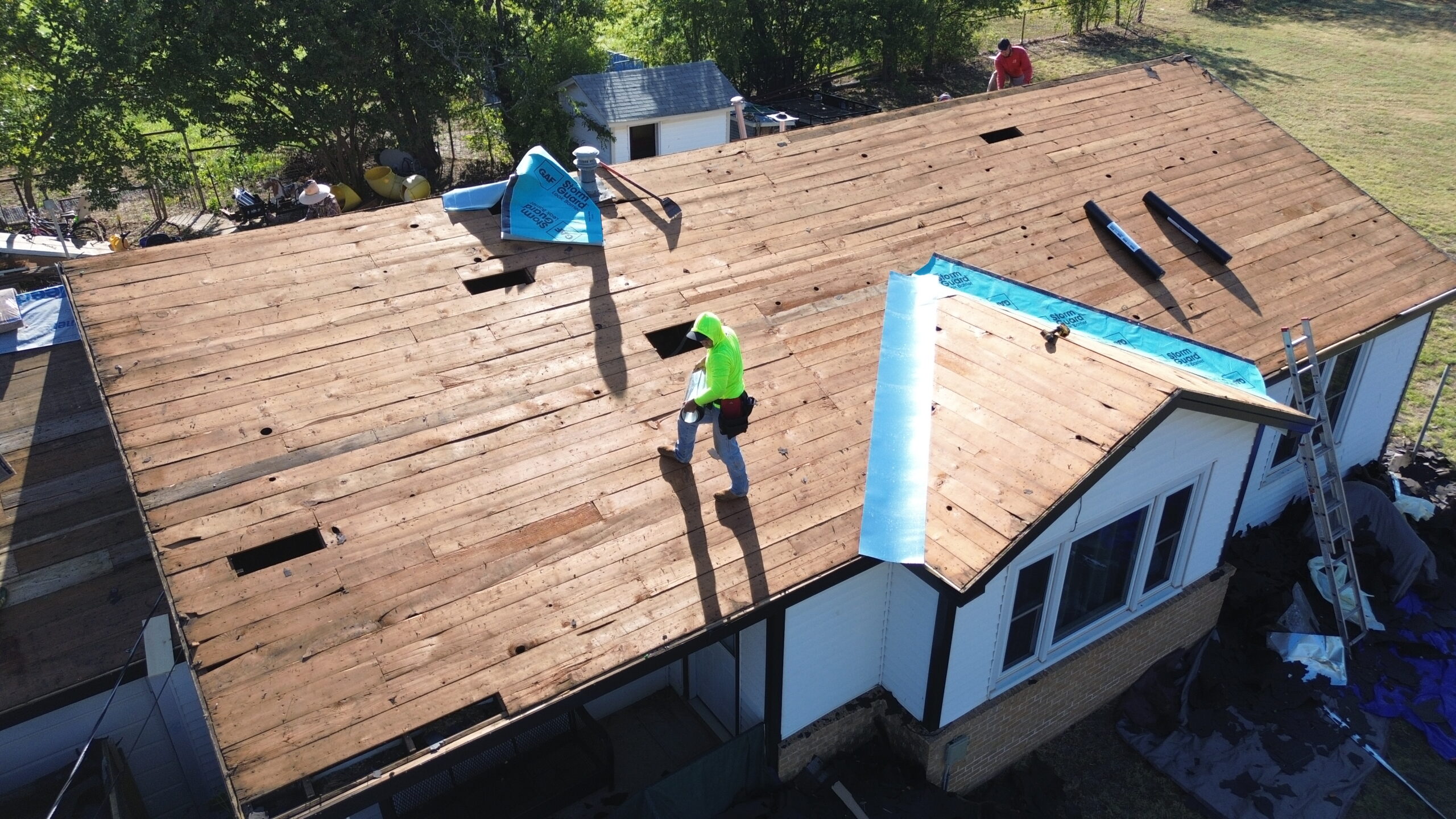
The first step involves removing the existing roofing materials. This allows contractors to inspect the roof deck for hidden damage that may need repair before new materials are installed.
Any damaged decking is repaired or replaced to provide a solid foundation for the new roofing system. Addressing structural issues at this stage improves the durability of the finished roof.
Next, underlayment and waterproof barriers are installed. These protective layers provide additional defense against moisture before the shingles are applied.
The new shingles are then installed according to manufacturer specifications. Proper fastening, alignment, and flashing installation are essential for long term performance.
After installation is complete, contractors perform a final inspection and clean the work area. Nails, debris, and leftover materials are removed to ensure the property is safe and presentable.
Knowing these steps helps homeowners understand the value involved in a complete roof replacement and why quality workmanship is so important.
How to Maximize the Lifespan of New Roof Shingles
Installing a new roof is a significant investment, and proper care helps ensure that investment lasts as long as possible.
Scheduling regular inspections allows roofing professionals to identify early signs of wear before they develop into major problems. Prompt maintenance preserves both appearance and performance.
Maintaining clean gutters supports proper drainage during heavy rainfall. Efficient water flow reduces moisture related stress on roofing materials.
Homeowners should also avoid unnecessary foot traffic on the roof. Walking on shingles may damage protective granules or crack aging materials, particularly during extreme temperatures.
Addressing minor repairs immediately helps prevent larger issues from developing. Replacing a damaged shingle promptly is often far less expensive than repairing water damage caused by a neglected leak.
Good attic ventilation and insulation also contribute to roof longevity. Stable temperatures reduce expansion and contraction while minimizing moisture accumulation beneath the roof.
Consistent maintenance combined with professional inspections helps maximize the lifespan of virtually every roofing system.
Budgeting and Planning for Future Roofing Projects
Roof replacement is one of the largest maintenance expenses many homeowners will face. Planning ahead makes the investment more manageable and reduces financial stress.
Knowing the approximate age of the existing roof provides a starting point for long term planning. As the roof approaches the end of its expected lifespan, homeowners can begin preparing financially for eventual replacement.
Setting aside funds gradually is often easier than managing an unexpected roofing emergency. Even modest annual savings can significantly reduce the financial impact when replacement becomes necessary.
Homeowners should also consider obtaining multiple estimates before major roofing work begins. Comparing proposals helps ensure competitive pricing while allowing evaluation of materials, warranties, and contractor experience.
Investing in quality materials may increase initial costs but often reduces maintenance expenses over the long term. Premium products frequently provide longer service lives and improved weather resistance.
Thoughtful planning allows homeowners to schedule roofing work proactively instead of reacting to emergencies after severe damage occurs.
Final Recommendations for Homeowners
Every roofing situation is unique, which is why repair and replacement decisions should be based on the overall condition of the roof rather than a single factor.
Minor damage on a relatively new roof can often be repaired successfully, preserving the existing roofing system while minimizing costs. Prompt action is essential because delaying repairs increases the risk of more extensive damage.
Older roofs with widespread deterioration, recurring leaks, or significant structural issues generally benefit more from complete replacement. Although replacement requires a larger investment, it often provides greater long term value and peace of mind.
Professional inspections remain one of the most valuable tools for making informed roofing decisions. Experienced contractors can identify hidden problems, estimate remaining roof life, and recommend the most practical solution.
Homeowners who combine regular maintenance with timely repairs and informed replacement decisions are more likely to enjoy dependable roof performance for many years.
Conclusion
Knowing when to repair damaged roof shingles and when to replace the entire roof is one of the most important decisions a homeowner can make. While repairs are often the right solution for isolated damage on a relatively new roof, they become less effective when shingles are aging, damage is widespread, or structural problems begin to develop.
Evaluating factors such as roof age, extent of damage, repair history, long term costs, and future property plans provides a more complete picture than focusing on immediate expenses alone. A careful assessment helps homeowners choose the option that delivers the best balance of performance, durability, and value.
Regular inspections, preventive maintenance, and prompt attention to roofing problems can significantly extend the lifespan of roof shingles while reducing the likelihood of major repairs. Working with qualified roofing professionals further improves the chances of making the right decision based on the roof’s actual condition.
Ultimately, the goal is not simply to repair or replace shingles but to ensure that the entire roofing system continues protecting the home effectively. By making informed decisions at the right time, homeowners can avoid unnecessary expenses, improve property value, and enjoy the confidence that comes with a safe, durable, and reliable roof.