
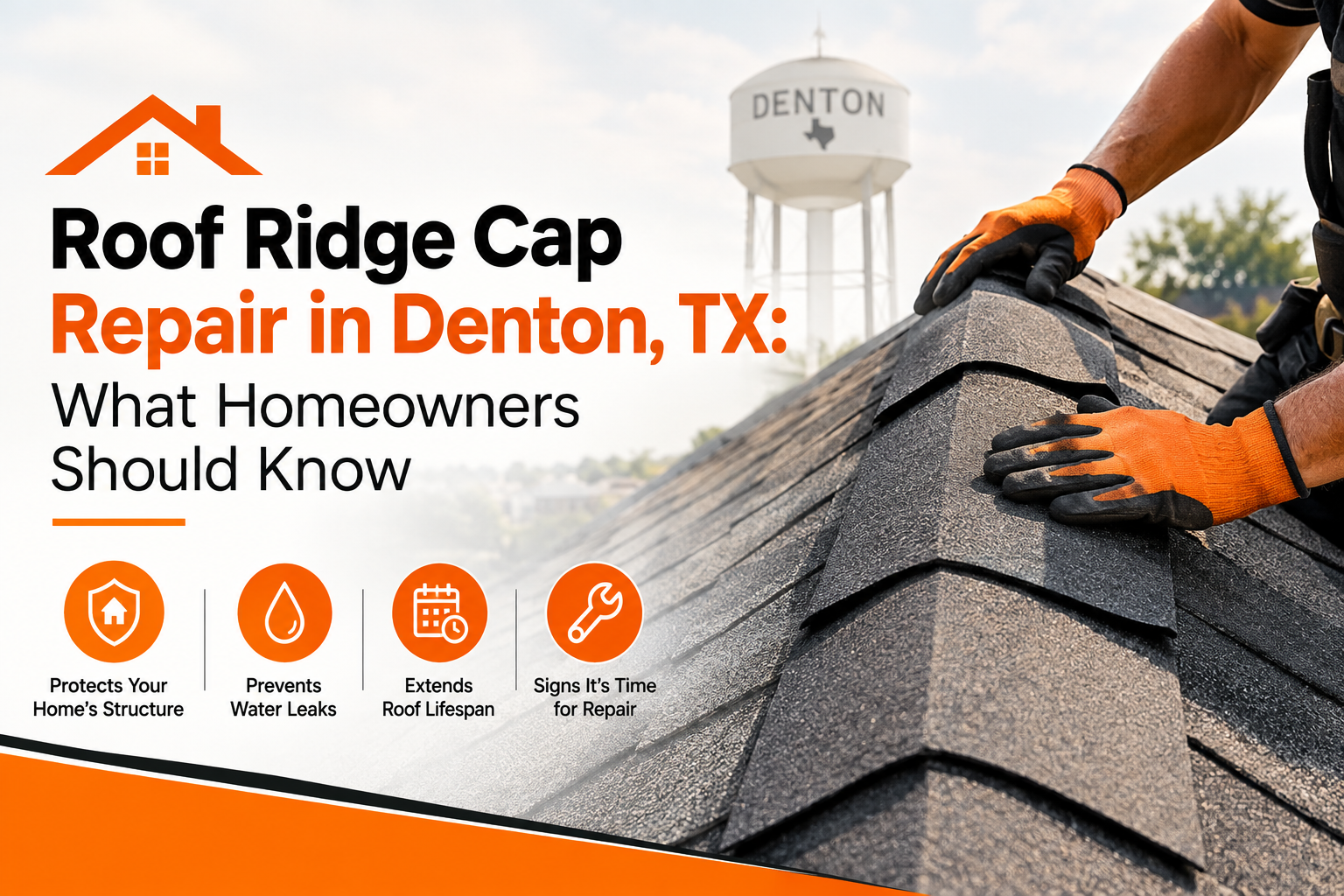
Roof Ridge Cap Repair in Denton, TX: What Homeowners Should Know
Introduction
Your roof protects your home from rain, wind, heat, and other outdoor elements, but some of its most important components are easy to overlook. One of these is the roof ridge cap, which covers the highest seam where two sloping roof sections meet. When this area becomes loose, cracked, or damaged, water can find its way beneath the roofing materials and create problems that may extend into your attic and ceilings.
For homeowners in Denton, TX, maintaining the roof ridge cap is particularly important because North Texas weather can bring strong thunderstorms, hail, high winds, and intense summer temperatures. These conditions can weaken roofing materials over time or cause sudden damage during a storm. Even a small opening along the roof peak can become a concern if it remains untreated.
Understanding how ridge caps work, recognizing early warning signs, and knowing when to arrange professional repairs can help you protect your property. Small Town Roofing & Construction can help homeowners understand their roofing concerns and explore suitable repair options. This guide explains what ridge caps do, why they become damaged, what warning signs to look for, and which factors influence repair costs in Denton.
🏠 What Is a Roof Ridge Cap?
A roof ridge cap is the protective covering installed along the peak of a roof where two sloping surfaces meet. On a typical gable roof, this is the horizontal line running along the top. On more complex roof designs, ridge caps may cover several connecting roof sections and angled peaks.
The ridge cap creates a protective barrier over the joint between the roof slopes. Without a properly installed covering, rainwater and wind-driven moisture could enter the exposed seam and reach the layers underneath the roofing materials. Ridge caps are designed to overlap correctly and direct water away from vulnerable joints.
Common Ridge Cap Materials
The material used for a ridge cap generally depends on the type of roofing system installed on the house. Asphalt shingle roofs often use specially designed ridge cap shingles, while metal roofs usually have formed metal panels that cover the peak. Tile roofs may use shaped ridge tiles secured with an appropriate fastening or installation system.
Each material requires the correct installation method to provide lasting protection. Using incompatible products or improper fasteners can leave gaps, weaken the connection, or shorten the service life of the repair.
Ridge Caps Versus Standard Roof Shingles
Although ridge cap shingles may resemble the shingles covering the rest of an asphalt roof, they serve a different purpose. Standard shingles protect the main roof slopes, while ridge cap shingles are designed to cover the roof peak and accommodate its shape.
Ridge caps are commonly installed with specific overlaps and fastening patterns to help them resist wind and shed water. Simply placing ordinary shingles over a damaged ridge may not provide the same protection. The correct materials and installation technique are essential for a dependable result.
Ridge Caps and Ridge Vents
Some homes have a ridge vent installed beneath a specially designed ridge cap. This system allows warm, moist air to escape from the attic while helping protect the roof opening from rain and outside debris.
A damaged ridge cap can compromise the vent’s protective covering, while a poorly installed ridge vent may contribute to moisture or ventilation problems. Repairs should account for both components so that the roof remains weather-resistant without unnecessarily restricting airflow.
🔧 Why Roof Ridge Caps Are Important
A ridge cap is a relatively small part of the roofing system, but its condition can affect the performance of the entire roof. Because it sits at the highest point, it is exposed to wind and weather and covers a joint that must remain properly protected.
Preventing Water Intrusion
One of the main functions of a ridge cap is to keep rainwater from entering the seam where roof slopes meet. Properly secured caps overlap to guide water down the roof rather than allowing it to penetrate the underlying layers.
If ridge cap shingles crack, lift, or go missing, water may reach the underlayment or roof decking. Repeated moisture exposure can contribute to wood deterioration, damaged insulation, ceiling stains, and other costly repairs.
Protecting Against Wind Damage
Strong winds can place considerable pressure on roof edges, peaks, and exposed shingle sections. If ridge caps are poorly fastened or their adhesive seals have weakened, wind may lift them and expose the roof beneath.
Once one section becomes loose, nearby sections may also become vulnerable. Promptly addressing the damage can reduce the risk of additional materials being displaced during another storm.
Supporting Proper Attic Ventilation
When a home has a ridge vent, the ridge cap helps shield the ventilation opening from rain and debris. A properly functioning system works with suitable intake ventilation to encourage air movement through the attic.
Ventilation problems can contribute to excess moisture and heat buildup, although the cause may involve more than the ridge cap alone. A professional inspection can help determine whether the issue involves the cap, vent, intake openings, or another part of the roofing system.
Maintaining Your Home’s Appearance
Damaged ridge caps can make an otherwise well-maintained roof look uneven or neglected. Missing shingles, exposed fasteners, mismatched replacement materials, and lifted sections may be visible from the street.
Repairing these issues helps restore a cleaner roofline while addressing possible vulnerabilities. Matching the replacement material to the existing roof also helps maintain a consistent appearance.
Protecting the Roof Structure
The ridge cap is one part of a larger roofing assembly that includes shingles or panels, underlayment, decking, fasteners, and sometimes ventilation components. If water repeatedly enters through the roof peak, the damage may spread beyond the visible covering.
Early repairs can help prevent a small roofing issue from developing into a larger project involving wood repairs or interior restoration. Addressing the actual source of the problem is more effective than covering visible symptoms without investigating what caused them.
🌩️ Common Causes of Roof Ridge Cap Damage in Denton, TX
Denton homeowners experience changing weather conditions throughout the year. Some ridge cap problems develop gradually, while others appear after a single severe weather event. Identifying the likely cause helps determine which repair method is appropriate.
Hail and Severe Thunderstorms
Hail can strike roofing materials with enough force to crack brittle shingles, remove protective granules, or damage exposed components. The extent of the damage depends on factors such as hail size, wind conditions, roof material, and the roof’s existing condition.
Severe thunderstorms may also bring heavy rain and sudden wind gusts. Even if the roof looks normal from the ground afterward, a closer inspection may reveal loose caps, damaged seals, or openings around the ridge.
High Winds and Lifted Shingles
Strong winds can loosen ridge caps, particularly when fasteners are incorrectly installed or the roofing materials have aged. Wind may lift the edges of cap shingles, break their adhesive seals, or remove individual pieces entirely.
Homes with exposed rooflines may experience greater wind exposure than properties sheltered by surrounding structures or trees. After a significant storm, homeowners should look for visible changes from a safe location and arrange an inspection if damage is suspected.
Intense Summer Heat
Denton’s hot summers expose roofs to prolonged sunlight and elevated temperatures. Repeated heating and cooling can contribute to material expansion, contraction, and gradual deterioration.
As asphalt shingles age, they may become less flexible and more susceptible to cracking or breaking during severe weather. Heat-related wear may not cause an immediate leak, but it can make ridge caps more vulnerable to later wind and rain damage.
Aging Roofing Materials
Roofing components naturally deteriorate with age and exposure. Protective granules may wear away, shingles can curl, and previously secure fasteners or seals may no longer perform as intended.
Older ridge caps may also be difficult to match if the original product has been discontinued. A contractor can evaluate whether localized replacement is practical or whether the condition of the surrounding roof calls for broader repairs.
Incorrect Installation
Poor installation can cause ridge caps to fail earlier than expected. Common issues include improperly positioned fasteners, insufficient overlap, unsuitable materials, and installation methods that do not follow the roofing system’s requirements.
In some cases, the visible damage may appear shortly after installation. Correcting the underlying installation problem is important because applying surface sealant alone may not provide a durable solution.
Falling Branches and Other Impacts
Tree limbs, airborne debris, and other objects can strike the roof peak during storms. Such impacts may crack ridge caps, bend metal components, damage a ridge vent, or affect the roof decking below.
Even when the damage appears limited to one spot, an inspection can help establish whether the impact affected nearby roofing materials. Removing hazardous overhanging branches and maintaining trees can also reduce some risks.
🚨 Signs Your Roof Ridge Cap Needs Repair
Ridge cap damage is not always easy to identify from the ground. However, certain warning signs may indicate that your roof needs professional attention.
- Loose or lifted ridge shingles: Raised edges or uneven cap sections can indicate weakened seals or fasteners.
- Missing or cracked caps: Exposed areas along the roof peak may allow rain and debris to reach underlying materials.
- Gaps at the roof ridge: Open seams or visible spaces can signal improper installation, movement, or weather damage.
- Water stains on ceilings: Brown marks, peeling paint, or damp patches near upper rooms may indicate a roof leak, although the exact source needs confirmation.
- Moisture in the attic: Damp insulation, water marks on roof decking, or musty odors may point to water intrusion or a ventilation issue.
- Damaged ridge vent: Bent covers, displaced sections, or visible openings can affect weather protection and ventilation.
- Excessive granule loss: Granules accumulating in gutters or downspouts may indicate aging or damaged asphalt shingles, especially when other wear signs are present.
When Should You Schedule an Inspection?
Arrange a professional inspection if you notice missing ridge caps, signs of a leak, or damage after a severe storm. You should also consider an inspection if the roof is aging, repairs keep recurring, or you cannot determine where moisture is entering.
Do not climb onto a wet, steep, or storm-damaged roof to check it yourself. A qualified roofing professional can examine the affected area using appropriate safety equipment and determine whether the problem requires a small repair or more extensive work.
💰 Roof Ridge Cap Repair Cost in Denton, TX
The cost of roof ridge cap repair depends on the size of the damaged section, the roofing material, the accessibility of the roof, and whether water has affected the layers underneath. A small repair involving a few loose or missing cap shingles is generally less expensive than work that requires removing a longer section, repairing a ridge vent, or replacing damaged decking.
As a general budgeting reference, many minor ridge cap repair projects fall within an estimated range of $200 to $750. More extensive work may cost more, especially when the roof is steep, several sections are affected, specialized materials are needed, or the repair includes additional water damage. These figures are planning estimates rather than a guaranteed price for a Denton property.
Factors That Influence Repair Pricing
The length of the damaged ridge is one important consideration because larger areas require more materials and labor. The type of roofing system also matters, since asphalt shingles, metal panels, and tile components require different repair methods.
Roof height, slope, access, and safety requirements can affect labor costs. If the contractor discovers damaged underlayment, roof decking, or ventilation components beneath the cap, the final project may involve additional work beyond the original visible problem.
For an accurate estimate, request an inspection and a written breakdown of the recommended work. The estimate should explain which components need repair or replacement, what materials will be used, and whether additional costs may apply if hidden damage is discovered.
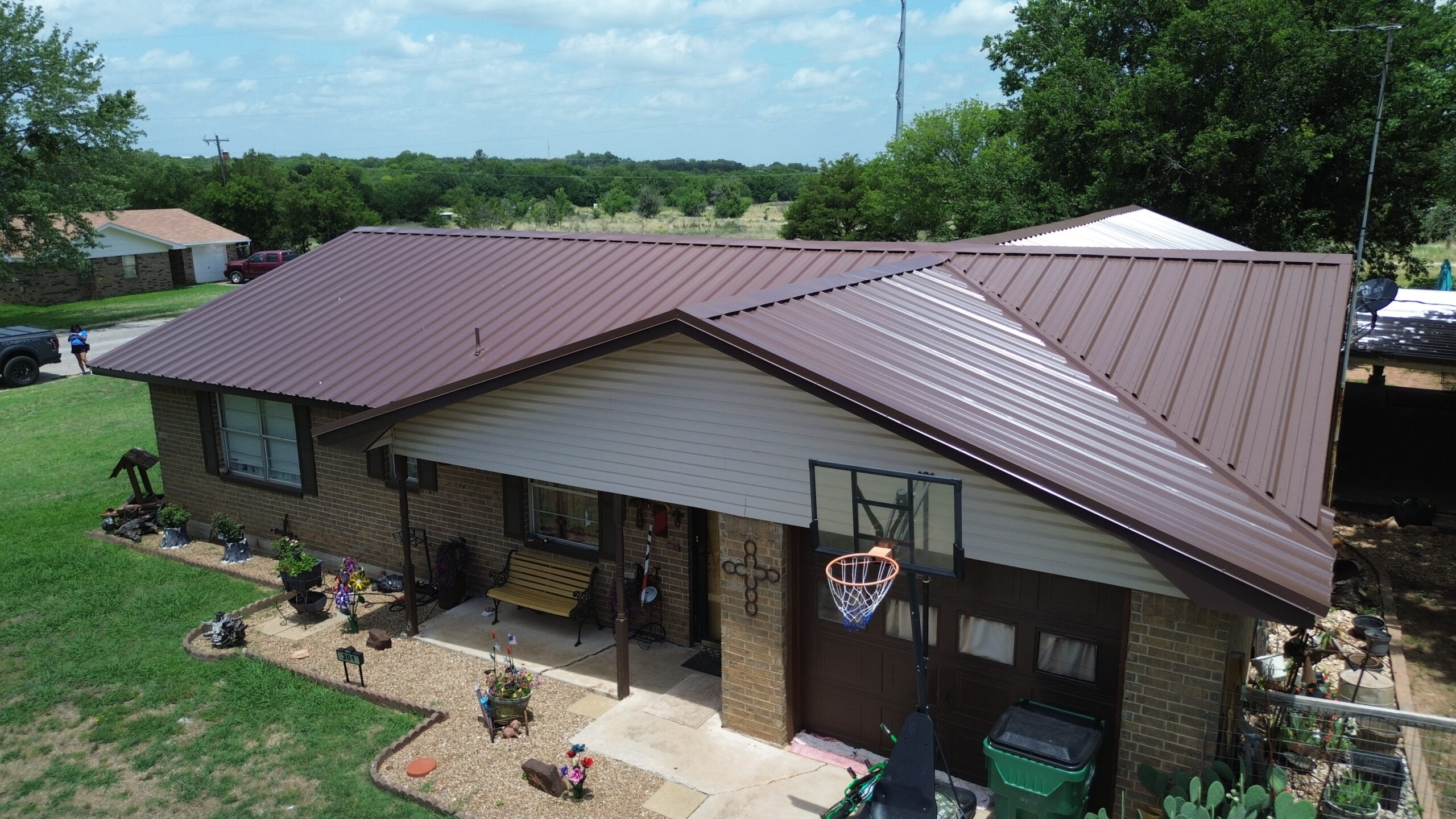
🛠️ How Roof Ridge Cap Repair Works
The repair process depends on the type of roofing system and the extent of the damage. A professional contractor should identify the cause of the problem before replacing materials so that the repair addresses the underlying issue rather than just its visible symptoms.
Roof Inspection and Damage Assessment
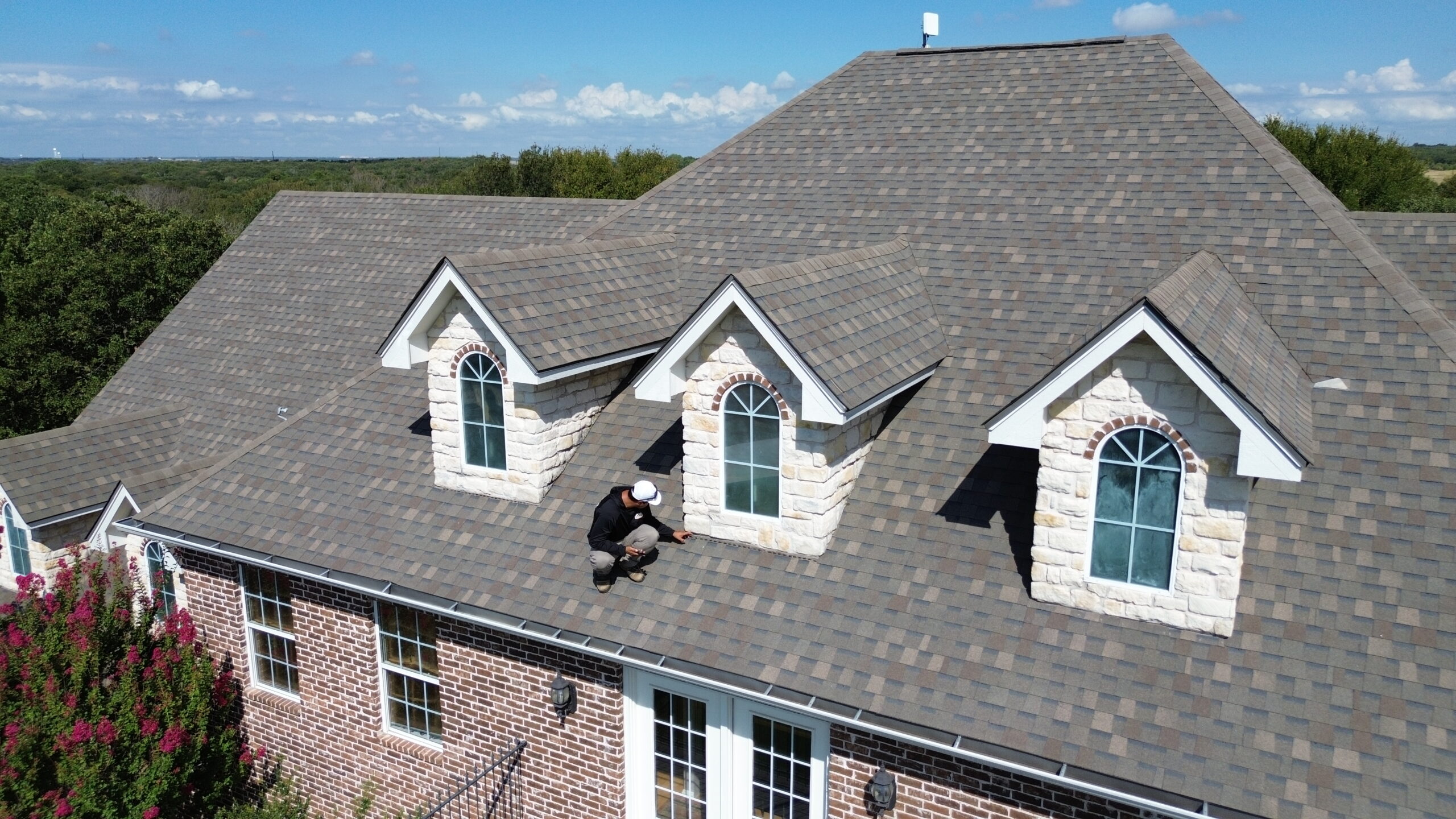
The first step is to examine the ridge cap and the surrounding roof sections. A roofing professional checks for loose shingles, missing fasteners, cracked materials, damaged ridge vents, gaps, and signs of moisture intrusion.
The inspection may also include checking the attic or roof decking when water damage is suspected. This helps establish whether the problem is limited to the cap or extends into other roofing components.
Removing Damaged Materials
Once the affected area has been identified, the contractor carefully removes damaged or improperly installed ridge cap materials. Nearby shingles and roofing components may also need attention if they have been lifted or weakened.
Removing the damaged section provides access to the underlying materials. The contractor can then check for deteriorated wood, damaged underlayment, exposed fasteners, or other problems that could affect the repair.
Replacing and Securing Ridge Caps
The next step is to install suitable replacement materials. On asphalt roofs, this usually involves ridge cap shingles designed for the roofing system. Metal and tile roofs require compatible components and installation methods.
The replacement materials must be aligned correctly and secured according to the manufacturer’s specifications. Proper overlap, fastening, and sealing help the repaired area resist rain and wind.
Checking Ridge Vents and Underlying Components
If the roof includes a ridge vent, the contractor should determine whether it remains properly positioned and functional. Damaged vent sections may need repair or replacement to restore weather protection.
Where moisture has reached the underlayment or roof decking, additional repairs may be necessary. Completing these steps before reinstalling the ridge cap helps create a more reliable roofing assembly.
Final Inspection and Cleanup
After the repair, the contractor should check the completed section for secure materials, appropriate alignment, and visible gaps. Any debris from the work should be removed from the roof and surrounding property.
Homeowners should receive an explanation of the completed work and any remaining concerns. Ask for photographs when possible, particularly if the damaged area is difficult to see from the ground.
🧱 Roof Ridge Cap Repair for Different Roofing Materials
Not all ridge caps are constructed the same way. Choosing the correct repair method for your roof material is important because an unsuitable product or fastening technique can cause further damage.
Asphalt Shingle Roofs
Asphalt shingle roofs commonly use separate ridge cap shingles that overlap along the roof peak. Damage may include cracking, lifted edges, missing pieces, or loose fasteners.
Repairs usually involve removing the affected shingles and installing compatible replacements. The contractor should also check surrounding shingles and confirm that the repair does not obstruct an existing ridge vent.
Architectural Shingle Roofs
Architectural shingles are thicker than traditional three-tab shingles and are frequently used on residential roofs. Their ridge cap components may have a particular profile, color, and thickness designed to match the main roof covering.
Using suitable ridge cap products helps preserve both weather protection and appearance. If the original shingles are discontinued, a contractor can explain the available alternatives and how closely they match the existing roof.
Metal Roofs
Metal roofs generally use formed ridge caps that cover the meeting point of the roof panels. These components may be secured with fasteners, closure strips, sealants, or other accessories depending on the roofing system.
Common problems include loose fasteners, damaged sealant, bent metal, and openings where wind-driven rain can enter. Repairs should account for the panel design and manufacturer requirements rather than relying on a generic sealant application.
Tile Roofs
Tile roofs use specially shaped ridge tiles or compatible ridge components to cover the roof peak. Damage can involve cracked tiles, loose sections, deteriorated installation materials, or movement in the underlying support system.
Because tile roofs require specific installation techniques, repairs should be performed by a contractor familiar with that roofing type. Walking on tiles incorrectly can break additional pieces, so homeowners should avoid attempting repairs without appropriate training and equipment.
Why Matching Materials Matters
The replacement material should be compatible with the existing roof in design, size, and performance. A poor match may create installation difficulties or leave exposed areas vulnerable to water entry.
A professional can evaluate whether a close match is available and whether the surrounding materials remain in good condition. The goal is to restore protection without introducing new weak points into the roofing system.
⚖️ Roof Ridge Cap Repair vs. Roof Replacement
Discovering roof ridge cap damage does not automatically mean the entire roof needs replacement. In many cases, a localized repair is enough to restore protection, particularly when the surrounding roofing materials are still in good condition.
However, widespread deterioration or recurring problems may indicate that the roof needs more extensive attention. The decision should consider the roof’s age, condition, repair history, and the amount of damage beyond the ridge.
When a Localized Repair Makes Sense
A targeted repair may be suitable when only a small section of the ridge cap is damaged and the surrounding shingles or panels remain secure. Examples include a few missing cap shingles after a storm or a limited area affected by failed fasteners.
Repairing the affected section can help control immediate costs and avoid unnecessary replacement work. The contractor should still check the nearby roof components to make sure the visible damage is not part of a larger problem.
When Replacement May Be Worth Considering
Roof replacement may be appropriate when the roofing materials are near the end of their useful life or deterioration extends across multiple areas. Repeated leaks, widespread shingle damage, significant decking problems, and numerous previous repairs may also justify evaluating replacement.
A new roof generally costs considerably more than a small ridge cap repair, but repeatedly repairing an extensively worn roof may become less economical over time. A professional assessment can help compare the likely costs and benefits of both options.
Comparing the Two Options
| Consideration | Ridge Cap Repair | Roof Replacement |
|---|---|---|
| Damage extent | Usually localized | Often widespread or system-wide |
| Initial expense | Generally lower | Generally higher |
| Project duration | Often completed within hours or a day | May require several days |
| Existing roofing | Most materials remain in place | Major portions or all roofing are replaced |
| Best suited for | Limited damage on a serviceable roof | Extensive wear or widespread damage |
| Long-term planning | Depends on the remaining roof condition | Provides a new roofing system when properly installed |
These are general comparisons. Actual costs and timelines vary by roof size, material, access, weather, and the work required.
🌧️ How Denton Weather Affects Roof Ridge Caps
Denton’s North Texas climate can expose roofing materials to several types of stress throughout the year. Heat, thunderstorms, hail, and strong winds can affect the ridge cap differently, making regular maintenance valuable.
Hail and Wind Exposure
Severe storms can damage shingles, loosen ridge caps, and displace metal components. Hail may leave visible impact marks or weaken materials, while strong gusts can lift poorly secured sections.
After a significant storm, check the roof from the ground for missing materials or debris. If you suspect damage, arrange an inspection rather than waiting for water stains to appear inside the home.
Heavy Rain and Moisture
Heavy rainfall can reveal weaknesses around the roof peak, especially when ridge caps have gaps or the underlying materials are deteriorated. Water may travel along roof decking before becoming visible inside, which means the location of an interior stain does not always identify the exact entry point.
Prompt assessment can help locate the source before moisture affects more of the roof structure. Maintaining gutters and drainage systems also helps manage water around the property, although gutters do not directly repair ridge cap problems.
Summer Heat and Seasonal Changes
Prolonged heat and repeated temperature changes can gradually affect shingles, sealants, and other roofing components. Materials that have already aged may become more vulnerable to cracking, separation, or wind damage.
Seasonal roof inspections can help identify early signs of wear. A contractor may recommend repairs or maintenance based on the roofing material, the property’s exposure, and the roof’s overall condition.
Preparing for Severe Weather
Before storm season, homeowners can arrange an inspection, trim overhanging branches, and address loose roofing materials. Keeping records of the roof’s condition can also help when comparing damage before and after a storm.
No roof is completely immune to severe weather, but proper installation and timely maintenance can reduce avoidable vulnerabilities. If storm damage occurs, prioritize safety and have the affected area assessed promptly.
🏡 Can You Repair a Roof Ridge Cap Yourself?
Some basic roof maintenance tasks can be handled by homeowners, but repairing a ridge cap is often more complicated than it appears. The roof peak may be steep, exposed to wind, and difficult to access safely.
Understanding the Risks
Climbing onto a roof creates a serious fall risk, especially when the surface is wet, damaged, or covered with loose granules. A person may also accidentally break nearby shingles or tiles while moving around the ridge.
Incorrectly fastening replacement materials can create gaps that allow water to enter. Applying sealant over damaged materials without correcting the underlying problem may only provide temporary relief.
What Homeowners Can Do Safely
From the ground, homeowners can look for missing ridge shingles, displaced metal pieces, fallen branches, or debris following a storm. Inside the home, checking the attic for visible dampness or water stains may help identify a possible concern.
Photograph visible damage from a safe location and keep track of when the issue first appeared. Avoid climbing onto the roof or touching loose electrical equipment, especially after severe weather.
When to Hire a Professional
Professional assistance is advisable when ridge caps are missing, a leak is suspected, the roof is steep, or the damage involves metal, tile, ventilation, or underlying wood. A qualified contractor can determine the proper repair method and use suitable safety equipment.
Hiring a professional can also help prevent damage caused by incorrect installation. Before approving the work, ask what caused the problem, which materials will be replaced, and whether the estimate includes inspection of the surrounding roof.
📋 What Is Included in a Roof Ridge Cap Repair Estimate?
A written estimate helps homeowners understand the work being recommended and the costs involved. Rather than focusing only on the final price, review the scope of work and confirm that the proposed repair addresses the cause of the damage.
Inspection and Documentation
The estimate should describe the damaged area and identify the components that require attention. Photographs or written inspection notes can help explain why the repair is necessary.
If the contractor identifies possible hidden damage, ask how that work would be handled if discovered after the damaged ridge cap is removed. Clear communication can reduce confusion about additional charges.
Materials and Labor
The estimate should identify the type of replacement materials and include the labor needed to remove damaged components and install the new ones. Additional work involving ridge vents, flashing, underlayment, or roof decking should be explained separately where practical.
Confirm whether the quoted amount includes the removal and disposal of old materials. If the roof requires a specialty product, ask whether it is readily available and whether a material match can be achieved.
Cleanup and Warranty Details
The contractor should explain how debris will be removed and whether the completed repair includes a workmanship warranty. Material warranties may have separate terms and limitations.
Before work begins, review the payment schedule, estimated completion time, and process for handling unexpected repairs. A detailed written estimate gives you a clearer basis for comparing contractors and deciding how to proceed.
🛡️ How to Prevent Future Roof Ridge Cap Damage
Although homeowners cannot control the weather, routine maintenance can help identify vulnerabilities before they develop into larger problems. Prevention begins with knowing the roof’s condition and addressing small concerns promptly.
- Schedule regular inspections: Have the roof checked periodically, particularly as it ages or after significant storms.
- Watch for storm damage: Look for missing materials, fallen branches, and other visible changes from a safe location.
- Address loose components early: Repair damaged ridge caps, flashing, and nearby shingles before additional weather exposure worsens the problem.
- Trim overhanging branches: Reducing contact with the roof can lower the risk of impact damage and debris accumulation.
- Maintain attic ventilation: Ensure the ventilation system is appropriate for the home and that ridge vents are not blocked or damaged.
- Use compatible roofing materials: Replacement components should suit the existing roofing system and follow the manufacturer’s installation requirements.
- Keep maintenance records: Save inspection reports, repair invoices, and photographs to track recurring issues and document the roof’s condition.
Regular maintenance does not eliminate every roofing risk, but it can help homeowners respond earlier and make better-informed repair decisions.
🧾 Does Homeowners Insurance Cover Roof Ridge Cap Repair?
Homeowners insurance may cover roof ridge cap repairs when the damage results from a covered event, such as certain wind or hail incidents. Coverage depends on the specific policy, the cause of the damage, applicable deductibles, exclusions, and other terms.
Damage caused by normal aging, deterioration, or inadequate maintenance is often treated differently from sudden storm damage. Homeowners should not assume that every roof repair will qualify for reimbursement.
Documenting Possible Storm Damage
If you suspect a storm caused the damage, photograph visible signs from a safe location and record the date of the event. Keep relevant inspection reports, repair estimates, and invoices together for reference.
Contact your insurance company to understand the claims process and any deadlines that apply. The insurer may arrange an inspection or request additional documentation before making a coverage decision.
Getting Professional Guidance
A roofing contractor can inspect the affected area and prepare an estimate describing the necessary work. That information may help you explain the damage to your insurer, but the contractor cannot guarantee that the claim will be approved.
Review your policy and communicate directly with your insurer about coverage, deductibles, and claim requirements. Avoid authorizing unnecessary work solely on the expectation of insurance payment.
⏱️ How Long Does Roof Ridge Cap Repair Take?
Many minor ridge cap repairs can be completed within a few hours, while more extensive projects may take a full day or longer. The actual timeline depends on the length of the damaged section, the roofing material, the roof’s accessibility, and whether underlying damage is present.
Simple replacement of a few asphalt ridge cap shingles may be relatively quick. Repairs involving metal ridge components, tile systems, ridge vents, or damaged decking can require additional preparation and labor.
Weather and material availability can also affect scheduling. Contractors may need to postpone roof work during rain, high winds, or unsafe conditions.
Before the project begins, ask for an estimated start date, expected duration, and explanation of factors that could cause delays. Once the repair is finished, allow time for a final inspection and review of the completed work.
⚖️ How to Choose a Roof Ridge Cap Repair Contractor in Denton
Selecting a suitable roofing contractor involves more than comparing prices. Homeowners should look for a provider who can explain the damage, recommend an appropriate repair, and communicate clearly about costs and expectations.
Look for Relevant Roofing Experience
Choose a contractor familiar with your roof material and the weather challenges common in Denton. Experience with ridge caps, ridge vents, storm damage, and related roof components can be especially useful.
Ask whether the contractor has handled similar repairs and whether photographs of completed projects are available. The answers can help you understand the company’s approach to this type of work.
Verify Insurance and Local Requirements
Ask for proof of appropriate insurance and confirm whether any permits or local requirements apply to the proposed project. Requirements may vary according to the nature and extent of the work.
A reputable contractor should be willing to explain these details before work begins. Avoid making a decision based solely on verbal assurances.
Compare Written Estimates
Request a clear written estimate that identifies the damaged area, materials, labor, and any additional work. If prices differ significantly, ask each contractor to explain the difference rather than automatically choosing the lowest quote.
An unusually low estimate may exclude important tasks or rely on materials that are not suitable for your roof. Comparing equivalent scopes of work provides a more meaningful assessment of value.
Review Communication and Warranty Terms
Read available customer reviews and ask about the company’s workmanship warranty. Confirm how concerns will be addressed if a repair does not perform as expected.
Before signing an agreement, make sure you understand the payment terms, project schedule, cleanup arrangements, and procedure for approving additional work. Clear expectations help make the repair process more straightforward.
Questions to Ask Before Hiring
Consider asking these questions before approving a roof ridge cap repair:
- What caused the damage, and how extensive is it?
- Can the existing ridge cap be repaired, or are replacement components necessary?
- Will you inspect the underlying roof materials and ridge vent?
- Which materials will be used, and how will they match the existing roof?
- What does the written estimate include and exclude?
- Is the repair covered by a workmanship warranty?
- How will unexpected damage and additional costs be handled?
Taking time to evaluate these details can help you choose a contractor based on the quality and suitability of the proposed work, not price alone.
📊 Roof Ridge Cap Repair Cost and Service Comparison
Understanding the relationship between the type of damage and the repair required can help Denton homeowners plan their roofing budgets. A visible problem along the roof peak may involve only a few shingles, or it may indicate a more extensive issue affecting the ridge vent, underlayment, or roof decking.
The following table provides general budgeting estimates for common ridge cap repair situations. These are illustrative ranges rather than verified local quotes, and the actual price depends on roof material, labor, accessibility, and the extent of the damage.
| Roof Problem or Service | Estimated Cost | Typical Scope of Work |
|---|---|---|
| Minor ridge cap adjustment | $150 to $350 | Repositioning or securing a limited section |
| Replacement of a few asphalt ridge cap shingles | $200 to $500 | Removing and replacing damaged cap shingles |
| Repair across a longer ridge section | $350 to $750 | Replacing multiple caps and checking nearby materials |
| Ridge vent repair or partial replacement | $300 to $900 | Addressing damaged vent components and protective coverings |
| Metal ridge cap repair | $250 to $1,000 or more | Securing, sealing, or replacing affected metal components |
| Roof decking or underlayment repairs | $500 to $1,500 or more | Repairing underlying damage in addition to the ridge cap |
| Extensive roof replacement | Several thousand dollars or more | Replacing a major portion or the entire roofing system |
Actual project costs may fall outside these ranges, especially for tile roofs, steep roofs, specialty materials, or extensive hidden damage. Request a written inspection and estimate before making a decision.
Comparing Repair Options
A minor repair is often the most practical choice when the damage is isolated and the surrounding roofing system remains in good condition. Replacing only the affected ridge cap can reduce material waste and help homeowners avoid unnecessary work.
A more extensive repair may be appropriate when several sections are loose or water has reached the underlayment. In these situations, addressing the underlying damage is important because replacing only the visible cap may leave the original problem unresolved.
Roof replacement should be evaluated when the damage extends across the roof or the materials are approaching the end of their useful life. Compare the cost of continued repairs with the expected condition of the existing roof before deciding which option makes the most sense.
Getting Value From Your Roofing Estimate
The lowest quote is not necessarily the best value if it excludes essential repairs or uses unsuitable materials. Compare the recommended work, product specifications, labor, cleanup, and warranty terms across estimates.
Ask each contractor to explain any significant price differences. A clear estimate helps you understand what you are paying for and reduces the chance of unexpected expenses during the project.
🏆 Why Choose Small Town Roofing & Construction for Roof Ridge Cap Repair in Denton, TX?
When your roof ridge cap is damaged, choosing a contractor who understands residential roofing systems can make the repair process easier to manage. Small Town Roofing & Construction is an option for homeowners seeking professional roofing assistance and guidance on addressing roof damage.
Professional Inspection and Damage Assessment
A proper repair begins with understanding what caused the problem. An inspection can help identify loose ridge caps, cracked materials, damaged vents, and other concerns that may affect the roof’s performance.
Understanding the extent of the damage makes it easier to determine whether a localized repair is appropriate. It also helps homeowners make informed decisions before committing to additional roofing work.
Repair Solutions for Denton Weather Conditions
North Texas weather can place repeated stress on roof coverings through high winds, hail, heavy rainfall, and summer heat. Selecting appropriate materials and installation methods is important for restoring the roof’s protective function.
Small Town Roofing & Construction can help homeowners evaluate roofing concerns and determine which repairs may be necessary. The recommended solution should reflect the roof’s material, condition, and exposure to the elements.
Attention to Ridge Caps and Related Components
A ridge cap does not function independently of the rest of the roofing system. Nearby shingles, metal components, ridge vents, underlayment, and roof decking may also require attention when damage occurs.
Evaluating the affected area helps homeowners understand whether the repair can remain localized or whether additional work should be considered. Addressing related problems can reduce the risk of recurring issues caused by unresolved damage.
Clear Estimates and Communication
Before approving a repair, homeowners should understand the scope of work, expected materials, labor charges, and possible additional costs. A detailed written estimate provides a useful record of what has been recommended.
Ask Small Town Roofing & Construction about the inspection process, project schedule, repair options, and applicable warranty terms. Clear communication allows you to compare options and understand the work being proposed.
Focus on Long-Term Roof Protection
A reliable repair should address the source of the damage rather than simply conceal the visible problem. Properly installed replacement materials and attention to underlying issues can help maintain the roof’s weather resistance.
If you notice loose ridge caps, missing shingles, or possible water intrusion, consider arranging a professional assessment. Taking action early may help prevent a small roofing concern from developing into a more expensive repair.
❓ Frequently Asked Questions About Roof Ridge Cap Repair in Denton, TX
What Is a Roof Ridge Cap, and Why Is It Important?
A roof ridge cap covers the peak where two sloping roof sections meet. It helps prevent rainwater and wind-driven moisture from entering the joint beneath the roofing materials. Ridge caps also protect ridge vents when these ventilation systems are installed. Keeping this component in good condition helps preserve the roof’s weather resistance.
How Much Does Roof Ridge Cap Repair Cost in Denton, TX?
Minor roof ridge cap repairs may cost approximately $200 to $750, although the final price varies by project. Larger repairs can cost more when several sections, ridge vents, or underlying roofing materials need attention. Roof height, material type, labor, and accessibility also affect the total. Request a written estimate after an inspection for a more accurate price.
What Causes Roof Ridge Cap Shingles to Come Loose?
High winds, aging shingles, deteriorated adhesive seals, and incorrect fastening can cause ridge cap shingles to loosen. Hail and other storm-related impacts may also weaken the materials. Poor installation can make the ridge vulnerable even when the rest of the roof appears to be in good condition. A professional inspection can help identify the cause and determine the appropriate repair.
Can a Damaged Ridge Cap Cause Roof Leaks?
Yes, a damaged ridge cap can allow rainwater to enter through gaps along the roof peak. Moisture may reach the underlayment, roof decking, attic insulation, or interior ceilings if the problem continues. Water stains do not always appear directly beneath the damaged section because moisture can travel along other surfaces. Prompt inspection can help locate the source and limit further damage.
How Do I Know Whether My Roof Ridge Cap Needs Replacement?
Missing shingles, cracked materials, lifted edges, exposed fasteners, and visible gaps are common warning signs. Water stains or dampness in the attic may indicate that the roof’s protective covering has been compromised. If the damage is isolated, replacing only the affected ridge cap may be sufficient. A roofing professional can determine whether localized replacement or more extensive work is appropriate.
Can Ridge Cap Shingles Be Repaired Without Replacing the Entire Roof?
Yes, many ridge cap problems can be corrected without replacing the entire roof. If the damage is limited to a small section and the surrounding materials remain sound, a localized repair may restore protection. However, widespread deterioration or recurring leaks may indicate a larger roofing problem. An inspection can help you compare the costs and benefits of repair versus replacement.
Does Homeowners Insurance Cover Roof Ridge Cap Repair?
Homeowners insurance may cover ridge cap damage caused by a covered event, such as certain wind or hail incidents. Normal wear, aging, and maintenance-related deterioration may be excluded, depending on the policy. Coverage also depends on deductibles, exclusions, and other policy conditions. Contact your insurer and keep photographs, inspection findings, and repair estimates to support the claims process.
How Long Does Roof Ridge Cap Repair Take?
A minor repair may be completed within a few hours, while more extensive work can take a day or longer. The timeline depends on the amount of damage, roof material, accessibility, and whether the underlying structure needs repair. Severe weather and material availability can also delay the work. Your contractor should provide an estimated schedule before the project begins.
Is It Safe to Repair Roof Ridge Caps Yourself?
Roof ridge cap repairs can involve steep surfaces, loose materials, and serious fall hazards. Incorrect installation may also leave gaps that allow moisture to enter the roof. Homeowners can inspect visible areas from the ground and look for signs of leaks inside the house without climbing onto the roof. For damaged or inaccessible sections, hiring a qualified roofing professional is the safer option.
How Often Should I Have My Roof Ridge Caps Inspected in Denton?
The inspection schedule depends on the roof’s age, material, condition, and exposure to severe weather. Periodic professional inspections can help identify loose shingles, deteriorating seals, and other problems before they become more serious. It is also sensible to arrange an inspection after a significant hailstorm or strong wind event if damage is suspected. Regular maintenance and prompt repairs can help extend the useful life of your roofing system.
Conclusion
Roof ridge caps play an important role in protecting your home from rain, wind, and other outdoor elements. Although they cover a relatively small section of the roof, damage along the peak can create openings that allow moisture to enter and affect other roofing components. Recognizing warning signs such as missing shingles, lifted edges, damaged vents, and attic moisture can help you respond before the problem becomes more extensive.
For homeowners in Denton, TX, local weather conditions make roof maintenance and timely storm damage assessments especially important. Repair costs depend on the type of roofing material, the extent of the damage, and whether underlying components need attention. Comparing written estimates and understanding the difference between localized repairs and full replacement can help you make a practical decision.
Small Town Roofing & Construction can be considered when you need professional guidance on roof ridge cap damage and potential repair options. Arrange an inspection if you suspect a leak or notice visible deterioration along your roof peak. Addressing the problem promptly can help protect your property, manage repair costs, and maintain the performance of your roofing system.
Leave A Comment