

Roof Inspection in Frisco, TX: When Should You Get One?
Introduction
Your roof is one of the most important parts of your home because it protects your family, belongings, and property from changing weather conditions. However, many homeowners in Frisco, TX, do not think about their roofs until they notice a water stain on the ceiling, missing shingles, or a leak after a heavy storm. By that point, a small roofing issue may already have developed into a more expensive problem. Scheduling regular roof inspections can help identify damage early, maintain your roof’s condition, and reduce the risk of unexpected repair costs.
Frisco experiences a variety of weather conditions throughout the year, including intense summer heat, heavy rainfall, strong winds, and occasional hailstorms. These conditions can gradually weaken roofing materials, loosen shingles, damage flashing, and affect the areas around vents and chimneys. Even when your roof looks perfectly fine from the ground, hidden problems may be developing beneath the surface. A professional roof inspection provides a closer look at these vulnerable areas and helps you understand whether your roof needs maintenance, repairs, or further evaluation.
So, when should you get a roof inspection in Frisco, TX? The answer depends on your roof’s age, its current condition, recent weather events, and whether you are buying or selling a home. Many homeowners benefit from arranging an inspection at least once a year and after significant storms that could have caused damage. In this guide, we will explain the best times to schedule an inspection, the warning signs to watch for, what a professional inspection includes, and how regular roof evaluations can help protect your investment.
🏠 What Is a Roof Inspection?
A roof inspection is a professional evaluation of your roofing system to determine its current condition and identify visible signs of damage, deterioration, or potential failure. During the process, an inspector examines accessible roofing materials, structural components, drainage systems, flashing, and other areas that help keep moisture outside your home. The purpose is to identify problems before they become more serious and provide useful information about the maintenance or repairs your roof may require. Depending on the inspection’s scope, the evaluation may also include accessible attic spaces and interior areas where signs of moisture damage can appear.
A thorough inspection looks beyond the shingles or other visible roof covering. Roofing systems contain several connected components, and a weakness in one area can affect the performance of the entire system. For example, damaged flashing around a plumbing vent may allow water to enter even when the surrounding shingles remain in good condition. Similarly, clogged gutters can cause water to collect near the roof edge, potentially contributing to deterioration of fascia boards and other nearby materials.
Homeowners should understand that a roof inspection is different from a simple visual check. Looking at your roof from the driveway may help you notice missing shingles or obvious sagging, but it cannot reveal every problem. A qualified professional can examine accessible areas more closely, document concerns, and explain which findings need immediate attention. The inspection may also help establish a record of your roof’s condition, which can be useful when planning maintenance or discussing storm damage with a roofing professional.
What Are the Main Goals of a Roof Inspection?
The primary goal is to assess how well your roof is performing and determine whether any components need attention. An inspection can help identify damaged shingles, deteriorating sealant, loose flashing, blocked drainage paths, and signs of water intrusion. It may also reveal areas where routine maintenance could help reduce the likelihood of future problems. These findings allow homeowners to make informed decisions instead of waiting for a visible leak or other major warning sign.
Another important goal is to estimate the remaining service life of roofing materials based on their observed condition. An inspection cannot predict an exact replacement date, but it can identify wear patterns that suggest a roof is approaching the end of its useful life. This information can help you prepare financially for future work and prioritize repairs according to their urgency. It is especially useful for homeowners whose roofs have experienced repeated storms or have not been professionally evaluated for several years.
A roof inspection can also support decisions about property purchases, renovations, and insurance-related documentation. Buyers may want to understand whether the roof has visible defects before completing a purchase, while existing homeowners may need a clearer picture of storm-related damage. Inspection findings can provide supporting information, although insurance coverage and claim decisions depend on the policy, the circumstances of the damage, and the insurer’s requirements. An inspection should therefore be treated as an important assessment tool rather than a guarantee of coverage or a substitute for an insurance decision.
📅 When Should You Get a Roof Inspection in Frisco, TX?
The best time to schedule a roof inspection depends on what is happening with your property and roof. For many Frisco homeowners, a yearly evaluation is a practical way to monitor gradual wear and catch small issues before they spread. Additional inspections may be appropriate after severe weather, when a leak develops, or when you are preparing to buy or sell a property. Instead of relying on a single schedule for every home, consider the roof’s age, materials, maintenance history, and exposure to local weather.
Schedule an Annual Roof Inspection
An annual inspection helps you understand how your roof has changed over the previous year. Roofing materials can deteriorate slowly because of ultraviolet exposure, temperature changes, moisture, and repeated wind pressure. Small defects may be difficult to recognize without a closer evaluation, particularly around roof penetrations, valleys, and edges. Checking these areas regularly gives you an opportunity to address developing concerns before they require more extensive work.
For homes in Frisco, arranging an inspection during a convenient period in spring or fall can be a sensible option. Spring evaluations can help identify damage left by winter weather and prepare the roof for hot summer conditions. Fall inspections can help uncover problems that developed during the summer and allow homeowners to address necessary maintenance before colder weather arrives. The exact timing is flexible, so the most important step is to establish a consistent schedule and follow it.
Annual inspections are especially valuable when your roof is several years old or has a history of minor repairs. A newer roof may not need extensive maintenance, but it can still benefit from periodic checks that identify installation-related concerns or storm damage. Keeping a record of inspection findings also makes it easier to compare the roof’s condition from one year to the next. If the inspector identifies an issue, ask which repairs are urgent and which can be included in a planned maintenance schedule.
Get an Inspection After a Hailstorm
Hailstorms can damage roofing materials in ways that are not always obvious from the ground. Depending on the hail’s size, wind conditions, roof material, and impact location, a storm may leave bruising, granule loss, cracked shingles, damaged vents, or dents in exposed metal components. Some damage may be difficult to distinguish from normal aging without a closer examination. A professional inspection can help determine whether the roof has visible storm-related damage and what steps should be considered next.
After a hailstorm in Frisco, avoid assuming your roof is undamaged simply because there is no water coming inside. Roofing materials may continue to keep out rain even when they have sustained damage that could affect their long-term performance. If you notice damaged shingles, debris, dents on accessible exterior components, or new signs of moisture inside your home, arrange an evaluation promptly. Do not climb onto the roof to look for hail damage because wet, loose, or weakened surfaces can create serious fall hazards.
If you suspect storm damage and plan to contact your insurer, document what you can safely observe from the ground and keep records of the storm date and any visible interior damage. Ask the roofing professional to explain the inspection findings and provide photographs or written documentation when available. Avoid authorizing major work based only on an initial impression before you understand the findings, costs, and any relevant insurance requirements. Prompt evaluation can help you make a more informed decision about the next steps.
Inspect Your Roof After Strong Winds or Heavy Rain
Strong winds can lift shingle edges, loosen roofing materials, damage ridge caps, and move debris onto the roof. Heavy rain can expose weak points around flashing, valleys, vents, and other roof penetrations. When these events occur together, even a roof that previously appeared sound may develop problems that require attention. An inspection is worthwhile if the weather was severe enough to raise concerns about your home’s exterior.
Look for warning signs such as shingles on the ground, loose metal components, debris collecting in gutters, or water stains appearing on ceilings and walls. Check accessible areas around your home without climbing ladders or walking on the roof. If you notice active leaking, protect belongings where it is safe to do so and contact an appropriate roofing professional to assess the situation. Electrical hazards, sagging ceilings, or significant structural concerns require additional caution and may call for emergency assistance.
Do not wait for another storm to confirm whether the roof has a problem. Water can travel along roof decking, framing, and insulation before becoming visible inside a room, so the location of a ceiling stain may not match the original entry point. A professional can investigate likely sources and explain whether temporary protection, a targeted repair, or a more detailed assessment is needed. Early attention can reduce the chance of continued moisture exposure and additional interior damage.
Arrange an Inspection Before Buying or Selling a Home
A roof inspection can be valuable when you are buying a home in Frisco because the roof’s condition may influence maintenance planning and future expenses. Even a property with an attractive exterior may have aging shingles, worn flashing, poor drainage, or signs of previous leaks. Understanding these concerns before closing gives you more information to discuss with your real estate professional and other relevant parties. It can also help you plan for repairs that may be needed after moving in.
Sellers can also benefit from arranging an inspection before listing their property. Identifying roofing concerns early provides time to evaluate repair options and prepare accurate information for potential buyers. Addressing certain defects before listing may make the transaction more straightforward, although the financial benefit depends on the property’s condition and the local market. A documented assessment can also help you communicate the roof’s known condition more clearly during negotiations.
A general home inspection may include a visual roof assessment, but its scope can differ from that of a dedicated roofing inspection. If the roof is older, has a history of leaks, or shows signs of storm damage, ask whether a more detailed evaluation would be useful. Buyers should review the inspection report carefully and clarify any limitations, including areas that could not be safely accessed. Sellers should avoid describing a roof as damage-free unless the available evidence supports that statement.
Get an Inspection When Your Roof Is Aging
As roofing materials get older, their ability to resist wind, water, and temperature changes may gradually decline. Shingles can become brittle, sealant can deteriorate, and flashing or other exposed components may develop wear. The rate of aging depends on the material, installation quality, ventilation, maintenance, and exposure to local weather. An inspection helps you understand the condition of your specific roof instead of relying on age alone.
If your roof is approaching the expected service-life range for its material, consider scheduling an evaluation even if there are no obvious leaks. The inspector can look for recurring defects, widespread deterioration, and areas where repairs may no longer provide a practical long-term solution. Depending on the findings, you may be able to extend the roof’s useful life through maintenance and targeted repairs. In other cases, planning for replacement may be more sensible than repeatedly repairing a roof with extensive wear.
Roof age should be treated as a guide rather than a final decision. A well-maintained roof may remain serviceable longer than a poorly installed or heavily weathered roof of the same age. Likewise, a relatively new roof can still experience serious damage after a major storm or installation problem. A condition-based assessment gives you a more useful starting point for deciding what to do next.
🌩️ Why Frisco Weather Makes Roof Inspections Important
Frisco is part of North Texas, where roofs must withstand a range of environmental conditions throughout the year. Hot summers, strong sunlight, heavy rainfall, gusty winds, thunderstorms, and occasional hail can all affect roofing materials. Repeated exposure may weaken vulnerable areas even when there is no single event that causes an obvious failure. Regular inspections help homeowners identify how these conditions are affecting their individual roofs.
Summer Heat and Ultraviolet Exposure
During the warmer months, roofing surfaces can become significantly hotter than the surrounding air. Prolonged heat and ultraviolet exposure can contribute to the aging of asphalt shingles, sealants, and other roofing materials. Repeated heating and cooling may also place stress on joints and connections, particularly where different materials meet. These changes tend to develop gradually, which is one reason regular evaluations are helpful.
Heat-related wear may appear as brittle or curled shingles, deteriorating sealant, or weakened protective granules, depending on the roofing material and its condition. Not every roof exposed to high temperatures will develop these problems at the same rate. Material quality, ventilation, installation practices, and maintenance all influence how well a roof handles local conditions. During an inspection, ask the professional to identify any visible signs of heat-related deterioration and explain whether corrective work is necessary.
Attic ventilation can also influence roof performance by affecting heat and moisture movement within the building. Inadequate ventilation or insulation problems may contribute to uncomfortable indoor temperatures and moisture-related concerns, although the correct solution depends on the home’s design. An inspector may identify warning signs that warrant a closer look at the attic or ventilation system. Addressing the underlying issue is often more effective than replacing individual roofing components without understanding why the problem developed.
Hail and Severe Thunderstorms
Hail is an important roofing concern in North Texas because impact damage may affect shingles and exposed roof components. The extent of damage depends on the storm, the roofing material, the age of the roof, and the angle and force of impact. Asphalt shingles may lose protective granules or develop impact-related defects, while metal components can show dents. Some forms of damage are subtle and require a trained professional to evaluate them properly.
Thunderstorms can also bring strong winds and wind-driven rain. Wind may lift shingle edges or loosen components, creating openings through which water can enter during later rainfall. Rain can then reveal weaknesses around flashing, valleys, skylights, and plumbing vents. After a severe storm, a timely inspection can help establish whether visible damage requires further evaluation or repair.
Not every storm creates roof damage, and not every mark on a roof is necessarily storm-related. Normal aging, previous repairs, foot traffic, and installation conditions can sometimes produce similar-looking defects. A careful assessment should explain what was observed, which areas were inspected, and whether the findings appear consistent with storm exposure. Clear documentation is particularly useful when you need to compare the current condition with earlier photographs or maintenance records.
Heavy Rain and Drainage Problems
Although a roof covering is designed to shed water, effective drainage also depends on gutters, downspouts, roof slopes, valleys, and properly sealed transitions. When gutters become blocked by leaves or other debris, water may overflow and affect fascia, siding, landscaping, or areas near the foundation. Poor drainage can also cause water to collect in vulnerable locations. An inspection can help identify conditions that interfere with the movement of rainwater away from the house.
Pay particular attention to roof valleys and the areas where roofing materials meet walls, chimneys, or other structures. These transitions rely on correctly installed flashing and compatible materials to keep water out. If flashing becomes loose, corroded, or damaged, rain may enter behind the exterior surface even when the surrounding roof covering looks intact. Regular checks can help uncover these weaknesses before repeated rainfall leads to interior stains or damaged building materials.
After prolonged rain, check ceilings, upper-floor walls, and accessible attic areas for dampness, discoloration, or unusual odors. These signs do not always identify the exact source of moisture, but they indicate that further investigation may be necessary. Do not enter an attic if there are unsafe conditions, exposed electrical hazards, or signs of structural instability. A qualified professional can help trace the moisture source and recommend appropriate corrective measures.
Temperature Changes and Seasonal Wear
North Texas weather can shift between warm, cool, wet, and dry conditions over relatively short periods. Roofing materials expand and contract as temperatures change, while sealants and other flexible components may gradually lose performance with age. These movements do not automatically indicate a problem, but repeated stress can expose weaknesses in older or poorly installed systems. Inspections can help determine whether seasonal exposure has contributed to visible deterioration.
Seasonal changes also affect the amount of debris that collects on roofs and inside gutters. Leaves, small branches, and other material may obstruct drainage paths or hold moisture against certain surfaces. Accumulated debris can make it harder for water to drain properly and may hide damage that would otherwise be visible. Keeping drainage areas clear and arranging periodic inspections are practical ways to maintain the roof’s overall condition.
The most effective approach is to consider weather exposure alongside the roof’s age and maintenance history. A home that has experienced several severe storms may need closer monitoring than a similar property with less exposure. Likewise, a roof with previous leak repairs deserves attention to confirm that the original problem was resolved. A consistent inspection routine helps you respond to changing conditions rather than waiting for a failure.
🔍 Warning Signs That Your Roof Needs an Inspection
Knowing the common warning signs of roof damage can help you decide when to contact a professional. Some problems are visible from the ground, while others appear inside the home or develop gradually over time. A missing shingle or ceiling stain may seem minor, but either could indicate a problem that deserves closer attention. When you notice an unusual change, arrange an assessment instead of assuming it will resolve on its own.
Missing, Cracked, or Curling Shingles
Shingles are designed to overlap and protect the underlying roof structure from rain and environmental exposure. When shingles are missing, cracked, curling, or visibly displaced, the roof may become more vulnerable to moisture intrusion. Damage can occur because of wind, hail, age, installation problems, or other factors. An inspection can help determine whether the issue is limited to a small area or affects a larger portion of the roof.
Do not try to walk across the roof to examine damaged shingles yourself. Roof surfaces can be steep, slippery, brittle, or unstable, and even a small mistake can cause a serious injury. Instead, look from a safe location and take photographs only when you can do so without climbing or entering an unsafe area. Share what you observed with the roofing professional so the affected area can be assessed appropriately.
Water Stains on Ceilings or Walls
Brown or yellow discoloration on ceilings and upper walls can indicate moisture intrusion, particularly when the marks appear or expand after rainfall. Peeling paint, bubbling drywall, damp insulation, or a persistent musty odor may also point to a moisture problem. However, roof leaks are not the only possible cause, since plumbing issues and condensation can produce similar symptoms. A professional evaluation can help narrow down the source and determine what repairs are needed.
If a stain appears suddenly, becomes larger, or is accompanied by active dripping, do not delay seeking assistance. Keep people away from any ceiling that appears swollen or unstable, and avoid touching wet electrical fixtures or wiring. If the area is safe, move valuables away from the affected location and document the visible damage. Correcting the source of moisture is essential because painting over a stain will not resolve an underlying leak.
Damaged Flashing or Loose Roof Components
Flashing helps direct water away from vulnerable joints around chimneys, vents, skylights, walls, and roof intersections. If flashing becomes loose, corroded, bent, or improperly sealed, water may enter through gaps that are difficult to notice from the ground. Loose ridge caps, exposed fasteners, and damaged vent covers can create similar concerns. These components may require close examination because small defects can affect the roof’s ability to shed water.
A roof inspection should include accessible flashing and roof penetrations, with attention to signs of separation, deterioration, or previous repairs. The appropriate repair depends on the material, the condition of the surrounding roof, and how the component was originally installed. In some situations, resealing or replacing a small component may be sufficient. More extensive deterioration may require a broader repair plan, particularly if water has already affected the underlying materials.
Granules in Gutters and Downspouts
Asphalt shingles have a protective granular surface that helps shield the underlying material from sunlight and weather exposure. Some granule loss is normal as shingles age, and a small amount of loose material does not automatically mean the roof is failing. However, unusually heavy accumulation, especially when combined with visible shingle wear or recent storm activity, may justify an inspection. A professional can evaluate whether the granule loss appears consistent with normal aging or suggests a more significant concern.
You can check gutters from a safe position for excessive debris, but avoid leaning over edges or climbing onto the roof. Granules may collect alongside leaves and other material, so their presence alone is not enough to determine the roof’s condition. The inspector should consider the overall appearance of the shingles, the roof’s age, and any signs of impact or surface deterioration. This broader assessment provides a more reliable basis for deciding whether maintenance or repairs are necessary.
Sagging Rooflines or Persistent Moisture
A visibly sagging roofline is a serious warning sign that should not be ignored. It may indicate structural movement, weakened roof decking, prolonged moisture exposure, or another issue affecting the building. The cause cannot be confirmed from appearance alone, but a sagging area deserves prompt professional attention. If you suspect structural instability, keep people away from the affected area and seek appropriate assistance.
Persistent moisture in the attic can also indicate a roofing or ventilation concern. Wet insulation, damp wood, visible staining, or mold-like growth may suggest that water or humid air is reaching areas where it should not. Because multiple conditions can produce similar symptoms, the source should be investigated before deciding on a repair. An inspection helps identify the areas of concern and determine whether additional evaluation of the roof, attic, or ventilation system is needed.
The key is to respond to warning signs before they become more extensive. Not every defect requires a full roof replacement, and some problems can be resolved through targeted repairs or maintenance. However, postponing an inspection may allow water intrusion or material deterioration to continue. When you notice changes in the roof’s appearance or signs of moisture inside your home, getting a professional opinion is a practical next step.
🛠️ What Does a Professional Roof Inspection Include?
A professional roof inspection generally involves examining the accessible parts of the roofing system for damage, wear, drainage issues, and potential sources of leaks. The exact scope varies according to roof design, material, weather conditions, and safe access. Some roofs can be inspected directly, while others require assessment from the ground, a ladder, or specialized equipment. A responsible inspector should explain any access limitations and avoid unsafe methods simply to reach a particular area.
Roof Covering and Shingle Condition
The roof covering is usually one of the first areas evaluated during an inspection. For asphalt-shingle roofs, the inspector may look for missing, cracked, curling, loose, or deteriorated shingles, along with unusual granule loss and signs of impact. For metal, tile, or other roofing systems, the evaluation will focus on the relevant material and its specific failure points. The objective is to determine whether the covering appears to be performing properly and whether visible defects need attention.
The inspector may also check for uneven surfaces, exposed underlayment, previous patchwork, or areas where roofing materials do not appear to fit together correctly. These conditions can be related to installation quality, aging, storm exposure, or earlier repairs. Photographs can help explain what was found and show homeowners which areas deserve attention. If damage is identified, ask whether the recommended work is necessary immediately or can be scheduled as part of planned maintenance.
Flashing, Vents, Chimneys, and Roof Penetrations
Areas where the roof meets another structure or where pipes and vents pass through the covering can be especially vulnerable to leaks. Flashing is intended to guide water away from these transitions, while seals and compatible materials help limit moisture entry. During an inspection, the professional may examine accessible flashing around chimneys, plumbing vents, skylights, roof-to-wall connections, and other penetrations. Visible gaps, loose materials, corrosion, and deteriorated sealant may indicate a need for further evaluation or repair.
These locations deserve attention because water can enter through a small opening and travel before becoming visible indoors. A stain on a ceiling may therefore appear some distance from the original defect. The inspector should consider the roof’s layout and the location of interior moisture signs when investigating a suspected leak. Properly identifying the source helps prevent unnecessary repairs to areas that are not responsible for the problem.
Gutters, Downspouts, and Drainage
Gutters and downspouts play an important role in moving rainwater away from the roof edge and the home’s foundation. An inspection may identify loose gutter sections, blockages, poor alignment, leaks at joints, or signs that water has been overflowing. The professional may also look for damaged fascia boards or other materials near the roof edge. If drainage problems are found, the recommended solution may involve cleaning, adjusting, repairing, or replacing the affected components.
Roof valleys and other areas where water naturally collects also deserve careful attention. Debris in these locations can obstruct drainage and conceal deteriorating materials. The inspector may check for signs of standing water, damaged valley materials, or water marks that suggest poor drainage. Addressing these conditions can help reduce moisture-related problems and support the roof’s long-term performance.
Attic, Roof Decking, and Ventilation
When the attic is safely accessible and included in the inspection, the professional may look for signs of leaks, damp insulation, discoloration, damaged wood, and unusual moisture accumulation. The underside of the roof decking can sometimes reveal evidence of water entry that is not apparent from the exterior. The inspector may also observe whether ventilation openings appear blocked or whether other visible conditions suggest a ventilation concern. The assessment should respect the limits of safe access and should not involve stepping on unsupported ceiling materials or entering unsafe spaces.
Attic findings need to be interpreted carefully because moisture can result from roof leaks, condensation, plumbing issues, or other building conditions. Ventilation and insulation are also influenced by the home’s overall design, so a single observation may not establish the cause of a problem. If concerns are identified, the inspector should explain whether further evaluation is needed before recommending corrective work. This approach helps homeowners address the underlying cause rather than treating only the visible symptoms.
Interior Ceilings and Signs of Water Intrusion
A roof inspection may include checking accessible interior areas for water stains, peeling paint, damp drywall, and other signs that moisture may have entered the building. These observations can help connect an exterior defect with an interior symptom. The inspector may ask when a stain first appeared, whether it changes after rain, and whether previous repairs have been completed. This information can help guide further investigation.
Interior signs should not be used alone to conclude that the roof needs replacement. A small leak may result from a localized flashing problem, while widespread staining could point to a more extensive issue or a non-roof source of moisture. The appropriate next step depends on the findings and the condition of the affected materials. A clear inspection report should distinguish between observed evidence, possible causes, and recommended follow-up actions.
Inspection Findings and Recommendations
After examining the relevant areas, the professional should explain the findings in language you can understand. A written report may include photographs, descriptions of visible defects, recommendations for repairs, and observations about the roof’s overall condition. The level of detail varies by company and inspection type, so ask what documentation is included before scheduling the service. You should also ask whether any inaccessible areas or inspection limitations will be noted in the report.
A useful report separates urgent concerns from routine maintenance and longer-term planning. For example, an active leak may require prompt attention, while minor wear in a limited area may be monitored or addressed during scheduled maintenance. If replacement is recommended, ask what evidence supports that conclusion and whether repairs remain a reasonable option. Understanding the findings will help you compare proposals, set priorities, and make decisions based on the roof’s actual condition rather than guesswork.
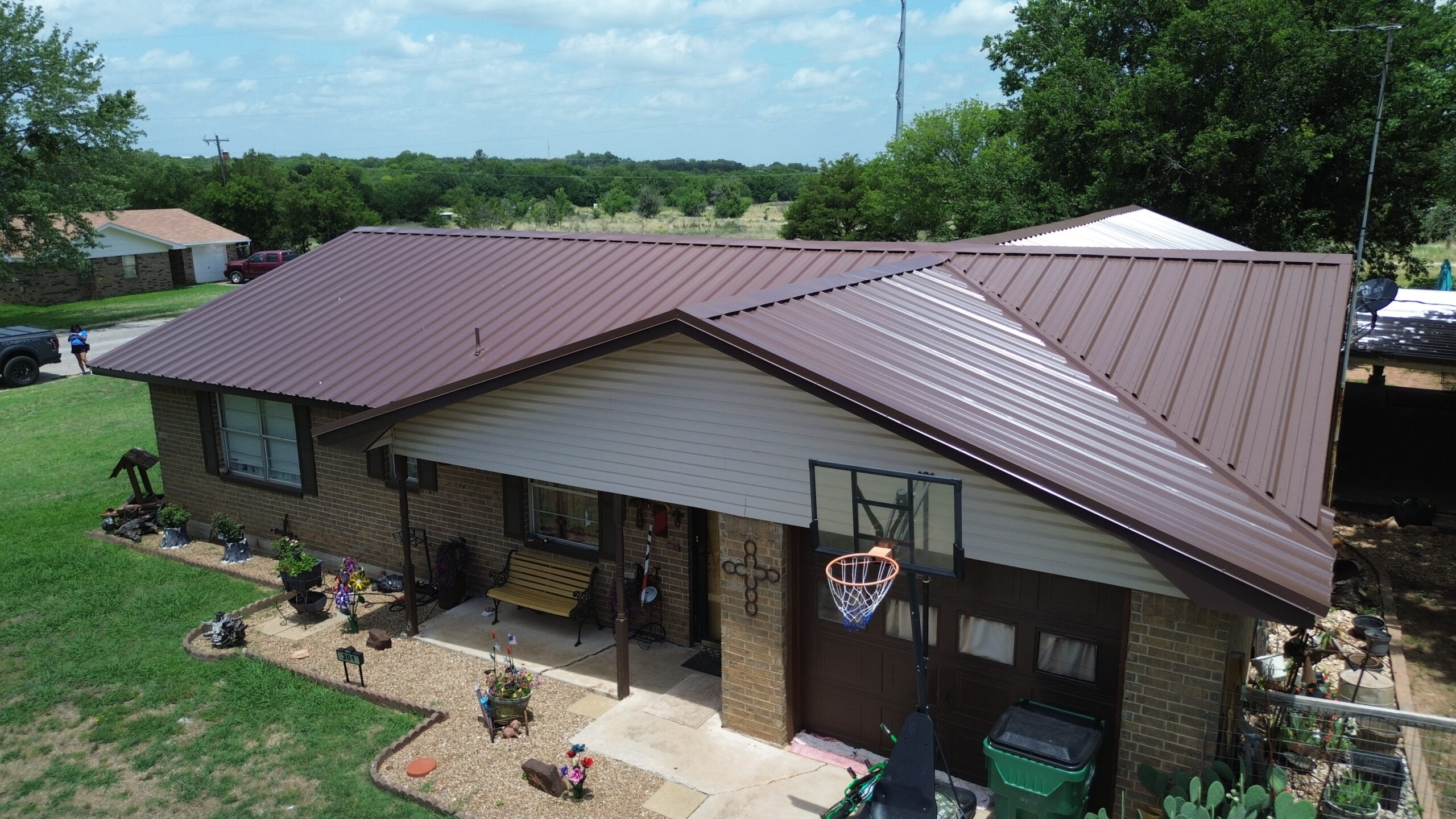
💰 How Much Does a Roof Inspection Cost in Frisco, TX?
The cost of a roof inspection in Frisco, TX, depends on the roof’s size, design, accessibility, material, and the level of detail required. A straightforward visual inspection may cost less than a comprehensive evaluation involving difficult access, extensive documentation, or investigation of suspected leaks. The roofing company’s experience and the specific services included can also affect the final price. Before scheduling an appointment, ask for a clear explanation of the inspection fee and what you will receive afterward.
Homeowners should remember that an inspection and a repair are two different services. The inspection fee generally covers evaluating the roof and identifying visible concerns, while repairs, replacement materials, and additional diagnostic work may involve separate charges. Some roofing companies may offer promotional or complimentary inspections under certain circumstances, but the terms can vary. Always confirm whether the inspection is genuinely free, whether there are conditions attached, and whether you are expected to purchase any additional service.
Factors That Affect Roof Inspection Costs
Several factors can influence the amount you pay for a professional roof evaluation. Understanding these factors helps you compare estimates fairly and avoid choosing a service based on price alone.
- Roof size: Larger roofs generally require more time to examine because they contain more surface area and potentially more areas of concern.
- Roof design: Multiple slopes, valleys, dormers, skylights, and other architectural features can make an inspection more complicated.
- Roofing material: Asphalt shingles, metal panels, tile, and other materials have different inspection requirements and potential failure points.
- Accessibility: Steep slopes, tall buildings, limited access, or safety concerns may affect how the roof can be evaluated.
- Inspection scope: A basic visual assessment may cost less than an evaluation that includes extensive photographs, detailed reporting, or investigation of a suspected leak.
- Storm-related concerns: Hail or wind damage may require closer examination of multiple roof areas and exposed components.
The best way to understand the price is to request an estimate based on your particular property. Provide details about the roof’s age, material, approximate size, and any issues you have noticed. If the inspection follows a storm, mention the event and describe any visible damage or interior leaks. This information can help the company determine what type of assessment is appropriate.
Is a Free Roof Inspection Worth It?
A complimentary roof inspection can be useful when you want an initial assessment of your roof’s condition. It may help identify visible damage, explain possible repair needs, and determine whether a more detailed evaluation is appropriate. However, free inspections can differ in scope, documentation, and purpose. You should understand what is included before relying on the findings to make a major financial decision.
Some inspections are offered by roofing companies that also sell repair and replacement services. This does not automatically make the inspection unreliable, but it is sensible to ask questions and request supporting evidence for any major recommendation. If a contractor immediately insists that you need a complete replacement without clearly explaining the observed damage, consider seeking another professional opinion. Comparing findings can help you distinguish necessary work from optional improvements.
A valuable inspection should provide clear information rather than pressure you into making an immediate purchase. Ask whether the company will document the visible issues, explain their severity, and outline possible solutions. You should also clarify whether the inspection includes the attic, interior moisture assessment, and areas that cannot be safely accessed. These details make it easier to compare services and decide whether the inspection meets your needs.
How to Compare Roof Inspection Estimates
When comparing inspection prices, look beyond the total amount. Two companies may charge different fees because one provides only a brief visual assessment while the other includes photographs, a written report, and a more extensive review of accessible roofing components. Ask each company to explain its process and identify any services that cost extra. A slightly higher fee may be worthwhile if it provides clearer documentation and a more useful understanding of the roof’s condition.
| Comparison factor | What to ask |
|---|---|
| Inspection scope | Which parts of the roofing system will be examined? |
| Documentation | Will I receive photographs or a written report? |
| Accessibility | How will steep or difficult-to-reach areas be assessed? |
| Additional charges | Are leak investigations or follow-up visits billed separately? |
| Repair recommendations | Will the findings distinguish urgent repairs from routine maintenance? |
| Follow-up options | Can I request a separate estimate for recommended work? |
Before approving any repair, ask for a written estimate that describes the work, materials, expected timeline, and payment terms. If the proposed work is substantial, comparing multiple estimates can help you evaluate the available options. Make sure the contractors are assessing the same problem and including comparable work. A clear comparison is more useful than selecting the lowest price without understanding what it covers.
🧾 What Happens During a Roof Inspection?
A professional roof inspection generally follows a structured process that begins with understanding the property’s history and ends with explaining the findings. The inspector may ask about the roof’s age, previous repairs, past leaks, recent storms, and any changes you have noticed. These details help direct attention toward areas that may require closer evaluation. The process then moves to an examination of accessible exterior components and, when appropriate, interior or attic spaces.
The inspection method depends on the roof’s design, weather conditions, and safety considerations. Some roofs may be suitable for direct examination, while others require ground-level observation, ladder access, specialized equipment, or other safe inspection methods. A responsible professional should not take unnecessary risks to access a particular section. If part of the roof cannot be inspected, ask how that limitation affects the findings and whether another assessment method is available.
Initial Discussion and Property Review
The inspection often begins with a conversation about your concerns and the roof’s maintenance history. You may be asked whether the home has experienced leaks, missing shingles, storm damage, or previous repairs. If you have photographs from earlier inspections or records of roofing work, sharing them can provide helpful context. This information helps the inspector understand whether the issue is new, recurring, or part of a longer-term pattern.
You should also mention any recent changes inside the home, such as ceiling stains, peeling paint, damp insulation, or musty odors. Even if the symptoms appear minor, they may help the professional identify which roof areas deserve closer attention. Explain when the signs first appeared and whether they become more noticeable after rainfall. Accurate details can make the inspection more focused and useful.
Exterior Roof Assessment
The inspector then evaluates accessible exterior areas for visible signs of wear or damage. This may include checking shingles or other roofing materials, ridge caps, valleys, flashing, vents, roof edges, and exposed fasteners. Gutters and downspouts may also be reviewed to identify drainage problems that could affect the roof or surrounding building materials. The exact components examined will depend on the roofing system and the inspection’s agreed scope.
During this stage, the inspector may photograph defects or areas that need monitoring. These images can help explain findings that are difficult to see from the ground and provide a reference for future maintenance. If damage appears concentrated in one section, the professional may examine nearby components to determine whether the problem extends beyond the initial area. A careful evaluation considers how different roofing elements work together rather than treating every visible defect as an isolated issue.
Attic and Interior Assessment
When the attic can be accessed safely and is included in the service, the inspector may look for water stains, damp insulation, discolored wood, and other signs of moisture intrusion. These observations can help identify problems that are not visible from the exterior. The inspector may also note conditions that suggest a ventilation or condensation concern. If the attic contains unsafe wiring, unstable surfaces, or other hazards, access may be limited until the risks can be addressed.
Interior areas may be checked for ceiling stains, bubbling paint, peeling finishes, or other visible moisture indicators. The inspector may compare these observations with the roof’s exterior condition to identify possible leak locations. However, moisture symptoms can have multiple causes, so additional investigation may be necessary before the source is confirmed. The report should explain which findings are directly observed and which require further evaluation.
Review of Findings and Next Steps
Once the inspection is complete, the professional should explain the roof’s condition and identify any concerns that require attention. Depending on the service, you may receive a written report, photographs, repair recommendations, and information about maintenance priorities. Ask questions if a finding is unclear or if the recommended work seems more extensive than expected. You should understand why a repair is proposed before deciding whether to proceed.
A useful inspection report should help you distinguish between immediate concerns and issues that can be monitored. An active leak or loose roofing material may need prompt attention, while minor wear could be handled through planned maintenance. If extensive damage is identified, ask whether a targeted repair is feasible or whether broader work should be considered. The final decision should be based on the evidence, the roof’s overall condition, and your property’s needs.
🏡 Roof Inspection When Buying or Selling a Home
Roof condition can influence a real estate transaction because repairs and replacement may represent significant future expenses. In Frisco, buyers and sellers can benefit from understanding the roofing system before finalizing an agreement. A roof inspection helps identify visible defects, assess the condition of accessible components, and clarify whether further evaluation may be needed. Although it cannot guarantee that every hidden issue will be discovered, it can provide useful information for making informed decisions.
Why Homebuyers Should Arrange a Roof Inspection
When purchasing a home, it is easy to focus on the kitchen, bathrooms, flooring, and overall appearance while overlooking the condition of the roof. However, roofing problems can lead to repair expenses, interior damage, and disruption after you move in. A roof may look attractive from the street but still have deteriorating shingles, damaged flashing, or evidence of previous leaks. An inspection helps you understand these concerns before committing to the property.
Buyers should pay particular attention to the roof’s approximate age, visible condition, repair history, and any signs of water intrusion. If the seller has records of previous roofing work, review them and ask whether warranties or other documentation are available. A dedicated roof inspection may be helpful when the general home inspection identifies concerns or cannot fully evaluate the roof. Discuss the findings with your real estate professional so you understand any relevant deadlines or negotiation options under your purchase agreement.
The inspection report can also help you estimate future maintenance needs. A roof in generally good condition may only require routine monitoring, while an aging system may need repairs or eventual replacement. These possibilities can influence your budget and plans for the property. Rather than assuming a roof is in good shape because it is not leaking, use the available evidence to assess its current condition.
Why Sellers Should Inspect Their Roof Before Listing
Sellers can reduce uncertainty by arranging a roof evaluation before placing their property on the market. The inspection may uncover damaged shingles, blocked gutters, deteriorating flashing, or other visible concerns that can be addressed before potential buyers view the home. Completing appropriate repairs may improve the property’s presentation and help avoid last-minute surprises during negotiations. However, whether a repair is financially worthwhile depends on its cost, the roof’s condition, and the circumstances of the sale.
An inspection can also help sellers prepare accurate information about the roof. If maintenance records, repair invoices, or inspection photographs are available, organize them before listing the property. Buyers may appreciate having a clearer picture of the roof’s history and any work that has been completed. Sellers should follow applicable disclosure requirements and avoid making unsupported claims about the roof’s condition.
If the inspection identifies substantial damage, consider obtaining written estimates and discussing the available options with your real estate professional. Depending on the transaction, you may decide to complete repairs, adjust your pricing expectations, or provide documentation for buyers to review. The appropriate choice depends on the property’s condition and the terms of the sale. Planning ahead gives you more time to evaluate the options instead of making rushed decisions during negotiations.
Roof Inspections and Real Estate Negotiations
Roof inspection findings can become part of discussions between buyers and sellers when defects or upcoming maintenance needs are identified. A buyer may request repairs, seek a price adjustment, or ask for additional information, depending on the purchase agreement and local requirements. A seller may respond by arranging repairs, providing existing documentation, or negotiating another solution. The outcome depends on the contract, the evidence, and the willingness of both parties to reach an agreement.
A clear report can make these discussions more productive because it identifies specific concerns rather than relying on general statements that the roof is in poor condition. Photographs and written findings may help the parties understand the extent of the issue. If a contractor recommends replacement, ask for an explanation of the observed conditions and whether repair alternatives are reasonable. For significant concerns, an independent professional opinion may help clarify the situation.
Remember that a roof inspection does not automatically determine the home’s market value or guarantee that a transaction will proceed. It provides information that buyers, sellers, and their representatives can use alongside other relevant factors. The report should be considered together with the purchase agreement, property disclosures, and any applicable professional advice. A thoughtful review can help both parties make decisions with fewer surprises.
⚖️ Roof Inspection vs. Roof Repair vs. Roof Replacement
Homeowners sometimes confuse an inspection with the work that may follow it. A roof inspection evaluates the system’s condition, while a repair addresses a specific defect and a replacement involves installing a new roofing system or covering over some or all of the existing roof. These services have different purposes and costs. Understanding the distinction helps you avoid approving work before the problem has been properly assessed.
What Is the Difference?
A roof inspection is the starting point when you need to understand the condition of your roof. It helps identify visible damage, potential leak sources, maintenance needs, and areas that may require additional evaluation. The inspection itself does not necessarily correct any problems. Instead, it provides information that can guide decisions about repairs, continued maintenance, or replacement.
A roof repair focuses on correcting a specific problem, such as replacing damaged shingles, addressing defective flashing, or repairing a localized leak. When the surrounding roofing materials remain in serviceable condition, a targeted repair may be sufficient. However, repairs should address the underlying cause rather than only covering up visible symptoms. If the roof has widespread deterioration or repeated failures, isolated repairs may not provide a lasting solution.
Roof replacement is a more extensive project that involves removing and installing roofing materials according to the condition of the existing system and the requirements of the job. It may be appropriate when the roof has extensive damage, widespread deterioration, or multiple problems that make continued repairs impractical. Replacement can also provide an opportunity to address certain underlying issues discovered during the project. Because it generally requires a greater financial commitment, the decision should be supported by a clear evaluation and detailed estimates.
Which Option Is Right for Your Home?
The appropriate option depends on the roof’s age, material, damage pattern, maintenance history, and overall condition. A relatively new roof with one damaged area may need only a targeted repair. An older roof with widespread wear, recurring leaks, and deteriorating materials may require a broader solution. An inspection helps determine which circumstances apply to your property.
| Service | Main purpose | When it may be appropriate |
|---|---|---|
| Roof inspection | Evaluate condition and identify concerns | Annual maintenance, suspected leaks, storm damage, buying or selling |
| Roof repair | Correct specific defects | Localized damage, loose flashing, limited shingle problems, isolated leaks |
| Roof replacement | Renew an extensively worn or damaged roofing system | Widespread deterioration, significant damage, repeated failures, or an impractical repair outlook |
Do not assume that every roof problem requires replacement, but do not ignore evidence that repairs may no longer be sufficient. Ask the roofing professional to explain the extent of the damage, the expected benefits of each option, and the potential risks of delaying the work. If replacement is recommended, request a written proposal that explains the materials, work scope, and any related components that may need attention. Comparing qualified opinions can help you choose an option that suits the roof’s condition and your budget.
Why an Inspection Should Come First
Making a roofing decision without understanding the problem can lead to unnecessary expenses or incomplete repairs. For example, a ceiling stain may result from damaged flashing, a plumbing leak, or condensation rather than widespread roof failure. Replacing roofing materials without identifying the actual source of moisture may not solve the problem. A proper assessment helps clarify what is known, what remains uncertain, and what work may be necessary.
An inspection also creates an opportunity to prioritize repairs. Some defects require prompt attention because they allow water to enter or create a safety concern, while others may be monitored or addressed during routine maintenance. Understanding the urgency helps you plan your spending and avoid treating every issue as an emergency. When the roof’s condition is documented clearly, it becomes easier to compare proposals and decide how to proceed.
🛡️ Roof Inspections After Hail or Storm Damage
Storm-related roof damage deserves particular attention in Frisco because severe weather can affect shingles, flashing, gutters, vents, and other exterior components. Some problems become immediately visible, while others may not appear until the next period of heavy rainfall. A timely inspection can help identify visible damage and determine whether additional evaluation or repairs are appropriate. It is especially important to arrange an assessment if you notice missing roofing materials, new leaks, or signs of impact after a storm.
What to Do After a Storm
Your first priority after severe weather should be safety. Avoid climbing onto the roof, using a ladder during wet or windy conditions, or touching damaged electrical equipment. From a safe location, look for missing shingles, fallen branches, damaged gutters, displaced metal components, or debris that may have affected the roof. If water is entering the home, protect belongings where it is safe to do so and seek professional help to assess the situation.
Take photographs of visible damage from the ground or another safe location when possible. Keep a record of when the storm occurred and when you first noticed any problems. If water has affected the interior, photograph the visible stains or damaged materials without entering an unsafe area. These records may be helpful when discussing the issue with a roofing professional or your insurance company.
Arrange an inspection promptly if you suspect the storm has damaged the roof. The professional can assess accessible areas, document visible findings, and explain whether immediate protection or permanent repairs are needed. If a temporary measure is recommended, ask how long it is expected to remain effective and what follow-up work will be required. Temporary protection should not be treated as a substitute for resolving the underlying damage.
Understanding Hail Damage
Hail can affect different roofing materials in different ways. Asphalt shingles may show granule loss, bruising, cracks, or other impact-related changes, while metal components may have dents or visible deformation. The appearance and severity of the damage depend on the hail, roof material, age, and storm conditions. A professional evaluation can help distinguish potential impact damage from ordinary wear or defects that existed before the storm.
Homeowners should be cautious about drawing conclusions based on isolated marks. Some dents or surface changes may be cosmetic, while other defects may affect the roof’s ability to perform properly. Similarly, granules in gutters can result from normal aging or storm exposure, so the surrounding evidence matters. Ask the inspector to explain the observed conditions and identify which findings warrant repair or additional assessment.
Insurance Documentation and Roof Inspections
If you believe your roof has sustained storm damage, review your homeowners insurance policy and contact your insurer to understand the applicable reporting process. Coverage depends on the policy language, the cause of damage, exclusions, deductibles, and other circumstances. A roofing inspection report may help document visible conditions, but it does not guarantee that an insurance claim will be approved. The insurer makes coverage decisions according to the policy and its claim procedures.
Keep copies of inspection reports, photographs, repair estimates, invoices, and relevant communications. Ask the roofing professional to describe the observed damage clearly and avoid making assumptions about insurance coverage. Be cautious of anyone who pressures you to sign a contract immediately or promises that your insurer will pay for all work. Taking time to review the documentation and understand your responsibilities can help you make a more informed decision.
Why Prompt Storm Inspections Matter
Delaying an inspection after a damaging storm may allow a small defect to become more serious, particularly if subsequent rain enters through an opening. Moisture can affect insulation, drywall, wood, and other building materials if the source is not addressed. A prompt assessment helps identify visible concerns and determine whether temporary protection, repair, or further investigation is needed. It also gives you a clearer record of the roof’s condition following the event.
Not every storm requires a major roofing project, and not every roof will sustain damage. The appropriate response depends on what the inspection reveals. A limited issue may be corrected with a targeted repair, while widespread damage may require a more comprehensive evaluation. Having the roof assessed rather than relying on assumptions helps you choose the next step based on evidence.
📊 How Often Should Different Roofs Be Inspected?
There is no single inspection schedule that works for every roof. The ideal frequency depends on roofing material, age, installation quality, weather exposure, and the home’s maintenance history. In Frisco, annual inspections provide a practical starting point for many homeowners, with additional evaluations after significant storms or when warning signs appear. Roofs with recurring problems or substantial wear may require more frequent attention.
Asphalt Shingle Roofs
Asphalt shingles are widely used in residential roofing and can gradually deteriorate because of heat, sunlight, wind, and moisture. Homeowners should consider an annual inspection to monitor the condition of the shingles, flashing, valleys, and drainage components. Older roofs or those that have experienced repeated storms may benefit from closer monitoring. The inspection schedule should reflect the roof’s actual condition rather than age alone.
Watch for curling edges, missing shingles, unusual granule accumulation, and repeated leaks. These signs do not automatically mean the roof needs replacement, but they indicate that a closer assessment may be appropriate. If the inspector identifies localized damage, ask whether repairs could extend the roof’s service life. If deterioration is widespread, discuss the advantages and limitations of continued repairs.
Metal Roofs
Metal roofing systems can be durable, but they still require periodic checks. Inspectors may look for loose or damaged panels, deteriorating sealant, corrosion where applicable, loose fasteners, and problems around roof penetrations. The specific inspection needs depend on the panel design, installation method, protective finish, and other system details. Annual evaluation can help identify developing issues before they lead to moisture intrusion.
Pay particular attention to connections and transitions, since the performance of a metal roof depends on more than the panels alone. Sealants and fasteners may need attention over time, depending on the system and environmental exposure. If you hear unusual noises, notice visible panel movement, or discover water stains after a storm, arrange an assessment. A professional familiar with the relevant metal roofing system can explain the appropriate maintenance requirements.
Tile and Other Roofing Materials
Tile and other specialty roofing materials have their own inspection considerations. Depending on the system, concerns may include cracked or displaced tiles, damaged underlayment, deteriorating flashing, and drainage problems. Walking on certain roofing materials can cause damage or create safety hazards, so homeowners should not attempt a close inspection themselves. Use a qualified professional who understands the material and appropriate access methods.
The visible covering does not always reveal the condition of the components underneath it. For example, a tile may appear intact while an underlying waterproofing layer or flashing detail requires attention. An inspection should consider the full roofing system to the extent safely accessible and included in the service. Ask the professional to explain any limitations and whether additional evaluation is recommended.
Older Roofs and Roofs With Previous Problems
Older roofs deserve careful monitoring because materials and connections may have experienced years of weather exposure. Roofs with previous leaks, repeated repairs, or known installation concerns may also need closer attention than systems in consistently good condition. If a problem keeps returning, the cause should be investigated rather than repeatedly treating the same symptom. A more frequent inspection schedule may be appropriate until the underlying issue is resolved.
Use previous inspection reports and repair records to track changes over time. If the same area shows recurring damage, ask whether the original repair addressed the cause or only the visible defect. This information can help determine whether continued maintenance remains practical. When deterioration becomes widespread, planning for replacement may provide a more reliable long-term approach than relying on repeated repairs.
💡 How to Prepare for a Roof Inspection
Preparing for a roof inspection can help the professional understand your concerns and make the appointment more productive. You do not need to climb onto the roof or perform any technical checks yourself. Instead, gather relevant records, identify visible warning signs, and make sure the inspector can access agreed-upon areas safely. A little preparation can help you receive clearer findings and understand the recommended next steps.
Gather Roofing and Maintenance Records
Collect any available documents related to the roof, including installation information, repair invoices, previous inspection reports, warranty documents, and photographs of earlier damage. These records can help establish the roof’s age and reveal whether certain issues have occurred repeatedly. If you do not know when the roof was installed, let the inspector know that the age is uncertain. Avoid assuming that the roof’s appearance alone establishes its exact installation date.
If the home has experienced a recent storm, note the approximate date and any visible changes you noticed afterward. You can also make a list of areas where leaks or stains have appeared. Include information about previous repairs and whether the same problem returned after rainfall. This history helps the inspector focus on potential trouble spots.
Make a List of Concerns
Before the appointment, write down any questions you want answered. These might include whether a leak appears to originate from the roof, whether damaged shingles need replacement, or whether the roof may require more extensive work in the future. If you have noticed granules in the gutters, unusual noises, or interior moisture, mention those observations. Clear descriptions help the professional understand what prompted the inspection.
Be specific about when each issue first appeared and whether it changes with the weather. For example, a stain that becomes darker after heavy rain may provide different clues from one that remains unchanged throughout the year. Do not try to diagnose the cause yourself. Your role is to provide observations so the inspector can investigate them appropriately.
Arrange Safe Access to Relevant Areas
If the inspection includes an attic or other accessible interior spaces, make sure the entrance is available and inform the professional about any known hazards. Move stored items away from the access point when practical, but do not enter an unsafe area to prepare it. Keep pets and household members away from work areas where ladders or equipment may be used. The inspector should determine which locations can be accessed safely.
Weather conditions may affect whether the appointment can proceed as planned. Wet surfaces, strong winds, lightning, or extreme conditions may make some inspection methods unsafe. If the roofing professional recommends rescheduling, ask whether any preliminary assessment can be completed safely from the ground. Safety should take priority over finishing the inspection on a particular day.
Ask Questions Before the Appointment
Confirm what the inspection includes, how long it is expected to take, and whether you will receive a written report or photographs. Ask whether the service covers the attic, drainage components, flashing, and other areas relevant to your concerns. You should also clarify the inspection fee and any potential charges for additional diagnostic work. Knowing these details in advance helps avoid misunderstandings.
It is also reasonable to ask how findings will be explained and whether the company can provide a separate repair estimate if necessary. An inspection should help you understand the roof’s condition without obligating you to approve recommended work immediately. Take time to review the results and seek clarification if something is unclear. When you understand the scope, cost, and expected deliverables, you can make better use of the appointment.
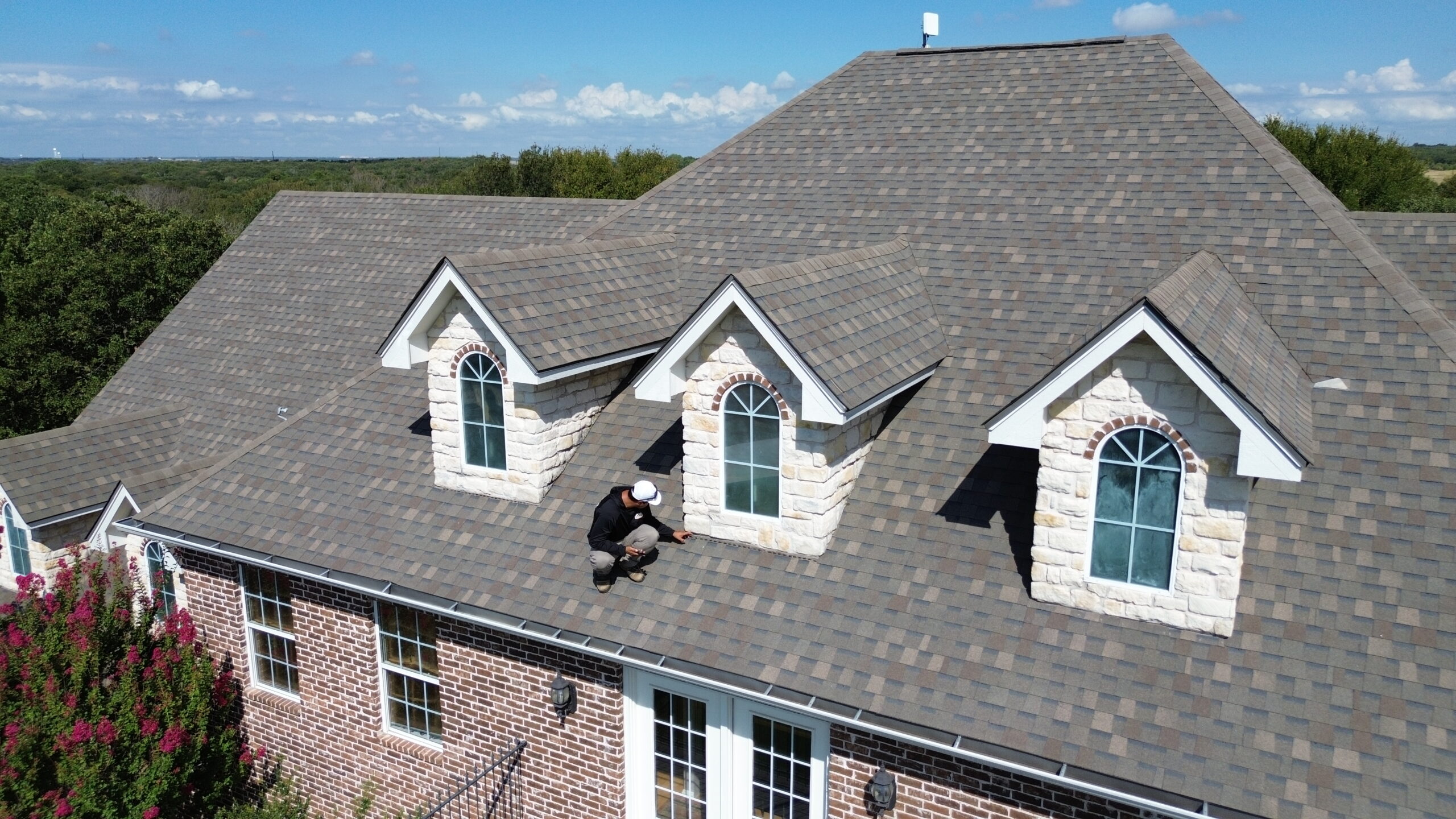
🧰 Common Roof Inspection Mistakes to Avoid
Regular roof inspections can help Frisco homeowners identify developing problems and plan maintenance before damage becomes extensive. However, the benefits depend on choosing the right inspection approach and responding appropriately to the findings. Certain mistakes can cause homeowners to overlook important warning signs, spend money on unnecessary work, or delay repairs that need prompt attention. Understanding these common errors can help you protect your roof and make better decisions about its maintenance.
Waiting Until a Leak Appears
One of the most common mistakes is assuming that a roof only needs attention when water starts entering the house. Roofing materials can deteriorate long before a leak becomes visible inside the property. Damaged flashing, loose shingles, and worn seals may allow moisture to enter gradually, sometimes affecting hidden materials before obvious symptoms appear. By the time a ceiling stain develops, the problem may require more than a simple surface repair.
Scheduling periodic inspections gives you an opportunity to identify visible defects before they develop into more serious concerns. An annual evaluation is a practical starting point for many homes, while additional inspections may be appropriate after severe storms or when warning signs appear. If you notice changes in the roof’s appearance or new moisture inside the home, arrange an assessment instead of waiting for the next scheduled inspection. Early attention can help reduce avoidable damage and unexpected repair expenses.
Inspecting the Roof Without Proper Safety Equipment
Climbing onto a roof without appropriate training, equipment, and safety precautions can result in serious injuries. Sloped surfaces may be slippery, loose shingles can shift underfoot, and damaged roof decking may not safely support a person’s weight. Even a roof that appears stable from the ground can contain weak or hazardous areas. Homeowners should avoid walking on the roof or climbing ladders simply to investigate a suspected problem.
Instead, observe the roof from a safe location and contact a qualified professional for a closer assessment. You can take photographs of visible damage from the ground if doing so does not put you at risk. Leave roof access, close-up evaluations, and specialized inspection methods to someone equipped to perform the work safely. If severe weather has recently affected the property, wait until conditions are safe before arranging an exterior assessment.
Choosing a Contractor Based Only on Price
Selecting the lowest-priced inspection may seem like an easy way to save money, but price alone does not reveal the quality or scope of the service. One provider may offer a brief visual assessment, while another may include photographs, a written report, and a more detailed review of accessible roofing components. Without comparing these details, you may end up paying for a service that does not address your concerns. The cheapest option is not necessarily the most useful choice for your property.
Ask each company what the inspection covers, how findings will be documented, and whether additional diagnostic services cost extra. Check relevant experience, communication practices, and whether the contractor can explain roofing concerns in understandable terms. If repair work is recommended, request a separate written estimate and review the proposed scope carefully. A clear explanation of the findings is more valuable than a low price without meaningful documentation.
Ignoring the Inspection Report
Receiving an inspection report is only helpful if you understand its findings and take appropriate action. Some homeowners set the document aside because the roof is not actively leaking, while others focus on minor defects and overlook more urgent concerns. An inspection report may identify problems that could worsen if they remain unresolved. Ignoring these recommendations can lead to additional maintenance needs and higher costs later.
Review the report and ask the inspector to explain any unfamiliar terms or unclear recommendations. Identify which issues require prompt attention, which repairs can be scheduled, and which areas should be monitored over time. Keep the report with your roofing records so it can be compared with future inspections. This approach creates a useful maintenance history and helps you track changes in the roof’s condition.
Assuming Every Roofing Problem Requires Replacement
Another common mistake is believing that any visible damage means the entire roof must be replaced. A localized leak, damaged flashing, or a limited number of missing shingles may be repairable when the surrounding materials remain in serviceable condition. On the other hand, widespread deterioration or repeated failures may indicate that repairs are no longer the most practical solution. The right decision depends on the extent of the damage and the overall condition of the roofing system.
Ask the contractor to explain why a particular repair or replacement is recommended. Request photographs or other supporting details and find out whether a targeted repair is a reasonable alternative. If the proposed project involves a significant expense, consider obtaining another qualified opinion. Making a decision based on documented conditions rather than pressure or assumptions can help you choose the most appropriate solution.
🏆 How to Choose a Roof Inspection Company in Frisco, TX
Choosing the right roof inspection company is an important part of protecting your home. A reliable professional should be able to evaluate accessible roofing components, explain observed concerns, and provide practical recommendations based on the roof’s condition. Frisco homeowners should consider experience with local weather exposure, communication quality, safety practices, and the documentation provided. Taking time to evaluate these factors can help you find a provider who understands your needs.
Look for Relevant Roofing Experience
Roofing systems differ by material, slope, design, and installation method, so experience with your particular roof type can be valuable. A professional familiar with asphalt shingles, metal roofing, tile, or other materials should understand the common warning signs associated with that system. Experience with North Texas weather can also help the inspector recognize conditions that may follow hailstorms, strong winds, heavy rain, and prolonged heat. Ask about the types of roofs the company regularly evaluates and whether it has experience with concerns similar to yours.
You should also ask how the inspector approaches difficult-to-access areas and what methods are used to document visible damage. A responsible provider will explain the inspection process and acknowledge any limitations rather than making unsupported claims. If your concern involves recurring leaks or suspected storm damage, explain the history before the appointment. This gives the company an opportunity to clarify whether the requested inspection is appropriate for the problem.
Verify Credentials and Business Information
Before hiring a roofing company, review its available business information and ask about any applicable licenses, registrations, insurance, or other credentials relevant to the work being performed. Requirements can vary depending on the service and jurisdiction, so confirm which rules apply to your particular project. If the company may also perform repairs, ask about the qualifications and insurance associated with that work. Do not assume that an inspection provider’s credentials automatically cover every type of roofing service.
It is also useful to review customer feedback and look for consistent comments about professionalism, communication, punctuality, and the handling of concerns. Consider how the company responds to questions rather than relying only on an overall rating. Be cautious if you encounter unclear business information, pressure to sign immediately, or promises that cannot be supported by the inspection findings. A careful review helps you make a more informed hiring decision.
Ask for a Clear Inspection Scope
Before booking the appointment, find out which parts of the roof will be evaluated. Ask whether the service includes accessible shingles or other roofing materials, flashing, valleys, gutters, roof penetrations, and attic areas when safe and applicable. Clarify whether the company provides photographs, a written report, and recommendations for maintenance or repairs. These details help you understand what the inspection can reasonably establish.
You should also ask whether difficult-to-access areas may be excluded and how those limitations will be explained. Some roofs require alternative inspection methods because of steep slopes, fragile materials, or safety concerns. A trustworthy professional should be transparent about these restrictions and discuss appropriate options when necessary. Knowing the scope in advance helps you avoid expecting a basic visual assessment to answer questions that require further investigation.
Compare Written Estimates and Recommendations
If an inspection leads to recommended repairs, request a written estimate that describes the work, materials, expected timeline, and payment terms. Compare proposals carefully to determine whether they address the same problems and include similar services. A low estimate may exclude important work, while a higher estimate may include additional components or a more extensive repair scope. Understanding the differences helps you make a fair comparison.
Ask the contractor to explain why the recommended work is necessary and what could happen if the problem is left unresolved. If replacement is proposed, find out whether repairs remain practical and what evidence supports the recommendation. For substantial projects, obtaining more than one qualified opinion may help you evaluate your choices. Avoid signing a contract before you understand the proposed work, costs, and applicable terms.
Choose Clear Communication Over High-Pressure Sales
A professional inspection should help you understand your roof rather than leave you confused or pressured. The inspector should explain findings in straightforward language, answer reasonable questions, and distinguish between observed damage and possible causes that require further investigation. Recommendations should relate to the conditions identified during the inspection. You should feel comfortable asking for clarification before approving repairs.
Be cautious if a contractor claims that you must sign immediately, guarantees insurance approval, or recommends a complete replacement without explaining the evidence. Storm damage and insurance coverage can be complicated, and no roofing company can guarantee an insurer’s decision simply by conducting an inspection. Take time to review the report and compare options when the situation allows. A thoughtful decision is generally better than committing to extensive work under pressure.
🚀 Why Choose Small Town Roofing & Construction for Roof Inspection in Frisco, TX?
When you need a roof inspection in Frisco, TX, choosing a roofing company that can explain the condition of your roof and help you understand the next steps is important. Small Town Roofing & Construction is an option homeowners can consider when looking for roofing-related assistance. Before scheduling, ask about the company’s current service availability in Frisco, the inspection process, and the types of roofing systems it evaluates. Confirm the scope and cost of the service so you know what to expect.
A Practical Approach to Roof Condition Assessment
A useful roof inspection should focus on identifying visible concerns and helping homeowners understand their significance. This may involve evaluating accessible roofing materials, flashing, roof penetrations, drainage components, and other areas relevant to the property’s design. If the inspection identifies potential damage, ask for an explanation of the findings and whether additional investigation is needed. Understanding the condition of these components can help you prioritize maintenance and repairs.
For Frisco homeowners, it is particularly helpful to discuss any recent exposure to hail, strong winds, heavy rain, or intense summer heat. Share details about missing shingles, water stains, previous repairs, or other changes you have noticed. The information can help guide the assessment toward areas that deserve closer attention. Ask whether photographs or written findings will be provided so you can keep a record for future reference.
Clear Explanations and Repair Planning
Inspection results are most useful when they are presented in a way that helps you make informed decisions. If concerns are identified, ask which items require prompt attention and which can be handled through routine maintenance. A clear explanation should describe the observed condition, the recommended next step, and any limitations that affect the assessment. This information can help you plan the work according to its urgency and your budget.
If repairs are recommended, request a separate written estimate and review the scope before authorizing the work. Ask whether the proposal addresses the underlying problem and whether any additional inspection is needed before repairs begin. If a full replacement is suggested, find out what evidence supports that recommendation and whether a targeted repair is a reasonable alternative. Comparing the available options can help you avoid unnecessary expenses while ensuring that important problems are not ignored.
Support for Storm-Related Roofing Concerns
Severe weather can create roofing concerns that are difficult to assess from the ground. After a hailstorm or strong wind event, an inspection may help identify visible defects, displaced materials, or possible leak locations. Homeowners should avoid climbing onto the roof to search for damage and should arrange a professional assessment when concerns arise. Prompt attention is especially important if water is entering the home or roofing materials have become loose.
If you suspect storm damage, keep photographs of visible conditions and records of any interior moisture. Ask the roofing professional to document observed damage and explain whether further evaluation or repairs may be appropriate. If you plan to contact your insurance company, review your policy and follow its reporting procedures. Remember that an inspection report can support your understanding of the damage, but it does not guarantee insurance coverage.
Long-Term Roof Maintenance
Roof care should not end after a single inspection. Maintaining a record of the roof’s condition, completed repairs, and recurring concerns can help you recognize patterns over time. Scheduling periodic evaluations and arranging additional checks after significant storms can make it easier to identify developing problems. The right maintenance plan depends on the roofing material, age, condition, and exposure to local weather.
When considering Small Town Roofing & Construction, discuss the inspection service, expected documentation, and any maintenance or repair options that may be available. Confirm the company’s service area, applicable credentials, pricing, and project terms directly before making a decision. A well-explained assessment can help you understand what your roof needs now and what may require attention in the future. The goal is to make decisions based on the roof’s actual condition rather than waiting for a preventable problem to become more expensive.
❓ Frequently Asked Questions About Roof Inspection in Frisco, TX
How often should I get my roof inspected in Frisco, TX?
Many homeowners should consider scheduling a professional roof inspection at least once a year. Frisco’s heat, heavy rain, strong winds, and occasional hailstorms can gradually affect roofing materials. You should also arrange an inspection after significant weather events or when you notice warning signs such as missing shingles or interior water stains. Older roofs and systems with recurring problems may require more frequent evaluation.
How much does a roof inspection cost in Frisco?
The cost depends on the roof’s size, design, material, accessibility, and the level of detail included in the inspection. A basic visual assessment may have a different price from a detailed evaluation with photographs and written documentation. Some companies offer complimentary inspections, but you should confirm the terms and scope before scheduling. Ask for a clear estimate so you understand what is included and whether additional services may cost extra.
Should I get a roof inspection after a hailstorm?
Yes, arranging an inspection after a significant hailstorm is a sensible precaution if you suspect your roof may have been affected. Hail can damage shingles, flashing, vents, and exposed metal components without immediately causing a visible leak. A qualified professional can evaluate accessible areas and document visible concerns. Avoid climbing onto the roof yourself, and contact your insurer if you suspect covered damage.
How long does a professional roof inspection take?
The duration depends on the roof’s size, complexity, accessibility, and the concerns that need investigation. A straightforward inspection may take less time than an assessment involving multiple roof sections, attic access, or suspected leaks. Weather conditions and safety requirements can also affect the process. Ask the roofing company for an estimated timeframe when booking your appointment.
What does a roof inspector look for?
A roof inspector generally evaluates accessible roofing materials, flashing, valleys, vents, roof penetrations, and drainage components. The inspection may identify missing shingles, visible deterioration, loose materials, damaged seals, or signs of water intrusion. When safely accessible and included in the service, the attic and interior areas may also be checked for moisture-related concerns. The inspector should explain the findings and recommend appropriate follow-up when necessary.
Can a roof inspection detect hidden leaks?
A roof inspection can identify signs that suggest a hidden leak, including moisture stains, damp insulation, deteriorating materials, and defects around flashing or roof penetrations. However, not every leak source is immediately visible, and some problems require additional diagnostic work. Water may travel along building materials before appearing on a ceiling or wall. If the source remains uncertain, ask the inspector what further evaluation may be needed.
Should I get a roof inspection before buying a house?
A roof inspection can help you understand the condition of the roofing system before completing a home purchase. It may reveal visible damage, maintenance needs, previous leak signs, or concerns that could lead to future expenses. A dedicated roofing assessment may be useful if the general home inspection identifies problems or cannot fully evaluate the roof. Review the findings with your real estate professional and consider the purchase agreement’s relevant deadlines and requirements.
Does homeowners insurance cover roof inspections?
Homeowners insurance policies vary, so coverage depends on the policy terms, the reason for the inspection, and the circumstances involved. Routine maintenance inspections are not necessarily covered, while an inspection related to suspected storm damage may be relevant to a claim. The inspection itself does not guarantee that repairs or replacement will be approved. Review your policy and contact your insurer to understand the applicable requirements.
Can a roof inspection determine whether I need a new roof?
A roof inspection can help evaluate the condition of roofing materials and identify signs of widespread deterioration or significant damage. The findings may indicate that targeted repairs are reasonable or that replacement should be considered. Roof age alone does not determine whether a new roof is necessary because installation quality, maintenance, materials, and weather exposure also matter. Ask the inspector to explain the evidence behind any replacement recommendation and whether repair alternatives are practical.
Who should I hire for a roof inspection in Frisco, TX?
Look for a roofing professional with relevant experience, appropriate credentials for the services offered, and a clear inspection process. Ask what areas will be examined and whether the service includes photographs or a written report. Review the company’s business information and compare estimates if repairs are recommended. Choose a provider who explains the findings clearly and gives you time to understand your options without high-pressure sales tactics.
Conclusion
Scheduling a roof inspection in Frisco, TX, is a practical way to monitor your home’s condition and identify potential roofing problems before they become more serious. Annual evaluations can help track gradual wear, while additional inspections after hailstorms, strong winds, heavy rain, or the appearance of a leak can provide timely information. Regular checks are especially useful in North Texas, where changing weather conditions can place repeated stress on roofing materials. Paying attention to early warning signs can help you plan maintenance and reduce the risk of unexpected damage.
The best time to arrange an inspection is not necessarily when a leak appears. Missing shingles, deteriorating flashing, unusual granule accumulation, blocked drainage, and interior moisture stains are all reasons to consider a professional assessment. A thorough inspection can help you understand whether the roof needs routine maintenance, a targeted repair, or further evaluation to determine whether replacement is appropriate. Always ask for clear findings, supporting documentation when available, and a written estimate before authorizing substantial work.
If you are looking for roof inspection assistance in Frisco, TX, consider contacting Small Town Roofing & Construction to ask about its services and availability in your area. Discuss your concerns, confirm what the inspection includes, and request an explanation of any recommended repairs. Taking a proactive approach to roof care can help you make informed decisions, maintain your property’s protection, and prepare for future roofing needs with greater confidence.
Leave A Comment