
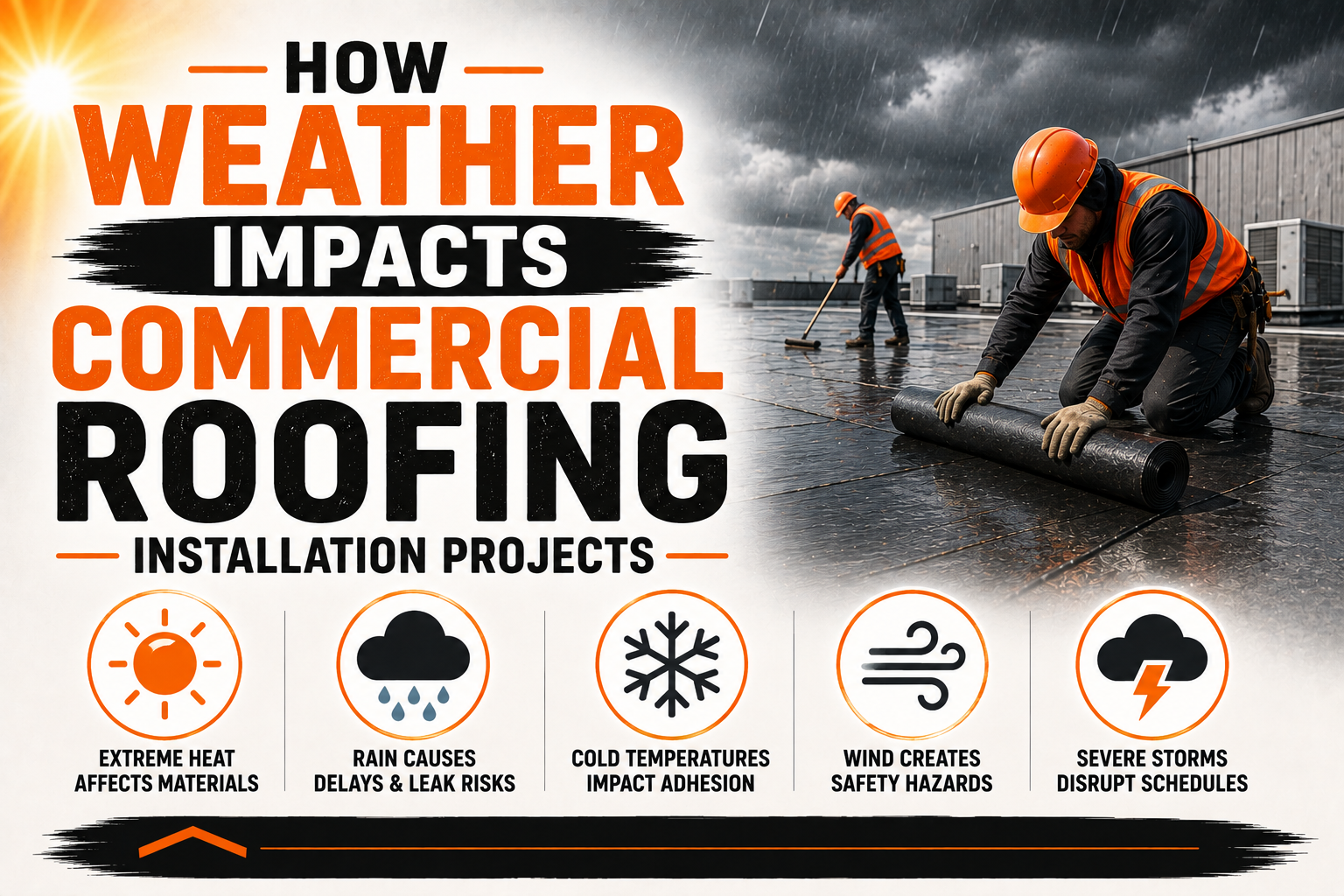
How Weather Impacts Commercial Roofing Installation Projects
Introduction
Weather is one of the most important factors affecting a commercial roofing installation project. Unlike many indoor construction activities, roofing work takes place directly in an outdoor environment where rain, wind, heat, cold, humidity, and sudden storms can influence both the materials and the people installing them. A well-planned project must account for these conditions from the initial scheduling stage through final inspection.
Commercial roofs are often large and complex, which means even a short period of unfavorable weather can affect a significant portion of the project. Rain can make roof surfaces wet, strong winds can interfere with membrane installation, and extreme temperatures can change how adhesives, sealants, and other products perform. Understanding these effects allows contractors and property owners to make better decisions about when and how roofing work should proceed.
Weather planning is not simply about avoiding work whenever conditions become uncomfortable. Professional roofing teams evaluate weather conditions against the requirements of the selected roofing system, manufacturer instructions, project schedule, and site safety plan. When conditions are unsuitable, temporarily adjusting the work sequence can help protect the building and prevent installation defects that could create expensive problems later.
Understanding Weather Conditions During Commercial Roofing Installation
Every commercial roofing project is exposed to weather, but the level of impact depends on the roofing materials, installation method, building location, and stage of construction. A roof that is still being prepared may respond differently to rain than a roof where adhesives or membrane seams are being installed. Contractors therefore need to evaluate weather conditions based on the specific work being performed.
Temperature is one of the first factors to consider. Many roofing materials have recommended temperature ranges for installation, storage, and application. When temperatures move outside those ranges, products such as adhesives, coatings, sealants, and membranes may behave differently from what installers expect.
Moisture is equally important because roofing assemblies are designed to keep water out of the building. Installing materials over wet or damp surfaces can create problems within the roof assembly, particularly when moisture becomes trapped between layers. Before work continues, contractors need to determine whether the substrate and materials meet the conditions required for installation.
Wind can create challenges even when the temperature and sky conditions appear suitable. Large membrane sheets can behave like sails when exposed to strong winds, making them difficult to position and secure. Loose insulation, packaging, tools, and other materials can also become hazards if they are not properly secured.
Weather forecasting is therefore an important part of project management. Contractors can use forecasts to organize daily work, schedule material deliveries, protect exposed areas, and determine whether certain installation activities should be completed earlier or postponed. However, forecasts should support professional judgment rather than replace real-time observation of conditions at the job site.
How Rain and Moisture Affect Roofing Work
Rain is one of the most disruptive weather conditions for commercial roofing installation. Water can interfere with surface preparation, adhesives, coatings, membrane installation, insulation placement, and other activities. Even a relatively short rain event can leave a roof surface wet enough to delay work until the substrate has been properly evaluated and dried.
The main concern is not simply whether workers can physically continue working in the rain. Roofing materials need appropriate installation conditions to perform as intended. If moisture becomes trapped beneath a membrane or between layers of the roofing assembly, it can contribute to blistering, adhesion problems, deterioration, or other long-term issues.
Roof decks require particular attention after rainfall. A deck that appears dry on the surface may still contain moisture in certain areas or within porous materials. Contractors should follow the requirements of the roofing system and verify that the substrate is suitable before covering it with insulation, membranes, or other components.
Rain can also affect adhesives and sealants. Products that require a dry surface may fail to bond properly if they are applied while moisture is present. Even when rain stops, high humidity or residual water can continue to affect the installation until surfaces have dried sufficiently.
Protecting unfinished sections of the roof is therefore essential when rain is expected. Contractors may temporarily secure materials and use appropriate coverings or temporary waterproofing measures to reduce the risk of water entering the building. The exact protection method depends on the roof assembly and project conditions.
Water management also becomes important during installation because drains and scuppers can become blocked by construction debris. Roofing crews should keep drainage paths clear so that rainfall does not accumulate unnecessarily on the roof. Temporary water accumulation can create additional loading and make working conditions more hazardous.
The Impact of High Temperatures and Direct Sunlight
High temperatures can create a different set of challenges for commercial roofing installation. Workers may face heat stress and fatigue, while certain roofing materials can become softer, more flexible, or more difficult to handle under intense sunlight. Contractors need to consider both material performance and worker safety when planning hot-weather installation.
Direct sunlight can significantly increase the temperature of roofing surfaces compared with the surrounding air. Dark membranes and metal surfaces may become particularly hot, creating uncomfortable working conditions and affecting how some products are handled. Crews may need to adjust working hours to avoid the hottest portions of the day when practical.
Adhesives and sealants can also behave differently in high temperatures. Some products may cure or flash off more quickly than expected, reducing the available working time. If installers do not account for these conditions, they may have difficulty achieving the required bond or finish.
Membranes can become more flexible when exposed to high temperatures. This can sometimes make handling easier, but it can also make positioning and alignment more challenging. Installers need to follow the manufacturer’s procedures for the specific product rather than relying on assumptions based on how the material feels in the heat.
Heat can also affect material storage. Roofing products should be stored according to manufacturer recommendations and protected from excessive exposure when required. Adhesives, coatings, sealants, and other products may have specific storage limits that should be observed before they are used.
Worker safety is equally important. Commercial roofing involves elevated surfaces, tools, heavy materials, and physically demanding work. Combining these hazards with extreme heat can increase the risk of fatigue and mistakes. Proper hydration, rest periods, appropriate protective equipment, and scheduling practices can help reduce heat-related risks.
How Cold Weather Affects Roofing Materials
Cold weather can affect roofing installation in several ways, particularly when materials depend on adhesives, sealants, coatings, or specific bonding processes. Some products may become thicker or less workable at low temperatures, while curing and bonding can take longer. Contractors must therefore understand the temperature requirements associated with the selected system.
Adhesive performance is especially important during cold conditions. A product that bonds effectively at moderate temperatures may require different handling or application procedures when temperatures fall. Applying it outside its approved conditions can result in weak adhesion and premature problems.
Membranes can also become less flexible in cold weather. This may make them more difficult to unfold, position, or manipulate during installation. The crew may need to allow materials to acclimate or use procedures specified by the manufacturer before beginning certain installation activities.
Cold weather can also affect sealants and coatings. Some products require a specific minimum temperature for proper application and curing. If temperatures drop too low, the material may not develop the expected properties within the required time.
Frost, ice, and condensation are additional concerns. A surface that appears clean may have a thin layer of moisture that interferes with bonding or creates unsafe working conditions. Before installing roofing materials, crews should confirm that the substrate meets the required conditions.
Cold-weather installation is not necessarily impossible, but it requires more careful planning. Contractors may use temporary heating, adjust work schedules, select suitable products, or postpone specific activities when conditions fall outside the approved range. The decision should always be based on the roofing system’s requirements and safe working practices.
Wind Conditions and Commercial Roof Installation
Wind is particularly important during commercial roofing installation because large roof surfaces and lightweight materials can be vulnerable to sudden gusts. Strong winds can make membrane sheets difficult to control and may cause unsecured insulation, tools, packaging, or equipment to move unexpectedly. These conditions can create both installation and safety problems.
The roof edges and corners can experience significant wind forces, making proper attachment especially important. During installation, however, portions of the roof may not yet have their final attachment or edge protection. Temporary securing methods may therefore be necessary when work is paused or when weather conditions change.
Membrane installation requires careful coordination during windy conditions. Large sheets should be positioned and secured according to the manufacturer’s requirements, and crews should avoid allowing loose material to remain exposed. If winds become too strong for safe handling, continuing the installation may create unnecessary risk and reduce the quality of the finished work.
Wind can also affect adhesive application and surface cleanliness. Dust and debris may be blown across areas that have been prepared for bonding, potentially contaminating surfaces. If contamination occurs, the affected area may need to be cleaned or prepared again before installation continues.
Material deliveries should also be considered. Roofing materials stored on the roof must be secured appropriately, and staging areas should be organized so that materials cannot become airborne. Contractors should monitor changing conditions rather than assuming that a calm morning will remain calm throughout the workday.
Planning Roofing Projects Around Weather Forecasts
Effective weather planning begins before materials arrive at the job site. Contractors can review seasonal conditions, historical weather patterns, short-term forecasts, and project-specific requirements to establish a realistic installation schedule. This approach helps reduce the likelihood that critical roofing activities will be attempted during unsuitable conditions.
The most weather-sensitive tasks should receive particular attention during scheduling. Activities involving exposed substrates, adhesives, membrane seams, coatings, and temporary waterproofing may require more favorable conditions than routine preparation work. By organizing the project carefully, crews may be able to continue useful work even when certain installation activities need to pause.
Weather forecasts can also guide material delivery and staging. Delivering large quantities of roofing materials immediately before severe weather can create unnecessary risk if the materials cannot be adequately protected. Coordinating deliveries with the expected work sequence helps prevent materials from sitting exposed on the roof for longer than necessary.
A flexible schedule is especially valuable for commercial projects. Building owners may prefer a fixed completion date, but forcing roofing work to continue during unsuitable conditions can create greater problems than a short delay. A properly managed weather delay can protect the investment and reduce the likelihood of premature repairs.
Communication between the roofing contractor and property owner should remain consistent throughout the project. If weather is expected to affect the schedule, the contractor should explain which activities are being delayed, why the conditions matter, and what protective measures are being taken. Clear communication helps the building owner understand that a temporary pause can be part of responsible roofing management rather than a sign of poor project planning.
Managing Roofing Installation During Changing Weather
Weather conditions can change quickly during a commercial roofing project, making flexibility an important part of installation planning. A clear morning does not always guarantee that conditions will remain suitable throughout the day, especially during seasons when storms, strong winds, or sudden temperature changes are common. Roofing crews must continuously evaluate the conditions at the site and adjust their work sequence when necessary.
The most weather-sensitive activities should be planned for periods when conditions are expected to remain stable. For example, membrane installation, adhesive application, coating work, and certain flashing details may require dry and suitable temperatures. Less sensitive tasks, such as material organization or preparation work, may sometimes continue when conditions prevent exposed roofing work.
A responsible contractor should have a plan for unexpected weather rather than deciding what to do only after a storm arrives. This may include identifying areas where work can safely stop, preparing temporary waterproofing materials, securing loose products, and protecting building interiors. Having these procedures ready can reduce damage and minimize unnecessary delays.
Communication is equally important when weather affects the schedule. Property owners should understand whether the delay affects a critical installation stage, whether the exposed roof is protected, and when work can reasonably resume. Clear communication helps everyone make decisions based on roof protection and installation quality instead of focusing only on the original completion date.
Weather-related changes should also be documented when they significantly affect the project. Records of rain, high winds, extreme temperatures, or other conditions can help explain schedule changes and provide useful information for project management. Documentation can also support discussions about material handling, temporary protection, and revised installation sequences.
Protecting Roofing Materials From Moisture and Damage
Roofing materials need protection from weather before and during installation. Materials stored outdoors can be exposed to rain, sunlight, wind, dust, and temperature changes, which may affect their condition. Proper storage is therefore an important part of maintaining material quality from delivery through installation.
Insulation boards should generally be protected from moisture and damage before they are incorporated into the roof assembly. Wet or damaged insulation may not perform as intended and can create additional problems if installed without proper evaluation. Contractors should follow the product manufacturer’s storage and handling requirements.
Membranes also need appropriate storage. Rolls should be positioned and protected according to manufacturer recommendations so that they do not become damaged, contaminated, or exposed to unsuitable conditions. Careless handling can create cuts, punctures, deformation, or other defects that may not be immediately visible.
Adhesives, sealants, coatings, and primers may have particularly specific storage requirements. Some products are sensitive to extreme temperatures or moisture, while others have limited shelf lives. Keeping these materials in suitable conditions helps preserve their intended performance.
Wind protection is also essential when materials are staged on a commercial roof. Lightweight products and packaging can move unexpectedly during gusty conditions. Materials should be secured in a manner appropriate for the site, while unnecessary items should not be left exposed when severe weather is approaching.
Protecting materials does not mean covering everything permanently without considering ventilation or manufacturer instructions. Some products require particular storage arrangements, and improper covering can create its own problems. The contractor should therefore use storage practices recommended for each material rather than relying on a single method for every product.
How Weather Affects Adhesives, Sealants, and Membrane Seams
Adhesives and sealants are highly sensitive to installation conditions in many commercial roofing systems. Their ability to bond, cure, or form a reliable seal can depend on temperature, humidity, surface moisture, and other environmental factors. Weather conditions should therefore be checked before these products are applied.
High temperatures may accelerate the behavior of certain adhesives and sealants. This can reduce working time and make it harder for installers to position materials correctly before the product reaches its required bonding stage. Crews need to follow the manufacturer’s application procedures rather than applying products based on assumptions.
Cold temperatures can have the opposite effect. Some products become thicker and may take longer to cure or develop their intended bond. If the required temperature range is not maintained, the resulting connection may not perform as designed.
Humidity and moisture can also affect bonding. Even when there is no active rainfall, condensation or dampness on the substrate can interfere with adhesion. Surfaces may need to be cleaned and dried before work resumes, and the manufacturer’s requirements should determine whether installation can proceed.
Membrane seams require particular attention because they connect separate sections of roofing material. Heat-welded seams can be affected by environmental conditions and equipment settings, while adhesive seams depend on suitable surfaces and application procedures. Installers should verify seam quality as work progresses rather than assuming every completed joint is satisfactory.
Weather can also affect sealants around penetrations and transitions. A sealant may require dry conditions and a specific temperature range to cure properly. If applied during unsuitable conditions, the sealant may not provide the expected protection, creating a potential maintenance issue later.
Managing Roof Deck Moisture Before Installation
The roof deck provides the foundation for the roofing assembly, so its condition must be evaluated carefully after exposure to weather. Rain can introduce moisture to the deck, particularly when an existing roof has been removed and the underlying structure is temporarily exposed. Installing new materials over a wet substrate can trap moisture inside the completed roof.
Different deck materials respond differently to moisture. Metal decks may develop surface corrosion if repeatedly exposed to water, while wood-based decks can absorb moisture and may change dimension as they dry. Concrete decks can also retain moisture, requiring appropriate evaluation before roofing materials are installed.
The contractor should determine whether the deck meets the requirements of the selected roofing system. A visual inspection may identify obvious wet areas, but additional evaluation may sometimes be appropriate depending on the project and material. The objective is to avoid covering conditions that could compromise the new roof.
Moisture can also become trapped in insulation or other layers. If wet insulation is installed and then covered, drying may be difficult. This can affect thermal performance and may contribute to deterioration within the roof assembly.
After rainfall, the roof may need additional drying time before work resumes. Simply waiting until visible water disappears does not necessarily confirm that every material is ready for installation. Contractors should use the procedures required by the roofing system and manufacturer to determine whether conditions are acceptable.
Protecting the deck during temporary weather exposure is therefore an important part of project management. Contractors should plan how exposed areas will be covered or otherwise protected if rain is expected. The goal is to keep the building and roof assembly from being exposed to unnecessary moisture while maintaining a practical installation schedule.
Weather Considerations for Insulation and Underlayment
Insulation and underlayment materials are often installed before the primary waterproofing membrane, which means they can be vulnerable to weather during construction. Their protection is particularly important because they become part of the completed roofing assembly and may be difficult to inspect once covered.
Moisture exposure can affect some insulation products more than others. Even materials designed to resist water can require protection during storage and installation. Contractors should follow product-specific requirements and avoid incorporating damaged or unsuitable materials into the roof.
Wind can also interfere with insulation installation. Lightweight boards may move before they are mechanically fastened or otherwise secured. Crews should organize installation so exposed boards are not left unsecured during periods of increasing wind.
Underlayment and related components can also be affected by rain and improper handling. The installation sequence should minimize the amount of time these materials remain exposed before they are covered by subsequent layers. This reduces the chance of contamination, movement, or weather-related damage.
Temperature can influence the handling of certain insulation and underlayment products as well. Materials may become more rigid or flexible depending on conditions, which can affect cutting, positioning, and attachment. Workers should use the procedures specified for the selected products.
The installation team should also inspect materials before covering them. If boards, underlayment, or related components have been exposed to severe weather, damaged pieces should be identified and addressed rather than simply concealed beneath the membrane. Early inspection helps maintain the quality of the entire roof assembly.
Adjusting Installation Schedules During Severe Weather
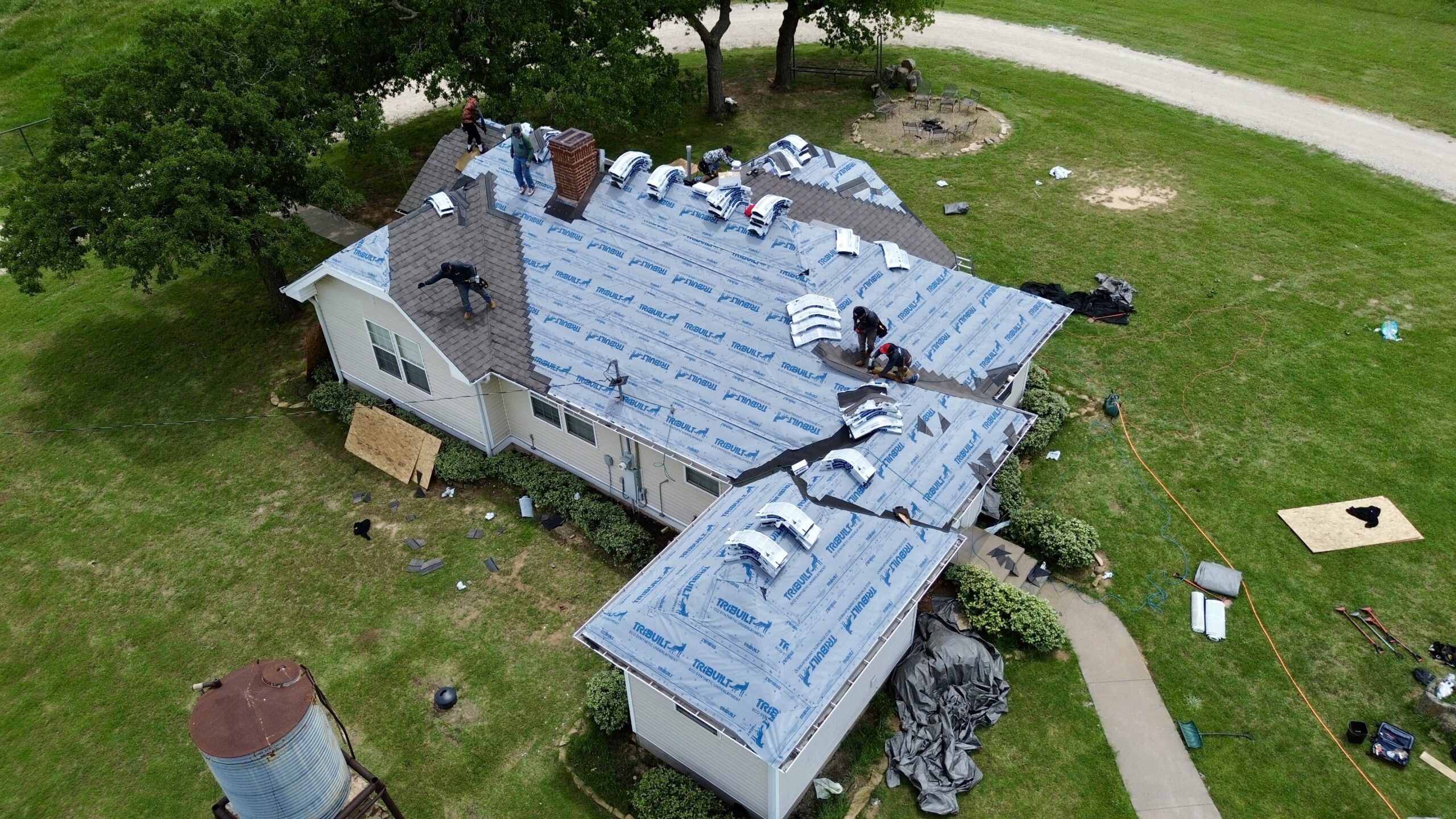
Severe weather can make it necessary to temporarily stop roofing operations. Strong storms, heavy rainfall, lightning, extreme winds, or other hazardous conditions can create unacceptable risks for workers and may also damage unfinished roofing materials. Continuing simply to maintain the original schedule can create more serious problems than taking a controlled delay.
A weather delay should be based on the conditions and the roofing system rather than on a fixed rule that applies to every project. A light rain event may affect one installation activity while allowing other protected work to continue. Strong winds or lightning may require a broader suspension of rooftop operations.
The contractor should prioritize securing the building before leaving the work area. Exposed roofing sections should be protected using appropriate temporary measures, while loose materials and equipment should be secured. Drains should remain accessible so rainfall can be directed away from the roof.
Schedule adjustments should also consider the next suitable weather window. If a forecast indicates several days of unfavorable conditions, the contractor may need to reorganize the work sequence rather than simply waiting. This could involve completing preparation tasks, organizing materials, or working on areas that can be safely protected.
Building owners should receive realistic updates rather than promises based on uncertain forecasts. Weather predictions can change, and roofing schedules may need further adjustment. Providing accurate information helps owners plan around access restrictions, building operations, and potential completion changes.
The main objective of a weather delay is to protect the quality and safety of the project. A carefully managed delay can be far less costly than repairing a roof that was installed over wet materials, improperly bonded surfaces, or unsecured components.
Protecting the Building When Work Is Temporarily Stopped
A commercial building can remain vulnerable when roofing work is paused before the new system is fully completed. Once the existing roof has been removed or sections of the new roof are exposed, temporary protection becomes essential. The contractor must prevent rain and other weather conditions from entering the building or damaging unfinished portions of the assembly.
Temporary waterproofing measures should be appropriate for the roof design and the expected duration of the weather event. Exposed seams, penetrations, edges, and open sections may require particular attention. The protection should remain secure under expected weather conditions rather than being treated as a simple covering.
Interior areas below the active roof zone should also be considered. Water intrusion can damage ceilings, insulation, electrical systems, equipment, inventory, and other building contents. Protecting the roof from weather is therefore also a way of protecting the building’s operations and assets.
Drainage should remain functional during temporary shutdowns. Coverings or temporary materials should not block drains or create unintended water paths. The contractor should inspect the protected area before leaving the site and again when work resumes.
When the weather improves, the roofing crew should not immediately continue where it stopped without inspection. Temporary protection should be removed carefully, and the exposed roof should be checked for moisture, movement, contamination, or damage. Materials that no longer meet installation requirements should be corrected or replaced before the roofing assembly proceeds.
Weather Effects on Different Commercial Roofing Systems
Different commercial roofing systems respond to weather conditions in different ways, so contractors must consider the characteristics of the selected material before scheduling installation work. Single-ply membranes, modified bitumen, built-up roofing, and metal systems each have specific installation requirements that can be affected by temperature, moisture, wind, and sunlight.
Single-ply membranes such as TPO, PVC, and EPDM can require different approaches depending on the attachment method and seam technology. Heat-welded membranes require suitable conditions for creating reliable seams, while adhered systems depend heavily on appropriate substrate and adhesive conditions. EPDM systems can also require careful attention to bonding and seam preparation, particularly when weather conditions change during installation.
Modified bitumen and built-up roofing systems involve multiple layers and may have specific temperature and application requirements. Cold conditions can affect asphalt-based materials, while moisture can interfere with proper bonding and surface preparation. The contractor must follow the manufacturer’s approved installation method instead of assuming that all asphalt-based systems behave identically.
Metal roofing also responds to temperature changes because metal expands and contracts as conditions change. Panels, fasteners, clips, joints, and flashing details must accommodate this movement as part of the system design. Strong winds can additionally make large metal panels difficult and hazardous to handle before they are properly secured.
Because each system reacts differently to weather, contractors should not use a single weather rule for every commercial roof. The selected roofing manufacturer’s requirements, project specifications, site conditions, and safety procedures should guide installation decisions.
How Storms Can Affect Roofing Installation Projects
Storms can create some of the most serious challenges during commercial roofing installation. Heavy rainfall can expose unfinished sections to water, while strong winds can move loose materials and damage partially installed membranes. Lightning and severe weather can also create direct safety hazards for workers on elevated surfaces.
Storm preparation should begin before the weather arrives. Contractors should review forecasts, identify exposed roof areas, secure materials, protect openings, and make sure temporary drainage remains functional. Taking these steps before a storm develops can reduce the likelihood of emergency problems.
Heavy rain can be particularly concerning when the existing roof has been removed. An exposed deck can allow water to enter the building if temporary protection is inadequate. Even when water does not immediately reach the interior, moisture trapped within the roof assembly can create problems later.
High winds can also affect roofing materials that have not received their final attachment. Insulation boards, membrane sheets, metal panels, packaging, and tools can become airborne if not secured. Contractors should establish procedures for securing materials before work is suspended.
After a storm passes, the roofing team should inspect the project before continuing. Standing water, displaced materials, damaged temporary coverings, loose components, and wet substrates should be addressed first. Restarting installation without this inspection can result in defects being concealed beneath new materials.
Storm planning should therefore be treated as a normal part of commercial roofing management rather than an emergency activity. A project that is prepared for changing weather has a better chance of protecting both the building and the unfinished roofing system.
Seasonal Planning for Commercial Roofing Work
Seasonal conditions can strongly influence the timing of commercial roofing projects. Certain periods may provide more stable temperatures and lower rainfall, while other seasons may create frequent interruptions. Understanding seasonal patterns helps contractors and property owners create more realistic project schedules.
Spring can provide suitable temperatures for many roofing activities, but changing weather and rainfall may create interruptions. Contractors should allow enough flexibility for wet conditions and avoid scheduling critical installation activities so tightly that a short delay creates major project problems.
Summer often provides longer working days and relatively favorable conditions, but excessive heat can create its own challenges. Roofing surfaces can become extremely hot, and workers may face increased heat exposure. Adhesives, sealants, and other materials may also behave differently at high temperatures.
Autumn can provide moderate temperatures in many regions, but changing conditions and shorter daylight periods may affect the schedule. Wind, rainfall, and temperature drops should be considered when planning membrane installation and other weather-sensitive work.
Winter can present more significant challenges depending on the location. Cold temperatures, snow, ice, frost, and shorter work periods can interfere with roofing materials and worker safety. Some projects may still proceed during colder months, but they require appropriate products, temporary protection, and careful scheduling.
Seasonal planning does not mean that roofing work must always occur during one particular part of the year. Instead, it means selecting a realistic installation window and building enough flexibility into the schedule to handle normal weather variations.
Safety Measures for Weather-Related Roofing Risks
Worker safety must remain a priority whenever weather affects a commercial roofing project. Wet surfaces can become slippery, high winds can affect balance and material handling, and extreme temperatures can contribute to heat or cold stress. These hazards can become more serious because roofing work already involves elevated surfaces and specialized equipment.
Before work begins each day, the crew should evaluate current weather conditions and expected changes. Workers should understand which conditions could require activities to stop or change. This assessment should be part of the project’s normal safety procedures rather than an afterthought.
Wet roofs require particular caution because water can reduce traction and make tools or materials harder to control. If rain creates unsafe conditions, work should be paused until the area can be accessed safely. Workers should not be encouraged to continue simply because a deadline is approaching.
Wind requires similar caution. Strong gusts can make handling large roofing materials difficult and can create falling-object hazards around the building. Materials should be secured appropriately, and rooftop operations should be adjusted or suspended when conditions exceed safe limits.
Extreme heat requires protection against fatigue and heat-related illness. Work schedules may be adjusted to avoid the hottest periods, while workers should have access to appropriate hydration and rest. Supervisors should remain alert for signs that workers are being affected by heat.
Weather-related safety procedures protect more than workers. They also reduce the possibility of accidental damage to roofing materials, equipment, the building exterior, vehicles, and surrounding property.
Inspecting the Roof After Weather Delays
When weather causes a project interruption, the roof should be inspected before installation resumes. This inspection helps determine whether temporary protection remained effective and whether the exposed roofing assembly experienced any damage or moisture exposure.
The inspection should begin with areas that were directly exposed to the weather. Contractors should check membranes, insulation, cover boards, flashing, temporary coverings, fasteners, and other components for movement or damage. Any affected area should be addressed before additional materials are installed.
Moisture should receive particular attention. If rain reached an unfinished roof assembly, the contractor should determine whether the affected materials are still suitable for installation. Wet insulation or other materials may need additional drying, evaluation, or replacement depending on the roofing system.
Temporary waterproofing should also be examined. Covers may have shifted during strong winds, allowing water to reach areas that were intended to remain protected. Any compromised protection should be corrected before the next weather event.
The roof deck should be evaluated where it was exposed. The contractor should confirm that the substrate remains clean, stable, and suitable for the next stage of installation. Covering a damaged or wet deck without proper correction can create long-term problems within the completed roof.
Once the inspection is complete, the project team can determine which work can safely resume. This step may add time to the schedule, but it helps ensure that weather-related problems are identified before they become concealed defects.
Preventing Weather-Related Installation Problems
The best way to reduce weather-related roofing problems is to plan for them before installation begins. A project should include realistic weather allowances, appropriate material storage, temporary protection procedures, and clear criteria for stopping work. These measures help contractors respond quickly when conditions change.
Material selection also plays a role. Roofing systems should be chosen with the building’s climate and expected environmental exposure in mind. Products should be compatible with the temperatures, moisture conditions, and installation methods expected during the project.
Installation sequencing can reduce exposure as well. Contractors should avoid leaving large areas of unfinished roofing exposed when severe weather is approaching. Completing manageable sections and protecting them properly can reduce the amount of vulnerable roof area.
Regular communication between the contractor and property owner is also valuable. Weather forecasts, schedule changes, protection measures, and restart plans should be communicated clearly. This allows building management to plan around temporary access restrictions and potential changes to the completion date.
Quality control should continue after every significant weather event. A roof that looks undamaged from a distance may still have problems with seams, adhesive bonds, moisture, or displaced components. Careful inspection helps maintain the quality of the installation.
Long-Term Effects of Poor Weather Planning
Poor weather planning can affect a commercial roof long after the installation crew has left the property. Materials installed over wet substrates may experience premature deterioration, while poorly bonded seams can create leakage risks. Problems that begin during construction may not become visible until months or years later.
Water trapped within a roof assembly can be particularly difficult to address. Once the membrane and other layers are completed, identifying the exact location and extent of moisture may require additional investigation. This can increase repair costs and disrupt building operations.
Improperly installed seams or flashing can create recurring leaks. These problems may become more noticeable during heavy rainfall or severe storms, when the roof is exposed to greater water volumes and wind forces. Repeated repairs can become expensive if the underlying installation defect is not corrected.
Weather-related installation problems can also affect warranties in some situations. Roofing manufacturers typically establish specific installation requirements that must be followed for warranty coverage. Contractors and property owners should therefore understand these requirements before work begins.
Good weather planning helps prevent these long-term consequences. By choosing suitable installation conditions, protecting unfinished areas, inspecting weather-exposed materials, and following manufacturer requirements, the project team can reduce the likelihood of premature roofing problems.
Best Practices for Weather-Ready Commercial Roofing Projects
A weather-ready roofing project combines material knowledge, scheduling flexibility, worker safety, temporary protection, and continuous inspection. No contractor can control the weather, but the project team can control how it prepares and responds to changing conditions.
Important practices include:
- Review weather forecasts regularly and compare conditions with the roofing system’s installation requirements.
- Protect roofing materials from moisture, excessive heat, wind, and improper storage conditions.
- Secure unfinished roofing sections before expected storms or high winds.
- Keep drains and temporary drainage paths clear during construction.
- Inspect exposed substrates and materials after significant weather events.
- Adjust work schedules when conditions become unsafe or unsuitable for installation.
- Document major weather delays, protection measures, and corrective work.
These practices should be incorporated into the project plan rather than introduced only after a weather problem occurs. A contractor who anticipates weather-related challenges can organize labor, materials, equipment, and temporary protection more effectively.
Property owners should also understand that a carefully managed weather delay can protect the investment. Completing work quickly is valuable, but completing it correctly under suitable conditions is more important for the long-term performance of the roof.
Conclusion
Weather can influence nearly every stage of a commercial roofing installation project, from material delivery and roof preparation to membrane installation, flashing, drainage, inspection, and final completion. Rain, wind, extreme heat, cold temperatures, humidity, and storms can affect materials, installation techniques, worker safety, and project schedules. Recognizing these effects early allows contractors to make better decisions and reduce unnecessary risks.
Proper weather planning is not simply about delaying work whenever conditions become difficult. It involves understanding the requirements of the selected roofing system, monitoring changing conditions, protecting materials, securing unfinished areas, and adjusting installation activities when necessary. A flexible approach can help maintain both safety and workmanship while minimizing disruption to the building.
The condition of the roof after a weather event should always be verified before installation resumes. Inspecting the substrate, insulation, membranes, seams, flashing, temporary protection, and drainage areas helps identify problems before they are concealed beneath additional roofing layers.
Ultimately, successful commercial roofing installation requires more than quality materials and skilled labor. It requires careful coordination with the environment in which the roof is being built. When contractors plan for weather, follow manufacturer requirements, maintain strong safety practices, and inspect the work throughout the project, property owners have a better opportunity to receive a durable roofing system that performs reliably for years.