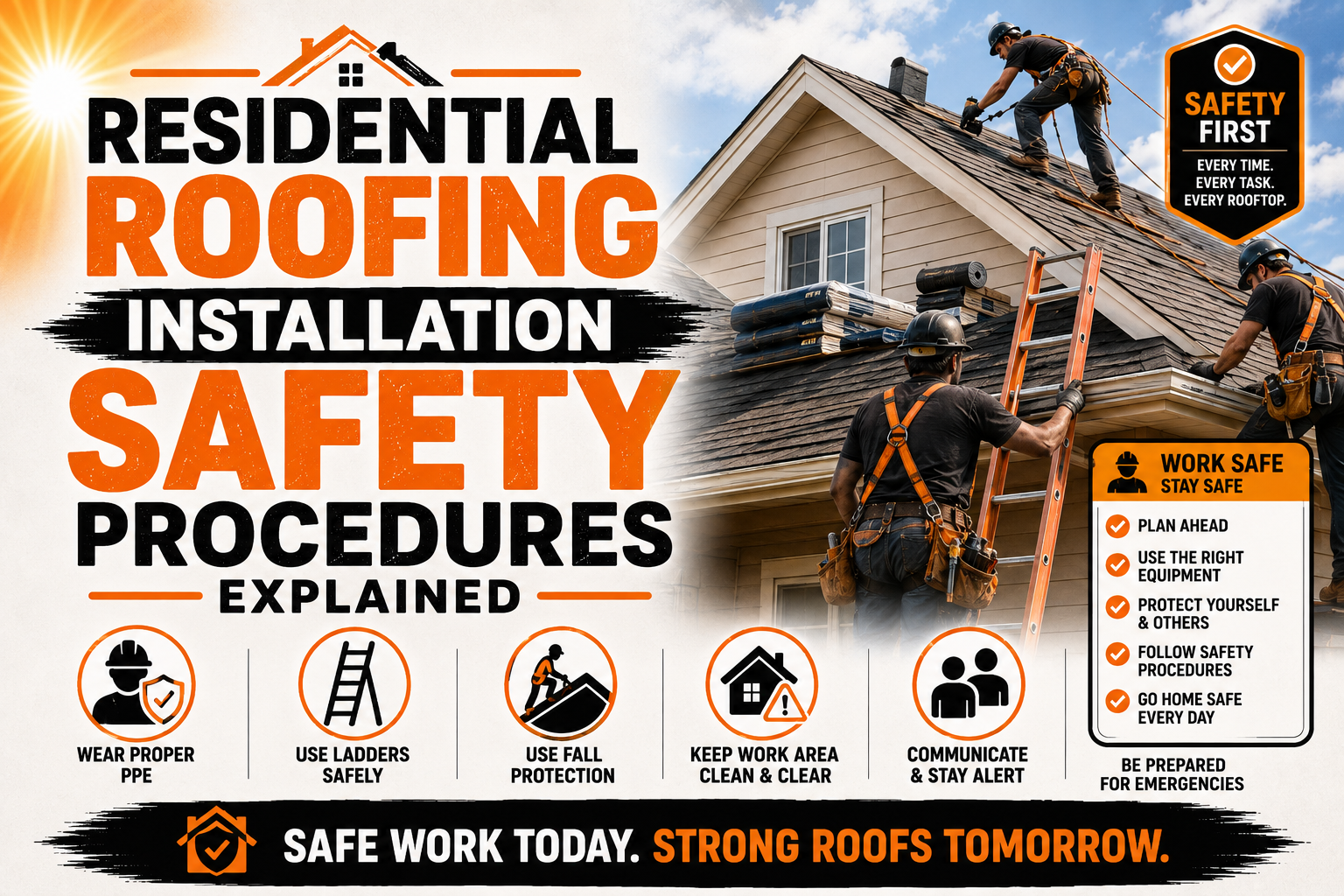
Residential Roofing Installation Safety Procedures Explained
Introduction
Residential roof installation involves working at height, handling heavy materials, operating tools, and moving across surfaces that may be steep or uneven. These conditions can create serious hazards when proper safety procedures are not followed. A well-organized safety program helps roofing contractors protect workers, homeowners, visitors, and other people who may be near the property during construction.
Safety should begin before workers step onto the roof. A professional roofing crew should understand the condition of the worksite, identify potential hazards, prepare appropriate equipment, and establish clear procedures for completing each stage of the installation. Taking these steps early can reduce the likelihood of accidents and make the work more efficient.
Roofing safety is not limited to wearing a hard hat or using a harness. It involves several connected practices, including fall protection, ladder safety, material handling, tool inspection, weather monitoring, housekeeping, and communication. Each procedure contributes to a safer working environment.
Residential properties can present different challenges from one project to another. Roof pitch, building height, access points, surrounding trees, electrical lines, weather conditions, and the condition of the existing roof can all influence how installation work should be performed. Workers need to evaluate these factors instead of relying on the same approach for every house.
Homeowners also have a role in maintaining a safe worksite. They should keep children and pets away from active construction areas, follow contractor instructions, and avoid entering areas where workers are operating overhead. Clear separation between the household and the roofing crew reduces unnecessary risks.
A strong safety culture also encourages workers to report hazards rather than ignoring them. If a ladder becomes unstable, weather conditions deteriorate, equipment develops a problem, or a worker notices an unsafe condition, the issue should be addressed before work continues. Preventive action is usually safer than trying to respond after an accident occurs.
Pre-Installation Jobsite Safety Assessment
A roofing installation should begin with a thorough assessment of the worksite. Before materials are unloaded or workers climb onto the roof, the crew should examine the property and identify conditions that could affect safety. This assessment helps determine which protective measures, access equipment, and work procedures are appropriate for the project.
The roof itself should be inspected for its pitch, surface condition, access points, openings, and areas that may be weak or damaged. An existing roof can contain deteriorated decking or other unstable sections that are not obvious from ground level. Workers should be aware of these conditions before placing their weight on the surface.
The area around the house should also be assessed. Trees, fences, landscaping, neighboring structures, vehicles, outdoor equipment, and overhead electrical lines can affect how workers and materials move around the property. Identifying these obstacles early allows the crew to plan safer routes and work zones.
Fall hazards should receive particular attention. Roof edges, skylights, openings, steep sections, and elevated platforms can all create fall risks. Appropriate fall protection should be planned before workers begin tasks that expose them to these hazards.
Access routes should also be established. Workers need a reliable method for reaching the roof and transporting tools and materials without creating unnecessary exposure. Ladders, scaffolding, or other access systems should be selected and positioned according to the worksite conditions.
Weather conditions should form part of the initial assessment as well. Wind can affect loose materials and worker balance, while rain can make surfaces slippery. Extreme temperatures can also affect workers’ ability to remain alert and physically capable of performing tasks safely.
Electrical hazards require careful attention around residential properties. Overhead power lines, service connections, and electrical equipment can create serious risks when ladders, metal components, or long materials are being moved. Workers should identify these hazards before positioning equipment or beginning installation.
A useful site assessment should consider several areas before work begins:
- Roof condition, slope, edges, and openings
- Safe access and ladder locations
- Electrical and overhead hazards
- Weather and environmental conditions
- Ground-level work zones and pedestrian access
- Material storage and debris collection areas
The assessment should not be treated as a one-time activity. Conditions can change as old roofing is removed and new materials are installed. Workers should continue watching for newly exposed hazards and adjust the work plan when necessary.
Personal Protective Equipment for Roofing Installation
Personal protective equipment, commonly called PPE, is an important part of residential roofing safety. PPE does not eliminate hazards, but it provides an additional layer of protection when workers are exposed to construction risks. The equipment selected should match the tasks being performed and the conditions of the worksite.
Head protection can help protect workers from impacts and falling objects. Roofing crews may work below other workers who are handling materials on elevated surfaces, and tools or debris can fall unexpectedly. Appropriate head protection should be worn where required by the worksite’s safety procedures.
Eye protection is also important during roofing installation. Cutting, drilling, fastening, and handling certain materials can create dust or particles that may reach the eyes. Properly fitted safety eyewear can reduce the chance of eye injuries during these tasks.
Hand protection should be selected according to the work being performed. Roofing materials can have sharp edges, while nails, flashing, fasteners, and tools can create puncture or cut hazards. Gloves should provide suitable protection without interfering with the worker’s ability to grip tools and materials.
Footwear is another important consideration. Roofing workers need footwear that provides suitable traction and support for the surfaces they are walking on. Shoes should fit securely and be appropriate for the conditions rather than relying on ordinary casual footwear.
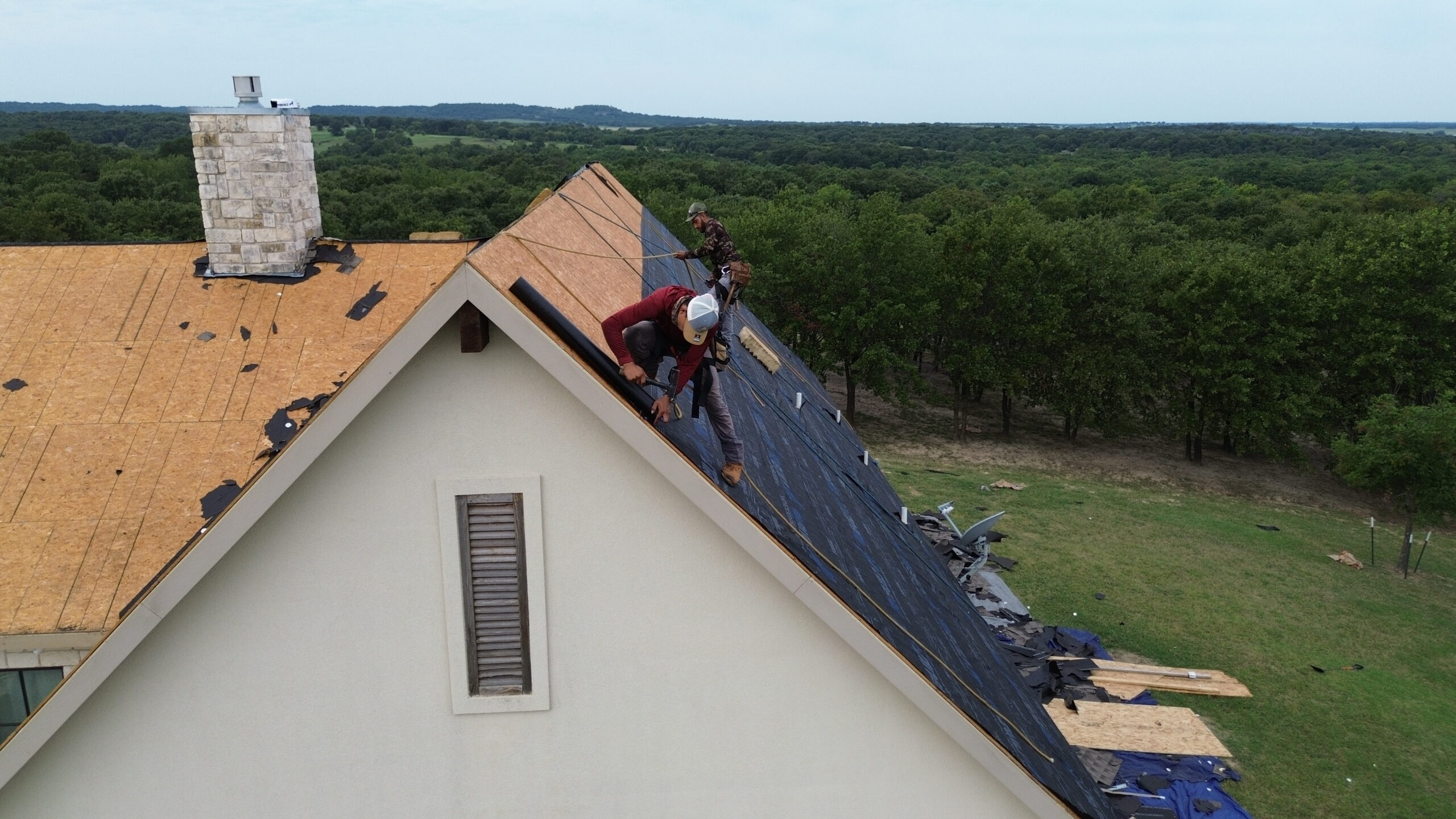
Fall protection is particularly important because roof installation involves elevated work. Depending on the project and applicable safety requirements, workers may use personal fall arrest systems, guardrails, safety nets, or other protective methods. The appropriate system depends on factors such as roof design, height, slope, and the tasks being performed.
PPE should also be inspected before use. Damaged harnesses, worn straps, defective connectors, cracked helmets, or unsuitable footwear should not be treated as acceptable simply because the equipment is available. Workers should report damaged equipment and replace it according to the applicable safety procedures.
Correct use is just as important as having the equipment. A harness that is not properly fitted or connected may not provide the intended protection. Workers should understand how their PPE functions and follow the manufacturer’s instructions and workplace safety procedures.
Supervisors can reinforce PPE requirements through regular safety checks and toolbox discussions. Workers should understand not only what equipment is required but also why it is necessary for the specific task.
Safe Ladder and Roof Access Procedures
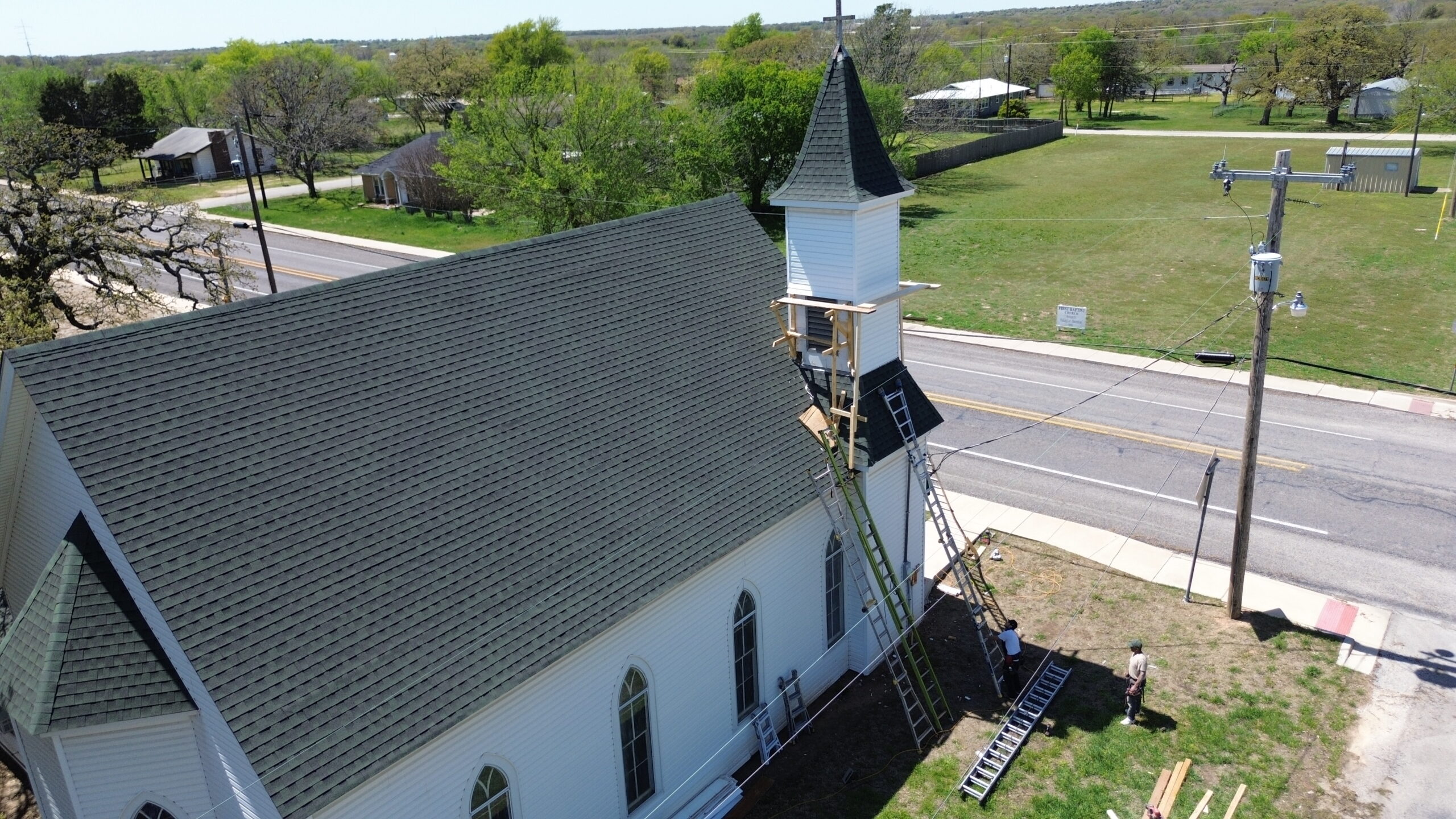
Ladders are commonly used during residential roofing installation, but they can become dangerous when improperly selected, positioned, or used. Safe ladder procedures should begin before the first worker climbs. The ladder should be appropriate for the required height and task and should be inspected for visible damage.
The ground beneath the ladder should provide a stable foundation. Uneven soil, loose gravel, wet surfaces, or other unstable conditions can affect ladder stability. Workers should not improvise with boxes, blocks, or other objects to increase ladder height.
The ladder should be positioned according to safe-use requirements and manufacturer instructions. It should provide secure access between the ground and the working level without creating an unnecessary risk of slipping or tipping.
Workers should maintain secure contact while climbing. Carrying bulky materials in a way that prevents safe hand placement can increase the chance of losing balance. Tools and smaller items should be transported using suitable methods that allow the worker to climb safely.
Ladders should never be moved while someone is standing on them. If the work location changes, the worker should descend and have the ladder repositioned safely. Another important rule is to keep ladders away from electrical hazards and other conditions that could expose workers to serious injury.
Roof access should also be planned around the movement of materials. Workers may need to carry shingles, underlayment, tools, or other supplies to the roof. Materials should be transported using methods that do not overload ladders or interfere with safe climbing.
Scaffolding or other access equipment may be appropriate for some projects. The selection depends on the height, roof design, work duration, and tasks involved. Whatever access system is used, workers should follow established procedures for setup, inspection, and use.
Homeowners should never use a contractor’s ladder simply because it is already positioned at the property. Construction ladders may be located in restricted areas and may be configured for professional use. Keeping household members away from these access systems helps protect everyone on the property.
Fall Protection During Residential Roof Installation
Falls are among the most serious hazards associated with residential roofing work. Even a relatively low roof can produce significant injuries when a worker loses balance and falls onto the ground or another surface. Fall protection should therefore be planned before workers begin tasks that expose them to elevated edges or other fall hazards.
The type of protection required depends on the worksite and applicable regulations. Guardrails, personal fall arrest systems, safety nets, warning systems, and other measures may be used in appropriate situations. The selected system should be suitable for the roof design and the work being performed.
Personal fall arrest systems typically involve components that work together to protect a worker during a fall. These systems must be properly selected, connected, fitted, and used according to the applicable requirements and manufacturer’s instructions. Workers should receive appropriate training before relying on such equipment.
Roof edges deserve particular attention because workers may need to move close to them during installation. Materials should be positioned in a way that allows workers to maintain stable footing and avoid unnecessary exposure to the edge.
Roof openings create another serious hazard. Skylight openings, roof penetrations, uncovered sections, and other gaps should be protected so that workers cannot accidentally step or fall through them. A hazard that is difficult to see can be especially dangerous when workers are focused on installation tasks.
Steep roofs may require additional precautions because maintaining balance becomes more difficult. Workers should use the appropriate access and fall protection methods rather than attempting to work on steep surfaces without adequate protection.
Fall protection equipment should be inspected regularly during the project. Conditions can change as work progresses, and equipment can become worn or damaged. Workers should report defects immediately and should not continue using equipment that does not meet the required safety condition.
Homeowners should remain completely outside areas where fall protection systems and elevated work are being used unless specifically authorized. Watching the work from a safe location is preferable to approaching the roof edge or entering the contractor’s work zone.
Safe Handling of Roofing Materials and Tools
Roof installation requires workers to handle large quantities of materials, including shingles, tiles, underlayment, flashing, fasteners, insulation, and other components. Improper lifting, carrying, or storage can create injuries and make the worksite more difficult to control. Safe material handling should therefore be considered throughout the entire installation.
Materials should be delivered and stored in locations that do not block emergency routes, ladders, entrances, or other important access points. Heavy materials should be placed on stable surfaces and distributed appropriately according to the contractor’s work plan and the building’s structural limitations.
Workers should use safe lifting techniques and request assistance when materials are too heavy or awkward to handle alone. Trying to carry excessive loads can affect balance, especially when moving across elevated surfaces. Team lifting or suitable material-handling equipment may be appropriate for larger or heavier items.
Roofing materials should not be thrown from the roof to the ground. During installation and removal work, materials should be moved using controlled methods that protect workers and people below. Ground-level workers should also remain aware of overhead activity.
Tools require similar attention. Hand tools should be kept in good condition and stored securely when they are not being used. Power tools should be inspected before use, and damaged cords, guards, switches, or other components should be addressed before the tool is operated.
Nail guns and other fastening equipment require particular care. Workers should follow the manufacturer’s instructions and established safety procedures, keep hands and body parts away from firing areas, and avoid pointing tools toward other people.
Tools should not be left loose on sloped roof surfaces where they can slide or fall. Appropriate tool storage systems can reduce the chance of dropped objects and help workers maintain an organized work area.
Material handling also affects ground-level safety. People below should not stand directly beneath active work areas, particularly when materials or tools are being moved overhead. Clearly defined work zones can help separate roofing operations from household activities.
Safe handling is therefore part of every stage of roof installation. By controlling materials, inspecting tools, maintaining organized work areas, and communicating clearly, roofing crews can reduce unnecessary risks while keeping the installation process efficient and orderly.
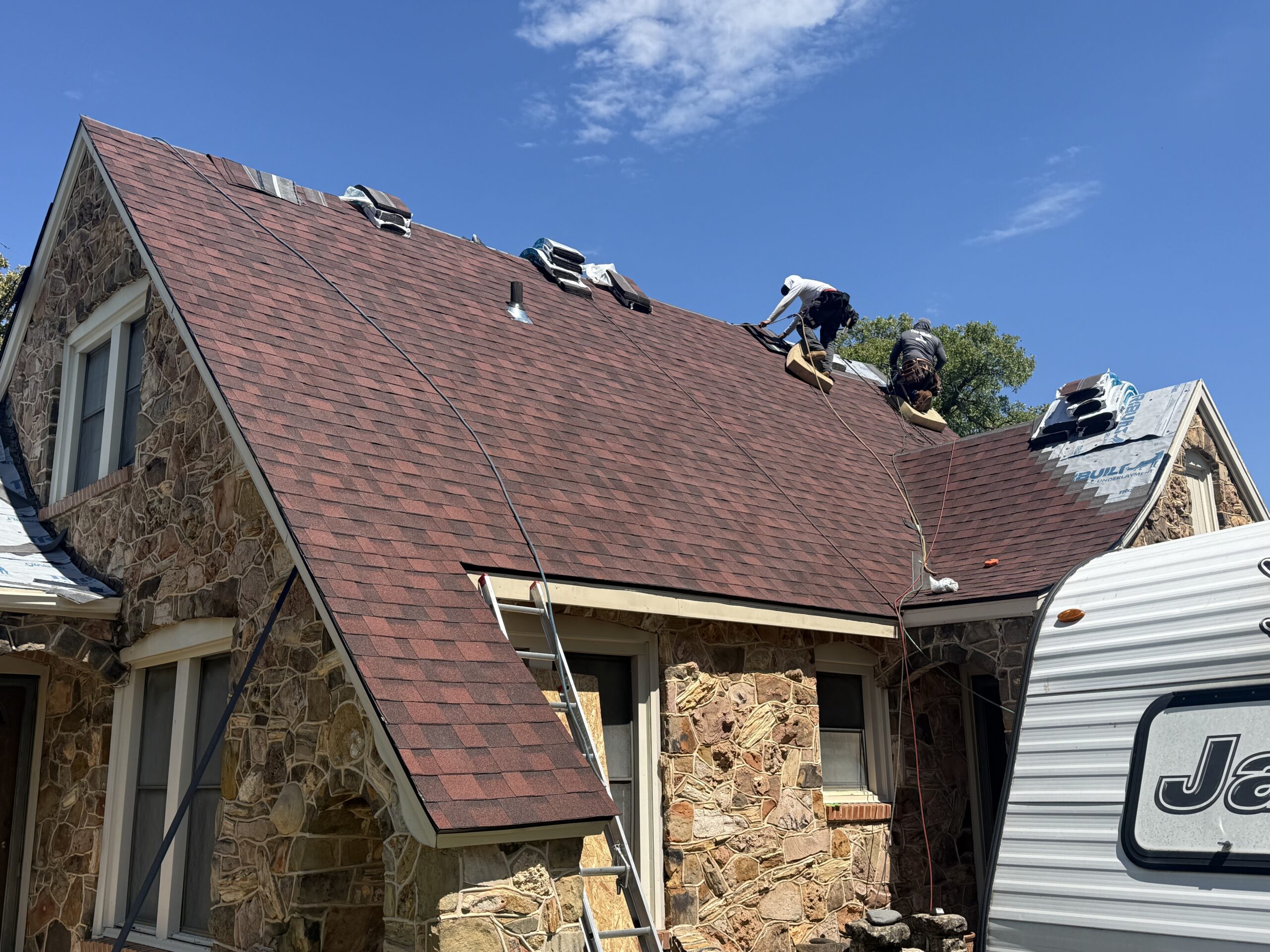
Safe Roof Surface Preparation and Tear-Off Procedures
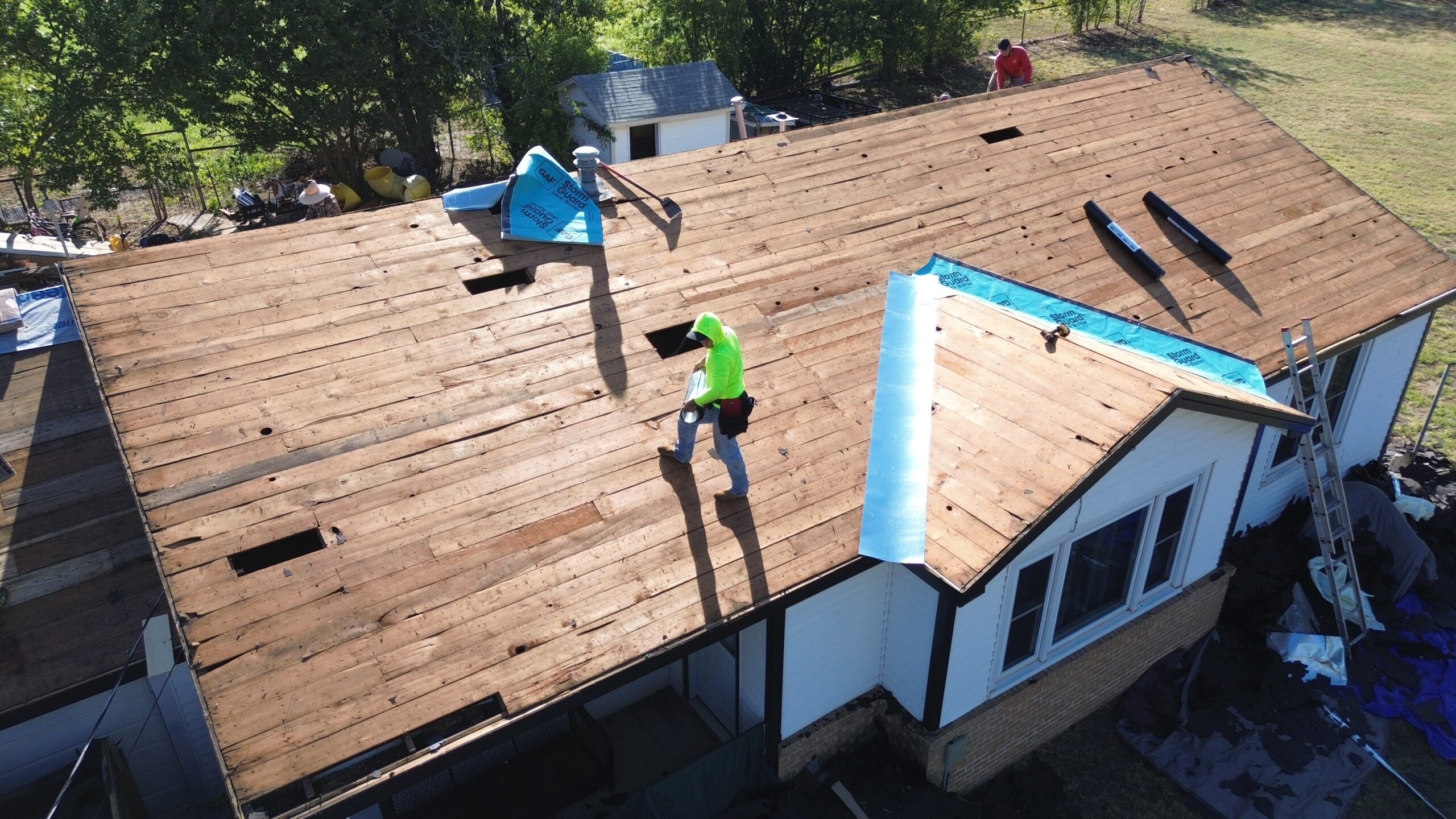
Roof installation often begins with removing existing roofing materials and preparing the underlying surface. This stage can create significant hazards because workers may be dealing with loose shingles, exposed decking, nails, dust, deteriorated materials, and changing walking surfaces. Proper preparation helps establish a stable foundation for the new roofing system while protecting workers and people around the property.
Before tear-off begins, the crew should establish a controlled work area around the house. Homeowners, children, pets, and visitors should remain away from locations where roofing materials may fall. Ground-level workers should understand where debris is expected to land and how materials will be collected and removed.
Workers should use appropriate fall protection throughout the process. Removing old materials can change the surface underfoot, making it less predictable than a finished roof. Sections of decking may also be damaged or weakened, so workers should remain alert and avoid assuming that every area can safely support their weight.
Tear-off should be performed in a controlled manner rather than throwing large amounts of debris from the roof. Materials should be directed toward designated collection areas or handled using suitable equipment. This reduces the possibility of debris striking workers, damaging property, or creating hazards for people below.
Old roofing materials can contain nails and other sharp objects. Workers should use suitable gloves and footwear and maintain good housekeeping throughout the removal process. Loose nails should not be allowed to accumulate in areas where workers or homeowners may later walk.
Dust can also become an issue during tear-off. Depending on the materials being removed, workers may need appropriate respiratory or other protective measures based on the worksite assessment and applicable requirements. Homeowners should follow contractor recommendations about keeping windows and doors closed during dusty operations.
The exposed roof surface should be assessed as old materials are removed. Damaged decking, moisture problems, or other structural concerns may become visible only after the existing covering has been taken away. If unexpected damage is discovered, work should be evaluated before workers proceed into potentially unsafe areas.
Tear-off should also be coordinated with material storage and waste removal. Debris containers should be positioned where they can be used safely without blocking emergency access or creating additional hazards. A well-organized removal process keeps the worksite more controlled and makes the transition to installation easier.
Safe Installation of Underlayment, Flashing, and Roofing Materials
Once the roof surface has been prepared, workers begin installing components that form the roofing system. Underlayment, flashing, shingles, tiles, membranes, and other materials must be handled carefully because workers continue operating at height and may need to move across changing surfaces.
Underlayment can be awkward to handle because rolls or sheets may be large and lightweight enough to catch wind. Workers should secure materials appropriately and avoid carrying large pieces during strong or changing winds. A sudden movement of material can affect balance and create hazards for workers nearby.
Flashing requires careful handling because metal edges can be sharp. Workers should use suitable hand protection and handle pieces in a controlled manner. Materials should be stored securely so that wind or accidental contact does not cause them to move or fall.
Roofing materials should be distributed according to the contractor’s installation plan. Large quantities of shingles or other heavy materials should not simply be placed wherever convenient. Improperly concentrated loads can create structural concerns or interfere with worker movement.
Workers should maintain stable footing while installing roofing materials. Loose materials, tools, and debris should be controlled so that workers have clear paths. Walking backward while carrying materials or working in crowded areas can increase the risk of losing balance.
Fastening operations also require attention. Workers using nail guns or other tools should maintain proper positioning and avoid directing equipment toward other people. Tools should be secured when not in use, especially when working on sloped surfaces.
Roof penetrations require additional care. Chimneys, vents, skylights, pipes, and other openings can create trip or fall hazards during installation. Workers should identify these areas before beginning and ensure that openings are properly protected or clearly recognized.
The sequence of installation can also influence safety. Workers should coordinate activities so that one person is not unexpectedly working below another person who is moving materials or operating tools. Clear communication helps prevent dropped-object incidents and unnecessary interruptions.
The completed roofing system should be inspected as the work progresses. Workers should not rush to cover unfinished areas if doing so would interfere with necessary checks or create unsafe working conditions. Careful installation and organized movement help maintain safety from the underlayment stage through final roofing placement.
Electrical Safety Around Residential Roofing Projects
Electrical hazards are particularly serious during roofing installation because workers may use ladders, scaffolding, metal flashing, long materials, and power tools near electrical service lines. Contact with an energized electrical source can cause severe injury or death. Electrical hazards should therefore be identified before materials and access equipment are positioned.
Overhead power lines are an important concern around residential properties. Workers should identify their location and maintain the required clearance according to applicable safety rules. Ladders, metal components, tools, and long roofing materials should never be handled carelessly near electrical lines.
The home’s electrical service connection should also be considered. Service wires may run close to the roof or exterior walls, creating hazards that are not always obvious from ground level. Workers should identify these connections during the initial site assessment and plan their activities accordingly.
Electrical tools and extension cords should be inspected before use. Damaged insulation, exposed wires, defective plugs, or other problems can increase the risk of electrical shock. Equipment that appears damaged should be removed from service until it has been properly addressed.
Power sources should be suitable for the tools being used. Workers should follow applicable electrical safety procedures and avoid creating overloaded or poorly arranged temporary connections. Cords should also be positioned so they do not become trip hazards or come into contact with water.
Wet conditions can increase electrical risks. Roofing work should be managed carefully when rain or moisture is present, particularly when electrical tools or temporary power equipment are involved. Workers should follow established procedures for stopping work or securing equipment when conditions become unsafe.
Homeowners should not attempt to disconnect, move, or modify electrical equipment to make roofing work easier. Electrical systems should be handled only by appropriately qualified professionals when intervention is required. If a roofing crew identifies an electrical concern, the issue should be addressed through the proper process before work continues.
Communication is especially important when electrical hazards are close to the work area. All workers should understand where the hazards are located and which activities require additional precautions. Clear identification can help prevent someone from accidentally moving a ladder or piece of metal into a dangerous position.
Weather-Related Roofing Safety Procedures
Weather conditions can change quickly during residential roof installation, making continuous monitoring an important safety procedure. Roofing surfaces can become slippery during rain, while strong winds can affect materials and worker stability. Extreme heat and lightning can also create serious hazards.
Rain can make roof surfaces, ladders, and walking areas slippery. Workers should not assume that a surface remains safe simply because it was dry earlier in the day. When conditions deteriorate, the crew should follow its established procedures for securing the worksite and stopping activities when necessary.
Wind can be particularly dangerous when workers are handling large sheets, underlayment, insulation, or other lightweight materials. Strong gusts can cause materials to move unexpectedly and can affect worker balance. Materials should be secured and work should be paused when wind conditions exceed safe limits.
Lightning presents a serious risk to anyone working at height. Roofing crews should monitor weather conditions and follow appropriate procedures when thunderstorms approach. Workers should move to a safe location rather than attempting to complete a task quickly before a storm arrives.
Extreme heat can affect concentration, physical performance, and hydration. Workers may need regular breaks, access to drinking water, and appropriate scheduling to reduce heat-related risks. Supervisors should watch for signs that a worker may be experiencing heat stress.
Cold weather can create different problems. Ice, frost, or snow can make roof surfaces extremely slippery and may affect the safe use of ladders and equipment. Workers should evaluate conditions before beginning elevated tasks.
Weather conditions should be monitored throughout the workday rather than checked only in the morning. A forecast can provide useful information, but actual conditions at the property may change faster than expected. Supervisors should be prepared to adjust the schedule when necessary.
Homeowners should support these decisions rather than pressuring workers to continue. Delaying roofing work because of dangerous weather may be inconvenient, but completing the job under unsafe conditions can create much greater risks.
Tool, Equipment, and Power Tool Safety
Roof installation requires a variety of tools and equipment, including hammers, nail guns, saws, drills, compressors, ladders, material lifts, and other devices. Each tool should be appropriate for the task and maintained according to the manufacturer’s instructions and workplace procedures.
Workers should inspect tools before using them. They should look for damaged handles, guards, switches, cords, hoses, fasteners, or other components that could affect safe operation. Defective tools should not be used simply because the project is under time pressure.
Power tools require particular attention because they can cause serious injuries when improperly operated. Workers should use the correct tool for the task and follow established procedures for starting, stopping, adjusting, and storing it.
Nail guns are commonly used during residential roofing installation and require controlled handling. Workers should keep the tool pointed away from people and avoid placing hands or other body parts near the firing area. The tool should be disconnected from its power source when required during maintenance or when it is not being used.
Cutting tools can produce sharp edges, dust, and flying particles. Workers should use appropriate eye and hand protection and maintain stable positions while cutting. Materials should be secured properly so they do not move unexpectedly.
Compressed-air equipment can also create hazards. Hoses should be arranged so they do not create unnecessary trip risks, and connections should be checked before operation. Equipment should be handled according to its intended use rather than improvised for another purpose.
Tools should be stored safely when workers move to another part of the roof. Leaving tools loose on a slope increases the chance that they may slide or fall. Tool belts, containers, and other appropriate storage methods can help keep the work area organized.
Regular equipment checks should continue throughout the project. A tool that was safe at the beginning of the day can become damaged through repeated use. Workers should report problems immediately and remove defective equipment from service according to workplace procedures.
Housekeeping, Debris Control, and Worksite Organization
Good housekeeping is one of the simplest ways to improve roofing safety. Roofing projects generate waste, packaging, cut materials, nails, dust, and other debris that can create trip, puncture, and falling-object hazards. Keeping these materials under control should be part of the installation process rather than something left entirely until the end.
Workers should maintain clear paths around the roof and ground-level work areas. Tools and materials should be placed where they cannot easily slide, fall, or obstruct movement. This becomes particularly important on sloped roofs where loose objects can move unexpectedly.
Nails and sharp debris require special attention. Loose fasteners can remain hidden in grass, soil, landscaping, or driveway surfaces after roofing work. Crews should use appropriate collection and cleanup methods and inspect affected areas as work progresses.
Material storage should also be organized. Shingles, underlayment, flashing, and other supplies should be placed in locations that do not interfere with ladders, entrances, emergency access, or worker movement. Materials should be protected from weather and secured when necessary.
Ground-level work zones should remain clearly separated from household activities. Homeowners and visitors should not walk through areas where debris is being removed or materials are being transferred overhead. Barriers, signs, or other controls can help communicate where access is restricted.
At the end of each work period, the crew should secure tools and materials according to its site procedures. Unfinished areas should be protected appropriately, and loose materials should not be left where wind or other conditions could move them.
Good housekeeping also makes the final cleanup easier. A crew that controls debris throughout the installation does not have to deal with an uncontrolled accumulation of waste at the end of the project.
A clean and organized roofing worksite supports every other safety procedure. It gives workers clearer paths, reduces unnecessary hazards, protects household members, and allows the installation to progress in a more controlled manner.
Safe Procedures for Steep-Slope and Complex Roofs
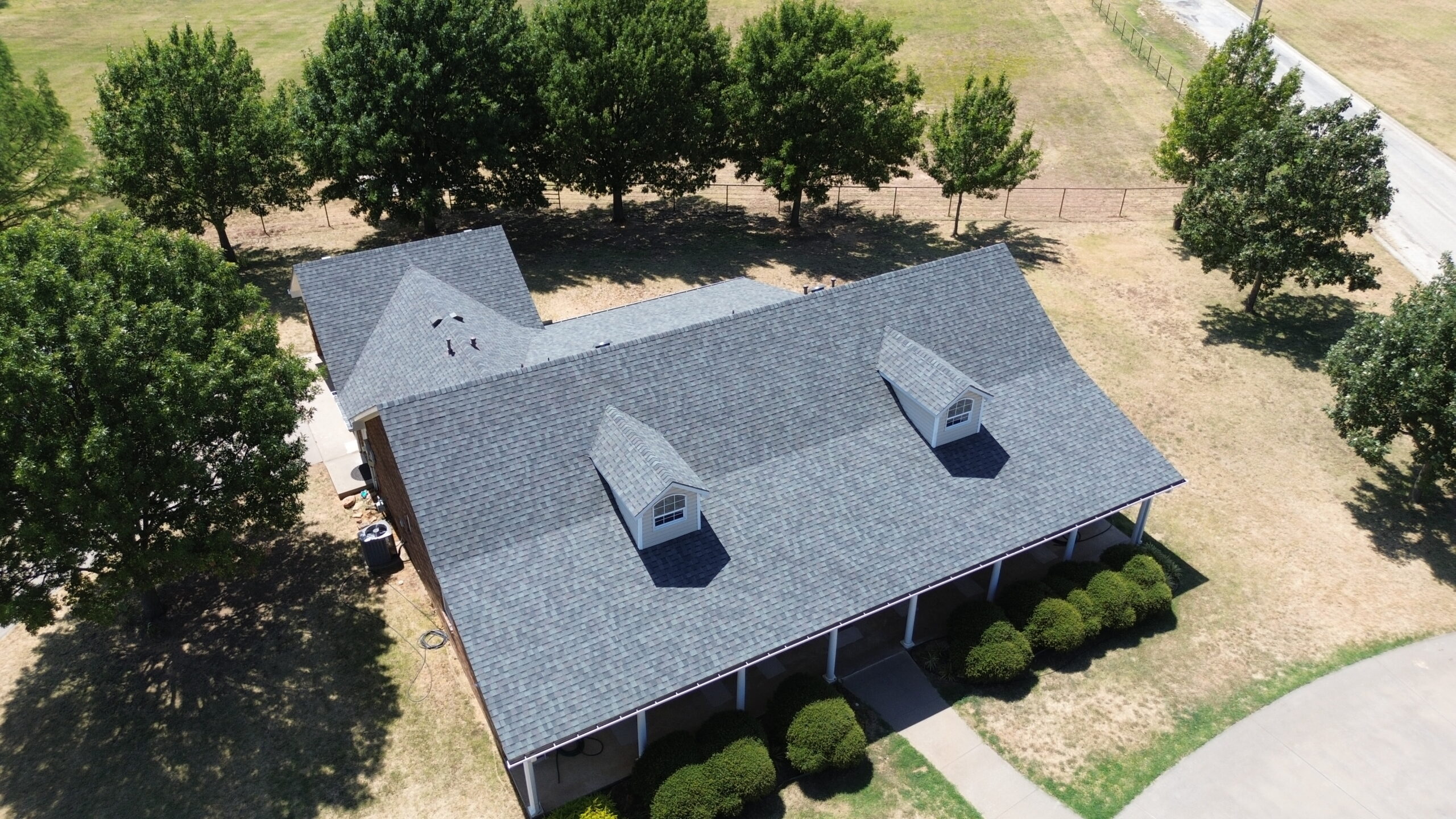
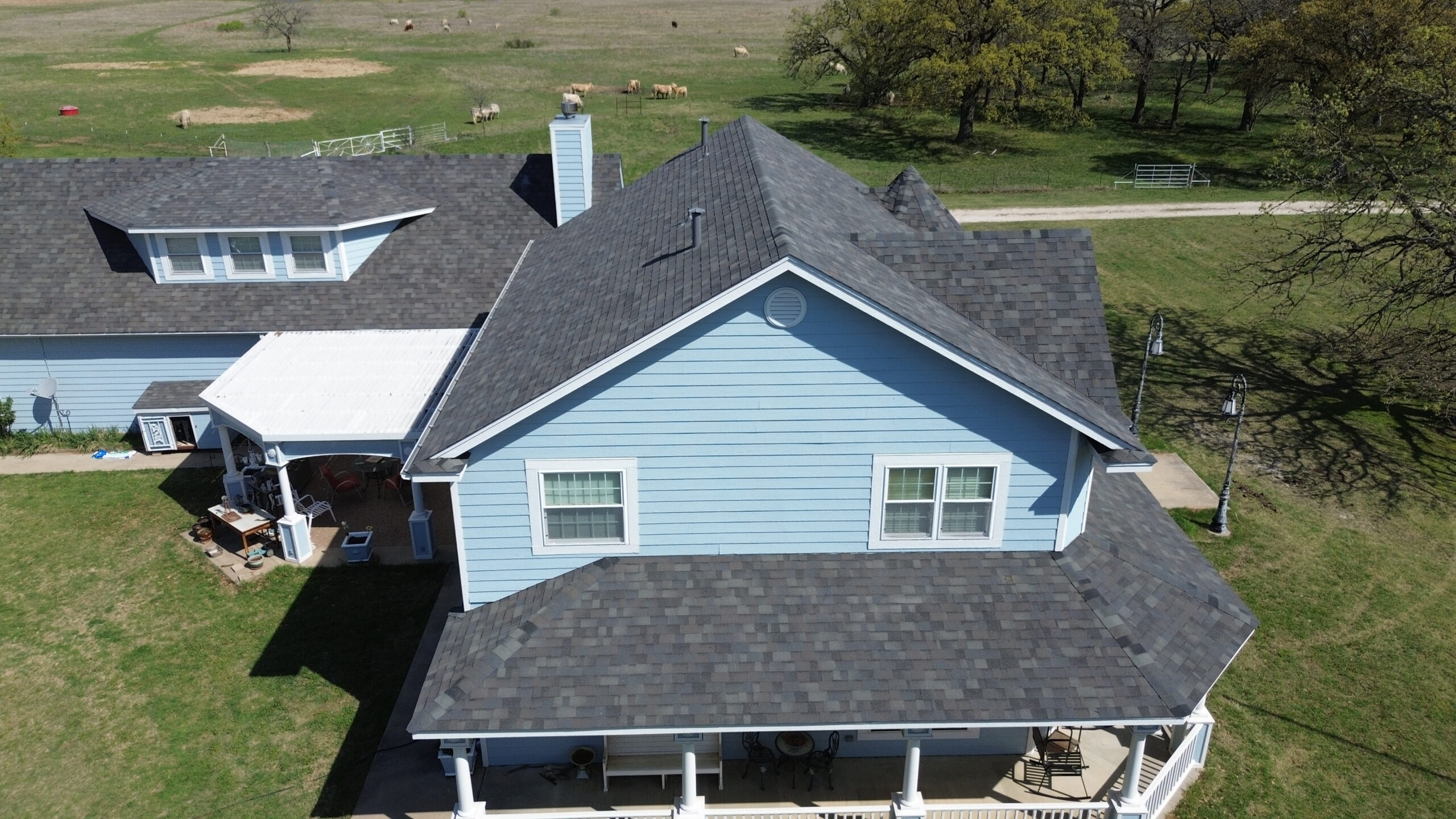
Steep-slope and complex residential roofs require additional planning because workers may have less stable footing and more difficult access. Roofs with multiple levels, valleys, dormers, skylights, narrow sections, and changing slopes can create hazards that are not present on a simple roof. Safety procedures should therefore be adapted to the actual design of the building.
Workers should evaluate the roof layout before installation begins. Changes in slope can affect how workers move from one section to another, while valleys and roof intersections can create areas where materials, tools, or water may collect. Understanding these features helps the crew plan safe access and work positions.
Steep surfaces can make it difficult to maintain balance, particularly while carrying roofing materials. Workers should use appropriate fall protection and access systems rather than attempting to move quickly across the roof. Materials should be positioned so workers do not have to carry unnecessarily heavy or awkward loads across steep areas.
Roof edges and openings require continuous attention. Skylights, vents, chimneys, and other penetrations can create trip and fall hazards, especially when workers are focused on installation. These areas should be properly protected or clearly identified according to the applicable safety procedures.
Multiple roof levels can also create falling-object risks. Workers operating above others should coordinate their activities so that tools and materials are not moved over people below. Ground-level areas beneath active work should remain controlled throughout the project.
Complex roofs may require more frequent communication between workers. A person working on one section may not be able to see another worker around a dormer, ridge, or higher roof level. Clear communication helps prevent unexpected movement and allows workers to coordinate material handling.
Access equipment should be selected according to the roof design. Ladders, scaffolding, roof brackets, or other systems may be used depending on the project and applicable requirements. Equipment should be properly installed, inspected, and used according to its intended purpose.
Weather can have an even greater effect on complex roofs. Wind may move around different roof sections and create unpredictable conditions, while rain can make valleys and sloped surfaces particularly difficult to navigate. Work should be adjusted or paused when conditions are no longer suitable.
Steep and complex roofs should never be treated as ordinary walking surfaces. A professional approach requires planning, appropriate equipment, trained workers, and continuous attention to changing conditions. These measures help reduce fall risks while allowing the installation to proceed in a controlled manner.
Communication and Coordination Among Roofing Workers
Effective communication is a central part of roofing installation safety. Workers often perform different tasks at the same time, with some people working on the roof while others handle materials, operate equipment, or work at ground level. Without clear coordination, one worker’s actions can unexpectedly create a hazard for another.
A short safety meeting before work begins can help establish the day’s priorities and identify important hazards. The crew can discuss weather conditions, roof access, material locations, fall protection, equipment use, and any changes from the previous workday.
Workers should understand who is responsible for coordinating specific activities. A designated supervisor or experienced team member can help organize material movement and address safety concerns. Clear responsibility reduces confusion when decisions need to be made quickly.
Communication is particularly important when materials are being moved to elevated areas. Workers below should know when materials are being lifted or moved overhead. People should never position themselves unnecessarily beneath active lifting or material-handling areas.
Hand signals or other agreed communication methods can be useful when machinery, wind, or construction noise makes normal conversation difficult. Workers should understand these signals before the activity begins rather than trying to establish them during a critical operation.
Communication should also continue when conditions change. If a worker notices damaged equipment, unstable materials, unexpected structural damage, or worsening weather, the information should be reported promptly. Ignoring a hazard because the project is behind schedule can increase the likelihood of an accident.
Homeowners should have a designated communication point as well. Rather than interrupting individual workers, they can communicate questions or concerns through the project supervisor or another assigned contact. This keeps the worksite organized and reduces unnecessary distractions.
Good coordination also involves respecting the work of other team members. Workers should avoid moving ladders, equipment, materials, or safety systems without communicating with the people who rely on them. An item that appears to be in the way may have been deliberately positioned for safety or access.
When communication is consistent, workers can better understand what is happening around them. This supports safer material handling, reduces unexpected movements, and helps the crew respond more effectively when conditions change.
Emergency Preparedness and Accident Response
Every residential roofing project should include an emergency plan before work begins. Roofing crews work at height and around tools, equipment, materials, and electrical hazards, so workers should know how to respond if an injury, fall, severe weather event, fire, or other emergency occurs.
The emergency plan should identify how help can reach the property. Workers should know the property’s address and understand which access route emergency responders can use. Equipment, vehicles, and material storage should not unnecessarily block important access points.
First-aid supplies should be available according to the needs of the worksite and applicable requirements. Workers should know where emergency supplies are located and who is trained to provide first aid when necessary.
Falls require particularly careful response. If a worker falls and is suspended in a fall protection system, the situation should be treated as an emergency. The crew should follow its established rescue procedures rather than improvising a response that could place additional people at risk.
Severe weather can also create emergency conditions. If lightning, strong winds, or another dangerous event develops, workers should move to a safe location according to the established plan. Roofing materials and equipment should only be secured when doing so can be accomplished safely.
If an injury occurs, the work area may need to be secured so that additional people are not exposed to the same hazard. Workers should avoid disturbing the scene unnecessarily when doing so could interfere with emergency response or required reporting procedures.
Homeowners should also know what to do if an emergency occurs. They should remain outside the active work area unless assistance is specifically requested and should follow directions from the roofing supervisor or emergency responders.
Emergency plans should be discussed before they are needed. A few minutes spent identifying emergency contacts, access routes, first-aid resources, and response procedures can make a significant difference when workers face an unexpected situation.
Safety planning should also include reporting near misses. A near miss may not result in an injury, but it can reveal a weakness in the work process. Discussing what happened allows the crew to correct the problem before a similar event causes harm.
End-of-Day Roofing Safety Procedures
Roofing safety continues after the day’s installation activities stop. Tools, materials, equipment, and unfinished roof sections may remain at the property overnight. A proper end-of-day procedure helps protect workers, homeowners, visitors, and the building until work resumes.
Tools should be collected and stored securely. Power tools should be turned off and disconnected according to appropriate procedures, while smaller hand tools should be placed where they cannot slide or fall. Leaving tools loose on a sloped roof can create hazards for anyone returning to the worksite.
Materials should also be secured. Lightweight items such as underlayment, packaging, and loose components can be affected by wind. Workers should follow their site procedures for securing materials and protecting unfinished portions of the roof.
Unfinished roof sections may require temporary protection against weather. The contractor should secure these areas using appropriate materials and methods. Homeowners should never attempt to inspect or adjust temporary roof protection themselves.
Ground-level areas should be checked for loose debris and equipment. Cleanup should include appropriate attention to nails, sharp materials, packaging, and other waste. However, homeowners should follow the contractor’s instructions about when areas are safe for normal household use.
Access points should be secured according to the project’s requirements. Ladders and other equipment should not be left in a position where children or unauthorized people can easily climb them. Restricted areas should remain clearly controlled until the next workday.
Weather forecasts should also be considered before leaving the site. If wind, rain, or storms are expected, materials and temporary protections may require additional attention. The crew should make appropriate preparations rather than assuming that conditions will remain unchanged overnight.
A final walk-through can help identify obvious problems before the worksite is left unattended. This does not replace formal inspections or safety procedures, but it provides another opportunity to catch loose materials, blocked access routes, or unsecured equipment.
A consistent end-of-day routine reduces the chance that temporary hazards will remain uncontrolled. It also gives the crew a clear starting point when installation resumes the following day.

Final Residential Roofing Installation Safety Checklist
A residential roofing installation requires safety procedures from the first site assessment through final cleanup. Workers should not rely on a single protective measure because roofing hazards can change throughout the project. Combining fall protection, safe access, equipment inspections, material control, weather monitoring, communication, and housekeeping creates a stronger overall safety system.
Before work begins, the crew should assess the roof and surrounding property. Electrical hazards, access points, roof openings, unstable surfaces, weather conditions, and ground-level hazards should be identified before workers begin elevated tasks.
During installation, workers should use appropriate personal protective equipment and follow established fall protection procedures. Ladders and access systems should remain stable, while tools and materials should be controlled to prevent falls or dropped objects.
Weather conditions should be monitored throughout the project. Workers should be prepared to stop or modify activities when rain, wind, lightning, extreme heat, or other conditions create unacceptable risks.
The following checklist summarizes important procedures that should remain part of a residential roofing installation:
| Safety Area | Essential Procedure |
|---|---|
| Jobsite assessment | Identify roof, access, electrical, weather, and ground-level hazards |
| Fall protection | Use appropriate systems for roof edges, slopes, and openings |
| PPE | Inspect and correctly use required protective equipment |
| Ladders and access | Use suitable equipment and maintain stable access |
| Materials | Store, lift, move, and secure materials safely |
| Tools | Inspect equipment and remove damaged tools from service |
| Weather | Monitor conditions and stop work when necessary |
| Housekeeping | Control nails, debris, tools, and waste throughout the project |
| Emergency response | Maintain an emergency plan and clear access for assistance |
Supervisors should reinforce these procedures through regular communication and safety checks. Workers should be encouraged to report hazards, near misses, equipment problems, and changing conditions without fear of being ignored because of project deadlines.
Homeowners also contribute to the safety process by staying away from active work areas. They should keep children and pets away from the construction zone, avoid using contractor ladders or equipment, and follow instructions about entrances, vehicles, and outdoor areas.
The final safety check should continue until the project is completely finished. Tools, materials, debris, and temporary protections should be properly managed, and the site should not be considered fully restored until the contractor has completed the required cleanup and final work.
Conclusion
Residential roof installation involves several hazards, but careful planning and consistent safety procedures can significantly reduce unnecessary risks. A safe project begins with a thorough jobsite assessment and continues through material handling, roof access, fall protection, installation, cleanup, and final inspection.
Fall protection should remain one of the highest priorities because workers spend much of the project at an elevated height. Appropriate equipment, secure access, protected openings, and safe working positions help reduce the possibility of serious falls.
Tool and material management are equally important. Roofing materials can be heavy or awkward, while tools can cause injuries or become dangerous objects if they are left unsecured. Organized storage, proper handling, regular inspections, and controlled movement help keep the worksite safer.
Weather conditions must also influence daily decisions. Rain, wind, lightning, extreme heat, and other environmental conditions can quickly change the level of risk. Professional roofing crews should be prepared to pause or modify work when conditions are no longer suitable.
Communication connects all of these procedures. Workers need to coordinate their activities, report hazards, understand emergency procedures, and communicate changes in the worksite. Homeowners also need clear instructions so they can remain safely separated from active construction areas.
A safe roofing installation is not simply the result of workers wearing protective equipment. It comes from creating a complete safety process in which hazards are identified before work begins, protective measures are maintained throughout the project, and unsafe conditions are addressed immediately.
By following structured safety procedures, roofing contractors can protect their crews while completing residential installations more efficiently. Homeowners benefit as well because a controlled and organized worksite reduces the likelihood of injuries, property damage, and unnecessary disruptions.
Ultimately, residential roofing should be approached with safety as a continuous responsibility rather than a single task completed at the beginning of the project. When contractors, workers, supervisors, and homeowners respect established procedures and communicate effectively, the installation can progress toward a durable finished roof while maintaining a safer environment for everyone involved.