

Preventing Future Repairs Through Proper Roof Installation
Introduction
A properly installed roof does more than provide a finished appearance to a property. It creates a protective system designed to keep water, wind, heat, and other environmental conditions from damaging the structure underneath. When installation is completed carefully from the initial inspection through the final quality check, homeowners can reduce the likelihood of premature deterioration and avoid many repair problems that result from poor workmanship.
Future roofing repairs can develop for many reasons, including severe weather, aging materials, falling branches, and unexpected structural conditions. However, some common problems are directly connected to installation practices. Poor fastening, inadequate flashing, improper underlayment, damaged roof decking, insufficient ventilation, and incorrect material installation can create weaknesses that become more noticeable over time.
Preventing these problems begins before the first piece of new roofing material is installed. Professional contractors assess the existing roof, identify potential concerns, select suitable materials, prepare the roof deck, and plan the installation according to the property’s design. Each of these steps contributes to the long-term performance of the completed roofing system.
Homeowners often compare contractors by looking at installation prices, but the cheapest option is not necessarily the most economical over the life of the roof. Paying for proper preparation and skilled workmanship can help reduce the risk of leaks, premature deterioration, repeated repairs, and other problems that may cost considerably more to correct later.
Proper installation should therefore be viewed as a form of preventive maintenance built into the beginning of the roof’s life. The goal is not simply to complete the project quickly, but to create a roofing system in which each component performs its intended function and works effectively with the components around it.
Starting With a Thorough Roof Assessment
A thorough roof assessment is the foundation of a successful installation. Before replacing an existing roof, a professional contractor needs to understand the current condition of the roofing system and identify factors that could affect the new installation. Rushing through this stage can result in important problems being overlooked and covered by new materials.
The inspection should examine the visible roofing surface, roof edges, valleys, flashing, penetrations, ventilation components, drainage areas, and other relevant features. Contractors should also consider the roof’s design, slope, age, previous repairs, and existing materials when determining the most appropriate installation approach.
The roof deck requires particular attention. Although portions of the decking may not be visible until the existing roofing materials are removed, the contractor should explain that concealed damage may be discovered during tear-off. Moisture exposure, deterioration, previous leaks, and other conditions can weaken the deck and affect its ability to support the new roofing system.
Accurate measurements are another essential part of the assessment. Contractors need to determine the roof area, number of slopes, valleys, hips, ridges, penetrations, and other details that affect material quantities and installation requirements. Accurate measurements help prevent material shortages while also reducing unnecessary waste.
The contractor should also evaluate conditions around the property. Nearby trees, difficult roof access, limited material storage areas, overhead obstacles, adjacent structures, and landscaping can all affect how installation should be organized. Identifying these challenges before work begins gives the contractor an opportunity to develop practical solutions.
Moisture concerns should also be investigated. Signs of water intrusion may appear around ceilings, walls, attic areas, or roof penetrations. While visible symptoms do not always identify the exact source, they can alert the contractor to areas requiring closer examination.
Ventilation should be included in the assessment as well. A new roof installed over an inadequate or poorly balanced ventilation system may still experience moisture or heat-related problems. Reviewing ventilation during the planning stage gives the contractor an opportunity to determine whether existing components are appropriate or require improvement.
A professional assessment can also include photographs and written documentation. This record helps establish the original condition of the roof and provides useful information when explaining recommended repairs or changes to the homeowner.
The objective of the assessment is not to predict every possible problem with complete certainty. Some hidden conditions will only become visible after the existing roofing material is removed. Instead, the assessment provides the contractor with enough information to create a realistic plan and prepare for conditions that may affect the project.
Choosing the Right Roofing Materials
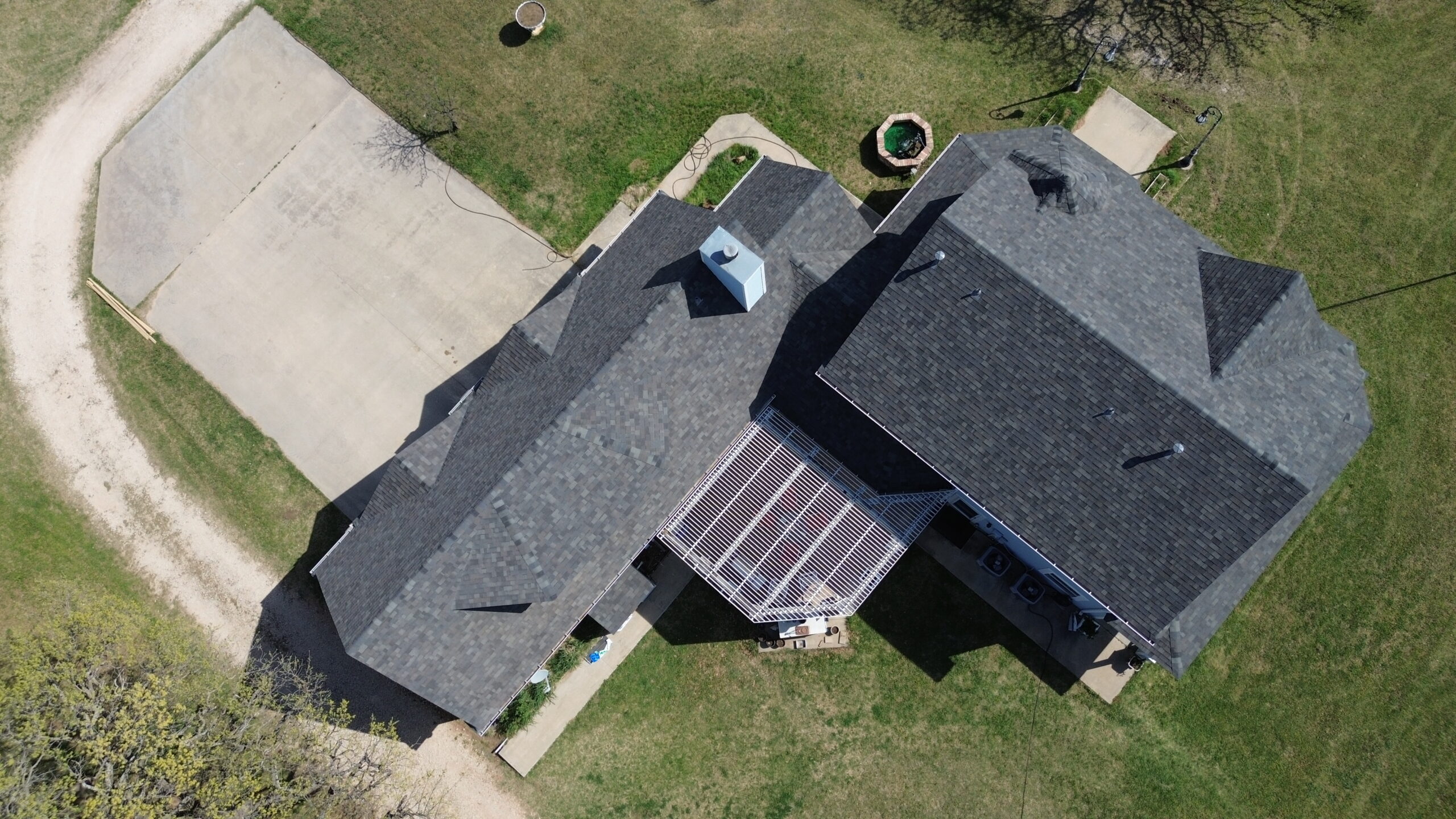
Selecting appropriate roofing materials is another important step in preventing future repairs. Roofing products differ in durability, installation requirements, weather resistance, maintenance needs, and expected service life. The correct material should be selected based on the property, roof design, environmental conditions, and project requirements rather than price alone.
Common roofing systems include asphalt shingles, metal roofing, tile, slate, and other specialized products. Each system has its own installation methods and supporting components. A contractor should have relevant experience with the selected material and understand the manufacturer’s requirements for proper installation.
Homeowners should ask contractors to identify the specific roofing products being proposed. General descriptions such as “premium roofing” may not provide enough information to evaluate quality. Knowing the manufacturer and product line can make it easier to understand specifications, warranty information, and maintenance recommendations.
Material compatibility is also important. Roofing systems contain several components that need to work together, including underlayment, flashing, fasteners, ventilation products, edge materials, and sealants. Using incompatible products or unsuitable accessories can reduce the effectiveness of the complete system.
The contractor should also consider the property’s environmental conditions. Strong winds, heavy rainfall, high temperatures, moisture, and other local factors can influence material selection and installation practices. A roofing material that performs well in one environment may require different considerations in another.
Initial cost should be evaluated alongside long-term value. Choosing a cheaper material may reduce the immediate project price but could result in different maintenance requirements or a shorter expected service life. On the other hand, the most expensive product is not automatically the best choice for every property.
Homeowners should also consider manufacturer installation requirements before selecting a contractor. Some roofing products have specific requirements for underlayment, fastening, ventilation, spacing, or other components. A contractor should be familiar with these requirements and be prepared to follow them.
Quality materials cannot compensate for poor installation. Even a durable roofing product can experience premature problems if it is incorrectly fastened, improperly aligned, inadequately flashed, or installed over an unsuitable surface. Material selection and workmanship therefore need to be considered together.
Choosing compatible, appropriate materials at the beginning can help reduce future repair needs by creating a roofing system designed to work as intended. It also provides the contractor with a clear foundation for planning the installation sequence.
Preparing the Roof Deck Correctly
The roof deck is an important structural and installation surface beneath the visible roofing materials. Proper preparation of this surface can have a significant effect on the performance of the new roof. Installing new materials over damaged or unsuitable decking can allow underlying problems to remain hidden and potentially affect the roofing system later.
During tear-off, contractors gain access to areas of the deck that were previously concealed. The exposed surface should be inspected for deterioration, moisture damage, weakened sections, and other conditions that could affect installation. Damaged portions should be evaluated and repaired or replaced where necessary.
A professional crew should not simply cover damaged decking because it will eventually be hidden by the new roof. The new roofing system depends on a suitable underlying surface. If the deck is unstable or deteriorated, problems may affect fastening, material alignment, structural performance, or moisture resistance.
Preparation also involves removing debris and unsuitable materials from the surface. Protruding fasteners, loose fragments, old roofing components, and other obstacles can interfere with the installation of new layers. A clean and properly prepared deck gives workers a more consistent surface on which to install the roofing system.
Moisture damage deserves particular attention during deck preparation. If water has previously entered the roof system, the contractor should investigate the affected area and determine whether the underlying materials have been compromised. Simply replacing the visible roofing material without addressing the source or consequences of moisture can allow problems to continue.
The deck should also be checked around vulnerable roof features. Areas near valleys, chimneys, skylights, vents, and roof edges may have experienced previous water intrusion. These locations require careful attention before new materials cover them.
Homeowners should understand that deck repairs can sometimes change the original project cost. The condition of concealed decking may not be fully known until tear-off is completed. A professional contractor should explain this possibility before installation and have a clear process for documenting and approving necessary additional work.
Proper deck preparation creates a stronger foundation for every layer installed above it. It can help ensure that fasteners hold correctly, materials sit evenly, and protective layers function as intended.
Installing Proper Underlayment and Water Protection
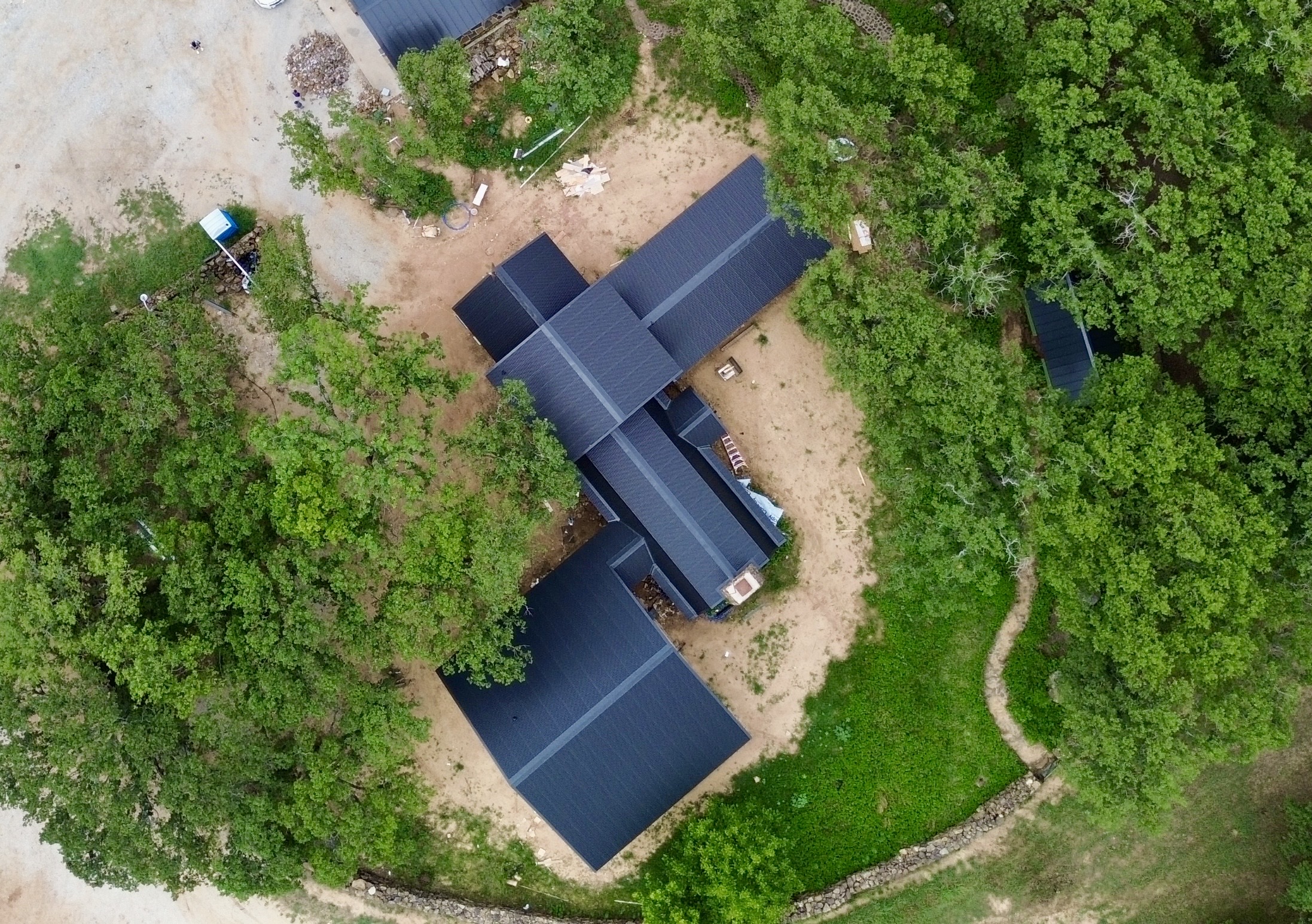
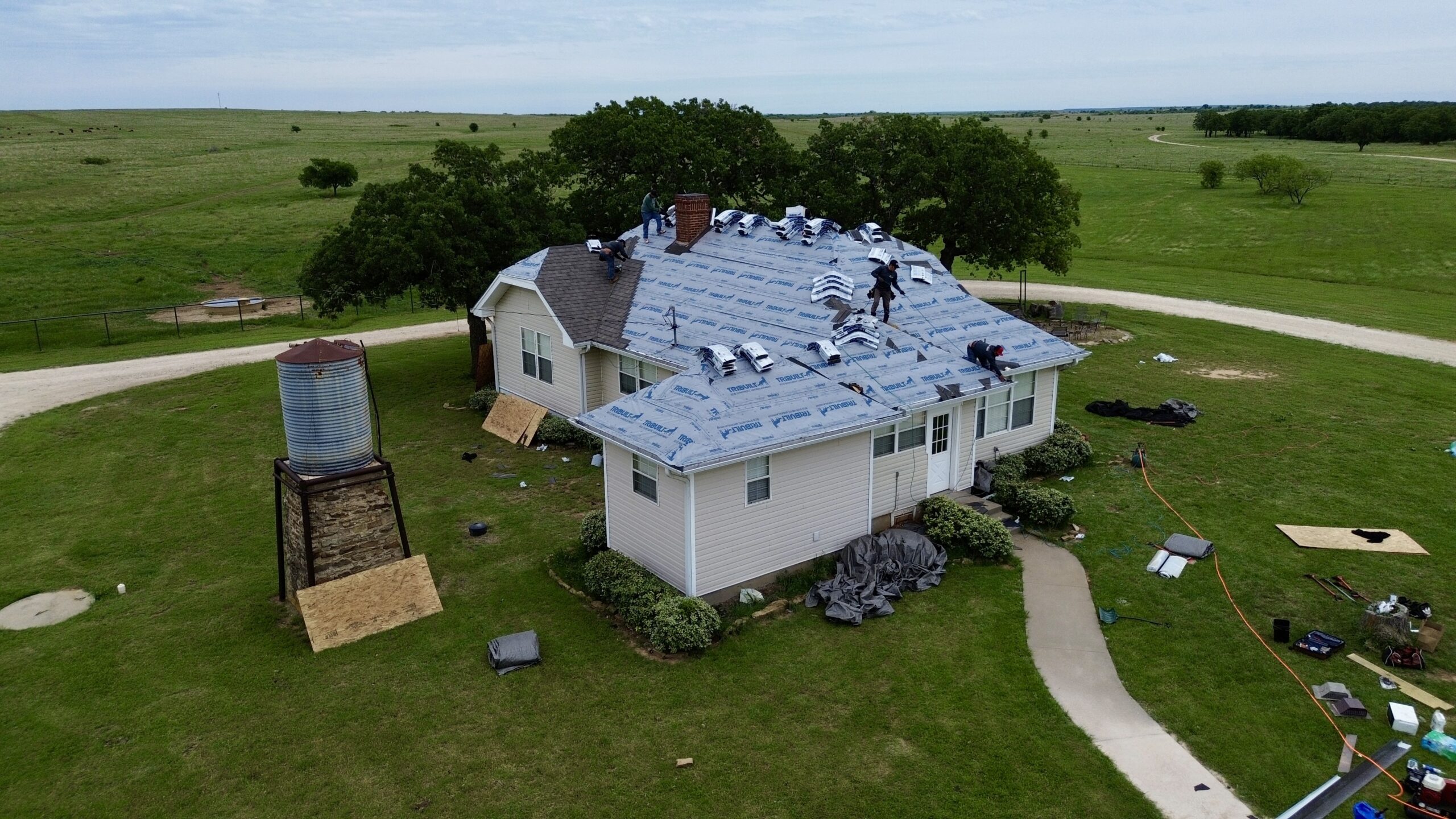
Underlayment and other protective layers play an important role in a roofing system because they provide additional protection beneath the primary roofing material. Although these components are often hidden after installation, their condition can affect the roof’s ability to manage moisture.
The appropriate underlayment depends on the roofing system and project requirements. Contractors should select products that are compatible with the primary roofing material and install them according to applicable specifications. The material should be positioned correctly so that water is directed toward appropriate drainage paths.
Overlaps and transitions require careful attention. Underlayment sections need to be installed in a way that supports water shedding rather than creating locations where moisture can collect. Fastening should also be completed according to the product requirements and installation conditions.
Certain vulnerable areas may require additional water protection. Valleys, roof edges, penetrations, and other areas exposed to concentrated water flow may receive specialized membranes or protective materials depending on the roofing design.
Proper installation of these layers can help reduce the risk of moisture reaching the roof deck. However, underlayment should not be viewed as a replacement for quality roofing materials or correct flashing. The roofing system needs all of its components to work together.
Contractors should also make sure the underlayment remains intact during the rest of the installation. Workers moving tools and materials across the roof should take reasonable care to avoid unnecessary damage to protective layers before they are covered.
Another important consideration is sequencing. Protective components need to be installed at the appropriate stage so that they integrate correctly with flashing, edge materials, penetrations, and the primary roofing material. Poor sequencing can create gaps or overlaps that reduce the effectiveness of the system.
Homeowners may not be able to see these layers once the project is finished, which makes contractor selection especially important. Choosing an experienced roofing company that documents the installation and follows product requirements provides greater confidence that hidden components were installed correctly.
Proper water protection can help prevent moisture from reaching areas where it could cause more extensive damage. By addressing these details during installation, contractors can reduce the likelihood of future leaks and deterioration.
Proper Flashing and Roof Penetration Installation
Flashing is one of the most important parts of a roofing system when it comes to managing water around transitions and penetrations. Areas where the roof meets a chimney, wall, skylight, vent, pipe, or other structure require carefully planned details because water can otherwise find pathways into vulnerable areas.
A professional contractor should inspect existing flashing during the assessment and determine whether it can be reused or should be replaced. Older or damaged flashing may not be suitable for a new roofing system, particularly if its dimensions or design do not work properly with the new materials.
Chimneys are a common area requiring careful flashing. The roofing material needs to transition properly around the chimney while directing water away from the structure. Similar attention is required around skylights, vents, and other penetrations.
Roof valleys also require detailed installation because they collect and direct water from multiple roof slopes. Materials used in these areas must be positioned correctly so water continues to move toward the intended drainage path without entering beneath the roofing layers.
Flashing around walls and roof edges can also prevent water from entering at transitions. Contractors need to consider how the roofing materials connect with siding, masonry, exterior walls, and other surfaces.
Sealants may be used as part of certain roofing details, but they should not be treated as a substitute for properly designed flashing. A strong roofing system relies on appropriate physical water-shedding details, with sealants used where required by the system and installation specifications.
Careful flashing installation can prevent some of the most common sources of roofing leaks. It is therefore one of the areas where skilled workmanship can make a significant difference in long-term performance.
By starting with a thorough assessment, selecting compatible materials, preparing the roof deck, installing proper water protection, and paying close attention to flashing and penetrations, contractors establish the foundation for a durable roofing system. The remaining installation stages, including fastening, ventilation, drainage, quality control, and final inspection, build upon this foundation and help further reduce the likelihood of future repairs.
Installing Roofing Materials According to Specifications
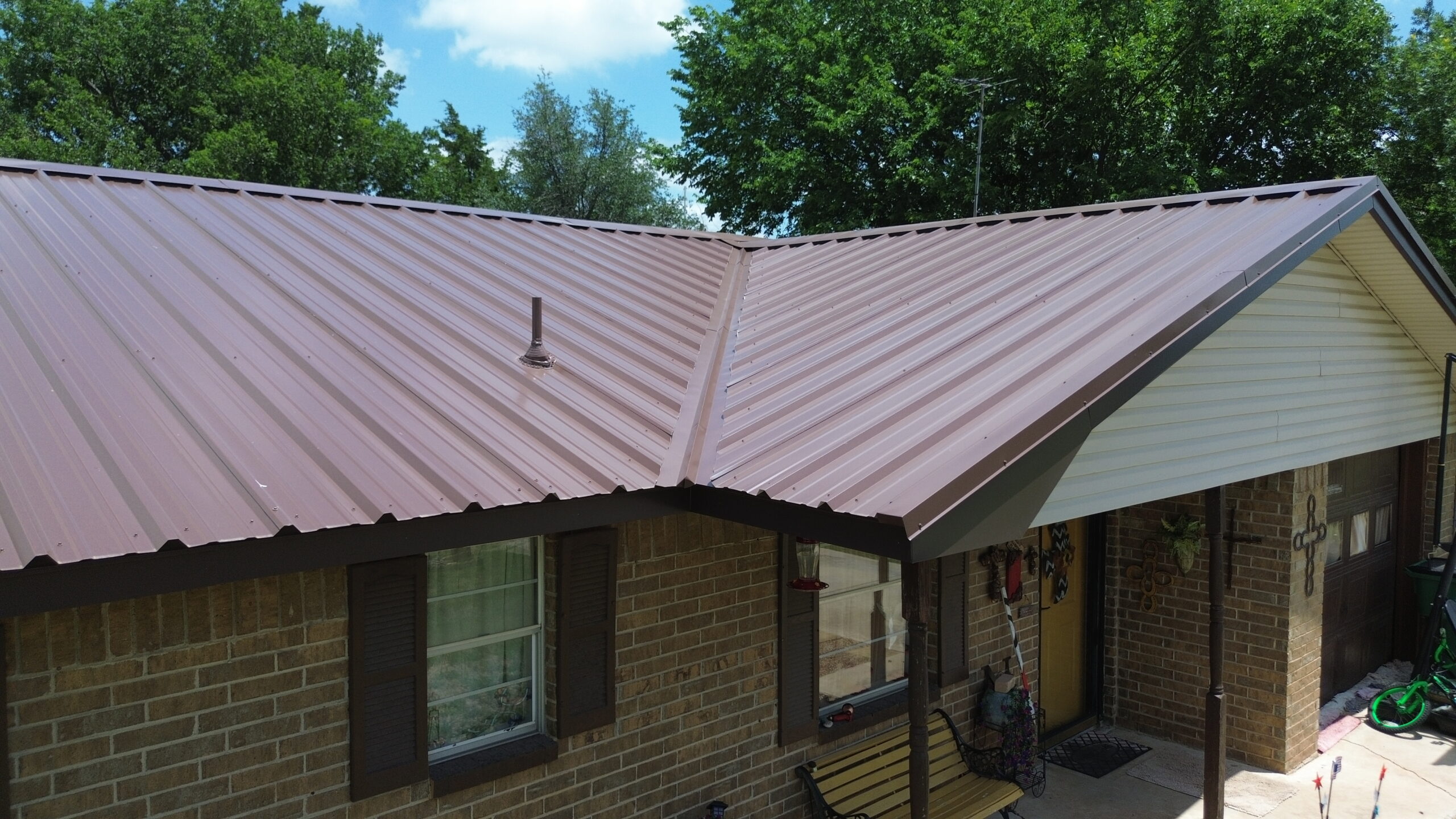
Once the roof deck, underlayment, flashing, and other preparatory components are ready, the primary roofing material can be installed. This stage has a direct effect on the roof’s future performance because even high-quality materials can develop problems when they are installed incorrectly. Professional contractors follow the requirements for the selected roofing system rather than relying on shortcuts or generalized installation methods.
Correct alignment is an important part of the process. Roofing materials need to be positioned consistently so that water can move across the surface and toward the appropriate drainage areas. Uneven rows, incorrect overlaps, or poorly positioned materials can affect both the appearance and weather resistance of the finished roof.
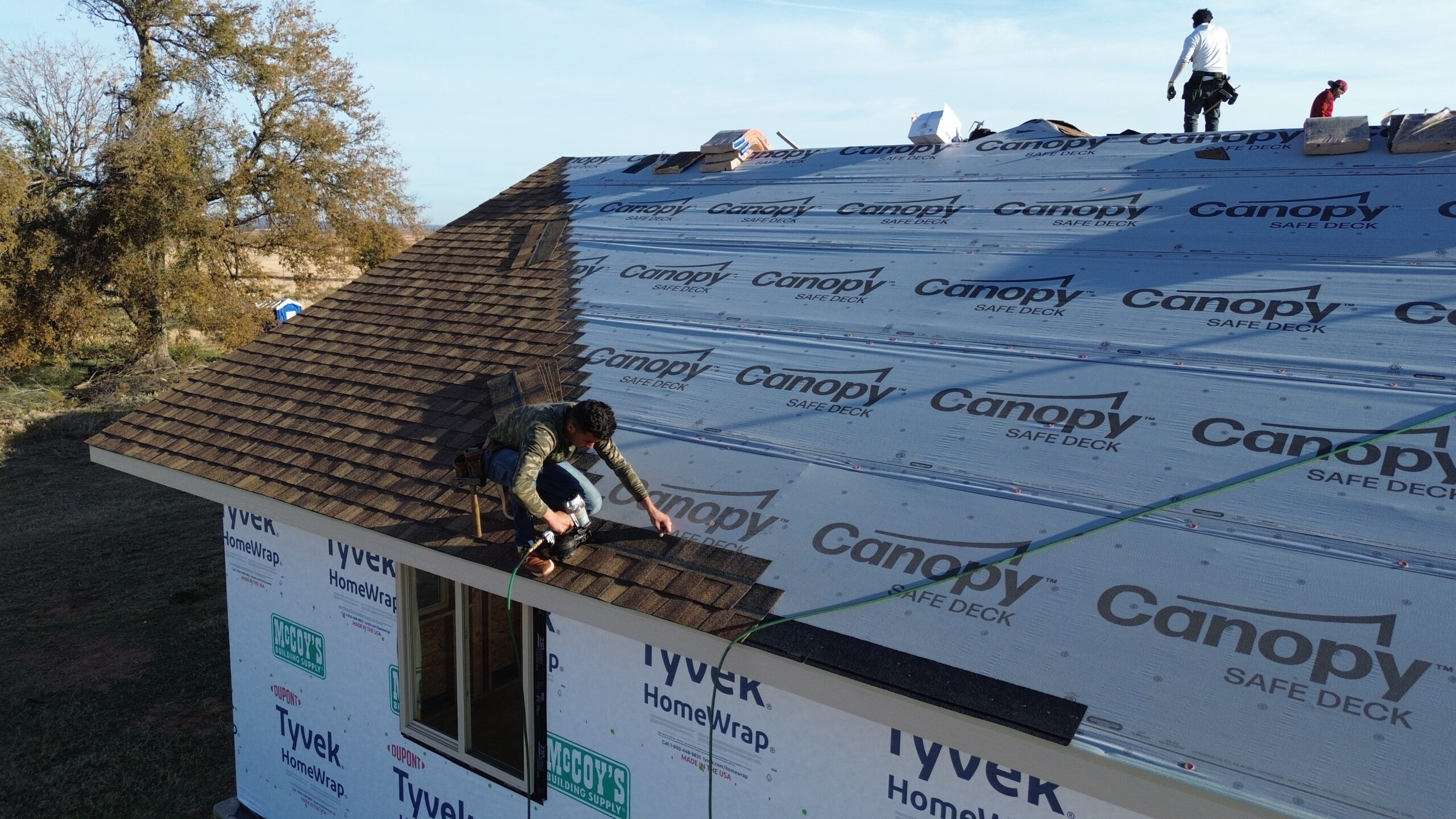
Fastening is equally important. Shingles, panels, tiles, and other roofing products may have specific fastening requirements based on their design and the conditions of the installation. Using too few fasteners, placing them incorrectly, or using unsuitable fasteners can reduce the ability of the roofing material to remain securely attached.
Manufacturer instructions should be followed throughout installation. These instructions may address fastening patterns, spacing, overlaps, exposure, temperature conditions, compatible accessories, and other technical details. Following these requirements helps ensure that the roofing product performs according to its intended design.
Roof edges and transitions require additional attention. Materials around ridges, hips, valleys, eaves, walls, and penetrations often need specialized installation details. Contractors should make sure these areas are properly integrated with the rest of the roofing system rather than treating them as simple finishing tasks.
Material handling also affects long-term performance. Roofing products can be damaged before they are installed if they are stored incorrectly, dropped, bent, or exposed to unsuitable conditions. Professional crews organize and handle materials carefully so that damaged products do not become part of the finished roof.
Quality control should continue during this stage. Supervisors can inspect completed sections before allowing the crew to move forward, checking alignment, fastening, cuts, and other details. Correcting an installation issue immediately is generally easier than discovering it after the entire roof has been completed.
Avoiding shortcuts is particularly important. Rushing installation may save time in the short term but can create problems that require repairs later. A professional contractor should prioritize correct installation over simply reaching the completion date as quickly as possible.
When roofing materials are installed according to their specifications and the conditions of the property, the finished system has a stronger foundation for resisting normal weather exposure. Proper installation does not eliminate all future maintenance or storm damage, but it can reduce problems caused by preventable workmanship errors.
Maintaining Proper Roof Ventilation
Roof ventilation is another important part of preventing future roofing problems. A properly designed ventilation system helps manage heat and moisture in the attic and can contribute to a healthier environment for the roof structure and related components. Installing a new roof without considering ventilation can leave existing moisture or heat-related problems unresolved.
A roofing ventilation system may use intake vents, exhaust vents, ridge vents, soffit vents, or other components depending on the building’s design. These components need to work together to support appropriate airflow rather than being added or blocked without considering the overall system.
Excessive attic moisture can contribute to condensation and deterioration of certain building materials. If moisture remains trapped for long periods, it can affect insulation, decking, fasteners, and other components. Proper ventilation helps manage these conditions when designed and installed appropriately.
Heat management can also be important, particularly in climates with significant summer temperatures. An attic that becomes excessively hot may create additional stress on roofing components and increase indoor cooling demands. The appropriate ventilation strategy depends on the building design and should be evaluated by a qualified professional.
Contractors should inspect existing ventilation before installing the new roof. They can determine whether current vents are functioning, whether intake and exhaust pathways are appropriate, and whether the planned roofing system requires specific ventilation components.
Ventilation should also be protected during installation. Workers need to avoid blocking vents with insulation, roofing materials, debris, or other components. Improper installation around ventilation openings can reduce airflow and create problems even when the roof surface itself appears properly installed.
Homeowners should not assume that adding more vents will automatically improve ventilation. An unbalanced system can sometimes create airflow problems rather than solving them. Any changes should be based on the overall design of the attic and roofing system.
Proper ventilation is therefore part of preventive roofing work. By evaluating and addressing ventilation during installation, contractors can reduce the likelihood of moisture-related concerns and help the roofing system perform more effectively over time.
Managing Roof Drainage and Water Flow
Effective drainage is essential for preventing future roof repairs because water must move away from the roofing surface and building without unnecessary obstruction. A properly installed roof should direct water toward appropriate drainage areas, but this depends on correct detailing around slopes, valleys, edges, gutters, and downspouts.
Roof valleys deserve particular attention because they collect water from multiple sections of the roof. Contractors need to install the appropriate materials and transitions so water continues moving toward the intended drainage path. Poorly detailed valleys can become vulnerable to water intrusion and material deterioration.
Roof edges also need appropriate protection. Water can move toward the perimeter of the roof, so edge components should be installed correctly to help direct it into the drainage system. Improper edge details may contribute to water reaching areas that were not designed to handle continuous exposure.
Gutters and downspouts form part of the overall water management system. Although they may not be installed by every roofing contractor, the roofing installation should be coordinated with the existing drainage system. The roof should direct water toward the appropriate collection points rather than creating unintended overflow areas.
Standing water should be avoided where the roof design does not permit prolonged ponding. If water consistently remains in one location, the contractor should evaluate whether there is a drainage, slope, or structural issue. Installing new roofing materials without addressing an underlying water management problem may simply conceal the concern temporarily.
Flashing and underlayment also contribute to drainage. These components help direct water around transitions and vulnerable areas, but they must be installed in the correct sequence and position. Water should always have a clear path away from the building rather than being trapped beneath roofing layers.
The surrounding property should also be considered. Downspouts need to discharge water in a suitable location, and drainage should not create repeated moisture problems near the foundation or exterior walls. A roofing contractor may coordinate with other professionals when drainage improvements require work beyond the roof itself.
Proper water management can significantly reduce the likelihood of moisture-related repairs. When the roof, flashing, edges, valleys, gutters, and downspouts work together, rainfall has fewer opportunities to accumulate or enter vulnerable areas.
Using Professional Installation and Quality Control
The skill of the installation crew can have a major effect on whether a roofing system continues to perform properly. Professional contractors use experienced workers who understand the requirements of the selected roofing materials and know how to manage common installation challenges.
Supervision is an important part of maintaining consistency. A foreman or project manager can coordinate workers, inspect completed areas, answer questions, and identify issues before they become hidden beneath subsequent layers. This level of oversight can reduce the chance that small mistakes remain uncorrected.
Quality control should take place throughout the project rather than only at the end. Contractors can inspect the roof deck before covering it, review underlayment and flashing, check fastening during material installation, and examine vulnerable areas before moving to the next stage.
A stage-by-stage approach makes correction more efficient. If a problem is found immediately, workers can address it while the affected area remains accessible. If the same problem is discovered after the entire roof has been completed, correction may require removing newly installed materials and can become considerably more disruptive.
Professional crews also understand the importance of manufacturer requirements. Workers should be familiar with the appropriate installation procedures for the specific roofing product rather than applying the same method to every roof. This is particularly important when working with specialized systems.
Documentation can support quality control as well. Photographs of important installation stages can provide records of concealed components such as underlayment, flashing, or repaired decking. These records can be useful for project documentation and future maintenance.
A professional installation crew should also be willing to correct its own mistakes. Quality control is not about claiming that no problems ever occur. It is about identifying issues, responding to them responsibly, and making sure the completed roof meets the expected standards.
Choosing a contractor with a strong quality control process can therefore help prevent future repairs caused by installation errors. Skilled workers, proper supervision, regular inspections, and manufacturer-compliant methods all contribute to a more reliable roofing system.
Protecting the Property During Installation
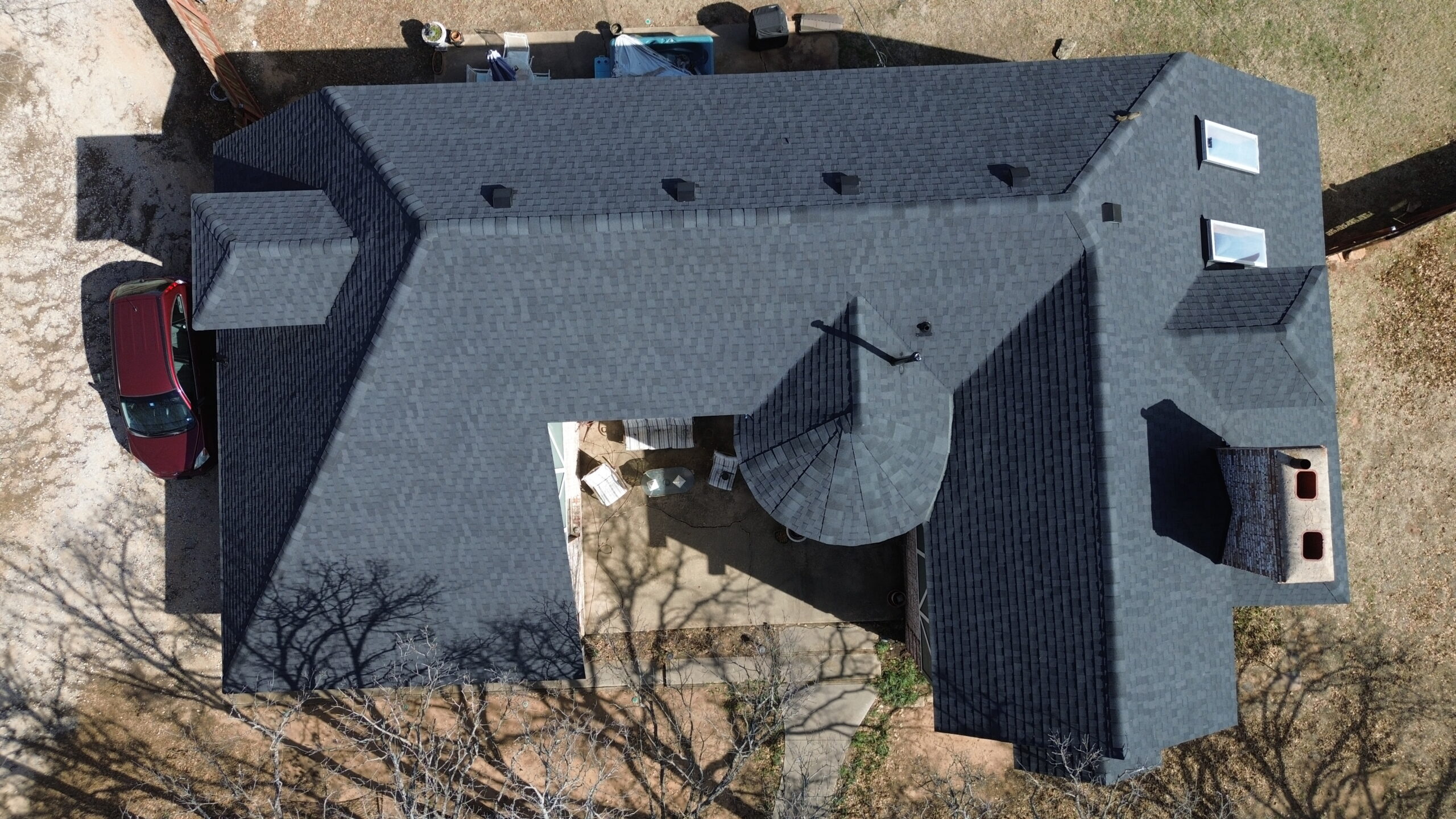
Preventing future repairs begins with protecting the property while the new roof is being installed. Roofing work involves removing old materials, moving heavy supplies, using ladders and equipment, and generating debris. Without proper precautions, construction activities can cause unnecessary damage to areas surrounding the roof.
Professional crews may use protective coverings, tarps, boards, or other appropriate methods around landscaping, windows, siding, doors, and outdoor equipment. The specific measures depend on the property and the type of installation being performed.
Material handling should also be organized carefully. Roofing supplies need to be stored in suitable locations and moved around the property without unnecessary impact. Damaging materials before installation can result in defective components being incorporated into the roof or additional costs associated with replacement.
Debris management is equally important. Old shingles, underlayment, nails, packaging, and damaged decking can accumulate quickly during a roof replacement. A professional crew should have a system for collecting and disposing of this material so it does not remain scattered around the property.
Protecting landscaping can require additional planning. Plants, shrubs, and outdoor features near the building may need temporary coverings or other protection from falling debris. Contractors should also establish safe access routes for workers and equipment.
The crew should maintain an organized worksite throughout the project. Tools and materials should not be left in locations where they could create unnecessary hazards or damage surfaces. Daily organization also makes it easier to identify missing equipment and maintain productivity.
Final cleanup is part of protecting the property as well. Small roofing debris and fasteners can remain around the building if the cleanup process is rushed. A thorough final check helps ensure that the property is returned to a reasonably clean and safe condition.
Careful property protection may not directly affect the durability of the roofing material, but it contributes to the quality of the overall installation experience. It also prevents additional repairs to landscaping, exterior surfaces, and other parts of the property caused by careless construction practices.
Handling Unexpected Problems During Installation
Even the most carefully planned roofing project can reveal unexpected problems. Hidden decking damage, moisture intrusion, previous poor repairs, material issues, or sudden weather changes can require the contractor to adjust the original plan. The way these issues are handled can have a significant effect on the final quality of the roof.
Hidden structural damage is one of the most common examples. A contractor may not be able to identify every damaged section of roof decking during the initial inspection because the material is concealed beneath existing roofing. Once the old roof is removed, the exposed surface can be evaluated more accurately.
Moisture problems may also become visible during tear-off. If water has entered the roof system, the contractor needs to determine whether underlying materials have been affected and whether the source of the moisture has been addressed. Covering damaged components without proper evaluation can allow problems to continue beneath the new roof.
Material problems should also be handled carefully. If products arrive damaged, incorrect, or incomplete, the contractor should arrange appropriate replacements rather than installing unsuitable materials simply to avoid a delay.
Weather interruptions can require temporary protection and schedule adjustments. A professional contractor should prioritize safe conditions and protect exposed areas when work cannot continue. Continuing installation during unsuitable weather simply to meet an original deadline can create greater problems later.
Homeowners should receive clear communication when unexpected issues affect the project. If additional work changes the cost or scope, the contractor should explain what was discovered and obtain appropriate approval before proceeding with significant additional work.
Effective problem management helps preserve the purpose of the original installation plan. The contractor may need to change the sequence or timeline, but the focus should remain on producing a complete roofing system that meets appropriate quality and safety expectations.
When contractors combine proper material installation, ventilation, drainage, quality control, property protection, and responsible problem solving, they reduce many of the preventable weaknesses that can lead to future repairs. The final inspection and ongoing homeowner maintenance then provide another layer of protection for the completed roof.
Why Proper Installation Reduces Common Roofing Problems
Proper roof installation can prevent many problems that would otherwise appear during the early and middle stages of a roof’s service life. While no roofing system is completely protected from severe weather, falling objects, aging, or unexpected damage, careful workmanship can eliminate many weaknesses created during construction.
Leaks are among the most common concerns associated with roofing systems, and installation quality has a direct relationship with leak prevention. Properly installed underlayment, flashing, valleys, penetrations, and roofing materials work together to direct water away from the structure and reduce opportunities for moisture to enter.
Wind resistance can also depend on installation quality. Roofing materials need appropriate fastening and positioning to remain secure during normal wind exposure. When materials are poorly fastened or incorrectly installed, strong winds may lift or displace components that might otherwise have remained secure.
Premature material deterioration can result from improper installation as well. Roofing products may perform below their expected service life when installed over damaged decking, exposed to persistent moisture, or used with incompatible components. Correct preparation and installation help create conditions in which the materials can perform as intended.
Flashing failures are another common source of problems. Careful installation around chimneys, skylights, vents, walls, and valleys can reduce the risk of water entering at these vulnerable transitions. These details may not be obvious from the ground, but they can have a major effect on the roof’s long-term reliability.
Ventilation-related problems can also be reduced when the roofing system is planned correctly. Proper intake and exhaust ventilation can help manage attic heat and moisture, while avoiding blocked or improperly balanced vents can support the condition of the roof structure.
The key point is that future repairs are not always caused by aging materials. Some can be traced back to decisions made during installation. Investing in correct preparation, suitable materials, skilled workmanship, and detailed finishing can therefore provide preventive value from the beginning.
Importance of Final Inspection and Quality Assurance
The final inspection is an essential step in preventing installation problems from becoming future repair issues. Before the contractor considers the project complete, the entire roofing system should be reviewed to identify incomplete work, damaged materials, installation errors, or areas requiring additional attention.
The inspection should cover more than the main visible roofing surface. Contractors should review flashing, valleys, roof edges, penetrations, ventilation components, fastening, and other areas that contribute to the performance of the complete system.
A professional supervisor may also compare the completed installation with the original project scope. This helps confirm that the materials and services agreed upon have actually been provided. Any approved changes made during installation should also be reflected in the final project documentation.
Particular attention should be given to areas where different components meet. Transitions around chimneys, skylights, vents, walls, and roof edges can create vulnerabilities if they are not properly finished. Checking these locations before the crew leaves provides an opportunity to correct problems while access and equipment are still available.
Quality assurance should not depend entirely on the homeowner. The contractor has the responsibility to inspect its own work and identify deficiencies. Homeowners can still participate in a final walkthrough and ask questions, but the contractor should maintain an internal process for checking workmanship.
Photographs can also be useful as part of the final documentation. Images of important areas can help demonstrate completed work and provide a reference for future maintenance. They can be especially valuable for components that become difficult to see after installation.
A final inspection is not simply an administrative formality. It is a practical opportunity to confirm that the roofing system has been completed correctly. Finding and correcting a problem at this stage is generally easier than discovering it months later after water or weather has affected the building.

Protecting the Roof After Installation
Proper installation provides the foundation for long-term performance, but homeowners also play an important role after the contractor leaves. Regular maintenance and responsible use can help preserve the quality established during installation and reduce avoidable damage.
Routine inspections should begin soon after installation and continue throughout the roof’s service life. Homeowners can perform safe ground-level visual checks for obvious changes, while qualified professionals can handle detailed inspections of areas that are difficult or unsafe to access.
Gutters and downspouts should remain clear so that water can move away from the roof efficiently. Leaves, branches, dirt, and other debris can obstruct drainage and cause water to overflow near roof edges. Regular cleaning can reduce unnecessary moisture exposure and protect both the roof and surrounding exterior components.
Vegetation should also be managed carefully. Overhanging branches can scrape roofing materials or fall during storms, while leaves can collect on the roof and in gutters. Trimming nearby trees and removing accumulated debris can reduce these risks.
Unnecessary foot traffic should be avoided. Walking on a roof can damage certain materials, disturb flashing, or create safety hazards, particularly when people are unfamiliar with the roofing system. Contractors and other professionals who need roof access should use appropriate precautions.
Minor problems should be addressed promptly. A small displaced roofing component, damaged flashing area, or unexplained moisture stain may become more serious if ignored. Early professional evaluation can help determine whether a simple repair is needed or whether another underlying issue is responsible.
Homeowners should also maintain their project and warranty records. Keeping information about the installed materials, contractor, inspections, repairs, and warranties can make future maintenance easier and provide useful information when professional service is required.
How Homeowners Can Support Long-Term Roof Performance
Homeowners cannot control every factor affecting a roof, but their maintenance habits can significantly influence how well the system performs over time. Following the contractor’s maintenance recommendations is one of the simplest ways to protect the investment made during installation.
Regularly checking the roof and surrounding property can help homeowners notice changes early. They should pay attention to missing or displaced materials, damaged gutters, fallen branches, water stains, unusual moisture, and other warning signs.
Severe weather should trigger additional attention. Strong winds, hail, heavy rainfall, and falling branches can affect even recently installed roofing systems. A professional inspection may be appropriate when visible damage or signs of water intrusion appear after a major weather event.
Homeowners should also avoid making unauthorized changes to the roofing system. Solar equipment, antennas, satellite dishes, decorations, and other installations can involve roof penetrations or foot traffic. Any modifications should be planned with professionals who understand how to protect the existing roofing components.
Maintenance records can help establish a history of the roof’s condition. Homeowners can record inspections, repairs, cleaning, storm assessments, and other significant activities. This information can help identify recurring concerns and make future professional evaluations more efficient.
Following warranty requirements is also important. Some warranties may have specific maintenance or installation conditions, and homeowners should understand these requirements when the roof is first installed. Keeping the original documents accessible can simplify questions about material or workmanship coverage.
The homeowner’s role is therefore not to become a roofing expert. Instead, it is to monitor the property responsibly, arrange professional assistance when necessary, and avoid activities that could unnecessarily damage the roofing system.
Choosing a Contractor Focused on Long-Term Results
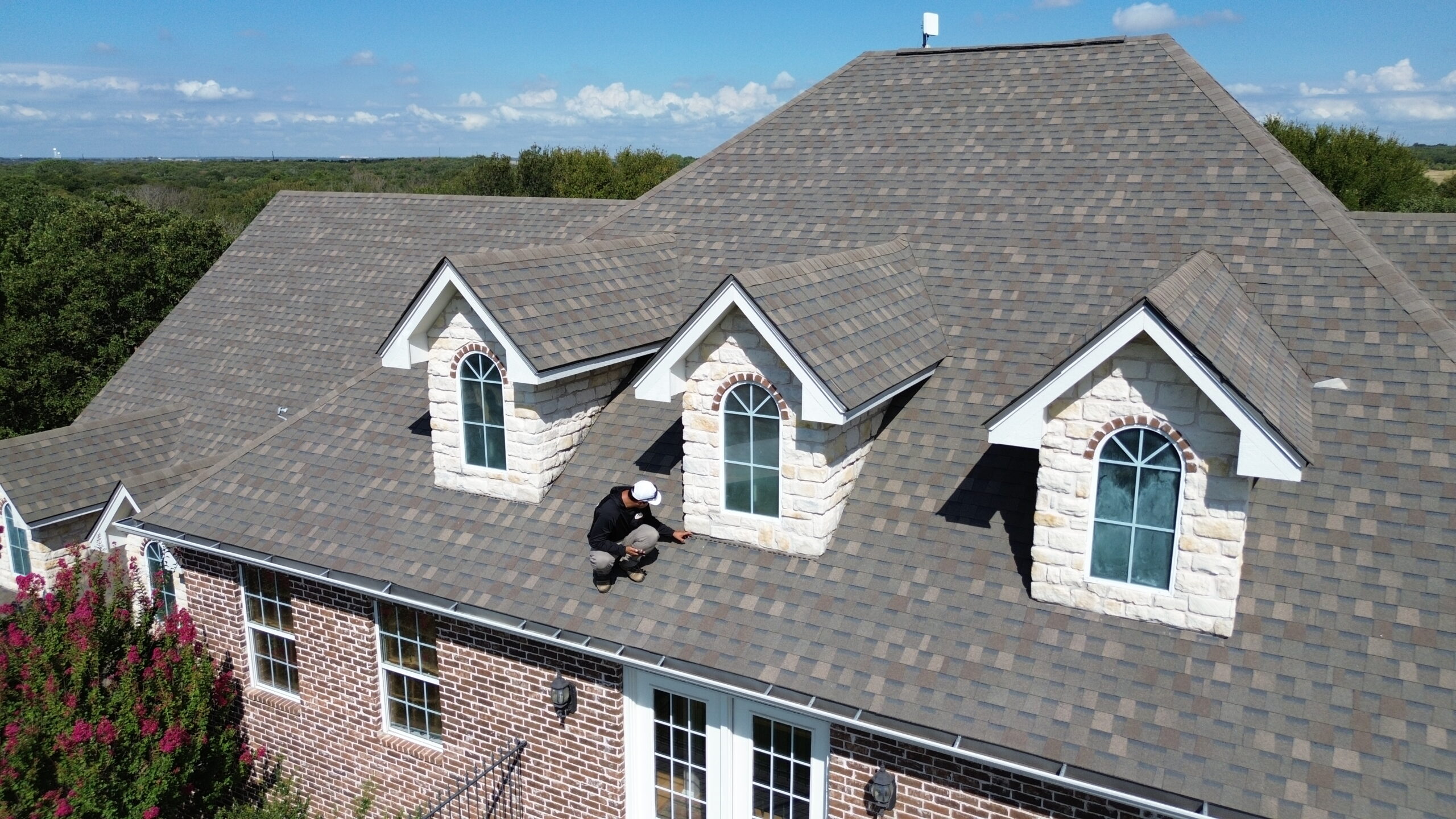
Preventing future repairs begins with selecting a contractor who views roof installation as a complete system rather than a short-term construction task. Homeowners should evaluate contractors based on experience, workmanship, communication, project management, materials, and quality control rather than choosing solely on the lowest estimate.
Experience with the selected roofing material is particularly important. A contractor should understand the installation requirements of the product and have experience handling similar roof designs and property conditions. This can help reduce mistakes caused by unfamiliarity with specialized materials.
Credentials and insurance should also be verified before work begins. Appropriate licensing, insurance coverage, and relevant certifications can provide useful evidence that the contractor operates professionally. These documents should be considered alongside references and examples of previous work.
The written contract should clearly describe the scope of work, materials, payment terms, warranty information, expected schedule, and procedures for unexpected repairs. Clear documentation reduces misunderstandings and gives homeowners a better understanding of what the contractor is responsible for completing.
Communication is another important indicator of long-term focus. A reliable contractor should explain problems, answer questions, communicate schedule changes, and provide appropriate documentation rather than disappearing once the contract is signed.
Homeowners should also ask how the contractor performs quality control. Questions about inspections, supervision, flashing, ventilation, roof deck preparation, cleanup, and final review can reveal whether the company has a structured installation process.
A contractor focused on long-term results understands that reputation depends on more than completing a project quickly. The company must produce work that performs properly, communicate responsibly, and remain accountable when legitimate concerns arise.
Selecting such a contractor can make the initial installation more valuable because the homeowner is investing not only in roofing materials but also in the workmanship that determines how those materials function.
Conclusion
Preventing future roof repairs begins with decisions made before installation starts. A properly planned and professionally installed roofing system can reduce many problems associated with poor preparation, incorrect materials, inadequate flashing, improper fastening, drainage issues, and ventilation deficiencies.
The process begins with a thorough roof assessment. Understanding the condition of the existing structure, identifying hidden risks, measuring the roof accurately, and planning around the property’s specific characteristics gives the contractor a stronger foundation for successful installation.
Material selection also matters. Roofing products should be appropriate for the property and installed with compatible underlayment, flashing, fasteners, ventilation components, and other supporting materials. A complete roofing system is more dependable when all of its components are selected and installed to work together.
Workmanship remains one of the most important factors. Proper fastening, alignment, flashing, water protection, ventilation, drainage, and finishing details can help reduce the risk of problems that may otherwise require repairs later.
Quality control provides another layer of protection. Stage-by-stage inspections and a detailed final review allow contractors to identify and correct problems before they become hidden or affect other parts of the roof.
Homeowners also have an ongoing role after installation. Keeping gutters clear, managing nearby vegetation, avoiding unnecessary roof traffic, monitoring for warning signs, arranging professional inspections, and addressing minor concerns promptly can help preserve the roof’s condition.
Ultimately, proper roof installation should be viewed as a long-term investment rather than simply a construction expense. Choosing an experienced contractor, using suitable materials, following appropriate installation practices, and maintaining the finished system can help reduce preventable repairs and support reliable roof performance for years to come.