

Common Maintenance Needs After Roof Installation Completion
Introduction
Installing a new roof is a major investment that can provide a property with improved protection, appearance, and long-term performance. However, completing the installation does not mean the roof can be ignored for the rest of its service life. Even a professionally installed roofing system requires routine maintenance to keep its components in good condition and identify developing problems before they become expensive repairs.
Post-installation maintenance is generally less demanding than maintaining an aging roof, but it still plays an important role in preserving the condition of roofing materials. Regular inspections, clean drainage systems, proper ventilation, controlled vegetation, and timely repairs can help prevent minor concerns from developing into larger issues.
A new roof consists of more than the visible shingles, panels, or tiles. It may include underlayment, flashing, ventilation components, edge materials, fasteners, sealants, and drainage features that all work together to protect the building. Maintenance should therefore consider the complete roofing system rather than focusing only on visible surface damage.
Homeowners should also understand the difference between routine maintenance and repairs. Maintenance involves preventive actions that help keep the roof functioning properly, while repairs address existing damage or failures. Keeping up with simple maintenance can reduce the frequency and severity of repairs and help homeowners get greater value from their roofing investment.
Routine Roof Inspections
Routine inspections are one of the most important maintenance needs after a new roof has been installed. An inspection provides an opportunity to identify changes in the roofing system before they develop into significant problems. Even when a roof appears normal from the ground, small issues may be present around flashing, drainage areas, penetrations, or less visible sections.
Homeowners can perform basic visual checks from safe ground-level locations. They may look for missing or displaced roofing materials, visible debris, damaged flashing, sagging areas, clogged gutters, or other obvious changes. These checks do not replace a professional inspection, but they can help homeowners notice conditions that deserve further attention.
Professional inspections can provide a more detailed assessment. A qualified roofing contractor can evaluate areas that may be difficult or unsafe for homeowners to access and can identify signs of deterioration that are not always visible from the ground. The timing of professional inspections may depend on the roof’s material, age, local weather conditions, and manufacturer’s recommendations.
After severe weather, an additional inspection may be useful even when there are no obvious signs of damage. Strong winds, hail, heavy rain, and falling branches can affect roofing materials in ways that are difficult to see from the ground. Prompt evaluation can help identify problems while they are still relatively minor.
Routine inspections should focus on the condition of the entire roofing system. Important areas include roofing materials, flashing, roof edges, valleys, penetrations, gutters, downspouts, and ventilation components. If the attic is safely accessible, signs such as moisture, staining, unusual odors, or excessive condensation may also provide useful information about potential roofing or ventilation concerns.
Homeowners should avoid climbing onto the roof simply to perform routine checks. Walking on roofing materials can cause damage, particularly when the roof is wet, steep, or made from materials that are not designed for frequent foot traffic. Professional contractors have the appropriate experience and equipment to inspect difficult areas more safely.
Keeping a record of inspections can also make maintenance easier to manage. Homeowners can document the date of each inspection, observations, repairs, and recommendations. Over time, these records can help identify recurring problems and provide useful information if warranty questions arise.
Keeping Gutters and Drainage Systems Clear
Proper drainage is essential for maintaining a newly installed roof. Rainwater needs to move away from the roof surface and building efficiently, and gutters and downspouts play an important role in directing water away from vulnerable areas. When drainage systems become clogged, water can accumulate along roof edges or overflow onto exterior walls and surrounding property.
Leaves, twigs, dirt, and other debris are common causes of gutter blockages. Even a new roof can experience drainage problems if nearby trees regularly drop material onto the property. Homeowners should check gutters periodically and remove accumulated debris using safe methods or arrange for professional cleaning when access is difficult.
Downspouts should also be checked because a clean gutter cannot function properly if the downspout is blocked. Water should be able to flow through the entire drainage system without backing up or overflowing. Downspout outlets should direct water away from the building rather than allowing it to collect near the foundation.
Roof valleys deserve particular attention because they concentrate water from multiple roof surfaces. Debris can collect in these areas and interfere with normal water flow. Homeowners should monitor valleys from a safe location and have a professional evaluate any persistent accumulation or drainage concern.
Standing water is another condition that should not be ignored. Depending on the roofing system and roof design, persistent ponding may indicate drainage problems or other underlying concerns. A professional contractor can determine why water is remaining in an area and recommend an appropriate solution.
Keeping drainage systems clear can also help protect other roofing components. Water that repeatedly overflows or moves through unintended paths can affect fascia, soffits, exterior walls, flashing, and other building components. Preventive gutter maintenance therefore supports the condition of the roof as well as the surrounding structure.
Maintenance schedules may vary depending on the property’s environment. Homes surrounded by mature trees may require more frequent gutter cleaning than properties with little vegetation nearby. Heavy seasonal storms can also increase the amount of debris entering drainage systems, making additional checks useful.
Homeowners should also pay attention to gutters that pull away from the roofline, develop visible corrosion, or appear uneven. These conditions may affect drainage and should be evaluated before they lead to more significant water management problems.
Checking Roofing Materials and Flashing
The visible roofing material should be checked regularly for signs of damage or deterioration. Although new roofing products are designed to provide long-term protection, they can still be affected by severe weather, falling branches, improper foot traffic, nearby construction, or other conditions after installation.
For shingle roofs, homeowners may look for missing, cracked, curled, lifted, or visibly damaged shingles from a safe location. Metal roofing should be checked for obvious dents, displaced panels, damaged coatings, or loose components. Tile and other materials can also develop cracks or movement that may require professional evaluation.
Small changes should not automatically be treated as major failures, but they should not be ignored either. A displaced roofing component can expose an area to weather and potentially allow water to reach underlying layers. Addressing minor concerns promptly can help prevent additional damage.
Flashing deserves particular attention because it protects transitions where the roof meets other structures or penetrations. Flashing may be present around chimneys, skylights, vents, walls, valleys, and roof edges. Damage, displacement, corrosion, or deteriorated sealants around these areas can create potential paths for water intrusion.
Homeowners may notice water stains or damp areas inside the building before they see an obvious exterior problem. Stains on ceilings or walls, peeling paint, musty odors, or moisture around attic areas can indicate that water is entering somewhere in the roofing system. These signs should be evaluated promptly rather than covered with cosmetic repairs.
Sealants around certain roofing details may deteriorate over time because they are exposed to sunlight, temperature changes, moisture, and other outdoor conditions. However, homeowners should avoid applying random sealants or attempting repairs without understanding the roofing system. Using an incompatible product can create additional problems or interfere with proper drainage.
It is also important to consider the effect of outside activities on the roof. Satellite equipment, solar installations, antennas, holiday decorations, and other additions can involve roof penetrations or foot traffic. Any work performed on or around a new roof should be handled carefully so that roofing materials and flashing are not damaged.
Manufacturer maintenance recommendations should be followed whenever available. Different roofing materials can have different inspection and maintenance requirements, and following those recommendations can help preserve performance and applicable warranty coverage.
A professional contractor should be contacted when homeowners notice significant material movement, repeated leaks, damaged flashing, or other conditions they cannot safely evaluate themselves. Early professional attention can help determine whether the issue is minor or requires more extensive repair.
Maintaining Roof Ventilation
Roof ventilation is another important maintenance consideration after installation. A properly designed ventilation system helps manage heat and moisture in the attic and can support the performance of the roofing system. Ventilation components can include ridge vents, soffit vents, intake vents, exhaust vents, or other systems depending on the building’s design.
Homeowners should make sure ventilation openings are not blocked by leaves, insulation, nesting materials, or other debris. Blocked vents can interfere with airflow and may contribute to excessive heat or moisture in the attic. Regular observation can help identify obvious obstructions before they become persistent problems.
Attic conditions can provide useful clues about ventilation performance. Excessive condensation, moisture, unusual dampness, or visible staining may indicate that the attic environment needs further evaluation. These signs can have several possible causes, so homeowners should avoid assuming that ventilation is the only explanation.
Roof vents themselves should also be inspected for visible damage. Strong winds, falling branches, or other events can affect vent covers and surrounding roofing materials. Any damaged component should be evaluated to determine whether repair or replacement is necessary.
Homeowners should also avoid making ventilation changes without professional advice. Adding or blocking vents without considering the overall airflow design can create an unbalanced system. A roofing professional can evaluate the existing arrangement and determine whether changes are appropriate.
Proper ventilation maintenance is especially important when the roof includes components that depend on airflow through the attic. A new roof may perform well at installation, but blocked intake or exhaust areas can gradually reduce the effectiveness of the ventilation system.
Maintenance should also consider changes made elsewhere in the building. Insulation work, attic remodeling, new exhaust fans, or other modifications can affect airflow. Homeowners planning these changes should consider how they interact with the existing roofing and ventilation system.
Managing Trees and Vegetation Around the Roof
Trees can add beauty and shade to a property, but vegetation near the roof can also create maintenance challenges. Overhanging branches may rub against roofing materials, drop leaves and twigs onto the roof, and provide pathways for moisture to remain near the surface. Managing nearby vegetation can therefore reduce several avoidable maintenance concerns.
Branches that repeatedly contact the roof can damage roofing materials over time. Movement caused by wind may create friction against shingles, metal panels, or other surfaces. Larger branches can also fall during storms and cause direct impact damage.
Tree maintenance can reduce these risks. Homeowners should consider having overhanging or hazardous branches trimmed by qualified professionals, particularly when branches are close to power lines or difficult-to-access areas. Tree work should be performed carefully so that trimming activities do not damage the newly installed roof.
Leaves and organic debris can also accumulate on roofing surfaces, especially beneath nearby trees. Moisture can remain trapped beneath this material, potentially contributing to deterioration or encouraging unwanted biological growth. Regular removal of accumulated debris can help keep the roof surface cleaner.
Vegetation can also affect gutters and downspouts. Leaves may quickly fill drainage systems during certain seasons, increasing the need for maintenance. Homes with large trees near the roof may therefore require more frequent gutter checks than properties with minimal vegetation.
Moss, algae, or other growth may appear on some roofing surfaces depending on local moisture and environmental conditions. Homeowners should avoid aggressive cleaning methods that could damage the roofing material. If biological growth becomes persistent, a roofing professional can recommend an appropriate cleaning or treatment approach.
Trees should also be monitored after storms. Broken branches can remain suspended above the roof or fall later, creating an ongoing hazard. After severe weather, homeowners should inspect the property from a safe location and arrange for professional assistance when damaged trees or branches create access or safety concerns.
Maintaining vegetation around the roof is ultimately part of preventive roofing care. Keeping branches properly managed, reducing debris accumulation, and monitoring nearby trees can help protect the roofing system from avoidable damage while also supporting better drainage and easier inspections.
With routine inspections, clear drainage systems, properly maintained roofing components, effective ventilation, and controlled vegetation, homeowners can address many common maintenance needs before they become major concerns. These practices create the foundation for longer-term roof care, while additional attention after storms, during seasonal changes, and when minor problems appear can further protect the newly installed roofing system.
Cleaning and Preventing Debris Accumulation
Keeping the roof and surrounding drainage areas free from unnecessary debris is an important part of post-installation maintenance. Leaves, branches, dirt, pine needles, and other materials can collect on roofing surfaces, particularly around valleys, roof edges, vents, and areas beneath nearby trees. When debris remains in place for extended periods, it can hold moisture against roofing materials and interfere with normal water drainage.
Homeowners should inspect the roof from a safe location after windy conditions or seasonal changes. Large branches and heavy debris should not be left on the roof because they can damage the roofing surface or block water from flowing toward the drainage system. If debris is located in an area that cannot be safely reached from the ground, a professional should handle its removal.
Gutters and roof valleys often require particular attention because they naturally collect material carried by rain and wind. A buildup in these areas can prevent water from flowing as intended and may cause overflow during heavy rainfall. Keeping these locations clear supports the overall drainage system and reduces unnecessary stress on roof edges and adjacent exterior components.
Cleaning methods should also be appropriate for the roofing material. Aggressive brushing, scraping, pressure washing, or harsh chemicals can damage some roofing products and remove protective surface treatments. Homeowners should follow the manufacturer’s recommendations or consult a roofing professional before using a cleaning method they are unfamiliar with.
Debris can also accumulate around rooftop equipment and penetrations. Vents, pipes, skylights, and other features may create areas where leaves and dirt become trapped. These locations should be checked during routine maintenance because blocked drainage around a penetration can contribute to moisture problems.
Regular cleaning is especially important for properties surrounded by mature trees. Seasonal leaf fall can quickly fill gutters and cover portions of the roof, making maintenance more frequent than it would be on a property with little surrounding vegetation. Establishing a routine based on the property’s actual conditions is more useful than following the same schedule for every home.
Professional cleaning may be appropriate when the roof is steep, difficult to access, or affected by substantial debris. Hiring someone with appropriate equipment can reduce the risk of homeowner injuries and prevent accidental damage caused by walking or working incorrectly on the roofing surface.
Inspecting After Severe Weather
A newly installed roof should still be inspected after significant weather events. New materials are designed to provide protection, but strong winds, hail, heavy rainfall, falling branches, and other severe conditions can cause damage even when a roof is relatively new. Prompt inspection can identify problems before they develop into leaks or more extensive deterioration.
Wind can affect roofing materials by lifting, shifting, or damaging components. Homeowners may notice missing shingles, displaced materials, damaged flashing, or loose exterior components after a major wind event. Some damage may be difficult to identify from ground level, particularly on steep or complex roofs.
Hail can create another type of concern. Depending on the roofing material and severity of the storm, impacts may leave visible marks, cracks, dents, or other changes. Homeowners should avoid assuming that a roof is unaffected simply because there is no immediate leak, as some storm damage may not become noticeable inside the building right away.
Heavy rain can also reveal drainage problems. If gutters overflow, water collects around roof edges, or water appears inside the attic or living areas, the condition should be investigated promptly. A new roof should not be expected to eliminate every possible drainage problem if the surrounding system has separate issues.
After a severe storm, homeowners can safely inspect the property from the ground. They can look for obvious missing materials, fallen branches, damaged gutters, visible debris, or signs of water intrusion. They should not climb onto the roof during or immediately after unsafe conditions.
If there is a reason to suspect roof damage, a qualified roofing professional can perform a more detailed inspection. The contractor can evaluate areas that are difficult to see from the ground and determine whether repairs are necessary.
Prompt attention is particularly important when severe weather has exposed the building to water. Temporary protective measures may sometimes be necessary until permanent repairs can be completed. Delaying an inspection because the roof was recently installed can allow a relatively small problem to become more serious.
Homeowners should also document visible storm damage when it is safe to do so. Photographs can provide useful records for maintenance files, contractor discussions, or applicable insurance processes. However, documentation should never require the homeowner to enter an unsafe area.
Addressing Minor Problems Before They Grow
One of the most effective maintenance habits after roof installation is addressing small problems promptly. A minor loose component, damaged flashing section, blocked drainage area, or small sign of moisture may be easier and less expensive to resolve than a larger problem that develops after months of neglect.
Small roofing issues can sometimes be difficult to notice because they do not immediately produce a visible leak. Water can travel through roofing layers and structural spaces before appearing as a stain on a ceiling or wall. This is why unusual moisture signs should be investigated rather than simply covered with paint or ignored.
Homeowners should pay attention to changes inside the building as well as outside. Ceiling stains, peeling paint, damp insulation, musty odors, or unexpected moisture in attic areas may indicate that water is entering somewhere in the building envelope. These signs do not automatically prove a roof failure, but they deserve professional evaluation.
Loose or displaced roofing materials should also be addressed promptly. A small opening or exposed area can allow weather to reach underlying components. Strong winds or additional rainfall may then increase the damage, turning a minor maintenance concern into a larger repair.
Flashing problems should receive similar attention. Flashing protects many of the most vulnerable transition points on a roof, and damage around chimneys, skylights, vents, or walls can provide a pathway for water. A professional contractor can determine whether a flashing issue requires adjustment, resealing, replacement, or another repair.
Homeowners should avoid performing improvised repairs with materials that are not designed for the roofing system. Applying random sealants, adhesives, or coatings may temporarily hide a problem while making professional repairs more difficult later. Some products can also interfere with drainage or damage roofing materials.
Keeping a simple maintenance record can help homeowners notice patterns. If the same area requires repeated attention, the underlying cause may need a more comprehensive evaluation. Tracking repairs also provides useful information for future inspections and maintenance planning.
Timely repairs are particularly valuable during the early years of a new roof because homeowners generally expect the system to perform properly. If a concern develops soon after installation, the contractor should be contacted to determine whether it is related to workmanship, materials, weather, or another condition.
Maintaining Roof Penetrations and Exterior Features
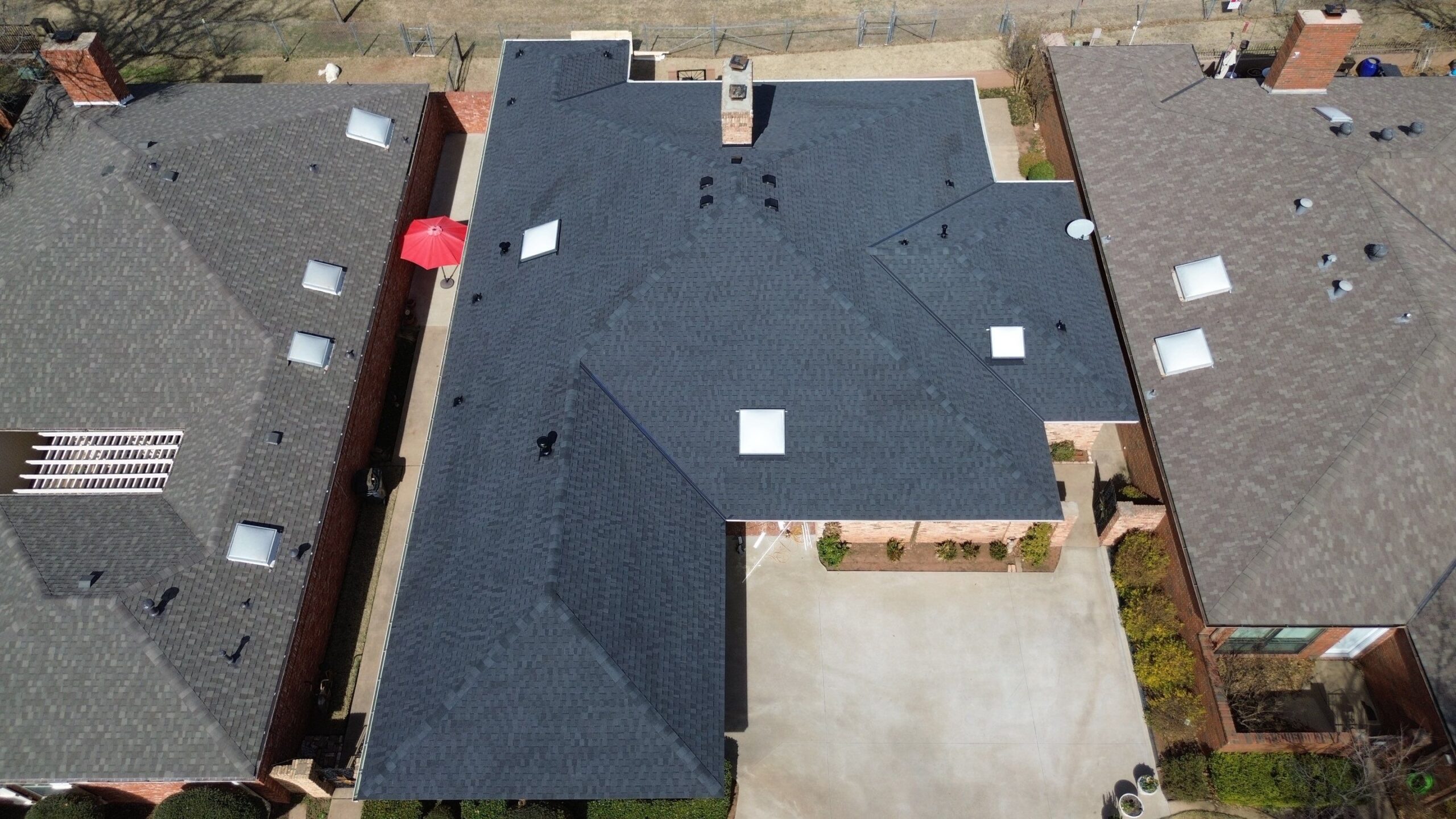
Roof penetrations are among the areas that require regular attention because they create transitions between the roofing surface and other structures. Chimneys, skylights, plumbing vents, exhaust vents, antennas, and other penetrations can all require flashing or sealing to prevent water from entering the building.
These areas should be visually monitored during routine inspections. Homeowners can look for obvious cracks, movement, damaged flashing, missing components, or signs of deterioration from a safe location. Any unusual change should be evaluated rather than ignored.
Skylights deserve particular attention because they combine glass or other transparent surfaces with roof-level flashing and surrounding materials. If water appears around a skylight, the cause may involve the flashing, surrounding roofing material, condensation, or another issue. A professional inspection can determine the source instead of relying on assumptions.
Chimneys can also require maintenance beyond the roofing material itself. Masonry joints, caps, flashing, and surrounding roof components may all affect water management. If a chimney develops cracks or other deterioration, addressing the masonry and roofing interface together can help prevent recurring moisture problems.
Plumbing and ventilation penetrations should be checked as part of regular roof maintenance. Rubber components, metal flashing, sealants, or other materials around these features may deteriorate over time due to weather exposure. Early identification can allow repairs before water reaches the underlying structure.
Homeowners should also be careful when installing or maintaining equipment on the roof. Satellite dishes, solar equipment, antennas, holiday decorations, and other additions can involve foot traffic or new penetrations. Any installation should be performed by qualified professionals who understand how to protect the roofing system.
After another contractor works on the roof, homeowners should consider having the affected area inspected if there is uncertainty about whether the roofing components were disturbed. A new installation can be damaged by later work if workers walk on unsuitable surfaces, move materials carelessly, or alter flashing without proper procedures.
Maintaining roof penetrations is therefore not only about checking the roofing materials. It involves monitoring the connections between the roof and other building features and making sure those transitions continue to direct water away from vulnerable areas.
Protecting the Roof From Improper Use
A newly installed roof can be damaged by activities that homeowners may not normally associate with maintenance. Unnecessary foot traffic, equipment placement, improper cleaning, and careless work by other contractors can all affect roofing materials.
Homeowners should avoid walking on the roof unless there is a genuine reason and appropriate safety arrangements are in place. Some roofing materials can be damaged by repeated foot traffic, and stepping on the wrong areas can affect shingles, tiles, flashing, or other components.
If another service provider needs access to the roof, homeowners should make sure the company understands that the roofing system is relatively new. Workers performing tasks such as solar installation, satellite equipment maintenance, chimney work, or exterior repairs should take appropriate precautions to prevent damage.
Heavy equipment and materials should not be placed on the roof without professional guidance. Concentrated loads can affect certain roofing surfaces or underlying components, particularly if materials are handled incorrectly. A qualified contractor can determine appropriate access and protection methods.
Homeowners should also avoid using the roof as a storage area. Outdoor equipment, construction materials, decorations, or other objects left on the roof can trap moisture, scratch surfaces, block drainage, or create impact risks during windy conditions.
Pressure washing can be another source of unnecessary damage. Although pressure washing may appear to provide a quick cleaning solution, the force of the water can affect some roofing materials and remove protective granules or finishes. Cleaning should always follow the material manufacturer’s recommendations.
Homeowners should also be careful when installing holiday decorations. Fastening decorations directly through roofing materials can create holes or compromise flashing and protective layers. Safer installation methods should be considered where decorations are necessary.
Protecting the roof from improper use is essentially an extension of routine maintenance. The goal is to preserve the condition created by the professional installation and avoid introducing damage through activities that could have been managed differently.
Keeping Maintenance and Warranty Records
Maintaining accurate records is a simple practice that can make post-installation roof care much easier. Homeowners should keep copies of the original installation agreement, material information, warranty documents, inspection reports, invoices, repair records, and photographs in an organized location.
Material information is particularly useful because homeowners may need to know the exact product installed when arranging future repairs. Different roofing products can have different maintenance requirements, so having the manufacturer’s information available can prevent guesswork.
Warranty records should also be kept carefully. If a potential warranty issue develops, homeowners may need documentation showing when the roof was installed, which contractor performed the work, and which materials were used. Keeping these records together can make the claims process easier if coverage applies.
Inspection records can help establish a maintenance history. Homeowners can record the date of each inspection, the condition observed, recommended repairs, and any work completed. Over time, this information can help contractors understand how the roofing system has performed.
Repair records should include details about the problem and the work performed whenever possible. If a flashing section was repaired or a damaged roofing component was replaced, recording the date and location can help identify recurring issues later.
Photographs can also be useful when documenting changes. Before-and-after images can show the condition of an area before a repair and after the work is completed. They may also provide useful evidence when discussing storm damage or maintenance concerns with a contractor.
Good record keeping does not require complicated software. A digital folder or organized physical file can be enough as long as the information is easy to locate. Homeowners should also keep copies of important documents even when contractors provide electronic records.
A well-maintained history gives homeowners greater control over the roof’s long-term care. It allows future contractors to understand what materials were installed, what repairs have already been performed, and whether certain areas have experienced recurring concerns.
By combining regular cleaning, storm inspections, timely minor repairs, penetration checks, careful roof use, and organized records, homeowners can protect a newly installed roofing system well beyond the installation date. These practices provide a strong foundation for seasonal maintenance and professional inspections that become increasingly important as the roof continues to age.
Seasonal Roof Maintenance
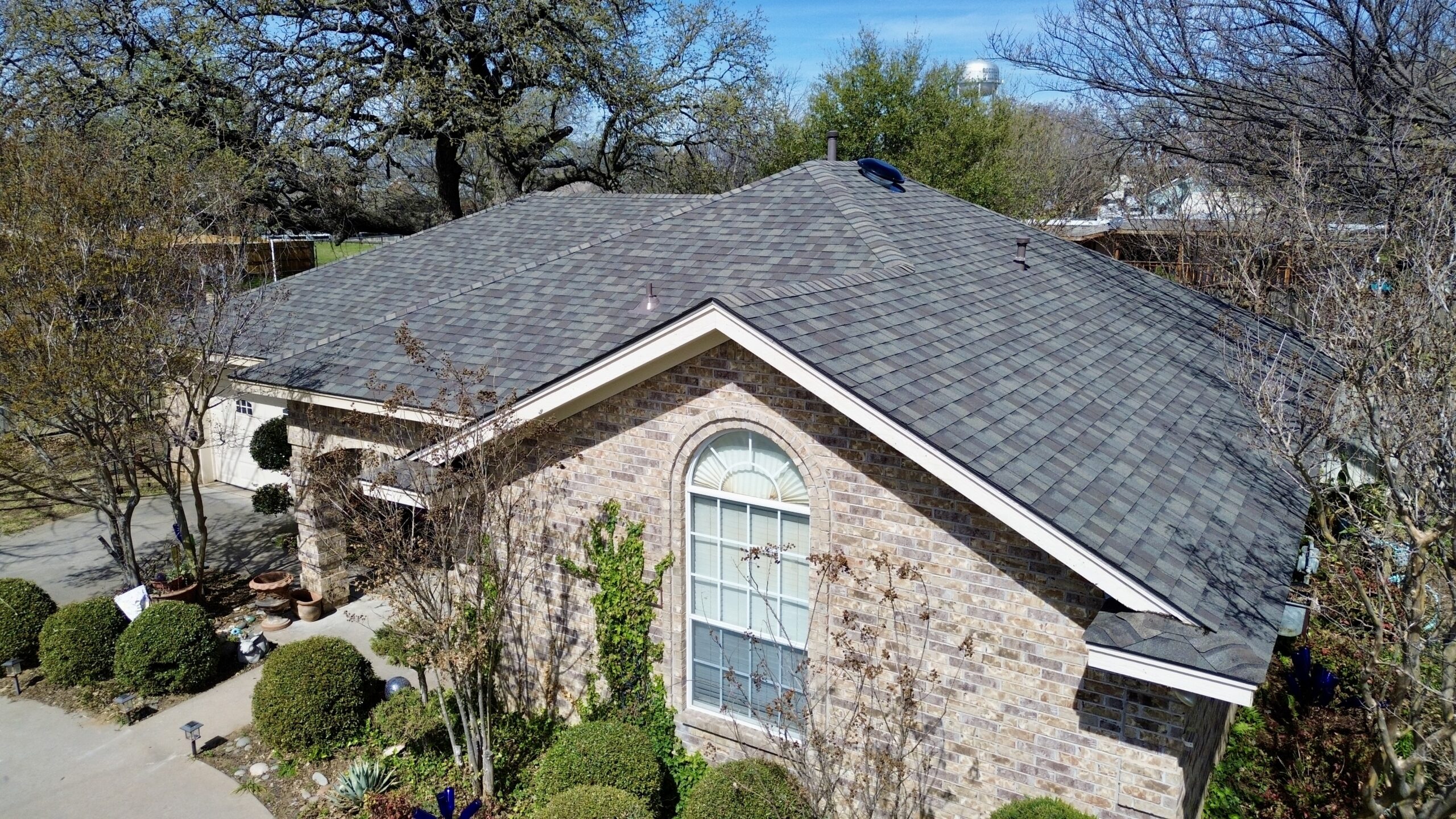
Seasonal changes can affect roofing systems in different ways, so homeowners should adjust their maintenance routine according to local weather conditions. A new roof may be designed to withstand normal exposure, but regular seasonal checks can help identify debris, drainage problems, vegetation growth, and weather-related damage before these concerns become more serious.
Before periods of heavy rainfall, homeowners should check gutters, downspouts, roof valleys, and other drainage areas. Clearing accumulated leaves and debris allows water to move away from the roof more effectively. It is also useful to check whether nearby trees have branches that could fall during strong winds or storms.
During hot weather, homeowners should pay attention to attic conditions and ventilation. Excessive heat or moisture may indicate that the ventilation system needs professional evaluation, particularly if there are signs of condensation or unusual dampness. Homeowners should avoid making ventilation changes themselves without understanding how the entire system is designed to work.
After periods of severe weather, the roof should be visually checked from a safe location. Missing or displaced roofing materials, damaged gutters, fallen branches, and visible debris can indicate that a professional inspection is needed. Prompt attention can help prevent storm-related damage from becoming more extensive.
Seasonal maintenance should also include surrounding vegetation. Trees can drop leaves, branches, and other debris onto the roof, while dense vegetation can increase moisture around the property. Regular trimming and responsible landscaping can reduce these risks and make routine roof maintenance easier.
The exact maintenance schedule will depend on the property’s environment and roofing material. A home surrounded by trees or exposed to frequent storms may require more frequent checks than a property in a relatively sheltered location. Following manufacturer recommendations and advice from a qualified roofing professional can help establish an appropriate routine.
When to Call a Professional Roofing Contractor
Not every roofing maintenance task should be handled by a homeowner. Basic ground-level observations and gutter maintenance may be manageable in some situations, but roofing systems can involve steep surfaces, concealed components, and safety hazards that require professional knowledge and equipment.
A professional contractor should be contacted when there are signs of persistent water intrusion. Repeated ceiling stains, attic moisture, damp insulation, or unexplained leaks can indicate a problem that needs to be properly located and repaired rather than temporarily covered.
Significant storm damage is another reason to arrange a professional inspection. Missing roofing materials, large impacts, damaged flashing, fallen branches, or visibly displaced components should be evaluated before the roof is exposed to additional weather.
Homeowners should also seek professional assistance when they notice structural concerns. Sagging roof areas, unusual movement, extensive deterioration, or other changes in the roof’s shape can indicate issues that require more than routine maintenance.
Difficult-to-access areas should not be inspected by homeowners simply to save the cost of a professional visit. Climbing onto a steep or unfamiliar roof can result in serious injury and may also damage roofing materials. Professional roofers have appropriate equipment and experience for inspecting these areas.
Repairs involving flashing, roofing materials, ventilation, or roof penetrations may also require specialized knowledge. Improper repairs can create new leaks or interfere with the roofing system’s original installation. When in doubt, professional evaluation is generally safer than experimenting with unfamiliar repair methods.
Calling a contractor does not always mean a major repair will be necessary. A professional inspection may determine that the problem is minor and can be addressed easily. Early evaluation can therefore provide reassurance while reducing the risk of allowing a small concern to develop into a larger one.
How Proper Maintenance Extends Roof Life
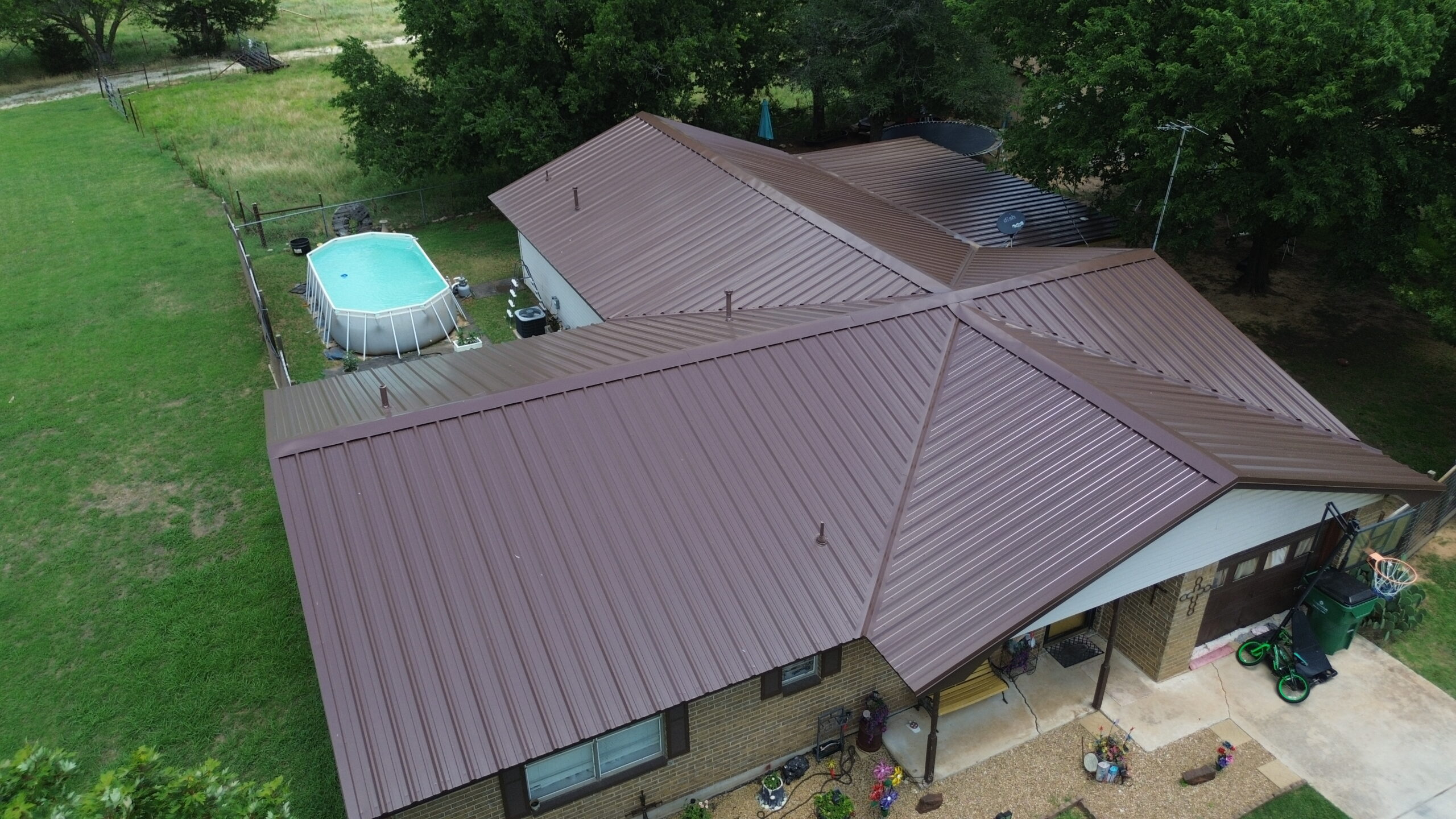
The main purpose of post-installation maintenance is to preserve the condition and performance of the roofing system for as long as reasonably possible. A new roof represents a significant investment, and preventive care can help homeowners get greater value from that investment.
Regular inspections can identify small changes before they affect larger portions of the roofing system. A damaged flashing component, blocked drainage area, or displaced roofing material may be relatively simple to address when discovered early. If ignored, the same issue could allow water to reach underlayment, decking, insulation, or interior areas.
Proper drainage is particularly important for long-term roof performance. Water should move away from the roofing surface and building without unnecessary obstruction. Keeping gutters, downspouts, valleys, and drainage pathways clear can reduce prolonged moisture exposure.
Ventilation also contributes to the overall condition of the roofing system. When attic heat and moisture are properly managed, the surrounding components can operate under more suitable conditions. Maintaining vents and addressing signs of excessive moisture can therefore support the performance of both the roof and the building interior.
Vegetation management provides another layer of protection. Trimming branches and preventing excessive debris accumulation reduces the possibility of impact damage, trapped moisture, and blocked drainage. These simple preventive measures can reduce avoidable stress on roofing materials.
Maintenance can also help control repair costs. Routine inspections and minor repairs generally require less disruption than extensive restoration after prolonged water intrusion or structural deterioration. Homeowners should therefore think of maintenance as an investment in prevention rather than an unnecessary expense.
Proper maintenance does not guarantee that a roof will never experience damage. Severe weather, unexpected impacts, material deterioration, and other conditions can still occur. However, a consistent maintenance routine gives homeowners a better opportunity to identify problems early and protect the roofing system from avoidable deterioration.
Common Post-Installation Maintenance Mistakes
One of the most common mistakes homeowners make after installing a new roof is assuming that maintenance is unnecessary for several years. A new roofing system may provide strong protection, but it remains exposed to weather, debris, vegetation, and other conditions from the moment installation is completed.
Ignoring small leaks is another serious mistake. A minor water stain may seem unimportant when the roof is new, but it can indicate an issue that needs investigation. Delaying the inspection may allow moisture to affect underlying materials and create a more expensive problem.
Neglecting gutters and drainage systems can also create unnecessary risks. A new roof cannot perform properly if water is consistently blocked from reaching the intended drainage paths. Homeowners should establish a routine for checking gutters and downspouts, particularly after periods of heavy rainfall or seasonal leaf accumulation.
Improper cleaning methods can damage roofing materials. Pressure washing, harsh chemicals, aggressive scraping, or unsuitable tools may remove protective surfaces or weaken components. Homeowners should follow manufacturer guidance and use qualified professionals when cleaning requirements are beyond safe ground-level maintenance.
Unnecessary roof access is another common mistake. Walking across the roof to retrieve an item, install decorations, inspect a problem, or perform a task without proper knowledge can damage roofing materials and create safety risks. Roof access should be limited to necessary work performed using appropriate precautions.
Homeowners should also avoid making unplanned alterations to a newly installed roof. Installing equipment, drilling into roofing materials, moving components, or changing ventilation without professional advice can compromise the system. Any future modifications should be coordinated with professionals who understand the existing installation.
Finally, homeowners should not assume that every visible change requires an immediate major repair. The best approach is to have questionable conditions evaluated so the actual cause can be identified. Professional diagnosis is generally more useful than either ignoring a problem or attempting an unnecessary repair.
Creating a Practical Roof Maintenance Routine
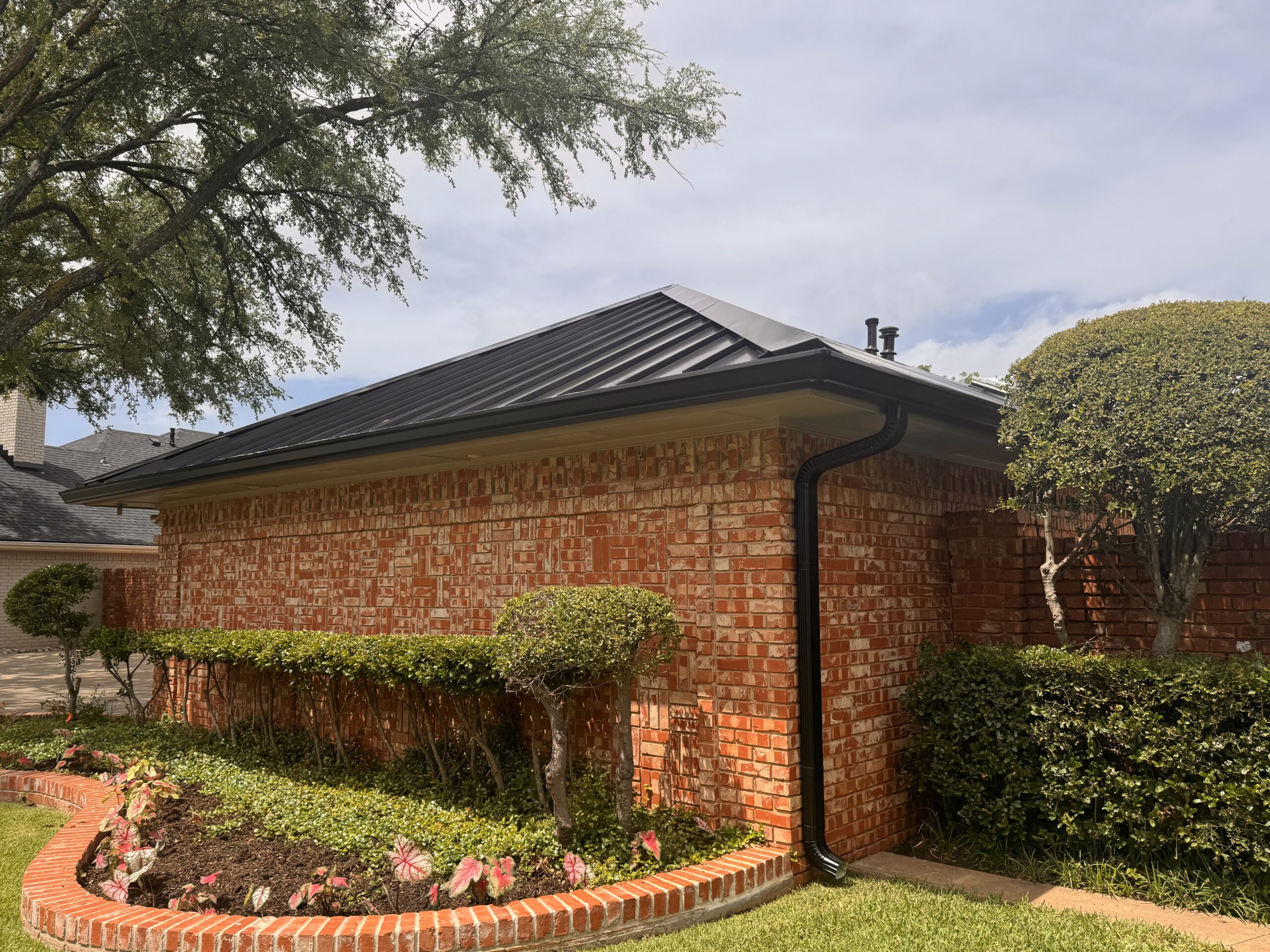
A practical maintenance routine does not need to be complicated. The most important goal is consistency so that homeowners regularly notice changes in the roof and surrounding drainage system rather than waiting until a serious problem develops.
Homeowners can begin with periodic ground-level visual checks. These checks can focus on obvious changes such as missing roofing materials, damaged gutters, fallen branches, excessive debris, visible flashing concerns, or signs of water intrusion. They should be performed from safe locations without unnecessary roof access.
Gutter and downspout maintenance should be included as a regular task. The frequency will depend on the surrounding trees, weather, and amount of debris entering the drainage system. Additional checks may be useful before and after periods of heavy rainfall.
Severe weather should trigger an additional inspection. After strong winds, hail, heavy rain, or falling branches, homeowners can look for visible damage and arrange for a professional assessment if anything appears unusual. Prompt inspection is especially important when there are signs of interior moisture.
Professional inspections should be scheduled according to the roofing material, property conditions, manufacturer’s recommendations, and advice from the installation contractor. Maintaining a relationship with a qualified roofing professional can make it easier to arrange inspections or repairs when needed.
Record keeping should also become part of the routine. Homeowners can note inspection dates, maintenance activities, repairs, and recommendations in one location. Keeping these records alongside warranty and installation documents creates a useful history of the roofing system.
A simple routine might include:
| Maintenance Task | When to Consider It |
|---|---|
| Visual roof check | Regularly and after severe weather |
| Gutter and downspout cleaning | As debris accumulates and before heavy rain periods |
| Tree and branch inspection | Seasonally and after storms |
| Professional roof inspection | According to roof condition and professional recommendations |
| Leak or damage assessment | Promptly when signs appear |
| Warranty and maintenance record update | After inspections or completed repairs |
The exact schedule should be adapted to the property rather than followed mechanically. A home exposed to frequent storms or surrounded by trees may require more attention than a property with fewer environmental risks.
Conclusion
A newly installed roof provides an important layer of protection for a property, but its long-term performance depends partly on how well it is maintained after installation. Routine inspections, clear drainage, proper ventilation, controlled vegetation, careful cleaning, and timely repairs can help preserve the condition of the roofing system.
Homeowners should not wait for a major leak before paying attention to the roof. Small signs such as damaged materials, clogged gutters, displaced flashing, unusual moisture, or storm debris can provide early warnings that deserve investigation. Addressing these concerns promptly can reduce the chance of more extensive damage.
Seasonal maintenance is particularly useful because different weather conditions create different challenges. Preparing drainage systems before heavy rainfall, checking for storm damage, monitoring attic conditions during hot periods, and controlling nearby vegetation can all contribute to better roof care.
Homeowners should also recognize when professional assistance is necessary. Steep or difficult-to-access roofs, persistent leaks, structural concerns, significant storm damage, and repairs involving flashing or roof penetrations are better handled by qualified roofing professionals.
Keeping maintenance and warranty records provides another long-term benefit. Documentation can help homeowners track the condition of the roof, understand previous repairs, identify recurring concerns, and provide useful information if warranty questions arise.
Most importantly, routine maintenance should be viewed as a way of protecting the investment made during installation. A professionally installed roof provides the foundation for long-term protection, while responsible maintenance helps preserve that work and reduce avoidable deterioration.
A new roof should therefore be treated as the beginning of a maintenance plan rather than the end of one. With regular attention, appropriate professional inspections, and prompt action when problems appear, homeowners can help their roofing system continue performing effectively and protect the property for many years.