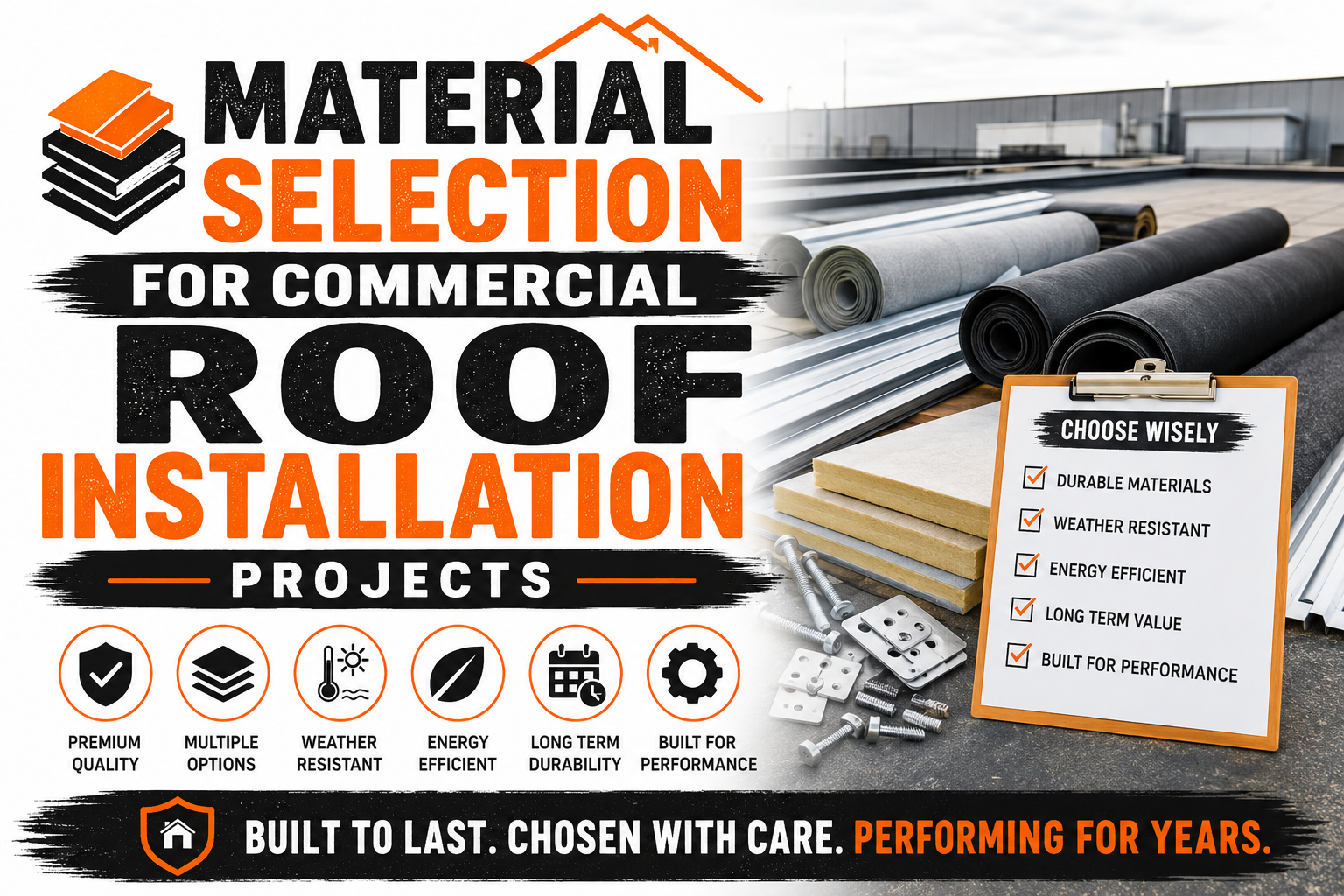
Material Selection for Commercial Roof Installation Projects
Introduction
Selecting the right roofing material is one of the most important decisions in any commercial roof installation project. While proper installation techniques and skilled workmanship are essential, the performance of the roof ultimately depends on whether the chosen material matches the building’s needs. A well-selected roofing system can provide decades of reliable protection, improve energy efficiency, reduce maintenance costs, and support the overall value of the property.
Commercial buildings differ significantly in their size, purpose, and operating conditions. An office building has different roofing requirements than a manufacturing facility, warehouse, hospital, or shopping center. Each structure faces unique environmental challenges, traffic levels, equipment loads, and operational demands that influence which roofing material will perform best over time.
Choosing roofing materials based only on the initial purchase price is a common mistake. A lower-cost material may require more frequent repairs, consume more energy, or need replacement sooner than a premium roofing system. On the other hand, investing in a material with excellent durability and lower maintenance requirements can reduce long-term ownership costs despite a higher installation expense.
Weather conditions also play a major role in material selection. Commercial roofs are exposed to sunlight, rain, snow, wind, hail, temperature fluctuations, and airborne debris throughout the year. Roofing materials must withstand these environmental conditions while maintaining their structural integrity and waterproof performance.
Energy efficiency has become another major consideration for commercial property owners. Many modern roofing materials are designed to reflect sunlight, reduce heat absorption, and improve insulation performance. These features help lower cooling costs while creating a more comfortable indoor environment for occupants.
Sustainability is influencing commercial roofing decisions as well. Businesses increasingly look for roofing systems that use recyclable materials, support environmentally responsible construction practices, and contribute to long-term energy conservation. Selecting environmentally friendly materials can also support green building certifications and corporate sustainability initiatives.
The decision-making process should involve more than simply comparing product brochures. Property owners, facility managers, architects, engineers, and roofing contractors should evaluate the building’s current condition, operational requirements, maintenance capabilities, and future expansion plans before selecting a roofing system.
This guide explores the factors that influence commercial roofing material selection and explains how different building requirements affect the decision-making process. Understanding these considerations helps property owners invest in roofing systems that provide dependable performance for many years while supporting both operational and financial goals.
Understanding Commercial Roofing Requirements
Before comparing roofing materials, it is essential to understand what a commercial roofing system is expected to accomplish. A roof serves as much more than a protective covering. It acts as a complete building envelope component that protects assets, supports energy efficiency, manages water drainage, and contributes to the overall structural performance of the property.
Every commercial building has unique operational requirements. These requirements determine which roofing materials are suitable and which may create unnecessary challenges during the roof’s service life. Choosing the correct material begins with understanding how the building functions on a daily basis.
Office buildings typically require roofing systems that provide excellent insulation and minimal maintenance. Since employees work indoors throughout the day, maintaining comfortable indoor temperatures becomes a priority. A roofing system that reflects heat while preventing water intrusion contributes to both employee comfort and energy savings.
Retail centers have different priorities because customer experience directly affects business performance. Roofing systems for these buildings should minimize maintenance disruptions while providing reliable weather protection. Unexpected roof leaks can interrupt operations, damage merchandise, and negatively affect customer satisfaction.
Warehouses often have large roof surfaces covering valuable inventory and equipment. Their roofing materials must withstand prolonged sun exposure, temperature changes, and occasional foot traffic from maintenance personnel. Durability and waterproof protection become primary considerations for these facilities.
Industrial buildings present even greater challenges. Manufacturing plants may generate heat, chemicals, moisture, or airborne particles that affect roofing materials differently than standard commercial environments. Selecting materials compatible with these conditions helps prevent premature deterioration.
Healthcare facilities require roofing systems that support uninterrupted operations. Hospitals, clinics, and laboratories cannot easily suspend services because of roofing work or unexpected repairs. Materials with long service lives and dependable waterproof performance help reduce maintenance interruptions.
Educational institutions also benefit from durable roofing systems because large maintenance projects are often scheduled during school holidays. Roofing materials selected for schools should offer reliable long-term performance while minimizing future repair requirements.
The location of the building significantly influences roofing requirements as well. A commercial property located in a coastal region experiences different environmental conditions than one located in an inland city. Salt exposure, humidity, high winds, heavy rainfall, or snowfall all affect material performance differently.
Building height can also influence roofing decisions. Taller buildings experience stronger wind forces than lower structures, making wind resistance an important factor when selecting roofing materials. Proper attachment systems become especially important in these situations.
Another consideration involves rooftop equipment. Many commercial roofs support HVAC systems, solar panels, communication equipment, ventilation units, and maintenance walkways. Roofing materials must tolerate both the weight and ongoing servicing of these installations without excessive wear.
Businesses should also consider future building modifications. Expansion projects, additional rooftop equipment, or energy upgrades may affect roofing compatibility later. Selecting a flexible roofing system today can simplify future improvements without requiring complete roof replacement.
Commercial roofing requirements continue evolving throughout the life of the building. Choosing a roofing material that accommodates changing operational needs provides greater long-term value than selecting a system based solely on current conditions.
Key Factors That Influence Material Selection
Choosing the appropriate commercial roofing material requires balancing numerous technical and financial considerations. No single roofing product performs best in every situation because each building presents its own combination of environmental, structural, and operational requirements.
One of the first factors to evaluate is the roof’s slope. Low-slope commercial roofs require materials specifically designed to manage standing water and slow drainage. Steeper roofs offer more material options because rainwater naturally drains more quickly from the surface.
The structural capacity of the building is equally important. Some roofing materials weigh considerably more than others, and older buildings may require structural evaluation before heavier systems are installed. Understanding load limitations prevents unnecessary stress on the building framework.
Budget naturally influences every commercial roofing decision. However, focusing only on installation costs can create expensive consequences later. Property owners should compare both initial expenses and long-term ownership costs before selecting a roofing system.
Lifecycle cost analysis provides a more accurate financial perspective. Instead of asking which roofing material costs less today, businesses should consider how much the roof will cost over twenty or thirty years. Maintenance expenses, repair frequency, energy savings, and replacement intervals all contribute to total ownership costs.
Expected service life also affects material selection. Some commercial roofing systems perform reliably for decades with routine maintenance, while others require replacement much sooner. Buildings intended for long-term ownership often benefit from investing in more durable roofing materials.
Maintenance requirements vary significantly among roofing systems. Some materials require regular inspections, resealing, or coating applications, while others demand relatively little attention after installation. Businesses with limited maintenance resources often prefer roofing systems with lower service requirements.
Energy performance has become increasingly important as utility costs continue rising. Reflective roofing materials reduce heat absorption during warm weather, decreasing cooling demands and lowering electricity consumption. Improved insulation can further enhance building efficiency throughout the year.
Weather exposure should always be evaluated carefully. Roofing materials respond differently to ultraviolet radiation, hail impact, strong winds, freezing temperatures, and heavy rainfall. Selecting materials that perform well under local climate conditions improves long-term reliability.
Fire resistance represents another important consideration, particularly for commercial buildings containing valuable equipment or inventory. Many roofing systems are designed to meet strict fire safety standards, providing additional protection for occupants and property.
Businesses should also evaluate how roofing materials perform under regular foot traffic. Commercial roofs frequently require maintenance access for HVAC servicing, inspections, and equipment repairs. Materials that tolerate occasional pedestrian activity reduce the risk of accidental damage.
Installation complexity affects both project duration and labor costs. Some roofing materials require specialized equipment or advanced installation techniques that influence contractor selection and scheduling. Simpler installation methods may reduce construction time but should never compromise long-term performance.
Property owners should consider the availability of qualified contractors before selecting specialized roofing materials. Choosing a roofing system that few local contractors install may increase future repair costs or make maintenance services more difficult to obtain.
Environmental impact is becoming an increasingly influential factor as sustainability goals expand across many industries. Recyclable materials, reduced energy consumption, and environmentally responsible manufacturing practices contribute to greener commercial construction projects.
Businesses evaluating roofing materials should carefully review several key considerations before making a final decision.
- Building type and intended use.
- Local climate and environmental conditions.
- Structural load capacity.
- Expected service life.
- Maintenance requirements.
- Energy efficiency goals.
- Long-term ownership costs.
Considering these factors together provides a more complete understanding of which roofing system offers the greatest overall value rather than simply the lowest purchase price.
Evaluating Performance Characteristics
Every commercial roofing material offers a unique combination of performance characteristics. Understanding these characteristics allows property owners to compare materials objectively while identifying the systems most suitable for their specific building.
Weather resistance is among the most important performance indicators. Commercial roofs face constant exposure to sunlight, rainfall, wind, snow, hail, and temperature fluctuations throughout their service life. Roofing materials must maintain their waterproof integrity despite years of environmental exposure.
Ultraviolet radiation gradually affects many roofing materials. Continuous sunlight can cause cracking, fading, shrinkage, or reduced flexibility if the roofing system lacks sufficient UV resistance. Materials specifically designed to resist ultraviolet degradation generally provide longer service lives in sunny climates.
Wind resistance becomes increasingly important in regions experiencing severe storms or hurricanes. Roofing systems must resist uplift forces that attempt to separate roofing materials from the building structure. Proper attachment methods and wind-rated materials improve roof stability during extreme weather events.
Water resistance extends beyond simply preventing leaks. Commercial roofing materials should effectively manage ponding water, maintain watertight seams, and protect insulation from moisture intrusion. Prolonged water exposure should not significantly reduce roofing performance or structural reliability.
Impact resistance is another valuable performance characteristic. Hailstorms, falling branches, maintenance equipment, and accidental impacts all place stress on commercial roofing materials. Products with greater impact resistance generally require fewer repairs following severe weather events.
Thermal performance influences both building comfort and energy consumption. Roofing materials that reflect solar heat while supporting effective insulation reduce temperature fluctuations inside the building. Improved thermal performance contributes to lower heating and cooling expenses throughout the year.
Moisture management also affects roofing durability. Roofing systems should prevent trapped moisture from accumulating beneath roofing layers because prolonged moisture exposure may reduce insulation performance and contribute to structural deterioration over time.
Chemical resistance becomes important for industrial buildings where roofing materials may encounter airborne pollutants, grease, oils, solvents, or manufacturing emissions. Selecting compatible materials helps prevent premature aging in these challenging environments.
Flexibility allows roofing materials to accommodate normal building movement caused by temperature changes, structural expansion, and contraction. Materials capable of adapting to these movements are generally less likely to develop cracks or seam failures.
Maintenance performance should also be evaluated carefully. Roofing systems that simplify inspections, repairs, and routine servicing reduce maintenance expenses throughout the roof’s lifespan. Easy access to repair materials and compatible replacement components further supports long-term reliability.
Manufacturers typically provide testing data that demonstrates how roofing materials perform under standardized conditions. Property owners should review these performance ratings while recognizing that actual results also depend on proper installation, routine maintenance, and environmental conditions.
Rather than focusing on a single performance feature, successful commercial roofing projects evaluate how multiple characteristics work together. A roofing system that combines durability, weather resistance, energy efficiency, and manageable maintenance requirements often provides the strongest long-term investment.
Preparing for Material Comparison
With a clear understanding of building requirements and roofing performance characteristics, property owners are ready to begin comparing specific commercial roofing materials. However, this comparison should be approached carefully because no roofing system is universally superior in every situation.
Each roofing material offers a unique balance of strengths and limitations. Some prioritize energy efficiency, while others emphasize durability, flexibility, impact resistance, or simplified maintenance. The most suitable choice depends on how these characteristics align with the building’s operational goals and environmental conditions.
Working with experienced roofing professionals throughout the evaluation process provides valuable technical insight. Contractors, architects, and roofing consultants can explain how different materials perform under local climate conditions, estimate lifecycle costs, and identify installation considerations that may not be immediately obvious from product specifications.
Property owners should also request manufacturer warranties and maintenance recommendations before making a final decision. Comparing warranty coverage alongside expected service life provides a clearer understanding of the long-term value offered by different roofing systems.
Ultimately, successful material selection is not about finding the most expensive or the least expensive roofing product. It is about identifying the roofing system that delivers the best combination of performance, reliability, maintenance requirements, energy efficiency, and long-term value for the specific commercial building.
After understanding the factors that influence commercial roofing material selection, the next step is evaluating the most widely used roofing systems available today. Each material has unique characteristics that make it suitable for specific building types, climates, and operational requirements. Rather than searching for a universally perfect roofing material, property owners should compare how each system performs against the needs of their commercial property.
Commercial roofing technology has advanced significantly over the years. Modern roofing materials are designed to improve durability, energy efficiency, weather resistance, and ease of maintenance while supporting increasingly demanding building requirements. Understanding the strengths and limitations of these systems helps businesses make informed decisions that deliver long-term value.
Single Ply Roofing Systems
Single ply roofing systems are among the most commonly installed commercial roofing solutions, especially on low-slope buildings. These systems use flexible membrane sheets that create a continuous waterproof barrier across the roof surface. Their relatively lightweight design, efficient installation, and reliable performance have made them popular for offices, warehouses, educational facilities, retail centers, and healthcare buildings.
Although all single ply systems share similar installation principles, different membrane materials offer varying performance characteristics.
TPO Roofing
Thermoplastic Polyolefin, commonly known as TPO, has become one of the fastest-growing commercial roofing materials. It combines durability, flexibility, and energy efficiency while remaining competitively priced compared to many alternative roofing systems.
One of TPO’s most recognized advantages is its reflective white surface, which helps reduce solar heat absorption. Buildings located in warmer climates often experience lower cooling costs because less heat enters the structure during hot weather. This energy-saving capability makes TPO an attractive option for businesses seeking improved operating efficiency.
TPO membranes also resist ultraviolet radiation, mold growth, dirt accumulation, and many common environmental contaminants. These properties contribute to consistent long-term performance while reducing routine maintenance requirements.
Installation generally involves mechanically fastening or fully adhering large membrane sheets before heat welding the seams together. Proper seam welding creates strong waterproof connections that contribute significantly to the roof’s durability.
Despite its many advantages, TPO performance depends heavily on installation quality. Poorly welded seams or improper attachment methods may reduce the roofing system’s effectiveness. Choosing experienced installers remains essential for maximizing long-term reliability.
PVC Roofing
Polyvinyl Chloride, or PVC roofing, has earned a strong reputation for exceptional durability and chemical resistance. It is frequently selected for restaurants, manufacturing facilities, laboratories, and industrial buildings where grease, oils, chemicals, or exhaust emissions could damage conventional roofing materials.
PVC membranes are highly resistant to moisture, fire, punctures, and many industrial contaminants. Their heat-welded seams create extremely strong waterproof joints that perform well under challenging environmental conditions.
Energy efficiency represents another major benefit of PVC roofing. Many PVC membranes feature reflective surfaces that reduce heat absorption, helping businesses decrease cooling expenses during warmer months.
PVC roofing generally costs more than some alternative membrane systems. However, its long lifespan and reduced maintenance needs often offset the higher initial investment, particularly for facilities operating in demanding environments.
The material also remains flexible throughout changing temperatures, allowing it to accommodate normal building movement without developing cracks or seam failures. This flexibility contributes to consistent waterproof performance over many years.
EPDM Roofing
Ethylene Propylene Diene Monomer, commonly called EPDM, has been used successfully in commercial roofing for decades. Often recognized by its black membrane appearance, EPDM remains one of the most trusted roofing systems for low-slope commercial buildings.
EPDM offers excellent resistance to weathering, ozone exposure, ultraviolet radiation, and temperature fluctuations. Its ability to withstand prolonged environmental exposure contributes to its reputation for dependable long-term performance.
The material remains highly flexible, even during cold weather, reducing the risk of cracking caused by seasonal expansion and contraction. This flexibility makes EPDM particularly suitable for regions experiencing significant temperature changes throughout the year.
Installation methods include fully adhered systems, mechanically attached membranes, and ballasted roofing assemblies depending on building design and project requirements.
One consideration with traditional black EPDM membranes is increased heat absorption compared to reflective roofing materials. While this characteristic may benefit colder climates by helping retain warmth, it can increase cooling demands in warmer regions. Reflective EPDM products are now available to address this concern.
Maintenance requirements for EPDM are generally straightforward, and repairs can often be completed efficiently when damage occurs. Many property owners appreciate the material’s predictable performance and long service history.
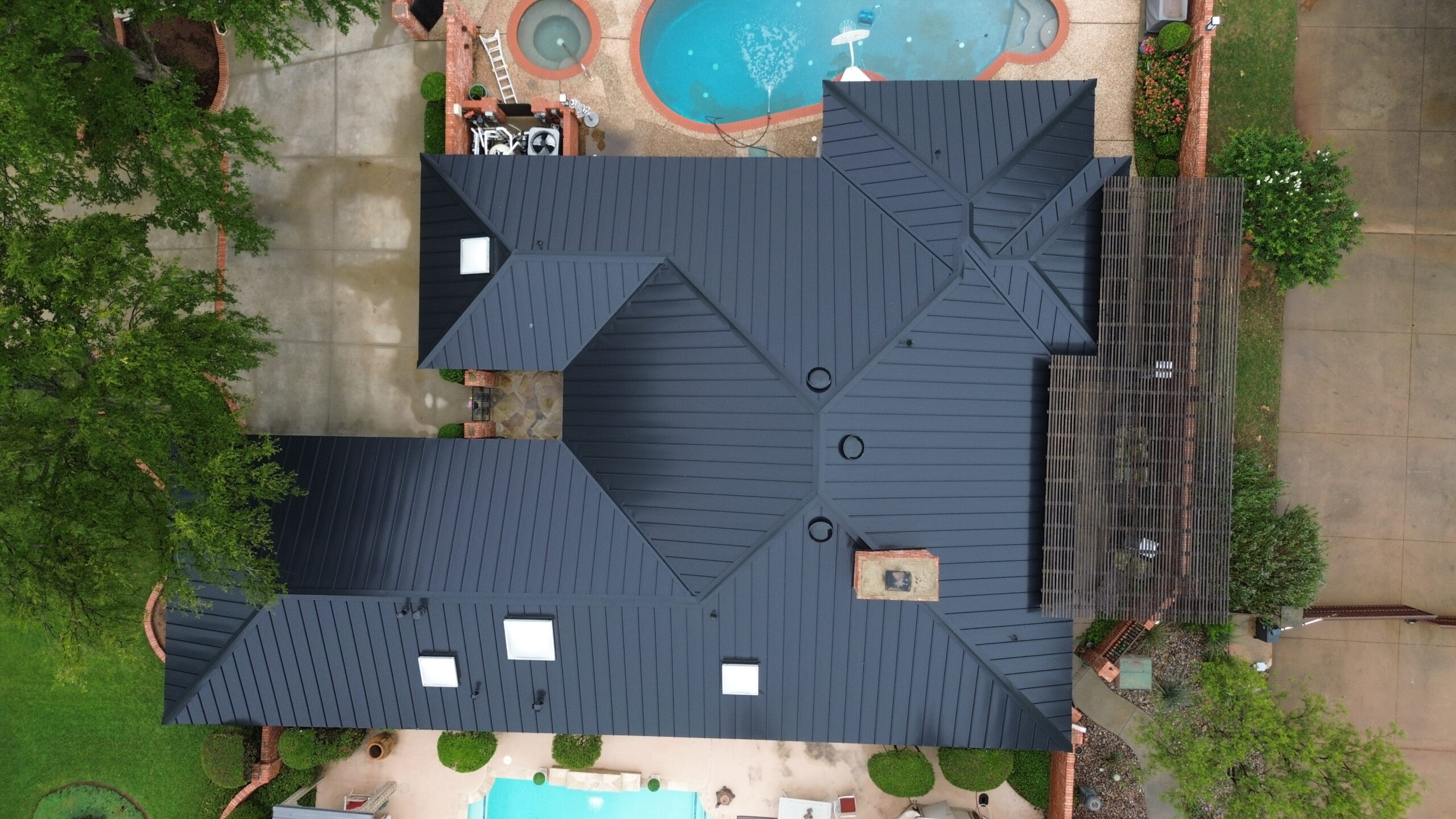
Advantages of Single Ply Roofing Systems
Single ply roofing systems have become popular because they combine multiple performance benefits that suit a wide variety of commercial applications.
Some of their key advantages include:
- Lightweight construction that reduces structural load.
- Efficient installation compared to many traditional roofing systems.
- Excellent waterproof protection.
- Strong energy efficiency options through reflective membranes.
- Flexible materials that accommodate normal building movement.
- Suitable for both new construction and roof replacement projects.
These characteristics make single ply membranes practical solutions for many commercial properties seeking balanced performance and manageable maintenance requirements.
Built Up Roofing Systems
Built Up Roofing, commonly known as BUR, represents one of the oldest and most established commercial roofing systems. Despite the development of many modern alternatives, BUR continues to serve numerous commercial buildings because of its durability and proven performance.
This roofing system consists of multiple alternating layers of reinforcing fabrics and bitumen that create a thick, continuous waterproof surface. The finished roof is often protected by a layer of gravel or mineral aggregate that shields the underlying materials from ultraviolet radiation and physical damage.
One of the greatest strengths of BUR systems is redundancy. Because several waterproof layers work together, isolated damage rarely results in immediate leaks. This layered construction provides dependable protection even if one section experiences localized wear.
BUR roofing performs particularly well on buildings requiring excellent waterproofing and long-term durability. It has been widely used on schools, government buildings, office complexes, and institutional facilities for many decades.
The multiple roofing layers also provide good resistance to foot traffic, making BUR suitable for buildings with rooftop mechanical equipment requiring regular maintenance access.
Installation generally requires more labor than many modern membrane systems because each roofing layer must be applied carefully before the next layer is installed. This longer installation process should be considered when developing project schedules.
The completed roofing assembly is heavier than many alternative systems, making structural evaluation important before installation on older buildings.
Routine maintenance helps preserve BUR performance over time. Regular inspections, gravel redistribution, and localized repairs allow these roofing systems to continue performing effectively throughout their service life.
Modified Bitumen Roofing
Modified bitumen roofing evolved from traditional built-up roofing while incorporating modern polymer technology to improve flexibility and durability. It combines asphalt with reinforcing modifiers that enhance resistance to weather, impact, and temperature changes.
This roofing system is available in rolls that are installed using heat welding, cold adhesives, self-adhesive backing, or mechanical fastening depending on project requirements.
One of modified bitumen’s major strengths is its flexibility. Unlike some older asphalt roofing materials, modified bitumen adapts more effectively to normal building movement caused by temperature fluctuations.
The reinforced membrane also provides excellent puncture resistance, making it suitable for buildings with moderate rooftop traffic. Maintenance personnel servicing HVAC equipment can access the roof with reduced concern about accidental membrane damage.
Modified bitumen performs well in regions experiencing varied weather conditions because it resists both high temperatures and freezing environments. Proper installation creates durable waterproof protection capable of lasting for many years with routine maintenance.
Repairs are generally straightforward because damaged sections can often be replaced without disturbing large portions of the surrounding roof.
Many commercial property owners appreciate modified bitumen because it offers a balance between traditional multilayer roofing durability and modern membrane flexibility.
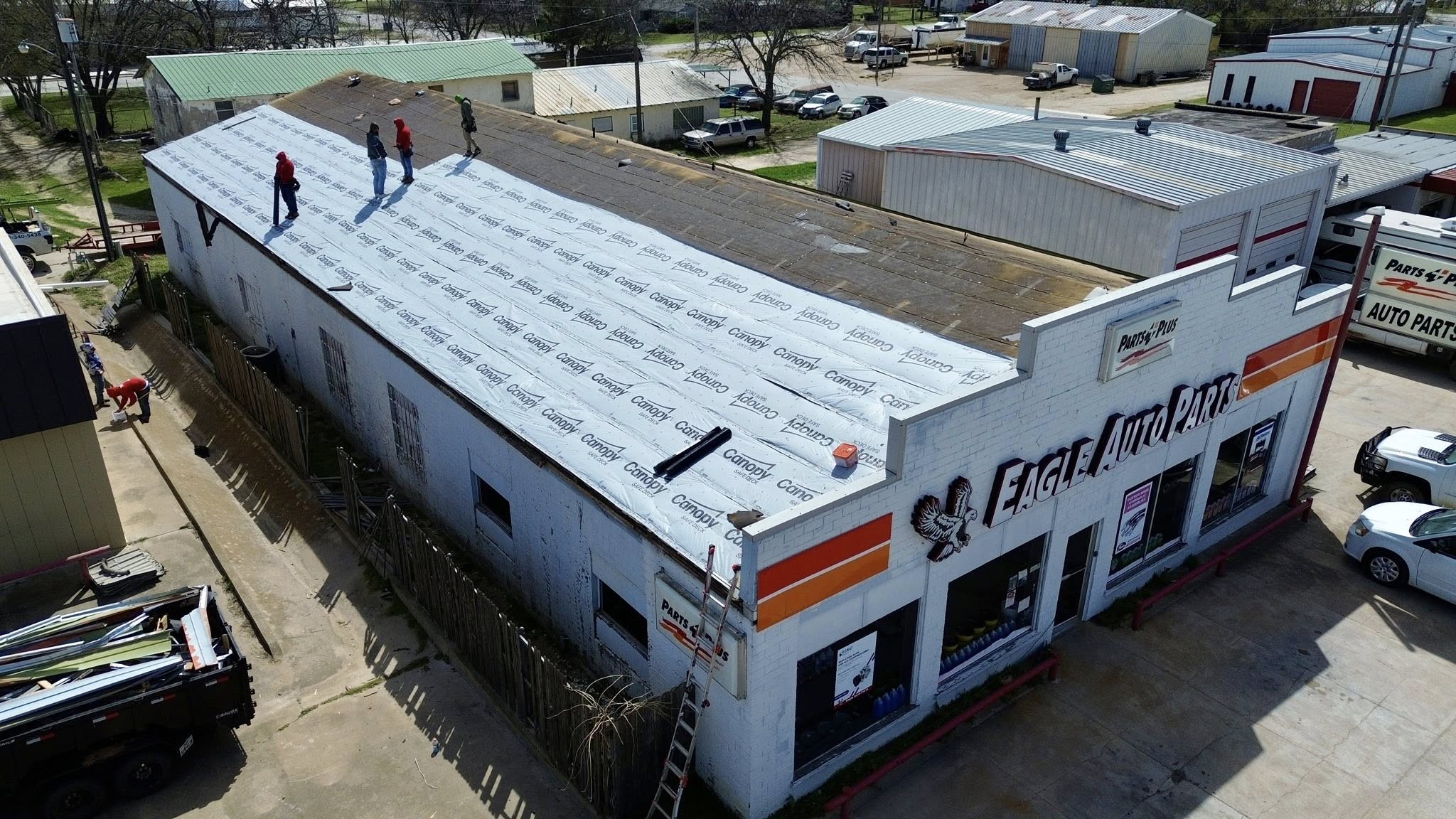
Metal Roofing Systems
Metal roofing has become increasingly popular in commercial construction because of its exceptional durability, long service life, and modern appearance. Although metal roofs are often associated with sloped commercial buildings, they are also suitable for numerous industrial and institutional applications.
Several different metals are commonly used for commercial roofing, each offering unique advantages.
Steel roofing provides excellent structural strength while remaining relatively economical. Protective coatings help resist corrosion and extend service life even under challenging weather conditions.
Aluminum roofing offers outstanding corrosion resistance, making it particularly suitable for coastal environments where salt exposure accelerates deterioration of many other materials.
Copper roofing is recognized for its distinctive appearance and remarkable longevity. Although it carries a higher initial cost, copper can remain functional for many decades while developing its characteristic protective patina.
Zinc roofing also offers exceptional durability while requiring minimal maintenance throughout its lifespan. Its natural weathering characteristics allow minor surface scratches to heal gradually through protective oxidation.
Metal roofing systems perform exceptionally well under high wind conditions because properly installed panels create strong structural connections. Many systems also provide excellent fire resistance, contributing additional building protection.
Reflective coatings improve metal roofing energy efficiency by reducing heat absorption during sunny weather. These coatings help maintain comfortable indoor temperatures while reducing cooling costs.
One consideration with metal roofing involves thermal movement. Metal expands and contracts as temperatures change, making properly designed fastening systems essential for maintaining long-term performance.
Noise is another factor occasionally discussed with metal roofing. Modern insulation systems and roof assemblies significantly reduce sound transmission, making properly installed commercial metal roofs much quieter than commonly assumed.
Although installation requires skilled contractors with specialized experience, metal roofing frequently delivers one of the longest service lives among commercial roofing systems.
Green Roofing and Specialized Roofing Systems
Commercial roofing continues evolving beyond traditional waterproof membranes. Specialized roofing systems now address sustainability, environmental performance, and advanced building efficiency goals.
Green roofs, sometimes called vegetative roofs, incorporate living plants above specially designed waterproof roofing assemblies. These systems improve stormwater management, reduce urban heat island effects, and provide additional insulation for commercial buildings.
A properly designed green roof includes multiple layers, including waterproof membranes, root barriers, drainage systems, growing media, and carefully selected vegetation. Each component contributes to long-term system performance.
Green roofing provides environmental benefits beyond energy savings. Vegetation improves air quality, supports biodiversity, and creates attractive outdoor spaces in densely developed urban environments.
However, green roofs require careful structural planning because soil, vegetation, and retained moisture increase roof loading. Ongoing landscape maintenance also becomes part of the building’s routine maintenance program.
Spray Polyurethane Foam, commonly called SPF roofing, represents another specialized roofing option. Liquid foam expands after application to create a seamless insulated roofing surface that conforms closely to the existing roof structure.
One of SPF roofing’s greatest strengths is its seamless construction. Without numerous joints or seams, opportunities for water infiltration are significantly reduced.
The foam also provides excellent insulation, helping reduce heating and cooling costs throughout the year. Protective coatings applied over the foam shield it from ultraviolet radiation and environmental exposure.
Roof coating systems have also gained popularity for extending the life of existing commercial roofs. Rather than replacing the entire roofing system, specialized coatings restore waterproof performance while improving solar reflectivity.
Roof coatings may not be appropriate for every building, but they provide an economical option when the existing roof remains structurally sound and only requires surface restoration.
Solar-ready roofing systems are becoming increasingly important as businesses invest in renewable energy. Some commercial roofing materials integrate more effectively with photovoltaic panel installations, simplifying future energy upgrades without compromising waterproof performance.
These specialized roofing systems demonstrate how commercial roofing continues adapting to changing environmental expectations, technological advancements, and evolving business priorities.
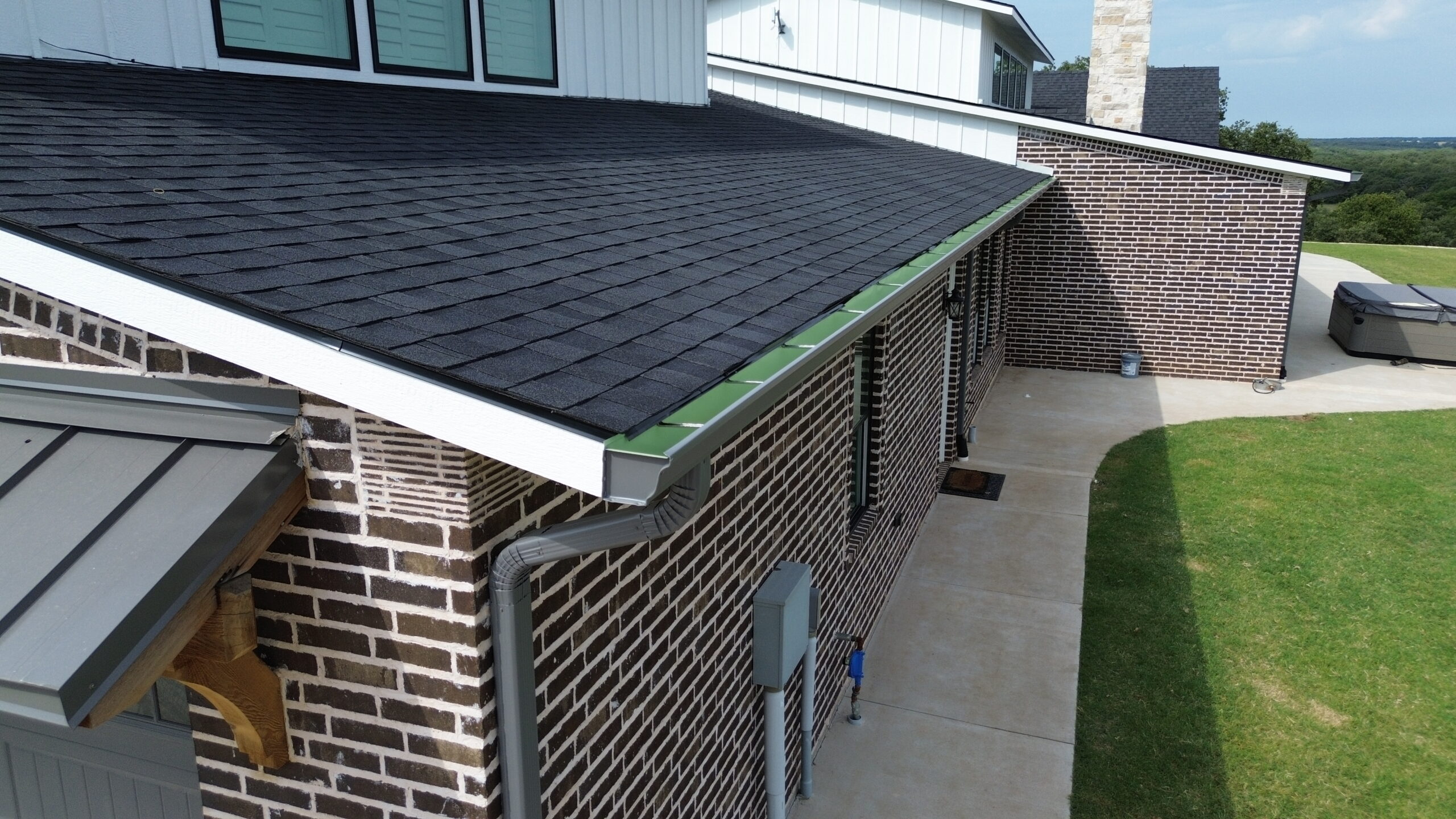
Commercial Roofing Material Comparison
The following comparison highlights the general characteristics of the most commonly used commercial roofing systems. Actual performance may vary depending on installation quality, maintenance practices, environmental conditions, and manufacturer specifications.
| Roofing Material | Typical Lifespan | Maintenance Level | Energy Efficiency | Relative Cost | Best Suited For |
|---|---|---|---|---|---|
| TPO | 20 to 30 years | Low | Excellent | Moderate | Offices, retail, warehouses |
| PVC | 20 to 30+ years | Low | Excellent | High | Restaurants, healthcare, industrial buildings |
| EPDM | 25 to 35 years | Low to moderate | Good | Moderate | Warehouses, offices, educational facilities |
| Built-Up Roofing | 20 to 30 years | Moderate | Good | Moderate to high | Government buildings, institutions |
| Modified Bitumen | 20 to 30 years | Moderate | Good | Moderate | Commercial buildings with regular roof access |
| Metal Roofing | 40 to 70+ years | Low | Excellent | High | Industrial facilities, offices, warehouses |
| Green Roofing | 30 to 50 years with proper maintenance | Moderate to high | Excellent | High | Sustainable commercial developments |
| Spray Polyurethane Foam | 20 to 30 years with recoating | Moderate | Excellent | Moderate | Low-slope commercial buildings |
Comparing these systems demonstrates that every roofing material offers a different balance of durability, maintenance, installation complexity, energy efficiency, and long-term value. The most suitable choice depends not only on product performance but also on the building’s operational requirements, climate, budget, and maintenance capabilities.
Matching Roofing Materials to Different Commercial Buildings
Selecting a commercial roofing material becomes much easier when the building’s purpose is placed at the center of the decision-making process. Even if two buildings have similar sizes, their roofing needs may differ significantly because of occupancy, equipment, operating hours, and maintenance expectations. A roofing system that performs exceptionally well on one property may not deliver the same results on another.
Office buildings typically benefit from roofing systems that prioritize energy efficiency and minimal maintenance. Since employees spend long hours indoors, maintaining comfortable indoor temperatures contributes to workplace productivity while reducing heating and cooling expenses. Reflective membrane systems such as TPO and PVC are frequently selected because they help lower heat absorption and require relatively little maintenance.
Retail centers require roofing systems that support uninterrupted business operations. Customers expect a comfortable shopping environment, and retailers cannot afford frequent closures due to roof repairs or water leaks. Durable membrane roofing systems with reliable waterproof protection are often preferred because they minimize operational disruptions while providing consistent performance.
Warehouses usually feature large roof areas that protect valuable inventory, machinery, and distribution equipment. Roofing materials selected for warehouses should offer dependable waterproofing, resistance to weather exposure, and long service life. EPDM, TPO, and metal roofing systems are commonly used because they perform well on expansive roof surfaces while requiring manageable maintenance.
Industrial facilities often present more demanding environments than standard commercial buildings. Manufacturing processes may produce heat, chemicals, oils, smoke, or airborne contaminants that gradually affect roofing materials. PVC roofing is frequently chosen for these buildings because of its strong resistance to chemicals and industrial pollutants. Metal roofing also performs well in many industrial environments due to its durability and structural strength.
Healthcare facilities require roofing systems that support continuous operations. Hospitals, clinics, and medical laboratories cannot easily suspend services because of roofing maintenance or unexpected leaks. Roofing materials with long service lives, dependable waterproof performance, and minimal maintenance requirements help reduce the likelihood of operational interruptions.
Educational institutions also have unique roofing requirements. Schools, colleges, and universities typically schedule major maintenance projects during vacations or semester breaks. Durable roofing materials that require infrequent repairs allow educational facilities to avoid disruptive maintenance during the academic year.
Hotels and hospitality properties prioritize both appearance and reliability. Guests expect a comfortable environment free from construction noise or water intrusion. Roofing systems selected for hotels should combine durability with energy efficiency while supporting long-term maintenance planning.
Data centers represent another specialized building category. These facilities contain valuable electronic equipment that requires stable environmental conditions. Roofing systems must provide exceptional waterproof performance while supporting rooftop cooling equipment that often operates continuously.
Buildings pursuing environmental certifications may choose green roofing systems or highly reflective roofing materials to improve energy efficiency and support sustainability goals. These roofing systems contribute to reduced energy consumption while enhancing the overall environmental performance of the property.
Matching roofing materials to building requirements improves both performance and long-term value. Rather than selecting materials based solely on popularity, property owners should evaluate how each roofing system supports the building’s specific operational needs.
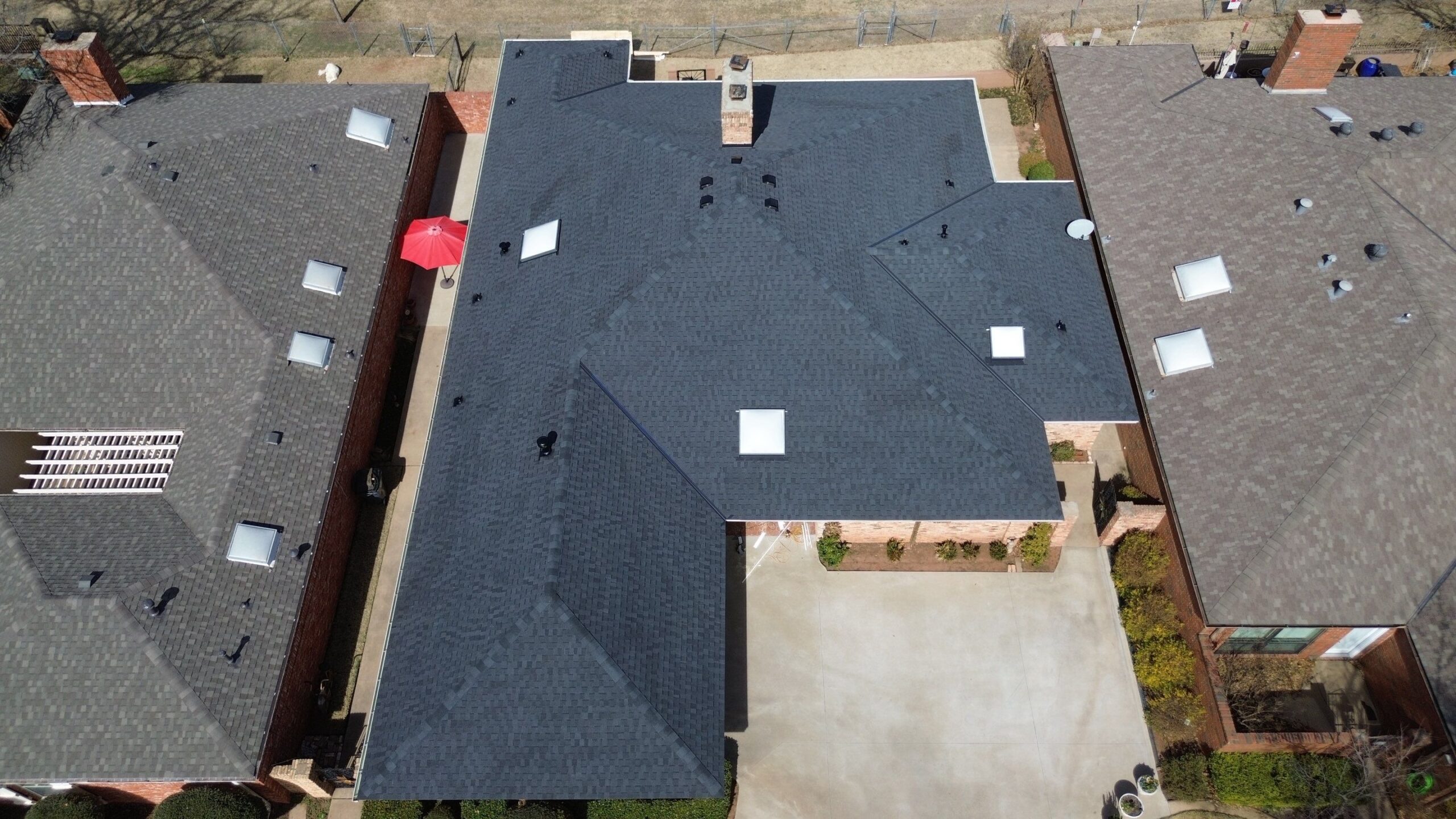
Installation Considerations for Different Materials
Selecting the appropriate roofing material is only part of a successful commercial roofing project. Installation requirements also influence project costs, construction schedules, and long-term performance. Understanding these considerations allows property owners to prepare more effectively before installation begins.
Weather conditions have a significant impact on commercial roof installation. Some roofing materials require completely dry conditions, while others can tolerate limited environmental changes during installation. Planning projects during favorable weather periods reduces delays and helps contractors achieve higher installation quality.
Temperature also affects installation procedures. Certain adhesives, sealants, and coatings perform best within specific temperature ranges. Extremely cold or excessively hot weather may require modified installation techniques or temporary schedule adjustments to maintain product performance.
Installation complexity varies considerably among roofing systems. Single ply membranes generally install more quickly than multilayer roofing systems, while metal roofing requires specialized panel alignment and fastening techniques. Green roofing systems involve multiple installation stages because waterproofing, drainage, soil, and vegetation layers must all be completed correctly.
Contractor experience plays an essential role in installation quality. Even premium roofing materials may fail prematurely if installed incorrectly. Businesses should verify that contractors have experience with the selected roofing system and understand manufacturer installation requirements.
Roof accessibility also influences installation efficiency. Buildings with limited access may require cranes, material lifts, or specialized equipment to transport roofing materials safely. These logistical considerations should be included when estimating project timelines and budgets.
Safety planning becomes increasingly important during commercial roof installation. Contractors must establish fall protection systems, secure work zones, manage material handling, and maintain safe access routes for employees and visitors throughout the project. Well-organized safety procedures help reduce risks while keeping construction on schedule.
Rooftop mechanical equipment requires additional coordination during installation. HVAC units, ventilation systems, communication equipment, and solar panels often remain operational while roofing work progresses around them. Contractors must carefully sequence installation activities to avoid disrupting essential building services.
Inspection procedures should be integrated throughout the installation process rather than postponed until project completion. Regular inspections verify that each stage meets quality standards before the next phase begins. Early identification of installation issues prevents more extensive corrections later.
Project scheduling should also include contingency time for unexpected circumstances. Weather delays, material shortages, or previously hidden structural damage occasionally affect construction timelines. Allowing flexibility within the schedule helps maintain project momentum without compromising workmanship.
Successful installation depends on more than selecting quality materials. Careful planning, experienced contractors, proper scheduling, and consistent quality control all contribute to achieving the expected performance throughout the roof’s service life.
Common Material Selection Mistakes to Avoid
Commercial roofing projects often succeed or fail based on decisions made before installation begins. Understanding common material selection mistakes helps property owners avoid unnecessary expenses while improving long-term roofing performance.
One of the most common mistakes is selecting roofing materials based solely on initial cost. Although budget remains an important consideration, the least expensive roofing system may require more frequent maintenance, consume more energy, or need replacement much sooner than higher-quality alternatives. Evaluating lifecycle costs provides a more accurate picture of long-term value.
Another frequent mistake involves ignoring local climate conditions. Roofing materials that perform well in dry environments may not deliver the same results in regions experiencing heavy rainfall, snow, strong winds, or intense sunlight. Climate should always be considered when comparing roofing options.
Some property owners underestimate the importance of maintenance requirements. Every roofing system requires some level of inspection and maintenance throughout its service life. Choosing materials without considering available maintenance resources can result in neglected repairs and reduced roof longevity.
Failing to evaluate structural capacity is another avoidable error. Some roofing systems are significantly heavier than others, and older buildings may require structural reinforcement before installation. Conducting a structural assessment before selecting materials helps prevent unexpected construction delays.
Another mistake involves overlooking rooftop equipment. Buildings containing numerous HVAC units, solar panels, or communication systems require roofing materials capable of supporting regular maintenance traffic. Selecting unsuitable materials may increase wear and repair frequency.
Choosing incompatible roofing systems during renovation projects can also create long-term problems. When installing new roofing materials over existing systems, compatibility between insulation, adhesives, membranes, and structural components should always be verified.
Some businesses assume every roofing contractor has equal experience with every roofing material. In reality, contractors often specialize in certain roofing systems. Selecting an experienced contractor familiar with the chosen material improves installation quality and reduces future performance issues.
Ignoring manufacturer recommendations is another common oversight. Roofing manufacturers provide detailed installation procedures, maintenance guidelines, and warranty requirements based on extensive product testing. Following these recommendations helps maximize both roof performance and warranty protection.
Property owners sometimes neglect future expansion plans when selecting roofing materials. Buildings expected to support additional rooftop equipment or future structural modifications should incorporate these possibilities into current roofing decisions whenever practical.
Avoiding these mistakes allows businesses to invest confidently in roofing systems that provide dependable protection while minimizing future operational challenges.
Future Trends in Commercial Roofing Materials
Commercial roofing continues evolving as technology, environmental expectations, and construction practices advance. Manufacturers are developing innovative materials that improve durability, sustainability, and building performance while reducing long-term maintenance requirements.
One of the most significant trends involves sustainable roofing materials. Businesses increasingly seek products manufactured from recyclable materials or designed for recycling at the end of their service life. These solutions reduce environmental impact while supporting responsible construction practices.
Cool roof technology continues gaining popularity as energy efficiency becomes a greater priority. Highly reflective roofing surfaces reduce heat absorption, lowering indoor temperatures and decreasing cooling demands during warm weather. Improved energy performance benefits both operating costs and environmental sustainability.
Green roofing systems are also expanding beyond specialized projects. Improved waterproofing technology and better drainage designs have increased confidence in vegetative roofing systems for commercial applications. Many urban developments now incorporate green roofs to improve stormwater management and create environmentally beneficial spaces.
Solar-ready roofing systems represent another important advancement. Rather than treating roofing and solar energy as separate building components, manufacturers increasingly design roofing materials that simplify photovoltaic panel installation while preserving waterproof performance.
Smart roofing technology is beginning to influence commercial building management. Embedded sensors can monitor moisture levels, temperature changes, structural movement, and drainage performance. These monitoring systems allow facility managers to identify potential problems before significant damage occurs.
Improved insulation materials continue supporting greater building efficiency. Advanced insulation products provide higher thermal performance while reducing overall roof assembly thickness. Better insulation contributes to lower energy consumption throughout the building’s lifespan.
Manufacturers are also developing roofing materials with greater resistance to severe weather. Enhanced membranes, stronger attachment systems, and improved impact-resistant surfaces help commercial roofs withstand increasingly unpredictable environmental conditions.
Digital technology is influencing roofing management as well. Drone inspections, thermal imaging, and digital roof mapping simplify maintenance planning while improving inspection accuracy. These technologies allow property managers to monitor roof conditions more efficiently than traditional inspection methods.
Although roofing technology continues advancing, the fundamental principles remain unchanged. Successful roofing systems still depend on selecting appropriate materials, ensuring quality installation, and maintaining the roof consistently throughout its service life.
Practical Tips for Making the Right Decision
Choosing a commercial roofing material involves balancing technical performance, financial considerations, and long-term operational goals. A structured evaluation process helps businesses make informed decisions while reducing uncertainty.
Before selecting a roofing system, property owners should ask several important questions:
- How long is the building expected to remain in service?
- What environmental conditions will the roof experience throughout the year?
- How much maintenance can the organization realistically provide?
- Which roofing system offers the best balance between installation cost and long-term ownership value?
- Does the selected material support future building upgrades or expansion plans?
Answering these questions provides valuable direction before comparing specific roofing products.
Working closely with qualified roofing contractors and manufacturers also improves decision-making. Experienced professionals can explain installation requirements, expected maintenance needs, warranty coverage, and lifecycle performance using knowledge gained from previous commercial projects.
Businesses should request detailed proposals rather than comparing installation prices alone. A comprehensive proposal should include material specifications, insulation details, installation methods, warranty information, estimated project duration, and maintenance recommendations. Comparing complete proposals provides a clearer understanding of the value offered by different roofing systems.
Site inspections remain equally important during material selection. Contractors should evaluate roof condition, drainage performance, structural capacity, and existing rooftop equipment before recommending specific roofing materials. Accurate assessments reduce the likelihood of unexpected complications during installation.
Long-term planning should remain part of every roofing decision. Budgeting for routine inspections, preventive maintenance, and future repairs helps protect the roofing investment while extending its service life. Businesses that maintain their roofs consistently often experience fewer emergency repairs and lower overall ownership costs.
Conclusion
Material selection is one of the most influential decisions in any commercial roof installation project. The roofing system chosen today will affect building performance, maintenance requirements, energy efficiency, operating costs, and occupant comfort for decades. Careful evaluation ensures that the selected material supports both immediate project goals and long-term business objectives.
Successful material selection begins with understanding the building’s unique requirements. Factors such as climate, roof design, structural capacity, operational demands, maintenance resources, and future expansion plans all influence which roofing system will perform most effectively. Considering these elements together provides a stronger foundation for informed decision-making than focusing on installation cost alone.
Modern commercial roofing offers a wide range of options, including TPO, PVC, EPDM, built-up roofing, modified bitumen, metal roofing, green roofing systems, and other specialized solutions. Each material offers distinct advantages, making it suitable for particular building types and environmental conditions. Matching these strengths to the specific needs of the property helps maximize long-term performance.
Installation quality is equally important as material quality. Even the most advanced roofing products depend on proper installation, experienced contractors, and ongoing maintenance to achieve their expected lifespan. Regular inspections and preventive maintenance further protect the investment while reducing the likelihood of costly repairs.
Ultimately, the best commercial roofing material is not simply the one with the longest lifespan or the lowest purchase price. It is the material that delivers the right combination of durability, weather resistance, energy efficiency, maintenance requirements, and overall value for the building it is designed to protect. By approaching material selection strategically and considering both current needs and future expectations, commercial property owners can invest in roofing systems that provide reliable performance and lasting value for many years.