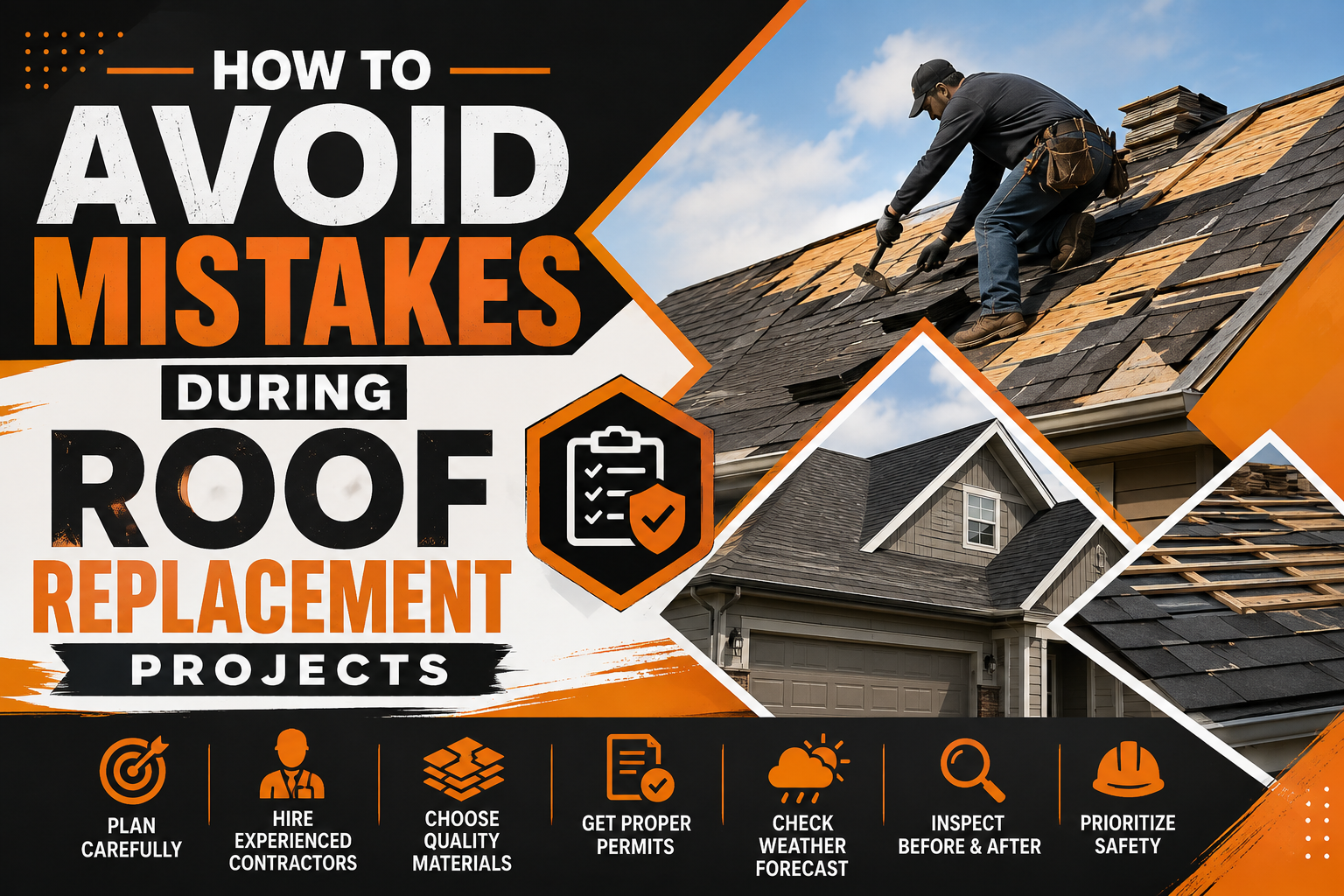
How to Avoid Mistakes During Roof Replacement Projects
Introduction
A roof replacement is one of the most valuable investments a property owner can make, but it is also a project that requires careful planning and informed decision making. While modern roofing materials are designed to provide decades of protection, even the highest quality products cannot deliver their full lifespan if mistakes occur during planning or installation. Avoiding common errors helps ensure the new roof performs efficiently while protecting both the home and the investment.
Many roofing problems are not caused by defective materials but by preventable mistakes made before or during the replacement process. Poor budgeting, hiring inexperienced contractors, ignoring inspections, or rushing important decisions can all result in unnecessary expenses and long term performance issues. Understanding these risks allows homeowners to make better choices from the very beginning.
Roof replacement is much more than removing old shingles and installing new ones. It involves evaluating the existing roof, selecting suitable materials, complying with local regulations, preparing the property, and ensuring proper installation techniques are followed. Every stage of the project contributes to the overall quality and durability of the finished roofing system.
Homeowners who invest time in learning about the replacement process are better equipped to communicate with contractors, compare estimates, and recognize potential problems before they become costly. A proactive approach not only improves the outcome of the project but also reduces stress throughout construction.
This guide explores the most common mistakes made during roof replacement projects and explains how to avoid them. Beginning with planning, inspections, and budgeting, each section provides practical guidance that helps homeowners complete a successful roof replacement with confidence.
Understanding the Roof Replacement Process
Before learning how to avoid mistakes, it is important to understand what a roof replacement project actually involves. Knowing the general sequence of work helps homeowners recognize why each planning stage is important and how individual decisions affect the final outcome.
A roof replacement usually begins with a detailed inspection of the existing roof. Contractors evaluate the condition of roofing materials, flashing, roof decking, ventilation systems, gutters, and structural components. This assessment determines the scope of work and identifies any repairs that must be completed before the new roof is installed.
Once the inspection is complete, homeowners select roofing materials that suit their budget, climate, and aesthetic preferences. The contractor then prepares a project estimate, obtains necessary permits if required, schedules installation, and orders materials before construction begins.
During installation, the existing roofing materials are removed, structural repairs are completed if needed, underlayment is installed, and the new roofing system is carefully assembled. After construction, a final inspection ensures the project meets quality standards and contractual expectations.
Understanding these stages helps homeowners appreciate why skipping or rushing any part of the process can lead to avoidable problems. Careful planning creates a stronger foundation for every decision that follows.
Why Preparation Matters
Preparation is one of the most overlooked aspects of roof replacement. Many homeowners focus primarily on selecting roofing materials while giving less attention to inspections, budgeting, scheduling, and contractor evaluation. These early decisions often have a greater influence on project success than the roofing material itself.
Proper preparation allows homeowners to compare multiple contractors, evaluate warranties, review contracts carefully, and establish realistic budgets. It also provides time to research roofing materials instead of making rushed decisions after damage has already become severe.
Planning ahead helps avoid emergency replacements whenever possible. Scheduled projects generally provide greater flexibility regarding contractor availability, material selection, and installation timing. Emergency situations often limit these choices because immediate action becomes the primary concern.
Preparation also creates opportunities to improve the roofing system rather than simply replacing worn materials. Homeowners may choose to upgrade insulation, improve ventilation, or install more energy efficient roofing products that provide additional long term benefits.
Common Stages of a Roof Replacement Project
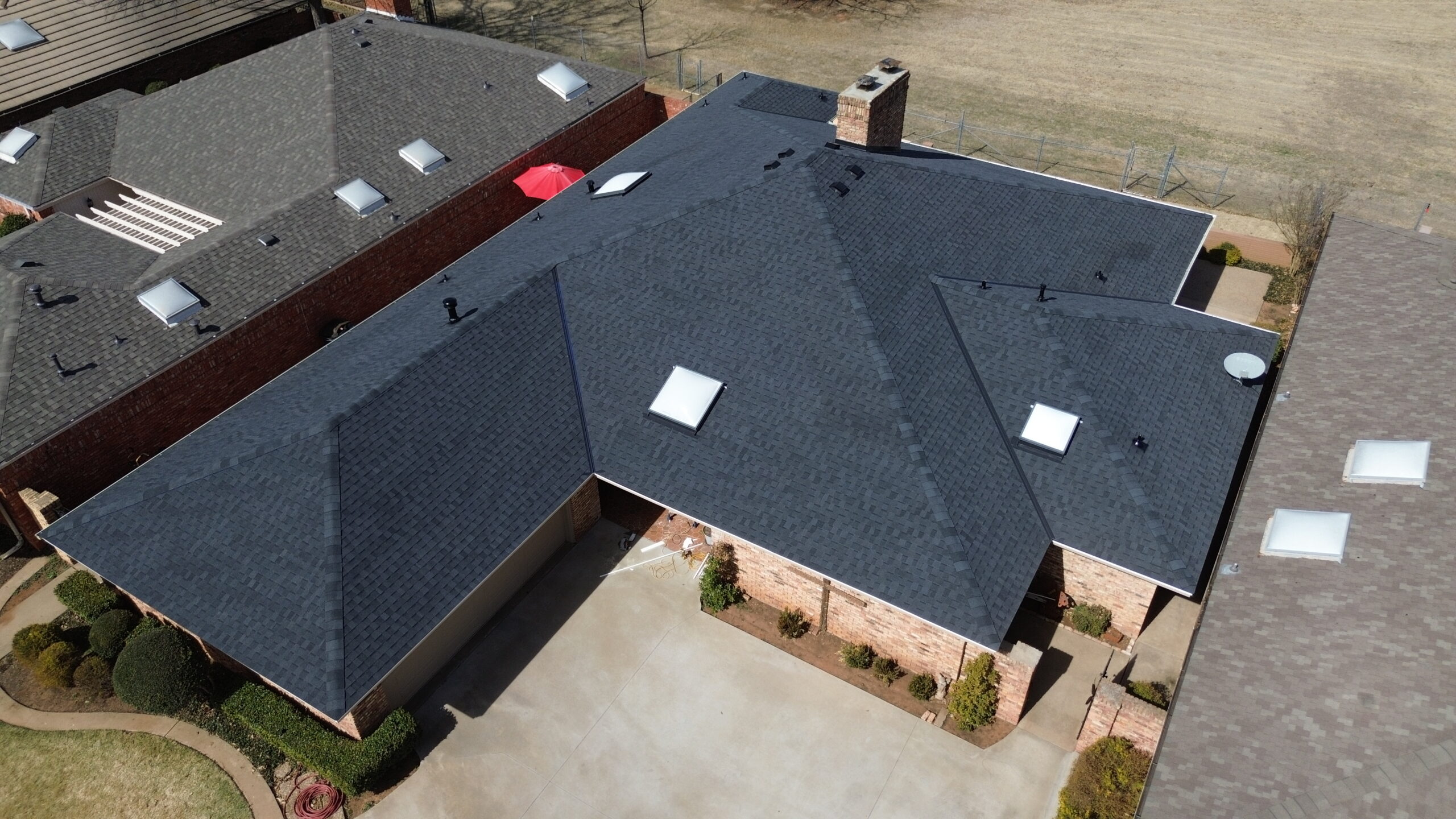
Every roofing project differs slightly depending on the property and materials selected, but most successful replacements follow a structured process. Understanding this progression helps homeowners recognize where mistakes commonly occur.
The typical stages include evaluating the roof, selecting materials, choosing a qualified contractor, preparing the property, completing the installation, performing a final inspection, and maintaining the roof afterward. Each stage builds upon the previous one, making careful planning essential for overall success.
Problems often develop when homeowners attempt to skip important steps or rush decisions. For example, selecting a contractor before comparing estimates or choosing materials without considering local climate conditions may create avoidable complications later.
Viewing roof replacement as a complete project rather than a single construction task encourages more thoughtful decision making. This broader perspective helps homeowners focus on long term performance rather than only short term costs.
Mistake of Delaying Roof Replacement
One of the most common and expensive mistakes homeowners make is postponing roof replacement after clear warning signs begin to appear. While delaying the project may seem like a way to save money in the short term, continued deterioration often increases repair costs and places the entire structure at greater risk.
Many homeowners ignore small leaks because they appear manageable. However, water entering through even a minor opening can spread beneath roofing materials and gradually damage insulation, roof decking, ceilings, walls, and structural framing. What begins as a simple leak may eventually require extensive repairs throughout the home.
Visible exterior damage should also never be dismissed. Missing shingles, cracked tiles, sagging roof sections, or deteriorated flashing often indicate deeper problems hidden beneath the roof surface. Waiting until these issues become severe usually results in higher replacement costs.
Age is another important consideration. Roofing materials naturally deteriorate over time even if obvious damage is not immediately visible. Once a roof approaches the end of its expected lifespan, scheduling a professional inspection becomes a wise investment that may prevent unexpected failures.
Replacing the roof before major structural damage develops often reduces overall project costs while providing homeowners with greater flexibility in choosing contractors and scheduling construction.
Recognizing Early Warning Signs
Many roofing problems begin gradually, making them difficult to notice during everyday life. Routine inspections help identify these issues before they become major structural concerns.
Several warning signs deserve prompt professional evaluation.
- Persistent leaks after rainfall.
- Missing, curling, or cracked roofing materials.
- Sagging roof sections.
- Granules accumulating in gutters.
- Water stains on ceilings or walls.
- Mold growth in the attic.
- Rising heating and cooling costs without another clear explanation.
Observing one of these symptoms does not automatically mean replacement is required. However, multiple warning signs occurring together usually indicate that the roof should be inspected as soon as possible.
Failing to Inspect the Existing Roof Properly
Skipping a professional roof inspection is another mistake that frequently leads to unexpected expenses during construction. While homeowners may identify visible problems from the ground, many serious roofing issues remain hidden beneath the surface.
Professional inspections evaluate much more than roofing materials alone. Contractors examine flashing, roof decking, ventilation systems, structural supports, gutters, insulation, and attic conditions to identify concerns that may influence the replacement project.
Hidden moisture damage is particularly common. Water trapped beneath roofing materials can gradually weaken wooden decking and structural components without creating obvious exterior symptoms. Discovering this damage only after installation has begun often increases project costs unexpectedly.
Professional inspections also provide accurate information regarding the remaining condition of the existing roof. In some situations, homeowners discover that repairs remain practical, while in others the inspection confirms that complete replacement provides the best long term solution.
Scheduling an inspection before requesting estimates allows contractors to prepare more accurate proposals while reducing the likelihood of unexpected discoveries during construction.
Looking Beyond Surface Damage
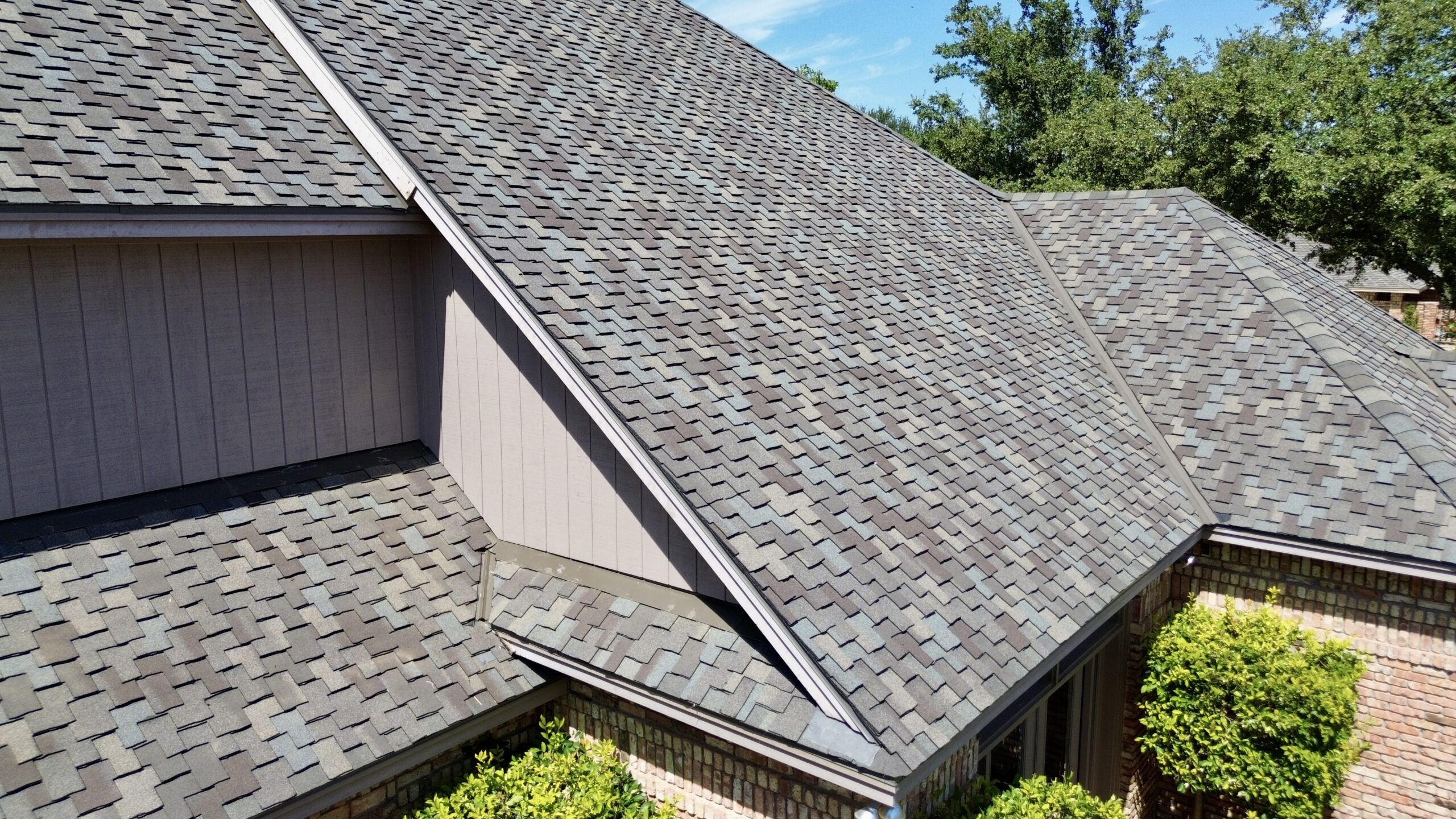
Visible roofing materials represent only one part of the entire roofing system. Problems hidden beneath the surface often determine whether replacement will proceed smoothly or require additional repairs.
Roof decking should always be evaluated because it supports the weight of the entire roofing system. Soft or deteriorated sections reduce structural strength and must be repaired before installing new materials.
Attic inspections provide valuable information about moisture levels, insulation quality, ventilation performance, and signs of previous leaks. These observations help contractors identify issues that may shorten the lifespan of the new roof if left unresolved.
Ventilation deserves particular attention because poor airflow contributes to excessive heat buildup, moisture accumulation, and premature roofing deterioration. Correcting ventilation problems during roof replacement helps improve both energy efficiency and long term roof performance.
Poor Budget Planning
Budgeting mistakes can significantly affect the success of a roof replacement project. Many homeowners focus only on the quoted installation price without considering additional expenses that may arise before or during construction.
Roof replacement costs extend beyond roofing materials. Labor, permits, waste disposal, flashing replacement, underlayment, structural repairs, ventilation improvements, and cleanup all contribute to the total investment. Ignoring these costs may create financial pressure once the project begins.
Another common mistake is selecting the least expensive estimate without understanding what services are included. Some proposals omit important work such as flashing replacement or disposal fees, making the initial estimate appear more attractive than it actually is.
A realistic budget should also include a contingency fund for unexpected structural repairs. Once old roofing materials are removed, contractors may discover damaged decking or hidden moisture problems that require immediate attention before installation can continue.
Planning financially for these possibilities helps homeowners make informed decisions rather than delaying necessary repairs because of unexpected costs.
Underestimating Long Term Value
Focusing only on the initial installation price often causes homeowners to overlook the long term benefits of higher quality roofing systems. Premium materials may require a larger upfront investment but frequently provide longer service life, reduced maintenance, and improved energy efficiency.
Experienced contractors may also charge higher labor rates than less qualified installers. However, skilled workmanship often prevents future repairs that would otherwise exceed the initial savings gained by choosing the lowest bid.
Evaluating roof replacement as a long term investment rather than a short term expense encourages better financial decisions. The goal should be achieving lasting performance and reliability instead of simply minimizing initial costs.
Understanding ownership costs over several decades often reveals that investing slightly more during installation provides greater overall value.
Budget Planning Tips
Creating a thoughtful budget before construction begins helps homeowners avoid unnecessary financial stress throughout the project.
| Budget Consideration | Why It Matters | Recommended Approach |
|---|---|---|
| Roofing materials | Determines durability and lifespan | Balance quality with available budget |
| Labor costs | Influences installation quality | Prioritize experience over the lowest price |
| Structural repairs | Hidden damage may require repairs | Include contingency funds |
| Permits and inspections | Required in many locations | Account for these early in planning |
| Waste disposal | Old roofing materials must be removed | Confirm disposal costs in estimates |
| Warranty coverage | Protects long term investment | Compare contractor and manufacturer warranties |
Developing a complete budget before signing a contract allows homeowners to proceed with greater confidence while reducing the likelihood of unexpected financial surprises.
The mistakes discussed so far occur before installation even begins, yet they often have the greatest influence on the success of the entire project. In the next part of this guide, we will examine how choosing the wrong contractor, selecting unsuitable roofing materials, ignoring building regulations, and failing to prepare the property can affect both the installation process and the long term performance of a new roof.
Choosing the Wrong Roofing Contractor
One of the biggest mistakes homeowners make during a roof replacement project is hiring the wrong contractor. Even the highest quality roofing materials cannot perform as expected if they are installed incorrectly. A qualified contractor brings technical knowledge, professional workmanship, and project management skills that directly influence the lifespan of the new roof.
Many homeowners begin their search by comparing prices alone. While staying within budget is important, choosing the lowest estimate without evaluating experience or reputation often leads to poor workmanship and additional repair costs later. A roof replacement should be viewed as a long term investment rather than a project where the lowest price always represents the best value.
Professional contractors communicate clearly from the beginning of the project. They explain the replacement process, answer questions thoroughly, provide detailed written estimates, and discuss realistic project timelines. Strong communication during the planning stage usually reflects the level of service homeowners can expect throughout the installation.
Researching contractors before signing a contract significantly reduces project risks. Reading customer reviews, requesting references, and examining completed projects provide valuable insight into a contractor’s reliability and workmanship.
Hiring Based Only on Price
Price is naturally an important consideration, but it should never be the only factor influencing a hiring decision. Extremely low estimates sometimes indicate that important services or quality materials have been excluded from the proposal.
Some contractors reduce costs by using lower quality products, employing inexperienced labor, or omitting critical components such as flashing replacement or ventilation improvements. While these omissions may reduce the initial estimate, they often increase maintenance expenses after installation is complete.
Homeowners should compare estimates carefully rather than focusing only on the total price. Understanding exactly what each proposal includes makes it easier to evaluate overall value instead of simply identifying the least expensive option.
Paying slightly more for experienced professionals often results in better workmanship, stronger warranties, and greater confidence that the roof will perform reliably for many years.
Verifying Licenses and Insurance
Before hiring any roofing contractor, homeowners should confirm that the company holds the required licenses to operate in the local area. Licensing demonstrates compliance with professional standards and applicable regulations.
Insurance coverage is equally important because it protects both the contractor and the homeowner during construction. Liability insurance covers accidental property damage, while workers’ compensation insurance protects against financial responsibility if a worker is injured on the job.
Requesting proof of current insurance should be considered a standard part of the hiring process. Professional contractors understand the importance of these documents and typically provide them without hesitation.
Working with properly licensed and insured contractors reduces financial risk while providing additional confidence throughout the replacement project.
Checking Experience and References
Experience becomes especially valuable when unexpected challenges arise during roof replacement. Contractors who have completed many similar projects are generally better prepared to solve structural issues, adapt to changing weather conditions, and maintain installation quality throughout the project.
References provide another valuable source of information. Previous clients can describe their experiences regarding communication, project cleanliness, scheduling, and overall satisfaction with the completed work. These firsthand opinions often reveal details that are not obvious from advertisements or company websites.
Homeowners should also ask whether the contractor has experience installing the specific roofing material selected for the project. Different materials require different installation techniques, making specialized experience particularly important.
Choosing an experienced contractor reduces uncertainty while increasing the likelihood of a successful and durable roof replacement.
Understanding Warranties
Many homeowners overlook warranty details until after the project has been completed. Understanding warranty coverage before signing the contract helps prevent misunderstandings if problems develop in the future.
Most roof replacement projects include two primary types of warranties. Manufacturer warranties cover defects in roofing materials, while workmanship warranties provided by the contractor protect against installation related issues.
Warranty duration and coverage vary considerably depending on the contractor and roofing products selected. Reading the warranty documents carefully allows homeowners to understand maintenance requirements, exclusions, and procedures for submitting claims if necessary.
Strong warranty protection reflects confidence in both the roofing materials and the quality of the installation.
Selecting the Wrong Roofing Materials
Choosing roofing materials without considering climate, maintenance requirements, or long term performance is another mistake that can reduce the value of a roof replacement project. Every roofing material offers unique advantages, and the best choice depends on several factors rather than appearance alone.
Some homeowners focus primarily on color or style without evaluating how the material performs under local weather conditions. Regions with heavy snowfall, strong winds, intense sunlight, or frequent rainfall may require different roofing systems to achieve the best long term results.
Energy efficiency has also become an increasingly important consideration. Reflective roofing materials can reduce heat absorption during warmer months, helping improve indoor comfort while lowering cooling costs.
Maintenance requirements deserve equal attention. Some roofing materials require very little ongoing care, while others benefit from periodic inspections or specialized treatments. Selecting a material that matches the homeowner’s maintenance expectations helps avoid future disappointment.
Balancing Durability and Cost
Budget limitations naturally influence roofing material selection, but focusing only on the lowest purchase price may reduce long term value. Less expensive materials often require replacement sooner or need more frequent repairs throughout their lifespan.
Premium roofing materials generally offer greater resistance to weather, longer service life, and improved warranties. Although they involve higher initial costs, the reduced maintenance and extended durability frequently justify the investment over time.
Homeowners should evaluate roofing materials based on expected ownership costs rather than installation expenses alone. Considering maintenance, repair frequency, and replacement intervals provides a more complete understanding of long term value.
Working closely with an experienced contractor helps identify roofing products that balance affordability with dependable performance.
Roofing Material Comparison
The following comparison highlights the characteristics of commonly used roofing materials.
| Roofing Material | Durability | Maintenance | Relative Cost | Suitable For |
|---|---|---|---|---|
| Asphalt Shingles | Good | Low | Low | Most residential homes |
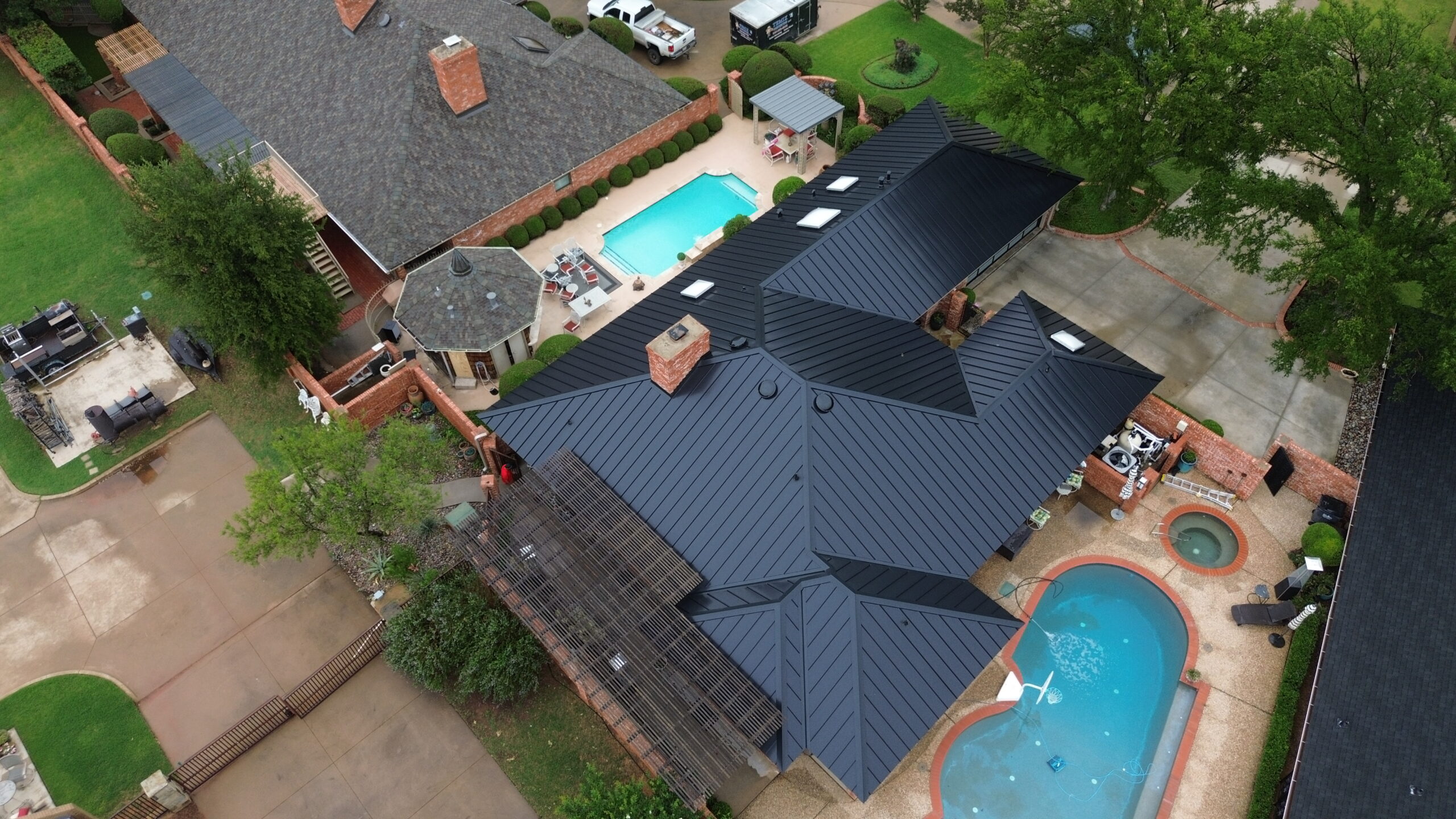
| Metal Roofing | Excellent | Low | Medium to High | Areas with harsh weather |
| Clay Tiles | Excellent | Low | High | Warm climates |
| Concrete Tiles | Very Good | Low to Moderate | Medium to High | Long term durability |
| Slate Roofing | Outstanding | Very Low | Premium | Luxury and historic homes |
| Synthetic Roofing | Very Good | Low | Medium | Lightweight performance |
No roofing material is ideal for every property. Selecting the right option requires balancing appearance, climate, structural capacity, maintenance expectations, and available budget.
Ignoring Local Building Codes and Permits
Another common mistake is overlooking local building regulations before beginning construction. Roof replacement projects often require permits, inspections, or compliance with specific building codes designed to ensure safe installation practices.
Building codes establish standards for fastening methods, ventilation, underlayment, fire resistance, and structural performance. Following these requirements helps ensure the completed roofing system provides dependable protection under local environmental conditions.
Permits may also be necessary before work begins. In many locations, inspections are performed during or after installation to verify compliance with local regulations. Completing these inspections provides additional confidence that the project has been performed correctly.
Ignoring permit requirements may create delays, financial penalties, or complications when selling the property in the future. Confirming these requirements early helps avoid unnecessary interruptions.
Homeowners Association Requirements
Properties located within homeowners associations may also be subject to architectural guidelines. These organizations sometimes require approval before roof replacement begins, particularly if homeowners intend to change roofing materials or colors.
Reviewing community requirements before ordering materials helps prevent delays or expensive design changes later. Contractors familiar with local neighborhoods are often able to assist homeowners in navigating these approval processes.
Even when formal approval is unnecessary, informing neighbors about upcoming construction demonstrates courtesy and helps prepare nearby residents for temporary noise and increased activity.
Early communication keeps the project organized while reducing avoidable scheduling problems.
Inadequate Property Preparation
Preparing the property before installation begins protects personal belongings and helps roofing crews work more efficiently. Unfortunately, many homeowners underestimate the importance of these preparations until construction is already underway.
Vehicles should be moved away from the home before roofing materials arrive. This creates additional space for equipment while protecting automobiles from dust or falling debris during roof removal.
Outdoor furniture, decorative items, grills, and potted plants should also be relocated to secure areas. Although contractors take precautions to protect surrounding property, removing valuable items minimizes the possibility of accidental damage.
Inside the home, fragile decorations mounted on walls or displayed on shelves should be secured because vibrations created during construction may cause them to shift unexpectedly.
Family and Pet Safety
Roof replacement projects create significant noise throughout the workday. Families with young children, elderly relatives, or individuals working remotely may wish to adjust daily schedules during the busiest construction periods.
Pets often experience anxiety because of unfamiliar sounds and increased activity around the home. Keeping animals indoors or arranging temporary care elsewhere helps maintain their safety while allowing roofing crews to work without interruption.
Homeowners should also avoid entering active construction areas unless specifically invited by the contractor. Roofing work involves specialized equipment, heavy materials, and elevated work surfaces that require appropriate safety precautions.
Simple preparation contributes to a smoother experience for both homeowners and installation teams.
Communicating With Neighbors
Roof replacement projects affect more than the immediate property. Construction noise, delivery vehicles, and temporary parking changes may also impact nearby homes.
Informing neighbors before work begins is a thoughtful gesture that helps maintain positive relationships. Letting them know the expected project schedule allows them to prepare for temporary disruptions.
Contractors should also ensure that waste containers, equipment, and delivery vehicles do not unnecessarily block neighboring driveways or create avoidable inconvenience.
Good communication supports a more organized and considerate construction experience.
Essential Pre Project Checklist
Before installation begins, homeowners should verify that all important planning tasks have been completed.
- Select the preferred roofing material.
- Review and sign the written contract.
- Verify contractor licenses and insurance.
- Confirm permits and approvals.
- Move vehicles away from the work area.
- Protect outdoor furniture and landscaping.
- Secure valuable indoor items.
- Make arrangements for children and pets if necessary.
- Confirm project start dates and contact information.
Completing these steps helps reduce last minute problems while allowing construction to begin smoothly.
Step by Step Planning Process
Following a structured planning process helps homeowners avoid many of the mistakes discussed throughout this guide.
- Schedule a professional roof inspection.
- Evaluate whether repair or replacement is the better solution.
- Establish a realistic budget with contingency funds.
- Compare roofing materials based on climate and durability.
- Request detailed estimates from multiple contractors.
- Verify licenses, insurance, references, and warranties.
- Review contracts carefully before signing.
- Obtain required permits and approvals.
- Prepare the property for installation.
- Confirm the construction schedule with the contractor.
Each step strengthens the overall project by reducing uncertainty before construction begins. Careful planning often prevents many of the costly mistakes that homeowners encounter during roof replacement projects.
Mistakes During Roof Installation
The installation phase is where months of planning become a reality. Even after selecting quality materials and hiring an experienced contractor, mistakes made during installation can affect the performance, durability, and lifespan of the new roof. Paying attention to workmanship during this stage helps ensure the investment delivers the expected long term value.
Homeowners do not need to supervise every aspect of construction, but staying informed about the project’s progress is beneficial. Regular communication with the project manager allows questions to be answered quickly while helping homeowners understand each stage of the installation process.
Quality roofing companies follow manufacturer installation guidelines and industry best practices throughout construction. They also document progress, address concerns promptly, and maintain a clean and organized work environment. These practices contribute to a more successful project from start to finish.
Rushing the installation to finish ahead of schedule is one of the most common mistakes. Roofing requires careful attention to detail, and taking shortcuts during construction often creates problems that may not become visible until months or even years later.
Ignoring Quality Control
Quality control is essential throughout every stage of roof replacement. While contractors are responsible for proper installation, homeowners should remain engaged by requesting updates and reviewing completed work during major project milestones.
One important quality control measure is verifying that the roofing materials being installed match those listed in the contract. Confirming the manufacturer, product type, and color before installation progresses too far helps prevent misunderstandings and costly corrections.
Experienced contractors also inspect their own work continuously rather than waiting until the project is complete. Regular inspections allow small issues to be corrected immediately before additional materials are installed.
Photographs taken throughout the installation can also provide valuable documentation. Many contractors share progress photos showing underlayment, flashing, ventilation, and completed roofing sections, giving homeowners greater confidence in the quality of the work.
Poor Flashing Installation
Flashing is one of the most important components of any roofing system because it protects areas where water is most likely to enter the structure. Chimneys, skylights, roof valleys, vents, and wall intersections all depend on properly installed flashing to remain watertight.
Improper flashing installation is a common cause of roof leaks. Even high quality roofing materials cannot prevent water intrusion if flashing is incorrectly positioned or poorly sealed. Water often follows the path of least resistance, making these vulnerable areas especially important.
Replacing old flashing during roof replacement is generally recommended. Reusing worn flashing may reduce installation costs slightly, but it also increases the risk of future leaks and repairs.
Careful flashing installation improves weather resistance while supporting the overall performance of the entire roofing system.
Improper Ventilation
Roof ventilation is sometimes overlooked because it is less visible than shingles or tiles. However, proper ventilation plays a critical role in extending roof lifespan and maintaining indoor comfort.
Without adequate airflow, heat and moisture accumulate inside the attic. Excessive heat accelerates the aging of roofing materials, while trapped moisture encourages mold growth, wood deterioration, and insulation damage.
Balanced ventilation systems include both intake and exhaust components that allow air to circulate naturally. This continuous airflow helps regulate attic temperatures throughout the year while reducing condensation during seasonal weather changes.
Correcting ventilation issues during roof replacement often improves energy efficiency in addition to protecting the roofing system itself.
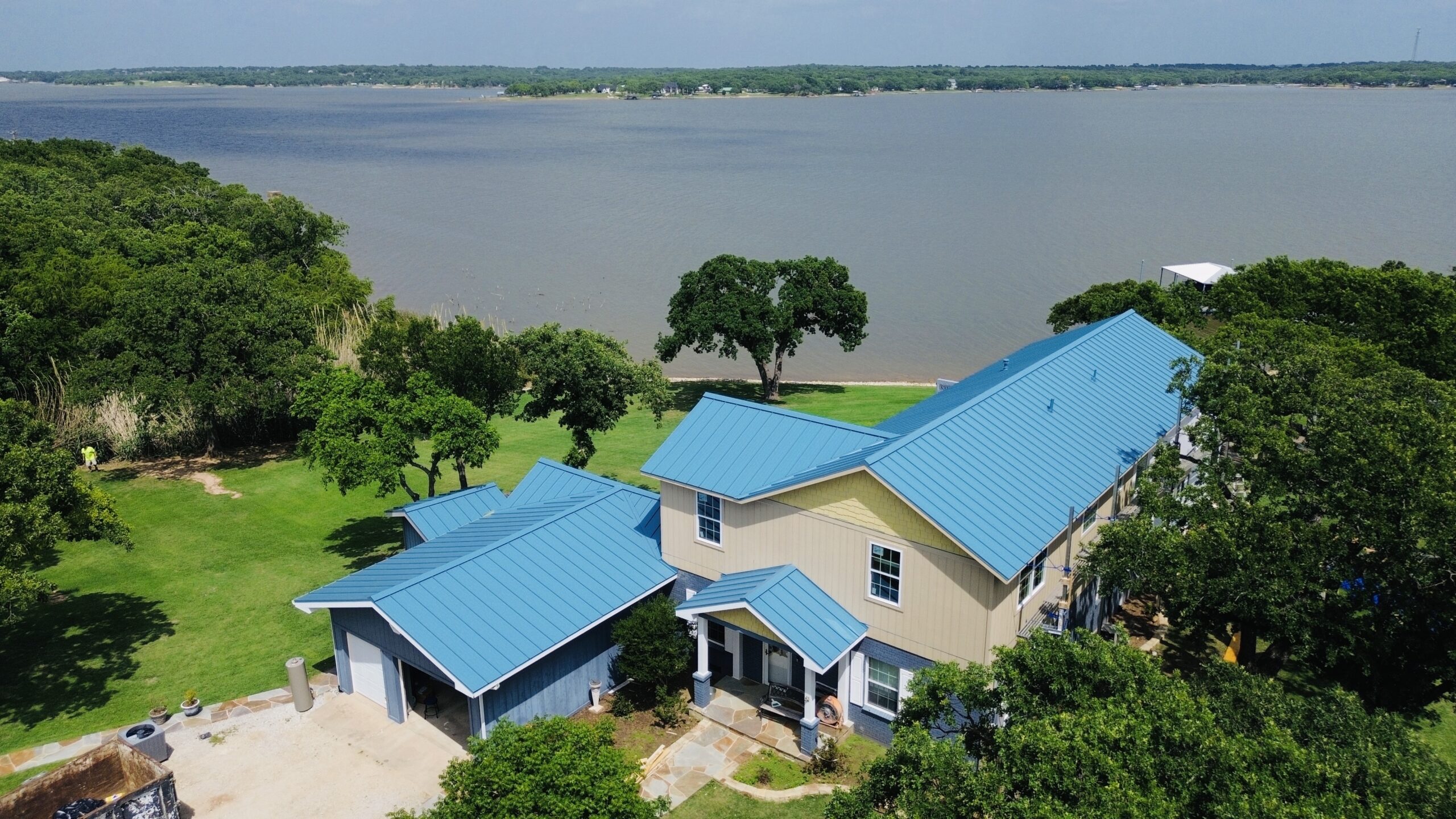
Rushing the Installation Process
Homeowners naturally want construction completed as quickly as possible, especially when weather conditions are unpredictable. However, rushing the installation often increases the likelihood of workmanship errors.
Each stage of roof replacement requires careful attention. Removing old materials, inspecting the roof deck, installing underlayment, positioning flashing, and fastening roofing materials all contribute to the final quality of the roof.
Attempting to shorten installation time by skipping inspection steps or overlooking minor adjustments may reduce the roof’s lifespan significantly. Professional contractors understand that careful workmanship produces better long term results than simply completing the project quickly.
Allowing sufficient time for proper installation protects the investment while reducing future maintenance concerns.
Failing to Address Unexpected Problems
Even the most carefully planned roof replacement projects may reveal hidden issues once construction begins. Responding appropriately to these challenges is essential for maintaining both project quality and long term roof performance.
Hidden structural damage is among the most common surprises encountered during installation. Moisture may have weakened roof decking, rafters, or other structural components without creating obvious exterior warning signs. Addressing these problems immediately provides a stronger foundation for the new roofing system.
Weather delays represent another unavoidable challenge. Rain, high winds, or extreme temperatures may temporarily pause construction to protect workers and roofing materials. Although these interruptions can affect schedules, they help preserve installation quality and improve overall safety.
Material shortages occasionally create additional delays. Specialized products or custom colors may require extra delivery time, particularly during periods of high demand. Ordering materials well in advance reduces this risk, although some delays remain beyond the contractor’s control.
Unexpected expenses associated with these situations are easier to manage when homeowners include contingency funds during the planning stage. Financial preparation allows necessary repairs to proceed without compromising the quality of the finished roof.
Managing Change Orders Effectively
When unexpected work becomes necessary, contractors should explain the situation clearly before continuing. Photographs, inspection findings, and written recommendations help homeowners understand why additional repairs are required.
Any changes affecting project cost or completion time should be documented through written change orders. These documents describe the additional work, revised pricing, and updated schedule so that both parties understand the changes before construction continues.
Maintaining written records protects both the homeowner and the contractor while reducing the possibility of misunderstandings. Good communication during these situations helps preserve trust and keeps the project moving forward smoothly.
Flexibility is also important because not every challenge can be predicted before installation begins. Responding thoughtfully rather than making rushed decisions often leads to better long term outcomes.
Skipping the Final Inspection
Some homeowners assume the project is complete once the last roofing materials have been installed. In reality, the final inspection is one of the most important stages of the entire replacement process because it confirms that every aspect of the work meets expected quality standards.
A final walkthrough should be conducted with the contractor before final payment is made. This inspection allows homeowners to review the completed roof, ask questions, and discuss any remaining concerns while the installation team is still available.
The surrounding property should also be inspected carefully. Contractors should remove debris, collect stray nails, and restore work areas before leaving the site. Professional roofing companies often use magnetic tools to locate nails hidden in grass and driveways.
Inside the home, ceilings and attic spaces should be checked for signs of moisture or unexpected changes. Although properly installed roofs rarely develop immediate problems, confirming interior conditions provides additional peace of mind.
Creating a Punch List
If minor issues remain after the initial walkthrough, they should be documented on a punch list before the project is officially completed. This list helps ensure every remaining task receives attention before final payment is released.
Punch list items may include small cosmetic adjustments, additional cleanup, replacing damaged trim, or correcting minor installation details. Completing these tasks promptly allows the project to conclude with confidence.
Homeowners should not hesitate to ask questions during the walkthrough. Understanding the completed roofing system helps prepare them for future maintenance responsibilities.
A thorough final inspection confirms that the roof replacement has been completed according to both contractual expectations and professional standards.
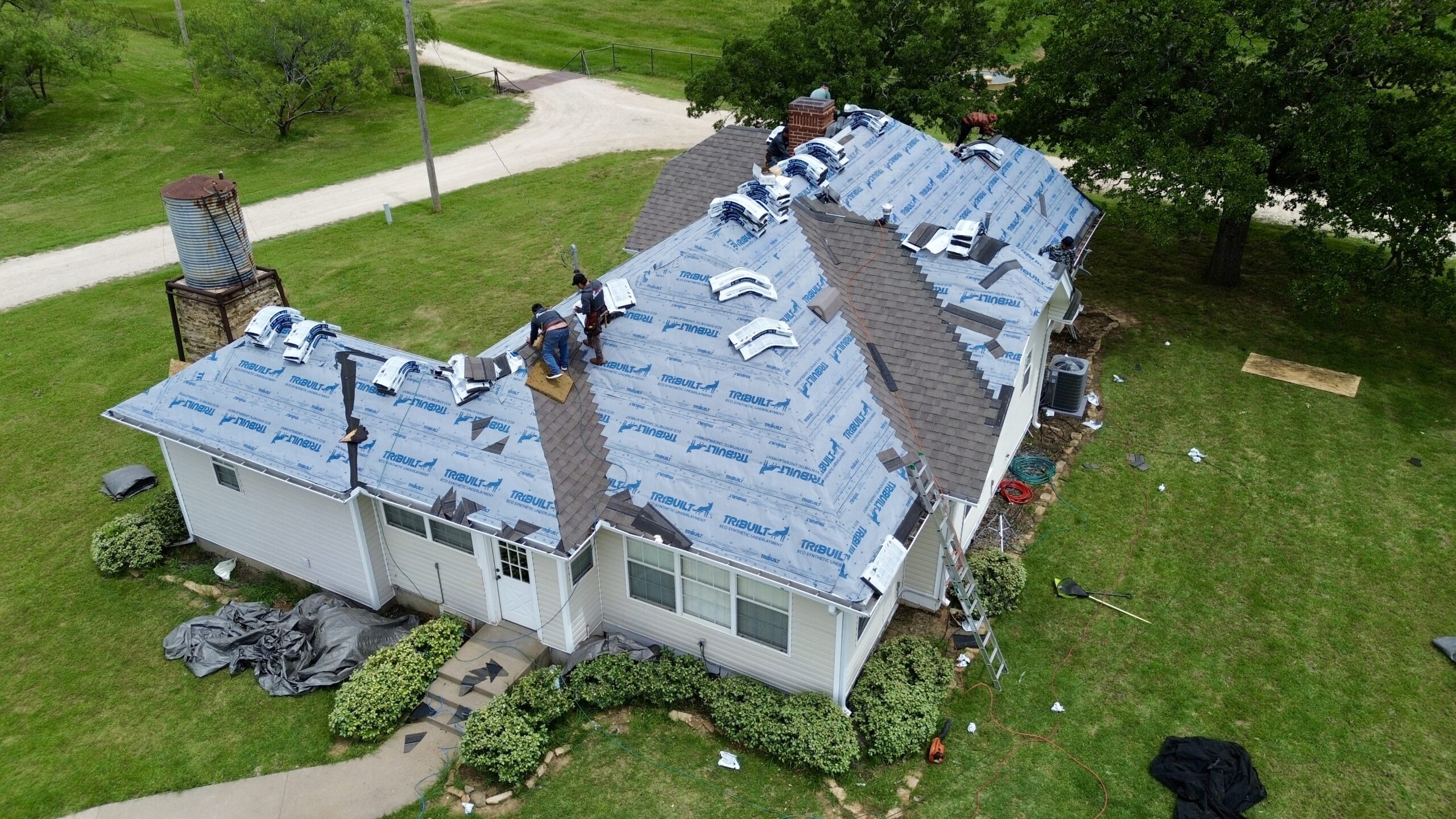
Organizing Warranty Documentation
Roof replacement projects typically include both manufacturer warranties and contractor workmanship warranties. These documents provide valuable protection if defects or installation related issues arise after construction.
Homeowners should organize warranty certificates, contracts, invoices, inspection reports, permit approvals, and maintenance recommendations in a secure location. Keeping these records together simplifies future maintenance, warranty claims, and property transactions.
Understanding warranty coverage is equally important. Reading the documentation carefully helps homeowners recognize any maintenance requirements necessary to keep the warranties valid throughout the coverage period.
Well organized records contribute to better long term roof management.
Neglecting Roof Maintenance After Replacement
Installing a new roof does not eliminate the need for regular maintenance. Routine care protects the investment by helping identify minor concerns before they become expensive repairs.
Seasonal inspections remain one of the most effective maintenance practices. Examining the roof during spring and autumn helps identify loose materials, damaged flashing, blocked gutters, or accumulated debris before severe weather causes additional damage.
Professional inspections should also be scheduled following major storms. High winds, hail, or falling branches may damage roofing materials even when problems are not immediately visible from the ground.
Regular maintenance extends roof lifespan while preserving both appearance and structural performance.
Gutter Cleaning
Clean gutters are essential for directing rainwater away from the roof and foundation. Leaves, twigs, and other debris can block water flow, causing overflow that may damage fascia boards, siding, and roofing materials.
Homeowners should inspect gutters regularly and remove debris before it creates drainage problems. Downspouts should also be checked to ensure water flows freely away from the home.
Maintaining effective drainage reduces the likelihood of moisture related roof damage while protecting the building’s overall structure.
Simple gutter maintenance provides significant long term benefits.
Tree Trimming and Ventilation Monitoring
Trees located close to the home should be maintained regularly to prevent branches from rubbing against roofing materials. Overhanging limbs may also increase debris accumulation and create opportunities for storm damage during high winds.
Proper attic ventilation should continue to be monitored throughout the life of the roof. Balanced airflow helps regulate temperature and moisture while supporting insulation performance and reducing energy consumption.
Homeowners should pay attention to signs of excessive attic heat or condensation because these conditions may indicate ventilation problems that require professional evaluation.
Maintaining these systems helps maximize the lifespan of the roofing investment.
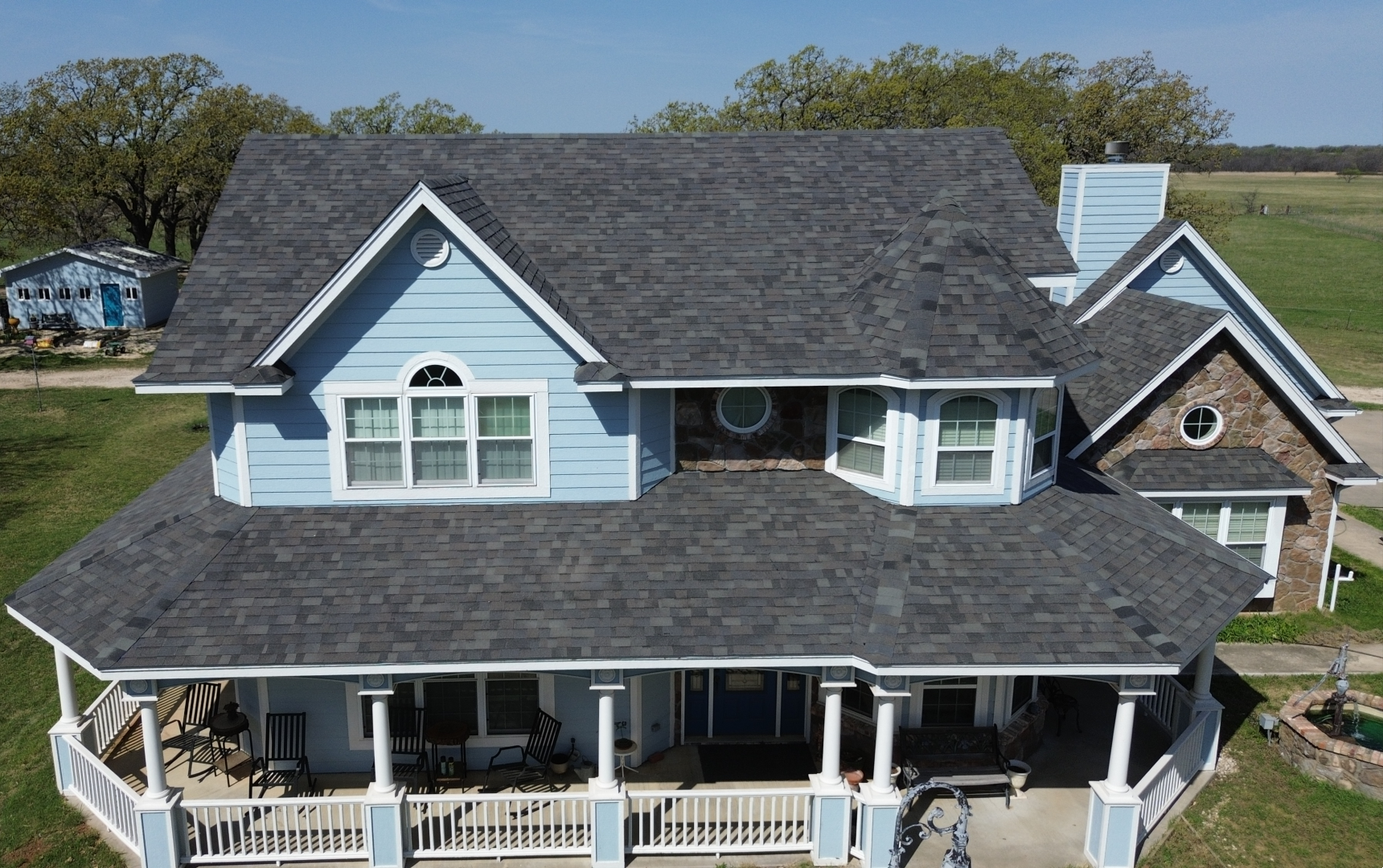
Frequently Asked Questions About Roof Replacement Mistakes
What is the most common roof replacement mistake?
Hiring a contractor based only on the lowest price is one of the most common mistakes. Installation quality has a major impact on roof performance, making experience and workmanship just as important as project cost.
Should old flashing always be replaced?
In most situations, yes. Installing new flashing during roof replacement improves moisture protection and reduces the risk of leaks around chimneys, skylights, vents, and roof intersections.
How can I avoid unexpected roofing expenses?
Scheduling a professional inspection before construction and including a contingency fund in the budget are two of the most effective ways to prepare for hidden structural repairs or other unforeseen issues.
Why is ventilation important for a new roof?
Proper ventilation controls heat and moisture inside the attic, helping roofing materials last longer while improving energy efficiency and reducing the risk of mold or wood deterioration.
When should I schedule roof inspections after replacement?
Professional inspections are recommended every few years and after severe weather events. Routine inspections help identify small issues before they require major repairs.
What documents should I keep after roof replacement?
Homeowners should keep contracts, invoices, warranty certificates, permits, inspection reports, and maintenance recommendations together in a secure location for future reference.
Conclusion
Avoiding mistakes during a roof replacement project begins long before construction starts. Careful planning, professional inspections, realistic budgeting, and thoughtful material selection create a strong foundation for a successful project. Each decision made during the planning stage influences the quality, durability, and long term value of the finished roof.
Choosing an experienced contractor is equally important because proper installation determines how effectively the roofing system will perform over the coming decades. Paying attention to workmanship, addressing unexpected issues promptly, and maintaining clear communication throughout construction help prevent many of the problems that homeowners commonly experience during roof replacement projects.
The project does not end when the final shingle or tile is installed. Completing a detailed final inspection, organizing warranty documents, and following a consistent maintenance routine ensure the new roof continues protecting the property for many years. Regular inspections, clean gutters, proper ventilation, and timely repairs all contribute to maximizing the lifespan of the investment.
A roof replacement represents a significant commitment, but avoiding common mistakes makes the process smoother, more cost effective, and far less stressful. By approaching each stage with careful preparation and informed decision making, homeowners can enjoy the confidence that comes with a durable, professionally installed roofing system built to provide reliable protection through every season.