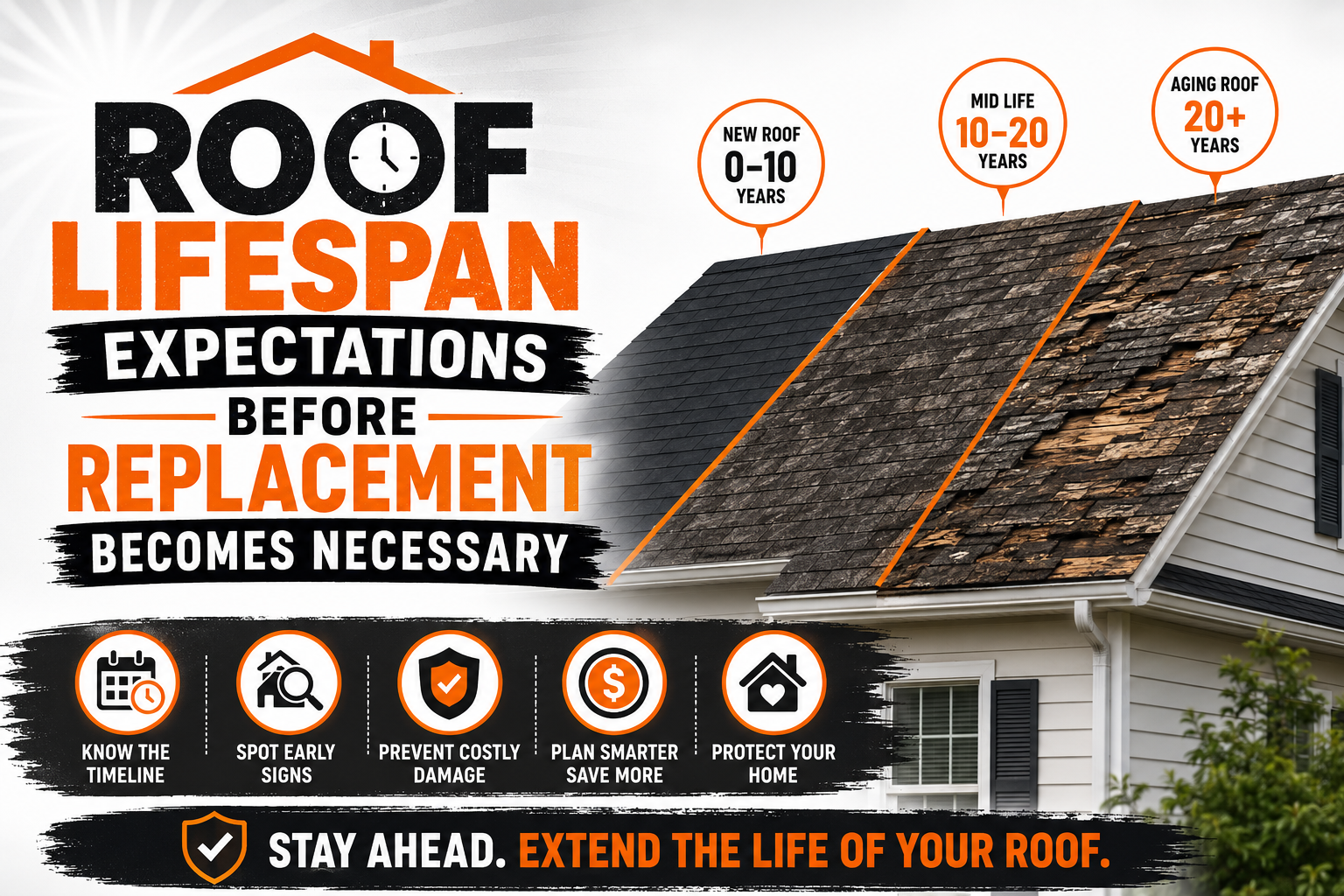
Roof Lifespan Expectations Before Replacement Becomes Necessary
Introduction
A roof is one of the most important structural components of any home, yet it is often overlooked until problems become impossible to ignore. Many homeowners assume that a roof should simply last for decades without much attention, only to discover leaks, missing shingles, or structural issues that require expensive repairs. Understanding how long a roof is expected to last helps homeowners plan ahead instead of being caught off guard by sudden replacement costs.
Roof lifespan is not determined by age alone. The material used, the quality of installation, local weather conditions, ventilation, maintenance habits, and even the design of the roof all influence how many years it can continue protecting a home. While manufacturers provide estimated service lives, those figures are based on ideal conditions that rarely exist in the real world.
Knowing what to expect from a roofing system allows homeowners to make informed maintenance decisions throughout the roof’s life. Rather than waiting for major damage to appear, regular inspections and timely repairs can often extend the useful life of a roof while delaying the need for complete replacement.
At the same time, every roof eventually reaches a point where repairs are no longer practical or cost effective. Recognizing the signs of normal aging and understanding when replacement becomes the better investment can save significant money while preventing damage to the home’s interior structure.
This guide explores the expected lifespan of different roofing materials, the factors that influence durability, and the warning signs that indicate a roof is approaching the end of its service life. By understanding these expectations, homeowners can prepare for future replacement with confidence instead of reacting to emergency situations.
Understanding Average Roof Lifespans
Every roofing material is designed with a different level of durability, which means there is no universal answer to how long a roof should last. Some materials are intended to provide reliable protection for a few decades, while premium roofing systems can remain functional for half a century or longer. Understanding these differences is the first step in setting realistic expectations.
The lifespan advertised by manufacturers usually reflects products installed correctly under favorable environmental conditions. In reality, constant exposure to sunlight, rain, wind, humidity, snow, and changing temperatures gradually wears every roofing material down. Homes located in regions with harsh climates often experience shorter roof lifespans than those in milder environments.
Installation quality is another major factor that affects whether a roof reaches its expected lifespan. Even premium roofing materials can fail prematurely if flashing is installed incorrectly, ventilation is inadequate, or underlayment is poorly positioned. A professionally installed roof generally performs more consistently throughout its service life.
Maintenance also plays an essential role in determining longevity. Small issues such as loose shingles, clogged gutters, or damaged flashing may seem insignificant at first, but they can allow moisture to enter the roofing system. Over time, these minor concerns can develop into larger structural problems that shorten the roof’s lifespan considerably.
Homeowners should view the expected lifespan of a roof as a useful planning guideline rather than a guaranteed expiration date. Some roofs exceed expectations because they receive excellent care, while others require replacement much earlier due to severe weather or neglected maintenance.
Key Factors That Determine Roof Longevity
Although roofing materials provide the foundation for durability, several outside factors determine whether a roof reaches its full expected service life. Understanding these influences helps homeowners recognize why two roofs installed at the same time may age very differently.
Climate and Weather Exposure
Weather remains one of the biggest influences on roof lifespan. Constant exposure to ultraviolet radiation gradually weakens roofing materials by drying them out and reducing their flexibility. Over many years, shingles may become brittle, curl along the edges, or lose protective granules that shield them from sunlight.
Heavy rainfall also contributes to gradual deterioration. Water naturally seeks small openings around flashing, vents, skylights, and roof penetrations. Even minor weaknesses can allow moisture to enter beneath roofing materials, creating conditions that encourage wood rot, mold growth, and insulation damage.
Strong winds place additional stress on roofing systems. Wind uplift can loosen shingles, damage flashing, or expose vulnerable areas that become entry points for rain. Repeated wind events may gradually weaken the roof even when obvious damage is not immediately visible.
Regions that experience snow and ice face unique challenges as well. Ice dams can trap melting water near roof edges, forcing moisture beneath shingles where it eventually damages the roof deck. Repeated freezing and thawing cycles also cause roofing materials to expand and contract, increasing wear over time.
Quality of Installation
Even the highest quality roofing material cannot perform properly if installation mistakes occur during construction. Proper installation ensures that every component works together to create a complete weather-resistant system rather than relying solely on shingles or tiles.
Incorrect nail placement is one common installation issue that reduces roof lifespan. Nails driven too high, too low, or at improper angles may fail to secure shingles adequately, making them more vulnerable during strong winds and storms.
Flashing installation is equally important because it protects areas where different building materials meet. Chimneys, skylights, roof valleys, and plumbing vents all require carefully installed flashing to prevent water intrusion throughout the roof’s lifetime.
Professional roofing contractors also pay close attention to manufacturer installation guidelines. Following these recommendations helps roofing materials perform as intended while maintaining warranty coverage that may be valuable if defects appear later.
Roof Ventilation
Many homeowners underestimate the importance of attic ventilation, yet it significantly influences roof longevity. A well-ventilated attic allows warm, moist air to escape while drawing in cooler outside air through intake vents. This continuous airflow helps regulate temperature and moisture levels beneath the roof.
Poor ventilation allows excessive heat to build up during summer months. Elevated attic temperatures accelerate the aging process of roofing materials from below, causing shingles to deteriorate faster than expected. The additional heat may also increase cooling costs throughout the home.
Moisture accumulation presents another concern during colder seasons. Warm indoor air naturally rises into the attic where it can condense on cooler surfaces. Without proper ventilation, trapped moisture contributes to mold growth, wood decay, and insulation damage that may eventually affect the roof structure itself.
Balanced ventilation systems support both roof durability and indoor comfort. When intake and exhaust vents work together effectively, they reduce temperature extremes that shorten roofing material life.
Roof Design and Slope
The shape and slope of a roof influence how effectively it sheds water and withstands environmental stress. Steeper roofs generally allow rain and snow to drain more efficiently, reducing the amount of standing moisture that remains on the roofing surface.
Low-slope roofs often require additional waterproofing measures because water moves more slowly across the surface. Prolonged moisture exposure increases the likelihood of leaks if drainage systems become obstructed or roofing materials begin to deteriorate.
Complex roof designs also introduce additional challenges. Roofs with numerous valleys, dormers, skylights, and intersecting sections contain more flashing and joints than simple roof designs. Each connection represents a potential location where future maintenance may become necessary.
The orientation of the roof can also influence aging patterns. Roof sections receiving direct sunlight throughout most of the day may experience faster deterioration than shaded areas because ultraviolet exposure remains constant year after year.
Maintenance Practices
Routine maintenance often determines whether a roof reaches its full expected lifespan. Homeowners who schedule regular inspections typically discover small issues before they become expensive structural repairs.
Cleaning gutters prevents water from backing up beneath roofing materials during heavy rainfall. Overflowing gutters can direct water toward fascia boards and roof edges, increasing moisture exposure in vulnerable areas.
Removing leaves, branches, and other debris also reduces the risk of trapped moisture. Organic debris retains water for extended periods, encouraging moss and algae growth that may gradually damage roofing materials if left untreated.
Prompt repair of damaged shingles, flashing, and sealants prevents small problems from spreading across larger sections of the roof. Addressing issues early usually costs far less than waiting until leaks affect interior ceilings, insulation, or structural framing.
The following maintenance habits can help maximize roof lifespan:
- Schedule professional roof inspections at least once every year.
- Clean gutters regularly to maintain proper drainage.
- Remove tree branches that hang directly above the roof.
- Replace damaged shingles as soon as they are discovered.
- Check attic ventilation to ensure consistent airflow.
- Inspect flashing around chimneys, vents, and skylights after major storms.
Consistent maintenance cannot prevent natural aging, but it can significantly delay the point at which complete replacement becomes necessary.
How Roof Materials Compare
Every roofing material offers its own balance of durability, maintenance requirements, appearance, and cost. Choosing the right material involves understanding not only the initial investment but also the expected service life under normal conditions.
Some homeowners prioritize affordability, while others focus on maximum longevity with minimal future replacement needs. Comparing roofing materials helps illustrate why lifespan expectations vary so widely from one home to another.
| Roofing Material | Average Expected Lifespan | Common Advantages | Typical Limitations |
|---|---|---|---|
| Asphalt Shingles | 20 to 30 years | Affordable, widely available, easy to repair | Shorter lifespan than premium materials |
| Architectural Shingles | 25 to 35 years | Better durability and improved appearance | Higher cost than standard asphalt |
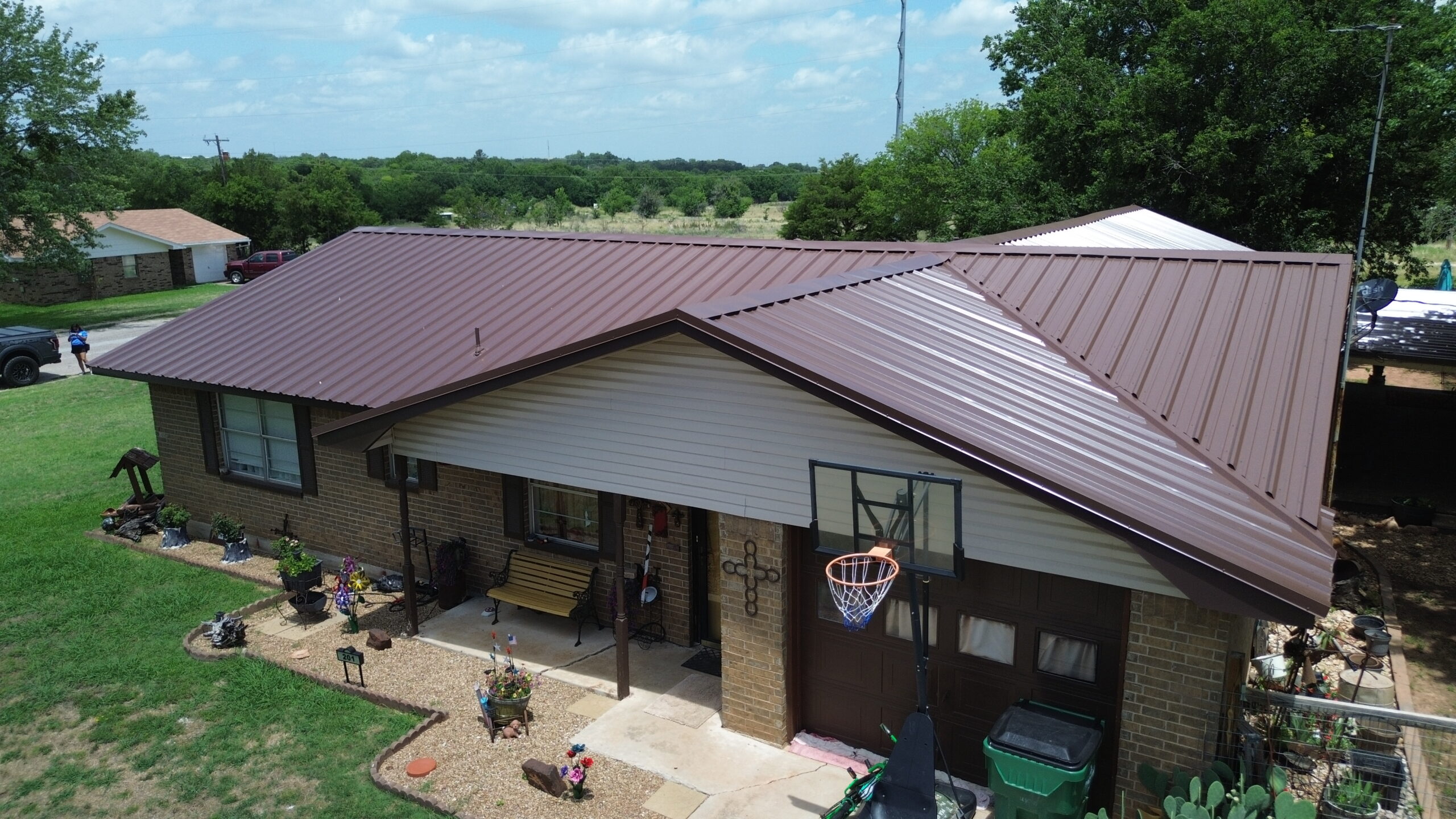
| Metal Roofing | 40 to 70 years | Excellent weather resistance and low maintenance | Higher upfront installation cost |
| Clay Tiles | 50 to 100 years | Exceptional longevity and fire resistance | Heavy weight may require structural reinforcement |
| Concrete Tiles | 40 to 60 years | Durable and resistant to harsh weather | Can develop surface cracking over time |
| Slate Roofing | 75 to 150 years | Extremely durable with timeless appearance | Expensive materials and specialized installation |
| Wood Shingles and Shakes | 25 to 40 years | Natural appearance and good insulation | Requires regular maintenance and moisture protection |
Although these lifespan ranges provide useful expectations, homeowners should remember that proper installation and ongoing maintenance often influence actual performance more than the material alone. Even one of the most durable roofing systems can experience premature deterioration if neglected.
Selecting roofing materials should therefore involve considering climate, maintenance preferences, structural capacity, and long-term ownership plans rather than focusing solely on expected years of service.
Early Signs That Roof Aging Has Begun
Every roof shows signs of aging as it approaches the later stages of its service life. Some changes are purely cosmetic and have little immediate impact on performance, while others indicate that the roofing system is gradually losing its ability to protect the home effectively.
Recognizing these early warning signs allows homeowners to schedule inspections before small concerns develop into widespread damage. Early intervention often extends the roof’s useful life while reducing repair costs.
One of the first visible indicators is the gradual loss of protective granules from asphalt shingles. These granules shield the roofing material from ultraviolet radiation and contribute to weather resistance. As they wear away, shingles become more vulnerable to sunlight and begin aging more rapidly.
Curling or cupping shingles also suggest that roofing materials are drying out after years of exposure. Changes in shape may allow wind-driven rain to reach areas beneath the shingles, increasing the risk of moisture intrusion during storms.
Discoloration alone does not always indicate structural problems, but uneven color changes sometimes reveal areas where moisture has accumulated or where algae growth has become established. A professional inspection can determine whether these cosmetic changes represent deeper concerns.
Inside the home, water stains on ceilings or walls often provide the first indication that the roofing system has weakened. Even small stains deserve immediate attention because they may signal slow leaks that have existed for an extended period without being noticed.
Homeowners should also pay attention to increasing energy bills. Aging roofs with deteriorating ventilation, damaged insulation, or moisture intrusion may reduce energy efficiency by allowing greater heat transfer between the attic and living spaces.
Not every aging roof requires immediate replacement. However, recognizing these early warning signs provides valuable time to evaluate the roof’s condition, budget for future work, and plan the next steps before more significant deterioration occurs.
How Weather Accelerates Roof Wear
Weather is one of the most significant influences on how long a roof lasts. Every day, roofing materials are exposed to sunlight, changing temperatures, rain, wind, and moisture that slowly weaken their protective qualities. Although roofs are designed to withstand harsh conditions, continuous exposure eventually causes wear that cannot be avoided.
The rate of deterioration depends on the local climate as well as the quality of the roofing system. Homes in regions with mild weather often experience slower aging than properties exposed to frequent storms, heavy snowfall, or intense summer heat. Understanding these environmental effects helps homeowners appreciate why routine inspections become increasingly important as a roof grows older.
Sun Exposure and UV Damage
Ultraviolet radiation from the sun gradually breaks down roofing materials over many years. Asphalt shingles, in particular, rely on protective granules to shield the underlying material from direct sunlight. As these granules wear away, shingles become more vulnerable to cracking, curling, and brittleness.
Heat also causes roofing materials to expand during the day and contract as temperatures cool at night. This daily movement may seem minor, but thousands of expansion and contraction cycles place continuous stress on the roof. Over time, seals weaken, flashing shifts slightly, and fasteners can loosen.
Dark-colored roofs absorb more solar heat than lighter-colored materials. While color alone does not determine roof lifespan, higher surface temperatures can contribute to faster material aging if ventilation beneath the roof is inadequate.
Rain and Moisture
Water is essential for life, but it is one of the greatest long-term threats to a roofing system. Properly installed roofs quickly direct rainwater into gutters and away from the home’s foundation. Problems begin when damaged materials, clogged drainage systems, or deteriorated flashing allow moisture to remain where it should not.
Moisture trapped beneath shingles creates ideal conditions for wood rot and mold growth. Even slow leaks that go unnoticed for months can damage roof decking, insulation, drywall, and structural framing. These hidden issues often become apparent only after significant deterioration has already occurred.
Persistent humidity presents another challenge in many climates. High moisture levels encourage algae, moss, and lichen growth on roofing surfaces. Although algae mainly affects appearance, thick moss can trap water against roofing materials, increasing the risk of premature deterioration.
Wind Damage Over Time
Wind affects roofs in ways that are not always immediately visible. Strong gusts lift shingles repeatedly, gradually weakening the adhesive strips that keep them secured. Even when shingles remain attached after a storm, repeated movement can reduce their ability to resist future wind events.
Flying debris during storms creates additional hazards. Branches, leaves, and other objects may damage shingles, puncture roofing membranes, or dent metal panels. Small impacts that appear insignificant can later develop into moisture entry points if repairs are delayed.
Wind-driven rain also deserves attention because it reaches areas that ordinary rainfall cannot. Moisture forced beneath roofing materials places additional stress on flashing and underlayment, especially around chimneys, skylights, and roof valleys.
Snow, Ice, and Freeze-Thaw Cycles
Cold climates introduce another set of roofing challenges. Snow itself is not always harmful because most roofs are designed to support expected seasonal loads. Problems arise when melting snow refreezes along roof edges, forming ice dams that prevent proper drainage.
Water trapped behind ice dams can back up beneath shingles where it eventually enters the roof structure. This hidden moisture may remain undetected until stains appear on ceilings or walls inside the home.
Repeated freezing and thawing also weakens roofing materials over time. Small cracks allow water to enter, and when temperatures drop, expanding ice widens those openings. This gradual process accelerates aging and increases the likelihood of leaks as the roof approaches the later stages of its lifespan.
Storm Frequency and Severe Weather
A single severe storm can shorten a roof’s remaining lifespan significantly. Hail may fracture shingles, dent metal roofing, or crack tiles even when damage is difficult to recognize from ground level. Heavy winds can loosen flashing or remove shingles entirely, exposing the roof deck beneath.
Homes located in storm-prone regions often require more frequent inspections than those in calmer climates. Early identification of storm damage allows repairs before water reaches structural components that are much more expensive to replace.
While weather cannot be controlled, homeowners can reduce its long-term impact through regular maintenance and prompt repairs after major storms.
Maintenance Habits That Influence Roof Lifespan
Every roof naturally ages, but maintenance often determines whether it reaches the upper or lower end of its expected lifespan. Homeowners who address small issues promptly usually experience fewer major repairs than those who postpone routine care.
Maintenance should not be viewed as an unnecessary expense. Instead, it represents an investment that protects the roofing system while reducing the likelihood of emergency replacement.
Routine Roof Inspections
Professional inspections provide valuable insight into a roof’s condition before visible problems appear. Experienced inspectors recognize subtle warning signs that homeowners may overlook, including deteriorating flashing, loose fasteners, early shingle damage, and ventilation concerns.
Annual inspections become increasingly valuable as roofs age. Even if no repairs are needed, inspection records establish a history of the roof’s condition that can help homeowners plan future maintenance or replacement.
Many professionals also recommend additional inspections after severe weather events. Storm damage is often easier and less expensive to repair when identified immediately.
Keeping Gutters Clean
Gutters play a critical role in protecting the roofing system. Their purpose extends beyond directing rainwater away from the home because they also prevent water from accumulating along roof edges.
Leaves, twigs, and other debris eventually restrict water flow if gutters are not cleaned regularly. Overflowing gutters allow water to seep beneath shingles, increasing the risk of fascia damage, wood rot, and moisture infiltration.
Regular gutter maintenance also reduces the weight placed on gutter systems during heavy rainfall. Proper drainage protects both the roof and the home’s exterior walls.
Controlling Tree Growth
Trees provide welcome shade during warm weather, but branches extending over the roof create several maintenance concerns. Falling limbs may damage roofing materials during storms, while smaller branches continuously scrape against shingles during windy conditions.
Leaves also collect on roofs throughout the year, trapping moisture against roofing materials. Damp organic debris encourages moss growth that may gradually reduce roof performance.
Homeowners should periodically trim nearby trees to reduce these risks while maintaining healthy vegetation around the property.
Addressing Small Repairs Quickly
One missing shingle rarely causes immediate structural failure, yet delaying repairs often allows minor damage to spread. Wind may lift surrounding shingles, moisture can reach the roof deck, and repeated exposure gradually enlarges the affected area.
Small flashing problems deserve similar attention. Since flashing protects roof penetrations where leaks commonly develop, repairing damaged sections promptly helps preserve the surrounding roofing materials.
Homeowners who respond quickly to minor repairs often avoid much larger replacement projects later.
Protecting Roof Ventilation
Ventilation remains an important but frequently overlooked maintenance consideration. Intake vents, ridge vents, and attic exhaust systems should remain free of obstructions to allow consistent airflow throughout the year.
Insulation should also be positioned correctly so that it does not block intake vents near the roof’s edge. Maintaining proper airflow reduces attic temperatures during summer while minimizing moisture accumulation during winter.
Ventilation inspections should become part of every comprehensive roof maintenance program because airflow directly influences roofing material longevity.
When Repairs Stop Being Cost Effective
Every roof eventually reaches a point where continued repairs provide diminishing returns. Although replacing individual shingles or repairing flashing may be appropriate during the early years of a roof’s life, extensive repairs become less practical as overall deterioration increases.
Making the correct decision between repair and replacement requires evaluating multiple factors rather than focusing solely on the immediate repair cost.
The Roof’s Overall Age
Age provides valuable context when evaluating repair decisions. A roof approaching the end of its expected lifespan may continue developing new issues even after existing damage has been repaired.
For example, replacing a few damaged shingles on a roof nearing thirty years of age may solve one problem temporarily. However, neighboring shingles may already be approaching similar levels of deterioration, making additional repairs increasingly likely.
This does not mean every older roof requires immediate replacement, but age should always be considered alongside its current condition.
Frequency of Repairs
Occasional repairs are a normal part of roof ownership. Problems arise when repairs become increasingly frequent, requiring repeated contractor visits over a relatively short period.
Multiple leaks developing in different areas often indicate widespread aging rather than isolated damage. Investing in continuous repairs under these circumstances may eventually cost more than replacing the roofing system altogether.
Homeowners should keep records of repair history because recurring issues often reveal broader patterns of deterioration.
Hidden Structural Damage
Surface damage does not always reflect the full condition of the roofing system. Moisture entering beneath roofing materials may weaken roof decking, insulation, rafters, and interior finishes long before exterior symptoms become obvious.
Professional inspections sometimes uncover hidden structural deterioration that makes replacement the safer and more economical option. Simply repairing visible roofing materials without addressing underlying damage rarely provides a lasting solution.
Understanding the extent of hidden deterioration helps homeowners avoid investing in repairs that fail to resolve the root cause.
Energy Efficiency Concerns
Older roofs sometimes contribute to higher heating and cooling costs due to deteriorated insulation, poor ventilation, or moisture damage. Even when leaks remain manageable, declining energy efficiency increases the overall cost of maintaining an aging roofing system.
Modern roofing materials often provide improved ventilation compatibility, reflective surfaces, and better insulation performance. These improvements may reduce utility expenses while enhancing indoor comfort throughout the year.
When evaluating replacement costs, homeowners should also consider potential long-term energy savings rather than focusing only on installation expenses.
Inspection Checklist for Aging Roofs
Regular inspections help identify problems before they become emergencies. While homeowners can perform basic visual observations from the ground, professional inspections remain the safest and most reliable method for evaluating roof condition.
The following checklist highlights important areas that deserve attention during routine evaluations.
- Look for missing, cracked, curling, or loose shingles across the roof surface.
- Inspect flashing around chimneys, skylights, vents, and valleys for signs of separation or corrosion.
- Check gutters for excessive granule accumulation that may indicate advanced shingle wear.
- Examine ceilings and attic spaces for water stains, mold, or damp insulation.
- Look for sagging roof sections that could suggest structural deterioration.
- Inspect roof penetrations for deteriorated sealants or loose components.
- Confirm that attic ventilation remains unobstructed and operating properly.
- Schedule a professional inspection after severe storms even if no obvious damage is visible.
This checklist should not replace a comprehensive professional evaluation, but it provides homeowners with a practical starting point for monitoring roof condition throughout its lifespan.
As roofs continue to age, inspections become increasingly valuable because they help identify gradual deterioration before expensive structural damage develops. Proactive monitoring allows homeowners to plan future replacement on their own schedule instead of reacting to unexpected failures.
Planning for Roof Replacement Before Failure
Replacing a roof is one of the most significant home improvement projects most homeowners will undertake. While it may be tempting to delay replacement until leaks become severe, waiting too long often results in additional expenses caused by water damage, mold growth, and structural deterioration. Planning ahead allows homeowners to make thoughtful decisions instead of rushing into an emergency replacement.
A well-planned replacement also provides greater flexibility when selecting materials, comparing contractor estimates, and scheduling work during favorable weather conditions. Rather than reacting to an unexpected roofing failure, homeowners can choose options that best suit their budget, climate, and long-term property goals.
Understanding when to begin planning is just as important as recognizing when replacement becomes necessary. Most roofing professionals recommend evaluating replacement options several years before a roof reaches the end of its expected lifespan. This proactive approach reduces financial pressure while minimizing the risk of unexpected structural damage.
Budgeting for Roof Replacement
Financial planning makes roof replacement far less stressful. Since roofing projects represent a major investment, creating a dedicated maintenance fund helps homeowners prepare for future expenses without relying entirely on emergency financing.
Replacement costs vary depending on several factors, including roof size, material selection, labor costs, roof complexity, and local building requirements. Additional expenses may arise if damaged roof decking or structural framing requires replacement during the project.
Obtaining multiple estimates provides a clearer understanding of expected costs. Comparing proposals allows homeowners to evaluate pricing, warranty coverage, installation methods, and project timelines before making a final decision.
It is also wise to include a contingency budget for unexpected discoveries during construction. Hidden moisture damage or deteriorated structural components occasionally become visible only after old roofing materials have been removed.
Choosing the Right Time for Replacement
Timing influences both project efficiency and overall results. Roofing work performed during favorable weather conditions generally proceeds more smoothly than projects interrupted by frequent rain or severe storms.
Many homeowners schedule replacements during seasons when contractors have greater availability. Planning ahead often provides more scheduling flexibility and reduces the likelihood of emergency service premiums.
Delaying replacement until active leaks appear creates unnecessary risks. Water entering the roof system may damage insulation, ceilings, electrical components, flooring, and interior finishes long before roofing work begins.
Replacing a roof before widespread failure occurs protects the home’s overall structure while allowing contractors to work under safer and more predictable conditions.
Selecting the Right Roofing Material
Material selection should consider more than appearance alone. Homeowners should evaluate expected lifespan, maintenance requirements, local climate, energy efficiency, and long-term ownership plans before making a decision.
Asphalt shingles remain one of the most popular choices because they balance affordability with dependable performance. Architectural shingles provide improved durability and enhanced appearance while remaining relatively cost effective.
Metal roofing continues gaining popularity due to its exceptional longevity and resistance to severe weather. Although the initial investment is higher, many homeowners appreciate the reduced maintenance requirements and long service life.
Clay tiles, concrete tiles, and slate roofing offer outstanding durability but require careful evaluation of structural capacity because of their greater weight. Homes may require additional reinforcement before these heavier materials can be installed safely.
Choosing the right material involves balancing budget, aesthetics, expected lifespan, and local environmental conditions rather than focusing on a single feature.
Working With Qualified Roofing Professionals
The quality of installation influences roof performance just as much as the roofing material itself. Even premium products may fail prematurely if installed incorrectly, making contractor selection one of the most important decisions in the replacement process.
Homeowners should verify licensing, insurance, certifications, and references before hiring a contractor. Reviewing previous projects and customer feedback provides valuable insight into workmanship and reliability.
Written contracts should clearly outline the project scope, materials, warranty information, estimated timeline, payment schedule, and cleanup responsibilities. Clear communication reduces misunderstandings while ensuring both parties understand project expectations.
Professional contractors also identify underlying issues that may not be visible before construction begins. Addressing ventilation problems, damaged decking, or flashing deficiencies during replacement helps maximize the lifespan of the new roof.
What to Expect During the Replacement Process
Knowing what happens during roof replacement helps homeowners prepare for the project while minimizing disruption to daily routines. Although every project differs, most follow a similar sequence from preparation through final inspection.
The process begins with protecting landscaping, driveways, and nearby structures before removing existing roofing materials. Contractors carefully inspect the exposed roof deck to identify any hidden damage requiring repair before new materials are installed.
If damaged wood or structural components are discovered, repairs are completed before underlayment and new roofing materials are applied. This step ensures the new roofing system rests on a solid foundation capable of supporting decades of reliable service.
Proper installation of flashing, ventilation components, and waterproof barriers follows. These elements work together to protect vulnerable areas from future moisture intrusion while supporting long-term roof performance.
Once installation is complete, contractors perform a thorough cleanup to remove nails, debris, and discarded materials from the property. A final inspection confirms that the roofing system meets installation standards and that all project requirements have been completed.
Although replacement may temporarily inconvenience homeowners, the long-term benefits far outweigh the short period of construction activity.
Common Myths About Roof Lifespan
Many misconceptions influence homeowner decisions regarding roof maintenance and replacement. Believing these myths often leads to delayed repairs, unnecessary expenses, or unrealistic expectations about roof performance.
Myth: A Roof Must Be Replaced Exactly at Its Expected Lifespan
Expected lifespan represents an estimate rather than an expiration date. Some roofs remain in excellent condition beyond their projected service life because they receive consistent maintenance and experience favorable environmental conditions.
Conversely, roofs exposed to severe weather or poor installation may require replacement much earlier. Regular inspections provide a far more accurate assessment than age alone.
Myth: No Leaks Mean the Roof Is Healthy
A roof may develop hidden problems long before interior leaks become visible. Moisture sometimes travels beneath roofing materials for months before reaching ceilings or walls.
Professional inspections often identify deteriorating flashing, damaged underlayment, or weakening structural components before obvious leaks appear. Waiting for visible water damage usually results in more extensive repairs.
Myth: Roof Warranties Cover Every Problem
Manufacturer warranties typically cover defects in roofing materials rather than damage caused by improper installation, inadequate maintenance, severe weather, or natural aging.
Understanding warranty terms helps homeowners maintain realistic expectations regarding future coverage. Routine maintenance remains essential regardless of warranty protection.
Myth: Repairs Can Continue Forever
Repairs extend roof life only while the overall roofing system remains structurally sound. Eventually, widespread aging reaches a point where replacement becomes more economical than repeated repairs.
Continuing to repair an extensively deteriorated roof often increases overall costs while delaying an inevitable replacement project.
Long Term Benefits of Timely Roof Replacement
Replacing a roof before catastrophic failure provides advantages that extend well beyond preventing leaks. A new roofing system contributes to improved safety, comfort, efficiency, and property value for many years.
One of the most significant benefits is enhanced protection against future weather events. Modern roofing systems incorporate improved materials, better underlayment technology, and advanced installation methods that provide greater resistance to moisture and wind.
Energy efficiency also improves in many cases. Better ventilation, upgraded insulation compatibility, and reflective roofing materials help regulate indoor temperatures more effectively, reducing heating and cooling demands throughout the year.
Property value often increases when a home has a recently installed roof. Prospective buyers appreciate knowing that one of the home’s largest maintenance expenses has already been addressed, making the property more attractive in competitive real estate markets.
Timely replacement also reduces ongoing maintenance requirements. Rather than scheduling frequent repairs for aging materials, homeowners can focus on routine inspections and preventive care that keep the new roof performing at its best.
Beyond financial benefits, a new roof provides peace of mind during storms and changing seasons. Homeowners gain confidence knowing their property is protected by a roofing system designed to perform reliably for decades.
Building a Long-Term Roof Care Strategy
Roof replacement should not mark the end of maintenance efforts. Instead, it represents the beginning of a new maintenance cycle that protects the investment and helps maximize the lifespan of the new roofing system.
Developing a simple maintenance schedule keeps homeowners proactive rather than reactive. Annual inspections, regular gutter cleaning, prompt storm assessments, and timely repairs all contribute to extending roof performance well into the future.
Documentation is equally valuable. Keeping records of inspections, repairs, warranties, and maintenance activities provides useful information for future service needs and may also benefit homeowners if they decide to sell the property.
Maintaining attic ventilation and insulation should remain ongoing priorities as well. These components continue influencing roof performance throughout its service life, making periodic evaluations worthwhile even when no obvious problems exist.
A long-term maintenance strategy transforms roof ownership from emergency response into preventive care, helping homeowners protect one of their property’s most valuable assets.
Conclusion
Every roof has a finite lifespan, but understanding the factors that influence its durability allows homeowners to make informed decisions throughout that journey. Roofing materials, installation quality, climate, ventilation, maintenance habits, and weather exposure all work together to determine how long a roof can continue protecting a home effectively.
While manufacturer lifespan estimates provide useful guidance, they should never replace regular inspections and proactive maintenance. Small repairs completed at the right time often extend roof performance for years, while neglected issues can dramatically shorten the life of even the highest-quality roofing systems.
Equally important is recognizing when replacement becomes the better investment. Continuing to repair an aging roof with widespread deterioration often leads to higher long-term costs and increases the risk of structural damage. Planning for replacement before complete failure allows homeowners to compare materials, choose qualified contractors, budget appropriately, and complete the project under favorable conditions.
A roof is far more than the outer covering of a house. It protects the structure, supports energy efficiency, preserves indoor comfort, and contributes significantly to property value. By understanding realistic roof lifespan expectations and adopting a consistent maintenance strategy, homeowners can maximize the performance of their roofing system while avoiding unnecessary surprises.
With thoughtful planning, routine care, and timely replacement when necessary, a roof can provide dependable protection for decades, ensuring that the home beneath it remains safe, comfortable, and well protected through every season.