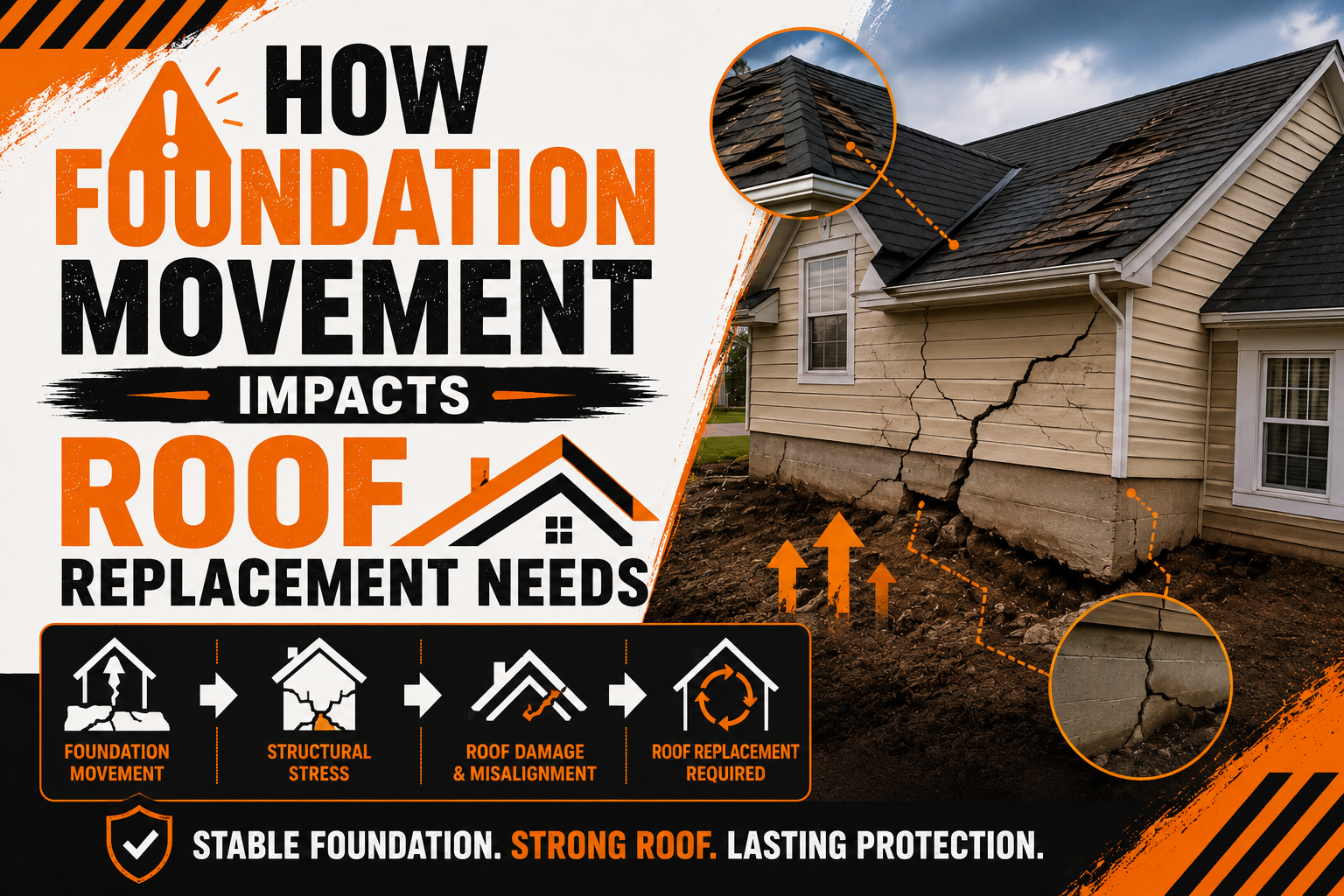
How Foundation Movement Impacts Roof Replacement Needs
Introduction
A roof replacement is often viewed as an isolated home improvement project focused on replacing worn shingles, repairing leaks, or upgrading roofing materials. However, the condition of the roof cannot always be evaluated independently from the rest of the building. The structural integrity of the entire home begins at the foundation, and movement within that foundation can significantly influence the performance, condition, and replacement needs of the roof.
Foundations are designed to support the weight of a building while keeping it stable over many decades. When a foundation shifts, settles, expands, or moves unevenly, the entire structure responds to those changes. Floors, walls, ceilings, windows, doors, and the roof all experience varying levels of stress as structural loads are redistributed throughout the building.
Many roofing problems that appear to result from aging materials or severe weather actually originate much lower in the structure. Foundation movement can cause roof framing to twist, roof decking to shift, flashing to separate, and roofing materials to crack or become misaligned. In many situations, replacing the roof without first addressing the underlying foundation issues may lead to recurring roofing problems and unnecessary repair costs.
Understanding the relationship between foundation movement and roof performance allows homeowners to make informed decisions before beginning a roof replacement project. A thorough structural evaluation can reveal hidden problems that might otherwise shorten the lifespan of a newly installed roof.
This article explores how foundation movement affects roofing systems, explains the different types of foundation movement that influence structural stability, and discusses why identifying these issues before roof replacement is essential for protecting both the home and the investment.
Understanding the Connection Between the Foundation and the Roof
Every part of a building works together as one interconnected structural system. Although the roof and the foundation are located at opposite ends of the structure, they are directly connected through load bearing walls, columns, beams, rafters, trusses, and other framing components.
The foundation serves as the base that supports the entire weight of the building. It transfers structural loads safely into the ground while maintaining the alignment of walls and framing members above. When the foundation remains stable, the roof structure also remains properly supported.
If the foundation begins to move, however, these loads are redistributed throughout the building. Structural members that were originally designed to carry specific loads may suddenly experience additional stress or uneven support.
Even relatively small amounts of foundation movement can gradually affect roof alignment. Walls may shift slightly, rafters can become misaligned, and roof decking may develop uneven areas. These changes often occur so slowly that homeowners do not immediately recognize the connection between the foundation and the roof.
The roof itself is designed to function on a level and stable structural framework. When the supporting structure changes shape due to foundation movement, roofing materials are forced to adapt to stresses they were not designed to withstand.
Understanding this relationship explains why roofing contractors often recommend structural evaluations before replacing roofs on buildings showing signs of foundation movement. Correcting roofing problems alone rarely provides a lasting solution if the underlying structural support continues changing.
What Causes Foundation Movement in Residential and Commercial Buildings
Foundation movement develops for many different reasons, and understanding these causes helps homeowners recognize why roofing problems sometimes appear years after the original foundation issues begin.
One of the most common causes is soil movement beneath the building. Different soil types respond differently to changing moisture conditions. Clay soils, for example, expand when wet and shrink during dry periods, creating repeated movement beneath the foundation.
Poor drainage around the building also contributes significantly to foundation movement. Water collecting near the foundation softens supporting soil while increasing the likelihood of uneven settlement over time.
Tree roots create another common challenge. Large trees growing close to a structure may absorb substantial amounts of groundwater, causing soil shrinkage beneath portions of the foundation. Uneven moisture conditions can result in differential settlement where one section of the building moves more than another.
Natural settling occurs in many buildings during the first several years after construction. Minor settlement is generally expected and does not necessarily indicate structural failure. However, excessive or uneven settlement may require professional evaluation before major renovations such as roof replacement.
Heavy rainfall, prolonged drought, flooding, earthquakes, nearby excavation, poor original construction, inadequate soil preparation, and aging foundation materials may also contribute to structural movement.
Commercial buildings experience many of the same challenges but often carry greater structural loads due to larger floor areas and heavier construction materials. As a result, foundation movement in commercial structures may affect roofing systems differently than in smaller residential buildings.
Understanding these causes helps homeowners appreciate that foundation movement often develops gradually over many years rather than appearing suddenly.
Types of Foundation Movement That Affect Roof Structures
Not all foundation movement affects buildings in the same way. Different patterns of movement produce different structural responses, and understanding these variations helps explain why roofing problems vary from one property to another.
Uniform settlement occurs when the entire building settles evenly into the supporting soil. Although this changes the building’s elevation slightly, it generally produces fewer structural problems because all sections move together.
Differential settlement presents a much greater concern. In this situation, one portion of the foundation settles more than another, causing walls, floors, and roof framing to shift unevenly. This uneven movement introduces stress throughout the structure and frequently affects roof alignment.
Foundation heave represents the opposite condition. Instead of settling downward, sections of the foundation move upward due to expanding soil, frost action, or other environmental factors. This upward movement can distort framing members and alter roof geometry.
Lateral movement occurs when portions of the foundation shift horizontally rather than vertically. Soil pressure, slope instability, or inadequate drainage may contribute to this type of movement, placing unusual forces on structural walls and roof framing.
Foundation rotation involves portions of the structure tilting or rotating slightly because of uneven support beneath the building. Although rotation may appear minor initially, it often affects roof slopes, flashing alignment, and structural load distribution.
Each type of movement influences the roof differently, but all create structural stresses that should be evaluated before replacing roofing materials.
Recognizing the specific movement pattern helps engineers and contractors recommend appropriate structural repairs while ensuring that the new roof will perform as intended after installation.
Early Signs That Foundation Movement Is Affecting the Roof
Foundation movement usually develops gradually, and the roof often displays warning signs before serious structural damage becomes obvious. Identifying these symptoms early allows homeowners to investigate the underlying cause before investing in roof replacement.
One of the earliest signs is an uneven roofline. If portions of the roof appear lower than others or the ridgeline no longer appears straight, structural movement may be affecting the framing beneath the roofing materials.
Interior ceiling cracks frequently accompany foundation movement. Although some minor cracks result from normal building settlement, widening cracks that continue returning after repairs deserve professional evaluation.
Roof leaks appearing without obvious storm damage may also indicate structural movement. As framing shifts, flashing around chimneys, skylights, vents, and valleys may separate slightly, allowing water to enter during rainfall.
Doors and windows becoming difficult to open or close often provide another important clue. Structural movement affecting wall alignment frequently influences these openings long before severe roof damage develops.
Homeowners may also notice gaps forming where walls meet ceilings or where trim separates from adjoining surfaces. These changes suggest that structural components are moving relative to one another.
Inside the attic, inspectors may discover cracked rafters, twisted trusses, separated joints, or roof decking that no longer lies flat. These hidden signs often provide direct evidence that foundation movement has begun affecting the roof structure.
Additional warning signs include sagging roof sections, recurring drywall repairs, uneven flooring, stair step cracks in masonry walls, and repeated flashing failures despite previous roof repairs.
None of these symptoms alone confirms foundation movement, but multiple warning signs occurring together strongly suggest that a comprehensive structural evaluation should precede any roof replacement project.
How Foundation Shifting Changes Structural Load Distribution
Buildings are designed so that structural loads follow predictable paths from the roof down through walls and framing into the foundation. When the foundation shifts, these carefully balanced load paths change, affecting nearly every structural component above.
Under normal conditions, roof loads are distributed evenly across rafters or trusses before transferring into load bearing walls and eventually reaching the foundation. Stable support allows each structural member to carry the load it was designed to handle.
Foundation movement disrupts this balance. If one portion of the building settles or rises, structural members experience new loading conditions that may increase stress in certain areas while reducing support in others.
Roof framing often responds by bending slightly or twisting to accommodate these changes. Although these movements may initially remain small, repeated loading over many years gradually weakens structural connections and increases the likelihood of visible roof problems.
Roof decking may also experience uneven support beneath its surface. Areas that lose adequate structural backing become more susceptible to deflection, reducing the effectiveness of roofing materials installed above them.
Flashing experiences additional stress because roof penetrations such as chimneys and vents may move differently than surrounding roofing materials. This movement creates gaps where water infiltration becomes more likely.
Load redistribution also influences roofing fasteners. Nails and screws originally installed under stable conditions may loosen gradually as structural members continue moving, reducing wind resistance and increasing maintenance requirements.
Understanding changing load paths helps explain why replacing roofing materials alone often fails to solve recurring problems when foundation movement remains uncorrected.
Inspecting the Roof and Foundation Before Replacement
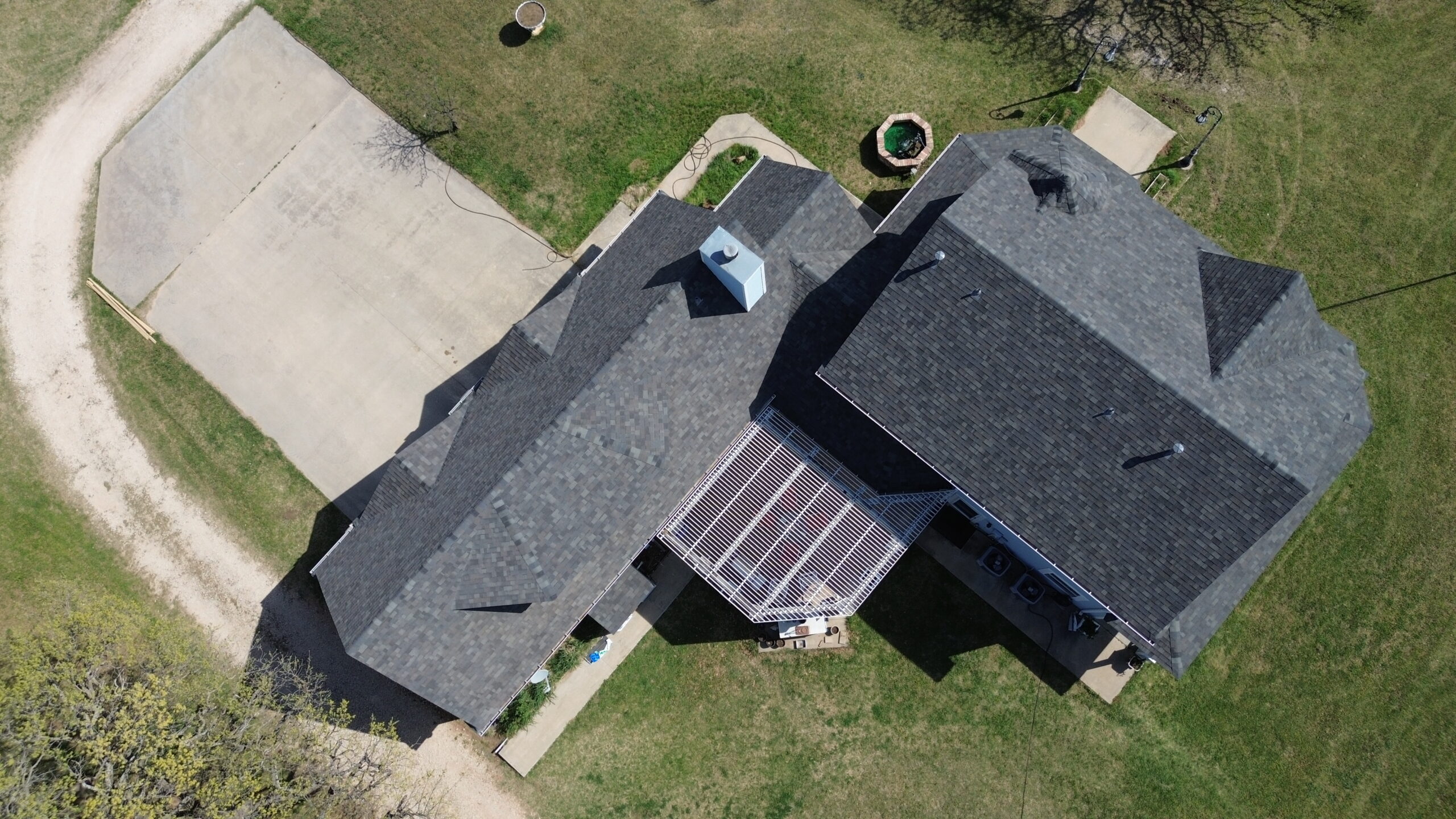
A comprehensive inspection before roof replacement should evaluate both the roofing system and the supporting structure beneath it. Limiting the inspection to visible roofing materials may overlook hidden structural issues that significantly affect long term roof performance.
The inspection typically begins with the foundation itself. Professionals examine foundation walls, slabs, crawl spaces, or basement areas for cracks, settlement, moisture damage, and signs of structural displacement.
Exterior grading and drainage receive careful attention because poor water management frequently contributes to ongoing foundation movement. Standing water near the foundation, clogged drainage systems, or improper landscaping should be identified before roofing work begins.
Inside the building, inspectors evaluate floors, walls, ceilings, windows, and doors for evidence of structural movement. These observations help determine whether foundation issues are influencing the building as a whole.
Attic inspections provide valuable information about roof framing. Contractors examine rafters, trusses, roof decking, connectors, and structural joints for cracking, twisting, moisture damage, or unusual movement.
Roof surfaces are also inspected for uneven slopes, lifted flashing, separated ridge lines, damaged shingles, recurring leak locations, and evidence of structural distortion beneath the roofing materials.
Modern inspection techniques may include laser leveling, moisture detection equipment, structural measurements, and engineering evaluations that provide more precise information about foundation movement and roof alignment.
By combining foundation and roofing inspections into one comprehensive evaluation, homeowners gain a clearer understanding of the building’s overall structural condition before making major replacement decisions.
Why Identifying Foundation Problems First Prevents Costly Roofing Mistakes
Replacing a roof without first investigating possible foundation movement can create expensive long term consequences. While the new roofing materials may initially appear successful, the structural issues beneath them continue developing if the underlying cause remains unresolved.
As foundation movement progresses, newly installed roofing materials experience the same structural stresses that damaged the previous roof. Flashing may separate again, shingles may crack or shift, roof decking may become uneven, and recurring leaks may develop despite recent replacement.
These repeated problems often lead homeowners to believe the new roof was installed incorrectly when the actual cause lies within the building’s foundation. Correcting roofing defects repeatedly without addressing structural movement rarely provides a permanent solution.
Identifying foundation problems before roof replacement also allows contractors to coordinate repairs more efficiently. Structural reinforcement, framing corrections, and roof replacement can often be planned together, reducing duplicate labor and minimizing future disruption.
Another important advantage involves protecting manufacturer warranties. Roofing materials installed on unstable structural systems may not perform according to manufacturer expectations, potentially affecting warranty coverage if structural movement contributes to premature failure.
Early identification also improves budgeting accuracy. Understanding the full scope of structural work before construction begins helps homeowners avoid unexpected expenses after roofing materials have already been removed.
Most importantly, resolving foundation issues first creates a stable platform for the new roof. A structurally sound foundation supports proper roof alignment, consistent load distribution, improved weather resistance, and a significantly longer service life for the replacement roofing system.
How Foundation Movement Damages Roof Framing and Decking
Foundation movement affects far more than the visible portions of a building. As the foundation shifts, settles, or rises unevenly, the structural framing above it is forced to adjust. Since the roof depends on this framework for support, even small structural changes can gradually influence the condition of the roof.
Roof framing is designed to distribute loads evenly across rafters, trusses, beams, and supporting walls. When the foundation moves, these structural members no longer remain perfectly aligned. Some sections begin carrying more weight than originally intended, while others lose part of their support.
Over time, these uneven forces can cause rafters to bend slightly or twist out of alignment. Trusses may experience additional stress at their connection points, particularly where multiple structural members intersect. Although these changes may initially appear minor, repeated loading eventually weakens the framing system.
Roof decking also becomes vulnerable as the supporting structure shifts. Plywood or oriented strand board depends on consistent support beneath its surface. If rafters move unevenly, sections of the roof deck may begin to flex, creating soft spots or uneven roof surfaces.
These structural changes often remain hidden beneath roofing materials for many years. Homeowners usually notice visible symptoms only after roofing components begin reacting to the movement below.
Moisture further accelerates the deterioration process. Once structural movement creates small gaps around flashing or roofing joints, water infiltration may begin damaging roof decking and framing. Wet wood gradually loses strength, increasing the likelihood of further structural movement.
Fasteners securing the roof deck may also loosen over time as framing members shift repeatedly. This reduces the stability of the roofing system and makes shingles, metal panels, or tiles more vulnerable during high winds.
Foundation movement therefore creates a cycle where structural changes lead to roofing problems, and roofing problems allow moisture to worsen structural deterioration. Breaking this cycle requires identifying the foundation issue before replacing the roofing materials.
The Impact of Foundation Settlement on Roofing Materials
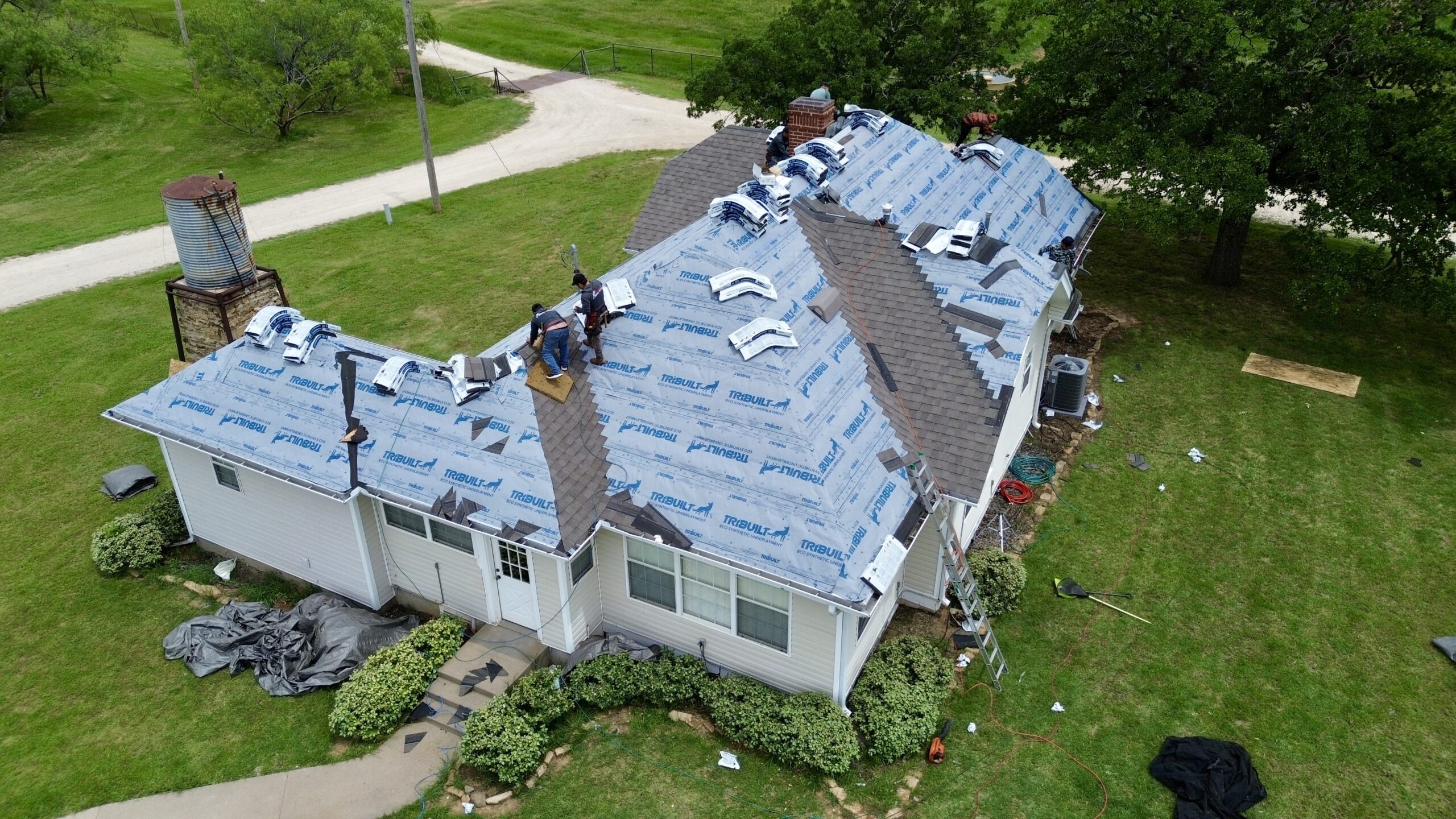
Roofing materials are designed to perform on stable, properly aligned roof structures. When foundation settlement alters the shape of the roof, roofing products experience stresses beyond those anticipated during manufacturing and installation.
Asphalt shingles provide a good example. These shingles rely on flat, consistent roof surfaces for proper sealing and water drainage. Uneven structural movement can cause shingles to lift slightly, separate from adjacent courses, or develop small cracks over time.
Metal roofing systems also respond to foundation movement. Although metal panels offer excellent flexibility compared to many roofing materials, continuous structural shifting may place additional stress on seams, fasteners, and flashing connections.
Clay and concrete tiles are particularly sensitive to structural movement because of their rigid nature. Even relatively small framing changes may cause individual tiles to crack or become displaced as the roof structure moves beneath them.
Natural slate behaves similarly. Its exceptional durability depends on stable structural support. Twisting roof framing may place concentrated pressure on individual slate pieces, increasing the likelihood of fractures.
Flashing around chimneys, skylights, valleys, and roof penetrations frequently experiences some of the earliest damage. As different structural components move independently, flashing joints separate, allowing moisture to enter beneath the roofing system.
Sealants also deteriorate more quickly under repeated structural movement. Products designed to accommodate limited expansion and contraction may fail prematurely if foundation movement continuously alters roof geometry.
Even roof ventilation systems can be affected. Ridge vents, soffit vents, and roof penetrations depend on proper alignment with surrounding roofing materials. Structural movement may reduce their effectiveness or create new opportunities for water intrusion.
Regardless of the roofing material selected, long term performance depends on maintaining structural stability beneath the roof. Foundation settlement therefore influences roofing durability far beyond the framing system alone.
When Roof Repairs Are No Longer Enough
Many roofing problems caused by foundation movement begin as isolated defects that appear repairable. A small leak, a cracked section of flashing, or a few displaced shingles may seem like routine maintenance concerns. However, repeated structural movement often transforms these localized issues into symptoms of a much larger problem.
Roof repairs are most effective when the underlying structure remains stable. Replacing damaged shingles or repairing flashing generally restores weather protection if the roof framing has not changed significantly.
When foundation movement continues, however, repaired sections frequently fail again because the structural forces causing the damage remain active. Homeowners may notice recurring leaks in the same locations despite multiple repair attempts.
Repeated flashing failures often provide one of the clearest indications that structural movement is ongoing. Flashing repairs may perform well initially but gradually separate again as the building continues shifting.
Structural sagging also reduces the effectiveness of localized roof repairs. Replacing roofing materials over uneven decking rarely restores proper drainage because the underlying framing remains distorted.
Repair costs often increase rapidly once multiple areas begin showing signs of movement. Instead of correcting one isolated defect, contractors must repeatedly address different symptoms caused by the same structural issue.
Another indication that repairs are no longer sufficient occurs when moisture damage extends into structural framing. Once roof decking, rafters, insulation, and interior finishes have been affected, replacing surface roofing materials alone no longer resolves the underlying deterioration.
Homeowners should also consider replacement when repairs become increasingly frequent. Spending money on repeated temporary fixes often costs more over time than addressing the structural cause and completing a properly planned roof replacement.
Recognizing the point where repairs no longer provide lasting value helps homeowners avoid unnecessary expenses while protecting the long term condition of the building.
Coordinating Foundation Repairs With Roof Replacement
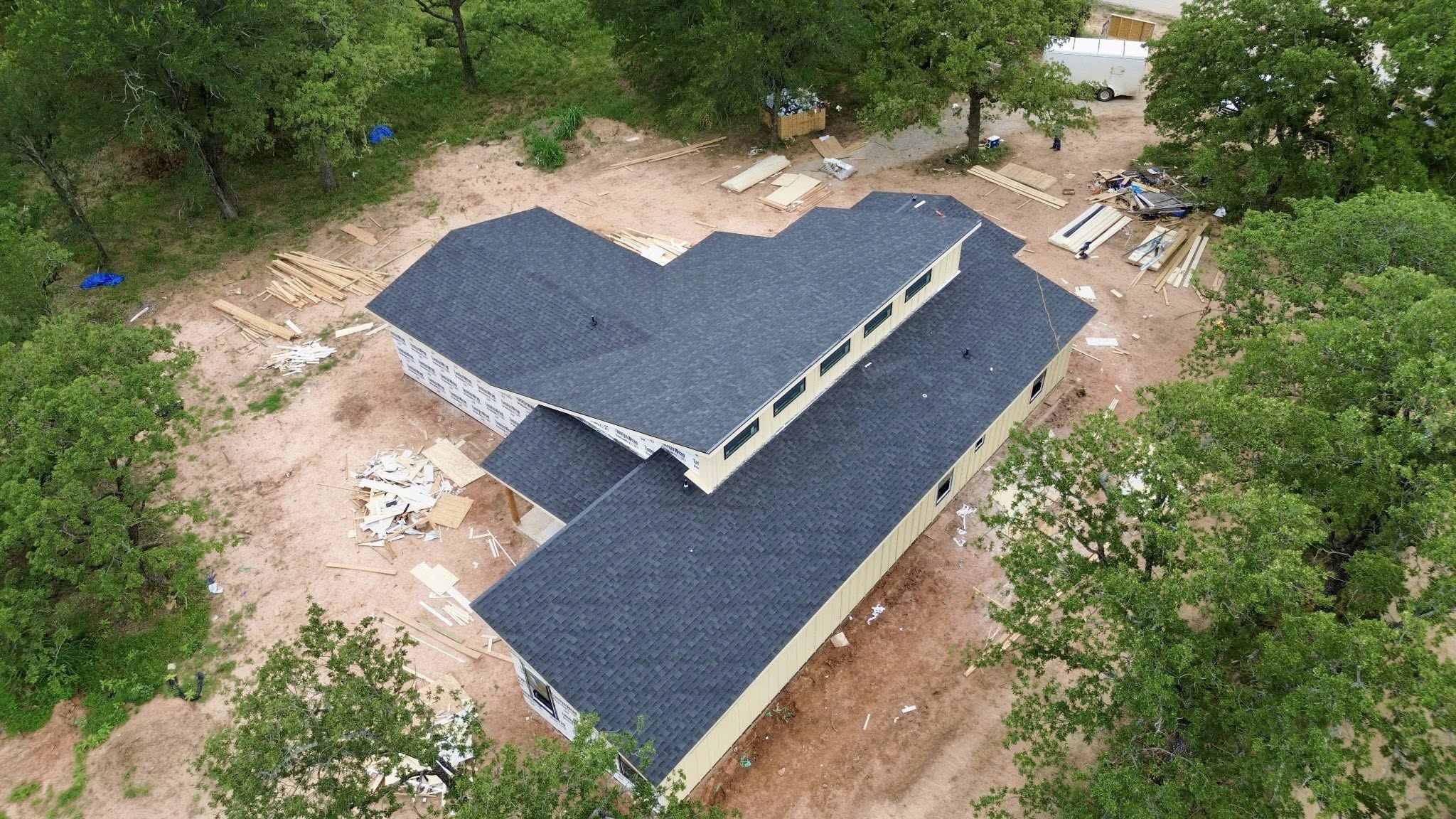
One of the most effective ways to achieve lasting roofing performance is to coordinate foundation repairs with roof replacement whenever structural movement has been identified. Treating these projects as separate issues often leads to repeated construction work and higher overall costs.
Foundation stabilization should generally occur before installing a new roof whenever active structural movement is present. Stabilizing the building first creates a reliable structural platform that supports proper roof alignment throughout the replacement process.
Once foundation repairs have been completed, engineers or structural specialists typically evaluate the building again to determine whether additional framing corrections are necessary before roofing installation begins.
Roof framing adjustments may include replacing damaged rafters, reinforcing trusses, correcting roof deck irregularities, or strengthening structural connections that were affected by previous movement.
Coordinating both projects also allows contractors to identify hidden structural damage while roofing materials have already been removed. This reduces duplicate labor because framing repairs can be completed before the new roofing system is installed.
Project scheduling becomes more efficient when foundation specialists, structural engineers, and roofing contractors communicate throughout the planning process. Coordinated work reduces delays while ensuring that every structural component functions together after construction is complete.
Budget planning also improves because homeowners understand the complete scope of work before major construction begins. Rather than discovering unexpected structural problems after purchasing roofing materials, repairs can be incorporated into one comprehensive project.
Although combining foundation repairs and roof replacement may increase the initial investment, it often reduces long term costs by preventing repeated roofing failures caused by unresolved structural movement.
Comparing Minor Foundation Movement and Major Structural Damage
Not every foundation issue requires extensive structural reconstruction before roof replacement. Some movement represents normal building settlement, while other situations indicate significant structural concerns requiring immediate attention.
Understanding the difference helps homeowners make informed decisions regarding repair priorities.
| Minor Foundation Movement | Major Structural Damage |
|---|---|
| Small cosmetic cracks in drywall | Large widening structural cracks |
| Slight seasonal movement | Ongoing uneven settlement |
| Doors occasionally stick during weather changes | Doors and windows consistently fail to operate properly |
| Minor hairline foundation cracks | Significant foundation displacement |
| Stable roofline with no visible sagging | Noticeable roof sagging or uneven ridges |
| No recurring roof leaks | Repeated roof leaks caused by structural movement |
This comparison demonstrates why professional evaluation is essential. Surface symptoms alone rarely reveal the full extent of structural movement occurring beneath the building.
Experienced inspectors evaluate the relationship between foundation conditions and roof performance rather than examining each problem independently.
Building Inspections and Structural Assessments Before Roof Replacement
Comprehensive inspections play an essential role in determining whether foundation movement has affected the roof sufficiently to influence replacement decisions. Rather than focusing only on visible roofing materials, inspectors evaluate the entire structural system.
The assessment generally begins outside the building. Inspectors examine grading, drainage, retaining walls, sidewalks, and foundation surfaces for evidence of settlement, erosion, moisture accumulation, or structural displacement.
Inside the home, walls, ceilings, floors, and structural framing provide additional information about movement patterns. Cracks, uneven flooring, separated trim, and distorted door openings help identify areas where structural loads have changed.
Attic inspections provide valuable insight into roof framing. Engineers evaluate rafters, trusses, roof decking, connectors, and load bearing members for twisting, cracking, moisture damage, and previous repairs.
Roof surfaces are also inspected carefully. Uneven ridges, recurring leak locations, flashing failures, displaced shingles, and inconsistent roof slopes often reveal how structural movement has influenced roofing performance.
Modern technology improves inspection accuracy considerably. Laser measurement systems, digital moisture meters, structural monitoring equipment, and detailed engineering analysis help identify movement that may not be visible during routine visual inspections.
Documentation collected during these assessments becomes valuable throughout the project. Contractors use inspection findings to develop repair strategies, estimate costs, prioritize structural improvements, and verify that repairs have resolved the underlying issues before roof replacement begins.
A comprehensive inspection therefore serves as the foundation for every successful roof replacement involving structural movement.
Common Mistakes Homeowners Make When Ignoring Foundation Problems
Foundation movement often develops gradually, making it easy for homeowners to underestimate its significance. Unfortunately, delaying structural evaluation frequently increases both repair costs and roofing complications over time.
One common mistake is assuming that recurring roof leaks are caused solely by aging roofing materials. While replacing shingles may temporarily reduce water intrusion, structural movement often causes the leaks to return because flashing and roof framing continue shifting.
Another frequent error involves repairing cosmetic damage without investigating its underlying cause. Repainting cracked ceilings or patching drywall addresses visible symptoms but does not stop the structural movement responsible for creating them.
Some homeowners also replace roofing materials before obtaining a structural inspection. Installing a new roof on a moving foundation may shorten the lifespan of the roofing system while creating unnecessary warranty concerns.
Ignoring drainage problems around the foundation represents another costly mistake. Poor drainage continues weakening supporting soil, allowing foundation movement to progress even after roofing improvements have been completed.
Delaying repairs because movement appears minor can also increase long term costs. Small structural issues generally require less extensive correction than advanced foundation damage that has affected multiple parts of the building.
Attempting isolated repairs without consulting qualified professionals may unintentionally conceal structural warning signs rather than resolving them. Temporary solutions often delay proper diagnosis while allowing deterioration to continue.
Recognizing these common mistakes helps homeowners understand why foundation movement should always be investigated before major roof replacement projects begin.
Situations Where Structural Reinforcement Is Required
Foundation movement does not always require extensive reinforcement, but certain conditions make structural upgrades essential before installing a new roofing system. Reinforcement restores structural stability while ensuring that the replacement roof performs reliably for many years.
One common situation involves differential settlement that has caused roof framing to become uneven. Reinforcing rafters, trusses, or supporting beams helps redistribute loads after foundation stabilization has been completed.
Structural reinforcement also becomes necessary when prolonged moisture exposure has weakened roof decking or framing. Damaged wood should be replaced before new roofing materials conceal the affected areas.
Older homes frequently require reinforcement because construction standards have changed over time. Although the original structure may have supported previous roofing materials adequately, additional strengthening may be recommended before installing modern roofing systems or heavier materials.
Buildings that have experienced repeated storm damage may also require reinforcement. High winds, flooding, or long term roof leaks sometimes weaken structural members beyond acceptable safety limits.
Large renovation projects present another situation where reinforcement is beneficial. Adding rooftop equipment, solar panels, upgraded insulation, or architectural features increases structural loads that should be considered during roof replacement planning.
Commercial buildings often require more comprehensive structural evaluation because larger roof spans and heavier construction materials create more complex load paths throughout the building.
Reinforcement should always follow professional engineering recommendations rather than temporary field modifications. Properly designed structural improvements restore load carrying capacity while helping the new roofing system achieve its full expected lifespan.
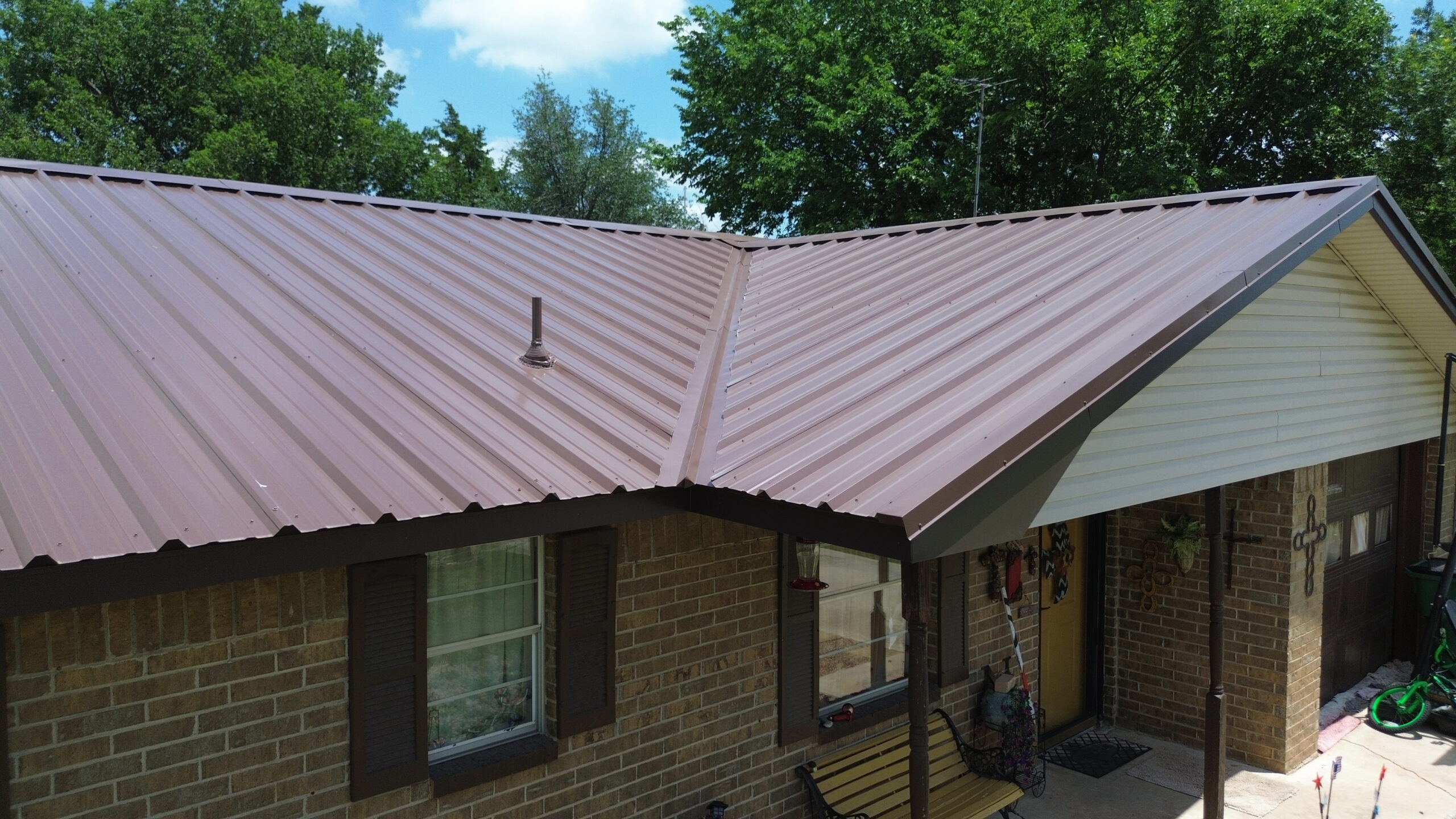
How Addressing Foundation Movement Extends Roof Lifespan
Correcting foundation movement before replacing a roof is one of the most effective ways to protect the new roofing system for the long term. A roof performs best when the structure beneath it remains stable, allowing roofing materials to function as designed without continuous stress caused by structural movement.
When foundation problems are repaired, the building regains a more balanced structural alignment. Roof framing, decking, walls, and supporting members distribute loads more evenly, reducing unnecessary strain on individual components. This stability allows roofing materials to remain securely attached while maintaining proper water drainage across the roof surface.
One of the greatest benefits is the reduction of recurring structural movement. Continuous shifting places stress on shingles, flashing, fasteners, sealants, and roof penetrations. Once the underlying movement is controlled, these roofing components experience fewer changes in alignment, helping them maintain their weather resistant performance for many years.
Flashing also benefits significantly from structural stability. Chimneys, skylights, plumbing vents, and roof valleys depend on properly aligned flashing to prevent water infiltration. Stable framing reduces the likelihood of flashing separation, which is one of the leading causes of roof leaks.
Roof decking experiences less flexing after foundation repairs are completed. A firm, properly supported deck allows roofing materials to lie flat and maintain consistent contact with the surface below. This improves both appearance and durability while reducing the risk of premature material failure.
Fasteners also remain more secure in a stable roofing system. Nails and screws are less likely to loosen when the roof structure experiences minimal movement, improving wind resistance and reducing maintenance requirements over time.
Another important advantage involves moisture protection. A stable roof structure maintains proper slopes that direct rainwater toward gutters and drainage systems. Efficient drainage reduces standing water, helping protect both roofing materials and structural framing from long term moisture damage.
By eliminating the structural movement that contributed to earlier roofing problems, homeowners significantly increase the likelihood that the replacement roof will achieve its full expected lifespan while requiring fewer repairs throughout its service life.
Questions Homeowners Should Ask Before Replacing a Roof on a Moving Foundation
Foundation movement adds complexity to any roof replacement project, making communication with contractors and structural professionals especially important. Asking detailed questions before construction begins helps homeowners understand the condition of their property and the work necessary for a successful outcome.
One of the first questions should address whether the foundation movement is still active or has stabilized. Ongoing movement requires a different approach than foundation settlement that occurred years earlier and is no longer progressing.
Homeowners should also ask whether a structural engineer recommends repairing the foundation before replacing the roof. Understanding the recommended sequence of work prevents unnecessary roofing expenses if structural corrections are still required.
Another important question concerns the roof framing itself. Contractors should explain whether rafters, trusses, roof decking, or structural connections have been affected by foundation movement and whether reinforcement is necessary before installing new roofing materials.
Drainage deserves careful discussion as well. Since poor water management frequently contributes to foundation movement, homeowners should ask whether grading improvements, gutter modifications, or drainage upgrades are recommended as part of the project.
Roofing material selection is another valuable topic. Some roofing systems place greater structural demands on the building than others. Understanding whether lighter materials provide advantages helps homeowners make informed decisions based on the condition of the existing structure.
Homeowners should also ask how structural issues discovered after roof removal will be handled. Hidden framing damage is common in buildings affected by foundation movement, and discussing possible repair procedures in advance reduces unexpected delays during construction.
Finally, warranty coverage should be reviewed carefully. Contractors should explain how structural repairs, roofing materials, and workmanship warranties apply when foundation movement has influenced the condition of the roof.
These discussions encourage better planning while helping homeowners avoid misunderstandings once construction begins.
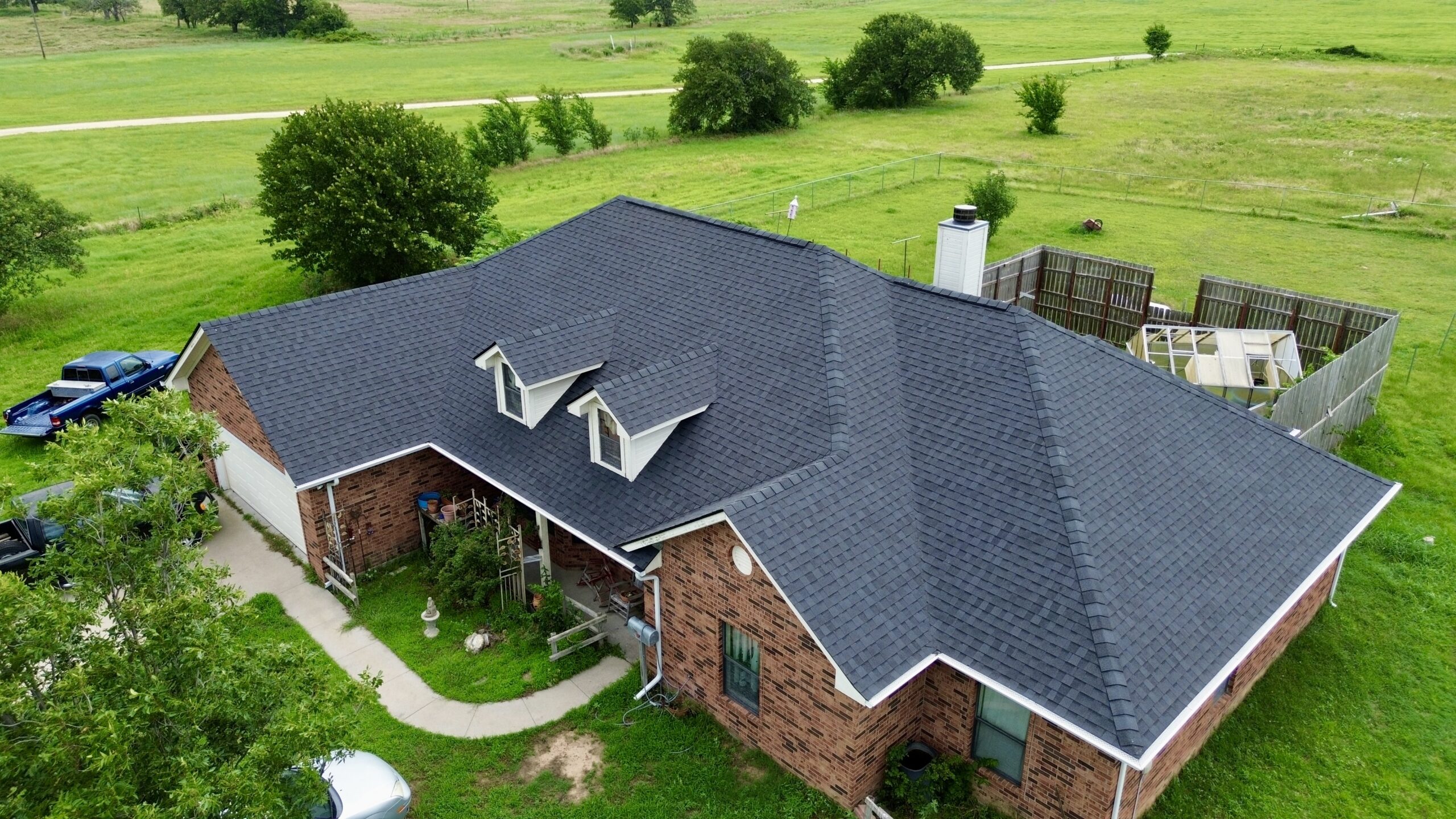
Best Practices for Managing Foundation and Roofing Projects Together
Coordinating foundation repairs with roof replacement requires careful planning because both projects influence the structural performance of the building. Managing them together helps create a more stable home while reducing unnecessary construction costs.
The first best practice is completing a comprehensive structural evaluation before finalizing roofing plans. Engineers and roofing professionals should inspect the entire building rather than evaluating the roof independently. This approach identifies hidden structural concerns before construction begins.
Foundation stabilization should generally be completed before installing new roofing materials whenever active movement is present. Stabilizing the structure first reduces the likelihood that future movement will damage the replacement roof.
Roof framing should also be inspected after foundation repairs have been completed. Although foundation stabilization improves structural conditions, existing rafters, trusses, or roof decking may still require repair if previous movement caused permanent damage.
Maintaining proper drainage around the building is equally important throughout the project. Gutters, downspouts, grading, and drainage systems should direct water safely away from the foundation to reduce future soil movement.
Contractors should coordinate schedules whenever multiple specialists are involved. Foundation repair companies, structural engineers, roofing contractors, and building inspectors all contribute valuable expertise, and good communication helps prevent unnecessary delays.
Material selection should also reflect the condition of the building. Choosing roofing materials appropriate for the structural capacity of the home reduces unnecessary loading while supporting long term performance.
Construction quality should never be sacrificed to reduce project time. Careful installation, proper flashing, secure fastening, and accurate structural repairs all contribute to a roofing system capable of performing reliably after foundation issues have been addressed.
Finally, homeowners should maintain detailed documentation throughout the project. Engineering reports, inspection records, repair invoices, warranty information, and photographs provide valuable references for future maintenance and potential property resale.
Following these best practices creates a coordinated approach that protects both the roof and the foundation while improving the long term stability of the entire building.
Foundation and Roof Inspection Checklist
After foundation repairs and roof replacement have been completed, homeowners should perform a final inspection with the appropriate professionals to verify that both systems are functioning properly.
- Confirm foundation repairs have been completed according to engineering recommendations.
- Inspect roof framing for signs of remaining structural movement or visible damage.
- Verify that roof decking has been repaired or replaced wherever necessary.
- Check flashing around chimneys, skylights, valleys, and vents for proper installation.
- Ensure gutters and downspouts direct water away from the foundation.
- Confirm attic ventilation remains unobstructed after construction.
- Look for level rooflines without visible sagging or uneven sections.
- Review structural reports, inspection records, and warranty documents before considering the project complete.
Completing this inspection provides confidence that the roof replacement and foundation repairs work together as one integrated structural system.
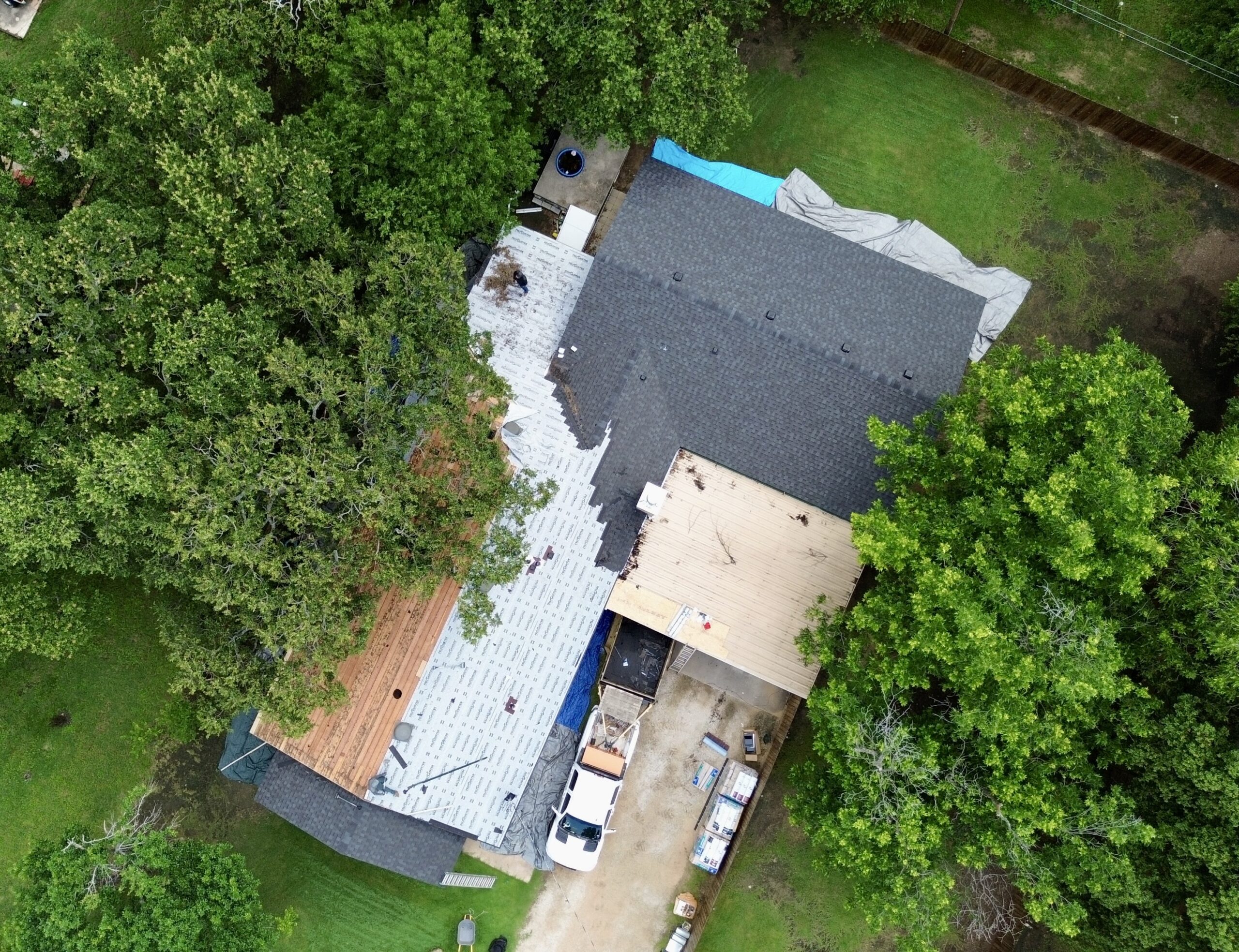
Maintenance Tips That Reduce the Risk of Future Foundation Movement
Although many foundation problems develop because of natural soil conditions, regular maintenance helps reduce the likelihood of significant structural movement in the future.
Simple preventive measures often provide substantial long term protection.
- Keep gutters clean so rainwater flows away from the foundation.
- Extend downspouts to discharge water well away from the building.
- Maintain consistent soil moisture around the foundation during prolonged dry periods where appropriate.
- Repair plumbing leaks promptly to prevent soil saturation beneath the structure.
- Inspect foundation walls regularly for new cracks or widening existing cracks.
- Trim large tree roots when recommended by qualified professionals.
- Maintain proper grading so surface water drains away from the building.
- Schedule professional inspections if new structural symptoms appear.
These maintenance practices help preserve stable soil conditions while reducing the environmental factors that commonly contribute to foundation movement.
Why Professional Evaluation Matters
Foundation movement and roof replacement involve multiple structural systems working together, making professional evaluation essential for accurate diagnosis and effective repairs. While homeowners may recognize visible warning signs, determining the underlying cause requires specialized knowledge and experience.
Structural engineers evaluate how loads travel through the building and determine whether foundation movement has affected framing, roof geometry, or overall structural stability. Their assessments help distinguish between normal building settlement and movement requiring corrective action.
Foundation specialists examine soil conditions, drainage patterns, moisture levels, and structural performance to identify why movement occurred. Addressing these root causes reduces the likelihood of recurring problems after repairs are completed.
Roofing contractors contribute another important perspective by evaluating how structural movement has influenced roofing materials, flashing, ventilation, and roof decking. Their recommendations help ensure that replacement materials are installed on a stable and properly prepared structure.
Professional evaluations also improve project planning. Instead of reacting to unexpected discoveries during construction, homeowners receive a clearer understanding of the work required before major decisions are made.
Modern diagnostic tools provide additional accuracy. Laser leveling systems, moisture detection equipment, structural measurements, and engineering analysis allow professionals to identify movement patterns that may not be visible during routine inspections.
Building code compliance is another important consideration. Structural repairs and roof replacements often require permits and inspections to verify that completed work satisfies current safety requirements. Professional guidance helps ensure these standards are met throughout the project.
Perhaps most importantly, experienced professionals coordinate their recommendations to create one comprehensive repair strategy. Rather than treating foundation problems and roofing concerns separately, they develop solutions that improve the performance of the entire building.
Professional evaluation therefore protects not only the roof but also the long term structural integrity, safety, and value of the property.
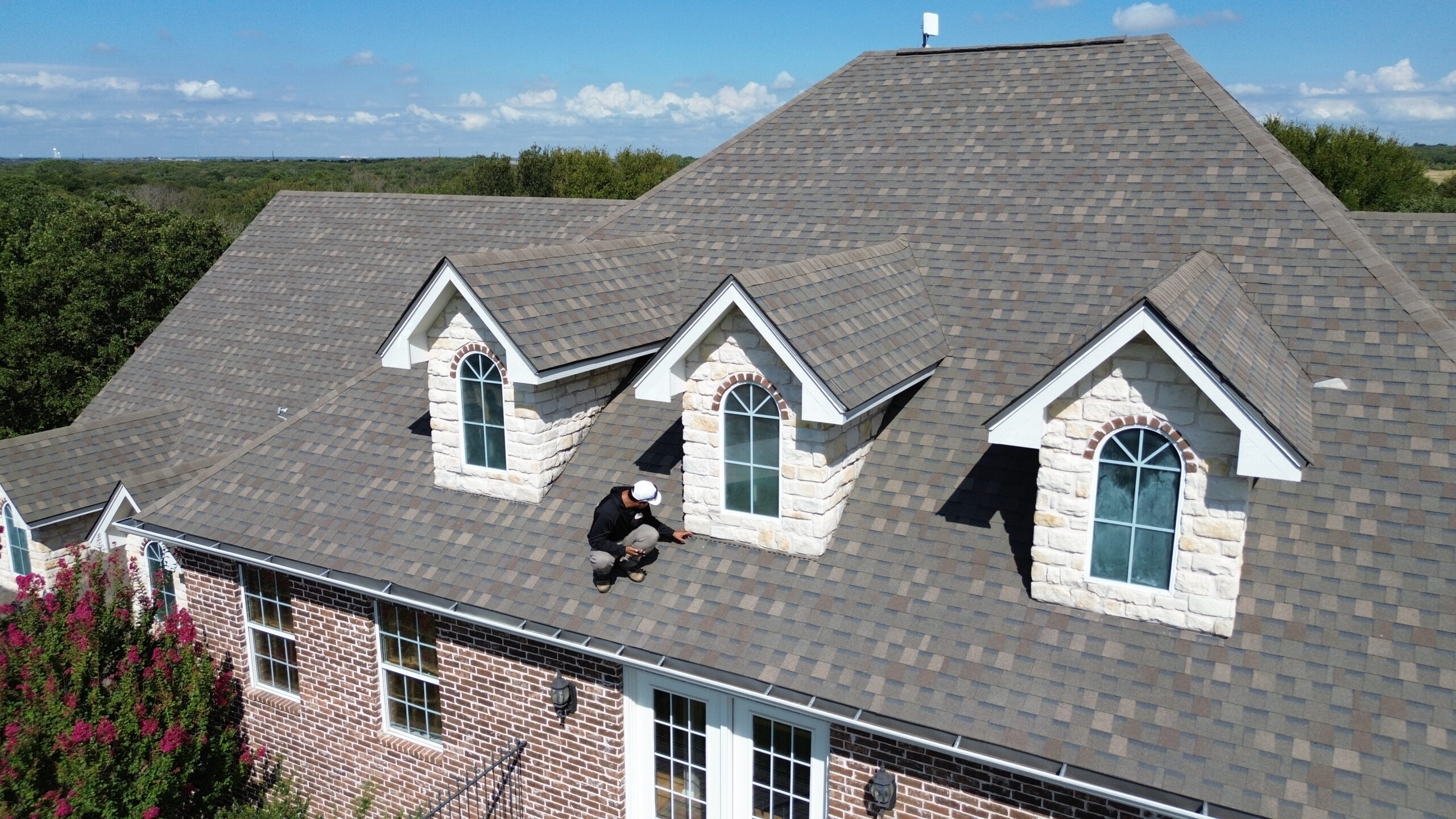
Long Term Value of Solving Foundation Issues Before Roof Replacement
Repairing foundation problems before replacing a roof represents a significant investment, but it often produces greater long term value than addressing roofing issues alone. Stable structural support allows the new roof to perform efficiently while reducing the likelihood of future repairs.
One of the greatest financial benefits comes from extending roof lifespan. Roofing materials installed on stable framing experience less stress, helping them reach or even exceed their expected service life with proper maintenance.
Repair costs also decrease over time because recurring structural movement no longer causes repeated flashing failures, roof leaks, or damaged roofing materials. Preventing these recurring problems reduces maintenance expenses throughout the life of the roof.
Energy efficiency may also improve after structural stabilization. Correcting foundation movement helps restore proper roof alignment, improving insulation performance, ventilation efficiency, and weather resistance. These improvements contribute to more consistent indoor temperatures and potentially lower heating and cooling costs.
Property value benefits as well. Buyers often place greater confidence in homes where foundation issues have been professionally repaired before major renovations such as roof replacement. Documentation showing completed structural improvements demonstrates responsible long term maintenance.
Insurance considerations may also become more favorable when structural concerns have been resolved. Although policies vary, maintaining the building in sound structural condition reduces the likelihood of preventable damage that could lead to future claims.
Another long term advantage is greater flexibility for future home improvements. A stabilized structure provides a stronger foundation for additions such as solar panels, upgraded insulation, skylights, or rooftop equipment without increasing concerns about ongoing structural movement.
When viewed over several decades, correcting foundation problems before roof replacement often proves more economical than repeatedly repairing roofing damage caused by unresolved structural issues.
Conclusion
Foundation movement and roof performance are closely connected because every structural component within a building works together to support and protect the home. When the foundation shifts, settles, or moves unevenly, those changes gradually affect walls, framing, roof decking, flashing, and roofing materials. Ignoring this relationship can lead to recurring roof leaks, structural damage, shortened roof lifespan, and unnecessary repair expenses.
Understanding the causes and warning signs of foundation movement allows homeowners to identify potential structural issues before investing in a roof replacement. Comprehensive inspections, engineering evaluations, and coordinated repair planning help ensure that roofing materials are installed on a stable structural framework capable of supporting them for many years.
Addressing foundation problems before replacing the roof provides lasting benefits. Stable structural support improves load distribution, protects roof framing, preserves flashing alignment, enhances drainage, and reduces stress on roofing materials. These improvements contribute to better weather resistance, lower maintenance costs, and greater confidence that the new roof will achieve its full expected lifespan.
Routine maintenance also remains essential after repairs are complete. Proper drainage, regular inspections, prompt leak repairs, and monitoring foundation conditions help preserve both the structural integrity of the building and the performance of the roofing system.
Although correcting foundation movement may increase the initial scope of a roofing project, the long term advantages far outweigh the additional investment. A properly stabilized foundation provides the secure base every roof needs, allowing the entire building to perform safely, efficiently, and reliably for decades. By treating foundation repairs and roof replacement as connected parts of one structural system, homeowners can protect their property while maximizing the value of both improvements.