
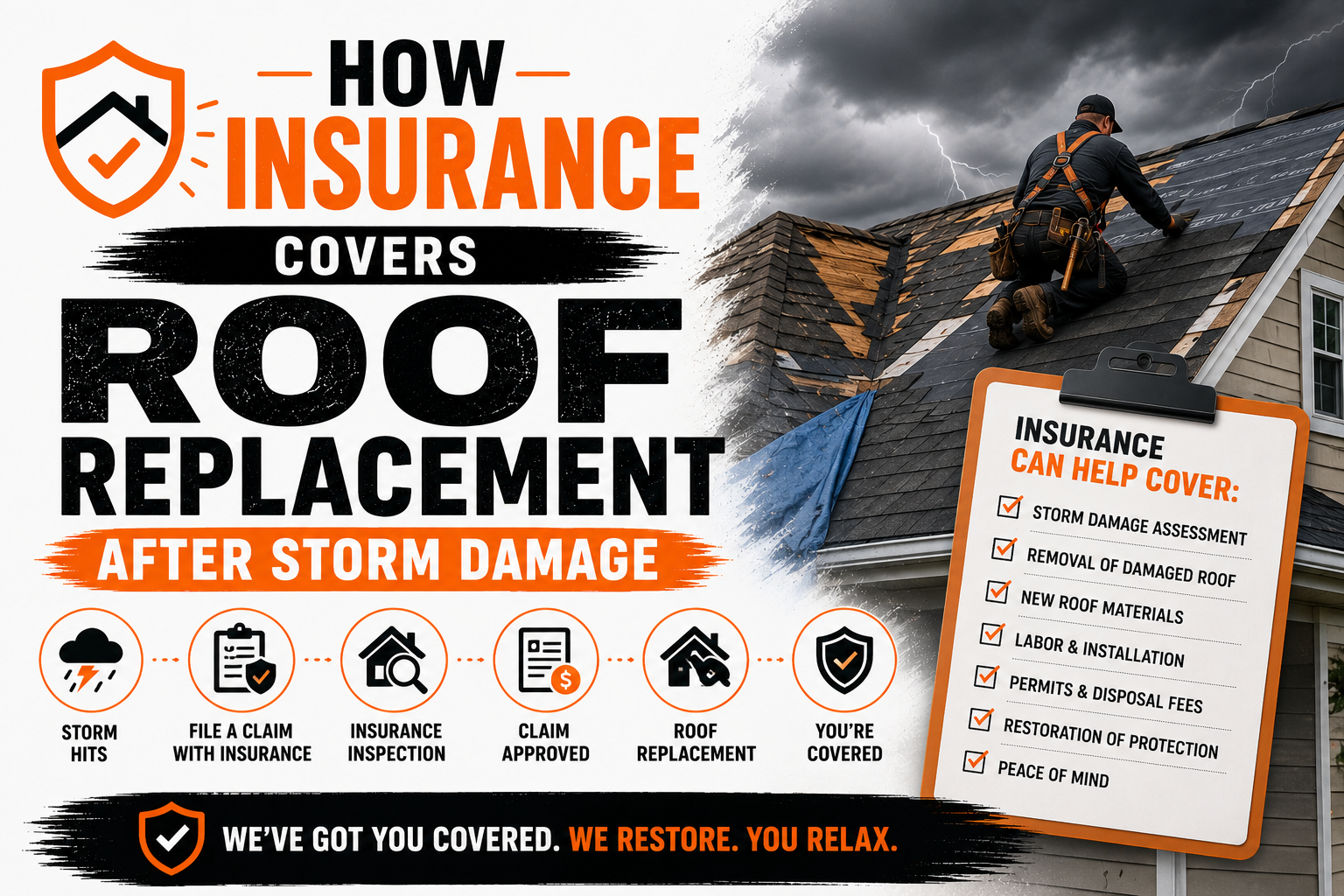
How Insurance Covers Roof Replacement After Storm Damage
Introduction
Storms can strike with little warning, leaving homeowners to deal with damaged roofs, water intrusion, and unexpected repair costs. Whether the damage comes from hail, strong winds, heavy rain, or falling tree branches, the roof is often one of the first parts of a home to be affected. Understanding how insurance covers roof replacement after storm damage can help homeowners respond with confidence and avoid costly mistakes.
Many homeowners assume their insurance policy will automatically pay for a new roof after any storm. In reality, coverage depends on several factors, including the cause of the damage, the condition of the roof before the storm, the type of insurance policy, and the results of the insurance inspection. Knowing these details before filing a claim can make the process much smoother.
Insurance companies follow specific guidelines when evaluating roof damage claims. They look at whether the storm directly caused the damage, if proper maintenance was performed, and whether repairs or a full replacement are necessary. This means homeowners should understand both their responsibilities and their policy benefits before beginning the claims process.
A roof replacement after storm damage is more than just installing new shingles. It involves documenting damage, communicating with the insurance company, working with qualified roofing professionals, and ensuring every step follows local building requirements. Each stage plays an important role in determining how much of the replacement cost the insurance company will cover.
This guide explains how homeowners insurance typically handles roof replacement after storm damage. It also discusses the claim process, common challenges, and practical steps homeowners can take to improve their chances of receiving fair compensation.
Why Storm Damage Often Leads to Roof Replacement
Storms expose roofs to forces they were never designed to withstand every day. High winds can lift shingles, hail can crack protective materials, and heavy rainfall can allow water to enter weak areas. Even when damage appears minor from the ground, the roof’s structural integrity may already be compromised.
In many cases, isolated repairs are enough to restore the roof. However, widespread damage across multiple sections may make complete replacement the safer and more cost-effective solution. Insurance companies often evaluate whether repairing only a portion of the roof would leave the remaining sections vulnerable to future problems.
Storm damage can also shorten the remaining lifespan of roofing materials. A roof that might have lasted another ten years could require replacement much sooner after a severe weather event. Replacing the roof can prevent recurring leaks, mold growth, insulation damage, and expensive interior repairs.
Building codes may also influence the decision to replace a roof. If local regulations require the entire roofing system to meet updated standards, insurance companies may include additional replacement costs depending on the policy terms. This is especially important for older homes where partial repairs may no longer comply with current construction requirements.
Types of Storm Damage Home Insurance May Cover
Most standard homeowners insurance policies cover sudden and accidental storm damage caused by events specifically listed in the policy. Coverage varies between insurers, so homeowners should carefully review their individual policy documents before assuming any damage is covered.
Common types of storm-related roof damage include:
- Wind damage that removes or loosens shingles.
- Hail damage that dents metal roofing or fractures asphalt shingles.
- Damage from falling tree limbs caused by severe storms.
- Heavy rain damage that results from storm-created openings.
- Lightning strikes that affect roofing materials or structural components.
Coverage usually applies when the damage is unexpected and directly caused by the storm. If the roof was already deteriorating because of age or poor maintenance, the insurance company may reduce or deny the claim.
Some storms produce multiple types of damage at once. For example, high winds may remove shingles before heavy rain enters the exposed decking, creating both exterior and interior damage. Insurance adjusters evaluate the entire sequence of events to determine what losses qualify under the policy.
It is also important to remember that flood damage is generally not covered under standard homeowners insurance. If rising water enters the home because of flooding rather than roof failure, separate flood insurance may be required for those losses.
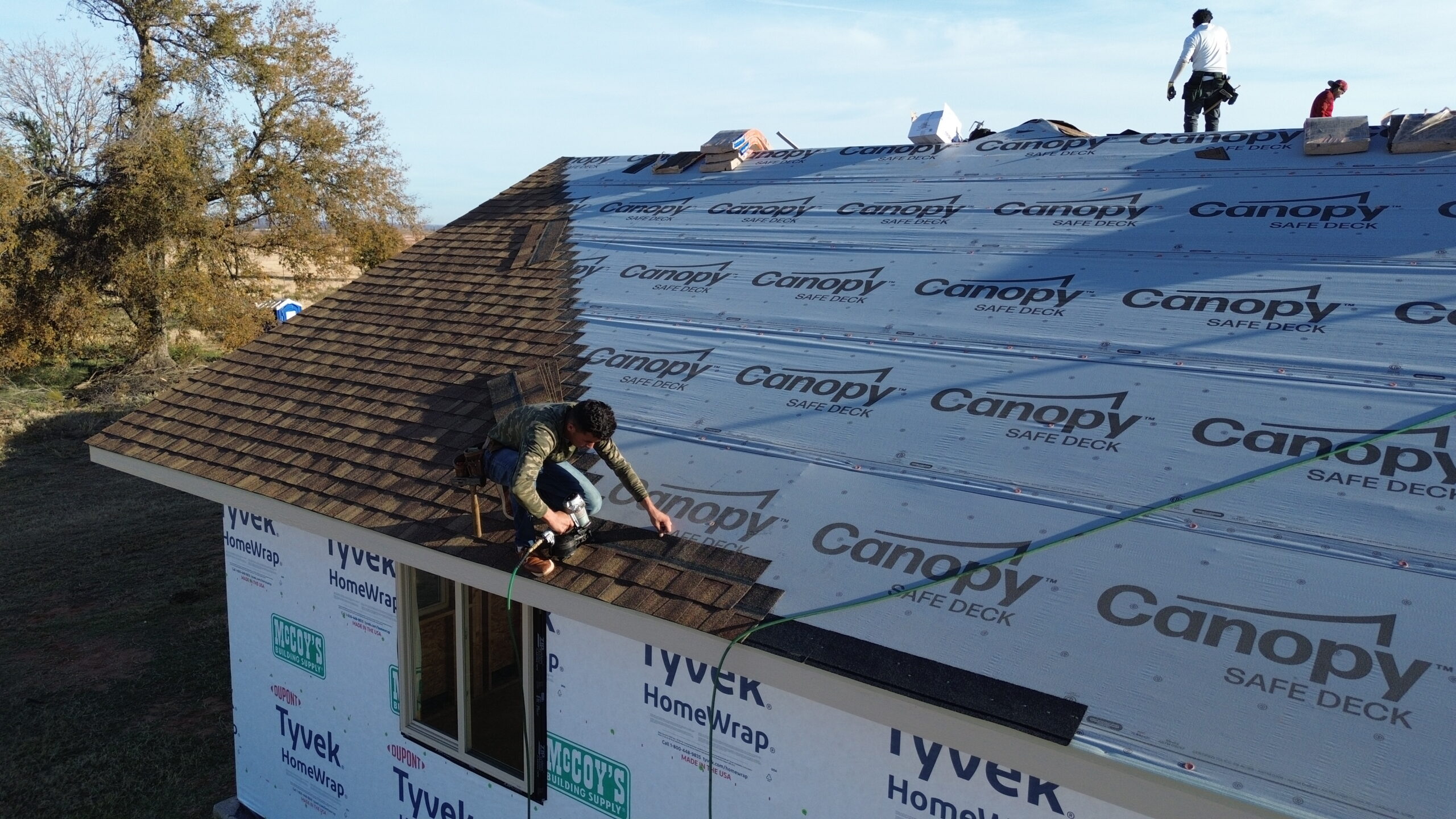
How Homeowners Insurance Determines Covered Perils
Insurance policies are built around the concept of covered perils. A covered peril is a specific event that the insurance company agrees to insure against, provided all policy conditions are met. Storm-related roof damage is often included, but each policy defines covered events differently.
Named peril policies only provide coverage for events specifically listed in the policy. If the storm damage results from a cause that is not listed, the insurance company may deny the claim. Reading the policy carefully helps homeowners understand exactly what protection they have.
Open peril policies generally provide broader protection because they cover most causes of loss unless the policy specifically excludes them. These policies may offer greater flexibility when unexpected storm events occur, although exclusions still apply in certain situations.
Insurance companies also review whether the damage occurred suddenly or developed gradually over time. Sudden storm damage is usually eligible for coverage, while gradual deterioration from weather exposure, aging, neglect, or improper maintenance is often excluded. This distinction is one of the most common reasons for disputes during roof replacement claims.
Policy endorsements can further expand or limit coverage. Some homeowners purchase additional endorsements that increase protection for roofing materials, while others accept policy limitations that reduce premiums but also reduce claim payouts. Understanding these details before storm season can prevent unpleasant surprises later.
Signs Your Roof Has Storm Damage
Not every roofing problem is immediately visible after a storm. Some forms of damage remain hidden until leaks or structural issues begin appearing inside the home. Conducting a careful inspection as soon as conditions are safe can help identify problems before they become more severe.
Visible signs often include missing shingles, curled edges, cracked roofing materials, exposed underlayment, damaged flashing, dented vents, or debris scattered across the roof. These issues usually indicate that strong winds or hail impacted the roofing system.
Inside the home, homeowners may notice water stains on ceilings, damp insulation, peeling paint, or mold growth in the attic. These warning signs often suggest water has entered through damaged roofing materials and should be investigated promptly.
Gutters can also reveal evidence of roof damage. Granules from asphalt shingles frequently collect inside gutters after hailstorms, indicating that the protective surface has been worn away. Excessive granule loss reduces the roof’s ability to resist future weather exposure.
Tree branches resting on the roof, damaged chimneys, bent flashing, and loose ridge caps should never be ignored. Even if these problems appear minor, they may allow moisture to enter the roofing system over time and create more expensive repairs.
Professional roofing contractors often identify hidden damage that homeowners cannot safely inspect themselves. Scheduling an inspection after a major storm provides a more complete understanding of the roof’s condition before filing an insurance claim.
What to Do Immediately After a Storm
The actions taken during the first few hours after a storm can significantly affect both the insurance claim and the overall repair process. Safety should always remain the highest priority before inspecting any property damage.
If there are downed power lines, severe structural damage, or unstable trees, homeowners should contact the appropriate emergency services before approaching the property. Walking on a damaged roof is never recommended because weakened sections may collapse unexpectedly.
Once conditions are safe, homeowners should begin documenting visible damage using photographs and videos. Images should capture the roof from multiple angles, damaged siding, broken windows, fallen branches, and any water entering the home. Detailed documentation creates valuable evidence for the insurance company.
Temporary measures may also be necessary to prevent additional damage. Covering exposed sections with tarps, removing debris from safe areas, and protecting personal belongings inside the home can reduce further losses while waiting for professional repairs.
Homeowners should notify their insurance company as soon as practical after discovering storm damage. Reporting the incident promptly allows the claim process to begin while evidence is still fresh and easier to verify.
Keeping written notes about the storm date, weather conditions, visible damage, and conversations with contractors or insurance representatives can help maintain accurate records throughout the claim process.
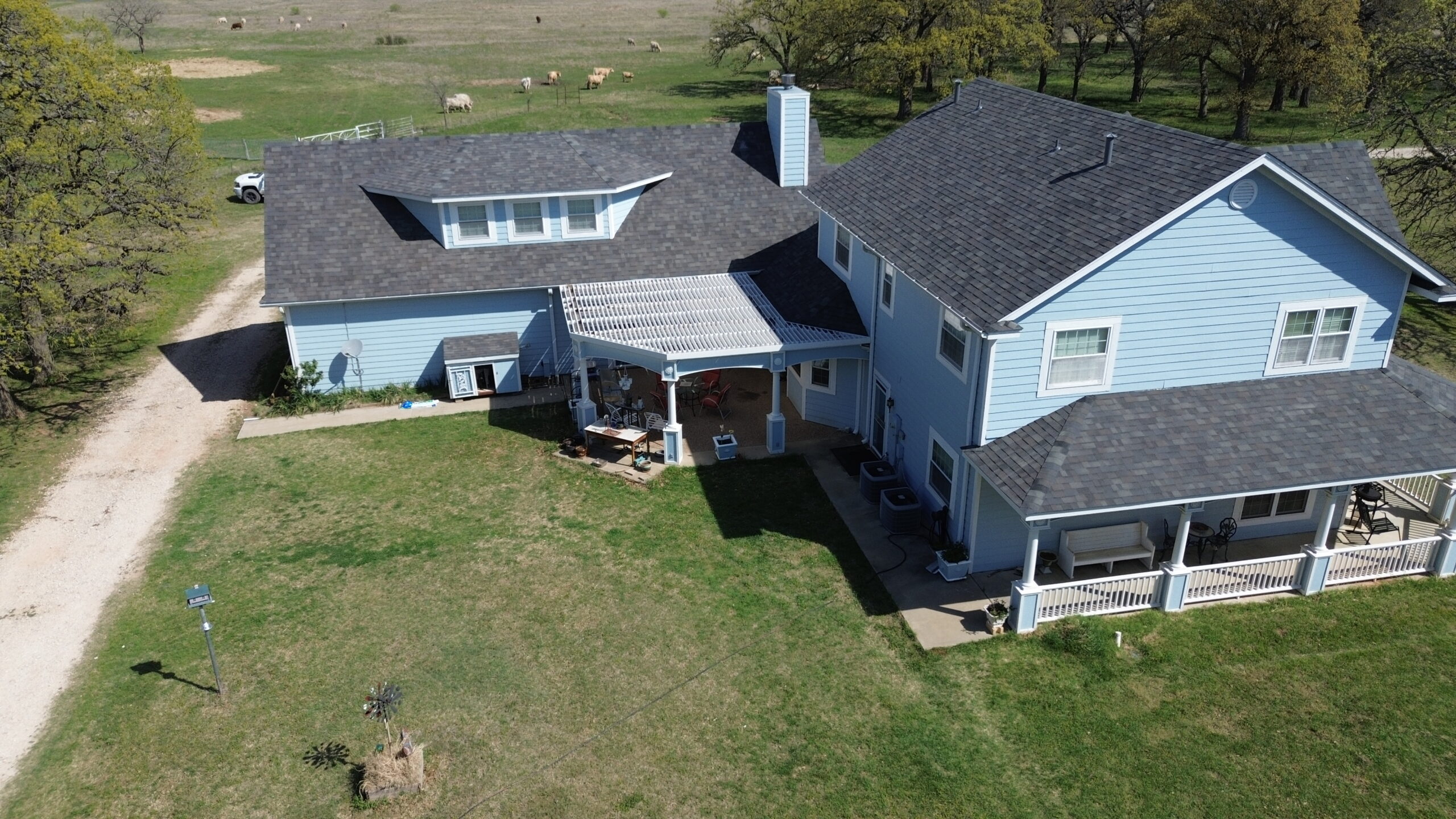
Documenting Roof Damage for an Insurance Claim
Accurate documentation is one of the strongest tools homeowners have during an insurance claim. The more organized the records, the easier it becomes to demonstrate that the storm caused the damage rather than long-term wear and tear.
Photographs should be taken before any permanent repairs begin whenever it is safe to do so. Wide-angle images provide an overview of the property, while close-up photos capture specific damage such as cracked shingles, punctures, dents, or exposed decking.
Videos can supplement photographs by showing the overall condition of the roof and surrounding property. Narrating the visible damage while recording may help explain details that still images cannot fully capture.
Supporting documentation should also include receipts for emergency repairs, invoices for temporary tarping, inspection reports, and any correspondence with the insurance company. These records help verify expenses that may qualify for reimbursement under the policy.
Many homeowners also benefit from creating a simple damage inventory that lists affected areas of the roof, approximate locations, visible problems, and dates when each issue was observed. Organized records often make discussions with insurance adjusters more productive.
Professional inspection reports add additional credibility to the claim because they explain the technical cause of the damage. Roofing contractors frequently identify storm-related issues that may not be immediately obvious to homeowners, providing valuable information for the insurance evaluation.
When Temporary Repairs Are Necessary
Insurance policies generally expect homeowners to take reasonable steps to prevent additional property damage after a storm. Temporary repairs help protect the home while permanent replacement plans are being arranged.
Emergency tarping is one of the most common temporary measures. Properly installed tarps prevent rainwater from entering exposed sections of the roof and reduce the risk of interior water damage during future storms.
Broken skylights, damaged vents, and exposed flashing may also require temporary protection until replacement materials become available. These measures are not intended to replace permanent repairs but instead minimize further deterioration.
Homeowners should save all receipts for emergency services, materials, and labor associated with temporary repairs. Many insurance policies reimburse these reasonable expenses when they are necessary to reduce additional damage after a covered loss.
Temporary repairs should always be documented with photographs before and after installation. This creates a clear timeline showing both the original damage and the efforts taken to protect the property until permanent work begins.
Common Mistakes Homeowners Make After Storm Damage
Many insurance claims become more complicated because of avoidable mistakes made shortly after the storm. Understanding these common errors helps homeowners protect both their property and their insurance benefits.
One of the biggest mistakes is delaying the inspection. Waiting weeks or months before reporting roof damage allows weather exposure to worsen existing problems, making it harder to determine what damage was actually caused by the original storm.
Another common mistake is throwing away damaged materials before the insurance adjuster has an opportunity to inspect them. Broken shingles, flashing, and other roofing components may serve as important evidence during the claims process.
Some homeowners also begin permanent repairs before receiving insurance approval. While emergency protection is usually appropriate, complete replacement before the claim is evaluated can create disputes regarding the extent and cause of the damage.
Hiring unlicensed or uninsured contractors after a major storm is another frequent problem. Reputable roofing professionals understand insurance documentation requirements and can provide detailed inspection reports that support the claim while performing quality workmanship.
Finally, many homeowners fail to read their insurance policy until after damage occurs. Understanding deductibles, exclusions, coverage limits, and reporting requirements before filing a claim helps avoid misunderstandings and prepares homeowners for the next stages of the roof replacement process.
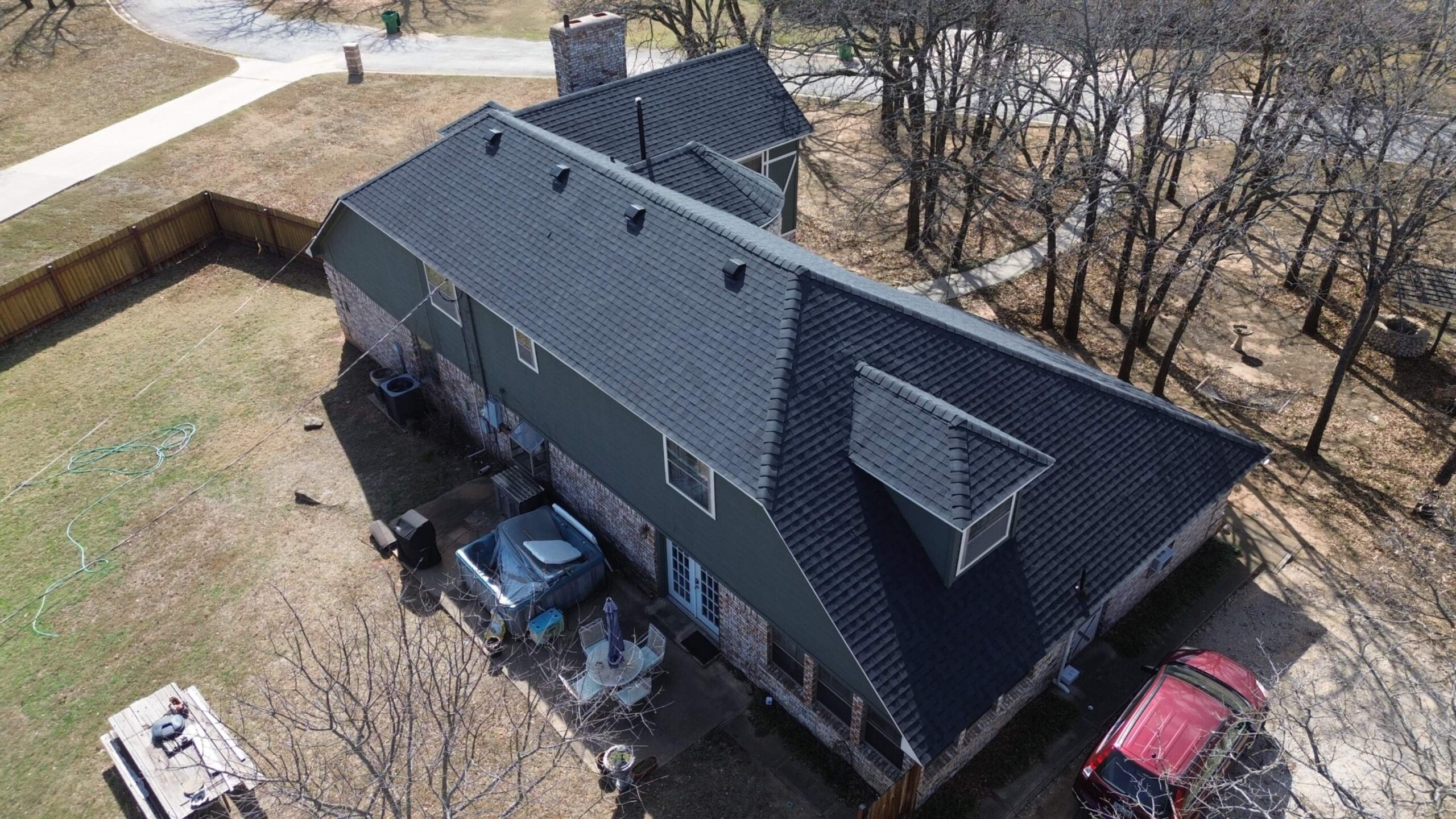
Understanding the Roof Replacement Insurance Claims Process
Filing an insurance claim after storm damage involves several steps, each designed to verify the cause and extent of the damage. While the exact process varies among insurance providers, most follow a similar sequence from claim notification to final payment. Understanding each stage helps homeowners know what to expect and reduces unnecessary delays.
The process usually begins when the homeowner contacts the insurance company to report the storm damage. During this initial conversation, the insurer gathers basic information such as the date of the storm, a description of the damage, and whether emergency repairs have already been completed. A claim number is then assigned so all future communication can be tracked efficiently.
Once the claim is opened, the insurance company schedules an inspection. This inspection is often performed by an insurance adjuster, although some companies may also use independent inspection firms or request additional documentation from qualified roofing contractors.
After the inspection is complete, the insurance company reviews the findings along with the homeowner’s policy. If the damage qualifies under the policy, the insurer prepares an estimate showing the amount it expects to pay for repairs or replacement. If additional information is required, the homeowner may be asked to submit photographs, contractor estimates, or proof of emergency expenses.
The claim process does not always move quickly, especially after widespread storms that generate thousands of claims. Staying organized, responding promptly to requests, and maintaining regular communication with both the insurance company and roofing contractor can help keep the project moving forward.
How Insurance Adjusters Inspect Storm Damaged Roofs
The insurance adjuster plays a central role in determining whether a roof replacement qualifies for coverage. Their inspection focuses on identifying storm-related damage while separating it from issues caused by aging, neglect, or previous repairs.
During the inspection, the adjuster examines roofing materials for signs of wind uplift, hail impacts, cracked shingles, damaged flashing, exposed fasteners, and structural concerns. They also inspect gutters, vents, skylights, chimneys, and other roof components that may have been affected during the storm.
Interior areas of the home are often inspected as well. Water stains, attic moisture, damaged insulation, and ceiling leaks can provide evidence that storm damage allowed water to enter the home. These findings help establish a connection between the exterior damage and interior losses.
Many adjusters also review local weather reports to confirm that severe storms occurred in the area on the reported date. Weather data, combined with physical evidence, helps determine whether the damage is consistent with the claimed event.
Homeowners are often encouraged to have their roofing contractor present during the inspection. A contractor can point out hidden damage, answer technical questions, and ensure that important roofing issues receive proper attention before the insurance estimate is finalized.
Factors That Influence Claim Approval
Insurance companies evaluate several factors before deciding whether to approve a roof replacement claim. While every situation is unique, certain considerations consistently influence the final decision.
The age of the roof is one important factor. Older roofs naturally experience wear over time, making it more difficult to distinguish storm damage from normal deterioration. This does not automatically prevent coverage, but it may affect how the insurer calculates the payment.
Maintenance history is also important. Insurance policies generally expect homeowners to maintain their roofs in reasonable condition. If obvious problems such as missing shingles, chronic leaks, or neglected repairs existed before the storm, the insurer may argue that these issues contributed to the damage.
The severity of the storm is another major consideration. Large hail, hurricane-force winds, tornadoes, and severe thunderstorms typically produce recognizable damage patterns that support insurance claims. Minor weather events may not create enough evidence to justify complete roof replacement.
The quality of documentation submitted by the homeowner can also influence the outcome. Clear photographs, inspection reports, repair receipts, and accurate records often strengthen the claim by providing objective evidence of storm-related damage.
Insurance companies also review whether the homeowner reported the damage within the required timeframe. Delayed reporting may make it more difficult to verify the cause of the damage, increasing the likelihood of claim disputes.
Replacement Cost Value vs Actual Cash Value
One of the most important parts of any roof replacement claim is understanding how the insurance policy values the damaged roof. Two homeowners with similar storm damage may receive very different claim payments simply because their policies use different valuation methods.
Replacement Cost Value, commonly called RCV, generally pays the amount required to replace the damaged roof with materials of similar quality, subject to policy limits and deductibles. This type of coverage usually provides greater financial protection because depreciation is recoverable after the replacement work is completed.
Actual Cash Value, commonly called ACV, calculates payment based on the roof’s depreciated value at the time of the loss. Since older roofs have experienced years of wear, the final payment under an ACV policy is often significantly lower than the total replacement cost.
Homeowners should carefully review their insurance policy before storm season to understand which valuation method applies. Knowing this information helps set realistic expectations regarding insurance payments and potential out-of-pocket expenses.
| Feature | Replacement Cost Value (RCV) | Actual Cash Value (ACV) |
|---|---|---|
| Payment Basis | Current replacement cost | Replacement cost minus depreciation |
| Depreciation | Usually recoverable after replacement | Deducted from payment |
| Homeowner Cost | Generally lower | Often higher |
| Financial Protection | Higher | Lower |
| Best For | Long-term property protection | Lower premium policies |
Understanding this difference is essential because it directly affects the amount homeowners receive after a covered storm loss. Many people only discover the distinction after filing a claim, making policy review an important part of homeownership.
Deductibles and Out of Pocket Costs
Even when insurance approves a roof replacement, homeowners are usually responsible for paying their deductible. A deductible is the amount the policyholder must contribute before insurance coverage begins.
Some policies have a fixed deductible, while others use percentage-based deductibles for certain weather events such as hurricanes or windstorms. Percentage deductibles are calculated based on the home’s insured value, which can result in larger out-of-pocket costs.
In addition to the deductible, homeowners may encounter expenses that exceed policy limits or involve upgrades not covered by insurance. Choosing premium roofing materials, adding ventilation improvements, or making aesthetic upgrades often requires additional personal funding.
Building code upgrades may also affect costs. If local regulations require additional work beyond restoring the roof to its previous condition, insurance coverage depends on whether the policy includes ordinance or law coverage. Without this endorsement, homeowners may have to pay for code-related improvements themselves.
Understanding all potential costs before construction begins helps homeowners prepare financially and avoid unexpected surprises during the roof replacement project.
Working with a Professional Roofing Contractor
Choosing the right roofing contractor is one of the most important decisions during the insurance claim process. Experienced contractors understand how storm damage affects roofing systems and know how to document issues in a way that supports insurance evaluations.
Professional contractors begin with a detailed roof inspection. They identify visible damage, inspect less obvious problem areas, and prepare written reports that explain whether repairs or complete replacement are recommended. These reports often become valuable supporting documents during insurance negotiations.
Many roofing contractors also provide detailed estimates that match insurance industry pricing standards. Accurate estimates help reduce disagreements between contractors and insurance companies while providing homeowners with a clearer understanding of the expected project scope.
Communication is another important benefit of working with experienced professionals. Contractors frequently answer technical questions from insurance adjusters, explain repair methods, and clarify why certain roofing components require replacement instead of repair.
Homeowners should always verify that their contractor is properly licensed, insured, and experienced with storm damage restoration. Requesting references, reviewing previous work, and confirming warranty information can provide additional confidence before signing a contract.
When Insurance May Deny a Roof Replacement Claim
Not every storm damage claim results in insurance approval. Understanding common reasons for claim denials allows homeowners to address potential issues before they become major obstacles.
One frequent reason is that the insurer determines the damage resulted from normal aging rather than the reported storm. Asphalt shingles naturally deteriorate over time, and insurance companies generally do not cover replacement caused solely by age.
Claims may also be denied if the roof showed signs of poor maintenance before the storm occurred. Existing leaks, neglected repairs, damaged flashing, or widespread deterioration can lead the insurer to conclude that maintenance issues contributed to the loss.
Another common issue involves excluded causes of damage. Some policies exclude certain weather events, cosmetic hail damage, or losses caused by faulty workmanship. Reviewing policy exclusions before filing a claim helps homeowners understand the limitations of their coverage.
Insufficient documentation can also weaken a claim. Missing photographs, incomplete inspection reports, or delayed reporting may prevent the insurance company from verifying that the storm directly caused the roof damage.
Finally, fraud concerns may lead to claim denials. Exaggerating damage, submitting inaccurate repair estimates, or misrepresenting the cause of the loss can result in denied claims and additional legal consequences.
How to Appeal a Denied Insurance Claim
A denied claim does not always mean the decision is final. Many homeowners successfully appeal claim denials by providing additional evidence that supports their case.
The first step is carefully reviewing the denial letter. Insurance companies generally explain why the claim was denied, allowing homeowners to identify the specific issue that must be addressed before submitting an appeal.
Obtaining an independent roof inspection can strengthen the appeal. A qualified roofing contractor or structural engineer may identify storm-related damage that was overlooked during the original inspection. Their professional report can provide valuable technical evidence supporting the claim.
Homeowners should also gather additional documentation, including weather reports, repair records, maintenance history, photographs, and contractor estimates. Together, these records help demonstrate that the damage resulted directly from the covered storm event.
If disagreements continue, homeowners may request a second inspection or use the policy’s appraisal process if available. Some situations may also benefit from consulting an insurance professional or attorney who specializes in property insurance disputes.
Maintaining organized records and communicating professionally throughout the appeal process often improves the chances of reaching a fair resolution. Even when the original decision remains unchanged, understanding the appeals process ensures homeowners have fully exercised their rights under the insurance policy.
Choosing the Right Roofing Materials After Insurance Approval
Once the insurance claim has been approved, the focus shifts from paperwork to rebuilding. One of the first decisions homeowners must make is selecting the roofing material that will be installed. Although insurance generally pays to restore the roof to its pre-loss condition, homeowners may choose to upgrade by paying the difference if they prefer a higher-quality product.
Asphalt shingles remain the most common roofing material because they offer a good balance of affordability, durability, and ease of installation. Many modern asphalt shingles are designed to provide improved wind and impact resistance, making them an attractive option for homeowners living in storm-prone regions.
Metal roofing has also become increasingly popular due to its long lifespan and excellent resistance to hail, wind, and fire. While the initial cost is typically higher than asphalt shingles, some homeowners find the long-term durability and lower maintenance requirements worthwhile.
Other materials such as clay tiles, concrete tiles, slate, and synthetic roofing products may also be available depending on the home’s design and local climate. These materials often provide exceptional durability but may require additional structural support because of their weight.
Homeowners should discuss material options with their roofing contractor before construction begins. The contractor can explain the advantages, expected lifespan, maintenance requirements, and warranty coverage for each option while ensuring the selected material complies with local building codes.
How the Roof Replacement Project Moves Forward
After the roofing material has been selected, the contractor prepares the project schedule and orders the necessary materials. Delivery times may vary depending on product availability, weather conditions, and the number of roofing projects occurring after a major storm.
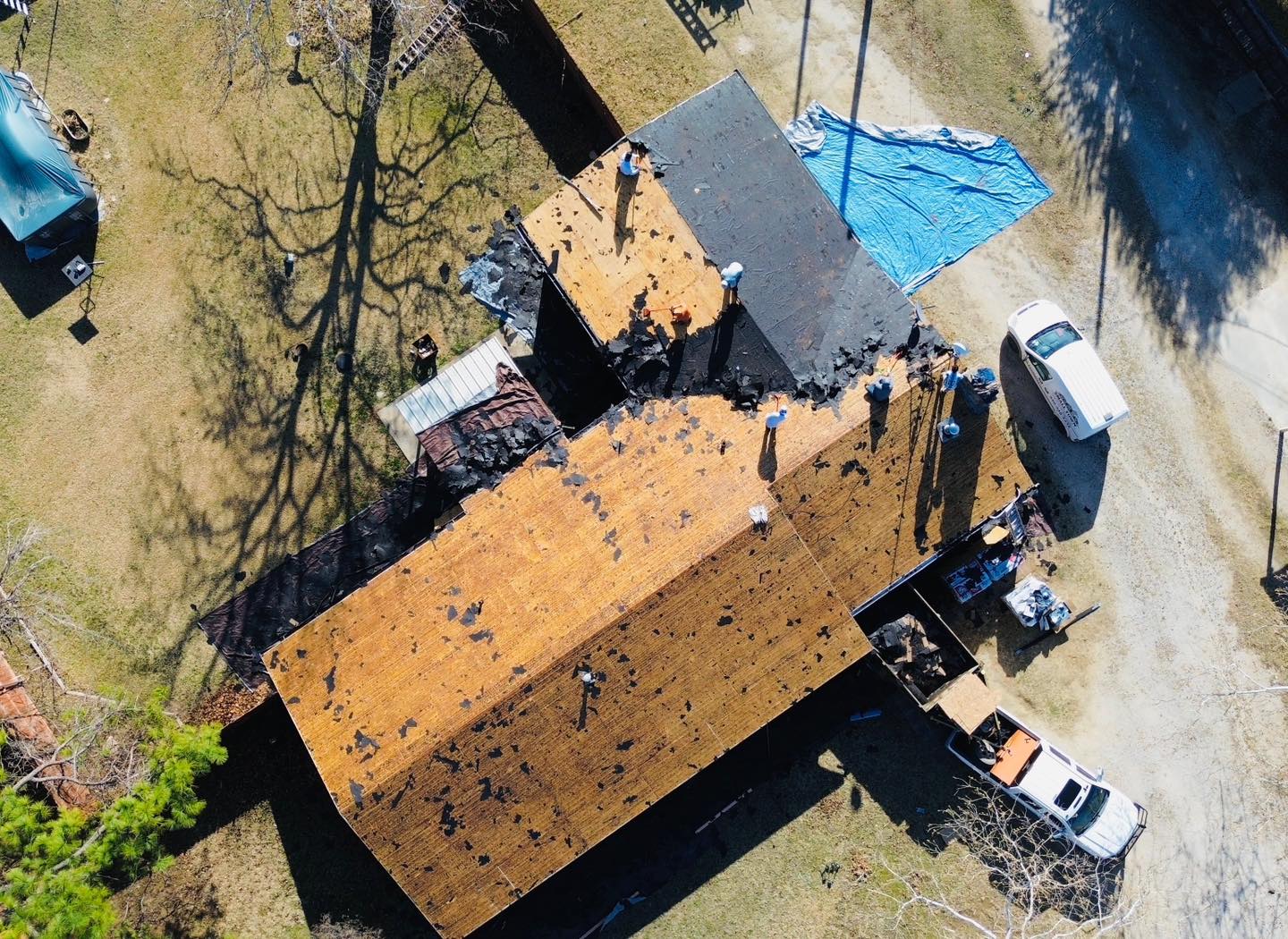
On the scheduled installation day, the roofing crew begins by protecting landscaping, driveways, windows, and other nearby areas. Tarps and protective coverings help prevent debris from damaging the surrounding property while the old roofing materials are removed.
The existing roof is then carefully stripped down to the roof deck. Removing the old materials allows contractors to inspect the underlying structure for hidden problems such as rotten wood, water damage, or weakened decking that may not have been visible during the initial inspection.
If damaged decking is discovered, it is repaired or replaced before the new roofing system is installed. A solid roof deck provides the foundation needed for long-lasting performance and helps prevent future structural issues.
Next, contractors install the underlayment, flashing, drip edges, ventilation components, and finally the new roofing material. Each layer serves a specific purpose in protecting the home from moisture, wind, and temperature changes.
After installation is complete, the contractor performs a thorough cleanup. Nails, old shingles, packaging materials, and other debris are removed from the property, and a final inspection confirms that the roof has been installed according to manufacturer specifications and local building codes.
Tips to Maximize Insurance Coverage
While insurance policies define the limits of coverage, homeowners can take several practical steps to improve the likelihood of receiving the full benefits available under their policy. Good preparation and careful communication often make the claims process more efficient.
Some of the most effective ways to maximize insurance coverage include:
- Review your insurance policy before storm season so you understand your coverage, exclusions, and deductible.
- Report storm damage as soon as it is discovered instead of waiting for leaks to become worse.
- Take detailed photographs and videos before making permanent repairs.
- Keep receipts for emergency repairs, temporary tarping, and other storm-related expenses.
- Schedule a professional roof inspection to identify hidden damage.
- Maintain organized records of all communication with your insurance company and contractor.
- Read every insurance estimate carefully and ask questions if any repairs appear to be missing.
These simple steps help create a well-documented claim supported by clear evidence. Insurance companies are better able to evaluate claims when homeowners provide complete and accurate information from the beginning.
Numbered Steps for a Smooth Insurance Roof Replacement
Although every claim is different, most successful roof replacement projects follow a similar sequence of events. Understanding this progression allows homeowners to prepare for each stage and avoid unnecessary delays.
- Ensure everyone is safe after the storm and inspect the property from the ground.
- Document all visible roof and property damage using photographs and videos.
- Perform temporary repairs if necessary to prevent additional damage.
- Contact your insurance company and report the storm damage promptly.
- Schedule a professional inspection with a qualified roofing contractor.
- Meet with the insurance adjuster during the roof inspection whenever possible.
- Review the insurance estimate carefully before approving any work.
- Select roofing materials that meet both your needs and your insurance coverage.
- Complete the roof replacement using a licensed and insured contractor.
- Conduct a final inspection and retain all paperwork for future reference.
Following these steps helps homeowners stay organized throughout the insurance claim and construction process. It also reduces the likelihood of misunderstandings between the homeowner, contractor, and insurance provider.
Frequently Asked Questions About Storm Damage Roof Insurance
Does homeowners insurance always pay for a new roof after a storm?
Not always. Insurance generally covers roof replacement only when the damage results from a covered storm event and the roof was in reasonably good condition before the loss. If the damage is primarily caused by age, neglect, or poor maintenance, the claim may be denied.
How long do I have to file a roof insurance claim?
The deadline varies depending on the insurance company and the policy. Many insurers require homeowners to report damage within a reasonable period after discovering the loss, so filing promptly is always recommended.
Can I choose my own roofing contractor?
Yes. In most cases, homeowners are free to choose the roofing contractor they want to perform the work. Selecting a licensed and experienced contractor helps ensure quality workmanship and proper documentation during the claim process.
Will my insurance premiums increase after filing a claim?
Premium changes depend on several factors, including the insurer’s underwriting practices, regional storm activity, and the homeowner’s claim history. Filing a single legitimate claim does not automatically result in higher premiums, but policy renewals may reflect changing risk conditions.
What happens if additional damage is found during roof replacement?
Hidden damage is sometimes discovered after the old roofing materials have been removed. If the newly discovered damage is related to the covered storm event, the contractor can document the issue and submit a supplemental request to the insurance company for review.
Should I repair or replace the roof if only part of it is damaged?
The answer depends on the extent of the damage, local building codes, and the insurance company’s assessment. In some situations, targeted repairs are sufficient, while widespread damage or code requirements may make complete replacement the better solution.
Conclusion
Storm damage can leave homeowners facing difficult decisions, unexpected expenses, and a complicated insurance process. However, understanding how homeowners insurance covers roof replacement after storm damage makes it easier to navigate each stage with confidence. From documenting damage immediately after the storm to selecting qualified roofing professionals, every decision influences the success of the claim.
Insurance coverage is designed to help restore a home after a covered loss, but obtaining fair compensation requires preparation, organization, and a clear understanding of the policy. Knowing the difference between Replacement Cost Value and Actual Cash Value, understanding deductibles, and maintaining accurate documentation can significantly improve the overall claims experience.
Working closely with experienced roofing contractors and communicating openly with insurance representatives helps ensure that storm damage is properly evaluated and repaired. Quality workmanship not only restores the roof but also protects the home’s structure, improves long-term performance, and provides peace of mind during future storm seasons.
Although no homeowner can prevent severe weather, everyone can prepare for it. Regular roof inspections, proper maintenance, and a thorough understanding of insurance coverage reduce uncertainty when storms occur. With the right approach, homeowners can move through the roof replacement process efficiently while protecting both their property and their financial investment.