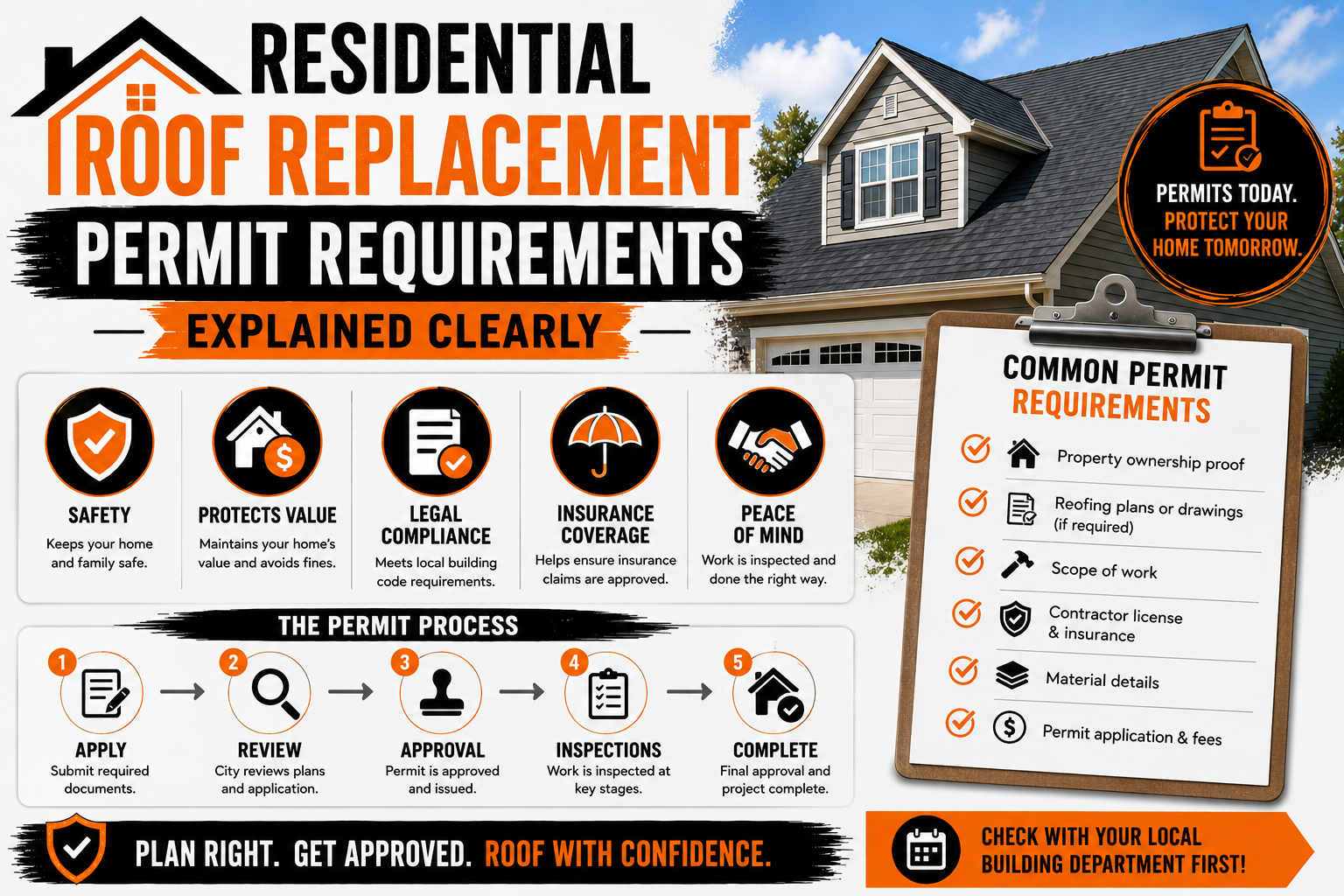
Residential Roof Replacement Permit Requirements Explained Clearly
Introduction
Replacing a residential roof is a major home improvement project that involves more than selecting roofing materials and hiring a contractor. In many areas, homeowners must also comply with local building regulations by obtaining the appropriate permits before work begins. Understanding these permit requirements helps prevent legal issues, project delays, and unexpected expenses.
Many homeowners are unfamiliar with the permit process because roof replacement is not a project completed frequently. Some assume permits are only necessary for large renovations, while others believe their contractor automatically handles every requirement. In reality, permit responsibilities and regulations vary depending on local building authorities, making it important to understand how the process works.
Building permits exist to ensure construction projects meet established safety standards and local building codes. Roofs protect the structural integrity of a home, support weather resistance, and contribute to overall occupant safety. Proper permitting allows local officials to verify that replacement work follows approved construction practices.
Ignoring permit requirements can create problems long after the installation is finished. Homeowners may encounter fines, insurance complications, difficulties during property sales, or additional inspections if work was completed without proper approval. Taking the correct steps before construction begins helps avoid these unnecessary challenges.
This guide explains residential roof replacement permit requirements in a clear and practical way. It explores when permits are needed, who obtains them, how building codes influence roofing projects, and what homeowners should know before replacing their roof.
What Is a Roof Replacement Permit?
A roof replacement permit is an official authorization issued by a local building department that allows roofing work to proceed according to established construction regulations. The permit confirms that the proposed project meets local safety requirements before installation begins.
Building departments review permit applications to determine whether the planned work complies with current building codes. Depending on local regulations, officials may evaluate roofing materials, structural components, ventilation systems, drainage considerations, and other construction details before granting approval.
Permits also create a documented record of improvements made to a property. This information may become valuable during future property sales, insurance reviews, refinancing, or additional renovation projects.
Many permits include one or more inspections during or after construction. These inspections verify that contractors complete the work according to approved plans and applicable building standards rather than simply issuing permission without oversight.
Although permit procedures vary between municipalities, the primary objective remains consistent. Building authorities seek to promote safe construction practices while protecting homeowners, neighboring properties, and the broader community.
Understanding the purpose of roofing permits helps homeowners recognize that the process is designed to encourage quality construction rather than create unnecessary administrative requirements.
Why Building Permits Are Required for Residential Roof Replacement
Building permits play an important role in maintaining construction quality and public safety. Roof replacement affects one of the most critical protective systems of a home, making regulatory oversight beneficial in many situations.
A properly installed roof protects the home from water intrusion, wind damage, temperature extremes, and structural deterioration. Local building codes establish minimum standards that help ensure roofing systems perform reliably under expected environmental conditions.
Permit requirements also encourage accountability throughout the construction process. Contractors must follow approved installation methods, while inspections help identify significant problems before they become expensive repairs.
Another important reason for permitting involves structural safety. Some roof replacement projects include repairs to decking, framing, trusses, or support components that directly influence the building’s strength and stability. Local review helps confirm these structural elements remain compliant with current regulations.
Permits also promote consistency across residential construction projects. By applying the same building standards to similar projects, municipalities help maintain safe housing conditions throughout their communities.
Insurance companies may also consider permit compliance when evaluating certain roofing claims. Although policies vary, properly permitted work often provides stronger documentation demonstrating that construction followed recognized standards.
Homeowners planning to sell their property may benefit as well. Buyers frequently request records of major renovations, and documented permits can provide reassurance that roof replacement work received appropriate approvals and inspections.
When a Roofing Permit Is Usually Required
Permit requirements differ from one jurisdiction to another, but complete residential roof replacements commonly require approval before construction begins. Understanding the situations that typically require permits helps homeowners plan more effectively.
Replacing the entire roofing system is one of the most common situations requiring a permit. Because the project involves removing existing materials and installing new roofing components, local building departments often review the work to verify compliance with current building codes.
Structural repairs performed during roof replacement usually require permitting as well. If damaged decking, rafters, trusses, or framing members must be repaired or replaced, building officials may evaluate these structural modifications through the permit process.
Changing roofing materials can also influence permit requirements. Replacing asphalt shingles with heavier materials such as clay tile or natural slate may increase structural loads that require engineering review or additional inspections.
Major ventilation improvements may also require approval in some areas. Proper attic ventilation contributes to roof performance, moisture control, and energy efficiency, making it an important consideration during replacement projects.
Certain municipalities require permits whenever roofing materials are removed down to the roof deck. This allows inspectors to examine underlying structural components before new materials are installed.
Historic districts or neighborhoods governed by special architectural regulations may have additional approval requirements beyond standard building permits. Homeowners in these communities should verify local restrictions before beginning construction.
Natural disaster recovery projects may involve modified permitting procedures depending on local government policies. Following widespread storm damage, some jurisdictions temporarily adjust permit processes to accommodate increased demand while still maintaining construction safety standards.
Situations Where a Permit May Not Be Necessary
Although complete roof replacement often requires a permit, there are situations where approval may not be necessary. These exceptions depend entirely on local regulations, so homeowners should always verify requirements with their building department before assuming a permit is unnecessary.
Minor roof repairs frequently fall below permitting thresholds. Replacing a small number of damaged shingles, repairing flashing, sealing localized leaks, or performing routine maintenance may not require official approval if the overall roofing system remains unchanged.
Emergency repairs intended to prevent additional damage may sometimes begin before permits are issued. For example, temporary coverings installed after severe storms help protect the home’s interior while permanent repairs await formal approval where required.
Some jurisdictions distinguish between repairs and replacement. Repair projects addressing isolated damage without substantially altering the roof structure or covering may qualify for permit exemptions under local regulations.
Certain maintenance activities also remain outside typical permit requirements. Cleaning gutters, removing debris, replacing individual fasteners, or applying approved maintenance coatings generally do not require construction permits.
However, homeowners should avoid making assumptions based on experiences in other cities or recommendations from neighbors. Building regulations vary significantly, and identical roofing work may require permits in one municipality while remaining exempt in another.
When uncertainty exists, contacting the local building department is usually the safest approach. Receiving clarification before construction begins helps avoid compliance issues later in the project.
Who Is Responsible for Obtaining the Permit?
One of the most common questions homeowners ask involves responsibility for obtaining roofing permits. The answer depends on local regulations, project arrangements, and the terms of the agreement between the homeowner and contractor.
In many residential roof replacement projects, the roofing contractor obtains the permit on behalf of the homeowner. Experienced contractors regularly work with local building departments and understand application procedures, required documentation, inspection scheduling, and permit timelines.
Even when contractors manage the application, homeowners remain responsible for ensuring permits have actually been obtained before work begins. Requesting a copy of the approved permit provides confirmation that the project is proceeding legally.
Some homeowners choose to obtain permits themselves, particularly if they are managing the project independently or performing approved owner builder work where permitted by local regulations. In these situations, the homeowner becomes responsible for meeting all applicable building requirements and scheduling required inspections.
The construction contract should clearly identify who will obtain the permit and who will pay associated fees. Including this information in writing helps prevent misunderstandings after work has already started.
If multiple contractors participate in the project, responsibilities should be clearly defined. Roofing work, structural repairs, electrical modifications, or solar panel removal may involve different permits depending on the scope of construction.
Homeowners should never assume permit responsibilities have been addressed without confirmation. A brief conversation before signing the contract can prevent significant problems during the project.
How Local Building Codes Affect Roof Replacement Projects
Building codes establish the technical standards that guide residential roof replacement projects. While permits authorize construction, building codes determine how that construction must be completed to satisfy safety and performance requirements.
Roofing codes cover a wide range of construction topics. These may include fastening methods, underlayment installation, flashing requirements, ventilation standards, drainage systems, structural loading, fire resistance, and approved roofing materials.
Climate plays an important role in local code development. Regions that experience heavy snowfall, hurricanes, high winds, earthquakes, or frequent rainfall often adopt roofing standards specifically designed to address those environmental conditions.
Building codes also change over time as construction technology improves. A roof installed twenty years ago may have complied fully with regulations at that time, but current replacement projects often need to satisfy updated standards reflecting modern safety practices.
Contractors familiar with local regulations can explain how these code requirements influence material selection and installation methods. Their knowledge helps homeowners understand why certain construction practices are necessary even if they increase initial project costs.
Code compliance also contributes to long term roof performance. Installation methods developed through building standards are intended to improve durability, reduce weather related damage, and enhance occupant safety throughout the life of the roofing system.
Understanding local code requirements allows homeowners to appreciate that roof replacement involves more than cosmetic improvements. Every approved installation reflects technical standards developed to protect both the property and the people living inside it.
In the next part of this guide, we will examine the complete roofing permit application process, including the documents commonly required, factors that influence permit costs, inspection procedures, reasons applications may be delayed, and a practical comparison table that explains each stage of permit approval.
Steps Involved in Obtaining a Roofing Permit
Once homeowners understand that a permit is required for their roof replacement project, the next step is learning how the application process typically works. Although specific procedures vary between municipalities, most building departments follow a similar sequence of reviewing, approving, and inspecting roofing projects.
The process usually begins with planning the replacement work. Homeowners or contractors determine the roofing materials, estimate the project scope, and identify whether structural repairs or additional modifications will be included. This information helps prepare the documents needed for the permit application.
After the project details are finalized, the permit application is submitted to the local building department. Depending on the municipality, applications may be completed online, submitted in person, or processed through an approved contractor portal. Building officials review the information to confirm that the proposed work complies with local regulations.
Once the application has been reviewed, the building department may approve the permit immediately or request additional information. If revisions are necessary, the applicant must provide updated documents before approval can be granted. Construction should generally not begin until the permit has been officially issued.
Many jurisdictions require the approved permit to remain available at the job site during construction. This allows inspectors to verify project information quickly when visiting the property.
The permit process does not end when construction begins. Required inspections are typically completed during specific stages of the replacement project before final approval is granted.
Documents Commonly Required for Permit Approval
Building departments rely on supporting documentation to evaluate roof replacement projects accurately. The exact requirements vary by location, but homeowners should expect to provide information describing the proposed construction in sufficient detail.
Most permit applications begin with basic property information. This typically includes the homeowner’s name, property address, contractor information, and a description of the roofing work being performed.
Material specifications are commonly required as well. Building officials may request information about roofing products, underlayment, flashing materials, ventilation systems, and fastening methods to verify compliance with applicable building codes.
If structural modifications are planned, additional documentation may be necessary. Engineering drawings, structural calculations, or framing details help demonstrate that the proposed changes meet required safety standards.
Some municipalities also require proof of contractor licensing and insurance before issuing permits. This documentation confirms that the contractor is authorized to perform roofing work within the jurisdiction.
Historic districts, homeowners associations, or neighborhoods with architectural review requirements may require additional approvals before municipal permits can be issued. Coordinating these approvals early helps reduce project delays.
Accurate documentation also benefits homeowners by reducing the likelihood of permit corrections later in the review process. Complete applications are generally processed more efficiently than those containing missing or incomplete information.
Permit Costs and Factors That Affect Fees
Permit fees represent a relatively small portion of the total roof replacement budget, but homeowners should still understand how these costs are determined. Fees vary considerably between municipalities because each local government establishes its own permit schedules.
Some building departments calculate permit costs using the estimated value of the construction project. Others apply flat fees for residential roof replacement or adjust pricing according to the size of the roof and the complexity of the work.
Structural modifications often increase permit costs because additional reviews and inspections may be required. Similarly, projects involving significant design changes or specialized roofing systems may require more detailed evaluation by building officials.
Inspection requirements can also influence overall permit expenses. Municipalities that perform multiple inspections during construction may charge higher fees than jurisdictions requiring only a final inspection.
Although permit fees increase the initial project cost, they help support services that promote construction quality and public safety. These services include application review, inspections, code enforcement, record keeping, and administrative processing.
Homeowners should ask contractors whether permit costs are included in the project estimate. Some companies incorporate permit expenses into the total contract price, while others list them separately for greater transparency.
Attempting to avoid permit fees by proceeding without approval is rarely worthwhile. The financial consequences of noncompliance often exceed the original permit cost, especially if corrective work or additional inspections become necessary.
Roof Inspections During the Replacement Process
Roof inspections are one of the primary reasons building permits exist. These inspections allow local officials to verify that construction follows approved plans and complies with current building regulations before the project is considered complete.
The number of required inspections varies depending on local policies and the scope of the roof replacement. Simple residential projects may require only a final inspection, while larger or more complex installations may involve several inspection stages.
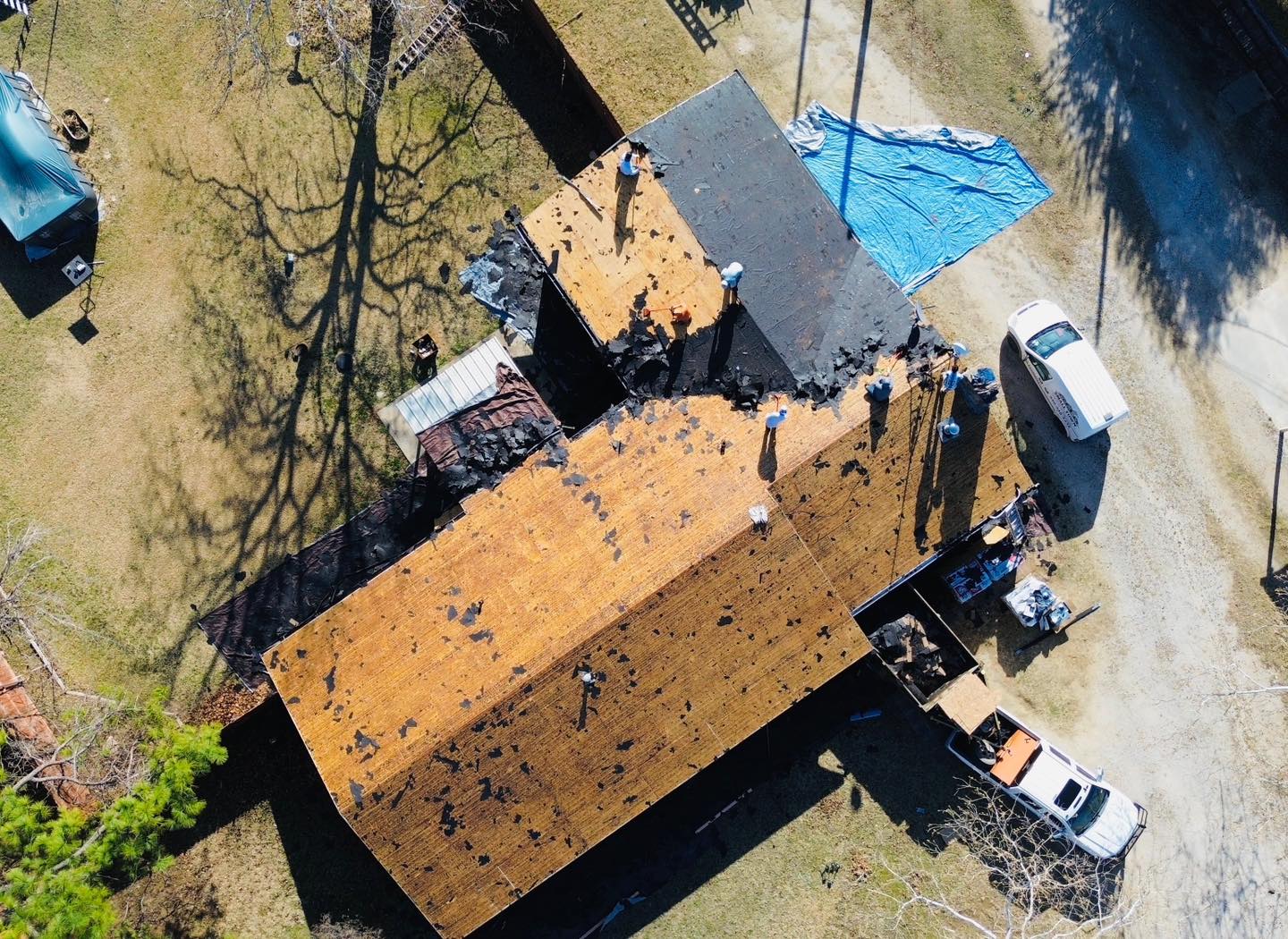
An inspection may occur after existing roofing materials have been removed. At this stage, inspectors can evaluate the roof deck and supporting structure before new materials cover these components.
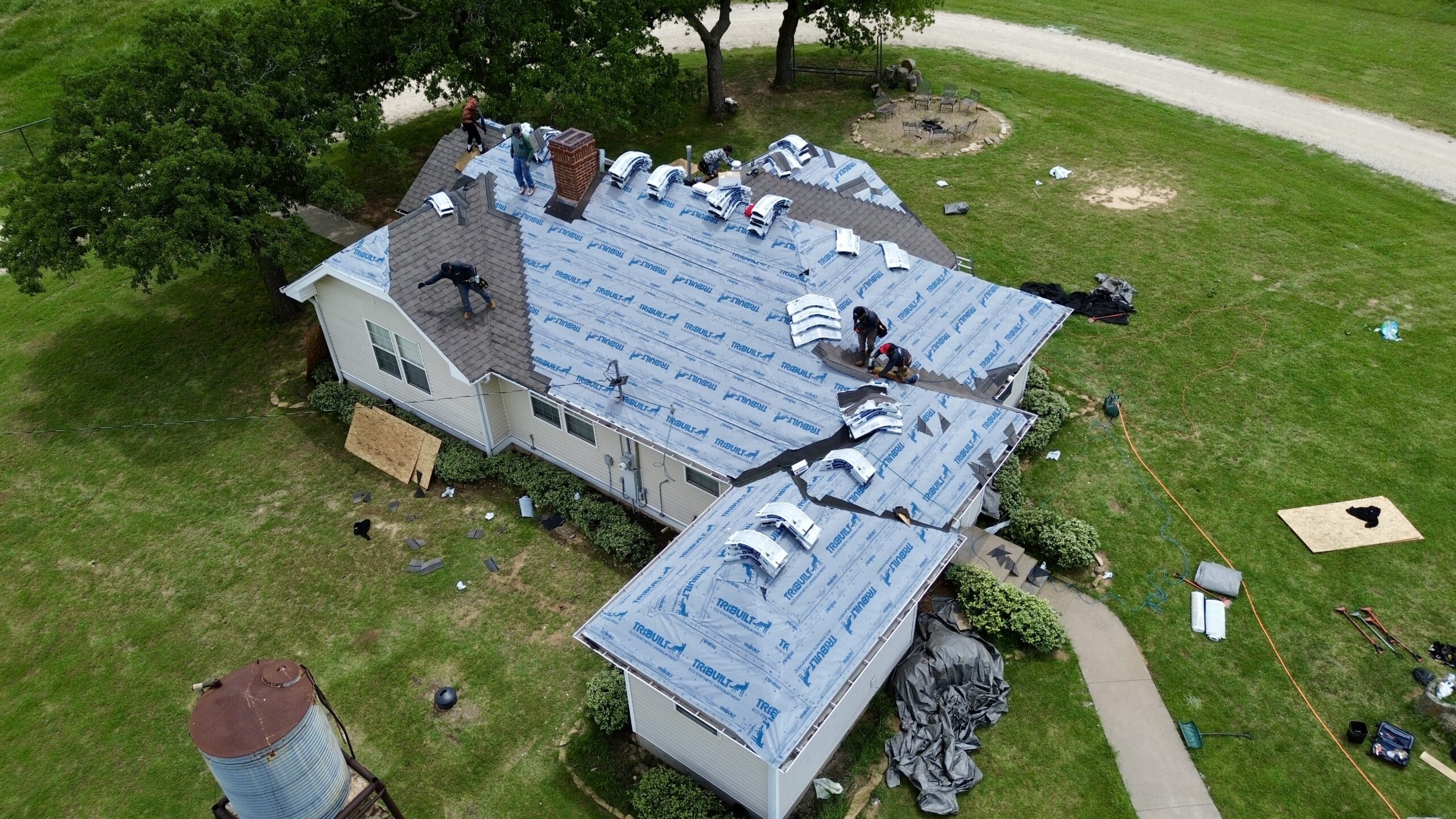
Additional inspections may take place after underlayment, flashing, or other critical roofing elements have been installed. These evaluations help identify significant installation issues before the project progresses further.
The final inspection generally occurs after all roofing work has been completed. Inspectors review the finished installation to confirm that approved materials have been used, required construction practices have been followed, and the roof satisfies applicable code requirements.
If inspectors identify deficiencies, contractors usually receive a list of required corrections. Once the necessary adjustments have been completed, another inspection may be scheduled to verify compliance.
Inspection reports also become valuable records for homeowners. They provide documentation that the completed roof replacement received official review according to local building standards.
Common Reasons Permit Applications Are Delayed
Although many roofing permits are approved without significant issues, certain factors commonly delay the review process. Understanding these potential obstacles allows homeowners and contractors to prepare more effectively before submitting applications.
Incomplete applications are one of the most frequent causes of delays. Missing signatures, inaccurate property information, incomplete project descriptions, or absent supporting documents often require additional review before processing can continue.
Incorrect material specifications may also slow approval. Building officials need sufficient information to determine whether roofing products comply with local code requirements, making accurate documentation essential.
Projects involving structural modifications often require additional technical review. Engineering evaluations, revised drawings, or clarification regarding load calculations may extend the approval timeline compared to standard roof replacement projects.
Periods of high construction activity can also affect processing times. After severe storms or during busy building seasons, permit offices may experience increased application volumes that temporarily lengthen review periods.
Historic preservation requirements or neighborhood architectural review processes sometimes create additional approval steps before municipal permits can be issued. Coordinating these requirements early helps reduce unnecessary delays.
Communication between contractors and building departments also influences application speed. Prompt responses to requests for additional information often help projects return to the normal review process more quickly.
Planning ahead remains the most effective strategy for avoiding delays. Homeowners who begin permit discussions well before the desired construction date generally experience fewer scheduling complications.
Working With Contractors During the Permit Process
Experienced roofing contractors often play an important role in obtaining permits efficiently. Their familiarity with local building departments and construction regulations allows them to anticipate documentation requirements and avoid common application errors.
Contractors usually prepare technical information describing roofing materials, installation methods, and project scope. Because they regularly complete similar applications, they understand the level of detail building officials typically expect.
Professional contractors also monitor permit progress throughout the review process. If building departments request additional information, experienced companies can often respond quickly and minimize unnecessary delays.
Scheduling inspections represents another important contractor responsibility. Coordinating inspection appointments with construction activities helps maintain project momentum while ensuring work remains available for official review at the appropriate stages.
Homeowners should remain informed throughout this process even when contractors manage the paperwork. Requesting permit numbers, approval dates, and inspection schedules helps maintain transparency and confirms that regulatory requirements are being followed properly.
Good communication between homeowners and contractors contributes to smoother permit approval. Discussing expectations early reduces misunderstandings and ensures both parties understand their respective responsibilities before work begins.
Table: Typical Roofing Permit Requirements and Inspection Stages
The following table provides a general overview of common permit requirements and inspection stages. Actual procedures vary by municipality, but this comparison illustrates how many residential roof replacement projects progress from application to final approval.
| Project Stage | Typical Requirement | Purpose |
|---|---|---|
| Project planning | Define scope of roof replacement | Determines permit needs and project details |
| Permit application | Submit forms and supporting documents | Begins official review process |
| Permit review | Building department evaluates application | Confirms compliance with local building codes |
| Permit approval | Permit issued before construction | Authorizes roofing work to begin |
| Initial inspection | Review exposed roof deck if required | Verifies structural condition before covering |
| Mid project inspection | Evaluate roofing components during installation | Confirms proper installation methods |
| Final inspection | Review completed roofing system | Ensures compliance before project closure |
| Project completion | Maintain permit and inspection records | Provides documentation for future reference |
By this stage of the guide, homeowners should have a clear understanding of how roofing permits are obtained, the documentation commonly required, factors affecting permit costs, the purpose of inspections, and the reasons some applications experience delays.
In the final part, we will explore the consequences of replacing a roof without a permit, explain how contractors help maintain permit compliance, address common misconceptions about roofing permits, provide a practical homeowner checklist, and conclude with the key lessons every homeowner should remember before starting a residential roof replacement project.
What Happens If You Replace a Roof Without a Permit?
Some homeowners assume that skipping the permit process saves time and money. While this may seem convenient initially, replacing a roof without obtaining the required permit can create serious legal, financial, and practical problems. The consequences often outweigh the cost and effort involved in securing proper approval.
Local building departments may issue fines or require corrective action if unpermitted work is discovered. In some cases, homeowners may be required to apply for a retroactive permit, schedule additional inspections, or even remove completed roofing materials so inspectors can verify concealed construction.
Insurance claims can also become more complicated when major work was completed without the required approvals. While every insurance policy is different, insurers may request documentation showing that renovations complied with local building regulations before processing certain claims.
Selling a home can present another challenge. Buyers and their representatives often ask about permits for major improvements, including roof replacement. Missing permit records may delay the transaction or require additional inspections before the sale can proceed.
Warranty issues may also arise if roofing products were installed without following required procedures. Some manufacturers require installation according to applicable building codes, and failure to meet those standards could affect warranty coverage.
Beyond financial concerns, unpermitted work may hide installation defects that would otherwise have been identified during official inspections. Permits help ensure the roof has been installed safely and according to recognized construction standards.
How Contractors Help With Permit Compliance
Professional roofing contractors often manage much of the permit process on behalf of homeowners. Their experience working with local building departments allows them to complete applications accurately and coordinate inspections throughout the project.
Experienced contractors understand local building codes and stay informed about updates that may affect roofing projects. This knowledge helps ensure that installation methods, materials, and construction practices satisfy current regulatory requirements.
Many contractors prepare the documentation required for permit applications. They provide project descriptions, material specifications, contractor licensing information, and other technical details requested by the building department.
Contractors also schedule required inspections at the appropriate stages of construction. Coordinating inspections with installation activities helps prevent unnecessary delays while allowing building officials to review important roofing components before they are covered.
If inspectors identify corrections during an inspection, professional contractors address those issues promptly. Completing required adjustments before requesting a follow up inspection helps maintain project progress and demonstrates a commitment to quality workmanship.
Although contractors often manage these responsibilities, homeowners should remain involved throughout the process. Requesting permit documentation and confirming inspection approvals provides additional confidence that the project complies with local regulations.
Tips for Homeowners to Ensure Permit Approval
Homeowners can take several practical steps to help the permit process proceed smoothly. Early planning and organized communication often reduce delays while improving the overall roofing experience.
Begin by confirming permit requirements before signing a construction contract. Even if the contractor will obtain the permit, understanding local regulations helps homeowners ask informed questions throughout the project.
Choose a contractor who regularly completes residential roof replacement projects within the local area. Familiarity with municipal procedures often results in faster applications and fewer administrative complications.
Keep copies of important documents throughout the project. Permit approvals, inspection reports, contracts, warranties, invoices, and material specifications should all be stored together for future reference.
Respond promptly if additional information is requested by the contractor or building department. Delays in providing documentation can extend permit review times unnecessarily.
It is also helpful to maintain regular communication with the contractor throughout construction. Asking for updates regarding inspections and approvals keeps homeowners informed without interfering with daily work.
Most importantly, avoid beginning construction before the required permit has been issued. Waiting for official approval protects both the homeowner and the contractor from unnecessary compliance issues later.
Common Permit Myths About Residential Roof Replacement
Permit requirements are often misunderstood because regulations differ from one location to another. Several common myths continue to create confusion among homeowners preparing for roof replacement projects.
One widespread misconception is that permits are only required for new homes. In reality, many municipalities require permits for major renovations, including complete residential roof replacements.
Another myth suggests that replacing roofing materials with the same type never requires approval. Although this may be true in certain locations, many building departments still require permits regardless of whether the roofing material changes.
Some homeowners believe hiring a contractor automatically guarantees permit compliance. While many professional contractors handle permits, homeowners should still verify that approval has been obtained before construction begins.
Another misunderstanding is that permits exist primarily to generate revenue for local governments. Although permit fees help support administrative services, the primary purpose of permitting is promoting construction safety and compliance with building codes.
Many people also assume inspections are unnecessary because experienced contractors already know how to install roofs correctly. However, inspections provide independent verification that construction meets applicable standards and help identify issues before they become long term problems.
Finally, some homeowners believe permit records lose value after construction is completed. In practice, these records often remain useful for insurance purposes, future renovations, warranty claims, and property transactions years after the roof replacement has been finished.
Final Roof Inspection and Project Completion
The final inspection marks one of the most important milestones in the roof replacement process. This review confirms that the completed installation satisfies permit requirements and complies with applicable building regulations.
Inspectors evaluate the visible roofing system, verify that approved materials have been installed, and confirm that required corrections identified during earlier inspections have been completed. Successful completion generally indicates that the project meets local construction standards.
Homeowners should participate in the project closeout whenever possible. Walking through the completed work with the contractor provides an opportunity to ask questions about maintenance, warranties, ventilation, and future inspections.
Before considering the project complete, confirm that all required documentation has been received. This includes permit approvals, inspection reports, manufacturer warranty information, workmanship warranties, and final invoices.
Take time to inspect the surrounding property as well. Roofing debris, leftover materials, packaging, and stray nails should be removed before the contractor leaves the site. Professional cleanup is an important part of a quality roofing project.
Keeping organized records after completion benefits homeowners for many years. Permit documents provide valuable evidence that the roof replacement was completed according to applicable regulations and approved through the proper channels.
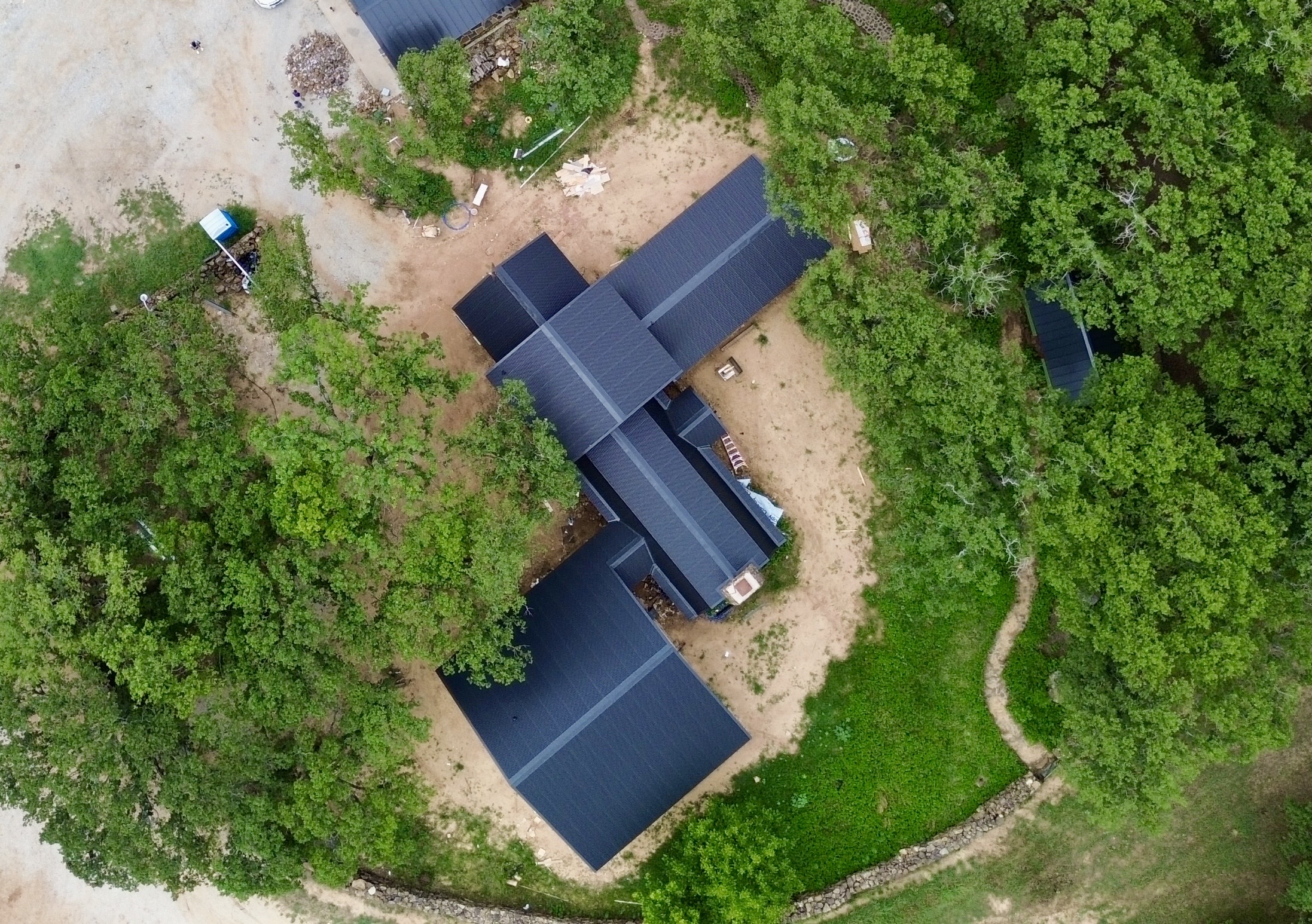
Roof Replacement Permit Checklist
Before closing the project, homeowners can use the following checklist to verify that every important permit related task has been completed.
- Confirm whether a roof replacement permit is required in your municipality.
- Verify that the contractor holds the required licenses and insurance.
- Ensure the permit application has been approved before construction begins.
- Keep a copy of the issued permit for your records.
- Confirm all required inspections are scheduled and completed.
- Obtain copies of inspection reports after approval.
- Collect warranty documents and final project paperwork.
- Store all permit records safely for future reference.
Following this checklist helps reduce the likelihood of administrative problems after the roof replacement has been completed.
Table: Benefits of Following Roofing Permit Requirements
| Permit Requirement | Benefit to Homeowner |
|---|---|
| Building permit approval | Confirms the project meets local regulations before work begins |
| Code compliant installation | Improves safety and long term roof performance |
| Required inspections | Identifies major installation issues before project completion |
| Proper documentation | Supports future property sales and insurance records |
| Contractor compliance | Promotes professional workmanship and accountability |
| Final approval | Confirms the completed project satisfies applicable building standards |
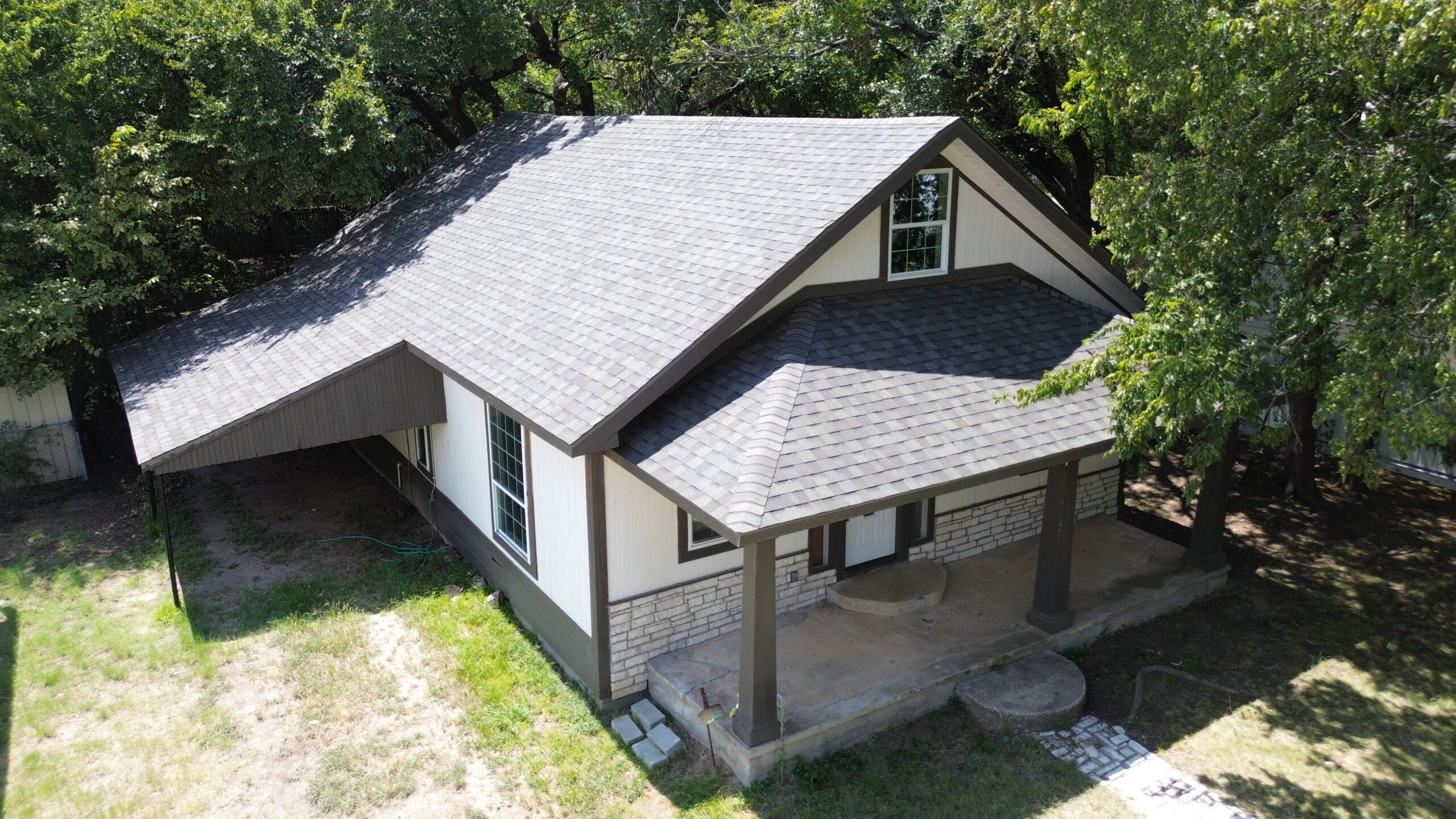
Key Takeaways Before Starting a Roof Replacement
Obtaining the proper permit may seem like an extra administrative step, but it plays an essential role in protecting both homeowners and their investment. Understanding permit requirements before construction begins makes the entire replacement process more organized and predictable.
Working with an experienced contractor, maintaining accurate documentation, and following local building regulations all contribute to a successful roofing project. These practices help reduce delays, simplify inspections, and provide valuable records that remain useful long after the installation has been completed.
Permit compliance also demonstrates that the roof replacement was completed according to recognized construction standards. This added assurance benefits homeowners today while supporting future maintenance, insurance matters, and potential property sales.
Conclusion
Residential roof replacement involves much more than removing old roofing materials and installing new ones. Local permit requirements help ensure that every stage of construction follows established building codes designed to protect the safety, durability, and performance of the finished roof. Although permit procedures vary between municipalities, understanding the general process allows homeowners to approach their project with greater confidence.
Planning ahead is one of the most effective ways to avoid unnecessary delays. Verifying permit requirements early, selecting an experienced contractor, preparing accurate documentation, and cooperating with required inspections all contribute to a smoother construction experience. These steps reduce the likelihood of compliance issues while improving communication between homeowners, contractors, and local building officials.
Permits also provide long term value beyond the construction phase. Inspection records, approved documentation, and completed permit files support warranty claims, insurance documentation, future renovations, and property transactions. Keeping these records organized ensures important information remains available whenever it is needed.
Ultimately, obtaining the proper roofing permit is an investment in the quality and legality of the project rather than simply an administrative requirement. By understanding local regulations and working with qualified professionals, homeowners can complete their residential roof replacement with confidence, knowing the finished roof has been installed according to recognized safety standards and approved construction practices.