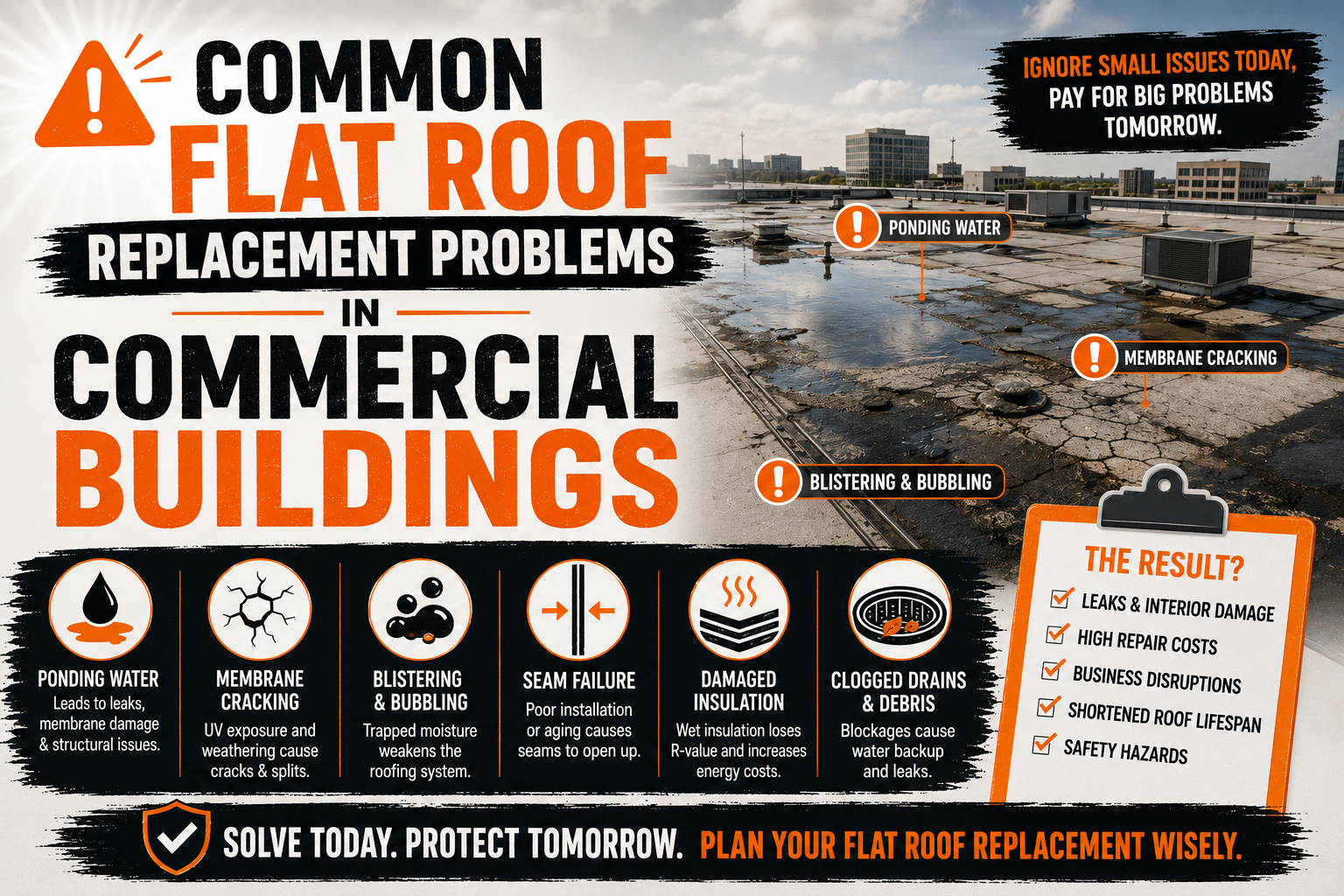
Common Flat Roof Replacement Problems in Commercial Buildings
Introduction
Replacing a commercial flat roof is a major investment that requires careful planning, experienced contractors, and a clear understanding of the challenges that may arise during the project. Unlike smaller residential roofing jobs, commercial roof replacements often involve larger surface areas, complex building designs, multiple rooftop systems, and ongoing business operations. These factors increase the likelihood of unexpected issues that can affect schedules, budgets, and overall project success.
Many commercial roofs remain in service for decades before replacement becomes necessary. During that time, multiple repairs, weather exposure, equipment upgrades, and building modifications can alter the original roofing system. As contractors begin removing old materials, hidden damage is often discovered beneath the surface. Moisture, deteriorated insulation, structural weaknesses, and outdated roofing components frequently become visible only after demolition has started.
Unexpected problems do not necessarily indicate poor workmanship from previous installations. Roofing systems naturally age over time, and commercial buildings experience constant exposure to sunlight, rain, wind, temperature changes, rooftop traffic, and mechanical equipment. These conditions gradually affect every layer of the roof, making replacement projects more complicated than they initially appear.
Understanding the most common flat roof replacement problems helps property owners prepare realistic budgets, establish practical project timelines, and communicate effectively with roofing contractors. Knowing what challenges may occur also reduces surprises during construction and allows informed decisions when unexpected conditions are discovered.
This guide explores the most common problems encountered during commercial flat roof replacement projects. It explains why these issues develop, how experienced contractors address them, and what property owners can do to reduce delays, control costs, and achieve a successful roofing installation.
Why Commercial Flat Roof Replacement Projects Face Unique Challenges
Commercial roofing projects differ significantly from residential roof replacements because of their size, complexity, and the functions they support. Large office buildings, warehouses, hospitals, schools, shopping centers, hotels, and manufacturing facilities often rely on extensive flat roofing systems that protect valuable equipment, inventory, employees, and daily business operations.
One of the biggest challenges is the sheer size of commercial roofs. Replacing thousands of square feet of roofing material requires careful coordination of labor, equipment, materials, and weather conditions. Larger roofs also increase the possibility of discovering hidden damage in multiple areas rather than one isolated location.
Commercial roofs frequently support numerous mechanical systems. Heating and cooling units, ventilation equipment, communication systems, skylights, exhaust fans, solar panels, and electrical installations all create roof penetrations that require careful attention during replacement. Every penetration increases installation complexity while creating additional waterproofing requirements.
Business continuity presents another unique challenge. Many commercial buildings remain occupied throughout roof replacement, meaning contractors must minimize disruption while maintaining safe access for employees, customers, and tenants. Noise, temporary closures, delivery schedules, and construction safety all require careful planning.
Building codes also influence commercial roof replacement projects. Older buildings may require upgrades to insulation, drainage systems, fire resistance, or structural components before new roofing materials can be installed. These requirements sometimes become apparent only after demolition begins, adding complexity to the project.
Commercial property owners must also coordinate multiple stakeholders. Building managers, tenants, maintenance teams, architects, engineers, insurance representatives, and roofing contractors often participate in planning and decision making. Effective communication among these groups helps reduce misunderstandings while improving project efficiency.
These unique challenges make commercial roof replacement far more involved than simply installing a new waterproof membrane. Careful preparation and experienced project management are essential for achieving successful long term results.
Understanding the Complexity of Commercial Flat Roofing Systems
A commercial flat roof is much more than the visible membrane covering the building. It is a complete roofing assembly consisting of multiple layers that work together to provide waterproof protection, thermal insulation, structural support, drainage, and resistance to environmental conditions. Understanding this complexity helps explain why replacement projects often uncover unexpected issues.
The roofing membrane forms the uppermost waterproof layer, but beneath it are insulation boards, cover boards, vapor barriers, attachment systems, adhesives, flashing materials, and the structural roof deck. Each layer has a specific purpose, and failure in one component often affects the entire roofing system.
Drainage components also play a critical role. Internal drains, gutters, scuppers, tapered insulation, and roof slopes work together to move water away from the building efficiently. Even minor drainage deficiencies can lead to standing water that gradually damages insulation and structural components beneath the membrane.
Mechanical equipment further increases roofing complexity. Large commercial buildings commonly have rooftop HVAC systems, ventilation ducts, cooling towers, communication equipment, and electrical installations. These systems require specialized flashing details that must remain waterproof while accommodating vibration and normal building movement.
Over many years, commercial roofs often undergo numerous repairs and modifications. Different roofing materials, patching methods, flashing designs, and equipment installations may exist across the same roof surface. These variations create additional challenges when contractors attempt to integrate a completely new roofing system with existing building components.
Roof replacement therefore involves much more than removing one membrane and installing another. Every layer must be evaluated carefully to determine whether it remains suitable for continued use or requires replacement as part of the new roofing system.
Recognizing the complexity of commercial roofing assemblies allows property owners to better understand why experienced inspections and detailed planning are essential before construction begins.
Aging Roofing Materials and Hidden Structural Issues
One of the most common surprises during commercial roof replacement is the discovery of aging materials that have deteriorated far beyond what was visible before demolition. While the roof surface may show only moderate wear, hidden components beneath the membrane often reveal extensive damage accumulated over many years.
Roofing membranes naturally lose flexibility as they age. Continuous exposure to ultraviolet radiation, changing temperatures, moisture, and environmental pollutants gradually weakens roofing materials. Small cracks, seam separation, and membrane shrinkage eventually allow water to enter the roofing assembly, even when leaks are not immediately noticeable inside the building.
Structural issues frequently remain hidden beneath layers of roofing material. Wooden roof decks may develop rot after years of moisture exposure, while steel decking can corrode when trapped moisture remains beneath insulation. Concrete decks may experience cracking or surface deterioration that becomes visible only after the old roofing system has been removed.
Older buildings sometimes contain roofing systems installed according to construction standards that differ significantly from current building codes. During replacement, contractors may discover outdated materials, insufficient insulation, deteriorated fastening systems, or structural conditions requiring correction before the new roof can be installed safely.
Multiple roofing overlays create additional challenges. Instead of removing previous roofing systems, some buildings receive new membranes installed over existing materials. While this approach may have reduced costs during earlier projects, it often conceals deterioration beneath several roofing layers, making replacement more complicated.
Hidden structural problems frequently influence both project cost and schedule. Once deterioration is discovered, repairs must usually be completed before installation can continue. Although this may temporarily extend construction time, correcting these issues provides a much stronger foundation for the new roofing system.
Professional inspections before replacement reduce the likelihood of unexpected discoveries, but some concealed conditions remain impossible to identify until demolition begins. Allowing flexibility within the project budget helps property owners manage these situations more effectively.
Moisture Trapped Beneath Existing Roofing Layers
Moisture trapped beneath the roofing membrane is one of the most significant problems encountered during commercial flat roof replacement. Unlike visible leaks that draw immediate attention, hidden moisture often remains unnoticed for years while gradually affecting insulation, adhesives, and structural materials throughout the roofing assembly.
Water typically enters through damaged seams, deteriorated flashing, punctures, or aging roofing materials. Once beneath the membrane, moisture becomes trapped because the roofing system prevents effective evaporation. Instead of drying naturally, the water spreads horizontally through insulation layers, affecting much larger areas than the original point of entry.
Wet insulation loses much of its thermal performance. Buildings with saturated insulation often experience higher heating and cooling costs because the insulation can no longer resist heat transfer effectively. This decline in energy efficiency continues until the damaged materials are removed and replaced.
Moisture also weakens adhesive bonds used within the roofing assembly. As adhesives deteriorate, insulation boards may loosen and roofing membranes may separate from underlying materials. These changes reduce the structural stability of the roofing system while increasing vulnerability to wind damage and additional water infiltration.
Another concern involves biological growth. Damp roofing materials provide favorable conditions for mold and mildew development, particularly when moisture remains trapped for long periods. Although this growth is often hidden from view, it contributes to material deterioration and may eventually affect indoor environments if the problem becomes severe.
Modern roofing contractors use several methods to identify hidden moisture before replacement begins. Infrared imaging, electronic moisture detection, core sampling, and moisture meters provide valuable information regarding the extent of water infiltration beneath the roofing membrane. While these techniques improve project planning, some moisture damage still becomes apparent only after roofing materials have been removed.
Replacing saturated insulation rather than covering it with a new membrane is essential for long term roof performance. Installing new roofing materials over wet insulation simply traps existing deterioration beneath the new roof, reducing its expected lifespan and increasing future maintenance requirements.
Poor Drainage and Persistent Ponding Water
Proper drainage is one of the most important factors influencing the performance of any commercial flat roof. Although flat roofs appear level, they are carefully designed with subtle slopes that direct water toward drains, gutters, or scuppers. When drainage no longer functions effectively, standing water becomes a persistent problem that accelerates roof deterioration.
Ponding water usually develops because of clogged drains, structural settlement, insulation compression, inadequate roof slope, or gradual movement of the building over time. While a small amount of temporary standing water may not cause immediate concern, water that remains for extended periods creates ongoing stress throughout the roofing system.
Standing water places additional weight on the roof structure. Since water is extremely heavy, even shallow ponding across large roof sections adds considerable load to the building. This extra weight may contribute to further structural movement, creating even deeper low spots where additional water accumulates.
Constant moisture exposure also accelerates membrane deterioration. Roofing materials remain wet for longer periods after rainfall, allowing seams, adhesives, and flashing components to deteriorate more rapidly than they would under normal drainage conditions. Over time, these weakened areas become entry points for moisture beneath the roofing assembly.
Poor drainage also complicates roof replacement projects. Contractors often discover that drainage deficiencies extend beyond the roofing membrane itself. Compressed insulation, deteriorated roof decks, or structural settlement may require correction before installation of the new roofing system can proceed.
Property owners should recognize that replacing only the roofing membrane without correcting drainage problems often leads to recurring issues. Modern replacement projects frequently incorporate tapered insulation systems or drainage improvements that restore proper water flow while improving the long term performance of the new roof.
Addressing drainage deficiencies during replacement provides lasting benefits by reducing standing water, extending membrane lifespan, improving energy efficiency, and minimizing future maintenance costs.
Unexpected Roof Deck Damage During Tear Off
One of the most unpredictable stages of commercial flat roof replacement is the tear off process. While removing existing roofing materials, contractors often uncover damage that was impossible to detect during preliminary inspections. These discoveries are common and represent one of the primary reasons replacement projects sometimes require schedule adjustments.
The roof deck serves as the structural foundation supporting every component above it. Whether constructed from steel, wood, or concrete, the deck must remain structurally sound before a new roofing system can be installed. Hidden deterioration beneath the old roof can significantly affect both project cost and construction timelines.
Water infiltration is the most common cause of roof deck damage. Moisture trapped beneath roofing materials gradually weakens wood, corrodes steel, or contributes to cracking and deterioration in concrete structures. Since these problems develop beneath the membrane, they often remain invisible until demolition exposes the deck.
Fastening systems may also contribute to hidden problems. Older fasteners sometimes loosen, corrode, or fail after decades of service. Contractors inspect these attachment points carefully because the new roofing system depends on a secure structural foundation capable of supporting modern installation methods.
Unexpected deck repairs require careful evaluation before construction continues. Damaged sections are repaired or replaced to restore structural integrity, ensuring the new roofing system has a stable and durable base. Although these repairs may temporarily extend the project schedule, they significantly improve the reliability and lifespan of the completed roof.
Experienced roofing contractors anticipate that some hidden deck repairs may become necessary during commercial roof replacement. Including reasonable contingency planning within the project budget allows property owners to address these discoveries without compromising the quality of the finished roofing system.
In the next part, we will examine additional challenges that frequently arise during commercial flat roof replacement, including weather delays, rooftop equipment complications, material compatibility issues, safety concerns, unexpected budget increases, and quality control problems that can affect the success of the project.
Weather Delays and Project Scheduling Challenges
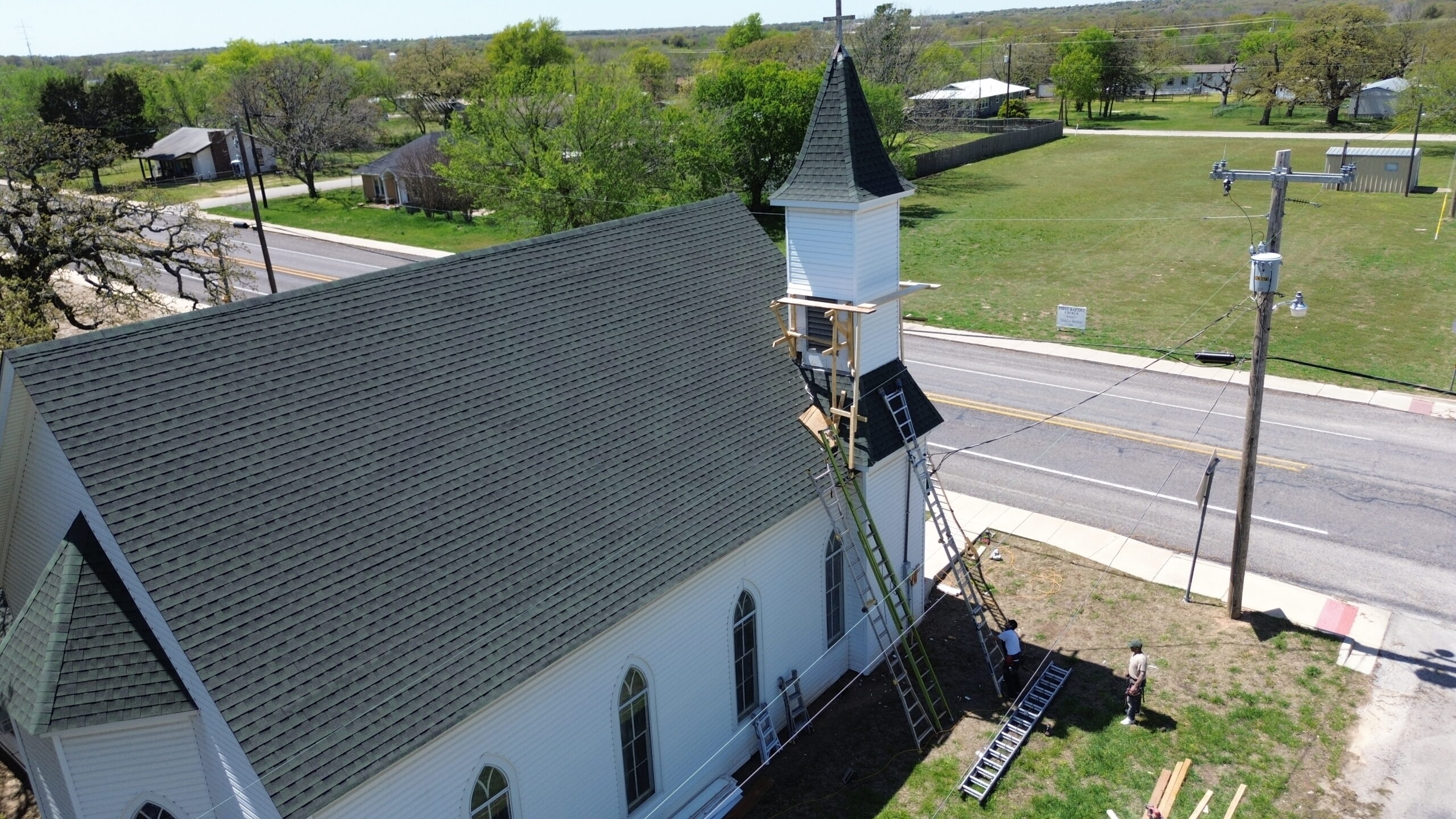
Weather is one of the few factors that roofing contractors cannot control, yet it has a major influence on every commercial flat roof replacement project. Even the most carefully planned schedule can change when rain, strong winds, extreme temperatures, or severe storms interrupt construction. Since roofing work exposes portions of the building during replacement, protecting the structure from unexpected weather becomes a top priority.
Rain is the most obvious challenge because exposed roof decks and insulation must remain dry before new roofing materials are installed. If rainfall is expected, contractors often adjust work schedules, install temporary waterproof coverings, or postpone certain phases of the project. These precautions help prevent moisture from entering the building while protecting newly installed materials.
Strong winds also create safety concerns. Large roofing membranes, insulation boards, and lightweight materials become difficult to handle during high winds, increasing the risk of accidents and installation errors. For this reason, many contractors suspend membrane installation until wind conditions improve.
Temperature plays an equally important role during installation. Certain adhesives, sealants, and roofing materials perform best within specific temperature ranges recommended by manufacturers. Installing materials outside these limits may reduce bonding strength or affect long term roof performance.
Commercial buildings often require phased roof replacement because complete removal of the existing roof in a single day may not be practical. Contractors carefully coordinate demolition and installation so that completed sections remain weatherproof before moving to the next area. This staged approach reduces weather related risks while allowing work to continue efficiently.
Project scheduling should always include flexibility for unexpected weather events. Building owners who understand this reality are generally better prepared for minor timeline adjustments that ultimately contribute to a higher quality roofing installation.
Difficulties Around Rooftop Equipment and Penetrations
Commercial roofs commonly support a wide variety of equipment that must remain operational throughout much of the replacement process. Heating and cooling systems, ventilation units, communication equipment, electrical conduits, skylights, solar panels, exhaust fans, and plumbing vents all create roof penetrations that increase installation complexity.
Every rooftop penetration interrupts the continuous roofing membrane, requiring carefully designed flashing details to maintain waterproof protection. Unlike large open roof areas where membrane installation progresses efficiently, penetrations demand precise measurements, specialized flashing components, and additional installation time.
Many commercial buildings also contain aging rooftop equipment installed years after the original roof was completed. Contractors often encounter outdated supports, abandoned piping, unused cables, or temporary modifications that complicate replacement. These items may require relocation, removal, or coordination with other building specialists before roofing work can continue.
HVAC systems present particular challenges because many buildings cannot simply shut them down for extended periods. Hospitals, office buildings, manufacturing facilities, hotels, and data centers frequently depend on continuous climate control. Roofing contractors therefore coordinate closely with building managers to minimize interruptions while completing flashing around these units safely.
Drain penetrations require equal attention because they handle large volumes of rainwater throughout the year. Improper flashing around drains can allow moisture to enter beneath the roofing system even if the surrounding membrane has been installed correctly. Careful workmanship in these areas significantly improves long term roof performance.
The number of penetrations also affects project duration. Buildings with numerous rooftop systems require substantially more detailed installation work than simpler roof layouts. Understanding this complexity during project planning helps establish realistic schedules and reduces the likelihood of unexpected delays.
Experienced commercial roofing contractors treat each penetration as a critical waterproofing detail rather than simply another installation step. Their attention to these transition areas often determines how successfully the new roofing system performs over the coming decades.
Material Compatibility Problems During Replacement
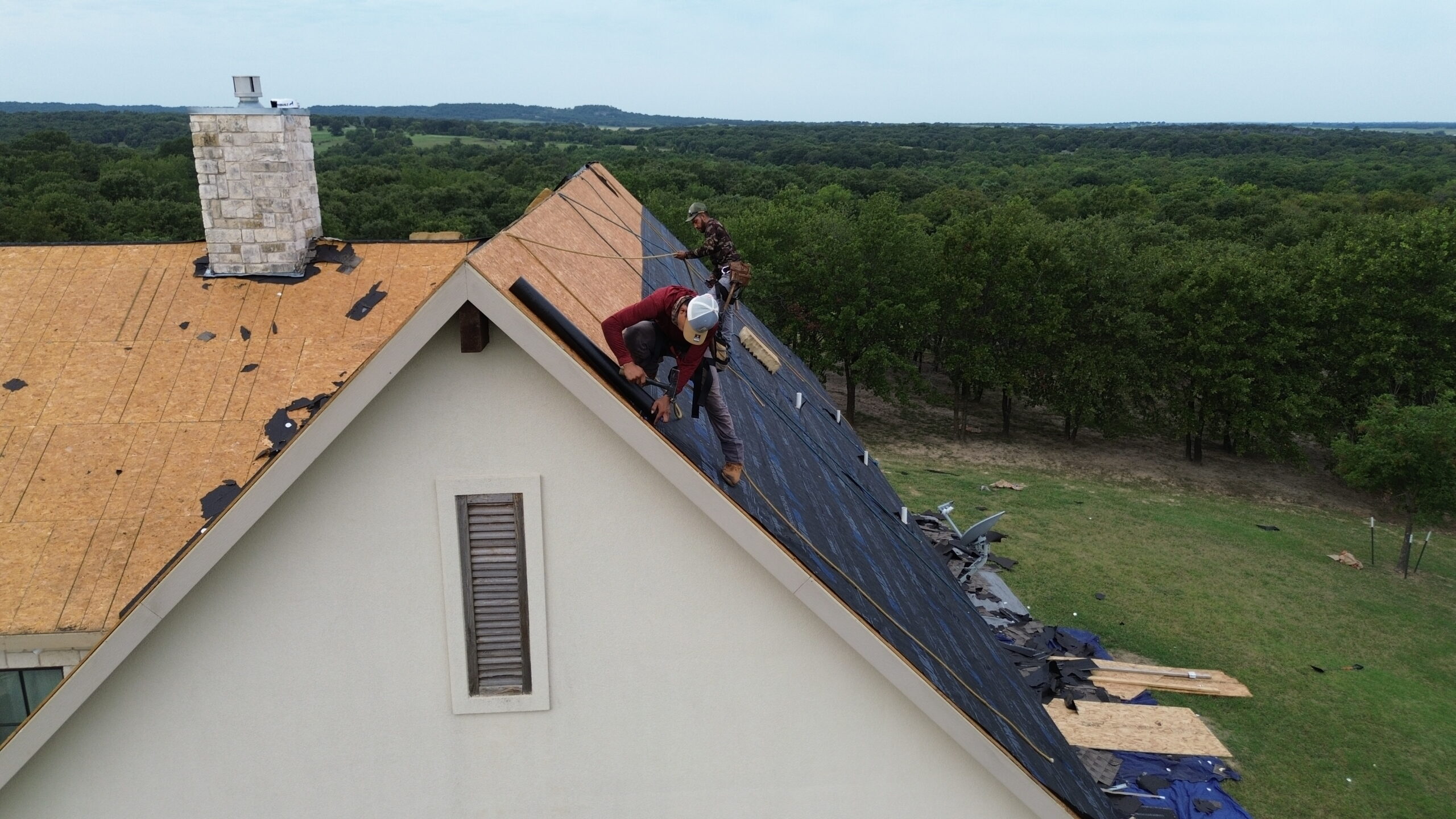
Commercial buildings frequently undergo several roofing projects during their lifetime, and not every previous repair or modification uses the same materials. As a result, contractors often encounter compatibility issues when integrating a completely new roofing system with existing building components. Resolving these differences is essential for achieving long term waterproof performance.
Older roofs may contain multiple roofing membranes installed during different time periods. Adhesives, insulation products, flashing materials, and attachment systems that were acceptable decades ago may not perform effectively alongside modern roofing materials. In some situations, existing components must be removed completely before replacement can continue.
Flashing compatibility deserves special consideration. Metal flashing, sealants, edge details, and penetration components must all work together with the selected roofing membrane. Using incompatible materials may reduce adhesion, accelerate deterioration, or create waterproofing weaknesses around critical transition points.
Roof insulation can also create challenges. Older insulation products may not meet current building standards or may have deteriorated after years of moisture exposure. Even when insulation appears structurally sound, contractors often recommend replacement if it cannot provide reliable support for the new roofing system.
Chemical compatibility between adhesives and roofing materials is another important factor. Manufacturers design installation products specifically for their roofing systems, and substituting unapproved materials may affect both performance and warranty coverage. Following manufacturer specifications helps ensure consistent long term results.
Building expansion joints, edge metal, rooftop equipment supports, and drainage components must also be evaluated carefully during replacement. Some existing components can remain in service, while others require upgrading to ensure compatibility with the new roofing assembly.
Professional planning before construction begins helps identify many compatibility concerns in advance. However, some issues become visible only after demolition exposes underlying materials, making flexibility during the project an important part of successful commercial roof replacement.
Safety and Building Occupancy Concerns
Commercial roof replacement projects must balance construction activities with the continued operation of the building. Unlike many residential projects where occupants may temporarily leave the property, commercial facilities often remain open throughout construction. Maintaining safety for employees, customers, tenants, visitors, and roofing crews therefore becomes one of the highest priorities.
Construction zones require clearly marked access restrictions. Temporary barriers, warning signs, and designated pathways help separate roofing activities from normal building operations. These precautions reduce the risk of accidental entry into hazardous work areas while allowing business activities to continue safely.
Material handling presents another challenge. Roofing membranes, insulation boards, flashing materials, tools, and demolition debris must be transported safely to and from the roof without disrupting building occupants. Contractors carefully plan delivery routes and lifting operations to minimize interference with daily operations.
Noise is also a significant consideration. Removing existing roofing materials, operating construction equipment, and installing new roofing systems inevitably generate sound. Office buildings, schools, healthcare facilities, and hotels may require scheduling adjustments to reduce the impact on occupants during particularly noisy phases of the project.
Emergency access must remain available throughout construction. Fire exits, service entrances, emergency vehicle routes, and essential building systems cannot be blocked during roof replacement. Contractors coordinate closely with facility managers to ensure emergency procedures remain fully operational at all times.
Worker safety is equally important. Commercial roofing crews use fall protection systems, safety harnesses, guardrails, warning lines, and other protective equipment designed to reduce risks associated with working at height. Regular safety meetings and site inspections further support safe working conditions throughout the project.
Successful commercial roof replacement depends not only on technical installation skills but also on careful management of people, equipment, and building operations. Maintaining a safe environment benefits everyone involved while helping the project progress efficiently.
Budget Overruns and Unexpected Repair Costs
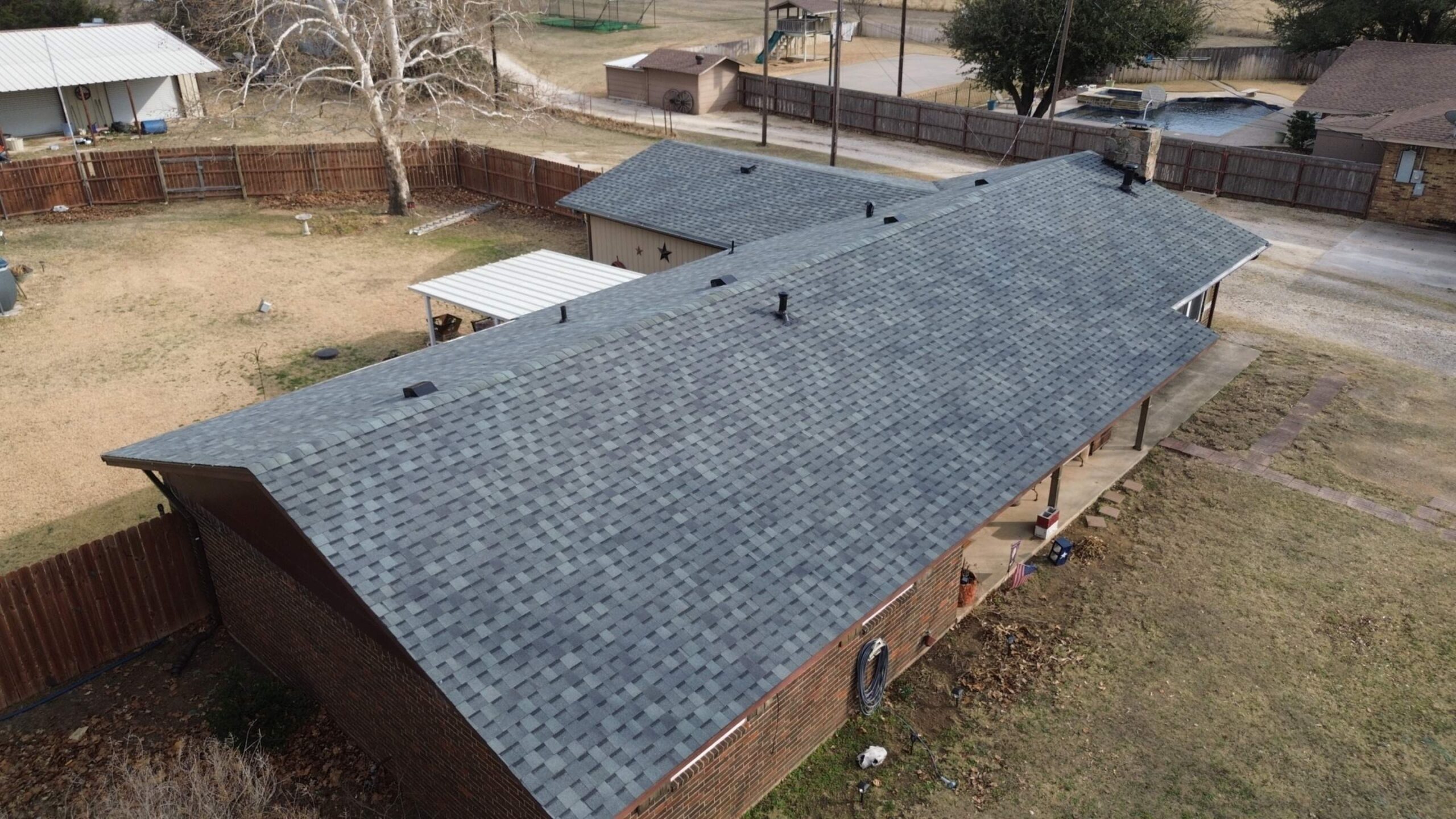
One of the greatest concerns for property owners during commercial roof replacement is the possibility of unexpected expenses. Even well planned projects occasionally uncover conditions that require additional work before installation can continue. Understanding why these costs occur helps owners prepare realistic budgets and avoid unnecessary surprises.
Hidden moisture damage is among the most common causes of budget adjustments. Once roofing materials are removed, contractors may discover saturated insulation, deteriorated decking, or weakened structural components requiring replacement. These repairs are essential because installing a new roof over damaged materials would significantly reduce its lifespan.
Building code requirements may also affect project costs. Older buildings sometimes require insulation upgrades, drainage improvements, fire safety enhancements, or structural modifications before the new roofing system complies with current regulations. These upgrades improve long term performance but may increase the initial investment.
Additional labor requirements frequently arise when roof layouts prove more complicated than expected. Large numbers of penetrations, difficult access, multiple rooftop levels, or extensive flashing work all increase installation time. While these factors may not be obvious during initial inspections, they become clearer as construction progresses.
Material price changes can also influence project budgets, particularly during lengthy planning periods. Although contractors attempt to provide accurate estimates, fluctuations in material costs may affect final pricing depending on procurement schedules and market conditions.
Property owners can reduce financial uncertainty by including contingency funds within the project budget. A reasonable contingency allows necessary repairs to proceed without compromising installation quality or delaying important decisions. Investing in proper repairs during replacement usually costs far less than addressing future failures caused by hidden damage left unresolved.
Open communication between contractors and property owners is equally valuable. Prompt discussion of newly discovered conditions allows informed decisions while maintaining transparency throughout the project.
Quality Control and Installation Mistakes
Even premium roofing materials cannot deliver dependable performance without proper installation. Quality control throughout every stage of commercial roof replacement is essential because small workmanship errors can eventually develop into significant roofing problems. Consistent inspection during construction helps identify issues before they become permanent defects.
Improper seam construction remains one of the most common installation concerns. Whether the roofing system uses heat welded seams or adhesive bonded connections, every seam must be completed according to manufacturer specifications. Weak seams increase the likelihood of water infiltration while reducing overall roof durability.
Incorrect flashing installation also creates long term risks. Roof edges, drains, expansion joints, parapet walls, skylights, and rooftop equipment require carefully detailed waterproof connections. Even minor installation errors around these transition areas may eventually allow moisture beneath the roofing membrane.
Insulation placement deserves close attention as well. Uneven insulation surfaces, poorly aligned boards, or inadequate attachment can affect drainage while creating unnecessary stress within the roofing system. Careful installation helps maintain consistent support beneath the membrane throughout its service life.
Quality control inspections generally include several important checkpoints.
| Common Problem | Likely Cause | Practical Solution |
|---|---|---|
| Weak seams | Incorrect welding or adhesive application | Inspect and repair seams immediately |
| Flashing leaks | Poor detailing around penetrations | Install flashing according to manufacturer specifications |
| Standing water | Inadequate drainage slope | Correct drainage using tapered insulation or structural improvements |
| Membrane wrinkles | Improper installation techniques | Reposition and secure membrane correctly |
| Loose insulation | Inadequate fastening or bonding | Install approved attachment systems |
| Premature leaks | Multiple workmanship issues | Conduct thorough quality inspections throughout installation |
Experienced contractors perform regular inspections during construction rather than waiting until the project is complete. Supervisors verify membrane attachment, flashing details, drainage components, insulation placement, and overall workmanship before each section of the roof is considered finished.
Property owners also benefit from documenting project progress through inspection reports and photographs. These records support warranty documentation while providing valuable reference information for future maintenance activities.
In the final part of this guide, we will explore how careful planning prevents many common replacement problems, discuss best practices for successful commercial flat roof replacement projects, answer frequently asked questions, and conclude with practical recommendations for protecting your roofing investment over the long term.
How Professional Planning Prevents Major Replacement Problems
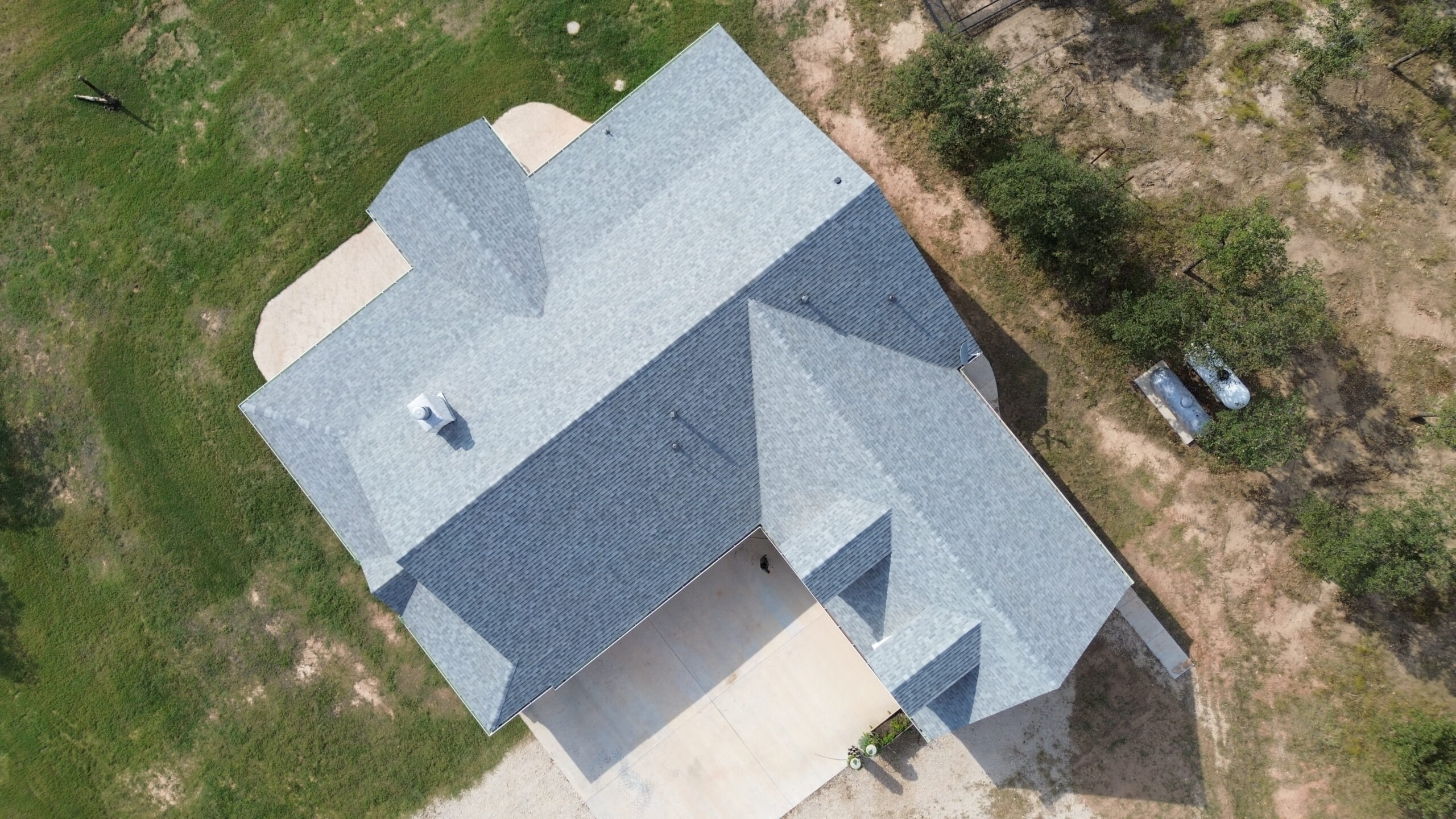
Many of the problems associated with commercial flat roof replacement can be reduced or completely avoided through detailed planning before construction begins. A successful roofing project starts long before the first roofing membrane is removed. Careful preparation allows contractors to identify potential challenges, develop realistic schedules, and coordinate every stage of the replacement efficiently.
A comprehensive roof inspection is the foundation of effective planning. Experienced roofing professionals examine the membrane, insulation, flashing, drainage systems, rooftop equipment, and structural components to determine the overall condition of the roof. Although not every hidden issue can be identified before demolition, thorough inspections greatly reduce the likelihood of unexpected surprises.
Moisture surveys provide another valuable planning tool. Technologies such as infrared scanning, electronic moisture detection, and core sampling help identify wet insulation and hidden water damage beneath the existing roofing system. This information allows contractors to estimate repair requirements more accurately before construction begins.
Project scheduling also contributes to a smoother replacement process. Planning work during favorable weather conditions reduces delays caused by rain, strong winds, or extreme temperatures. Contractors often divide large commercial roofs into manageable sections, allowing completed areas to remain weatherproof while work continues elsewhere.
Communication is equally important. Property owners, facility managers, tenants, maintenance personnel, and roofing contractors should understand the project schedule, work zones, temporary access restrictions, and expected disruptions before construction starts. Clear communication minimizes confusion and allows building operations to continue as smoothly as possible.
Material selection should also be completed early in the planning process. Choosing compatible roofing systems, insulation products, flashing materials, and attachment methods before construction begins helps prevent delays related to material substitutions or design changes during installation.
Professional planning creates a structured approach that reduces uncertainty throughout the project. While some unexpected conditions remain unavoidable, careful preparation allows contractors to respond quickly without compromising quality or safety.
Best Practices for a Successful Commercial Flat Roof Replacement
A successful roof replacement depends on more than selecting quality materials. Long term performance results from combining proper planning, skilled installation, ongoing communication, and consistent quality control throughout every stage of the project. Following established best practices helps property owners maximize the value of their roofing investment.
One of the most important practices is hiring experienced commercial roofing contractors. Companies with proven expertise understand the complexities of large roofing systems and have the knowledge required to address unexpected conditions efficiently. Proper licensing, insurance coverage, manufacturer certifications, and positive project experience all indicate a contractor capable of delivering reliable results.
Detailed project documentation is equally valuable. Written contracts, inspection reports, photographs, warranty information, and maintenance recommendations provide a complete record of the replacement process. These documents become useful references throughout the life of the new roof and simplify future maintenance planning.
Quality inspections should continue throughout construction rather than occurring only after installation has finished. Supervisors regularly verify membrane attachment, seam construction, flashing details, insulation placement, drainage performance, and overall workmanship. Correcting minor issues immediately prevents larger problems later.
Property owners should also establish realistic expectations regarding project timelines. Weather changes, hidden structural repairs, and material deliveries occasionally require schedule adjustments. Allowing reasonable flexibility helps maintain installation quality instead of rushing important roofing work.
Long term maintenance planning begins as soon as the new roof is installed. Regular inspections, prompt repairs, debris removal, and drainage maintenance help preserve waterproof performance while extending the roof’s service life. Preventive maintenance is almost always more economical than emergency repairs following major roof failures.
The following practices contribute to a successful commercial roof replacement project.
- Conduct comprehensive roof inspections before replacement begins.
- Select experienced commercial roofing contractors.
- Use roofing materials approved by the manufacturer.
- Maintain clear communication with all building occupants.
- Perform quality inspections throughout installation.
- Schedule regular maintenance after project completion.
Following these best practices helps reduce future repair costs, improve roof performance, and protect the building for many years.
Frequently Asked Questions
Why do commercial roof replacement projects often uncover hidden problems?
Most hidden issues develop beneath the roofing membrane where they cannot be seen during routine inspections. Moisture infiltration, deteriorated insulation, weakened roof decking, and aging structural components often become visible only after the old roofing system has been removed.
Can businesses remain open during commercial roof replacement?
Yes. Many commercial roof replacement projects are completed while buildings remain occupied. Contractors coordinate work carefully to maintain safe access, reduce disruption, and protect building occupants throughout construction.
What causes project costs to increase during roof replacement?
Unexpected structural repairs, saturated insulation, drainage improvements, building code upgrades, and additional flashing work are among the most common reasons project costs increase after construction begins. Planning for contingency expenses helps manage these situations more effectively.
How can property owners reduce the risk of unexpected roofing problems?
Scheduling professional roof inspections, performing moisture surveys, selecting experienced contractors, and allowing adequate contingency budgets all help reduce unexpected issues during commercial roof replacement.
Does replacing the roof improve building efficiency?
In many cases, yes. Modern roofing systems often include upgraded insulation, improved drainage, and more energy efficient materials. These improvements can reduce heating and cooling costs while increasing overall building performance.
Conclusion
Commercial flat roof replacement is a complex project that involves much more than installing a new roofing membrane. Large roof areas, hidden moisture, aging materials, structural deterioration, drainage deficiencies, rooftop equipment, weather conditions, and building occupancy all contribute to the challenges contractors encounter during replacement. Understanding these common problems allows property owners to prepare more effectively and make informed decisions throughout the project.
Although unexpected conditions are sometimes unavoidable, many issues can be minimized through careful planning and professional project management. Comprehensive inspections, moisture testing, realistic budgeting, detailed scheduling, and open communication all contribute to smoother construction while reducing unnecessary delays and unexpected expenses. Addressing hidden damage properly during replacement also prevents larger problems from developing after the new roof has been installed.
Choosing experienced commercial roofing professionals remains one of the most important decisions a property owner can make. Skilled contractors understand how to identify concealed issues, follow manufacturer installation standards, maintain strict safety procedures, and deliver high quality workmanship that supports long term roof performance. Their expertise helps ensure every component of the roofing system functions together as a complete weather resistant assembly.
Routine maintenance following installation is equally important. Regular inspections, clean drainage systems, prompt repairs, and accurate maintenance records help preserve the condition of the new roof while extending its service life. Consistent preventive care also reduces the likelihood of costly emergency repairs and protects the investment made during replacement.
Ultimately, every commercial flat roof replacement project presents unique challenges, but those challenges can be managed successfully with proper preparation, quality materials, experienced contractors, and ongoing maintenance. By understanding the most common replacement problems and addressing them proactively, property owners can achieve a durable, energy efficient roofing system that provides dependable protection and long term value for many years to come.