
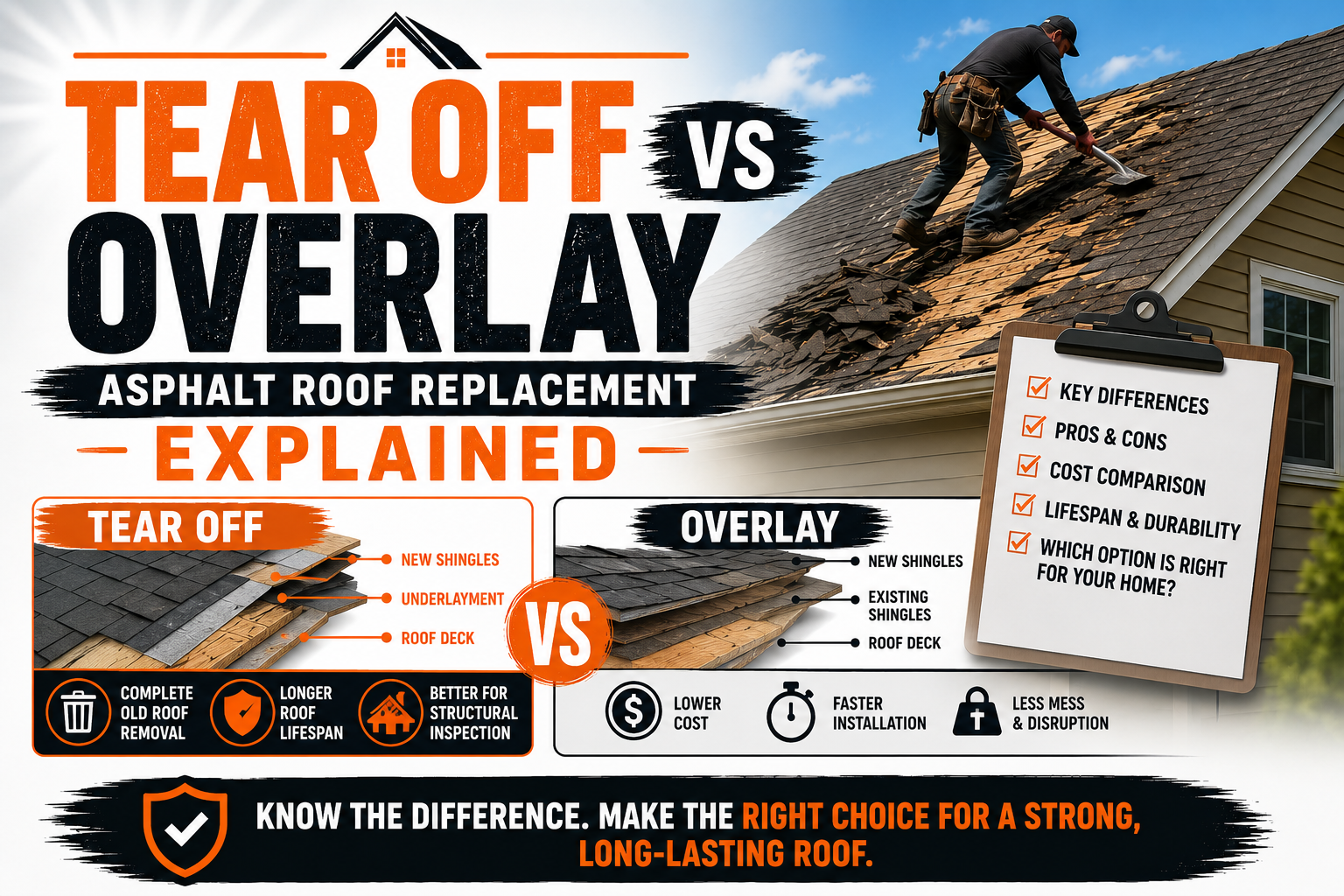
Tear Off vs Overlay Asphalt Roof Replacement Explained
Introduction
When an asphalt roof reaches the end of its service life, homeowners are often faced with an important decision that goes beyond choosing new shingles. One of the first questions a roofing contractor may ask is whether the new roof should be installed using a tear off or an overlay method. While both approaches involve installing new asphalt shingles, the preparation process and long term results can differ significantly.
Many homeowners are unfamiliar with these roofing methods because roof replacement is not something most people experience frequently. Without understanding the differences, it can be difficult to evaluate contractor recommendations or determine which option provides the greatest value. Learning how each method works allows homeowners to make informed decisions based on the condition of their roof, their budget, and their long term plans.
A tear off roof replacement involves removing the existing roofing materials before installing a completely new roofing system. This process exposes the roof deck, allowing contractors to inspect the underlying structure and address hidden problems before new shingles are installed. Although this method requires more labor, it is widely considered the most comprehensive approach to roof replacement.
An overlay roof replacement, sometimes called a roof recover, follows a different process. Instead of removing the existing shingles, contractors install a new layer of asphalt shingles directly over the old roof when certain conditions are met. This approach can reduce labor costs and shorten installation time, but it is not suitable for every home or roofing situation.
Choosing between these methods requires careful consideration of several factors, including the age of the existing roof, structural condition, local building codes, long term maintenance goals, and overall project budget. A method that works well for one property may not provide the same benefits for another because every roofing system has unique characteristics.
This guide explains the differences between tear off and overlay asphalt roof replacement, examines their advantages and limitations, and discusses the situations where each approach may be appropriate. By understanding how these methods compare, homeowners can approach their roof replacement project with greater confidence and realistic expectations.
Understanding Asphalt Roof Replacement Methods
Roof replacement involves much more than installing new shingles. The condition of the existing roofing system plays a major role in determining which installation method is appropriate. Before recommending either a tear off or an overlay, professional roofing contractors carefully evaluate the roof’s structural integrity, existing materials, ventilation, and overall condition.
Both replacement methods ultimately provide a new outer layer of asphalt shingles designed to protect the home from weather. However, the preparation work completed before the new shingles are installed creates important differences in durability, maintenance, inspection opportunities, and long term performance.
A tear off replacement starts from the roof deck upward. Contractors remove the old shingles, underlayment, nails, flashing when necessary, and other roofing components before rebuilding the roofing system with new materials. This approach essentially provides the home with a fresh roofing system built on a thoroughly inspected foundation.
An overlay replacement follows a different path by leaving the existing shingles in place. New shingles are installed directly over the original roof after contractors verify that the existing surface remains suitable for supporting another roofing layer. This process reduces demolition work while allowing installation to proceed more quickly.
Neither method is automatically better in every situation. Each has strengths and limitations that become more or less important depending on the roof’s condition, homeowner priorities, and local construction requirements.
Understanding these two methods helps homeowners participate more confidently in discussions with roofing professionals. Rather than relying entirely on recommendations, they can ask informed questions about why one approach better suits their home’s specific needs.
What Is a Tear Off Roof Replacement
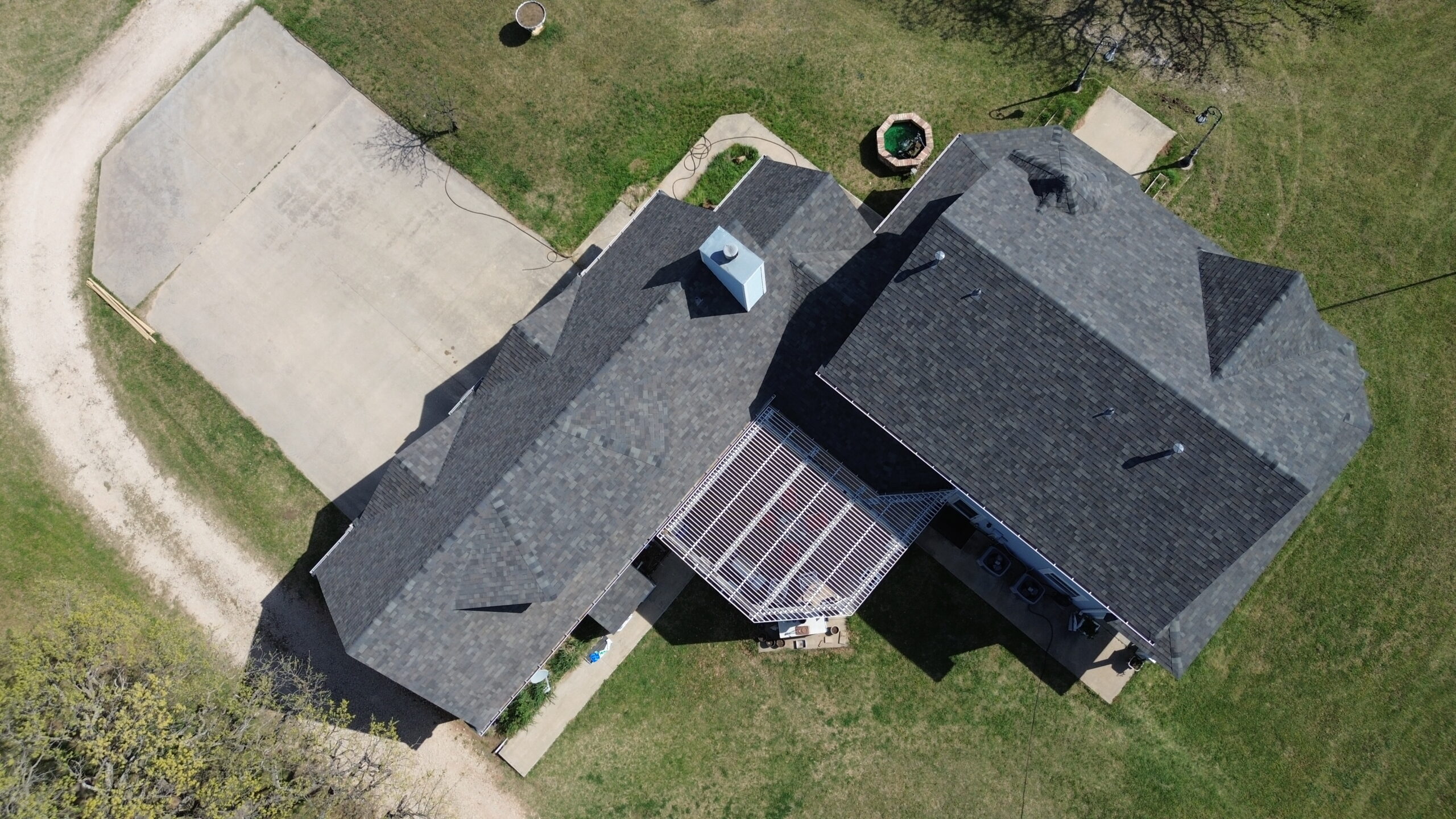
A tear off roof replacement is the traditional method used for replacing aging asphalt roofs. During this process, roofing crews remove every layer of existing roofing material before installing a completely new roofing system. The project begins by stripping away old shingles and exposing the roof deck beneath them.
Once the roof deck becomes visible, contractors perform a detailed inspection of its condition. They look for signs of water damage, rotting wood, loose fasteners, structural deterioration, mold, or other problems that may have remained hidden beneath the previous roofing materials. Correcting these issues before installing new shingles helps create a stronger and more reliable roofing system.
After necessary repairs are completed, contractors install fresh underlayment, flashing, drip edge components, starter shingles, ridge ventilation where required, and the new asphalt shingles. Every major roofing component begins with a clean foundation rather than relying on existing materials that may have deteriorated over time.
One of the greatest advantages of a tear off replacement is the opportunity to identify hidden damage. Small roof leaks sometimes remain unnoticed for years because old shingles conceal deteriorated decking. Removing the existing roof allows contractors to repair these problems before they develop into more extensive structural concerns.
Tear off projects generally generate more debris because all existing roofing materials must be removed and disposed of properly. Contractors typically position dumpsters near the property and use specialized equipment to collect shingles, nails, underlayment, and flashing throughout the demolition process.
Although tear off replacement usually requires additional labor and material handling, many roofing professionals recommend this method because it provides the most thorough evaluation of the roofing system. Homeowners receive greater confidence that the new roof begins with solid structural support rather than covering unknown conditions beneath existing shingles.
Many manufacturers also favor complete tear off installations because they allow roofing products to perform according to intended installation guidelines. Proper installation on a clean roof deck often supports stronger warranty coverage and longer expected service life.
What Is an Overlay Roof Replacement
An overlay roof replacement takes a different approach by installing new asphalt shingles directly over the existing roofing layer. Instead of removing old shingles, contractors prepare the current roof surface and place a second layer of shingles on top when local regulations and roof conditions allow.
Before recommending an overlay, professional contractors inspect the existing roof carefully. The original shingles must remain relatively flat, securely attached, and free from extensive moisture damage or structural deterioration. If the existing roof fails to meet these conditions, an overlay is generally not recommended.
One advantage of the overlay method is reduced installation time. Because demolition is largely eliminated, crews spend less time removing old materials and disposing of debris. Homeowners often appreciate the shorter construction schedule and reduced disruption around the property.
An overlay replacement also produces less construction waste because existing shingles remain on the roof. Fewer materials enter landfills, making this approach attractive to some homeowners interested in reducing disposal volume during their roofing project.
Cost savings represent another reason homeowners consider overlays. Eliminating tear off labor, disposal fees, and certain preparation activities often lowers the total project cost compared with a complete roof replacement.
Despite these benefits, overlay installations have limitations. Because the original roofing materials remain hidden beneath the new shingles, contractors cannot inspect the roof deck as thoroughly as they can during a tear off replacement. Hidden moisture damage or structural problems may therefore remain undetected.
Adding another roofing layer also increases the overall weight resting on the home’s structure. While a single overlay is permitted in some situations, excessive roof weight becomes an important consideration, particularly for older homes or roofs already supporting multiple layers of shingles.
Overlay projects should never be viewed as a universal alternative to tear off replacement. They are appropriate only when the existing roofing system remains structurally sound and complies with applicable building regulations.
How the Two Methods Differ
Although both tear off and overlay methods result in a newly shingled roof, the way each project begins creates important differences throughout the replacement process. Understanding these distinctions helps homeowners evaluate recommendations based on long term performance rather than initial cost alone.
The most obvious difference involves whether the original roofing materials remain in place. Tear off replacement removes every existing roofing layer before rebuilding the system, while overlay replacement leaves the original shingles beneath the new installation.
Inspection opportunities also differ significantly. Removing old roofing materials exposes the roof deck completely, allowing contractors to evaluate structural conditions in detail. Overlay installations provide only limited visibility because the existing roofing layer remains intact.
Installation time often varies as well. Tear off projects require additional labor for demolition, debris removal, and structural inspection before installation begins. Overlay projects generally move more quickly because much of this preliminary work is eliminated.
Material handling differs throughout the project. Tear off crews remove large quantities of old shingles before bringing new materials onto the roof. Overlay projects involve less debris removal but require careful installation techniques to ensure new shingles lie properly over the existing roof surface.
Future roof replacements also become different. Homes with a tear off replacement continue with a single roofing layer, making future inspections and replacements more straightforward. Homes receiving an overlay may require a complete tear off during the next replacement because additional roofing layers are often restricted by building regulations.
Another important distinction involves overall roofing performance. A tear off provides contractors with the opportunity to correct hidden structural issues, improve ventilation systems, replace deteriorated flashing, and rebuild vulnerable roof sections before new shingles are installed. Overlay projects depend much more heavily on the existing roof remaining in satisfactory condition.
These differences explain why roofing professionals evaluate each home individually instead of recommending the same replacement method for every project. The right choice depends on the roof’s condition, homeowner priorities, and long term maintenance expectations.
Why Homeowners Compare Tear Off and Overlay Options
Homeowners rarely compare roofing methods out of curiosity alone. The decision often affects project cost, installation time, future maintenance, warranty considerations, and overall value. Understanding these practical concerns explains why this comparison receives so much attention during roof replacement planning.
Budget remains one of the most common reasons homeowners explore overlay options. Because overlays often reduce labor and disposal expenses, they may initially appear to offer significant savings. For homeowners managing limited renovation budgets, this lower upfront cost can be appealing.
Long term value often shifts the conversation toward tear off replacement. Many homeowners recognize that identifying hidden structural problems, replacing damaged decking, and starting with a clean roofing system may reduce future repair expenses while extending the roof’s overall lifespan.
Homeowners planning to remain in their homes for many years frequently prioritize durability over immediate savings. Those preparing to sell a property may also consider how buyers, inspectors, and real estate professionals view different roofing methods during the sales process.
Insurance considerations sometimes influence the decision as well. Certain insurers may evaluate existing roofing layers, roof age, and structural condition when determining coverage or processing future claims. Homeowners often discuss these factors with both their roofing contractor and insurance provider before selecting a replacement method.
Environmental concerns have also become increasingly important. Some homeowners appreciate that overlays generate less construction waste, while others value the opportunity to rebuild a complete roofing system that may perform more efficiently over a longer period.
Ultimately, comparing tear off and overlay methods allows homeowners to balance immediate project costs with future performance, maintenance expectations, structural reliability, and overall peace of mind.
Basic Advantages and Limitations of Each Method
Both tear off and overlay roof replacement methods offer distinct benefits, but each also includes limitations that homeowners should understand before making a decision. Evaluating these strengths and weaknesses helps create realistic expectations while supporting more informed discussions with roofing professionals.
A tear off replacement offers several important advantages. It allows complete inspection of the roof deck, provides opportunities to repair hidden structural damage, supports installation of an entirely new roofing system, and often delivers the longest lasting results when completed properly.
At the same time, tear off replacement generally involves higher initial costs because of additional labor, material disposal, and preparation work. The project may also require slightly more time to complete due to demolition and structural inspections before installation begins.
Overlay replacement provides different benefits. Lower installation costs, reduced construction waste, and shorter project duration make this approach attractive in situations where the existing roof remains structurally sound and local building codes permit another roofing layer.
However, overlay installations also have important limitations. Hidden roof damage may remain undiscovered, additional roof weight is introduced, future replacements often become more complex, and some manufacturers or local regulations may place restrictions on this installation method.
Neither approach should be selected based solely on cost or convenience. The condition of the existing roof, long term ownership plans, structural integrity, and local requirements all contribute to determining which method provides the most appropriate solution.
In the next part, we will examine cost differences, long term performance, structural considerations, building code requirements, energy efficiency, and include a detailed comparison table that clearly illustrates how tear off and overlay roof replacement methods compare across the factors homeowners care about most.
Cost Differences Between Tear Off and Overlay Roof Replacement
Cost is often the first factor homeowners consider when comparing tear off and overlay roof replacement. Although both methods involve installing new asphalt shingles, the amount of labor, preparation, and material handling required creates noticeable differences in the total project cost.
An overlay roof replacement generally has a lower upfront price because the existing shingles remain in place. Contractors do not need to spend time removing old roofing materials, loading debris into dumpsters, or paying disposal fees for large amounts of roofing waste. Eliminating these tasks reduces both labor expenses and project duration.
A tear off replacement usually requires a higher initial investment because the project includes demolition, debris removal, roof deck inspection, and disposal of old roofing materials. Additional labor is also required to prepare the roof before new materials can be installed.
While overlays may appear more economical at first, homeowners should also consider future expenses. A tear off allows contractors to identify and repair hidden issues before installing the new roof. Correcting these problems early may reduce the likelihood of expensive structural repairs later.
Another long term cost consideration involves future roof replacements. If an overlay is installed today, the next replacement often requires removing both roofing layers. This additional demolition can increase labor costs during the next roofing project.
Property value may also influence the financial decision. Many buyers appreciate knowing that a roof was completely replaced rather than covered with an additional layer of shingles. Although market conditions vary, a complete tear off replacement is often viewed as a more comprehensive home improvement.
Rather than focusing only on the initial price difference, homeowners benefit from evaluating total ownership costs over the expected lifespan of the roof. A higher upfront investment sometimes delivers greater value when long term durability and reduced maintenance are considered.
Lifespan and Long Term Performance Comparison
The expected lifespan of a roof depends on many factors, including material quality, installation methods, local climate, maintenance, and ventilation. However, the replacement method itself also influences how well the roofing system performs over time.
A tear off replacement begins with a completely exposed roof deck. Contractors inspect the structure, replace damaged wood when necessary, install fresh underlayment, and rebuild the roofing system from the foundation upward. This comprehensive approach provides an excellent starting point for long term performance.
Because the new shingles rest on a clean, properly prepared surface, they generally lie flatter and perform according to manufacturer specifications. Better alignment and secure installation contribute to improved weather resistance and a more uniform appearance.
Overlay roofs depend heavily on the condition of the existing roofing layer. If the original shingles have uneven surfaces, curling edges, or hidden moisture problems, these imperfections may eventually affect the performance of the newly installed shingles above them.
Heat retention also differs between the two methods. A second roofing layer may trap additional heat beneath the new shingles, potentially influencing long term material aging in warmer climates. While modern roofing products are designed to withstand changing temperatures, proper ventilation remains especially important for overlay installations.
Maintenance requirements may also vary over time. Homeowners with tear off replacements often have greater confidence that underlying structural components were inspected and repaired during installation. Overlay roofs may require closer observation because concealed issues remain more difficult to identify.
Although a properly installed overlay can provide many years of reliable service, roofing professionals frequently recommend tear off replacement when homeowners seek maximum lifespan and long term reliability from their new roof.
Structural Considerations and Roof Weight
Every roofing system adds weight to the home’s structure. Asphalt shingles, underlayment, flashing, and other roofing materials all contribute to the overall load supported by the roof framing. For this reason, structural capacity becomes an important factor when comparing tear off and overlay replacement methods.
A tear off replacement removes the existing roofing materials before installing new ones. This means the overall roof weight remains relatively consistent because one roofing layer replaces another rather than adding additional material.
An overlay installation places a second layer of shingles directly over the original roof. Although a single additional layer may be acceptable under certain circumstances, it increases the total weight supported by rafters, trusses, and roof decking.
Older homes deserve particularly careful evaluation before an overlay is considered. Years of weather exposure, previous repairs, or aging structural components may reduce the roof’s ability to support additional weight safely. Professional structural assessment helps determine whether an overlay remains appropriate.
Snow loads can also influence structural considerations in colder climates. Homes located in regions with heavy snowfall already experience significant seasonal roof loads. Adding another roofing layer increases the total weight the structure must support during winter months.
Roof deck condition remains equally important. A tear off exposes the decking completely, allowing contractors to replace weakened sections before installing new roofing materials. Overlay projects rely on the assumption that the existing roof deck remains structurally sound beneath the original shingles.
Structural integrity should never be compromised to reduce project costs. Even if an overlay appears financially attractive, ensuring the roof can safely support the additional weight remains the highest priority throughout the replacement process.
Building Codes and Local Roofing Regulations
Building codes help ensure roofing projects meet established safety and construction standards. These regulations vary by location, making it important for homeowners to understand how local requirements may influence their roof replacement options.
Many building codes limit the number of roofing layers permitted on a residential home. In numerous jurisdictions, installing a second layer over one existing layer may be allowed under specific conditions. However, roofs already containing two layers generally require a complete tear off before additional shingles can be installed.
Local regulations may also prohibit overlays when the existing roof shows significant deterioration. Damaged decking, moisture intrusion, structural concerns, or severely worn shingles often require complete removal before replacement can proceed.
Permit requirements vary among municipalities as well. Some roofing projects require inspections during or after installation to verify compliance with applicable construction standards. Professional roofing contractors typically manage these permit processes on behalf of homeowners.
Manufacturer installation instructions frequently work alongside local building codes. Even if local regulations permit an overlay, manufacturers may establish specific installation requirements that must be followed to maintain warranty coverage.
Historic neighborhoods or communities governed by homeowners associations may include additional roofing requirements related to materials, colors, or installation methods. Homeowners should verify these guidelines before finalizing roofing plans.
Working with experienced local contractors simplifies compliance because they remain familiar with regional regulations and inspection procedures. Their knowledge helps ensure the completed roofing project satisfies both legal requirements and manufacturer recommendations.
Energy Efficiency and Ventilation Impact
Energy efficiency has become an increasingly important consideration during roof replacement. While insulation and HVAC systems receive much of the attention, the roofing system itself also contributes to indoor comfort and overall energy performance.
A tear off replacement provides an excellent opportunity to evaluate attic ventilation. Contractors can inspect intake vents, ridge vents, and airflow pathways while the roof is exposed, making improvements that support better temperature and moisture control throughout the attic.
Proper ventilation reduces excessive heat accumulation during summer while helping moisture escape during colder months. Balanced airflow protects roofing materials, insulation, and structural components while supporting more consistent indoor temperatures.
Overlay installations generally leave the existing ventilation system unchanged unless additional improvements are specifically planned. Although ventilation upgrades remain possible, they may be more limited because the original roofing layers remain in place.
Heat movement through the roofing system also deserves consideration. Two roofing layers may retain slightly more heat than a single layer, although attic insulation, ventilation quality, roof color, and climate all influence the overall effect.
Homeowners interested in maximizing energy efficiency often combine roof replacement with upgraded attic insulation and modern ventilation systems. Addressing these components together creates a more balanced roofing system capable of delivering improved long term performance.
Reflective asphalt shingles, ridge ventilation, and properly installed underlayment can all contribute to better overall roof efficiency regardless of the replacement method chosen. The key is ensuring every roofing component functions together as a complete system.
Tear Off vs Overlay Roof Replacement Comparison
The following table summarizes the major differences between tear off and overlay asphalt roof replacement. These comparisons provide a general overview, although individual projects may vary depending on roof condition, local regulations, and contractor recommendations.
| Feature | Tear Off Roof Replacement | Overlay Roof Replacement |
|---|---|---|
| Existing Shingles | Completely removed | Left in place |
| Initial Cost | Higher | Lower |
| Installation Time | Usually longer | Usually shorter |
| Roof Deck Inspection | Full inspection possible | Limited inspection |
| Structural Repairs | Easily completed before installation | Hidden problems may remain |
| Roof Weight | Maintains a single roofing layer | Adds another roofing layer |
| Future Replacement | Simpler next replacement | Future tear off usually more extensive |
| Waste Produced | More construction debris | Less construction debris |
| Long Term Performance | Generally stronger | Depends on existing roof condition |
| Best Suited For | Aging or damaged roofs requiring complete renewal | Structurally sound roofs meeting local code requirements |
This comparison highlights why many roofing professionals prefer tear off replacement when the goal is maximum durability and long term reliability. Starting with a fully inspected roof deck provides greater confidence that hidden problems have been corrected before new shingles are installed.
Overlay roofing continues to serve as a practical option for certain homes where the existing roof remains in good condition and local regulations allow another roofing layer. For homeowners prioritizing lower upfront costs and faster installation, it may provide a suitable solution when recommended by a qualified contractor.
The most appropriate choice depends on balancing immediate budget considerations with future maintenance expectations, structural condition, and overall roofing goals.
In the final part of this guide, we will discuss how to determine which replacement method is right for your home, common mistakes homeowners should avoid, important questions to ask a roofing contractor, frequently asked questions, and conclude with practical recommendations for making an informed roofing decision.
Which Roof Replacement Method Is Right for Your Home
Choosing between a tear off and an overlay roof replacement depends on much more than the project budget. Every home has its own structural condition, roofing history, climate exposure, and long term maintenance needs. Evaluating these factors together helps homeowners select the method that offers the greatest overall value rather than simply the lowest initial cost.
A tear off replacement is often the preferred option when the existing roof has reached the end of its service life or shows signs of significant deterioration. Removing the old roofing materials allows contractors to inspect the roof deck thoroughly, repair hidden damage, and install an entirely new roofing system on a solid foundation. This approach provides greater confidence in the long term performance of the roof.
Overlay replacement may be appropriate when the existing roof remains structurally sound, has only one layer of shingles, and complies with local building regulations. Homeowners seeking a faster installation and lower upfront cost sometimes find this option attractive, provided a professional inspection confirms that the roof is suitable for another layer.
The length of time homeowners plan to remain in the property can also influence the decision. Those intending to stay for many years often prefer the long term reliability of a tear off replacement because it reduces uncertainty about hidden structural issues. Homeowners planning to sell sooner may evaluate both options based on local market expectations and overall return on investment.
Climate should also be considered carefully. Homes exposed to frequent storms, heavy snowfall, or high humidity generally benefit from a complete roof replacement because contractors can address moisture damage, improve ventilation, and strengthen the roofing system before installing new shingles.
The best decision is rarely based on a single factor. Instead, homeowners should balance roof condition, structural integrity, long term plans, local regulations, warranty coverage, and contractor recommendations before selecting the most appropriate replacement method.
Common Mistakes Homeowners Should Avoid
Roof replacement is a significant investment, and avoiding common mistakes helps homeowners achieve better long term results. Many problems occur not because of poor roofing materials but because important decisions were made without considering the complete condition of the roofing system.
One common mistake is choosing an overlay solely because it costs less. While reducing upfront expenses is understandable, ignoring the roof’s structural condition may lead to more expensive repairs in the future if hidden damage remains beneath the existing shingles.
Another mistake is assuming every roof qualifies for an overlay installation. Building codes, manufacturer guidelines, roof age, and structural condition all determine whether this method is appropriate. Installing another roofing layer on an unsuitable roof can shorten the lifespan of the new shingles while creating additional structural concerns.
Some homeowners also delay roof replacement after obvious signs of deterioration appear. Missing shingles, recurring leaks, sagging roof sections, and extensive granule loss indicate that roofing problems may already be affecting underlying structural components. Waiting longer often increases repair costs.
Hiring contractors based only on the lowest price is another frequent mistake. Roofing quality depends on proper installation techniques, experienced crews, high quality materials, and careful attention to detail. Selecting a contractor without evaluating experience, licensing, insurance, and customer reviews can lead to costly problems later.
Ignoring attic ventilation during roof replacement is equally important. Proper ventilation supports moisture control, regulates attic temperatures, and helps maximize the lifespan of asphalt shingles regardless of the installation method chosen.
Finally, some homeowners overlook warranty details before signing a contract. Understanding both manufacturer warranties and workmanship warranties ensures realistic expectations while protecting the investment after installation has been completed.
Questions to Ask Your Roofing Contractor
Before making a final decision, homeowners should have a detailed discussion with their roofing contractor. Asking thoughtful questions helps clarify the condition of the existing roof and ensures both parties share the same expectations regarding the replacement project.
The following questions provide a helpful starting point during contractor consultations:
- Is my current roof structurally suitable for an overlay, or do you recommend a complete tear off?
- What hidden problems could exist beneath the existing shingles?
- Will the roof deck be inspected during the project?
- How will ventilation be evaluated and improved if necessary?
- What warranties apply to both the materials and the installation?
- Are permits or inspections required for this roofing project?
- How long will the replacement take from start to finish?
- What cleanup procedures will be completed after installation?
These questions encourage open communication while helping homeowners understand the reasoning behind the contractor’s recommendation. Experienced roofing professionals should be able to explain each answer clearly without relying on technical language that creates confusion.
Homeowners should also request a detailed written proposal describing materials, installation procedures, warranty information, estimated timelines, and payment schedules. Comparing written estimates from multiple qualified contractors provides a more accurate basis for making a final decision.
Good communication throughout the planning process often leads to smoother installation, fewer misunderstandings, and greater confidence in the completed roofing project.
Frequently Asked Questions About Tear Off and Overlay Roof Replacement
Homeowners often have similar questions when comparing these two roofing methods. The following answers address some of the most common concerns surrounding tear off and overlay asphalt roof replacement.
Is a tear off always better than an overlay?
Not necessarily. A tear off generally provides the most comprehensive roof replacement because it allows complete inspection of the roof deck. However, an overlay may be appropriate when the existing roof is in good condition, meets local code requirements, and has only one roofing layer.
Can every roof receive an overlay?
No. The roof must meet specific structural and regulatory requirements before another layer of shingles can be installed. Professional inspection is necessary to determine whether an overlay is suitable.
Does a tear off take much longer to complete?
A tear off usually requires additional time because old roofing materials must be removed before installation begins. However, experienced roofing crews often complete residential tear off projects efficiently while maintaining high installation standards.
Will an overlay hide roof leaks?
An overlay can cover existing roofing materials, but it does not repair hidden structural damage beneath them. If moisture has already affected the roof deck, the underlying problem may continue unless it is identified and repaired.
Does an overlay reduce the lifespan of new shingles?
Performance depends on the condition of the existing roof, installation quality, ventilation, and climate. Because tear off replacement begins with a completely prepared roof deck, it generally offers more predictable long term performance.
Will a tear off create a lot of mess?
Removing old shingles naturally produces more debris than an overlay. Professional roofing contractors manage this process using tarps, dumpsters, magnetic nail sweepers, and detailed cleanup procedures to leave the property clean after installation.
Which method adds more value to a home?
A complete tear off replacement is often viewed more favorably because buyers appreciate knowing the roofing system was fully inspected and rebuilt. However, overall value also depends on workmanship quality, roofing materials, and the home’s condition.
Conclusion
Choosing between a tear off and an overlay asphalt roof replacement is an important decision that affects the roof’s performance, maintenance requirements, structural reliability, and long term value. While both methods install new asphalt shingles, the preparation process creates significant differences that homeowners should carefully understand before beginning their roofing project.
A tear off replacement offers the most complete solution by removing existing roofing materials, exposing the roof deck for inspection, repairing hidden damage, and installing a completely new roofing system. Although this approach generally requires a higher initial investment, it often provides greater durability, stronger long term performance, and increased confidence that the roof has been built on a solid foundation.
Overlay replacement provides an alternative for certain homes where the existing roof remains structurally sound and local building codes permit another roofing layer. Lower upfront costs, reduced construction waste, and faster installation make this method attractive in appropriate situations, but it also carries limitations related to hidden structural issues, additional roof weight, and future replacement complexity.
No single roofing method is ideal for every home. The best choice depends on the condition of the existing roof, the number of roofing layers already installed, local climate, building regulations, long term ownership plans, and the recommendations of a qualified roofing contractor. A thorough inspection remains the most reliable way to determine which option best suits a particular property.
Homeowners should also remember that high quality materials alone cannot guarantee long lasting performance. Proper installation, effective attic ventilation, routine maintenance, and careful attention to structural integrity all contribute to the success of a roof replacement regardless of the method selected.
By understanding the advantages, limitations, costs, and long term implications of both tear off and overlay roof replacement, homeowners can make informed decisions that balance immediate budget considerations with lasting protection. Working with an experienced roofing professional ensures the chosen solution provides dependable performance, enhances the home’s value, and delivers reliable protection for many years to come.