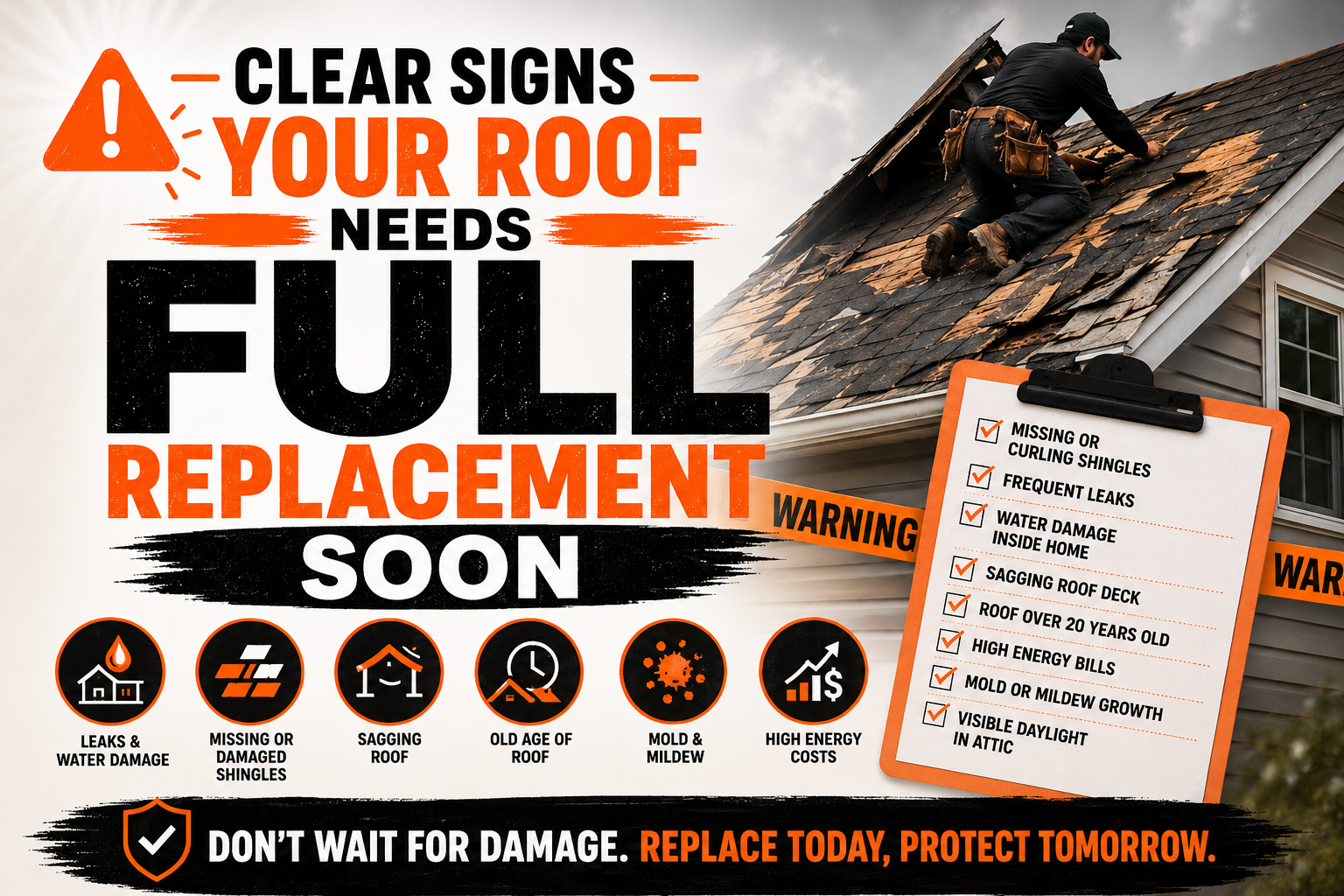
Clear Signs Your Roof Needs Full Replacement Soon
Introduction
Your roof quietly protects your home every single day, shielding it from rain, wind, sunlight, snow, and changing temperatures. Because it performs this essential role without much attention, many homeowners overlook early warning signs until significant damage has already developed. By that stage, what could have been a planned replacement often turns into an emergency project that is both stressful and expensive.
Understanding when a roof has reached the end of its service life is one of the most valuable pieces of knowledge a homeowner can have. While routine maintenance and timely repairs can extend a roof’s lifespan, every roofing system eventually reaches a point where replacement becomes the safer and more cost effective option. Recognizing this transition early helps prevent water intrusion, structural deterioration, and unnecessary repair bills.
Many people assume a roof only needs replacement after a catastrophic storm or a major leak. In reality, roofing materials often deteriorate gradually over many years, showing subtle warning signs long before complete failure occurs. Learning to identify these indicators allows homeowners to make informed decisions instead of reacting to emergencies.
A full roof replacement is certainly a significant investment, but delaying it beyond the roof’s useful life can lead to much greater expenses. Moisture can damage insulation, weaken wooden framing, encourage mold growth, and even affect interior finishes throughout the home. Replacing the roof at the right time protects not only the building itself but also the long term value of the property.
This guide explores the most reliable signs that indicate your roof may no longer benefit from repeated repairs. By understanding these warning signals, you can determine when replacement offers the safest and most practical solution for your home.
Understanding the Lifespan of a Roof
Every roofing system has a limited lifespan regardless of how well it is maintained. The exact number of years depends on the roofing material, installation quality, local climate, ventilation, and regular maintenance. A roof that performs well under mild weather conditions may wear out much faster in areas that experience heavy storms, intense sunlight, or freezing winters.
Different roofing materials age at different rates because each material responds differently to environmental stress. Some products naturally resist moisture and ultraviolet radiation better than others, while certain materials require more maintenance to achieve their maximum lifespan.
The table below provides a general comparison of common roofing materials and their expected service life under normal conditions.
| Roofing Material | Average Lifespan | Maintenance Level | Replacement Likelihood |
|---|---|---|---|
| Asphalt Shingles | 20 to 30 years | Moderate | High after aging |
| Architectural Shingles | 25 to 35 years | Moderate | Moderate |
| Metal Roofing | 40 to 70 years | Low | Lower if maintained |
| Clay Tiles | 50 to 100 years | Moderate | Usually structural issues first |
| Concrete Tiles | 40 to 60 years | Moderate | Moderate |
| Slate Roofing | 75 to 100+ years | Low | Rare with proper care |
These figures provide useful estimates rather than guarantees. Poor installation practices, inadequate attic ventilation, frequent storms, or neglected maintenance can shorten a roof’s lifespan considerably. Even premium roofing materials can fail earlier than expected if the supporting structure develops problems.
Climate also plays a significant role in roof longevity. Constant exposure to harsh sunlight causes roofing materials to expand and contract repeatedly, gradually weakening their protective properties. Heavy rainfall, snow accumulation, strong winds, and airborne debris further accelerate the aging process.
Routine inspections help homeowners monitor how quickly their particular roof is aging. Instead of relying solely on the manufacturer’s lifespan estimates, regular evaluations provide a much clearer picture of the roof’s actual condition.
Knowing the approximate age of your roof gives valuable context when evaluating visible damage. A missing shingle on a relatively new roof may only require a simple repair, while the same issue on a roof approaching thirty years of age may indicate widespread deterioration that makes replacement the smarter investment.
Why Timely Roof Replacement Matters
Many homeowners naturally prefer repairs over replacement because repairs usually involve lower immediate costs. While this approach often makes sense for isolated problems, repeatedly repairing an aging roof can become more expensive than replacing it altogether.
Older roofs tend to develop multiple weaknesses at the same time. Fixing one leak may only reveal another area that begins failing a few months later. Over time, the cycle of continuous repairs consumes both time and money without addressing the underlying deterioration.
Water intrusion is one of the biggest concerns associated with delaying roof replacement. Even small leaks can gradually damage insulation, drywall, ceilings, flooring, and wooden framing. Since moisture often travels away from the original entry point, the visible stain inside the home may represent only a fraction of the actual damage.
Excess moisture also creates favorable conditions for mold and mildew growth. Once mold spreads into insulation, wall cavities, or attic spaces, remediation becomes significantly more expensive than simply replacing the roof before widespread moisture problems develop.
Energy efficiency often declines as roofing systems age. Worn materials, damaged underlayment, and poor ventilation allow heat to enter during summer while escaping during winter. As a result, heating and cooling systems work harder to maintain comfortable indoor temperatures, increasing monthly utility bills.
Delaying replacement can also affect a home’s resale value. Potential buyers frequently request roof inspections during the purchasing process, and an aging roof nearing the end of its lifespan may become a negotiation point that lowers the property’s market value.
Insurance considerations also become increasingly important as roofs age. Some insurance providers may limit coverage or increase premiums for roofs that have exceeded their expected service life. Replacing the roof before major failures occur may help avoid complications when filing future claims.
Perhaps the greatest benefit of timely replacement is peace of mind. Knowing that your home is protected by a dependable roofing system allows you to face changing weather conditions without constant concern about leaks or structural damage.
Age Is the First Major Warning Sign
One of the strongest indicators that a roof may require replacement is simply its age. Even when visible damage appears minimal, roofing materials naturally weaken over decades of exposure to changing weather conditions.
Every season places stress on roofing components. During hot weather, materials expand under intense sunlight. Cooler temperatures cause them to contract again. This continual movement gradually reduces flexibility and weakens seals that once kept moisture outside.
Older roofs also experience cumulative wear from countless storms. Wind, rain, hail, snow, and airborne debris slowly remove protective layers, making the roofing system less effective over time. Although this deterioration occurs gradually, its effects eventually become impossible to ignore.
Many homeowners are surprised that a roof can appear relatively intact while nearing the end of its useful life. Surface appearance alone does not always reflect the condition of the underlayment, fasteners, decking, or waterproof barriers hidden beneath the shingles.
If you purchased an existing home, determining the roof’s installation date should become one of your priorities. Previous inspection reports, warranty documents, contractor invoices, or local building permits often provide valuable information about the roof’s age.
An aging roof deserves more frequent inspections even if no leaks are currently visible. Professional assessments can identify weakening materials before they result in interior damage or costly emergency repairs.
The relationship between roof age and replacement becomes even stronger when multiple warning signs appear together. A roof that is more than two decades old and simultaneously showing shingle damage, granule loss, and minor leaks is often approaching the point where replacement provides greater long term value than continued repairs.
Waiting until a very old roof completely fails creates unnecessary risks. Planning a replacement before major deterioration occurs gives homeowners greater flexibility when selecting contractors, comparing materials, and scheduling the project during favorable weather conditions.
Shingles Are Curling, Cracking, or Missing
Shingles form the first layer of defense against rain, wind, and sunlight. As they age, they gradually lose flexibility and become less capable of protecting the roof beneath them. Visible shingle damage is often among the earliest signs that a roofing system is beginning to fail.
Curling shingles are particularly common on older asphalt roofs. The edges may bend upward or downward, creating openings that allow wind driven rain to penetrate beneath the roofing surface. Once moisture reaches the underlying materials, deterioration often accelerates rapidly.
Cracked shingles develop after years of repeated expansion and contraction caused by changing temperatures. Small cracks may initially seem harmless, but they gradually widen with continued weather exposure. These openings allow water to bypass the roof’s outer protective layer and reach vulnerable components below.
Missing shingles create even greater concern because they expose sections of the roof directly to the elements. Strong winds frequently remove shingles that have already weakened with age, leaving the underlayment vulnerable to moisture infiltration. If several shingles disappear after relatively mild weather, the remaining roofing materials may also be nearing failure.
Occasional isolated shingle damage does not always require a complete replacement. Storm related damage affecting only a small section of an otherwise healthy roof can often be repaired successfully. The decision becomes more complex when damage appears across multiple areas of the roof.
Widespread curling, cracking, or missing shingles usually indicate that the roofing material has reached the end of its useful life. Replacing individual shingles in scattered locations may temporarily improve appearance, but it rarely restores the roof’s overall protective performance.
Color inconsistencies can also reveal aging shingles. New replacement shingles often contrast sharply with faded older sections, making repeated repairs more noticeable while highlighting the overall deterioration of the roofing system.
A thorough roof inspection should always examine the extent rather than simply the presence of shingle damage. Understanding whether deterioration affects isolated areas or the majority of the roof helps determine whether repair or full replacement represents the more practical solution.
Granule Loss Indicates Advanced Wear
Asphalt shingles are coated with protective mineral granules that shield the roofing material from ultraviolet radiation, improve fire resistance, and reduce weather related deterioration. These granules play a critical role in extending the lifespan of the roof while helping maintain its overall durability.
Over time, however, granules gradually loosen and wash away during rainstorms. Some granule loss is expected as roofs age, especially during the first few months after installation when loose manufacturing granules naturally shed. Excessive granule loss later in the roof’s life is a much more significant warning sign.
Homeowners often first notice this issue while cleaning gutters or inspecting downspouts. Accumulations of coarse, sand like particles may indicate that shingles are losing their protective outer layer faster than normal. This process leaves the asphalt beneath increasingly exposed to direct sunlight and harsh weather.
Without adequate granule protection, shingles deteriorate much more rapidly. Ultraviolet rays begin breaking down the asphalt, causing it to dry out, become brittle, and develop cracks. As this cycle continues, the roof becomes progressively more vulnerable to leaks and weather damage.
Bare spots on shingles provide another visible indication of granule loss. These areas often appear darker than surrounding sections because the underlying asphalt is exposed. When such patches become widespread across the roof, they usually signal advanced aging rather than isolated cosmetic wear.
Granule loss also affects how efficiently the roof reflects heat. As protective coatings disappear, roofing materials absorb more solar energy, increasing roof surface temperatures during hot weather. This additional heat contributes to faster material degradation while also reducing overall energy efficiency inside the home.
Professional roof inspections often evaluate the extent of granule loss alongside other age related indicators. When excessive granule shedding occurs together with curling shingles, cracking, and repeated repairs, these combined warning signs frequently suggest that full roof replacement offers the most dependable long term solution.
Granule deterioration rarely reverses once it becomes widespread. While isolated issues may be manageable for a limited time, significant granule loss usually marks the beginning of the roof’s final stage of service life, making proactive replacement a far more reliable investment than ongoing temporary repairs.
Persistent Roof Leaks Despite Repairs
A roof leak is often treated as an isolated issue, especially when it appears after a storm or around a damaged section of roofing. In many situations, a localized repair successfully solves the problem and restores the roof’s ability to keep water out. However, when leaks continue appearing despite multiple repair attempts, the problem is usually much larger than a single damaged area.
Persistent leaks often indicate that the roofing system has reached the point where several components are deteriorating simultaneously. While one section may be repaired, moisture simply finds another weak point as the aging materials continue to fail. This creates a frustrating cycle of repeated repairs without providing a lasting solution.
Water does not always enter the home directly above the visible stain. It can travel along roof decking, rafters, insulation, or structural framing before finally dripping into a room. As a result, the visible leak inside the house may be several feet away from the actual point where water enters the roof.
This hidden movement makes recurring leaks particularly difficult to diagnose on older roofs. Homeowners may believe the repair failed when, in reality, another section of the roof has simply deteriorated enough to allow water inside.
Repeated water intrusion gradually damages more than the roofing material itself. Moisture can weaken wooden roof decking, reduce insulation performance, stain ceilings, damage electrical systems, and encourage mold growth inside enclosed spaces. The longer leaks continue, the greater the overall repair costs become.
If your roof has required multiple leak repairs within a relatively short period, it is wise to consider the overall condition of the roofing system rather than focusing on individual problem areas. Investing in a complete replacement may eliminate recurring issues while preventing additional structural damage throughout the home.
Professional roofing contractors often recommend replacement when leaks appear in multiple sections or continue returning after quality repairs. At that stage, replacing isolated materials rarely restores the roof’s long term reliability because the remaining components have aged alongside the repaired sections.
Sagging Roof Structure Signals Serious Problems
A sagging roof is one of the clearest signs that immediate attention is necessary. Unlike cosmetic issues such as discoloration or minor shingle wear, structural sagging often indicates that the roof’s supporting framework has weakened over time.
Several factors can contribute to roof sagging. Long term water intrusion is among the most common causes because moisture slowly weakens wooden decking and structural framing. As these components lose strength, they begin to bend under the normal weight of roofing materials.
Heavy snow accumulation, poor construction practices, undersized structural supports, or decades of gradual deterioration may also contribute to uneven roof surfaces. Regardless of the cause, a sagging roof should never be ignored because structural failure becomes increasingly likely if the underlying problems continue to worsen.
From ground level, sagging may appear as dips along the roofline or uneven ridges that were not present when the roof was originally installed. Inside the attic, homeowners may notice bowed rafters, warped decking, or sections where structural members no longer appear straight.
The danger extends beyond water intrusion. A weakened roof structure may eventually struggle to support roofing materials during severe weather, increasing the risk of partial collapse or widespread structural damage. This creates potential safety hazards for everyone inside the home.
Temporary repairs rarely address structural sagging because the problem usually extends below the visible roofing materials. Replacing shingles alone will not restore weakened framing or deteriorated roof decking.
A professional inspection should evaluate both the roofing surface and the structural components underneath. If widespread structural deterioration is present, replacing the roof while repairing the supporting framework provides the safest and most durable long term solution.
Daylight Visible Through the Roof Deck
Your attic can reveal valuable information about the overall condition of your roof. One of the simplest yet most important inspections involves looking for daylight entering through the roof structure.
A properly functioning roof should create a continuous barrier against weather conditions. While attic ventilation allows controlled airflow through designated vents, sunlight should never shine directly through the roof decking itself.
Visible daylight usually indicates openings created by cracked decking, missing materials, deteriorated flashing, or gaps that have developed as the roof ages. These openings allow not only light but also rainwater, insects, cold air, and moisture to enter the attic.
Even tiny openings deserve attention because water gradually enlarges damaged areas over time. Moisture entering through these gaps may soak insulation, weaken wooden framing, and reduce the home’s overall energy efficiency.
Many homeowners only inspect their attic after discovering an interior leak. Performing periodic attic inspections before visible damage develops allows small issues to be identified much earlier, reducing the likelihood of costly structural repairs.
If sunlight appears in several locations across the attic, it often suggests widespread deterioration rather than isolated storm damage. Multiple openings indicate that the roofing system may no longer provide dependable protection.
Professional roof evaluations frequently combine attic inspections with exterior examinations. Together, these assessments provide a much clearer understanding of whether localized repairs remain practical or whether complete roof replacement represents the better long term investment.
Moss, Algae, and Moisture Damage
Moss and algae are often viewed as cosmetic issues because they primarily affect the roof’s appearance during the early stages. While discoloration alone may not immediately threaten the roofing system, long term biological growth frequently contributes to accelerated deterioration.
Moss thrives in damp, shaded environments where moisture remains trapped on the roof surface for extended periods. Unlike simple surface stains, moss develops thick growth that holds water against the roofing materials instead of allowing them to dry naturally.
Constant moisture exposure shortens the lifespan of many roofing products. Asphalt shingles become more vulnerable to granule loss, while wooden roofing materials may begin absorbing water and gradually weaken. Freeze and thaw cycles further increase damage as trapped moisture expands within small cracks.
Algae generally appear as dark streaks running down roof slopes. Although algae themselves may not directly destroy roofing materials, their presence often indicates excessive moisture retention or inadequate sunlight reaching the roof surface.
Lichen presents another concern because it attaches firmly to roofing materials. Removing established lichen without damaging shingles can be difficult, and improper cleaning methods may cause additional deterioration.
Poor attic ventilation sometimes contributes to excessive roof moisture by allowing humid air to accumulate beneath the roofing system. Improving ventilation may reduce future biological growth, but roofs already experiencing widespread deterioration often require more comprehensive solutions.
When moss, algae, moisture damage, curling shingles, and granule loss appear together, the combination frequently indicates advanced roof aging. Cleaning the roof may improve its appearance temporarily, but it does not reverse the underlying deterioration that has already occurred.
Storm Damage Beyond Simple Repairs
Severe weather places enormous stress on every roofing system regardless of its age. Strong winds, hail, heavy rainfall, falling branches, and airborne debris can all damage roofing materials within a matter of minutes. While newer roofs often recover well from isolated storm events, older roofs may suffer extensive damage that is difficult to repair effectively.
Wind is particularly damaging because it lifts shingles from their sealed position. Once shingles loosen, subsequent storms can remove them completely, exposing the roof deck to direct moisture infiltration. Even shingles that remain attached may have weakened adhesive strips that reduce future wind resistance.
Hail produces a different type of damage by creating impact marks that crack protective surfaces. Asphalt shingles may lose granules after repeated hail strikes, while metal roofing can develop dents that affect both appearance and performance depending on their severity.
Falling tree branches create localized but sometimes significant structural damage. Even relatively small branches can crack shingles, damage flashing, or puncture roofing materials, allowing water to enter immediately after the storm.
Heavy rainfall exposes weaknesses that may have remained unnoticed during dry weather. Older roofing systems often struggle to manage prolonged rain because deteriorated materials no longer provide the waterproof protection they once did.
After any major storm, homeowners should inspect their property from the ground for visible signs of damage. Missing shingles, fallen roofing materials, dented gutters, scattered debris, or pieces of flashing on the ground all warrant a professional inspection.
Storm damage becomes especially concerning when the roof has already reached an advanced age. Repairing isolated storm damage on an aging roof may temporarily restore protection, but the remaining materials often continue deteriorating. In these situations, complete replacement frequently offers better durability and greater long term value.
Rising Energy Bills May Point to Roof Failure
Many homeowners associate higher energy bills with heating or cooling equipment, but the roof also plays an important role in maintaining indoor comfort. As roofing systems deteriorate, they gradually lose their ability to regulate heat transfer and protect insulation from moisture.
A properly functioning roof works together with attic insulation and ventilation to create an energy efficient building envelope. When roofing materials begin failing, outside temperatures influence indoor conditions much more easily.
Damaged roofing allows moisture to enter attic spaces where insulation can become compressed or saturated. Wet insulation loses much of its thermal resistance, making it harder to keep homes cool during summer and warm throughout winter.
Poor ventilation often develops alongside aging roofing systems. Without adequate airflow, excessive heat builds up beneath the roof during warmer months, increasing cooling demands inside the house. During colder weather, trapped moisture may condense within the attic and contribute to long term structural damage.
Homeowners sometimes notice that certain rooms become more difficult to heat or cool even though the HVAC system appears to function normally. Uneven indoor temperatures may indicate roofing or attic problems rather than mechanical equipment failure.
Although many factors influence utility costs, steadily increasing energy bills combined with visible roof deterioration deserve careful investigation. A comprehensive roof inspection can determine whether roofing deficiencies contribute to reduced energy efficiency.
Replacing an aging roof often provides benefits beyond leak prevention. Modern roofing materials, improved underlayment systems, and upgraded ventilation can help stabilize indoor temperatures while reducing long term heating and cooling expenses.
Comparing Repair and Replacement Costs
Choosing between repairing and replacing a roof is rarely based on cost alone. Homeowners should consider the roof’s age, overall condition, frequency of repairs, and expected future performance before making a decision.
The comparison below highlights situations where repair remains practical and when full replacement usually provides greater long term value.
| Situation | Repair May Be Suitable | Replacement Is Usually Better |
|---|---|---|
| Roof Age | Less than 15 years | More than 20 to 25 years |
| Leak Location | Single isolated area | Multiple recurring leaks |
| Shingle Damage | Small localized section | Widespread curling or missing shingles |
| Storm Damage | Limited impact | Extensive damage across large areas |
| Structural Condition | Decking remains solid | Sagging or weakened structure |
| Repair History | Few previous repairs | Frequent repairs every year |
| Long Term Cost | Lower overall expense | Better long term investment |
Making the correct decision requires looking beyond today’s repair estimate. A repair that seems inexpensive now may become far more costly if additional sections begin failing within the next few months.
Professional roof inspections provide valuable guidance because experienced contractors evaluate the entire roofing system rather than focusing only on visible damage. Their assessment helps homeowners understand whether repairs will realistically extend the roof’s life or simply postpone an unavoidable replacement.
Considering both immediate expenses and future maintenance costs allows homeowners to make informed decisions that protect their property while avoiding repeated repair cycles. A carefully timed roof replacement often proves to be the most economical choice over the lifespan of the home.
Interior Warning Signs You Should Never Ignore
While exterior inspections reveal a great deal about a roof’s condition, many of the most serious warning signs actually appear inside the home. These indoor indicators often develop gradually, making them easy to dismiss until significant damage has already occurred. Paying close attention to changes inside your house can help you identify roofing problems before they become major structural issues.
Ceiling stains are among the most common interior warning signs. Brown or yellow water marks usually indicate that moisture has entered the roofing system and traveled through insulation before reaching the ceiling surface. Even if the stain appears dry, it may represent an ongoing leak that becomes active during heavy rainfall.
Peeling paint or bubbling drywall is another sign that moisture is affecting interior surfaces. Water trapped behind walls or ceilings gradually weakens paint adhesion, causing it to blister, crack, or peel away. These changes are often mistaken for ordinary aging when the real problem begins at the roof.
A musty smell inside the attic or upper floors should never be ignored. Persistent damp odors frequently indicate hidden moisture that has been present long enough for mold or mildew to develop. Since mold often grows behind insulation or inside enclosed spaces, unpleasant odors may appear before visible mold becomes noticeable.
Warped ceilings or sagging drywall deserve immediate attention because they suggest prolonged water exposure. Wet building materials gradually lose strength and may eventually collapse if the moisture source remains unresolved. Addressing the roof before interior damage becomes extensive can prevent much larger repair costs.
Homeowners should also inspect the attic after periods of heavy rain. Damp insulation, water droplets on roof decking, or visible mold growth all indicate that the roofing system is no longer providing complete protection against moisture.
Another warning sign is unexpected increases in indoor humidity. If rooms begin feeling damp despite normal weather conditions and properly functioning ventilation, roof leaks may be allowing moisture to enter the home’s upper structure.
These interior symptoms should always be considered together with the roof’s overall age and exterior condition. A combination of indoor water damage and visible roof deterioration usually points toward replacement rather than another temporary repair.
Professional Roof Inspection Checklist
Although homeowners can identify many warning signs themselves, a professional roof inspection provides a much more complete evaluation of the roofing system. Experienced inspectors examine both visible damage and hidden structural issues that may not be obvious during a routine visual inspection.
The following checklist outlines the typical steps involved in a comprehensive roof inspection.
- Review the roof’s estimated age and maintenance history.
- Inspect shingles or roofing materials for curling, cracking, missing sections, and granule loss.
- Examine flashing around chimneys, skylights, vents, and roof valleys.
- Check gutters and downspouts for granule accumulation or drainage problems.
- Evaluate roof decking and structural supports for signs of sagging or moisture damage.
- Inspect the attic for leaks, daylight penetration, mold, and damaged insulation.
- Assess ventilation to ensure proper airflow throughout the attic.
- Prepare a detailed report recommending repair or replacement based on the roof’s overall condition.
A professional inspection provides homeowners with valuable documentation that supports future maintenance decisions. Inspection reports also help when filing insurance claims or preparing a property for sale.
Scheduling inspections every few years becomes increasingly important as roofs approach the end of their expected lifespan. Regular evaluations allow deterioration to be identified early, reducing the likelihood of emergency replacements after severe weather.
Even if no obvious leaks are present, periodic inspections provide reassurance that the roof continues protecting the home effectively. Detecting hidden problems before they become visible often saves thousands of dollars in future repair costs.
Choosing the Right Roofing Material for Replacement
Once replacement becomes necessary, selecting the right roofing material is one of the most important decisions homeowners will make. The ideal choice depends on budget, climate, maintenance expectations, architectural style, and long term performance goals.
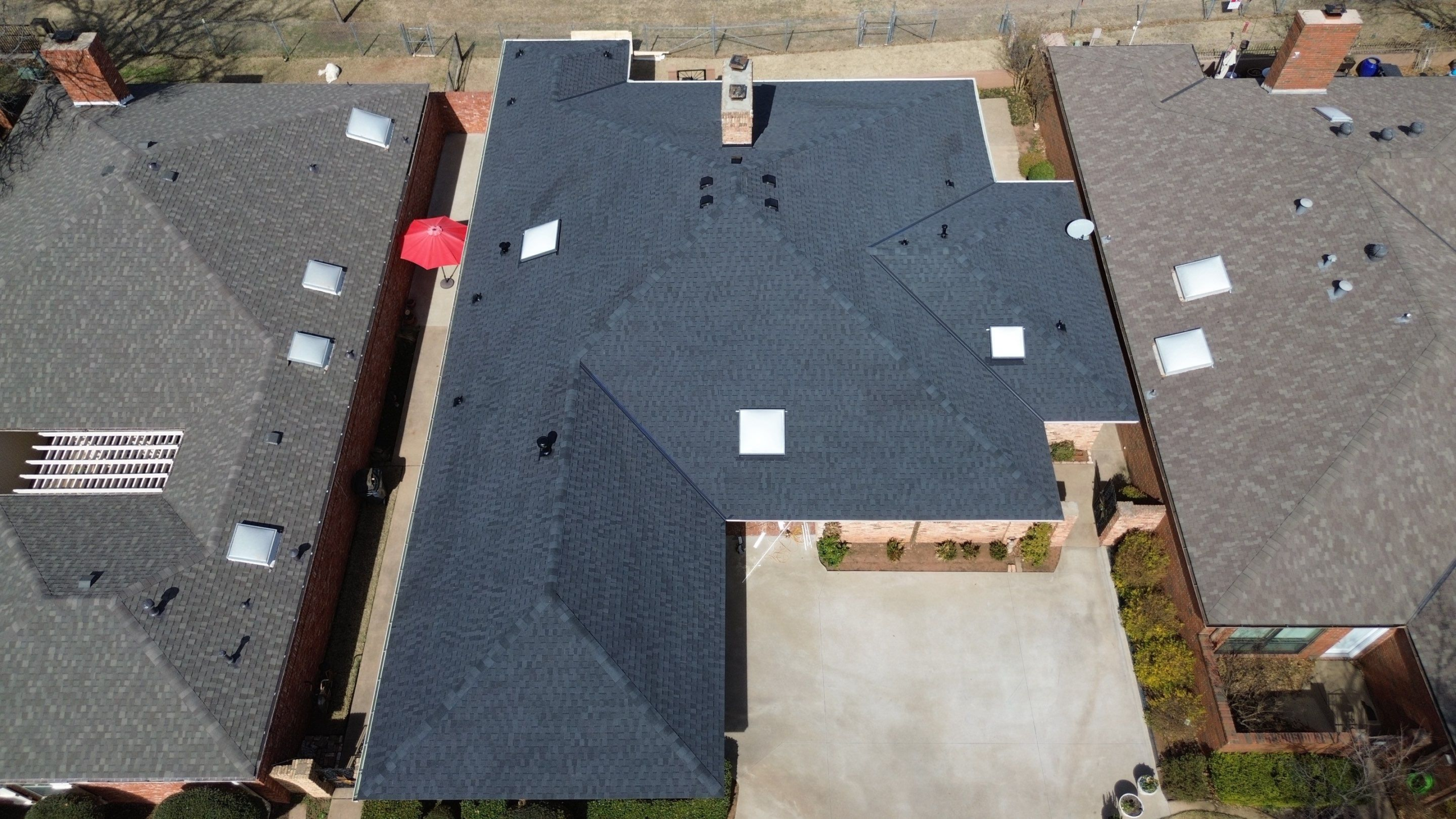
Asphalt shingles remain the most widely used roofing material because they provide dependable protection at an affordable cost. They are available in numerous colors and styles, making it easy to complement different home designs. Modern architectural shingles also offer improved durability compared to traditional three tab products.
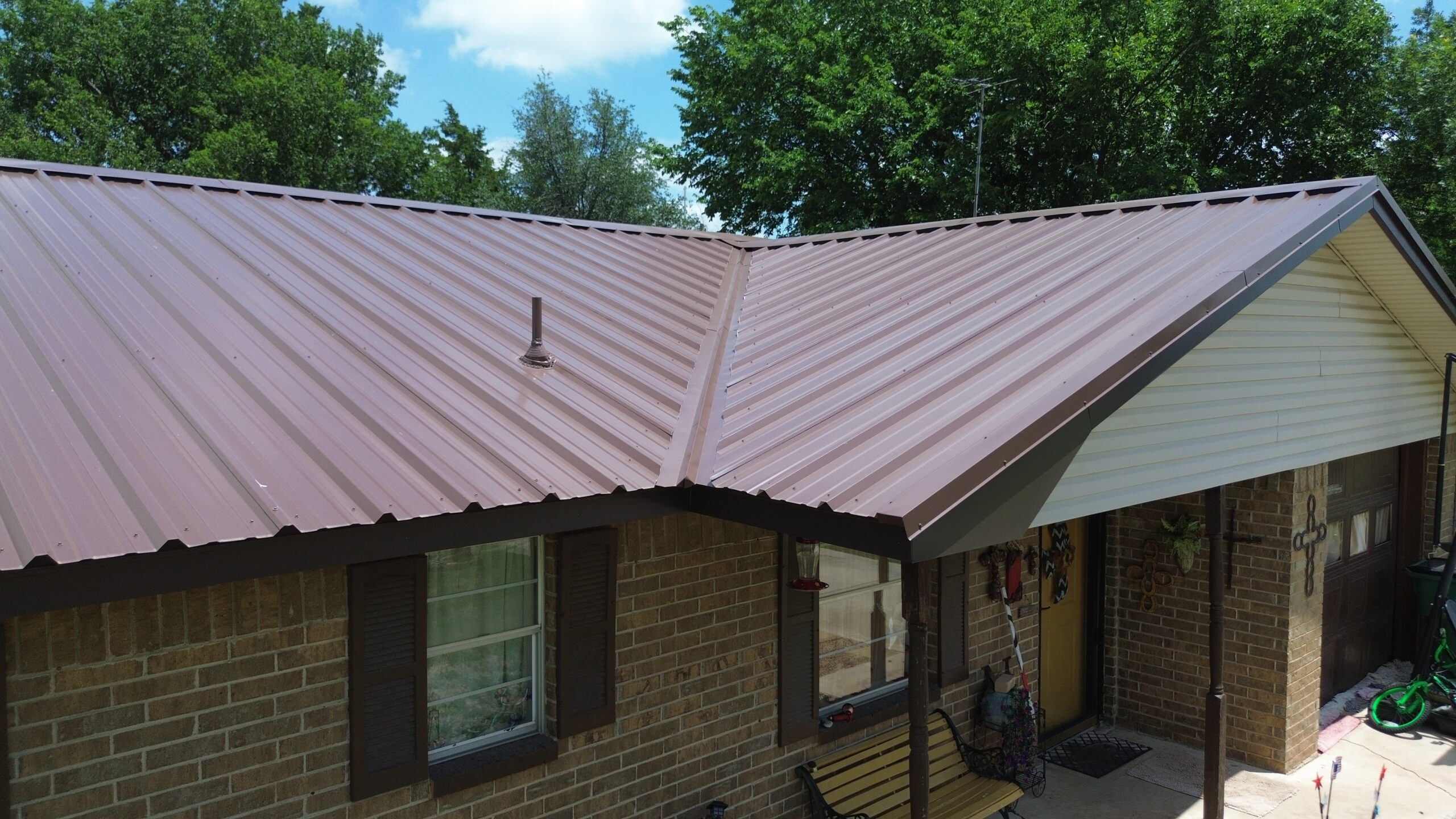
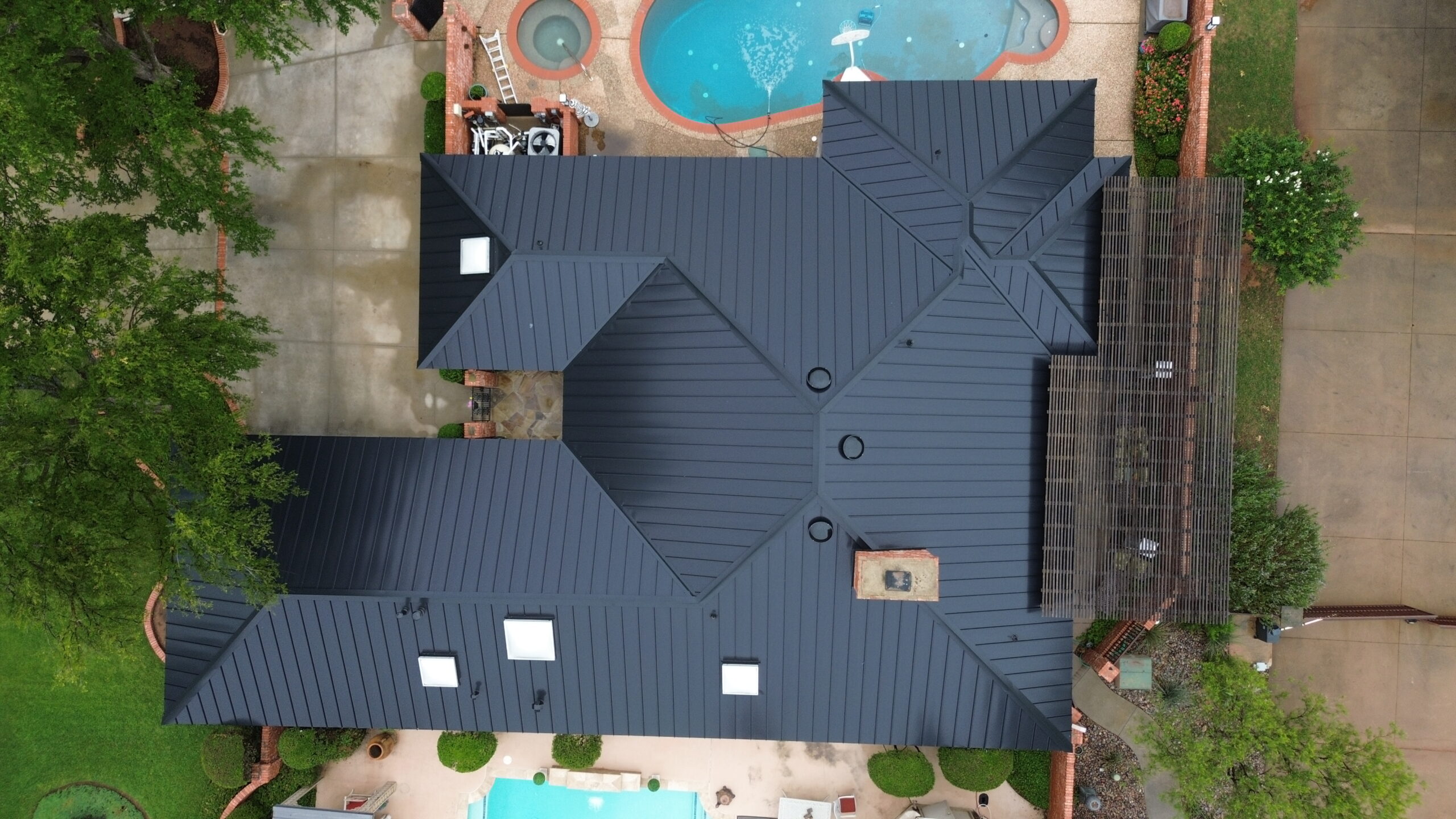
Metal roofing has become increasingly popular due to its exceptional lifespan and resistance to harsh weather. Although the initial investment is generally higher, metal roofs require relatively little maintenance and often last several decades longer than conventional asphalt shingles.
Clay and concrete tiles provide excellent durability while creating a distinctive architectural appearance. These materials perform particularly well in warm climates because they resist heat effectively. However, their weight requires adequate structural support before installation.
Slate remains one of the longest lasting roofing materials available. A properly installed slate roof can protect a home for generations, making it an outstanding long term investment. The higher installation cost reflects both the material’s durability and the specialized expertise required during installation.
Synthetic roofing materials continue gaining popularity because they replicate the appearance of wood, slate, or tile while offering reduced weight and improved impact resistance. Many products also incorporate modern manufacturing technologies that enhance weather performance.
Regardless of the material selected, proper installation remains just as important as product quality. Even premium roofing products may experience premature failure if installed incorrectly or without adequate ventilation and waterproofing systems.
Homeowners should also evaluate manufacturer warranties alongside contractor workmanship warranties. Strong warranty coverage provides additional confidence that both materials and installation meet high quality standards.
Choosing roofing materials based solely on the lowest purchase price may lead to higher maintenance costs over time. Considering expected lifespan, energy efficiency, maintenance requirements, and overall value provides a much more balanced approach when planning a roof replacement.
Preparing for a Roof Replacement Project
Planning ahead makes the roof replacement process significantly smoother for homeowners. Understanding what to expect before construction begins reduces stress while helping the project stay on schedule.
Budgeting should be one of the first priorities. In addition to roofing materials, homeowners should account for labor, permit fees, disposal of old roofing materials, structural repairs if necessary, and any upgrades to ventilation or insulation that may improve long term performance.
Obtaining estimates from several reputable roofing contractors allows homeowners to compare pricing, materials, warranties, and proposed installation methods. The lowest estimate is not always the best value if it involves lower quality materials or limited warranty protection.
Before selecting a contractor, homeowners should verify licensing, insurance coverage, and references from previous customers. Experienced contractors typically provide detailed written proposals that clearly explain the project scope, estimated timeline, payment schedule, and warranty information.
The replacement process may generate considerable noise and temporary disruption. Families should prepare for several days of construction activity depending on the size and complexity of the roof. Moving vehicles away from the work area and protecting fragile items inside the attic can help minimize inconvenience.
Weather conditions also influence project scheduling. Roofing contractors generally plan installations during periods of favorable weather to ensure proper installation and reduce the risk of moisture entering the home while the old roofing materials are removed.
After installation is complete, homeowners should request a final inspection to verify that flashing, ventilation, gutters, and cleanup have all been completed properly. Reviewing warranty documentation before the project concludes ensures that important records remain available for future reference.
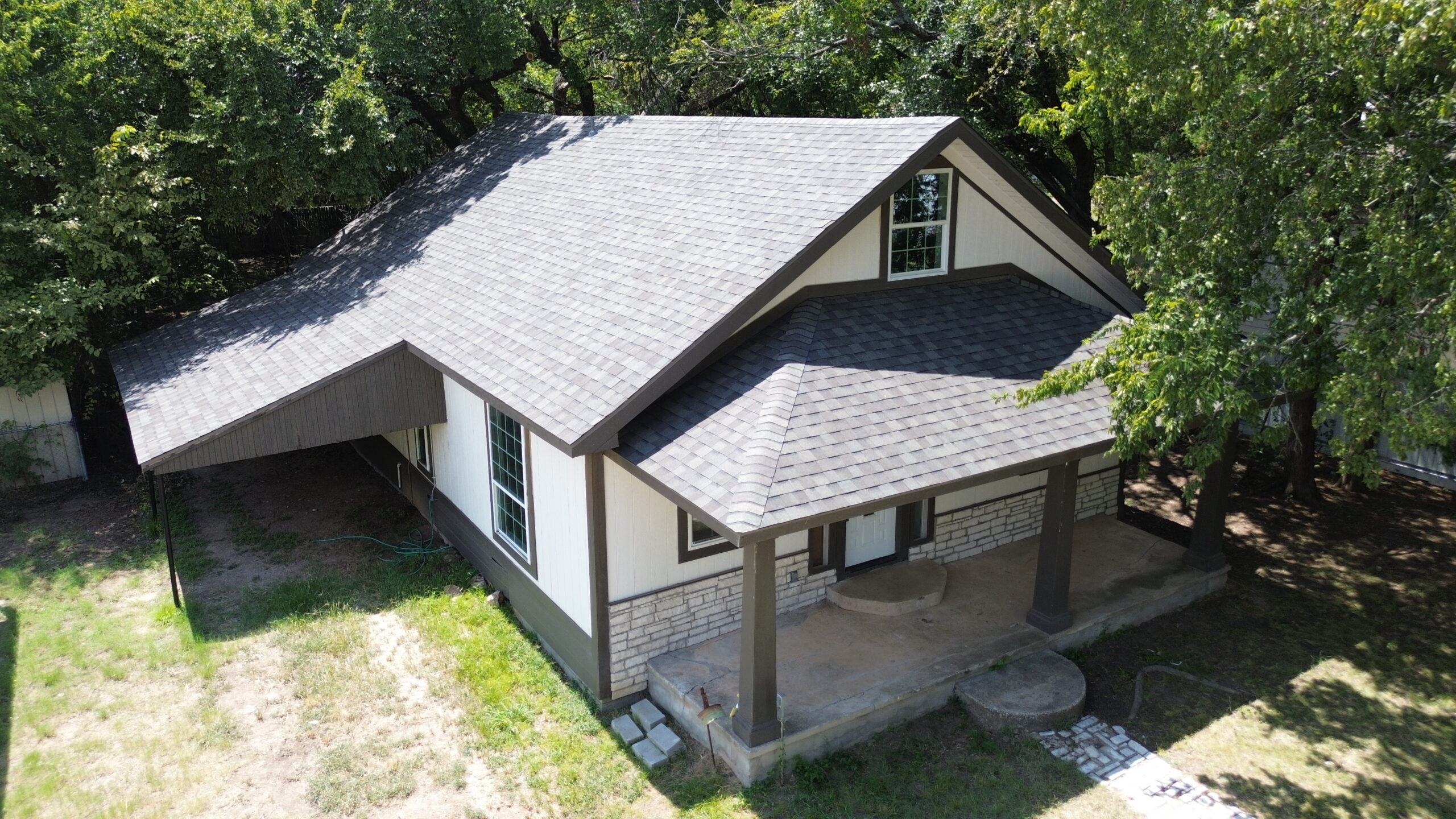
A well planned replacement project not only restores protection but also improves the home’s appearance, energy efficiency, and long term value. Careful preparation helps homeowners enjoy these benefits with confidence.
Simple Habits That Extend the Life of Your New Roof
Replacing a roof is a significant investment, and proper maintenance helps maximize that investment for many years. Simple routine care can slow normal aging while reducing the likelihood of unexpected repairs.
The following maintenance habits can significantly extend the lifespan of a new roofing system.
- Schedule professional roof inspections every few years and after major storms.
- Keep gutters and downspouts clean to ensure proper drainage.
- Remove leaves, branches, and other debris that trap moisture.
- Trim tree branches that hang over the roof surface.
- Address small repairs promptly before they become larger problems.
- Ensure attic ventilation remains unobstructed throughout the year.
- Watch for interior signs of moisture after periods of heavy rainfall.
- Avoid walking on the roof unless absolutely necessary or performed by professionals.
These simple practices require relatively little time but provide substantial long term benefits. Regular maintenance reduces unnecessary wear while helping homeowners identify developing issues before they become expensive repairs.
Preventive care also supports manufacturer warranty requirements in many cases. Keeping maintenance records and inspection reports provides useful documentation throughout the life of the roofing system.
Conclusion
A roof rarely fails without warning. In most cases, it provides numerous signs that its protective abilities are declining, giving homeowners the opportunity to act before serious structural damage occurs. Understanding these warning signals allows replacement to be planned at the right time rather than being forced by an unexpected emergency.
Throughout this guide, we explored the most reliable indicators that a roof may have reached the end of its service life. Aging materials, curling or missing shingles, excessive granule loss, recurring leaks, structural sagging, daylight through the roof deck, biological growth, storm damage, rising energy bills, and interior moisture problems all deserve careful attention. While any one of these issues may not always require immediate replacement, several appearing together often indicate that the roofing system is no longer providing dependable protection.
Replacing a roof before catastrophic failure offers important advantages beyond preventing leaks. A new roofing system improves energy efficiency, strengthens structural protection, enhances curb appeal, increases property value, and provides greater peace of mind during severe weather. Instead of repeatedly investing in temporary repairs, homeowners can focus on a long term solution that protects their property for decades.
Routine inspections remain one of the best ways to monitor a roof’s condition throughout its lifespan. Professional evaluations identify hidden issues that may not be visible from the ground, allowing maintenance or replacement decisions to be based on accurate information rather than guesswork.
Every home is different, and every roof ages according to its materials, climate, installation quality, and maintenance history. By staying alert to the warning signs discussed in this guide and seeking professional advice when concerns arise, homeowners can make informed decisions that protect both their investment and the people living beneath the roof. Acting early is almost always less expensive, less stressful, and far more effective than waiting until the damage becomes impossible to ignore.