
Complete Overview of Modern Roof Repair Techniques
Introduction
A roof is one of the most important structural components of any home or commercial building. It protects the interior from rain, wind, snow, heat, and other environmental conditions while contributing to energy efficiency and overall property value. Even minor roof damage can develop into expensive structural problems if it is ignored for too long.
Modern roof repair techniques have transformed the way roofing professionals identify, assess, and fix roofing issues. Instead of relying solely on temporary patches or broad replacements, today’s repair methods focus on precision, durability, and long term performance. Advanced tools, improved materials, and specialized repair systems allow contractors to restore roofs more efficiently while extending their lifespan.
Every roofing material has unique characteristics that require specific repair methods. Asphalt shingles, metal roofing, clay tiles, slate, and flat roofing systems all respond differently to weather conditions, aging, and physical damage. Understanding these differences helps homeowners make informed decisions when repairs become necessary.
Technology has also played a major role in improving roof maintenance. Drone inspections, infrared thermal imaging, moisture detection equipment, and high performance sealants help identify hidden problems before they become severe. These innovations reduce unnecessary costs while improving repair accuracy and overall roof reliability.
Whether you own a residential property or manage a commercial building, understanding modern roof repair techniques can help you protect your investment and avoid preventable damage. This guide explores today’s repair methods, inspection technologies, material specific solutions, and maintenance practices that contribute to stronger, longer lasting roofing systems.
Understanding Modern Roofing Systems
Modern roofing systems are far more advanced than the roofs installed several decades ago. They are designed as complete systems where every component works together to protect the building from moisture, temperature changes, and structural stress. Rather than focusing only on the outer roofing material, modern systems include multiple layers that improve performance and durability.
A typical roofing system includes decking, underlayment, waterproof barriers, ventilation components, flashing, insulation, and the visible roofing material. Each layer has a specific function, and damage to one component can affect the entire system. Modern repair techniques therefore focus on restoring the complete roofing assembly instead of addressing only surface level issues.
Different roofing materials also require different maintenance strategies because each responds differently to weather exposure and aging. A repair technique that works well for asphalt shingles may not be suitable for metal roofing or clay tiles. Understanding the construction of each roofing system allows professionals to select the most effective repair method.
The following table summarizes the characteristics of common roofing materials and their typical repair considerations.
| Roofing Material | Average Lifespan | Common Repair Issues | Modern Repair Approach |
|---|---|---|---|
| Asphalt Shingles | 20 to 30 years | Missing shingles, granule loss, leaks | Shingle replacement, synthetic underlayment repairs |
| Metal Roofing | 40 to 70 years | Loose fasteners, corrosion, seam separation | Fastener replacement, seam sealing, protective coatings |
| Clay Tiles | 50 to 100 years | Cracked or slipped tiles | Individual tile replacement and underlayment repair |
| Slate Roofing | 75 to 150 years | Broken slates, damaged flashing | Slate matching and specialized fastening methods |
| Flat Roof Systems | 20 to 40 years | Ponding water, membrane punctures | Membrane welding, liquid coatings, reinforced patches |
Modern roofing systems are also designed to improve energy efficiency. Reflective materials, improved insulation, and better ventilation reduce heat transfer, helping buildings remain comfortable while lowering energy consumption. Repairing these components properly ensures that the roof continues to perform as originally intended.
Why Modern Roof Repair Techniques Matter
Roof repairs are no longer limited to replacing damaged shingles or applying temporary sealants. Modern repair techniques emphasize identifying the root cause of damage before beginning repairs. This approach prevents recurring problems and improves the long term reliability of the roofing system.
Traditional repair methods often addressed only visible damage, leaving hidden moisture, weakened decking, or deteriorated flashing untreated. Over time these overlooked issues caused leaks to return and repair costs to increase. Modern inspection tools now allow contractors to detect hidden problems before they spread further.
Another important advantage of modern repair methods is material compatibility. Manufacturers now produce repair products specifically engineered to work with particular roofing systems. This compatibility improves adhesion, weather resistance, and overall repair durability.
Environmental sustainability has also influenced today’s roofing industry. Instead of replacing entire roof sections unnecessarily, contractors can often repair only the damaged areas using advanced restoration techniques. This reduces construction waste while lowering project costs for homeowners.
Improved repair methods also enhance safety. Stronger fastening systems, better waterproofing materials, and advanced protective coatings reduce the likelihood of future failures during severe weather. As climate conditions become more unpredictable, durable repair techniques become increasingly valuable.
Common Causes of Roof Damage
Every roof experiences gradual wear throughout its service life, but certain factors accelerate deterioration more rapidly than others. Understanding these causes allows property owners to recognize risks before they develop into expensive repairs.
Weather remains the most significant source of roof damage. Heavy rainfall, hailstorms, snow accumulation, strong winds, and prolonged exposure to ultraviolet radiation gradually weaken roofing materials. Seasonal expansion and contraction caused by temperature fluctuations can also create cracks and loosen fasteners over time.
Poor installation is another major contributor to roofing problems. Incorrect flashing placement, inadequate ventilation, improper fastener spacing, or poorly aligned roofing materials often result in leaks and premature deterioration. Even high quality materials cannot perform well if they are installed incorrectly.
Natural aging is unavoidable for every roofing system. Sealants dry out, shingles lose protective granules, metal coatings wear away, and underlayment materials gradually deteriorate. Regular inspections help identify these age related issues before they affect structural integrity.
Tree branches frequently contribute to roof damage as well. Falling limbs can crack tiles, dent metal panels, or puncture roofing membranes. Overhanging branches also trap moisture and debris, encouraging mold growth and reducing the roof’s ability to dry after rainfall.
Blocked drainage systems create another common problem. Clogged gutters and downspouts allow water to accumulate on the roof, increasing the risk of leaks and structural damage. Proper drainage maintenance is therefore an essential part of roof preservation.
The most common causes of roof damage include:
- Severe weather exposure such as hail, wind, and heavy rain.
- Aging roofing materials that naturally deteriorate over time.
- Poor installation or low quality workmanship.
- Inadequate roof ventilation and trapped moisture.
- Clogged gutters and improper drainage.
- Falling tree branches and accumulated debris.
- Lack of regular inspections and preventive maintenance.
Most roofing problems result from a combination of these factors rather than a single cause. Addressing the underlying issue is just as important as repairing the visible damage.
Recognizing the Early Warning Signs of Roof Problems
Early detection is one of the most effective ways to minimize repair costs. Small roofing issues are generally easier and less expensive to repair than extensive structural damage caused by prolonged water intrusion.
Interior water stains are often the first visible indication of a roofing problem. Brown or yellow discoloration on ceilings and walls usually suggests that moisture has penetrated the roofing system. Although the stain may appear in one location, the actual roof leak could originate several feet away.
Missing or damaged shingles are another common warning sign. High winds can loosen roofing materials, while prolonged sun exposure may cause shingles to curl, crack, or lose their protective granules. These damaged areas allow water to penetrate beneath the roofing surface.
Homeowners should also pay attention to changes around roof penetrations such as chimneys, skylights, and roof vents. Damaged flashing around these features frequently becomes the source of leaks because these areas experience continuous expansion and contraction throughout the year.
Sagging roof sections should never be ignored because they may indicate structural deterioration beneath the roofing material. Excess moisture can weaken roof decking, causing sections of the roof to lose their original shape. Immediate professional evaluation is essential when sagging becomes visible.
Granules collecting inside gutters can also indicate aging asphalt shingles. As shingles lose their protective surface, they become increasingly vulnerable to sunlight and weather damage. Identifying this early allows repairs or targeted replacements before widespread deterioration occurs.
Professional Roof Inspection Methods
Accurate inspections form the foundation of every successful roof repair project. Modern roofing professionals follow systematic inspection procedures that evaluate both visible damage and hidden structural concerns. This thorough approach helps ensure repairs address the actual cause of roofing problems.
Exterior inspections begin with a careful assessment of the roofing surface. Contractors examine shingles, tiles, metal panels, flashing, ridge caps, vents, skylights, gutters, and drainage systems for signs of wear or damage. They also evaluate surrounding trees and nearby structures that may contribute to future roof problems.
Interior inspections are equally important because many roofing issues first appear inside the building. Roofing professionals inspect attics for water stains, mold growth, moisture accumulation, insulation damage, and daylight entering through unexpected openings. These findings often help pinpoint leak locations more accurately.
Structural evaluations determine whether roof decking or framing has been weakened by prolonged moisture exposure. Soft decking, loose fasteners, or warped structural components require repairs before new roofing materials are installed. Ignoring structural damage often results in repeated roof failures.
A comprehensive roof inspection generally follows these steps:
- Examine the exterior roofing surface for visible damage.
- Inspect flashing, vents, chimneys, skylights, and roof penetrations.
- Evaluate gutters and drainage systems for proper water flow.
- Inspect the attic and interior ceilings for moisture intrusion.
- Assess structural components for signs of deterioration.
- Document findings and develop an appropriate repair strategy.
This systematic process allows roofing professionals to recommend repairs based on evidence rather than assumptions. It also helps property owners understand the condition of their roofing system before investing in repairs.
Modern Tools and Technology Used in Roof Inspections
Roof inspections have advanced significantly through the use of modern technology. These innovations improve accuracy while reducing inspection time and minimizing unnecessary disruption to the roofing system.
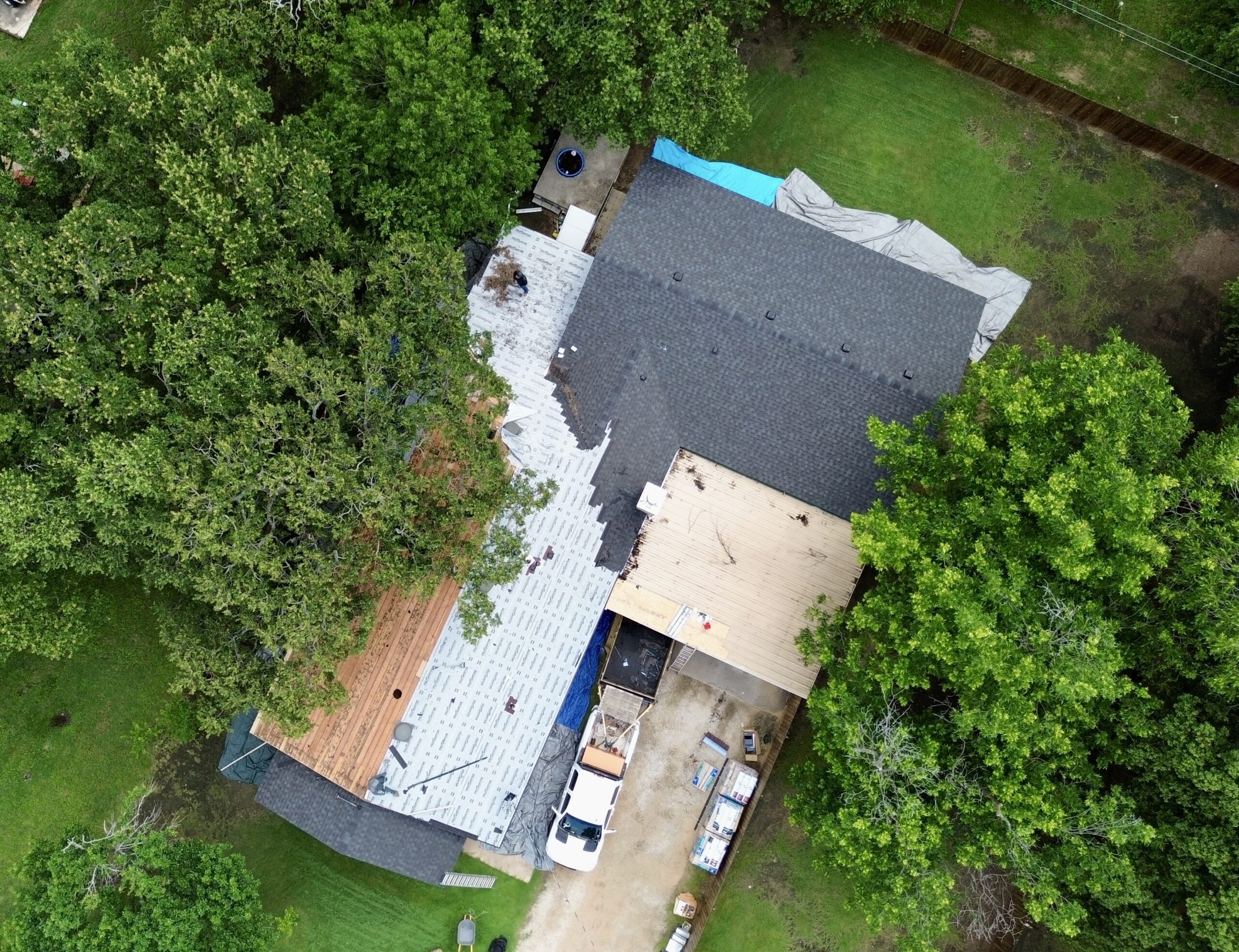
Drone technology has become one of the most valuable inspection tools. High resolution cameras allow contractors to safely inspect steep or difficult to access roofs without exposing workers to unnecessary risks. Detailed aerial images also provide excellent documentation for repair planning and insurance claims.
Infrared thermal imaging helps detect hidden moisture beneath roofing materials. Wet insulation and trapped water retain heat differently than dry materials, making concealed leaks easier to identify. This technology allows contractors to repair only affected areas instead of removing large roof sections unnecessarily.
Moisture meters provide another effective method for locating water intrusion. These devices measure moisture levels inside roofing materials, decking, and insulation without causing significant damage. Accurate readings help determine whether repairs are sufficient or if deeper structural work is required.
Digital measurement software has also simplified project planning. Contractors can calculate roof dimensions, material quantities, and repair areas more accurately using aerial imagery and specialized software. This improves project estimates while reducing material waste.
Many roofing companies now maintain digital inspection reports that include photographs, diagrams, and maintenance recommendations. These reports create a detailed service history that helps property owners monitor roof performance over time.
Choosing the Right Roof Repair Approach
Selecting the appropriate repair strategy requires careful evaluation of the roof’s condition, age, material type, and long term goals. Modern roofing professionals rarely recommend a single solution without first considering multiple repair options.
Localized repairs are suitable when damage affects only a small portion of an otherwise healthy roof. Replacing individual shingles, repairing flashing, or sealing isolated leaks can restore performance without requiring extensive work. This approach is often the most cost effective for newer roofing systems.
Sectional repairs become necessary when larger roof areas have experienced weather damage or material deterioration. Instead of replacing the entire roof, contractors remove and rebuild only the affected sections while preserving the remaining structure.
Roof restoration represents another valuable option for aging roofs that remain structurally sound. Specialized coatings, sealants, and reinforcement systems improve weather resistance while extending the roof’s service life. Restoration is particularly popular for commercial and flat roofing systems.
Complete roof replacement is generally reserved for situations where repairs are no longer practical. Extensive structural deterioration, widespread leaks, or roofs nearing the end of their expected lifespan often make replacement the most economical long term investment.
Choosing the right repair method depends on careful inspection rather than assumptions. Professional recommendations should balance repair costs, expected lifespan, future maintenance requirements, and the overall condition of the roofing system.
Comparing Repair, Restoration, and Replacement
Understanding the differences between repair, restoration, and replacement helps property owners make informed roofing decisions. While these services may appear similar, each addresses different levels of roof deterioration.
Roof repair focuses on correcting isolated problems while preserving the existing roofing system. Contractors replace damaged materials, repair leaks, reinforce flashing, or seal vulnerable areas. Repairs are typically recommended when the roof remains structurally healthy.
Roof restoration involves improving the performance of an aging roof through comprehensive maintenance and protective treatments. This may include applying advanced coatings, reinforcing seams, improving waterproofing, and repairing multiple worn areas. Restoration extends roof life without requiring complete replacement.
Roof replacement removes the existing roofing system and installs an entirely new one. Although this option involves the highest initial investment, it provides the longest service life and allows upgrades to modern roofing materials and energy efficient technologies.
Each approach offers distinct advantages depending on the roof’s condition and the owner’s budget. A professional inspection remains the most reliable way to determine which option provides the best long term value for a specific property.
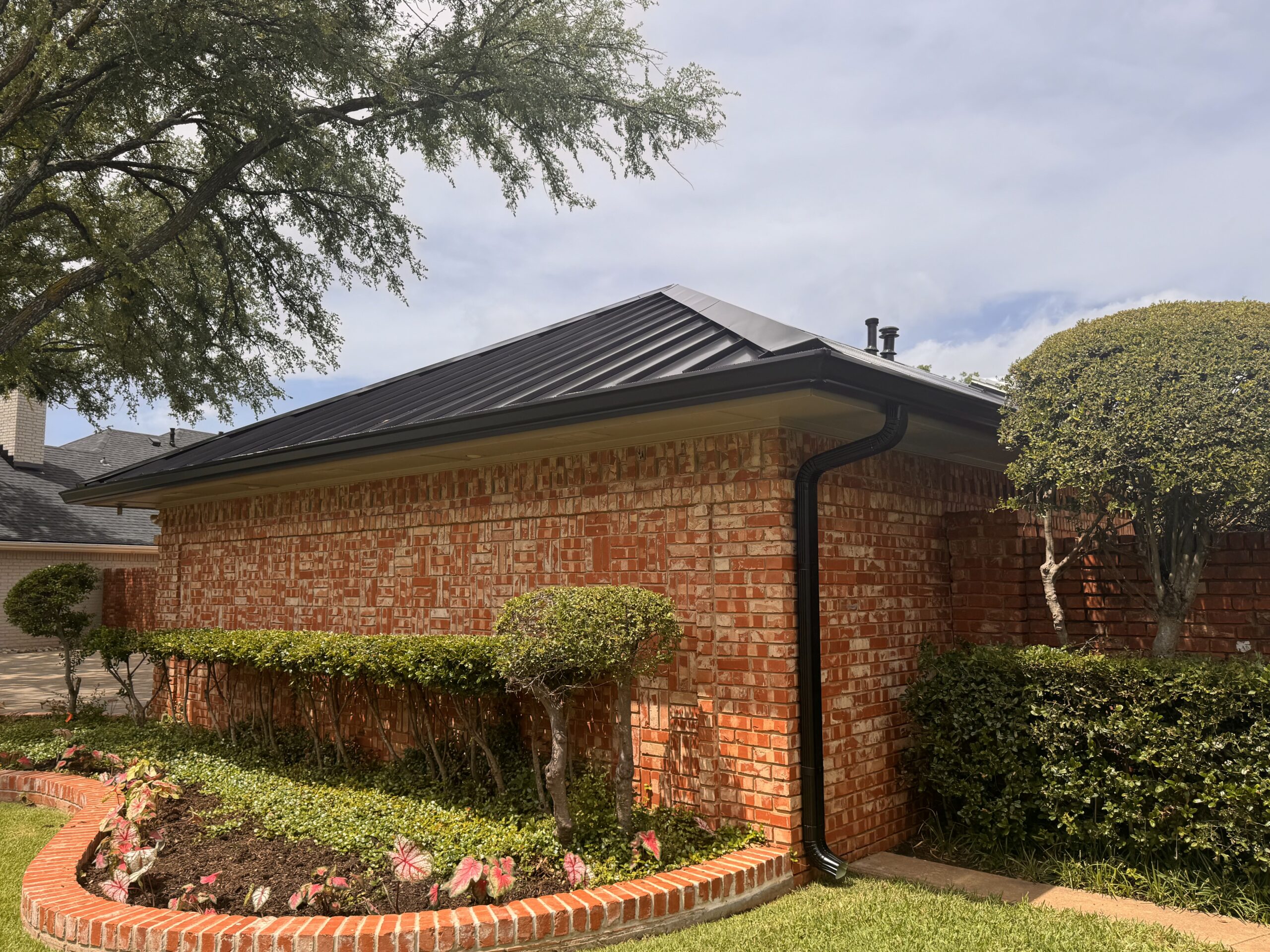
Modern Roof Repair Techniques for Asphalt Shingles
Asphalt shingles remain the most widely used residential roofing material because they provide an excellent balance of affordability, durability, and appearance. Although they are designed to withstand years of weather exposure, they eventually experience wear from sunlight, wind, moisture, and changing temperatures. Modern repair techniques focus on restoring damaged areas while preserving as much of the existing roof as possible.
One of the most common repair methods involves replacing individual damaged shingles rather than removing large roof sections. Contractors carefully lift the surrounding shingles, remove damaged nails, install matching replacement shingles, and secure them using manufacturer approved fastening methods. This targeted approach maintains the roof’s appearance while minimizing repair costs.
High performance roofing adhesives have significantly improved shingle repairs. Modern sealants create stronger bonds than traditional roofing cement while remaining flexible enough to accommodate seasonal expansion and contraction. This flexibility helps prevent future cracking and reduces the likelihood of water intrusion.
When wind damage affects multiple shingles, roofing professionals often inspect the surrounding area for hidden problems beneath the surface. Underlayment damage, loosened fasteners, and compromised decking may not be immediately visible, but repairing these components ensures the roofing system performs as intended after the surface repairs are complete.
Granule loss is another issue commonly found on aging asphalt roofs. While minor granule loss is considered normal over time, excessive deterioration exposes the underlying asphalt to ultraviolet radiation. Repairing affected areas early helps slow further deterioration and extends the service life of the roof.
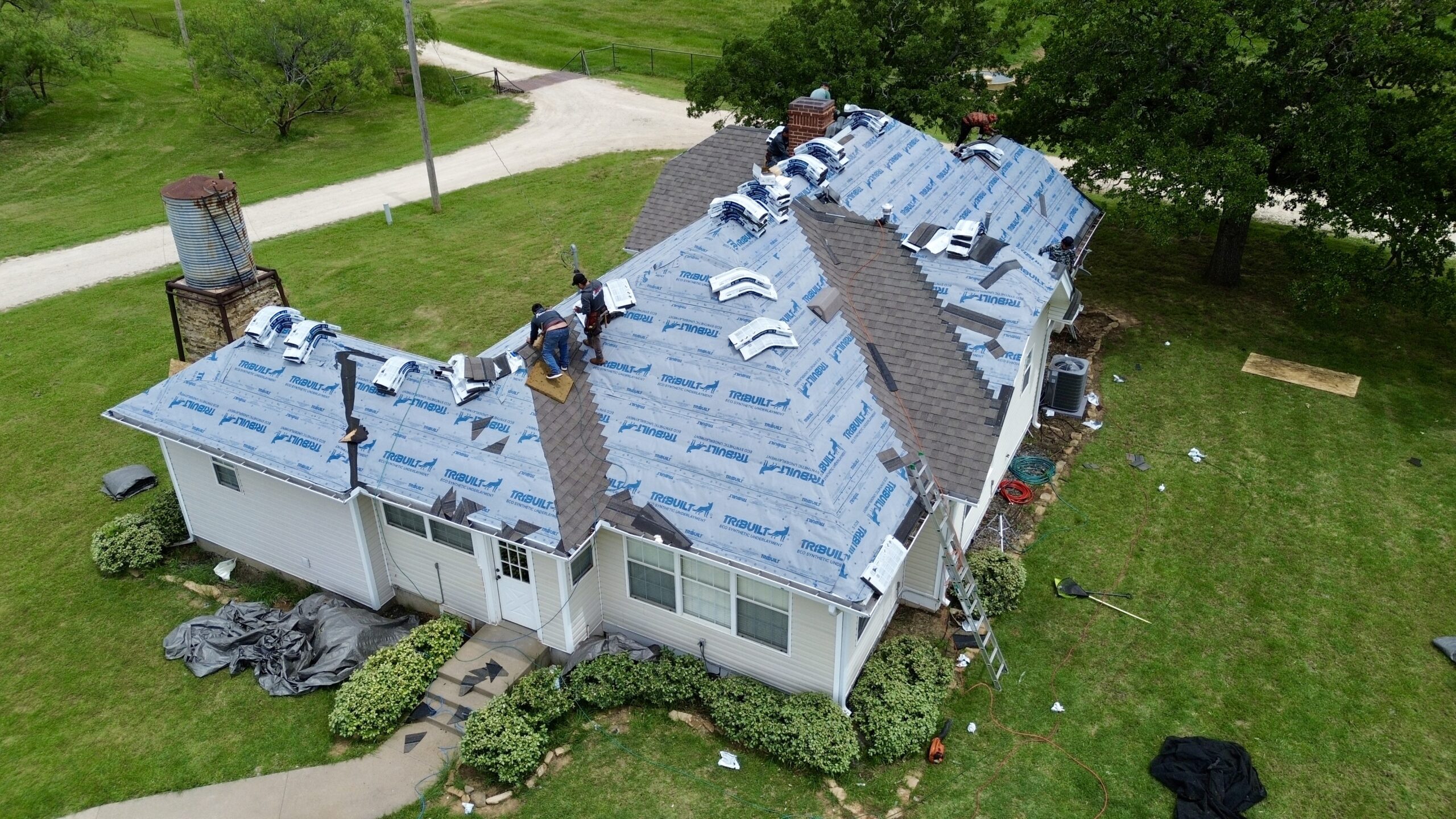
Modern synthetic underlayments also improve repair quality. Compared with older felt materials, synthetic products offer greater tear resistance, better moisture protection, and improved durability. When underlayment replacement becomes necessary during repairs, these advanced materials provide longer lasting protection beneath the shingles.
Advanced Repair Methods for Metal Roofs
Metal roofing systems are known for their exceptional longevity, but they still require occasional repairs due to weather exposure, thermal movement, and aging fasteners. Modern repair techniques emphasize maintaining the roof’s protective coatings while preserving its structural integrity.
Loose fasteners are among the most common issues affecting metal roofs. Continuous expansion and contraction caused by temperature changes gradually loosen screws and fasteners, allowing water to penetrate around attachment points. Contractors replace worn fasteners with improved gasketed versions that provide stronger waterproof seals.
Standing seam metal roofs require specialized repair techniques because the seams form a critical part of the waterproofing system. Modern seam repair methods include mechanical reseaming, advanced sealants, and specialized fastening systems that restore weather resistance without replacing entire panels.
Protective roof coatings have become increasingly popular for restoring aging metal roofs. Elastomeric coatings create a flexible waterproof barrier that resists cracking while reflecting sunlight. These coatings reduce surface temperatures and help improve overall energy efficiency.
Corrosion repair has also advanced considerably in recent years. Instead of replacing entire panels for minor rust damage, contractors often remove corrosion, apply rust inhibiting primers, and finish repairs with protective coatings designed specifically for metal roofing systems. This process restores appearance while preventing further deterioration.
Modern repair techniques also include thermal movement analysis. Roofing professionals evaluate how panels expand and contract throughout the year to ensure repairs do not restrict natural movement. Allowing appropriate movement helps prevent future stress fractures and fastening failures.
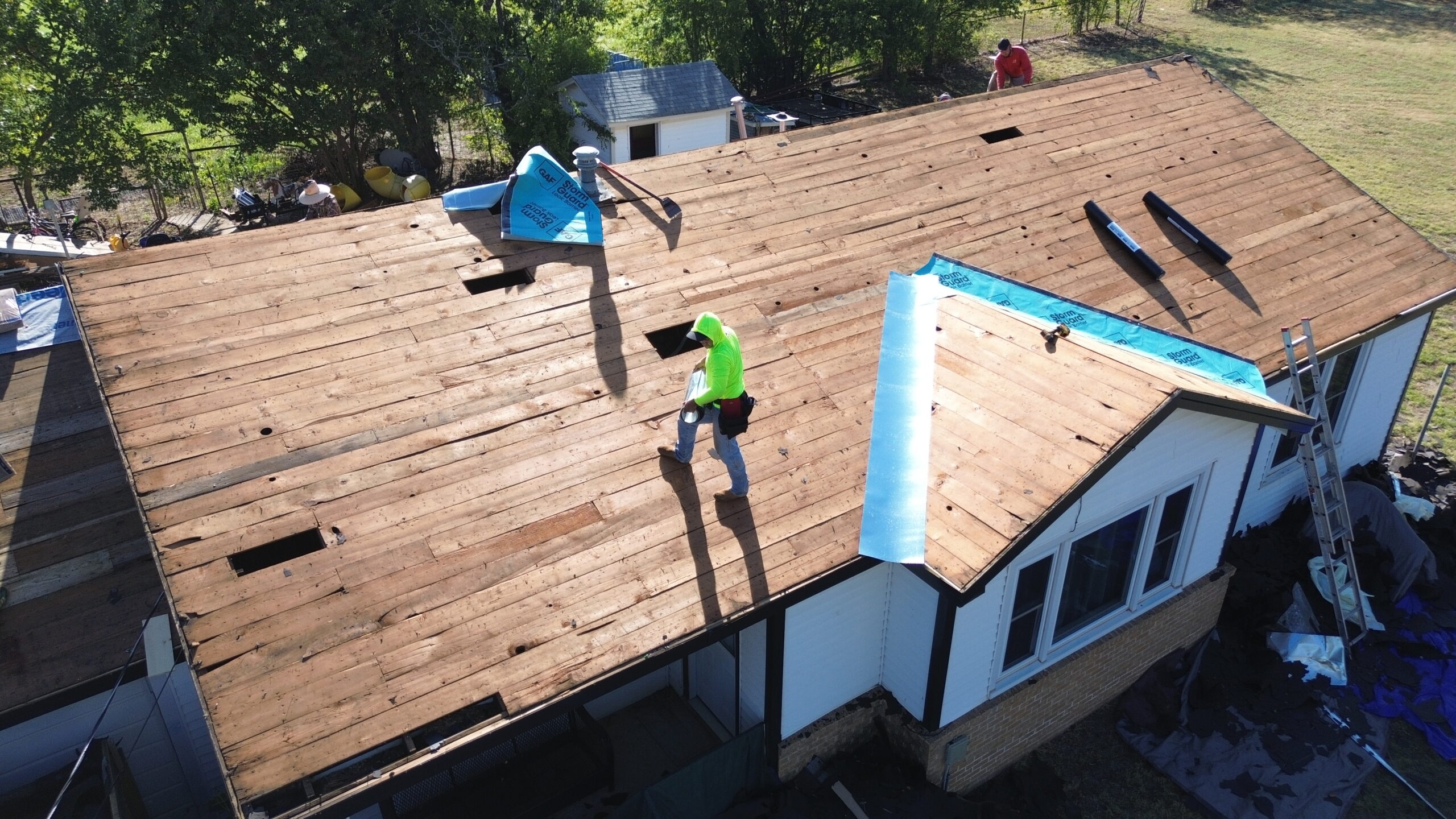
Tile and Slate Roof Repair Techniques
Tile and slate roofs are among the longest lasting roofing systems available, but their durability depends on proper repair methods whenever damage occurs. Unlike asphalt shingles, these materials require careful handling because they can crack if excessive force is applied during repairs.
Modern tile repair usually begins with removing only the damaged tiles while preserving adjacent materials. Specialized lifting tools allow contractors to access broken sections without disturbing the surrounding roofing system. Matching replacement tiles are then installed using compatible fastening methods.
Many roofing professionals now use concealed fastening systems during repairs. Hidden fasteners improve weather resistance while maintaining the roof’s visual appearance. These systems also reduce the risk of future water infiltration around exposed nail holes.
Slate roof repairs require even greater precision because natural slate varies in thickness, color, and texture. Experienced contractors carefully select replacement pieces that blend with the existing roof, preserving both structural performance and architectural appearance.
Underlayment replacement is another important aspect of tile and slate repairs. Even when the visible roofing material remains in good condition, aging waterproof barriers beneath the surface may require replacement. Modern synthetic underlayments provide improved moisture protection while extending the life of the entire roofing system.
Roofing professionals also inspect battens, fasteners, and flashing whenever tile or slate repairs are performed. Addressing these supporting components at the same time prevents recurring problems and reduces the need for additional repairs in the near future.
Flat Roof Repair Solutions
Flat roofs present unique maintenance challenges because water drains more slowly than on sloped roofing systems. Modern repair techniques therefore focus heavily on waterproofing, drainage improvement, and membrane restoration.
Membrane patching remains one of the most effective repair methods for localized punctures or tears. Contractors clean the damaged area, apply compatible adhesives or heat welding techniques, and install reinforced membrane patches that restore waterproof integrity.
Thermoplastic roofing membranes such as TPO and PVC can often be repaired using hot air welding equipment. This process creates strong seams by permanently bonding new membrane material to the existing roof. Properly welded repairs frequently achieve strength comparable to the original installation.
Liquid applied roofing systems have become increasingly popular for flat roof restoration. These products form seamless waterproof membranes that cover minor cracks, seal aging surfaces, and improve resistance to ultraviolet exposure. Because there are no joints within the coating itself, the likelihood of future leaks decreases significantly.
Ponding water is another issue commonly addressed during flat roof repairs. Roofing contractors evaluate drainage patterns and may adjust insulation, improve drainage outlets, or install tapered insulation systems that encourage water to flow toward drains instead of collecting on the roof surface.
Modern repairs also include moisture mapping before restoration begins. Infrared scanning and electronic moisture detection help identify wet insulation hidden beneath roofing membranes. Removing only affected insulation reduces repair costs while preserving the remaining roof assembly.
Flashing Repair and Waterproofing Methods
Flashing protects the most vulnerable areas of a roof where different building components meet. Chimneys, skylights, roof valleys, vents, and wall intersections all rely on properly installed flashing to prevent water infiltration. Even a small defect in these areas can lead to significant interior damage.
Modern flashing repairs focus on replacing deteriorated materials rather than simply applying additional sealant. Contractors remove damaged flashing, inspect the surrounding decking, install new waterproof barriers, and secure replacement flashing according to current installation standards.
Flexible flashing products have improved repair reliability considerably. These advanced materials accommodate natural building movement while maintaining watertight seals around roof penetrations. Their flexibility reduces the likelihood of cracking as temperatures change throughout the year.
Self adhering waterproof membranes are commonly installed beneath flashing during repairs. These membranes provide an additional layer of moisture protection in areas where water naturally concentrates. Even if surface flashing experiences minor damage, the secondary waterproof barrier continues protecting the underlying structure.
Roof valleys receive special attention because they channel large volumes of rainwater during storms. Contractors inspect valley flashing carefully for corrosion, separation, or debris accumulation. Modern valley repair techniques often include wider flashing systems that improve drainage capacity during heavy rainfall.
Proper flashing repair is essential because many roof leaks originate around roof penetrations rather than the primary roofing material itself. Addressing these areas correctly greatly improves the overall performance of the repaired roof.
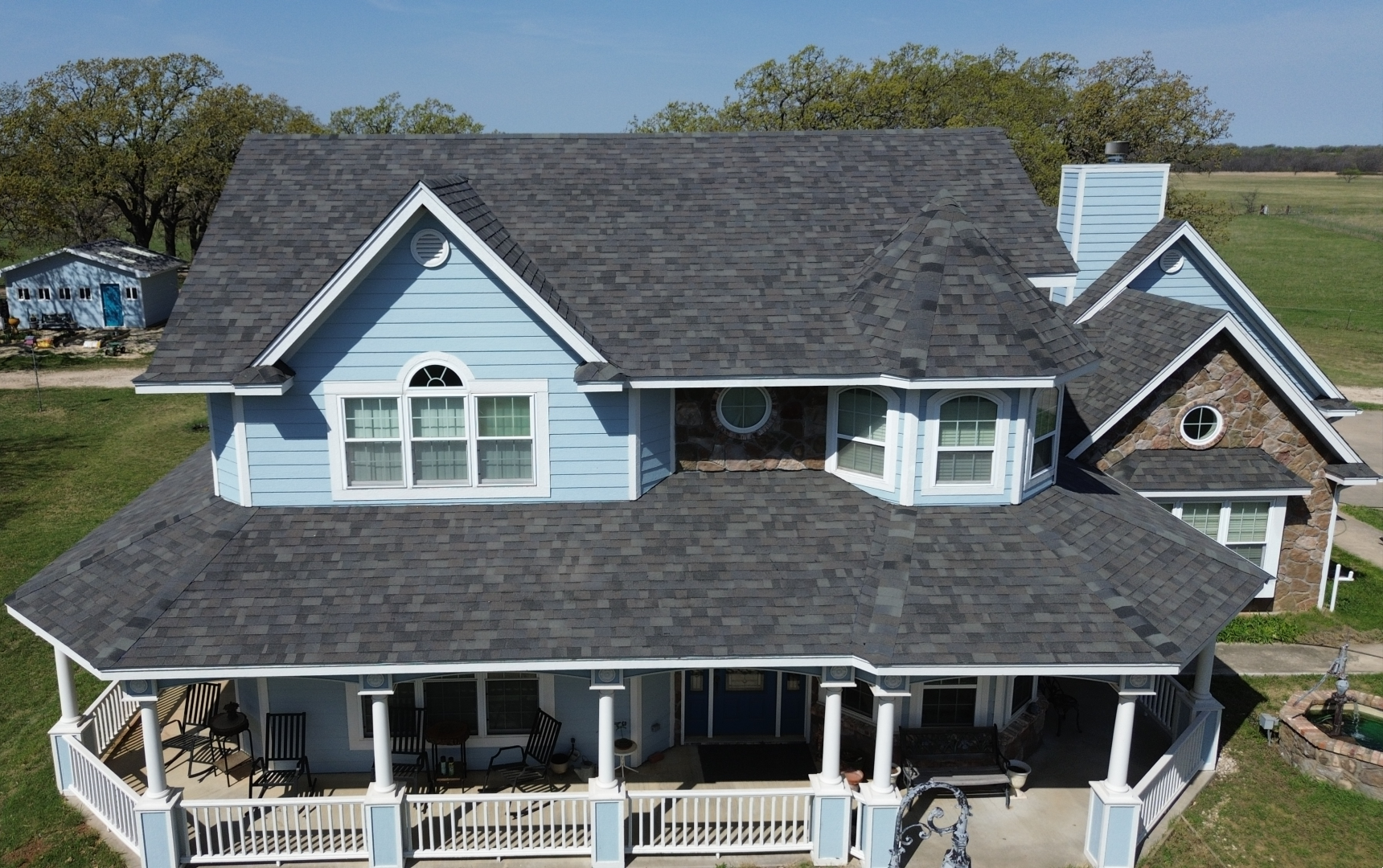
Modern Sealants, Coatings, and Roofing Materials
Advances in roofing materials have dramatically improved repair quality over the past decade. Modern sealants, coatings, and synthetic products provide greater durability, stronger adhesion, and longer service life than many traditional repair materials.
Silicone roof coatings offer outstanding resistance to standing water and ultraviolet exposure. They remain flexible throughout changing weather conditions, making them particularly valuable for flat roofs and commercial roofing systems. Their long lasting performance reduces maintenance requirements over time.
Polyurethane sealants provide exceptional bonding strength while maintaining flexibility. They adhere well to metal, concrete, wood, masonry, and many roofing membranes, allowing contractors to perform repairs across different roofing materials using compatible products.
Acrylic coatings remain a popular option for reflective roof restoration projects. These coatings reduce solar heat absorption while protecting roofing materials from weather related deterioration. Improved energy efficiency is often an additional benefit for property owners living in warm climates.
Synthetic roofing underlayments have largely replaced traditional felt in many repair projects. These materials resist tearing, repel moisture more effectively, and remain stable during prolonged exposure before final roofing materials are installed.
Advanced composite repair materials have also expanded repair possibilities. Reinforced patching fabrics, fiber strengthened coatings, and high performance waterproof membranes create repairs capable of withstanding years of environmental exposure with minimal maintenance.
Roof Ventilation Improvements During Repairs
Many roof problems originate not from weather exposure alone but from poor attic ventilation. Heat and moisture trapped beneath the roof gradually weaken structural components, shorten roofing material lifespan, and increase the likelihood of mold growth. Modern roof repairs often include ventilation improvements to address these underlying issues.
Balanced ventilation allows fresh air to enter through lower intake vents while warm, moist air exits through ridge or exhaust vents. This continuous airflow helps regulate attic temperatures throughout the year and reduces moisture accumulation during colder months.
Contractors frequently inspect insulation and ventilation together because both systems influence overall roof performance. Poor insulation may create condensation problems even when ventilation appears adequate. Correcting both systems during roof repairs produces better long term results.
Modern ridge vents distribute airflow more evenly than many older ventilation designs. They extend along the roof peak, allowing warm air to escape naturally while maintaining a clean architectural appearance. Improved airflow also reduces the strain placed on attic cooling systems.
Solar powered attic ventilation fans have become another valuable option for certain homes. These systems increase ventilation without increasing electricity consumption, helping maintain consistent attic temperatures throughout warmer seasons.
Ventilation improvements not only protect roofing materials but also contribute to improved indoor comfort and energy efficiency. Addressing ventilation during roof repairs therefore provides benefits that extend well beyond leak prevention.
Safety Standards and Best Practices for Modern Roof Repairs
Roof repair involves working at height, handling specialized tools, and operating in changing weather conditions. Modern roofing practices place strong emphasis on safety because proper procedures protect both workers and property throughout the repair process.
Professional roofing contractors begin every project with a thorough site assessment. They evaluate roof pitch, weather conditions, structural stability, nearby power lines, and safe equipment placement before repairs begin. Careful planning reduces unnecessary risks while improving project efficiency.
Personal protective equipment has also evolved significantly. Modern roofing crews commonly use fall protection harnesses, anchor systems, non slip footwear, helmets, eye protection, and specialized gloves designed for roofing work. These safety measures reduce the likelihood of accidents while allowing workers to perform repairs with greater confidence.
Weather monitoring has become an important part of professional roofing operations. Contractors avoid working during high winds, thunderstorms, or extreme temperatures because these conditions increase both safety risks and the possibility of poor repair quality. Scheduling repairs during suitable weather helps ensure materials perform according to manufacturer specifications.
Material handling techniques also contribute to safer and more durable repairs. Roofing products are stored properly, lifted carefully, and installed according to recommended procedures to prevent unnecessary damage before installation. Proper handling preserves material quality and improves the long term performance of completed repairs.
Modern roofing companies also document completed repairs with photographs, inspection reports, and maintenance recommendations. These records help property owners understand the work performed while providing valuable reference information for future inspections and maintenance planning.
The repair techniques covered so far demonstrate how today’s roofing industry combines advanced materials, improved inspection methods, and specialized installation practices to achieve stronger and longer lasting results. In the next section, the focus will shift toward preventive maintenance, repair costs, contractor selection, future roofing innovations, and the practical steps property owners can take to maximize the lifespan of their repaired roofing systems.
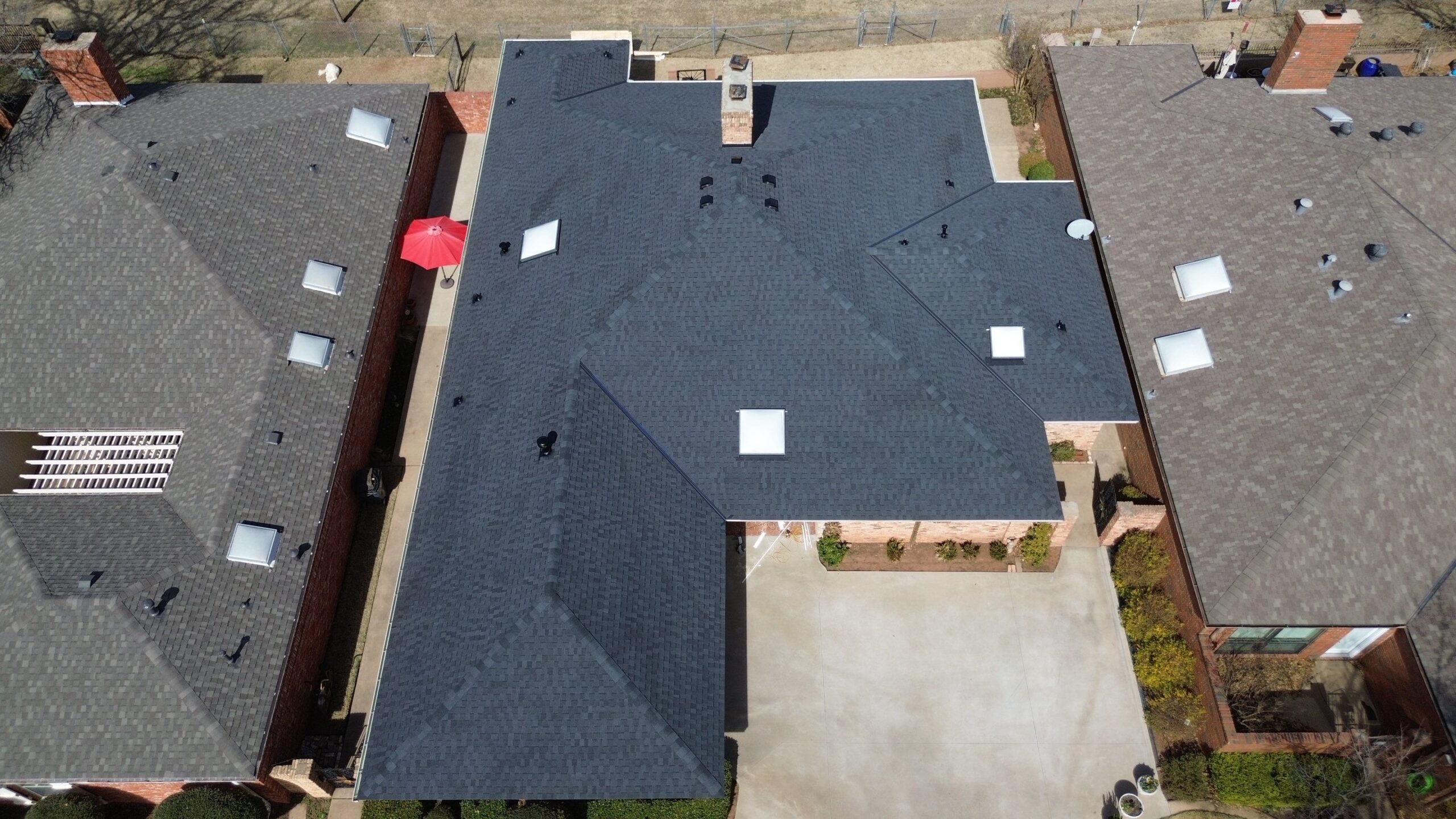
Preventive Maintenance Strategies After Roof Repairs
Completing a roof repair does not mean maintenance is no longer necessary. Every repaired roof benefits from regular inspections and preventive care that help preserve its condition and extend its lifespan. A proactive maintenance plan also reduces the likelihood of unexpected leaks and expensive emergency repairs.
Routine visual inspections should be performed at least twice each year, ideally during spring and autumn. These inspections allow homeowners to identify loose shingles, damaged flashing, clogged gutters, or signs of weather related deterioration before they become major structural concerns. After severe storms, an additional inspection is recommended even if no obvious damage is visible from the ground.
Keeping the roof clean is another important part of preventive maintenance. Leaves, branches, dirt, and other debris trap moisture against roofing materials, increasing the risk of mold growth and material deterioration. Removing accumulated debris allows the roof to dry more efficiently after rainfall and improves drainage performance.
Gutter maintenance also plays a significant role in roof protection. Clean gutters direct rainwater safely away from the roof and foundation, while clogged systems allow water to overflow beneath roofing materials. Regular cleaning prevents standing water that could damage fascia boards, soffits, and roof edges.
Tree maintenance should not be overlooked after roof repairs. Overhanging branches can scrape roofing materials during strong winds, while falling limbs may cause sudden impact damage. Trimming nearby trees reduces these risks and allows greater sunlight exposure, helping the roof dry more quickly after storms.
Many property owners also benefit from scheduling annual professional roof inspections. Experienced roofing contractors often identify developing problems that may not be visible to homeowners. Early detection allows minor repairs to be completed before they evolve into larger restoration projects.
Seasonal Roof Care for Long Lasting Performance
Roofs experience different types of stress throughout the year, making seasonal maintenance an effective way to preserve their condition. Weather patterns change significantly between seasons, and each brings unique challenges that affect roofing materials.
Spring is an ideal time to inspect roofs for damage caused by winter weather. Heavy rainfall, fluctuating temperatures, and strong winds may loosen roofing materials or damage flashing. Clearing gutters and checking drainage systems during spring helps prepare the roof for increased seasonal rainfall.
Summer introduces prolonged ultraviolet exposure and higher surface temperatures. Continuous heat causes roofing materials to expand, while cooler nighttime temperatures lead to contraction. These repeated cycles place stress on fasteners, sealants, and flashing connections, making seasonal inspections especially valuable.
Autumn maintenance focuses primarily on removing fallen leaves and ensuring drainage systems remain unobstructed before winter arrives. Debris left on the roof retains moisture and increases the likelihood of mold growth, particularly in shaded areas.
Winter conditions vary depending on climate, but snow accumulation, freezing temperatures, and ice formation place additional stress on roofing systems. Promptly addressing ice dams, blocked drainage paths, and excessive snow loads helps reduce structural strain while minimizing the risk of leaks.
Seasonal maintenance does not always require major repairs. Small adjustments performed throughout the year often prevent much larger problems from developing, making routine care one of the most cost effective investments in long term roof performance.
Cost Factors That Influence Modern Roof Repairs
Roof repair costs vary considerably because every roofing system presents different challenges. Understanding the factors that influence pricing helps property owners plan repairs more effectively while making informed financial decisions.
The type of roofing material has a significant impact on repair costs. Asphalt shingles are generally less expensive to repair than slate, clay tile, or metal roofing because replacement materials are widely available and installation procedures are relatively straightforward. Premium roofing systems often require specialized tools and experienced contractors, increasing labor expenses.
The size of the damaged area also influences the overall project cost. Small localized repairs typically require fewer materials and less labor, while widespread storm damage or structural deterioration demands more extensive restoration work. Addressing problems early often prevents damage from spreading and keeps repair costs more manageable.
Accessibility is another important consideration. Steep roofs, multi story buildings, and complex roof designs require additional safety equipment and longer installation times. Difficult access increases labor requirements and may affect the overall repair estimate.
Hidden structural damage frequently changes the scope of a repair project. Water intrusion may weaken decking, insulation, or framing beneath the visible roofing material. Once these issues are discovered during repairs, additional work becomes necessary to restore the roof safely and effectively.
Material quality also affects long term value. While premium products may involve higher initial costs, they often provide greater durability, longer warranties, and improved resistance to future weather damage. Investing in high quality repair materials frequently reduces maintenance expenses over the life of the roof.
Common Roof Repair Mistakes to Avoid
Even well intentioned repairs can create additional problems when proper techniques are not followed. Understanding the most common mistakes helps property owners appreciate the importance of professional workmanship and informed maintenance decisions.
Ignoring small leaks is one of the most costly mistakes. A minor water stain may appear insignificant at first, but hidden moisture can gradually damage insulation, decking, framing, and interior finishes. Prompt repairs almost always cost less than repairing extensive structural deterioration.
Using incompatible repair materials is another frequent issue. Not all sealants, adhesives, or coatings work effectively with every roofing material. Applying incompatible products may result in poor adhesion, accelerated deterioration, or recurring leaks despite recent repairs.
Walking on the roof without proper knowledge can also cause unintended damage. Certain roofing materials, particularly clay tiles and slate, crack easily under improper foot placement. Even asphalt shingles may become damaged during extremely hot weather when they are more flexible.
Many property owners focus only on replacing visible roofing materials while overlooking flashing and underlayment. Because these hidden components play a major role in waterproofing, incomplete repairs often allow leaks to return within a relatively short period.
Poor ventilation is another issue frequently ignored during roof repairs. Trapped heat and moisture continue damaging roofing materials even after visible repairs have been completed. Correcting ventilation problems helps protect the entire roofing system rather than treating only the symptoms.
Temporary repairs should also not become permanent solutions. Emergency patches provide valuable short term protection after storms, but they should be replaced with permanent repairs as soon as practical. Delaying permanent work often increases the overall cost of future restoration.
When to Hire a Professional Roofing Contractor
Some minor maintenance tasks, such as clearing gutters or removing roof debris, can often be completed safely by homeowners. However, many repair situations require professional expertise because improper repairs may compromise both safety and roof performance.
Persistent leaks are one of the clearest signs that professional evaluation is necessary. Water may travel considerable distances beneath roofing materials before becoming visible inside the building. Experienced contractors use specialized inspection equipment to identify the actual source of moisture rather than simply repairing the visible symptom.
Storm damage should also be assessed professionally, especially after hail, hurricanes, or high wind events. Some forms of damage, such as loosened fasteners or hidden membrane punctures, may not be immediately obvious but can lead to significant problems over time.
Structural concerns always require expert attention. Sagging roof sections, soft decking, or widespread moisture damage indicate issues that extend beyond cosmetic repairs. Attempting to repair these conditions without proper knowledge may create additional structural risks.
Professional roofing contractors also understand manufacturer installation requirements. Repairs completed according to these standards help preserve warranty coverage while ensuring roofing materials perform as intended throughout their expected lifespan.
When selecting a roofing contractor, consider the following factors before making a decision.
- Verify licensing, insurance, and relevant certifications.
- Request written estimates that clearly define the scope of work.
- Ask about manufacturer approved repair materials.
- Review customer feedback and completed project examples.
- Confirm warranty coverage for both materials and workmanship.
Taking time to evaluate contractors carefully increases the likelihood of receiving durable repairs that protect the property for many years.
Future Trends in Roof Repair Technology
Roofing technology continues to evolve as manufacturers develop smarter materials and more efficient repair techniques. These innovations are expected to improve roof durability while reducing maintenance costs and environmental impact.
Artificial intelligence is beginning to support roof inspections by analyzing drone imagery and identifying potential damage automatically. Machine learning systems can detect subtle changes that might be overlooked during manual inspections, allowing earlier intervention before problems become severe.
Smart roofing sensors are another emerging technology. These small monitoring devices measure moisture levels, temperature, and structural movement in real time. Continuous monitoring allows building owners to respond quickly when abnormal conditions develop beneath the roofing system.
Self healing roofing materials are also being researched for future applications. Certain advanced materials are designed to seal minor cracks automatically after exposure to heat or sunlight. Although still developing, these technologies could significantly reduce maintenance requirements in the coming years.
Sustainability continues to influence roofing innovation as well. Recycled roofing materials, environmentally friendly coatings, and energy efficient repair products are becoming more common throughout the industry. These solutions reduce environmental impact while helping buildings achieve better thermal performance.
Digital project management tools are improving communication between contractors and property owners. Inspection reports, repair photographs, maintenance records, and warranty documentation can now be stored electronically, making future maintenance planning more organized and efficient.
As roofing technology advances, repair methods will likely become even more precise, durable, and environmentally responsible. Property owners who embrace these innovations can expect longer lasting roofing systems and lower lifetime maintenance costs.
Frequently Asked Questions
How often should a roof be inspected?
Most roofing professionals recommend a comprehensive inspection at least twice each year and after major storms. Regular inspections help identify developing issues before they require expensive repairs.
Can every roof leak be repaired without replacing the roof?
Not always. Small or localized leaks can usually be repaired successfully, but roofs with widespread deterioration or severe structural damage may require replacement instead of repeated repairs.
Are modern roof repairs more durable than older repair methods?
Yes. Modern materials, advanced sealants, improved waterproofing systems, and specialized installation techniques generally provide longer lasting and more reliable repairs than many traditional methods.
How long does a typical roof repair take?
The timeline depends on the extent of the damage, weather conditions, roofing material, and project complexity. Minor repairs may take only a few hours, while larger restoration projects can require several days.
Does regular maintenance really reduce repair costs?
Yes. Preventive maintenance helps identify small issues before they become major structural problems. Routine inspections and timely repairs often extend roof lifespan while reducing long term maintenance expenses.
Conclusion
Modern roof repair techniques have transformed the roofing industry by combining advanced inspection technology, high performance materials, and specialized repair methods that deliver stronger, longer lasting results. Rather than relying on temporary fixes, today’s professionals focus on identifying underlying problems, preserving healthy roofing components, and restoring complete roofing systems with precision. This comprehensive approach improves durability, enhances weather resistance, and helps property owners maximize the value of their investment.
Throughout this guide, we explored how different roofing materials require unique repair strategies, why professional inspections play a critical role in successful repairs, and how innovations such as drone technology, infrared imaging, advanced coatings, and synthetic underlayments have improved repair quality. We also examined the importance of preventive maintenance, seasonal care, proper ventilation, and selecting qualified roofing professionals to ensure repairs continue performing effectively for years to come.
A well maintained roof is more than just protection from the weather. It contributes to energy efficiency, structural stability, indoor comfort, and long term property value. By understanding modern roof repair techniques and addressing problems early, homeowners and property managers can reduce costly repairs, extend roof lifespan, and ensure their roofing systems remain dependable through every season.