
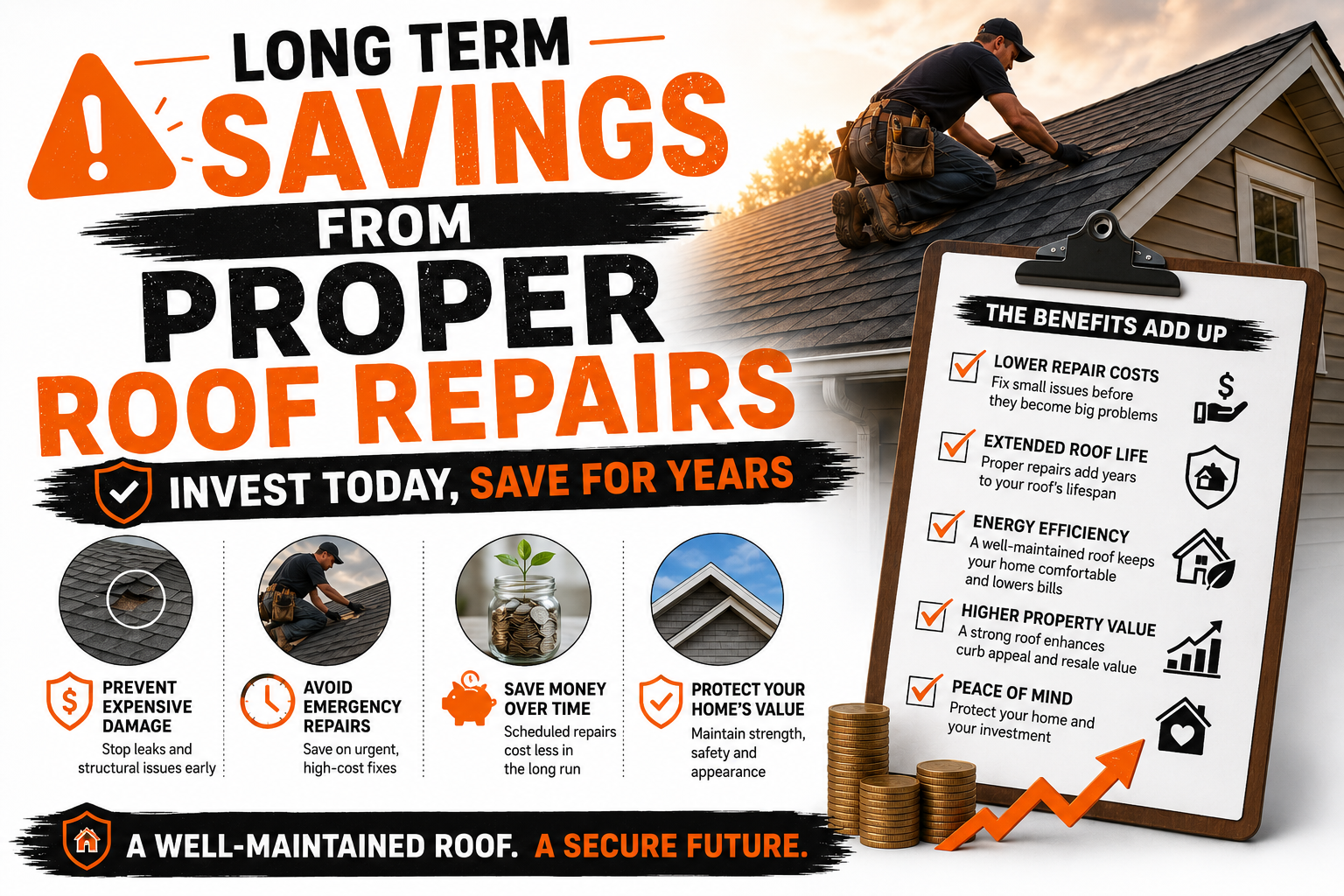
Long Term Savings From Proper Roof Repairs
Introduction
A roof is one of the most valuable investments in any home because it protects the structure, interior living spaces, and personal belongings from the effects of weather throughout the year. Although every roof requires maintenance and occasional repairs, the way those repairs are handled has a significant impact on long-term homeownership costs. Choosing high-quality repairs at the right time often results in substantial financial savings by preventing larger structural problems and extending the life of the roofing system.
Many homeowners focus only on the immediate cost of a roof repair. When faced with an unexpected leak or storm damage, it is natural to search for the least expensive solution available. However, selecting temporary fixes or delaying necessary repairs frequently leads to much higher expenses in the future. Small roofing issues rarely remain isolated, and even minor damage can gradually affect insulation, roof decking, ceilings, walls, and electrical systems if left unresolved.
Proper roof repairs involve more than simply replacing damaged materials. They include accurately identifying the underlying cause of the problem, using suitable materials, following proven installation methods, and ensuring that every repair integrates correctly with the existing roofing system. When completed correctly, these repairs improve the roof’s ability to withstand future weather while reducing the likelihood of recurring maintenance.
Long-term savings are achieved not only through fewer repairs but also through improved energy efficiency, higher property value, reduced insurance complications, and extended roof lifespan. Homeowners who invest in quality workmanship often avoid repeated service calls, emergency repairs, and premature roof replacement.
This guide explores how proper roof repairs contribute to long-term financial savings by examining the benefits of timely maintenance, the factors that influence repair costs, and the strategies homeowners can use to protect both their roofing system and their overall investment.
Why Proper Roof Repairs Are a Smart Long Term Investment
Every roof experiences gradual wear as it is exposed to sunlight, rain, wind, temperature changes, and seasonal weather throughout its lifespan. While these conditions cannot be avoided, the way homeowners respond to developing problems determines whether maintenance remains affordable or becomes increasingly expensive over time.
Proper roof repairs should be viewed as investments rather than simple maintenance expenses. A repair completed correctly restores the roof’s ability to protect the home while preventing additional damage that would require far more extensive restoration later. Spending more on quality repairs today often eliminates the need for repeated repairs tomorrow.
One of the greatest financial benefits comes from preserving the structural integrity of the home. A damaged roof allows moisture to penetrate beneath the roofing materials, where it can affect wood framing, insulation, drywall, flooring, and interior finishes. Correcting these secondary problems often costs several times more than repairing the original roofing issue promptly.
Proper repairs also improve the overall performance of the roofing system. Correctly installed flashing, secure shingles, durable sealants, and properly repaired roof penetrations reduce the likelihood of future leaks while improving resistance to severe weather. This increased reliability contributes to lower maintenance costs throughout the roof’s remaining lifespan.
Another advantage is improved budgeting. Homeowners who perform timely repairs generally experience fewer emergency situations requiring immediate financial decisions. Planned maintenance allows repairs to be scheduled more conveniently while reducing pressure to accept rushed or temporary solutions.
Investing in proper repairs therefore creates long-term financial stability by preserving roof performance, reducing repair frequency, and protecting the value of the entire property.

The Financial Impact of Delaying Roof Repairs
Many homeowners postpone roof repairs because the visible damage appears relatively minor or because other financial priorities seem more urgent. Unfortunately, delaying repairs often transforms manageable maintenance into expensive structural restoration, increasing both repair costs and overall homeownership expenses.
Water intrusion is one of the primary reasons repair costs increase so rapidly. Once moisture enters the roofing system, it rarely remains confined to one location. Water can spread through insulation, roof decking, structural framing, ceilings, walls, and flooring before becoming visible inside the home. By the time stains appear on interior ceilings, significant hidden damage may already exist.
Small roofing defects also become larger with continued weather exposure. Missing shingles, cracked flashing, deteriorated sealants, or loose fasteners allow additional moisture to enter during every rainfall. Wind may further enlarge damaged areas, increasing the amount of material that eventually requires replacement.
Delaying repairs often affects household energy efficiency as well. Damaged roofing systems allow conditioned indoor air to escape while permitting outdoor temperatures to influence interior living spaces. Heating and cooling systems must work harder to maintain comfortable temperatures, increasing monthly utility expenses until repairs are completed.
Property value may also decline if roof damage becomes visible or widespread. Prospective buyers frequently view roofing issues as significant concerns because they anticipate future repair expenses. Addressing problems early helps preserve both the condition and market value of the home.
Insurance complications may arise in some situations as well. Damage resulting from prolonged neglect or deferred maintenance is often treated differently than sudden accidental damage. Timely repairs and documented maintenance support better long-term financial protection.
The financial consequences of delaying roof repairs therefore extend well beyond the roofing materials themselves. Acting promptly usually results in significantly lower lifetime ownership costs while protecting every part of the home beneath the roof.
How Timely Repairs Prevent Expensive Structural Damage
One of the greatest sources of long-term savings comes from preventing structural damage before it develops. Proper roof repairs completed at the earliest signs of deterioration often eliminate the need for much larger restoration projects that affect multiple parts of the home.
Roofing systems are designed to create a continuous barrier against water infiltration. When even a small section becomes damaged, moisture can gradually bypass this protective layer and reach structural components that were never intended to be exposed to water. Left untreated, this moisture weakens wood framing, deteriorates roof decking, damages insulation, and encourages mold growth.
Timely repairs interrupt this process before widespread deterioration occurs. Replacing damaged shingles, repairing flashing, sealing vulnerable roof penetrations, or correcting drainage issues restores the roof’s protective function while preventing additional moisture from entering the structure.
Preventing structural damage also reduces labor requirements during future maintenance. Repairs limited to roofing materials generally involve less time and fewer replacement components than projects requiring reconstruction of framing, decking, or interior finishes. Lower labor requirements translate directly into reduced repair costs.
Another important benefit involves preserving the home’s overall structural stability. Continuous moisture exposure weakens wood over time, increasing the likelihood of sagging roof sections or compromised support systems. Maintaining structural integrity through timely repairs protects both safety and long-term property value.
Early intervention also simplifies future maintenance planning. Contractors can focus on preserving the existing roofing system rather than correcting extensive deterioration caused by years of neglect. This proactive approach improves both repair efficiency and financial predictability.
By preventing damage before it spreads beyond the roofing surface, homeowners protect not only the roof itself but also every structural component beneath it.
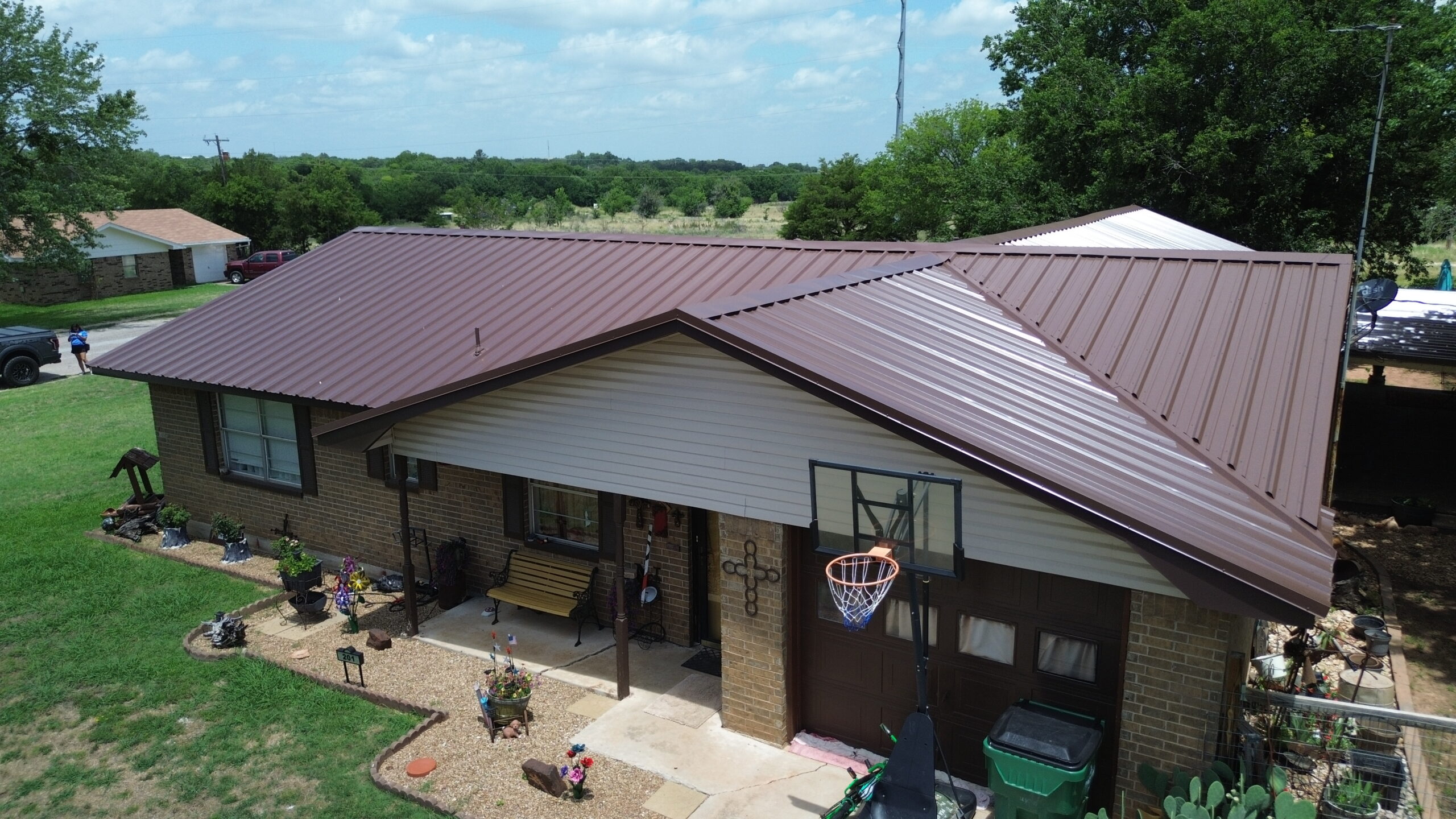
The Relationship Between Roof Maintenance and Long Term Savings
Roof maintenance and long-term savings are closely connected because consistent preventive care reduces the frequency and severity of future repairs. Homeowners who treat maintenance as an ongoing responsibility generally spend less over the lifespan of the roof than those who respond only after major damage occurs.
Routine maintenance includes activities such as annual roof inspections, gutter cleaning, debris removal, checking flashing, replacing deteriorated sealants, and repairing small defects before they expand. Individually, these tasks often require modest financial investments, yet collectively they prevent many expensive structural problems.
Maintenance also improves the effectiveness of previous repairs. Even well-executed roof repairs benefit from periodic inspections that verify materials remain secure and waterproof. Identifying minor issues early allows homeowners to preserve the value of earlier repair investments while avoiding repeated restoration work.
Drainage maintenance is particularly important. Blocked gutters and roof valleys prevent water from flowing away efficiently, increasing the likelihood of moisture infiltration. Keeping drainage systems clean helps protect roofing materials while reducing unnecessary wear caused by standing water.
Tree maintenance contributes to long-term savings as well. Trimming overhanging branches minimizes physical damage caused by falling limbs while reducing debris accumulation that retains moisture on the roof surface. Preventing these problems decreases both maintenance frequency and repair costs.
Homeowners should also recognize that maintenance schedules vary according to roofing material, climate, and roof age. Older roofs generally require more frequent inspections because aging materials become increasingly vulnerable to weather-related deterioration.
Viewed over many years, preventive maintenance consistently proves less expensive than emergency repairs. Investing in regular care preserves roof performance while creating significant financial savings throughout the roof’s service life.
Factors That Influence Lifetime Roof Repair Costs
The total amount a homeowner spends on roof repairs throughout the life of the roof depends on several important factors. Understanding these influences helps homeowners make informed maintenance decisions while developing realistic long-term budgets.
Roofing material is one of the most significant considerations. Asphalt shingles, metal roofing, clay tile, slate, wood shakes, and synthetic materials all differ in durability, maintenance requirements, and repair complexity. Materials requiring fewer repairs generally produce lower lifetime ownership costs despite sometimes having higher installation prices.
Climate also plays a major role. Homes located in regions with frequent storms, heavy snowfall, high humidity, intense sunlight, or strong winds often require more maintenance than properties in milder environments. Selecting roofing materials suited to local weather conditions helps reduce long-term repair frequency.
Installation quality influences repair costs throughout the roof’s lifespan. Proper installation creates a strong foundation for future maintenance, while poor workmanship often leads to recurring leaks, flashing failures, and premature deterioration that increase ownership expenses.
Routine maintenance history also affects lifetime costs. Roofs receiving consistent inspections and timely repairs generally experience fewer major structural problems than roofs maintained only after obvious damage appears. Small maintenance investments often eliminate the need for expensive emergency repairs.
Accessibility influences labor expenses as well. Steep roofs, multi-story homes, complex roof designs, and difficult access conditions increase the cost of every repair throughout the roof’s lifespan. These factors should be considered when planning long-term maintenance budgets.
Finally, homeowner response time significantly affects lifetime expenses. Prompt repairs usually remain relatively affordable, whereas prolonged delays allow damage to spread into structural components that require substantially more labor and materials to restore.
Considering these factors together helps homeowners develop maintenance strategies that minimize total ownership costs while maximizing roof performance.
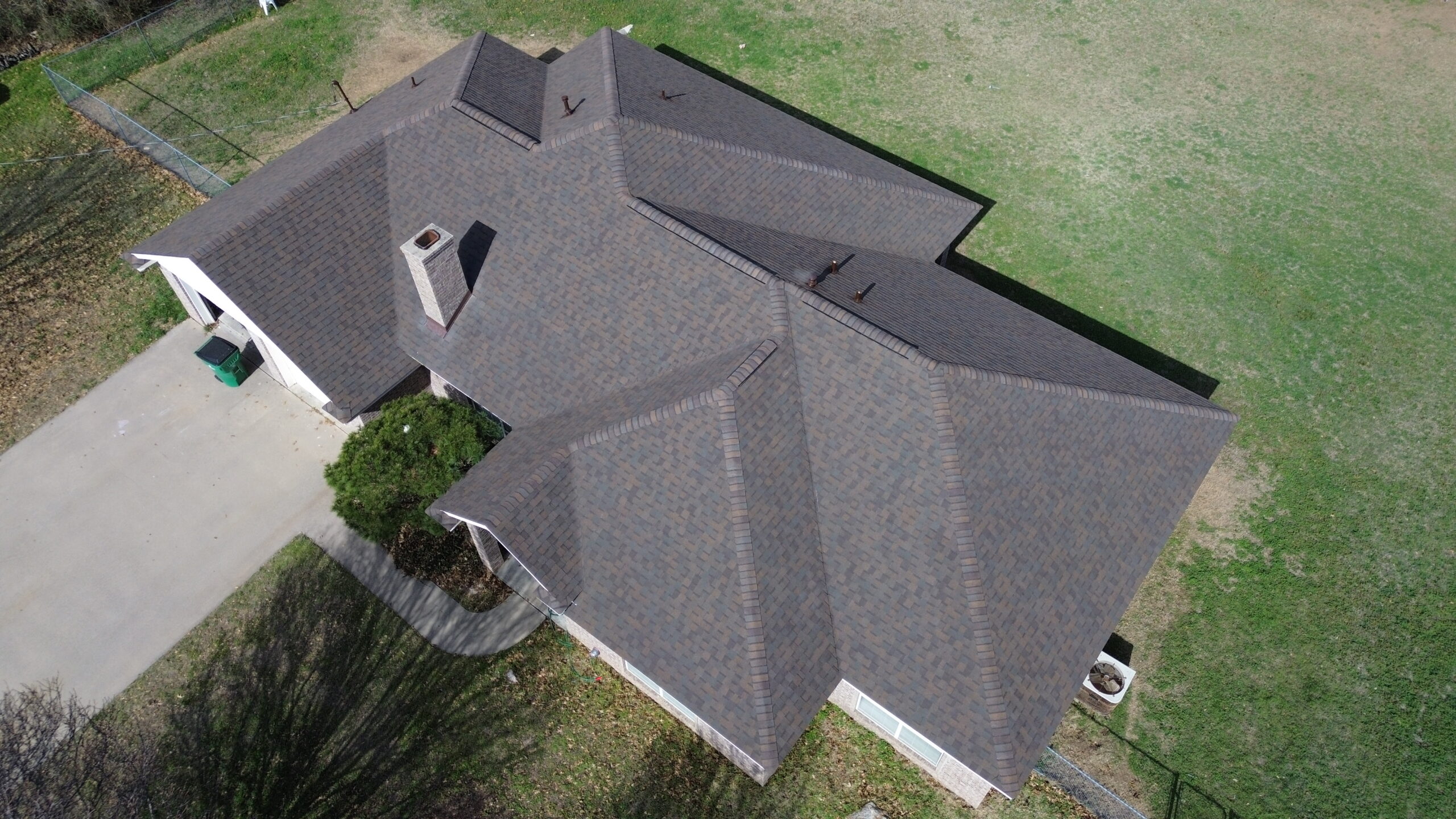
Protecting Property Value Through Proper Roof Repairs
A well-maintained roof contributes directly to the overall value of a home. Buyers, lenders, insurance providers, and property appraisers all recognize the importance of a sound roofing system because it protects every other part of the structure from weather-related damage.
Visible roof deterioration often creates negative first impressions. Missing shingles, sagging rooflines, damaged flashing, or obvious repairs may cause prospective buyers to question the condition of other parts of the home as well. Proper repairs preserve curb appeal while demonstrating responsible property maintenance.
Home inspections frequently focus on roofing systems because they represent one of the largest potential repair expenses facing new homeowners. A roof with documented maintenance and professional repairs provides greater confidence during property transactions, reducing the likelihood of price negotiations based on anticipated repair costs.
Maintaining roof performance also protects interior finishes that contribute to property value. Ceilings, flooring, insulation, walls, cabinetry, and electrical systems all remain in better condition when the roof continues preventing moisture intrusion effectively.
Insurance considerations further support property value. Homes with properly maintained roofs often experience fewer claim-related complications and may present lower long-term maintenance risks from an insurance perspective. Although insurance decisions vary by provider, responsible roof maintenance contributes positively to overall property management.
Long-term ownership costs also become more predictable when the roof remains in good condition. Buyers often view documented maintenance history as evidence that future repair needs are less likely to involve immediate major expenses.
Proper roof repairs therefore protect not only the physical structure but also the long-term financial value of the property itself.
Building a Cost Effective Roof Maintenance Strategy
Achieving long-term savings requires more than responding to problems after they appear. Homeowners benefit most when roof maintenance becomes a structured, ongoing strategy that combines preventive care, timely repairs, and thoughtful financial planning.
The first step involves scheduling regular professional inspections. Annual inspections, along with additional evaluations after severe storms, allow contractors to identify developing issues before they become major repair projects. These inspections provide valuable information for budgeting and maintenance planning.
Routine homeowner observations also play an important role. Checking gutters for excessive granule loss, watching for ceiling stains, inspecting attic spaces for moisture, and monitoring visible roof conditions help identify potential concerns between professional inspections.
Budgeting for maintenance should become part of normal household financial planning. Setting aside modest monthly savings for roof care allows homeowners to address repairs promptly without depending entirely on emergency financing when problems arise.
Maintaining organized records strengthens the overall maintenance strategy as well. Inspection reports, repair invoices, warranty documents, contractor information, and photographs provide valuable references for future maintenance decisions while supporting insurance claims when necessary.
Finally, homeowners should prioritize permanent solutions over temporary fixes whenever practical. Although temporary repairs may occasionally be necessary during emergencies, long-term savings are achieved by correcting underlying problems rather than repeatedly addressing the same symptoms.
A structured maintenance strategy transforms roof care from an unpredictable expense into a planned investment that protects the home while reducing total ownership costs throughout the life of the roofing system.
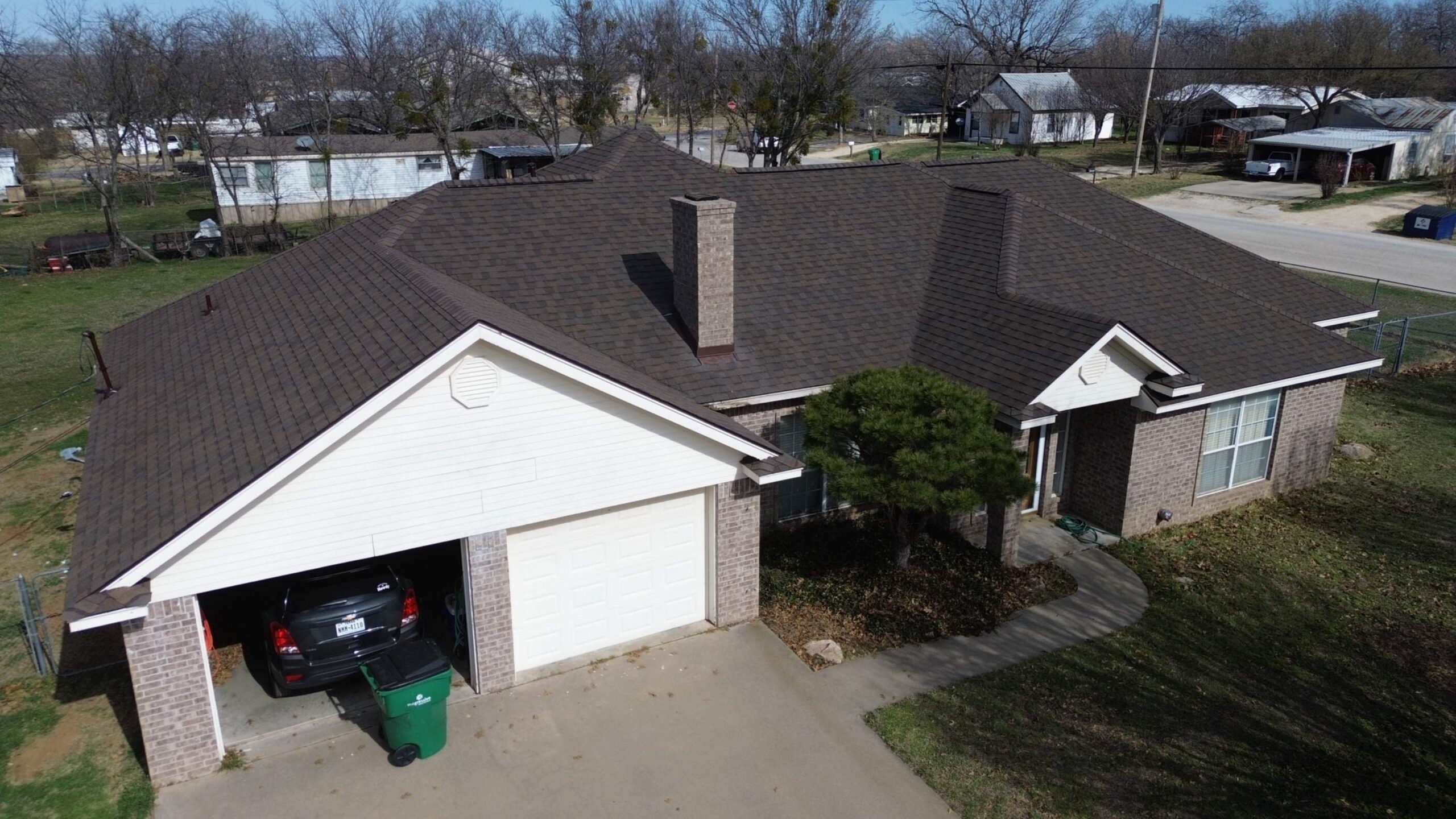
How Proper Roof Repairs Extend Roof Lifespan
One of the greatest financial benefits of proper roof repairs is the ability to extend the overall lifespan of the roofing system. Every roof has an expected service life, but reaching or exceeding that lifespan depends largely on how well the roof is maintained and how promptly repairs are completed. A roof that receives consistent care often remains functional for many additional years compared with one that experiences repeated neglect.
Small roofing defects naturally develop over time as materials expand, contract, and weather under changing environmental conditions. Loose shingles, cracked flashing, damaged sealants, or worn fasteners may appear insignificant individually, yet they create opportunities for moisture to enter the roofing system. Proper repairs eliminate these weak points before they compromise larger sections of the roof.
High-quality repairs also preserve surrounding roofing materials. When one damaged component is replaced correctly, nearby materials continue functioning as intended without being subjected to additional stress. This reduces the likelihood of damage spreading across larger roof sections and minimizes future maintenance requirements.
Extending roof lifespan also delays one of the largest expenses associated with homeownership, which is complete roof replacement. Postponing replacement by several years through effective repairs provides homeowners with more time to prepare financially while maximizing the value of their original roofing investment.
Professional workmanship further contributes to roof longevity. Experienced contractors understand how to restore waterproofing, ventilation, and structural stability while ensuring that replacement materials integrate correctly with the existing roof. These details significantly influence how well repaired areas perform over time.
Ultimately, every year added to the roof’s service life represents meaningful financial savings because it postpones replacement costs while reducing the frequency of major repair projects.
Energy Savings Achieved Through Quality Roof Repairs
Proper roof repairs contribute to long-term savings in ways that extend beyond preventing leaks and structural damage. A well-maintained roofing system also improves household energy efficiency, reducing heating and cooling costs throughout the year.
Damaged roofing materials often create pathways for conditioned indoor air to escape while allowing outdoor temperatures to influence interior living spaces. Missing shingles, deteriorated flashing, compromised underlayment, and moisture-damaged insulation reduce the roof’s ability to regulate indoor temperatures effectively.
Quality repairs restore the roofing system’s thermal performance by sealing openings, replacing damaged insulation where necessary, and preserving proper attic ventilation. Balanced airflow prevents excessive heat buildup during warm weather while reducing moisture accumulation during cooler months. These improvements allow heating and cooling systems to operate more efficiently.
Energy-efficient performance becomes especially important in regions experiencing extreme seasonal temperatures. Homes exposed to prolonged summer heat or harsh winter conditions place greater demands on heating and cooling equipment. Properly repaired roofs help minimize unnecessary energy consumption by maintaining a more stable indoor environment.
Attic ventilation also influences long-term energy savings. Repairs that restore proper airflow reduce excessive attic temperatures, helping preserve roofing materials while improving overall household comfort. Reduced strain on heating and cooling systems often translates into lower utility bills year after year.
Insulation protection provides another important benefit. Roof leaks frequently damage insulation, reducing its effectiveness and increasing household energy consumption. Prompt repairs prevent insulation deterioration while preserving the home’s ability to retain conditioned air efficiently.
Although energy savings may appear modest on a monthly basis, they accumulate steadily over many years. Combined with reduced repair frequency and longer roof lifespan, improved energy efficiency contributes significantly to the overall financial value of proper roof repairs.
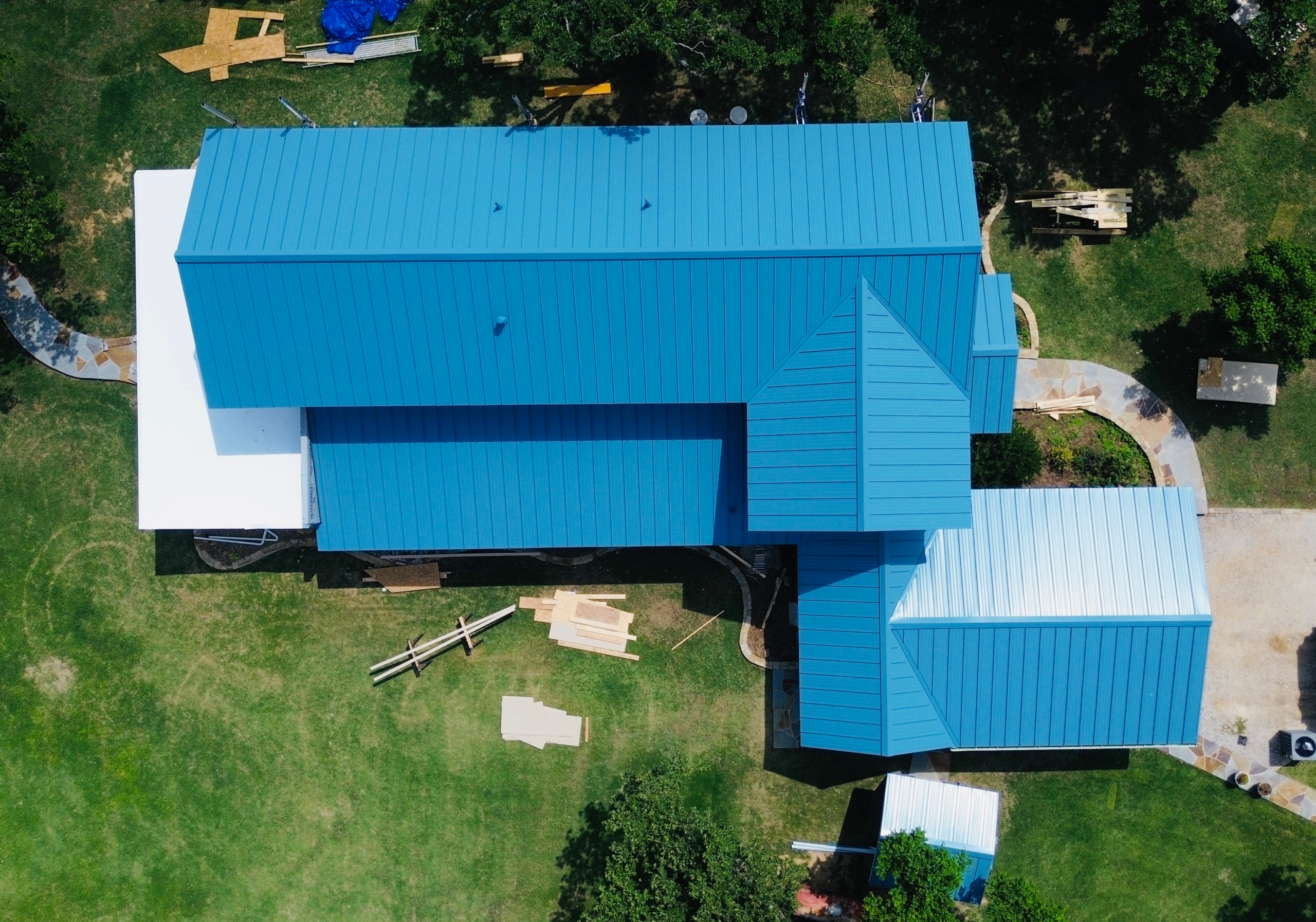
Reducing Future Repair Costs With Preventive Maintenance
Preventive maintenance is one of the most effective methods of reducing long-term roof repair expenses. Rather than waiting until major problems develop, homeowners who perform regular maintenance consistently spend less on repairs throughout the life of their roof.
Routine inspections provide the foundation of preventive maintenance. Professional evaluations identify loose shingles, deteriorating flashing, blocked drainage systems, damaged sealants, and early signs of moisture intrusion before these issues become serious structural concerns. Addressing these problems promptly usually requires fewer materials and less labor than repairing widespread damage later.
Cleaning gutters and downspouts is another essential maintenance practice. Efficient drainage prevents water from backing up beneath roofing materials or accumulating near roof edges. Proper water management reduces the likelihood of leaks, wood rot, and foundation-related moisture problems while preserving the integrity of the roofing system.
Tree maintenance also contributes to long-term savings. Trimming branches that overhang the roof reduces the risk of storm damage, falling debris, and excessive leaf accumulation. These simple maintenance activities help protect roofing materials while minimizing unnecessary wear.
Homeowners should also monitor interior warning signs such as ceiling stains, damp attic insulation, mold growth, or unusual odors. These indicators often reveal roofing issues before they become visible from outside the home. Early detection allows repairs to remain relatively inexpensive while preventing structural deterioration.
Preventive maintenance should not be viewed as an optional expense. Instead, it functions as an investment that lowers future repair costs, improves roof reliability, and extends the useful life of the roofing system. Over time, these consistent maintenance efforts generate substantial financial savings.
Table: Long Term Financial Benefits of Proper Roof Repairs
The value of proper roof repairs extends well beyond the immediate repair project. The following comparison illustrates several areas where quality repairs produce long-term financial benefits.
| Long Term Benefit | Financial Advantage | Impact on Homeownership Costs |
|---|---|---|
| Extended roof lifespan | Delays complete roof replacement | Reduces major capital expenses |
| Early leak repairs | Prevents structural water damage | Lowers future restoration costs |
| Improved energy efficiency | Reduces heating and cooling expenses | Creates ongoing monthly utility savings |
| Routine maintenance | Identifies problems before they expand | Minimizes emergency repair costs |
| Professional workmanship | Reduces recurring repair frequency | Improves long-term reliability |
| Proper drainage maintenance | Prevents moisture accumulation | Protects roofing materials and structural components |
| Preserved property value | Maintains home condition and market appeal | Supports stronger resale value |
| Documented repair history | Simplifies insurance claims and future maintenance | Improves long-term financial planning |
Each of these benefits contributes to the overall return on investment provided by quality roof repairs. Rather than evaluating repairs only by their immediate cost, homeowners should consider the cumulative financial savings achieved throughout the roof’s lifespan.
The Cost Difference Between Temporary Fixes and Permanent Repairs
When roof damage occurs unexpectedly, homeowners sometimes choose temporary repairs to minimize immediate expenses. While temporary solutions may occasionally be necessary during emergencies, relying on them as a long-term strategy often results in significantly higher ownership costs.
Temporary repairs typically address visible symptoms rather than the underlying cause of the problem. Covering a leak with sealant, installing a tarp, or replacing only the most obvious damaged materials may provide short-term protection, but hidden moisture intrusion or structural issues often remain unresolved.
Permanent repairs take a more comprehensive approach. Contractors identify the actual source of the damage, inspect surrounding materials, replace compromised components, and restore the roof’s waterproof integrity. Although permanent repairs generally require a larger initial investment, they reduce the likelihood of repeated service calls and ongoing maintenance expenses.
Repeated temporary repairs also create cumulative costs. Purchasing additional materials, scheduling multiple contractor visits, and addressing recurring leaks gradually increase total expenditures. In many situations, homeowners spend more on repeated temporary solutions than they would have on a single comprehensive repair completed correctly from the beginning.
Structural deterioration further increases the financial difference. Moisture allowed to continue entering the roof eventually damages decking, insulation, framing, ceilings, and interior finishes. Correcting these secondary issues often exceeds the cost of the original roof repair several times over.
Homeowners should therefore view temporary repairs as emergency measures rather than permanent solutions. Investing in durable, properly executed repairs generally produces greater long-term savings while preserving the performance of the entire roofing system.
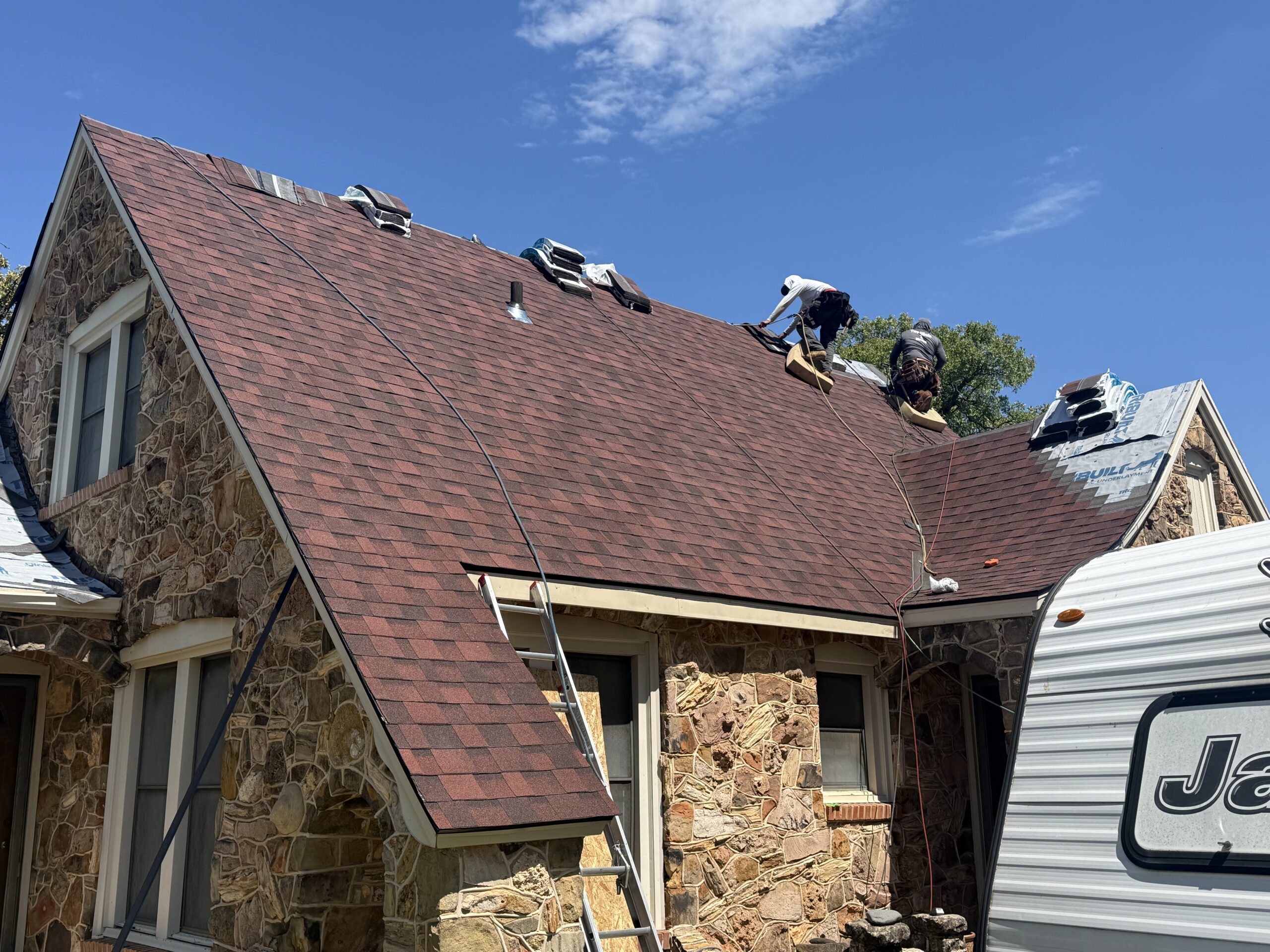
How Professional Repairs Deliver Better Long Term Value
Professional roof repairs often provide greater long-term value because they combine technical expertise, quality workmanship, and durable materials into a comprehensive repair solution. Although professional services require a higher initial investment than many temporary or do-it-yourself alternatives, the financial benefits frequently outweigh the additional cost.
Experienced roofing contractors begin by identifying the true source of the problem rather than repairing only visible damage. Water often travels beneath roofing materials before becoming noticeable inside the home, making accurate diagnosis essential for preventing recurring leaks. Professional inspections reduce the likelihood of incomplete repairs that require additional work later.
Quality installation techniques also contribute to long-term performance. Proper flashing installation, secure fastening, compatible materials, and effective waterproofing help repaired sections withstand future weather while maintaining consistent roof performance. These details significantly influence repair durability.
Professional contractors also have access to commercial-grade materials that may not be readily available through retail suppliers. Higher-quality products often provide better resistance to weather, ultraviolet exposure, and temperature fluctuations, reducing future maintenance needs.
Many professional repairs include workmanship warranties as well. Warranty protection provides additional financial value by covering installation-related issues that may arise after the repair is completed. This reduces the homeowner’s financial risk while increasing confidence in the quality of the work.
Professional documentation also supports future maintenance planning and insurance claims. Inspection reports, repair invoices, photographs, and warranty information create a valuable maintenance history that benefits homeowners throughout the life of the property.
Viewed over many years, professional repairs frequently generate greater overall savings by reducing repair frequency, extending roof lifespan, and minimizing the likelihood of expensive structural damage.
Common Repair Practices That Improve Roof Durability
Certain repair practices consistently contribute to stronger, longer-lasting roofing systems. Incorporating these methods during repairs improves durability while reducing maintenance expenses over time.
Replacing damaged flashing is one of the most effective durability improvements. Flashing protects vulnerable areas around chimneys, skylights, roof valleys, and vents where leaks commonly develop. Properly installed flashing directs water safely away from these areas while preserving the roof’s waterproof barrier.
Repairing underlayment when necessary also improves long-term performance. The underlayment provides an additional moisture barrier beneath visible roofing materials. Replacing compromised sections during repairs strengthens overall weather protection and reduces future leak risks.
Using compatible replacement materials is equally important. Roofing components are designed to function together as an integrated system. Matching shingles, fasteners, sealants, and flashing helps maintain consistent expansion, contraction, and drainage characteristics throughout the repaired area.
Improving attic ventilation during repair projects provides another valuable durability benefit. Balanced airflow reduces excessive heat and moisture buildup that gradually weaken roofing materials. Better ventilation helps extend the lifespan of both the repaired section and the surrounding roof.
Addressing drainage problems also contributes to durability. Correcting gutter alignment, removing debris, and improving water flow reduce prolonged moisture exposure that accelerates material deterioration. Effective drainage protects both the roof and the structural components beneath it.
Finally, conducting thorough inspections after repairs ensures every component performs as intended. Verifying waterproofing, fastening, drainage, and material alignment helps identify any remaining concerns before they develop into future repair needs.
These repair practices demonstrate that long-term durability depends not only on replacing damaged materials but also on restoring the overall performance of the entire roofing system.
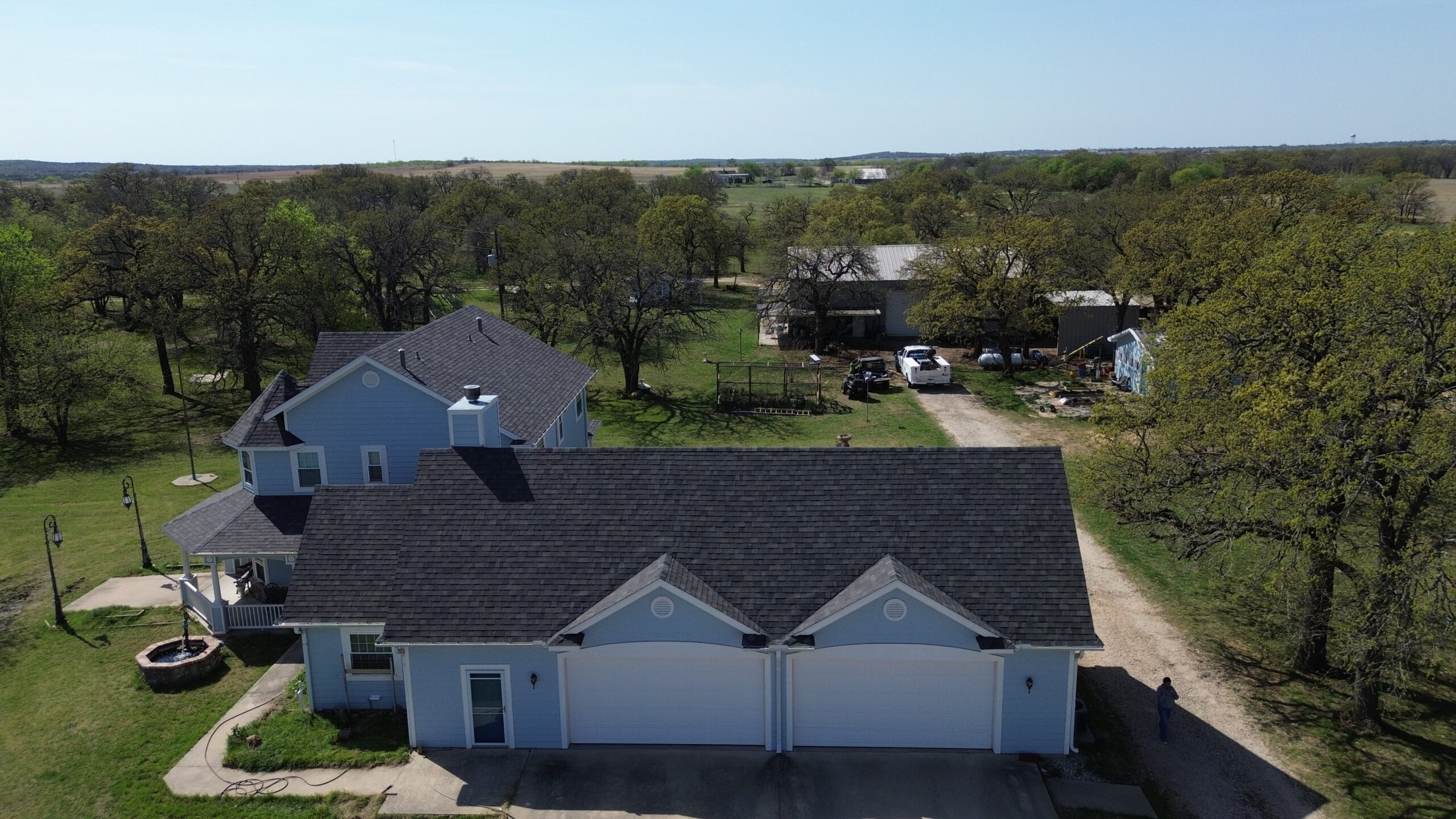
Planning for Long Term Roof Maintenance Savings
Achieving long-term savings from proper roof repairs requires consistent planning rather than reacting only when problems become visible. Homeowners who treat roof maintenance as part of their overall financial strategy are better prepared to handle future repairs while avoiding large, unexpected expenses. A proactive approach allows maintenance to remain manageable throughout the roof’s lifespan.
One of the most effective strategies is creating a dedicated roof maintenance budget. Setting aside a small amount each month gradually builds a reserve that can be used for inspections, preventive maintenance, and unexpected repairs. This approach reduces dependence on emergency financing while allowing repairs to be completed promptly when needed.
Scheduling regular roof inspections is equally important. Professional inspections provide valuable information about the condition of roofing materials, flashing, drainage systems, and structural components. Identifying small issues before they develop into significant damage helps homeowners control maintenance costs while extending the roof’s service life.
Maintenance planning should also account for the age of the roof. As roofing materials grow older, they naturally require more frequent inspections and occasional repairs. Adjusting maintenance budgets as the roof ages ensures that adequate financial resources remain available throughout its lifespan.
Keeping organized maintenance records further improves long-term planning. Inspection reports, repair invoices, warranty information, and photographs help homeowners monitor the roof’s condition over time. These records also simplify future maintenance decisions while supporting insurance claims and property transactions.
By combining regular inspections, consistent savings, and organized documentation, homeowners transform roof maintenance from an unpredictable expense into a planned investment that delivers reliable long-term financial benefits.
Insurance Benefits of Maintaining a Well Repaired Roof
A properly maintained roof offers benefits that extend beyond repair savings. It also strengthens a homeowner’s position when dealing with insurance providers following covered weather events or other unexpected damage.
Insurance policies generally distinguish between sudden accidental damage and problems resulting from long-term neglect. Roofs that receive routine maintenance and timely repairs demonstrate responsible ownership, making it easier to document the roof’s condition before covered events occur. This documentation may support smoother claim processing when unexpected damage happens.
Professional inspections provide valuable evidence during insurance claims. Inspection reports, repair records, and photographs help establish that the roof was maintained appropriately before the incident. These records assist adjusters in distinguishing between recent storm damage and pre-existing maintenance issues.
Maintaining the roof also reduces the likelihood of secondary damage that may complicate insurance claims. Prompt repairs prevent water from spreading into insulation, ceilings, walls, flooring, and structural components. Limiting the extent of damage often simplifies both repairs and the overall claims process.
Homeowners should also understand that insurance policies typically do not replace routine maintenance. Normal aging, gradual deterioration, and deferred repairs generally remain the homeowner’s responsibility. Regular maintenance therefore complements insurance protection rather than replacing it.
Another advantage involves preserving the roof’s overall condition throughout the policy period. A roof in good repair is generally better equipped to withstand severe weather, potentially reducing both the frequency and severity of future insurance claims.
Combining proper maintenance with appropriate insurance coverage creates a comprehensive financial strategy that protects both the home and the homeowner’s long-term investment.
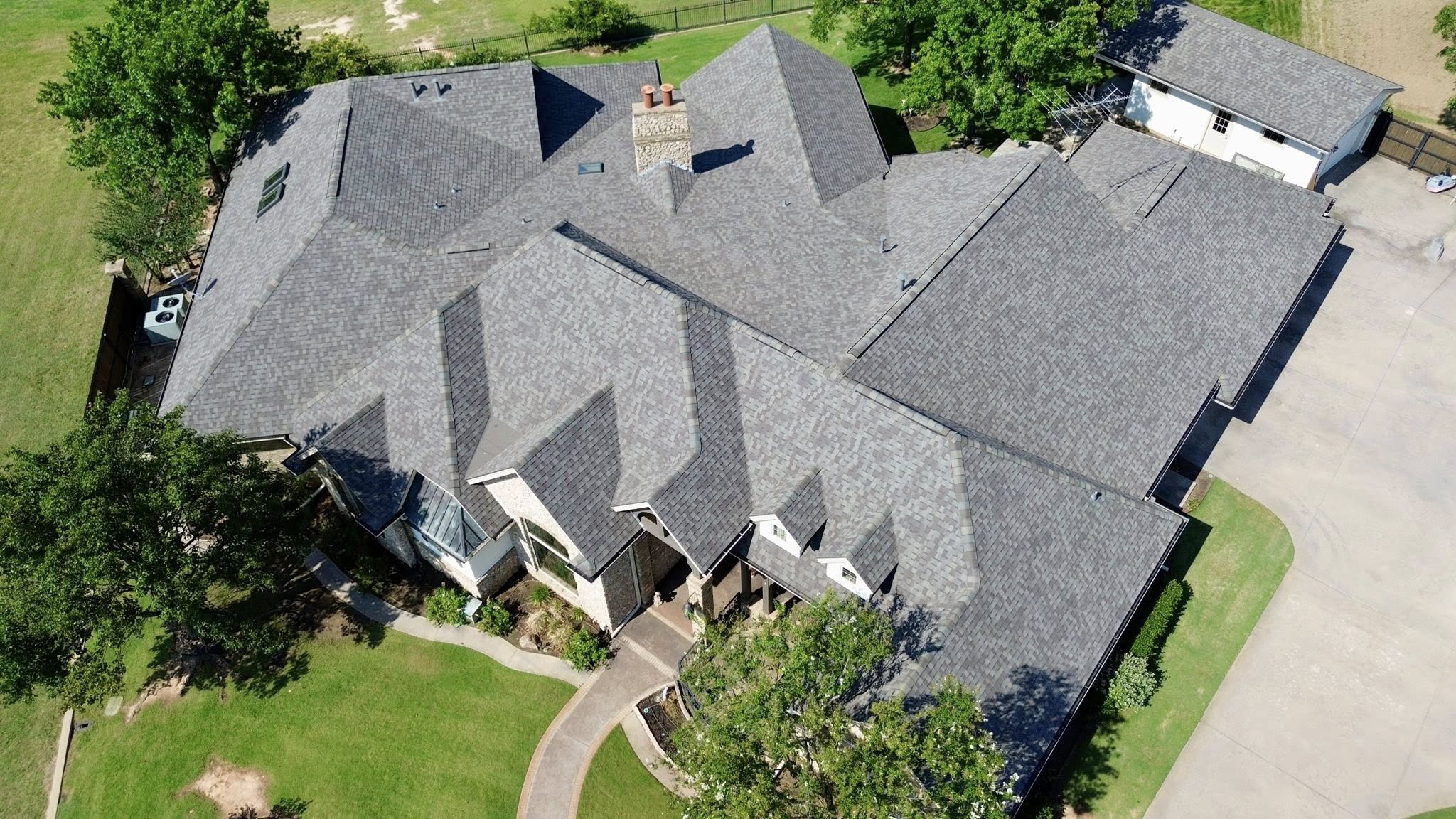
Financial Mistakes That Eliminate Long Term Savings
While proper roof repairs create meaningful financial benefits, certain decisions can quickly eliminate those savings. Avoiding these common mistakes allows homeowners to maximize the value of every repair while reducing unnecessary long-term expenses.
One of the most common mistakes is delaying repairs after discovering early signs of damage. Small leaks, missing shingles, or deteriorated flashing often appear manageable at first, but continued exposure to rain and changing weather conditions allows damage to spread into structural components. Repair costs increase significantly once moisture reaches roof decking, insulation, or interior finishes.
Choosing repairs based solely on the lowest price is another frequent error. Low-cost repairs may involve lower-quality materials, incomplete workmanship, or temporary solutions that fail to address the underlying problem. Repeated repairs eventually cost more than investing in a durable repair completed correctly the first time.
Ignoring preventive maintenance also reduces long-term savings. Annual inspections, gutter cleaning, tree trimming, and minor repairs require relatively modest investments but prevent much larger restoration projects later. Treating maintenance as optional often results in higher ownership costs over the life of the roof.
Some homeowners overlook the importance of hiring experienced roofing professionals. Improper installation techniques may create hidden vulnerabilities that lead to recurring leaks, reduced roof lifespan, and additional repair expenses. Selecting qualified contractors helps ensure repairs deliver lasting value.
Failing to maintain documentation is another avoidable mistake. Inspection reports, repair invoices, warranties, and photographs support future maintenance planning while providing valuable information for insurance claims and property sales.
Recognizing and avoiding these financial mistakes allows homeowners to preserve the full value of proper roof repairs while protecting their investment for many years.
Budgeting for Future Roof Repairs
Long-term savings depend not only on quality repairs but also on thoughtful financial preparation. Budgeting for future roof maintenance allows homeowners to respond quickly when repairs become necessary without placing excessive pressure on household finances.
The first step is understanding the expected maintenance needs of the existing roofing system. Roof age, roofing material, local climate, and maintenance history all influence future repair requirements. Professional inspections provide valuable guidance when estimating upcoming maintenance expenses.
Monthly savings contribute to financial stability over time. Even relatively small contributions accumulate steadily, creating a dedicated reserve for inspections, routine maintenance, and unexpected repairs. This approach reduces the need for emergency borrowing while encouraging timely repairs.
Homeowners should also review maintenance budgets annually. Inflation, changing material costs, labor rates, and roof condition all influence future repair expenses. Adjusting savings goals periodically helps ensure financial preparation remains aligned with actual maintenance needs.
Emergency funds should remain separate from routine maintenance budgets whenever possible. Predictable maintenance expenses such as inspections and gutter cleaning can be planned in advance, while emergency reserves remain available for unexpected storm damage or structural repairs.
Budgeting also encourages better repair decisions. Homeowners with dedicated maintenance funds are less likely to postpone necessary work or rely on temporary solutions simply because financial resources are unavailable.
Consistent financial planning therefore becomes an essential part of achieving long-term savings from proper roof care.
Practical Ways to Maximize Long Term Roof Repair Savings
Homeowners can significantly increase the financial return on roof repairs by following a few consistent maintenance practices.
- Schedule professional roof inspections every year and after major storms.
- Repair minor roofing problems as soon as they are identified to prevent structural damage.
- Keep gutters, downspouts, and roof valleys clean to maintain proper drainage.
- Trim overhanging tree branches to reduce debris accumulation and storm damage.
- Use high-quality roofing materials that are compatible with the existing roof.
- Hire experienced roofing professionals for repairs involving structural components or specialized materials.
- Maintain organized records of inspections, repairs, warranties, and insurance documents.
- Build a dedicated roof maintenance savings fund to cover future repair expenses without financial stress.
Following these practices consistently helps reduce repair frequency, extend roof lifespan, and maximize long-term ownership savings.
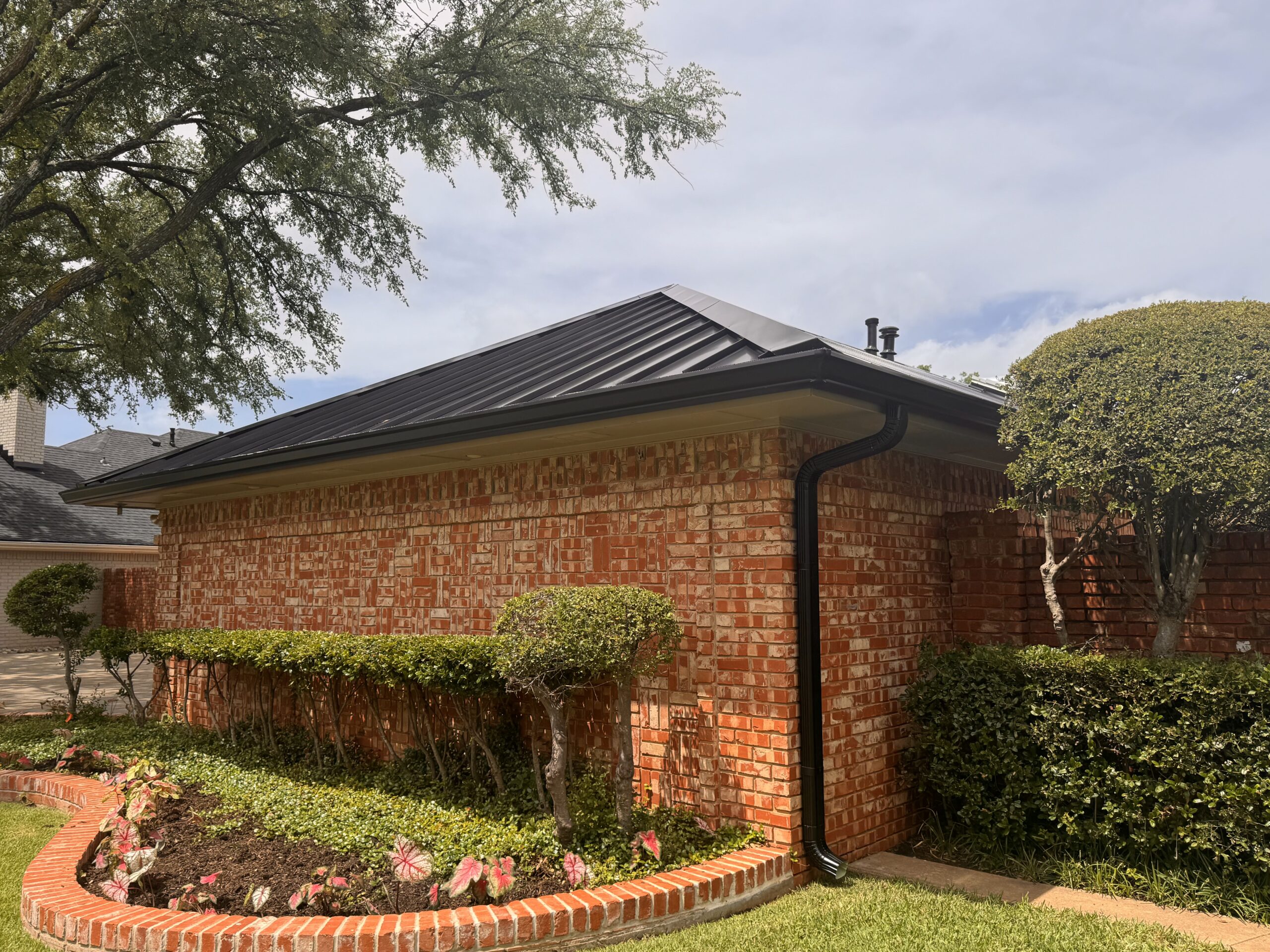
Steps to Create a Long Term Roof Maintenance Plan
A structured maintenance plan allows homeowners to preserve roof performance while controlling future repair expenses.
- Schedule a comprehensive professional roof inspection to establish the current condition of the roofing system.
- Identify maintenance priorities based on roof age, roofing material, and existing repair needs.
- Create a monthly savings plan dedicated specifically to roof maintenance and future repairs.
- Develop a regular maintenance schedule that includes inspections, gutter cleaning, debris removal, and tree trimming.
- Address small roofing problems immediately instead of postponing repairs until larger damage develops.
- Keep detailed records of every inspection, repair, warranty, and contractor recommendation.
- Review the maintenance plan annually and adjust savings goals as roofing materials age and repair costs change.
- Continue preventive maintenance consistently to extend roof lifespan and minimize future ownership expenses.
A well-organized maintenance plan transforms roof care into a predictable, manageable process that supports both financial stability and long-term property protection.
Conclusion
Proper roof repairs are among the most valuable long-term investments a homeowner can make because they protect not only the roofing system but also the entire structure beneath it. Addressing roofing problems promptly, using quality materials, and following proven repair practices significantly reduce the likelihood of expensive structural damage, repeated maintenance, and premature roof replacement. Over time, these benefits translate into meaningful financial savings that far exceed the initial cost of well-executed repairs.
Long-term savings are achieved through several interconnected advantages. Proper repairs extend the lifespan of roofing materials, improve household energy efficiency, preserve insulation, reduce emergency repair frequency, and protect interior finishes from water damage. Preventive maintenance further strengthens these benefits by identifying developing issues before they require extensive restoration. Together, these practices help homeowners avoid many of the unexpected expenses commonly associated with neglected roofing systems.
Professional workmanship also contributes substantial long-term value. Accurate inspections, durable materials, correct installation techniques, and workmanship warranties provide dependable performance that temporary repairs or poor-quality installations often cannot match. Although professional repairs may involve higher upfront costs, they frequently reduce total ownership expenses by delivering lasting solutions rather than repeated short-term fixes.
Financial planning plays an equally important role in maximizing roof repair savings. Regular inspections, dedicated maintenance budgets, organized documentation, and timely repairs create a proactive approach that reduces financial uncertainty while preserving property value. Combining these habits with appropriate insurance coverage strengthens the homeowner’s ability to respond effectively when unexpected damage occurs.
Ultimately, long-term savings from proper roof repairs result from consistent care, informed decision making, and a commitment to quality rather than short-term cost reductions. Homeowners who prioritize preventive maintenance and durable repairs protect one of their property’s most valuable assets while reducing lifetime ownership costs, improving home performance, and preserving the safety, comfort, and value of their home for many years to come.