
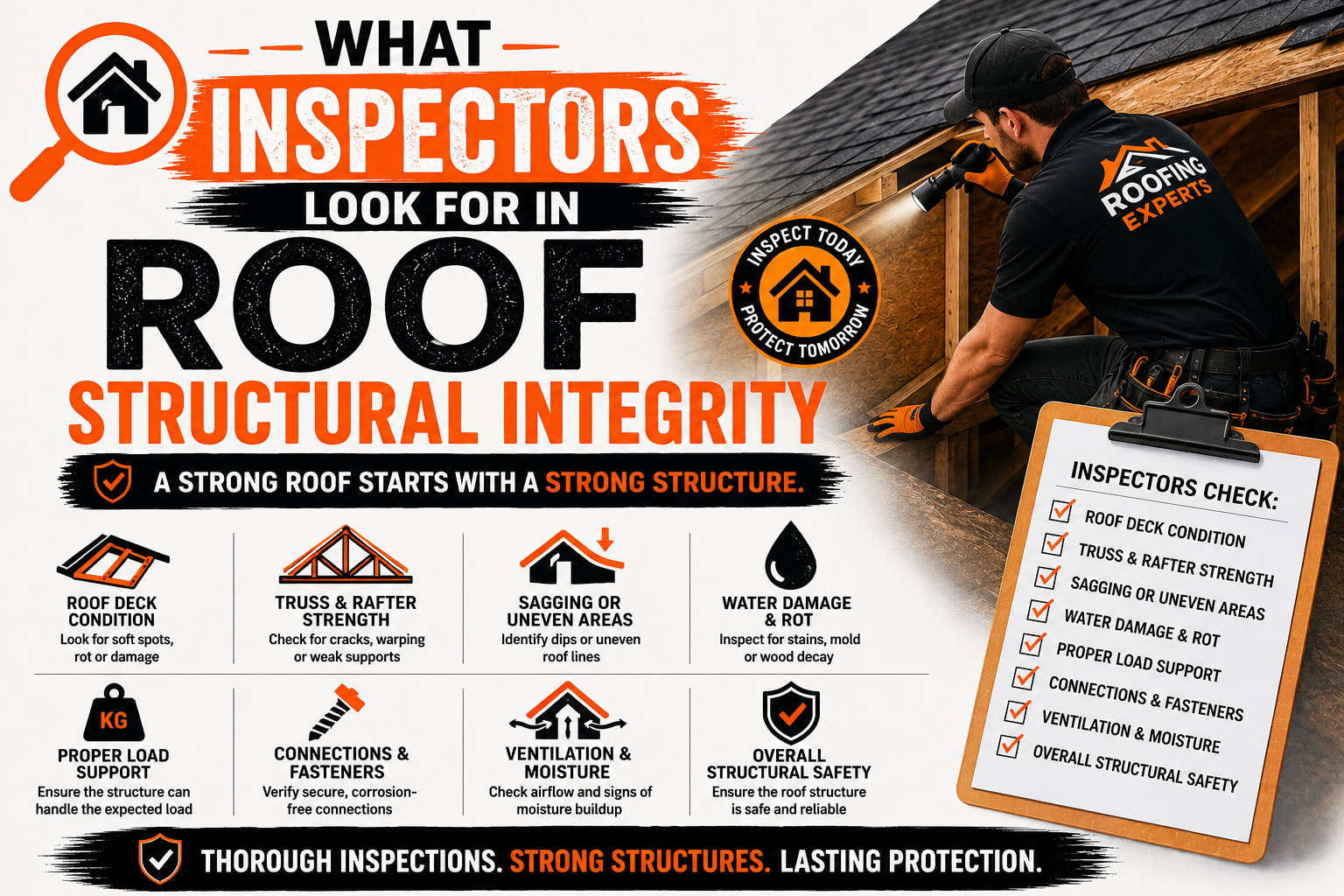
What Inspectors Look For in Roof Structural Integrity
Introduction
A roof does much more than keep rain and sunlight out of a building. It is a structural system that supports its own weight while resisting wind, snow, heavy rainfall, and changing weather conditions throughout the year. Every component, from the roof covering to the framing beneath it, works together to maintain stability and protect the entire structure. When any part of this system begins to weaken, the effects can extend far beyond the roof itself.
Many homeowners focus on visible roofing problems such as missing shingles or small leaks because they are easy to recognize. However, structural issues often develop beneath the surface where they remain hidden for months or even years. Slight wood movement, moisture damage, weakened fasteners, or gradual roof sagging may progress without obvious warning signs until significant repairs become necessary.
Professional roof inspectors evaluate far more than the roof’s appearance. Their goal is to determine whether the roof can safely support expected loads while continuing to protect the building from environmental stress. This requires examining framing components, roof decking, load distribution, ventilation, moisture exposure, and structural connections that are not immediately visible from outside the home.
Structural roof inspections are valuable for properties of every age. Newly constructed buildings benefit from inspections that verify installation quality, while older roofs require routine evaluations to monitor natural aging and long term wear. Even roofs that appear to be in good condition from the ground may contain hidden structural concerns that deserve professional attention.
Weather also plays an important role in roof stability. Strong winds, heavy snowfall, prolonged rainfall, intense sunlight, and repeated temperature changes gradually affect roofing materials and supporting structures. Over time, these environmental conditions place continuous stress on framing members, fasteners, flashing, and roof decking. Regular inspections help identify these changes before they compromise the roof’s overall strength.
Understanding what inspectors look for during structural evaluations helps homeowners appreciate the importance of preventive maintenance. Instead of waiting for visible damage or costly structural failures, regular inspections provide opportunities to detect developing issues early and maintain the long term safety, durability, and performance of the roofing system.
Understanding Roof Structural Integrity
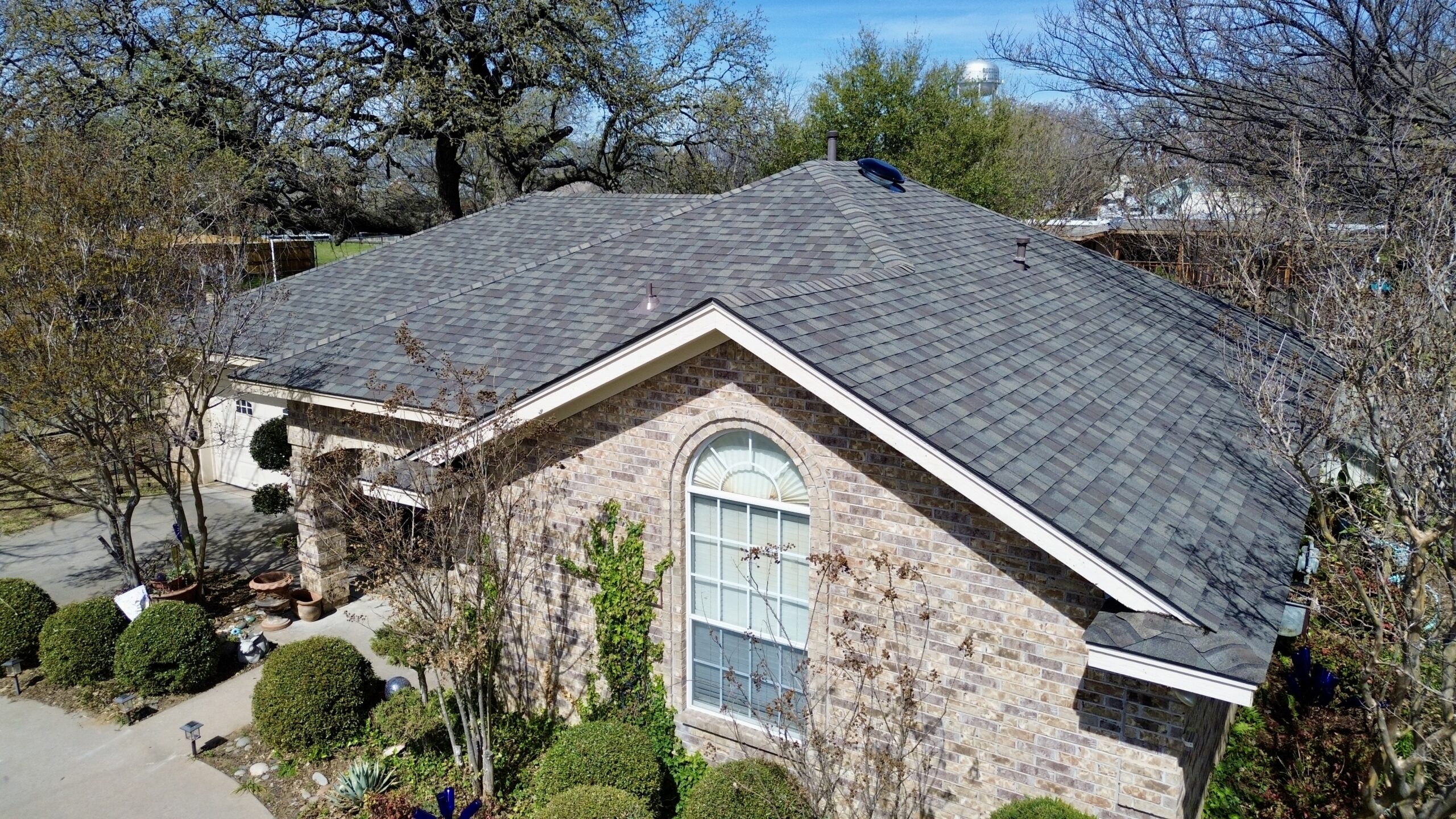
Roof structural integrity refers to the ability of the roofing system to safely support expected loads while maintaining its strength and stability over time. A structurally sound roof resists weather conditions, distributes weight evenly, and protects the building without excessive movement or deterioration. Every structural component contributes to this performance, making the entire system stronger than any individual part.
Many homeowners think of the roof only as the visible covering made of shingles, tiles, or metal panels. In reality, the roofing system includes a complex framework of structural members hidden beneath these exterior materials. Rafters, trusses, roof decking, ridge boards, ceiling joists, fasteners, and supporting walls all work together to transfer loads safely throughout the building.
The roof constantly supports two primary categories of weight. The first is its own permanent weight, which includes roofing materials, decking, insulation, flashing, and structural framing. The second consists of temporary environmental loads such as snow, rainwater, maintenance workers, equipment, and strong wind forces acting on the roof surface.
Proper load distribution is essential because uneven weight can overstress individual structural members. If one section of the roof weakens due to moisture damage or aging, surrounding components may begin carrying additional loads beyond their intended capacity. This gradual redistribution often accelerates structural deterioration if repairs are delayed.
Structural integrity also depends on the quality of the original construction. Correctly sized framing members, secure fasteners, proper spacing, and well designed support systems all contribute to a stable roofing structure. Even minor installation errors can affect long term performance, particularly after years of weather exposure.
Moisture remains one of the greatest threats to structural integrity. Water entering through damaged flashing, deteriorated shingles, or roof penetrations slowly weakens wooden framing and roof decking. Because this deterioration develops gradually, homeowners often remain unaware until visible sagging or interior damage appears.
Ventilation plays an equally important role in preserving structural strength. Proper attic airflow controls moisture and temperature, reducing condensation that could otherwise damage wood framing from within. Poor ventilation accelerates material aging and creates conditions that encourage mold growth and wood decay.
Age naturally influences structural performance as well. Roofing materials become less flexible over time, fasteners loosen through repeated expansion and contraction, and wooden components experience decades of environmental stress. Routine structural inspections help determine whether aging has begun affecting the roof’s ability to perform safely.
Although every roof experiences gradual wear, structural deterioration is not inevitable. Preventive maintenance, timely repairs, and regular inspections significantly extend the life of roofing systems while reducing the likelihood of unexpected structural failures.
Why Structural Roof Inspections Are Essential
Many roofing problems begin long before visible damage appears inside the home. Structural inspections provide an opportunity to identify these hidden concerns early, allowing homeowners to address them before they affect the building’s safety or require extensive restoration. Rather than focusing only on the roof surface, inspectors evaluate the entire structural system supporting the roof.
Safety is the primary reason structural inspections are so important. A weakened roof may no longer support expected environmental loads safely, increasing the risk of partial collapse during severe weather. Professional evaluations help determine whether structural components remain capable of performing their intended function.
Routine inspections also prevent progressive damage. Structural problems rarely remain isolated because weakened framing places additional stress on neighboring components. Small areas of deterioration gradually expand if repairs are postponed, increasing both repair complexity and overall project cost.
Water intrusion represents another major concern during structural evaluations. Moisture entering through damaged roofing materials often reaches framing members before appearing inside living spaces. By identifying these hidden leaks early, inspectors help prevent wood rot, mold growth, insulation damage, and structural weakening.
Property value also benefits from regular structural inspections. Well documented maintenance records demonstrate that the roofing system has received consistent professional care, providing confidence for prospective buyers and simplifying property transactions. Inspection reports also establish valuable maintenance history for future reference.
Insurance companies frequently recommend or require roof inspections following severe weather events. Structural evaluations provide documentation of existing conditions while identifying storm related damage that may not be immediately visible. This information supports accurate repair planning and insurance claims when necessary.
Routine inspections also contribute to more effective maintenance planning. Instead of waiting for emergency repairs, homeowners receive professional recommendations based on the current condition of the roof. This proactive approach allows maintenance to be scheduled according to actual need rather than reacting to unexpected failures.
Older roofs deserve particular attention because structural components naturally weaken with age. Even when roofing materials remain functional, decades of environmental exposure gradually affect framing connections, decking, and support systems. Regular evaluations help determine whether aging has begun compromising structural performance.
Structural inspections offer several important long term advantages.
- They identify hidden structural weaknesses before they become dangerous.
- They reduce the likelihood of costly emergency repairs.
- They improve long term maintenance planning.
- They help preserve property value.
- They support insurance documentation after severe weather.
- They extend the service life of the roofing system.
Viewing roof inspections as preventive maintenance rather than emergency response allows homeowners to protect both the roof and the entire building. Small structural concerns addressed promptly rarely develop into the major restoration projects often associated with neglected roofing systems.
Roof Framing Components Inspectors Examine
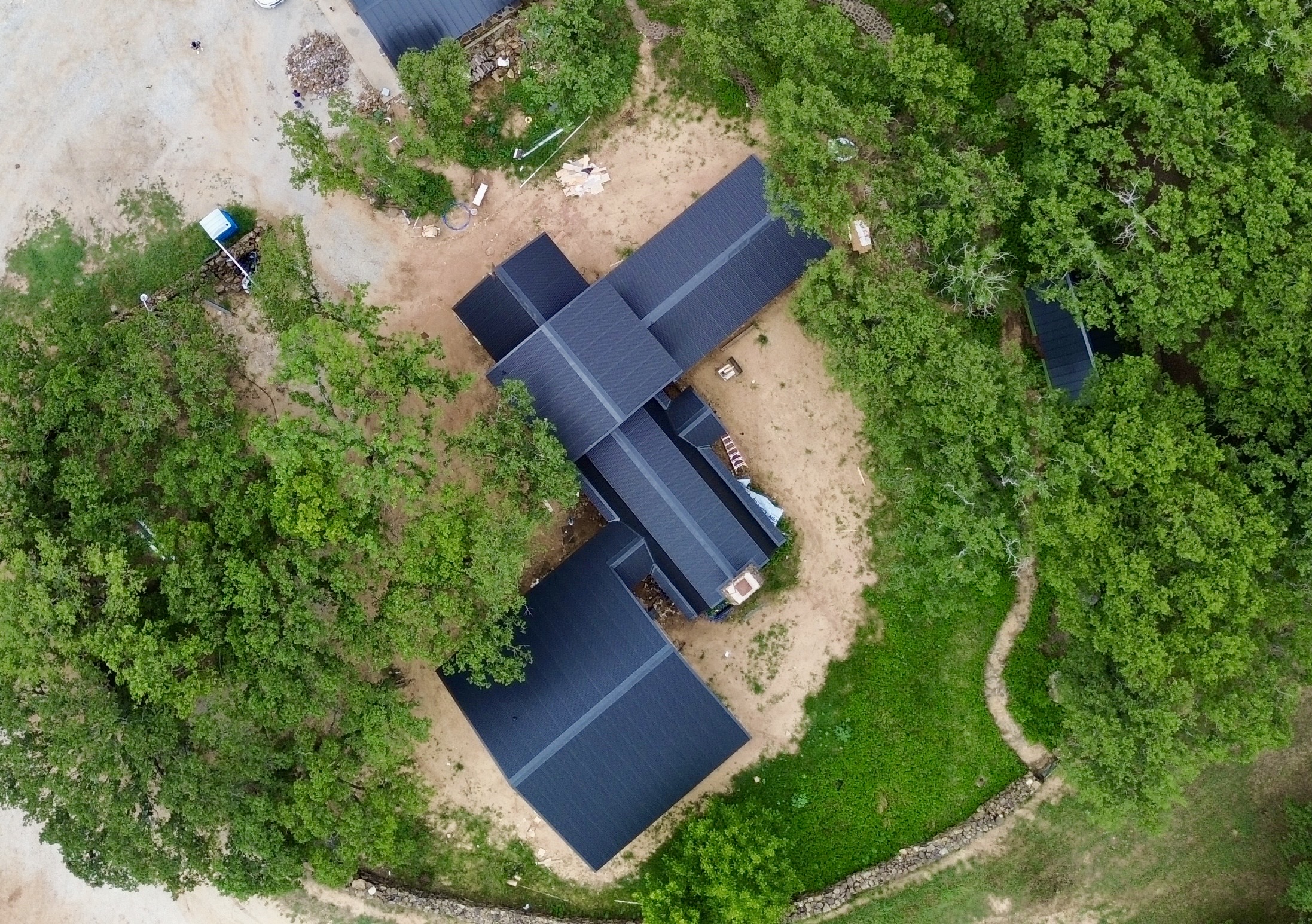
The structural framework beneath the roof covering provides the strength needed to support roofing materials while resisting environmental loads. During professional inspections, each major framing component receives careful evaluation because even small structural changes may indicate developing problems elsewhere within the roofing system.
Rafters are among the first structural members inspectors examine. These sloping beams extend from the ridge to the exterior walls, supporting roof decking and roofing materials above. Inspectors look for cracking, warping, moisture damage, insect activity, or excessive deflection that could reduce the rafters’ load carrying capacity.
Many modern homes use engineered roof trusses instead of traditional rafters. Trusses distribute loads efficiently through interconnected members designed to work together as a single structural unit. Inspectors carefully examine connection plates, joints, and individual truss members for movement, cracking, or signs of overloading that may affect overall stability.
The ridge board or ridge beam also receives close attention because it supports the upper ends of rafters or trusses. Inspectors verify that ridge components remain properly aligned without excessive movement or visible separation that might indicate structural shifting.
Collar ties play an important role in resisting outward roof movement. Installed near the upper portion of the roof framing, these horizontal members help stabilize opposing rafters during periods of high wind or structural stress. Loose or damaged collar ties may reduce the roof’s overall resistance to movement.
Ceiling joists connect opposing walls while helping support ceiling finishes below. These structural members also resist outward wall movement created by roof loads. Inspectors evaluate joists for sagging, cracking, moisture damage, or improper modifications that could affect structural performance.
Load bearing connections represent another critical inspection area. Fasteners, metal connectors, brackets, and framing joints transfer loads between structural components. Corrosion, loose connections, or missing fasteners may reduce the roof’s ability to distribute weight safely throughout the structure.
Inspectors also evaluate framing alignment from multiple perspectives. Slight changes in roof shape, uneven ridges, or visible framing movement often indicate developing structural concerns that deserve further investigation. Comparing several framing components helps inspectors determine whether observed changes remain localized or affect larger sections of the roof.
Structural framing inspections rarely focus on one component alone. Instead, professionals evaluate how rafters, trusses, joists, ridge members, and supporting walls interact as a complete structural system capable of resisting changing environmental conditions.
Early Warning Signs of Structural Roof Problems
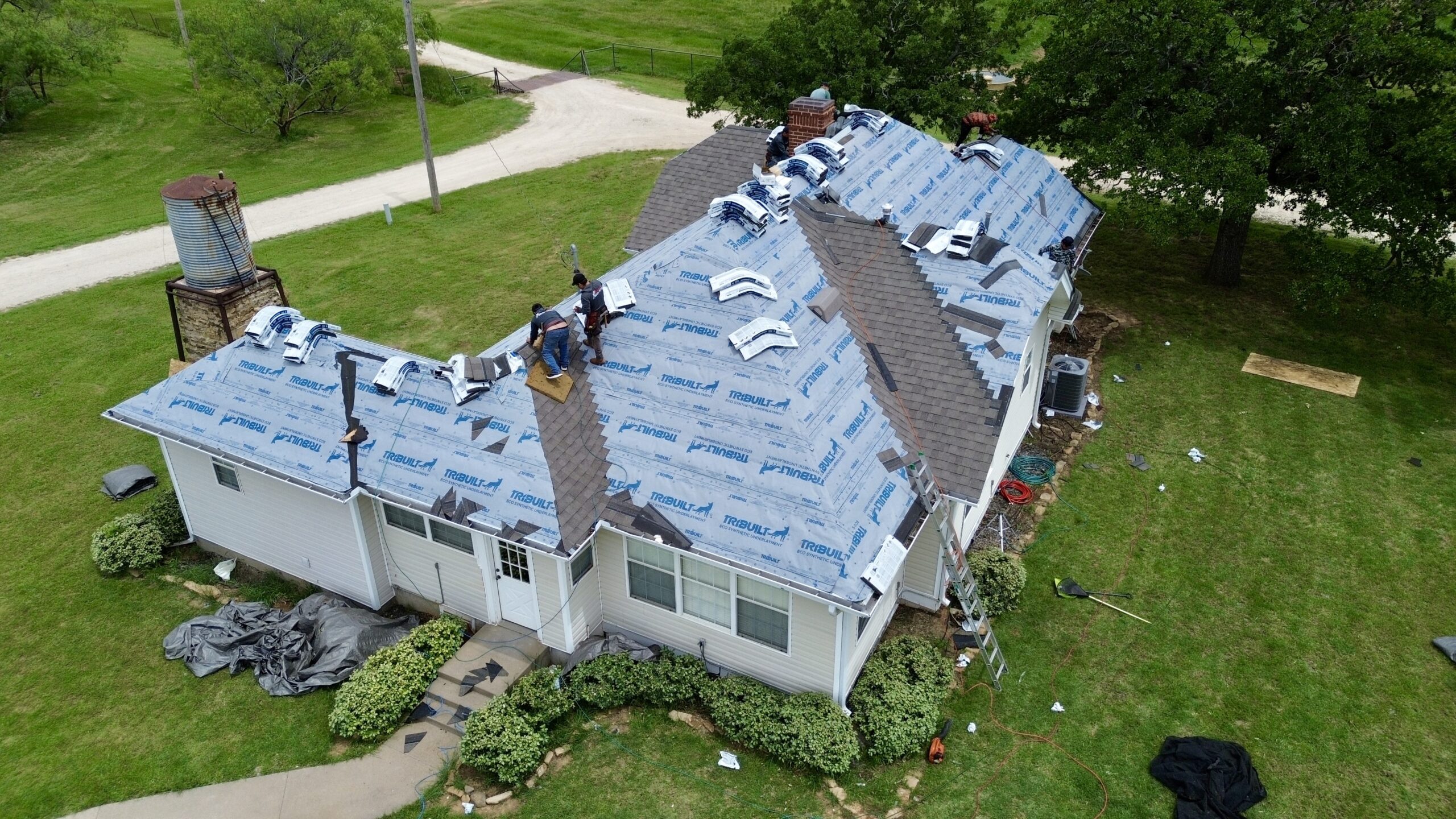
Serious structural roof damage rarely develops without earlier warning signs. Most structural failures begin with subtle changes that gradually become more noticeable over time. Professional inspectors are trained to recognize these early indicators before they evolve into major safety concerns or costly repair projects.
Roof sagging is one of the most recognizable signs of structural weakness. Even slight depressions along the ridge or roof surface may indicate weakened framing, deteriorated decking, excessive loading, or long term moisture exposure. Although small variations in roof shape are not always serious, noticeable sagging should always receive professional evaluation.
Uneven roof lines also suggest possible structural movement. Inspectors compare roof slopes from multiple angles to determine whether changes in alignment result from normal construction or developing structural problems. Gradual shifts often reveal underlying framing issues rather than damage to roofing materials alone.
Interior ceiling cracks sometimes indicate roof movement affecting the building’s structure. While minor cosmetic cracking may occur naturally as buildings settle, widening cracks or recurring damage often deserves further investigation. Inspectors consider ceiling conditions alongside other structural observations before determining the likely cause.
Doors and windows that suddenly become difficult to open or close may also provide indirect evidence of structural movement. As roof framing shifts, forces may transfer through supporting walls and affect the alignment of door and window openings. Although several factors can contribute to these issues, structural roof movement is one possibility inspectors consider.
Water intrusion remains one of the earliest and most destructive warning signs. Moisture entering through damaged roofing materials gradually weakens roof decking, rafters, and supporting connections long before visible structural damage develops. Inspectors carefully trace moisture patterns to identify the original source of water entry.
Wood deterioration caused by moisture or insect activity also receives close attention during inspections. Soft wood, discoloration, fungal growth, or weakened structural members indicate conditions that may reduce load carrying capacity over time. Early treatment often prevents localized damage from spreading throughout the roofing system.
Homeowners should never ignore unusual sounds such as creaking or popping originating from the roof structure during changing temperatures or strong winds. While some movement is normal, persistent or increasing structural noises may indicate shifting components that deserve professional evaluation.
Recognizing these warning signs early allows structural concerns to be addressed before they threaten the roof’s overall stability. Professional inspections combine these visible indicators with detailed structural assessments, helping homeowners protect both their roofing system and the long term safety of the entire building.
Roof Decking Inspection and Structural Evaluation
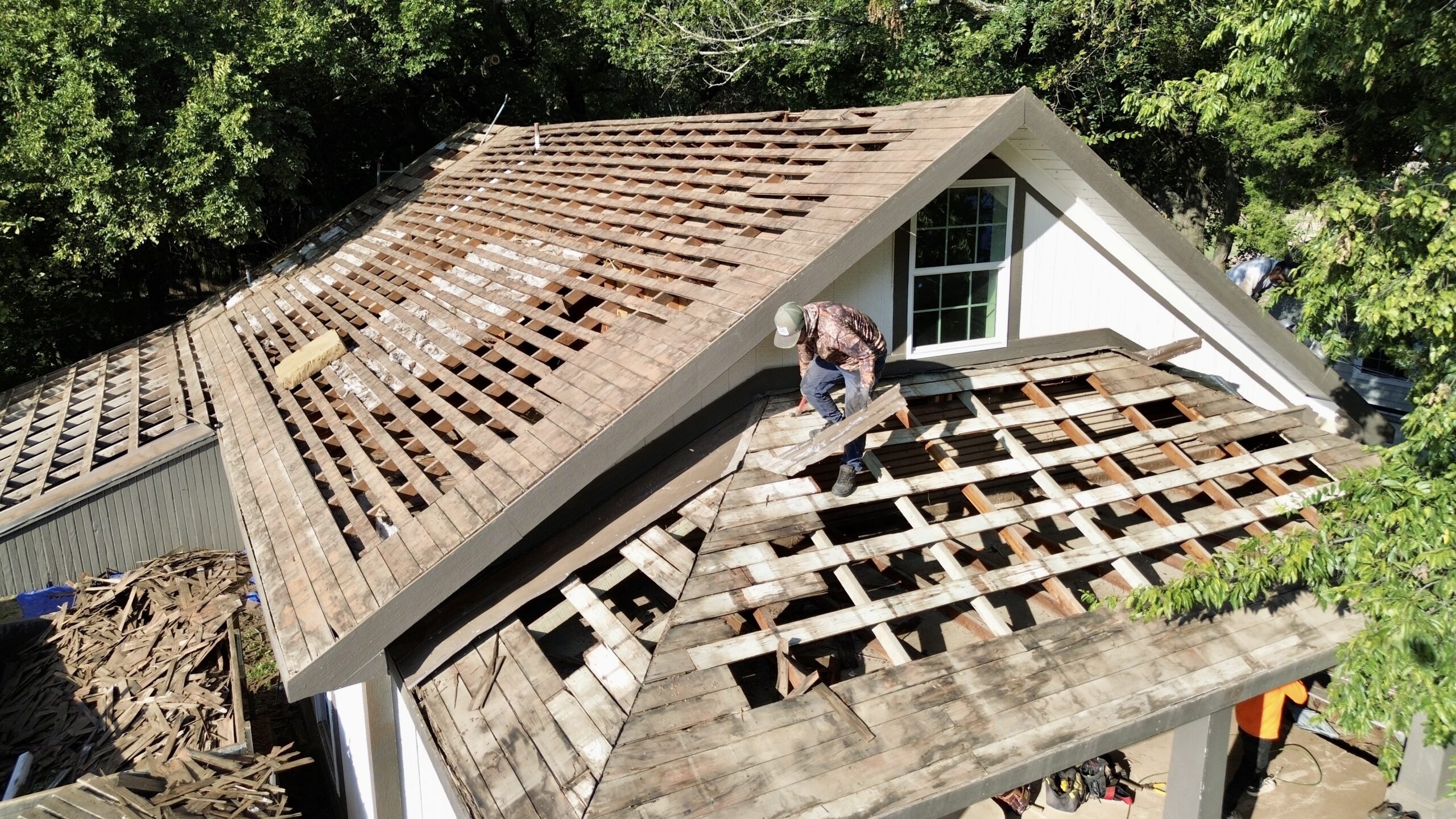
Roof decking forms the structural foundation that supports roofing materials while distributing loads across the framing system. Installed directly above rafters or trusses, the decking creates a stable surface for underlayment, shingles, metal panels, or other roofing materials. Because it remains hidden beneath the roof covering, deterioration often develops unnoticed until professional inspections reveal the problem.
Inspectors begin by evaluating the overall condition of the roof decking from both the attic and the roof surface whenever possible. They look for signs of moisture damage, soft areas, uneven surfaces, discoloration, and structural movement. Even small changes in the decking may indicate that water has entered the roofing system or that the supporting structure has begun to weaken.
Moisture is one of the leading causes of roof decking deterioration. Water entering through damaged flashing, missing shingles, or deteriorated sealants gradually soaks into the wood, reducing its strength over time. As the decking absorbs moisture, it may begin to swell, soften, or lose its ability to hold fasteners securely.
Inspectors also check for delamination, particularly in plywood decking. Delamination occurs when the layers within engineered wood products begin separating due to prolonged moisture exposure or aging. Once separation starts, the decking loses structural strength and may require partial or complete replacement depending on the extent of the damage.
Fastener performance receives careful evaluation during structural inspections. Nails and screws securing the decking should remain firmly embedded without signs of corrosion or movement. Loose fasteners allow the decking to shift under changing loads, increasing stress on surrounding structural components.
Roof decking may also reveal evidence of poor installation. Improper spacing between panels, inadequate fastening patterns, or unsupported joints can affect long term structural performance. Professional inspectors understand construction standards and recognize installation defects that may contribute to future structural concerns.
Ventilation influences decking condition as well. Poor attic airflow allows humidity to accumulate beneath the roof, creating condensation that slowly damages the underside of the decking. Inspectors evaluate both moisture patterns and ventilation performance to determine whether environmental conditions are contributing to structural deterioration.
Although roof decking remains hidden during normal daily life, it plays a critical role in maintaining structural stability. Routine inspections ensure that this important component continues supporting the roofing system safely while protecting the building from hidden moisture related damage.
Structural Damage Caused by Moisture
Water is one of the most destructive forces affecting roof structures because it weakens building materials gradually while remaining hidden for extended periods. Unlike storm damage, which often occurs suddenly, moisture related structural deterioration develops slowly, making professional inspections essential for early detection.
Hidden roof leaks frequently begin around flashing, roof penetrations, valleys, or damaged shingles. Instead of flowing directly into living spaces, water often enters the attic first, soaking insulation and wooden framing before becoming visible inside the home. This delayed appearance allows structural damage to spread unnoticed.
Wood rot is among the most serious consequences of prolonged moisture exposure. Fungi naturally present in the environment begin breaking down wood fibers when sufficient moisture becomes available. As the decay progresses, framing members gradually lose strength and become less capable of supporting roof loads.
Inspectors carefully examine rafters, trusses, roof decking, and supporting beams for signs of soft wood, discoloration, fungal growth, or unusual texture changes. Even localized areas of rot deserve immediate attention because deterioration often spreads beyond the visibly affected section.
Mold growth frequently accompanies moisture problems inside roof structures. While mold primarily raises indoor air quality concerns, its presence also indicates that excessive moisture exists somewhere within the roofing system. Inspectors identify mold as evidence that further investigation into the moisture source is necessary.
Condensation creates another hidden source of structural damage. Warm indoor air naturally rises into the attic, where it contacts cooler roof surfaces during colder weather. Without adequate ventilation, condensation forms repeatedly, exposing structural wood to prolonged moisture even when no roof leak exists.
Insulation affected by moisture also contributes indirectly to structural deterioration. Wet insulation loses much of its thermal resistance, allowing greater temperature fluctuations within the attic. These changing conditions accelerate material aging while increasing the likelihood of additional condensation.
Moisture damage rarely remains confined to one component. Water entering through a single opening may affect decking, framing, insulation, fasteners, and interior finishes simultaneously. Professional inspectors evaluate the entire surrounding area to determine the full extent of structural involvement before recommending repairs.
Early detection significantly changes repair outcomes. Addressing a small leak before widespread wood rot develops usually requires much less work than replacing multiple structural components after years of unnoticed moisture exposure.
Storm Damage That Affects Structural Integrity
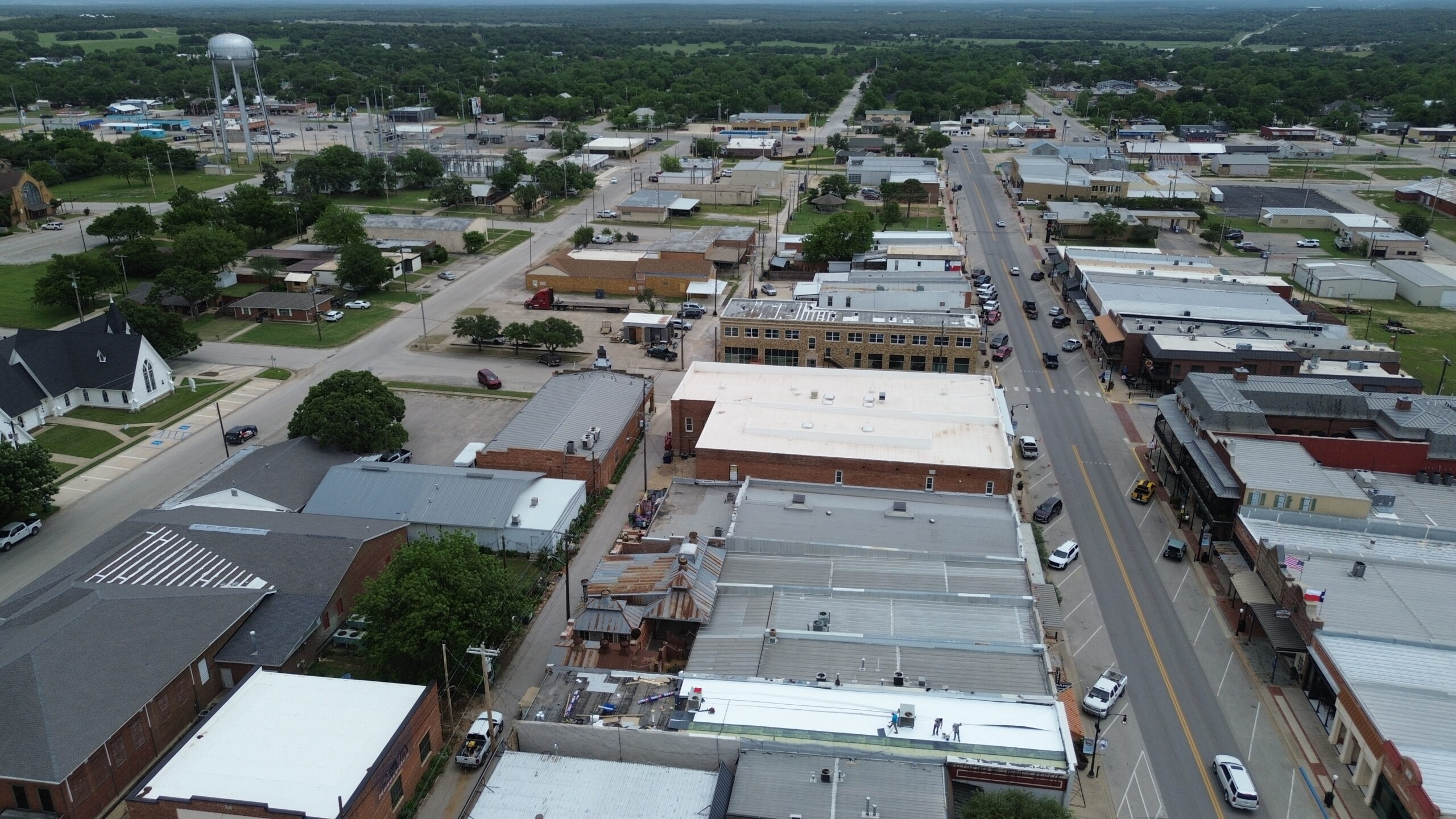
Storms expose roofing systems to forces far greater than those encountered during normal weather conditions. High winds, hail, heavy rainfall, snow accumulation, and falling debris all have the potential to affect structural stability, even when visible damage appears relatively minor. Professional inspections following severe weather help determine whether hidden structural problems have developed.
Wind uplift is one of the most common causes of structural roof damage. Strong winds create upward pressure beneath roofing materials, placing stress on shingles, decking, fasteners, and framing connections. Although shingles may remain attached after the storm, the underlying structural components may have experienced movement that deserves further evaluation.
Inspectors examine roof edges, ridge lines, and corners carefully because these locations experience the greatest wind forces. Loose fasteners, shifted decking, or separated framing connections often indicate that the roof has been subjected to unusually high stress during severe weather.
Hail damage extends beyond cosmetic dents or cracked shingles. Large hailstones may weaken roofing materials, fracture protective coatings, or create small openings that eventually allow moisture into structural components. Inspectors evaluate both surface damage and the possibility of hidden structural effects caused by repeated impacts.
Heavy snow introduces significant structural loading. Roofs are designed to support expected snow loads, but unusually heavy accumulation or drifting snow may place excessive pressure on framing members. Inspectors look for signs of sagging, cracked framing, or shifting structural components after major snow events.
Fallen trees and large branches create another source of structural damage. Even when impact appears localized, the force may transfer through multiple framing members beneath the roof covering. Inspectors examine surrounding structural components carefully to determine whether hidden damage extends beyond the obvious impact area.
Intense rainfall often exposes weaknesses created during previous storms. Water entering through damaged roofing materials quickly reaches structural components, accelerating deterioration if repairs are delayed. Inspectors evaluate moisture pathways to identify both recent storm damage and older defects that severe weather has made worse.
Not every storm causes structural damage, but every major weather event deserves careful evaluation. Professional inspections provide reassurance when the roof remains structurally sound while ensuring that hidden damage does not continue progressing unnoticed.
Roof Load Distribution and Weight Assessment
Every roof is designed to support specific loads while transferring that weight safely through the building’s structural framework. During professional inspections, understanding how these loads affect the roof helps inspectors identify areas experiencing unusual stress or developing structural weaknesses.
Dead load refers to the permanent weight of the roofing system itself. This includes shingles, tiles, metal panels, underlayment, decking, insulation, flashing, and structural framing. Because these materials remain in place throughout the life of the roof, they form the foundation of structural load calculations.
Live load consists of temporary weight placed on the roof. Snow accumulation, maintenance workers, construction materials, rainwater, and temporary equipment all contribute to live loading. Inspectors evaluate whether the roof continues performing safely under these changing conditions.
Snow load becomes especially important in colder climates where winter storms may deposit large amounts of snow across the roof surface. Uneven accumulation creates localized stress that may affect specific framing members more than others. Inspectors examine areas where drifting snow commonly develops because these locations often experience the greatest structural demands.
Modern buildings sometimes include additional rooftop equipment such as solar panels, satellite systems, heating and cooling units, or communication equipment. Although these installations are common, they increase the total weight carried by the roof. Inspectors verify that structural components remain capable of supporting these added loads without excessive movement.
Balanced load distribution is critical for long term structural stability. When one section of the roof weakens because of moisture damage or aging, neighboring framing members begin carrying additional weight. This redistribution often accelerates structural deterioration if repairs are postponed.
Inspectors also evaluate signs of overloading that may have developed over many years. Slight roof sagging, deflected rafters, separated joints, or cracking around structural connections may indicate that loads are no longer being distributed evenly throughout the roofing system.
Understanding load behavior allows inspectors to identify not only existing structural damage but also conditions that may eventually lead to future problems. Correcting these issues early helps preserve the roof’s ability to perform safely under changing environmental conditions.
The following table summarizes several important structural components, the problems inspectors commonly identify, and the potential consequences if repairs are delayed.
| Structural Component | Common Problems | Inspection Method | Repair Urgency | Risk if Ignored |
|---|---|---|---|---|
| Roof Decking | Moisture damage, soft spots, delamination | Visual inspection and moisture evaluation | High | Structural weakening and roof failure |
| Rafters | Cracks, warping, wood rot | Attic inspection and structural assessment | High | Reduced load carrying capacity |
| Trusses | Joint movement, damaged connector plates | Visual inspection and alignment check | High | Loss of structural stability |
| Ridge Board or Ridge Beam | Separation, shifting, sagging | Structural alignment evaluation | Moderate to High | Uneven roof support |
| Ceiling Joists | Sagging, cracking, moisture damage | Interior and attic inspection | Moderate | Ceiling movement and structural stress |
| Fasteners and Connectors | Corrosion, loose connections | Close visual examination | Moderate | Component movement and weakening |
Evaluating structural loads and supporting components together provides a complete understanding of roof performance. Rather than focusing on isolated defects, professional inspectors examine how every structural element contributes to the stability and safety of the entire roofing system, allowing repairs to address the underlying cause instead of only the visible symptoms.
Advanced Tools Used During Structural Roof Inspections
Modern roof inspections rely on more than visual observations. While experienced inspectors can recognize many structural warning signs with the naked eye, advanced technology helps confirm hidden problems, improve accuracy, and document findings in greater detail. These tools allow inspectors to evaluate structural integrity without causing unnecessary damage to the roofing system.
Moisture meters are among the most commonly used inspection tools. They measure the amount of moisture inside wood, drywall, insulation, and other building materials, helping inspectors identify water intrusion before visible deterioration becomes apparent. Elevated moisture readings often indicate hidden leaks that could eventually weaken structural framing if left untreated.
Infrared thermal imaging provides another valuable method for detecting concealed problems. Thermal cameras identify temperature differences across roof surfaces and structural components, revealing areas where trapped moisture, missing insulation, or air leakage may exist. These temperature variations often guide inspectors toward locations requiring closer examination.
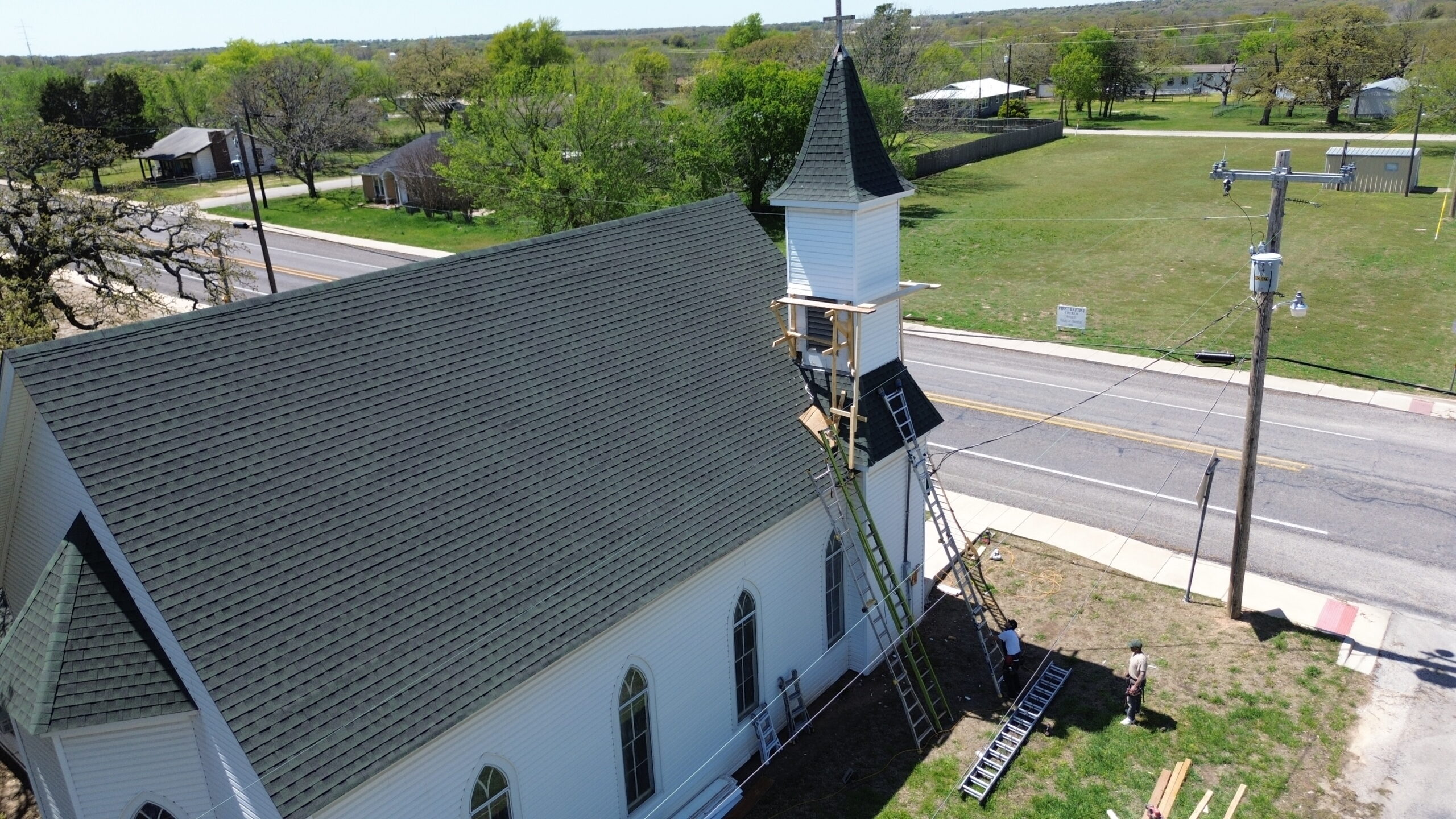
Drone technology has become increasingly valuable for structural inspections, particularly on steep or difficult to access roofs. High resolution aerial images allow inspectors to evaluate roof alignment, surface irregularities, flashing condition, and storm damage from multiple perspectives without placing unnecessary weight on potentially weakened roofing structures.
Laser measuring tools help inspectors identify subtle structural movement that may not be obvious during visual observation alone. Measuring roof slopes, ridge alignment, and surface elevations allows professionals to detect gradual sagging or shifting that could indicate structural deterioration beneath the roof covering.
Digital inspection software organizes photographs, measurements, inspection notes, and repair recommendations into comprehensive reports. These records create a permanent history of the roof’s condition, allowing future inspections to compare changes over time. Tracking gradual structural movement often provides valuable information when determining whether repairs should be completed immediately or monitored further.
Technology improves inspection accuracy, but it does not replace professional judgment. Experienced inspectors understand how to interpret data from these tools while considering the roof’s age, construction method, environmental exposure, and maintenance history. Combining advanced equipment with roofing expertise provides the most reliable structural evaluation.
Professional vs DIY Structural Roof Inspections
Many homeowners perform occasional roof observations to check for visible damage after storms or seasonal weather changes. While these inspections are useful for identifying obvious problems, they cannot replace comprehensive structural evaluations performed by experienced professionals. Structural integrity involves many hidden components that require specialized knowledge to assess accurately.
Homeowners can safely observe several conditions from the ground. Missing shingles, damaged gutters, fallen branches, sagging roof lines, or visible storm damage often indicate that a professional inspection should be scheduled. Interior observations such as ceiling stains, attic moisture, or unexplained cracks in walls also provide valuable warning signs.
However, many structural problems develop in areas that homeowners cannot safely or easily examine. Roof decking hidden beneath shingles, framing connections inside the attic, weakened fasteners, moisture trapped within structural members, and subtle load distribution changes all require professional evaluation.
Safety is another important reason to avoid climbing onto the roof unnecessarily. Steep slopes, aging roofing materials, wet surfaces, and unstable structural conditions create serious fall hazards. Attempting to inspect these areas without proper equipment increases the risk of injury while potentially causing accidental roof damage.
Professional inspectors follow systematic evaluation procedures rather than focusing only on visible defects. They assess the relationship between framing members, decking, ventilation, moisture exposure, and roofing materials to determine whether the entire structural system continues performing as intended.
Specialized equipment further improves inspection quality. Moisture meters, infrared cameras, drones, and precision measuring tools reveal conditions that cannot be identified during casual observation. These technologies provide objective information supporting accurate repair recommendations.
Professional reports also offer long term value by documenting the roof’s condition with photographs, measurements, and maintenance recommendations. These records become useful references during future inspections, insurance claims, and property sales.
The most effective maintenance strategy combines regular homeowner awareness with scheduled professional evaluations. Homeowners monitor visible changes throughout the year, while qualified inspectors perform detailed structural assessments that identify hidden concerns before they become major problems.
Maintaining Long Term Roof Structural Integrity
Maintaining structural integrity requires continuous attention rather than occasional repairs after visible damage appears. Preventive maintenance reduces stress on roofing components, minimizes moisture related deterioration, and helps preserve the strength of the entire roofing system throughout its expected lifespan.
Routine roof inspections remain one of the most effective maintenance practices. Evaluating the roof at regular intervals allows inspectors to identify small structural concerns before they spread to surrounding components. Early detection often limits repairs to localized areas instead of requiring extensive structural restoration.
Prompt repairs also play an essential role in preserving roof strength. Loose flashing, damaged shingles, small leaks, or deteriorated sealants may appear minor initially, but delaying repairs allows moisture and structural stress to increase over time. Addressing these issues quickly helps prevent more significant damage.
Attic ventilation deserves continuous attention because it directly affects structural wood. Proper airflow reduces excess heat during summer while limiting condensation throughout winter. Balanced ventilation helps maintain stable moisture levels that protect framing members, roof decking, and insulation.
Keeping gutters and downspouts clean throughout the year also supports structural integrity. Effective drainage prevents water from accumulating along roof edges, reducing moisture exposure that could eventually damage fascia boards, roof decking, or supporting framing.
Tree maintenance provides another layer of protection. Overhanging branches can scrape roofing materials, drop heavy debris onto the roof, or break during storms and impact structural components. Regular pruning reduces these risks while improving sunlight exposure and roof drying after rainfall.
Maintaining inspection records allows homeowners to monitor roof performance over many years. Comparing inspection reports, photographs, and completed repairs helps identify gradual structural changes that may otherwise remain unnoticed. This documentation also supports more effective maintenance planning.
Long term structural protection depends on several consistent maintenance practices.
- Schedule professional inspections regularly.
- Repair roof damage as soon as it is identified.
- Keep gutters and drainage systems clean.
- Maintain proper attic ventilation.
- Trim nearby trees before storm seasons.
- Monitor interior ceilings and attic spaces for moisture.
- Preserve inspection reports and repair records.
Consistent maintenance extends roof lifespan while reducing the likelihood of unexpected structural failures. Small preventive measures completed throughout the year provide lasting benefits for the entire building.
Common Structural Roof Inspection Mistakes to Avoid
Even well maintained roofs can develop structural problems if important warning signs are overlooked. Understanding the most common inspection mistakes helps homeowners make better maintenance decisions while reducing the risk of long term structural deterioration.
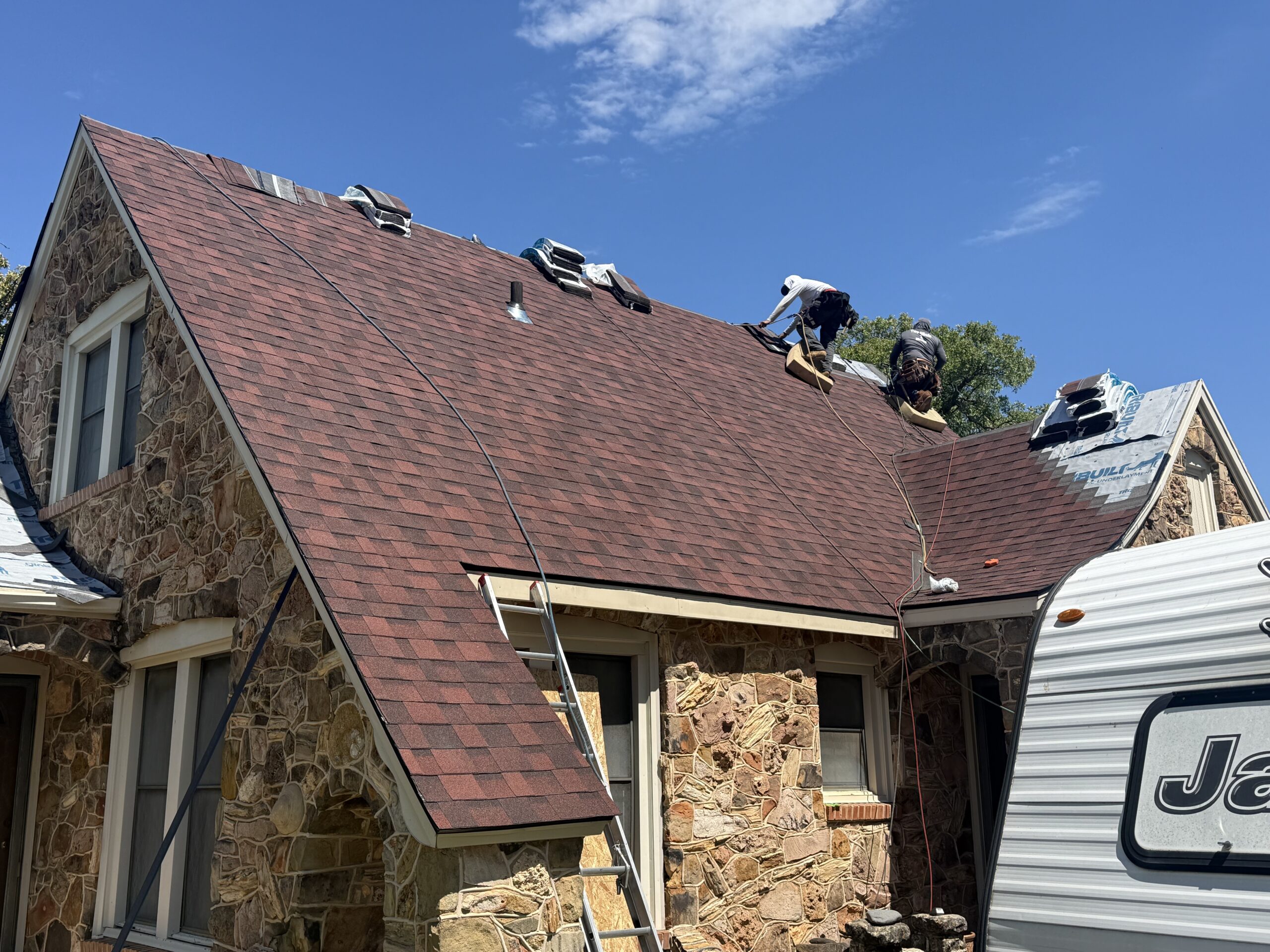
One of the most frequent mistakes is assuming that an attractive roof surface guarantees structural stability. Roofing materials may appear to be in excellent condition while hidden framing, decking, or fasteners continue deteriorating beneath the surface. Professional inspections evaluate both visible and concealed structural components.
Another common mistake involves postponing inspections until leaks appear indoors. By the time water stains become visible on ceilings or walls, moisture has often been affecting structural components for an extended period. Early inspections detect hidden leaks before widespread wood damage develops.
Ignoring minor roof sagging is another costly decision. Slight changes in roof alignment sometimes appear harmless but may indicate weakened framing or moisture damaged decking. Professional evaluation determines whether these changes represent normal aging or developing structural concerns.
Some homeowners overlook the importance of attic inspections. Because many structural problems first become visible inside the attic, limiting inspections to the exterior roof surface may allow moisture damage, mold growth, or framing deterioration to continue unnoticed.
Overloading the roof with additional equipment also deserves careful consideration. Solar panels, satellite dishes, storage equipment, or heavy mechanical systems increase structural loading. Professional assessment helps verify that the roof can safely support these additions without compromising structural performance.
Hiring inexperienced inspectors represents another avoidable mistake. Structural roof evaluations require knowledge of framing systems, building loads, moisture behavior, ventilation, and construction methods. Choosing qualified professionals improves inspection accuracy and reduces the likelihood of unnecessary repairs or overlooked problems.
Finally, some homeowners complete repairs without addressing the underlying cause of structural damage. Replacing damaged materials without correcting moisture intrusion, ventilation deficiencies, or drainage problems often results in recurring issues. Effective repairs should eliminate both the visible damage and the conditions that caused it.
Avoiding these common mistakes allows homeowners to maintain stronger roofing systems while reducing long term repair expenses. A proactive approach consistently provides better results than waiting until structural damage becomes severe.
Conclusion
Roof structural integrity is the foundation of a safe, durable, and reliable roofing system. While shingles and other roofing materials provide weather protection, the hidden structural framework beneath them supports every load the roof experiences throughout its lifetime. Maintaining this framework requires regular inspections, timely repairs, and careful attention to both visible and concealed warning signs.
Professional inspectors evaluate far more than the roof’s exterior appearance. They examine roof decking, rafters, trusses, ridge components, ceiling joists, fasteners, ventilation systems, moisture conditions, and load distribution to determine whether the entire roofing structure continues performing safely. Advanced inspection tools further improve accuracy by detecting hidden moisture, structural movement, and developing deterioration before obvious damage appears.
Routine structural inspections also provide significant long term benefits. Early detection reduces repair costs, extends roof lifespan, protects property value, improves energy efficiency, and minimizes the risk of unexpected structural failures. Combining homeowner awareness with professional evaluations creates a proactive maintenance strategy that protects both the roof and the building beneath it.
Every roofing system changes over time as it responds to weather, aging, and environmental conditions. Regular structural inspections ensure these changes are identified early, allowing repairs to be completed before they threaten the stability of the entire structure. By investing in consistent roof maintenance and professional structural evaluations, homeowners can preserve the strength, safety, and performance of their roofing system for many years to come.