
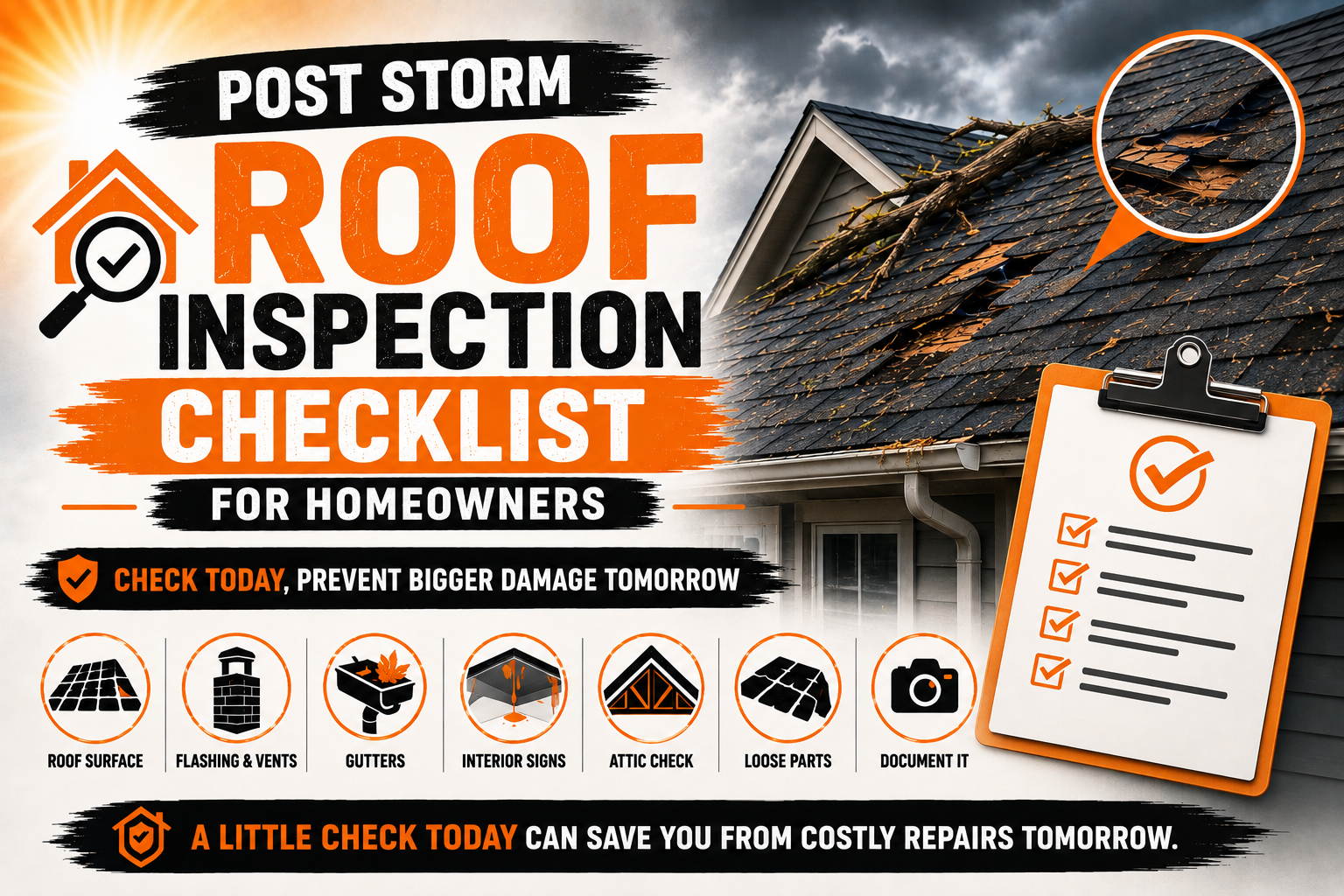
Post Storm Roof Inspection Checklist for Homeowners
Introduction
Storms can affect a roof in ways that are not always visible from the ground. Strong winds, heavy rain, hail, fallen branches, and flying debris may damage roofing materials, weaken structural components, or create small openings that allow water to enter the home. Even when a roof appears undamaged after severe weather, hidden problems may already be developing beneath the surface.
A timely roof inspection is one of the most important steps homeowners can take after a storm. Identifying damage early helps prevent small issues from becoming expensive repairs while protecting the structural integrity of the home. Water intrusion, damaged flashing, loose shingles, and clogged drainage systems can all worsen if left unaddressed.
Many homeowners assume that only major storms require a roof inspection. However, moderate weather events can also create damage that becomes noticeable only weeks or months later. Small leaks, displaced roofing materials, and weakened seals often remain hidden until moisture reaches interior ceilings or walls.
Performing a careful post storm roof inspection does not mean climbing onto the roof immediately. A safe and systematic approach allows homeowners to identify many warning signs from the ground and inside the home before deciding whether professional assistance is needed. Understanding what to look for helps make the inspection more effective while reducing unnecessary safety risks.
This guide provides a comprehensive post storm roof inspection checklist designed specifically for homeowners. It explains how different storms affect roofing systems, outlines safe inspection practices, and highlights the early warning signs that should never be ignored. Later sections will also cover documentation, repair priorities, maintenance strategies, and long term roof protection.
Why Every Post Storm Roof Inspection Matters
A roof serves as the home’s primary barrier against the elements, absorbing the full force of severe weather throughout the year. Every storm places stress on roofing materials, structural supports, flashing, and drainage systems. While some damage is immediately visible, much of it develops gradually beneath the roofing surface.
Small problems created during a storm often become much larger over time. A single lifted shingle may allow rainwater to penetrate the roof deck, eventually damaging insulation, wooden framing, ceilings, and interior finishes. Addressing these issues soon after the storm greatly reduces repair costs and prevents widespread deterioration.
Storm inspections also provide an opportunity to detect structural concerns before they become dangerous. Strong winds can loosen roof connections, hail may weaken protective surfaces, and heavy rainfall can expose drainage deficiencies. Identifying these conditions early improves the roof’s ability to withstand future storms.
Another important reason for prompt inspections involves moisture control. Water entering through damaged roofing materials rarely remains confined to one location. It can spread through insulation, wall cavities, and ceiling spaces before visible stains appear inside the home. Early detection limits moisture damage while reducing the risk of mold development.
Insurance considerations also make timely inspections valuable. Documenting damage soon after a storm creates a clear record of the roof’s condition and supports accurate repair planning. Waiting too long may make it more difficult to distinguish storm related damage from normal aging or previous wear.
Regular post storm inspections also contribute to extending the overall lifespan of the roofing system. Minor repairs completed quickly place less stress on surrounding components and help preserve the roof’s long term performance. Preventive maintenance often costs far less than emergency restoration following major failures.
Every storm provides an opportunity to evaluate the condition of the roof and identify areas requiring attention. Developing the habit of inspecting the roof after severe weather helps homeowners remain proactive rather than reacting only after significant interior damage has already occurred.
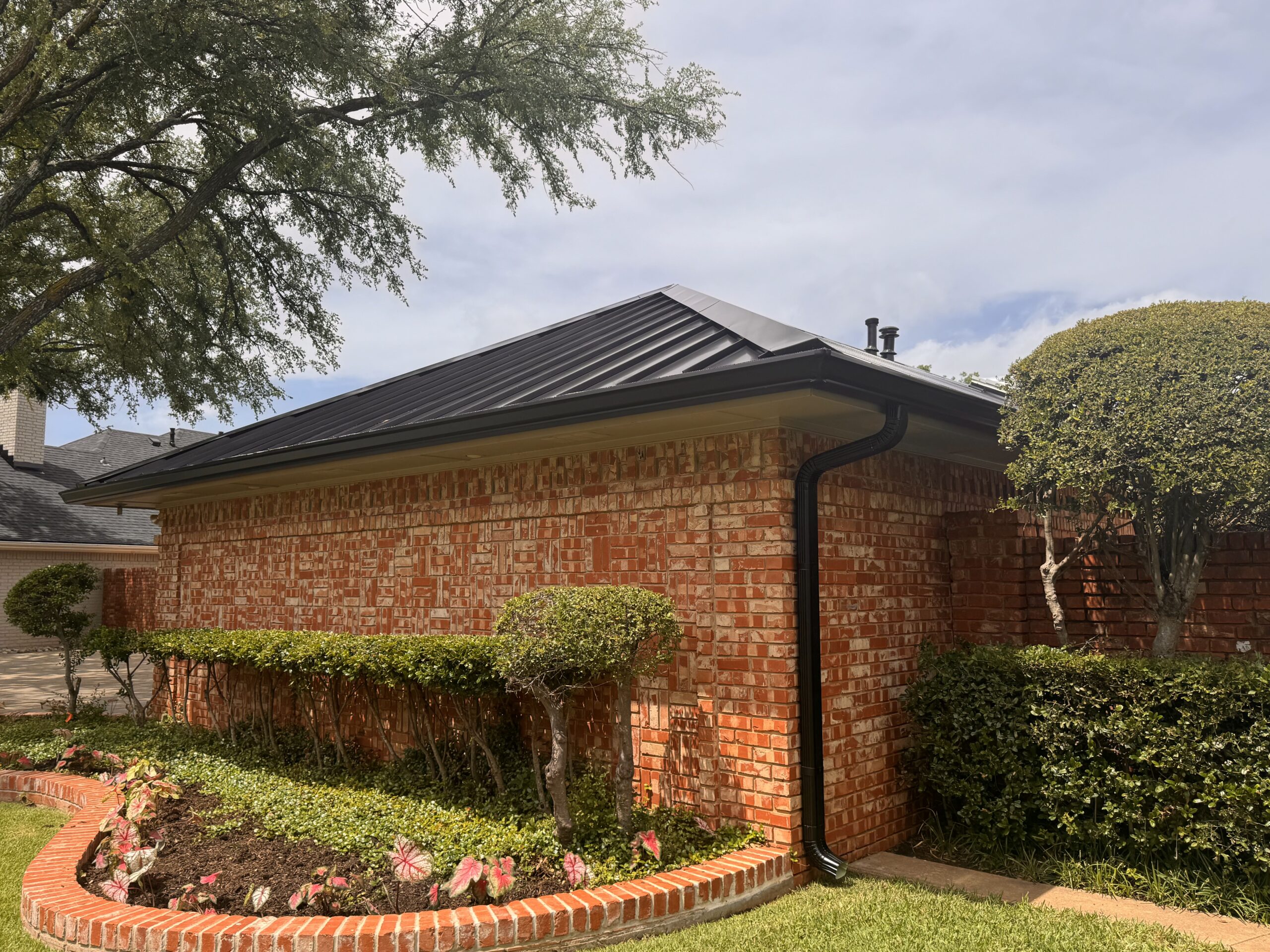
Understanding the Types of Storm Damage Roofs Can Sustain
Storms vary greatly in their intensity and the type of damage they cause. Different weather conditions affect roofing systems in unique ways, making it important to understand how each hazard can impact the structure. Recognizing these damage patterns helps homeowners conduct a more thorough inspection after severe weather.
Wind Damage
Strong winds place tremendous pressure on roofing materials. Gusts can lift shingles, loosen flashing, remove ridge caps, or expose the underlayment beneath the roof covering. Even when shingles remain attached, wind may weaken the adhesive seals that help protect the roof from future storms.
Flying debris carried by high winds creates additional risks. Tree branches, outdoor furniture, and loose building materials may strike the roof with significant force, causing punctures or cracking roofing materials.
Heavy Rain Damage
Heavy rainfall tests every component responsible for keeping water out of the home. Damaged flashing, deteriorated sealants, clogged gutters, or missing shingles allow water to enter areas that normally remain dry.
Rainwater often follows hidden pathways inside the roofing system before becoming visible indoors. As a result, the source of a leak may be several feet away from where water stains eventually appear on ceilings or walls.
Hail Damage
Hail can damage nearly every roofing material depending on the size and speed of the hailstones. Asphalt shingles may lose protective granules, metal roofing can develop dents, and tile roofs may crack or chip under repeated impacts.
The damage is not always obvious immediately after the storm. Small impact marks gradually reduce the roof’s protective capabilities and may shorten the lifespan of roofing materials.
Snow and Ice Damage
Winter storms introduce different challenges than rain or wind events. Heavy snow accumulation places continuous weight on the roof while ice dams prevent melting water from draining properly.
Repeated freeze thaw cycles also cause roofing materials to expand and contract. Over time, this movement weakens joints, flashing, and sealants, increasing the potential for leaks.
Fallen Trees and Branches
Storms frequently cause trees or large branches to fall onto roofs. Even relatively small limbs can crack shingles, puncture roof decking, or damage gutters and flashing.
Larger impacts may compromise structural framing beneath the roof surface. In these situations, visible exterior damage often represents only part of the overall structural concern.
Lightning and Electrical Damage
Although less common, lightning strikes can create serious roof damage. Roofing materials may burn, crack, or become displaced while electrical systems inside the attic can also be affected.
After any suspected lightning strike, both the roofing system and electrical components should be inspected carefully before the home resumes normal operation.
Understanding these storm related damage patterns allows homeowners to inspect more thoroughly rather than focusing only on the most obvious visible problems.
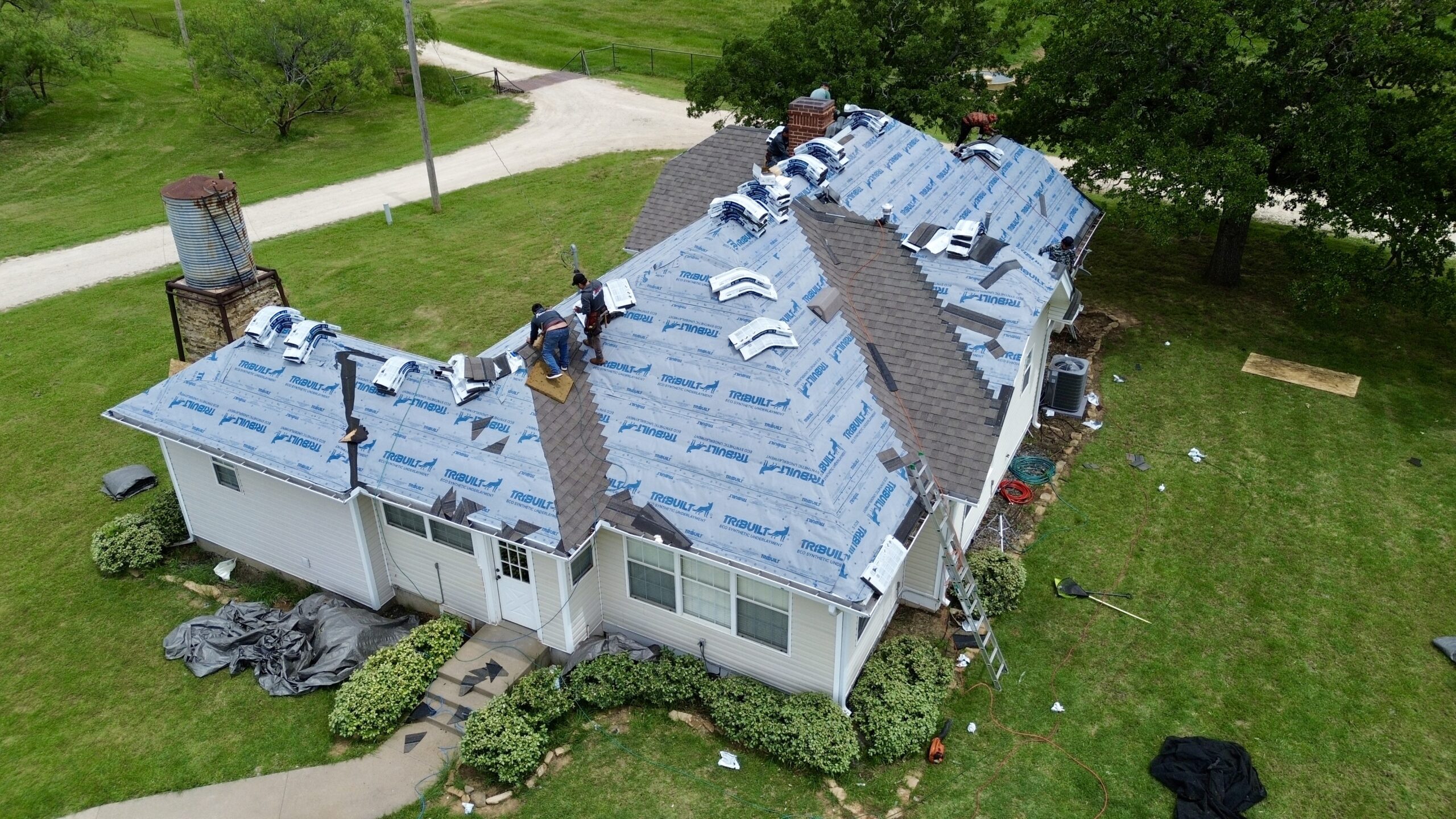
Safety Precautions Before Inspecting Your Roof
Personal safety should always come before inspecting property damage. Storms often leave behind hazardous conditions that are not immediately obvious. Wet surfaces, unstable structures, damaged power lines, and weakened trees can all create significant risks during a roof inspection.
The inspection should never begin until severe weather has completely passed. High winds, lightning, or continuing rainfall increase the danger of slips and falling debris. Waiting for stable weather conditions allows homeowners to inspect more safely and observe damage more clearly.
Begin the inspection from the ground whenever possible. Many roof problems can be identified using binoculars or a camera with zoom capability without climbing onto the roof. This approach greatly reduces the risk of falls while still providing valuable information about the roof’s condition.
Homeowners should avoid walking on roofs that may have been damaged during the storm. Structural weakening, loose shingles, hidden soft spots, or wet roofing materials make walking especially dangerous. Even experienced individuals should avoid climbing onto roofs that have not been professionally evaluated after severe weather.
Pay attention to hazards surrounding the home before beginning the inspection. Broken tree limbs hanging overhead, damaged utility lines, unstable fences, and scattered debris should all be noted and avoided. Electrical hazards require immediate attention from the utility provider before inspection activities continue.
If attic access is available, enter only when there are no signs of significant structural damage. Sagging ceilings, loud creaking sounds, or visible roof movement indicate that the attic should remain off limits until professionals have determined the structure is safe.
Basic safety equipment also improves protection during the inspection process. Sturdy footwear with good traction, work gloves, protective eyewear, and a flashlight for attic inspections all help reduce common hazards.
The following precautions should always be completed before beginning any roof inspection:
- Wait until the storm has completely ended.
- Inspect from the ground before considering closer examination.
- Stay away from damaged power lines.
- Avoid walking on potentially weakened roofing surfaces.
- Watch for unstable trees and hanging branches.
- Enter the attic only if structural conditions appear safe.
Taking these precautions ensures that the inspection remains focused on identifying roof damage without exposing homeowners to unnecessary risks.
Starting Your Exterior Roof Inspection
The exterior inspection provides the first opportunity to evaluate how the storm affected the roofing system. Beginning with a broad visual assessment helps identify major concerns before examining individual roof components more closely.
Start by walking around the entire property and viewing the roof from different angles. Looking from multiple directions makes it easier to notice uneven rooflines, sagging areas, or sections where roofing materials appear displaced. Comparing opposite sides of the roof can also reveal subtle changes that may not be obvious from one viewpoint.
Pay close attention to the overall roof shape. A roof ridge that appears bent or sections that dip noticeably may indicate structural movement beneath the roofing materials. Although these changes sometimes develop gradually, storms can accelerate existing structural weaknesses.
Next, examine the roof covering itself. Missing shingles, cracked tiles, bent metal panels, or exposed underlayment all suggest that wind or debris has compromised the protective surface. Even small areas of missing roofing material deserve prompt attention because they provide direct pathways for water intrusion.
Roof edges also require careful observation. High winds often begin lifting roofing materials near eaves, ridges, and gable ends where wind pressures are greatest. Loose edge materials should be repaired before future storms increase the damage.
Inspect roof penetrations such as chimneys, skylights, plumbing vents, and exhaust vents. Flashing surrounding these features may separate or bend during severe weather, allowing water to enter around otherwise intact roofing materials.
Homeowners should also examine nearby landscaping for clues about roof damage. Fresh shingle granules accumulating near downspouts, broken roofing fragments in the yard, or pieces of flashing on the ground often indicate that damage has occurred above.
Take clear photographs throughout the inspection. Wide angle photographs show the overall condition of the roof while close up images document specific areas of concern. Good documentation supports later repair planning and provides a useful record if additional damage develops before repairs begin.
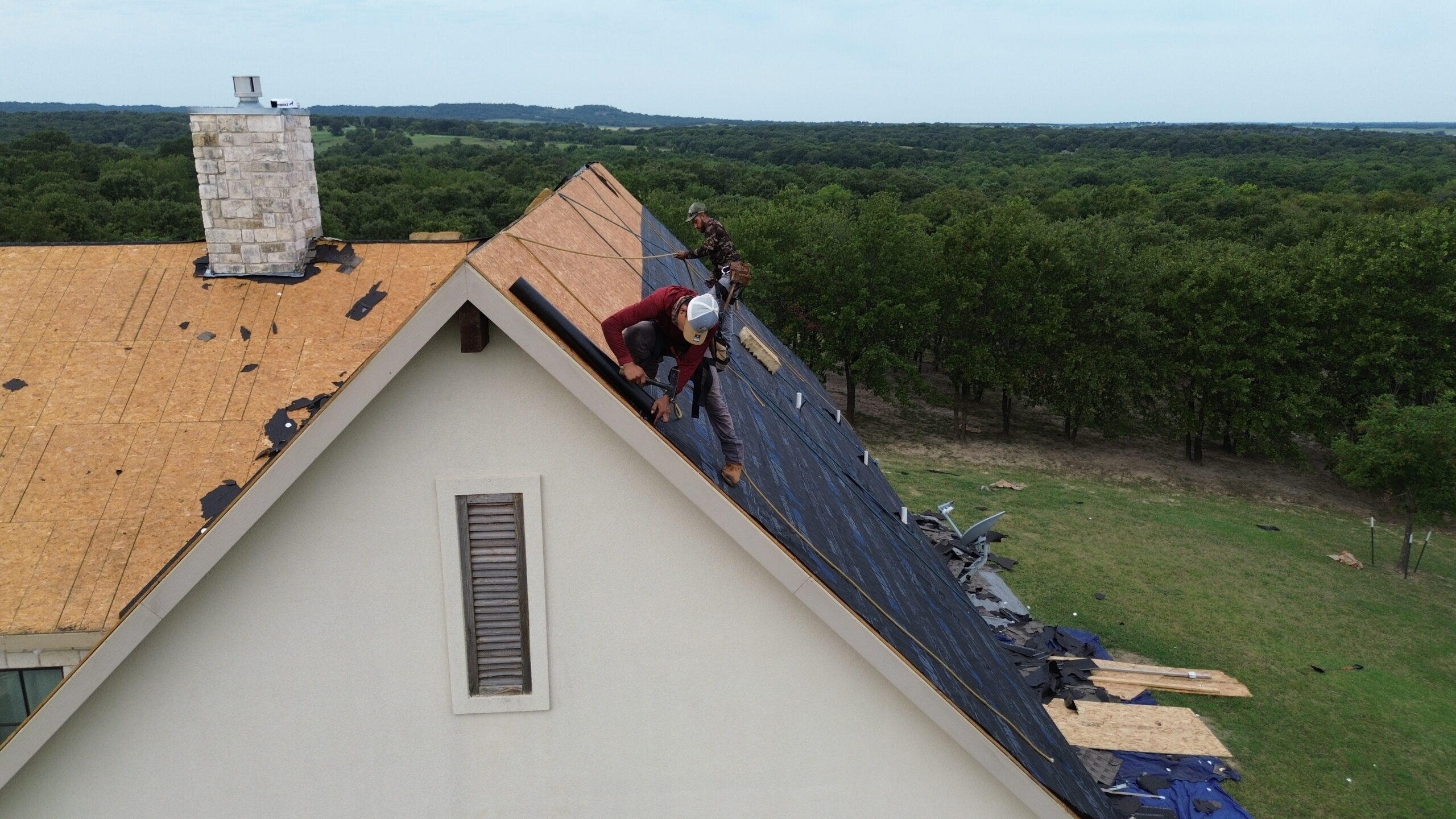
Checking Gutters, Downspouts, and Roof Drainage Systems
A roof inspection should always include the drainage system because gutters and downspouts play a vital role in protecting both the roof and the home’s foundation. Storm damage often affects these components even when the roof covering itself appears relatively undamaged.
Begin by examining gutters along the entire roof edge. Look for sections that have pulled away from the fascia, become bent, or started sagging after the storm. Heavy rainfall, wind driven debris, or fallen branches frequently damage gutter supports.
Check for blockages that may have formed during the storm. Leaves, twigs, roofing granules, and other debris can prevent water from flowing properly through the drainage system. Clogged gutters increase the risk of overflowing water that may enter beneath roofing materials.
Downspouts should also be inspected carefully. Ensure they remain securely attached and free of obstructions that could restrict water flow. Damaged downspouts reduce drainage efficiency and allow water to collect around the home’s foundation.
Granules from asphalt shingles often accumulate inside gutters following hailstorms or strong winds. While some granule loss occurs naturally as roofs age, unusually large amounts immediately after a storm may indicate that shingles have sustained impact damage.
Standing water remaining inside gutters long after rainfall has ended may suggest improper drainage or damaged gutter alignment. Correcting these issues helps prevent future moisture problems and reduces unnecessary stress on the roofing system.
The condition of fascia boards behind the gutters also deserves attention. Soft wood, peeling paint, or water staining may indicate that drainage problems have already begun affecting the roof edge. Repairing these areas promptly helps prevent further structural deterioration.
Identifying Obvious Signs of Roof Damage
The final stage of the initial inspection involves identifying the most visible signs that the storm has affected the roof. Recognizing these indicators allows homeowners to prioritize repairs while determining whether professional evaluation is necessary.
One of the clearest warning signs is missing or displaced roofing materials. Shingles scattered across the yard or exposed sections of roof decking indicate that the roof’s protective barrier has been compromised. These openings should be addressed before additional rainfall occurs.
Cracked, curled, or lifted shingles also deserve attention. Although they may remain attached after the storm, their reduced ability to shed water increases the likelihood of future leaks. Wind damaged shingles often continue deteriorating if repairs are delayed.
Metal roofing systems should be inspected for dents, loose fasteners, or separated panels. Even minor panel movement can allow wind driven rain to enter beneath the roofing surface during future storms.
Visible debris impacts provide another important clue. Branches resting on the roof, puncture marks, or damaged flashing often indicate concentrated impact areas requiring closer examination. Damage beneath these locations may extend beyond what is immediately visible.
Inside the home, fresh ceiling stains, damp attic insulation, or water dripping during rainfall confirm that the roof has already allowed moisture inside. These symptoms should never be ignored because hidden damage often extends beyond the visible leak.
To help organize the inspection process, homeowners should remember these priority warning signs:
- Missing or lifted roofing materials.
- Cracked, dented, or punctured roof surfaces.
- Bent or separated flashing around roof penetrations.
- Damaged gutters or detached downspouts.
- Fresh interior water stains or attic moisture.
- Visible sagging or uneven roof sections.
Identifying these warning signs completes the foundation of a thorough post storm inspection. In the next section, we will examine hidden interior damage, create a practical homeowner inspection checklist, discuss proper documentation techniques, and explain how to prepare for repairs while avoiding common inspection mistakes.
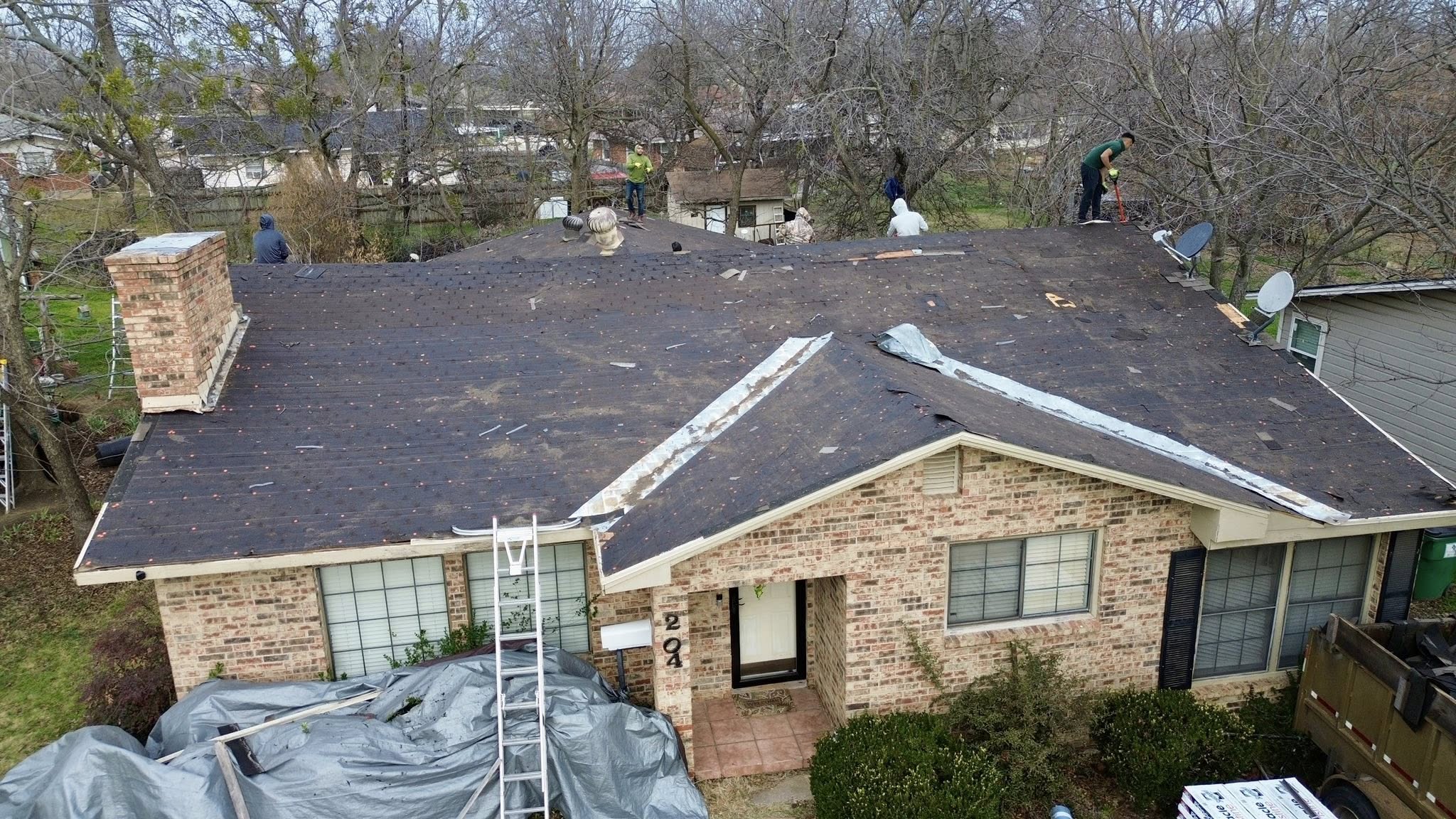
Inspecting the Interior for Hidden Roof Damage
The condition of the roof cannot be fully evaluated from the outside alone. Many storm related problems begin beneath the roofing materials and only become visible inside the home after moisture has traveled through insulation, framing, or drywall. A careful interior inspection helps identify these hidden issues before they become major structural concerns.
Begin by examining the ceilings in every room, especially those directly beneath the roof. Look for new water stains, discoloration, bubbling paint, or peeling wallpaper. Even small marks may indicate that water has entered through damaged roofing materials and is spreading within the structure.
Pay close attention to ceiling corners and areas around light fixtures. Moisture often follows framing members before becoming visible, causing stains to appear some distance away from the actual roof damage. This makes it important to inspect the entire ceiling rather than only the most obvious spots.
Walls should also be checked carefully. Vertical or diagonal cracks that appeared after the storm may suggest structural movement, while damp drywall or soft surfaces often indicate hidden water intrusion. Moldy odors inside upper level rooms can also point to moisture trapped behind finished surfaces.
The attic provides one of the best opportunities to detect storm damage early. If conditions appear safe, inspect the attic during daylight hours using a flashlight. Look for damp insulation, water stains on roof decking, visible daylight entering through the roof, or signs of mold growth around wooden framing.
Roof framing deserves careful attention during the attic inspection. Bent rafters, cracked trusses, separated joints, or loose metal connectors may indicate that the storm placed unusual stress on the roof structure. Although these issues may not always require extensive repairs, they should be evaluated promptly.
Ventilation systems should also be examined. Storms can shift roof vents or damage vent flashing, allowing rainwater to enter the attic. Wet ventilation ducts, disconnected pipes, or excessive condensation may all indicate roofing problems that require further investigation.
Interior inspections should be completed soon after the storm whenever possible. Early detection limits water damage and helps preserve the structural integrity of the home before hidden moisture spreads to additional building components.
Examining Roofing Components Closely
A thorough inspection includes evaluating each major roofing component individually. Storm damage often affects certain areas more severely than others, making it important to examine every part of the roofing system rather than focusing only on visible leaks.
Shingles should be checked for cracking, curling, lifting, missing granules, or complete displacement. High winds may loosen shingles without removing them entirely, leaving them vulnerable during the next storm. Hail impacts often appear as small circular marks where protective granules have been knocked away.
Flashing requires equally careful attention because it protects the joints where water is most likely to enter. Inspect flashing around chimneys, skylights, roof valleys, dormers, plumbing vents, and wall intersections. Bent metal, separated sealants, or loose fasteners can all create pathways for water intrusion.
Roof valleys deserve special consideration because they collect large volumes of rainwater. Debris accumulation, damaged flashing, or worn roofing materials in these areas increase the likelihood of leaks. Valleys should remain clear to allow water to flow freely toward the gutters.
Ridge caps should also be inspected following strong winds. Missing ridge shingles or loose ridge vent components expose vulnerable areas near the highest point of the roof. Because these sections receive constant wind exposure, even minor damage can worsen quickly.
Skylights and roof windows should be examined for cracked glass, damaged seals, and loose flashing. Water entering around skylights often travels behind interior finishes before becoming visible, making prompt inspection especially important.
Metal roofing systems require attention to fasteners and panel connections. Loose screws, shifted panels, or damaged seams may not leak immediately, but they reduce the roof’s resistance to future storms. Properly securing these components helps restore the roofing system’s performance.
Roof vents and exhaust pipes should remain securely attached after the storm. Bent vent covers or damaged flashing around penetrations increase the risk of leaks while also affecting attic ventilation. Maintaining these components helps preserve both weather protection and indoor air quality.
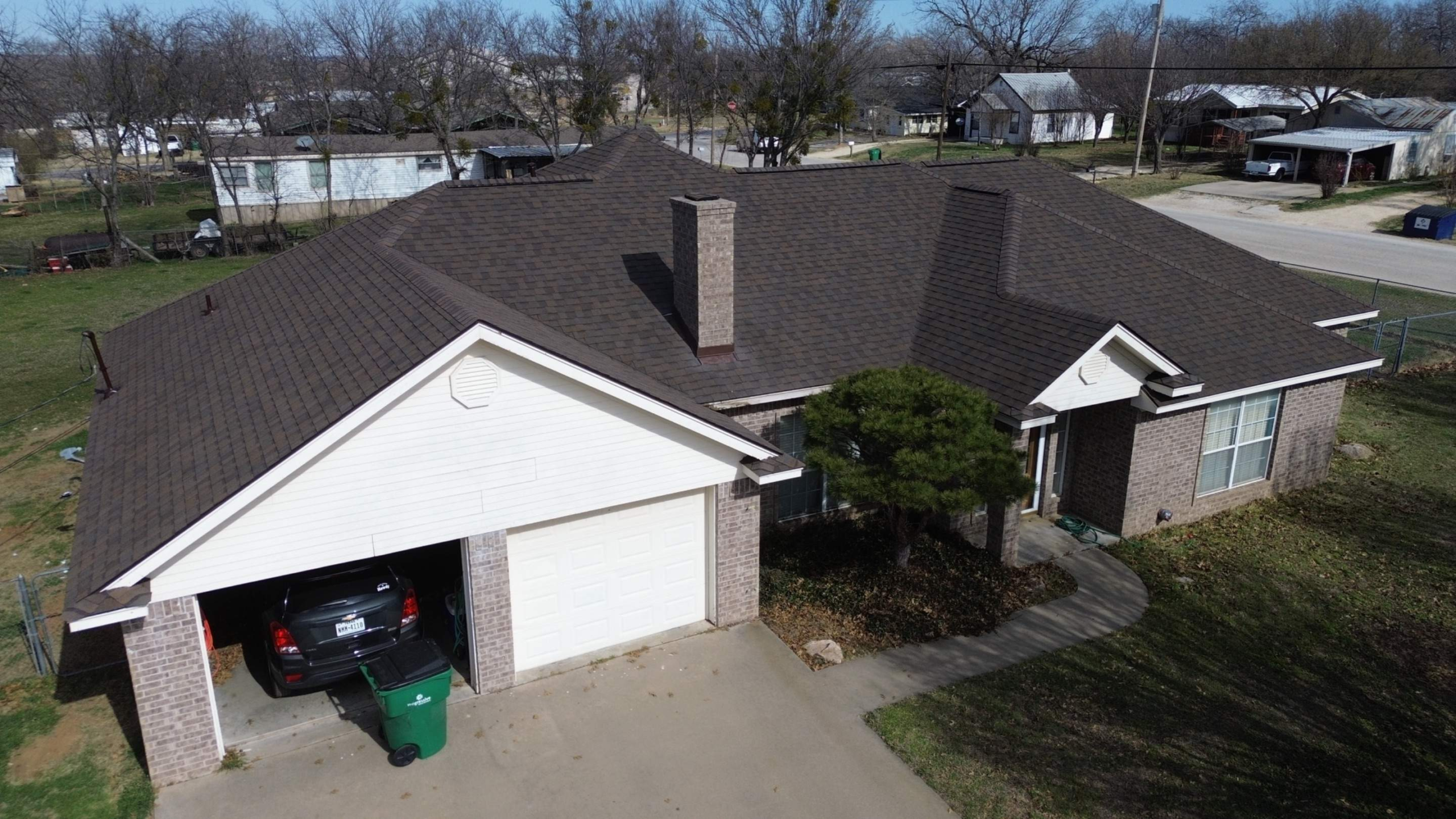
Using a Homeowner Roof Inspection Checklist
Following a structured checklist helps ensure that important inspection areas are not overlooked. A systematic approach also makes it easier to compare the roof’s condition after future storms and maintain consistent maintenance records.
The checklist should begin with observations made from the ground before moving indoors. This approach minimizes unnecessary risks while allowing homeowners to identify visible damage that may require professional attention.
Below is a practical checklist that homeowners can use after most storms.
| Inspection Area | What to Check | Status |
|---|---|---|
| Roofline | Sagging, uneven sections, structural changes | ☐ |
| Roofing materials | Missing, cracked, curled, or lifted shingles | ☐ |
| Flashing | Loose, bent, or separated flashing | ☐ |
| Gutters | Debris, sagging, loose brackets, leaks | ☐ |
| Downspouts | Blockages, dents, loose connections | ☐ |
| Roof penetrations | Chimneys, skylights, vents, pipe flashing | ☐ |
| Attic | Moisture, daylight, mold, damaged framing | ☐ |
| Ceilings | Water stains, peeling paint, cracks | ☐ |
| Interior walls | Damp areas, new cracks, mold odors | ☐ |
| Exterior property | Fallen branches, debris, roofing materials on ground | ☐ |
Using a written checklist also simplifies communication with roofing contractors and insurance representatives. Instead of relying on memory, homeowners can provide a detailed record of every observation made during the inspection.
Keeping completed checklists from previous inspections creates a useful maintenance history. Comparing records over time helps identify recurring issues and allows homeowners to monitor how the roof performs after different types of storms.
Documenting Storm Damage for Insurance Purposes
Accurate documentation is one of the most valuable parts of any post storm roof inspection. Detailed records help establish when damage occurred, support repair planning, and provide important information if an insurance claim becomes necessary.
Photographs should be taken before any cleanup or temporary repairs begin whenever it is safe to do so. Capture wide images of the entire roof as well as close up photographs of damaged shingles, flashing, gutters, fallen branches, and any other affected components. Images taken from several angles provide a more complete record of the damage.
Interior photographs are equally important. Water stains, damaged ceilings, wet insulation, cracked drywall, and visible attic leaks should all be documented carefully. These images help demonstrate how the roof damage affected other areas of the home.
Written notes should accompany the photographs. Record the date and approximate time of the storm, weather conditions, when the damage was discovered, and any changes observed during the inspection. Organized notes create a timeline that can be valuable during repair planning.
If emergency repairs become necessary, save all receipts and invoices. Temporary tarps, debris removal, water extraction, or emergency structural stabilization may all be reimbursable depending on the insurance policy. Maintaining complete financial records helps simplify later discussions.
Homeowners should also retain inspection reports prepared by roofing contractors or structural professionals. These reports provide independent assessments of the roof’s condition and often include repair recommendations that support restoration planning.
Communication records should not be overlooked. Keep copies of emails, written estimates, inspection summaries, and any correspondence related to the damage. Organized documentation creates a clear history that remains useful throughout the repair process.
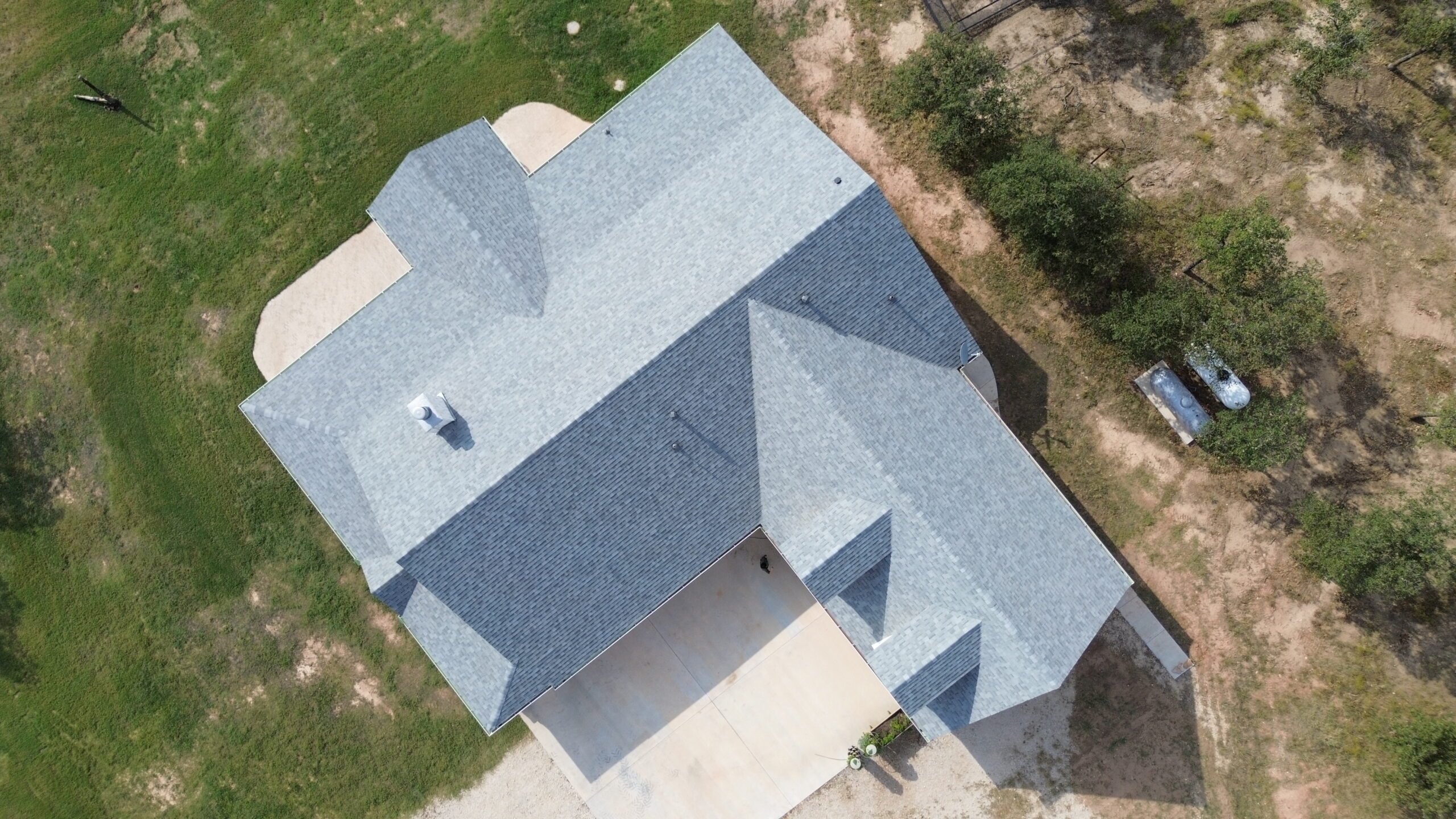
When Temporary Protective Measures Are Appropriate
Permanent repairs may not always begin immediately after a storm. Material availability, weather conditions, or scheduling delays can leave the roof exposed for days or even weeks. Temporary protective measures help minimize additional damage while permanent restoration plans are being finalized.
Emergency roof tarps are among the most common temporary solutions. Properly installed tarps cover damaged areas and reduce the amount of rain entering the structure. They should be secured carefully without causing unnecessary damage to surrounding roofing materials.
Small leaks inside the home should be managed quickly to reduce interior damage. Containers placed beneath active leaks help protect flooring and furniture, while removing wet items from the affected area reduces the risk of mold growth. Wet insulation should also be evaluated because it loses much of its insulating effectiveness once saturated.
Loose roofing materials should not be ignored. Shingles, flashing, or metal panels that remain partially attached may become airborne during the next storm. Securing these components temporarily helps prevent additional property damage until permanent repairs can be completed.
Tree branches resting on the roof should only be removed if it can be done safely. Large limbs may be supporting damaged roof sections, and improper removal can worsen structural damage. Professional assistance is often the safest option in these situations.
Temporary repairs should always be viewed as short term protection rather than permanent solutions. Even if the roof appears dry after emergency measures are completed, underlying damage may still require professional repair to restore the roof’s full performance.
Common Mistakes Homeowners Should Avoid During Roof Inspections
Many roof inspections become less effective because homeowners unintentionally overlook important details or take unnecessary risks. Avoiding these common mistakes improves both safety and the accuracy of the inspection.
One of the most frequent errors is climbing onto the roof immediately after the storm. Wet roofing materials, hidden structural damage, and loose debris create hazardous conditions that greatly increase the risk of falls. Ground level observations often provide enough information to determine whether professional help is needed.
Another mistake involves focusing only on missing shingles. Storm damage frequently affects flashing, gutters, roof decking, attic insulation, and structural framing. A complete inspection considers the entire roofing system rather than only the outer surface.
Some homeowners postpone inspections because no leaks are immediately visible. Unfortunately, water intrusion often remains hidden for days or weeks before stains appear indoors. Delayed inspections allow moisture to spread, increasing repair costs and structural deterioration.
Ignoring the attic is another common oversight. Many roof leaks become visible in the attic long before they appear on interior ceilings. Regular attic inspections after storms help identify problems at an earlier stage when repairs are usually simpler.
Discarding damaged roofing materials too quickly can also create problems. Broken shingles, flashing, or other storm damaged components may provide useful evidence during insurance evaluations. Keeping these materials until they are no longer needed is generally a good practice.
Finally, many homeowners underestimate the value of documentation. Taking only a few photographs or relying on memory often results in incomplete records. Comprehensive documentation supports repair planning while providing a valuable reference if additional damage develops later.
To summarize, avoid these common inspection mistakes:
- Climbing onto an unsafe roof.
- Inspecting only the shingles.
- Delaying the inspection because no leaks are visible.
- Skipping the attic evaluation.
- Throwing away damaged materials too soon.
- Failing to document the damage thoroughly.
Avoiding these errors allows homeowners to complete a more effective inspection while improving the chances of identifying hidden storm damage early. In the final section of this guide, we will explore when professional roofing assistance becomes necessary, how to prioritize repairs, strategies for preventing future storm damage, practical maintenance tips, frequently asked questions, and the concluding recommendations that bring the complete inspection process together.
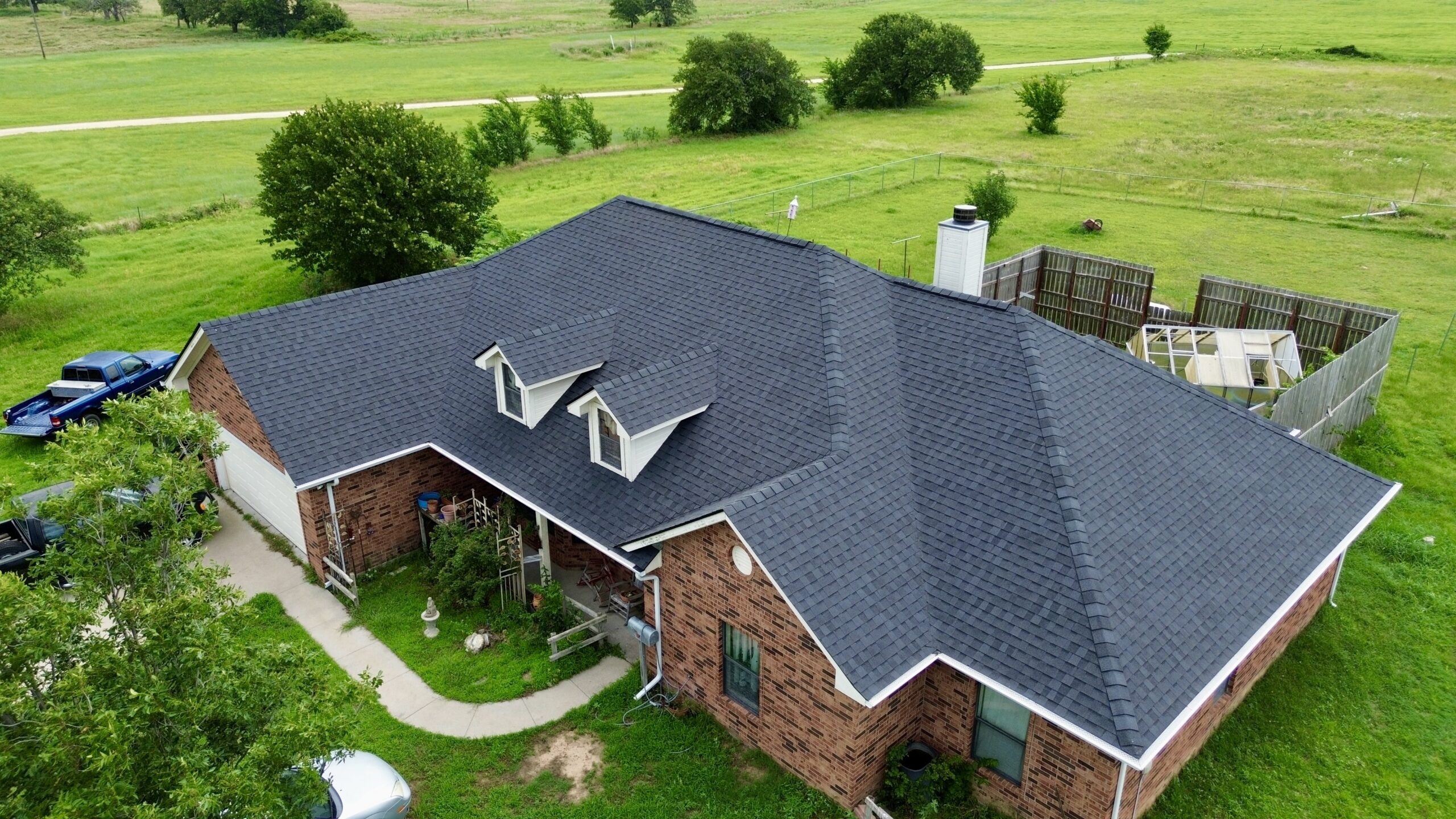
Knowing When to Call a Professional Roofing Contractor
While homeowners can identify many visible signs of storm damage, certain situations require professional expertise. Roofing contractors have the experience, equipment, and training needed to evaluate structural conditions that may not be obvious during a visual inspection. Calling a professional at the right time helps prevent minor issues from becoming major structural problems.
One of the clearest reasons to schedule a professional inspection is visible roof sagging. A roof that appears uneven or has developed low spots after a storm may have suffered structural damage beneath the roofing materials. Continuing to occupy the home without a proper evaluation could create unnecessary safety risks.
Professional assistance is also recommended when large sections of roofing materials are missing. Exposed roof decking allows water to enter the home quickly, increasing the likelihood of damage to insulation, ceilings, walls, and electrical systems. Prompt repairs reduce the amount of secondary damage caused by additional rainfall.
Recurring leaks are another indication that a professional inspection is necessary. Even if previous repairs appeared successful, continued water intrusion suggests that hidden damage remains within the roofing system. Identifying the actual source of the leak requires a more detailed evaluation than a simple visual inspection.
Storms involving hail, fallen trees, or high wind debris often justify professional inspections even when obvious damage appears limited. Small punctures, weakened flashing, and compromised structural connections may remain hidden until future weather events expose the underlying problems.
Homeowners should also seek professional guidance if they are uncertain about what they observed during the inspection. Receiving an expert opinion provides reassurance while ensuring that important structural concerns are not overlooked.
Understanding Repair Priorities After Storm Damage
After completing the inspection, repairs should be planned according to the severity of the damage rather than cosmetic appearance alone. Prioritizing repairs helps protect the home while ensuring that the most urgent structural concerns are addressed first.
The highest priority should always be damage that affects occupant safety. Structural instability, partially collapsed roof sections, or exposed electrical hazards require immediate attention before any other repairs begin. Stabilizing the structure protects both the property and everyone inside.
The next priority involves preventing additional water intrusion. Temporary coverings, emergency flashing repairs, and sealing exposed areas help minimize interior damage until permanent repairs can be completed. Preventing ongoing moisture exposure often reduces the overall restoration cost.
Once immediate weather protection has been established, structural repairs should be completed before cosmetic improvements. Reinforcing damaged framing, replacing compromised roof decking, and restoring roof integrity ensure that the home remains safe and capable of supporting future weather loads.
Cosmetic repairs such as repainting ceilings, replacing drywall, or repairing interior finishes should generally be completed after the roof has been fully restored. Repairing interior surfaces too early may result in repeated damage if roof leaks continue.
A practical repair sequence often follows this order:
- Address emergency safety hazards.
- Stop active water intrusion.
- Repair structural roof damage.
- Replace damaged roofing materials.
- Restore gutters and drainage systems.
- Complete interior repairs and finishing work.
Following a logical repair order helps prevent unnecessary expenses while ensuring that each stage supports the next.
Preventing Future Storm Related Roof Problems
Although storms cannot be prevented, homeowners can significantly reduce the likelihood of serious roof damage through regular maintenance and proactive planning. A well maintained roof performs more effectively during severe weather and often requires fewer emergency repairs.
Annual roof inspections provide an opportunity to identify aging materials before storms expose their weaknesses. Loose shingles, deteriorated flashing, worn sealants, and damaged roof vents can all be repaired before they contribute to water intrusion.
Tree maintenance is another important preventive measure. Trimming branches that extend over the roof reduces the risk of impact damage during high winds. Healthy trees are also less likely to lose large limbs during storms, providing additional protection for the home.
Keeping gutters clean throughout the year improves drainage during heavy rainfall. Blocked gutters allow water to overflow beneath roofing materials while increasing the risk of fascia damage and foundation moisture problems. Regular cleaning supports both roof performance and overall home maintenance.
Attic ventilation and insulation also contribute to long term roof health. Proper airflow reduces moisture buildup, while adequate insulation helps regulate roof temperatures throughout the year. Together, these systems improve roofing performance during both summer heat and winter storms.
Homeowners should also inspect roof sealants around chimneys, skylights, and roof penetrations periodically. Replacing cracked or deteriorated sealants before storm season helps maintain a watertight roofing system.
Preventive maintenance should become part of a regular home care routine rather than something performed only after severe weather. Consistent attention helps extend roof lifespan while reducing the likelihood of unexpected repair costs.
Seasonal Roof Maintenance Tips
Every season presents different challenges for roofing systems. Adjusting maintenance activities throughout the year helps keep the roof prepared for changing weather conditions while reducing the impact of severe storms.
Spring is an ideal time to inspect the roof after winter weather has passed. Check for loose shingles, damaged flashing, clogged gutters, and signs of moisture that may have developed during snow or ice events. Addressing these issues early prepares the roof for spring rainfall.
Summer provides favorable weather for repairs and maintenance projects. This season is well suited for replacing damaged roofing materials, inspecting attic ventilation, and ensuring sealants remain in good condition before hurricane or thunderstorm season arrives in some regions.
Autumn should focus on preparing the roof for colder weather. Remove leaves from gutters, trim nearby tree branches, and inspect drainage systems before seasonal storms become more frequent. A clean roof and gutter system handles heavy rainfall much more efficiently.
Winter maintenance involves monitoring snow accumulation, checking for ice dams, and observing any changes in roof performance during severe weather. Homeowners should remain alert for unusual noises, interior leaks, or signs of excessive roof loading following major storms.
Seasonal maintenance does not require extensive repairs every few months. Instead, it involves regular observation and addressing small concerns before they become major restoration projects.
Essential Steps to Take After Completing Your Roof Inspection
Once the inspection has been completed, homeowners should take a few additional steps to ensure that the information collected leads to effective repairs and ongoing maintenance. Acting promptly helps prevent conditions from worsening while supporting a more organized recovery process.
Begin by reviewing all photographs, notes, and observations made during the inspection. Organizing this information into a single file makes it easier to share with contractors or insurance representatives if needed. Complete records also provide a valuable reference during future inspections.
Next, separate observed damage into immediate concerns and maintenance items. Active leaks, structural movement, and missing roofing materials require prompt attention, while minor cosmetic issues can usually be scheduled with routine maintenance work. Prioritizing repairs helps allocate resources more effectively.
If professional repairs are necessary, request detailed written estimates that clearly describe the recommended work. Comparing repair approaches allows homeowners to understand the scope of the project while ensuring that hidden damage is not overlooked.
Continue monitoring the roof after repairs have been completed. Future storms provide opportunities to confirm that repairs performed as expected and that no additional issues have developed. Ongoing observation supports the long term health of the roofing system.
Frequently Asked Questions
How soon should I inspect my roof after a storm?
The inspection should be completed as soon as weather conditions become safe. Early inspections improve the chances of identifying damage before additional rainfall or changing weather causes further deterioration.
Can a roof leak appear several days after a storm?
Yes. Water often travels through insulation and structural components before becoming visible inside the home. This is why a thorough inspection remains important even when no immediate leaks are present.
Should I climb onto my roof to inspect storm damage?
In most situations, no. Ground level observations and interior inspections are safer for homeowners. Roofs may be slippery or structurally weakened after severe weather, making professional inspections the safer option when closer evaluation is required.
Are missing shingles the only sign of storm damage?
No. Storms can damage flashing, gutters, roof vents, structural framing, sealants, and roof decking without removing shingles. A complete inspection should evaluate every major roofing component.
Why should I inspect the attic after a storm?
The attic often reveals hidden moisture, structural movement, and roof leaks before they become visible inside living areas. Inspecting this space helps detect problems earlier and reduces the likelihood of widespread damage.
How often should a roof be professionally inspected?
Many homeowners benefit from a professional inspection at least once each year, along with additional inspections after severe storms. Regular evaluations help identify developing issues before they require major repairs.
Conclusion
A post storm roof inspection is one of the most effective ways homeowners can protect their property after severe weather. Storms often create damage that is not immediately obvious, making early inspections essential for identifying hidden problems before they lead to expensive structural repairs.
A thorough inspection begins with personal safety, followed by careful exterior observations, interior evaluations, and detailed documentation of any damage discovered. Examining roofing materials, flashing, gutters, attic spaces, and ceilings provides a more complete understanding of the roof’s overall condition.
When damage is identified, prioritizing repairs according to safety and structural importance helps prevent further deterioration. Temporary protective measures reduce additional weather exposure, while professional inspections ensure that hidden damage receives the attention it requires.
Long term roof performance depends on more than responding after storms. Regular maintenance, seasonal inspections, proper drainage, healthy attic ventilation, and timely repairs all contribute to a stronger and more reliable roofing system. These preventive practices help homeowners reduce future repair costs while extending the life of the roof.
By following a structured post storm roof inspection checklist, homeowners can respond confidently after severe weather, identify potential problems before they worsen, and make informed decisions about repairs and maintenance. A proactive approach not only protects the roof but also helps safeguard the entire home against the lasting effects of storms.