
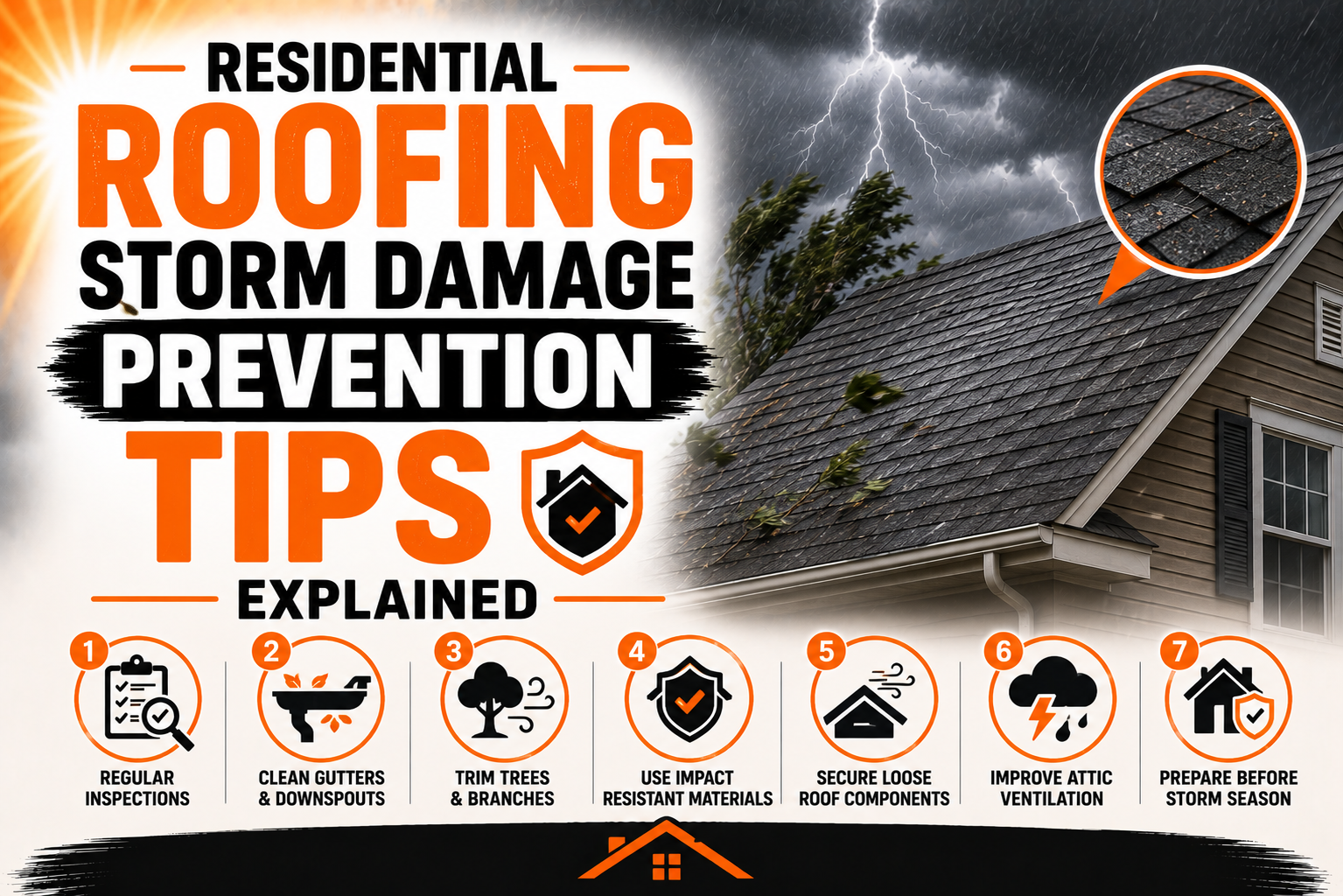
Residential Roofing Storm Damage Prevention Tips Explained
Introduction
Severe weather can place significant stress on residential roofing systems. Strong winds can lift shingles, hail can damage roofing surfaces, heavy rain can expose weak areas, and falling branches can puncture or crush roof materials. Although homeowners cannot control the weather, regular maintenance and sensible preparation can reduce some of the vulnerabilities that make storm damage more likely.
Storm damage prevention begins long before a severe weather event arrives. A roof that has loose shingles, deteriorated flashing, clogged gutters, weak roof edges, or overhanging branches may already have conditions that can become worse during a storm. Identifying and correcting these problems early can help maintain the roof’s ability to protect the home.
Preventive care also helps homeowners recognize when professional attention is necessary. Small roofing problems can sometimes be repaired before they become larger sources of water intrusion. Waiting until a major storm exposes the weakness may result in more extensive repairs and greater disruption to the household.
A practical storm prevention strategy combines routine inspections, timely maintenance, proper drainage, tree management, and professional evaluation. Each part of the roofing system contributes to overall performance, so prevention should not focus only on the visible roof surface.
Why Storm Damage Prevention Matters for Residential Roofs
A residential roof is designed to protect the building from changing weather conditions throughout the year. It must handle sunlight, rain, wind, temperature changes, and occasional severe weather while continuing to direct water away from the structure. Over time, normal exposure can gradually weaken roofing materials.
When a severe storm arrives, existing weaknesses may become points of failure. A loose shingle can be lifted by strong wind, while deteriorated flashing can allow heavy rain to enter. A clogged gutter may cause water to accumulate near the roof edge when the home is already receiving unusually high rainfall.
Preventive maintenance helps identify these vulnerabilities before they are tested by severe weather. It does not guarantee that a roof will remain undamaged during an extreme storm, but it can improve the roof’s condition and reduce avoidable problems.
Storm preparation can also help homeowners respond more quickly. Knowing the age and condition of the roof, understanding previous repairs, and keeping inspection records can make it easier to arrange professional assistance when severe weather is approaching.
Another important benefit is reducing secondary damage. Roofing problems can allow water to reach insulation, ceilings, walls, electrical components, and other parts of the home. Preventing or limiting roof openings can therefore protect more than the roofing materials themselves.
Understanding Common Storm Threats
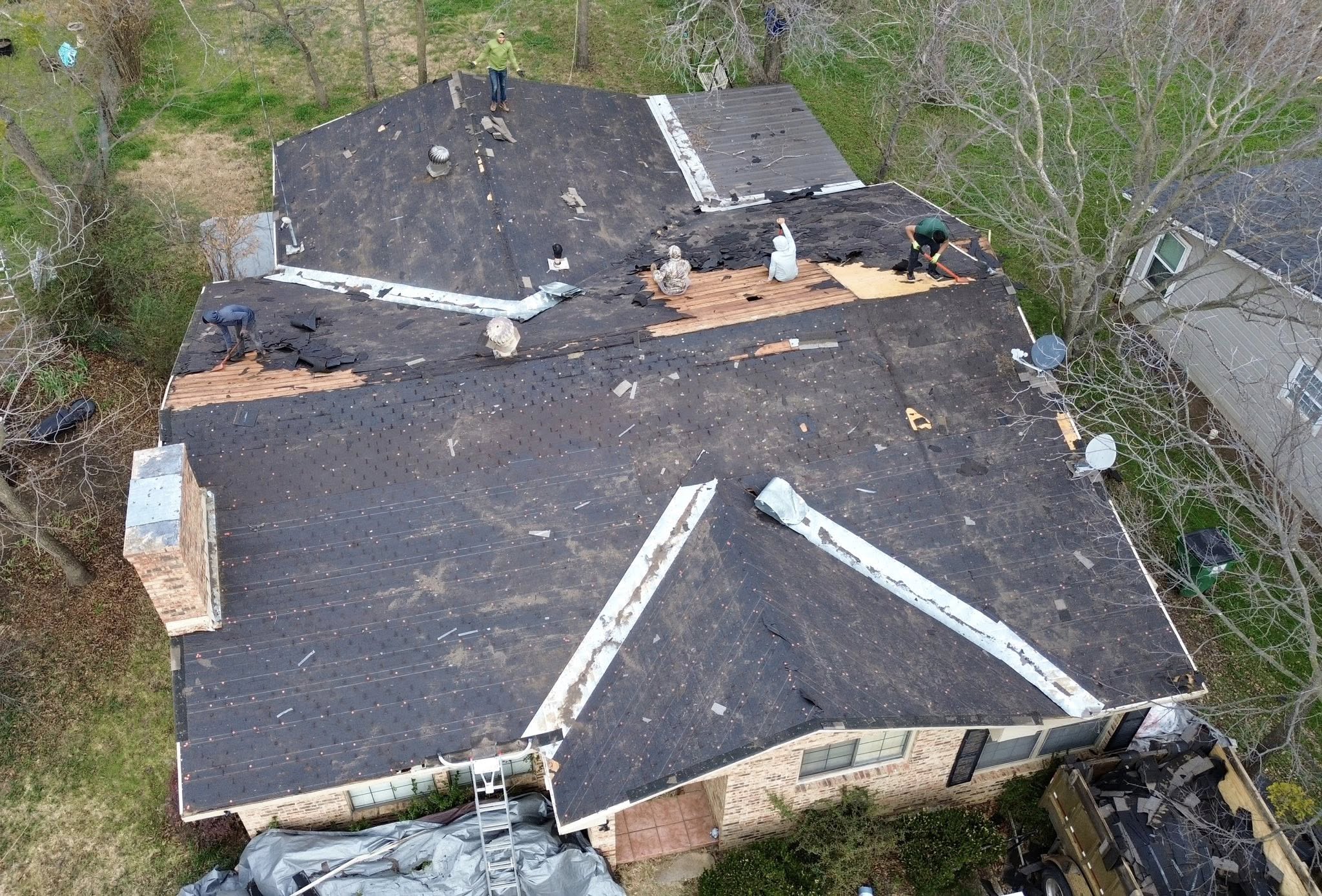
Different types of storms affect residential roofing systems in different ways. Understanding these threats helps homeowners focus preventive maintenance on the areas most likely to become vulnerable.
Strong winds can lift, loosen, or remove roofing materials. Wind pressure may be especially significant around roof edges, corners, ridges, and other exposed areas. Loose components can become airborne or allow rain to enter beneath the roofing surface.
Hail can cause impact damage to certain roofing materials. Repeated impacts may create cracks, dents, fractures, or other forms of deterioration. The severity depends on factors such as hail size, wind speed, roofing material, and the condition of the existing roof.
Heavy rainfall can expose weaknesses around flashing, valleys, skylights, vents, and other roof penetrations. Water may enter through small defects and travel beneath the roofing materials before appearing inside the home.
Falling branches can create sudden physical damage. Even a relatively small branch can damage shingles or tiles, while larger limbs can puncture the roof or affect underlying structural components.
Debris can also block gutters, valleys, and drainage pathways. When water cannot move away from the roof efficiently, it may accumulate around vulnerable areas and increase the possibility of leaks.
Because storms can involve several hazards at once, homeowners should take a complete approach to roof maintenance rather than preparing for only one type of weather.
Inspecting the Roof Before Storm Season
One of the most effective ways to reduce storm-related roofing problems is to identify weaknesses before severe weather arrives. A professional roof inspection can provide a detailed assessment of the roofing surface and supporting components.
Homeowners can perform safe ground-level observations between professional inspections. They may look for visibly missing shingles, damaged gutters, sagging areas, loose flashing, or other obvious concerns. However, close roof inspection should be left to qualified professionals when climbing would be necessary.
A professional inspection may examine the condition of shingles, tiles, panels, flashing, vents, roof edges, valleys, and other components. The inspector can also look for signs of aging or deterioration that may not be obvious from the ground.
The timing of an inspection can be especially useful before a period when severe weather is common. Addressing problems before the storm season provides more opportunity to schedule repairs and obtain appropriate materials.
Homeowners should also keep records of inspection findings. A simple record can include the inspection date, observed conditions, repairs completed, and any areas that should be monitored. This information can help identify recurring problems over time.
A preventive inspection does not mean every minor condition requires immediate replacement. The purpose is to understand the roof’s current condition and prioritize repairs based on risk, age, and expected performance.
Maintaining Shingles, Tiles, and Roofing Panels
The main roofing surface provides the first line of defense against weather. Keeping this surface in good condition can help reduce vulnerabilities during storms.
Asphalt shingles should be checked for missing, cracked, curled, lifted, or deteriorated areas. A shingle that is already loose may be more likely to move during strong wind. Early repair can help prevent the affected section from becoming exposed.
Tile roofs require careful attention to cracked or displaced tiles. Damaged tiles can create openings through which rain may reach the underlying layers. Because walking on tile can cause additional damage, professional inspection is often preferable.
Metal roofing should be examined for loose fasteners, damaged seams, lifted panels, corrosion, or impact marks. Properly maintained connections can help the system remain secure during ordinary weather exposure.
Different roofing materials have different maintenance requirements. Homeowners should follow recommendations appropriate for their specific roof rather than assuming that the same repair method works for every system.
A damaged roofing surface should not simply be covered with another material without understanding the underlying problem. Professional evaluation can determine whether localized repair is sufficient or whether the damage indicates a broader issue.
Checking Roof Flashing and Penetrations
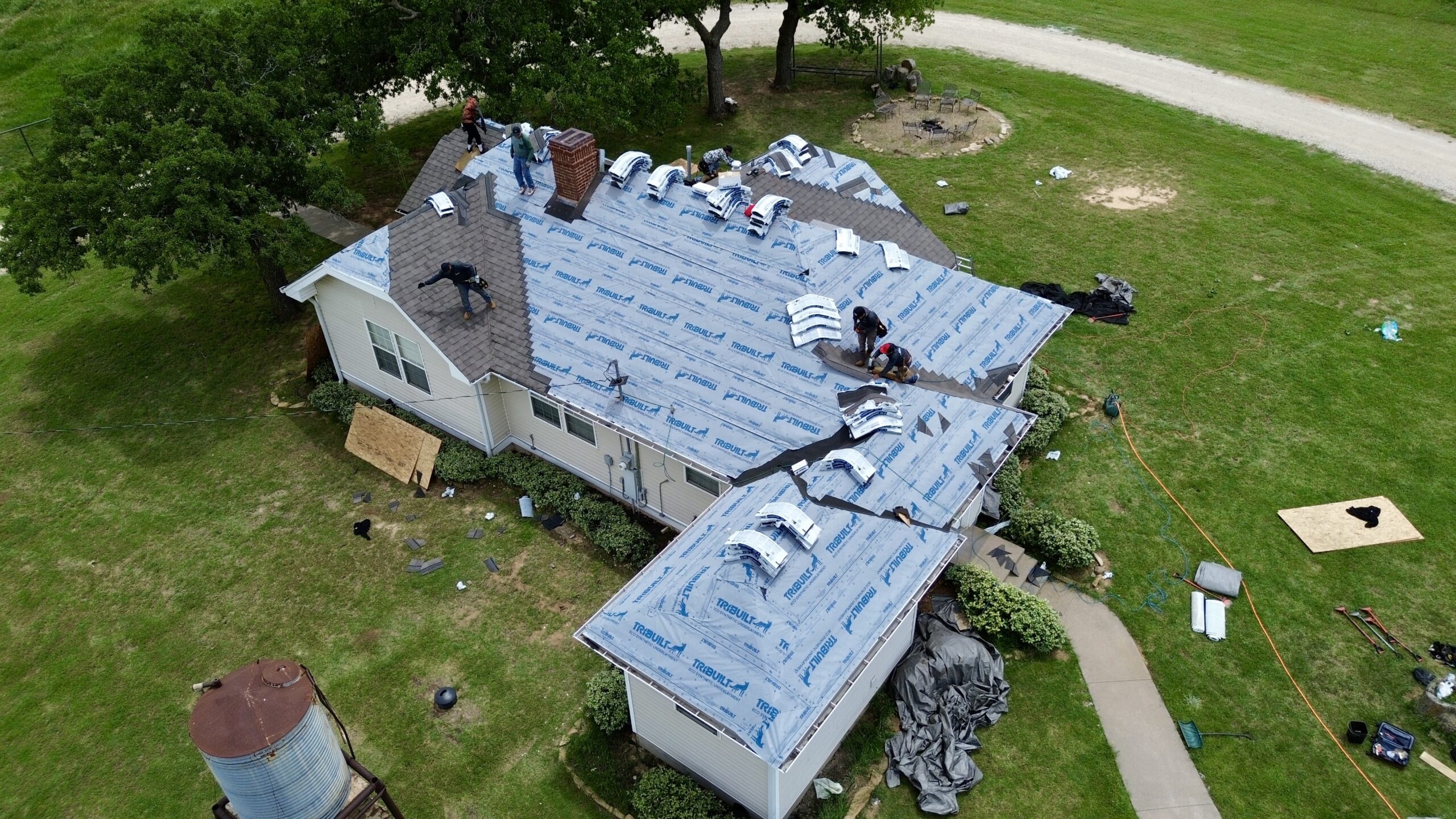
Roof flashing is an important part of storm protection because it helps manage water around areas where the roof meets another structure or material. Flashing is commonly found around chimneys, skylights, vents, walls, valleys, and other transitions.
Weak or deteriorated flashing can become more problematic during heavy rainfall. Water may enter through small gaps and travel into the roof assembly before becoming visible inside the home.
Homeowners should pay attention to interior signs that may indicate flashing problems. Staining around a chimney, skylight, or upper wall can be a reason to arrange a professional inspection.
The exterior condition of flashing should also be evaluated. Loose, bent, corroded, or visibly damaged sections may require repair or replacement depending on their condition.
Roof penetrations deserve similar attention. Vents and other openings interrupt the main roofing surface and depend on properly functioning seals and flashing. Maintaining these areas can help reduce potential water entry during storms.
Flashing should be repaired using methods appropriate for the roofing system. Applying a quick layer of sealant may provide temporary assistance in some situations, but it does not necessarily correct damaged or improperly installed flashing.
Keeping Gutters and Drainage Systems Clear
Good drainage is essential for residential roofing performance during heavy rainfall. Gutters and downspouts collect water from the roof and direct it away from the building. When these systems are blocked or damaged, heavy rain can create additional pressure on vulnerable areas.
Leaves, branches, dirt, and roofing debris can accumulate inside gutters. During ordinary rainfall, a partial blockage may appear manageable, but a severe storm can produce much more water in a short period.
Homeowners should keep gutters clear and check that downspouts remain connected. Water should be directed away from the foundation rather than allowed to collect near the building.
Gutters should also be checked for sagging or separation. A damaged gutter may not carry water efficiently, especially during heavy rainfall.
Roof valleys should remain free of significant debris as well. Valleys naturally concentrate water flow, so blockage or damage in these areas can contribute to water intrusion.
A simple maintenance routine can include checking gutters after major weather events and before periods of expected heavy rainfall. However, homeowners should use appropriate safety precautions and seek professional assistance when roof access is required.
Managing Trees and Branches Around the Roof
Trees provide shade and environmental benefits, but branches close to the roof can become a significant storm-related hazard. Strong winds can break dead or weak limbs and send them onto the roofing surface.
Branches that repeatedly rub against roofing materials can also cause gradual wear. Overhanging limbs may scrape shingles, damage gutters, or deposit leaves and debris across the roof.
Homeowners should monitor trees near the house and arrange appropriate maintenance when branches appear dead, damaged, or unstable. Tree work should be performed by qualified professionals when branches are large, high, or positioned close to electrical lines.
Keeping trees properly maintained can reduce the amount of debris that reaches the roof during severe weather. It can also make gutters easier to maintain by reducing excessive accumulation of leaves and small branches.
After a storm, homeowners should inspect the property from a safe location for fallen limbs. Large branches resting on the roof should not be removed without professional assistance because they may be unstable or may have affected the structure beneath them.
Tree management is therefore an important part of roofing storm preparation. Protecting the roof does not always mean working directly on the roof itself. Managing hazards around the home can also reduce the likelihood of impact damage.
Checking Attic Ventilation and Insulation
Storm prevention is not limited to the exterior roofing surface. The attic environment can also affect long-term roof performance. Proper ventilation and insulation can help manage heat and moisture within the roofing assembly.
Excess moisture in an attic can contribute to deterioration of certain materials over time. Moisture problems may be associated with inadequate ventilation, air leakage, plumbing issues, or roof defects.
Homeowners should watch for signs such as unusual dampness, staining, musty odors, or damaged insulation. These conditions may justify a professional evaluation to identify the underlying source.
Attic ventilation components should also be checked during professional inspections. Vents need to function appropriately without becoming damaged or obstructed by debris.
Insulation should remain in suitable condition and should not block ventilation pathways that are designed to support the roof system. Changes to attic insulation should therefore be made carefully and with consideration for the overall ventilation design.
A healthy attic environment can support the long-term condition of the roofing system. While ventilation does not prevent every type of storm damage, maintaining the interior roof environment can help reduce deterioration that may make roofing materials more vulnerable over time.
Addressing Small Roofing Problems Early
One of the most practical storm prevention strategies is addressing minor roofing problems before they become larger. Small defects can become more significant when exposed to strong wind or heavy rain.
A loose shingle, damaged flashing section, blocked gutter, or cracked tile may not appear urgent during calm weather. However, leaving the condition unresolved gives the next storm an opportunity to exploit the weakness.
Homeowners should avoid assuming that a roof is in good condition simply because there is no active leak. Some roofing defects may remain hidden until significant rainfall or wind occurs.
Professional inspections can help determine which conditions require immediate attention and which can be monitored. This allows homeowners to prioritize repairs without automatically treating every minor defect as a reason for major roofing work.
Early maintenance can also make storm preparation less stressful. Instead of discovering multiple problems immediately before severe weather, homeowners can gradually maintain the roof throughout the year.
A useful prevention approach is to focus on the areas that protect the roof from common storm threats:
- Keep roofing materials secure and in good condition.
- Maintain flashing around penetrations and transitions.
- Keep gutters, valleys, and drainage pathways clear.
- Manage trees and branches near the home.
- Arrange professional inspections when the roof shows signs of deterioration.
These measures do not eliminate storm risk, but they can help maintain the roof’s overall condition and reduce preventable vulnerabilities. Continued maintenance and preparation provide a stronger foundation for the additional storm protection steps homeowners can take before severe weather arrives.
Strengthening Vulnerable Roofing Areas
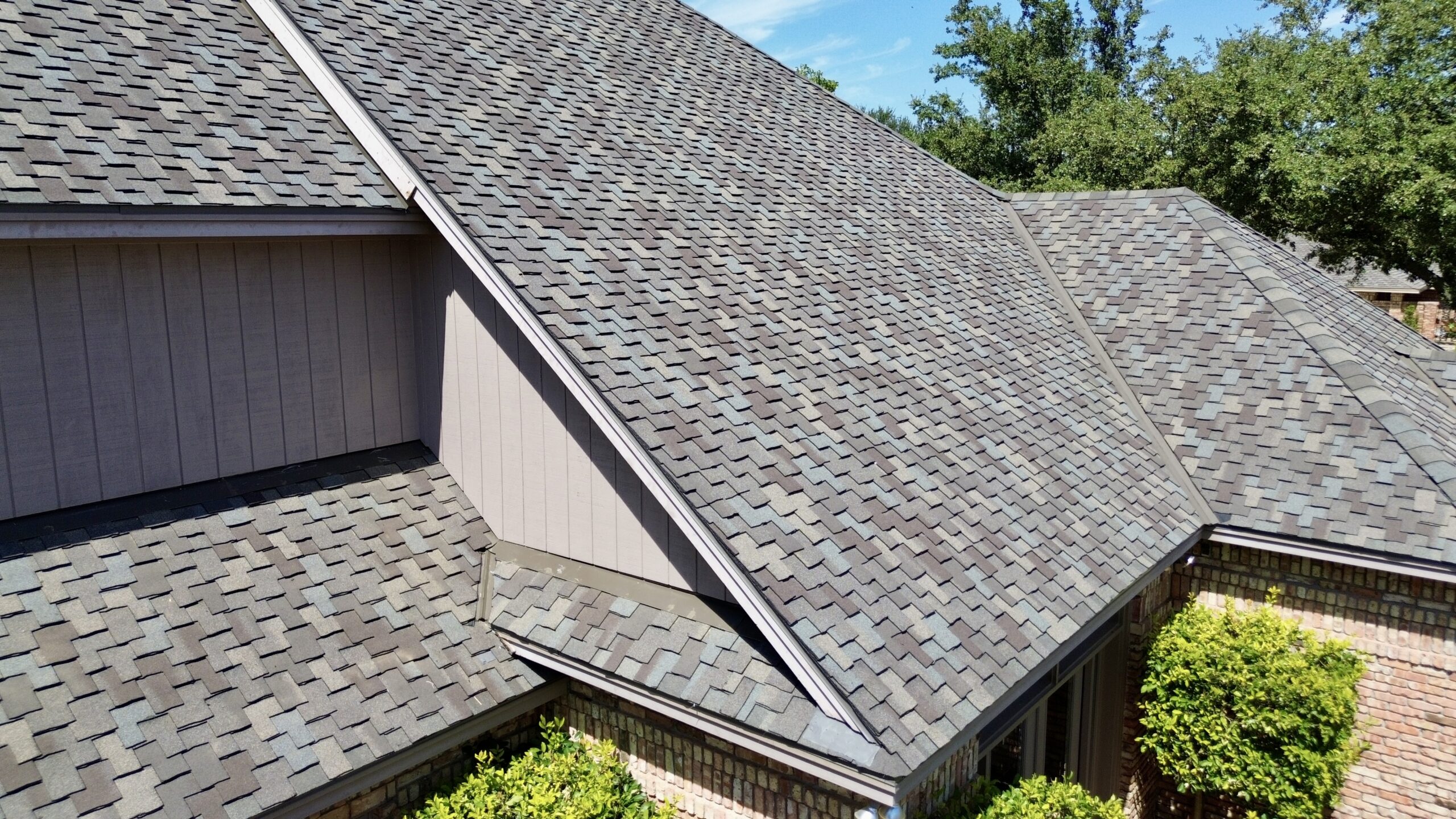
A residential roof can be more vulnerable to storm damage when certain areas have weakened over time. Roof edges, corners, ridges, eaves, valleys, and penetrations are exposed to different types of weather forces and deserve careful attention during preventive maintenance.
Strong winds can place pressure on roof edges and corners, making these areas important during inspections. Loose shingles, deteriorated materials, or damaged components in these locations may become more vulnerable when wind speeds increase.
A professional roofing inspection can identify areas where materials appear loose, worn, or improperly secured. Addressing these conditions before severe weather arrives may help reduce the possibility of larger failures.
The condition of the roof’s underlying structure also matters. If there are signs of sagging, unusual movement, or deterioration, homeowners should arrange professional evaluation rather than attempting repairs themselves. Structural concerns can require a different response from ordinary surface maintenance.
Preventive work should also consider how different roof components connect. A roof functions as a system, so repairing one visible defect without considering nearby materials may leave another weakness unresolved.
Maintaining Roof Edges, Ridges, and Eaves
Roof edges experience considerable exposure to wind and rain. Shingles and other roofing materials near the perimeter can be more vulnerable to lifting when strong gusts move across the roof.
Eaves also need attention because they connect the roof surface with the gutter system. Damaged or deteriorated materials along the eaves can affect both roof protection and drainage.
Ridge areas should be inspected for loose or damaged components. Ridge caps protect the highest portions of the roof and can be particularly exposed to wind from different directions.
Homeowners should not attempt to walk along roof edges or ridges to inspect them. These areas can be difficult and dangerous to access, particularly on steep or wet roofs.
Professional inspections can identify conditions that are difficult to see from ground level. If loose materials or deterioration are found, timely repairs can improve the roof’s condition before severe weather tests these areas.
Maintaining edges and ridges is not only about preventing wind damage. Properly maintained components can also help prevent water from entering vulnerable transitions during heavy rainfall.
Protecting the Roof From Wind Damage
Wind is one of the most common causes of storm-related roofing problems. Strong gusts can lift shingles, loosen flashing, displace tiles, damage metal panels, and carry branches or debris onto the roof.
Preventing wind damage starts with maintaining the roof before storm conditions occur. Loose or deteriorated materials should be identified and repaired rather than left exposed to additional weather.
The condition of nearby trees should also be considered because wind can turn branches into damaging objects. Removing dead or unstable limbs before storm season can reduce the possibility of impact damage.
Roof accessories should be checked as well. Vents, antennas, satellite equipment, and other items attached to or near the roof can become vulnerable during strong winds if their supports or connections deteriorate.
The overall condition of the roof influences how it responds to wind. A well-maintained system may still experience damage during extreme weather, but correcting existing weaknesses can reduce some avoidable vulnerabilities.
After a period of strong winds, homeowners should conduct a safe ground-level observation. Missing shingles, displaced materials, fallen branches, or damaged gutters should prompt a professional assessment.
Reducing Hail Damage Risks
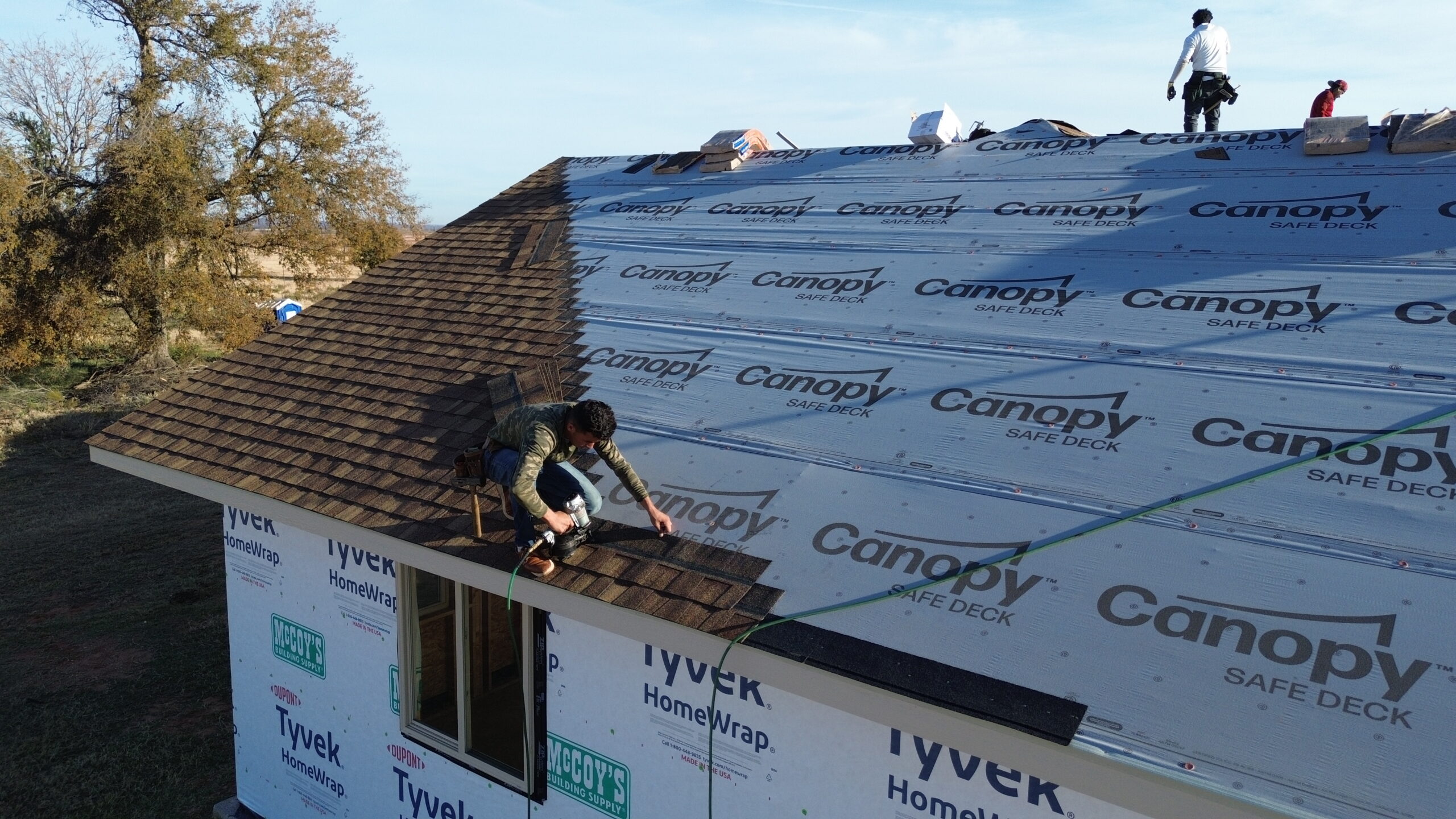
Hail can affect roofing materials through repeated impacts. The extent of damage depends on factors such as hail size, wind conditions, roofing material, installation quality, and existing material condition.
Homeowners cannot control the size or intensity of hail, but they can maintain the roof so that damaged or deteriorated areas are identified early. A roof with existing weaknesses may be more difficult to evaluate after a major hail event.
Regular professional inspections can help establish the condition of the roofing system before severe weather occurs. This can make it easier to recognize new changes following a storm.
Hail can also affect gutters, vents, flashing, skylights, and other exterior components. A post-storm inspection should therefore look beyond the main roofing surface.
Homeowners should avoid assuming that hail damage is always obvious. Some impacts may require close professional examination, particularly when the damage is subtle or occurs on areas that are difficult to see from the ground.
If hail has recently affected the property, documenting visible conditions and arranging a professional inspection can help determine whether repairs are needed.
Preparing for Heavy Rain and Water Intrusion
Heavy rainfall can expose weaknesses that may remain unnoticed during dry weather. Water can enter through damaged shingles, cracked tiles, deteriorated flashing, roof penetrations, or other openings.
Maintaining proper drainage is one of the most useful ways to prepare for heavy rain. Gutters, downspouts, valleys, and other drainage pathways should remain clear so that water can move away from the roof efficiently.
Flashing should also be inspected because water can enter around chimneys, skylights, vents, walls, and other transitions. Damaged or deteriorated flashing should be addressed before periods of heavy rainfall.
Homeowners should pay attention to interior warning signs. Ceiling stains, damp attic insulation, or recurring moisture around roof penetrations may indicate a problem that needs professional evaluation.
A roof does not necessarily need a major visible opening for water intrusion to occur. Small defects can become more significant when large amounts of rain are moving across the surface.
Preparing for heavy rain therefore involves maintaining the complete roof system. Roofing materials, flashing, drainage, and interior attic conditions all contribute to the home’s ability to remain protected.
Securing Roof Accessories and Equipment
Residential roofs often contain accessories and equipment that can become vulnerable during severe weather. Vents, antennas, satellite equipment, solar components, and other installations may be attached to or positioned around the roof.
Loose equipment can become a source of damage during strong winds. It may move against roofing materials or, in extreme conditions, become detached and create an impact hazard.
Homeowners should have roof-mounted equipment checked when it appears loose, damaged, or unstable. Professional evaluation is especially important when access to the equipment requires climbing onto the roof.
The area around equipment should also be inspected. Fasteners and mounting points can affect nearby roofing materials, and improper installation may create potential water entry points.
Solar panels and their mounting systems deserve particular care. Roofing and solar equipment should be evaluated by appropriately qualified professionals when there are concerns about storm damage or installation integrity.
Keeping roof accessories secure is part of overall storm prevention. The goal is to ensure that equipment does not become a separate source of damage when the roof is exposed to severe weather.
Maintaining Chimneys, Skylights, and Vents
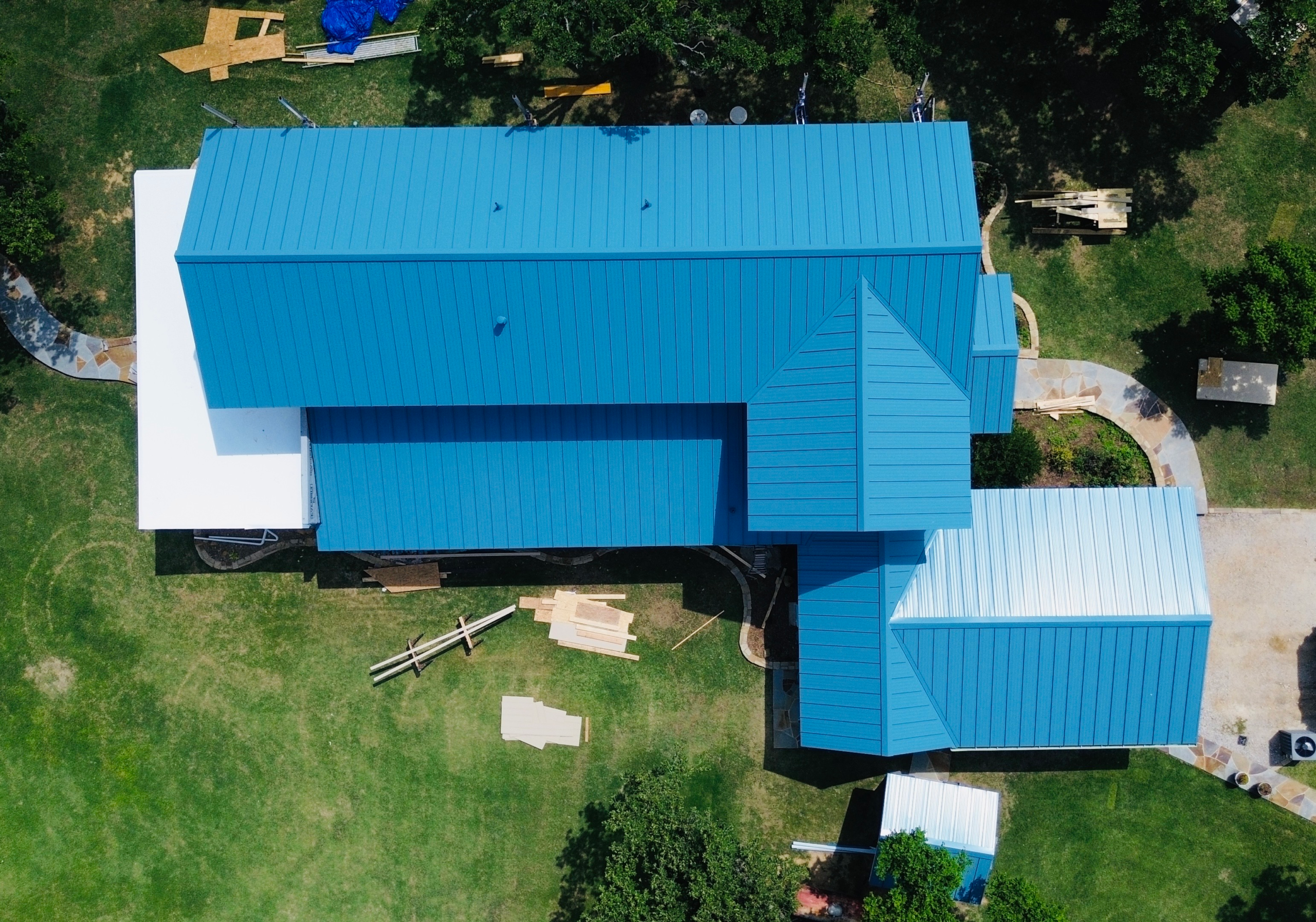
Roof penetrations can be particularly important during storm preparation because they create transitions where water must be controlled. Chimneys, skylights, plumbing vents, and other openings depend on properly maintained flashing and surrounding roofing materials.
Chimney flashing should be inspected for signs of deterioration, separation, corrosion, or visible damage. Masonry around the chimney may also require attention if cracks or other conditions could affect water resistance.
Skylights should be checked for damaged components and problems around their flashing. Water stains around a skylight can be an indication that the area needs professional evaluation.
Plumbing vents and other roof penetrations should also be inspected. Damaged boots, seals, or flashing can allow water to enter the roofing assembly during heavy rain.
These areas should not be treated with quick cosmetic fixes without understanding the cause of the problem. A professional can determine whether a component needs repair, replacement, or further evaluation.
Maintaining penetrations can significantly support the roof’s ability to handle heavy rainfall. It also helps reduce the chance that a small defect becomes an active leak during the next storm.
Preparing the Roof Before Severe Weather
When a major storm is forecast, homeowners should focus on safe preparation rather than attempting last-minute roof repairs themselves. Severe weather preparation should begin with checking whether there are known roofing problems that need professional attention.
Loose outdoor objects around the home should be secured or moved when appropriate. Patio furniture, tools, decorations, and other items can become airborne during strong winds and may damage the roof or other parts of the property.
Trees should also be observed for obvious hazards. Large dead branches near the home may require professional attention before severe weather arrives.
Gutters and drainage areas should be checked for significant blockages. Clearing drainage pathways can help the roof manage heavy rainfall, although homeowners should avoid unsafe roof access.
If the roof already has known damage, homeowners should contact a qualified roofing professional as early as possible. Waiting until the storm arrives can make repairs more difficult and may leave the roof exposed.
Homeowners should never climb onto the roof during strong winds, lightning, heavy rain, or other dangerous conditions. Preventive preparation should reduce risk rather than create a new safety hazard.
Creating a Residential Roof Storm Preparedness Checklist
A simple preparedness routine can help homeowners remember important maintenance tasks. The checklist should focus on conditions that can increase the roof’s vulnerability during wind, hail, and heavy rainfall.
Before storm season, homeowners can review the following areas:
- Roofing materials for visible damage or deterioration
- Gutters and downspouts for blockages or loose connections
- Flashing around chimneys, skylights, vents, and walls
- Trees and branches located near the roof
- Roof-mounted equipment and accessories
- Attic areas for signs of moisture or ventilation problems
This checklist is useful for general awareness but does not replace professional roof inspection. Some problems cannot be safely identified from the ground.
Homeowners should also maintain a record of completed repairs. Keeping dates, photographs, and contractor information can make future maintenance easier.
A storm preparedness checklist can be especially useful for older homes or roofs that have experienced previous weather damage. It provides a structured way to identify conditions that may deserve professional attention.
The most important part is following up on identified problems. A checklist has limited value if obvious defects remain unresolved.
Common Storm Prevention Mistakes to Avoid
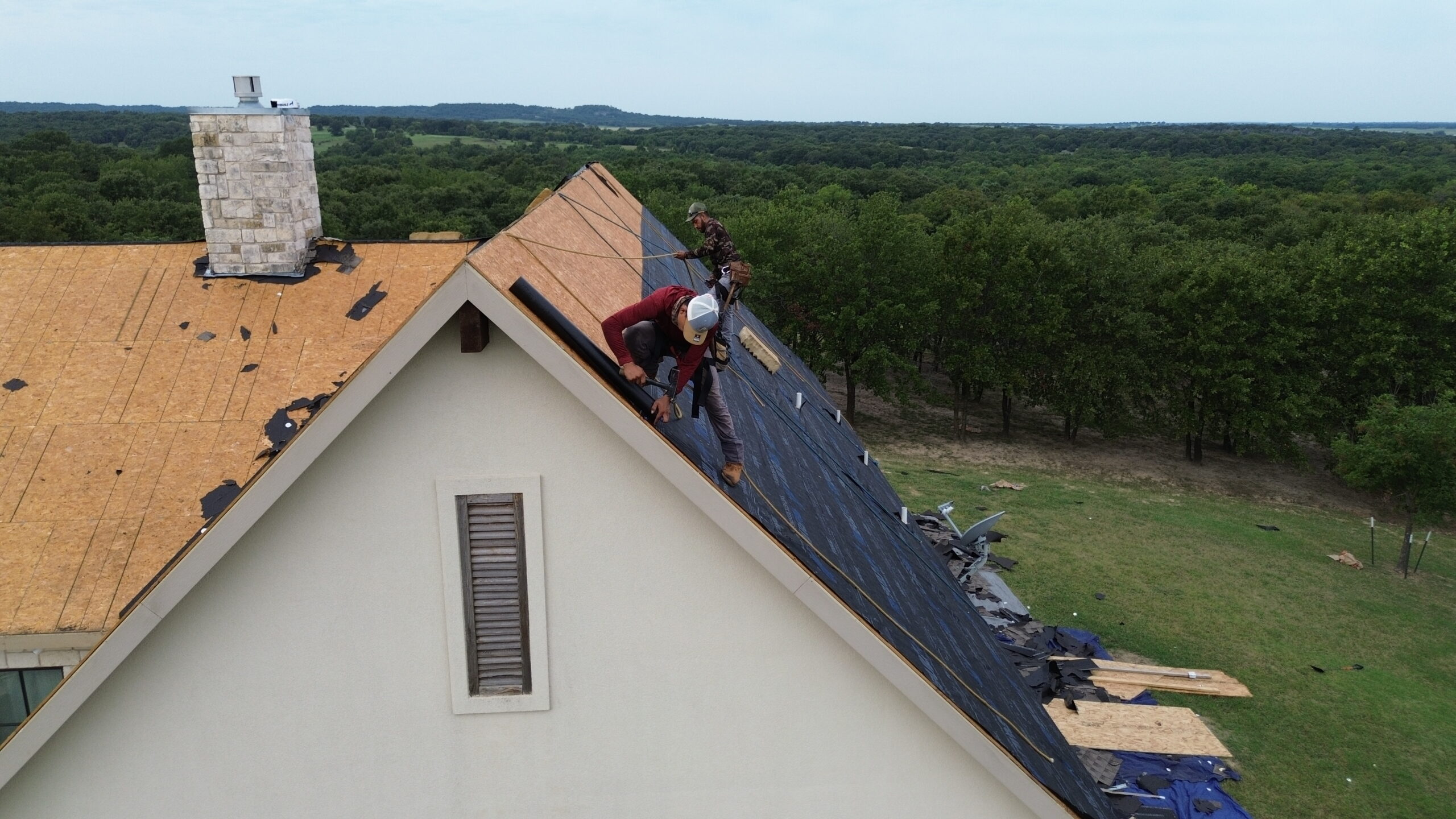
Homeowners can unintentionally increase roofing risks by delaying maintenance or using inappropriate repair methods. Understanding common mistakes can help protect the roof more effectively.
One common mistake is ignoring small leaks. A minor leak may indicate a damaged flashing component, roofing material, or penetration that could become more serious during heavy rainfall.
Another mistake is using temporary sealants as a substitute for proper repairs. Sealant may sometimes have an appropriate role, but it should not be used to conceal a larger roofing problem without professional evaluation.
Climbing onto the roof before a storm is another significant risk. Wet surfaces and unstable materials can make roof access dangerous, and emergency weather preparation should never involve unnecessary personal risk.
Some homeowners also focus only on shingles while ignoring gutters, flashing, vents, trees, and other components. Storm resistance depends on the condition of the complete roofing system.
Waiting until a severe weather warning is issued to address known problems can also create difficulties. Contractors may become busy during widespread storms, while bad weather can make repairs unsafe or impossible.
A better approach is to maintain the roof throughout the year and arrange professional attention when warning signs appear. This reduces the need for rushed decisions immediately before a storm.
Building a Year-Round Storm Prevention Routine
Storm prevention is most effective when it becomes part of regular home maintenance. Instead of treating storm preparation as a single seasonal task, homeowners can monitor the roof throughout the year.
After major weather events, a safe ground-level observation can identify obvious changes. Missing materials, fallen branches, damaged gutters, and visible debris should be evaluated when appropriate.
Professional inspections can then provide a more detailed assessment. The timing depends on the roof’s age, condition, local weather exposure, and maintenance history.
Routine gutter maintenance should also be included throughout the year. Heavy leaf accumulation or repeated blockages can interfere with drainage when strong rainfall occurs.
Tree care should follow a similar schedule. Branches that are healthy today can become damaged later, so trees near the home should be monitored periodically.
A year-round routine gives homeowners more opportunities to address minor problems before they become urgent. It also supports the long-term condition of the roofing system and prepares the home for the next stage of storm protection, including specific actions that should be taken when severe weather is approaching.
What to Do Immediately Before a Major Storm
Storm preparation becomes especially important when severe weather is approaching. Homeowners should focus on safe actions that reduce potential risks rather than attempting complicated roof repairs at the last minute. Any known roofing problem should be addressed by a qualified professional whenever conditions allow.
Before severe weather arrives, homeowners can inspect the property from the ground for obvious hazards. Missing shingles, loose materials, damaged gutters, fallen branches, or visible roof openings should be reported to a roofing professional if they have not already been addressed.
Outdoor objects should also be secured because strong winds can turn lightweight items into flying debris. Patio furniture, gardening tools, decorations, and other loose objects should be stored safely where practical.
Trees around the home deserve attention as well. Dead or visibly unstable branches may become dangerous during strong winds. Large branches should be handled by qualified tree professionals rather than removed by homeowners using ladders or other unsafe methods.
Gutters and downspouts should be checked for obvious blockages when they can be reached safely. Clear drainage pathways help the roof manage heavy rainfall, but homeowners should never climb onto a roof during dangerous weather.
If severe weather is already underway, personal safety becomes the priority. Homeowners should remain away from exposed roof areas and avoid attempting emergency exterior repairs during high winds, lightning, or heavy rainfall.
Post-Storm Roof Inspection and Early Detection
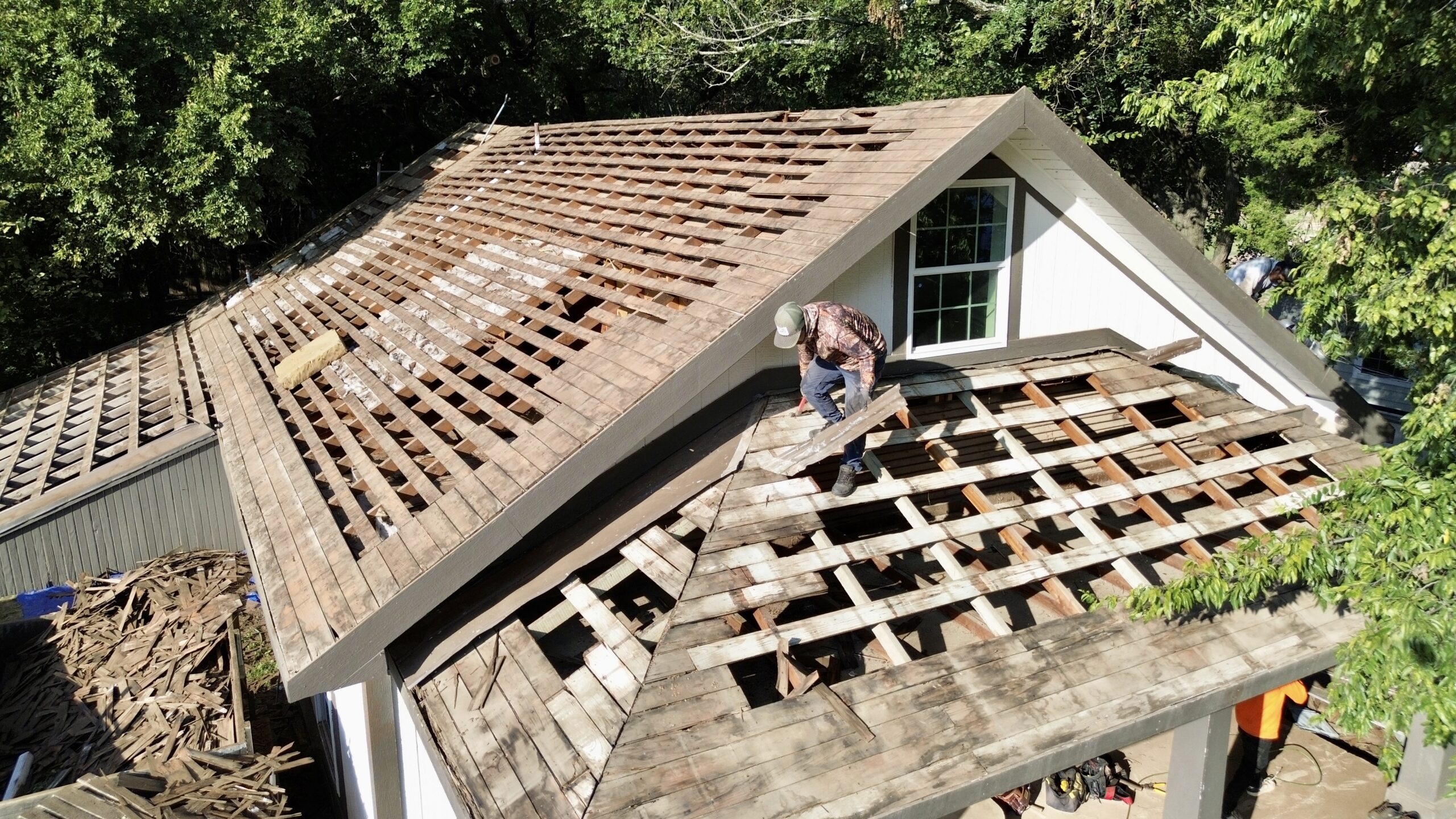
Once the storm has passed and conditions are safe, homeowners should observe the property from the ground. Visible changes can include missing shingles, cracked tiles, displaced panels, damaged gutters, fallen branches, or debris on the roof.
Interior areas should also be checked for signs of water intrusion. New ceiling stains, damp walls, dripping water, or moisture in the attic may indicate that the roofing system has been compromised.
A professional inspection is recommended when significant damage is suspected. A roofing professional can safely examine areas that homeowners cannot reach and determine whether the visible problem extends into surrounding materials.
Post-storm inspection should not focus only on the most obvious damage. Wind can loosen materials without completely removing them, while hail can create less visible impact damage. Flashing, vents, roof edges, and penetrations should also be evaluated.
Prompt detection can help prevent a temporary storm problem from becoming a long-term roofing issue. If an opening is found, appropriate temporary protection can be arranged while permanent repairs are scheduled.
Homeowners should also document visible damage from safe locations. Photographs can provide a useful record of the property’s condition and may help roofing professionals understand what occurred.
Repairing Storm Vulnerabilities Promptly
Once a roofing problem has been identified, delaying repairs can increase the possibility of additional damage. A loose shingle may become completely detached during another wind event, while damaged flashing may allow more water to enter during subsequent rainfall.
Not every defect requires a major repair, but every significant condition should be evaluated appropriately. A professional can determine whether the issue can be addressed locally or whether surrounding materials need further attention.
Temporary repairs may be necessary when permanent work cannot happen immediately. A temporary covering can help protect an exposed area, but it should be installed correctly and treated as a short-term measure.
Homeowners should avoid using improvised materials or climbing onto the roof to make repairs themselves. Roofing work involves fall hazards and may also involve damaged structural components.
Prompt professional attention can also make repairs more manageable. Small problems are often easier to address before they spread to surrounding materials or lead to extensive water intrusion.
Long-Term Residential Roof Maintenance
Storm damage prevention depends heavily on the condition of the roof before severe weather arrives. Regular maintenance can help identify deterioration that may otherwise become a vulnerability during a storm.
A maintenance routine should include periodic professional inspections. The frequency depends on factors such as roof age, material, local climate, previous repairs, and exposure to severe weather.
Homeowners should also monitor gutters and drainage components throughout the year. Blocked or damaged gutters can increase water-related problems during periods of heavy rainfall.
Trees should be maintained as part of the overall property routine. Branches close to the roof should be monitored, especially when they appear dead, weak, or unstable.
Roof accessories should also be evaluated. Vents, skylights, antennas, solar equipment, and other installations can create additional points of vulnerability if they become loose or damaged.
Keeping records of inspections and repairs can make long-term maintenance easier. A roofing history helps homeowners and professionals understand how the roof has changed over time.
Professional Roofing Inspections and Preventive Care
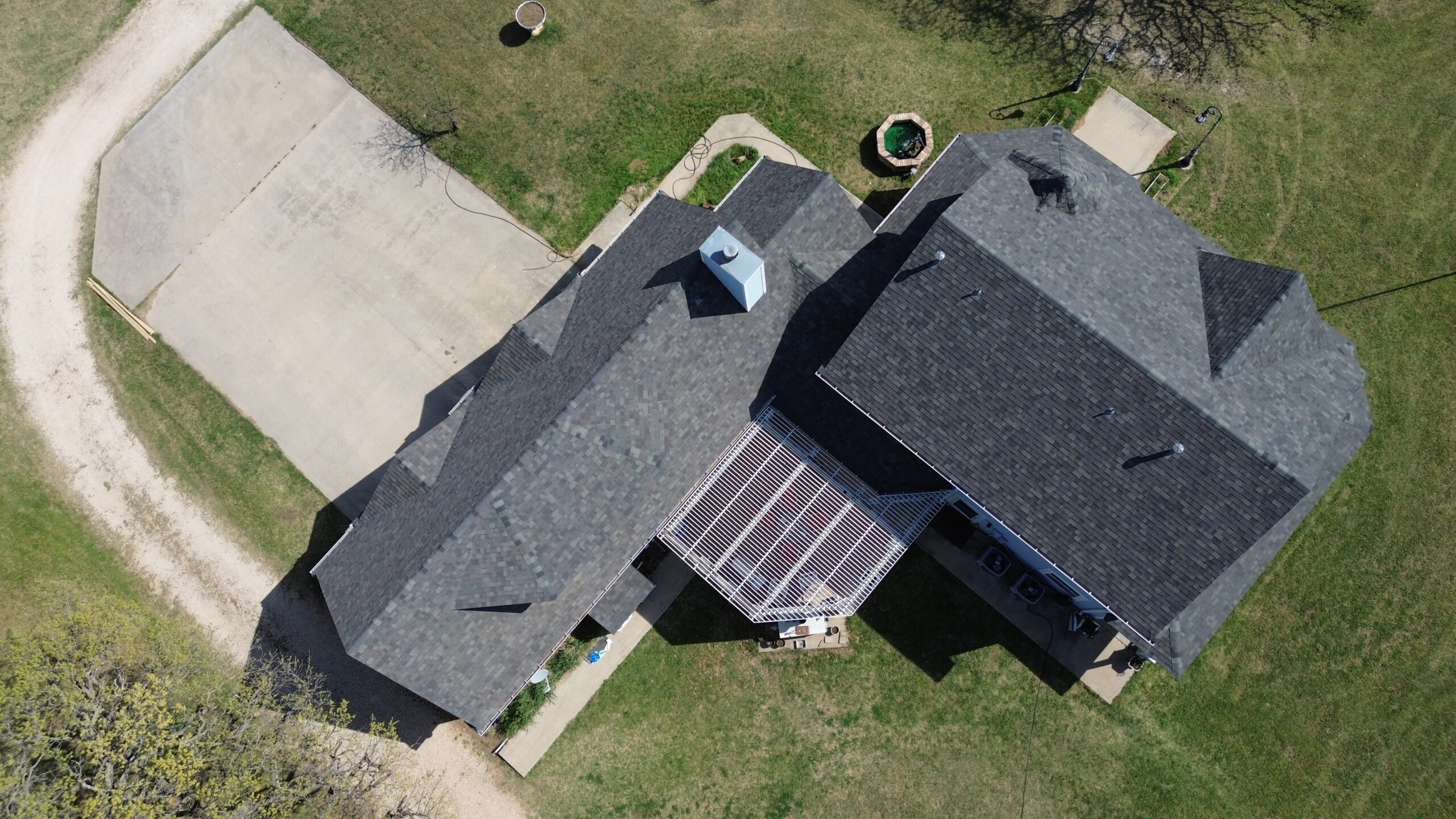
Professional inspections provide a more detailed evaluation than a typical ground-level homeowner check. Roofing professionals can examine areas that are difficult or unsafe for homeowners to access.
An inspection may include the roofing surface, flashing, valleys, edges, penetrations, gutters, vents, and other components. Accessible attic areas may also be reviewed for signs of moisture or problems beneath the roof surface.
Professional inspections are particularly valuable when the roof is older or has experienced previous storm damage. Repeated repairs in the same area can indicate that a broader issue needs investigation.
Inspections can also help homeowners prioritize maintenance. Not every issue requires immediate replacement, and a professional can distinguish between conditions that need prompt repair and those that can be monitored.
Preventive care is more effective when it is based on the actual condition of the roof. Instead of waiting for a leak or storm to reveal a weakness, homeowners can address vulnerabilities before they become urgent.
A professional inspection should not be viewed as a guarantee against storm damage. Severe weather can damage even a well-maintained roof, but regular evaluation can reduce avoidable risks and improve preparedness.
When Roof Replacement May Improve Storm Resistance
In some situations, preventive maintenance may reveal that a roof has reached the later stages of its useful service life. Extensive deterioration can make repeated repairs less practical, especially when severe weather is common in the area.
Roof replacement is not automatically required because a roof is old. The decision should consider the overall condition, extent of deterioration, previous repairs, material performance, and the homeowner’s long-term plans.
A professional can identify widespread problems such as extensive material deterioration, recurring leaks, or significant damage across multiple areas. These conditions may justify discussing replacement rather than continuing with isolated repairs.
When replacement is appropriate, homeowners can discuss roofing materials and installation practices suited to local weather conditions. The goal should be a properly designed and installed system rather than simply choosing the most expensive option.
Storm resistance depends on the entire roof assembly. Materials, attachment methods, flashing, drainage, ventilation, and installation quality all influence long-term performance.
A new roof cannot eliminate the possibility of storm damage. However, replacing a severely deteriorated system can remove existing weaknesses and provide a better starting point for long-term maintenance.
Building a Complete Storm Damage Prevention Strategy
Effective storm prevention requires several maintenance activities working together. Focusing on only one part of the roof may leave other vulnerabilities unresolved.
A complete strategy can be organized around several priorities:
- Maintain the roofing surface and repair damaged materials promptly.
- Inspect flashing, penetrations, roof edges, ridges, and valleys regularly.
- Keep gutters and drainage systems clear and properly connected.
- Manage nearby trees and remove hazardous branches through qualified professionals.
- Arrange professional inspections based on roof condition and weather exposure.
- Document repairs and monitor recurring problems over time.
This approach creates a practical maintenance cycle rather than a one-time preparation task. The roof is inspected, problems are identified, necessary repairs are completed, and the condition is monitored before the next severe weather event.
Homeowners should also understand that prevention has limits. Extreme winds, large hail, tornadoes, hurricanes, falling trees, and other severe events can cause significant damage even when a roof has been carefully maintained.
The purpose of prevention is therefore not to promise complete protection. It is to reduce avoidable vulnerabilities, improve the condition of the roofing system, and help homeowners respond quickly when unexpected damage occurs.
Final Preventive Maintenance Considerations
Residential roofing storm damage prevention works best when maintenance is consistent. A roof should not receive attention only after a leak or severe weather event. Small changes in condition can provide useful warnings when they are noticed early.
Homeowners should pay attention to recurring problems. If the same section repeatedly develops leaks, loose materials, or flashing issues, a professional should investigate the underlying cause.
Drainage should remain a priority throughout the year. Heavy rainfall can quickly expose problems that were not obvious during dry conditions, particularly when gutters or valleys are blocked.
The area surrounding the roof should also remain part of the prevention plan. Trees, outdoor equipment, loose objects, and other hazards can affect the roof during high winds.
Safety should guide every maintenance decision. Homeowners can perform safe ground-level observations, but roof access and repairs should be left to qualified professionals when conditions require specialized equipment or experience.
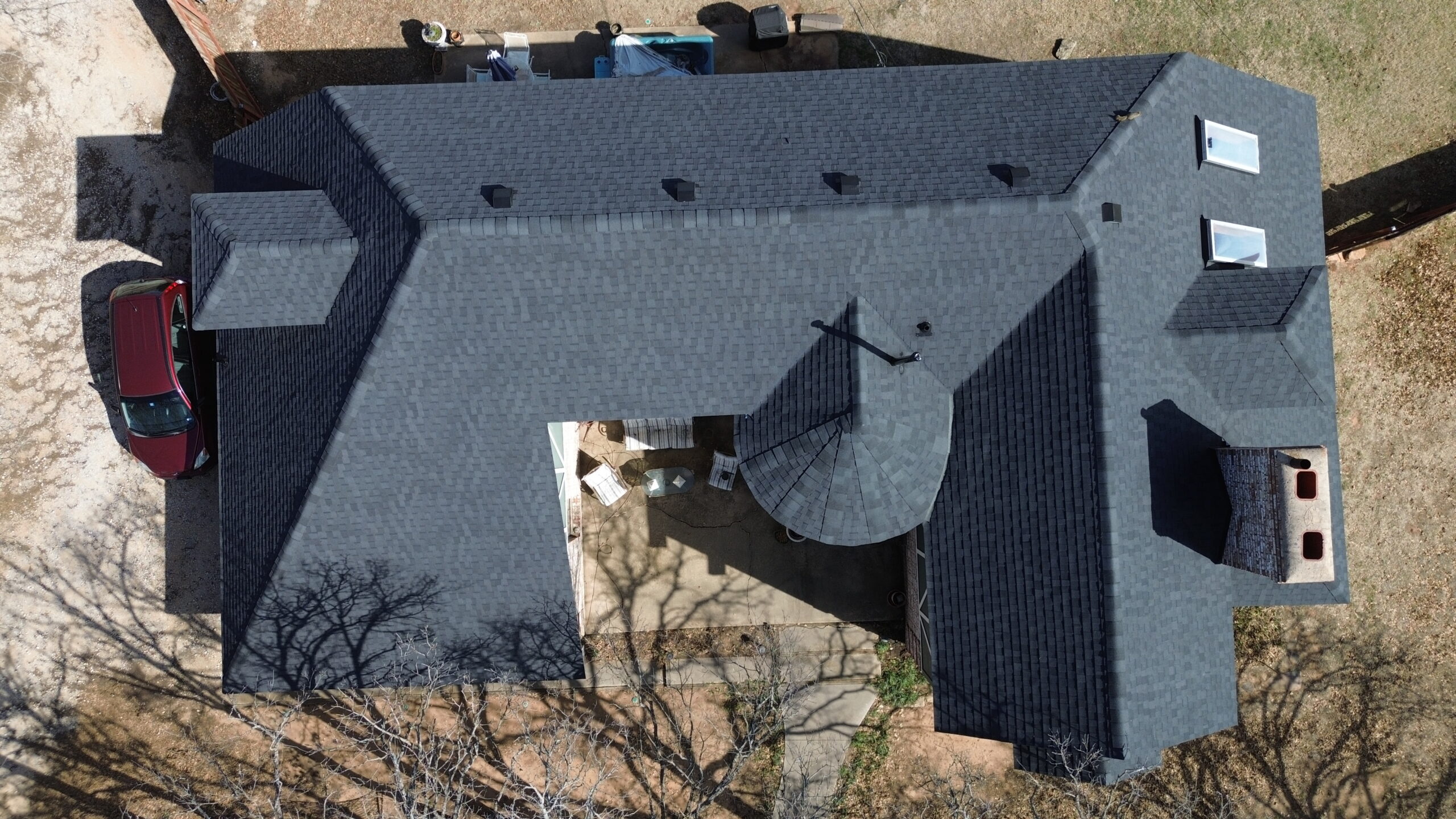
A well-maintained roof is better positioned to handle ordinary weather exposure and may have fewer preventable weaknesses when severe weather occurs. Regular care also helps homeowners identify when professional repairs or replacement should be considered.
Conclusion
Residential roofing storm damage prevention is based on preparation, maintenance, inspection, and timely action. Although homeowners cannot control severe weather, they can take practical steps to keep their roofing systems in better condition before storms arrive.
Regular inspection is one of the most valuable preventive measures. Professional assessments can identify loose shingles, damaged tiles, deteriorated flashing, weak roof edges, drainage problems, and other conditions that may become more serious during severe weather.
Maintaining gutters and downspouts is equally important because heavy rainfall can place significant demands on drainage systems. Clear valleys and properly functioning gutters help move water away from the roof and reduce unnecessary exposure to moisture.
Tree management should also be included in storm prevention. Dead or unstable branches near a home can become damaging debris during strong winds. Addressing these hazards before a storm can reduce the possibility of impact damage.
Homeowners should also maintain roof accessories and penetrations. Chimneys, skylights, vents, solar equipment, and other installations can create vulnerable points if their flashing, seals, or mounting systems deteriorate.
Preparing before severe weather is safer than attempting repairs during a storm. Once dangerous conditions begin, homeowners should avoid roof access and focus on personal safety. After the storm passes, visible damage and interior signs of water intrusion should be documented and professionally evaluated.
Small roofing problems should not be ignored. A loose shingle, minor flashing defect, or damaged gutter may appear insignificant during normal weather but can become a much larger problem when exposed to strong wind or heavy rain.
In some cases, the roof’s overall condition may eventually justify replacement rather than continued repairs. This decision should be based on professional assessment, material condition, age, recurring problems, and long-term needs rather than storm concerns alone.
Ultimately, effective storm damage prevention is a year-round process. Maintaining roofing materials, protecting drainage systems, managing nearby trees, inspecting vulnerable components, addressing problems early, and working with qualified professionals can help homeowners reduce avoidable risks and protect the structure beneath the roof.