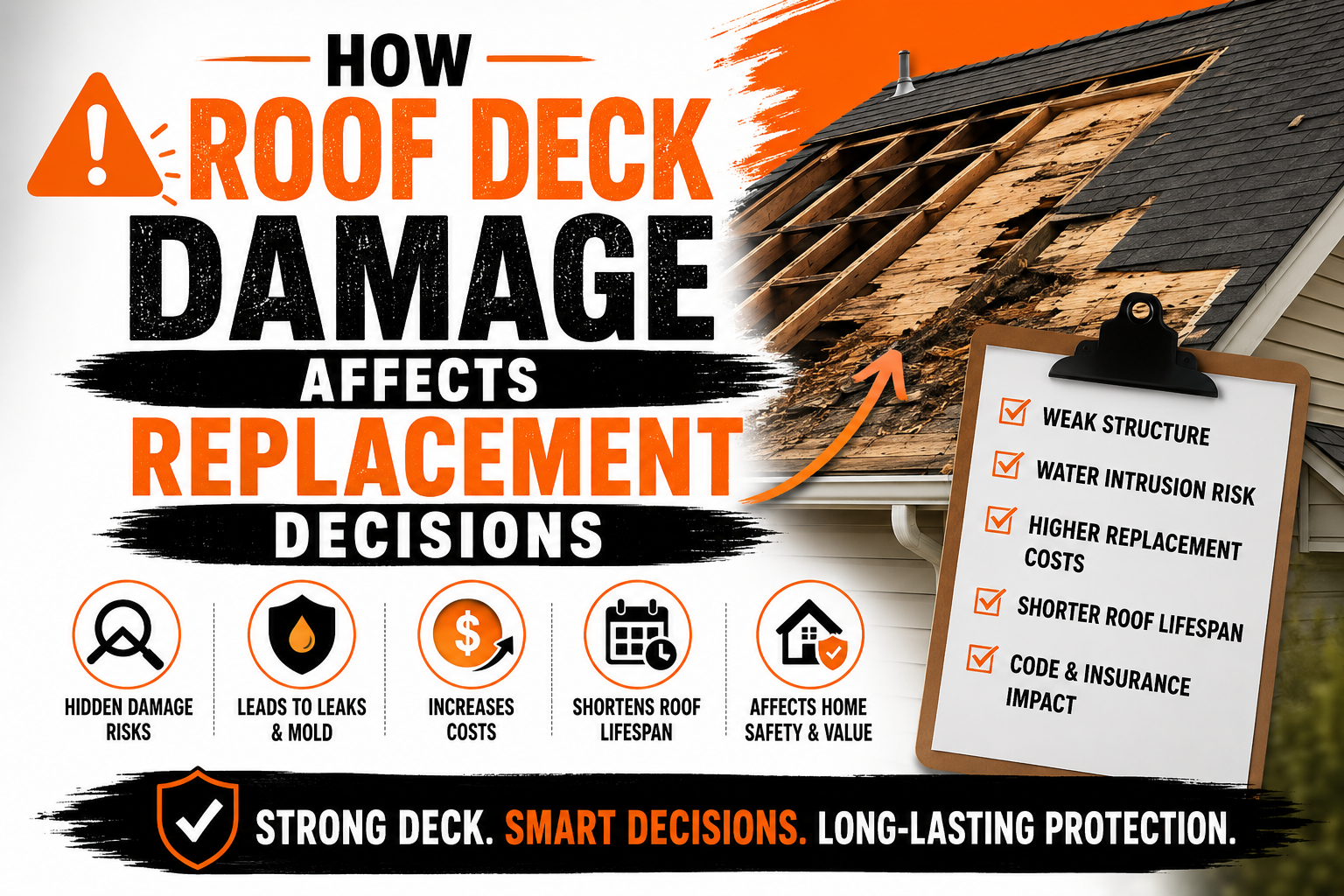
How Roof Deck Damage Affects Replacement Decisions
Introduction
A roof replacement is often viewed as a straightforward process that involves removing old shingles and installing new roofing materials. While the visible roofing system receives the most attention, the structure beneath it plays an equally important role in determining the success and lifespan of the new roof. One of the most important yet frequently overlooked components is the roof deck, which serves as the structural foundation for every layer installed above it.
Roof deck damage can significantly influence replacement decisions because it directly affects the safety, durability, and performance of the entire roofing system. Even the highest quality roofing materials cannot perform properly if they are installed over a weakened or deteriorated deck. For this reason, experienced roofing contractors carefully inspect the roof deck before deciding whether repairs alone are sufficient or whether sections of the deck should also be replaced.
Many homeowners are surprised when roof replacement projects reveal hidden structural problems beneath the old roofing materials. Damage that was invisible from the ground may become obvious once shingles, underlayment, and flashing are removed. Understanding how roof deck damage develops and why it matters helps homeowners make informed decisions instead of being caught off guard during the replacement process.
This guide explains how roof deck damage affects replacement decisions, what causes these problems, how professionals evaluate the condition of the deck, and why addressing structural concerns at the right time can protect both your investment and your home for many years.
Understanding the Role of a Roof Deck
The roof deck is the solid structural surface that supports the entire roofing system. It is attached directly to the roof framing and provides a stable foundation for underlayment, waterproof barriers, flashing, and roofing materials such as asphalt shingles, metal panels, or tiles. Without a strong roof deck, none of these components can function as intended.
The roof deck distributes the weight of roofing materials evenly across the structural framing. It also helps the roof withstand wind uplift, heavy rain, snow loads, and everyday environmental stress. Because it connects every layer of the roofing system, its condition directly affects the overall strength and reliability of the roof.
A healthy roof deck contributes to several important functions, including:
- Providing structural support for roofing materials
- Helping maintain proper roof alignment
- Supporting fasteners that hold roofing products securely
- Improving resistance to wind and weather
- Creating a stable base for waterproofing systems
Although homeowners rarely see the roof deck after construction is complete, it works continuously throughout the life of the roof. Any weakness in this hidden component can eventually affect the visible roofing materials above it.
Common Materials Used for Roof Decks
Roof decks are constructed using several different materials depending on the age of the home, local building practices, and structural requirements. Each material offers unique strengths, but every type can experience damage if exposed to moisture, excessive loads, or long periods of neglect.
Plywood remains one of the most common roof decking materials because it provides excellent strength while maintaining relatively low weight. Properly installed plywood resists normal structural movement and offers reliable support for many types of roofing systems. However, prolonged exposure to water can weaken its layers and reduce its load carrying capacity.
Oriented Strand Board, commonly called OSB, is another popular option used in modern residential construction. It provides consistent strength and is generally more economical than plywood. When protected from long term moisture exposure, OSB performs well, but standing water can cause swelling around the panel edges if leaks remain unresolved.
Older homes may feature plank decking made from solid wood boards. These decks were widely used before sheet materials became common and can remain structurally sound for decades if properly maintained. Age, repeated moisture exposure, and natural wood movement may eventually create gaps, warping, or deterioration that require repairs during roof replacement.
Some commercial buildings use concrete or steel roof decks that require different inspection methods and repair procedures. While these materials are less common in residential properties, they also require careful evaluation before installing a new roofing system.
Regardless of the material, the roof deck must remain structurally sound to provide dependable support for the roofing assembly above it.
What Causes Roof Deck Damage?
Roof deck damage rarely occurs overnight. In most cases, it develops gradually as multiple environmental and structural factors affect the roof over many years. Identifying these causes helps homeowners understand why replacing roofing materials alone may not solve underlying problems.
Water intrusion is one of the most common causes of roof deck deterioration. Small roof leaks often begin around damaged shingles, flashing, chimneys, roof vents, or skylights. When moisture repeatedly reaches the deck, wood fibers begin absorbing water, leading to swelling, softening, and eventually decay.
Poor attic ventilation also contributes to roof deck problems. Warm, humid air trapped inside the attic creates condensation on the underside of the decking. Over time, this hidden moisture can damage large sections of the roof without any obvious exterior warning signs.
Weather conditions place continuous stress on roofing systems throughout the year. Heavy rainfall, hail, snow accumulation, ice dams, and strong winds all increase the likelihood of moisture infiltration and structural fatigue. Homes located in regions with severe seasonal weather often experience accelerated roof deck deterioration compared to homes in milder climates.
Improper roof installation can shorten the lifespan of the roof deck even if premium roofing materials were used. Incorrect fastener placement, inadequate flashing, poor drainage design, or improperly installed underlayment may allow water to bypass protective layers and reach the deck much sooner than expected.
Aging naturally affects roofing structures as well. Wood gradually expands and contracts with seasonal temperature changes, while decades of weather exposure slowly reduce structural integrity. Although aging alone does not always require deck replacement, it often increases the likelihood that hidden weaknesses will appear during a roof replacement project.
Pest activity can create another source of damage. Insects such as termites or carpenter ants may weaken wooden decking, while rodents sometimes damage insulation and create pathways for moisture. Although pest damage is less common than water damage, it should never be overlooked during a roof inspection.
Early Warning Signs of Roof Deck Problems
Many homeowners assume roof deck damage always results in obvious leaks, but the earliest warning signs are often much more subtle. Recognizing these indicators can help address structural concerns before they become significantly more expensive to repair.
Sagging areas along the roof surface often suggest that the decking beneath has weakened. Even slight dips may indicate moisture damage or structural deterioration that deserves professional evaluation. Ignoring these changes allows the problem to continue growing beneath the roofing materials.
Interior ceiling stains frequently provide another important clue. Water entering through damaged roofing materials may soak into the roof deck before eventually reaching ceilings or walls. While the stain itself appears inside the home, the underlying issue often begins much higher in the roofing system.
Homeowners should also pay attention to unexplained increases in attic humidity. Persistent moisture, mold growth, or musty odors inside the attic may indicate that the roof deck is absorbing water or experiencing condensation caused by inadequate ventilation.
Roofing materials that appear uneven or begin lifting unexpectedly can also signal deck movement beneath the surface. If fasteners lose their grip because deteriorated decking no longer provides adequate holding strength, shingles may curl, loosen, or become more vulnerable during storms.
Some additional warning signs deserve immediate attention because they often indicate advanced deterioration.
- Soft or spongy areas when walking on the roof
- Visible mold or mildew inside the attic
- Rotting wood around roof penetrations
- Persistent roof leaks despite previous repairs
- Sunlight visible through sections of the attic
While none of these symptoms automatically require complete deck replacement, they strongly suggest that a thorough inspection should be completed before any new roofing materials are installed.
How Roof Deck Damage Develops Over Time
Roof deck deterioration usually follows a predictable progression rather than occurring as a sudden failure. Understanding this process helps explain why early intervention often reduces both repair costs and long term structural damage.
The first stage typically begins with minor moisture intrusion. Small leaks may develop around flashing, damaged shingles, or roof penetrations, allowing limited amounts of water to reach the decking. During this phase, the wood may still appear structurally sound even though moisture content has increased.
As exposure continues, repeated wetting and drying cycles gradually weaken the wood fibers. The decking may begin swelling, warping, or losing its ability to securely hold roofing fasteners. At this point, replacing shingles without addressing the deck may simply hide an ongoing structural issue.
If moisture remains trapped for extended periods, fungal growth and wood decay become more likely. Rot spreads through affected sections of the decking, reducing load carrying capacity and increasing the risk of structural movement. The roof may begin showing visible signs of sagging or uneven surfaces.
Eventually, advanced deterioration affects surrounding roofing components as well. Underlayment, insulation, framing members, and interior finishes may all experience damage as water continues moving through the roofing system. What began as a relatively minor roof leak can eventually require extensive repairs if left unaddressed.
Because deterioration progresses gradually, routine inspections often identify problems before major structural replacement becomes necessary. Early detection remains one of the most effective ways to preserve both the roof deck and the roofing system above it.
The Relationship Between Roofing Materials and Deck Condition
Every roofing material depends on the roof deck beneath it for long term performance. Whether a home uses asphalt shingles, standing seam metal panels, clay tiles, slate, or synthetic roofing products, each system requires a stable, solid foundation.
Roofing manufacturers design their products to perform when installed according to specific guidelines. These installation standards assume the roof deck provides adequate strength, proper fastening capability, and a smooth surface. If the deck has deteriorated, even correctly installed roofing materials may fail prematurely.
Fasteners illustrate this relationship clearly. Nails and screws rely on solid decking to remain secure during wind events and normal expansion and contraction. Weak or decayed wood cannot hold these fasteners properly, increasing the likelihood of loose shingles, lifted panels, or water intrusion.
Surface alignment also plays a major role in roof performance. Warped decking creates uneven roofing surfaces that may trap water or place unnecessary stress on certain roofing components. Over time, these irregularities can shorten the lifespan of materials that would otherwise perform well.
Modern roofing systems often include advanced waterproof membranes and synthetic underlayments that provide additional protection against moisture. Although these products significantly improve roof performance, they cannot compensate for severe structural deterioration beneath them. The roof deck must remain capable of supporting the entire system throughout its expected service life.
When Minor Damage Becomes a Major Structural Concern
Not every roof deck issue requires complete replacement, but seemingly minor problems can quickly develop into significant structural concerns if ignored. Understanding where that transition occurs helps homeowners appreciate why contractors sometimes recommend replacing sections of the deck during a roofing project.
Small isolated areas of water staining may only require localized repairs if the wood remains structurally sound. Contractors often evaluate whether the affected section still provides sufficient strength before deciding on the appropriate solution. Moisture meters, visual inspections, and physical testing all help determine whether repairs are practical.
The situation changes when damage extends across multiple sections of the roof or affects load bearing performance. Soft decking, widespread rot, severe warping, or fastener failure indicate that the structural foundation has been compromised. Installing new roofing materials over these conditions creates unnecessary risk and often leads to premature roofing failures.
Multiple repair attempts can also influence replacement decisions. A roof that has experienced repeated leaks over many years may contain hidden deterioration that extends beyond visible damage. In these situations, replacing compromised decking often provides greater long term value than continuing temporary repairs.
Building codes and manufacturer installation requirements may also require replacement once structural damage reaches certain levels. Contractors must ensure the completed roofing system meets current safety standards, which sometimes means replacing damaged decking even if portions appear partially usable.
Making the right decision requires balancing structural integrity, long term durability, project costs, and future maintenance needs. Understanding how professionals evaluate these factors helps homeowners appreciate why roof deck condition plays such an important role in every successful roof replacement project.
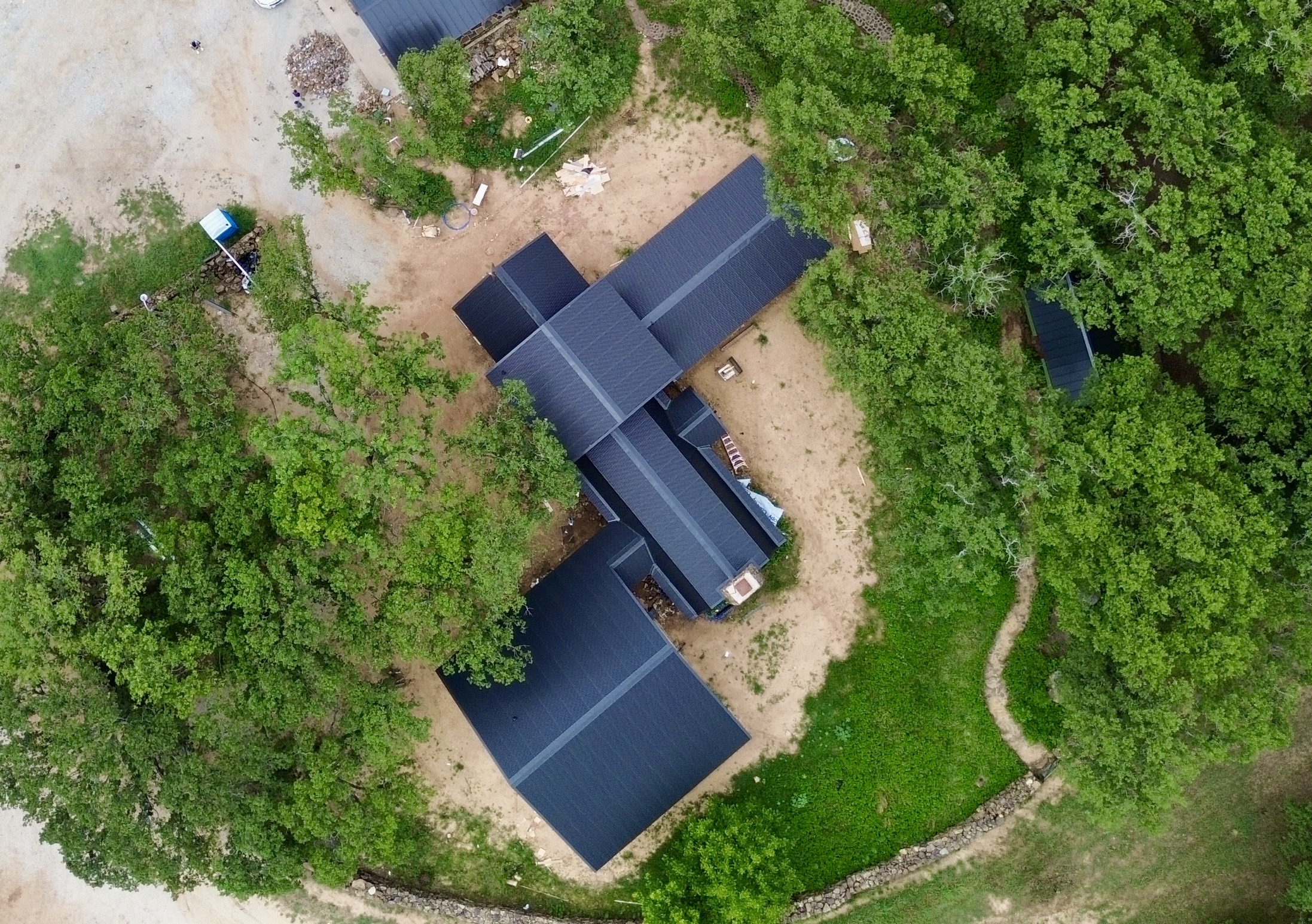
Professional Roof Deck Inspection During Roof Replacement
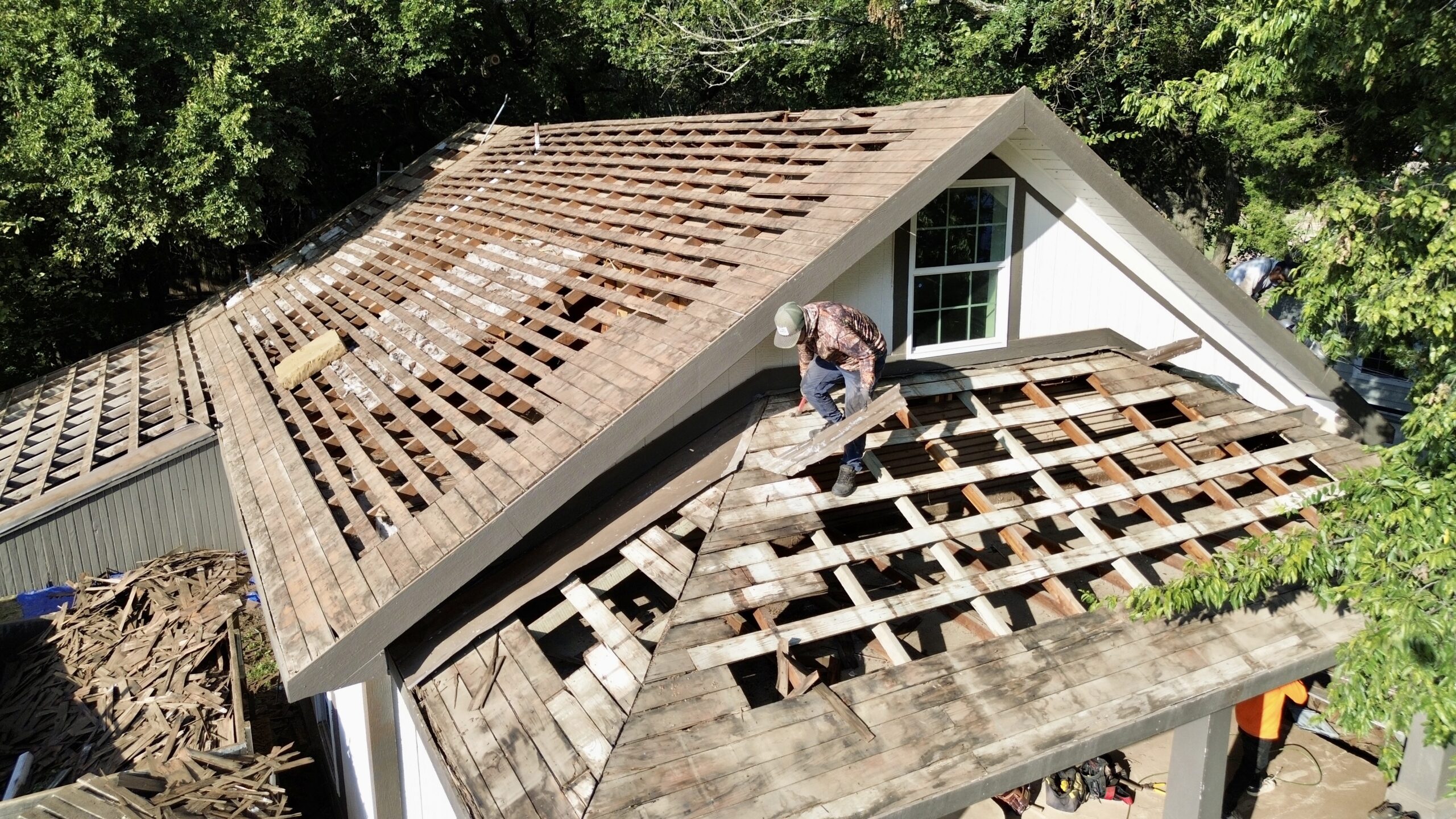
Once the old roofing materials are removed, the roof deck becomes fully visible for the first time in many years. This stage is one of the most important parts of a roof replacement because it allows contractors to evaluate the true condition of the structural foundation. Problems that were hidden beneath shingles and underlayment often become immediately apparent after tear-off.
A professional inspection involves much more than simply looking for rotten wood. Contractors examine the entire roof deck for signs of moisture damage, structural movement, fastener holding strength, warping, mold, and compliance with current building standards. Every section must be evaluated because damage in one area may indicate larger issues elsewhere on the roof.
Experienced roofing professionals also understand how different forms of damage develop. Water stains, discoloration, soft spots, and uneven surfaces each tell a different story about what has affected the roof over time. Combining visual observations with physical testing helps determine whether repairs will provide a reliable solution or whether replacement is the safer option.
Modern inspection techniques may include moisture meters that measure water content inside the wood without causing unnecessary damage. Contractors may also gently probe suspicious areas to determine whether the wood remains structurally sound beneath the surface. These methods provide more accurate information than relying on appearance alone.
Attic inspections often accompany exterior evaluations because they reveal conditions that may not be visible from above. The underside of the roof deck can show long term moisture staining, mold growth, or structural movement that helps explain problems found during the roof replacement process. Looking at both sides of the deck creates a more complete understanding of its condition.
Photographs are commonly taken throughout the inspection. These images help homeowners understand why certain recommendations are being made and provide documentation for insurance claims when storm damage or other covered events contributed to the deterioration.
How Contractors Determine Whether the Deck Can Be Repaired or Must Be Replaced
One of the biggest decisions during a roof replacement involves determining whether the existing roof deck remains suitable for continued use. Contractors evaluate several factors before recommending repairs or replacement because every roofing system has unique conditions.
The first consideration is the extent of the damage. A small area affected by an isolated leak may only require replacing a few decking panels. If deterioration extends across large portions of the roof, localized repairs may no longer provide sufficient structural reliability.
Structural integrity is equally important. Contractors examine whether the deck can continue supporting roofing materials, withstand wind loads, and securely hold fasteners. Even if the wood appears intact, weakened structural performance may justify replacement.
The age of the decking also influences the recommendation. Older decking that has already experienced decades of weather exposure may not provide the same long term reliability as newer materials. When a homeowner is investing in a roof expected to last several decades, replacing aging structural components may provide greater long term value.
Future performance plays an important role in the decision making process as well. Contractors consider whether repaired sections are likely to remain dependable throughout the lifespan of the new roof. If repairs are expected to create recurring maintenance issues, replacement often becomes the more practical solution.
Building code requirements must also be considered. In some situations, damaged decking cannot legally remain in place because it no longer satisfies structural or safety standards. Compliance ensures the completed roofing system meets current regulations while reducing future liability concerns.
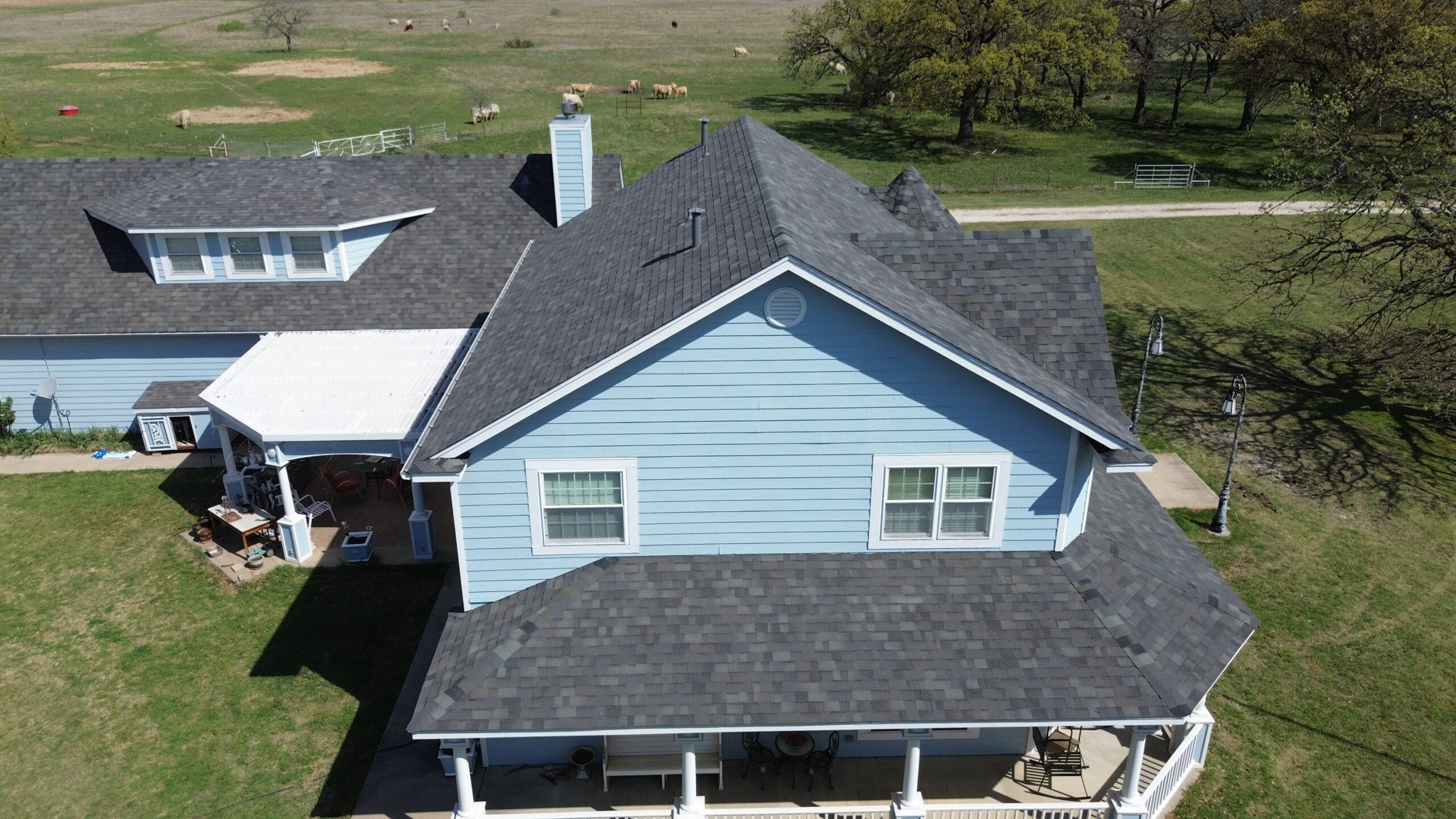
Types of Roof Deck Damage and Their Impact on Replacement Decisions
Not every type of roof deck damage affects replacement decisions in the same way. Some conditions are relatively minor and can be repaired efficiently, while others indicate widespread deterioration that requires more extensive structural work.
Moisture Damage
Moisture damage remains the most frequently discovered problem during roof replacement projects. Repeated exposure to water weakens wood fibers, causes swelling, and eventually leads to decay if leaks continue for extended periods. The longer moisture remains trapped inside the decking, the more likely replacement becomes necessary.
Wood Rot
Rot develops after prolonged moisture exposure allows fungi to break down the wood structure. Unlike simple surface staining, rotten wood loses much of its strength and cannot safely support roofing materials. Contractors generally replace rotten decking because structural performance has already been compromised.
Delamination
Plywood consists of multiple wood layers bonded together with adhesive. Excessive moisture may cause these layers to separate, reducing overall strength even when the surface appears relatively normal. Delaminated panels typically require replacement because their load carrying ability has declined.
Warping and Bowing
Repeated expansion and contraction caused by changing moisture levels may cause roof decking to warp or bow. Uneven decking creates irregular roof surfaces that affect the installation and appearance of new roofing materials. Moderate warping may sometimes be corrected, but severe distortion often requires replacement.
Mold Growth
Mold itself does not always indicate structural failure, but it usually signals excessive moisture problems that must be addressed. Contractors evaluate whether the mold is limited to the surface or whether underlying wood deterioration has already occurred. Replacement decisions depend on both the structural condition and the effectiveness of moisture control measures.
Mechanical Damage
Falling tree branches, heavy impacts, or improper foot traffic during previous roofing work can crack or break roof decking panels. Localized mechanical damage is often repairable if surrounding sections remain structurally sound. Widespread impact damage, however, may require replacing larger portions of the deck.
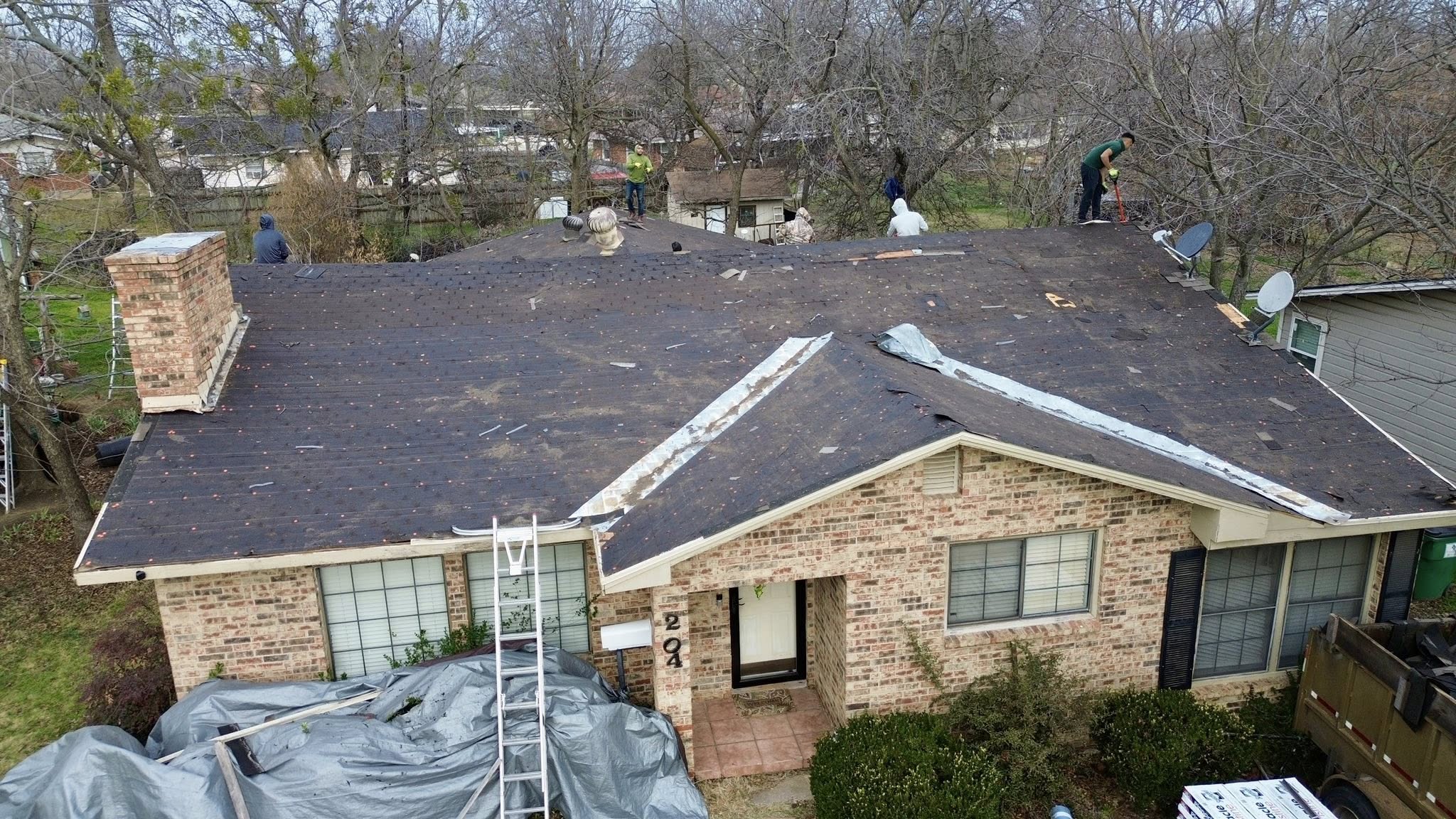
Comparing Repair vs. Full Deck Replacement
Homeowners often wonder whether repairing damaged roof decking will provide sufficient protection or whether complete replacement offers better long term value. The answer depends on the condition of the existing structure rather than simply the immediate project cost.
Repairs are generally appropriate when damage remains limited to isolated sections and surrounding decking continues meeting structural requirements. Replacing a few panels allows the majority of the original deck to remain while restoring strength in the affected area. This approach minimizes project costs without sacrificing overall performance.
Complete replacement becomes more appropriate when deterioration is widespread or when multiple types of damage occur simultaneously. A roof deck affected by moisture, rot, warping, and repeated repairs may no longer provide a reliable foundation for new roofing materials. Installing a premium roof over compromised decking often creates unnecessary future expenses.
Contractors also evaluate how long the homeowner plans to remain in the property. Those intending to stay for many years may benefit from replacing aging decking while the roof is already removed. Although the initial investment increases, the result is a stronger roofing system that is less likely to require major structural work in the future.
Repair decisions should always balance short term affordability with long term durability. Choosing the least expensive option today may lead to higher repair costs if hidden structural issues continue developing beneath the new roof.
Cost Factors That Influence Roof Deck Replacement
The cost of roof deck replacement varies considerably because every roofing project presents different structural conditions. Understanding these factors helps homeowners prepare for possible adjustments once the old roofing materials have been removed.
One of the largest cost variables is the amount of damaged decking. Replacing a few isolated panels requires significantly less labor and material than rebuilding large sections of the roof. Since contractors cannot fully evaluate the deck until tear-off begins, exact costs often remain uncertain during the initial estimate.
Material selection also affects the total project cost. Plywood, oriented strand board, and specialty structural panels differ in both price and performance. Contractors typically recommend materials that satisfy local building codes while providing compatibility with the chosen roofing system.
Labor costs depend on project complexity. Roofs with steep slopes, multiple valleys, dormers, skylights, or limited access require additional time and safety precautions. Structural repairs involving framing members or trusses further increase labor requirements because more extensive reconstruction becomes necessary.
Geographic location also influences pricing due to regional labor rates, material availability, transportation costs, and local building regulations. Weather conditions may affect scheduling as well, especially when temporary weather protection becomes necessary during extended repair work.
Homeowners should also consider the long term financial perspective. Addressing structural issues during a planned roof replacement is generally more economical than removing a newly installed roof later to repair hidden deck damage that was left unresolved.
Table: Repairable Roof Deck Damage vs. Replacement Level Damage
| Condition | Often Repairable | Usually Requires Replacement |
|---|---|---|
| Small isolated water stain | Yes | Rarely |
| Minor localized leak damage | Yes | Sometimes |
| Single damaged decking panel | Yes | No |
| Limited mechanical impact | Yes | Sometimes |
| Extensive wood rot | No | Yes |
| Large areas of moisture deterioration | No | Yes |
| Severe warping or sagging | Rarely | Yes |
| Fastener holding failure across multiple sections | No | Yes |
| Widespread mold with structural deterioration | Rarely | Yes |
| Multiple previous repair areas with continuing damage | Rarely | Yes |
This comparison serves as a general guideline rather than a universal rule. Every roof replacement project requires an individual assessment because structural conditions vary from one home to another.
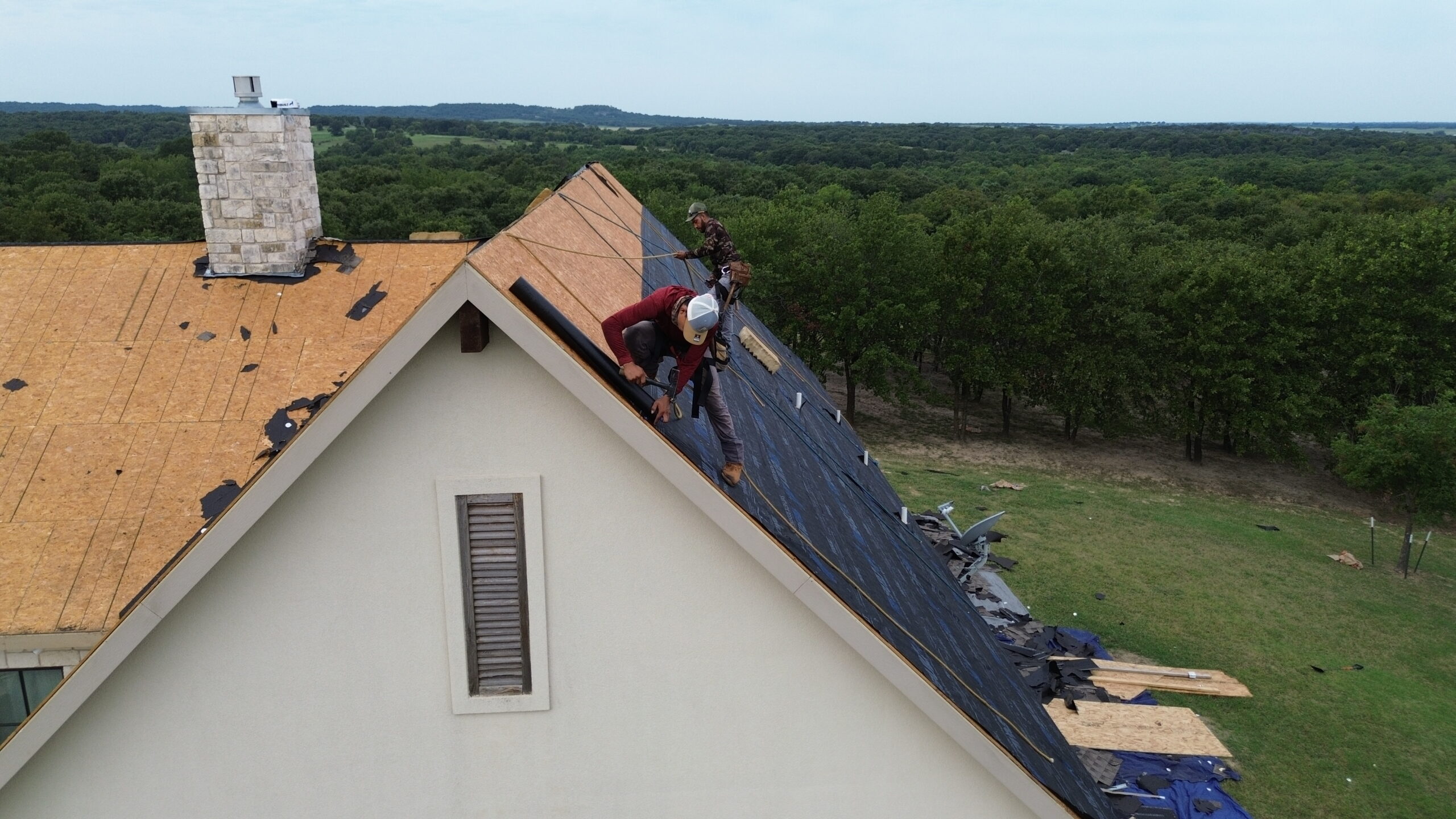
Building Codes and Structural Requirements
Roof replacement projects must comply with current building codes, even when the original roof was constructed under older standards. These regulations help ensure the completed roofing system provides adequate structural strength, weather resistance, and occupant safety.
Building inspectors may require damaged decking to be replaced before approving installation of new roofing materials. Contractors cannot simply cover structural deficiencies because doing so may violate local regulations and create safety risks. Code compliance protects both homeowners and future occupants of the property.
Fastener spacing, decking thickness, load capacity, and moisture resistance all influence whether existing materials satisfy current requirements. In some situations, older decking may remain structurally sound yet still require upgrades to support modern roofing systems or improved wind resistance standards.
Insurance companies may also review whether roof replacement work followed applicable building codes after major claims. Proper documentation of inspections, repairs, and structural improvements helps demonstrate that the completed project meets accepted construction practices.
Compliance should not be viewed solely as a legal requirement. Building codes are based on decades of engineering experience and are intended to improve the overall durability and performance of residential roofing systems.
Why Hidden Deck Damage Often Increases Project Scope
One of the most challenging aspects of roof replacement is that contractors cannot always determine the full extent of roof deck damage until existing roofing materials have been removed. Initial inspections provide valuable information, but concealed deterioration often remains hidden beneath shingles and underlayment.
Water follows unpredictable paths as it moves through a roofing system. A leak appearing near one section of the ceiling may actually originate several feet away, allowing moisture to spread across a much larger portion of the roof deck than homeowners expect. Once tear-off begins, contractors sometimes discover that damage extends beyond the visible leak location.
Multiple roofing layers installed over many years may also conceal older repairs, deteriorated decking, or improperly completed construction work. These hidden conditions become visible only after every roofing layer has been removed, allowing a thorough structural assessment.
Unexpected discoveries can increase both labor requirements and material quantities. While this may affect the overall project budget, correcting hidden damage during roof replacement prevents much more expensive structural repairs in the future. Rebuilding compromised sections before installing new roofing materials ensures the finished roof performs as a complete, integrated system rather than simply covering existing weaknesses.
Understanding how hidden roof deck damage influences project scope prepares homeowners for informed discussions with their contractor. In the final part of this guide, we will explore the long term benefits of replacing damaged roof decking, practical strategies for preventing future deterioration, common homeowner mistakes, and the key questions that should be asked before approving any roof replacement project.
Long-Term Benefits of Replacing a Damaged Roof Deck
Replacing damaged roof decking may increase the initial cost of a roofing project, but it often delivers substantial long-term value. Since the roof deck supports every component above it, restoring its structural integrity helps ensure the entire roofing system performs as intended. Homeowners who address hidden deck damage during replacement are less likely to experience recurring leaks, structural repairs, or premature roof failure.
One of the greatest benefits is improved durability. A new roof installed on a solid, stable deck can better withstand heavy rain, strong winds, temperature changes, and seasonal weather conditions. Roofing materials remain securely fastened because the deck provides reliable support throughout the roof’s expected lifespan.
Replacing damaged decking also improves moisture protection. Rotten or weakened wood often contains small openings that allow water to travel deeper into the roofing system. Installing new decking removes these vulnerable areas and creates a stronger base for underlayment and waterproof membranes.
Another advantage is increased energy efficiency. A sound roof deck works more effectively with attic insulation and ventilation systems, helping regulate indoor temperatures throughout the year. Reducing unwanted heat transfer may improve comfort while lowering heating and cooling demands.
Structural stability is another important consideration. Weak decking can gradually affect other parts of the home if left untreated, especially when moisture reaches framing members or insulation. Addressing these issues during roof replacement helps preserve the condition of the entire structure.
Homeowners planning to sell their property may also benefit from replacing damaged decking. Buyers often appreciate knowing that both the visible roofing materials and the supporting structure have been professionally restored. This can improve buyer confidence and reduce concerns during home inspections.
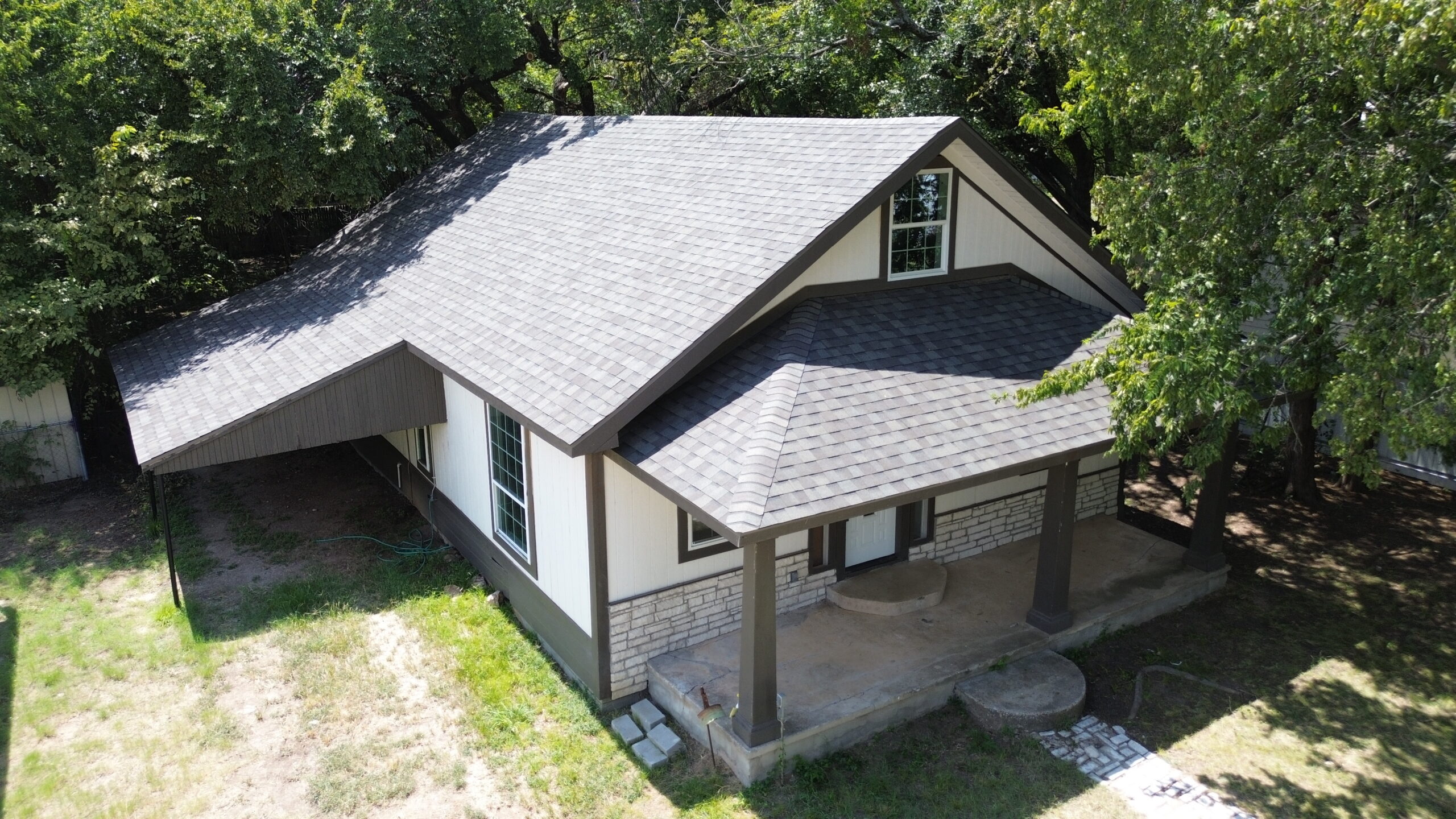
Preventing Future Roof Deck Damage
Although roof decks are designed to last for many years, proper maintenance significantly extends their service life. Preventive care reduces the likelihood of expensive structural repairs and helps homeowners maximize the lifespan of their roofing investment.
Routine roof inspections remain one of the most effective preventive measures. Identifying damaged shingles, loose flashing, clogged drainage systems, or small leaks early prevents moisture from reaching the roof deck. Addressing these issues promptly often avoids much larger structural repairs later.
Proper attic ventilation also plays an essential role in protecting roof decking. Balanced airflow reduces condensation that forms beneath the roof during seasonal temperature changes. Keeping attic humidity under control helps preserve both the decking and insulation.
Regular gutter maintenance supports roof health by directing rainwater safely away from the structure. Overflowing gutters allow water to back up beneath roofing materials, increasing the risk of deck deterioration. Keeping gutters clean improves drainage throughout the year.
Tree maintenance is another practical preventive strategy. Overhanging branches can scrape roofing materials, drop excessive debris, or break during storms. Trimming nearby trees reduces both physical damage and moisture retention on the roof surface.
Homeowners should also respond quickly whenever roof leaks appear. Even a minor leak can gradually weaken decking if ignored for several months. Early repairs usually cost far less than replacing large sections of deteriorated wood.
The following maintenance practices help reduce the likelihood of roof deck damage.
- Schedule professional roof inspections every few years or after major storms.
- Clean gutters and downspouts regularly to maintain proper drainage.
- Replace damaged shingles and flashing as soon as problems appear.
- Keep attic ventilation balanced to reduce moisture buildup.
- Trim nearby tree branches that could damage the roof.
Consistent maintenance cannot prevent every roofing problem, but it greatly reduces the chance that small issues will develop into major structural repairs.
Common Mistakes Homeowners Should Avoid
Roof replacement is a significant investment, and certain decisions can unintentionally shorten the lifespan of the new roofing system. Understanding these common mistakes helps homeowners make better choices before, during, and after the replacement process.
One common mistake is focusing only on visible roofing materials while overlooking the condition of the roof deck. Premium shingles or metal panels cannot compensate for a weak structural foundation. Ignoring hidden deck damage often results in recurring repairs despite installing a new roof.
Another mistake involves delaying repairs after noticing leaks or water stains. Homeowners sometimes postpone action because the damage appears minor, but moisture continues affecting the roof deck long after the leak first develops. Small repairs frequently become much larger projects when structural deterioration spreads.
Choosing the lowest contractor bid without understanding what is included can also create problems. Some estimates may not account for replacing damaged decking if problems are discovered during tear-off. Asking detailed questions before work begins helps prevent misunderstandings about project costs and repair expectations.
Skipping attic inspections is another overlooked issue. Many roof deck problems develop from the underside because of condensation or poor ventilation rather than exterior leaks alone. Inspecting only the roof surface may miss important warning signs.
Some homeowners also attempt to install new roofing materials over multiple existing layers to reduce costs. While this approach may seem economical, it often hides structural issues that continue worsening beneath the new roof. Removing old roofing materials allows contractors to inspect the deck properly before installation begins.
Finally, neglecting routine maintenance after roof replacement can shorten the life of even a high-quality roofing system. Regular inspections, cleaning, and prompt repairs remain essential long after construction has been completed.
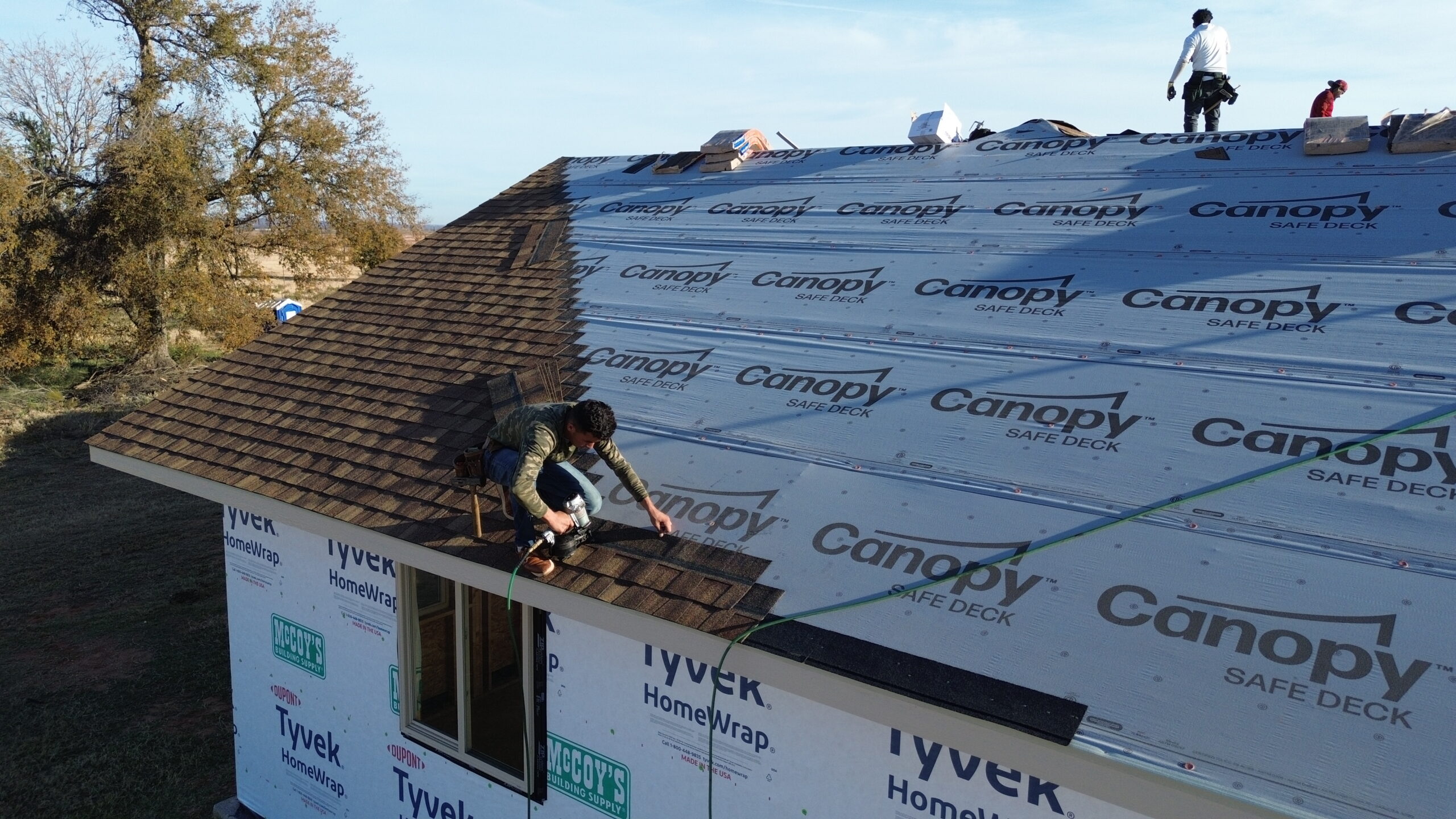
Questions to Ask Before Approving a Roof Replacement Project
Homeowners benefit from asking informed questions before work begins. Understanding the contractor’s recommendations helps ensure everyone shares the same expectations regarding repairs, costs, and long-term performance.
Some useful questions include:
- How will the roof deck be inspected after the existing roof is removed?
- What conditions would require deck repair instead of replacement?
- How will unexpected structural damage affect the project estimate?
- Which decking materials will be used if replacement becomes necessary?
- Will the completed roof meet current building code requirements?
- What warranty applies to both roofing materials and structural repairs?
These conversations help homeowners understand the reasoning behind professional recommendations instead of making decisions based only on project price. A reputable contractor should be willing to explain inspection findings, discuss available options, and answer questions throughout the replacement process.
Numbered Checklist for Evaluating Roof Deck Replacement Options
When deciding whether roof deck replacement is necessary, homeowners can use the following checklist to guide conversations with their contractor.
- Confirm that the entire roof deck will be inspected after the old roofing materials are removed.
- Request photographs of any damaged areas that require repair or replacement.
- Ask whether the damaged sections affect the structural strength of the roof.
- Determine whether localized repairs will provide long-term reliability.
- Verify that replacement materials comply with current building codes.
- Understand how repairs or replacement affect roofing warranties.
- Review all recommended work before approving additional costs.
- Confirm that ventilation and moisture issues are corrected before installing the new roof.
Following this checklist encourages informed decision making and reduces the likelihood of unexpected surprises during construction.
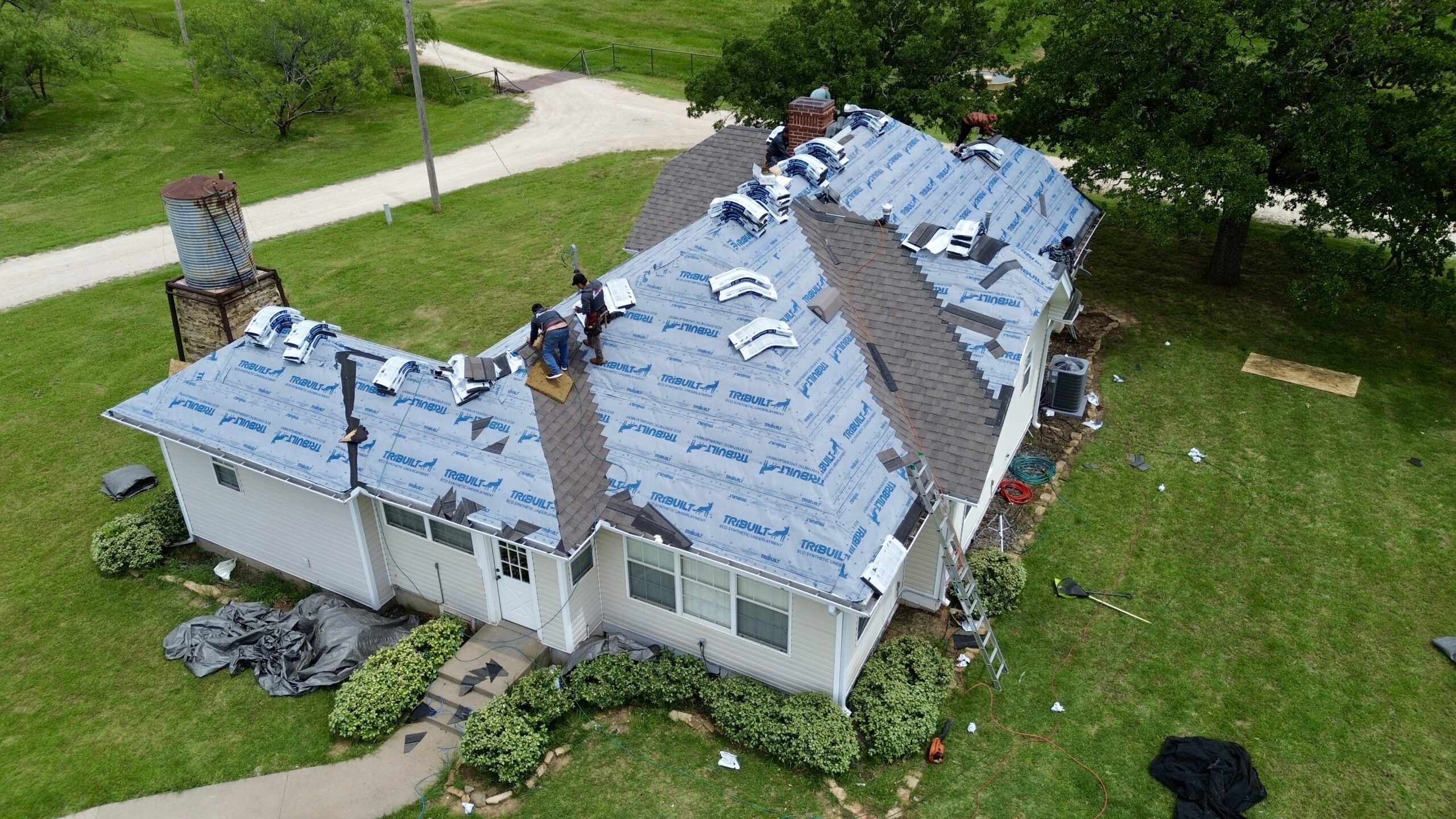
Key Considerations Before Making the Final Decision
Every roof replacement project is unique because each home has a different construction history, climate, maintenance record, and level of structural wear. Decisions about roof deck replacement should always be based on the actual condition of the decking rather than assumptions made before tear-off begins.
Homeowners should balance immediate project costs with the expected lifespan of the new roof. Saving money by leaving damaged decking in place may appear beneficial initially, but future repairs often become more expensive if structural problems continue developing beneath newly installed roofing materials.
Communication between homeowners and contractors remains one of the most valuable parts of the replacement process. Understanding inspection findings, reviewing photographs, and discussing available repair options creates confidence that every recommendation is supported by observable evidence rather than unnecessary work.
It is also important to remember that roof replacement is an opportunity to improve the entire roofing system. Upgrading ventilation, replacing deteriorated flashing, correcting drainage issues, and repairing structural weaknesses at the same time creates a more dependable roof that is better prepared for future weather conditions.
Taking a comprehensive approach rather than focusing only on the visible roofing surface helps protect both the home’s structure and the investment made in the replacement project. A strong roof begins with a strong foundation, and the roof deck serves as that essential foundation for every successful roofing system.
Conclusion
Roof deck damage is one of the most important factors influencing roof replacement decisions because it directly affects the safety, stability, and long-term performance of the entire roofing system. While damaged shingles or flashing are often easy to identify, problems hidden beneath the roof surface require careful inspection before a reliable replacement can be completed.
Throughout this guide, we explored how roof decks support every layer of the roofing system, the common causes of deterioration, the warning signs homeowners should recognize, and the methods professionals use to evaluate structural condition. We also examined the differences between repair and replacement, the cost considerations involved, the role of building codes, and the long-term advantages of installing new roofing materials over a structurally sound deck.
Addressing roof deck damage during a planned roof replacement provides benefits that extend far beyond the immediate project. A solid deck improves weather resistance, strengthens fastener performance, supports energy efficiency, and reduces the likelihood of future repairs. Although replacing damaged decking may increase the initial investment, it often prevents much larger structural expenses over the life of the roof.
Homeowners who understand the importance of roof deck condition are better prepared to make informed decisions when planning roofing projects. By combining professional inspections, quality materials, proper installation, and ongoing maintenance, it becomes possible to build a roofing system that delivers dependable protection for decades. A successful roof replacement is not defined only by the materials visible from the outside, but by the strength and integrity of the structure supporting everything above it.