
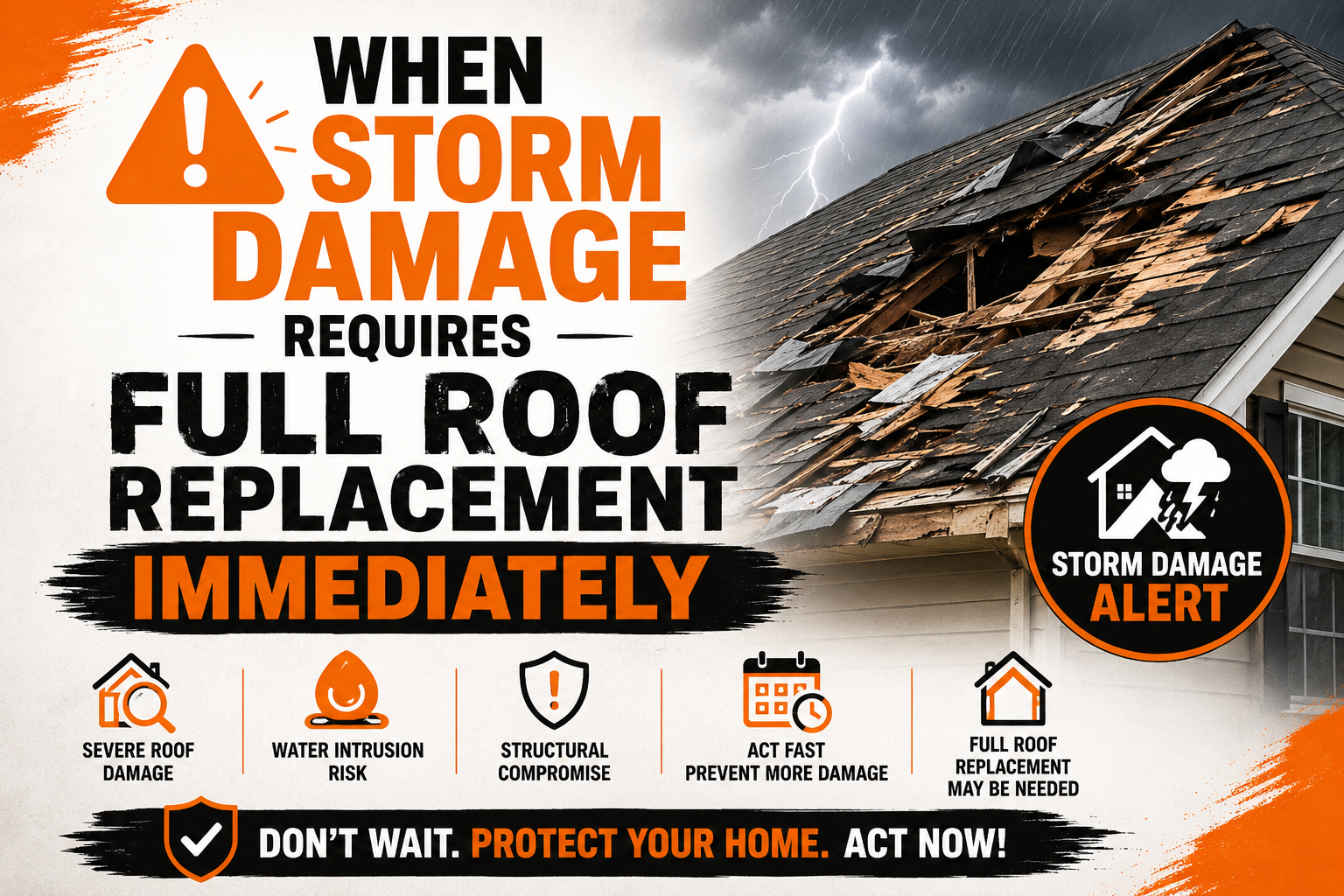
When Storm Damage Requires Full Roof Replacement Immediately
Introduction
Storms can strike with incredible force, leaving homeowners to face extensive property damage within a matter of minutes. While some roofs survive with only a few missing shingles or minor leaks, others suffer such severe destruction that repairs are no longer a safe or practical solution. In these situations, a full roof replacement becomes an urgent necessity rather than a future home improvement project.
Knowing when storm damage has crossed the line from repairable to irreparable is essential for protecting both your home and your family. Delaying action after a major storm can allow water intrusion, structural deterioration, mold growth, and electrical hazards to develop rapidly. The longer significant damage remains unaddressed, the more expensive and complicated restoration often becomes.
Every storm affects roofing systems differently depending on wind speed, hail size, rainfall intensity, surrounding trees, and the age of the roof itself. Even if damage appears limited from the ground, hidden problems beneath the shingles or roofing panels may threaten the structural integrity of the entire system. That is why professional inspections are just as important as visible observations.
This guide explains when storm damage requires immediate full roof replacement, how professionals evaluate severe roofing damage, and what homeowners should do during the critical hours following a major weather event. Understanding these steps helps reduce stress, improve safety, and prepare you for the replacement process that follows.
Recognizing Storm Damage That Requires Immediate Roof Replacement
Not every damaged roof needs to be replaced completely. In many situations, localized repairs restore the roof’s performance without replacing the entire system. However, severe storms can create widespread destruction that compromises nearly every component of the roofing structure.
The first warning sign is the extent of visible damage. When large portions of roofing material are missing or displaced, the protective barrier that shields the home from rain and wind has already failed. Temporary repairs may reduce immediate water intrusion, but they rarely provide a lasting solution when damage covers multiple sections.
Structural damage presents an even greater concern. If the roof deck has warped, sagged, cracked, or shifted because of storm forces, replacing only the surface materials will not restore the roof’s strength. A weakened structural foundation increases the risk of collapse during future storms or under heavy loads.
Water infiltration is another important indicator. Rainwater entering through numerous openings often saturates insulation, wooden decking, support beams, and interior ceilings. Once moisture spreads throughout these materials, hidden deterioration can continue long after the storm has passed.
Homeowners should also pay attention to signs inside the house. Ceiling stains, peeling paint, bubbling drywall, damp insulation, and unexplained mold growth frequently indicate roof damage that extends far beyond what is visible outside. These symptoms suggest moisture has already traveled through multiple layers of the building.
Age also influences replacement decisions. An older roof nearing the end of its expected lifespan often cannot withstand severe storm impacts as effectively as a newer system. When major weather damage occurs on an aging roof, replacing the entire structure usually provides better long-term value than repeatedly repairing weakened materials.
Professional inspectors evaluate both obvious destruction and hidden weaknesses before recommending replacement. Their assessment considers whether the roof can safely continue protecting the home or whether continued repairs would only postpone an inevitable replacement.
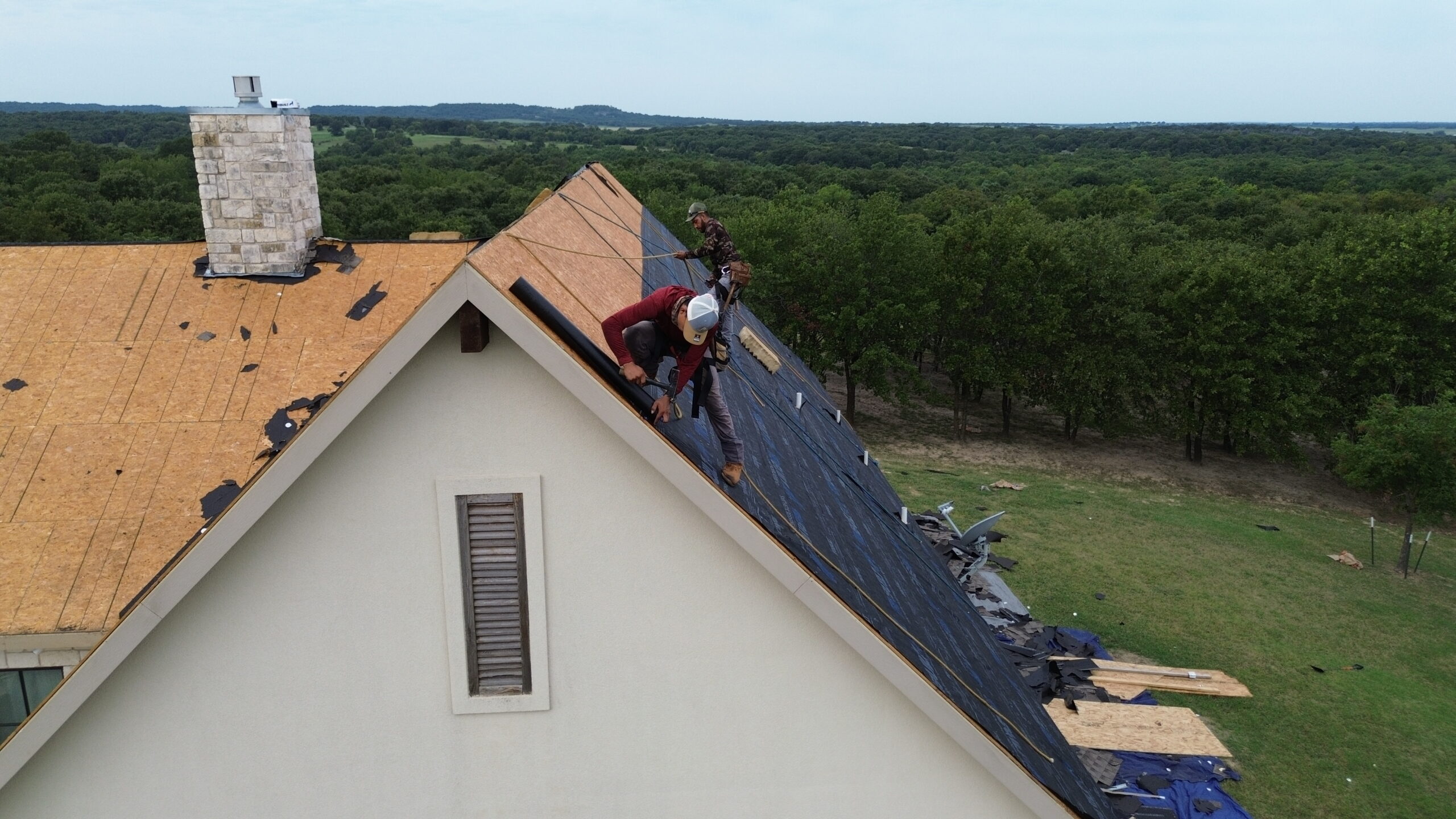
Warning Signs That Indicate Immediate Replacement
Some forms of storm damage clearly demonstrate that repairs alone are no longer sufficient. While every home is unique, several warning signs consistently indicate that a complete replacement deserves serious consideration.
- Large sections of shingles or roofing panels have been torn away.
- Roof decking has become exposed or visibly damaged.
- Significant sagging appears across one or more roof sections.
- Water enters through multiple locations during rainfall.
- Trees or heavy branches have impacted the roof structure.
- Large hail has fractured shingles across wide areas.
- Fire or lightning has compromised roofing materials.
- Structural framing beneath the roof has shifted or cracked.
These conditions usually affect more than the roof’s outer surface. They often indicate widespread structural problems that require comprehensive rebuilding rather than isolated repairs.
Types of Storms That Cause Catastrophic Roof Damage
Storms vary greatly in intensity, and each type creates different patterns of roof destruction. Understanding how various weather events affect roofing systems helps homeowners recognize when immediate replacement becomes necessary.
Hurricanes and Tropical Storms
Hurricanes produce powerful winds that place tremendous pressure on roofing materials. Wind uplift can peel shingles away layer by layer until the roof deck becomes completely exposed.
Flying debris carried by hurricane winds creates additional damage by puncturing roofing materials and breaking flashing around chimneys, skylights, and roof vents. Heavy rainfall then enters through these openings, soaking the underlying structure.
Prolonged exposure to high winds also weakens roofing fasteners and framing connections. Even if part of the roof remains intact after the storm, hidden structural damage may reduce its ability to withstand future weather events.
Tornadoes
Tornadoes generate some of the strongest winds found in nature. Entire roofing systems may be lifted from homes within seconds, leaving walls and interiors exposed directly to the elements.
Debris traveling at extreme speeds frequently penetrates roofing materials with enormous force. Even homes located outside the tornado’s direct path often experience severe roof damage caused by airborne objects.
When tornado damage affects structural framing, replacement extends beyond shingles or metal panels. Roof trusses, decking, underlayment, and supporting components often require complete reconstruction.
Large Hailstorms
Hailstones vary considerably in size, but larger stones can inflict extensive roof damage within minutes. Repeated impacts fracture asphalt shingles, crack tiles, dent metal roofing, and weaken protective coatings.
Some hail damage appears subtle immediately after the storm. Small fractures gradually expand as sunlight, moisture, and temperature changes weaken already damaged materials. This delayed deterioration often leads to widespread leaks months later.
Extensive hail damage across the entire roof typically makes replacement more cost effective than replacing individual damaged sections. Uniform replacement also preserves consistent appearance and long-term weather resistance.
Severe Windstorms
Straight-line winds can produce destruction comparable to weaker tornadoes. Strong gusts lift roofing materials, loosen flashing, damage ridge caps, and expose vulnerable roof decking.
Wind-driven rain compounds the problem by forcing moisture beneath partially lifted shingles. Water then travels underneath roofing layers before becoming visible inside the home, making early detection more difficult.
Repeated wind events further weaken roofing systems that have already sustained storm damage. Immediate replacement often prevents escalating structural deterioration.
Heavy Snow and Ice Storms
Winter storms place enormous weight on roofing systems. Heavy snow accumulation increases structural stress, especially on older roofs with weakened framing.
Ice dams create another serious concern by trapping melting water beneath roofing materials. As water refreezes, it expands and forces openings that allow moisture to penetrate deeper into the roof assembly.
If excessive snow loads cause sagging or structural deformation, replacing the entire roof often becomes necessary to restore safe load-bearing capacity.
Falling Trees During Storms
High winds frequently bring down trees or large branches onto residential roofs. Even relatively small impacts can fracture structural decking, crush rafters, and damage support beams beneath roofing materials.
Visible damage may represent only part of the problem. The impact force often transfers throughout the roof structure, weakening areas beyond the immediate point of contact.
Professional inspections evaluate whether surrounding framing remains structurally sound or whether widespread replacement provides the safest long-term solution.
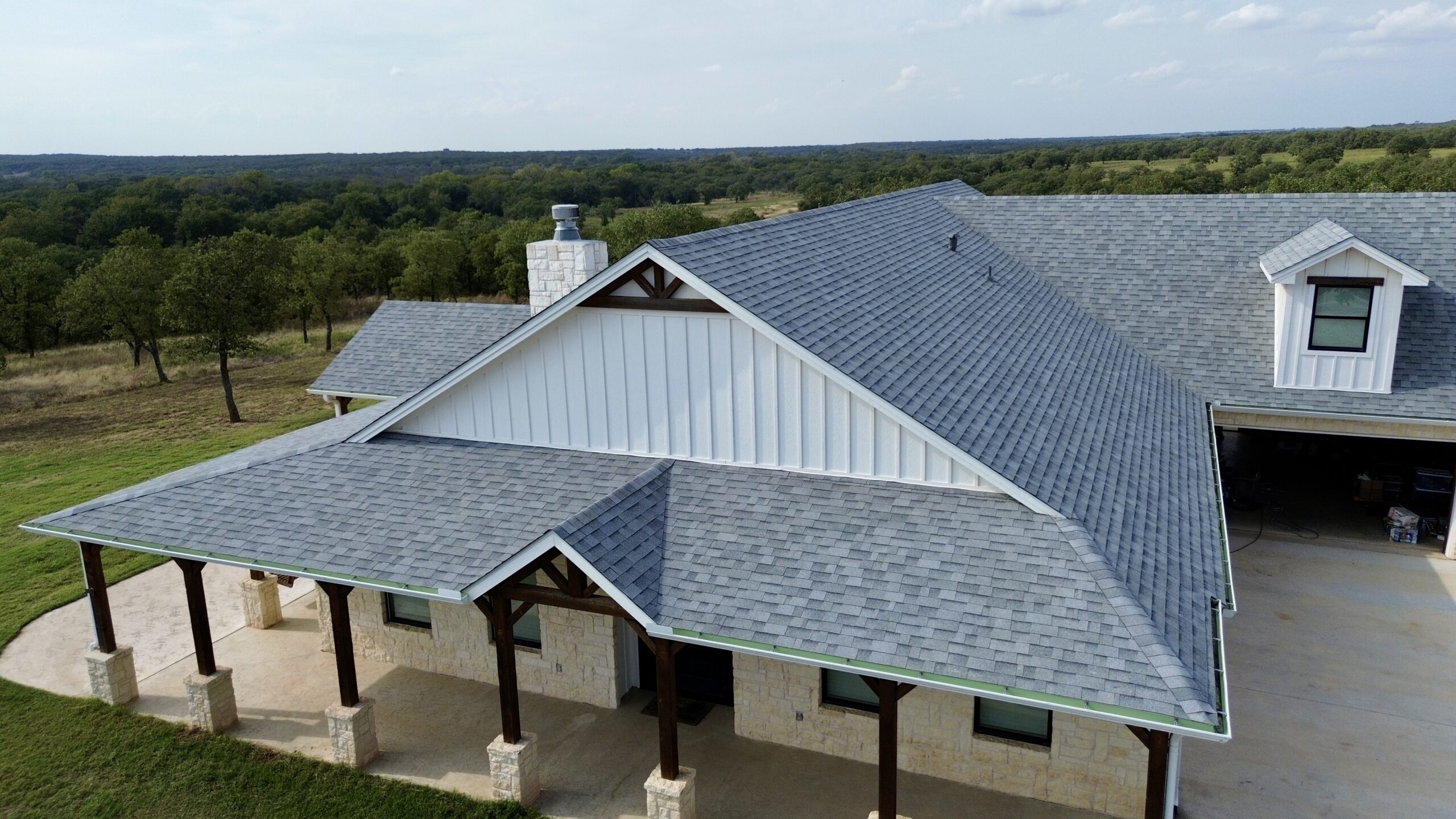
Why Immediate Roof Replacement Matters
Some homeowners hope temporary repairs will buy enough time before making a major investment. While emergency coverings certainly help reduce immediate water intrusion, postponing replacement after catastrophic storm damage often creates much larger problems.
Water is one of the greatest threats following severe roof damage. Once moisture reaches insulation and wooden framing, deterioration begins almost immediately. Wet materials lose strength, decay over time, and create ideal conditions for mold growth.
Structural weakening presents another major concern. Damaged decking and framing may continue supporting normal conditions temporarily but fail unexpectedly under additional rainfall, snow accumulation, or strong winds. Replacing the roof promptly restores structural stability before conditions worsen.
Electrical systems also become vulnerable when water enters ceilings and attic spaces. Moisture around wiring increases the possibility of short circuits, damaged electrical components, and potential fire hazards. Early replacement reduces these risks significantly.
Interior finishes suffer extensive damage when leaks continue unchecked. Ceiling drywall, flooring, cabinetry, furniture, insulation, and personal belongings may all require replacement if moisture spreads throughout the home. Addressing the roof first helps prevent these secondary losses.
Prompt replacement also simplifies insurance claims in many situations. Insurance companies generally expect homeowners to take reasonable steps to prevent additional damage after a covered event. Acting quickly demonstrates responsible property maintenance while supporting claim documentation.
Perhaps most importantly, immediate replacement restores peace of mind. Families can return to normal routines knowing their home once again provides reliable protection against changing weather conditions.
Immediate Steps After Discovering Severe Storm Damage
The hours immediately following a major storm are often confusing and stressful. Taking organized action helps protect your family, minimize additional damage, and prepare for the replacement process ahead.
The first priority should always be personal safety. Stay away from areas where ceilings appear unstable, electrical hazards may exist, or structural damage creates a risk of collapse. If the home has suffered extensive structural damage, relocate to a safe location until professionals determine it is safe to return.
Next, perform a careful visual inspection from the ground whenever possible. Avoid climbing onto a damaged roof because weakened decking, loose materials, and slippery surfaces significantly increase the risk of serious injury. Binoculars or photographs taken from a safe distance often provide enough information for an initial assessment.
Document everything you observe. Take clear photographs of damaged roofing materials, fallen trees, broken gutters, water intrusion, damaged ceilings, and any affected personal property. Comprehensive documentation supports insurance claims and helps contractors understand the extent of the damage.
Contact your insurance provider as soon as possible to report the loss. Early notification begins the claims process and allows adjusters to schedule inspections before additional weather complicates the situation. Keep records of all conversations, claim numbers, photographs, and repair estimates.
Finally, arrange temporary protective measures if conditions allow. Emergency tarps or other approved coverings installed by qualified professionals can reduce further water intrusion until full roof replacement begins. These temporary solutions should never replace permanent repairs, but they play an important role in limiting additional damage during the recovery process.
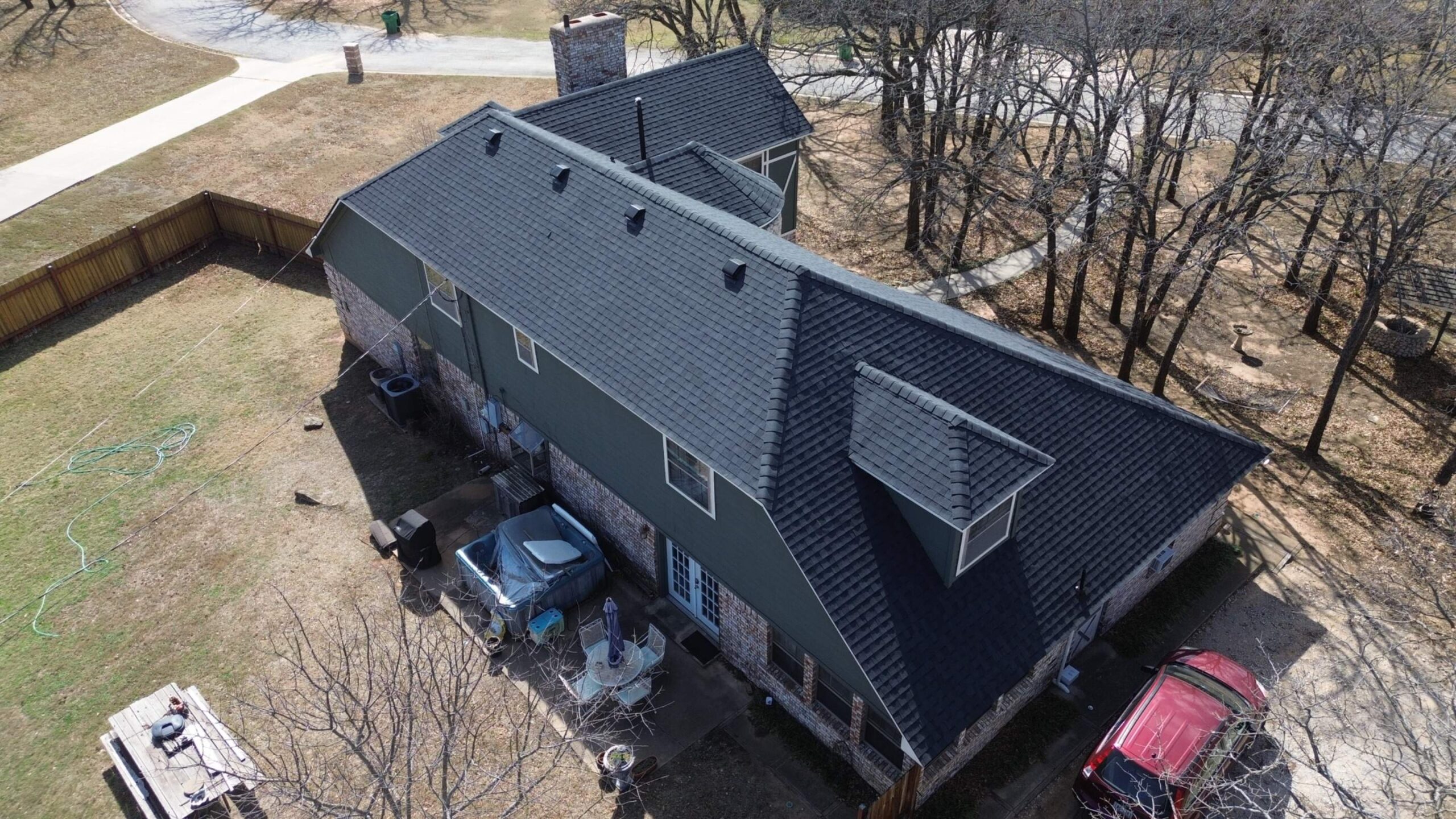
How Professionals Determine Whether Replacement Is Necessary
After emergency conditions have stabilized, roofing professionals perform a detailed inspection to determine whether repairs remain practical or if complete replacement is the safer option. Their evaluation extends far beyond what is visible from the ground.
Exterior inspections begin with a close examination of shingles, flashing, ridge caps, vents, gutters, valleys, and roof penetrations. Inspectors look for widespread material loss, impact damage, lifted sections, and signs that wind has weakened attachment points across the roofing system.
Attention then shifts beneath the roofing materials. Roof decking is evaluated for soft spots, moisture damage, warping, delamination, and structural weakness. Even when the surface appears repairable, compromised decking often makes full replacement necessary to restore long-term performance.
Attic inspections provide valuable information that cannot be seen outside. Professionals examine insulation, rafters, trusses, ventilation systems, and support members for water stains, mold growth, rot, and shifting structural components. Hidden moisture frequently reveals damage that has existed longer than homeowners realize.
Modern inspection equipment also improves damage detection. Moisture meters, infrared imaging, and other specialized tools help identify trapped water beneath roofing materials before visible signs appear inside the home. Detecting these hidden issues early allows contractors to develop a more accurate replacement plan.
Finally, inspectors evaluate whether repairs would restore the roof to reliable condition or merely postpone larger failures. Their recommendation considers structural integrity, safety, remaining service life, manufacturer guidelines, and overall cost effectiveness before determining whether complete roof replacement is the most appropriate solution.
Insurance and Financial Considerations After Severe Storm Damage
Once a professional confirms that your roof requires complete replacement, the next major concern is often the financial impact. Roof replacement represents one of the largest home repair expenses most homeowners will face, making insurance coverage an essential part of the recovery process. Understanding how claims work helps reduce confusion and prepares you for the decisions ahead.
Most homeowners insurance policies cover roof replacement when damage results from sudden and unexpected events such as hailstorms, hurricanes, tornadoes, or falling trees. Coverage generally depends on the cause of the damage rather than simply the condition of the roof. Damage caused by gradual deterioration, neglect, or poor maintenance is often excluded from standard policies.
Insurance companies evaluate several factors before approving a replacement claim. The adjuster examines the extent of storm damage, the age of the roof, previous repairs, maintenance history, and whether the damage directly resulted from the reported weather event. Supporting documentation from roofing professionals can strengthen your claim and provide additional evidence when widespread damage exists.
Policyholders should also understand the difference between replacement cost value and actual cash value coverage. A replacement cost policy typically pays the amount needed to install a new roof with similar materials, subject to deductibles and policy limits. Actual cash value policies reduce payments based on depreciation, meaning homeowners may need to contribute a larger portion of the replacement cost.
Deductibles also play an important role in the total amount homeowners pay out of pocket. Some policies include separate wind or hurricane deductibles that differ from standard deductibles. Reviewing these details before a major storm occurs helps eliminate surprises during the claims process.
Maintaining organized records throughout the insurance process is equally important. Save inspection reports, contractor estimates, invoices for emergency services, photographs, receipts, and all communication with your insurance company. Well organized documentation often speeds claim processing and reduces disputes over covered damages.
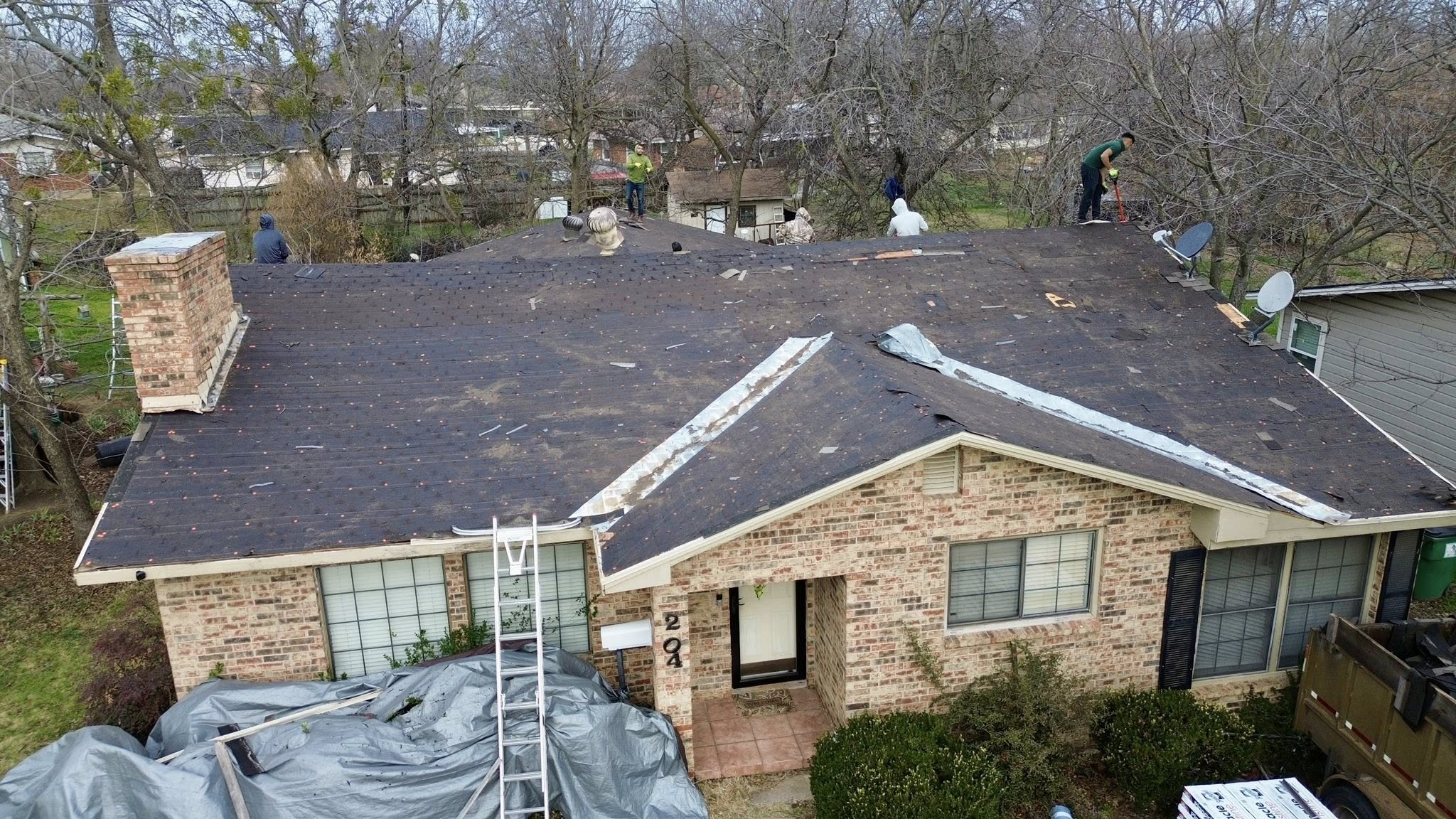
Working Effectively With Insurance Adjusters
Insurance adjusters serve an important role in determining the extent of covered storm damage. Their inspection helps establish whether repairs or complete replacement are appropriate under the policy. Preparing for their visit improves communication and allows them to review all available evidence.
Before the inspection, organize photographs showing damage immediately after the storm as well as any temporary protective measures that were installed. If possible, have inspection reports from licensed roofing contractors available for review. These documents provide additional technical information that may not be immediately visible during a single inspection.
During the inspection, walk through the property with the adjuster whenever it is safe to do so. Ask questions about the evaluation process and request clarification if any areas appear overlooked. Clear communication helps ensure that important observations receive proper attention.
If you disagree with the adjuster’s findings, additional inspections may be appropriate. Independent roofing professionals, structural engineers, or public adjusters can provide supplemental evaluations that support further review when significant differences exist.
Common Reasons Insurance Claims Experience Delays
Although many storm damage claims proceed smoothly, some encounter delays because additional information is needed before approval. Understanding these situations allows homeowners to respond quickly and avoid unnecessary setbacks.
The most common causes include incomplete documentation, uncertainty regarding the cause of damage, delayed claim reporting, or questions about the roof’s maintenance history. Insurance companies may also request additional inspections if weather conditions prevented a complete initial assessment.
Occasionally, damage results from a combination of recent storm activity and long term wear. Separating these factors requires careful evaluation, which may extend the review process. Providing maintenance records and photographs from before the storm can help establish the roof’s condition prior to the event.
Patience and consistent communication remain valuable throughout the claims process. Respond promptly to requests for information, maintain copies of all submitted documents, and keep detailed notes regarding conversations with insurance representatives.
Emergency Temporary Protection Before Replacement Begins
Even after insurance approval, roof replacement rarely begins immediately. Contractors may require time to schedule materials, secure permits, and coordinate labor. During this waiting period, protecting the home from additional damage becomes a top priority.
Temporary protective measures are designed to reduce water intrusion rather than permanently repair the roof. Properly installed emergency coverings help preserve structural components while replacement plans move forward. These measures often prevent thousands of dollars in secondary interior damage.
Professional emergency services typically begin by removing loose debris that could create additional hazards. Broken branches, damaged shingles, detached flashing, and unstable roofing materials are carefully cleared from the affected areas whenever conditions allow.
Heavy duty waterproof tarps are then secured over exposed sections of the roof. Proper installation requires anchoring methods that withstand changing weather while minimizing further damage to roofing materials. Poorly installed tarps can loosen during strong winds, reducing their effectiveness.
Interior protection is equally important. Buckets may collect active leaks, while plastic sheeting helps protect furniture, flooring, and personal belongings from ongoing moisture. Moving valuable items away from damaged areas reduces the risk of permanent water damage before replacement begins.
Attic ventilation should also be monitored carefully. Excessive moisture trapped inside the attic creates favorable conditions for mold growth and wood deterioration. Maintaining airflow whenever possible helps reduce humidity until permanent repairs are completed.
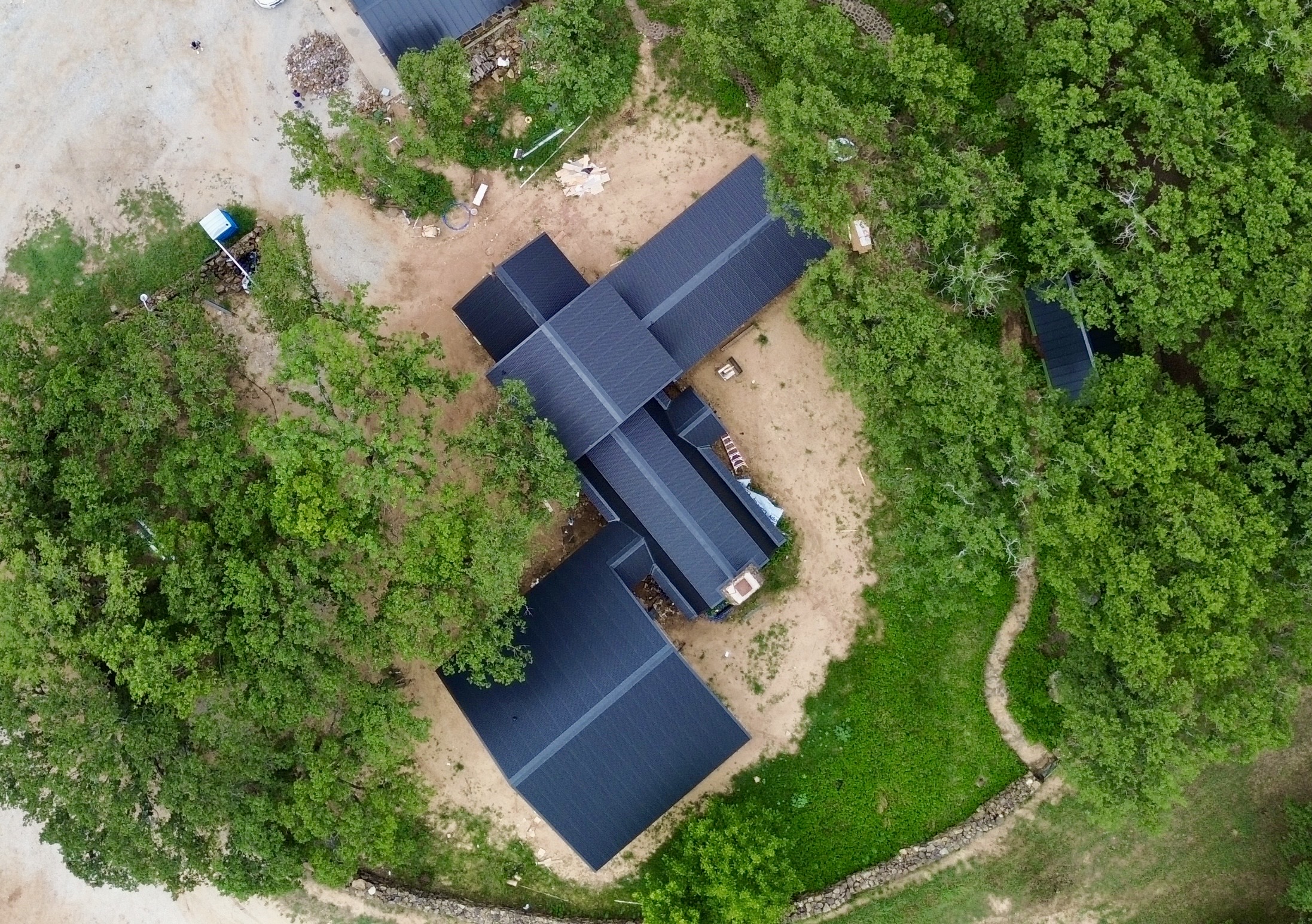
Protecting Your Home During the Waiting Period
Temporary protection involves more than simply covering the roof. Homeowners should continue monitoring the property until replacement begins, especially if additional storms are expected. Regular inspections help identify new leaks or shifting protective coverings before they become major problems.
Pay close attention after heavy rainfall or strong winds. Temporary materials occasionally require adjustment, particularly following severe weather. Addressing small issues promptly helps prevent additional structural damage.
It is also wise to photograph the property periodically throughout the waiting period. Updated documentation demonstrates that reasonable efforts were made to protect the home while awaiting permanent repairs. These records may prove valuable if questions arise during the insurance process.
The Complete Roof Replacement Process
Many homeowners feel uncertain about what actually happens during a full roof replacement. Understanding each stage helps set realistic expectations and reduces stress throughout the project. Although every home presents unique challenges, most replacement projects follow a similar sequence.
The process begins with a comprehensive project review. Contractors confirm measurements, verify material quantities, discuss scheduling, review safety procedures, and coordinate deliveries. Clear planning before work begins reduces delays once construction starts.
Building permits are obtained whenever local regulations require them. Permit requirements vary depending on location, roofing material, and structural modifications. Completing this step ensures the replacement complies with current building codes.
On the scheduled installation day, crews prepare the work area by protecting landscaping, driveways, windows, and outdoor equipment. Protective coverings help minimize damage from falling debris while providing a safer work environment throughout the project.
The old roofing system is then removed carefully. Contractors strip away shingles or other roofing materials, underlayment, flashing, fasteners, and damaged components until the roof decking is fully exposed. Removing everything allows a thorough inspection of the underlying structure.
Once exposed, the decking receives a detailed examination. Any sections showing rot, moisture damage, cracking, or structural weakness are replaced before new roofing materials are installed. This step creates a solid foundation that supports the long term performance of the new roof.
Waterproof underlayment follows next. Modern synthetic underlayments and specialized ice and water barriers provide an additional layer of moisture protection beneath the finished roofing material. These components significantly improve resistance against future storms.
Flashing installation receives careful attention because these areas commonly experience leaks. New flashing is installed around chimneys, skylights, roof valleys, vents, and wall intersections to direct water safely away from vulnerable areas.
Finally, the selected roofing material is installed according to manufacturer specifications. Whether asphalt shingles, metal panels, tiles, or synthetic products are used, proper installation techniques directly influence long term durability and warranty coverage.
After installation, contractors perform a comprehensive inspection to verify workmanship, confirm proper fastening, and ensure all roofing components function together effectively. Cleanup follows immediately, with crews removing nails, debris, and discarded materials from the property.
Choosing the Right Roofing Material After Storm Damage
Replacing a storm damaged roof provides an opportunity to evaluate different roofing materials rather than automatically selecting the same product previously installed. Modern roofing systems offer improved durability, energy efficiency, and weather resistance compared to many older materials.
Selecting the right option requires balancing budget, climate, maintenance expectations, appearance, and expected lifespan. The best choice differs from one homeowner to another because every property has unique priorities.
Asphalt Shingles
Asphalt shingles remain the most widely installed residential roofing material because they provide dependable protection at an affordable cost. Modern architectural shingles offer improved wind resistance, enhanced appearance, and longer service life than older three tab products.
Many manufacturers now produce impact resistant shingles specifically designed for regions that experience frequent hailstorms. These products reduce damage from moderate impacts and may qualify homeowners for insurance discounts in certain locations.
Metal Roofing
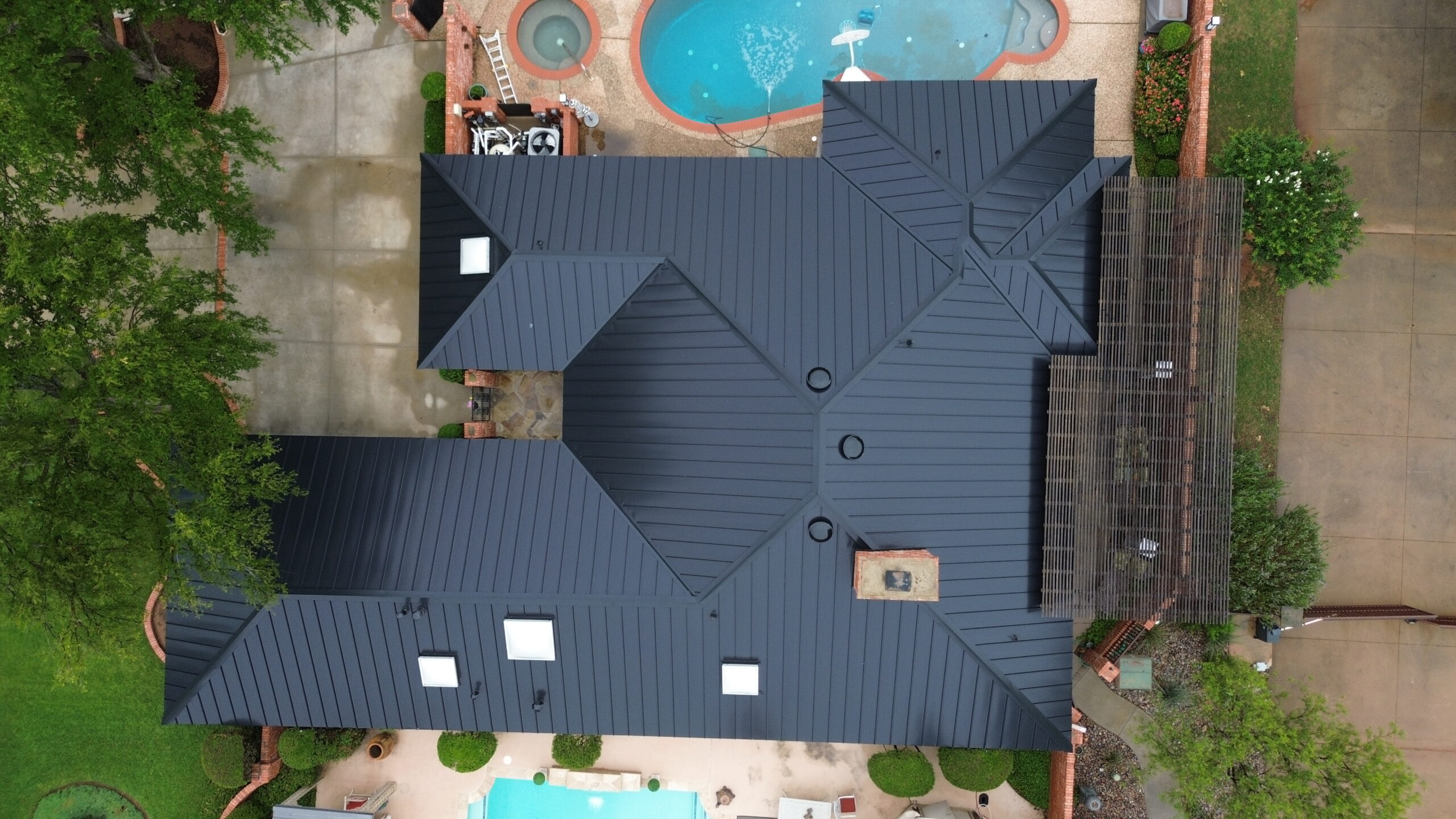
Metal roofing has become increasingly popular among homeowners seeking exceptional storm resistance. Properly installed metal roofs perform well against high winds, shed rain efficiently, and resist many forms of impact damage.
Metal roofing also reflects a significant amount of solar heat, improving energy efficiency during warmer months. Although initial installation costs are generally higher than asphalt shingles, the extended lifespan often offsets the larger investment over time.
Clay and Concrete Tile
Tile roofing offers outstanding longevity and distinctive architectural appeal. Clay and concrete tiles resist fire, insects, and weather related deterioration while providing decades of reliable performance.
However, tile roofs are considerably heavier than many other roofing systems. Homes considering tile replacement may require structural evaluation to confirm that framing can safely support the additional weight.
Slate Roofing
Natural slate remains one of the most durable roofing materials available. Properly maintained slate roofs often last well over a century while providing excellent resistance to weather and fire.
The exceptional lifespan comes with higher installation costs and specialized labor requirements. Repairs also require experienced contractors familiar with handling natural stone roofing materials.
Synthetic Roofing Materials
Synthetic roofing products combine the appearance of traditional materials with modern engineering improvements. Many options imitate slate, wood shake, or tile while weighing significantly less than the natural products they resemble.
These materials often provide strong impact resistance, easier installation, and lower maintenance requirements. Advances in manufacturing continue improving their durability in regions that experience severe storms.
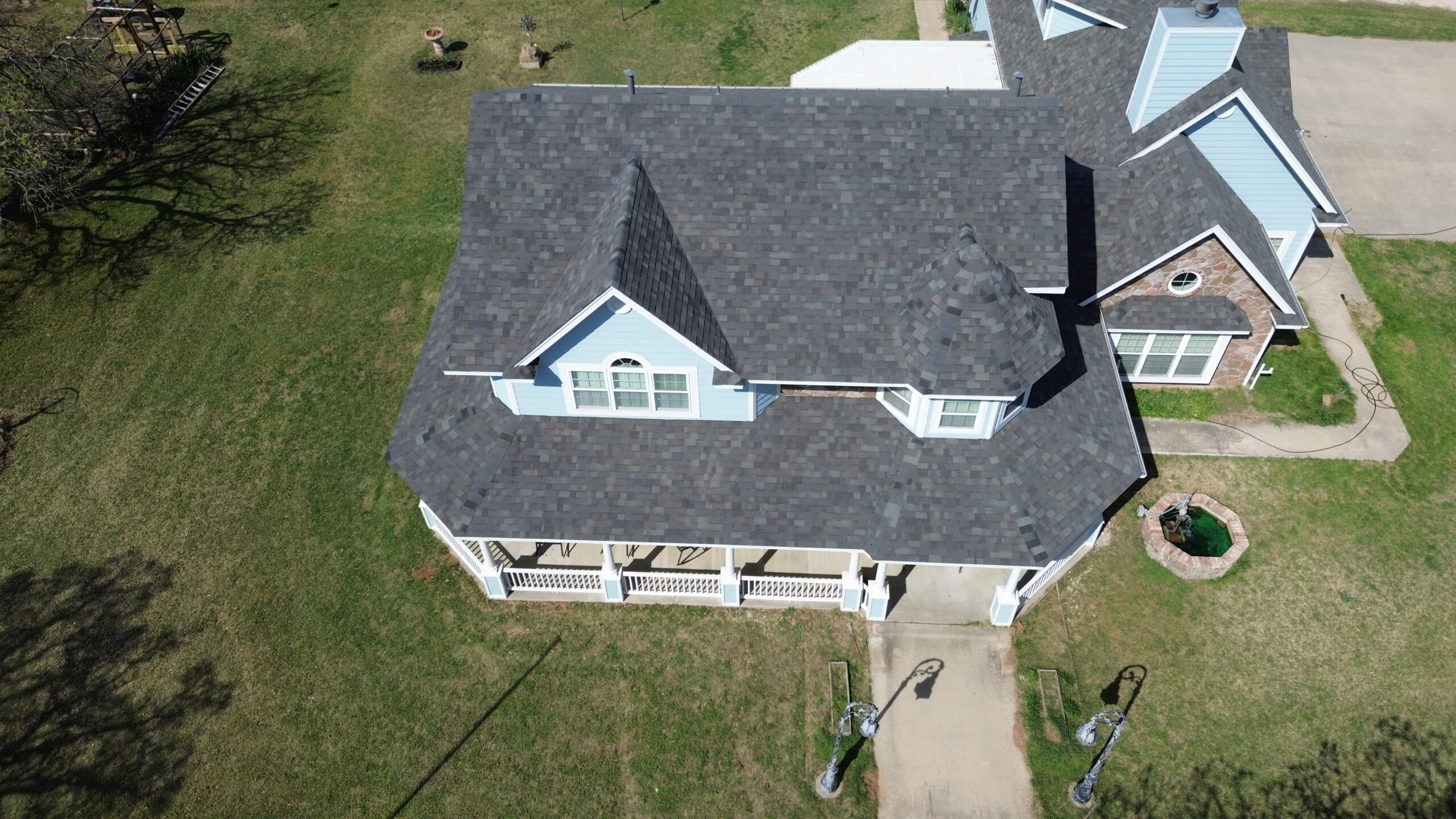
Comparing Popular Roofing Materials
The following comparison highlights several important characteristics homeowners should consider when selecting replacement materials after severe storm damage.
| Roofing Material | Typical Lifespan | Storm Resistance | Maintenance Needs | Relative Cost |
|---|---|---|---|---|
| Asphalt Shingles | 20 to 30 years | Good | Moderate | Low |
| Metal Roofing | 40 to 70 years | Excellent | Low | Moderate to High |
| Clay or Concrete Tile | 50 to 100 years | Very Good | Low | High |
| Slate Roofing | 75 to 150 years | Excellent | Low | Very High |
| Synthetic Roofing | 30 to 50 years | Very Good | Low | Moderate |
No roofing material is completely immune to severe weather. However, selecting products designed for your local climate significantly improves long term performance and reduces the likelihood of future storm related damage.
The choice should also consider local building codes, neighborhood architectural styles, maintenance preferences, and long term ownership plans. Investing in higher quality materials today often results in lower repair costs and greater peace of mind over the life of the roof.
Mistakes Homeowners Should Avoid After Major Storm Damage
The decisions made during the first few days after a severe storm often determine how smoothly the roof replacement process unfolds. While it is natural to feel overwhelmed, avoiding common mistakes can protect both your property and your finances. Careful planning also reduces delays and helps ensure the new roof performs well for many years.
One of the biggest mistakes is delaying a professional inspection because the roof appears undamaged from the ground. Many forms of storm damage remain hidden beneath shingles, flashing, or underlayment. Waiting too long allows moisture to spread through the roof structure, increasing repair costs and creating additional safety concerns.
Another frequent mistake is attempting major repairs without proper training. Climbing onto a damaged roof exposes homeowners to unstable surfaces, loose materials, and the possibility of structural collapse. Storm damaged roofs should always be evaluated by qualified professionals equipped with the proper safety equipment.
Choosing a contractor solely because they offer the lowest price can also create long term problems. Inexperienced or unlicensed contractors may use inferior materials, ignore building codes, or install roofing systems incorrectly. While lower estimates may seem attractive initially, poor workmanship often results in expensive repairs later.
Homeowners should also avoid signing contracts before carefully reviewing every detail. The agreement should clearly explain the scope of work, materials being installed, warranty information, payment schedule, project timeline, and cleanup responsibilities. Reading the contract thoroughly helps prevent misunderstandings once construction begins.
Ignoring minor interior signs of damage is another costly error. Water stains, musty odors, peeling paint, or damp insulation may indicate hidden leaks that continue spreading even after the storm has ended. Addressing these issues early helps prevent mold growth and structural deterioration.
Finally, some homeowners accept the first insurance settlement without verifying whether it fully reflects the actual replacement requirements. Reviewing estimates with experienced roofing professionals provides confidence that all necessary repairs have been included before work begins.
How to Choose a Reliable Roofing Contractor
Selecting the right contractor is one of the most important decisions in the entire replacement process. A skilled roofing company not only installs quality materials but also communicates clearly, follows safety standards, and supports homeowners throughout the insurance and construction process.
Begin by confirming that the contractor holds the required licenses and insurance for your area. Proper licensing demonstrates compliance with local regulations, while liability and workers’ compensation insurance protect both the homeowner and the roofing crew.
Experience with storm damage restoration is another valuable qualification. Contractors who regularly handle severe weather projects understand how to identify hidden structural issues, document damage for insurance purposes, and recommend solutions that meet current building codes.
Customer reviews and references provide additional insight into workmanship and professionalism. Speaking with previous clients can reveal how well the contractor communicated throughout the project, respected schedules, and addressed unexpected challenges.
It is also helpful to request a detailed written estimate before making a decision. A professional proposal should describe the materials, labor, warranties, estimated timeline, and cleanup procedures. Clear documentation makes it easier to compare multiple contractors fairly rather than focusing only on price.
Reliable contractors are willing to answer questions without pressure. They explain replacement options clearly, discuss advantages and limitations of different roofing materials, and provide realistic expectations regarding project duration.
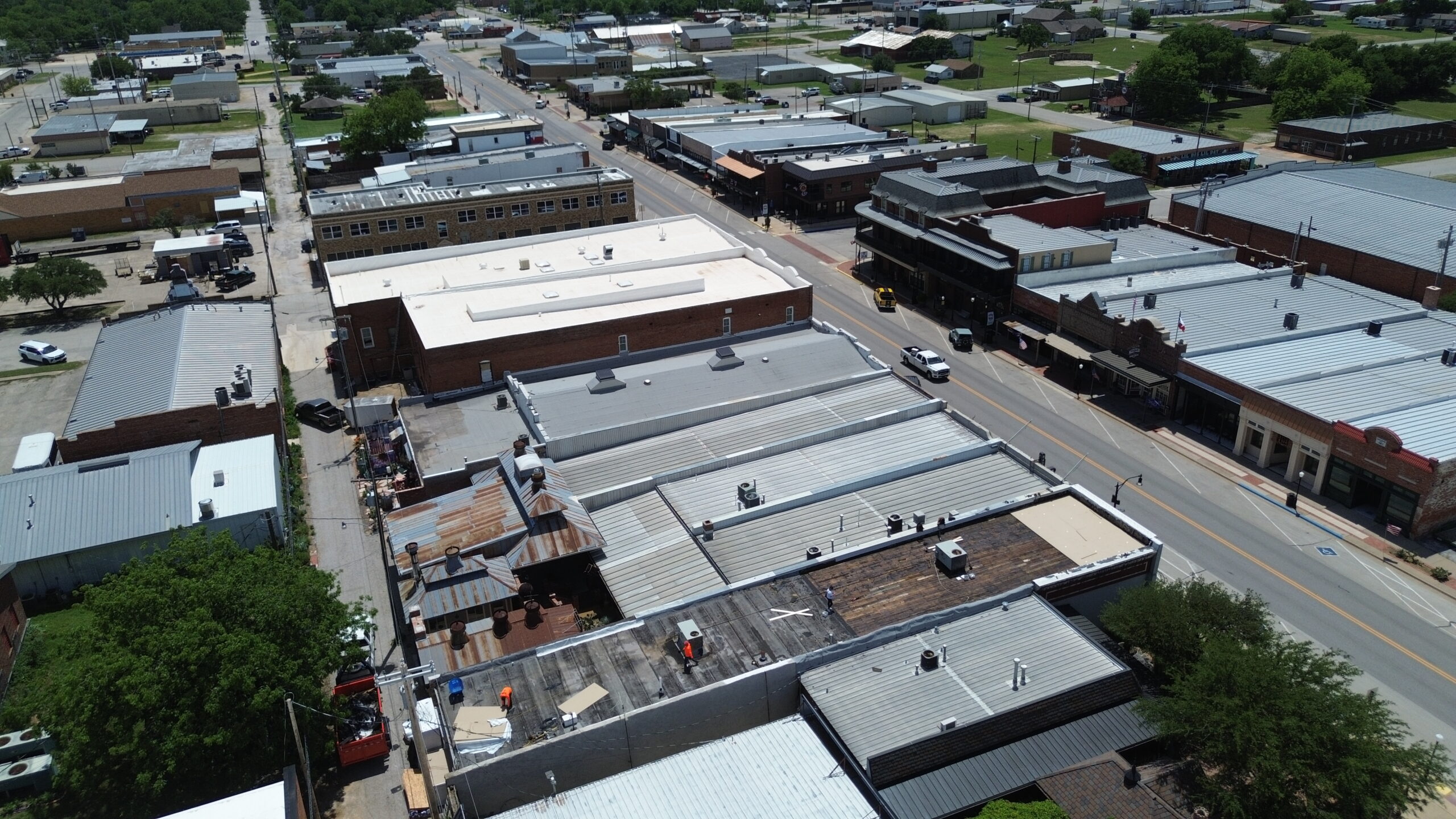
Strengthening Your Home Against Future Storms
Although no roof can completely eliminate storm damage, thoughtful improvements can significantly reduce the likelihood of severe destruction during future weather events. Modern roofing technology offers several features specifically designed to improve durability under challenging conditions.
Impact resistant roofing materials have become increasingly popular in regions that frequently experience hailstorms. These products are engineered to absorb greater impact energy before cracking or breaking. While no material is completely damage proof, impact resistant products generally perform better during moderate hail events.
High wind installation techniques also improve roof performance. Enhanced fastening systems, stronger adhesives, reinforced ridge components, and upgraded flashing all help roofing materials remain securely attached during powerful windstorms.
Improving attic ventilation contributes to long term roof health as well. Proper airflow reduces excessive heat buildup during summer while helping control moisture during colder months. Balanced ventilation extends the lifespan of roofing materials and reduces the likelihood of condensation related problems.
Waterproof underlayment provides another valuable layer of protection beneath the visible roofing surface. If shingles or panels become damaged during a storm, the underlayment continues limiting water intrusion until permanent repairs can be completed.
Gutter maintenance should not be overlooked either. Clean, properly functioning gutters direct rainwater away from the roof and foundation, reducing moisture related damage during periods of heavy rainfall. Blocked gutters increase the risk of overflowing water that may enter vulnerable roof edges.
Tree maintenance is equally important for storm preparedness. Removing dead branches and trimming limbs that extend over the roof reduces the likelihood of impact damage during high winds. Healthy trees are less likely to shed large branches during severe weather.
Routine professional inspections provide another valuable defense. Small problems identified during annual maintenance can often be corrected before they develop into major failures during the next storm season.
Long Term Roof Maintenance After Replacement
A newly installed roof represents a significant investment that deserves ongoing care. Consistent maintenance helps maximize its service life while preserving warranty coverage and overall performance.
Homeowners should inspect the property from ground level after major storms. Looking for displaced shingles, damaged flashing, clogged gutters, or fallen branches allows potential issues to be identified early. Prompt attention often prevents minor damage from becoming expensive structural repairs.
Cleaning debris from valleys and gutters also supports proper drainage. Leaves, twigs, and other materials trap moisture against roofing components, increasing the risk of deterioration over time. Regular cleaning keeps water flowing efficiently away from the home.
Professional roof inspections every few years provide additional peace of mind. Roofing specialists identify subtle signs of wear that may not be visible to homeowners. Early maintenance generally costs far less than emergency repairs following extensive deterioration.
Homeowners should also retain records of inspections, maintenance, and repairs. These documents demonstrate responsible care, support warranty claims when necessary, and may add value if the property is sold in the future.
Frequently Asked Questions
How quickly should roof replacement begin after severe storm damage?
Replacement should begin as soon as the property is safe, temporary protection has been installed, and insurance or financial arrangements are complete. Delaying unnecessarily increases the risk of additional water damage and structural deterioration.
Can a severely damaged roof simply be repaired?
Sometimes repairs are appropriate for localized damage. However, when the roof has experienced widespread structural damage, extensive water intrusion, or major material loss, complete replacement usually provides the safest and most reliable solution.
How long does a complete roof replacement usually take?
Most residential roof replacements take between one and several days depending on the roof size, weather conditions, material selection, and structural repairs required. Larger or more complex homes may require additional time.
Does homeowners insurance always pay for roof replacement?
Insurance coverage depends on the cause of the damage and the specific policy terms. Sudden storm damage is commonly covered, while deterioration caused by age, neglect, or poor maintenance is often excluded.
Can homeowners remain inside the house during roof replacement?
In many situations, families can remain inside the home while work is being completed. However, construction creates considerable noise and vibration, and contractors may recommend temporary relocation if extensive structural work or safety concerns exist.
What documents should homeowners keep after a storm?
Maintain copies of photographs, inspection reports, contractor estimates, insurance correspondence, permits, invoices, warranties, and receipts for emergency protection measures. Organized records simplify future warranty claims and insurance questions.
Storm Recovery Checklist
The following checklist summarizes the recommended actions homeowners should take after discovering severe storm damage.
- Ensure everyone in the home is safe before inspecting the property.
- Perform a visual inspection from the ground without climbing onto the roof.
- Photograph all visible damage inside and outside the home.
- Contact your homeowners insurance company to begin the claims process.
- Schedule an inspection with a qualified roofing professional.
- Install temporary protective coverings if necessary.
- Obtain detailed written replacement estimates.
- Review insurance findings carefully before approving work.
- Select durable roofing materials appropriate for your local climate.
- Schedule regular inspections after the new roof has been installed.
Following these steps helps organize the recovery process while reducing unnecessary delays. Each action supports the next stage of replacement, creating a smoother experience from the initial inspection through the final installation.
Conclusion
Storm damage can transform a secure home into a vulnerable structure within minutes. While some roofing problems can be resolved with localized repairs, widespread structural damage, severe water intrusion, extensive hail impacts, or major wind destruction often leave full roof replacement as the only safe and dependable solution. Recognizing these situations early allows homeowners to protect both their families and their investment.
A successful recovery begins with safety, followed by careful documentation and a professional inspection. These early actions establish a clear understanding of the damage while supporting insurance claims and helping contractors develop an effective replacement plan. Temporary protective measures also play an important role by limiting additional deterioration before permanent work begins.
Understanding the roof replacement process reduces uncertainty during an already stressful time. From structural evaluations and material selection to underlayment installation and final inspections, every stage contributes to a roofing system capable of protecting the home for decades. Investing in quality materials and experienced professionals provides long term value that extends well beyond the initial construction period.
Homeowners should also view roof replacement as an opportunity to improve future storm resilience. Modern impact resistant materials, stronger installation methods, better ventilation, and routine maintenance all contribute to improved performance during severe weather. Small preventative investments today can significantly reduce future repair costs and improve overall home protection.
Storms cannot be prevented, but their long term impact can be managed through informed decisions and timely action. By recognizing when immediate roof replacement is necessary, working with qualified professionals, and following a structured recovery plan, homeowners can restore their property with confidence and prepare it to withstand future weather challenges. A well built roof is more than just a protective covering because it safeguards the people, memories, and investments that make a house feel like home.