
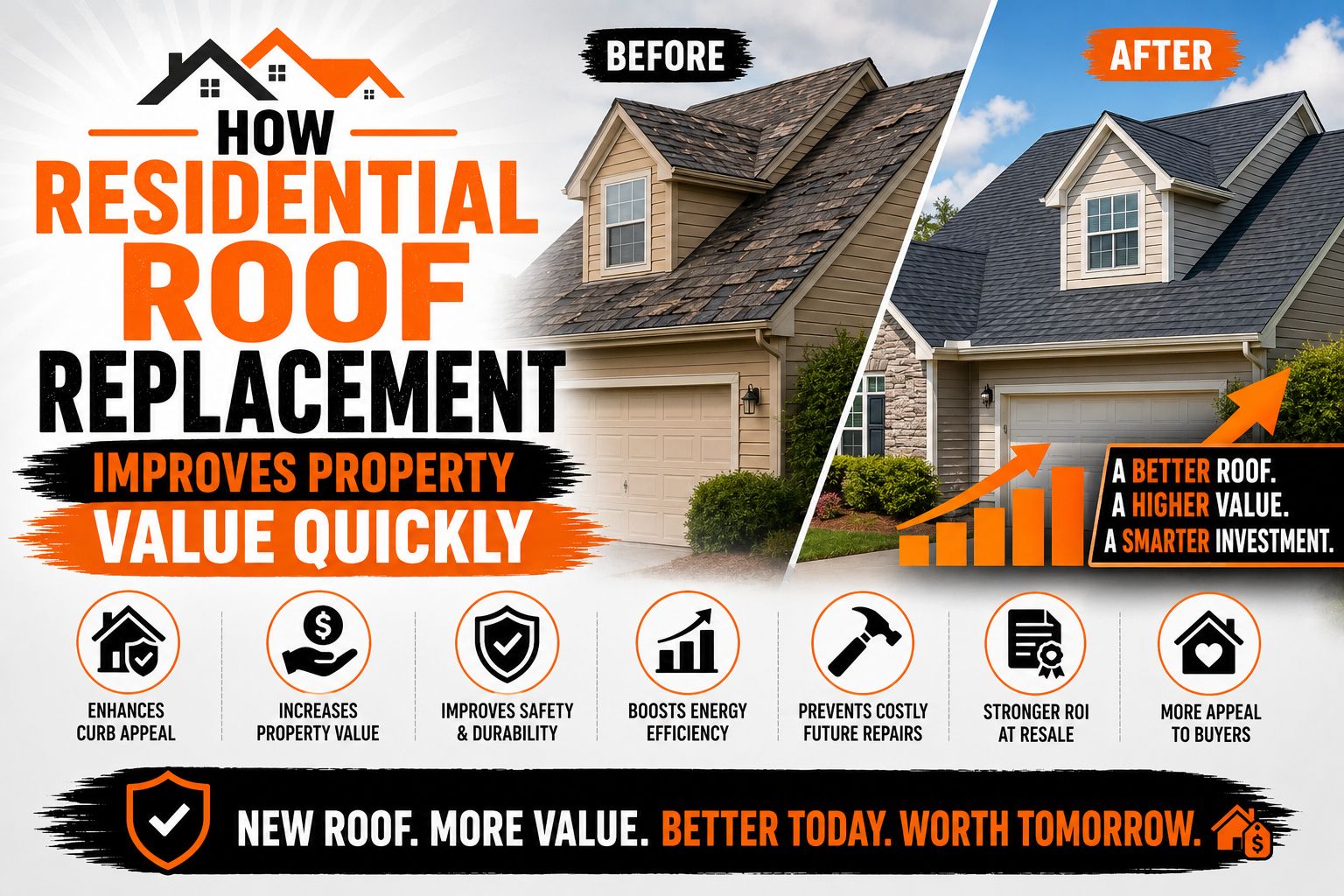
How Residential Roof Replacement Improves Property Value Quickly
Introduction
A residential roof does much more than protect a home from rain, wind, sunlight, and changing weather conditions. It is one of the first features people notice when viewing a property, and it plays a major role in determining how buyers, appraisers, inspectors, and insurance providers evaluate a home’s overall condition. Because of its importance, replacing an aging roof can significantly improve both the appearance and market value of a property.
Many homeowners focus on interior renovations such as kitchen upgrades, bathroom remodeling, or flooring improvements when trying to increase property value. While these projects certainly contribute to buyer appeal, a worn or damaged roof can overshadow many other improvements. Buyers often view an old roof as a future expense, making them more cautious about purchasing the property or negotiating a lower price.
A new roof creates immediate confidence because it signals that the home has been properly maintained. Modern roofing systems provide improved weather protection, better insulation, enhanced ventilation, and stronger energy efficiency than many older roofing materials. These improvements benefit both current homeowners and future buyers by reducing maintenance concerns and operating costs.
Residential roof replacement also provides financial advantages beyond resale value. It can improve insurance eligibility, reduce the likelihood of costly emergency repairs, increase energy efficiency, and extend the structural life of the home. These practical benefits contribute to the property’s long term value while making ownership more attractive.
This guide explores how residential roof replacement influences property value from multiple perspectives. In this first part, we examine why the roof matters so much during home valuation, how aging roofs affect buyer perception, and why replacing the roof before selling often creates stronger financial outcomes.
Why the Roof Has a Major Impact on Property Value
The roof is one of the largest and most visible structural components of a home. Unlike decorative upgrades that mainly improve appearance, the roof directly affects the safety, durability, energy efficiency, and long term condition of the entire property. Because of this, buyers often consider roof condition one of the most important factors when evaluating a home.
A well maintained roof demonstrates responsible homeownership. Buyers generally assume that homeowners who have invested in maintaining the roof have also cared for other major systems within the property. This positive impression increases buyer confidence before they even enter the home.
Real estate professionals also recognize the importance of roofing condition during property evaluations. Homes with newer roofs often present fewer concerns during showings because buyers are less worried about unexpected repair expenses shortly after moving in. This confidence may contribute to stronger purchase offers.
Appraisers also consider roof condition when assessing overall property value. Although a new roof alone does not guarantee a specific increase in value, it positively influences the property’s overall condition rating. Better condition frequently supports stronger market comparisons with similar homes.
Roof condition also affects financing in some situations. Certain lenders and insurance providers may require roofing repairs or replacement before approving mortgages or insurance coverage. A recently replaced roof helps eliminate these potential obstacles during the home selling process.
Because the roof influences appearance, structural protection, inspection results, financing, and insurance, it remains one of the most valuable improvements homeowners can make before placing a property on the market.
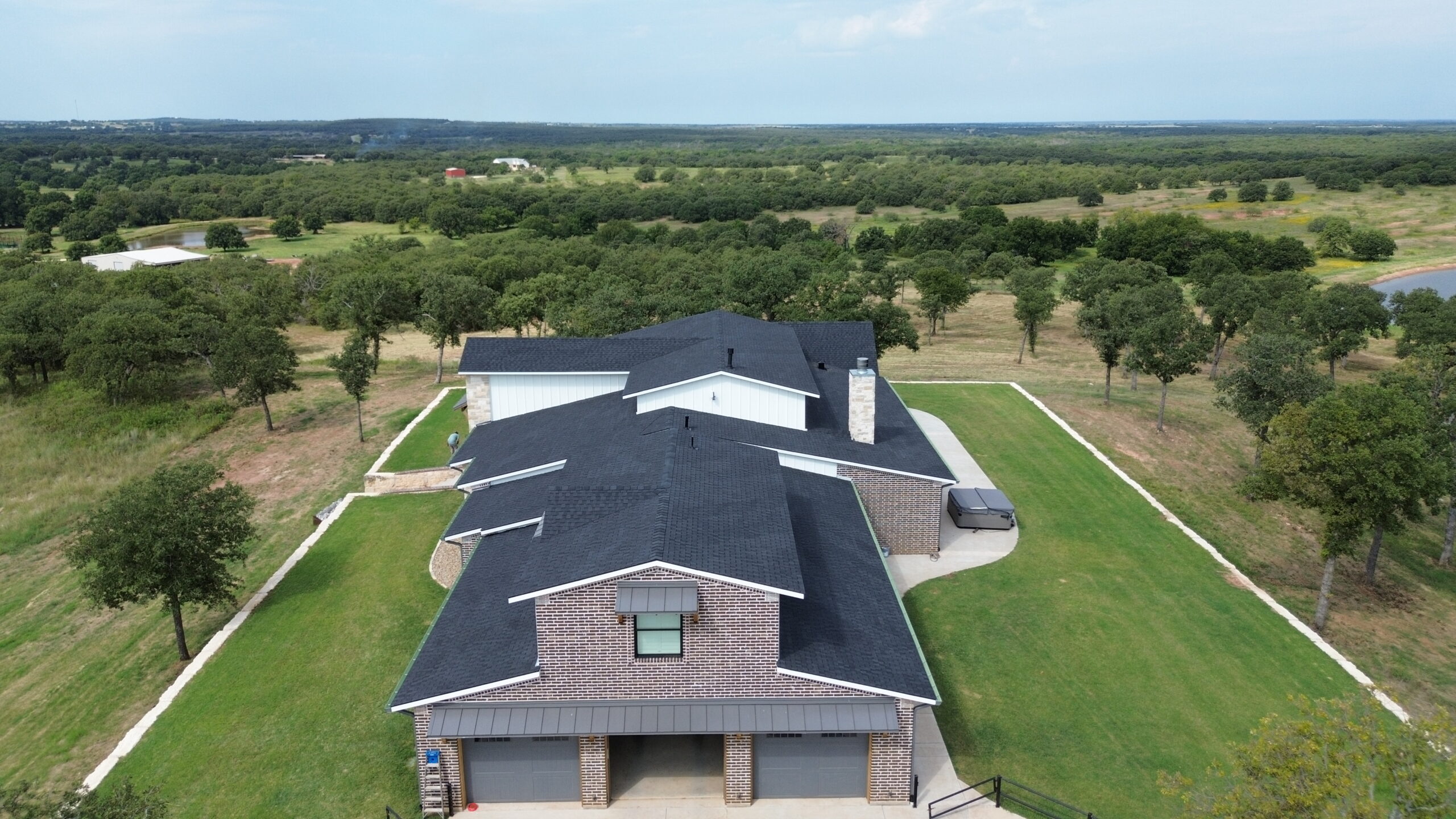
Signs That an Aging Roof Reduces Home Value
An aging roof gradually affects property value long before serious leaks begin to appear. Buyers often recognize visible warning signs immediately, and these observations may influence their opinion of the entire home before they review any other features.
Missing, cracked, curled, or damaged shingles create the impression that maintenance has been postponed. Even when the remainder of the home is well maintained, visible roofing deterioration often raises concerns about hidden structural problems or future repair costs.
Roof discoloration also affects buyer perception. Dark streaks, moss growth, algae, weather staining, and uneven aging make the roof appear older than it actually is. Although some of these conditions are cosmetic, they may still reduce curb appeal and create negative first impressions.
Sagging roof sections represent a more serious concern because they may indicate structural damage beneath the roofing materials. Buyers and inspectors often associate uneven roof surfaces with moisture damage, deteriorated decking, or long term neglect. These concerns frequently lead to further inspections before a sale proceeds.
Repeated roof repairs can also reduce buyer confidence. Patchwork repairs, mismatched shingles, and visible sealants suggest recurring roofing problems rather than a permanent solution. Buyers may anticipate additional repairs shortly after purchasing the home.
Interior warning signs also influence property value. Ceiling stains, peeling paint, attic moisture, mold growth, or damaged insulation often indicate roof related water intrusion. These conditions create additional concerns about structural integrity while increasing the likelihood of repair negotiations.
Recognizing these warning signs early allows homeowners to replace the roof before its condition begins significantly affecting property value and buyer interest.
How a New Roof Creates a Strong First Impression
First impressions strongly influence purchasing decisions, particularly in real estate. Before buyers enter the home, they typically evaluate its exterior appearance, and the roof occupies a large portion of what they immediately see. A new roof enhances this first impression by creating the appearance of a well cared for property.
Fresh roofing materials improve overall curb appeal by providing consistent color, clean lines, and an attractive finished appearance. Whether the home features asphalt shingles, metal roofing, tile, or another material, a recently installed roof contributes to a more modern and inviting exterior.
The roof also complements other exterior improvements. New siding, fresh paint, updated landscaping, and attractive windows create greater visual impact when paired with a roof that matches the overall appearance of the property. Together, these improvements strengthen buyer perception before they even enter the home.
Buyers often associate a new roof with reduced future expenses. Rather than immediately budgeting for roof repairs or replacement, they can focus on personalizing the home after purchase. This convenience increases the property’s overall appeal within competitive housing markets.
Photographs used in online property listings also benefit from a new roof. Since many buyers begin their search online, attractive exterior images encourage more interest and increase the likelihood of scheduling property viewings. A visually appealing roof helps the home stand out among competing listings.
A positive first impression sets the tone for the entire viewing experience. Buyers who feel confident from the beginning are often more receptive to the home’s other features throughout the remainder of the showing.
Buyer Confidence and the Importance of a Reliable Roof
Purchasing a home represents one of the largest financial decisions most people make. Buyers naturally look for properties that minimize future repair risks while providing dependable long term performance. A new roof contributes directly to that confidence.
Many buyers have limited knowledge of roofing systems, making visible condition particularly important. When they see a recently installed roof, they often assume the home requires fewer immediate repairs than similar properties with aging roofing materials. This perception creates reassurance during the buying process.
A reliable roof also reduces concerns raised during home inspections. While inspectors evaluate every aspect of a property, roofing condition often receives close attention because roof problems frequently lead to additional structural issues. Homes with newer roofs generally experience fewer inspection related concerns.
Warranty coverage further strengthens buyer confidence. If transferable manufacturer or workmanship warranties remain available after the sale, buyers gain additional assurance that roofing problems will be addressed should covered issues arise. Warranty protection increases perceived value without changing the home’s physical structure.
Reliable roofing also provides emotional comfort. Buyers appreciate knowing that their family and belongings will be protected from weather conditions without immediate concern about leaks, repairs, or unexpected expenses. This peace of mind often influences purchasing decisions more than many cosmetic upgrades.
Confidence plays an important role in real estate transactions. When buyers believe a property has been properly maintained, they often approach negotiations with greater optimism and fewer reservations.
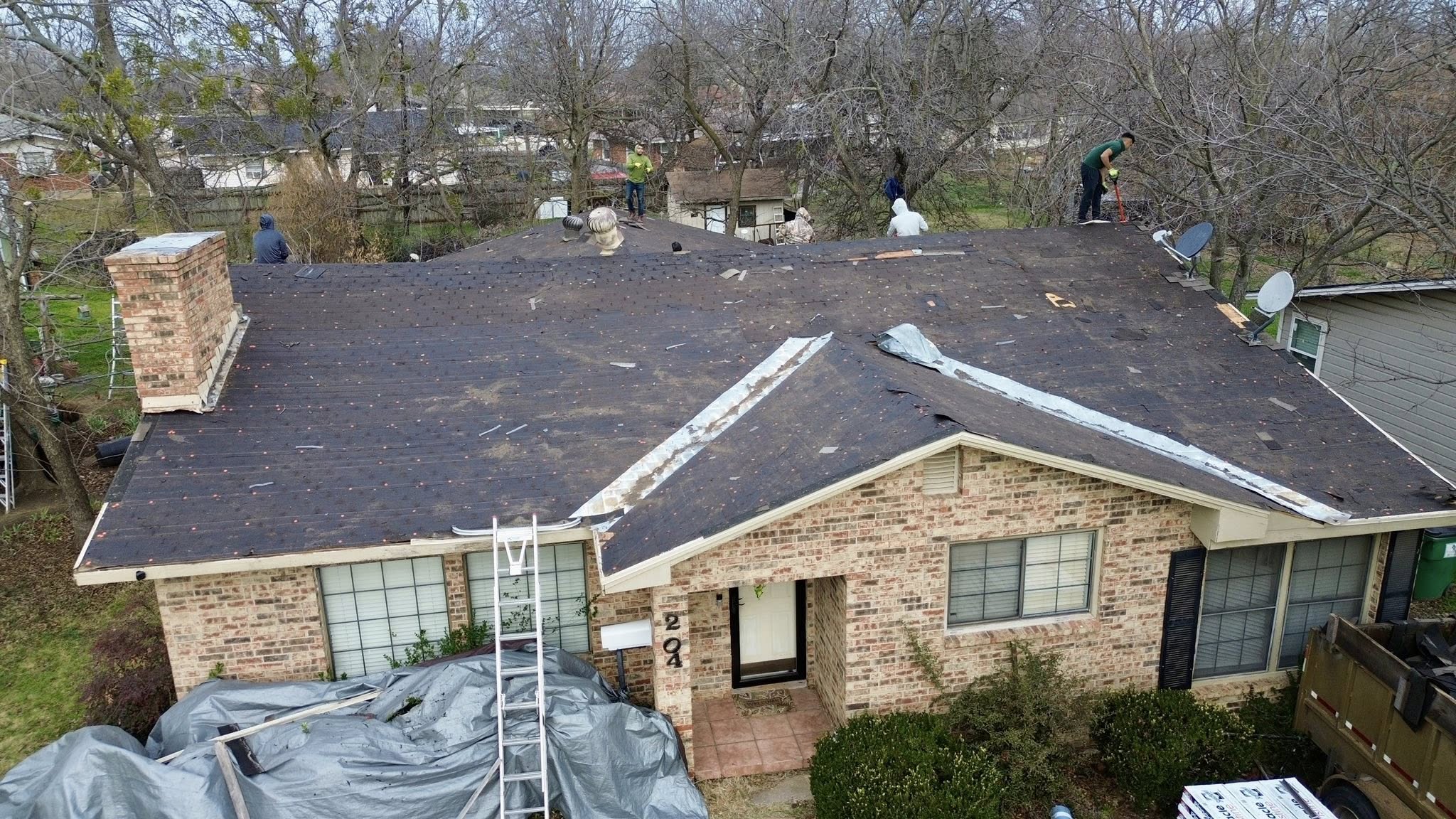
Energy Efficiency Improvements That Add Value
Modern roofing systems provide much more than weather protection. Advances in roofing materials, insulation, ventilation, and reflective technologies allow new roofs to improve energy efficiency while reducing long term household operating costs.
Improved insulation helps maintain stable indoor temperatures throughout the year. During colder months, effective insulation reduces heat loss through the roof, while in warmer seasons it limits unwanted heat entering the home. These improvements reduce demand on heating and cooling systems.
Proper attic ventilation also contributes to energy efficiency. Balanced airflow helps remove excess heat and moisture from attic spaces, reducing strain on air conditioning equipment while protecting roofing materials from premature aging. Better ventilation supports both comfort and roof longevity.
Reflective roofing materials provide additional benefits in many climates. Light colored or specially designed reflective shingles and metal roofing systems reduce solar heat absorption, helping keep homes cooler during hot weather. Lower indoor temperatures often translate into reduced energy consumption.
Energy efficiency appeals strongly to modern homebuyers because it provides ongoing financial benefits after purchase. Lower utility bills combined with improved indoor comfort increase the overall attractiveness of the property while supporting higher perceived value.
Although buyers may not calculate exact energy savings during a property showing, they generally recognize the advantages associated with modern roofing technology. These long term benefits strengthen the overall value created by residential roof replacement.
Insurance and Safety Benefits of Roof Replacement
Roof replacement provides advantages that extend beyond appearance and energy efficiency. Insurance providers and safety considerations also influence property value because they affect long term ownership costs and risk management.
Many insurance companies evaluate roof condition when determining policy eligibility and premium levels. Older roofs may increase perceived risk because they are more likely to experience storm damage or water intrusion. Installing a new roof may improve insurability while reducing future insurance concerns.
Modern roofing materials often meet higher performance standards than older systems. Improved resistance to wind, fire, hail, and severe weather helps reduce the likelihood of damage during extreme conditions. Buyers appreciate these safety improvements because they contribute to greater long term protection.
Structural reliability also improves after replacement. Damaged decking, deteriorated flashing, and weakened waterproofing components are typically repaired during installation, creating a stronger roofing system capable of protecting the home’s overall structure more effectively.
Replacing the roof may also reduce liability related to falling roofing materials or water damage caused by neglected maintenance. A well maintained roof contributes to safer living conditions while preserving the structural integrity of the home.
Insurance and safety improvements may not always be immediately visible, but they provide meaningful long term value for both current homeowners and future buyers.
Comparing Old Roofs and New Roofs From a Property Value Perspective
| Feature | Aging Roof | Newly Replaced Roof |
|---|---|---|
| Buyer Confidence | Lower because of future repair concerns | Higher due to reduced maintenance expectations |
| Curb Appeal | Often reduced by visible wear | Strong, clean, and attractive appearance |
| Energy Efficiency | Usually lower | Improved insulation and ventilation performance |
| Home Inspection Results | Greater likelihood of deficiencies | Fewer roofing related concerns |
| Long Term Ownership Costs | Higher maintenance expectations | Lower immediate repair requirements |
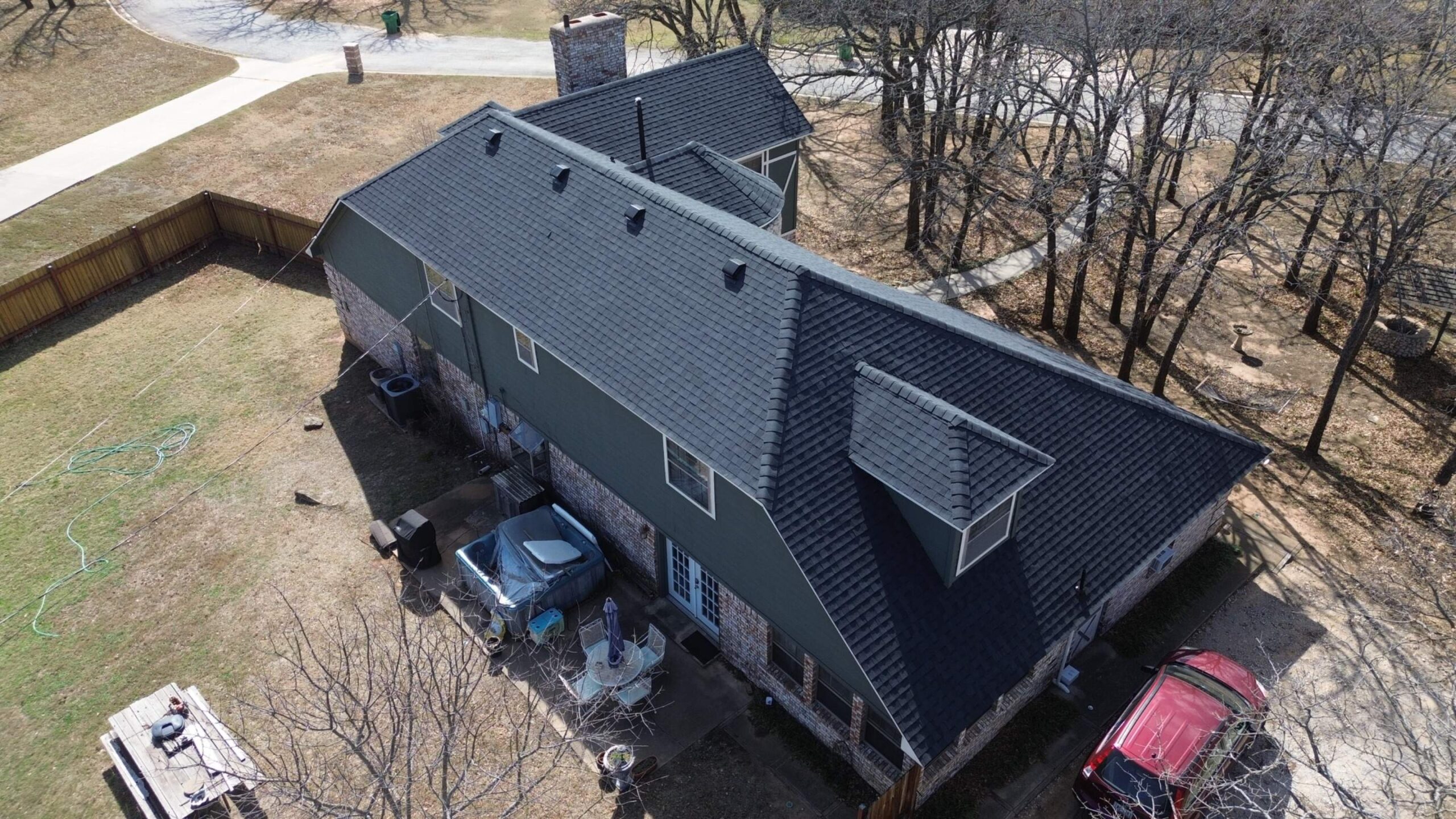
Financial Benefits Beyond Immediate Home Value
Although increasing resale value is often the primary motivation for roof replacement, homeowners also receive several financial benefits that continue long after installation. These advantages improve overall property ownership while strengthening long term investment value.
One important benefit is reduced maintenance spending. Older roofs typically require increasingly frequent repairs as materials continue aging. Replacing the roof eliminates many recurring repair costs while providing more predictable maintenance requirements over the coming years.
Energy savings also contribute to long term financial value. Improved insulation, ventilation, and reflective roofing materials reduce heating and cooling demands, lowering monthly utility expenses. These ongoing savings help offset part of the replacement investment throughout the roof’s lifespan.
Roof replacement also helps protect other parts of the home from costly water damage. Preventing moisture intrusion preserves ceilings, walls, flooring, insulation, electrical systems, and structural framing. Avoiding these repairs often provides greater financial value than homeowners initially expect.
Finally, a new roof supports stronger long term property appreciation by maintaining the home’s structural condition. Consistent maintenance and timely replacement help preserve overall home value throughout changing real estate market conditions.
Planning a Roof Replacement Before Selling a Home
Timing plays an important role when using roof replacement to increase property value. Replacing the roof well before listing the home allows homeowners to complete the project without the pressure of ongoing buyer negotiations or closing deadlines.
Planning early provides time to compare contractors, evaluate roofing materials, and schedule installation during favorable weather conditions. Careful planning generally produces better workmanship and more competitive pricing than emergency replacements completed shortly before a sale.
Homeowners should also coordinate roof replacement with other exterior improvements whenever practical. Fresh paint, landscaping updates, new gutters, and exterior cleaning create a more cohesive appearance that further strengthens curb appeal. Combining these improvements often produces greater visual impact than completing them separately.
Maintaining documentation is equally important. Inspection reports, contractor invoices, warranty information, and photographs of the completed project provide valuable evidence that the roof has been professionally replaced. These documents increase buyer confidence while supporting discussions during negotiations.
Replacing the roof before selling is not simply about improving appearance. It demonstrates responsible homeownership while reducing buyer concerns about future expenses. In the next part of this guide, we will examine how a new roof improves market appeal, strengthens home inspection results, reduces buyer negotiations, and helps homeowners maximize buyer interest in competitive real estate markets.
Boosting Curb Appeal With a Modern Roof
Curb appeal plays a significant role in how buyers perceive a property before they even step inside. Since the roof covers a large portion of the home’s exterior, its appearance has an immediate influence on the overall impression of the property. A modern, well installed roof makes the home appear newer, cleaner, and better maintained.
Fresh roofing materials create visual consistency across the entire exterior. New shingles or metal panels provide uniform color, clean edges, and a polished finish that complements the architectural style of the house. This refreshed appearance often makes the property stand out among nearby homes with aging roofs.
A modern roof also works together with other exterior features to improve visual appeal. Updated gutters, freshly painted trim, clean siding, attractive landscaping, and well maintained driveways all appear more impressive when paired with a new roof. Buyers often view the home as a complete package rather than evaluating each improvement separately.
Roof color selection can further enhance curb appeal. Choosing colors that complement the home’s exterior walls, windows, and surrounding landscape creates a balanced appearance that appeals to a wider range of buyers. Neutral roofing colors often provide timeless appeal while allowing future owners greater flexibility with exterior design changes.
Photographs used in real estate listings also benefit from an attractive roof. Since many buyers begin their home search online, appealing exterior images generate more interest and encourage additional property viewings. A visually attractive roof helps create a strong first impression before buyers visit the home in person.
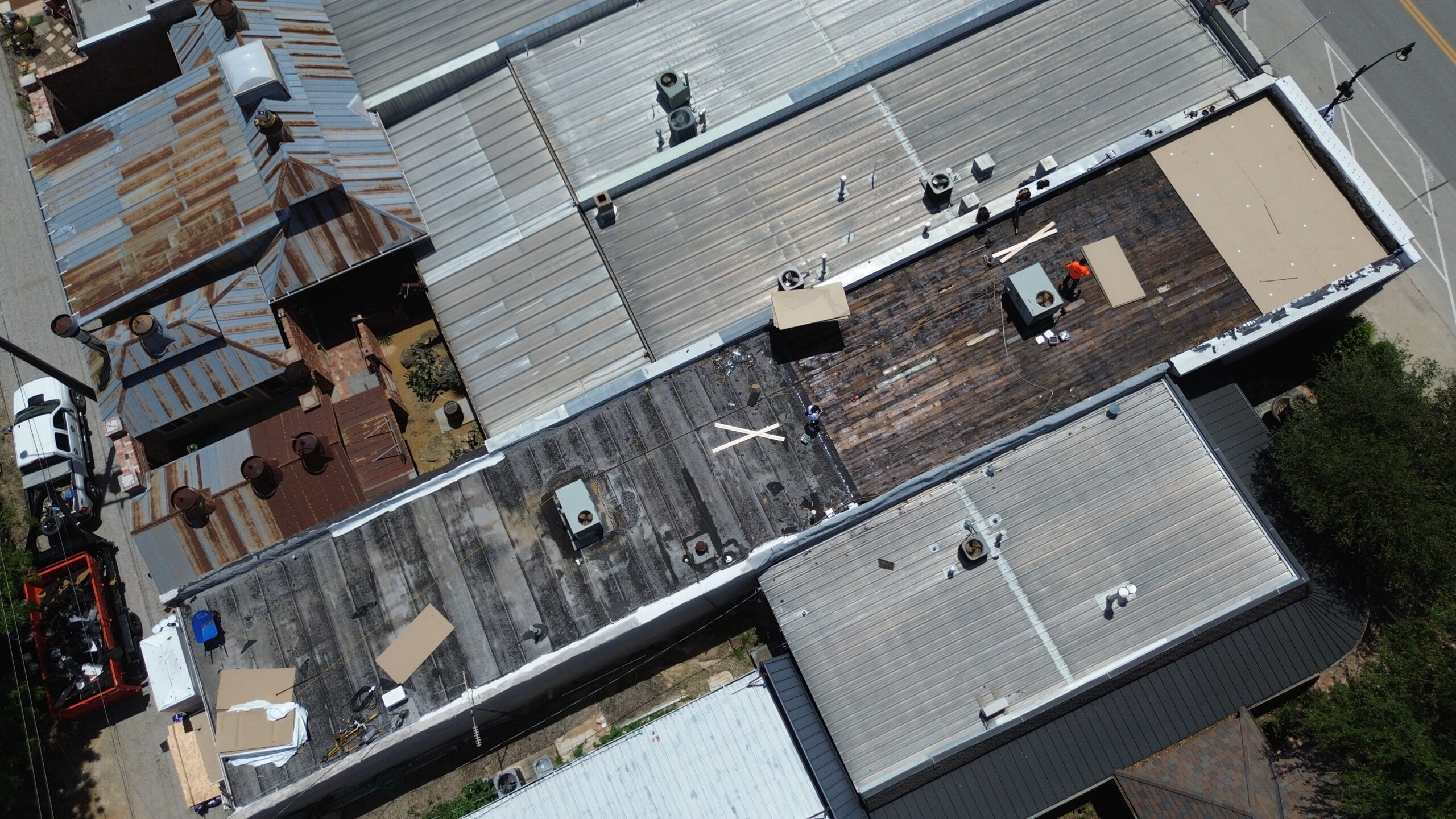
Choosing Roofing Materials That Attract Buyers
The roofing material selected during replacement affects not only the home’s appearance but also how buyers evaluate long term value. Different materials appeal to different buyers depending on climate, architectural style, maintenance expectations, and budget.
Asphalt shingles remain one of the most popular residential roofing choices because they provide a familiar appearance, reliable performance, and affordable maintenance. Buyers often appreciate their wide range of colors and styles, allowing the roof to blend naturally with different home designs.
Metal roofing continues to attract homeowners interested in durability and energy efficiency. Its modern appearance, long service life, and resistance to severe weather make it especially appealing in regions that experience strong winds, heavy rainfall, or extreme temperatures. Buyers looking for long term ownership often recognize the value of these advantages.
Clay and concrete tile roofs create a premium appearance that complements Mediterranean, Spanish, and luxury home styles. Their impressive lifespan and distinctive architectural character contribute to higher perceived property value in neighborhoods where these materials are common.
Synthetic roofing products offer another attractive option by replicating the appearance of slate, wood, or tile while requiring less maintenance. Buyers who appreciate premium aesthetics but prefer easier upkeep often view these materials favorably.
Selecting roofing materials that match the home’s architectural style and local market expectations increases buyer appeal while supporting stronger resale potential.
Improving Home Inspection Results
Home inspections represent one of the most important stages of the residential selling process. Buyers depend on inspection reports to identify potential problems before completing the purchase, making roof condition one of the most closely examined areas of the property.
A newly replaced roof generally produces more favorable inspection results because many common roofing concerns have already been addressed. New flashing, updated underlayment, improved ventilation, and professionally installed roofing materials reduce the likelihood of significant inspection findings.
Inspectors evaluate visible roofing components as well as attic conditions, ventilation systems, drainage performance, and signs of water intrusion. Homes with recently completed roof replacements often show fewer deficiencies in these areas compared with properties featuring older roofing systems.
Improved inspection reports also reduce uncertainty during negotiations. Buyers who receive reports showing minimal roofing concerns often proceed with greater confidence because they expect fewer unexpected expenses after moving into the home. This confidence can contribute to smoother transactions.
Contractor documentation further strengthens inspection outcomes. Installation records, warranty information, permit approvals, and photographs taken during construction demonstrate that the replacement was completed professionally. These records provide valuable supporting information when questions arise during inspections.
Although no inspection guarantees a perfect report, replacing the roof before listing the property significantly reduces the likelihood of roofing related issues affecting the sale.
Reducing Buyer Negotiations and Repair Requests
Roof condition often becomes one of the largest topics of negotiation during residential real estate transactions. Buyers naturally consider the cost of future roof repairs when determining how much they are willing to pay for a home. Installing a new roof before selling helps minimize many of these concerns.
An aging roof frequently leads buyers to request price reductions or repair credits after inspections reveal deterioration. Even if the roof continues functioning adequately, buyers often anticipate future replacement expenses and adjust their offers accordingly. A new roof removes much of this uncertainty.
Reduced repair requests also simplify closing negotiations. Instead of discussing roofing repairs, replacement schedules, or contractor estimates, buyers and sellers can focus on completing the transaction more efficiently. Fewer outstanding repair issues generally create a smoother sales process.
A new roof also demonstrates that the homeowner has already invested in one of the property’s largest maintenance responsibilities. Buyers appreciate avoiding major roofing expenses immediately after purchasing the home, making them more comfortable with the asking price.
In competitive housing markets, eliminating major negotiation points can provide a meaningful advantage. Buyers comparing similar properties often prefer homes requiring fewer immediate repairs, particularly when they are purchasing their first home or working within strict budgets.
Reducing negotiation pressure benefits both parties by creating a more straightforward transaction with fewer unexpected complications before closing.
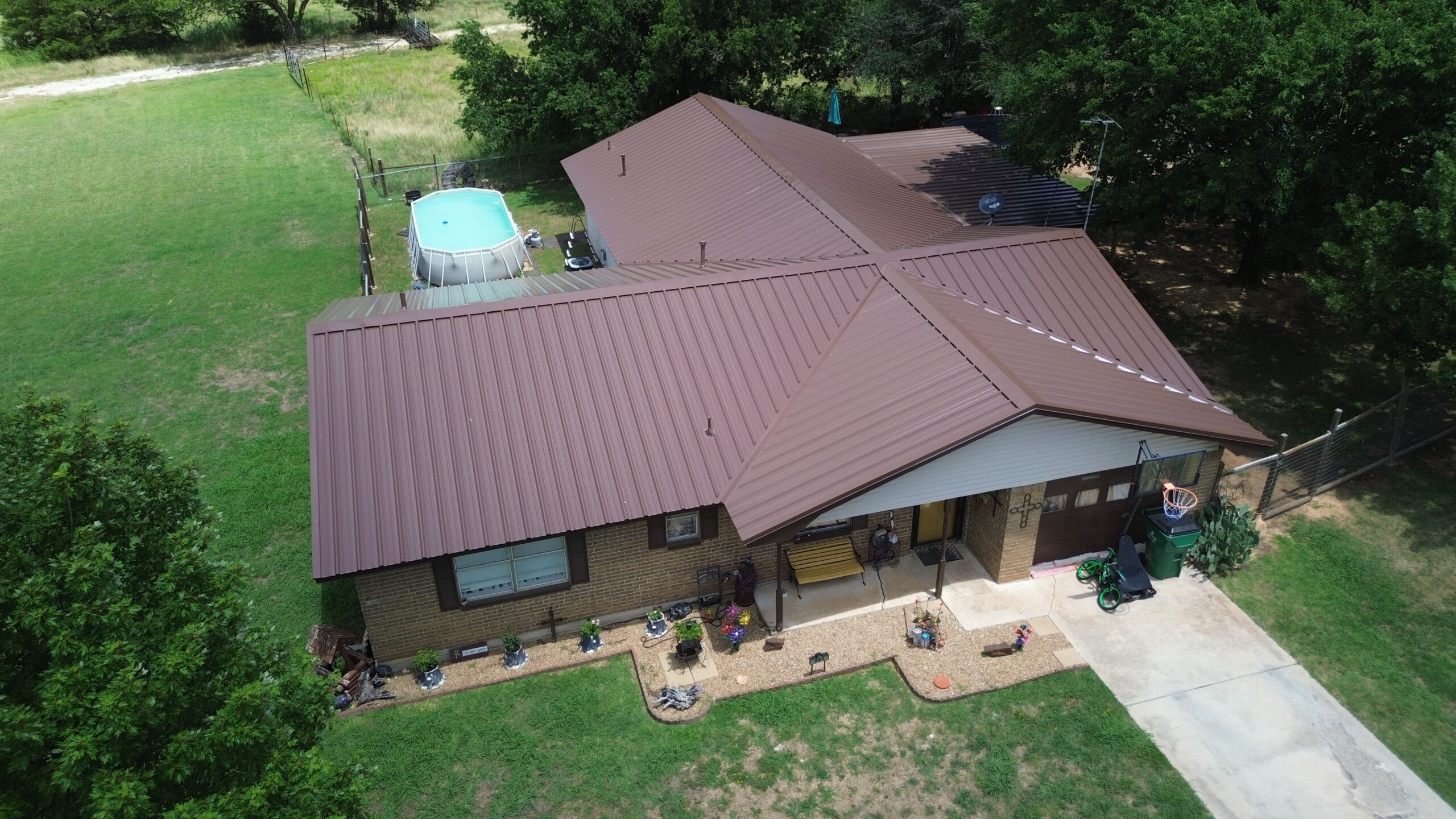
Increasing Long Term Maintenance Confidence
Many buyers evaluate a home not only based on its current appearance but also on the maintenance they expect to perform after purchase. A recently replaced roof creates confidence that one of the home’s largest structural components will require relatively little attention for many years.
This confidence influences purchasing decisions because buyers understand that roof replacement represents a significant financial commitment. Knowing that the roof has already been replaced allows them to allocate future budgets toward personal improvements rather than major structural repairs.
Routine maintenance still remains important, but homeowners generally expect maintenance costs to be lower with a new roofing system. Periodic inspections, gutter cleaning, and minor upkeep feel much more manageable than planning for complete roof replacement shortly after moving into a new home.
Transferable warranties further strengthen maintenance confidence. When manufacturer or workmanship warranties remain valid after the sale, buyers receive additional assurance that covered roofing issues can be addressed if necessary. This protection enhances the perceived value of the property.
Long term confidence also extends to the home’s structural protection. Buyers recognize that a reliable roof helps preserve ceilings, insulation, walls, flooring, and other interior components by reducing the likelihood of water damage. This broader protection contributes to overall peace of mind.
A property that inspires confidence often attracts more serious buyers because it presents fewer concerns about future ownership responsibilities.
Energy Savings as a Selling Advantage
Modern buyers increasingly consider energy efficiency when comparing homes. Rising utility costs have made features that reduce energy consumption more attractive, and residential roof replacement contributes directly to this goal through improved roofing technology.
New roofing systems often include better insulation, upgraded underlayment, and improved attic ventilation. Together, these components help maintain more stable indoor temperatures throughout the year while reducing the workload placed on heating and cooling equipment.
Reflective roofing materials further improve energy performance in many climates. By reducing solar heat absorption, these products help keep homes cooler during warmer months, lowering air conditioning demand and improving indoor comfort. Buyers appreciate these ongoing operational savings.
Proper attic ventilation also supports energy efficiency by allowing excess heat and moisture to escape naturally. Balanced airflow helps insulation perform more effectively while protecting roofing materials from premature deterioration caused by trapped heat.
Energy efficiency has become a valuable marketing feature in residential real estate. Buyers often view lower utility expenses as an additional financial benefit that continues throughout homeownership. While savings vary depending on climate and home design, improved efficiency strengthens the property’s overall appeal.
When combined with attractive appearance and reliable weather protection, energy savings create another compelling reason for buyers to view the home as a worthwhile investment.
Common Mistakes That Reduce Property Value
Even after replacing the roof, certain decisions can reduce the positive impact on property value if homeowners are not careful.
Some of the most common mistakes include:
- Choosing roofing materials that do not match the home’s architectural style.
- Hiring inexperienced contractors who produce poor quality installation.
- Delaying replacement until major structural damage has already developed.
- Ignoring gutter, flashing, or ventilation upgrades during installation.
- Failing to keep warranty documents and project records.
- Neglecting routine roof maintenance after installation.
Avoiding these mistakes helps homeowners maximize both roof performance and resale value. Careful planning and professional workmanship ensure that the investment continues benefiting the property for many years.
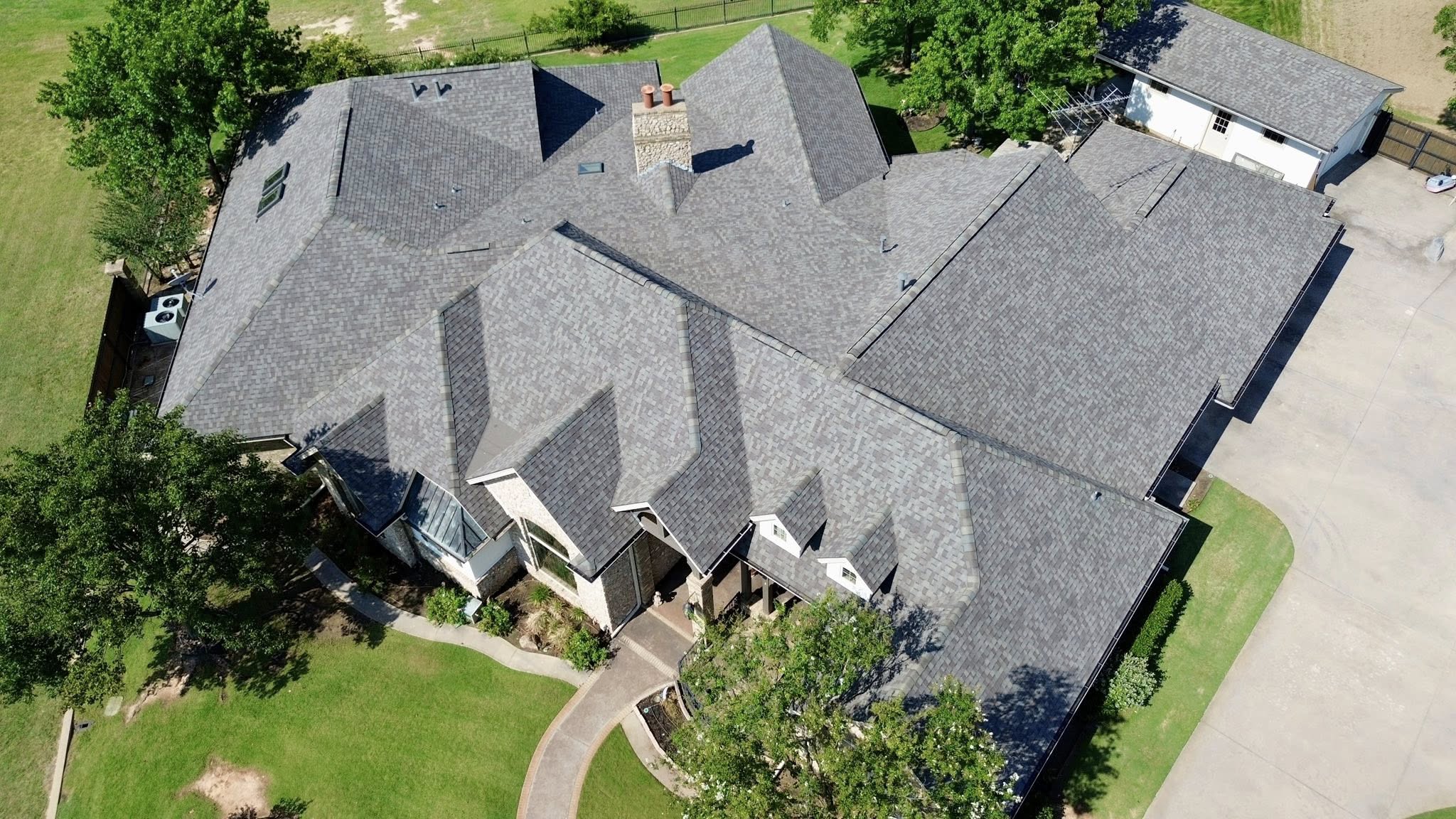
Working With Professional Roofing Contractors
The quality of roof replacement depends heavily on the experience and professionalism of the contractor performing the work. Even premium roofing materials cannot deliver their full value if installation standards are poor.
Professional roofing contractors begin with comprehensive inspections that identify structural concerns, ventilation issues, drainage improvements, and material requirements before construction begins. Accurate evaluations allow homeowners to understand the full scope of work while preparing realistic budgets.
Experienced contractors also follow manufacturer installation guidelines carefully. Proper flashing, underlayment placement, ventilation, fastening methods, and waterproofing details contribute directly to roof performance and long term durability. Attention to these details helps preserve both structural protection and resale value.
Communication remains another important advantage of working with qualified professionals. Reliable contractors explain project timelines, discuss material options, provide written estimates, answer homeowner questions, and maintain clear communication throughout construction. Strong project management reduces stress while improving the overall experience.
Professional contractors also provide documentation that supports future property sales. Warranty information, permits, inspection reports, photographs, and maintenance recommendations demonstrate that the roof replacement was completed according to recognized standards. These records increase buyer confidence during the selling process.
Choosing an experienced roofing contractor is not simply about completing construction. It is about ensuring that the investment contributes fully to property value, buyer confidence, and long term home performance. In the final part of this guide, we will examine how to calculate the return on investment from roof replacement, identify situations where replacement provides the greatest financial benefit, protect property value after installation, and maximize the long term return from a new residential roof.
Calculating the Value of Roof Replacement
Replacing a residential roof is often viewed as a necessary maintenance expense, but it should also be considered a long term investment in the property’s overall value. While the exact financial return varies depending on market conditions, roof type, and home location, a new roof typically improves buyer confidence, strengthens marketability, and protects the home’s structural condition.
The value of roof replacement should be measured using several factors rather than focusing only on the home’s selling price. Reduced maintenance costs, improved energy efficiency, lower repair expenses, and stronger buyer interest all contribute to the overall return on investment. These benefits continue long after the installation is complete.
Property value also depends on local real estate conditions. In competitive markets, homes with recently replaced roofs often attract more attention because buyers recognize the reduced likelihood of immediate repairs. A well maintained property generally compares more favorably with similar homes that still have aging roofing systems.
Homeowners should also consider avoided costs when evaluating value. Preventing water damage, mold growth, insulation deterioration, and structural repairs often saves thousands in future expenses. Although these savings may not appear directly in the home’s selling price, they significantly improve the financial benefit of replacing the roof.
Working with experienced real estate professionals can also help homeowners understand how roofing improvements influence property value within their specific market. Local knowledge provides better guidance than relying on general national averages alone.
When Roof Replacement Makes Financial Sense
Although every home eventually requires roof replacement, timing influences how much value homeowners receive from the investment. Replacing the roof at the right stage often provides greater financial benefits than waiting until serious deterioration develops.
One of the best times to replace a roof is before significant structural damage occurs. Addressing roofing problems early prevents moisture from reaching insulation, roof decking, ceilings, and interior finishes. Preventive replacement generally costs less than repairing widespread water damage in addition to installing a new roof.
Roof replacement also makes financial sense when preparing a home for sale. Buyers frequently view an aging roof as a future expense and may negotiate lower offers accordingly. Installing a new roof before listing often reduces these concerns while increasing buyer confidence throughout the sales process.
Homeowners planning long term ownership also benefit from timely replacement. Installing a modern roofing system allows them to enjoy improved energy efficiency, reduced maintenance requirements, and stronger weather protection throughout the coming decades. These advantages provide value regardless of resale timing.
Insurance considerations may also influence replacement decisions. Some older roofs become more difficult or expensive to insure because of their increased risk of weather related damage. Replacing the roof before insurance concerns develop may simplify future coverage while protecting the property.
Financial planning becomes easier when replacement is scheduled proactively rather than as an emergency. Homeowners have more time to compare contractors, evaluate materials, and secure competitive pricing when they are not responding to immediate roof failure.
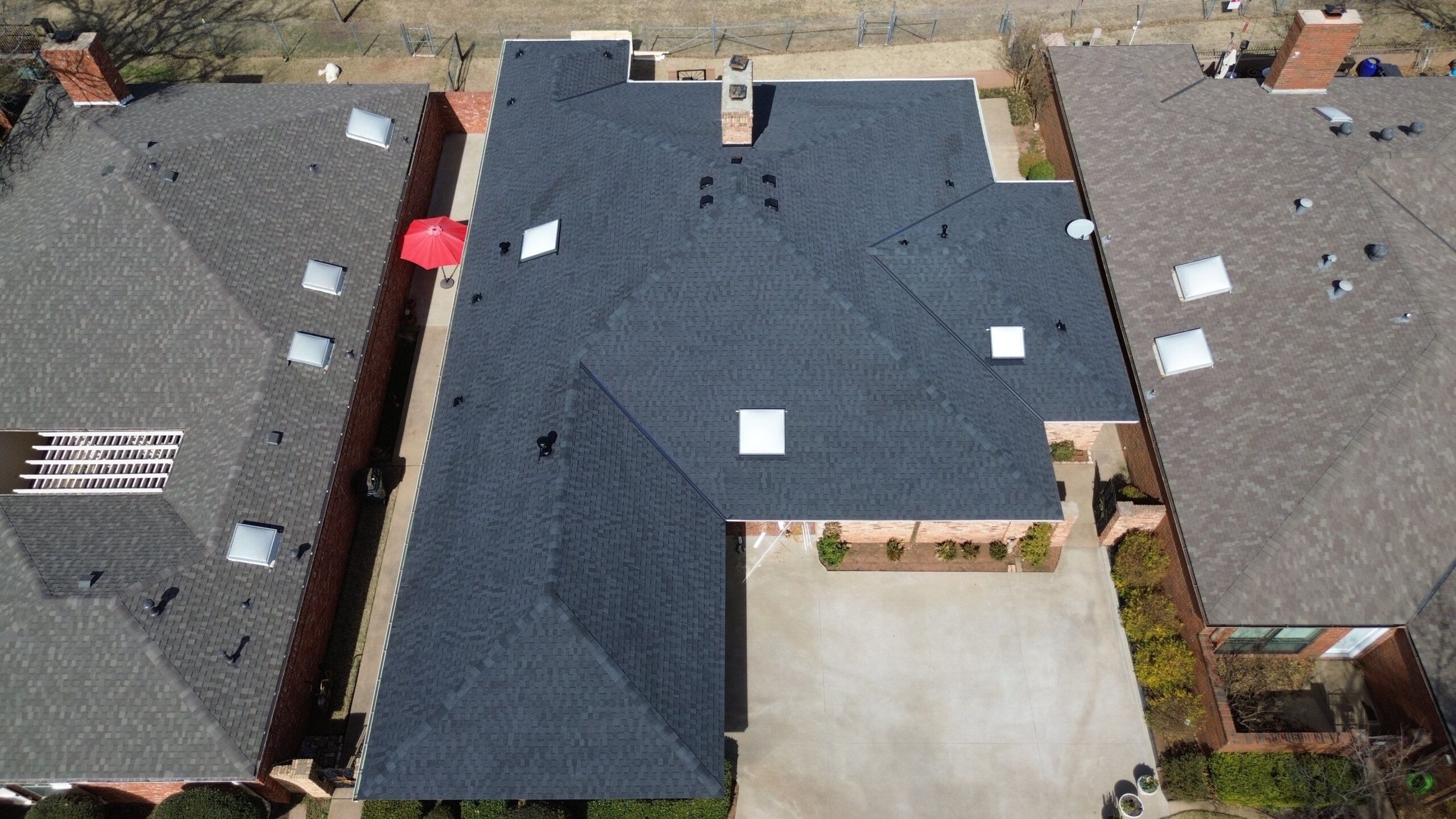
Factors That Influence Return on Investment
Not every roof replacement produces the same financial return because several variables affect how buyers and appraisers evaluate the completed project. Understanding these factors helps homeowners maximize the value of their investment.
Material selection plays an important role. Roofing systems that complement the home’s architectural style while offering durability and energy efficiency generally provide stronger long term value than materials selected solely for low initial cost. Buyers often appreciate roofing systems that combine attractive appearance with dependable performance.
Installation quality also influences return on investment. Proper flashing, waterproofing, ventilation, and workmanship contribute to longer roof life and better inspection results. Poor installation may reduce buyer confidence even when premium materials have been used.
Neighborhood expectations should also be considered. Roofing materials should match the style and value of surrounding homes whenever practical. Installing materials that are significantly below or above neighborhood standards may not produce the same financial return as selecting options that fit local market expectations.
Energy efficiency improvements increase value as well. Better insulation, improved attic ventilation, and reflective roofing materials reduce long term operating costs while making the home more attractive to buyers seeking lower utility expenses.
Maintenance history further influences investment value. Keeping inspection records, repair documentation, warranties, and contractor information demonstrates responsible ownership while reassuring potential buyers that the roof has been properly maintained after installation.
Protecting Property Value After Installation
Replacing the roof creates immediate value, but maintaining that value requires consistent care throughout the roof’s lifespan. A neglected roof gradually loses many of the advantages gained during replacement, making routine maintenance an essential part of protecting the investment.
Professional inspections should be scheduled regularly to evaluate roof condition before minor issues become major repairs. Inspectors examine shingles, flashing, gutters, ventilation systems, and roof penetrations while documenting any developing concerns. Early maintenance preserves roof performance while reducing future repair costs.
Keeping gutters and downspouts clean also helps protect property value. Efficient drainage prevents water from backing up beneath roofing materials while reducing the risk of foundation problems caused by overflowing gutters. Proper water management contributes to the long term health of the entire property.
Tree maintenance should not be overlooked. Overhanging branches may damage roofing materials during storms while increasing the amount of leaves and debris accumulating on the roof. Regular trimming protects both the roofing system and surrounding property.
Homeowners should also respond quickly to storm damage. High winds, hail, or falling branches may create roofing problems that appear minor initially but worsen over time. Prompt inspections and repairs help maintain the condition of the roof while protecting warranty coverage.
Maintaining accurate records further supports long term property value. Inspection reports, maintenance logs, warranty documents, and repair invoices demonstrate responsible ownership and provide valuable information during future property sales.
Long Term Advantages of a New Residential Roof
The financial benefits of roof replacement continue well beyond the initial installation period. A modern roofing system contributes to the home’s performance, appearance, and structural protection throughout its expected lifespan.
One important advantage is improved durability. Modern roofing materials are designed to withstand changing weather conditions more effectively than many older products, reducing the likelihood of frequent repairs. This durability lowers maintenance expenses while improving homeowner confidence.
Energy efficiency continues providing value year after year. Better insulation, ventilation, and reflective roofing technologies help regulate indoor temperatures while reducing heating and cooling demands. These savings accumulate gradually throughout the roof’s service life.
Structural protection also improves because the new roofing system prevents moisture from reaching critical building components. Protecting roof decking, attic insulation, ceilings, walls, and framing helps preserve the overall condition of the property while avoiding expensive repairs.
A new roof also supports future resale opportunities. Even if homeowners are not planning to sell immediately, maintaining a relatively new roofing system strengthens buyer confidence whenever the property eventually enters the market. A well maintained roof remains a valuable selling feature throughout much of its lifespan.
These long term benefits demonstrate that roof replacement is more than an exterior improvement. It is an investment in the home’s safety, efficiency, appearance, and future marketability.
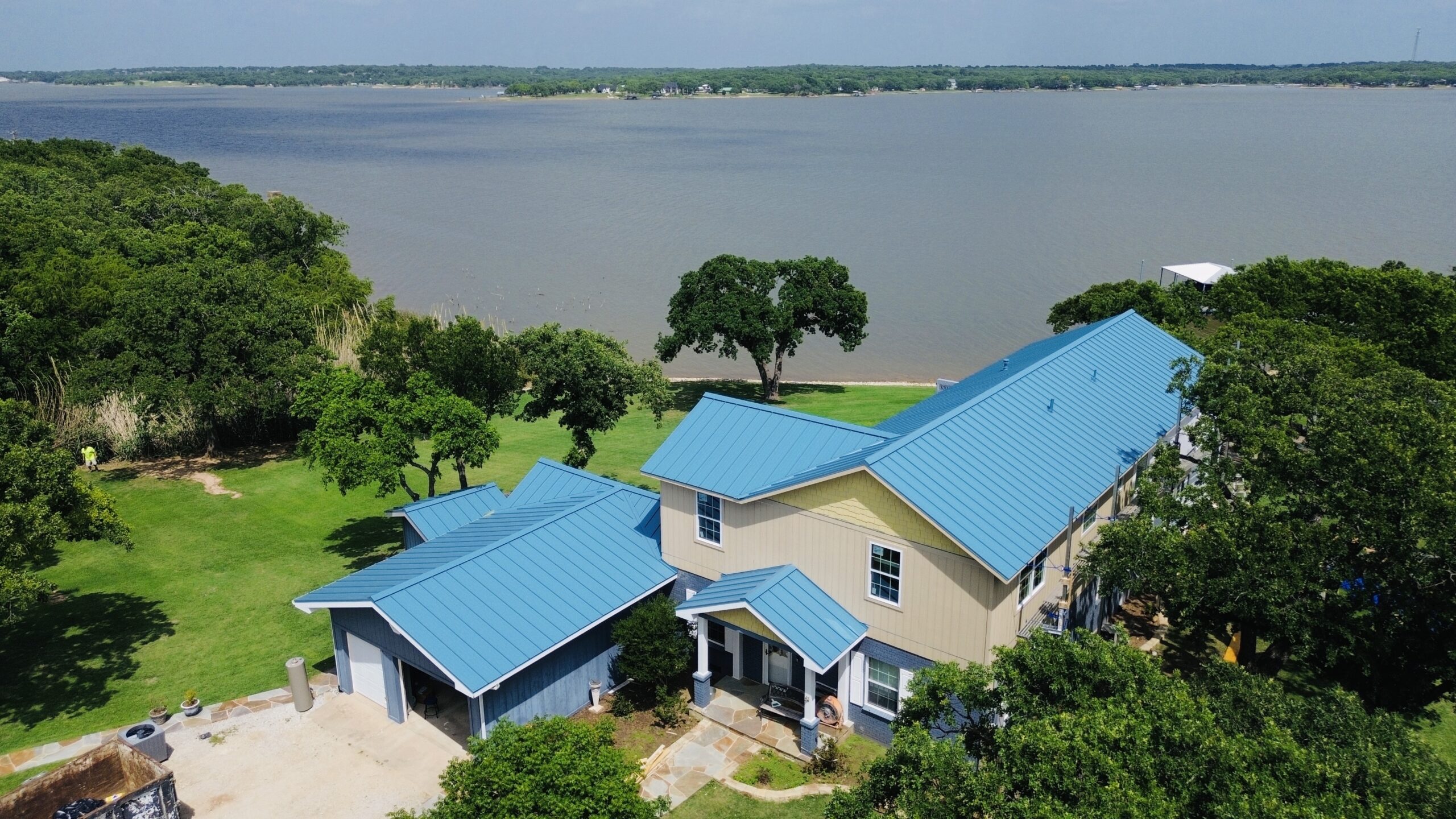
Best Practices for Maximizing Property Value
Following proven strategies helps homeowners receive the greatest possible return from residential roof replacement.
- Replace the roof before major deterioration affects the home’s structure.
- Choose roofing materials that match the home’s architectural style and neighborhood.
- Hire experienced roofing contractors who follow manufacturer installation standards.
- Improve insulation and attic ventilation during roof replacement whenever practical.
- Keep warranties, inspection reports, and installation records organized.
- Schedule regular professional roof inspections after installation.
- Clean gutters and maintain proper roof drainage throughout the year.
- Complete minor repairs promptly to preserve long term roof performance.
These practices protect both the roofing system and the home’s overall value. Consistent maintenance and thoughtful planning help maximize the benefits of the replacement investment for many years.
Frequently Asked Questions
| Question | Answer |
|---|---|
| Does replacing a residential roof always increase home value? | A new roof generally improves buyer confidence, curb appeal, and overall property condition, although the exact increase depends on market conditions and the home’s location. |
| Should I replace my roof before selling my house? | If the existing roof is aging or showing visible deterioration, replacement before listing may reduce buyer concerns and improve market appeal. |
| Which roofing material provides the best resale value? | The best choice depends on the home’s style, climate, and local market expectations, but durable and energy efficient materials are often well received by buyers. |
| Can a new roof help during a home inspection? | Yes. A recently installed roof often results in fewer roofing related concerns, making the inspection process smoother. |
| Is roof maintenance still necessary after replacement? | Yes. Routine inspections and maintenance help preserve both roof performance and long term property value. |
Conclusion
Residential roof replacement is one of the most effective improvements homeowners can make to strengthen property value, enhance buyer confidence, and protect the long term condition of their home. While the roof’s primary purpose is to provide reliable weather protection, its influence extends much further by improving curb appeal, supporting energy efficiency, reducing maintenance concerns, and creating a stronger overall impression during property evaluations.
The greatest financial value comes from viewing roof replacement as a long term investment rather than simply a repair project. Choosing quality materials, working with experienced roofing professionals, improving insulation and ventilation, and maintaining the roof properly all contribute to better performance throughout its lifespan. These decisions not only protect the home but also make it more attractive to future buyers.
Property value also depends on ongoing care after installation. Regular inspections, prompt repairs, effective drainage, and organized maintenance records preserve the benefits of the replacement while reducing the likelihood of unexpected problems. Consistent maintenance allows the roofing system to continue supporting the home’s appearance and structural integrity for decades.
Ultimately, a new residential roof offers advantages that go far beyond its visible appearance. By combining professional installation with thoughtful maintenance and long term planning, homeowners can improve market appeal, strengthen resale potential, reduce future ownership costs, and maximize the return on one of the most valuable investments they make in their property.