
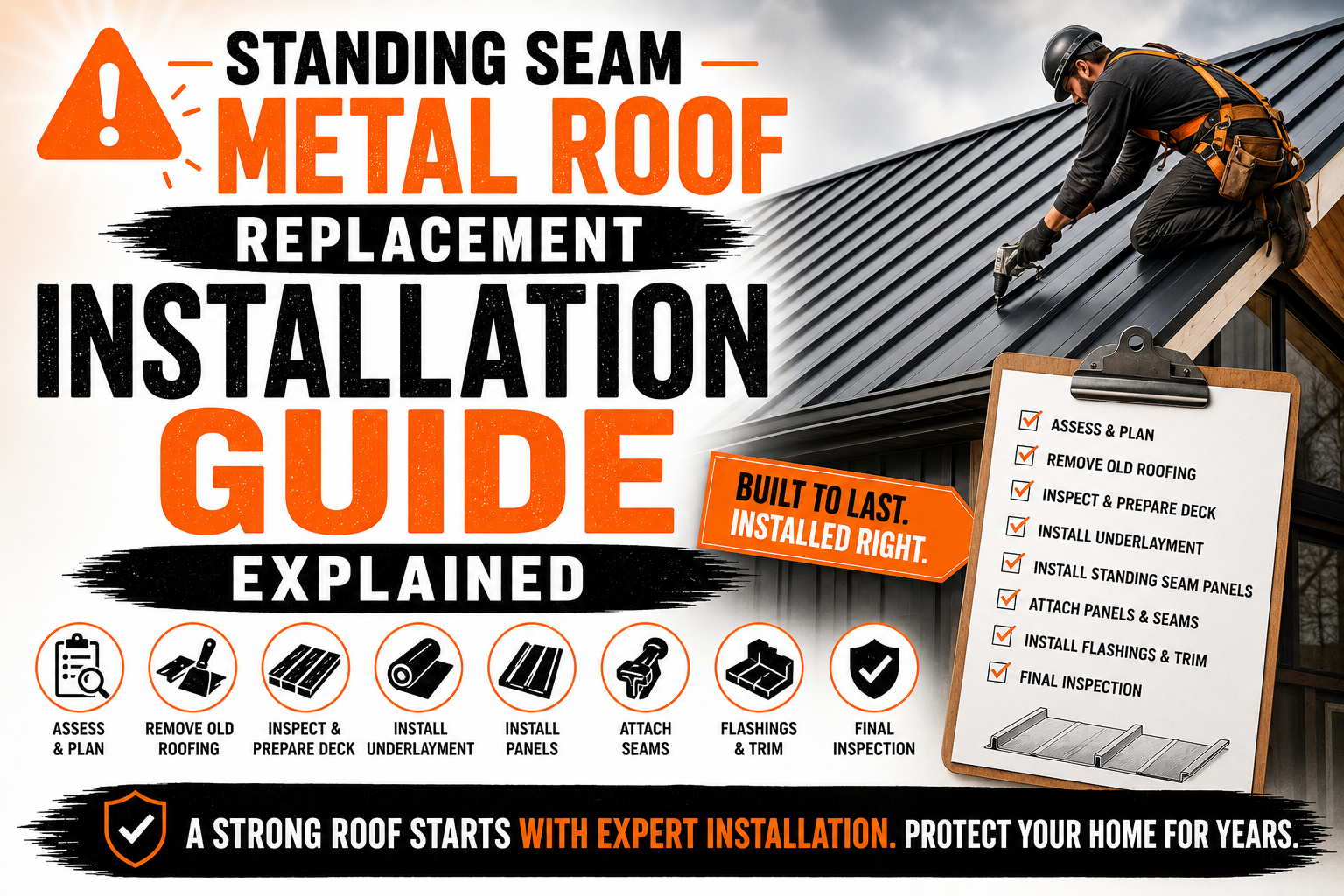
Standing Seam Metal Roof Replacement Installation Guide Explained
Introduction
Standing seam metal roofing is widely regarded as one of the most durable and reliable roofing systems available for residential, commercial, and agricultural buildings. Its clean appearance, concealed fastener design, and exceptional weather resistance make it a popular choice for property owners seeking a long-lasting roofing solution. While these roofs often perform well for several decades, every standing seam roof eventually reaches the point where replacement becomes necessary.
Replacing a standing seam metal roof involves much more than removing old panels and installing new ones. Every stage of the project, from planning and inspection to underlayment installation and panel alignment, affects the roof’s long-term performance. Understanding the complete replacement process helps homeowners make informed decisions, communicate effectively with roofing contractors, and recognize the quality standards that contribute to a successful installation.
Unlike exposed fastener metal roofs, standing seam systems use concealed clips and locking seams that allow the metal panels to expand and contract naturally with changing temperatures. This advanced design reduces leak risks, improves weather resistance, and creates a cleaner architectural appearance. Because of these specialized features, replacement requires careful planning and precise installation techniques.
This guide explains the complete standing seam metal roof replacement process from preparation through installation. By understanding each stage, homeowners can better appreciate the craftsmanship involved and ensure their investment provides decades of dependable protection.
What Makes Standing Seam Metal Roofing Different
Standing seam roofing differs significantly from many other metal roofing systems. Instead of using exposed screws driven directly through the metal panels, standing seam roofs rely on concealed clips and raised vertical seams that lock adjoining panels together. This design protects the fasteners from direct weather exposure while allowing the roof to respond naturally to seasonal temperature changes.
One of the most recognizable features is the raised seam itself. These vertical seams extend above the flat surface of the roofing panels, creating channels that direct rainwater safely toward the roof edges. Since the fasteners remain hidden beneath the panels, water has fewer opportunities to penetrate the roofing system compared with exposed fastener designs.
Thermal movement is another important advantage. Metal naturally expands during warm weather and contracts when temperatures fall. Standing seam roofing accommodates this movement through specially designed clips that allow the panels to shift slightly without loosening fasteners or creating stress around attachment points.
The smooth appearance of standing seam roofing also contributes to its popularity. Long, uninterrupted panel lines create a modern architectural style that complements many home designs while reducing the number of horizontal seams across the roof surface.
Durability represents another major benefit. Because the fastening system remains protected beneath the panels, standing seam roofs often experience fewer maintenance issues related to loose screws, deteriorated washers, or water infiltration through exposed fastener holes.
Although installation requires greater precision than many traditional roofing systems, the resulting durability, appearance, and weather resistance make standing seam roofing one of the most respected premium roofing options available today.
When a Standing Seam Metal Roof Should Be Replaced
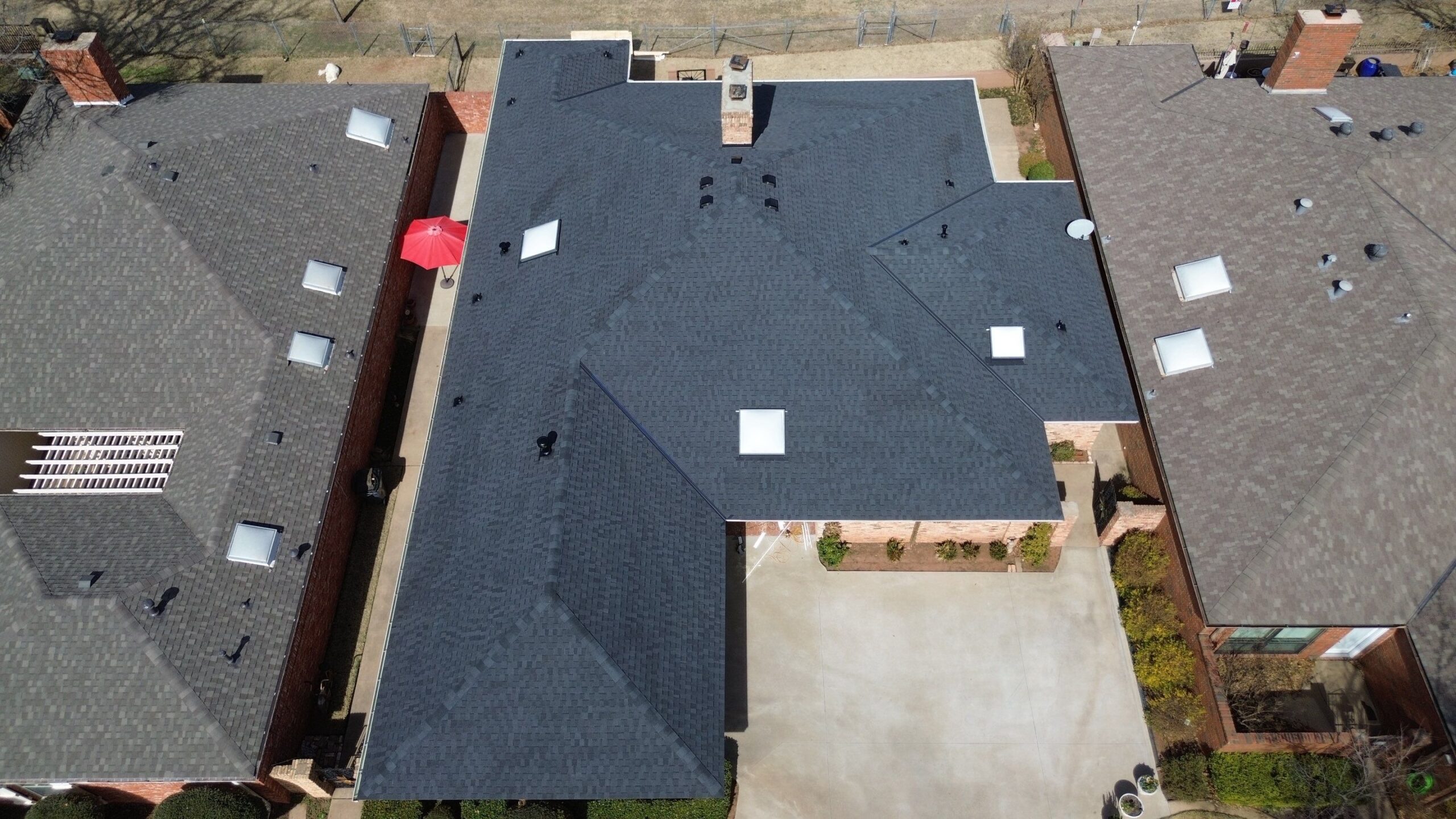
Standing seam roofs are designed for exceptional longevity, but even premium roofing systems eventually require replacement. Recognizing the warning signs allows homeowners to schedule replacement before significant structural damage develops.
Age remains one consideration. Many standing seam roofs continue performing well for forty to sixty years or longer depending on material quality, local climate, and maintenance history. However, age alone should never determine replacement. The overall condition of the roofing system provides much more valuable information.
Recurring leaks often indicate that replacement deserves serious consideration. An isolated leak caused by flashing damage or a minor installation issue may be repaired successfully. However, multiple leaks appearing across different roof sections usually suggest widespread deterioration affecting the roofing system as a whole.
Corrosion represents another important warning sign. Modern protective coatings provide excellent resistance against rust, but years of weather exposure can gradually reduce their effectiveness. Extensive corrosion affecting numerous panels, seams, flashing components, or concealed attachment systems often indicates that replacement offers better long-term value than repeated repairs.
Panel movement also deserves attention. Standing seam roofs are designed to accommodate controlled thermal expansion and contraction. Excessive movement, distorted seams, loose clips, or panels that no longer lock together securely may indicate aging attachment systems requiring complete replacement.
Storm damage should also be evaluated carefully. Severe hail, falling trees, or high winds can damage panels beyond practical repair. If replacement panels matching the original roofing system are unavailable or structural damage extends beneath the roofing materials, installing a completely new roof often becomes the most practical solution.
Benefits of Replacing an Old Standing Seam Roof
Replacing an aging standing seam roof provides benefits that extend well beyond correcting leaks or improving appearance. A new roofing system often enhances structural reliability, energy performance, maintenance requirements, and long-term property value.
One immediate advantage involves improved weather protection. Modern standing seam roofing systems include advanced waterproofing materials, improved underlayment, upgraded flashing systems, and enhanced protective coatings that provide greater resistance against rain, snow, wind, and ultraviolet exposure.
Energy efficiency frequently improves after replacement as well. Reflective paint technologies help reduce solar heat absorption during warmer months, lowering attic temperatures and reducing cooling demands. Combined with proper insulation and ventilation, these improvements contribute to greater indoor comfort throughout the year.
Maintenance requirements also decrease significantly. Older roofing systems often require ongoing inspections for loose fasteners, deteriorated sealants, or aging flashing components. A newly installed standing seam roof minimizes these concerns while providing decades of dependable service with relatively simple routine maintenance.
Property value may increase because prospective buyers recognize the durability and longevity associated with standing seam roofing. A recently installed premium roofing system supported by transferable warranties often becomes an attractive feature during the home-selling process.
Modern manufacturing techniques also provide improved appearance options. Homeowners may select from a wide range of colors, finishes, panel profiles, and protective coatings that better complement contemporary architectural styles while increasing resistance to fading and corrosion.
Perhaps most importantly, replacement restores confidence in the building’s ability to withstand changing weather conditions without recurring repair concerns or unexpected maintenance expenses.
Understanding the Components of a Standing Seam Roofing System
Standing seam roofing functions as a complete system consisting of numerous carefully engineered components. Understanding these elements helps homeowners appreciate why professional installation requires much more than attaching metal panels to the roof.
The roof deck forms the structural foundation supporting every roofing component installed above it. Constructed from plywood or oriented strand board in most residential applications, the decking must remain dry, stable, and structurally sound before replacement proceeds.
Underlayment creates the primary moisture barrier beneath the visible roofing panels. Modern synthetic underlayments provide excellent durability while resisting tearing during installation. They also offer temporary weather protection before the metal panels are installed.
Ice and water barrier membranes provide additional waterproofing around vulnerable roof areas such as valleys, eaves, chimneys, skylights, and penetrations. These self-adhering membranes help prevent moisture infiltration if water bypasses the metal roofing panels during severe weather.
Drip edge protects roof edges by directing rainwater away from fascia boards and roof decking. Properly installed drip edge contributes to both drainage performance and the finished appearance of the roof perimeter.
Concealed clips represent one of the defining features of standing seam roofing. Rather than fastening panels directly through the exposed metal surface, clips secure the panels while allowing controlled movement caused by temperature changes. This design greatly reduces stress on the roofing system throughout its lifespan.
Standing seam panels themselves provide the primary weather protection. Manufactured in long continuous lengths whenever possible, these panels minimize horizontal joints while improving water shedding across the roof surface.
Flashing protects transitions where roofing panels meet chimneys, skylights, walls, dormers, plumbing vents, and other roof penetrations. Proper flashing installation remains one of the most important factors influencing long-term leak resistance.
Ridge caps, trim pieces, sealants, ventilation products, and specialized accessories complete the roofing system. Although less visible than the panels themselves, these components work together to create a durable, weather-resistant roof capable of performing reliably for decades.
Planning a Standing Seam Roof Replacement Project
Careful planning establishes the foundation for a successful roof replacement. Beginning the project with detailed preparation helps avoid unnecessary delays while ensuring every stage proceeds efficiently.
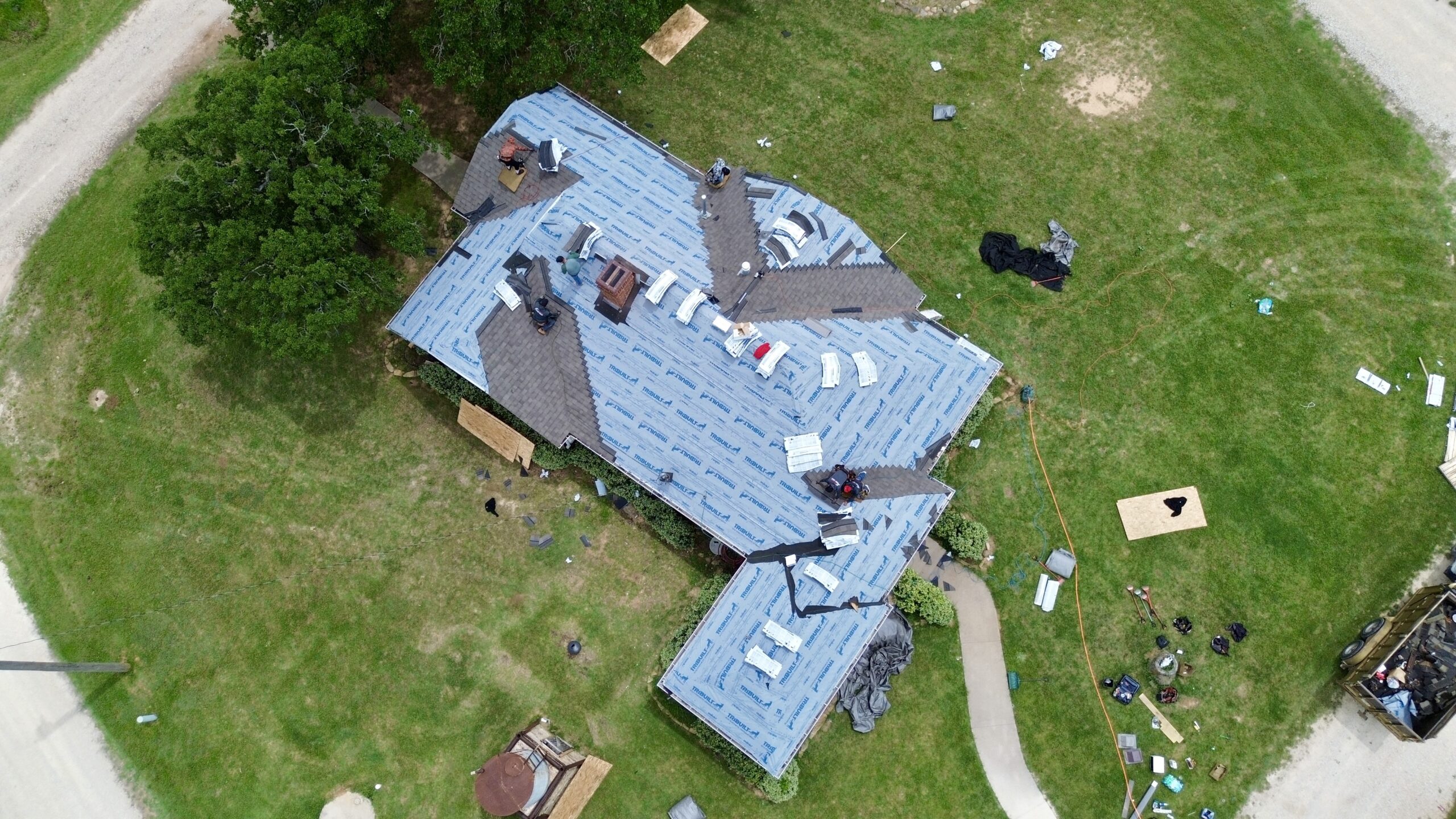
The planning process usually begins with a comprehensive roof inspection. Contractors evaluate the condition of existing panels, flashing, roof decking, ventilation, structural framing, insulation, gutters, and drainage systems. Identifying hidden issues before construction begins improves budgeting accuracy while reducing unexpected surprises later.
Material selection represents another important planning step. Homeowners choose panel profiles, metal thickness, protective finishes, colors, trim details, and compatible roofing accessories based on architectural preferences, climate conditions, and budget considerations.
Project scheduling should account for seasonal weather patterns. Dry, stable conditions allow installers to complete waterproofing and panel installation without interruptions caused by rain or strong winds. Flexible scheduling also provides additional time if unexpected structural repairs become necessary after the old roof is removed.
Budget planning should include more than visible roofing materials alone. Labor, permits, disposal costs, replacement decking, flashing upgrades, ventilation improvements, crane services if required, and contingency funds for unforeseen repairs all contribute to the total project investment.
Selecting an experienced contractor remains one of the most important planning decisions. Standing seam roofing requires specialized knowledge, precision measurements, and proper installation techniques that differ significantly from exposed fastener metal roofing systems. Choosing a contractor experienced specifically with standing seam installation greatly improves long-term roof performance.
Homeowners should also discuss project logistics before construction begins. Material delivery schedules, work hours, property access, equipment storage, debris removal, landscaping protection, and estimated completion dates should all be reviewed to establish clear expectations throughout the replacement process.
Roof Inspection and Measurements Before Installation
Accurate measurements ensure that roofing panels fit correctly while minimizing unnecessary waste during fabrication and installation. Because standing seam panels are often manufactured specifically for each project, precision at this stage is especially important.
Contractors begin by measuring roof length, width, slope, hips, valleys, ridges, dormers, chimneys, skylights, and roof penetrations. These dimensions determine panel lengths, flashing requirements, trim components, and accessory quantities needed throughout the installation.
The inspection also evaluates structural conditions beneath the visible roofing materials. Attic spaces are examined for moisture, ventilation performance, insulation quality, and signs of previous water intrusion that may indicate hidden structural damage.
Roof decking receives particular attention because it provides the foundation supporting the new standing seam system. Any weakened or deteriorated decking identified during inspection is documented for replacement after the old roof has been removed.
Modern contractors often supplement manual measurements with digital imaging or drone technology to improve accuracy, particularly on complex roof designs. These tools help identify difficult-to-access areas while supporting precise material ordering.
Photographs collected during inspection provide valuable documentation before construction begins. Homeowners gain a clearer understanding of existing conditions while contractors establish detailed installation plans based on the roof’s specific characteristics.
Careful measurements also reduce material waste by ensuring factory-produced panels match the exact dimensions required for each roof section. This precision contributes to faster installation and a cleaner finished appearance.
Comparing Standing Seam Roofing Components
| Component | Primary Purpose | Importance During Replacement |
|---|---|---|
| Roof Deck | Structural foundation | Supports entire roofing system |
| Synthetic Underlayment | Secondary moisture barrier | Protects roof beneath panels |
| Ice and Water Barrier | Waterproof protection | Guards vulnerable roof areas |
| Drip Edge | Controls roof edge drainage | Prevents water intrusion at edges |
| Concealed Clips | Secure panel attachment | Allows thermal expansion and contraction |
| Standing Seam Panels | Primary weather protection | Provides durability and appearance |
| Flashing | Seals roof transitions | Prevents leaks around penetrations |
| Ridge Cap and Ventilation | Finishes roof peak and promotes airflow | Improves ventilation and completes installation |
Understanding these components provides valuable insight into how a standing seam roofing system functions as an integrated assembly rather than a collection of individual materials. Every part contributes to long-term durability, weather resistance, and structural performance.
With planning complete, materials selected, measurements verified, and the roofing system fully understood, the project is ready to move into the installation phase. The next part of this guide explains how contractors prepare the roof, remove the existing roofing system, inspect and repair the roof deck, install waterproofing layers, secure concealed clips, align standing seam panels, and complete the specialized installation process that gives this premium roofing system its exceptional durability.
Preparing the Roof for Replacement
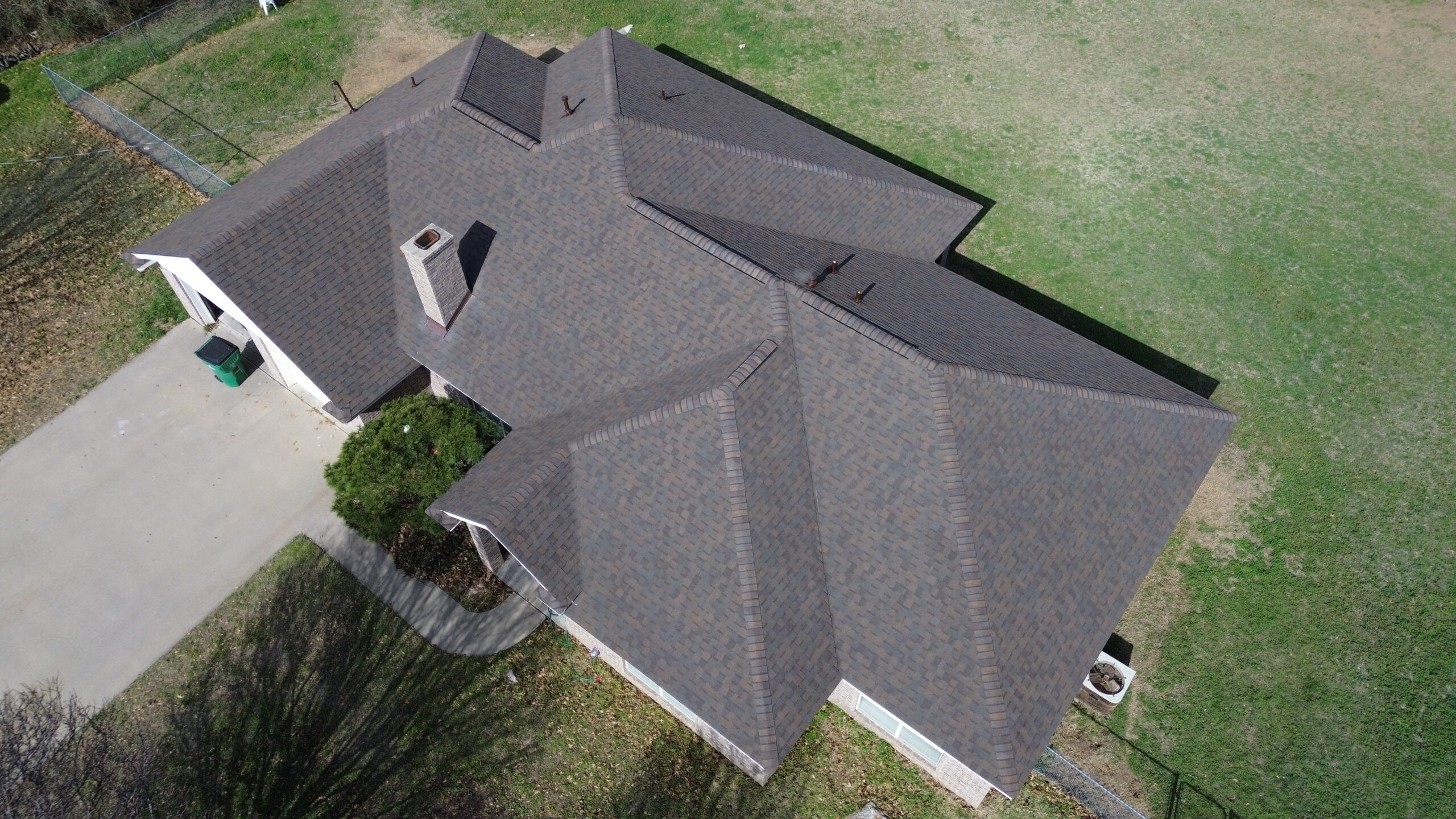
Once planning is complete and materials have been delivered, the project moves into the preparation stage. Proper preparation creates a safe working environment while ensuring the roof is ready for the precise installation process required for a standing seam metal roofing system.
Roofing contractors begin by protecting the property surrounding the home. Tarps are placed over landscaping, outdoor furniture, air conditioning units, decks, and walkways to prevent damage from falling debris during roof removal. Vehicles are usually moved away from the work area to provide additional safety and space for equipment.
Safety equipment is then installed before any roofing work begins. Harnesses, roof anchors, scaffolding, ladders, guardrails, and fall protection systems help workers perform the installation safely, especially on steep roof slopes or multi-story homes.
Roofing materials are staged carefully to distribute weight evenly across the roof structure. Standing seam panels are significantly longer than traditional roofing materials, requiring thoughtful handling and storage to prevent bending or surface damage before installation.
Contractors also review weather conditions before beginning work. Standing seam roofing installation requires dry surfaces because moisture trapped beneath underlayment or roofing panels may affect long-term performance. If rain is expected, the project schedule may be adjusted to maintain installation quality.
Once the job site is organized and safety measures are in place, the existing roofing system can be removed without unnecessary delays.
Removing the Existing Roofing System
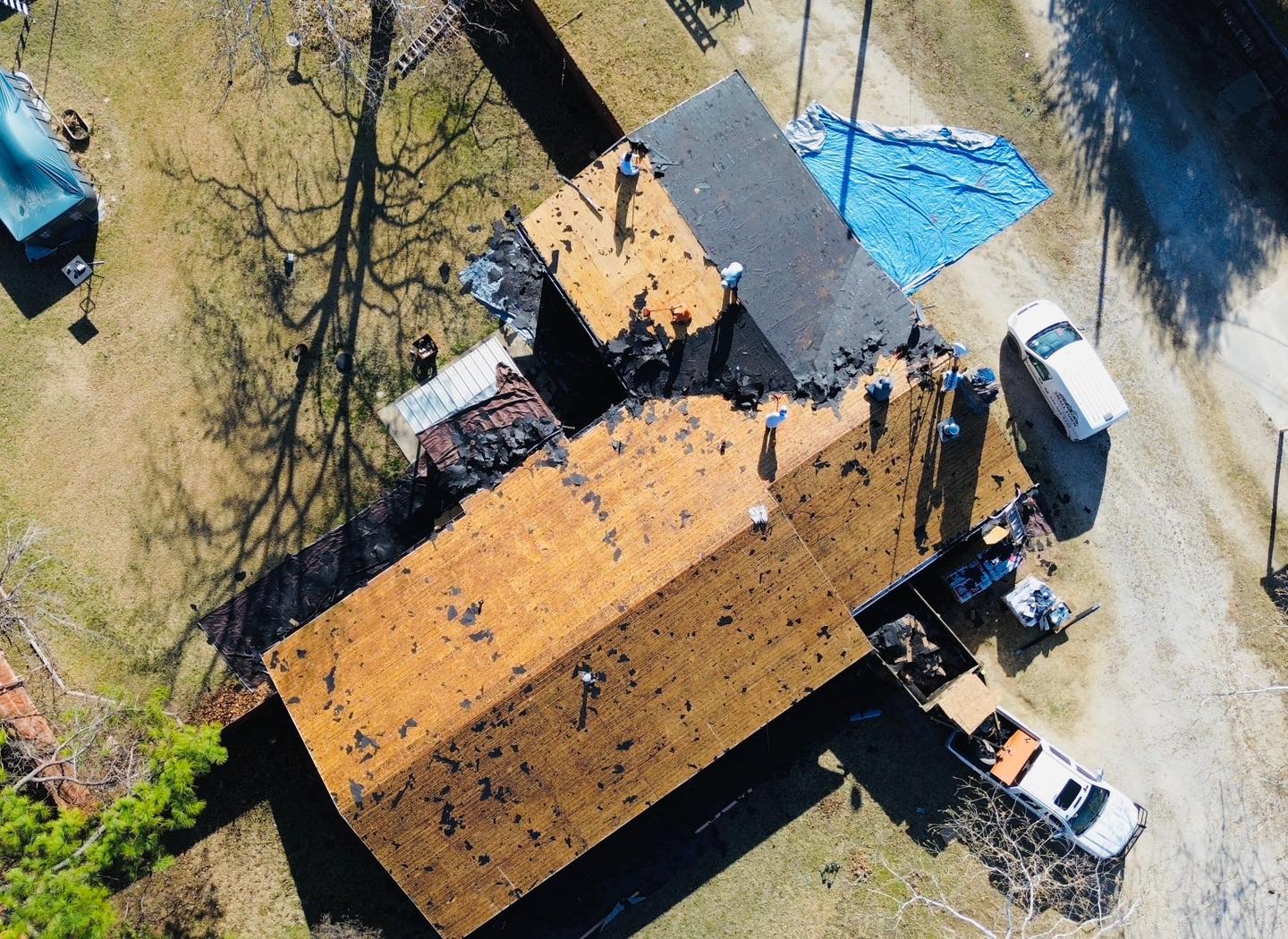
The removal process provides contractors with access to the roof deck and allows hidden structural issues to be identified before the new roofing system is installed. Unlike overlay installations, complete removal ensures every layer beneath the roof can be inspected properly.
Roofers generally begin at the highest portion of the roof and work downward. Existing metal panels, flashing, ridge caps, trim pieces, fasteners, underlayment, and any remaining roofing accessories are removed systematically to avoid unnecessary damage to the roof deck below.
Standing seam roofs often require careful disassembly because concealed clips and locking seams connect the panels together. Contractors release each section methodically rather than forcing panels apart, reducing the risk of damaging structural components beneath the roofing system.
As roofing materials are removed, reusable components are separated from recyclable metal whenever possible. Many standing seam panels are made from steel or aluminum, both of which can often be recycled instead of being sent to landfills.
Loose fasteners, sealants, and construction debris are cleaned continuously during removal. Maintaining an organized work area improves worker safety while making the upcoming inspection process much more efficient.
By the time the removal phase is complete, the roof deck should be completely exposed, clean, and ready for detailed structural evaluation.
Inspecting and Repairing the Roof Deck
The exposed roof deck provides valuable information about the condition of the building beneath the old roofing system. This inspection is one of the most important stages of the replacement process because the new standing seam roof depends on a strong structural foundation.
Contractors examine every section of the decking for moisture damage, soft spots, rot, mold growth, cracked panels, loose fasteners, and structural movement. Even small areas of deterioration receive careful evaluation because hidden weaknesses can affect the performance of the new roofing system.
If damaged decking is discovered, those sections are removed and replaced before installation continues. Repairing weakened decking ensures the concealed clip system will remain securely attached while providing proper support for the metal panels throughout their lifespan.
Roof framing beneath the decking is also inspected whenever signs of moisture damage appear. Rafters, trusses, and supporting members weakened by long-term water infiltration may require reinforcement or replacement before roofing installation proceeds.
Attic ventilation receives additional attention during this stage. Poor ventilation often contributes to condensation beneath metal roofing systems, leading to moisture-related problems over time. Correcting ventilation deficiencies before installing the new roof improves long-term performance.
Once repairs have been completed, contractors confirm that the roof surface is smooth, level, dry, and structurally sound. Beginning installation on a properly prepared roof deck significantly improves both appearance and durability.
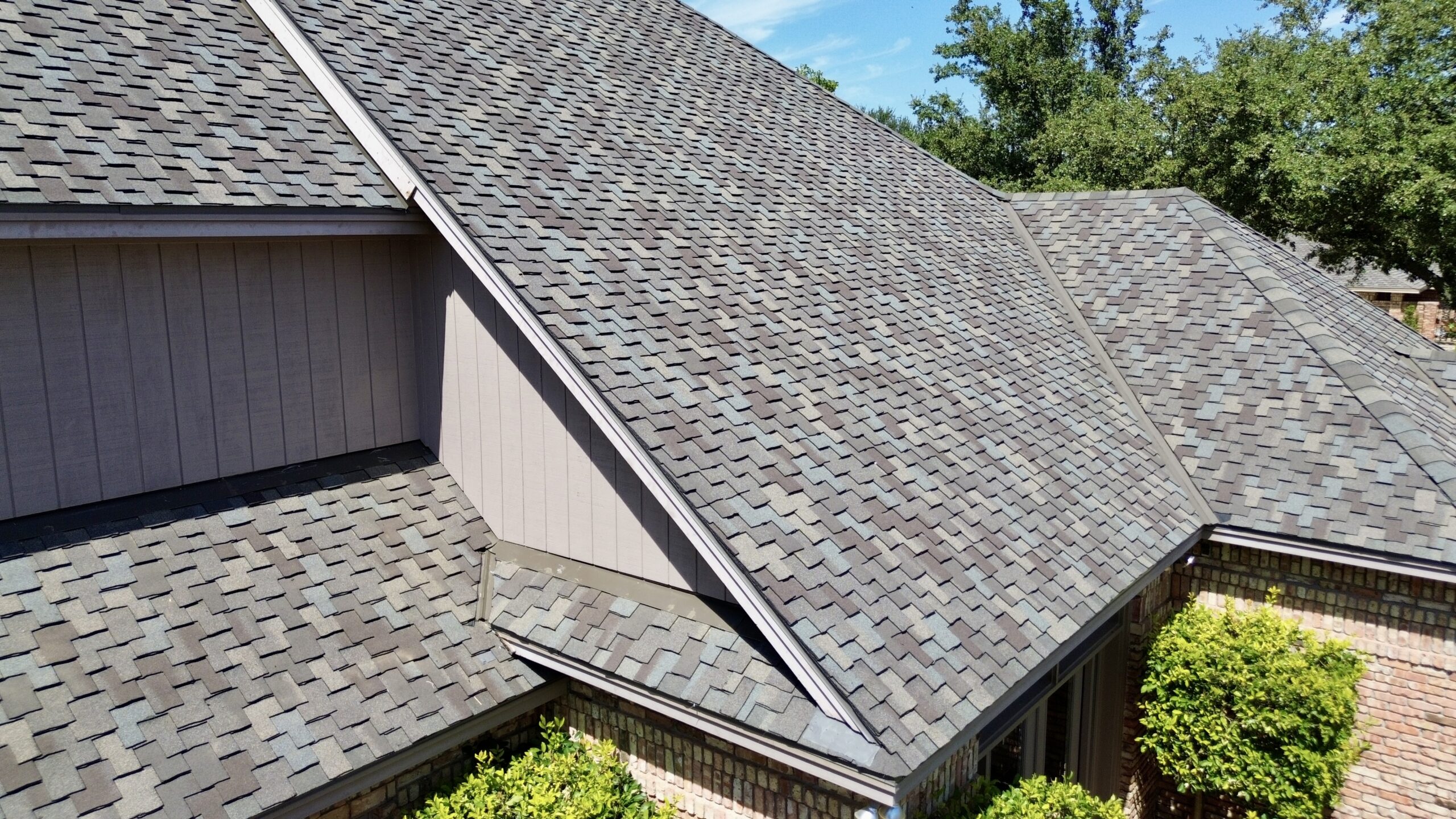
Installing Underlayment and Moisture Protection
After structural repairs have been completed, the roofing system begins taking shape through the installation of waterproofing materials beneath the visible metal panels.
Synthetic underlayment is commonly selected for standing seam roofing because of its excellent durability, tear resistance, and moisture protection. Compared with traditional roofing felt, synthetic products remain more stable during installation while providing superior long-term performance.
Installation begins near the lowest edge of the roof. Each row overlaps the previous layer according to manufacturer specifications, creating a continuous moisture barrier beneath the metal roofing panels. Proper overlap ensures that any water reaching the underlayment continues flowing safely toward the roof edges.
Ice and water barrier membranes are installed in locations particularly vulnerable to moisture infiltration. Roof valleys, eaves, chimneys, skylights, plumbing vents, dormers, and roof transitions commonly receive these self-adhering waterproof membranes for additional protection.
Contractors smooth the underlayment carefully to eliminate wrinkles, trapped air pockets, or loose sections that could affect panel alignment later. Proper fastening keeps the material securely attached while maintaining a flat installation surface.
Every seam is inspected before the next stage begins. Since the underlayment provides secondary protection beneath the metal roof, careful installation contributes significantly to long-term weather resistance.
Installing Drip Edge and Flashing
With the waterproofing layers complete, contractors begin installing metal trim components that control water movement around roof edges and penetrations.
Drip edge is installed first along the roof perimeter. This metal edging directs rainwater away from the fascia boards and roof decking while providing a clean transition between the roofing system and the gutters. Proper alignment also improves the finished appearance of the roof.
Roof valleys receive specially designed flashing that channels water safely toward drainage areas. Because valleys collect significant amounts of rainwater, careful installation helps prevent leaks during heavy storms.
Step flashing is installed wherever the roof meets vertical walls. Individual flashing pieces overlap with each roofing panel to create a layered waterproof barrier that directs water away from vulnerable joints.
Chimneys require both step flashing and counter flashing to maintain long-term leak resistance. This two-layer system allows slight structural movement while maintaining effective weather protection around masonry surfaces.
Specialized flashing components are also installed around skylights, plumbing vents, exhaust vents, and other roof penetrations. Each flashing piece must integrate correctly with both the underlayment and the future roofing panels to maintain continuous water protection.
By the end of this stage, every roof transition has been prepared to support the standing seam panels without creating weak points where moisture might enter the building.
Step by Step Standing Seam Metal Panel Installation
Panel installation represents the defining stage of the entire replacement project. Precision during this process determines not only the finished appearance but also the roof’s ability to withstand decades of changing weather conditions.
Installation typically begins at one edge of the roof according to the panel layout established during project planning. Contractors position the first panel carefully because every subsequent panel aligns with it. Even small errors in the starting position can affect the appearance of the entire roof.
Each panel is placed over the concealed clip system rather than being fastened directly through the exposed metal surface. This design allows thermal expansion while maintaining secure attachment to the roof structure.
Long panels require careful handling to avoid bending or damaging factory-applied finishes. Roofing crews often work together when positioning panels, especially on larger residential or commercial projects.
Once each panel is aligned correctly, the adjoining panel locks into the previous one through the raised standing seam. Depending on the roofing system selected, seams may be mechanically seamed using specialized equipment or snapped together using manufacturer-designed locking profiles.
Contractors verify alignment frequently throughout installation using chalk lines and measurement references established during the preparation stage. Consistent spacing between seams creates the clean architectural appearance for which standing seam roofing is known.
Roof penetrations, valleys, dormers, and roof intersections require custom panel cutting and fitting. These details demand careful craftsmanship because improper panel shaping may affect both appearance and weather resistance.
Installation continues methodically until every roof section has been covered, leaving only ridge caps and finishing trim to complete the roofing system.
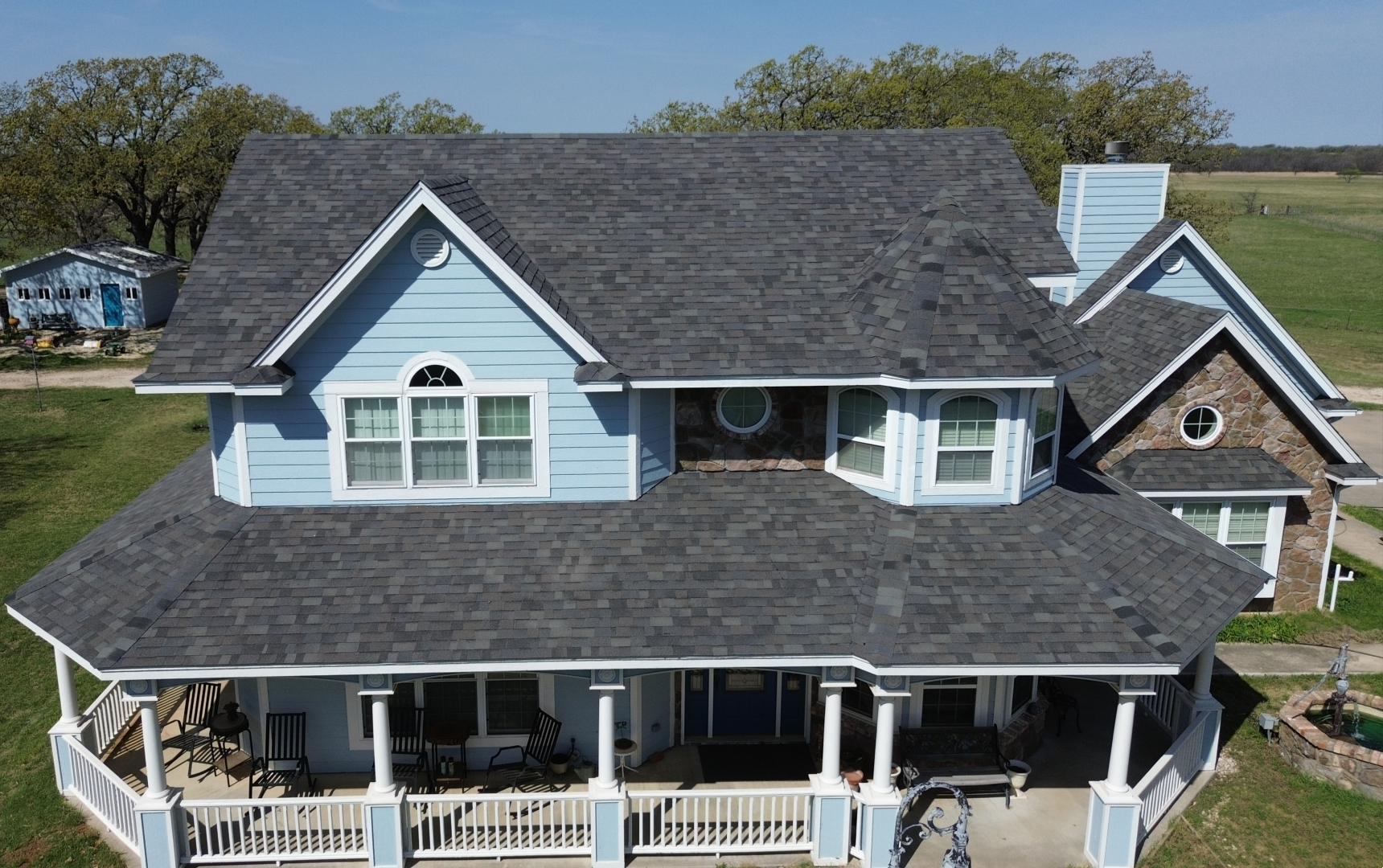
Installing Clips and Concealed Fasteners Correctly
The concealed fastening system is one of the most important features distinguishing standing seam roofing from exposed fastener metal roofs. Proper clip installation allows the roof to remain secure while accommodating natural thermal movement.
Clips are attached directly to the roof deck using manufacturer-approved fasteners. Their spacing varies depending on panel design, roof slope, local climate, and wind load requirements established by building codes.
Fixed clips are commonly used where panel movement is minimal, while floating clips allow controlled expansion and contraction along longer roof sections. Selecting the appropriate clip type helps prevent panel distortion during seasonal temperature changes.
Fasteners securing the clips must penetrate the roof deck fully while remaining properly aligned. Overdriven fasteners, loose connections, or incorrect spacing may reduce structural performance and affect warranty coverage.
Because the fasteners remain hidden beneath the finished roofing panels, they receive continuous protection from rain, sunlight, and temperature extremes. This concealed design greatly reduces maintenance requirements compared with exposed screw roofing systems.
Contractors inspect every clip before covering it with the next roofing panel. Correcting installation errors immediately helps ensure long-term panel stability throughout the roof’s service life.
Ridge Caps, Trim, and Ventilation Installation
After all standing seam panels have been installed, contractors complete the roofing system by adding ridge caps, trim components, and ventilation products.
Ridge caps cover the highest point of the roof while protecting the exposed panel ends from weather. These components also create the finished appearance homeowners associate with professionally installed standing seam roofing.
If ridge ventilation is included, contractors first install the ventilation system before securing the ridge caps. Ridge vents allow warm, moisture-laden attic air to escape while working together with intake vents located beneath the roof overhangs.
Trim pieces are installed along roof edges, gables, eaves, valleys, dormers, and wall transitions. These finishing components improve appearance while sealing exposed panel edges against moisture and wind intrusion.
Sealants are applied only where recommended by the manufacturer. Excessive sealant use is avoided because standing seam roofing is designed to rely primarily on mechanical water management rather than heavy sealant application.
Every trim component is inspected carefully to ensure proper overlap, alignment, and attachment before the project moves into final quality control.
Common Installation Mistakes to Avoid
Standing seam roofing performs exceptionally well when installed correctly, but several common mistakes can significantly reduce its lifespan and weather resistance.
Improper panel alignment often creates visible irregularities while increasing stress throughout the roofing system. Misaligned panels may also interfere with proper seam engagement and water drainage.
Incorrect clip spacing can restrict thermal movement or reduce wind resistance. Both conditions increase the likelihood of premature panel movement or structural fatigue over time.
Improper flashing installation around chimneys, skylights, valleys, and wall intersections remains one of the leading causes of roof leaks. Even premium roofing materials cannot compensate for poorly installed flashing.
Contractors also avoid mixing incompatible metals because galvanic corrosion may develop when certain metals remain in direct contact under moist conditions.
Finally, rushing installation often results in overlooked details that become much more expensive to correct after the project has been completed. Careful workmanship remains the most important factor influencing long-term roof performance.
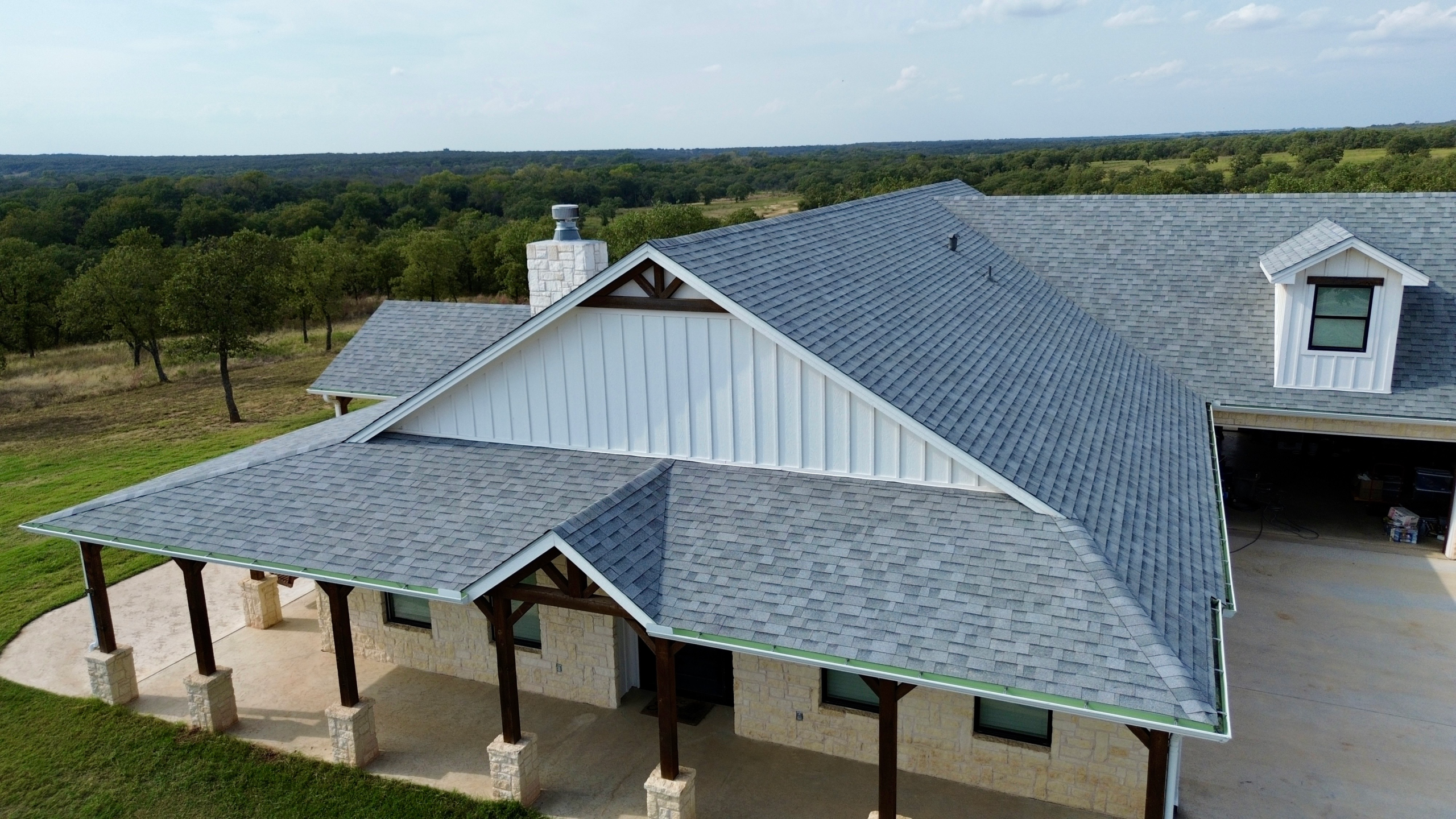
Questions to Ask Your Roofing Contractor
Before approving the completed installation, homeowners should ask several important questions to ensure every stage of the project has been performed according to professional standards.
- Were all panels installed according to manufacturer specifications?
- Was any roof decking replaced during the project?
- Which underlayment and waterproofing materials were installed?
- How does the concealed clip system accommodate thermal expansion?
- Have all flashing components been replaced with new materials?
- Is the attic ventilation system balanced correctly?
- What maintenance schedule do you recommend?
- What warranty coverage applies to both materials and workmanship?
- Were all required inspections completed successfully?
- Which documents should I keep for future warranty claims?
Receiving clear answers provides homeowners with greater confidence in the quality and durability of the finished roofing system.
Installation Errors That Reduce Roof Performance
Even small installation mistakes can affect the long-term reliability of a standing seam roof.
- Improper clip spacing that restricts panel movement.
- Misaligned panels creating uneven standing seams.
- Incorrect flashing installation around roof penetrations.
- Failure to replace damaged roof decking before installation.
- Inadequate ventilation beneath the roofing system.
- Mixing incompatible metal components.
- Overdriven or improperly placed concealed fasteners.
- Poor panel cutting around chimneys and skylights.
Avoiding these mistakes requires experienced installers who understand the engineering principles behind standing seam roofing systems and follow manufacturer installation guidelines carefully.
With the roofing panels, concealed fastening system, flashing, trim, and ventilation now fully installed, the project enters its final phase. The next part of this guide covers the final inspection, cleanup, warranty considerations, maintenance practices, long-term benefits of professional installation, frequently asked questions, and the conclusion that brings the complete standing seam roof replacement process together.
Final Roof Inspection After Installation
Once every panel, trim piece, and flashing component has been installed, the replacement project enters its final quality control stage. A detailed inspection confirms that the standing seam roofing system has been installed according to manufacturer specifications and is ready to provide long-term protection.
Contractors begin by examining the overall appearance of the roof from multiple angles. Standing seams should form straight, evenly spaced vertical lines across the roof surface without visible waviness, misalignment, or inconsistent panel spacing. Because standing seam roofing is known for its clean architectural appearance, proper alignment is both a functional and aesthetic requirement.
Each panel is inspected for scratches, dents, or damage that may have occurred during installation. Although modern metal roofing is highly durable, long panels must be handled carefully throughout the project. Any cosmetic or structural damage identified during the inspection should be corrected before the project is considered complete.
Roof edges receive special attention because they experience continuous exposure to rain, wind, and changing temperatures. Contractors verify that drip edge, rake trim, fascia trim, and gutter transitions are securely attached and properly aligned to direct water away from the structure.
The standing seams themselves are also examined carefully. Whether mechanically seamed or snap-locked, every seam must be fully engaged to maintain weather resistance and structural performance. Incomplete seam engagement can reduce wind resistance and increase the possibility of water infiltration during severe weather.
Roof penetrations require another detailed inspection. Flashing around chimneys, skylights, plumbing vents, exhaust vents, and roof-mounted equipment should fit tightly while allowing the controlled movement necessary for thermal expansion. Every transition should appear clean, secure, and properly integrated into the surrounding roofing system.
Finally, contractors inspect attic ventilation to ensure that ridge vents, soffit vents, and airflow pathways remain unobstructed. Proper ventilation supports the performance of the entire roofing system by reducing moisture accumulation and controlling attic temperatures throughout the year.
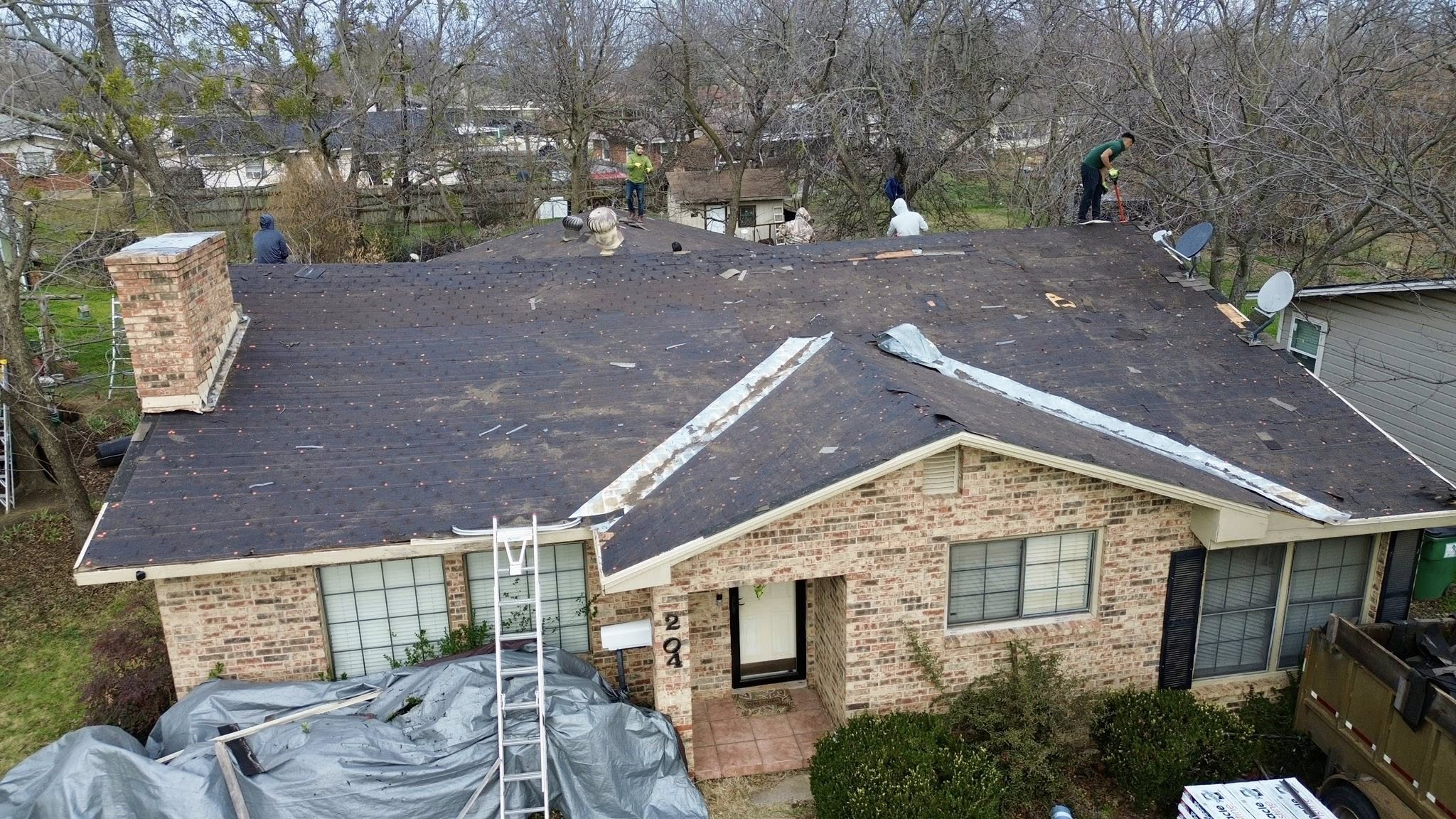
Cleaning Up and Completing the Project
Professional roof replacement does not end when the last metal panel is installed. Thorough cleanup is an essential part of delivering a finished project that protects both the homeowner and the surrounding property.
Roofing crews first remove remaining construction materials from the roof surface. Small metal scraps, unused fasteners, protective film, packaging materials, and installation debris are collected before workers begin cleaning the property below.
The surrounding landscape is then inspected carefully. Tarps protecting flower beds, shrubs, patios, and outdoor furniture are removed while workers collect any debris that may have fallen during construction. Careful cleanup helps restore the property to its original condition.
Magnetic sweepers are used across the driveway, sidewalks, lawn, and nearby landscaping to collect loose screws, metal fragments, and fasteners. This process reduces the risk of tire damage, injuries, or future maintenance issues caused by overlooked construction debris.
Gutters are also cleaned before the project concludes. Small pieces of metal, sealant, dust, or packaging materials may accumulate during installation. Clearing these materials ensures that rainwater can flow freely once the roofing system is in service.
Contractors often perform one final walkthrough with the homeowner after cleanup has been completed. During this inspection, homeowners have the opportunity to review the finished roof, ask questions, and confirm that the work has been completed according to the agreed project scope.
A clean work site reflects professional craftsmanship and demonstrates attention to detail beyond the roofing installation itself.
Understanding Standing Seam Roof Warranties
A standing seam roof represents a significant investment, making warranty protection an important consideration after installation is complete. Understanding how warranties work allows homeowners to protect both the roofing system and their long-term financial investment.
Most standing seam roofing projects include two separate warranties. The manufacturer warranty generally covers defects in roofing materials, protective coatings, and factory-produced components. The workmanship warranty provided by the roofing contractor covers installation quality and any issues resulting from improper workmanship.
Material warranties often vary depending on the roofing material selected. Steel, aluminum, copper, and zinc roofing systems each have different expected service lives and warranty terms. Protective paint finishes may also carry separate coverage periods addressing fading, chalking, or coating performance.
Many manufacturers require installation according to their published guidelines before warranty protection becomes valid. Using approved clips, fasteners, underlayment, flashing components, and installation techniques helps ensure that warranty requirements are satisfied.
Homeowners should carefully review warranty registration requirements after installation. Some manufacturers require product registration within a specific time period following project completion. Completing this process promptly helps avoid unnecessary limitations on future warranty claims.
Maintaining organized project records also supports future warranty protection. Installation contracts, invoices, inspection reports, maintenance records, warranty certificates, and photographs should all be stored safely for future reference.
Understanding warranty responsibilities allows homeowners to protect their investment while ensuring they know exactly what support remains available if problems develop later.
Maintaining a Newly Installed Standing Seam Roof
Standing seam roofing systems require relatively little maintenance compared with many traditional roofing materials. However, routine inspections and preventive care help maximize their service life while preserving warranty protection.
Visual inspections should be performed at least twice each year, preferably during spring and autumn. These inspections allow homeowners to identify debris accumulation, damaged trim, loose flashing, or any unusual changes before they develop into larger maintenance concerns.
Gutters and valleys should remain free from leaves, branches, and other debris that may interfere with drainage. Standing water caused by blocked drainage systems increases moisture exposure and may shorten the lifespan of roofing components over time.
Tree branches extending across the roof should be trimmed regularly. Contact between branches and metal panels may scratch protective coatings, creating opportunities for corrosion while allowing debris to accumulate more easily.
Homeowners should also inspect roof penetrations periodically. Flashing around chimneys, skylights, plumbing vents, and exhaust systems should remain secure while showing no signs of separation or movement.
Walking on the roof should be avoided whenever possible. Although standing seam roofing is highly durable, unnecessary foot traffic increases the possibility of cosmetic damage or accidental panel deformation. When roof access becomes necessary, qualified professionals should perform the work using appropriate safety equipment.
Cleaning the roof occasionally may also help preserve its appearance. Dirt, pollen, leaves, and environmental contaminants can usually be removed using manufacturer-approved cleaning methods. Harsh chemicals or abrasive cleaning tools should never be used because they may damage protective finishes.
Professional inspections every few years provide additional reassurance that concealed clips, seams, flashing, and ventilation components continue performing as intended. Preventive maintenance remains far less expensive than correcting neglected roofing problems later.
Long-Term Benefits of Professional Installation
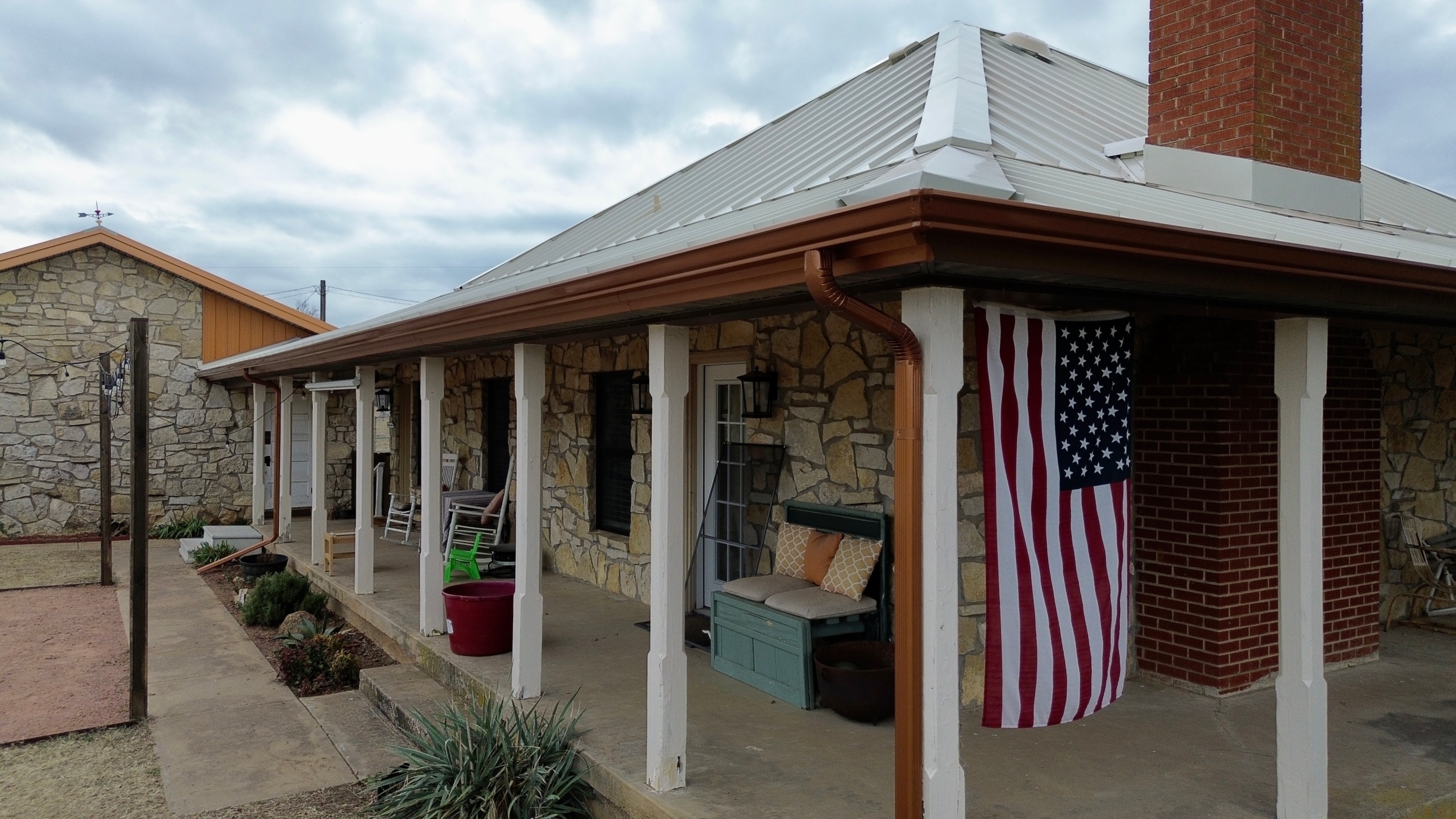
A professionally installed standing seam roof provides value far beyond its attractive appearance. Proper installation influences nearly every aspect of the roof’s long-term performance, making contractor selection one of the most important decisions in the replacement process.
One major advantage is exceptional durability. Correctly installed standing seam roofing systems accommodate natural thermal movement without placing excessive stress on fasteners or panel connections. This flexibility helps the roof withstand decades of seasonal temperature changes.
Professional installation also improves weather resistance. Properly aligned panels, accurately installed flashing, and correctly positioned concealed clips create a roofing system capable of resisting heavy rainfall, snow, hail, and strong winds more effectively than many conventional roofing materials.
Energy efficiency benefits become more noticeable over time as well. Modern reflective coatings combined with balanced attic ventilation help regulate indoor temperatures while reducing heating and cooling demands throughout the year.
Maintenance costs generally remain lower because concealed fasteners receive protection from direct weather exposure. Unlike exposed fastener systems that may require periodic screw replacement, standing seam roofs experience fewer maintenance concerns when installed properly.
Property value often benefits from professional installation. Buyers recognize the reputation of standing seam roofing for longevity, durability, and low maintenance, making the roofing system a valuable selling feature if the property is placed on the market.
Most importantly, professional installation provides confidence. Homeowners know that every component has been installed according to established engineering standards, reducing the likelihood of future leaks or unexpected structural problems.
Frequently Asked Questions About Standing Seam Roof Replacement
Standing seam roof replacement often raises practical questions for homeowners planning their roofing project. Understanding these common concerns helps establish realistic expectations before installation begins.
How long does a standing seam roof replacement usually take?
Most residential projects require several days depending on roof size, complexity, weather conditions, and any structural repairs identified after removing the existing roofing system.
Can damaged panels be replaced individually?
Yes, isolated panel replacement is sometimes possible when matching materials remain available and the surrounding roofing system remains in good condition. However, widespread deterioration often makes complete replacement the better long-term solution.
Why are concealed fasteners better than exposed screws?
Concealed fasteners remain protected beneath the roofing panels where they are not exposed directly to rain, sunlight, or changing weather. This design reduces maintenance while minimizing potential leak points.
Is standing seam roofing suitable for every climate?
Yes. Standing seam roofing performs well in a wide range of climates including areas with heavy snowfall, strong winds, frequent rainfall, intense sunlight, and coastal environments when appropriate materials and protective finishes are selected.
Can solar panels be installed on a standing seam roof?
Yes. Many solar mounting systems clamp directly onto the standing seams without penetrating the roofing panels. This installation method helps preserve weather resistance while simplifying future maintenance.
How long will a newly installed standing seam roof last?
Depending on the material, protective coating, local climate, installation quality, and maintenance practices, many standing seam roofing systems provide reliable performance for forty to seventy years or longer.
Conclusion
Standing seam metal roofing is recognized as one of the most durable and dependable roofing systems available, but achieving its full lifespan depends heavily on proper replacement and installation practices. Every stage of the project, from planning and roof inspection to concealed clip installation, flashing, ventilation, and final quality control, contributes to the long-term performance of the finished roof.
Understanding the replacement process helps homeowners make informed decisions when selecting materials, evaluating contractors, and reviewing completed work. Rather than viewing the project as simply replacing old panels, homeowners gain a better appreciation of the engineering and craftsmanship required to create a complete roofing system capable of protecting a building for decades.
Routine maintenance after installation further protects this investment. Regular inspections, clean drainage systems, properly maintained flashing, organized warranty records, and prompt attention to minor concerns help preserve both the appearance and structural integrity of the roof while maximizing its expected service life.
Ultimately, replacing an aging standing seam roof with a professionally installed modern system provides far more than improved weather protection. It enhances energy efficiency, reduces maintenance requirements, increases property value, strengthens structural reliability, and delivers lasting peace of mind. By combining high-quality materials with experienced installation and ongoing maintenance, homeowners can confidently expect their new standing seam roof to provide exceptional performance for many decades to come.