
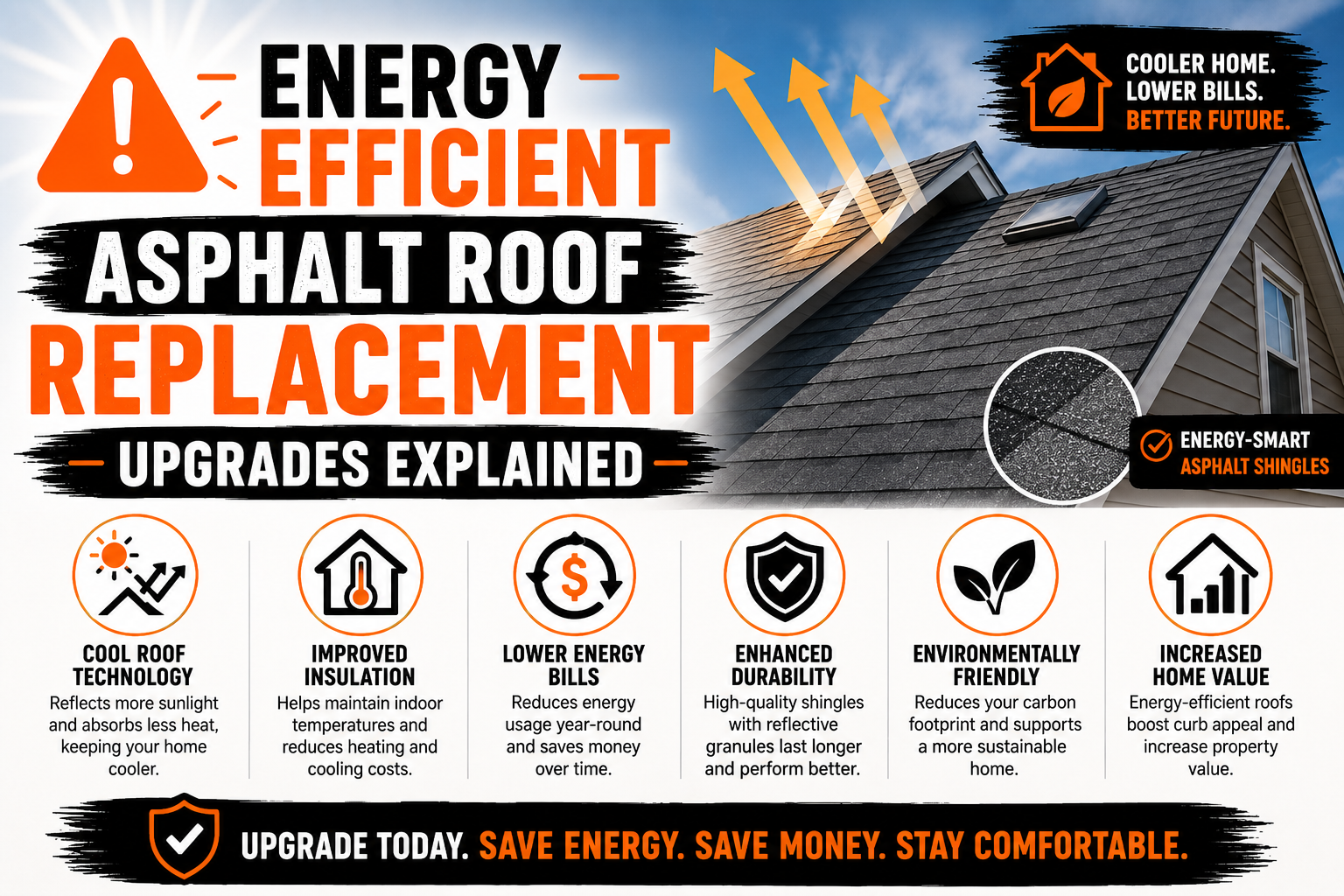
Energy Efficient Asphalt Roof Replacement Upgrades Explained
Introduction
An asphalt roof does much more than protect a home from rain, wind, and sunlight. It also plays a significant role in regulating indoor temperatures, reducing energy consumption, and improving overall comfort throughout the year. When homeowners replace an aging roof, they have an excellent opportunity to upgrade the entire roofing system with energy efficient features that can deliver long term benefits.
Energy efficiency has become a major consideration in modern home improvement projects. Rising utility costs and growing awareness of sustainable building practices encourage homeowners to look beyond appearance and durability when selecting roofing materials. An energy efficient asphalt roof can help reduce heat transfer, support better indoor climate control, and contribute to lower heating and cooling expenses.
Many people assume that energy efficient roofing is only available with expensive metal or specialty roofing systems. In reality, today’s asphalt roofing products include advanced technologies that improve thermal performance while maintaining the affordability and versatility that asphalt shingles are known for. Combined with proper ventilation, insulation, and installation techniques, these upgrades can significantly improve a home’s overall energy performance.
Understanding how these improvements work helps homeowners make informed decisions during roof replacement. Rather than viewing a new roof as a simple repair, it becomes an investment that enhances comfort, protects the home, and supports energy savings for many years.
This guide explains the most effective energy efficient asphalt roof replacement upgrades, how they work together, and why each component contributes to better roofing performance. By exploring every part of an energy efficient roofing system, homeowners can confidently choose upgrades that align with their climate, budget, and long term goals.
Understanding Energy Efficient Asphalt Roof Replacement
Energy efficient asphalt roof replacement involves more than installing new shingles. It includes selecting roofing materials and system components that reduce unwanted heat transfer while improving the home’s ability to maintain comfortable indoor temperatures throughout changing seasons.
Traditional roof replacements often focus on replacing damaged shingles without considering improvements that increase energy performance. Modern roofing projects, however, allow homeowners to upgrade multiple layers of the roofing system at the same time. This integrated approach provides greater value than replacing shingles alone.
An energy efficient roof works by reducing the amount of heat entering the home during warm weather while helping retain indoor warmth during colder months. Achieving this balance requires cooperation between roofing materials, attic ventilation, insulation, underlayment, and proper installation practices.
Every component influences overall performance. Even premium shingles may not deliver their full energy saving potential if attic ventilation is inadequate or insulation is poorly installed. Likewise, excellent insulation performs more effectively when supported by a properly functioning roofing system.
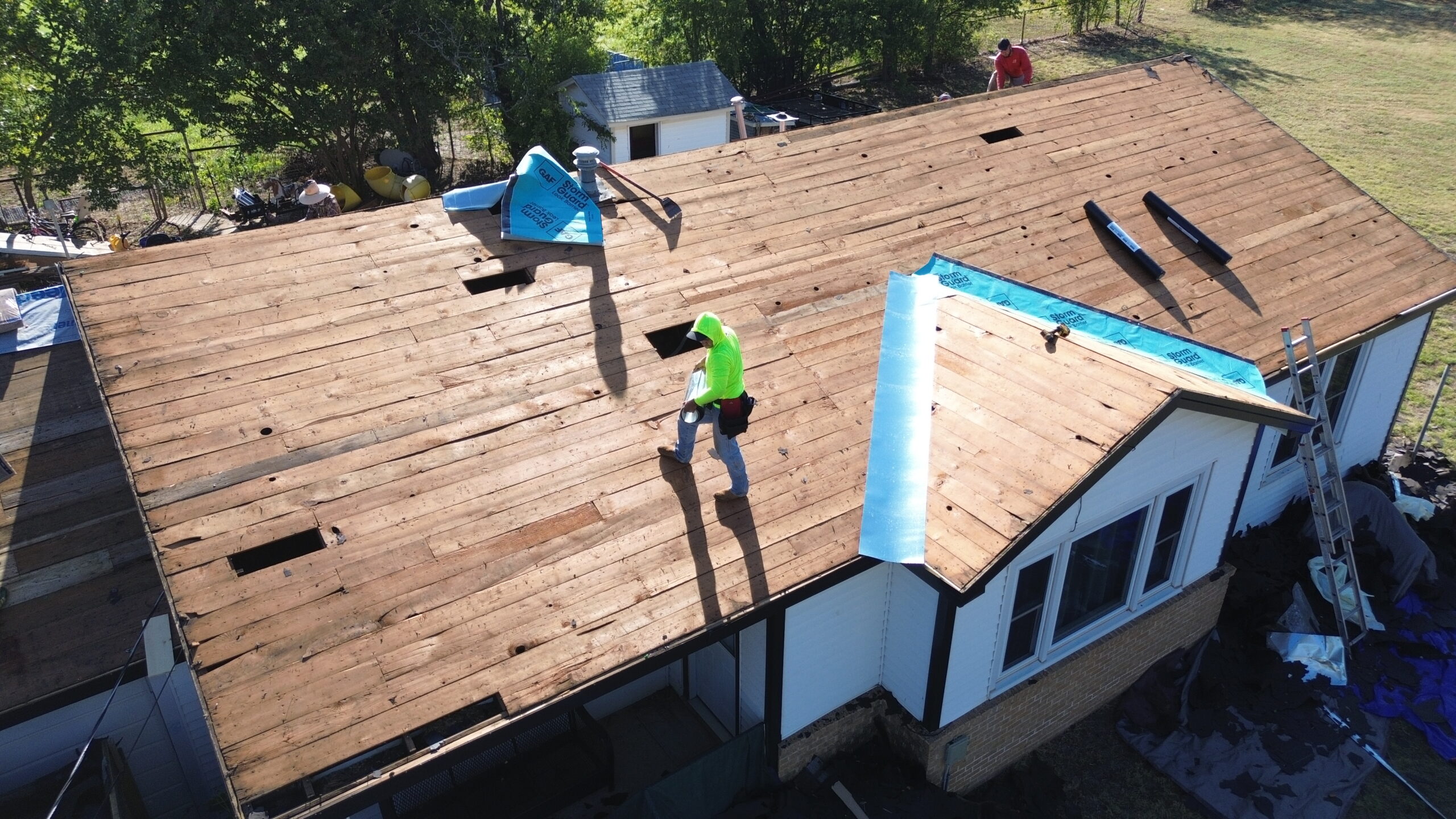
Roof replacement provides the ideal opportunity to inspect hidden structural components that are normally inaccessible. Contractors can evaluate ventilation pathways, decking condition, flashing performance, and insulation levels while the old roofing materials have been removed.
Rather than relying on one product to improve efficiency, modern asphalt roofing systems use several complementary upgrades that work together. This comprehensive approach delivers better comfort, greater durability, and improved long term value for homeowners.
Why Energy Efficiency Matters for Modern Homes
Energy efficiency affects nearly every aspect of homeownership. From monthly utility expenses to indoor comfort and environmental impact, the performance of a home’s roofing system influences daily living more than many homeowners realize.
Heating and cooling systems represent one of the largest sources of household energy consumption. When excessive heat enters through the roof during summer or valuable warmth escapes during winter, heating and cooling equipment must work harder to maintain comfortable indoor temperatures.
Reducing unnecessary energy loss helps homeowners lower operating costs without sacrificing comfort. Although roofing upgrades require an initial investment, improved efficiency often contributes to ongoing savings throughout the roof’s lifespan.
Comfort is another important benefit. Homes with inefficient roofing systems may experience uneven temperatures between different rooms or excessive heat buildup on upper floors. Energy efficient roofing upgrades help stabilize indoor temperatures, creating a more consistent living environment throughout the house.
Improved energy performance may also increase property value. Many homebuyers recognize the advantages of lower operating costs and modern building improvements, making energy efficient roofing an attractive feature during resale.
Environmental considerations further encourage homeowners to invest in efficient roofing systems. Lower energy consumption reduces demand on heating and cooling equipment, supporting broader efforts to decrease energy use and improve sustainability.
As building standards continue evolving, energy efficient roofing has become an important component of responsible home improvement. Investing in these upgrades today can provide lasting benefits for both homeowners and future occupants.
How Asphalt Roofing Contributes to Home Energy Performance
Although asphalt shingles are primarily known for weather protection, they also influence how heat moves into and out of a home. Their color, composition, surface technology, and interaction with other roofing components all contribute to overall energy performance.
Sunlight striking the roof contains a significant amount of solar energy. Dark roofing materials naturally absorb more heat, while lighter or specially engineered shingles reflect a greater portion of solar radiation. This difference influences roof surface temperatures throughout the day.
Modern asphalt shingles are available with reflective granules that help reduce heat absorption without dramatically changing the roof’s appearance. These specialized granules improve solar reflectance while maintaining the familiar look many homeowners prefer.
The roof also serves as the first barrier against outdoor temperature changes. By combining quality shingles with underlayment and ventilation, the roofing system slows unwanted heat transfer before it reaches interior living spaces.
Air movement beneath the roof further affects energy efficiency. Proper attic ventilation removes accumulated heat during summer while reducing moisture buildup throughout the year. This continuous airflow helps roofing materials perform more effectively over time.
Roofing systems also interact closely with insulation. While insulation slows heat movement through ceilings and attic spaces, the roofing materials above it reduce direct solar exposure and protect structural components from weather related stress.
These combined functions demonstrate that asphalt roofing contributes far more than weather protection alone. When properly designed and installed, it becomes an essential part of the home’s complete energy management strategy.
Signs Your Existing Roof Is Reducing Energy Efficiency
Many homeowners replace their roof because of visible damage such as leaks or missing shingles. However, an aging roof may also reduce energy efficiency long before obvious structural problems appear.
One common warning sign is consistently high heating or cooling bills without significant changes in energy usage. Although several factors influence utility costs, declining roof performance may contribute to increased energy demand over time.
Uneven indoor temperatures often indicate that heat is entering or escaping through the roofing system. Upper floors becoming excessively warm during summer or difficult to heat during winter may suggest inadequate roofing performance combined with ventilation or insulation issues.
Older asphalt shingles gradually lose protective granules as they age. This natural wear reduces their ability to reflect sunlight while exposing more of the asphalt beneath to direct solar radiation. Increased heat absorption can raise attic temperatures significantly.
Visible roof deterioration also affects energy performance. Curling shingles, cracked surfaces, damaged flashing, and deteriorated sealants allow greater exposure to weather while reducing the roof’s overall effectiveness.
Poor attic ventilation creates another warning sign. Excessive attic heat, noticeable humidity, or condensation during colder months may indicate that airflow is insufficient. Without proper ventilation, roofing materials and insulation cannot perform at their highest potential.
Homeowners may also notice their heating and cooling systems operating more frequently than in previous years. Although aging HVAC equipment may contribute, declining roof efficiency often increases the workload placed on climate control systems.
Recognizing these warning signs early allows homeowners to plan roof replacement before efficiency losses become more severe. Upgrading the roofing system provides an opportunity to correct multiple issues simultaneously while improving long term energy performance.
Key Components of an Energy Efficient Asphalt Roofing System
A truly energy efficient asphalt roof relies on several interconnected components rather than a single product. Each layer contributes to temperature regulation, moisture control, and long term roofing performance.
The primary elements include:
- High quality asphalt shingles designed for improved solar reflectance.
- Durable roof underlayment that provides additional thermal and moisture protection.
- Balanced attic ventilation using both intake and exhaust vents.
- Adequate attic insulation to reduce heat transfer.
- Proper flashing installation around roof penetrations and valleys.
- Quality roof decking that provides a stable foundation for the entire roofing system.
Each component performs a specific function while supporting the others. Removing or overlooking one element may reduce the effectiveness of the entire roofing system, even if premium materials are used elsewhere.
Professional contractors evaluate every layer during roof replacement because hidden deficiencies often become visible only after existing shingles have been removed. Correcting these issues during replacement is generally more practical than attempting upgrades later.
Proper installation is equally important. Even advanced energy efficient materials require careful placement, accurate fastening, and manufacturer recommended installation methods to deliver their intended performance.
When these components function together, they create a roofing system that improves comfort, enhances durability, and supports lower energy consumption throughout the life of the roof.
Common Myths About Energy Efficient Asphalt Roof Upgrades
Misunderstandings about energy efficient roofing often discourage homeowners from considering valuable improvements during roof replacement. Separating myths from facts allows better decision making and more realistic expectations.
One common myth is that only expensive roofing materials provide meaningful energy savings. In reality, many modern asphalt shingles incorporate advanced reflective technologies while remaining one of the most cost effective residential roofing options available.
Another misconception is that roof color alone determines energy efficiency. Although lighter colors generally reflect more sunlight, ventilation, insulation, underlayment, and installation quality all play equally important roles in overall roof performance.
Some homeowners believe energy efficient roofs only benefit homes in hot climates. Efficient roofing systems improve comfort in both warm and cold regions by helping regulate indoor temperatures and supporting balanced thermal performance throughout the year.
Another widespread myth suggests that replacing shingles automatically improves energy efficiency. While a new roof may perform better than an aging one, the greatest improvements often come from upgrading the entire roofing system rather than focusing only on shingles.
Many people also assume that attic insulation alone solves all energy related roofing issues. Insulation remains essential, but without proper ventilation and high quality roofing materials, overall efficiency may still fall short of its full potential.
There is also a misconception that energy efficient roofing requires complicated maintenance. Most modern asphalt roofing systems require the same routine inspections and basic maintenance as traditional asphalt roofs while providing additional long term performance benefits.
Understanding these misconceptions helps homeowners approach roof replacement with realistic expectations and a clearer understanding of how multiple upgrades work together. In the next part of this guide, we will examine specific energy efficient asphalt roof replacement upgrades, including cool roof shingles, reflective roofing technologies, improved ventilation systems, upgraded underlayment, insulation enhancements, and practical ways to maximize energy savings through a complete roofing system.
Cool Roof Asphalt Shingles Explained
Cool roof asphalt shingles are one of the most effective upgrades available during a roof replacement project. Unlike traditional shingles that absorb a large amount of solar heat, cool roof shingles are designed to reflect more sunlight and release absorbed heat more efficiently. This helps reduce roof surface temperatures during warm weather.
These shingles achieve improved performance through specially engineered reflective granules embedded into the asphalt surface. The granules reflect a greater portion of the sun’s rays without significantly changing the appearance of the roof. Many products resemble conventional asphalt shingles while providing noticeable improvements in thermal performance.
Lower roof temperatures help reduce the amount of heat transferred into the attic. As a result, air conditioning systems may not need to operate as frequently to maintain comfortable indoor temperatures. This contributes to improved energy efficiency while also reducing strain on cooling equipment.
Cool roof shingles can also help extend the life of roofing materials. Lower operating temperatures reduce repeated thermal expansion and contraction that naturally occurs throughout the day. Over time, minimizing this stress may support longer lasting roof performance.
Many manufacturers now offer cool roof shingles in a variety of colors and architectural styles. Homeowners no longer have to sacrifice curb appeal to improve energy efficiency, making these products a practical choice for both new construction and roof replacement projects.
The effectiveness of cool roof shingles varies depending on climate, roof orientation, and surrounding landscape. Homes receiving prolonged direct sunlight generally experience the greatest reduction in roof surface temperatures after installation.
Reflective Roofing Technology and Solar Heat Reduction
Modern asphalt roofing has advanced considerably through the development of reflective roofing technology. Instead of relying only on roof color, manufacturers engineer roofing materials to better manage solar radiation while preserving durability and appearance.
When sunlight reaches the roof, part of its energy is reflected while the remaining portion is absorbed. Traditional roofing materials absorb a larger percentage of this energy, causing roof temperatures to rise significantly during sunny days. Reflective roofing materials increase the amount of sunlight returned to the atmosphere.
Lower heat absorption reduces the temperature difference between the roof and surrounding air. This helps decrease heat transfer into attic spaces and contributes to more stable indoor temperatures during summer months.
Reflective technology also benefits the roofing system itself. Roofing materials exposed to lower temperatures experience reduced thermal stress throughout the day. This may help slow certain forms of weather related aging that naturally occur over time.
These improvements become especially valuable in regions with long, hot summers where roofs receive many hours of direct sunlight. However, reflective asphalt shingles can also benefit homes in moderate climates by reducing unnecessary heat gain whenever strong sunshine occurs.
Reflective roofing should be viewed as one component of an overall energy efficient roofing strategy. Maximum benefits occur when reflective shingles are combined with effective ventilation, quality insulation, and professional installation.
The Importance of Proper Roof Ventilation
Roof ventilation is one of the most overlooked aspects of energy efficient roof replacement. Even premium roofing materials cannot perform to their full potential if excess heat and moisture remain trapped inside the attic.
Proper ventilation creates continuous airflow through the attic by allowing cooler outside air to enter through intake vents while warmer air exits through exhaust vents. This natural circulation helps regulate attic temperatures throughout the year.
During summer, ventilation removes accumulated heat before it transfers into living spaces. Without sufficient airflow, attic temperatures may become dramatically higher than outdoor air temperatures, increasing the workload placed on air conditioning systems.
Winter ventilation provides equally important benefits by controlling moisture. Everyday household activities generate water vapor that naturally rises into attic spaces. Without proper ventilation, moisture may condense on structural components, contributing to mold growth and wood deterioration.
Balanced ventilation also protects roofing materials themselves. Excessive attic heat accelerates aging, while trapped moisture may reduce the effectiveness of insulation and shorten the lifespan of structural components beneath the roof.
Professional contractors evaluate existing ventilation during roof replacement because upgrades are often easier to complete while the roofing system is already being replaced. Correct ventilation design improves both energy efficiency and long term roof durability.
Upgrading Roof Underlayment for Better Thermal Performance
Although underlayment remains hidden beneath the shingles, it performs an important function within an energy efficient roofing system. Modern underlayment products provide an additional protective layer that contributes to moisture resistance while supporting overall thermal performance.
Traditional felt underlayment has been widely used for decades, but many homeowners now choose advanced synthetic underlayments during roof replacement. These newer materials often provide greater durability, improved tear resistance, and more consistent protection under changing weather conditions.
High quality underlayment also helps reduce air movement beneath the roofing materials. Limiting uncontrolled airflow improves the overall efficiency of the roofing assembly while supporting the effectiveness of attic insulation.
Some premium underlayment systems include reflective surfaces that reduce radiant heat transfer into attic spaces. Although these products do not replace insulation, they contribute another layer of protection against excessive summer heat.
Underlayment also protects roof decking during construction. If unexpected weather interrupts installation, quality underlayment helps shield exposed structural components until shingles can be fully installed.
Choosing an upgraded underlayment allows homeowners to strengthen both moisture protection and energy performance without significantly altering the appearance of the finished roof.
Insulation Improvements During Roof Replacement
Roof replacement provides an excellent opportunity to evaluate attic insulation because roofing contractors gain improved access to important structural areas throughout the project. Although insulation is located beneath the roof, it directly influences overall energy efficiency.
Insulation slows heat movement between indoor living spaces and the attic. During summer, effective insulation limits the amount of roof heat entering the home. During winter, it helps retain valuable indoor warmth that would otherwise escape through the ceiling.
Older homes frequently contain insulation that has settled, shifted, or deteriorated over time. Reduced insulation thickness lowers thermal performance and increases heating and cooling demands throughout the year.
Contractors often recommend inspecting insulation whenever the roof is replaced. Identifying gaps, compressed insulation, or moisture damaged sections allows homeowners to improve thermal performance before the new roofing system is completed.
Modern insulation products provide improved performance while occupying similar installation space. Upgrading insulation during roof replacement helps maximize the benefits of other energy efficient roofing improvements already being installed.
Insulation works most effectively when combined with balanced attic ventilation. Together, these systems regulate both temperature and moisture, creating a healthier environment for roofing materials and improving indoor comfort throughout the home.
Comparing Energy Efficient Asphalt Roofing Upgrade Options
| Upgrade | Primary Purpose | Energy Efficiency Benefit | Additional Advantages |
|---|---|---|---|
| Cool roof asphalt shingles | Reflect more sunlight | Reduces roof surface temperature | Improves roof durability |
| Reflective roofing granules | Decrease solar heat absorption | Lowers attic heat gain | Supports cooling efficiency |
| Synthetic underlayment | Improve moisture and thermal protection | Reduces unwanted heat transfer | Increases weather resistance |
| Improved attic ventilation | Promote continuous airflow | Removes trapped heat and moisture | Extends roof lifespan |
| Upgraded attic insulation | Slow heat movement | Reduces heating and cooling demand | Improves indoor comfort |
| Quality flashing installation | Prevent water intrusion | Protects insulation performance | Reduces moisture related damage |
This comparison demonstrates that no single upgrade provides complete energy efficiency on its own. The greatest improvements occur when multiple roofing components work together as a complete system.
Benefits of Combining Multiple Energy Saving Upgrades
Homeowners often ask whether they should invest in one major roofing upgrade or several smaller improvements. In most situations, combining multiple energy efficient features produces better long term performance than relying on a single enhancement.
Reflective shingles reduce heat absorption, while attic ventilation removes the heat that still enters the roofing system. Insulation then limits the remaining heat from reaching interior living spaces. Each upgrade complements the others rather than replacing their function.
A complete roofing system also provides greater protection against changing weather conditions. Moisture management, temperature regulation, and structural durability improve simultaneously when every roofing component performs its intended role.
Another advantage is improved HVAC efficiency. Heating and cooling equipment operates under less stress when indoor temperatures remain more consistent throughout the day. Reduced equipment workload may contribute to lower maintenance requirements over time.
Homeowners also benefit from improved indoor comfort. Rooms located beneath the roof often experience fewer temperature fluctuations when energy efficient roofing upgrades work together to reduce unwanted heat transfer.
Combining upgrades during one roof replacement project is frequently more practical than making separate improvements over several years. Completing related improvements together reduces future disruption while ensuring the roofing system functions as a coordinated whole.
Mistakes Homeowners Should Avoid During Energy Efficient Roof Replacement
Choosing energy efficient roofing upgrades requires careful planning. Avoiding common mistakes helps homeowners receive the full value of their investment while preventing unnecessary performance problems.
Some of the most common mistakes include:
- Choosing roofing materials based only on purchase price instead of long term value.
- Ignoring attic ventilation while investing in premium shingles.
- Overlooking insulation improvements during roof replacement.
- Hiring contractors without experience installing energy efficient roofing systems.
- Selecting products that are not well suited to the local climate.
- Delaying replacement until significant roof deterioration has already occurred.
Each of these decisions can reduce the effectiveness of an otherwise high quality roofing system. Taking time to evaluate every roofing component allows homeowners to make balanced decisions that improve both efficiency and durability.
Professional guidance is particularly valuable because roofing systems contain many interconnected parts. Experienced contractors evaluate how ventilation, insulation, underlayment, flashing, and shingles work together instead of recommending individual products in isolation.
Energy efficient asphalt roof replacement should be viewed as a complete home improvement strategy rather than simply a materials upgrade. Every improvement contributes to better temperature regulation, lower energy consumption, increased comfort, and enhanced roof performance over the long term.
In the final part of this guide, we will explore how energy efficient asphalt roofing performs in different climate zones, examine the relationship between installation costs and long term energy savings, discuss maintenance practices that preserve roofing efficiency, answer frequently asked questions, provide practical planning steps for homeowners, and conclude with the key reasons why investing in energy efficient asphalt roof replacement upgrades delivers lasting value.
Energy Efficient Roofing for Different Climate Zones
Energy efficient asphalt roofing performs differently depending on the climate where a home is located. Temperature patterns, humidity levels, seasonal weather changes, and the amount of annual sunshine all influence how roofing materials contribute to energy savings. Understanding these regional differences helps homeowners choose upgrades that provide the greatest long term value.
Homes located in hot climates often benefit most from reflective asphalt shingles and improved attic ventilation. Strong sunlight throughout much of the year causes roof surfaces to absorb significant amounts of heat. Reflective roofing materials help reduce this heat gain, while proper ventilation removes accumulated hot air before it enters living spaces.
Regions with cold winters require a balanced approach that focuses on retaining indoor heat while preventing moisture buildup inside the attic. High quality insulation becomes especially important because it slows heat loss through the ceiling. Proper ventilation also helps reduce condensation that can damage structural components during freezing weather.
Mixed climates experience both hot summers and cold winters, making complete roofing systems particularly valuable. Reflective shingles reduce cooling demands during summer, while insulation and moisture control improve comfort during colder months. A balanced roofing system performs efficiently throughout every season instead of focusing on only one type of weather.
Coastal regions present additional challenges because roofs must withstand salt exposure, humidity, heavy rainfall, and occasional strong winds. Durable asphalt shingles combined with proper flashing and ventilation help protect the roofing system while maintaining energy efficiency under changing weather conditions.
Mountain regions often experience intense sunlight at higher elevations despite cooler air temperatures. Reflective roofing materials still provide benefits by reducing solar heat absorption, while adequate insulation protects against cold nighttime temperatures.
Choosing roofing upgrades based on local climate rather than general recommendations allows homeowners to maximize energy efficiency while improving the overall durability of the roof.
Cost Versus Long Term Energy Savings
Energy efficient asphalt roof upgrades generally require a larger initial investment than basic roof replacement. However, evaluating roofing costs only by the purchase price provides an incomplete picture of the overall value these improvements can deliver.
Lower monthly heating and cooling expenses represent one of the most noticeable long term benefits. Improved roofing materials, better insulation, and effective ventilation reduce unnecessary energy consumption by helping maintain stable indoor temperatures throughout the year.
Reduced wear on heating and cooling equipment may also contribute to long term savings. When HVAC systems operate under less strain, routine maintenance needs may decrease and equipment may experience less mechanical stress over time.
Another financial advantage comes from improved roof durability. Roofing materials exposed to lower temperatures and better moisture management often experience less weather related stress. While every roof ages naturally, minimizing excessive heat and moisture helps support longer service life.
Energy efficient improvements may also enhance resale value. Many prospective buyers recognize the appeal of lower operating costs and modern roofing systems, making homes with energy conscious upgrades more attractive in competitive housing markets.
Insurance and maintenance considerations may also influence long term value. A well installed roofing system that effectively manages water, heat, and ventilation often experiences fewer preventable problems that require costly repairs.
Every homeowner’s financial situation is different, but evaluating roof replacement as a long term investment rather than a short term expense helps provide a more balanced perspective. The benefits continue throughout the lifespan of the roof instead of ending when installation is complete.
Maintenance Tips to Preserve Energy Efficiency
Installing an energy efficient asphalt roof is only the beginning. Regular maintenance helps preserve its performance while ensuring that every roofing component continues functioning as intended for many years.
Roof inspections should be performed periodically, especially after severe storms. Early identification of damaged shingles, flashing problems, or clogged drainage systems allows small concerns to be corrected before they reduce overall roofing performance.
Keeping gutters clean remains one of the simplest yet most effective maintenance practices. Proper drainage prevents standing water near roof edges while reducing unnecessary moisture exposure that could affect roofing materials or structural components.
Tree branches hanging over the roof should be trimmed regularly. Overhanging limbs may scrape shingles during windy weather while dropping leaves that collect moisture and restrict water flow through gutters and valleys.
Attic ventilation should also be inspected occasionally to ensure intake and exhaust vents remain unobstructed. Blocked ventilation reduces airflow, allowing heat and moisture to accumulate beneath the roof despite the presence of energy efficient materials.
Insulation deserves periodic attention as well. Moisture, settling, or accidental compression may reduce its effectiveness over time. Maintaining proper insulation thickness helps preserve the overall thermal performance of the roofing system.
Homeowners should also avoid unnecessary foot traffic on asphalt shingles. Walking on the roof increases the possibility of damaging roofing materials, particularly during periods of extreme heat when shingles become more flexible.
Professional roof inspections every few years provide an additional level of protection. Experienced contractors can identify developing issues that may not be visible from the ground while confirming that the roofing system continues performing efficiently.
Frequently Asked Questions About Energy Efficient Asphalt Roof Upgrades
Homeowners often have questions before investing in energy efficient roofing improvements. Understanding these common concerns helps make roof replacement decisions with greater confidence.
Do energy efficient asphalt shingles really reduce cooling costs?
They can help reduce cooling demands by reflecting more solar heat and lowering roof surface temperatures. The overall savings depend on factors such as climate, insulation quality, attic ventilation, home design, and local weather conditions.
Can I improve energy efficiency without replacing the entire roof?
Some improvements, such as additional attic insulation or ventilation upgrades, may be completed separately. However, roof replacement provides the best opportunity to upgrade every roofing component as one complete system.
Will reflective asphalt shingles change the appearance of my home?
Modern reflective shingles are available in many colors, textures, and architectural styles. Most homeowners can achieve improved energy efficiency while maintaining the appearance they prefer.
How important is attic ventilation compared to shingles?
Both are essential. Reflective shingles reduce heat absorption, while ventilation removes excess heat and moisture from the attic. One system supports the performance of the other.
Are energy efficient roofs only beneficial in warm climates?
No. Homes in colder regions also benefit through improved insulation, moisture control, and balanced attic ventilation that supports year round thermal performance.
Do these upgrades require special maintenance?
Most energy efficient asphalt roofing systems require the same routine maintenance as traditional asphalt roofs. Regular inspections, clean gutters, and proper ventilation help preserve long term performance.
Planning an Energy Efficient Asphalt Roof Replacement
Successful roof replacement begins long before installation day. Careful planning allows homeowners to choose the right upgrades while ensuring every part of the roofing system contributes to improved energy performance.
- Schedule a professional roof inspection to evaluate the current condition of shingles, decking, ventilation, and insulation.
- Discuss local climate conditions with your roofing contractor to identify the most suitable energy efficient upgrades.
- Compare different asphalt shingle options, including reflective and cool roof products designed for your region.
- Include ventilation, underlayment, flashing, and insulation improvements in the replacement plan instead of focusing only on shingles.
- Review manufacturer warranties and confirm that installation methods meet recommended specifications.
- Hire an experienced roofing contractor with knowledge of complete energy efficient roofing systems.
- Plan routine maintenance and periodic inspections after installation to preserve long term performance and efficiency.
Following these steps helps homeowners maximize the return on their investment while reducing the likelihood of future roofing problems. A well planned project creates a roofing system that performs efficiently from the first day of installation through many years of service.
Conclusion
Energy efficient asphalt roof replacement is far more than installing a new layer of shingles. It is an opportunity to improve the overall performance of the home’s roofing system by combining advanced materials, proper ventilation, quality underlayment, effective insulation, and professional installation into one coordinated solution.
Modern asphalt roofing products have evolved significantly, offering homeowners access to reflective technologies and cool roof options that help reduce heat absorption without compromising appearance. When these materials work together with balanced attic ventilation and adequate insulation, they create a roofing system that supports more consistent indoor temperatures and improved year round comfort.
The benefits extend beyond lower energy consumption. Reduced strain on heating and cooling equipment, better moisture management, enhanced roof durability, and improved indoor living conditions all contribute to the long term value of an energy efficient roofing system. Although the initial investment may be higher than a basic roof replacement, the combination of operational savings and improved performance often makes these upgrades a worthwhile decision.
Climate also plays an important role in selecting the most effective roofing improvements. Homes in hot, cold, mixed, coastal, and mountain regions each benefit from different combinations of roofing materials and supporting components. Tailoring upgrades to local environmental conditions allows homeowners to maximize both efficiency and durability.
Regular maintenance ensures these advantages continue throughout the roof’s lifespan. Routine inspections, clean gutters, proper attic ventilation, and timely repairs help preserve the performance of every roofing component while protecting the investment made during replacement.
Ultimately, an energy efficient asphalt roof is not defined by one premium product but by the way every layer of the roofing system works together. By approaching roof replacement as a complete energy improvement project rather than a simple repair, homeowners can enjoy lower operating costs, greater comfort, improved property value, and dependable protection for many years to come.